У модерној производњи, делови од једног материјала ретко испуњавају пуне захтеве перформанси, естетика, и функционалност.
Данашњи производи морају бити издржљиви, али удобни, водоотпоран, али прозрачан, и сложен, али лак за склапање.
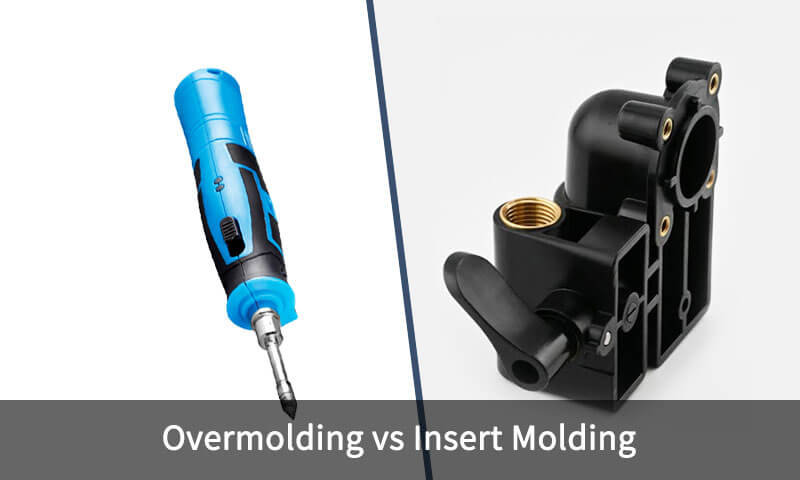
Ово је довело до широког усвајања процеса производње од више материјала. Међу њима, преливање и уметање су две од најважнијих и најчешће упоређених техника.
Иако се ова два термина понекад користе наизменично, они описују различите производне приступе и решавају различите инжењерске проблеме.
Преливање генерално укључује обликовање другог материјала преко постојеће подлоге како би се створила компонента од више материјала.
Уметнути калупљење, супротно, поставља претходно обликовани уметак—често метал—унутар калупа за ињектирање и инкапсулира га или делимично окружује пластиком.
Овај чланак пружа свеобухватан, упоредно поређење преливања и уметка.
1. Шта је овермоулдинг?
Пренаседан је процес бризгања у којем се један материјал обликује преко постојеће подлоге или претходно обликоване компоненте како би се створио интегрисани део од више материјала.
Прва компонента се обично назива подлоге, док је материјал примењен током операције секундарног обликовања преливни материјал.
У зависности од дизајна производа, подлога може бити чврста термопластика, еластомер, метална компонента, или други погодан претходно обликовани део.
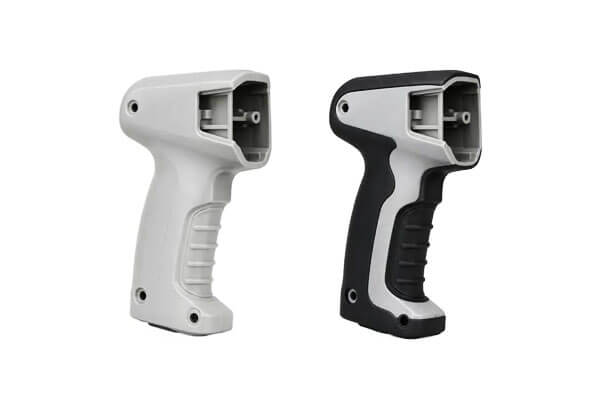
Типична преливена компонента може комбиновати крути структурни материјал са мекшим материјалом.
На пример, круто кућиште од АБС-а може да прими ТПЕ преливен како би се обезбедило удобно приањање, побољшати заптивање, или створити заштитну спољашњу површину.
Циљ није једноставно поставити један материјал на други. Интерфејс између два материјала мора да обезбеди адекватну адхезију, механичко задржавање, или комбинација оба да би издржала очекиване механичке карактеристике производа, термички, хемијски, и еколошки услови.
Како функционише овермоулдинг
Процес преливања обично почиње производњом подлоге.
Ово може укључивати посебну операцију бризгања, процес обраде, операција штанцања, Процес ливења умрлих, или други начин производње.
Након што се подлога прегледа, постављен је унутар другог калупа. Калуп је дизајниран да изложи области које треба да приме материјал за калуп док тачно лоцира и подржава подлогу.
Секундарни материјал се затим загрева на одговарајућу температуру обраде и убризгава у шупљину калупа.
Тече око предвиђених површина подлоге и формира потребну спољашњу геометрију.
Након пуњења и паковања, материјал се хлади и учвршћује пре него што се завршена компонента избаци.
Типичан ток посла је:
Производња подлоге → контрола подлоге → пуњење калупа → позиционирање → убризгавање секундарног материјала → паковање → хлађење → избацивање → инспекција
Квалитет финалног производа у великој мери зависи од дизајна интерфејса. Ако је потребна хемијска адхезија, подлога и материјал калупа морају имати довољну компатибилност.
Ако је механичко задржавање примарни механизам, подлога може захтевати жлебове, ребра, рупе, подрезати, или друге карактеристике које омогућавају другом материјалу да се закључа на месту.
Површинска контаминација је још један важан фактор. Уље, прашина, средства за ослобађање, оксидација, влагу, или други загађивачи могу ометати адхезију и довести до деламинације или превременог одвајања.
Уобичајени материјали за преливање
Преливање може користити широк спектар термопластичних и еластомерних материјала, али није свака комбинација материјала инхерентно компатибилна.
Избор материјала треба узети у обзир температуру топљења, Хемијска компатибилност, скупљање, Коефицијент топлотне експанзије, тврдоћа, флексибилност, карактеристике површине, и очекиваних услова услуге.
Уобичајене комбинације укључују:
| Подложни материјал | Овермолд Материал | Типична сврха |
| АБС | Тпе | Мекана на додир кућишта и ручке |
| ПЦ | Тпе | Производи отпорни на ударце са ергономским површинама |
| Најлон | ТПЕ/ТПУ | Индустријске ручке и флексибилни интерфејси |
| Пп | Тпе | Производи широке потрошње и печати |
| ПЦ/АБС | ТПУ | Заштитне и ергономске површине |
| Чврста термопластика | ЛСР | Заптивање и специјализоване флексибилне компоненте |
Типичне примене за преливање
Преливање је посебно корисно када производ мора да комбинује структуралне перформансе са мекоћом, флексибилност, заптивање, изолација, или побољшана ергономија.
Преливање се обично користи за:
- Ручке за ручни алат
- Аутомобилски прекидачи и команде
- Кућишта за потрошачку електронику
- Компоненте медицинског уређаја
- Носиви уређаји
- Заштита каблова и жица
- Компоненте заптивања
- Ручке и ергономски интерфејси
- Заштитне навлаке
- Контроле индустријске опреме
2. Шта је уметнути калуп?
Уметнути калупљење је процес бризгања у коме се претходно формирана компонента, познат као ан уметнути, је позициониран унутар калупа за ињектирање, а затим делимично или потпуно инкапсулиран растопљеном пластиком.
Уметак је често направљен од метала, иако пластични, керамички, електронски, а могу се користити и друге претходно обликоване компоненте.
За разлику од конвенционалног бризгања од једног материјала, уметак за обликовање комбинује независно произведену компоненту са бризганом пластиком током једне операције обликовања.
Пластика се учвршћује око уметка, производњу интегрисаног дела који може елиминисати накнадне операције монтаже.
На пример, уметак са навојем од месинга може се поставити унутар калупа и окружен најлоном.
После обликовања, добијена компонента садржи трајни метални интерфејс са навојем без потребе да се накнадно угради уметак са навојем.
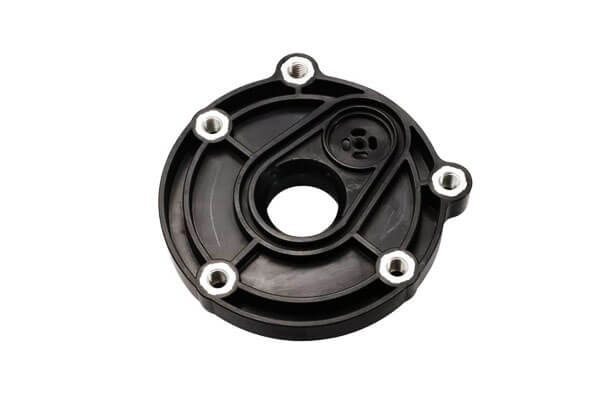
Како функционише уметање калупа
Обликовање уметка почиње производњом и прегледом уметка. Тачност димензија је посебно важна јер уметак мора правилно да се уклопи у калуп и да задржи свој одређени положај током убризгавања.
Уметак се затим ручно поставља у калуп, полуаутоматски, или преко аутоматизованог система утовара.
Наменска опрема, игле, шупљине, или се могу користити функције задржавања за спречавање кретања.
Када се калуп затвори, растопљена пластика се убризгава око уметка. Притисак убризгавања може бити значајан, тако да калуп мора да обезбеди довољну подршку да спречи померање уметка, деформишући, или постаје неусклађен.
Пластика се затим хлади и учвршћује око уметка. После избацивања, готова компонента се контролише на тачност димензија, уметнути положај, бљесак, празнине, пукотина, и друге недостатке.
Основни редослед је:
Производња уметака → инспекција уметака → уметање уметка → позиционирање и задржавање → затварање калупа → бризгање пластике → хлађење → избацивање → инспекција
За производњу великих количина, аутоматизовано пуњење уметака може се интегрисати у ћелију за калуповање. Ово може побољшати конзистентност циклуса уз смањење ручног руковања.
Уобичајени материјали за уметање
Метал је најпризнатији материјал за уметање јер пружа својства која пластика генерално не може да репродукује, као што је висока електрична проводљивост, издржљивост нити, укоченост, отпорност на хабање, или локализоване механичке чврстоће.
Уобичајени материјали за уметање укључују:
- Месинг
- Нехрђајући челик
- Карбонски челик
- Алуминијум
- Бакар и легуре бакра
- Инжењерске пластике
- Керамика
- Електронске компоненте
Типичне апликације за уметање калупа
Уметак се обично користи када производ захтева да метал или друга претходно обликована компонента буде трајно интегрисана у пластично тело.
Типичне апликације укључују:
- Шефови са навојем
- Електрични конектори
- Аутомобилски терминали
- Кућишта сензора
- Пребаците компоненте
- Медицински инструменти
- Компоненте структурне арматуре
- Прикључци за каблове
- Електронски склопови
- Прецизне механичке компоненте
3. Овермоулдинг вс Инсерт Молдинг: У чему је разлика?
Иако обе технологије интегришу више материјала или компоненти, њихова производна логика је другачија.
Најједноставнија разлика је:
Овермолдинг додаје нови материјал преко постојеће подлоге, док калуп за уметање обједињује или окружује претходно обликовани уметак бризганом пластиком.
Међутим, терминологија се може преклапати. У неким производним контекстима, Уметање калупа може се разматрати као шири облик преливања јер оба укључују материјал за обликовање око већ постојеће компоненте.
За инжењерску комуникацију, међутим, корисно је разликовати их на основу улоге претходно постојеће компоненте.
Поређење преливања и уметања калупа
| Фактор | Пренаседан | Инсерт Молдинг |
| Примарна сврха | Комбинујте различите особине материјала | Уградите претходно обликовани уметак у пластику |
| Већ постојећа компонента | Супстрат | Уметнути |
| Заједничка подлога/уметак | Пластика, еластомер, метал | Метал, пластика, керамички, електронска компонента |
| Типична комбинација | Чврста пластика + еластомер | Пластика + метал |
| Главни механизам интерфејса | Лепак, механичко преклапање, или обоје | Енкапсулација, механичко задржавање, адхезија у неким случајевима |
| Кључни проблем дизајна | Материјална компатибилност | Позиционирање и задржавање уметка |
| Типична примена | Дршка мекана на додир | Метални уметак са навојем |
| Површинска функција | Грип, печат, јастук, заштита | Електрични, механички, структурални, причвршћивање |
| Аутоматизација | Високо аутоматизован | Високо аутоматизован, али уметање је критично |
| Велики ризик | Деламинација или лоше везивање | Померање уметка или неусклађеност |
4. Овермоулдинг вс Инсерт Молдинг: Разматрање дизајна
Захтеви за дизајн за преливање и уметање калупа разликују се првенствено зато што ова два процеса управљају различитим интерфејсима.
Овермолдинг се фокусира на стварање поузданог интерфејса између подлоге и преливеног материјала, док се обликовање уметка фокусира на прецизно позиционирање и сигурно капсулирање претходно обликованог уметка.
| Разматрање дизајна | Пренаседан | Инсерт Молдинг |
| Материјална компатибилност | Изаберите компатибилне подлоге и материјале за преливање на основу адхезије, температура топљења, скупљање, тврдоћа, и топлотно ширење. | Уверите се да уметак може да издржи температуру и притисак калупа без деформације или нестабилности димензија. |
| Геометрија & Дебљина зида | Одржавајте уједначену дебљину калупа и обезбедите довољну површину за лепљење. Избегавајте нагле промене дебљине које могу изазвати скупљање, рата, или слабо везивање. | Обезбедите довољну дебљину пластике око уметка за чврстоћу и користите жлебове, грунтс, рупе, или рамена када је потребно додатно задржавање. |
| Везивање & Ретентион | Дизајнирајте интерфејс за хемијску адхезију, механичко преклапање, или обоје, у зависности од компатибилности материјала. | Дизајнирајте карактеристике механичког задржавања и инкапсулације како бисте издржали извлачење и ротацију. |
| Капија & Проток материјала | Поставите капије да бисте постигли уравнотежено пуњење и минимизирали линије заваривања, заробљавање ваздуха, и прекомерни стрес на интерфејсу. | Пажљиво контролишите проток материјала како бисте спречили померање уметка, непотпуна инкапсулација, или претераног притиска на уметак. |
Уметнути / Позиционирање подлоге |
Подлога мора бити тачно лоцирана и безбедно држана током убризгавања. | Прецизно позиционирање уметка је критично; игле за лоцирање, џепове, учвршћења, или може бити потребно аутоматско постављање. |
| Скупљање & Термално ширење | Узмите у обзир разлике у скупљању и термичком ширењу између подлоге и калупа да бисте спречили савијање, преостали стрес, и деламинација. | Узмите у обзир разлике у термичком ширењу између уметка и полимера, посебно у применама од метала до пластике, да би се спречиле варијације димензија и унутрашње напрезање. |
| Нацрт & Избацивање | Обезбедите адекватан нацрт и правилно постављене избациваче да бисте ослободили део без оштећења калупа или интерфејса. | Пажљиво дизајнирајте промају и избацивање како бисте спречили померање уметка, деформација, или лабављење током вађења из калупа. |
Толеранције |
Узмите у обзир димензије подлоге, дебљина калупа, Материјална скупљања, и могуће кретање интерфејса. | Рачун за димензије уметка, тачност позиционирања, скупљање полимера, и коначно место уметања. |
| ДФМ & Моулд Флов | Процените област везивања, проток материјала, дебљина зида, локација капије, и диференцијално скупљање пре алата. | Процените задржавање уметка, позиционирање, ток полимера, топлотно понашање, и потенцијално померање уметка пре алата. |
| Контрола квалитета | Фокусирајте се на снагу везивања, дебљина калупа, бљесак, делавање, рата, и димензионална тачност. | Фокусирајте се на позицију уметка, чврстоћа задржавања, инкапсулација, бљесак, празнине, и димензионална тачност. |
5. Услуге преливања по мери и уметања из ЛангХе индустрије
Лангхе индустрија пружа прилагођена решења за бризгање за апликације које захтевају преливање, уметнути калуп, и друге интегрисане технологије обликовања.
Наш производни приступ може подржати пројекте од почетног развоја производа и алата до производње и инспекције квалитета.
| Способност | Детаљи |
| Овермолдинг Типес | Два ударца (2К) пренаседан, пицк-анд-плаце овермоулдинг. |
| Инсерт Молдинг | Метални уметци (месинга, челик, бакар), керамички уметци, електронски уметци (Пцбс, сензори). |
| Материјали (Супстрат) | АБС, ПЦ, Најлон (ПА6, ПА66), Пп, Пбт. |
| Материјали (Овермолд) | Тпе, ТПУ, ЛСР, ПДВ, силикона. |
| Алат за алате | Ин-хоусе дизајн и производња алата. |
| Квалитет | ИСО 9001:2015 сертификован; 100% инспекција. |
| Временско време | 2–4 недеље за прототипове; 4–8 недеља за производни алат. |
6. Закључак
Преливање против уметања калупа није питање утврђивања који је процес универзално бољи. Обе су високо ефикасне технологије бризгања, али се баве различитим захтевима за развој производа.
Преливање је првенствено погодно за производе који треба да комбинују различите карактеристике материјала унутар једне интегрисане компоненте.
Посебно је драгоцен за површине меке на додир, ергономске ручке, флексибилне заптивке, јастук, изолација, и заштитни слојеви.
Његов успех у великој мери зависи од компатибилности материјала, дизајн интерфејса, лепак, механичко преклапање, и диференцијална контрола скупљања.
Уметнути калупљење, у супротности, је посебно ефикасан када претходно формирана компонента—често метални уметак—мора бити трајно интегрисана у пластичну структуру.
Широко је погодан за интерфејсе са навојем, Електрични терминали, компоненте арматуре, сензори, конектори, и друге примене где пластика и други материјал обављају комплементарне функције.
На крају, избор процеса треба да се заснива на целокупном производном систему, укључујући и материјално понашање, геометрија производа, алат за алате, стратегија везивања или задржавања, Јачина производње, аутоматизација, инспекција, и коштати животни циклус.
Често постављана питања
Која је разлика између уметка и калупа са два ударца?
Уметак калупа користи а претходно обликовани уметак који се ставља у калуп пре бризгања пластике.
Двоструко преливање обично производи два материјала узастопно коришћењем специјализованих алата и вишеструких фаза убризгавања, често без ручног убацивања посебно произведене подлоге између снимака.
Који процес је бржи: преливање или уметање калупа?
Обликовање уметка је генерално брже јер се користи само једно ињекцијско убризгавање. Прекомерно обликовање захтева два снимка или процес у више корака.
Који процес има мање трошкове алата?
Калуп са уметцима има ниже трошкове алата јер захтева само једну шупљину калупа. За преливање су потребна два одвојена калупа или сложени калуп за два комада.
Када треба да користим преливање?
Користите преливање када су вам потребне ручке меке на додир, водоотпорно заптивање, пригушење вибрација, или побољшана естетика.
Када треба да користим уметнуте калупе?
Користите уметнуте калупе када су вам потребне навојне везе високе чврстоће, електрична проводљивост, или структурно ојачање у пластичним деловима.
Могу ли се преливање и уметак користити заједно?
Да. Неки сложени делови комбинују оба процеса — на пример, метални навој уметнут са укалупљеним меким ручком на истој компоненти.
Да ли је калуповање уметцима врста преливања?
Терминологија се може преклапати јер оба процеса формирају материјал око већ постојеће компоненте.
Међутим, у практичној производној терминологији, пренаседан обично наглашава додавање другог слоја материјала или система материјала, док уметнути калуп посебно наглашава уграђивање претходно обликованог уметка у профилисану компоненту.
Може ли се метал користити за преливање?
Да. Металне подлоге се могу прелити одговарајућом пластиком или еластомерима.
Међутим, процес мора узети у обзир припрему површине, Термално ширење, лепак, механичко задржавање, и диференцијално скупљање.