

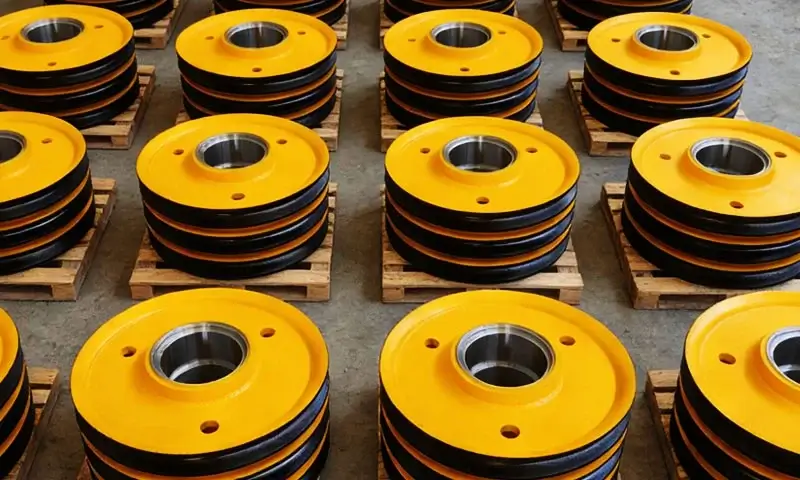
Прецизно ливење обезбеђује ефикасан пут производње за прилагођене кранске снопове јер може да репродукује релативно сложене геометрије метала уз одржавање контролисане конзистентности димензија и пружајући полазну тачку скоро мреже за накнадну машинску обраду.
Када се комбинује са одговарајућом селекцијом легуре, Контролирани топлотни третман, ЦНЦ обрада, и инспекција без разарања, прецизно ливење може произвести снопове прилагођене специфичним системима ужади и апликацијама за подизање.
Инжењерски циљ није једноставно произвести сноп који одговара склопу.
Циљ је да се произведе компонента чији је ливени интегритет, механичка својства, геометрија жлебова, тачност димензија, и стање површине остаје прикладно током поновљених сервисних циклуса.
Овај чланак испитује крански снопови за прецизно ливење из перспективе дизајна компоненти, материјално инжењерство, ливничка производња, обрада, Контрола квалитета, и перформансе апликације.
1. Шта је крански сноп?
А крански сноп је жлебљени точак који се користи за вођење, преусмерити, подршка, или дистрибуирати жичано уже унутар дизалице или другог механизма за подизање.
Жичано уже се протеже око обима снопа, док се сноп окреће око осовине, пин, или главчине на лежајевима.
У зависности од конфигурације крана, један или више снопова се може уградити у блок снопа, систем за реевинг, бум глава, склоп колица, или други механизам за подизање.
Основна сврха снопа је јасна: мења правац жичаног ужета и омогућава ужету да се креће под оптерећењем са смањеним трењем и контролисаним савијањем.
Његова стварна механичка функција, међутим, је знатно захтевнији.
Када натоварено жичано уже пређе преко снопа, конопац се више пута савија и одвија. Жлеб снопа подржава конопац и распоређује контактне силе преко дефинисаног региона.
У исто време, сам сноп мора да издржи силе које се преносе кроз уже без прекомерне деформације, пуцање, носити, или губитак поравнања.
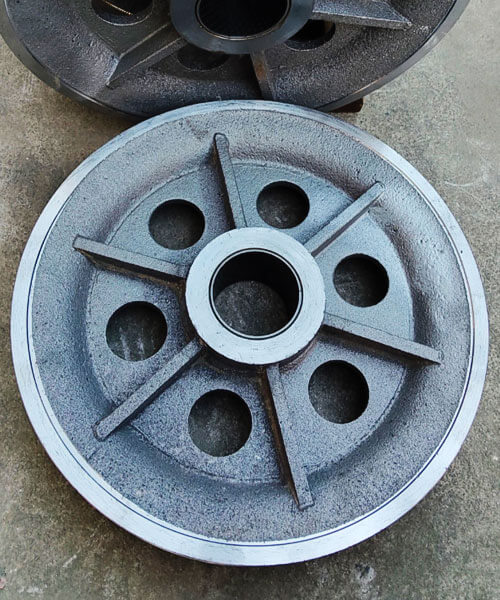
Основна структура кранских снопова
Конвенционална дизалица се углавном састоји од неколико функционалних подручја:
| Компонента | Примарна функција | Кључна инжењерска разматрања |
| Схеаве Боди | Подржава конопац и преноси оптерећење | Снага, укоченост, интегритет ливења |
| Ропе Гроове | Прима и води жичано уже | Радијус, дубина, профил, површинска завршна обрада |
| Хуб | Повезује сноп са ротирајућим носачем | Пренос оптерећења, дебљина зида |
| Досадити | Прилагођава осовину или распоред лежајева | Пречник, толеранција, концентричност |
| Прирубница | Помаже у задржавању жичаног ужета | Висина, крутост, клиренс |
| Беаринг Сеат | Подржава лежиште где је применљиво | Димензионална тачност, површинска завршна обрада |
| Кеиваи / Карактеристике монтаже | Преноси обртни момент или осигурава склоп | Положај, геометрија, поравнање |
2. Уобичајени материјали за кранске снопове
Избор материјала је једна од најважнијих одлука у производњи кранских снопова по мери, јер материјал утиче на снагу, жилавост, отпорност на хабање, понашање код умора, отпорност на корозију, обрада, одговор на топлотну обраду, и перформансе ливења.
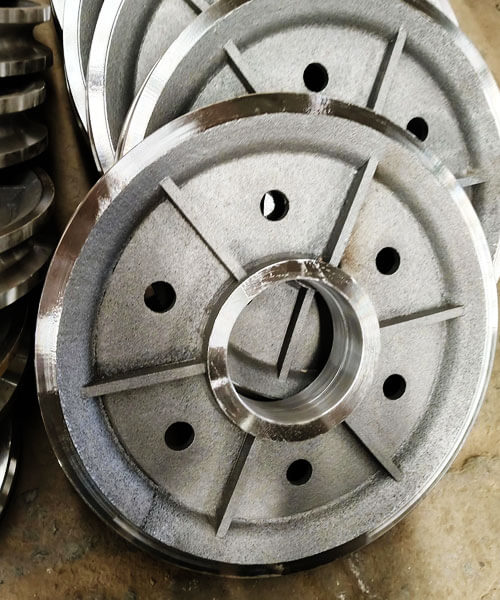
Кастинг од карбонских челика
Угљенични челик је широко применљив на опште индустријске компоненте јер пружа корисну комбинацију чврстоће, жилавост, обрада, завабилност, и економичност.
За кранске снопове, угљенични челик може бити прикладан тамо где услови рада не захтевају повећану чврстоћу, Очвршљивост, или отпорност на корозију повезану са више легираних материјала.
Тачан тип челика треба изабрати према потребним механичким својствима, величина пресека за ливење, услов термичке обраде, оперативно окружење, и применљиве техничке спецификације.
Одливци од легираног челика
Легирани челици постају атрактивни када је сноп подвргнут захтевнијем оптерећењу или када је повећана каљивост, жилавост, снага, или је потребна отпорност на хабање.
Легирајући елементи као што је манган, хром, молибден, и никл се могу користити у различитим комбинацијама за модификовање одговора материјала на топлотну обраду и оптерећење.
За тешке кранске снопове, предност легираног челика није само већа чврстоћа. Исправан дизајн легуре може помоћи у постизању уравнотеженије комбинације:
Снага + жилавост + отпорност на умор + Очвршљивост + отпорност на хабање
Ова равнотежа је посебно важна када сноп садржи релативно дебеле делове где уједначен одговор на топлотну обраду може постати тежи.
нерђајући челик
Нерђајући челик се може узети у обзир за специјализоване кранске снопове изложене корозивним условима, укључујући марину, обалски, на одбору, хемијски, или окружења за прање.
Међутим, нерђајући челик не треба аутоматски сматрати најбољом опцијом само зато што има супериорну отпорност на корозију.
Избор материјала мора узети у обзир механичко оптерећење, понашање при хабању, трошак, захтеви за машинску обраду, и стварна корозивност животне средине.
За многе апликације за подизање тешких терета, правилно пројектован угљенични или легирани челик са одговарајућим заштитним системом може бити практичнији од нерђајућег челика.
Дуктилни гвожђе
Нодуларно гвожђе може пружити атрактивне карактеристике ливења заједно са корисном снагом, жилавост, отпорност на хабање, пригушивање вибрација, и димензионална стабилност.
Његова применљивост у великој мери зависи од захтева дизајна и оптерећења.
Не треба га бирати само зато што је његова способност ливења повољна; морају се проценити комплетна механичка оптерећења и последице квара примене.
3. Процес прецизног ливења кранских снопова
Прецизно ливење је ефикасан начин производње за производњу кранских снопова сложених профила, интегрисана чворишта, структурне транзиције, и друге геометрије које би биле скупе или неефикасне за производњу у потпуности машинском обрадом.
За прилагођене кранске снопове, Инвестициони ливење (Изгубљени ливење воска) је посебно вредан јер процес може да репродукује сложене геометрије са релативно малим толеранцијама ливења и структуром скоро мреже, док накнадна ЦНЦ обрада успоставља критичне функционалне димензије.
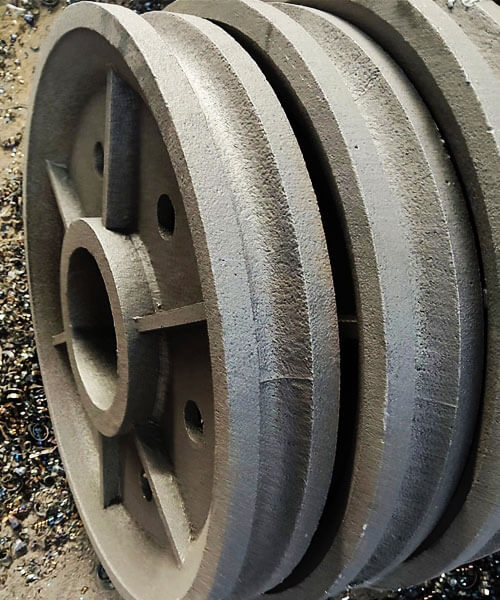
Инвестиционо ливење (Изгубљени ливење воска) Процес
| Позорница | Корак процеса | Опис | Кеи Цонтролс |
| 1. Инжењеринг & Алат за алате | ДФМ анализа | 2Д цртеж или 3Д ЦАД модел се прегледа ради изводљивости ливења, дебљина зида, прелазе, скупљање, Додаци за обраду, и захтеви за гајтинг. | Симулација ливења; Димензионални захтеви; нацрт; полупречник филета; додатак за машинску обраду |
| 2. Паттерн Продуцтион | Ињекција воска | Восак се убризгава у прецизан алат да би се произвео тачан жртвени узорак који представља геометрију снопа дизалице. | Температура воска; притисак убризгавања; притисак; време циклуса; димензије шаблона |
| Инспекција узорка | Узорци воска се проверавају на изобличење, непотпуно пуњење, бљесак, димензионална варијација, и површинских недостатака. | Димензије узорка; визуелни преглед; димензионална конзистенција | |
| 3. Скупштина узорка | Монтажа дрвета | Појединачни узорци воска су причвршћени за централни систем спрудова са клизачима и капијама дизајнираним да обезбеде контролисан проток метала. | Изглед улаза; оријентација узорка; размак; димензије тркача |
| 4. Зграда шкољке | Премаз за кашу | Склоп воска се више пута потапа у керамичку кашу и прекрива ватросталном штукатуром како би се створила вишеслојна керамичка шкољка. | Вискозност суспензија; дебљина слоја; време сушења; влажност; величина честица штукатуре |
| Ојачање шкољке | Додатни керамички слојеви се наносе све док шкољка не добије довољну чврстоћу и пропустљивост за изливање метала. | Дебљина шкољке; услови сушења; интегритет љуске | |
5. Девексирање |
Аутоклав / флеш депаратирање | Састављена шкољка се загрева да би се уклонио воштани узорак и оставила чиста керамичка шупљина. | Температура; парни притисак; стопа грејања; време депаравања |
| 6. Штрајк | Печење керамике | Керамичка шкољка се пече на повишеној температури да би се уклонио преостали восак, ојачати калуп, и успостави термичку стабилност. | Температура пећи; стопа грејања; време задржавања; температура љуске |
| 7. Топљење | Индукционо топљење | Одабрана легура се топи у контролисаној пећи и доводи до потребног хемијског састава и стања сипања.. | Хемија легуре; температура топљења; време задржавања; растопити чистоћу |
| 8. Верификација метала | Хемијска анализа | Истопљени метал се анализира да би се проверило да ли његов састав одговара наведеном степену легуре пре изливања. | Спектрометријска анализа; контрола материјала набоја; број топлоте |
9. Сипајући |
Гравитација / контролисано изливање | Истопљени метал се уводи у претходно загрејану керамичку шкољку кроз пројектовани систем за затварање. | Температура изливања; половне стопе; калуп загрејати; стабилност пуњења |
| 10. Очвршћавање | Контролисано хлађење | Одливање се учвршћује унутар керамичког калупа. Напајање и усмерено очвршћавање се контролишу да би се смањило скупљање и други унутрашњи дисконтинуитети. | Топлотни градијенти; ефикасност успона; брзина хлађења; дебљина секције |
| 11. Кноцкоут | Уклањање љуске | Након довољног хлађења, керамичка шкољка се механички уклања са металног одливака. | Интензитет вибрације; метода уклањања шкољке; заштита од ливења |
| 12. Прекинути | Уклањање капије и успона | Спруес, тркачи, капија, а дизачи су одвојени од ливења кранских снопова. | Локација сечења; параметри абразивне тестере; руковање делом |
13. Цастинг Финисхинг |
Млевење / размазивање | Преостале капије, пераје, бљесак, и приањајућа керамика се уклањају и површина се припрема за накнадну обраду. | Абразивни тип; притисак минирања; додатак за млевење; стање површине |
| 14. Топлотни третман | Нормализација / К&Т / ублажавање стреса | Одлив је термички обрађен према легури и потребним механичким својствима. | Температура пећи; време намакања; брзина хлађења; тврдоћа |
| 15. ЦНЦ обрада | Окретање / досадан / обрада жлебова | Функционалне карактеристике као што је проврт, чвор, лежиште лежаја, жлеб за уже, а монтажне површине су машински обрађене до коначних димензија. | Димензионална толеранција; концентричност; роњење; храпавост површине |
| 16. Коначна инспекција | Димензионална и НДТ контрола | Готов сноп се прегледа да би се проверила геометрија, механичка својства, стање површине, и, где је наведено, унутрашњи интегритет. | Цмм; тврдоћа; УТ/МТ/ПТ/РТ према потреби; визуелни преглед |
4. Обрада жлебова за ужад и обрада површине
Жлеб за ужад је једна од најважнијих функционалних карактеристика снопа дизалице јер утврђује како је жичано уже подупрто, вођени, и савијен током рада.
Чак и када тело ливења има одличан металуршки интегритет, неправилно обрађен жлеб може убрзати хабање ужета, повећати локални контактни стрес, промовишу неравномерно оптерећење, и смањити век трајања и конопца и снопа.
Обрада жљебова након ливења
Инвестиционо ливење или други процеси прецизног ливења могу да произведу сноп готовог облика, али завршни жлеб за ужад обично захтева машинску обраду када су контролисана геометрија и завршна обрада критични.
Редослед машинске обраде може укључивати:
Провера ливења → успостављање датума → грубо стругање → обрада жлебова → завршно токарење → верификација димензија
Шипка се прво безбедно лоцира коришћењем одговарајућих података. Референца за машинску обраду треба да буде успостављена од функционалне средишње линије компоненте, а не од произвољне ливене површине.
Ово је посебно важно за велике или асиметричне снопове јер се варијације ливења иначе могу пренети директно у крајњи положај жлеба.
Концентричност и избочење жлебова
Однос између жлеба ужета и отвора снопа је критичан.
Ако жлеб није концентричан са провртом, конопац може доживети промену радијалног положаја док се сноп ротира.
Прекомерно истицање може довести до цикличних варијација у контакту ужета и оптерећења и може допринети вибрацијама или убрзаном хабању компоненти.
За прецизне кранске снопове, произвођачи би стога требало да утврде критеријуме инспекције за:
- Концентричност од жлеба до отвора
- Радијални излаз
- Аксијално трчање
- Пречник отвора
- Пречник жлеба
- Гроове профил
- Димензије прирубнице
Дозвољене вредности треба да потичу из инжењерског цртежа или применљиве спецификације, а не да се додељују универзално.
Површинска обрада жлеба за уже
Завршна обрада мора бити довољно контролисана како би се спречило непотребно хабање жичаног ужета уз одржавање жељене геометрије контакта.
А грубо, поцепана, порозан, или неправилно брушени жлеб може створити локализоване неравнине које делују као концентрације напона или абразивне тачке.
Обрнуто, завршну обраду површине не треба користити за компензацију неправилног профила жлебова.
Секвенца припреме површине може укључивати:
- Груба обрада
- Полузавршна обрада
- Завршите обраду
- Огуљен
- Контролисано полирање или брушење где је наведено
- Завршно чишћење
Потребну храпавост површине треба дефинисати у складу са спецификацијом ужета и снопа.
Јединствену нумеричку вредност Ра не треба третирати као универзално применљиву јер различите конструкције ужета и услови рада могу захтевати различите критеријуме површине.
5. Топлотна обрада ливених кранских снопова
Топлотни третман је критична фаза у производњи ливених кранских снопова, посебно када се користи угљенични челик или легирани челик.
Ливење успоставља основну геометрију компоненте, али ливена микроструктура није нужно оптимална структура за захтевне механичке услуге.
Правилно контролисан процес топлотне обраде може модификовати микроструктуру и побољшати потребну комбинацију снага, тврдоћа, жилавост, отпорност на умор, и димензионална стабилност.
Одговарајући пут термичке обраде зависи од хемије легуре, величина пресека за ливење, потребна механичка својства, и спецификација купца.
Уобичајени процеси топлотне обраде
Нормализација
Нормализација подразумева загревање челика до одговарајућег температурног опсега изнад његове температуре трансформације, држећи га довољно времена, а затим хлађење на ваздуху.
За ливене челике, нормализација може помоћи у пречишћавању и хомогенизацији микроструктуре и смањењу неких неуједначености повезаних са ливењем.
Може се користити када је потребна умерена до висока чврстоћа у комбинацији са разумном жилавошћу и стабилношћу димензија.
Враголовање
Жарење генерално укључује загревање праћено контролисаним хлађењем.
Може смањити тврдоћу, побољшати обрадивост, ублажити унутрашње напрезање, и производи мекше, стабилније металуршко стање.
Жарење може бити корисно као међупроцес где су накнадни захтеви машинске обраде посебно захтевни.
Гашење и каљење
За погодне легиране и угљеничне челике, угасити и темперирати (К&Т) третман се може користити за добијање значајно повећане чврстоће и тврдоће заједно са контролисаном жилавости.
Основни процес је:
Аустенитизација → Каљење → Каљење
Корак гашења производи тврђу микроструктуру, док каљење смањује прекомерну ломљивост и прилагођава коначну равнотежу чврстоће и жилавости.
За тешко оптерећене компоненте дизалица, фаза каљења је посебно важна јер максимална тврдоћа није нужно еквивалентна оптималном сервисном учинку.
Ублажавање стреса
Термичка обрада за ублажавање напрезања може се користити за смањење заосталих напона насталих током ливења, заваривање, обимна обрада, или претходна термичка обрада.
Ово може бити посебно корисно за велике снопове где је важна стабилност димензија.
6. Уобичајени дефекти ливења кранских снопова и њихови основни узроци
Дефекти ливења могу значајно утицати на поузданост конструкције кранских снопова.
Пошто је сноп циклички оптерећена компонента, унутрашњи дисконтинуитети који се могу толерисати у декоративном ливењу са ниским напрезањем могу постати важни када је компонента изложена поновљеним оптерећењима подизања.
| Дефект | Опис | Основни узрок | Превентивне мере |
| Порозност скупљања | Унутрашње празнине | Недовољно храњење током очвршћавања. | Оптимизирајте дизајн успона; користите мрзлицу; симулација. |
| Порозност гаса | Мале заобљене празнине | Приколица за гас; растворених гасова у топљењу. | Спалити да се растопи; побољшати праксу изливања; чисто пуњење. |
| Топле сузе | Пукотине | Затезни напон током очвршћавања. | Смањите температуру сипања; побољшати склопивост шкољке. |
| Инклузије песка | Ембеддед санд | Ерозија керамичке шкољке. | Побољшајте снагу шкољке; Смањите турбуленција. |
Египат |
Непотпуно пуњење | Ниска температура изливања; недовољно метала. | Повећајте температуру сипања; побољшати гајтинг. |
| Хладноће | Површински кругови | Два тока се састају без фузије. | Повећајте температуру сипања; побољшати гајтинг. |
| Димензионална варијација | Димензије ван толеранције | Ношење узорака; проширење љуске. | Одржавајте алате; процес контролне шкољке. |
| Лоша завршна обрада површине | Груба површина | Груба керамика; дефекти шкољке. | Користите финију љуску; побољшати процес шкољке. |
7. Примене кранских снопова за прецизно ливење
Прецизни ливени крански снопови се користе у системима за подизање где се жичана ужад морају преусмерити, подржано, или реевед уз одржавање контролисаног контакта ужета и механичке поузданости.
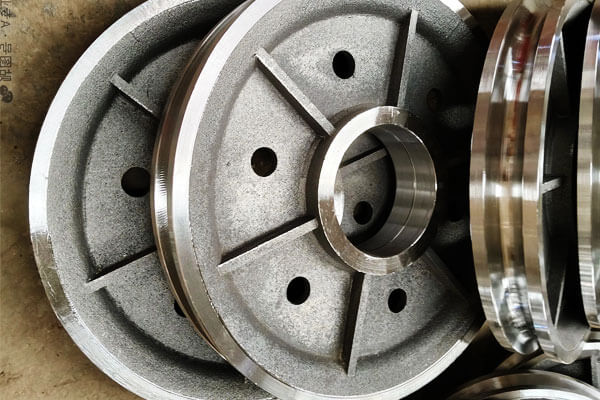
Мостне и ЕОТ дизалице
Мостне дизалице и електрична надземна путовања (ЕОТ) дизалице обично користе снопове у блоку кука, механизам за дизање, и систем за реевинг.
Ове апликације обично захтевају:
- Висока отпорност на поновно оптерећење
- Прецизна геометрија ужета
- Добар ротациони баланс
- Поуздани интерфејси лежајева
- Контролисана концентричност између проврта и жлеба
- Адекватна отпорност на замор
За често цикличне производне дизалице, Трајност снопа може имати директан утицај на интервале одржавања јер су хабање жлебова и замор ужета уско повезани.
Прилагођени ливени снопови су посебно корисни када произвођачу крана требају димензије оптимизоване за одређени бубањ, кука блок, жичано уже, или инсталациони омотач.
Портални и портални кранови
Порталне и порталне дизалице се широко користе за руковање контејнерима, бродоградилишта, индустријска дворишта, челичане, и руковање тешким материјалом.
Њихови снопови могу доживети релативно високе напетости ужета и динамичко оптерећење.
Додатно, спољне инсталације излажу компоненте киши, влажност, прашина, Флуктуације температуре, и потенцијално корозивни атмосферски услови.
Избор материјала стога постаје важан део дизајна.
Угљенични или легирани ливени челик може бити прикладан за опште примене у тешким условима, док легуре отпорне на корозију или заштитни системи за завршну обраду могу постати релевантнији у морским срединама.
За велике порталне дизалице, димензионална стабилност и структурални интегритет ливења су посебно важни јер димензије снопа могу постати значајне.
Торањски кранови
Торањски кранови користе снопове за подизање, колица, и механизме за луффинг. Просторна ограничења, усмеравање ужета, и релативно високи радни циклуси чине оптимизацију димензија важном.
Прилагођени сноп ће можда морати да задовољи неколико конкурентних захтева:
Довољно велика да смањи озбиљно савијање ужета, али довољно компактан да стане унутар механичког омотача дизалице.
Профил жлеба такође мора одговарати одабраном жичаном ужету, док главчина и распоред лежајева морају да се интегришу са постојећим компонентама дизалице.
Прецизно ливење може да обезбеди флексибилност у развоју сложених конфигурација главчине и прирубнице без потребе да се цела компонента обради из великог дела..
Порт, Харбоур, и контејнерске дизалице
Лучке дизалице раде под захтевним комбинацијама:
- Висока оптерећења подизања
- Висока искоришћеност
- Континуирано или полуконтинуирано дежурство
- Атмосфере пуне соли
- Динамичко учитавање
- Строги захтеви за одржавање
Снопови који се користе у овим системима могу стога захтевати комбинацију механичке чврстоће, отпорност на хабање, отпорност на умор, Заштита од корозије, и прецизна обрада.
Тамо где је корозија јака, нерђајући или дуплекс нерђајући одливци могу се узети у обзир за одређене компоненте, иако избор мора бити заснован на потпуним механичким и еколошким захтевима, а не само на отпорности на корозију.
Бродоградња и поморски кранови
Поморске дизалице обично раде у влажним условима, окружења са сланом водом у којима корозија може значајно утицати на животни век компоненти.
Могу се користити прецизно ливени крански снопови:
- Системи за подизање бродова
- Дизалице за бродоградилиште
- Палубне дизалице
- Поморски системи за руковање
- Опрема за подршку на мору
За ове апликације, произвођач мора узети у обзир не само расути материјал већ и стање обрађених површина, причвршћивачи, лежајеви, заштитни премази, одводњавање, и одржавање.
Локализована корозија на жлебу, чвор, или носећи интерфејс може бити посебно непожељан јер су ове области функционално критичне.
Оффсхоре Цранес
Системи за подизање на мору намећу посебно захтевне услове рада јер комбинују висока механичка оптерећења са морском корозијом, кретање изазвано ветром, вибрација, и потенцијално озбиљних динамичких ефеката.
Можда ће бити потребна прецизна ливена дизалица за употребу на мору:
- Висока жилавост прелома
- Контролисани хемијски састав
- Квалификована топлотна обрада
- Материјал или премаз отпоран на корозију
- Екстензивно НДТ
- Сертификација следљивог материјала
- Чврста контрола димензија
За такве апликације, инжењерска спецификација треба детаљно да дефинише тражене критеријуме прегледа и прихватања. Сама класа материјала није довољна за утврђивање подобности.
Рударство и тешке индустријске дизалице
Рударски објекти, челичане, ливнице, електране, и тешке производне операције често користе дизалице у срединама које карактерише прашина, вибрација, Повишене температуре, висока искоришћеност, и тешка оптерећења.
Ножеви за ове примене могу захтевати повећану отпорност на:
- Циклични замор
- Механички удар
- Ношење утора
- Контаминација
- Повишене радне температуре
- Абразивна окружења
Одливци од легираног челика са одговарајућом топлотном обрадом могу да обезбеде снажну комбинацију механичких својстава где су потребне перформансе у тешким условима.
Грађевинска и транспортна опрема
Грађевински кранови, дизалице, витла, и системи за руковање материјалом такође користе снопове за преусмеравање жичаног ужета и одржавање контролисаног насипања.
Захтеви се знатно разликују. Релативно мали сноп дизалице може дати предност цијени и компактности, док грађевинска дизалица великог капацитета може захтевати високо пројектоване жлебове и интерфејсе лежајева.
Ова разноликост апликација је један од разлога зашто би способан произвођач по мери требало да буде у могућности да подржи вишеструке материјале и производне руте уместо да приморава сваку апликацију у један стандардни дизајн.
8. Предности прецизног ливења за кранске снопове
| Предност | Инжењерска вредност |
| Могућност скоро мреже | Смањује непотребну машинску обраду |
| Сложена геометрија | Подржава оптимизовано чвориште, прирубница, и структурне карактеристике |
| Флексибилност материјала | Омогућава избор легуре за специфичну примену |
| Интегрисана производња | Ливење и ЦНЦ обрада могу се дизајнирати заједно |
| Поновно постављање | Корисно за ОЕМ и производњу резервних делова |
| Смањени материјални отпад | Мање уклањања од машинске обраде са великих залиха |
| Прилагођавање дизајна | Подржава геометрију специфичну за апликацију |
| Скалабилна производња | Погодно за поновну производњу када је алатка оправдана |
9. Прецизно ливени крански снопови вс. Ковани и израђени снопови
Избор међу прецизно ливење, ковање, и измишљотина требало би да буде засновано на стварним инжењерским захтевима кранског снопа, а не на претпоставци да је један производни процес универзално супериорнији.
Сваки метод ствара другачији баланс геометрије, искоришћеност материјала, механичка својства, флексибилност производње, захтеви за машинску обраду, и коштати.
За прилагођене кранске снопове, централно питање стога није једноставно „Који је процес јачи?" него радије:
Који производни процес може најефикасније испоручити потребну носивост, умор умора, тачност ужета, структурни интегритет, димензије, Јачина производње, и поузданост услуге?
Следеће поређење се фокусира на основне инжењерске разлике које су важне при избору правца производње за кранске снопове.
| Кључна разлика | Прецизно ливени крански снопови | Ковани крански снопови | Фабрицатед / Заварени снопови |
| Бест Фит | Сложен, прилагођени снопови који захтевају геометрију облика скоро мреже и поновну производњу | Примене високе чврстоће и критичне за замор | Веома велик, ниска количина, или високо прилагођене снопове |
| Геометрија & Дизајн слобода | Одличан за сложена чворишта, прирубница, ребра, и прелазе | Умерен; геометрија мора бити компатибилна са ковањем | Одличан кроз вишеделну конструкцију |
| Механичке перформансе | Одлично када се квалитет ливења и топлотна обрада правилно контролишу | Одличан, посебно за апликације високе чврстоће и замора | Добри, али у великој мери зависи од дизајна и квалитета завара |
| Ефикасност материјала | Високо, са релативно мало вишка материјала | Умерен; углавном је потребан додатак за машинску обраду | Променљив; зависи од плоче, прстен, и распоред компоненти |
| Махининг Рекуиремент | Умерен; углавном критичне функционалне површине | Умерен до високо | Умерен до високо |
| Могућност великог пречника | Добри, али зависи од опреме за ливење и процеса | Ограничено капацитетом ковања и алатима | Одличан за веома велике структуре |
Јачина производње |
Погодан за понављање ОЕМ производње | Најпогоднији за поновну производњу где је алатка оправдана | Погодан за производњу у малом обиму или за производњу засновану на пројекту |
| Трошак алата | Умерен | Високо | Релативно низак |
| Главна брига о квалитету | Дефекти ливења као што је скупљање, порозност, и инклузије | Квалитет материјала, ковање интегритета, и контролу термичке обраде | Дефекти заваривања, преостали стрес, и изобличење |
| Главна предност | Сложена геометрија + прилагођавање + Блиско-нето облик | Високе механичке перформансе | Велика величина + структурална флексибилност |
| Главно ограничење | Захтева строгу контролу ливнице и НДТ | Већи трошкови алата и обраде | Више изазова заваривања и контроле димензија |
10. Зашто одабрати ЛангХе индустрију за прилагођене снопове за кранске снопове за прецизно ливење?
Одабир добављача кранских снопова треба да иде даље од поређења цена ливења.
Пошто компонента комбинује структурно ливење, топлотни третман, прецизна обрада, геометрија контакта са ужетом, и инспекција, способност добављача да контролише комплетан производни ланац је често важнија од самог процеса номиналног ливења.
Лангхе индустрија може приступити прилагођеним прецизним ливеним кранским сноповима као интегрисаном производном пројекту, повезивање инжењеринг преглед, развој ливења, обрада, завршњак, и инспекција квалитета.
| Способност | Детаљи |
| Материјали | Карбонски челик (ВЦБ), ливени челик, дуктилни гвожђе (60-40-18, 65-45-12, 80-55-06), нерђајући челик (ЦФ-8, ЦФ-8М, 17-4ПХ), легура челика (4140, 4340) |
| Процес ливења | Инвестициони ливење, ливење песка. |
| Део тежине | 0.5 кг то 500 кг. |
| Толеранције | ± 0.1-0.3 мм (ЦТ5-ЦТ7 по ИСО 8062). |
| Квалитет | ИСО 9001:2015 сертификован; 100% инспекција; Цмм; површински профилометар; НДТ (Рендген, дие пенетрант). |
| Временско време | 6–12 недеља за алат; 2–4 недеље за поновљене поруџбине. |
11. Закључак
Покретна дизалица је компонента релативно једноставног изгледа са захтевном механичком функцијом. Мора више пута да води и савија жичано уже док преноси оптерећење кроз главчину, лежајеви, и носеће конструкције.
Сходно томе, геометрија жлебова, интегритет материјала, услов термичке обраде, тачност обраде, концентричност, и квалитет површине доприносе стварним перформансама снопа.
Прецизно ливење нуди убедљив пут производње за прилагођене кранске снопове када је сложена геометрија, производња у облику скоро мреже, Флексибилност материјала, и поновљивост су важне.
Може да смањи непотребну машинску обраду док омогућава инжењерима да интегришу чворишта, прирубница, ребра, прелазе, и друге структурне карактеристике у одливу.
ЛангХе Индустрија пружа прилагођени производни приступ за прецизно ливене кранске снопове, комбиновање инжењеринга ливења, Избор материјала, ЦНЦ обрада, топлотни третман, завршњак, и инспекција ради подршке ОЕМ захтевима специфичним за апликацију.
Постављана питања
Шта је сноп дизалице за прецизно ливење?
Прецизно ливење дизалице је сноп жичане ужади произведен коришћењем контролисаног процеса ливења, обично улагање или други метод ливења оријентисан на прецизност, праћено машинском обрадом критичних функционалних површина.
Ливење ствара примарну геометрију, док ЦНЦ обрада успоставља карактеристике као што је жлеб ужета, боре, и лежишта.
Зашто користити прецизно ливење уместо машинске обраде снопа дизалице од чврстог челика?
Прецизно ливење може произвести већи део коначне геометрије пре машинске обраде.
Ово може смањити уклањање материјала, време обраде, и материјални отпад, а истовремено омогућава већу слободу за сложена чворишта, прирубница, ребра, и структурне транзиције.
Да ли је ливени сноп дизалице јак као ковани сноп?
Не постоји универзални одговор. Правилно дизајнирана и обрађена сноп од ливеног челика може пружити одличне механичке перформансе,
али ковање може понудити предности у апликацијама где су потребна високо консолидована кована структура и специфична својства замора.
Погодност зависи од материјала, геометрија, Величина секције, топлотни третман, лоадинг, и инспекцијских захтева.
Шта је најважнији фактор квалитета за сноп дизалице?
Не постоји јединствени параметар који одређује квалитет. Интегритет ливења, механичка својства, геометрија жлебова, поравнање проврта, стање површине, а тачност димензија мора да функционише заједно.
За сигурносно критичне апликације, ове карактеристике треба верификовати у односу на одобрену инжењерску спецификацију и план инспекције.
Како се може побољшати радни век дизалице?
Радни век се може побољшати правилним димензионисањем снопа до ужета, одговарајућа геометрија жлеба, одговарајући избор материјала, правилно подмазивање и одржавање,
тачно поравнање, контролисан квалитет производње, и благовремену замену када хабање жлебова или друга оштећења пређу наведену границу.

