

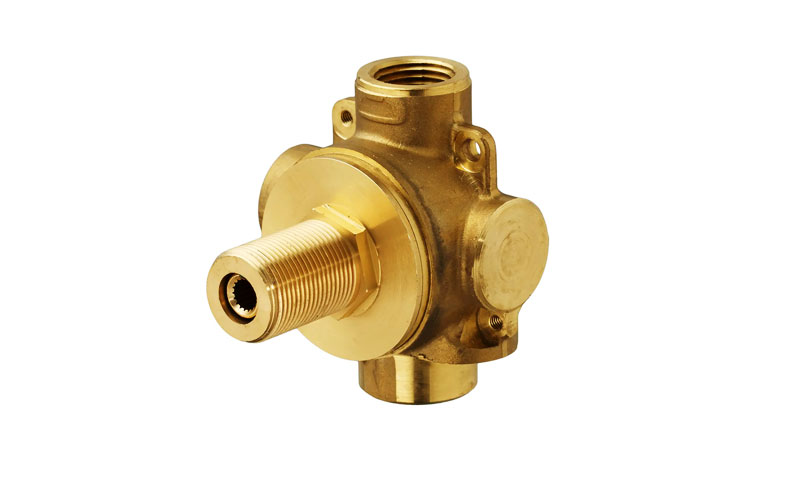
Прекретни вентили су битне компоненте у системима за руковање течностима, омогућавајући преусмеравање тока са једног пута на други.
Ови вентили се широко користе у водоводу, грејање, вентилација, клима уређај (ХВАЦ), пречишћавање воде, и индустријска прерада.
Међу разним материјалима који се користе за одводне вентиле, месинг се истиче као пожељан избор због своје одличне обрадивости, отпорност на корозију, антимикробна својства, и естетска жалба.
Производња висококвалитетних месинганих преклопних вентила захтева комбинацију прецизног ливења и напредне ЦНЦ обраде.
Изгубљени ливење воска (Инвестициони ливење) је идеалан метод за израду сложених унутрашњих пролаза и сложене геометрије тела преклопних вентила.
У комбинацији са прецизном ЦНЦ обрадом, овај процес даје вентиле са изузетном прецизношћу димензија, Глатке површинске завршне обраде, и поуздане перформансе.
1. Шта је месингани разводни вентил?
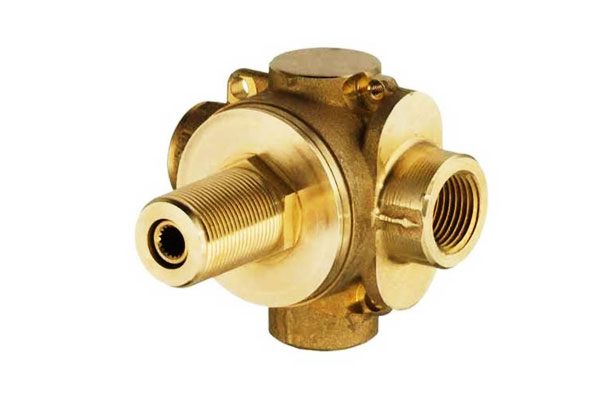
А месингани преклопни вентил је уређај за контролу течности са више портова дизајниран за преусмеравање, одабрати, или дистрибуирати проток флуида између различитих токова.
За разлику од конвенционалног вентила за затварање са два прикључка, преклопни вентил користи више прикључака и унутрашњи покретни елемент да одреди који су пролази повезани на датом радном положају.
Тело вентила је обично компонента која садржи притисак. Укључује улазне и излазне отворе, унутрашњи проточни пролази, вентилска комора, заптивне интерфејсе, и карактеристике повезивања.
Унутрашњи елемент - обично лопта, прикључак, кертриџ, или механизам са вретеном—мења путању протока када се вентил ротира или активира.
Типичан преклопни вентил са три прикључка, на пример, могу да раде у две основне позиције:
Положај А: Улаз → Излаз А
Положај Б: Улаз → Излаз Б
Софистицираније конфигурације могу комбиновати или изоловати путеве протока у зависности од захтева процеса.
Перформансе месинганог преклопног вентила зависе више од његове способности да промени проток.
Вентил мора одржавати интегритет притиска, контролисаног отпора протока, поуздано искључивање, Димензионална стабилност, и поновљиво заптивање током предвиђеног радног века.
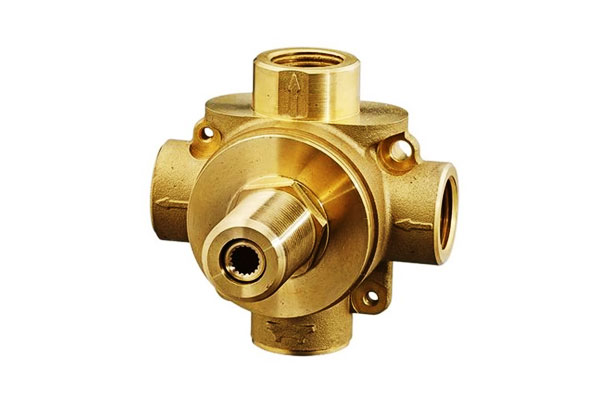
Врсте преклопних вентила
| Уписати | Опис | Типичне апликације |
| 3-Ваи Дивертер Валве | Један улаз, два излаза (или обрнуто). | Туш системи, вентили за мешање, ХВАЦ, контрола процеса. |
| 4-Ваи Дивертер Валве | Два улаза, два излаза. | Системи грејања, топлотне пумпе, примене обрнутог тока. |
| Ротациони преклопни вентил | Ротирајући елемент преусмерава проток између портова. | Пнеуматски транспорт, руковање прахом, индустријска обрада. |
| Клизни преклопни вентил | Клизна плоча преусмерава проток. | Руковање расутим материјалом, прикупљање прашине. |
| Куглични преклопни вентил | Лопта са више пролаза ротира у директан ток. | Водовод, хемијска обрада, дистрибуција гаса. |
2. Уобичајене месингане легуре за ливење дивертер вентила
Одабир исправног месинга легура је фундаментална за интегритет притиска, отпорност на корозију, обрада, Димензионална стабилност, и радни век разводног вентила.
Месинг није један материјал, већ широка породица легура на бази бакра са значајно различитим саставима и карактеристикама перформанси.
За прецизно ливени преклопни вентил, избор легуре треба узети у обзир више од механичке чврстоће.
Произвођач такође мора да процени понашање ливења, захтеви унутрашњег притиска, хемија флуида, отпорност на дезинфикацију, захтеви за машинску обраду, температура, изложеност животне средине, и регулаторна ограничења за састојке легуре.
Нарочито, вентили намењени за воду за пиће или друге регулисане примене у контакту са флуидима могу захтевати легуре са мало олова или без олова посебно квалификоване за ту услугу.
Стога, „најбоља“ легура месинга зависи од примене, а не универзална.
Често коришћене месингане легуре за ливење дивертер вентила
| Легура (Нас) | Кључна својства | Типичне примене вентила |
| Ц84400 | Добра способност ливења и обрадивости; традиционални оловни полуцрвени месинг | Ливена тела вентила, водовод, опште компоненте за контролу течности |
| Ц85700 | Оловљени морнарички месинг; добра обрадивост и отпорност на корозију | Ливене компоненте које садрже притисак, опрема оријентисана на море |
| Ц87610 | Легура бакра и силицијума добре чврстоће и отпорности на корозију; ниско олово | Компоненте за воду и одливци отпорни на корозију где је наведено |
| Ц87800 | Силицијум месинг; Добра капитаљивост, снага, отпорност на корозију, и карактеристике малог олова | Тела вентила за воду, водовод, Индустријске компоненте |
Ц87850 |
Силицијумски месинг са добром обрадивом, непропусност притиска, и отпорност на корозију | Тела вентила, славине, кућишта водомера, водоводне и поморске компоненте |
| Ц89833 | Легура без олова која садржи бизмут; добра обрадивост и отпорност на корозију | Компоненте без олова које садрже притисак, вентиле оријентисане на воду за пиће и водоводне апликације где је наведено |
| Ц36000 | Одличне карактеристике слободне обраде | Обрађене компоненте вентила, стабљике, фитинги, adapters, Мали прецизни делови |
3. Процес ливења изгубљеног воска месинганог преклопног вентила
Тхе процес ливења изгубљеног воска за месингане преклопне вентиле је дизајниран да претвори сложену геометрију тела вентила у метални одлив скоро мреже са контролисаном конзистентношћу димензија и чврстим структурним интегритетом.
ЦАД преглед и алати
Процес почиње са цртежом вентила или 3Д ЦАД моделом. Пре него што се производи алат, геометрија се прегледа ради изводљивости ливења и стабилности производње.
Произвођач утврђује потребну количину скупљања, додатак за машинску обраду, зидни прелази, филете, улазне локације, и оријентација ливења.
За преклопни вентил, посебна пажња се посвећује регионима који окружују пролазе протока који се укрштају јер нагле промене у дебљини пресека могу утицати на довод метала и очвршћавање.
Алат се затим производи да репродукује потребну геометрију узорка воска.
Производња обрасца воска
Растопљени восак се убризгава у прецизну матрицу да би се створио жртвени узорак тела вентила.
Квалитет шаре одређује димензионалну основу ливења. Температура убризгавања, притисак, време задржавања, хлађење, и стање матрице се мора контролисати како би се минимизирао блиц, дисторзија, непотпуно пуњење, и варијације димензија.
Завршени узорак воска се прегледа пре него што се настави са монтажом.
Монтажа и капија са воском
Појединачни узорци воска су повезани са централним системом излива да формирају стабло за ливење.
У овој фази, систем затварања је успостављен тако да растопљени месинг може контролисано да испуни шупљину вентила.
Положај капије и димензије клизника утичу на време пуњења, турбуленција, Термални градијенти, и понашање при храњењу.
За сложене преклопне вентиле, капија је дизајнирана око целокупна геометрија тела, него једноставно максимизирање брзине пуњења.
Зграда керамичке шкољке
Дрво воска се више пута потапа у керамичку кашу и облаже ватросталном штукатуром. Узастопни слојеви граде чврсту керамичку шкољку око узорка.
Шкољка мора да обезбеди довољну чврстоћу за депаравање и изливање метала уз репродукцију захтеваног детаља површине.
Примарне контроле процеса су:
Вискозност суспензија + величина ватросталних честица + дебљина слоја + услови сушења + јачина љуске
Недоследна припрема љуске може довести до пуцања, димензионална варијација, лош квалитет површине, или квар љуске током изливања.
Девајксирање и пуцање граната
Керамичка шкољка се загрева да би се уклонио узорак воска и створила негативна шупљина тела вентила.
После девајксимације, шкољка се пече како би се уклонио заостали органски материјал и развила потребна ватростална чврстоћа и термичка стабилност.
Добијени керамички калуп мора бити чист, осушити, и структурно здрава пре него што се уведе растопљени месинг.
Контрола топљења месинга и легура
Одабрана легура месинга се топи под контролисаним условима.
Кључни циљ је да се осигура да растопљени метал испуњава наведене услове хемијски састав и захтеви за чистоћу пре сипања.
Ово је посебно важно за прилагођене вентиле где својства материјала и регулаторни захтеви могу да зависе од специфичног разреда легуре.
Контрола процеса обично укључује:
- Проверени материјали за пуњење
- Праћење температуре топљења
- Хемијска анализа
- Контрола шљаке и оксида
- Топлотна идентификација и следљивост
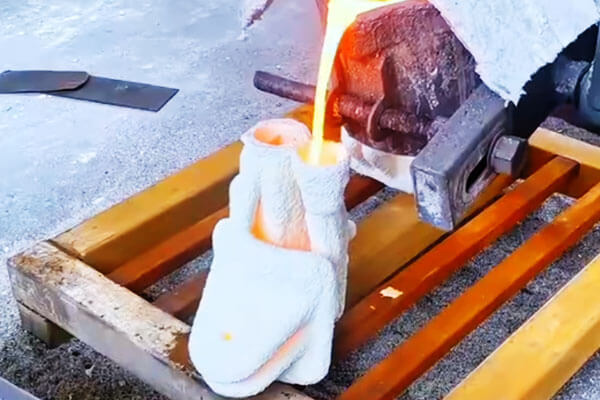
Контролисано изливање
Претходно загрејана керамичка шкољка је испуњена растопљеним месингом кроз пројектовани систем затварања.
Температура изливања и брзина пуњења морају бити усклађени са геометријом легуре и вентила.
Метал мора остати довољно течан да испуни танке делове и сложене пролазе без прекомерне турбуленције или превременог очвршћавања.
Настоји се постићи добро контролисана операција изливања:
Комплетно пуњење + стабилан ток + минимално увлачење + контролисане термичке услове
Стврдњавање и храњење
Након пуњења, месинг почиње да се учвршћује. Пошто тело вентила може имати различите дебљине зидова, шефови, и раскрснице пролаза, различите области се могу хладити различитим брзинама.
Дизајн ливења стога мора да подржава контролисано очвршћавање и адекватно пуњење метала који се скупља.
Лоша контрола очвршћавања може произвести дефекте као што су:
- Порозност скупљања
- Шупљине скупљања
- Дисконтинуитет у вези са гасом
- Топло пуцање
За сложена тела вентила, симулација ливења може да се користи за предвиђање понашања пуњења и очвршћавања и оптимизацију система уласка и довода пре производње.
Кноцкоут
Када се одлив довољно охлади, керамичка шкољка се механички уклања.
Вибрације, механичко одвајање, или се могу користити друге одговарајуће методе у зависности од компоненте и производног система.
Морате бити опрезни током нокаута јер прекомерна механичка сила може оштетити танке делове, карактеристике порта, или ливене површине.
Уклањање капије и успона
Спруе, тркачи, капија, а од одливака вентила се исеку успона.
Локације сечења се бирају тако да уклањање не оштети функционална подручја или остави вишак материјала који би компликовао накнадну машинску обраду.
Ова фаза претвара стабло од ливеног за улагање у појединачни одлив тела вентила.
Цастинг Финисхинг
Очишћени одлив се подвргава млевењу, минирање, или друге одговарајуће завршне операције за уклањање остатака керамике, пераје, бљесак, и остаци капија.
Циљ је да се произведе чист и стабилан одлив који је погодан за инспекцију и накнадну машинску обраду.
Важно, завршна обрада не треба да се користи за прикривање неприхватљивих дисконтинуитета ливења. Области које ће постати границе притиска, Заптивене површине, или критични датуми обраде захтевају посебну пажњу.
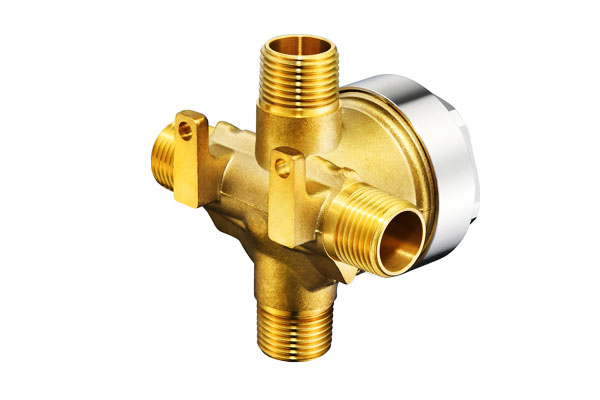
4. ЦНЦ обрада одливака од месинганих дивертер вентила
Изливање изгубљеног воска успоставља главну геометрију месинганог преклопног вентила, али обично не обезбеђује коначну тачност потребну за критичне интерфејсе.
ЦНЦ обрада је стога мост између ливеног одливака у облику мреже и функционалног прецизног вентила.
Процес обраде не сме да постигне само појединачне димензије; мора одржавати геометријски однос између портова, проточни пролази, Седишта вентила, Заптивене површине, стабљике, и интерфејси актуатора.
Типичан производни редослед је:
Инспекција одливака → Успостављање датума → Груба обрада → Машинска обрада проврта/отвора → Машинска обрада навоја → Обрада седишта и заптивног жлеба → Обрада интерфејса актуатора → Уклањање ивица → Димензиона инспекција
Тачан редослед зависи од архитектуре вентила.
Обрада отвора вентила и унутрашњих проврта
Улазни и излазни отвори успостављају везу вентила са спољним системом флуида. У зависности од дизајна вентила, ови интерфејси могу да користе:
- НПТ или други конусни навоји цеви
- БСП или БСПП/БСПТ нити
- Метричке или прилагођене нити
- Компресијски интерфејси
- Прирубнички прикључци
- Лемљење или специјализоване геометрије споја
Операција обраде портова мора да контролише и димензију и позицију.
Правилно обрађен навој и даље може створити проблеме са монтажом ако је оса отвора погрешно постављена у односу на тело вентила или суседне отворе.
За пресецање унутрашњих пролаза, обрада може укључивати бушење, досадан, унакрсно бушење, или комбинација ливених и машински обрађених карактеристика.
Прелаз између ових пролаза треба пажљиво испитати јер прекомерна нагла може повећати губитак притиска и турбуленцију.
У прилагођеним дизајнима, ливење може произвести већину архитектуре тока док ЦНЦ обрада завршава отворе и функционалне интерфејсе.
Прецизна обрада седишта вентила
Седиште вентила је међу најкритичнијим карактеристикама преклопног вентила јер формира интерфејс који ограничава нежељено цурење течности.
Перформансе седишта зависе од неколико карактеристика које раде заједно:
Концентричност + Геометрија контакта + Површинска завршна обрада + Равност/Округла + Материјална компатибилност
Седиште вентила које задовољава свој називни пречник, али није концентрично са елементом вентила, може произвести неравномеран контакт.
Слично, претерано храпава површина може ометати заптивање, док нетачна геометрија површине може повећати радни момент.
Одговарајућа толеранција седишта и завршна обрада треба да буду специфицирани према конкретном дизајну вентила, заптивни елемент, Оцена притиска, и захтев за цурењем.
Обрада навоја
Навоји су уобичајени на месинганим преклопним вентилима јер обезбеђују компактне и економичне везе.
ЦНЦ обрада се може користити за унутрашње и спољашње навоје. Критични параметри укључују:
- Главни пречник
- Мањи пречник
- Питцх
- Профил теме
- Ефективни пречник
- Дубина навоја
- Концентричност
- Површинска завршна обрада
Мерачи навоја се често користе за верификацију производње, док инспекција димензија може потврдити геометрију која лежи у основи.
Пошто је месинг релативно обрадив, подржава ефикасну производњу конца, али стратегија резања и даље треба да буде усклађена са одређеном легуром.
Неке легуре месинга без олова могу се понашати другачије од традиционалних класа слободне обраде и могу захтевати оптимизоване алате за сечење и параметре.
Обрада О-прстенова и заптивних жлебова
Где се користе еластомерне заптивке, жлеб О-прстена је прецизна карактеристика, а не једноставно удубљење.
Његове димензије одређују компресију заптивке и стога утичу на перформансе цурења. Нетачна ширина жлеба, дубина, геометрија угла, или стање површине може проузроковати:
- Недовољно заптивање
- Прекомерна компресија
- Екструзија заптивача
- Тешкоћа монтаже
- Превремено хабање заптивки
Процес машинске обраде мора стога одржавати специфицирану геометрију жљебова док штити околну заптивну површину.
5. Опције завршне обраде за месингане преклопне вентиле
За прилагођене компоненте вентила, завршну обраду површине треба изабрати заједно са легуром, процес обраде, толеранције димензија, и радно окружење.
Није сваки процес завршне обраде погодан за сваку површину.
Нарочито, Седишта вентила, нити, заптивне интерфејсе, а влажни пролази могу захтевати строго контролисане услове завршне обраде како би се избегла промена њихових функционалних димензија.
Механички полирање
Механичко полирање користи све финије абразивне медије за уклањање трагова обраде, мање неправилности на површини, и несавршености површине у вези са ливењем од месингане површине.
У зависности од захтеваног изгледа, процес може да се креће од основне абразивне завршне обраде до полирања високог сјаја.
Предности:
- Даје глатку и атрактивну површину од месинга
- Побољшава визуелни изглед
- Смањује видљиве трагове обраде и ливења
- Обезбеђује ефикасну подлогу за накнадно полагање
- Може побољшати уједначеност површине на спољашњим површинама вентила
Наклоњено
Никловање наноси контролисан слој никла на припремљену површину од месинга, обично кроз процес галванизације.
Одговарајућа предтретман је неопходна да би се обезбедила добра адхезија између месингане подлоге и премаза.
Предности:
- Побољшава отпорност на корозију
- Пружа већу површинску тврдоћу од необрађеног месинга
- Побољшава отпорност на хабање
- Даје уједначен метални изглед
- Погодно за компоненте изложене влази и руковању
- Може да обезбеди основни слој за декоративне или функционалне системе завршне обраде
Хромирање
Хромирање наноси површински слој на бази хрома преко одговарајуће припремљене подлоге, често преко никловања.
Процес производи тврду, светла површина са добром отпорношћу на хабање и тамњење.
Предности:
- Одличан декоративни изглед
- Висока површинска тврдоћа
- Добра отпорност на хабање
- Добра отпорност на тамњење и атмосферску изложеност
- Погодно за изложене компоненте вентила и декоративни водоводни хардвер
Електролесс Ницкел Платинг
Безелектрично никловање наноси премаз од никла-фосфора или сродне легуре никла путем аутокаталитичке хемијске реакције уместо да се ослања на директну спољашњу електричну струју.
Ово омогућава релативно уједначену дебљину премаза у сложеним геометријама.
Предности:
- Уједначенија дебљина премаза на сложеним површинама
- Добра отпорност на корозију
- Добра отпорност на хабање и хабање
- Погодно за удубљене и неправилне геометрије
- Пружа контролисану површинску заштиту са релативно предвидљивим нагомилавањем димензија
- Корисно за индустријске компоненте вентила којима је потребна и заштита и конзистентност димензија
Прецизно обрађена завршна обрада површине
За функционалне површине као што су седишта вентила, расипање, нити, и заптивне интерфејсе, потребна завршна обрада се често производи директно контролисаном ЦНЦ машинском обрадом, фино окретање, досадан, млевење, или друге прецизне операције радије него кроз декоративни премаз.
Предности:
- Одржава прецизну контролу димензија
- Омогућава прецизну геометрију заптивања
- Подржава контролисану храпавост површине
- Избегава непотребно накупљање премаза на критичним интерфејсима
- Пружа предвидљиву монтажу и функционалне перформансе
- Посебно погодна за седишта вентила, расипање, нити, и површине у контакту са заптивкама
6. Предности ливења изгубљеног воска за месингане преклопне вентиле
Изливање изгубљеног воска пружа јединствене предности за производњу вентила за одвод који се не могу поредити са алтернативним методама ливења или обликовања.
Неупоредива тачност димензија & Поновно постављање
Инвестиционо ливење постиже ±0,05–0,1 мм по 25 мм толеранција ливења, са доследном поновљивошћу у великим количинама производње.
Ово смањује залихе машинске обраде, минимизира нагомилавање толеранција, и обезбеђује заменљиву монтажу.
Комплексна унутрашња геометрија & Оптимизација протока
Изгубљени восак може произвести сложене унутрашње геометрије портова, глатке прелазе тока, и контурисани пролази који би били немогући ливењем у песак или неекономични за машинску обраду.
Оптимизовани унутрашњи путеви протока смањују турбуленцију, пад притиска, и шум протока.
Супериорна обрада као ливена површина
Фини керамички премаз даје површинску завршну обраду Ра 1,6–3,2 μм, смањење времена обраде и побољшање перформанси површине заптивања.
Глатке ливене површине такође смањују ерозију изазвану протоком унутар пролаза за течност.
Минимална залиха за обраду & Ефикасност материјала
За ливење у облику мреже потребно је само 0,8–1,5 мм залиха за машинску обраду по страни, у поређењу са 3–6 мм за ливење у песак.
Ово смањује отпад материјала за 40–60% и значајно скраћује време обраде.
Флексибилност легуре & Прилагођена формулација
Ливење изгубљеног воска ради са практично било којом легуром месинга, омогућавајући прилагођену формулацију легуре да одговара специфичној корозији, снага, или регулаторних захтева без већих промена алата.
Доследан интегритет притиска & Отпорност на цурење
Једноделна ливена тела елиминишу спојене путеве цурења спојева. Контролисано очвршћавање минимизира унутрашњу порозност, обезбеђујући непропусне перформансе које пролазе 1,5к тестирање цурења радног притиска.
7. Лост Вак Цастинг вс. Одводни вентили од кованог месинга
И ливење и ковање производе компоненте вентила од месинга, али служе различитим сценаријима дизајна и перформанси.
| Димензије перформанси | Изгубљени месингани вентили од воска | Ковани месинг вентили |
| Димензионална тачност | ±0,05 – ±0,1 мм/25 мм као ливено; чвршће након машинске обраде | ±0,02 – ±0,05 мм; веома доследно |
| Сложеност унутрашње геометрије | Веома високе — сложене луке, контурирани пролази, дизајн са више портова | Ограничено — само једноставни аксијални облици; дубоке унутрашње карактеристике нису изводљиве |
| Притисак & Отпорност на умор | Добро за стандардни притисак; зависно од порозности | Одличан; већа отпорност на замор и притисак на пуцање |
| Подобност производње запремине | 500 - 50,000 ПЦС / ГОДИНА | 10,000 - 500,000+ ПЦС / ГОДИНА |
| Трошак алата & Временско време | Умерени трошкови алата; 4– Време испоруке 6 недеља | Високи трошак алата; 6– Време испоруке 10 недеља |
| Укупни јединични трошкови | Средње-високо за малу јачину звука; конкурентан на средњем обиму | Високо при малој јачини звука; најниже при веома великој јачини звука |
| Идеални сценарији примене | Сложена тела са више портова, контурисани путеви тока, средњег обима | Једноставни аксијални дизајни, под високим притиском, замор високог циклуса, веома велика запремина |
8. Примене месинганих преклопних вентила
Водовод и дистрибуција воде
Месингани преклопни вентили се широко користе у водоводним системима за преусмеравање воде између различитих излаза, кругови, или чвора.
Њихов компактан дизајн, отпорност на корозију, и добра обрадивост чине их погодним за стамбену и комерцијалну опрему за контролу воде.
Типичне апликације укључују:
- Туш системи
- Склопови славина
- Опрема за дистрибуцију воде
- Системи мешања и рутирања
- Водоводна опрема за домаћинство
ХВАЦ и системи грејања
Месингани преклопни вентили се обично користе у системима ХВАЦ и хидротехничког грејања за контролу правца циркулишуће воде и других компатибилних течности.
Вентил може да пребацује проток између кругова грејања, обилазне линије, или секундарне петље.
Типичне апликације укључују:
- Системи радијаторског грејања
- Системи подног грејања
- Циркулациони кругови ХВАЦ
- Системи топлотне пумпе
- Опрема за котлове и грејање
Системи за наводњавање
У опреми за наводњавање, месингани преклопни вентили се могу користити за усмеравање воде између различитих грана или зона.
Њихова отпорност на корозију и робусна конструкција чине их погодним за поновљено пребацивање протока у спољашњим окружењима.
Типичне апликације укључују:
- Системи за наводњавање пољопривреде
- Опрема за наводњавање баште
- Системи за прскање
- Наводњавање стакленика
- Колектори за дистрибуцију воде
Опрема за третман воде
Месингани прекретни вентили се могу интегрисати у компактне системе за пречишћавање воде где је потребно изабрати или изоловати различите путеве протока.
Прецизно ливење је посебно корисно када тело вентила захтева прилагођене унутрашње пролазе.
Типичне апликације укључују:
- Системи за филтрирање воде
- Опрема за пречишћавање воде
- Системи за омекшавање
- Пумпе и филтрациони склопови
- Контролне јединице за пречишћавање воде
Апарати и стамбена опрема
Компактни месингани разводни вентили се такође користе у уређајима где вода или друга компатибилна течност мора да се преусмери између различитих унутрашњих кола.
Типичне апликације укључују:
- Опрема за кафу и пиће
- Апарати за прање
- Бојлери
- Опрема за чишћење
- Стамбени уређаји за контролу воде
Индустријска опрема за контролу течности
Индустријска опрема може користити месингане преклопне вентиле за усмеравање воде, уље, ваздушни, или друге компатибилне течности где је притисак, температура, и хемијско окружење су у границама пројектованих материјала и вентила.
Типичне апликације укључују:
- Пумпни системи
- Компресори и помоћна опрема
- Машине за прераду флуида
- Индустријски расхладни системи
- Прилагођени склопови опреме
Комерцијални и специјализовани системи
Прилагођени месингани прекретни вентили су такође погодни за произвођаче опреме којима је потребна компактна компонента за контролу протока са више портова дизајнирана око специфичног склопа или кола флуида.
Типичне апликације укључују:
- Комерцијална водоводна опрема
- Системи за циркулацију воде
- Колектори опреме
- ОЕМ склопови за контролу течности
- Прилагођене машине и процесна опрема
9. Зашто одабрати индустрију ЛангХе за ливење изгубљеног воска месинганог вентила са разводним вентилом & Обрада?
За прилагођене месингане преклопне вентиле, одабир произвођача није само питање проналажења добављача који може ливети месинг.
Коначна компонента зависи од координације инжењеринга ливења, Избор легуре, ЦНЦ обрада, дорада површине, Димензионална контрола, и функционално тестирање.
Лангхе индустрија приступа производњи месинганих преклопних вентила по мери као интегрисаном производном пројекту, омогућавајући да се фазе ливења и машинске обраде развијају заједно у складу са функционалним захтевима купца.
| Способност | Детаљи |
| Материјали | Ц84400, Ц85700, Ц87610, Ц87800, Ц87850, Ц89833, Ц36000. |
| Процес ливења | Изгубљени ливење воска (Инвестициони ливење). |
| Толеранције | ± 0.1-0.3 мм (ЦТ5-ЦТ7 по ИСО 8062). |
| ЦНЦ обрада | ЦНЦ се окреће, глодање, бушење, тапкање, досадан, премештање, навојница. |
| Квалитет | ИСО 9001:2015 сертификован; 100% инспекција; Цмм. |
| Временско време | 6–12 недеља за алат; 2–4 недеље за поновљене поруџбине. |
10. Закључак
Месингани преклопни вентил је компактна компонента, али су његови производни захтеви веома међусобно повезани.
Тело вентила мора да садржи притисак, обезбеди тачне путање протока, прихватити унутрашњи елемент вентила, одржавати заптивне интерфејсе, и поуздано повезати са спољним цевоводима или опремом.
За сложене прилагођене дизајне, ливење изгубљеног воска пружа ефикасан начин за успостављање главне геометрије тела вентила, укључујући прилагођене портове, шефови, прелазе, и одговарајућу унутрашњу архитектуру.
ЦНЦ обрада тада доноси навоје, расипање, Седишта вентила, заптивне жлебове, и интерфејсе актуатора са потребном прецизношћу.
Одабир материјала је подједнако важан. Различите легуре месинга нуде различите комбинације могућности ливења, обрада, механичка чврстоћа, отпорност на корозију, и регулаторну подобност.
Исправан избор стога мора бити заснован на стварној течности и радном окружењу.
ЛангХе Индустрија комбинује прецизно ливење месинга и ЦНЦ машинску обраду како би подржала прилагођену производњу дивертер вентила од почетног прегледа дизајна до инспекције готових компоненти, помажући ОЕМ купцима да претворе сложене концепте вентила у производе који се могу произвести и поновљиви.
Постављана питања
Шта је месингани преклопни вентил?
Месингани прекретни вентил је уређај за контролу флуида са више прикључака који се користи за преусмеравање или селективну дистрибуцију течности између различитих путева протока.
Његов унутрашњи елемент вентила одређује који су портови повезани у сваком радном положају.
Зашто се месинг обично користи за одводне вентиле?
Месинг пружа корисну комбинацију отпорности на корозију, обрада, механичка чврстоћа, капитаљивост, и економичност.
Ова својства га чине погодним за многе воде, ХВАЦ, водовод, апарат, и индустријске апликације за контролу флуида.
Зашто користити изгубљени восак за месингани преклопни вентил?
Изливање изгубљеног воска је посебно корисно када тело вентила има сложену геометрију, више портова, интегрисани шефови, или прилагођене пролазе протока.
Он производи тело у облику мреже које се може накнадно обрађивати ЦНЦ машином.
Могу ли се месингани преклопни вентили користити за воду за пиће?
Они могу бити, под условом да комплетна конструкција вентила испуњава важеће захтеве за сервис воде за пиће.
Легура месинга, оловни садржај, влажне компоненте, Процес производње, и захтевану усклађеност производа све треба узети у обзир.

