Увођење
Легирани челик ливење је прецизан производни пут који комбинује способност ливења у облику скоро мреже са механички, носити, корозија, и температурне перформансе легираних челика.
У оквиру АСТМ стандарда за ливење челика, ливени одливци су сама по себи формална категорија,
а применљиви сет спецификација обухвата угљеничне челике, Стеелс ниски легури, аустенитних манганских челика, топлотно отпорни гвожђе-хром и гвожђе-хром-никл челици,
нерђајуће породице отпорне на корозију, дуплекс породице, падавина-отврдњавање нерђајући, Легуре никла, и конструктивне класе високе чврстоће.
Та ширина је један од најјачих сигнала колико је процес зрео и металуршки важан.
1. Шта је ливење од легираног челика?
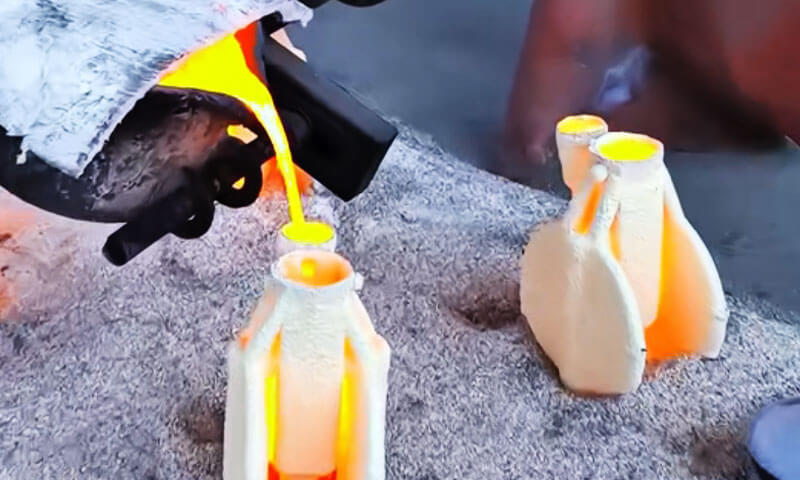
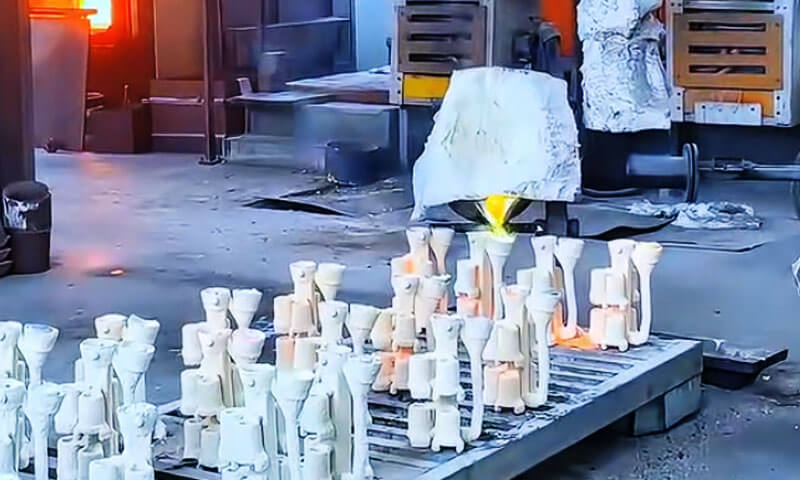
Легирани челик Инвестициони ливење је процес израде компоненти челика или легираног челика тако што се прво производи воштани узорак, градећи око њега керамичку шкољку, депаравање љуске, а затим уливање растопљеног метала у шупљину.
Метода је позната и као Процес изгубљеног воска, а референце у ливници описују га као прецизну руту ливења која може да користи калупе и, у неким варијантама, вакуумско или гравитационо изливање.
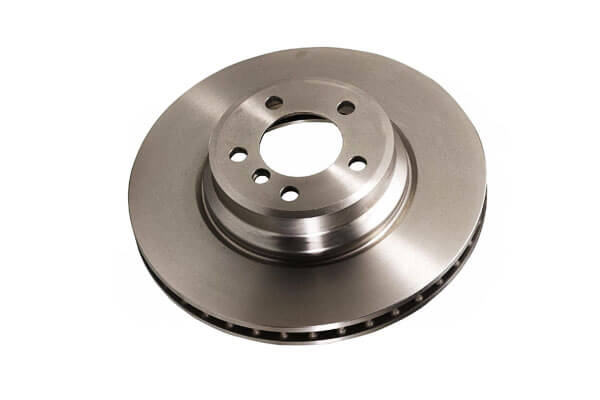
Из инжењерске перспективе, процес се најбоље разуме као а стратегија производње челика скоро у облику мреже.
Керамичка шкољка хвата фину геометрију, док легура челика и накнадна термичка обрада дају коначне механичке перформансе.
Зато што је ливење већ близу својих коначних димензија, процес може смањити количину машинске обраде која је потребна касније, посебно на деловима са сложеним карактеристикама које би било тешко конвенционално обрадити.
Користан начин да се сумира процес је то шкољка чини облик, челик чини својства, а термичком обрадом завршава се металургија.
Због тога се ливење од легираног челика користи у апликацијама где се геометрија и перформансе морају оптимизовати заједно, а не одвојено.
2. Уобичајене породице легура и репрезентативни разреди
| Породица легуре | Репрезентативни стандарди / оцене | Типичан инжењерски карактер | Логика заједничке услуге |
| Одливци од угљеничног челика | Астм А27 оцене као нпр 60-30, 70-36, 70-40; Астм А216 разреда као што су ВЦА и ВЦБ; Астм А732 за угљеничне и нисколегиране ливене ливене; Астм А957 заједнички захтеви. | Основна снага и економичност, са топлотном обрадом која се користи за подешавање својстава. | Општи индустријски делови, машинерија, компоненте везане за притисак, и структурни хардвер. |
| Одливци од нисколегираног челика | Астм А732 нисколегирани инвестициони одливци; Астм А958 оцене као нпр 60-30, 65-35, 70-36, 70-40; Астм А148 структурне оцене из 80-40 кроз 210-180. | Боља каљивост и подешавање својстава од обичних угљеничних челика. | Делови за тежа оптерећења којима је потребна реакција гашења и темперирања или нормализације и темперирања. |
| Аустенит манган челик | Астм А128/А128М наведен под А957 кишобраном. | Рад-каљење, понашање отпорно на ударце. | Рад са тешким хабањем где су жилавост и отпорност на деформације важни. |
Челици гвожђе-хром и гвожђе-хром-никл челици отпорни на топлоту |
Астм А297/А297М, укључујући разреде који се користе за топлотно отпорне услуге као што су Хф, ХХ, ХИ, ХК, ХЕ, Хт у стандардној породици коју сумира СФСА. | Дизајниран за стабилност на повишеним температурама и отпорност на оксидацију. | Хардвер пећи, компоненте топлог пресека, и термо-сервисне делове. |
| Нерђајући материјал отпоран на корозију / дуплекс породице | Астм А743/А743М, А744/А744М, А747/А747М; Астм А890/А890М дуплекс одливци. | Отпорност на корозију и металургија специфична за примену. | Хемијски, маринац, и окружења која садрже притисак. |
| Специјалне легуре за високе температуре | Астм А447, А494, А560, А1002 наведен у опсегу А957. | Уско циљане перформансе високе температуре или посебне услуге. | Компоненте за тешке услуге где стандардни челици нису довољни. |
Сам пејзаж стандарда прича причу: ливење легираног челика није ниша од једног материјала,
али широка породица челика регулисана заједничким захтевима и специјализованим категоријама хемије/перформансе.
АСТМ-ова А957 спецификација је овде посебно важна јер функционише као заједнички оквир захтева за ливење од челика и легура,
док А732 посебно покрива ливење од угљеника и нисколегираног челика за општу примену.
3. Комплетан производни процес ливења од легираног челика
| Корак | Шта се дешава | Зашто је то важно |
| 1. Израда шаблона | Производи се воштана или пластична реплика завршног дела. | Овај образац дефинише геометрију скоро мреже и димензионалну основу ливења. |
| 2. Скупштина / камен | Узорци се могу причврстити на централни излив да би се формирао кластер. | Кластер контролише како метал улази и како се управља скупљањем. |
| 3. Зграда шкољке | Склоп шаблона се више пута потапа у керамичку суспензију и облаже ватросталним материјалом док се не направи шкољка. | Шкољка постаје шупљина калупа и мора бити довољно јака да издржи метално и топлотно оптерећење. |
| 4. Девексирање | Восак се растопио, обично парним аутоклавом или сагоревањем на бази сагоревања. | Оставља шупљину која тачно одговара узорку. |
| 5. Испаљивање граната / загрејати | Керамичка шкољка се пече пре изливања. | Уклања остатке и загрева калуп за стабилно пуњење и очвршћавање. |
6. Сипајући |
Истопљени легирани челик се сипа у врућу шкољку. | Ово је место где је пуњење, флудност, а термичка контрола постаје најважнија. |
| 7. Очвршћавање | Метал се замрзава унутар шкољке. | Очвршћавање контролише структуру зрна, скупљање, и велики део коначног квалитета. |
| 8. Нокаутирање и чишћење | Шкољка се одваја и одливак се чисти, обрезана, и припремљен за преглед. | Претвара груби ливени део у употребљиву челичну компоненту. |
| 9. Топлотни третман | Одливање се може нормализовати, нормализовано-и-каљено, или каљено-каљено у зависности од степена. | Подешава коначну снагу, тврдоћа, жилавост, и дуктилност. |
| 10. Инспекција / завршњак | Димензионалне провере, површинске провере, и сва потребна машинска обрада је завршена. | Потврђује да део испуњава наведене захтеве материјала и геометрије. |
Снажан начин размишљања о току посла је ливење легираног челика не само „сипање челика у калуп“.
То је низ преноса облика, схелл енгинееринг, термичка контрола, и развој металуршке имовине. Завршни део је резултат заједничког рада све четири.
4. Зашто је ливење од легираног челика важно
Ливење легуре челика је важно јер омогућава инжењерима да праве делове који јесу геометријски сложен али ипак треба перформансе на нивоу челика.
Индустријска литература о ливењу по инвестицији наглашава производњу готово у облику мреже, Одлична површинска завршна обрада, фини детаљ, и могућност елиминисања или смањења скупог млевења, окретање, бушење, и кораке брушења.
Та предност облика скоро мреже постаје посебно важна када је материјал тешко обрађивати или је геометрија превише замршена да би се економично произвела из залиха.
У контексту инвестиционог ливења, дизајнер често може постићи блиску толеранцију и детаљан облик у једном процесу, затим резервисати машинску обраду само за критична лица, нити, или спојне површине.
Другим речима, ливење од легираног челика је драгоцено јер омогућава произвођачима да оптимизују укупна цена дела, не само трошак сировина или трошак машинске обраде у изолацији.
Због тога је процес и даље важан у применама челика високе вредности где је битан пун животни циклус дела.
5. Основни технички изазови и контрола квалитета
Контрола за солидби
Стврдњавање је критични тренутак у сваком ливењу.
АСМ-ова референца за очвршћавање напомиње да очвршћавање снажно утиче на микроструктуру и механичка својства, због чега је термичка контрола током замрзавања тако централна за праксу ливења.
У ливеном ливењу од легираног челика, очвршћавање одређује структуру зрна, понашање скупљања, и коначну расподелу недостатака.
Скупљање и порозност
Ако је храњење недовољно или је термални пут лоше дизајниран, у областима последњег смрзавања могу да се формирају шупљине или порозност.
Овај ризик је посебно важан код сложених челичних ливених одливака јер се пресеци мењају, дебеле газде, а изоловане вруће тачке могу заробити течни метал на начине који нису очигледни споља.
Правилно изграђен систем спруд/стабло и висококвалитетна шкољка помажу да се задржи порозност у дрвету, а не у ливењу.
Контрола композиције
АСТМ А957 изричито захтева хемикалије, топлота, и анализе производа за елементе као што је угљеник, манган, силицијум, фосфор, сумпорни, никл, хром, молибден, ванадијум, тунгстен, бакар, и алуминијум.
То значи да је ливење легуре челика хемијски дисциплиновано дизајном; није довољно да део изгледа исправно ако је његова хемија искључена.
Осетљивост на топлотну обраду
Топлотна обрада је део система квалитета, не накнадна мисао.
СФСА-ов сажетак ливења челика показује уобичајене услове ливења као што су нпр А (жарозан), Н (нормализован), НТ (нормализован и умерен), и Кт (угашена и умрла).
Ове ознаке одражавају чињеницу да се исти одлив може подесити на веома различита својства у зависности од предвиђеног услова рада.
Површинска и инспекцијска контрола
Зато што се очекује да одливци буду близу коначног облика, квалитет површине и визуелно прихватање су део логике процеса.
Референтни оквири АСТМ и СФСА третирају ливене ливене као прецизне челичне производе са дефинисаним захтевима за прихватање и анализу,
због чега инспекција, чишћење, и преглед површине су кључни елементи процеса, а не опциони завршни кораци.
6. Топлотна обрада и подешавање својстава
Топлотна обрада је један од најважнијих корака додавања вредности у ливењу легираног челика.
Одливање даје делу његов облик, али топлотна обрада му даје коначну равнотежу од снага, тврдоћа, жилавост, дуктилност, и димензионална стабилност.
За многе одливке од легираног челика, стање као ливе је само средње стање; стварне инжењерске перформансе се успостављају након што је термички циклус завршен.
Уобичајени путеви топлотне обраде
Враголовање
Користи се за омекшавање одливака, побољшати обрадивост, и смањити унутрашњи стрес.
Често се бира када је делу потребна даља обрада или када се ливење мора стабилизовати пре касније обраде.
Нормализација
Користи се за пречишћавање структуре зрна и побољшање униформности својстава.
Нормализација је посебно корисна када је за ливење потребна уравнотеженија комбинација снаге и жилавости него што то може да обезбеди ливена структура.
Нормализација и каљење
Уобичајена рута за многе одливке од угљеника и нисколегираног челика. Корак нормализације рафинира структуру, док каљење помаже у контроли ломљивости и побољшању издржљивости.
Гашење и каљење
Користи се када је потребна већа чврстоћа и тврдоћа. Гашење производи тврђу структуру, а темперамент прилагођава коначну равнотежу између снаге и жилавости.
Третман решења / стабилизацијски третмани
Користи се за одабране одливе од нерђајућег челика и специјалних легура за контролу отпорности на корозију, фазна стабилност, и димензионално понашање.
Практични примери
- Одливци од угљеничног челика често користе жарени, нормализован, или нормализовани и темперирани услови.
- Одливци од нисколегираног челика може захтевати третман гашењем и темперацијом да би се постигао већи ниво снаге.
- Одливци отпорни на топлоту или од нерђајућег челика можда треба решење, стабилизација, или специјалних термичких циклуса у зависности од степена и радног окружења.
7. Типичне примене ливених одливака од легираног челика
Одливци од легираног челика се користе где сложена геометрија, чврстоћа на нивоу челика, и контролисане перформансе услуге морају коегзистирати у истој компоненти.
Процес је посебно вредан када би део био превише тежак, превише расипнички, или прескупо за машинску обраду из чврсте залихе.
Опште индустријске машине
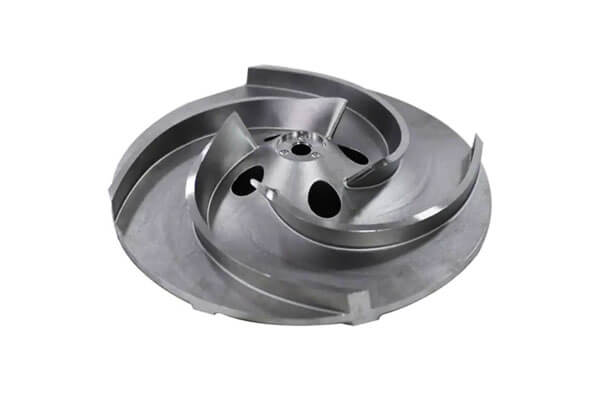
- Тела пумпе и импелери пумпе
- Тела вентила, бонети, и компоненте унутрашњег тока
- Кућишта зупчаника и механички поклопци
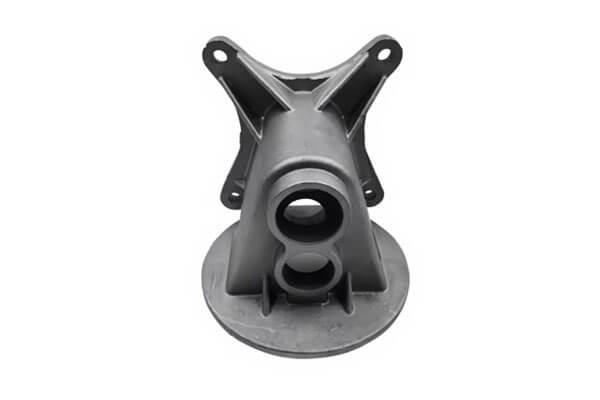
- Носачи машина, Подржава, и конектори
Ови делови имају користи од способности ливења по инвестиционој маси да произведу детаљне унутрашње облике, глатке површине,
и геометрија близу мреже, док челична легура обезбеђује поузданост конструкције и век трајања.
Опрема за контролу притиска и протока
- Делови вентила који садрже притисак
- Прикључци за цевовод
- Проточне млазнице и кућишта актуатора
- Прецизни прибор за индустријске системе
У овој категорији, процес је атрактиван јер заптивање површина, проточни пролази,
а карактеристике монтаже се често могу излити близу коначног облика, смањење касније обраде уз очување захтеваних перформанси материјала.
Компоненте отпорне на хабање
- Полуге и полуге подложне сталном оптерећењу
- Носите ципеле и контактне компоненте
- Рударство и делови за руковање материјалом
- Делови машина са високим ударом
Овде се често бирају одливци од нисколегираних и манганских челика јер се могу термички обрађивати ради чврстоће и жилавости, или каљени радом где је отпорност на удар приоритет.
Високотемпературни и окови за пећи
- Опрема за пећи
- Носачи и носачи отпорни на топлоту
- Компоненте везане за горионик
- Термо-сервисна кућишта и унутрашњи хардвер
Одливци гвожђе-хром и гвожђе-хром-никл отпорни на топлоту су посебно корисни у овој области
јер задржавају функционални интегритет у окружењима са повишеним температурама где би обични угљенични челици омекшали или оксидирали пребрзо.
Отпорни на корозију и хемијски сервисни делови
- Компоненте пумпе и вентила од нерђајућег челика
- Кућишта за хемијску обраду
- Опрема за поморство
- Дуплекс и сервисни делови отпорни на корозију
Одливци од легираног челика отпорног на корозију су вредни када је компатибилна са флуидима, отпорност на корозију, а прецизност димензија мора бити комбинована у једном делу.
- Носачи и носачи
- Елементи за закључавање и потпору
- Структурни конектори
- Носиви окови са сложеном геометријом
Ови делови често захтевају комбинацију оптимизације геометрије и поузданих механичких својстава.
Инвестиционо ливење омогућава дизајнеру да угради функцију у облик, држећи избор легуре везан за случај оптерећења.
8. Јединствене предности ливења од легираног челика
Ливење од легираног челика има посебну вредност.
То није само начин да се направе челични делови; то је начин да се направи челичних делова са геометријом и контролом својстава коју би било тешко постићи другим методама.
Ефикасност скоро мреже
- Производи делове близу финалне геометрије
- Смањује отпад од сировина
- Минимизира тешку машинску обраду на сложеним елементима
- Смањује укупно време обраде за тешке облике
Ово је један од најјачих разлога за избор процеса.
Када компонента има подрезане делове, танки зидови, криве, шефови, или финих детаља, рута ливења често штеди више него што кошта.
Комплексна способност геометрије
- Рукује облицима које је тешко конвенционално обрађивати
- Подржава унутрашње и спољашње детаље
- Омогућава консолидацију више функција у један део
- Смањује потребу за завареним елементима или склоповима
У многим апликацијама, то значи да ливење може да замени вишеделну структуру са једном интегрисаном компонентом.
Широка флексибилност материјала
- Угљенични челик за економичност
- Нисколегирани челик за подешавање снаге
- Челици отпорни на топлоту за термичку употребу
- Нерђајући и дуплекс челици за отпорност на корозију
- Специјалне легуре за нишне услове рада
Ова флексибилност је велика предност јер пут ливења није везан за једну металургију.
Дизајнер може изабрати породицу легура која одговара стварном окружењу дела.
Компатибилност термичке обраде
- Жарена стања ради обрадивости
- Нормализована стања за рафинисану структуру
- Угашена и каљена стања за снагу
- Специјални термички циклуси за нерђајуће или топлотно отпорне типове
Ово произвођачима даје другу инжењерску полугу након избора легуре.
Исти основни ливење може се прилагодити веома различитим циљевима перформанси кроз термичку обраду.
Добар квалитет површине
- Боља репродукција детаља од многих грубо обликованих рута
- Смањена потреба за опсежним чишћењем функционалних површина
- Погодно за делове где су изглед и уклапање важни
Калуп шкољке ефикасно хвата фине детаље, што је посебно корисно када је завршном делу потребна и функционална прецизност и контролисан изглед.
Консолидација дизајна
- Замењује више обрађених или заварених делова
- Смањује спојеве и међусклопове
- Може побољшати поновљивост у свим серијама производње
- Често побољшава интегритет дела уклањањем варијабилности везаних за заваре
Ово је једна од мање очигледних, али веома важних предности. Мање спајања обично значи мање извора неуспеха.
Економска предност у сложености
- Алат и израда шкољки оправдани су сложеношћу дела
- Смањује укупне трошкове када би обрада била претерана
- Посебно атрактиван за производњу средњег обима
- Може бити економичнија од машинске обраде замршених челичних делова
Кључна ствар је да трошак треба проценити на ниво компоненти, не само на нивоу калупа или на нивоу часа обраде.
9. ливење од легираног челика у односу на ЦНЦ обрада
Ливење легуре челика и ЦНЦ обрада нису конкурентске методе у једноставном смислу; решавају различите производне проблеме.
Инвестиционо ливење је а процес формирања облика скоро мреже који ствара део уливањем растопљеног легираног челика у керамичку шкољку.
ЦНЦ обрада је а подвлачни процес који уклања материјал из чврсте залихе, ковање, или преформу док се не постигне коначна геометрија.
| Аспект поређења | ливење од легираног челика | Легура челика ЦНЦ обрада |
| Основна логика производње | Израђује део ливењем растопљеног легираног челика у керамички калуп направљен од узорка воска. | Гради део сечењем материјала од чврстог материјала. |
| Способност геометрије | Одличан за сложене облике, танки одељци, подрезати, унутрашњи детаљи, и интегрисане карактеристике. | Одличан за прецизне карактеристике и једноставне до умерено сложене делове, али је геометрија ограничена приступом алату. |
| Ефикасност материјала | Веома ефикасан за делове скоро мреже јер мало материјала треба касније да се уклони. | Мање ефикасан за сложене делове јер велики део залиха постаје чипс. |
| Стратегија толеранције | Добра тачност облика скоро мреже, са критичним површинама често завршеним машинском обрадом. | Врхунска прецизност на директно обрађеним површинама и критичним подацима. |
Стање површине |
Добра репродукција детаља као ливе; неке површине и даље могу захтевати завршну обраду или чишћење. | Одлично на обрађеним лицима, расипање, нити, и заптивене површине. |
| Најбољи опсег јачине звука | Економичан за сложене делове мале до средње и средње запремине. | Економичан за прототипове, производња мале количине, и делови са честим променама дизајна. |
| Алат за алате / подешавање | Захтева обрасце, зграда шкољке, и контролу процеса пре изливања. | Захтева прибор, алат за алате, и машинско време, али није потребан калуп за ливење. |
| Временско време | Дуже унапред јер шаблон и процес љуске морају бити успостављени. | Брже за ране прототипове или итерације дизајна. |
Флексибилност материјала |
Широка флексибилност породице легуре, укључујући угљеничне челике, Стеелс ниски легури, нехрђајући, дуплекс, и породице отпорне на топлоту. | Може да обрађује скоро сваки челик, али почетна залиха мора већ постојати у траженом облику. |
| Развој механичких својстава | Чврстоћа и жилавост се подешавају избором легуре плус топлотном обрадом након ливења. | Коначна својства потичу углавном од почетног материјала и било које термичке обраде након обраде. |
| Делова консолидација | Може комбиновати више функција у једну интегрисану компоненту, смањење броја склопова. | Обично се не може елиминисати консолидација делова осим ако је геометрија једноставна или је залиха већ близу коначног облика. |
| Типични ризици | Скупљање, порозност, дефекти шкољке, питања очвршћавања, и изобличење термичке обраде. | Хабање алата, брбљање, бурри, изобличење од стезања, и високи отпад за сложене облике. |
10. Закључак
Ливење легуре челика је процес изграђен на прецизној геометрији и металуршкој контроли.
Комбинује слободу облика изгубљеног воска са потенцијалом перформанси угљеничних челика, Стеелс ниски легури, нехрђајући челичан, и породице челика отпорних на топлоту.
Процес је посебно вредан када је дизајнеру потребна ефикасност готово у облику мреже без жртвовања могућности да одреди челичну легуру за снагу, носити, притисак, или сервис температуре.
Његов технички успех зависи од три ствари: прављење звучних шкољки, Контролирано учвршћивање, и правилно усклађену топлотну обраду.
Када се то троје поравна, ливење од легираног челика може да произведе делове који су сложени, издржљив, и високо инжењерски.
Због тога остаје главни производни пут за захтевне индустријске компоненте.
Често постављана питања
Да ли је ливење од легираног челика исто као и обично ливење челика?
Не. То је специфична рута за ливење челика која користи воштане или пластичне шаре и керамичке шкољке за стварање делова скоро мреже.
АСТМ А732 експлицитно идентификује одливке од угљеника и нисколегираног челика направљене процесом ливења.
Зашто користити ливење по инвестицији уместо машинске обраде челичног дела од чврстог материјала?
Зато што ливење може да произведе сложеније облике са мање отпада материјала и мање корака обраде, посебно када геометрија укључује фине детаље, танки зидови, или унутрашња кривина.
Опис процеса и оквир стандарда показују да је рута намењена сложеним, контролисаних челичних одливака.
Које породице легура су најчешће?
Царбон Цлеел, Стеелс ниски легури, аустенитних манганских челика, и топлотно отпорно гвожђе-хром / Гвожђе-хром-никл челици су сви заступљени у оквиру стандарда за ливење челика.
Зашто је топлотна обрада толико важна?
Зато што челични ливени одливци често захтевају подешавање својстава након очвршћавања.
Стандарди и услови испоруке обично дозвољавају жарење, нормализација, ублажавање, или циклуси гашења и каљења у зависности од разреда.
Шта је највећи технички ризик?
Дефекти повезани са очвршћавањем су међу најважнијим ризицима, јер фаза замрзавања контролише и микроструктуру и механичка својства.
Ако су храњење и термички дизајн лоши, скупљање и порозност се могу развити у регионима последњег замрзавања одливака.