Zavedenie
Patrí do rodiny procesov presného odlievania, investičné liatie – často nazývané „odlievanie do strateného vosku“ – sa odlišuje svojou schopnosťou vyrábať kovové komponenty v takmer sieťovom tvare s výnimočnou povrchovou úpravou, zložitá geometria, a tesné rozmerové tolerancie.
Tento článok rozoberá proces investičného liatia od prvých princípov až po pokročilé aplikácie.
Preskúmame jeho hutnícke základy, podrobný priebeh procesu, technologické varianty (vodné sklo, Oxid kremičitý, zložený), defektné mechanizmy, porovnávacie umiestnenie oproti iným výrobným metódam, a prípady priemyselného použitia.
1. Čo je obsadenie investícií?
Odlievanie investícií, tiež známy ako proces strateného vosku, je presná metóda tvárnenia kovov, pri ktorej sa jednorazový vosk alebo taviteľný vzor potiahne žiaruvzdorným keramickým plášťom, potom sa odstráni, aby sa vytvorila dutina, ktorá je naplnená roztaveným kovom.
Proces je navrhnutý tak, aby reprodukoval pôvodný vzor s vysokým stupňom vernosti, čo z neho robí jednu z najefektívnejších výrobných ciest pre komplex, kovové časti takmer v tvare siete.
Na rozdiel od bežných odlievacích ciest, ktoré sú často optimalizované pre jednoduchosť alebo samotný objem, investičný casting je postavený okolo detailná replikácia, rozmerové ovládanie, a flexibilita zliatiny.
Používa sa, keď komponent musí kombinovať zložitú geometriu, funkčná presnosť, a spoľahlivú metalurgickú kvalitu v jedinom procesnom reťazci.
To je dôvod, prečo je široko používaný v odvetviach, ako je letecký priemysel, energia, automobilový, zdravotníctvo, a presný priemyselný hardvér.
Hlavné konkurenčné výhody investičného liatia
V porovnaní s inými procesmi tvárnenia kovov, investičný casting ponúka šesť základných výhod, ktoré mu dávajú výraznú a trvalú pozíciu na trhu:
Vynikajúca rozmerová presnosť a povrchová úprava
Investičné liatie môže dosiahnuť štandardné rozmerové tolerancie CT4 – CT7, výrazne tesnejšie ako liatie do piesku (ČT9 – ČT14).
Drsnosť povrchu môže byť typicky kontrolovaná pri Ra 1,6–6,3 μm, čo výrazne znižuje potrebu rozsiahleho brúsenia, leštenie, alebo sekundárna úprava na dekoratívnych a presných funkčných povrchoch.
Výnimočná schopnosť pre zložité geometrie
Tento proces je obzvlášť vhodný pre diely s veľmi zložitými vlastnosťami, vrátane vnútorné dutiny, podrezanie, sekcie (až 0.5 mm), zložité zakrivené povrchy, a jemné dierkové vzory.
Dokáže reprodukovať takmer akúkoľvek geometriu potrebnú pre priemyselné presné komponenty.
Široká zliatina kompatibilita
Investičné liatie je kompatibilné s veľmi širokou škálou zliatin, vrátane bežných železných a neželezných kovov, ako aj náročných vysokovýkonných materiálov.
Môže sa aplikovať na nehrdzavejúce ocele, uhlíkové ocele, hliníkové zliatiny, zliatiny medi, nikel super zliatiny, zliatiny na báze kobaltu, a dokonca aj aktívne zliatiny, ako je titán.
Táto široká tolerancia zliatin dáva inžinierom oveľa väčšiu slobodu pri výbere materiálu ako mnohé iné procesy tvárnenia.
Vysoká metalurgická kvalita
Chemicky inertný keramický plášť minimalizuje kontamináciu roztaveného kovu.
Navyše, riadené tuhnutie a dobre navrhnuté vtokové systémy pomáhajú znižovať zhoršenie, pórovitosť, a segregácia, výrobu dielov s hustou mikroštruktúrou a stabilným mechanickým výkonom.
Vysoká účinnosť materiálu
Ako proces takmer čistého tvaru, investičné liatie ponúka mieru využitia materiálu približne 92%– 98 %, podstatné zníženie kovového odpadu v porovnaní s procesmi subtraktívneho obrábania.
Flexibilná výrobná stupnica
Investičný odliatok je vysoko prispôsobivý, čo je vhodné pre jednorazové zákazkové prototypy, malosériové špeciálne diely, a veľkoobjemovú výrobu štandardizovaných komponentov.
2. Hlavné metalurgické a procesné princípy
Investičné liatie nie je len metóda tvarovania. Je to tesne integrovaný hutnícky systém v ktorej vzorovej vernosti, správanie škrupiny, tepelné riadenie, a tuhnutie zliatiny sa navzájom ovplyvňujú.
Kvalita záverečnej časti je určená tým, ako dobre sú tieto štyri faktory spoločne kontrolované.
Geometrická replikácia prostredníctvom prenosu vzorov
Proces začína voskovým alebo taviteľným vzorom, ktorý zachytáva geometriu finálnej časti s vysokou vernosťou.
Pretože keramická forma je postavená priamo okolo tohto vzoru, dutina reprodukuje zamýšľaný tvar takmer bod po bode.
To je to, čo dáva investícii výhodu pri výrobe:
- jemné rebrá,
- ostré prechody,
- drážky,
- malé otvory,
- vnútorné pasáže,
- a komplexné vlastnosti povrchu.
Inými slovami, investičný odliatok „nepribližuje“ geometriu.
Prenáša ho zo vzoru do formy s veľmi vysokým zachovaním detailov. To je základ jeho schopnosti takmer čistého tvaru.
Keramický plášť ako presná tepelná bariéra
Keramický plášť nie je len nádoba na roztavený kov. Je to a presná žiaruvzdorná štruktúra ktorý musí spĺňať dve protichodné požiadavky súčasne.
Musí byť dostatočne pevný, aby vydržal:
- odvoz,
- vypaľovanie škrupiny,
- nalievanie,
- tlak kovu,
- a tepelný šok.
V rovnakom čase, musí zostať rozmerovo verná, aby dutina nedeformovala geometriu dielu.
Táto rovnováha medzi mechanická pevnosť a dimenzionnosť je jednou z hlavných technických výziev investičného liatia.
Ak je škrupina príliš slabá, praská alebo eroduje. Ak sa zle kontroluje, skresľuje alebo stráca vernosť.
Škrupina je preto kritickým technickým rozhraním medzi modelom a konečným odliatím.
Riadenie tuhnutia ako metalurgické jadro
Akonáhle roztavený kov vstúpi do dutiny plášťa, proces sa stáva otázkou ako zliatina plní a tuhne.
Táto fáza určuje, či bude časť hustá, sound, a rozmerne stabilný, alebo či bude obsahovať pórovitosť, zhoršenie, zavrieť, alebo štrukturálna nerovnováha.
Kľúčové riadiace premenné zahŕňajú:
- dizajn vtokového systému,
- umiestnenie stúpačky,
- teplota predhriatia škrupiny,
- nalievanie teploty,
- tekutosť zliatiny,
- a rýchlosť tuhnutia.
Tieto faktory formujú vnútornú štruktúru odliatku rovnako ako vonkajší tvar.
Súčiastka môže navonok vyzerať správne a stále môže zlyhať vo vnútri, ak tuhnutie nie je správne riadené.
Prečo je proces metalurgický, nielen geometrické
Investičné liatie sa často opisuje ako proces presného tvárnenia, ale ten popis je neúplný.
Je to tiež a metalurgický proces, pretože konečné vlastnosti súčiastky sa budujú pri tavení, nalievanie, plnenie, a tuhnutie.
To znamená, že zlieváreň nereprodukuje len tvar. Aktívne sa riadi:
- zŕn,
- hustota,
- oddelenie,
- tvorba defektov,
- a konečné mechanické správanie.
To je dôvod, prečo investičné liatie zaujíma osobitné postavenie medzi technológiami tvárnenia kovov.
Spája sa replikácia tvaru s riadená metalurgická konsolidácia, a obe sú rovnako dôležité.
3. Kompletný kompletný pracovný tok investičného odlievania
Priemyselné investičné liatie je prísne kontrolovaný procesný reťazec, v ktorom každá fáza ovplyvňuje konečnú kvalitu odliatku.
Rozmerová presnosť, stav povrchu, vnútorná spoľahlivosť, a metalurgický výkon sú určené tým, ako dobre je proces riadený od voskového vzoru až po konečnú kontrolu.
V praxi, liatie nie je jedinou operáciou, ale sledom vzájomne závislých výrobných krokov.
3.1 Výroba voskových vzorov a výber materiálu
Voskový vzor je prvým fyzickým znázornením finálnej časti, takže jeho rozmerová stabilita priamo definuje strop presnosti odliatku.
Výber voskového materiálu
Priemyselné investičné odlievanie vo všeobecnosti používa tri kategórie voskov:
- Nízkoteplotný vosk pre jednoduché, diely s nízkou presnosťou
- Stredne teplotný vosk pre všeobecnú výrobu
- Vysokoteplotný vosk pre ultra presné alebo špeciálne aplikácie
Medzi nimi, stredne teplotný vosk je najpoužívanejší. Ponúka nízke zmrštenie, dobrej plynulosti, stabilný výkon pri manipulácii, a spoľahlivú reprodukciu detailov.
Vďaka tomu je vhodný pre väčšinu ocele, zliatina, a odliatky z hliníkových zliatin.
Ovládanie vstrekovania
Vstrekovanie vosku musí byť riadené o:
- teplota vosku,
- vstrekovací tlak,
- čas držania,
- a geometriu dielu.
Ak je vosk príliš studený, plnivosť sa zhoršuje. Ak je príliš horúco, môže utrpieť rozmerová stabilita.
Prídržný tlak je tiež dôležitý, pretože vnútorné zmršťovacie dutiny vo vosku môžu byť neskôr zdedené kovovým odliatom ako defekty..

Kompenzácia zmršťovania
Voskový vzor musí zahŕňať vypočítanú toleranciu zmrštenia na základe zliatiny, ktorá sa má odlievať.
Rôzne zliatiny tuhnú s rôznym správaním sa pri zmrašťovaní, takže kompenzácia musí byť zabudovaná do nástrojov od začiatku.
Kontrola defektov
Voskové vzory je potrebné skontrolovať:
- bubliny,
- depresie,
- deformácia,
- blesk,
- a povrchové poškodenie.
Akýkoľvek chybný voskový vzor by mal byť odmietnutý pred začatím výroby škrupiny, pretože defekty vosku sa neskôr v procese často stávajú defektmi odliatku.
3.2 Návrh zostavy vzoru a vtokového systému
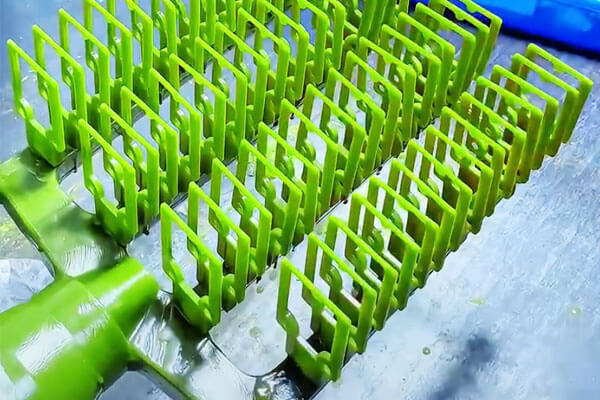
Individuálne voskové vzory sú zostavené do a zhluk alebo strom, čo zlepšuje efektivitu výroby a umožňuje výrobu viacerých odliatkov v jednom cykle formy.
Usporiadanie klastra
Vzdialenosť medzi vzormi musí byť dostatočná, aby sa zabránilo interferencii škrupiny počas nanášania a sušenia.
Počet dielov na klaster by mal zodpovedať aj kapacite pece, rytmus nalievania, a správanie pri tuhnutí zliatiny.
Dizajn brány
Hradlový systém by mal podporovať:
- hladká náplň,
- nízka turbulencia,
- a riadený tok kovu.
Uprednostňuje sa laminárne prúdenie, pretože turbulencia zvyšuje riziko vzniku:
- strhávanie vzduchu,
- oxidové skladanie,
- a zahrnutie trosky.
Pre náročnejšie zliatiny, najmä vysokolegované ocele a superzliatiny, bežne sa používajú usporiadania so spodným vtokom alebo so stupňovitými žľabmi.
Môžu sa pridať lapače trosky alebo predĺženia žľabov na zachytenie plávajúcich nečistôt predtým, ako vstúpia do dutiny.
Rozloženie stúpačky
Stúpačky sú umiestnené na horúcich miestach a zónach posledného tuhnutia, aby poskytovali privádzanie kovu počas tuhnutia. To je nevyhnutné na prevenciu:
- dutiny,
- mikroporéznosť,
- a zmršťovanie stredovej čiary.
Pre zliatiny so širokým rozsahom tuhnutia, viac pomocných stúpačiek môže byť potrebných na udržanie správneho správania pri podávaní.
3.3 Výroba keramických škrupín (Hlavný proces investičného liatia)
Výroba keramickej škrupiny je časovo a technicky najnáročnejší postup.
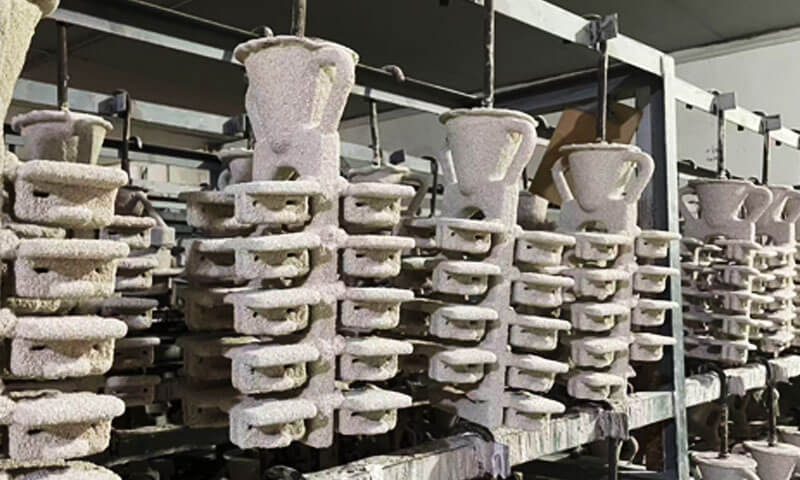
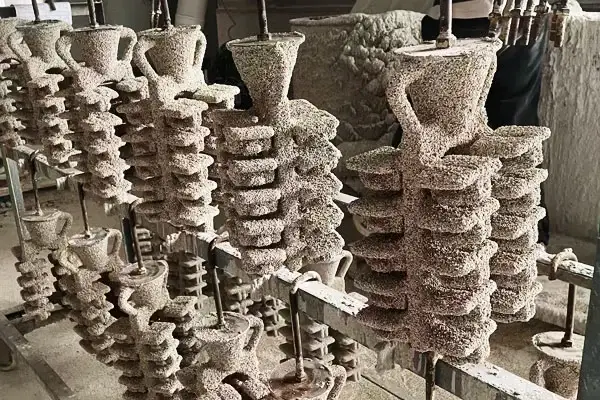
Škrupina je tvorená opakovaným nanášaním žiaruvzdornej kaše a suchého pieskového štuku, rozdelené na tvárový plášť, prechodový náter a záložný náter s diferencovanými žiaruvzdornými materiálmi a funkciami.
Vrstvená štruktúra a zladenie materiálov
- Plášť na tvár (povrchová vrstva): Priamo kontaktuje vysokoteplotný roztavený kov, vyžadujúce ultra vysokú žiaruvzdornosť a chemickú inertnosť.
Pre ušľachtilú nehrdzavejúcu oceľ a superzliatiny, používa sa vysoko čistá zirkónová múčka a zirkónový piesok; pre všeobecnú uhlíkovú oceľ, bežne sa používa tavený oxid hlinitý.
Táto vrstva zabraňuje prenikaniu kovu, lepenie piesku a chemická reakcia medzi roztaveným kovom a žiaruvzdorným materiálom. - Prechodový kabát: Zvyšuje pevnosť spojenia medzi tvárovým náterom a záložným náterom, aby sa zabránilo delaminácii škrupiny počas vypaľovania a liatia.
- Záložný plášť (zadná vrstva): Používa lacný kremenný piesok a mullitové kamenivo na zlepšenie celkovej konštrukčnej pevnosti plášťa a zníženie komplexných nákladov na materiál.
Kontrola sušenia:
Každá natretá vrstva musí podstúpiť úplné prirodzené vysušenie pri konštantnej teplote (22~26 °C) a konštantná vlhkosť (55%~65% RH).
Nedostatočné sušenie zanecháva vo vnútri škrupiny zvyškovú voľnú vodu, ktorý sa stáva zdrojom vodíka a spôsobuje dierkovú pórovitosť v odliatkoch.
Celkový počet vrstiev plášťa sa pohybuje od 8 do 12; hrubostenné veľké odliatky vyžadujú viac ako 12 vrstvy na zvýšenie pevnosti.
Diferenciácia spojiva:
Typ spojiva určuje žiaruvzdornosť škrupiny, obsah nečistôt a celkový výkon, which is also the basis for classifying major investment casting technical routes.
3.4 Odvoz
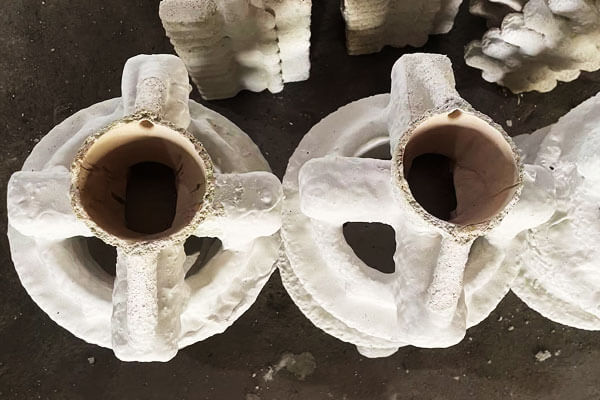
Dewaxing removes the pattern material from the ceramic shell and creates the hollow cavity that will later be filled with molten metal.
Štandardná priemyselná metóda
The preferred industrial method is high-pressure steam dewaxing. This is widely used because it removes wax quickly and reduces the risk of shell damage.
Riadenie procesu
Steam dewaxing must be controlled carefully so that:
- the wax melts out completely,
- the shell is not cracked by thermal shock,
- and no residue remains inside the cavity.
Any leftover wax is a serious problem because it may decompose during later firing and produce carbon contamination, vývoj plynu, or surface defects in the final casting.
Materiálové zhodnocovanie
Recovered wax is usually collected, filtrovaný, and recycled, čo zlepšuje ekonomiku procesu a podporuje opätovné použitie materiálu.
3.5 Vypaľovanie škrupín a predhrievanie pred nalievaním
Dutá keramická škrupina potrebuje segmentované vysokoteplotné vypaľovanie, aby sa úplne odstránili organické zvyšky, spekajú žiaruvzdorné častice a stabilizujú štruktúru plášťa; predhriatie sa vykonáva pred nalievaním, aby sa prispôsobilo teplote roztaveného kovu.
Segmentovaná streľba
Streľba nábojov sa zvyčajne vykonáva v etapách:
- Nízkoteplotné štádium: odstraňuje zvyšky organických látok a stopy vosku
- Strednoteplotné štádium: odvádza naviazanú vlhkosť a rozkladá zvyšné zvyšky spojiva
- Vysokoteplotné štádium: speká žiaruvzdorný plášť a vytvára konečnú pevnosť
Toto stupňovité zahrievanie zabraňuje praskaniu škrupiny a zabezpečuje, že škrupina dosiahne stabilný tepelný a štrukturálny stav.
Predhriatie pred nalievaním
Vypálená škrupina sa potom predhreje, aby sa znížila teplotná medzera medzi formou a roztaveným kovom. Predhrievanie pomáha:
- zlepšiť plnenie,
- znížiť riziko nesprávneho chodu a studeného uzavretia,
- minimalizovať tepelný šok,
- a podopierajte tenšie časti počas plnenia.
Presný rozsah predhrievania závisí od zliatiny, hrúbka sekcie, A čiastočne zložitosť.
3.6 Taviace sa, Kontrola atmosféry, a Nalievanie
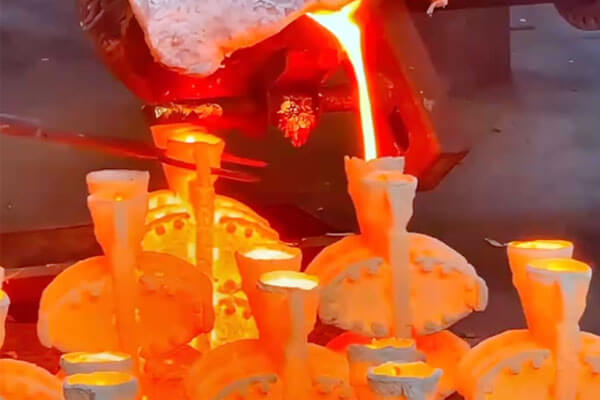
V tomto štádiu sa rozhoduje o metalurgickej čistote a plnení foriem.
Taviace zariadenie
Metóda tavenia musí zodpovedať skupine zliatin:
- Strednofrekvenčná indukčná pec pre všeobecné priemyselné odliatky
- Vákuové indukčné tavenie (Vol) pre zliatiny niklu, zliatiny titánu, a nehrdzavejúcej ocele vysokej čistoty
Regulácia atmosféry
Požiadavky na atmosféru závisia od zliatiny:
- obyčajné uhlíkové ocele sa môžu taviť v systémoch na báze vzduchu,
- nehrdzavejúce ocele a zliatiny medi často vyžadujú tienenie dusíkom alebo argónom,
- a reaktívne alebo vysokovýkonné zliatiny vyžadujú vákuum alebo prísne kontrolované atmosféry.
Regulácia teploty nalievania
Teplota liatia je jednou z najcitlivejších premenných pri odlievaní. Ak je príliš vysoká, riziko segregácie a mikroporéznosti sa zvyšuje.
Ak je príliš nízka, klesá tekutosť a je pravdepodobné, že dôjde k nesprávnemu chodu alebo studenému uzavretiu.
Prehriatie musí zodpovedať chemickému zloženiu zliatiny, plynulosť, a správanie pri tuhnutí.
Režim nalievania
Gravitačné liatie je najbežnejšou metódou. Vákuové liatie možno použiť pre ultratenké alebo veľmi zložité diely.
Bez ohľadu na spôsob, prúdenie by malo zostať rovnomerné a čo najviac laminárne.
3.7 Chladenie, Zatrasenie, a primárne čistenie
Po naliatí, kov musí stuhnúť a vychladnúť za kontrolovaných podmienok.
Chladiaci režim
Odliatky vo vnútri keramického plášťa využívajú prirodzené pomalé chladenie.
Pre zliatiny náchylné na tepelné praskanie (ako je vysokolegovaná nehrdzavejúca oceľ a superzliatiny), nútené rýchle chladenie je zakázané, aby sa napätie tuhnutia uvoľnilo postupne.
Odstránenie škrupiny
Keď odliatok dosiahne izbovú teplotu, keramická škrupina sa odstráni o:
- mechanické vibrácie,
- vysokotlaková voda,
- alebo abrazívne metódy čistenia, ako je otryskanie.
Cieľom je odstrániť všetky zvyšky škrupiny bez poškodenia povrchu odliatku.
Primárne orezávanie
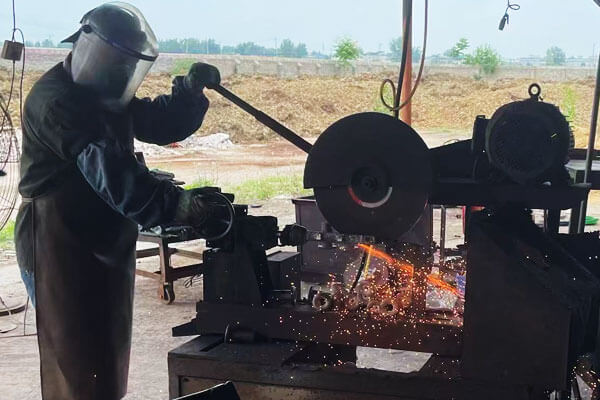
V tejto fáze, odliatok je oddelený od bežiaceho a stúpacieho systému.
Prebytočný materiál sa odstráni, a prvé kroky brúsenia alebo čistenia sa uskutočňujú na oblastiach konektorov a odrezaných bodoch.
3.8 Post-processing a finálna úprava
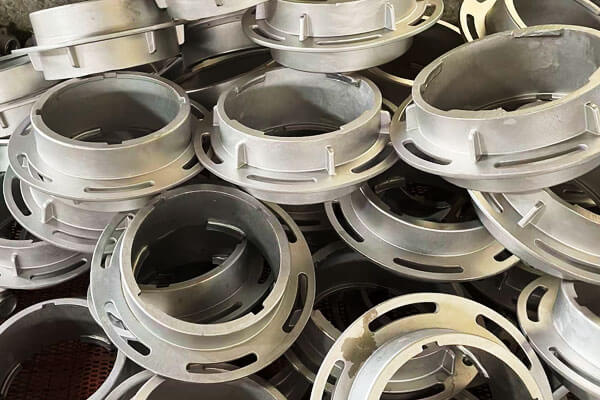
Po výrobe odlievacieho telesa, na dosiahnutie konečného rozmeru sa používajú dodatočné operácie, mechanický, a požiadavky na povrch.
Bežné kroky následného spracovania
- Presné brúsenie a odhrotovanie
- Tepelné spracovanie
- Povrchová úprava
- Precízne obrábanie
- Nedeštruktívne testovanie
- Konečná kontrola rozmerov
Tepelné spracovanie
Spôsob tepelného spracovania závisí od zliatiny:
- uhlíková oceľ môže vyžadovať normalizáciu, zhasnutie, a temperovanie,
- nehrdzavejúca oceľ môže vyžadovať rozpúšťacie žíhanie,
- zliatiny spevnené precipitáciou môžu vyžadovať riešenie plus starnutie.
Tento krok je nevyhnutný pre stabilizáciu mikroštruktúry a dosiahnutie konečných mechanických vlastností.
Povrchová úprava
V závislosti od aplikácie, časť môže dostať:
- otryskanie,
- uvarenie,
- pasivácia,
- Anodizujúci,
- elektrotechnický,
- alebo ochranným náterom.
Precízne obrábanie
Kritické povrchy ako napr:
- montážne plochy,
- závitové otvory,
- lokalizačné plochy,
- a tesniace oblasti
môže vyžadovať dodatočné opracovanie s malými prídavkami.
Kontrola
Konečná kontrola kvality zvyčajne zahŕňa:
- testovanie,
- rádiografické testovanie,
- ultrazvukové testovanie,
- a meranie rozmerov.
Klasifikované sú iba diely, ktoré prejdú všetkými požadovanými kontrolami, zabalené, a doručené.
4. Klasifikácia bežných technológií investičného odlievania
Najpraktickejší spôsob, ako klasifikovať mainstreamový investičný casting, je podľa spojivový systém používaný na stavbu keramického plášťa.
V súčasnej priemyselnej praxi, sú tri dominantné trasy odlievanie vodného skla, Casting investícií na kremíky, a kompozitný investičný odliatok.
Táto klasifikácia je široko používaná, pretože spojivo priamo ovplyvňuje pevnosť škrupiny, rozmerová presnosť, kvalita povrchu, cyklus výroby škrupín, a rodiny zliatin, ktoré môže každá trasa podporovať.
Odlievanie investícií na vodné sklo
Odliatok z vodného skla využívanie kremičitan sodný ako spojivo škrupín.
Opisy odvetvia ho charakterizujú ako proces s relatívne krátkym cyklom výroby škrupín a nízkymi nákladmi, čo ho robí atraktívnym pre výrobu, kde je dôležitá ekonomika.
V rovnakom čase, viaceré zdroje uvádzajú, že škrupiny z vodného skla vo všeobecnosti dávajú nižšia rozmerová presnosť a vyššia drsnosť povrchu ako obaly kremičitého sólu.
Túto cestu je preto najlepšie chápať ako a nákladovo orientovaná metóda presného liatia.
Je široko používaný pre uhlíkovú oceľ, oceľ, hliník, a odliatky zo zliatiny medi, kde procesná rovnováha uprednostňuje produktivitu a cenu nad najvyššou úrovňou povrchu alebo tolerancie.
Casting investícií na kremíky
Silica-solový investičný odliatok využívanie koloidný oxid kremičitý ako spojivo.
Technické zdroje ju dôsledne opisujú ako cestu s vyššou presnosťou: ponúka lepšie rozmerové a geometrické tolerancie, hladšia kvalita povrchu, a silnejší celkový výkon plášťa ako odlievanie vodného skla.
S tým súvisí aj dlhší čas na stavbu plášťa a vyššie náklady, pretože presnosť sa dosahuje kontrolovanejšou výrobou škrupín.
Táto cesta je vo všeobecnosti preferovanou voľbou nehrdzavejúca oceľ, žiaruvzdorná oceľ, a vysokovýkonné zliatinové odliatky, najmä tam, kde súčiastka vyžaduje jemné detaily, spoľahlivá kvalita povrchu, a prísnejšia kontrola tolerancie.
V praxi, kremičitý sol je cesta, ktorá sa najčastejšie spája s náročnými priemyselnými dielmi, kde kvalita procesu musí zodpovedať výkonu zliatiny.
Kompozitné investičné odlievanie
Kompozitný investičný odliatok je a hybridný prístup ktorá kombinuje prvky oboch systémov spojív, aby sa dosiahla rovnováha presnosti, produktivitu, a náklady.
Zlievárenské zdroje opisujú tento typ cesty ako praktický stred, kde je dizajn škrupiny alebo výber spojiva upravený tak, aby proces nebol úplne prémiový, ako napríklad kremičitý sól, ale tiež nie tak nákladovo obmedzené ako čisté ostreľovanie z vodného skla.
Z inžinierskeho hľadiska, zložená cesta sa používa vtedy, keď diel potrebuje lepšia ekonomika ako úplné odlievanie kremičitým roztokom ale aj potreby lepšia kvalita ako odliatok z čistého vodného skla.
Presná realizácia sa líši v závislosti od zlievarne, pretože kompozitné systémy do veľkej miery závisia od toho, ako je tvárový náter, záložný kabát, a spojivová chémia sú kombinované.
5. Typické chyby odliatku: Hlavné príčiny a cielené nápravné opatrenia
Odlievanie investícií, napriek svojej presnosti, je náchylný na niekoľko typov defektov. V tabuľke nižšie sú zhrnuté bežné chyby, ich pôvod, a nápravné opatrenia.
| Defekt | Vizuálne / NDT podpis | Príčina | Nápravné opatrenia |
| Pórovitosť | Okrúhle, vnútorné dutiny s hladkými stenami | Rozpustené plyny (H₂, N₂) v roztavenom kove; nízka deoxidácia | Vákuové tavenie; odplyniť inertným plynom; správna dezoxidačná prax |
| Pórovitosť | Zubatý, nepravidelné dutiny | Nedostatočné kŕmenie; zlý dizajn stúpačky | Zvýšte veľkosť stúpačky; pridať zimomriavky; modifikovať hradlovanie na podporu smerového tuhnutia |
| Horúca slza | Crack s otrhaný, oxidované okraje | Ťahové napätie pri neskorom tuhnutí; plesňové obmedzenie | Znížte tuhosť škrupiny; nižšia teplota nalievania; upraviť zloženie zliatiny |
| Inklúzia (troska, štrbina) | Nepravidelné nekovové častice | Turbulentné liatie; špinavá tavenina; erodovaný žiaruvzdorný | Použite čisté nabíjanie; keramické filtre; spodné nalievanie; jemné plnenie |
Drsnosť / žilkovanie |
Vyvýšené línie alebo „plutvy“ pri nahadzovaní | Praskanie škrupiny počas plnenia; nízka pevnosť škrupiny | Zvýšte hrúbku škrupiny; vyšší obsah spojiva; použite silnejší žiaruvzdorný materiál |
| Egypt / studený uzáver | Neúplná náplň; skladaný povrch | Nízka teplota nalievania; slabá tekutosť; tenký rez | Zvýšte teplotu nalievania; zlepšiť hradlovanie; evakuovať pleseň (vysielanie) |
| Posun jadra | Variácia hrúbky steny | Pohyb jadra počas stavby škrupiny alebo liatia | Lepšia podpora jadra (venčeky); pomalšie schnutie škrupiny; nižší tlak nalievania |
6. Porovnanie s pieskovaním, Odlievanie pod tlakom, a Kovanie
Inžinieri často porovnávajú investičné liatie s tromi alternatívnymi výrobnými cestami. Nižšie uvedená tabuľka poskytuje kvantitatívny kompromis.
| Hodnotiace kritérium | Investičný casting | Odlievanie piesku | Odlievanie pod tlakom (HPDC) | Kovanie |
| Povrchová úprava (Rana, µm) | 1.6–6.3 | 6.3–25 | 0.8–3.2 | 0.4–3.2 |
| Rozmerová tolerancia (mm / 25 mm) | ±0,1–0,3 | ±0,5–1,0 | ±0,1–0,3 | ±0,05–0,2 |
| Minimálna praktická časť (mm) | 0.5–1.5 | 3–5 | 0.5–1.0 | 1–3 |
| Geometrická zložitosť | Veľmi vysoký; podrezanie, jemné detaily, vnútorné funkcie | Vysoká s jadrami, ale obmedzená presnosť | Mierny; obmedzená schopnosť podrezania | Nízka až stredná; najlepšie pre jednoduchšie tvary |
| Využitie materiálu | 90–95% | 60–80% | 90–95% | 60–80% |
| Náklady na náradie | Mierne až vysoké | Nízka až stredná | Vysoký | Veľmi vysoký |
| Náklady na časť pri veľkom objeme | Mierny | Nízky | Veľmi nízky | Mierny |
| Náklady na časť pri malom objeme | Vysoká, pokiaľ sa nástroje neodpisujú | Nízka až stredná | Nepraktické kvôli zaťaženiu nástrojmi | Veľmi vysoký |
| Typická maximálna hmotnosť | Až asi 150 kg na oceľové odliatky | Veľmi veľký; cez 10,000 kg možné | Typicky o 15 kg | Nadol 500 kg možné |
| Rozsah zliatiny | Takmer všetky odlievateľné zliatiny | Takmer všetky odlievateľné zliatiny | Väčšinou neželezné zliatiny | Všetky kovy, ale geometriou obmedzene |
7. Priemyselné aplikácie investičného liatia
Investičné liatie sa používa v odvetviach, kde geometrická zložitosť, kvalita povrchu, zliatinový výkon, a opakovateľnosť viac ako najnižšie možné výrobné náklady.
Letectvo a plynové turbíny
Letectvo a kozmonautika je jednou z technicky najnáročnejších oblastí použitia pre investičné liatie.
Komponenty ako čepele turbíny, lopatka, palivové dýzy, puzdrá na difúzory, a ďalšie časti horúcej sekcie často vyžadujú komplexnú geometriu profilu krídla, tenké steny, presné vnútorné priechody, a vynikajúca pevnosť pri vysokých teplotách.
Superzliatiny na báze niklu a zliatiny na báze kobaltu sú široko používané, pretože si môžu zachovať mechanickú integritu v náročných tepelných a stresových podmienkach.
Lekárske prístroje a implantáty
Medicínske aplikácie kladú na proces iný súbor požiadaviek.
Časti ako napr ortopedické implantáty, bedrové stonky, podnosy na kolená, chirurgické nástroje, a presný anatomický hardvér vyžadujú biokompatibilitu, kvalita povrchu, rozmerová presnosť, a spoľahlivý mechanický výkon.
Bežné materiály zahŕňajú 316L Nerezová oceľ, Co-Cr-Mo zliatiny, a zliatiny titánu, ako je TI-6AL-4V.
Automobilový priemysel a doprava
V automobilovom sektore, investičný odliatok sa používa na komponenty ako napr turbodúchadlo, výfukové potrubie, Komponenty súvisiace s EGR, radenie vidlíc, zátvorky, a ďalší vysokovýkonný hardvér.
Tieto časti často vyžadujú rovnováhu tepelnej odolnosti, kontrola hmotnosti, a geometrická zložitosť.
Nerezové ocele a ocele s vysokým obsahom uhlíka alebo legované ocele sa bežne používajú v závislosti od prípadu tepelného a mechanického zaťaženia.
Ropa a plyn, chemické spracovanie, a manipuláciu s tekutinami
Ropný a plynárenský a chemický priemysel sa vo veľkej miere spolieha na investičné odlievanie telá ventilu, čerpacie obežné kolesá, puzdrá prietokomerov, príslušenstvo, a komponenty prietoku odolné voči korózii.
Medzi typické materiály patrí Nerezová oceľ typu CF-8M, duplexné nehrdzavejúce ocele, a zliatiny na báze niklu odolné voči korózii.
Zariadenia na výrobu elektriny a tepla
Výroba energie kladie investície do niektorých z najnáročnejších prevádzkových podmienok.
Komponenty ako spaľovacie vložky, prechodové kusy, tryskové krúžky, a ďalšie zariadenia na horúci plyn sú vystavené oxidácii, tepelná cyklistika, a vysokoteplotný prúd plynu.
Nerezové ocele ako napr 310 a zliatiny na báze niklu ako napr Odvoz 625 sa bežne používajú kvôli ich schopnosti pri zvýšených teplotách.
10. Záver
Investičné liatie je vyspelé, viacvetvová a neustále sa rozvíjajúca technológia presného tvárnenia kovov.
Jeho základná hodnota spočíva v prelomení štrukturálnych obmedzení tradičných foriem a realizácii integrovaného tvarovania zložitých vysokovýkonných komponentov v takmer sieťovom tvare..
Tri hlavné technické cesty založené na spojivách tvoria jasný hierarchický trh: nízkonákladové odlievanie vodného skla dominuje všeobecným priemyselným stredne presným dielom,
zatiaľ čo vysoko čistý kremičitý sólový odliatok sa stáva zlatým štandardom pre špičkové presné komponenty v letectve, lekárske a špičkové energetické oblasti.
Kvalita investičných odliatkov závisí od celoreťazcového presného riadenia výroby voskového vzoru, výroba mušlí, odvoz, streľba, tavenie a nalievanie.
Každý procesný parameter a prevádzková norma sú vzájomne prepojené, a akákoľvek nedbalosť spustí kaskádové chyby.
Aj keď je v niektorých scenároch obmedzený výrobným cyklom a nákladmi, jeho jedinečné výhody pri vytváraní zložitých štruktúr, metalurgická kvalita a materiálová prispôsobivosť mu zabezpečujú nezastupiteľné postavenie v špičkovej výrobe.
Poháňané inteligentnou výrobou, zelená výroba a nová iterácia materiálov, moderné investičné liatie ďalej prelomí technické prekážky, zlepšiť efektivitu výroby a znížiť komplexné náklady.
Ako základná technológia presného odlievania, bude naďalej podporovať modernizáciu globálnej výroby špičkových zariadení a rozširovať svoje aplikačné hranice v rozvíjajúcich sa odvetviach.
Časté otázky
Čo je hlavnou myšlienkou investičného castingu?
Jednorazový voskový alebo plastový vzor je obklopený keramickým plášťom, vzor je odstránený, a roztavený kov sa naleje do dutiny, aby sa vytvorila časť v tvare siete.
Prečo sa uprednostňuje investičné liatie pred liatím do piesku?
Pretože vo všeobecnosti poskytuje jemnejšie detaily, lepšia povrchová úprava, a prísnejšie tolerancie, ktoré znižujú dokončovacie práce.
Ktorý spojivový systém poskytuje najvyššiu presnosť?
Silica sol sa všeobecne používa pre najvyššiu presnosť, investičné odliatky s hladkým povrchom, kým systémy vodného skla sú viac orientované na náklady.
Aké sú najčastejšie poruchy?
Inklúzia, pórovitosť, defekt zmrašťovania, chybný chod/studený uzáver, a praskanie škrupiny patrí medzi najbežnejšie problémy odlievania.