Injap rama-rama adalah antara peranti kawalan aliran yang paling banyak digunakan dalam sistem paip perindustrian, dihargai kerana reka bentuknya yang padat, Berat ringan, operasi suku pusingan pantas, dan keberkesanan kos.
Namun begitu, persembahan, kebolehpercayaan, dan hayat perkhidmatan injap rama-rama bergantung secara kritikal pada satu keputusan asas: pilihan bahan badan dan cakera.
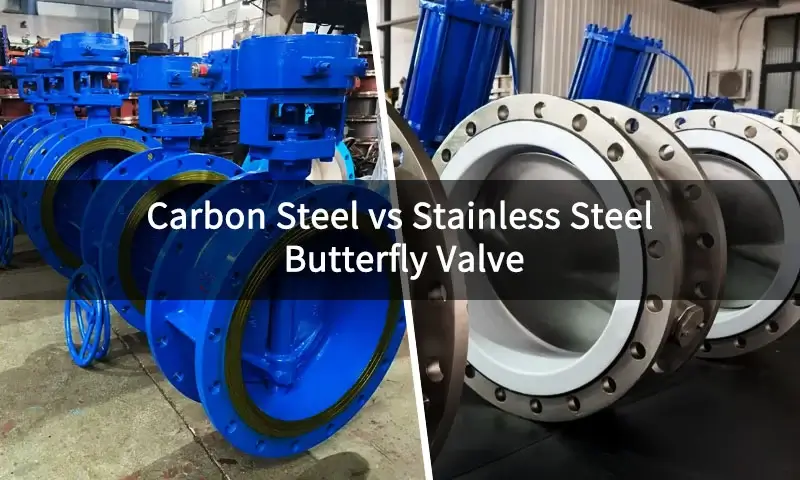
Dua keluarga bahan dominan untuk injap rama-rama ialah keluli karbon dan keluli tahan karat.
Keluli karbon menawarkan kekuatan dan keberkesanan kos yang luar biasa, menjadikannya pilihan lalai untuk aplikasi industri am seperti air, udara, wap, dan perkhidmatan minyak.
Keluli tahan karat, dengan rintangan kakisan yang unggul, sifat kebersihan, dan keupayaan suhu tinggi, adalah bahan pilihan untuk media yang agresif, Persekitaran marin, pemprosesan makanan, dan aplikasi farmaseutikal.
Memilih antara keluli karbon dan injap rama-rama keluli tahan karat bukan semata-mata soal kos—ia adalah keputusan strategik yang mempengaruhi jangka hayat peralatan, keperluan penyelenggaraan, Pematuhan peraturan, dan jumlah kos pemilikan.
1. Apa Itu Injap Rama-rama?
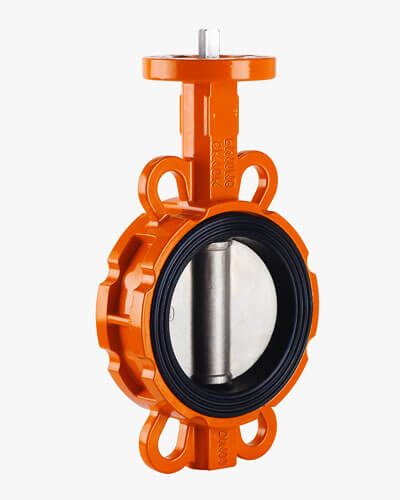
A injap rama -rama adalah a injap gerakan berputar suku pusingan yang mengawal aliran bendalir dengan memutar cakera bulat yang dipasang pada aci pusat.
Apabila pegangan, kotak gear, penggerak pneumatik, atau penggerak elektrik memutarkan batang dengan 90 ijazah, cakera bertukar serentak:
- Terbuka sepenuhnya (0°): Cakera adalah selari dengan arah aliran, membenarkan aliran maksimum dengan kehilangan tekanan yang agak rendah.
- Sebahagian Terbuka: Cakera sebahagiannya menghalang saluran paip, mengawal kadar aliran.
- Ditutup Sepenuhnya (90°): Cakera berserenjang dengan aliran, mengedap pada tempat duduk injap untuk menghentikan laluan bendalir.
Tidak seperti injap pintu yang memerlukan beberapa pusingan untuk beroperasi, injap rama-rama menyediakan pembukaan dan penutupan yang sangat pantas, menjadikannya sesuai untuk kawalan proses automatik dan aplikasi tutup kecemasan.
Prestasi injap rama-rama bergantung bukan sahaja pada reka bentuk strukturnya tetapi juga pada pemilihan bahan badan, bahan cakera, bahan batang, komponen pengedap, dan ketepatan pembuatan.
Antara faktor tersebut, bahan badan—terutamanya keluli karbon berbanding keluli tahan karat—selalunya menjadi penentu utama ketahanan, Rintangan kakisan, hayat perkhidmatan, dan kos kitaran hayat keseluruhan.
Jenis Injap Rama-rama Biasa
| Jenis Injap Rama-rama | Ciri-ciri Struktur | Aplikasi biasa |
| Injap rama -rama wafer | Dipasang di antara dua bebibir paip dan diikat menggunakan bolt bebibir yang melalui saluran paip. Padat, ringan, dan menjimatkan. | Bekalan air, Sistem HVAC, pengairan, udara termampat, perlindungan kebakaran, dan perkhidmatan perindustrian am. |
| Injap rama -rama lug | Dilengkapi dengan lug berulir pada kedua-dua belah badan injap, membenarkan setiap bebibir dikunci secara bebas. | Industri proses, tumbuhan kimia, pemprosesan makanan, sistem farmaseutikal, dan saluran paip yang memerlukan penyelenggaraan yang kerap. |
| Injap Rama-Rama Bebibir Berganda | Mempunyai bebibir integral pada kedua-dua belah badan injap untuk sambungan bolt terus ke bebibir mengawan. Menyediakan ketegaran dan penjajaran struktur yang sangat baik. | Penghantaran air perbandaran, loji kuasa, Kejuruteraan Marin, perlombongan, minyak & Talian paip gas, dan sistem perindustrian tugas berat lain. |
Concentric (Garis tengah) Injap rama -rama |
Cakera dan batang diletakkan pada garis tengah yang sama, dengan tempat duduk elastomer yang berdaya tahan menyediakan pengedap sepanjang putaran. | Rawatan air, HVAC, air penyejuk, sistem air sisa, dan aplikasi industri tujuan umum. |
| Injap Rama-Rama Imbang Berganda | Batang diimbangi dari kedua-dua pusat cakera dan garis tengah badan injap, mengurangkan geseran antara cakera dan tempat duduk semasa operasi. | Loji petrokimia, Sistem stim, penjanaan kuasa, Platform luar pesisir, dan saluran paip proses tekanan sederhana hingga tinggi. |
| Injap Rama-Rama Triple-Offset | Menggabungkan offset geometri ketiga, mencipta mekanisme pengedap logam-ke-logam kon yang hampir menghilangkan gosokan semasa operasi. | Kilang penapisan minyak, kemudahan LNG, pemprosesan kimia, sistem wap suhu tinggi, kejuruteraan luar pesisir, dan aplikasi perkhidmatan teruk yang lain. |
Mengapa Bahan Badan Adalah Kritikal
Bahan badan injap rama-rama menentukan:
- Rintangan kakisan: Keupayaan untuk menahan cecair perkhidmatan dan keadaan persekitaran.
- Keupayaan suhu: Suhu perkhidmatan maksimum dan minimum.
- Penilaian Tekanan: Tekanan kerja maksimum yang dibenarkan.
- Kekuatan mekanikal: Keupayaan untuk menahan tekanan talian, Berbasikal Thermal, dan getaran.
- Kos: Kos bahan memberi kesan ketara pada harga injap keseluruhan.
- Pematuhan: Sama ada injap memenuhi keperluan kawal selia (makanan, Farmaseutikal, nuklear, dll.).
2. Injap Rama-rama Keluli Karbon
Apa itu keluli karbon?
Keluli karbon ialah aloi besi-karbon yang mengandungi jumlah unsur pengaloian yang agak kecil.
Kekuatannya dicapai terutamanya melalui kandungan karbon dan rawatan haba dan bukannya penambahan kromium atau nikel.
Kerana ia tidak mempunyai filem kromium oksida pasif yang terdapat dalam keluli tahan karat, keluli karbon mempunyai rintangan kakisan yang terhad tetapi menawarkan kekuatan mekanikal yang sangat baik, kebolehkerjaan, dan kecekapan kos.
Untuk injap rama-rama, keluli karbon kekal sebagai salah satu bahan badan yang paling banyak digunakan dalam industri di mana kakisan adalah sederhana dan prestasi mekanikal adalah keperluan utama.
Salutan pelindung, pelapik, atau sistem pengecatan sering digunakan untuk meningkatkan ketahanan alam sekitar.
Gred Keluli Karbon Biasa untuk Injap Rama-rama
Gred berikut biasanya dinyatakan dalam piawaian injap antarabangsa:
| Gred | Standard | Permohonan biasa | Ciri -ciri |
| ASTM A216 WCB | Keluli karbon tuang | Injap Perindustrian Umum | Kekuatan dan kebolehkimpalan yang sangat baik |
| ASTM A216 WCC | Keluli karbon tuang | Peralatan yang mengandungi tekanan | Keliatan impak yang dipertingkatkan |
| ASTM A352 LCB | Keluli tuang suhu rendah | Perkhidmatan kriogenik dan suhu rendah | Keliatan yang tinggi |
| ASTM A105 | Keluli karbon palsu | Injap palsu tekanan tinggi | Kekuatan mekanikal yang unggul |
| ASTM A350 LF2 | Keluli suhu rendah palsu | Saluran paip suhu rendah | Keliatan suhu rendah yang sangat baik |
Antara ini, ASTM A216 WCB ialah piawaian industri untuk injap rama-rama keluli karbon guna umum kerana ia menyediakan gabungan sifat mekanikal yang seimbang, adanya, dan ekonomi pembuatan.
Ciri-ciri Injap Rama-rama Keluli Karbon
Kekuatan Tinggi dan Rintangan Tekanan
Injap rama-rama keluli karbon menawarkan kekuatan mekanikal dan ketegaran yang sangat baik, menjadikannya sesuai untuk sistem paip tekanan tinggi dan injap berdiameter besar.
Bahan biasa seperti ASTM A216 WCB, A352LCB, dan A105 memberikan prestasi struktur yang boleh dipercayai di bawah keadaan operasi yang mencabar.
Kebolehsuaian Suhu Lebar
Bergantung kepada gred bahan, injap keluli karbon boleh beroperasi merentasi julat suhu yang luas.
WCB standard biasanya digunakan untuk perkhidmatan industri am, manakala LCB direka untuk aplikasi suhu rendah, membuat keluli karbon sesuai untuk stim, minyak, gas, dan sistem utiliti.
Kebolehkilangan Cemerlang
Keluli karbon mempunyai kebolehtuangan yang baik, kebolehkerjaan, dan kebolehkalasan, membenarkan pengeluaran yang cekap melalui tuangan, menunaikan, pemesinan CNC, dan kimpalan. Proses pembuatannya yang matang juga membantu mengurangkan kos pengeluaran.
Penyelesaian Kos Berkesan
Berbanding dengan keluli tahan karat, keluli karbon adalah lebih menjimatkan sementara masih memberikan prestasi mekanikal yang sangat baik.
Ia selalunya menjadi pilihan pilihan untuk media tidak menghakis atau agak menghakis di mana rintangan kakisan yang tinggi tidak diperlukan.
Rintangan kakisan terhad
Keluli karbon tidak secara semula jadi menahan kakisan dan biasanya memerlukan salutan pelindung seperti epoksi, Fbe, atau salutan yang kaya dengan zink.
Dalam persekitaran yang agresif, perlindungan kakisan tambahan adalah penting untuk memastikan hayat perkhidmatan yang panjang.
3. Injap rama -rama keluli tahan karat
Apa itu keluli tahan karat?
Keluli tahan karat ialah aloi berasaskan besi yang mengandungi sekurang-kurangnya lebih kurang 10.5% Chromium, yang membentuk filem pasif kromium oksida yang stabil di permukaan.
Lapisan pasif ini terus menjana semula apabila rosak, memberikan ketahanan yang luar biasa terhadap pengoksidaan dan kakisan tanpa memerlukan salutan pelindung tambahan.
Bergantung kepada komposisi aloi, keluli tahan karat juga mungkin mengandungi nikel, Molybdenum, nitrogen, Mangan, titanium, niobium, atau tembaga untuk meningkatkan rintangan kakisan, kekuatan mekanikal, ketangguhan, kebolehkalasan, atau prestasi suhu tinggi.
Untuk injap rama-rama, keluli tahan karat adalah bahan pilihan apabila hayat perkhidmatan yang panjang, Rintangan kakisan, kebersihan produk, atau prestasi kebersihan diperlukan.
Ia digunakan secara meluas dalam pemprosesan kimia, Farmaseutikal, pengeluaran makanan dan minuman, kejuruteraan luar pesisir, tumbuhan penyahgaraman, dan sistem cecair ketulenan tinggi.
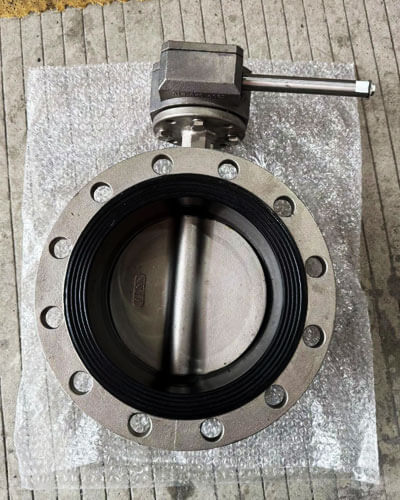
Gred Keluli Tahan Karat Biasa untuk Injap Rama-rama
Gred keluli tahan karat yang berbeza dipilih mengikut rintangan kakisan, kekuatan mekanikal, keupayaan suhu, dan persekitaran perkhidmatan.
| Gred keluli tahan karat | Bahan Setara | Ciri -ciri utama | Aplikasi biasa |
| CF8 | Cast 304 Keluli tahan karat (Dalam 1.4308) | Rintangan kakisan umum yang sangat baik, ketangguhan yang baik, kebolehkalasan yang baik, ekonomik | Rawatan air, HVAC, pemprosesan makanan, perkhidmatan kimia am |
| CF8m | Cast 316 Keluli tahan karat (Dalam 1.4408) | Rintangan kakisan yang dipertingkatkan molibdenum, rintangan yang sangat baik terhadap klorida dan air laut | Pemprosesan kimia, Kejuruteraan Marin, Platform luar pesisir, penyahgaraman |
| CF3 | Tuang Keluli Tahan Karat 304L (Dalam 1.4306) | Kandungan karbon rendah meminimumkan pemendakan karbida dan meningkatkan kebolehkimpalan | Sistem paip yang dikimpal, peralatan farmaseutikal, industri makanan dan minuman |
CF3m |
Tuang Keluli Tahan Karat 316L (Dalam 1.4404) | Versi karbon rendah CF8M dengan rintangan kakisan kimpalan yang unggul | Sistem proses ketulenan tinggi, Bioteknologi, loji farmaseutikal dan kimia |
| Keluli tahan karat dupleks | ASTM A890 Gred 4A (2205) | Kekuatan tinggi, Rintangan yang sangat baik untuk pitting, Crevice Corrosion, dan tegasan kakisan retak | Minyak luar pesisir & gas, saluran paip air laut, pulpa & kertas, Sistem tekanan |
| Keluli tahan karat super dupleks | ASTM A890 Gred 5A/6A (2507) | Rintangan kakisan yang luar biasa, kekuatan mekanikal yang sangat tinggi, prestasi air laut yang luar biasa | Platform luar pesisir, Peralatan Subsea, tumbuhan penyahgaraman, pemprosesan kimia yang agresif |
Ciri-ciri Injap Rama-rama Keluli Tahan Karat
Rintangan kakisan yang sangat baik
Kelebihan utama injap rama-rama keluli tahan karat ialah ketahanannya yang luar biasa terhadap kakisan.
Filem pasif yang kaya dengan kromium melindungi injap daripada karat, pengoksidaan, dan banyak bahan kimia, menjadikan keluli tahan karat sesuai untuk persekitaran yang keras dan menghakis.
Prestasi Kimia dan Kebersihan Unggul
Gred seperti CF8m (316), dupleks, dan keluli tahan karat super dupleks memberikan ketahanan yang lebih baik terhadap klorida, asid, dan air laut.
licin mereka, permukaan tidak berliang juga menjadikannya sesuai untuk pemprosesan makanan, Farmaseutikal, dan aplikasi kebersihan lain.
Prestasi Boleh Dipercayai pada Suhu Tinggi
Keluli tahan karat austenit mengekalkan kekuatan yang baik dan rintangan pengoksidaan pada suhu tinggi, membenarkan operasi yang stabil dalam sistem stim, tumbuhan kimia, dan perkhidmatan suhu tinggi yang lain.
Hayat perkhidmatan yang panjang
Kerana keluli tahan karat tahan kakisan, Pakai, dan pengoksidaan, ia biasanya memerlukan kurang penyelenggaraan dan menawarkan hayat perkhidmatan yang lebih lama daripada keluli karbon, terutamanya dalam persekitaran operasi yang mencabar.
Kos awal yang lebih tinggi
Walaupun injap rama-rama keluli tahan karat mempunyai harga belian yang lebih tinggi daripada injap keluli karbon, keperluan penyelenggaraan yang lebih rendah dan hayat perkhidmatan yang lebih lama sering mengakibatkan jumlah kos kitaran hayat yang lebih rendah untuk aplikasi yang menghakis.
4. Pembuatan dan Pemesinan Injap Rama-rama
Prestasi dan hayat perkhidmatan injap rama-rama bergantung bukan sahaja pada pemilihan bahan tetapi juga pada kualiti pembuatan.
Daripada menuang atau menempa badan injap kepada pemesinan ketepatan dan ujian akhir, setiap peringkat pengeluaran secara langsung mempengaruhi ketepatan dimensi, prestasi pengedap, Rintangan tekanan, dan kebolehpercayaan operasi.
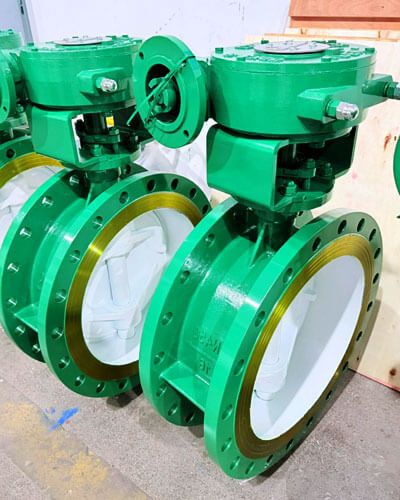
Pemutus Precision
Injap Rama-rama Keluli Karbon
Medium- dan bersaiz besar injap rama-rama keluli karbon badan biasanya dihasilkan menggunakan Pemutus pasir, termasuk pasir hijau dan proses pasir berikat resin.
Teknologi ini mantap untuk menghasilkan komponen yang mengandungi tekanan yang agak besar dan menawarkan keseimbangan yang menggalakkan antara kecekapan pengeluaran, hasil tuangan, kos perkakas, dan keperluan dimensi.
Keluli karbon secara amnya lebih mudah untuk dituang daripada keluli tahan karat beraloi tinggi kerana keperluan lebur dan penuangannya kurang menuntut.
Proses yang agak matang juga menjadikan keluli karbon menarik untuk pengeluaran injap industri volum tinggi.
Untuk komponen yang lebih kecil atau kompleks secara geometri, Pelaburan Pelaburan boleh digunakan di mana ketepatan dimensi dipertingkatkan, kualiti permukaan, dan pengurangan elaun pemesinan diperlukan.
Injap Rama-rama Keluli Tahan Karat
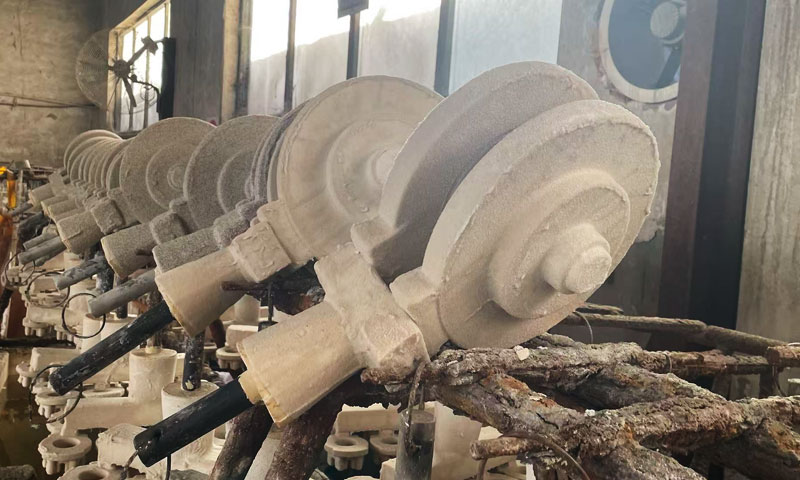
Injap rama-rama keluli tahan karat komponen dihasilkan menggunakan kedua-duanya Pelaburan Pelaburan dan pemutus pasir, dengan kaedah yang sesuai ditentukan terutamanya oleh saiz komponen dan geometri.
Pemutus pelaburan, juga dikenali sebagai proses hilang-lilin, amat sesuai untuk yang kecil- kepada komponen bersaiz sederhana dengan geometri kompleks.
Ia boleh memberikan dimensi yang agak tepat dan permukaan licin, mengurangkan keperluan pemesinan seterusnya.
Badan injap keluli tahan karat berlubang besar lebih biasa dihasilkan oleh tuangan pasir kerana batasan praktikal tuangan pelaburan untuk komponen yang sangat besar.
Pemesinan CNC Precision
Sebaik sahaja tuangan mentah atau penempaan telah dihasilkan, Pemesinan CNC mencipta ciri ketepatan yang diperlukan untuk prestasi pemasangan dan pengedap.
Operasi pemesinan kritikal termasuk:
- Bebibir pemesinan menghadap ke standard antarabangsa (Asme, Dalam, ISO)
- Membosankan laluan aliran dalaman
- Pemesinan ketepatan lubang batang
- Pemesinan permukaan pengedap cakera
- Memproses tempat duduk galas dan lokasi sesendal
- Pemesinan benang untuk injap jenis lug
- Kemasan permukaan antara muka pengedap
Pusat pemesinan CNC moden secara rutin mencapai toleransi dalam ±0.02–0.05 mm, memastikan ketumpuan yang sangat baik antara badan injap, batang, dan cakera.
Ketepatan pemesinan yang tinggi mengurangkan tork operasi, meningkatkan kebolehpercayaan pengedap, dan memanjangkan hayat perkhidmatan.
5. Perbandingan sifat mekanikal: Keluli Karbon lwn Injap Rama-rama Keluli Tahan Karat
Sifat mekanikal menentukan bagaimana badan injap dan cakera bertindak balas terhadap tekanan dalaman, beban luaran, perubahan suhu, dan kitaran operasi berulang.
Namun begitu, sifat bahan sahaja tidak menetapkan penarafan tekanan injap rama-rama.
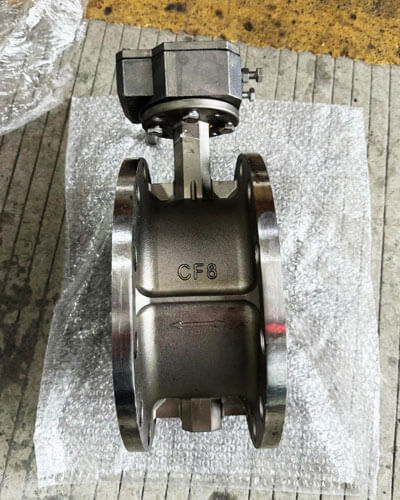
Keupayaan tekanan sebenar juga bergantung kepada Ketebalan dinding, geometri injap, diameter, standard reka bentuk, suhu, kelas tekanan, konfigurasi cakera, dan kualiti pembuatan.
Jadual berikut memberikan perwakilan nilai minimum atau yang ditentukan untuk bahan injap tuang biasa.
Keperluan yang tepat hendaklah sentiasa disahkan mengikut standard dan edisi bahan yang berkenaan.
| Harta benda | Keluli Karbon A216 WCB | CF8 tahan karat (304-Jenis) | CF8M tahan karat (316-Jenis) | Dupleks CD3MN (2205-Jenis) |
| 0.2% Kekuatan hasil, min. | ≥ 250 MPA | ≥ 205 MPA | ≥ 205 MPA | ≥ 450 MPA |
| Kekuatan tegangan | 485-655 MPa | ≥ 485 MPA | ≥ 485 MPA | ≥ 655 MPA |
| Pemanjangan pada rehat, min. | ≥ 24% | ≥ 35% | ≥ 30% | ≥ 25% |
| Julat Kekerasan Biasa* | ~130–180 HB | ~140–190 HB | ~150–200 HB | ~220–280 HB |
| Modulus keanjalan | ~206 GPa | ~ 193 GPA | ~ 193 GPA | ~ 200 GPa |
*Nilai kekerasan adalah petunjuk dan bukannya julat penerimaan universal dan mungkin berbeza mengikut rawatan haba, spesifikasi produk, dan keadaan ujian.
6. Perbandingan Ketahanan Kakisan
Rintangan kakisan boleh dikatakan adalah perbezaan paling penting antara keluli karbon dan injap rama-rama keluli tahan karat.
Injap mungkin mengekalkan kekuatan mekanikal yang mencukupi apabila baru tetapi secara beransur-ansur kehilangan integriti sempadan tekanan jika kakisan mengurangkan ketebalan dinding berkesannya.
Akibatnya, rintangan kakisan boleh memberi kesan langsung ke atas kebolehpercayaan injap jangka panjang.
| Persekitaran Perkhidmatan | Keluli Karbon WCB | CF8 / 304 Tahan karat | CF8m / 316 Tahan karat |
| Udara kering / gas inert | Boleh diterima | Cemerlang | Cemerlang |
| Air tawar yang bersih | Memerlukan kawalan kakisan | Cemerlang | Cemerlang |
| Air beredar panas | Miskin tanpa perlindungan | Baik–Sangat Baik | Sangat Baik–Cemerlang |
| Air laut / air garam pekat | Miskin | Risiko pitting tinggi | Lebih baik, tetapi masih bergantung pada aplikasi |
| Asid organik yang lemah | Umumnya miskin | Baik untuk media terpilih | Lebih baik untuk banyak perkhidmatan |
| Asid mineral yang kuat | Secara amnya tidak sesuai tanpa perlindungan khusus | Sangat bergantung kepada permohonan | Sangat bergantung kepada permohonan |
| Suasana pantai luar | Memerlukan salutan dan penyelenggaraan | Sangat bagus | Cemerlang |
| Cecair proses yang mengandungi klorida | Miskin -sederhana | Sederhana–Risiko tinggi bergantung pada keadaan | Secara amnya lebih baik daripada 304 |
7. Prestasi suhu: Keluli Karbon lwn Injap Rama-rama Keluli Tahan Karat
Suhu adalah faktor kritikal dalam pemilihan bahan injap rama-rama kerana ia memberi kesan secara langsung kekuatan hasil, kekuatan tegangan, kesan ketangguhan, Rintangan Creep, pengembangan haba, tingkah laku pengoksidaan, prestasi pengedap, dan penarafan tekanan-suhu.
Bahan yang berfungsi dengan baik pada suhu ambien mungkin mengalami perubahan ketara dalam sifat mekanikal apabila suhu operasi meningkat atau menurun.
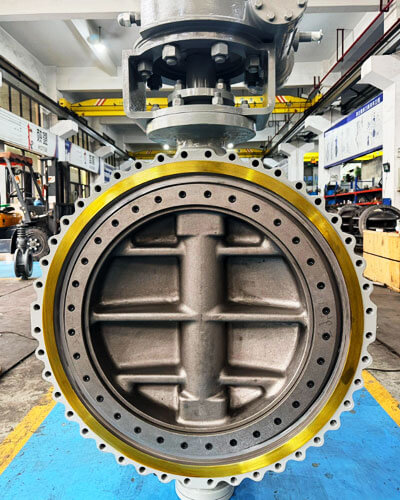
Ciri Suhu Biasa
| Bahan | Suhu Perkhidmatan Berterusan Maksimum Biasa* | Suhu Perkhidmatan Minimum Biasa* | Rintangan kejutan terma | Had Suhu Utama |
| Keluli Karbon WCB | ~425°C | ~−29°C | Sederhana | Pengurangan kekuatan dan pengoksidaan pada suhu tinggi; keliatan suhu rendah terhad |
| LCB Keluli Karbon Suhu Rendah | ~425°C | ~−46°C | Sederhana | Keliatan suhu rendah yang lebih baik daripada WCB, tetapi masih tertakluk kepada had kekuatan suhu tinggi |
| Keluli tahan karat austenit 304 / 316 | ~800–850°C dalam aplikasi suhu tinggi terpilih | Turun kepada ~−196°C apabila layak dengan betul | Cemerlang | Merayap, pengoksidaan, dan perubahan metalurgi menjadi penting pada suhu tinggi |
Keluli tahan karat dupleks 2205 |
~ 300 ° C. | ~−40°C, bergantung pada aplikasi | Baik | Kerosakan dan pemendakan fasa yang tidak diingini selepas pendedahan berpanjangan kepada suhu tinggi |
| Keluli tahan karat super dupleks 2507 | ~ 300 ° C. | ~−40°C, bergantung pada aplikasi | Baik | Had metalurgi suhu tinggi yang serupa dengan gred dupleks |
*Nilai-nilai ini adalah julat perkhidmatan bahan indikatif, bukan had operasi injap rama-rama sejagat.
Suhu sebenar yang dibenarkan mesti ditentukan daripada spesifikasi bahan yang berkenaan, penarafan tekanan-suhu injap, bahan tempat duduk, sistem pengedap, standard reka bentuk, dan data pengeluar.
8. Prestasi Tekanan: Keluli Karbon lwn Injap Rama-rama Keluli Tahan Karat
Prestasi tekanan dikawal oleh interaksi antara kekuatan material, geometri komponen, Ketebalan dinding, suhu, kelas tekanan, dan standard reka bentuk.
Untuk injap industri, ASME B16.34 ialah salah satu piawaian utama yang digunakan untuk penarafan suhu tekanan, dimensi, bahan, ujian, dan keperluan berkaitan untuk pembinaan injap berbumbung.
Prestasi Tekanan: Perbandingan Praktikal
| Faktor | Keluli karbon | CF8 / CF8M Austenit Stainless | Keluli tahan karat dupleks |
| Kekuatan hasil suhu bilik | Tinggi | Sederhana | Sangat tinggi |
| Penahanan tekanan | Cemerlang | Cemerlang | Cemerlang |
| Nisbah kekuatan kepada kos | Cemerlang | Sederhana | Baik |
| Potensi untuk reka bentuk yang ringan | Baik | Sederhana | Cemerlang |
| Pengekalan kekuatan suhu tinggi | Sederhana | Baik | Terhad suhu |
| Kehilangan tekanan berkaitan kakisan | Risiko yang lebih tinggi | Risiko yang lebih rendah | Sangat rendah dalam persekitaran yang sesuai |
| Kesesuaian tekanan tinggi | Cemerlang dengan reka bentuk yang sesuai | Baik -baik | Cemerlang |
| Kelebihan kejuruteraan biasa | Kekuatan struktur ekonomi | Rintangan kakisan + ketangguhan | Kekuatan tinggi + Rintangan kakisan |
Prinsip Kejuruteraan Utama
Perbandingan yang betul tidak:
Bahan manakah yang mempunyai kadar tekanan tertinggi?
Sebaliknya, ia sepatutnya:
Reka bentuk bahan dan injap manakah yang boleh mengekalkan sempadan tekanan yang diperlukan dengan selamat dan menjimatkan sepanjang hayat perkhidmatan yang dimaksudkan?
Perbezaan itu penting dalam kejuruteraan injap industri.
Injap rama-rama keluli karbon boleh memberikan sempadan tekanan yang paling menjimatkan dalam keadaan bersih, perkhidmatan tidak menghakis, manakala keluli tahan karat atau injap dupleks mungkin memberikan integriti tekanan jangka panjang yang unggul apabila kakisan adalah mekanisme degradasi yang dominan.
9. Rintangan Haus dan Hayat Perkhidmatan
Rintangan haus adalah pertimbangan penting apabila memilih antara keluli karbon dan injap rama-rama keluli tahan karat, terutamanya dalam aplikasi yang melibatkan kayuhan yang kerap, zarah kasar, halaju aliran tinggi, atau pendikit berulang kali.
Namun begitu, prestasi memakai tidak boleh dinilai semata-mata oleh bahan badan.
Dalam injap rama-rama, The cakera, batang, tempat duduk, permukaan bearing, tepi pengedap, dan salutan dalaman mungkin mengalami mekanisme haus yang sangat berbeza.
Oleh itu, hayat perkhidmatan sebenar ditentukan oleh interaksi bahan, cecair, reka bentuk injap, kekerapan operasi, perbezaan tekanan, halaju aliran, dan syarat penyelenggaraan.
| Faktor | Keluli karbon | Keluli tahan karat (Austenitic) | Keluli tahan karat dupleks |
| Rintangan lelasan | Baik (gred yang lebih sukar) | Sederhana | Baik‑Cemerlang |
| Hakisan kakisan | Miskin (salutan bergantung) | Baik | Cemerlang |
| Rintangan yang menggigil | Baik | Miskin (kecenderungan perit) | Cemerlang |
| Jangka hayat perkhidmatan (menghakis) | 5‑20 tahun (dengan salutan) | 30‑60+ tahun | 30‑60+ tahun |
| Kekerapan penyelenggaraan | Tinggi (pemeriksaan salutan) | Rendah | Rendah |
10. Keserasian Bendalir dan Kesesuaian Kebersihan
Keserasian Bendalir
- Injap keluli karbon serasi dengan hidrokarbon kering, minyak bahan api, pelincir, udara termampat dan gas lengai.
Mereka biasanya tidak sesuai untuk larutan akueus, asid, alkali dan cecair masin tanpa lapisan dalaman. - Injap keluli tahan karat serasi dengan pelbagai bahan kimia yang sangat luas, cecair berasaskan air, produk makanan dan aliran proses farmaseutikal. Pemilihan gred adalah berdasarkan kandungan klorida, pH dan suhu.
Prestasi Kebersihan dan Kebersihan
Ini adalah kawasan kelebihan mutlak untuk keluli tahan karat:
- Keluli karbon tidak boleh digunakan untuk makanan langsung, minuman atau hubungan produk farmaseutikal.
Hasil kakisan dan ion besi mencemarkan aliran proses, malah permukaan bersalut gagal apabila salutan itu rosak. - Keluli tahan karat mempunyai tidak berliang, permukaan lengai secara kimia yang menentang pembentukan biofilm dan menahan CIP berulang (bersih di tempat) dan SIP (sterilkan-di-tempat) kitaran.
Injap rama-rama keluli tahan karat gred kebersihan dengan bahagian dalam yang digilap memenuhi 3-A, Piawaian hubungan makanan EHEDG dan FDA.
11. Perbandingan Kos: Keluli Karbon lwn Injap Rama-rama Keluli Tahan Karat
Kos selalunya menjadi faktor penentu apabila keperluan teknikal aplikasi boleh dipenuhi oleh lebih daripada satu bahan.
Namun begitu, membandingkan hanya harga pembelian boleh membawa kepada keputusan yang salah.
Perbandingan yang betul dari segi ekonomi adalah berdasarkan Jumlah kos pemilikan (Tco).
Jumlah kos pemilikan
TCO = Kos Belian + Kos Pemasangan + Kos penyelenggaraan + Perlindungan kakisan + Masa hentikan + Kos Penggantian
Perbandingan Kos Kitaran Hayat
| Faktor kos | Keluli karbon | 304 / CF8 | 316 / CF8m | Dupleks / Super Duplex |
| Kos bahan permulaan | Rendah | Medium | Sederhana -tinggi | Tinggi–Sangat Tinggi |
| Kos pembuatan | Rendah | Medium | Sederhana -tinggi | Tinggi |
| Kos pemesinan | Rendah | Lebih tinggi | Lebih tinggi | Lebih tinggi |
| Perlindungan kakisan | Biasanya diperlukan | Biasanya minima | Biasanya minima | Biasanya minima |
| Penyelenggaraan salutan | Berpotensi penting | Rendah | Rendah | Rendah |
| Risiko penggantian berkaitan kakisan | Lebih tinggi | Sederhana | Rendah sederhana | Rendah dalam persekitaran yang sesuai |
| Kos jangka panjang dalam perkhidmatan menghakis | Berpotensi tinggi | Sederhana | Selalunya menguntungkan | Boleh menguntungkan |
| Kes ekonomi terbaik | Tidak menghakis / persekitaran terkawal | Perkhidmatan kalis kakisan am | Klorida / persekitaran kimia | Hakisan teruk + permintaan mekanikal yang tinggi |
12. Panduan Pemilihan Permohonan: Keluli Karbon lwn Injap Rama-rama Keluli Tahan Karat
Tidak ada bahan yang unggul secara universal. Pemilihan yang betul bergantung pada interaksi antara kimia bendalir, suhu, tekanan, risiko kakisan, pemuatan mekanikal, keperluan kebersihan, dan ekonomi projek.
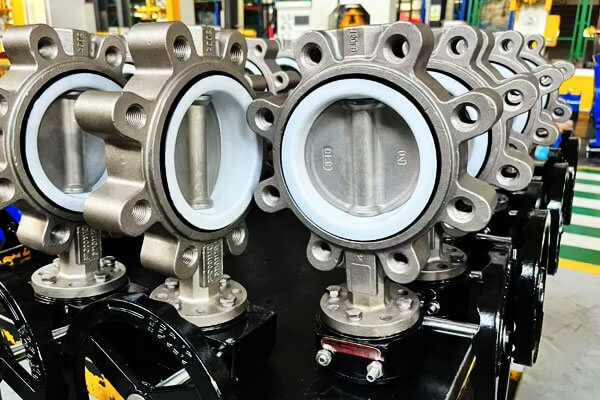
Apabila Keluli Karbon Adalah Pilihan Yang Lebih Baik
Injap rama-rama keluli karbon sering menjadi penyelesaian pilihan apabila:
- Bendalirnya agak tidak menghakis
- Suhu operasi berada dalam julat kelayakan bahan
- Sistem ini berada di dalam rumah atau dilindungi secukupnya
- Salutan pelindung boleh dikekalkan
- Kos modal permulaan adalah pertimbangan utama
- Saiz injap yang besar menjadikan keluli tahan karat mahal secara tidak seimbang
- Kekuatan mekanikal yang tinggi diperlukan pada suhu sederhana
Aplikasi biasa termasuk:
- Sistem HVAC
- Sistem air api
- Pengagihan air am
- Sistem penyejukan industri
- Sistem udara termampat
- Utiliti minyak dan gas
- Paip proses am
Bila 304 / Keluli Tahan Karat CF8 Adalah Sesuai
304-keluli tahan karat jenis biasanya dipilih apabila rintangan kakisan sederhana hingga tinggi diperlukan tetapi persekitarannya tidak kaya dengan klorida yang teruk.
Aplikasi yang sesuai mungkin termasuk:
- Peralatan pemprosesan makanan
- Sistem kimia am
- Rawatan air
- Cecair industri bersih
- Peralatan seni bina dan luaran
- Aplikasi kebersihan am
Ia harus digunakan dengan berhati-hati dalam persekitaran klorida panas kerana kakisan lubang dan celah setempat boleh menjadi ketara..
Bila 316 / Keluli Tahan Karat CF8M Diutamakan
316-jenis keluli tahan karat selalunya merupakan pilihan yang lebih baik di mana pendedahan klorida, pencemaran kimia, atau persekitaran pantai adalah penting.
Aplikasi biasa termasuk:
- Sistem marin
- Tumbuhan proses pantai
- Pemprosesan kimia
- Pemprosesan makanan dan farmaseutikal
- Air berketulenan tinggi
- Utiliti farmaseutikal
- Sistem air garam tertentu
Kehadiran molibdenum memberikan ketahanan yang lebih baik terhadap kakisan setempat berbanding dengan keluli tahan karat jenis 304.
Apabila Keluli Tahan Karat Dupleks Adalah Pilihan Yang Lebih Baik
Keluli tahan karat dupleks amat menarik apabila kedua-dua kekuatan mekanikal dan rintangan kakisan adalah penting.
Ia biasanya dipertimbangkan untuk:
- Sistem luar pesisir
- Penyahgaraman
- Perkhidmatan air laut
- Sistem air tekanan tinggi
- Pengeluaran minyak dan gas
- Cecair proses yang kaya dengan klorida
- Pemprosesan kimia
Kekuatan hasil yang lebih tinggi boleh memberikan kelebihan struktur, manakala rintangan kakisannya boleh meningkatkan hayat perkhidmatan dengan ketara dalam persekitaran yang agresif.
Apabila Keluli Tahan Karat Super Dupleks Diwajarkan
Super dupleks biasanya dipertimbangkan apabila persekitaran operasi terlalu agresif untuk keluli tahan karat austenit konvensional atau apabila kekuatan tinggi diperlukan secara serentak.
Permohonan yang berpotensi termasuk:
- Perkhidmatan air laut yang teruk
- Minyak dan gas luar pesisir
- Air garam berklorida tinggi
- Penyahgaraman
- Sistem dasar laut
- Cecair menghakis tekanan tinggi
Kos bahan dan pembuatan yang lebih tinggi harus dibenarkan oleh hayat perkhidmatan yang diperlukan dan akibat kegagalan.
13. Keluli Karbon lwn Injap Rama-rama Keluli Tahan Karat: Jadual Perbandingan Komprehensif
Jadual berikut meringkaskan perbezaan kejuruteraan utama antara keluli karbon dan injap rama-rama keluli tahan karat, termasuk gred dupleks jika berkaitan.
| Faktor Pemilihan | Keluli Karbon WCB | 304 / CF8 Tahan Karat | 316 / Tahan Karat CF8M | Dupleks 2205 | Super Duplex 2507 |
| Keluarga material | Keluli karbon | Austenitic Stainless | Austenitic Stainless | Duplex Stainless | Super dupleks tahan karat |
| Kekuatan hasil biasa | ≥250 MPa | ≥205 MPa | ≥205 MPa | ~450 MPa kelas minimum | Umumnya sangat tinggi |
| Kekuatan tegangan | 485-655 MPa | ≥485 MPa | ≥485 MPa | ≥655 MPa | Biasanya sangat tinggi |
| Kemuluran | Baik | Cemerlang | Cemerlang | Baik | Baik |
| Keliatan suhu rendah | Terhad untuk WCB | Cemerlang | Cemerlang | Bergantung kepada gred | Bergantung kepada gred |
| Arah suhu rendah biasa | WCB ~−29°C; LCB ~−46°C | Boleh layak untuk perkhidmatan kriogenik | Boleh layak untuk perkhidmatan kriogenik | Selalunya terhad kepada sekitar -40°C bergantung pada gred | Selalunya terhad kepada sekitar -40°C bergantung pada gred |
| Keupayaan suhu tinggi | Sederhana | Tinggi | Tinggi | Lebih terhad | Lebih terhad |
| Kebimbangan metalurgi suhu tinggi | Kehilangan kekuatan, pengoksidaan, merayap | Merayap, pengoksidaan, kesan berkaitan fasa | Merayap, pengoksidaan, kesan berkaitan fasa | Kerpasan fasa antara logam | Kerpasan fasa antara logam |
Rintangan kakisan umum |
Rendah tanpa perlindungan | Tinggi | Sangat tinggi | Sangat tinggi | Cemerlang |
| Rintangan klorida | Miskin | Sederhana | Baik | Sangat bagus | Cemerlang |
| Kesesuaian air laut | Lemah tanpa perlindungan yang teguh | Terhad | Lebih baik tetapi bergantung pada aplikasi | Sangat bagus | Cemerlang |
| Rintangan kimia | Terhad | Baik untuk bahan kimia terpilih | Sangat Baik untuk banyak aplikasi | Sangat bagus | Cemerlang untuk persekitaran teruk terpilih |
| Pakai rintangan | Baik; boleh jadi keras muka | Sederhana | Sederhana | Baik | Baik |
| Kebolehkerjaan | Cemerlang | Moderat -sukar difahami | Moderat -sukar difahami | Sukar | Sukar |
| Kos pemutus | Rendah sederhana | Sederhana -tinggi | Tinggi | Tinggi | Sangat tinggi |
| Kos pemesinan | Rendah | Lebih tinggi | Lebih tinggi | Tinggi | Tinggi |
Perlindungan permukaan |
Biasanya salutan diperlukan | Biasanya tiada salutan | Biasanya tiada salutan | Biasanya tiada salutan | Biasanya tiada salutan |
| Keperluan pasif | Tidak | Selalunya bermanfaat selepas fabrikasi | Selalunya bermanfaat selepas fabrikasi | Penting untuk prestasi kakisan | Penting untuk prestasi kakisan |
| Kesesuaian kebersihan | Umumnya terhad | Cemerlang apabila direka dengan betul | Cemerlang | Permohonan bergantung | Permohonan bergantung |
| Kos pembelian awal | Terendah | Sederhana | Sederhana -tinggi | Tinggi | Tertinggi |
| Kos penyelenggaraan dalam perkhidmatan menghakis | Berpotensi tinggi | Rendah sederhana | Rendah | Rendah | Rendah |
| Ekonomi kitaran hayat | Cemerlang dalam perkhidmatan tidak menghakis | Baik dalam kakisan sederhana | Cemerlang dalam persekitaran klorida/kimia | Cemerlang dalam kakisan teruk + kekuatan tinggi | Wajar untuk persekitaran yang teruk |
Aplikasi biasa |
Air, HVAC, air api, utiliti, minyak & gas | Makanan, air, perkhidmatan kimia am | Marin, makanan, Pharma, kimia | Luar pesisir, air laut, penyahgaraman, minyak & gas | Air laut yang teruk, luar pesisir, Subsea, air garam |
| Kelebihan utama | Kos rendah + kekuatan yang baik | Rintangan kakisan + ketangguhan | Rintangan klorida yang lebih baik | Kekuatan + Rintangan kakisan | Rintangan kakisan maksimum antara pilihan ini |
| Had utama | Kakisan | Risiko pitting klorida | Kos yang lebih tinggi daripada 304 | Kepekaan suhu + kos | Kos tinggi + kepekaan suhu |
14. Cara Memilih Antara Keluli Karbon dan Injap Rama-rama Keluli Tahan Karat
Ikuti rangka kerja keputusan berstruktur ini untuk memilih bahan optimum untuk setiap aplikasi:
- Tentukan keadaan operasi penuh Dokumen komposisi cecair, Ph, kandungan klorida, suhu, tekanan, pemuatan pepejal dan kewajipan kitaran. Jangan bergantung pada perihalan perkhidmatan generik.
- Wujudkan hayat reka bentuk yang diperlukan Tentukan hayat perkhidmatan sasaran pemasangan. Untuk kemudahan sementara jangka pendek, keluli karbon biasanya lebih menjimatkan.
Untuk kekal 20+ pemasangan tahun, keluli tahan karat hampir selalu kos lebih rendah dari semasa ke semasa. - Kira jumlah kos kitaran hayat Sertakan pembelian, pemasangan, penyelenggaraan, kos penggantian dan jangkaan masa henti sepanjang tempoh reka bentuk penuh. Elakkan keputusan berdasarkan harga pendahuluan semata-mata.
- Menilai pematuhan dan keperluan keselamatan Untuk makanan, Farmaseutikal, air boleh diminum dan perkhidmatan kriogenik, keluli tahan karat selalunya diwajibkan oleh peraturan atau piawaian industri.
- Menilai kebolehcapaian penyelenggaraan Untuk dikebumikan, pemasangan jauh atau sukar dicapai, mengutamakan keluli tahan karat jangka hayat untuk meminimumkan campur tangan penyelenggaraan yang mahal.
- Pertimbangkan penyelesaian perantaraan untuk kes sempadan Untuk aplikasi di mana keluli tahan karat penuh adalah mahal, pertimbangkan injap keluli karbon dengan trim keluli tahan karat (cakera dan batang), atau badan keluli karbon yang dibarisi dalaman.
15. Mengapa Memilih LangHe untuk Komponen Injap Rama-rama?
LangHe Foundry pakar dalam tuangan ketepatan berkualiti tinggi untuk komponen injap rama-rama, menawarkan penyelesaian menyeluruh daripada pemilihan bahan kepada komponen siap.
Hubungi kami untuk injap rama-rama tersuai.
| Keupayaan | Perincian |
| Bahan | Keluli karbon (WCB, WCC, LCB), Keluli tahan karat (CF‑8, CF‑8M, CF‑3, CF‑3M), Dupleks (CD‑3MN, CE‑8MN). |
| Kaedah pemutus | Pemutus pelaburan, Pemutus pasir. |
| Berat bahagian | 0.05 kg ke 100 kg. |
| Toleransi | ±0.1‑0.3 mm (CT5‑CT7 setiap ISO 8062). |
| Kemasan permukaan | Ra 1.6‑6.3 µm sebagai cast; electropolishing tersedia. |
| Rawatan haba | Penyelesaian Penyepuh, menormalkan, melegakan tekanan. |
| Kualiti | ISO 9001:2015 diperakui; 100% Ujian NDT dan tekanan. |
| Masa utama | 8‑12 minggu untuk perkakas; 2‑4 minggu untuk repeat order. |
Mengapa bekerjasama dengan LangHe?
- Perkakas dalaman: Die dan corak lilin direka dan dikilangkan secara dalaman.
- Simulasi proses: Simulasi pemejalan untuk tuangan tanpa kecacatan.
- Bangunan shell automatik: Kualiti cangkang yang konsisten dan kebolehtelapan.
- Pencairan vakum: Tersedia untuk gred aloi tinggi.
- Kebolehkesanan penuh: Dokumentasi bahan dan proses untuk setiap kelompok.
- Sokongan Kejuruteraan: Pemilihan bahan dan bantuan pengoptimuman reka bentuk.
16. Kesimpulan
Injap rama-rama keluli karbon dan keluli tahan karat masing-masing berfungsi berbeza, peranan yang jelas dalam kawalan bendalir industri, dan tidak ada yang lebih unggul secara universal daripada yang lain.
Injap keluli karbon memberikan prestasi struktur yang luar biasa pada kos permulaan yang rendah, menjadikan mereka kuda kerja yang menjimatkan untuk kering, perkhidmatan utiliti tidak menghakis di mana kakisan bukan faktor pengehad.
Injap keluli tahan karat menawarkan rintangan kakisan yang tiada tandingan, prestasi kebersihan dan hayat perkhidmatan yang panjang, mewajarkan kos pendahuluan yang lebih tinggi dalam menghakis, aplikasi kebersihan dan penyelenggaraan-kritikal.
Pemilihan yang paling kos efektif tidak pernah ditentukan oleh harga pembelian sahaja.
Penilaian sistematik kimia bendalir, keadaan operasi, hayat reka bentuk dan jumlah kos kitaran hayat secara konsisten akan menghasilkan pilihan bahan yang optimum.
Memandangkan proses perindustrian terus menuntut kebolehpercayaan yang lebih tinggi, selang perkhidmatan yang lebih panjang dan pematuhan peraturan yang lebih ketat, injap rama-rama keluli tahan karat akan terus berkembang dalam bahagian pasaran, manakala injap keluli karbon kekal sebagai garis asas yang amat diperlukan untuk perkhidmatan utiliti am dan hidrokarbon.
Soalan Lazim
Bahan mana yang lebih baik untuk injap rama-rama, keluli karbon atau keluli tahan karat?
Ia bergantung pada permohonan. Keluli karbon adalah lebih baik untuk perkhidmatan tidak menghakis di mana kos adalah pemacu utama.
Keluli tahan karat adalah lebih baik untuk persekitaran yang menghakis, aplikasi kritikal kebersihan, dan perkhidmatan suhu tinggi.
Tiada bahan yang lebih baik secara universal—hanya bahan yang sesuai untuk aplikasi khusus.
Adakah injap rama-rama keluli tahan karat lebih mahal daripada keluli karbon?
Ya. Injap keluli tahan karat biasanya berharga 3‑5 kali lebih tinggi daripada injap keluli karbon.
Namun begitu, hayat perkhidmatan yang lebih lama dan kos penyelenggaraan yang lebih rendah selalunya menjadikan keluli tahan karat lebih kos-efektif berbanding jumlah kitaran hayat.
Apakah perbezaan antara keluli tahan karat CF‑8 dan CF‑8M?
CF‑8 bersamaan dengan 304 keluli tahan karat (tiada molibdenum).
CF‑8M bersamaan dengan 316 keluli tahan karat, mengandungi 2‑3% molibdenum untuk rintangan pitting klorida yang lebih baik. CF‑8M diutamakan untuk perkhidmatan marin dan kimia.
Adakah injap rama-rama keluli tahan karat lebih kuat daripada keluli karbon?
Tidak semestinya.
Keluli tahan karat austenit standard seperti CF8 dan CF8M boleh ada kekuatan hasil yang lebih rendah daripada keluli karbon A216 WCB, walaupun ia biasanya menawarkan kemuluran yang lebih besar dan keliatan yang sangat baik.
Keluli tahan karat dupleks, Sebaliknya, boleh mempunyai kekuatan hasil yang jauh lebih tinggi daripada kedua-dua WCB dan keluli tahan karat austenit konvensional.
Therefore, keluli tahan karat tidak boleh dianggap sebagai satu kategori mekanikal.