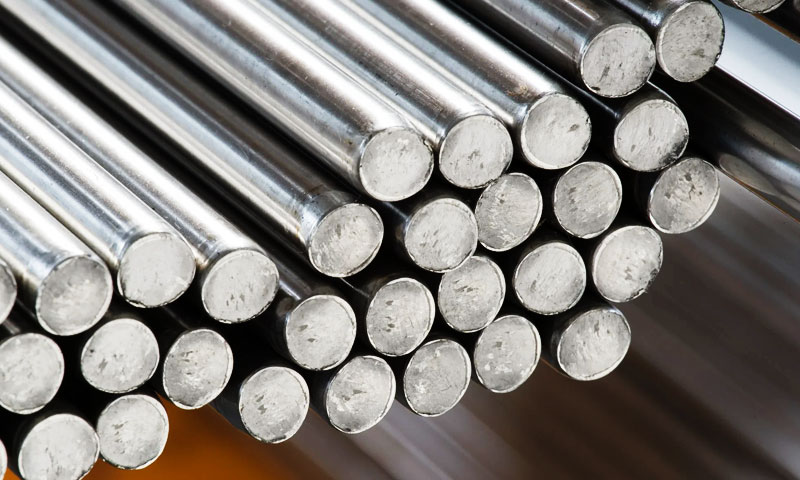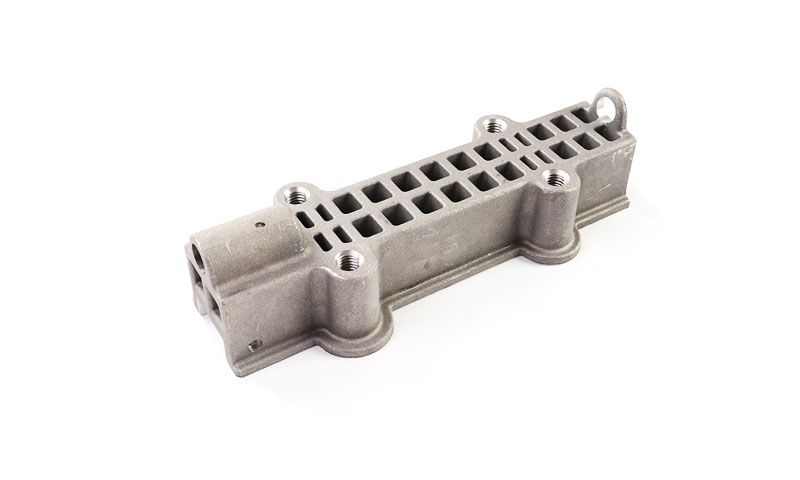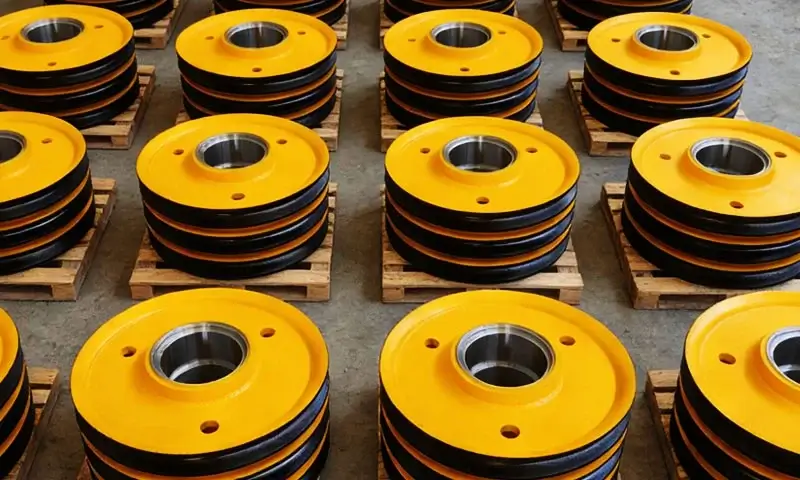
Tuangan ketepatan menyediakan laluan pembuatan yang berkesan untuk berkas kren tersuai kerana ia boleh menghasilkan semula geometri logam yang agak kompleks sambil mengekalkan ketekalan dimensi terkawal dan menyediakan titik permulaan bentuk hampir bersih untuk pemesinan seterusnya.
Apabila digabungkan dengan pemilihan aloi yang sesuai, rawatan haba terkawal, pemesinan CNC, dan pemeriksaan tidak merosakkan, tuangan ketepatan boleh menghasilkan berkas yang disesuaikan dengan sistem tali dawai dan aplikasi pengangkat tertentu.
Objektif kejuruteraan bukan semata-mata untuk menghasilkan berkas yang sesuai dengan pemasangan.
Objektifnya adalah untuk mengeluarkan komponen yang mempunyai integriti tuangan, sifat mekanikal, geometri alur, ketepatan dimensi, dan keadaan permukaan kekal sesuai sepanjang kitaran servis berulang.
Artikel ini meneliti berkas kren tuangan ketepatan dari perspektif reka bentuk komponen, kejuruteraan bahan, pengeluaran faundri, pemesinan, kawalan kualiti, dan prestasi aplikasi.
1. Apa Itu Rak Kren?
A berkas kren ialah roda beralur yang digunakan untuk memandu, ubah hala, sokongan, atau edarkan tali dawai dalam kren atau mekanisme mengangkat lain.
Tali dawai melingkari lilitan berkas, manakala berkas berputar mengelilingi aci, pin, atau hab yang disokong galas.
Bergantung pada konfigurasi kren, satu atau lebih berkas boleh dipasang dalam blok berkas, sistem reeving, kepala boom, pemasangan troli, atau mekanisme mengangkat lain.
Tujuan asas berkas adalah mudah: ia mengubah arah tali dawai dan membolehkan tali bergerak di bawah beban dengan geseran yang berkurangan dan lenturan terkawal.
Fungsi mekanikalnya yang sebenar, Walau bagaimanapun, adalah jauh lebih menuntut.
Apabila tali dawai yang dimuatkan melepasi berkas, tali itu dibengkokkan berulang kali dan tidak dibengkokkan. Alur berkas menyokong tali dan mengedarkan daya sentuhan ke atas kawasan tertentu.
Pada masa yang sama, berkas itu sendiri mesti menahan daya yang dihantar melalui tali tanpa ubah bentuk yang berlebihan, retak, Pakai, atau kehilangan penjajaran.
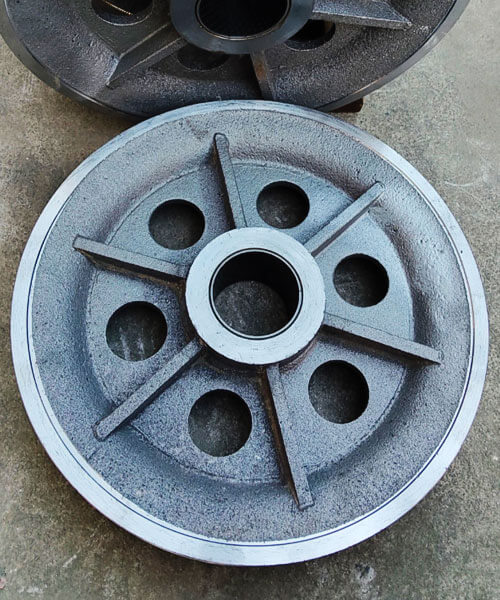
Struktur Asas Serpihan Kren
Rak kren konvensional biasanya terdiri daripada beberapa kawasan berfungsi:
| Komponen | Fungsi utama | Pertimbangan Kejuruteraan Utama |
| Badan Sheave | Menyokong tali dan menghantar beban | Kekuatan, kekakuan, integriti pemutus |
| Alur Tali | Menerima dan membimbing tali dawai | Jejari, kedalaman, profil, kemasan permukaan |
| Hab | Menghubungkan berkas kepada sokongan berputar | Penghantaran beban, Ketebalan dinding |
| Melahirkan | Menampung susunan aci atau galas | Diameter, toleransi, Concentricity |
| Bebibir | Membantu mengekalkan tali dawai | Ketinggian, ketegaran, pelepasan |
| Kerusi Galas | Menyokong galas di mana berkenaan | Ketepatan dimensi, kemasan permukaan |
| Alur kunci / Ciri-ciri Pemasangan | Memindahkan tork atau mengamankan pemasangan | kedudukan, Geometri, penjajaran |
2. Bahan Biasa untuk Serpihan Kren
Pemilihan bahan adalah salah satu keputusan paling penting dalam pembuatan berkas kren tersuai kerana bahan mempengaruhi kekuatan, ketangguhan, Pakai rintangan, tingkah laku keletihan, Rintangan kakisan, kebolehkerjaan, tindak balas rawatan haba, dan persembahan lakonan.
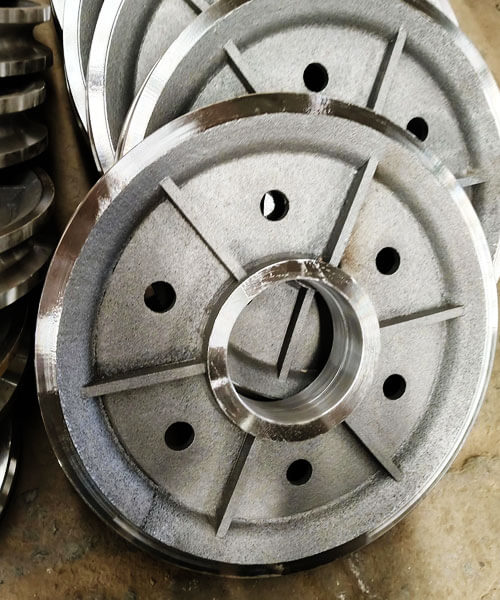
Castings Steel Carbon
Keluli karbon digunakan secara meluas untuk komponen industri am kerana ia memberikan gabungan kekuatan yang berguna, ketangguhan, kebolehkerjaan, kebolehkalasan, dan kecekapan kos.
Untuk berkas kren, keluli karbon mungkin sesuai di mana keadaan perkhidmatan tidak memerlukan kekuatan yang dipertingkatkan, Hardenability, atau rintangan kakisan yang dikaitkan dengan lebih banyak bahan aloi tinggi.
Gred keluli yang tepat hendaklah dipilih mengikut sifat mekanikal yang diperlukan, saiz bahagian tuangan, keadaan rawatan haba, persekitaran operasi, dan spesifikasi teknikal yang berkenaan.
Tuangan Keluli Aloi
Keluli aloi menjadi menarik apabila berkas dikenakan beban yang lebih mencabar atau apabila kebolehkerasan meningkat, ketangguhan, kekuatan, atau rintangan haus diperlukan.
Unsur aloi seperti mangan, Chromium, Molybdenum, dan nikel boleh digunakan dalam kombinasi yang berbeza untuk mengubah suai tindak balas bahan terhadap rawatan haba dan pemuatan perkhidmatan.
Untuk berkas kren tugas berat, faedah keluli aloi bukan sekadar kekuatan yang lebih tinggi. Reka bentuk aloi yang betul boleh membantu mencapai gabungan yang lebih seimbang:
Kekuatan + ketangguhan + Rintangan Keletihan + Hardenability + Pakai rintangan
Keseimbangan ini amat penting apabila berkas mengandungi bahagian yang agak tebal di mana tindak balas rawatan haba yang seragam boleh menjadi lebih sukar.
Keluli tahan karat
Keluli tahan karat boleh dipertimbangkan untuk berkas kren khusus yang terdedah kepada keadaan menghakis, termasuk Marin, pantai, luar pesisir, kimia, atau persekitaran pencucian.
Namun begitu, keluli tahan karat tidak boleh secara automatik dianggap sebagai pilihan terbaik semata-mata kerana ia mempunyai rintangan kakisan yang unggul.
Pemilihan bahan mesti mempertimbangkan pemuatan mekanikal, Pakai tingkah laku, kos, keperluan pemesinan, dan kekakisan sebenar alam sekitar.
Untuk banyak aplikasi mengangkat tugas berat, keluli karbon atau aloi yang direka bentuk dengan betul dengan sistem perlindungan yang sesuai boleh menjadi lebih praktikal daripada keluli tahan karat.
Besi mulur
Besi mulur boleh memberikan ciri tuangan yang menarik bersama dengan kekuatan yang berguna, ketangguhan, Pakai rintangan, redaman getaran, dan kestabilan dimensi.
Kebolehgunaannya sangat bergantung pada reka bentuk dan keperluan beban.
Ia tidak boleh dipilih semata-mata kerana kebolehtuangannya adalah baik; beban mekanikal yang lengkap dan akibat kegagalan aplikasi mesti dinilai.
3. Proses Tuangan Ketepatan untuk Gantung Kren
Tuangan ketepatan ialah kaedah pembuatan yang berkesan untuk menghasilkan berkas kren dengan profil yang kompleks, hab bersepadu, peralihan struktur, dan geometri lain yang memerlukan kos atau tidak cekap untuk dihasilkan sepenuhnya dengan pemesinan.
Untuk berkas kren tersuai, Pelaburan Pelaburan (Casting-casting) amat berharga kerana proses itu boleh menghasilkan semula geometri yang rumit dengan toleransi tuangan yang agak ketat dan struktur bentuk hampir bersih., manakala pemesinan CNC seterusnya menetapkan dimensi kefungsian kritikal.
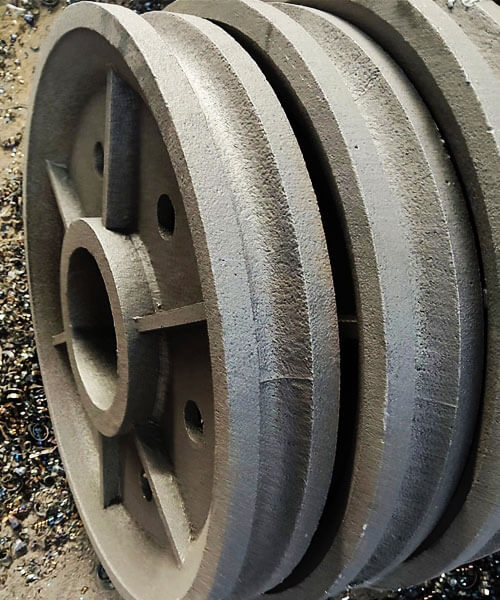
Pelaburan Pelaburan (Casting-casting) Proses
| Peringkat | Langkah Proses | Penerangan | Kawalan Utama |
| 1. Kejuruteraan & Perkakas | analisis DFM | Lukisan 2D atau model CAD 3D disemak untuk kemungkinan casting, Ketebalan dinding, peralihan, pengecutan, elaun pemesinan, dan keperluan gating. | Simulasi pemutus; Keperluan dimensi; draf; jejari fillet; elaun pemesinan |
| 2. Penghasilan Corak | Suntikan lilin | Lilin disuntik ke dalam alat ketepatan untuk menghasilkan corak pengorbanan yang tepat mewakili geometri berkas kren. | Suhu lilin; tekanan suntikan; memegang tekanan; masa kitaran; dimensi corak |
| Pemeriksaan corak | Corak lilin diperiksa untuk herot, pengisian yang tidak lengkap, kilat, variasi dimensi, dan kecacatan permukaan. | Dimensi corak; Pemeriksaan visual; Konsistensi dimensi | |
| 3. Perhimpunan corak | Perhimpunan pokok | Corak lilin individu dilekatkan pada sistem sprue pusat dengan pelari dan pintu pagar direka untuk menyediakan aliran logam terkawal. | Susun atur gerbang; orientasi corak; jarak; dimensi pelari |
| 4. Bangunan Shell | Salutan buburan | Pemasangan lilin berulang kali dicelup ke dalam buburan seramik dan ditutup dengan stuko refraktori untuk mencipta cangkerang seramik berbilang lapisan. | Kelikatan buburan; ketebalan lapisan; masa pengeringan; kelembapan; saiz zarah stuko |
| Pengukuhan cangkerang | Lapisan seramik tambahan digunakan sehingga cangkerang mempunyai kekuatan dan kebolehtelapan yang mencukupi untuk menuang logam. | Ketebalan shell; keadaan pengeringan; integriti cangkang | |
5. Dewaxing |
Autoclave / kilat dewaxing | Cangkerang yang dipasang dipanaskan untuk mengeluarkan corak lilin dan meninggalkan rongga seramik yang bersih. | Suhu; Tekanan wap; kadar pemanasan; masa dewaxing |
| 6. Shell menembak | Pembakaran seramik | Cangkerang seramik dibakar pada suhu tinggi untuk mengeluarkan sisa lilin, menguatkan acuan, dan mewujudkan kestabilan haba. | Suhu relau; kadar pemanasan; masa menahan; suhu cangkerang |
| 7. Lebur | Induksi lebur | Aloi yang dipilih dicairkan dalam relau terkawal dan dibawa ke komposisi kimia dan keadaan penuangan yang diperlukan. | Kimia aloi; suhu cair; masa menahan; Cairkan kebersihan |
| 8. Pengesahan Logam | Analisis kimia | Logam cair dianalisis untuk mengesahkan bahawa komposisinya memenuhi gred aloi yang ditentukan sebelum dituang. | Analisis spektrometri; kawalan bahan caj; nombor haba |
9. Mencurahkan |
Graviti / penuangan terkawal | Logam cair dimasukkan ke dalam cangkerang seramik yang telah dipanaskan melalui sistem gating yang direka bentuk. | Menuangkan suhu; menuangkan kadar; panaskan acuan; kestabilan pengisian |
| 10. Pemejalan | Penyejukan terkawal | Tuangan menjadi pejal dalam acuan seramik. Pemakanan dan pemejalan arah dikawal untuk meminimumkan pengecutan dan ketakselanjaran dalaman yang lain. | Kecerunan terma; kecekapan riser; kadar penyejukan; ketebalan seksyen |
| 11. Kalah mati | Penyingkiran shell | Selepas penyejukan yang mencukupi, cangkerang seramik dikeluarkan secara mekanikal daripada tuangan logam. | Keamatan getaran; kaedah penyingkiran cangkerang; perlindungan tuangan |
| 12. Cut-off | Penyingkiran gerbang dan riser | sprues, pelari, pintu, dan penaik dipisahkan daripada tuangan berkas kren. | Lokasi pemotongan; parameter gergaji kasar; pengendalian bahagian |
13. Penamat Casting |
Pengisaran / tembakan letupan | Gerbang sisa, sirip, kilat, dan seramik yang melekat dikeluarkan dan permukaannya disediakan untuk pemprosesan seterusnya. | Jenis kasar; tekanan letupan; elaun mengisar; keadaan permukaan |
| 14. Rawatan haba | Menormalkan / Q&T / melegakan tekanan | Tuangan dirawat haba mengikut aloi dan sifat mekanikal yang diperlukan. | Suhu relau; masa rendam; kadar penyejukan; kekerasan |
| 15. Pemesinan CNC | Berpaling / membosankan / pemesinan alur | Ciri-ciri berfungsi seperti gerek, hab, tempat duduk galas, alur tali, dan permukaan pelekap dimesin ke dimensi akhir. | Toleransi Dimensi; Concentricity; Runout; kekasaran permukaan |
| 16. Pemeriksaan akhir | Pemeriksaan dimensi dan NDT | Berkas yang telah siap diperiksa untuk mengesahkan geometri, sifat mekanikal, keadaan permukaan, dan, di mana dinyatakan, integriti dalaman. | Cmm; kekerasan; UT/MT/PT/RT mengikut mana yang berkenaan; Pemeriksaan visual |
4. Pemesinan Alur Tali dan Kemasan Permukaan
Alur tali adalah salah satu ciri fungsi terpenting bagi berkas kren kerana ia menentukan cara tali dawai disokong, dibimbing, dan bengkok semasa operasi.
Walaupun badan pemutus mempunyai integriti metalurgi yang sangat baik, alur yang dimesin yang tidak betul boleh mempercepatkan haus tali, meningkatkan tekanan sentuhan setempat, menggalakkan pemuatan tidak sekata, dan mengurangkan hayat perkhidmatan kedua-dua tali dan berkas.
Pemesinan Alur Selepas Tuang
Tuangan pelaburan atau proses tuangan ketepatan lain boleh menghasilkan berkas berbentuk hampir bersih, tetapi alur tali akhir biasanya memerlukan pemesinan apabila geometri terkawal dan kemasan permukaan adalah kritikal.
Urutan pemesinan mungkin termasuk:
Pemeriksaan penuangan → penubuhan datum → pusingan kasar → pemesinan alur → pusingan penamat → pengesahan dimensi
Berkas pertama diletakkan dengan selamat menggunakan datum yang sesuai. Rujukan pemesinan harus diwujudkan dari garis tengah berfungsi komponen dan bukannya dari permukaan as-cast sewenang-wenangnya.
Ini amat penting untuk berkas besar atau tidak simetri kerana variasi tuangan sebaliknya boleh dipindahkan terus ke kedudukan alur akhir.
Kepekatan Alur dan Kehabisan
Hubungan antara alur tali dan lubang berkas adalah kritikal.
Jika alur tidak sepusat dengan lubang, tali boleh mengalami perubahan kedudukan jejari semasa berkas berputar.
Kehabisan yang berlebihan boleh mengakibatkan variasi kitaran dalam sentuhan dan pemuatan tali dan boleh menyumbang kepada getaran atau kehausan komponen yang dipercepatkan.
Untuk berkas kren ketepatan, oleh itu pengilang harus mewujudkan kriteria pemeriksaan untuk:
- Kepekatan groove-to-bore
- Larian jejari
- Larian paksi
- Diameter lubang
- Diameter alur
- Profil alur
- Dimensi bebibir
Nilai yang dibenarkan harus datang daripada lukisan kejuruteraan atau spesifikasi yang berkenaan dan bukannya diberikan secara universal.
Kemasan Permukaan Alur Tali
Kemasan permukaan mesti dikawal secukupnya untuk mengelakkan lelasan yang tidak perlu pada tali dawai sambil mengekalkan geometri sentuhan yang dimaksudkan.
A kasar, koyak, berliang, atau alur tanah yang tidak betul boleh mencipta asperities setempat yang bertindak sebagai kepekatan tegasan atau titik melelas.
Sebaliknya, kemasan permukaan tidak boleh digunakan untuk mengimbangi profil alur yang salah.
Urutan penyediaan permukaan mungkin melibatkan:
- Pemesinan kasar
- Pemesinan separuh siap
- Selesaikan pemesinan
- Deburring
- Penggilapan terkawal atau pengisaran di mana dinyatakan
- Pembersihan akhir
Kekasaran permukaan yang diperlukan hendaklah ditakrifkan mengikut spesifikasi tali dan berkas.
Nilai Ra berangka tunggal tidak boleh dianggap sebagai terpakai secara universal kerana pembinaan tali dan keadaan perkhidmatan yang berbeza boleh memerlukan kriteria permukaan yang berbeza.
5. Rawatan Haba bagi Gandum Kren Tuang
Rawatan haba adalah peringkat kritikal dalam pembuatan berkas kren tuang, terutamanya apabila keluli karbon atau keluli aloi digunakan.
Tuangan menetapkan geometri asas komponen, tetapi struktur mikro as-cast tidak semestinya struktur optimum untuk menuntut perkhidmatan mekanikal.
Proses rawatan haba yang dikawal dengan betul boleh mengubah suai struktur mikro dan menambah baik gabungan yang diperlukan kekuatan, kekerasan, ketangguhan, Rintangan Keletihan, dan kestabilan dimensi.
Laluan rawatan haba yang sesuai bergantung pada kimia aloi, saiz bahagian tuangan, sifat mekanikal yang diperlukan, dan spesifikasi pelanggan.
Proses Rawatan Haba Biasa
Menormalkan
Menormalkan melibatkan pemanasan keluli pada julat suhu yang sesuai melebihi suhu perubahannya, memegangnya untuk masa yang mencukupi, dan kemudian menyejukkannya di udara.
Untuk keluli tuang, menormalkan boleh membantu memperhalusi dan menyeragamkan struktur mikro dan mengurangkan beberapa ketidakseragaman yang berkaitan dengan tuangan.
Ia boleh digunakan apabila kekuatan sederhana hingga tinggi digabungkan dengan keliatan munasabah dan kestabilan dimensi diperlukan.
Penyepuhlindapan
Penyepuhlindapan secara amnya melibatkan pemanasan diikuti dengan penyejukan terkawal.
Ia boleh mengurangkan kekerasan, meningkatkan kebolehkerjaan, melegakan tekanan dalaman, dan menghasilkan yang lebih lembut, keadaan metalurgi yang lebih stabil.
Penyepuhlindapan mungkin berguna sebagai proses perantaraan yang memerlukan keperluan pemesinan berikutnya.
Pelindapkejutan dan pembajaan
Untuk keluli aloi dan karbon yang sesuai, pemadam-dan-marah (Q&T) rawatan boleh digunakan untuk mendapatkan kekuatan dan kekerasan yang meningkat dengan ketara bersama dengan keliatan terkawal.
Proses asasnya ialah:
Austenitizing → Quenching → Tempering
Langkah pelindapkejutan menghasilkan struktur mikro yang lebih keras, manakala pembajaan mengurangkan kerapuhan yang berlebihan dan melaraskan keseimbangan akhir kekuatan dan keliatan.
Untuk komponen kren yang banyak dimuatkan, peringkat pembajaan amat penting kerana kekerasan maksimum tidak semestinya bersamaan dengan prestasi perkhidmatan optimum.
Tekanan melegakan
Rawatan haba pelepas tekanan boleh digunakan untuk mengurangkan tegasan sisa yang dijana semasa penuangan, kimpalan, pemesinan luas, atau pemprosesan haba sebelumnya.
Ini amat berguna untuk berkas besar yang kestabilan dimensi adalah penting.
6. Kecacatan Coran Sheave Kren Biasa dan Punca Puncanya
Kecacatan tuangan boleh menjejaskan kebolehpercayaan struktur berkas kren dengan ketara.
Kerana berkas adalah komponen yang dimuatkan secara kitaran, ketakselanjaran dalaman yang mungkin diterima dalam tuangan hiasan tekanan rendah boleh menjadi penting apabila komponen tertakluk kepada beban angkat berulang.
| Kecacatan | Penerangan | Punca Punca | Langkah-langkah Pencegahan |
| Keliangan pengecutan | Lompang dalaman | Pemakanan yang tidak mencukupi semasa pemejalan. | Optimumkan reka bentuk riser; gunakan kesejukan; simulasi. |
| Keliangan gas | Lompang bulat kecil | Gas entrapment; gas terlarut dalam leburan. | Bakar hingga cair; meningkatkan amalan menuang; caj bersih. |
| Air mata panas | retak | Tegasan tegangan semasa pemejalan. | Kurangkan suhu menuang; meningkatkan kebolehruntuhan cangkang. |
| Kemasukan pasir | Pasir tertanam | Hakisan cengkerang seramik. | Meningkatkan kekuatan cangkerang; mengurangkan pergolakan. |
Mesir |
Pengisian yang tidak lengkap | Suhu menuang rendah; logam tidak mencukupi. | Meningkatkan suhu menuang; memperbaiki gating. |
| Menutup sejuk | Pusingan permukaan | Dua aliran bertemu tanpa gabungan. | Meningkatkan suhu menuang; memperbaiki gating. |
| Variasi dimensi | Dimensi di luar toleransi | Pemakaian corak; pengembangan cangkerang. | Mengekalkan alatan; mengawal proses shell. |
| Kemasan permukaan yang buruk | Permukaan kasar | Seramik kasar; kecacatan cangkang. | Gunakan cangkerang yang lebih halus; meningkatkan proses shell. |
7. Aplikasi Ketepatan Casting Crane Sheaves
Rak kren tuangan ketepatan digunakan merentasi sistem pengangkatan di mana tali dawai mesti diubah hala, disokong, atau reeved sambil mengekalkan sentuhan tali terkawal dan kebolehpercayaan mekanikal.
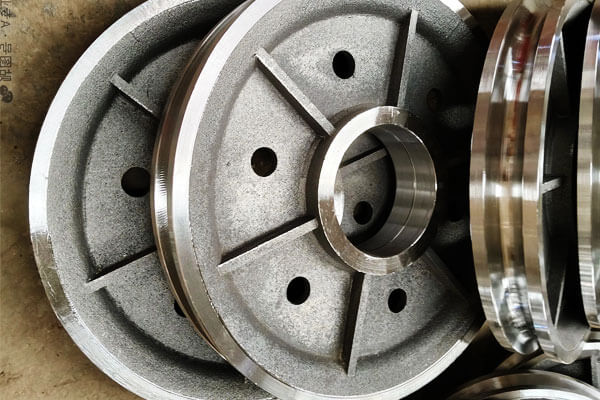
Overhed dan Kren EOT
Kren atas kepala dan perjalanan atas kepala elektrik (EOT) kren biasanya menggunakan berkas dalam blok cangkuk, mekanisme angkat, dan sistem reeving.
Aplikasi ini biasanya memerlukan:
- Rintangan tinggi terhadap pemuatan berulang
- Geometri tali-alur yang tepat
- Imbangan putaran yang baik
- Antara muka galas yang boleh dipercayai
- Kepekatan terkawal antara gerek dan alur
- Rintangan keletihan yang mencukupi
Untuk kren pengeluaran yang kerap dikitar, ketahanan berkas boleh mempunyai pengaruh langsung pada selang penyelenggaraan kerana haus alur dan keletihan tali berkait rapat.
Rak tuang tersuai amat berguna apabila pengeluar kren memerlukan dimensi yang dioptimumkan untuk dram tertentu, blok cangkuk, tali dawai, atau sampul pemasangan.
Kren Gantry dan Portal
Kren gantri dan portal digunakan secara meluas untuk pengendalian kontena, Limbungan kapal, kawasan industri, loji keluli, dan pengendalian bahan yang berat.
Berkas mereka mungkin mengalami ketegangan tali yang agak tinggi dan beban dinamik.
Di samping itu, pemasangan luar mendedahkan komponen kepada hujan, kelembapan, habuk, turun naik suhu, dan keadaan atmosfera yang berpotensi menghakis.
Pemilihan bahan seterusnya menjadi bahagian penting dalam reka bentuk.
Karbon atau keluli tuang aloi mungkin sesuai untuk aplikasi tugas berat am, manakala aloi tahan kakisan atau sistem kemasan pelindung boleh menjadi lebih relevan dalam persekitaran marin.
Untuk kren portal besar, kestabilan dimensi dan integriti tuangan struktur amat penting kerana dimensi berkas boleh menjadi ketara.
Kren Menara
Kren menara menggunakan berkas dalam pengangkatan, menaiki troli, dan mekanisme luffing. Kekangan ruang, penghalaan tali, dan kitaran operasi yang agak tinggi menjadikan pengoptimuman dimensi penting.
Berkas tersuai mungkin perlu memenuhi beberapa keperluan yang bersaing:
Cukup besar untuk mengurangkan lenturan tali yang teruk, namun cukup padat untuk dimuatkan dalam sampul mekanikal kren.
Profil alur juga mesti sepadan dengan tali dawai yang dipilih, manakala hab dan susunan galas mesti berintegrasi dengan komponen sedia ada kren.
Tuangan ketepatan boleh memberikan fleksibiliti dalam membangunkan konfigurasi hab dan bebibir yang kompleks tanpa memerlukan keseluruhan komponen dimesin daripada bilet yang besar.
Pelabuhan, Pelabuhan, dan Kren Kontena
Kren pelabuhan beroperasi di bawah kombinasi yang menuntut:
- Beban angkat yang tinggi
- Penggunaan yang tinggi
- Kewajipan berterusan atau separuh berterusan
- Suasana sarat garam
- Pemuatan dinamik
- Keperluan penyelenggaraan yang ketat
Sheaves yang digunakan dalam sistem ini mungkin memerlukan gabungan kekuatan mekanikal, Pakai rintangan, Rintangan Keletihan, perlindungan kakisan, dan pemesinan yang tepat.
Di mana kakisan teruk, tuangan tahan karat tahan karat atau dupleks boleh dipertimbangkan untuk komponen tertentu, walaupun pemilihan mestilah berdasarkan keperluan mekanikal dan persekitaran yang lengkap dan bukannya rintangan kakisan sahaja.
Pembinaan Kapal dan Kren Marin
Kren marin biasanya beroperasi dalam keadaan lembap, persekitaran yang mengandungi air masin di mana kakisan boleh menjejaskan hayat komponen dengan ketara.
Berkas kren tuang ketepatan boleh digunakan dalam:
- Sistem mengangkat papan kapal
- Kren limbungan
- Kren dek
- Sistem pengendalian marin
- Peralatan sokongan luar pesisir
Untuk aplikasi ini, pengilang mesti mempertimbangkan bukan sahaja bahan pukal tetapi juga keadaan permukaan mesin, pengikat, galas, salutan pelindung, saliran, dan penyelenggaraan.
Hakisan setempat pada alur, hab, atau antara muka galas boleh menjadi sangat tidak diingini kerana kawasan ini kritikal dari segi fungsi.
Kren Luar Pesisir
Sistem angkat luar pesisir mengenakan keadaan perkhidmatan yang sangat mencabar kerana ia menggabungkan beban mekanikal yang tinggi dengan kakisan marin, pergerakan yang disebabkan oleh angin, getaran, dan kesan dinamik yang berpotensi teruk.
Rak kren tuang ketepatan untuk perkhidmatan luar pesisir mungkin memerlukan:
- Ketangguhan patah tinggi
- Komposisi kimia terkawal
- Rawatan haba yang layak
- Bahan atau salutan tahan kakisan
- NDT yang meluas
- Pensijilan bahan boleh dikesan
- Kawalan dimensi yang ketat
Untuk aplikasi tersebut, spesifikasi kejuruteraan harus mentakrifkan kriteria pemeriksaan dan penerimaan yang diperlukan secara terperinci. Gred bahan sahaja tidak mencukupi untuk menentukan kesesuaian.
Kren Perlombongan dan Perindustrian Berat
Kemudahan perlombongan, kilang keluli, Foundries, loji kuasa, dan operasi pembuatan berat sering menggunakan kren dalam persekitaran yang dicirikan oleh habuk, getaran, suhu tinggi, penggunaan yang tinggi, dan beban berat.
Sheaves untuk aplikasi ini mungkin memerlukan peningkatan rintangan:
- Keletihan kitaran
- Kesan mekanikal
- Pakai alur
- Pencemaran
- Suhu operasi yang meningkat
- Persekitaran yang kasar
Tuangan keluli aloi dengan rawatan haba yang sesuai boleh memberikan gabungan sifat mekanikal yang kuat di mana prestasi tugas berat diperlukan.
Pembinaan dan Peralatan Pengendalian Bahan
Kren pembinaan, angkat, win, dan sistem pengendalian bahan juga menggunakan berkas untuk mengalihkan tali dawai dan mengekalkan terumbu terkawal.
Keperluan berbeza dengan ketara. Rak angkat yang agak kecil mungkin mengutamakan kos dan kekompakan, manakala kren pembinaan berkapasiti tinggi mungkin memerlukan antara muka alur dan galas yang direka bentuk tinggi.
Kepelbagaian aplikasi ini adalah salah satu sebab pengeluar tersuai yang berkebolehan harus dapat menyokong berbilang bahan dan laluan pembuatan dan bukannya memaksa setiap aplikasi menjadi satu reka bentuk standard.
8. Kelebihan Tuangan Ketepatan untuk Gantung Kren
| Kelebihan | Nilai Kejuruteraan |
| Keupayaan bentuk jaring hampir | Mengurangkan pemesinan yang tidak perlu |
| Geometri kompleks | Menyokong hab yang dioptimumkan, bebibir, dan ciri-ciri struktur |
| Fleksibiliti bahan | Mendayakan pemilihan aloi khusus aplikasi |
| Pengeluaran bersepadu | Pemutus dan pemesinan CNC boleh direka bentuk bersama |
| Kebolehulangan | Berguna untuk pengeluaran OEM dan bahagian gantian |
| Mengurangkan sisa bahan | Kurang penyingkiran daripada pemesinan daripada stok yang besar |
| Penyesuaian reka bentuk | Menyokong geometri khusus aplikasi |
| Pengeluaran boleh skala | Sesuai untuk pengeluaran berulang apabila perkakas adalah wajar |
9. Rak Kren Tuang Ketepatan lwn. Gantung Dipalsukan dan Dibuat
Pilihan antara Pemutus Precision, menunaikan, dan fabrikasi hendaklah berdasarkan kepada keperluan kejuruteraan sebenar berkas kren dan bukannya andaian bahawa satu proses pembuatan adalah unggul secara universal.
Setiap kaedah mencipta keseimbangan geometri yang berbeza, penggunaan bahan, sifat mekanikal, fleksibiliti pengeluaran, keperluan pemesinan, dan kos.
Untuk berkas kren tersuai, maka persoalan utamanya bukanlah semata-mata “Proses mana yang lebih kuat?" tetapi sebaliknya:
Proses pembuatan mana yang paling cekap boleh menyampaikan kapasiti beban yang diperlukan, prestasi keletihan, ketepatan tali-alur, Integriti struktur, dimensi, Jumlah pengeluaran, dan kebolehpercayaan perkhidmatan?
Perbandingan berikut memberi tumpuan kepada perbezaan kejuruteraan teras yang penting apabila memilih laluan pembuatan untuk berkas kren.
| Perbezaan Utama | Rak Kren Tuang Ketepatan | Berkas Kren Tempa | Dibuat / Sheaves yang dikimpal |
| Sesuai Terbaik | Kompleks, berkas tersuai yang memerlukan geometri bentuk hampir bersih dan pengeluaran berulang | Aplikasi berkekuatan tinggi dan kritikal keletihan | Sangat besar, volum rendah, atau berkas yang sangat disesuaikan |
| Geometri & Kebebasan reka bentuk | Cemerlang untuk hab kompleks, bebibir, tulang rusuk, dan peralihan | Sederhana; geometri mestilah serasi dengan penempaan | Cemerlang melalui pembinaan berbilang bahagian |
| Prestasi mekanikal | Cemerlang apabila kualiti tuangan dan rawatan haba dikawal dengan betul | Cemerlang, terutamanya untuk aplikasi berkekuatan tinggi dan memerlukan keletihan | Baik, tetapi sangat bergantung pada reka bentuk dan kualiti kimpalan |
| Kecekapan bahan | Tinggi, dengan bahan berlebihan yang agak sedikit | Sederhana; elaun pemesinan biasanya diperlukan | Pembolehubah; bergantung pada pinggan, cincin, dan susun atur komponen |
| Keperluan Pemesinan | Sederhana; permukaan berfungsi terutamanya kritikal | Sederhana hingga tinggi | Sederhana hingga tinggi |
| Keupayaan Diameter Besar | Baik, tetapi bergantung kepada peralatan dan proses pemutus | Terhad dengan kapasiti penempaan dan perkakas | Cemerlang untuk struktur yang sangat besar |
Jumlah pengeluaran |
Sangat sesuai untuk mengulangi pengeluaran OEM | Paling sesuai untuk mengulangi pengeluaran di mana perkakasan adalah wajar | Sangat sesuai untuk pengeluaran volum rendah atau berasaskan projek |
| Kos perkakas | Sederhana | Tinggi | Agak rendah |
| Keprihatinan Kualiti Utama | Kecacatan tuangan seperti pengecutan, keliangan, dan kemasukan | Kualiti material, menempa integriti, dan kawalan rawatan haba | Kecacatan kimpalan, tekanan sisa, dan penyelewengan |
| Kelebihan Utama | Geometri kompleks + penyesuaian + Bentuk berhampiran net | Prestasi mekanikal yang tinggi | Saiz besar + fleksibiliti struktur |
| Had Utama | Memerlukan kawalan faundri dan NDT yang ketat | Kos perkakas dan pemprosesan yang lebih tinggi | Lebih banyak cabaran kimpalan dan kawalan dimensi |
10. Mengapa Memilih Industri LangHe untuk Rak Kren Tuangan Ketepatan Tersuai?
Memilih pembekal aci kren harus melangkaui membandingkan harga tuangan.
Kerana komponen itu menggabungkan pemutus struktur, rawatan haba, pemesinan ketepatan, geometri hubungan tali, dan pemeriksaan, keupayaan pembekal untuk mengawal rantaian pembuatan yang lengkap selalunya lebih penting daripada proses pemutus nominal itu sendiri.
Industri Langhe boleh mendekati berkas kren tuang ketepatan tersuai sebagai projek pembuatan bersepadu, kajian kejuruteraan menghubungkan, pembangunan pemutus, pemesinan, penamat, dan pemeriksaan kualiti.
| Keupayaan | Perincian |
| Bahan | Keluli karbon (WCB), Cast Steel, besi mulur (60-40-18, 65-45-12, 80-55-06), keluli tahan karat (CF-8, Cf-8m, 17-4Ph), keluli aloi (4140, 4340) |
| Proses pemutus | Pemutus pelaburan, Pemutus pasir. |
| Berat bahagian | 0.5 kg ke 500 kg. |
| Toleransi | ± 0.1-0.3 mm (CT5-CT7 setiap ISO 8062). |
| Kualiti | ISO 9001:2015 diperakui; 100% pemeriksaan; Cmm; profilometer permukaan; Ndt (X-ray, pewarna penembusan). |
| Masa utama | 6–12 minggu untuk perkakas; 2-4 minggu untuk repeat order. |
11. Kesimpulan
Rak kren ialah komponen yang kelihatan agak mudah dengan fungsi mekanikal yang menuntut. Ia mesti membimbing dan membengkokkan tali dawai berulang kali semasa menghantar beban melalui hab, galas, dan struktur sokongan.
Akibatnya, geometri alur, integriti bahan, keadaan rawatan haba, ketepatan pemesinan, Concentricity, dan kualiti permukaan semuanya menyumbang kepada prestasi berkas dunia sebenar.
Tuangan ketepatan menawarkan laluan pembuatan yang menarik untuk berkas kren tersuai apabila geometri kompleks, pengeluaran bentuk hampir bersih, fleksibiliti bahan, dan kebolehulangan adalah penting.
Ia boleh mengurangkan pemesinan yang tidak perlu sambil membenarkan jurutera menyepadukan hab, bebibir, tulang rusuk, peralihan, dan ciri-ciri struktur lain ke dalam tuangan.
Industri LangHe menyediakan pendekatan pembuatan tersuai untuk berkas kren tuang ketepatan, menggabungkan kejuruteraan pemutus, pemilihan bahan, pemesinan CNC, rawatan haba, penamat, dan pemeriksaan untuk menyokong keperluan OEM khusus aplikasi.
Soalan Lazim
Apakah itu berkas kren pemutus ketepatan?
Berkas kren tuangan ketepatan ialah berkas tali dawai yang dihasilkan menggunakan proses tuangan terkawal, lazimnya pelaburan atau kaedah tuangan berorientasikan ketepatan lain, diikuti dengan pemesinan permukaan berfungsi kritikal.
Pemutus mencipta geometri utama, manakala pemesinan CNC mewujudkan ciri-ciri seperti alur tali, melahirkan, dan tempat duduk galas.
Mengapa menggunakan tuangan ketepatan dan bukannya pemesinan berkas kren daripada keluli pepejal?
Tuangan ketepatan boleh menghasilkan banyak geometri akhir sebelum pemesinan.
Ini boleh mengurangkan penyingkiran bahan, masa pemesinan, dan sisa bahan sambil membenarkan kebebasan yang lebih besar untuk hab yang kompleks, bebibir, tulang rusuk, dan peralihan struktur.
Adalah berkas kren tuang sekuat berkas palsu?
Tiada jawapan universal. Rak keluli tuang yang direka bentuk dan diproses dengan betul boleh memberikan prestasi mekanikal yang sangat baik,
tetapi penempaan mungkin menawarkan kelebihan dalam aplikasi di mana struktur tempa yang sangat disatukan dan sifat kelesuan tertentu diperlukan.
Kesesuaian bergantung pada bahan, Geometri, saiz seksyen, rawatan haba, memuatkan, dan keperluan pemeriksaan.
Apakah faktor kualiti yang paling penting untuk berkas kren?
Tiada parameter tunggal yang menentukan kualiti. Integriti pemutus, sifat mekanikal, geometri alur, penjajaran gerek, keadaan permukaan, dan ketepatan dimensi mesti bekerjasama.
Untuk aplikasi kritikal keselamatan, ciri-ciri ini hendaklah disahkan terhadap spesifikasi kejuruteraan dan pelan pemeriksaan yang diluluskan.
Bagaimana hayat perkhidmatan sheave kren boleh dipertingkatkan?
Hayat perkhidmatan boleh dipertingkatkan melalui saiz berkas ke tali yang betul, geometri alur yang sesuai, pemilihan bahan yang sesuai, pelinciran dan penyelenggaraan yang betul,
penjajaran yang tepat, kualiti pembuatan terkawal, dan penggantian tepat pada masanya apabila alur haus atau kerosakan lain melebihi had yang ditentukan.