

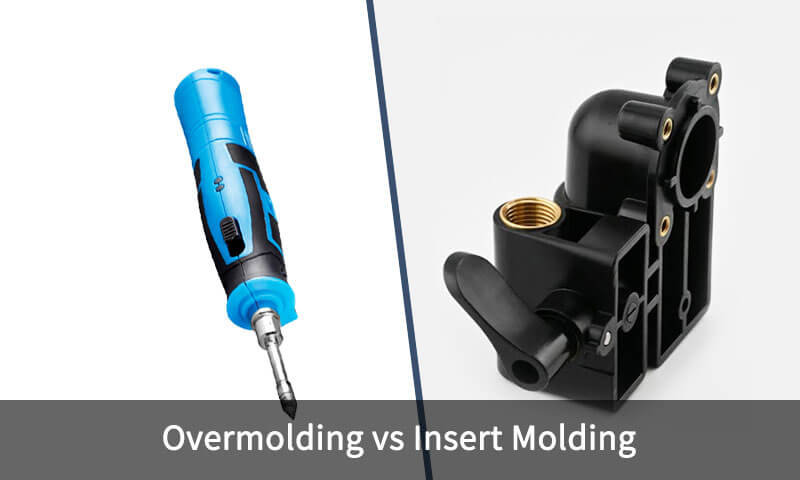
Dalam pembuatan moden, bahagian bahan tunggal jarang memenuhi permintaan penuh prestasi, estetika, dan fungsi.
Produk hari ini mestilah tahan lama lagi selesa, kalis air lagi bernafas, dan kompleks lagi mudah untuk dipasang.
Ini telah mendorong penggunaan meluas proses pembuatan pelbagai bahan. Antara ini, overmolding dan insert moulding adalah dua teknik yang paling penting dan sering dibandingkan.
Walaupun kedua-dua istilah itu kadangkala digunakan secara bergantian, mereka menerangkan pendekatan pembuatan yang berbeza dan menyelesaikan masalah kejuruteraan yang berbeza.
Overacuan secara amnya melibatkan pengacuan bahan kedua di atas substrat sedia ada untuk mencipta komponen berbilang bahan.
Masukkan acuan, Sebaliknya, meletakkan sisipan yang telah dibentuk—selalunya logam—di dalam acuan suntikan dan membungkus atau mengelilingi sebahagiannya dengan plastik.
Artikel ini memberikan komprehensif, perbandingan sebelah-menyebelah bagi acuan lampau dan acuan sisipan.
1. Apa Itu Overmolding?
Overmolding ialah proses pengacuan suntikan di mana satu bahan dibentuk di atas substrat sedia ada atau komponen yang telah dibentuk sebelum ini untuk mencipta bahagian berbilang bahan bersepadu.
Komponen pertama biasanya dirujuk sebagai substrat, manakala bahan yang digunakan semasa operasi pengacuan sekunder ialah bahan acuan.
Bergantung kepada reka bentuk produk, substratnya mungkin termoplastik tegar, elastomer, komponen logam, atau bahagian prabentuk lain yang sesuai.
Komponen overmolded biasa mungkin menggabungkan bahan struktur tegar dengan bahan yang lebih lembut.
Contohnya, perumah ABS yang tegar boleh menerima acuan TPE untuk memberikan cengkaman yang selesa, meningkatkan pengedap, atau cipta permukaan luar pelindung.
Objektifnya bukan semata-mata untuk meletakkan satu bahan di atas yang lain. Antara muka antara kedua-dua bahan mesti memberikan lekatan yang mencukupi, pengekalan mekanikal, atau gabungan kedua-duanya untuk menahan mekanikal yang dijangkakan produk, haba, kimia, dan keadaan alam sekitar.
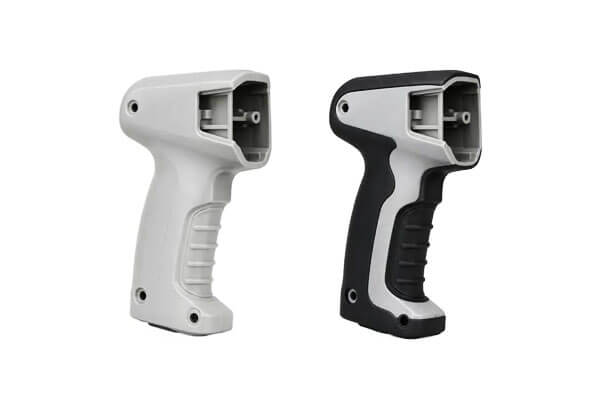
Bagaimana Overmolding Berfungsi
Proses overmolding biasanya bermula dengan pengeluaran substrat.
Ini mungkin melibatkan operasi pengacuan suntikan yang berasingan, proses pemesinan, operasi pengecapan, proses pemutus mati, atau kaedah pembuatan lain.
Selepas substrat diperiksa, ia diletakkan di dalam acuan kedua. Acuan direka bentuk untuk mendedahkan kawasan yang perlu menerima bahan acuan sambil mengesan dan menyokong substrat dengan tepat.
Bahan sekunder kemudiannya dipanaskan pada suhu pemprosesan yang sesuai dan disuntik ke dalam rongga acuan.
Ia mengalir di sekeliling permukaan substrat yang ditetapkan dan membentuk geometri luar yang diperlukan.
Selepas mengisi dan mengemas, bahan menyejuk dan memejal sebelum komponen yang telah siap dikeluarkan.
Aliran kerja biasa ialah:
Pengeluaran substrat → pemeriksaan substrat → pemuatan acuan → kedudukan → suntikan bahan sekunder → pembungkusan → penyejukan → pelepasan → pemeriksaan
Kualiti produk akhir sangat bergantung pada reka bentuk antara muka. Jika lekatan kimia diperlukan, substrat dan bahan acuan mesti mempunyai keserasian yang mencukupi.
Jika pengekalan mekanikal adalah mekanisme utama, substrat mungkin memerlukan alur, tulang rusuk, lubang, Potong, atau ciri lain yang membenarkan bahan kedua dikunci pada kedudukannya.
Pencemaran permukaan adalah satu lagi pertimbangan penting. Minyak, habuk, ejen pelepas, pengoksidaan, kelembapan, atau bahan cemar lain boleh mengganggu lekatan dan membawa kepada delaminasi atau pengasingan pramatang.
Bahan Overacuan Biasa
Overacuan boleh menggunakan pelbagai jenis bahan termoplastik dan elastomer, tetapi tidak setiap gabungan bahan sememangnya serasi.
Pemilihan bahan harus mempertimbangkan suhu cair, keserasian kimia, pengecutan, pekali pengembangan haba, kekerasan, fleksibiliti, ciri permukaan, dan keadaan perkhidmatan yang dijangkakan.
Gabungan biasa termasuk:
| Bahan substrat | Bahan Overacuan | Tujuan Biasa |
| Abs | TPE | Perumah dan genggaman sentuhan lembut |
| PC | TPE | Produk tahan hentaman dengan permukaan ergonomik |
| Nylon | TPE/TPU | Cengkaman industri dan antara muka yang fleksibel |
| PP | TPE | Produk pengguna dan meterai |
| PC/ABS | TPU | Permukaan pelindung dan ergonomik |
| Termoplastik tegar | Lsr | Pengedap dan komponen fleksibel khusus |
Aplikasi Overmolding Biasa
Overacuan amat berguna apabila produk mesti menggabungkan prestasi struktur dengan kelembutan, fleksibiliti, pengedap, Penebat, atau ergonomik yang lebih baik.
Overmolding biasanya digunakan untuk:
- Cengkaman alatan tangan
- Suis dan kawalan automotif
- Perumahan elektronik pengguna
- Komponen peranti perubatan
- Peranti boleh pakai
- Perlindungan kabel dan wayar
- Komponen pengedap
- Pemegang dan antara muka ergonomik
- Penutup pelindung
- Kawalan peralatan industri
2. Apa Itu Insert Molding?
Masukkan acuan ialah proses pengacuan suntikan di mana komponen yang telah dibentuk, dikenali sebagai an masukkan, diletakkan di dalam acuan suntikan dan kemudian sebahagian atau sepenuhnya dibungkus oleh plastik cair.
Sisipan selalunya diperbuat daripada logam, walaupun plastik, seramik, elektronik, dan komponen prabentuk lain juga boleh digunakan.
Tidak seperti pengacuan suntikan bahan tunggal konvensional, pengacuan sisipan menggabungkan komponen yang dikeluarkan secara bebas dengan plastik yang disuntik semasa satu operasi pengacuan.
Plastik mengeras di sekeliling sisipan, menghasilkan bahagian bersepadu yang boleh menghapuskan operasi pemasangan seterusnya.
Contohnya, sisipan berulir tembaga boleh diletakkan di dalam acuan dan dikelilingi oleh nilon.
Selepas dibentuk, komponen yang terhasil mengandungi antara muka logam berulir kekal tanpa memerlukan sisipan berulir dipasang selepas itu.
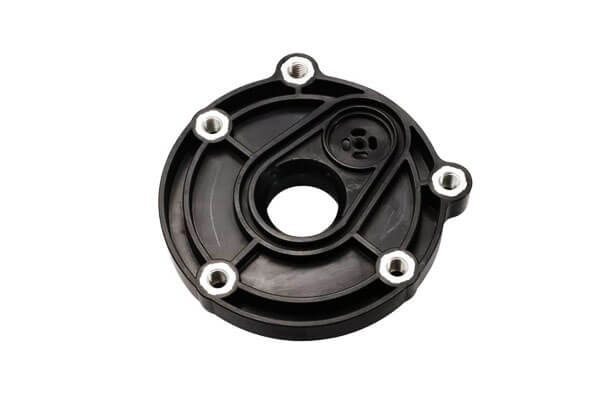
Cara Pengacuan Sisipan Berfungsi
Pengacuan sisipan bermula dengan pembuatan dan pemeriksaan sisipan. Ketepatan dimensi amat penting kerana sisipan mesti dimuatkan dengan betul dalam acuan dan mengekalkan kedudukan yang ditentukan sepanjang suntikan.
Sisipan kemudian diletakkan ke dalam acuan secara manual, secara separa automatik, atau melalui sistem pemuatan automatik.
Lekapan khusus, pin, Cavities, atau ciri pengekalan boleh digunakan untuk menghalang pergerakan.
Setelah acuan ditutup, plastik cair disuntik di sekeliling sisipan. Tekanan suntikan boleh menjadi besar, jadi acuan mesti menyediakan sokongan yang mencukupi untuk mengelakkan sisipan daripada beralih, berubah bentuk, atau menjadi tidak sejajar.
Plastik kemudiannya menyejuk dan menjadi pejal di sekeliling sisipan. Selepas dikeluarkan, komponen siap diperiksa untuk ketepatan dimensi, kedudukan memasukkan, kilat, lompang, retak, dan kecacatan lain.
Urutan asasnya ialah:
Masukkan pembuatan → insert inspection → insert loading → positioning and retention → acuan penutupan → plastic injection → cooling → ejection → inspection
Untuk pembuatan volum tinggi, pemuatan sisipan automatik boleh disepadukan ke dalam sel pengacuan. Ini boleh meningkatkan ketekalan kitaran sambil mengurangkan pengendalian manual.
Bahan Sisipan Biasa
Logam adalah bahan sisipan yang paling terkenal kerana ia memberikan sifat yang tidak boleh dihasilkan semula oleh plastik, seperti kekonduksian elektrik yang tinggi, ketahanan benang, kekakuan, Pakai rintangan, atau kekuatan mekanikal setempat.
Bahan sisipan biasa termasuk:
- Tembaga
- Keluli tahan karat
- Keluli karbon
- Aluminium
- Tembaga dan aloi tembaga
- Plastik kejuruteraan
- Seramik
- Komponen elektronik
Aplikasi Pengacuan Sisipan Biasa
Pengacuan sisipan biasanya digunakan apabila produk memerlukan logam atau komponen prabentuk lain untuk disepadukan secara kekal ke dalam badan plastik.
Aplikasi biasa termasuk:
- Bos berulir
- Penyambung elektrik
- Terminal automotif
- Perumahan sensor
- Tukar komponen
- Instrumen perubatan
- Komponen tetulang struktur
- Penyambung kabel
- Perhimpunan elektronik
- Komponen mekanikal ketepatan
3. Overacuan lwn Insert Molding: Apa Bezanya?
Walaupun kedua-dua teknologi mengintegrasikan pelbagai bahan atau komponen, logik pembuatan mereka berbeza.
Perbezaan yang paling mudah ialah:
Overacuan menambah bahan baharu ke atas substrat sedia ada, manakala pengacuan sisipan membungkus atau mengelilingi sisipan yang telah dibentuk dengan plastik acuan suntikan.
Namun begitu, terminologi boleh bertindih. Dalam beberapa konteks pembuatan, pengacuan sisipan boleh dibincangkan sebagai bentuk pengacuan yang lebih luas kerana kedua-duanya melibatkan bahan pengacuan di sekeliling komponen yang sedia ada..
Untuk komunikasi kejuruteraan, Walau bagaimanapun, adalah berguna untuk membezakannya berdasarkan peranan komponen sedia ada.
Perbandingan Overmolding vs Insert Molding
| Faktor | Overmolding | Insert Molding |
| Tujuan utama | Menggabungkan sifat bahan yang berbeza | Sepadukan sisipan yang telah dibentuk ke dalam plastik |
| Komponen sedia ada | Substrat | Masukkan |
| Substrat/sisipan biasa | Plastik, elastomer, logam | Logam, plastik, seramik, komponen elektronik |
| Gabungan biasa | Plastik tegar + elastomer | Plastik + logam |
| Mekanisme antara muka utama | Melekat, saling mengunci mekanikal, atau kedua -duanya | Enkapsulasi, pengekalan mekanikal, lekatan dalam beberapa kes |
| Kebimbangan reka bentuk utama | Keserasian bahan | Masukkan kedudukan dan pengekalan |
| Aplikasi biasa | Cengkaman sentuhan lembut | Sisipan logam berulir |
| Fungsi permukaan | Genggam, meterai, kusyen, perlindungan | Elektrik, mekanikal, struktur, pengancing |
| Automasi | Sangat automatik | Sangat automatik, tetapi pemuatan sisipan adalah kritikal |
| Risiko utama | Delaminasi atau ikatan yang lemah | Sisipkan pergerakan atau salah jajaran |
4. Overacuan lwn Insert Molding: Pertimbangan reka bentuk
Keperluan reka bentuk untuk acuan lampau dan acuan sisipan berbeza terutamanya kerana kedua-dua proses menguruskan antara muka yang berbeza.
Overacuan memberi tumpuan kepada mencipta antara muka yang boleh dipercayai antara substrat dan bahan overmolded, manakala pengacuan sisipan memfokuskan pada kedudukan yang tepat dan merangkum sisipan yang telah dibentuk dengan selamat.
| Pertimbangan Reka Bentuk | Overmolding | Insert Molding |
| Keserasian bahan | Pilih substrat yang serasi dan bahan overmolding berdasarkan lekatan, suhu lebur, pengecutan, kekerasan, dan pengembangan haba. | Pastikan sisipan boleh menahan suhu dan tekanan pengacuan tanpa ubah bentuk atau ketidakstabilan dimensi. |
| Geometri & Ketebalan dinding | Kekalkan ketebalan acuan yang seragam dan sediakan kawasan ikatan yang mencukupi. Elakkan perubahan ketebalan secara mendadak yang boleh menyebabkan pengecutan, Warpage, atau ikatan yang lemah. | Sediakan ketebalan plastik yang mencukupi di sekeliling sisipan untuk kekuatan dan penggunaan alur, merengus, lubang, atau bahu apabila pengekalan tambahan diperlukan. |
| Ikatan & Pengekalan | Reka bentuk antara muka untuk lekatan kimia, saling mengunci mekanikal, atau kedua -duanya, bergantung pada keserasian bahan. | Reka bentuk pengekalan mekanikal dan ciri enkapsulasi untuk menahan penarikan keluar dan putaran. |
| Pintu gerbang & Aliran Bahan | Letakkan pintu untuk mencapai pengisian yang seimbang dan meminimumkan talian kimpalan, perangkap udara, dan tekanan yang berlebihan pada antara muka. | Kawal aliran bahan dengan berhati-hati untuk mengelakkan anjakan sisipan, enkapsulasi yang tidak lengkap, atau tekanan yang berlebihan pada sisipan. |
Masukkan / Kedudukan substrat |
Substrat mesti diletakkan dengan tepat dan dipegang dengan selamat semasa suntikan. | Kedudukan sisipan yang tepat adalah kritikal; mencari pin, poket, lekapan, atau peletakan automatik mungkin diperlukan. |
| Pengecutan & Pengembangan haba | Pertimbangkan perbezaan dalam pengecutan dan pengembangan haba antara substrat dan acuan untuk mengelakkan lengkungan, tekanan sisa, dan delaminasi. | Pertimbangkan perbezaan pengembangan haba antara sisipan dan polimer, terutamanya dalam aplikasi logam-ke-plastik, untuk mengelakkan variasi dimensi dan tekanan dalaman. |
| Draf & Letakkan | Sediakan draf yang mencukupi dan ejector yang diletakkan dengan betul untuk melepaskan bahagian tanpa merosakkan acuan atau antara muka. | Reka bentuk draf dan lontar dengan teliti untuk mengelakkan pergerakan sisipan, ubah bentuk, atau longgar semasa merobohkan. |
Toleransi |
Kira untuk dimensi substrat, ketebalan acuan, pengecutan bahan, dan pergerakan antara muka yang mungkin. | Akaun untuk dimensi sisipan, ketepatan kedudukan, pengecutan polimer, dan lokasi sisipan akhir. |
| DFM & Aliran Acuan | Nilaikan kawasan ikatan, aliran bahan, Ketebalan dinding, lokasi pintu pagar, dan pengecutan pembezaan sebelum perkakas. | Nilaikan pengekalan sisipan, kedudukan, aliran polimer, tingkah laku terma, dan potensi anjakan sisipan sebelum perkakas. |
| Kawalan kualiti | Fokus pada kekuatan ikatan, ketebalan acuan, kilat, Delamination, Warpage, dan ketepatan dimensi. | Fokus pada kedudukan sisipan, kekuatan pengekalan, enkapsulasi, kilat, lompang, dan ketepatan dimensi. |
5. Perkhidmatan Pengacuan Terlebih dan Sisipan Tersuai Daripada Industri LangHe
Industri Langhe menyediakan penyelesaian pengacuan suntikan tersuai untuk aplikasi yang memerlukan acuan terlampau, memasukkan acuan, dan teknologi pengacuan bersepadu lain.
Pendekatan pembuatan kami boleh menyokong projek daripada pembangunan produk awal dan perkakas melalui pengeluaran dan pemeriksaan kualiti.
| Keupayaan | Perincian |
| Jenis Overmolding | Dua pukulan (2K) overmolding, pilih-dan-tempat overmolding. |
| Insert Molding | Sisipan logam (tembaga, keluli, Tembaga), sisipan seramik, sisipan elektronik (PCB, sensor). |
| Bahan (Substrat) | Abs, PC, Nylon (PA6, PA66), PP, PBT. |
| Bahan (Terlebih acuan) | TPE, TPU, Lsr, VAT, silikon. |
| Perkakas | Reka bentuk dan pembuatan alatan dalaman. |
| Kualiti | ISO 9001:2015 diperakui; 100% pemeriksaan. |
| Masa utama | 2–4 minggu untuk prototaip; 4–8 minggu untuk perkakas pengeluaran. |
6. Kesimpulan
Pengacuan berlebihan vs pengacuan sisipan bukan soal menentukan proses mana yang lebih baik secara universal. Kedua-duanya adalah teknologi pengacuan suntikan yang sangat berkesan, tetapi mereka menangani keperluan pembangunan produk yang berbeza.
Overmolding terutamanya sesuai untuk produk yang perlu menggabungkan ciri-ciri bahan yang berbeza dalam satu komponen bersepadu.
Ia amat berharga untuk permukaan sentuhan lembut, cengkaman ergonomik, pengedap fleksibel, kusyen, Penebat, dan lapisan pelindung.
Kejayaannya sangat bergantung pada keserasian material, reka bentuk antara muka, melekat, saling mengunci mekanikal, dan kawalan pengecutan pembezaan.
Masukkan acuan, Sebaliknya, amat berkesan apabila komponen yang telah dibentuk—selalunya sisipan logam—mesti disepadukan secara kekal ke dalam struktur plastik.
Ia sangat sesuai untuk antara muka berulir, terminal elektrik, komponen tetulang, sensor, penyambung, dan aplikasi lain di mana plastik dan bahan lain menjalankan fungsi pelengkap.
Akhirnya, pemilihan proses hendaklah berdasarkan keseluruhan sistem pembuatan, termasuk tingkah laku material, geometri produk, perkakas, strategi ikatan atau pengekalan, Jumlah pengeluaran, Automasi, pemeriksaan, dan kos kitaran hayat.
Soalan Lazim
Apakah perbezaan antara pengacuan sisipan dan pengacuan dua pukulan?
Penggunaan acuan sisipan a sisipan yang telah dibentuk yang diletakkan ke dalam acuan sebelum suntikan plastik.
Pengacuan dua pukulan biasanya menghasilkan dua bahan secara berurutan menggunakan perkakas khusus dan peringkat suntikan berganda, selalunya tanpa memuatkan substrat yang dihasilkan secara berasingan di antara tangkapan.
Proses mana yang lebih cepat: overmolding atau acuan sisip?
Pengacuan sisipan biasanya lebih pantas kerana ia menggunakan satu suntikan suntikan. Overmolding memerlukan dua pukulan atau proses berbilang langkah.
Proses mana yang mempunyai kos perkakas yang lebih rendah?
Pengacuan sisipan mempunyai kos perkakas yang lebih rendah kerana ia hanya memerlukan satu rongga acuan. Overmolding memerlukan dua acuan berasingan atau acuan dua pukulan yang kompleks.
Bilakah saya harus menggunakan overmolding?
Gunakan overmolding apabila anda memerlukan genggaman sentuhan lembut, pengedap kalis air, Getaran Getaran, atau estetika yang lebih baik.
Bilakah saya harus menggunakan acuan sisipan?
Gunakan acuan sisipan apabila anda memerlukan sambungan berulir berkekuatan tinggi, kekonduksian elektrik, atau tetulang struktur dalam bahagian plastik.
Bolehkah overmolding dan insert moulding digunakan bersama?
Ya. Beberapa bahagian kompleks menggabungkan kedua-dua proses—contohnya, benang logam beracuan sisipan dengan cengkaman sentuhan lembut terlampau pada komponen yang sama.
Adakah pengacuan sisipan sejenis pengacuan berlebihan?
Terminologi boleh bertindih kerana kedua-dua memproses bahan acuan di sekeliling komponen sedia ada.
Namun begitu, dalam terminologi pembuatan praktikal, overmolding biasanya menekankan penambahan lapisan bahan atau sistem bahan lain, manakala memasukkan acuan secara khusus menekankan memasukkan sisipan yang telah dibentuk ke dalam komponen yang dibentuk.
Bolehkah logam digunakan dalam overmolding?
Ya. Substrat logam boleh dilampiri dengan plastik atau elastomer yang sesuai.
Namun begitu, proses mesti mengambil kira penyediaan permukaan, pengembangan haba, melekat, pengekalan mekanikal, dan pengecutan pembezaan.

