1. Introduzione
Le valvole a farfalla sono tra i dispositivi di controllo del flusso più utilizzati nei sistemi di tubazioni industriali.
Il loro design semplice ma efficace, un disco rotante che regola il flusso, li rende indispensabili nel trattamento dell'acqua, Elaborazione chimica, petrolio e gas, cibo e bevande, e generazione di energia.
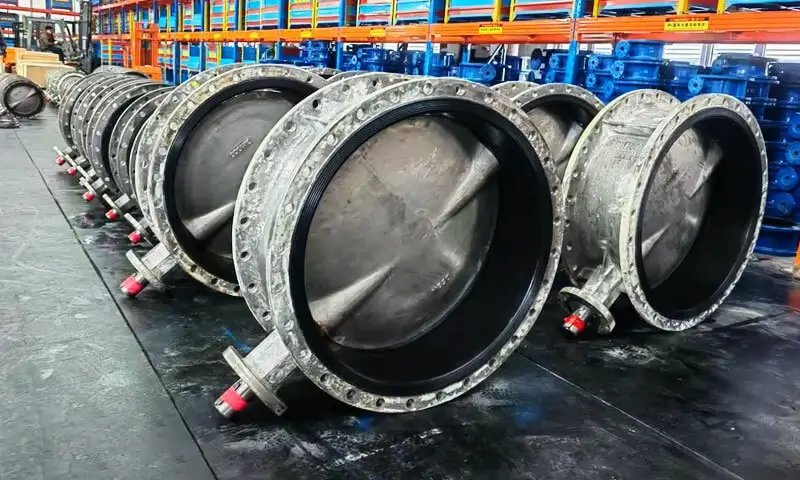
Il cuore di ogni valvola a farfalla è il corpo valvola, l'alloggiamento strutturale che contiene il disco, sedili, gambo, e attuatori, e deve resistere alla pressione interna, temperatura, e media corrosivi.
La produzione dei corpi delle valvole a farfalla si basa tradizionalmente sulla fusione in sabbia, forgiatura, o fabbricazione da lamiera.
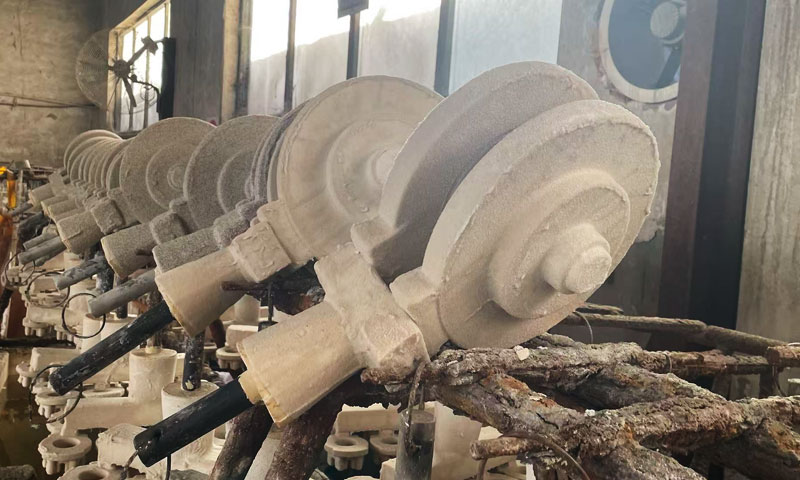
Tuttavia, la fusione a cera persa è emersa come un percorso di produzione superiore per corpi di valvole a farfalla ad alte prestazioni, in particolare in acciaio inossidabile e leghe duplex, offrendo una precisione dimensionale senza pari, finitura superficiale, e integrità materiale.
2. Cos'è un corpo valvola a farfalla?
UN valvola a farfalla regola il flusso del fluido ruotando approssimativamente un disco circolare 90 gradi attorno ad un albero centrale.
Rispetto alle valvole a saracinesca, valvole globali, e valvole a sfera, le valvole a farfalla offrono una struttura molto più compatta e un peso inferiore, rendendoli particolarmente adatti per sistemi di tubazioni di grande diametro.
Sebbene la valvola appaia relativamente semplice, ogni componente svolge una funzione meccanica critica.
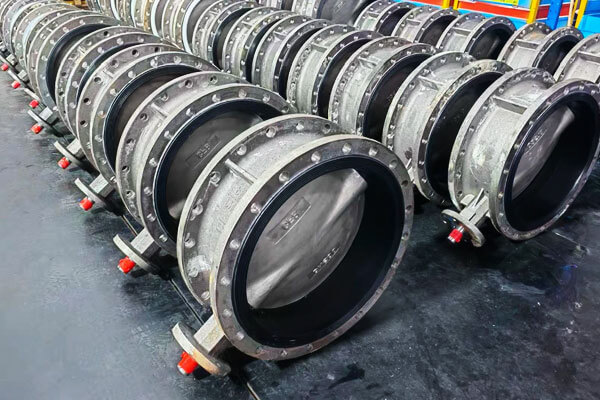
Il corpo di una valvola a farfalla è l'alloggiamento principale di contenimento della pressione di una valvola a farfalla.
Supporta i cuscinetti dello stelo, accoglie la sede della valvola, fornisce le superfici di tenuta per i collegamenti delle tubazioni, e resiste sia alla pressione del fluido interno che ai carichi meccanici esterni.
Componenti di base di una valvola a farfalla
| Componente | Funzione |
| Corpo | Alloggia il disco e le sedi; fornisce collegamenti per tubi (flangiato, aletta, wafer, o estremità saldate di testa). |
| Disco | L'organo di chiusura rotante che regola il flusso; tipicamente fuso integralmente con o separatamente dallo stelo. |
| Gambo / lancia | Trasmette la coppia dall'attuatore al disco. |
| Sedili | Fornire una tenuta ermetica tra il disco e il corpo. |
| Attuatore | Manuale (leva, ruota della mano) o automatizzato (pneumatico, elettrico, idraulico). |
| Cofano / flangia superiore | Alloggia lo stelo e fornisce il montaggio per l'attuatore. |
Tipi di design del corpo della valvola a farfalla
| Tipo di corporatura | Descrizione | Applicazioni tipiche |
| Stile wafer | Corpo sottile con fori per bulloni passanti; inserito tra le flange del tubo. | Bassa pressione, sistemi compatti. |
| Stile aletta | Inserti filettati su ciascun lato; può essere utilizzata come valvola di fine linea. | Pressione moderata; accesso per manutenzione. |
| Flangiato | Flange integrali su entrambe le estremità; imbullonato direttamente alle flange del tubo. | Alta pressione, sistemi di grande diametro. |
| Saldatura di testa | Estremità progettate per la saldatura direttamente nel tubo. | Alta temperatura, alta pressione, sistemi critici per le perdite. |
| Offset / eccentrico | Disco sfalsato rispetto al centro per una migliore tenuta e una coppia ridotta. | Alte prestazioni, applicazioni a tenuta stagna. |
Requisiti funzionali critici
| Requisito | Implicazioni ingegneristiche |
| Integrità della pressione | Deve resistere alla pressione interna senza perdite o deformazioni (fino alla Classe ASME 150‑2500). |
| Resistenza alla corrosione | Resiste ai media (acqua, prodotti chimici, gas, acqua di mare) senza degrado. |
| Precisione dimensionale | Diametro del foro e dimensioni faccia a faccia precisi per la compatibilità con la flangia. |
| Finitura superficiale | Le facce lisce del foro e della flangia riducono la resistenza al flusso e garantiscono la tenuta. |
| Rigidità strutturale | Mantiene l'allineamento del disco e delle sedi sotto cicli termici e di pressione. |
| Resistenza alla fatica | Resiste a ripetuti cicli e fluttuazioni di pressione. |
3. Perché scegliere la fusione a cera persa per i corpi delle valvole a farfalla?
Il metodo di produzione selezionato per il corpo di una valvola a farfalla ha un profondo impatto sulla sua precisione dimensionale, prestazioni meccaniche, Resistenza alla corrosione, Efficienza della produzione, e costo complessivo.
Tra i vari processi produttivi disponibili, Casting per investimenti è diventata una delle scelte preferite per la produzione di corpi valvola a farfalla di alta qualità, in particolare quelli utilizzati in applicazioni industriali impegnative.
A differenza dei metodi di colata convenzionali, la fusione a cera persa utilizza modelli in cera consumabili e stampi in ceramica di precisione per produrre componenti dalla forma quasi perfetta con eccezionale precisione dimensionale e finitura superficiale.
Il processo è in grado di riprodurre geometrie complesse che sarebbero difficili, costoso, o addirittura impossibile da produrre utilizzando la tradizionale fusione in sabbia o una lavorazione intensiva.
Di conseguenza, la fusione a cera persa non solo migliora la qualità del prodotto, ma migliora anche l'efficienza della produzione e riduce gli sprechi di materiale.
Per corpi valvola a farfalla, che incorporano passaggi di flusso complessi, superfici sigillanti, Bores, e collegamenti a flangia, la microfusione offre una combinazione unica di flessibilità di progettazione, Integrità strutturale, e costanza della produzione.
Principali vantaggi della fusione a cera persa per i corpi valvola
| Vantaggio | Spiegazione |
| Geometria interna complessa | Passaggi di flusso, costolette, e le caratteristiche di montaggio possono essere fuse direttamente, eliminando la fabbricazione in più pezzi. |
| Forma quasi netta | La lavorazione minima riduce gli sprechi di materiale e abbassa i costi di produzione. |
| Eccellente finitura superficiale | Ra 1,6‑6,3 µm come fuso riduce la resistenza al flusso e migliora la tenuta della sede. |
| Tolleranze dimensionali strette | Assicura l'allineamento della flangia, concentricità del sedile, e un gruppo a tenuta stagna. |
Versatilità della lega |
Getta qualsiasi acciaio inossidabile fondibile, duplex, superlega, o lega di nichel. |
| Integrità della pressione | I getti insonorizzati con un'apertura adeguata raggiungono prestazioni di tenuta alla pressione fino alla classe ANSI 2500. |
| Microstruttura uniforme | La struttura fusa a grana fine fornisce proprietà meccaniche costanti. |
| Rapporto costo-efficacia a volumi medi | 100‑10.000 parti/anno; ideale per misure personalizzate e standard. |
4. Selezione dei materiali per i corpi delle valvole a farfalla microfusi
La selezione di un materiale appropriato è una delle decisioni più critiche nella progettazione e produzione di un corpo valvola a farfalla microfuso.
Mentre il processo di microfusione determina la qualità dimensionale e la complessità geometrica del componente, la lega ne determina le proprietà meccaniche, Resistenza alla corrosione, capacità di pressione, intervallo di temperatura, e la durata di servizio prevista.
Acciaio inossidabile
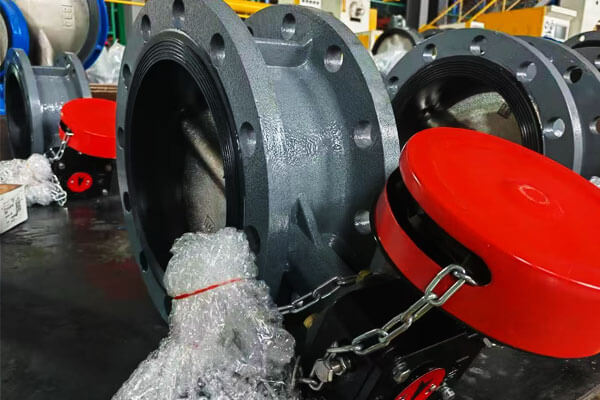
Acciaio inossidabile è il materiale più comunemente utilizzato per i corpi delle valvole a farfalla microfusi grazie al suo eccellente equilibrio di resistenza alla corrosione, resistenza meccanica, produzione, e affidabilità a lungo termine.
La pellicola di ossido passivo ricco di cromo formata sulla superficie fornisce una protezione efficace contro la corrosione atmosferica e molti prodotti chimici industriali.
CF8 (Equivalente a ASTM A351 grado CF8)
CF8 è l'equivalente fuso del tipo battuto 304 acciaio inossidabile e contiene circa 18% cromo e 8% nichel.
Offre una buona resistenza alla corrosione in acqua, vapore, prodotti alimentari, e molti prodotti chimici leggermente corrosivi.
I suoi vantaggi includono:
- Buona resistenza alla corrosione generale
- Ottima castabilità
- Buona saldabilità
- Proprietà meccaniche stabili
- Costo del materiale competitivo
CF8 è ampiamente utilizzato in:
- Sistemi di trattamento dell'acqua
- Trasformazione alimentare
- Apparecchiature HVAC
- Condutture industriali generali
- Servizi chimici a bassa corrosione
Tuttavia, CF8 non è consigliato per ambienti contenenti elevate concentrazioni di cloruri, dove possono verificarsi vaiolature localizzate e corrosione interstiziale.
Cf8m (Equivalente al grado ASTM A351 CF8M)
CF8M corrisponde al tipo lavorato 316 acciaio inossidabile ma comprende circa il 2–3% di molibdeno.
L'aggiunta di molibdeno migliora significativamente la resistenza al:
- Vaiolatura del cloruro
- Corrosione interstiziale
- Ambienti marini
- Acidi organici
- Fluidi di processo chimici
Le applicazioni tipiche includono:
- Ingegneria offshore
- Sistemi di raffreddamento dell'acqua di mare
- Piante chimiche
- Attrezzatura farmaceutica
- Industrie della pasta e della carta
Sebbene CF8M sia generalmente più costoso di CF8, la sua maggiore resistenza alla corrosione spesso si traduce in costi di manutenzione sostanzialmente inferiori durante la vita operativa della valvola.
Acciai inossidabili a basso tenore di carbonio (CF3 e CF3M)
CF3 e CF3M sono versioni a basse emissioni di carbonio di CF8 e CF8M, rispettivamente.
Il loro ridotto contenuto di carbonio riduce al minimo la precipitazione del carburo durante la saldatura, migliorando così la resistenza alla corrosione intergranulare nelle zone termicamente alterate.
Questi gradi sono comunemente selezionati per:
- Sistemi di tubazioni saldate
- Produzione farmaceutica
- Attrezzatura per la trasformazione alimentare
- Sistemi chimici ad elevata purezza
Dove è prevista una saldatura estesa, gli acciai inossidabili a basso tenore di carbonio sono generalmente preferiti rispetto ai gradi standard.
Acciaio al carbonio
Sebbene l'acciaio inossidabile prevalga nelle applicazioni corrosive, l'acciaio al carbonio rimane una scelta economica per molti corpi di valvole a farfalla che operano in condizioni non corrosive o leggermente corrosive.
Acciaio al carbonio WCB
ASTM A216 WCB è uno degli acciai al carbonio colato più utilizzati nel settore delle valvole.
I suoi vantaggi includono:
- Elevata resistenza meccanica
- Buona tenacità agli urti
- Eccellente macchinabilità
- Basso costo del materiale
- Buona resistenza alla pressione
Le applicazioni tipiche includono:
- Oleodotti
- Trasmissione del gas naturale
- Sistemi di vapore
- Protezione antincendio
- Utilità industriali
Tuttavia, WCB richiede rivestimenti protettivi o rivestimenti interni se esposto ad ambienti corrosivi.
Acciaio al carbonio a bassa temperatura LCC
LCC è stato sviluppato specificatamente per il servizio a bassa temperatura.
Rispetto al WCB, mostra una migliore resistenza all'urto a temperature inferiori allo zero ed è comunemente usato in:
- Impianti GNL
- Stoccaggio criogenico
- Sistemi di refrigerazione
- Infrastruttura del gasdotto artico
Acciaio inossidabile duplex
Poiché gli ambienti industriali diventano sempre più aggressivi, gli acciai inossidabili duplex hanno ottenuto un'ampia accettazione per i corpi delle valvole a farfalla ad alte prestazioni.
Gli acciai inossidabili duplex contengono proporzioni approssimativamente uguali di ferrite e austenite, combinando i vantaggi di entrambe le microstrutture.
Le loro caratteristiche includono:
- Resistenza alla trazione molto elevata
- Eccellente resistenza al cloruro
- Eccezionale resistenza alla tensocorrosione
- Buone prestazioni a fatica
- Eccellente resistenza all'erosione
Rispetto agli acciai inossidabili austenitici convenzionali, le leghe duplex spesso forniscono quasi il doppio del carico di snervamento pur mantenendo un'eccellente resistenza alla corrosione.
I gradi comuni di microfusione includono:
- CD4MCU
- ASTM A890 Grado 4A
- ASTM A890 Grado 5A
Le applicazioni tipiche includono:
- Piattaforme petrolifere offshore
- Piante di desalinizzazione
- Condutture marine
- Reattori chimici
- Sistemi di raffreddamento dell'acqua di mare
Sebbene le leghe duplex siano più costose degli acciai inossidabili convenzionali, la loro maggiore durata spesso giustifica l'investimento aggiuntivo.
Leghe a base di nichel
Alcuni processi industriali operano in condizioni che superano le capacità degli acciai inossidabili.
Acidi altamente concentrati, temperature elevate, sostanze chimiche ossidanti, e gli ambienti riducenti richiedono leghe specializzate con eccezionale resistenza alla corrosione.
La fusione a cera persa consente di produrre corpi di valvole a farfalla con leghe a base di nichel come:
Hastelloy
Le leghe Hastelloy mostrano un'eccezionale resistenza a:
- Acido cloridrico
- Acido solforico
- Acido fosforico
- Cloruri
- Prodotti chimici ossidanti
Sono ampiamente utilizzati negli impianti di lavorazione chimica dove gli acciai inossidabili convenzionali si corroderebbero rapidamente.
Incontro
Le leghe Inconel forniscono:
- Eccellente resistenza alle alte temperature
- Resistenza all'ossidazione
- Resistenza alla fatica termica
- Resistenza alla pressione a temperature elevate
Le applicazioni includono:
- Generazione di energia
- Elaborazione petrolchimica
- Sistemi di supporto aerospaziale
- Impianti chimici ad alta temperatura
Monel
Le leghe Monel possiedono un'eccezionale resistenza a:
- Acqua di mare
- Acido fluoridrico
- Soluzioni saline
- Biofouling marino
Sono spesso selezionati per valvole a farfalla marine e offshore.
Sebbene le leghe di nichel rappresentino un investimento materiale significativo, possono ridurre drasticamente i costi di manutenzione e i tempi di inattività in ambienti di servizio gravosi.
5. Prestazioni meccaniche dei corpi valvola a farfalla microfusi
Lo scopo principale di qualsiasi corpo valvola a farfalla è fornire un supporto meccanico affidabile in condizioni operative impegnative.
Mentre la fusione a cera persa è spesso riconosciuta per la sua eccellente precisione dimensionale e finitura superficiale, altrettanto importante è la sua capacità di produrre componenti con prestazioni meccaniche eccezionali.
Resistenza alla pressione
Il contenimento della pressione è la funzione fondamentale di ogni corpo valvola.
Durante il funzionamento, il corpo subisce una pressione idrostatica interna che genera tensioni di trazione in tutta la fusione.
Le regioni di stress critico includono:
- Aperture dello stelo
- Radici flangiate
- Fori dei bulloni
- Transizioni tra pareti
- Rinforzo delle intersezioni delle nervature
La fusione a cera persa contribuisce a garantire prestazioni di pressione superiori:
- Spessore della parete uniforme
- Ridotto stress indotto dalla lavorazione
- Transizioni geometriche fluide
- Elevata consistenza dimensionale
La capacità di pressione viene infine verificata mediante test di pressione idrostatica in conformità con gli standard di settore applicabili.
Forza strutturale
La resistenza strutturale si riferisce alla capacità del corpo valvola di resistere alla deformazione permanente sotto carico meccanico.
Importanti proprietà del materiale includono:
- Forza di snervamento
- Resistenza alla trazione
- Modulo elastico
- Durezza
Gli acciai inossidabili microfusi forniscono in genere eccellenti combinazioni di resistenza e duttilità, consentendo al corpo della valvola di resistere:
- Carichi della pipeline
- Coppia dell'attuatore
- Forze di installazione
- Tensioni di dilatazione termica
Un adeguato trattamento termico migliora ulteriormente la resistenza affinando la microstruttura della lega.
Resistenza alla fatica
A differenza dei recipienti a pressione statica, le valvole a farfalla spesso subiscono carichi ripetuti per tutta la loro vita utile.
Ogni ciclo operativo genera:
- Fluttuazioni di pressione
- Coppia dello stelo
- Vibrazione
- Dilatazione termica
- Impatto meccanico
Nel corso di migliaia, o addirittura milioni, di cicli, possono svilupparsi microscopiche crepe da fatica.
La microfusione migliora le prestazioni a fatica:
- Finitura superficiale liscia
- Ridotta concentrazione dello stress
- Microstruttura uniforme
- Precisione ad alta dimensione
Caratteristiche di progettazione come raccordi generosi e posizionamento ottimizzato delle nervature migliorano ulteriormente la resistenza alla fatica distribuendo le sollecitazioni in modo più uniforme.
La tenacità dell'impatto
Le valvole industriali possono essere esposte a improvvisi impatti meccanici durante il trasporto, installazione, o operazione. In ambienti a bassa temperatura, una tenacità inadeguata può portare a fratture fragili.
La resilienza è quindi una proprietà essenziale, in particolare per:
- Sistemi GNL
- Condotte criogeniche
- Installazioni offshore
- Infrastrutture per il clima freddo
Materiali come l'acciaio al carbonio LCC e l'acciaio inossidabile duplex mantengono un'eccellente tenacità a temperature ridotte, renderli adatti a applicazioni esigenti.
Resistenza all'usura e all'erosione
Sebbene il corpo valvola generalmente non sia soggetto a contatto strisciante diretto come il disco o la sede, può ancora subire l'erosione da fluidi ad alta velocità che trasportano particelle abrasive.
I tipici mezzi erosivi includono:
- Liquami
- Acqua carica di sabbia
- Residui minerari
- Cenere volante
- Sospensioni chimiche
Gli acciai inossidabili duplex microfusi e le leghe a base di nichel offrono una resistenza superiore all'erosione grazie alla loro maggiore durezza e alle microstrutture più resistenti.
I passaggi di flusso interni ottimizzati riducono anche le turbolenze localizzate, riducendo al minimo l’erosione per periodi di servizio prolungati.
Resistenza alla corrosione
La corrosione rimane una delle principali cause di guasto delle valvole negli impianti industriali.
A seconda dell'ambiente operativo, potrebbero incontrare i corpi delle valvole a farfalla:
- Corrosione generale
- Mettono la corrosione
- Corrosione interstiziale
- Corrosione galvanica
- Corrosione intergranulare
- Stress corrosione cracking
La microfusione supporta l'uso di leghe altamente resistenti alla corrosione durante la produzione densa, fusioni di alta qualità con difetti superficiali minimi.
Trattamenti superficiali adeguati, come la passivazione o l'elettrolucidatura, possono migliorare ulteriormente la resistenza alla corrosione rafforzando lo strato protettivo di ossido sulle superfici in acciaio inossidabile.
Prestazioni ad alta temperatura
Il servizio ad alta temperatura presenta ulteriori sfide ingegneristiche.
All'aumentare della temperatura:
- La forza di snervamento diminuisce
- La resistenza al creep diventa importante
- L'ossidazione accelera
- Può svilupparsi affaticamento termico
Per applicazioni a temperature elevate, i corpi valvola microfusi sono comunemente realizzati con acciai inossidabili resistenti al calore o superleghe a base di nichel in grado di mantenere le proprietà meccaniche in caso di esposizione termica prolungata.
Stabilità dimensionale
La stabilità dimensionale è particolarmente importante perché le valvole a farfalla si basano su un allineamento preciso tra il corpo, gambo, disco, e sedile.
Può portare a una scarsa stabilità dimensionale:
- Maggiore coppia operativa
- Abbigliamento del sedile
- Perdita
- Rottura prematura del cuscinetto
La microfusione offre un'eccellente ripetibilità dimensionale riducendo al minimo la distorsione durante la produzione.
Il trattamento termico controllato e la lavorazione meccanica di precisione garantiscono ulteriormente che le dimensioni critiche rimangano entro le tolleranze specificate.
Questo elevato livello di stabilità dimensionale contribuisce direttamente al regolare funzionamento della valvola, prestazioni di tenuta affidabili, e una lunga durata di servizio.
6. Trattamento termico e finitura superficiale del corpo valvola a farfalla microfuso
Il trattamento termico e la finitura superficiale non sono fasi secondarie di post-lavorazione nella produzione delle valvole;
Piuttosto, sono fasi critiche che determinano direttamente la affidabilità meccanica, Resistenza alla corrosione, stabilità dimensionale, e vita di servizio di corpi valvola a farfalla microfusi.
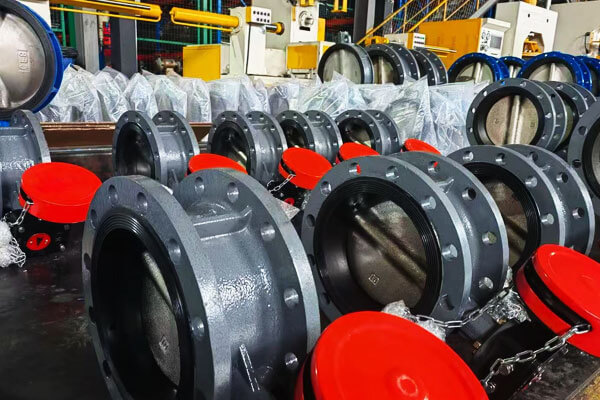
Trattamento termico: Ingegneria della microstruttura per l'ottimizzazione delle prestazioni
Il trattamento termico viene applicato per modificare la microstruttura della lega fusa, eliminare le tensioni residue, e raggiungere il necessario equilibrio di forza, tenacità, e resistenza alla corrosione.
Soluzione Trattamento termico (Acciai inossidabili austenitici)
Per qualità di acciaio inossidabile come CF8, Cf8m, CF3, e CF3M, il trattamento della soluzione è il processo più critico.
Il processo prevede:
- Riscaldare la fusione a circa 1040°C–1120°C
- Mantenimento a temperatura per sciogliere i carburi e omogeneizzare la struttura
- Tempra rapida (solitamente raffreddamento ad acqua)
I risultati chiave includono:
- Eliminazione della precipitazione del carburo di cromo
- Ripristino della resistenza alla corrosione
- Duttilità e tenacità migliorate
- Microstruttura austenitica omogeneizzata
Senza un adeguato trattamento della soluzione, i corpi valvola in acciaio inossidabile possono soffrire di corrosione intergranulare e guasti prematuri in ambienti ricchi di cloruro.
Trattamento termico antistress (Acciadi di carbonio e lega)
Corpi valvola in acciaio al carbonio fuso (PER ESEMPIO., WCB, LCC) spesso conservano tensioni residue dalla solidificazione e dal raffreddamento.
La riduzione dello stress viene eseguita presso 550°C–650°C A:
- Ridurre le tensioni residue interne
- Migliorare la stabilità dimensionale
- Ridurre al minimo la distorsione durante la lavorazione e la manutenzione
- Migliora la resistenza alla fatica
Questo processo è particolarmente importante per i corpi delle valvole a farfalla di grande diametro dove i gradienti di raffreddamento irregolari sono più pronunciati.
Normalizzazione e Quenching & Tempra
Per acciai al carbonio e bassolegati che richiedono maggiore resistenza:
- Normalizzare affina la struttura del grano e migliora l'uniformità
- Spegnimento e tempera migliorare significativamente la resistenza e la durezza mantenendo un'adeguata tenacità
Questi trattamenti sono comunemente usati in applicazioni ad alta pressione come oleodotti e sistemi a vapore.
Finitura superficiale: Miglioramento funzionale e protettivo
La finitura superficiale è altrettanto importante poiché influisce direttamente sulla resistenza alla corrosione, pulizia, prestazione idraulica, e qualità estetica.
Granigliatura e pulizia
La granigliatura è tipicamente la prima fase di finitura dopo la rimozione del getto.
Le sue funzioni includono:
- Rimozione dei residui del guscio ceramico
- Eliminazione delle incrostazioni di ossido
- Texture superficiale uniforme
- Preparazione della superficie per ulteriori trattamenti
Per getti di acciaio al carbonio, comunemente si usano pallini d'acciaio, mentre i componenti in acciaio inossidabile spesso utilizzano pallini di acciaio inossidabile o mezzi controllati per prevenire la contaminazione.
Decapaggio e disincrostazione
Il decapaggio è un processo chimico utilizzato principalmente per le fusioni di acciaio inossidabile.
Rimuove:
- Tinta termica
- Strati di ossido
- Contaminazione superficiale dovuta alla lavorazione ad alta temperatura
Miscele acide (tipicamente nitrico + sistemi di acido fluoridrico) ripristinare una superficie metallica pulita, che è essenziale per la resistenza alla corrosione.
Trattamento di passivazione
La passivazione migliora la naturale resistenza alla corrosione dell'acciaio inossidabile promuovendo la formazione di uno strato stabile di ossido di cromo.
I benefici includono:
- Resistenza alla cornice migliorata
- Stabilità chimica migliorata
- Protezione superficiale a lungo termine
- Rischio ridotto di corrosione localizzata
Questo passaggio è fondamentale per i corpi valvola CF8M utilizzati in ambienti marini e chimici.
Elettropolishing (Applicazioni di fascia alta)
L'elettrolucidatura è un processo di finitura elettrochimica che rimuove i picchi superficiali microscopici, ottenendo una superficie estremamente liscia e pulita.
I vantaggi includono:
- Rugosità superficiale estremamente bassa
- Prestazioni igieniche migliorate
- Ridotta adesione batterica
- Resistenza alla corrosione migliorata
- Caratteristiche di flusso migliorate
È ampiamente usato in:
- Sistemi farmaceutici
- Condutture biotecnologiche
- Attrezzature per la lavorazione alimentare
- Sistemi per acqua ultrapura
Rivestimenti protettivi (Applicazioni in acciaio al carbonio)
Per corpi valvola in acciaio al carbonio, i rivestimenti protettivi sono essenziali per prevenire la corrosione ambientale.
I sistemi di rivestimento comuni includono:
- Epossidico legato per fusione (Fbe)
- Rivestimenti in poliuretano
- Primer ricchi di zinco
- Sistemi di verniciatura a polvere
Questi rivestimenti forniscono resistenza a lungo termine contro l'umidità, prodotti chimici, e corrosione atmosferica.
7. Lavorazione di corpi valvola microfusi
La fusione a cera persa produce corpi dalla forma quasi netta, ma le dimensioni critiche richiedono la lavorazione.
Operazioni di lavorazione tipiche
| Operazione | Scopo | Tolleranza |
| Spianatura di flange | Ottieni planarità e parallelismo | ± 0,05 mm |
| Alesaggio che gira | Ottieni un diametro interno preciso | ±0,05‑0,10 mm |
| Foratura di fori per bulloni | Creare fori per i bulloni della flangia | ±0,1‑0,2 mm |
| Maschiatura del filo (alette) | Crea filettature per valvole a capocorda | Iso / Norma ASME |
| Tornitura della gola del sedile | Incavo di precisione per l'anello di sede | ±0,02‑0,05 mm |
| Foro dello stelo noioso | Per stelo valvola | ±0,02‑0,05 mm |
| Lavorazione del tampone di montaggio | Per il montaggio dell'attuatore | ±0,05‑0,10 mm |
Sfide di lavorazione
| Sfida | Causa | Soluzione |
| Il lavoro indurimento | L'acciaio inossidabile austenitico indurisce | Utensili affilati in metallo duro; avanzamenti/velocità appropriati. |
| Usura degli utensili | L'acciaio inossidabile è abrasivo | Metallo duro rivestito (Tialn, Pvd); refrigerante. |
| Chiacchiere / vibrazione | Sezioni a pareti sottili | Utilizza le lunette fisse; aumentare la rigidità; ridurre la sporgenza. |
| Stabilità dimensionale | Tensioni residue da fusione | Sollievo da stress; lavorazione di sgrossatura → invecchiamento → lavorazione di finitura. |
8. Controllo e ispezione della qualità
I corpi delle valvole a farfalla realizzati in microfusione richiedono una rigorosa garanzia di qualità per soddisfare gli standard del settore.
Test non distruttivi (Ndt)
| Metodo NDT | Rileva | Standard | Frequenza |
| Ispezione visiva | Difetti di superficie | ASTM E430 | 100% |
| Dye penetrant (Pt) | Crepe superficiali, porosità | ASTM E165 | 100% (aree critiche) |
| Radiografia (X -RAY) | Porosità interna, inclusioni | ASTM E94 | 10‑25% (lotto) |
| Ultrasonico | Difetti interni, spessore del muro | ASTM E114 | 10‑25% (lotto) |
| Test di pressione | Tenuta stagna | API 598 | 100% |
Ispezione dimensionale
| Misurazione | Attrezzatura | Tolleranza |
| Diametro del foro | CMM o alesametro | ± 0,05 mm |
| Planarità della faccia della flangia | Calibro ottico o a quadrante | ≤0,05 mm/m |
| Dimensione faccia a faccia | CMM o metro a nastro | ±0,5‑1,0 mm |
| Schema dei fori per i bulloni della flangia | CMM o modello | ±0,1‑0,2 mm |
| Dimensioni della gola del sedile | CMM o calibro speciale | ±0,02‑0,05 mm |
Test meccanici
| Test | Scopo | Standard |
| Trazione | Prodotto, trazione, allungamento | ASTM E8 / IN 10002 |
| Durezza | HB o HRB | ASTM E10 / ASTM E18 |
| Impatto (Charpy) | Tenacità | ASTM E23 |
| Test idrostatico | Integrità della pressione | API 598 / ASME B16.34 |
9. Applicazioni industriali del corpo valvola a farfalla in fusione a cera persa
I corpi delle valvole a farfalla microfusi sono ampiamente utilizzati in numerosi settori perché combinano un'elevata precisione dimensionale, eccellenti proprietà meccaniche, ed eccezionale resistenza alla corrosione.
La loro capacità di adattarsi a geometrie complesse mantenendo l'integrità della pressione li rende adatti sia per servizi industriali standard che per ambienti operativi altamente esigenti.
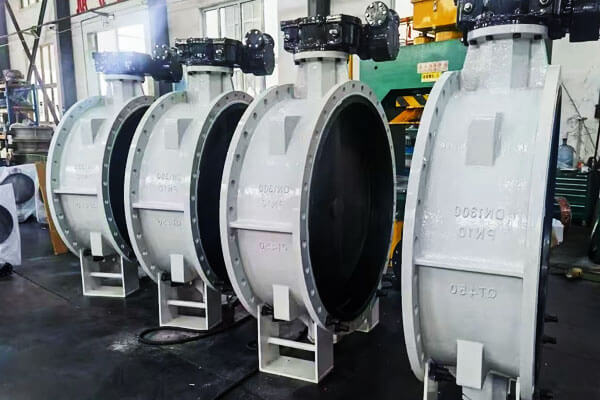
Trattamento e distribuzione delle acque
Il trattamento delle acque è uno dei maggiori settori di applicazione delle valvole a farfalla.
Impianti idrici comunali, strutture di desalinizzazione, stazioni di trattamento delle acque reflue, e i sistemi di irrigazione richiedono tutti apparecchiature di controllo del flusso affidabili in grado di funzionare continuamente con una manutenzione minima.
I corpi delle valvole a farfalla microfusi sono particolarmente vantaggiosi perché forniscono:
- Eccellente consistenza dimensionale per una sigillatura affidabile
- Superfici interne lisce che riducono la resistenza al flusso
- Buona resistenza alla corrosione in acqua potabile e trattata
- Lunga durata con cicli operativi frequenti
A seconda della qualità dell'acqua e delle condizioni operative, i materiali comunemente usati includono:
- Acciaio inossidabile CF8
- Acciaio inossidabile CF8M
- Ferro duttile con rivestimenti protettivi
- Acciaio inossidabile duplex per applicazioni con acqua di mare
Per impianti di dissalazione, l'acciaio inossidabile duplex è spesso preferito per la sua resistenza superiore alla vaiolatura indotta dai cloruri e alla corrosione interstiziale.
Industria petrolifera e del gas
La produzione di petrolio e gas sottopone i corpi delle valvole ad alcune delle condizioni di servizio più difficili incontrate nelle applicazioni industriali.
Le tipiche sfide operative includono:
- Alta pressione
- Temperature elevate
- Solfuro di idrogeno (H₂s)
- Anidride carbonica (CO₂)
- Particelle abrasive
- Ambienti marini offshore
I corpi delle valvole a farfalla microfusi offrono un eccellente contenimento della pressione e allo stesso tempo sono compatibili con leghe resistenti alla corrosione appositamente progettate per servizi acidi.
I materiali comuni includono:
- Acciaio al carbonio WCB
- Acciaio inossidabile CF8M
- Acciaio inossidabile duplex
- Acciaio inossidabile superduplex
- Leghe a base di nichel
Le applicazioni tipiche includono:
- Oleodotti per il petrolio greggio
- Piattaforme offshore
- Unità di processo della raffineria
- Trasmissione del gas naturale
- Terminali GNL
- Impianti petrolchimici
La precisione della fusione a cera persa migliora anche l'affidabilità della tenuta, che è fondamentale per prevenire le emissioni fuggitive e garantire la conformità ambientale.
Elaborazione chimica
Gli impianti chimici gestiscono fluidi altamente aggressivi che possono degradare rapidamente i materiali tecnici convenzionali.
Le sostanze chimiche tipiche includono:
- Acido solforico
- Acido cloridrico
- Acido nitrico
- Idrossido di sodio
- Soluzioni di cloruro
- Solventi organici
La fusione a cera persa consente ai produttori di produrre corpi di valvole a farfalla da leghe altamente resistenti alla corrosione mantenendo un'eccellente precisione dimensionale.
A seconda della chimica del processo, i materiali adatti includono:
- Acciaio inossidabile CF8M
- Acciaio inossidabile duplex
- Hastelloy
- Incontro
- Monel
L'eccellente finitura superficiale prodotta dalla fusione a cera persa riduce inoltre al minimo la formazione di fessure, riducendo la corrosione localizzata e facilitando la pulizia delle attrezzature.
Generazione di energia
Le centrali elettriche richiedono valvole in grado di funzionare continuamente in condizioni termiche e meccaniche impegnative.
Le applicazioni includono:
- Sistemi di alimentazione dell'acqua per caldaie
- Distribuzione del vapore
- Sistemi di raffreddamento dell'acqua
- Desolfurizzazione del gas di combustione
- Sistemi di condensa
I corpi delle valvole devono resistere:
- Alta pressione
- Ciclismo termico
- Temperature elevate
- Condense corrosive
Per queste applicazioni vengono comunemente selezionati gli acciai inossidabili resistenti al calore e le leghe a base di nichel.
La stabilità dimensionale fornita dalla fusione a cera persa contribuisce a garantire prestazioni costanti della valvola durante ripetuti cicli di espansione e contrazione termica.
Industria alimentare e delle bevande
Le apparecchiature per la lavorazione degli alimenti devono soddisfare rigorosi standard igienici pur mantenendo un'eccellente resistenza alla corrosione.
Le applicazioni tipiche includono:
- Produzione di bevande
- Elaborazione lattiero -casearia
- Birra
- Raffinazione dello zucchero
- Produzione di olio commestibile
I corpi delle valvole a farfalla in acciaio inossidabile microfuso offrono numerosi importanti vantaggi:
- Liscio, superfici pulibili
- Bassa adesione batterica
- Eccellente resistenza alla corrosione
- Precisione ad alta dimensione
- Compatibilità con le procedure di pulizia sanitaria
Gli acciai inossidabili elettrolucidati CF3 e CF3M sono spesso utilizzati nei sistemi di processo igienici in cui la purezza del prodotto è essenziale.
Industrie farmaceutiche e biotecnologiche
La produzione farmaceutica impone requisiti ancora più severi rispetto alla lavorazione alimentare.
I corpi delle valvole devono essere visibili:
- Superfici estremamente lisce
- Rischio di contaminazione minimo
- Ottima pulibilità
- Resistenza ai prodotti chimici di sterilizzazione aggressivi
- Conformità agli standard GMP
La fusione a cera persa fornisce un'eccezionale precisione geometrica riducendo al minimo le imperfezioni superficiali che potrebbero ospitare microrganismi.
L'elettrolucidatura aggiuntiva migliora ulteriormente:
- Rugosità superficiale
- Resistenza alla corrosione
- Sterilità
- Purezza del prodotto
Queste caratteristiche rendono i corpi delle valvole a farfalla microfusi particolarmente adatti per i sistemi di trattamento sterili.
Ingegneria marina
Gli ambienti marini combinano diversi fattori aggressivi:
- Corrosione dell'acqua salata
- Alta umidità
- Incrostazione biologica
- Vibrazioni meccaniche
- Caricamento ciclico
Corpi valvola utilizzati a bordo delle navi, piattaforme offshore, e le strutture costiere richiedono un'eccezionale resistenza alla corrosione.
I materiali comuni includono:
- Acciaio inossidabile duplex
- Acciaio inossidabile superduplex
- Monel
- Leghe di bronzo
La fusione a cera persa consente progetti complessi di valvole marine garantendo allo stesso tempo un'eccellente integrità meccanica in caso di esposizione continua all'acqua di mare.
Estrazione mineraria e lavorazione dei minerali
Le operazioni minerarie presentano sfide uniche a causa dei fanghi altamente abrasivi contenenti solidi sospesi.
I corpi valvola devono resistere:
- Usura abrasiva
- Caricamento dell'impatto
- Corrosione
- Elevate velocità di flusso
L'acciaio inossidabile duplex microfuso offre un'eccellente combinazione di resistenza all'usura, forza, e resistenza alla corrosione, rendendolo adatto ai sistemi di trasporto dei liquami.
HVAC e servizi di costruzione
I grandi edifici commerciali utilizzano spesso valvole a farfalla per:
- Acqua refrigerata
- Sistemi di riscaldamento
- Torri di raffreddamento
- Protezione antincendio
- Distribuzione dell'acqua
I corpi valvola realizzati in microfusione garantiscono una struttura leggera, dimensioni precise, e una tenuta affidabile riducendo i costi di manutenzione per lunghi periodi di funzionamento.
10. Tendenze di sviluppo futuro
| Tendenza | Descrizione | Impatto sui corpi valvola microfusi |
| Produzione additiva di modelli in cera | 3I modelli stampati in D eliminano gli strumenti per i volumi ridotti. | Consente la prototipazione rapida; dimensioni personalizzate senza costi di stampa. |
| Gemello digitale e simulazione | Simulazione in tempo reale della fusione e della lavorazione. | Riduce i difetti; ottimizza il processo. |
| Previsione dei difetti basata sull'intelligenza artificiale | L’apprendimento automatico prevede porosità e inclusioni. | Migliora la resa; riduce l'ispezione. |
Leghe duplex ad alte prestazioni |
Nuove leghe duplex con maggiore robustezza e resistenza alla corrosione. | Consente sezioni più sottili; Riduzione del peso. |
| Materiali della calotta sostenibili | Leganti di origine biologica; guscio riciclabile. | Riduce l'impatto ambientale. |
| Corpi valvola intelligenti | Sensori integrati per la temperatura, pressione, corrosione. | Abilita la manutenzione predittiva; monitoraggio delle condizioni. |
| Microfusione di grande diametro | Dimensioni di fusione fino a DN1200 / 48″. | Espande la gamma di applicazioni a condotte di grandi dimensioni. |
| Elettrificazione della fusione | Fusione ad induzione con elettricità rinnovabile. | Riduce l'impronta di carbonio. |
11. Conclusione
La microfusione è il principale processo di produzione per corpi di valvole a farfalla ad alte prestazioni, in particolare negli acciai inossidabili e nelle leghe duplex.
Offre una combinazione unica di complessità geometrica, precisione dimensionale, finitura superficiale, e integrità materiale che non ha eguali nella fusione in sabbia, forgiatura, o fabbricazione.
Il processo fornisce componenti dalla forma quasi perfetta con una lavorazione minima, eccellente integrità della pressione, e proprietà meccaniche coerenti.
Per corpi valvola che richiedono resistenza alla corrosione, tolleranze strette, e lunga durata, sia negli impianti chimici, piattaforme offshore, o linee di lavorazione alimentare: la microfusione è il metodo preferito.
Il successo dei corpi valvola a farfalla microfusi dipende dal controllo rigoroso dell'intera catena di produzione: Selezione in lega, Progettazione di pattern, costruzione di conchiglie, fusione, versare, Trattamento termico, lavorazione, e ispezione.
Progressi nella simulazione, automazione, e i materiali sostenibili stanno ulteriormente migliorando il processo, rendendolo più efficiente, affidabile, e rispettoso dell'ambiente.
Poiché le industrie richiedono prestazioni più elevate, Peso più leggero, e una maggiore durata delle apparecchiature di controllo del flusso, la fusione a cera persa continuerà a svolgere un ruolo centrale nell’affrontare queste sfide.
FAQ
Qual è la dimensione massima del corpo di una valvola a farfalla che può essere fuso a cera persa??
Capacità tipica di fusione a cera persa: fino a 600 mm (24″) diametro per corpi wafer/aletta; taglie più grandi fino a 900 mm (36″) sono possibili con la costruzione di strutture prefabbricate specializzate.
Per valvole molto grandi (>48″), la fusione o la fabbricazione in sabbia sono più economiche.
Qual è la differenza tra i corpi valvola wafer e lug??
I corpi in stile wafer sono sottili e fissati tra le flange; i corpi con aletta sono dotati di inserti filettati su ciascun lato e possono essere utilizzati come valvole di fine linea. Entrambi sono fondibili a investimento.
I corpi valvola microfusi possono essere riparati?
Piccoli difetti di fusione possono essere riparati mediante saldatura (con riempitivo e preriscaldamento adeguati), ma i difetti più grandi in genere provocano scarti. L'HIP può eliminare la porosità ma non può riparare i difetti superficiali.
Qual è il tempo di consegna tipico per i corpi valvola microfusi??
8‑12 settimane per attrezzature e primi articoli; 2‑4 settimane per ordini ripetuti (con gli strumenti esistenti). Gli ordini urgenti possono essere spediti a un costo aggiuntivo.