1. Bevezetés
A ferrites rozsdamentes acél a rozsdamentes acélok egyik fő családja, elsősorban az különbözteti meg ferrites testközpontú köbös (BCC) kristályszerkezet szobahőmérsékleten és viszonylag magas krómtartalma miatt.
A hagyományos ausztenites rozsdamentes acéloktól eltérően, a ferrites minőségek általában alig vagy egyáltalán nem tartalmaznak szándékosan hozzáadott nikkelt.
Ez az összetételi jellemző a korrózióállóság vonzó kombinációját biztosíthatja, hőstabilitás, mágneses tulajdonságok, és anyagköltség.
A ferrites rozsdamentes acélokat széles körben használják az autók kipufogórendszereiben, háztartási gépek, hőcserélők, építészeti alkatrészek, élelmiszer-feldolgozó berendezés, és ipari gépek.
A teljesítményük, viszont, erősen függ az ötvözetek kémiájától, szén- és nitrogénszabályozás, stabilizáció, feldolgozási előzmények, és szolgáltatási környezet.
2. Mi az a ferrites rozsdamentes acél?
Ferritikus rozsdamentes acél csoportja vas-króm ötvözetek, amelyek mátrixa szobahőmérsékleten túlnyomórészt ferrites.
A ferrit testközpontú köbös kristályszerkezettel rendelkezik, és megfelelően ötvözött kompozíciókban széles hőmérsékleti tartományban stabil marad.
A króm a fő ötvözőelem, amely a rozsdamentes acél viselkedéséért felelős.
Ha elegendő króm van jelen, az acél vékony, tapadó, krómban gazdag passzív film, amely lényegesen lassítja a további korróziót.
A kereskedelemben kapható ferrites rozsdamentes acélok viszonylag széles összetételű tartományt fednek le. A közös osztályzatok kb 11-30% króm, míg a szén és a nitrogén mennyiségét általában viszonylag alacsony szinten szabályozzák.
Egyes nagyobb teljesítményű termékek emellett molibdént is tartalmaznak a jobb helyi korrózióállóság érdekében, vagy titánt és nióbiumot a stabilizálás érdekében.
Ellentétben a martenzites rozsdamentes acélokkal, a hagyományos ferrites rozsdamentes acélok normál esetben nem keményítik meg a hagyományos kioltós hőkezeléssel.
Végső tulajdonságaikat elsősorban a kémiai összetétel határozza meg, termomechanikus feldolgozás, lágyítás, gabonaszerkezet, és hideg deformáció.
A ferrites rozsdamentes acél ezért leginkább különálló kohászati családként értelmezhető, nem pedig egyszerűen az ausztenites rozsdamentes acél olcsóbb alternatívájaként..
3. Ferrites rozsdamentes acél kémiai összetétele
A kémiai összetétel az egyik legfontosabb tényező, amely szabályozza a ferrites rozsdamentes acél teljesítményét.
A króm biztosítja az alapvető rozsdamentes tulajdonságot, míg a szén, nitrogén, molibdén, titán, nióbium, és más elemeket úgy állítanak be, hogy a korrózióállóság meghatározott kombinációit érjék el, mechanikai tulajdonságok, hegesztés, és hőstabilitás.
Tipikus kémiai összetétel
Az összetétel az egyes fokozatok között jelentősen eltér. A következő értékek képviselik tipikus tartományok a szokásos kereskedelmi ferrites rozsdamentes acélokhoz, nem univerzális specifikációs korlátok.
| Elem | Tipikus hatótávolság / Szint | Elsődleges kohászati funkció |
| Króm (CR) | ~10,5–30% | Passziválás, korrózióállóság, ferrit stabilizálás |
| Szén (C) | Általában alacsony, gyakran ≤0,08% | Megerősítés; túlzott szintje érzékenységet okozhat |
| Nitrogén (N) | Általában alacsony | Megerősítés; túlzott szintje ronthatja a ferrites tulajdonságokat |
| Molibdén (MO) | 0-4%+ fokozattól függően | Javítja a lyuk- és réskorrózióállóságot |
| Titán (-Y -az) | Fokozatfüggő | Stabilizálja a szenet és a nitrogént |
Nióbium (Földrajzi jelzés) |
Fokozatfüggő | Stabilizálja a szenet és a nitrogént; javítja a hegesztési teljesítményt |
| Nikkel (-Ben) | Általában alacsony | A ferrites fázis stabilitásának fenntartása érdekében szabályozott |
| Mangán (MN) | Általában korlátozott | Deoxidáció és ötvözet/folyamat szabályozása |
| Szilícium (És) | Általában korlátozott | Deoxidáció és oxidációval szembeni ellenállás |
A pontos határértékeket mindig a vonatkozó anyagleírásból kell átvenni, mint például az alkalmazandó ASTM, -Ben, Ő az, vagy más nemzeti/nemzetközi szabvány, mert a névleges évfolyamnevek önmagukban nem határoznak meg minden megengedett kompozíciós határt.
4. A ferrites rozsdamentes acél főbb típusai és minőségei
A ferrites rozsdamentes acélok a krómalapú ötvözetek széles skáláját fedik le, az autóipari kipufogórendszerekhez tervezett gazdaságos minőségektől a magas króm- és molibdén-ötvözetű minőségekig, amelyek az igényes korróziós és magas hőmérsékletű környezetekhez készültek.
A következő táblázatok a reprezentatív osztályzatokat három gyakorlati kategóriába sorolják: szabványos ferrites minőségek, magas krómtartalmú ferrites minőségek, és öntött ferrites rozsdamentes acélokat.
Szabványos ferrites minőségek (400 Sorozat)
Ezeket a minőségeket széles körben használják, mert praktikus egyensúlyt biztosítanak a korrózióállóság között, gyártás, termikus teljesítmény, és a költségek.
Olyan osztályok, mint például 409 és 430 különösen fontosak az autóiparban, készülék, építészeti, és általános ipari alkalmazások.
| Fokozat | Amerikai kijelölés | Hozzávetőleges összetétel | Kulcsfontosságú jellemzők | Tipikus alkalmazások |
| 409 | S40900 | Cr 10,5–11,7%; C ≤0,08%; A stabilizált | Gazdaságos ferrites rozsdamentes acél, jó oxidációállósággal és megfelelő korrózióállósággal; alkalmas magas hőmérsékletű kiszolgálásra | Autóipari kipufogórendszerek, kipufogócsövek, katalizátor-alkatrészek |
| 410L | S41003 | Cr 11,5–13,5%; C ≤0,03% | A nagyon alacsony széntartalom javítja a hegeszthetőséget és csökkenti a hegesztéssel kapcsolatos érzékenység kockázatát; mérsékelt korrózióállóság | Autóipari alkatrészek, szerkezeti részek, víztartályok, ipari felszerelés |
| 430 | S43000 | Cr 16-18%; C ≤0,08% | Jó általános korrózióállóság, mágneses viselkedés, jó formálhatóság, és vonzó felületi megjelenés; széles körben elérhető és gazdaságos | Készülékek, konyhai felszerelés, autóipari burkolat, építészeti panelek |
430L |
S43003 | Cr 16-18%; C ≤0,03% | Alacsony szén-dioxid-kibocsátású változata 430 javított hegeszthetőséggel és csökkentett érzékenységgel a szemcseközi korrózióval szemben | Hegesztett berendezés, élelmiszer-feldolgozó berendezés, építészeti alkatrészek |
| 434 | S43400 | Cr 16-18%; Mo körülbelül 0,5-1,0%; C ≤0,08% | A molibdén a hagyományoshoz képest javítja a helyi korrózióval szembeni ellenállást 430; jó oxidációs ellenállást tart fenn | Autóipari burkolat, kipufogógáz -alkatrészek, hővel kapcsolatos berendezések |
| 436 | S43600 | Cr 16-18%; Mo körülbelül 0,5-1,0%; Ti/nb stabilizált | Stabilizált ferrites minőség javított hegeszthetőséggel, korrózióállóság, és a szemcseközi korrózióval szembeni ellenállás | Autóipari kipufogórendszerek, építészeti alkatrészek, ipari felszerelés |
Magas krómtartalmú ferrites minőség
A magas krómtartalmú ferrites rozsdamentes acélok lényegesen több krómot tartalmaznak, mint a hagyományos 400-as sorozatú acélok.
Egyesek molibdént és stabilizáló elemeket is tartalmaznak, mint például a titán és a nióbium.
Ezek az ötvözési stratégiák javítják az oxidációval szembeni ellenállást, lokális korrózióállóság, és magas hőmérsékleti teljesítmény.
| Fokozat | Amerikai kijelölés | Hozzávetőleges összetétel | Kulcsfontosságú jellemzők | Tipikus alkalmazások |
| 439 | S43035 | Cr 17-19%; A stabilizált | Jó korrózió- és oxidációállóság, jobb hegeszthetőség mellett; alkalmas magas hőmérsékletű kiszolgálásra | Autóipari kipufogórendszerek, hőcserélők, vízmelegítők |
| 441 | S44100 | Cr 17-19%; -Y -az + Nb stabilizálódott | A stabilizált ferrites szerkezet jó hegeszthetőséget biztosít, oxidációs ellenállás, és az érzékenységgel szembeni ellenállás | Autóipari kipufogórendszerek, katalizátor-alkatrészek, hőcserélők |
| 444 | S44400 | Cr 17-19%; H 1,5–2,5%; -Y -az + Nb stabilizálódott | Az alacsony szén- és nitrogéntartalom Mo-val kombinálva nagy ellenállást biztosít a lyuk- és réskorrózióval szemben; jó hegesztés | Hőcserélők, melegvizes rendszerek, hűtővíz berendezések, vegyi feldolgozó berendezés |
446 |
S44600 | Cr 23-27%; alacsony C | A nagyon magas krómtartalom kiváló oxidációs ellenállást és jó teljesítményt biztosít magas hőmérsékleten | Kemence alkatrészek, hőkezelő berendezések, magas hőmérsékletű vegyi feldolgozó berendezések |
| 447 | S44700 | Cr 28-30%; H 2,0–3,0%; nagyon alacsony C | Szuperferrites rozsdamentes acél, kiválóan ellenáll a klorid által kiváltott helyi korróziónak és oxidációnak | Vegyi feldolgozás, tengervíz-kezelő berendezések, hőcserélők, tengeri berendezés |
| 448 | S44800 | Cr 28-30%; Mo 3,5–4,2%; nagyon alacsony C/N | Erősen ötvözött ferrites rozsdamentes acél, amely rendkívüli korrózió- és oxidációállóságot kínál nehéz körülmények között | Tengeri berendezés, vegyi feldolgozás, offshore rendszerek, súlyos klorid szolgáltatás |
Jegyzet: A pontos kémiai határértékek a vonatkozó ASTM-től függően változnak, ASME, -Ben, vagy UNS specifikáció. A fenti összetételek reprezentatív tartományokként szolgálnak műszaki összehasonlításhoz.
Öntött ferrites rozsdamentes acél minőségek
Az alábbiakban felsorolunk néhány gyakran hivatkozott öntött rozsdamentes minőséget.
Fontos, nem minden, az ASTM A743/A744 családban felsorolt krómtartalmú öntött rozsdamentes minőség szobahőmérsékleten szigorúan ferrites; az olyan minőségeket, mint a CA-15, hagyományosan martenzitnek minősítik.
Ezért, az adott kohászati besorolást mindig meg kell erősíteni a vonatkozó anyagleírásból.
| Cast Grade | Amerikai kijelölés | Kulcsfontosságú jellemzők | Tipikus alkalmazások |
| CA-15 | J91150 | Króm rozsdamentes öntvény minősége, jó általános korrózióállósággal és megfelelő hőkezelés után jó szilárdsággal; hagyományosan inkább martenzitesnek, mint ferritesnek minősítik | Szivattyú alkatrészek, szeleptestek, turbina alkatrészek, ipari öntvények |
| CA-40 | J91151 | Nagyobb keménység és szilárdság, mint az alacsony széntartalmú krómöntvények; jó kopásállóság, de csökkent hegeszthetőség | Kopásálló alkatrészek, szelep alkatrészek, steam-szolgáltatás alkatrészek |
CB-30 |
J91330 | A magasabb krómtartalom javítja az öntött alkatrészek korrózióval és oxidációval szembeni ellenállását | Vegyipari berendezések, szivattyú alkatrészek, szelep alkatrészek |
| CC-50 | J91450 | A nagyon magas krómtartalom erős oxidáció- és korrózióállóságot biztosít, különösen magas hőmérsékletű környezetben | Magas hőmérsékletű vegyi feldolgozó berendezések, kemence alkatrészek, korrózióálló öntvények |
5. A ferrites rozsdamentes acél legfontosabb tulajdonságai
A ferrites rozsdamentes acélokra jellemző a testközpontú köbös (BCC) ferrites mátrix, a króm, mint fő ötvözőelem, és általában alacsony szén- és nikkeltartalmú.
Korrózióállóságuk kombinációja, mágneses viselkedés, viszonylag alacsony hőtágulás,
és közepestől jó hővezető képességük miatt különösen alkalmasak az autók kipufogórendszereihez, készülékek, hőcserélők, építészeti alkatrészek, és ipari berendezések.
A következő értékek hasznos műszaki referenciapontokat adnak az általánosan használt ferrites minőségekhez:
| Ingatlan | Tipikus ferrites rozsdamentes acél termékcsalád | Képviselő fokozat / Érték | Mérnöki jelentősége |
| Rugalmassági modulus | ~200-215 GPa | Beír 430: ~ 200 GPA | Meghatározza a rugalmas merevséget |
| Sűrűség | ~7,6–7,8 g/cm³ | Beír 430: ~7,7 g/cm³ | Az alkatrész tömegére vonatkoztatva |
| Hőtágulási együttható | ~9–11 × 10⁻⁶/K | Beír 430: ~10,4 × 10⁻⁶/K | Fontos a termikus torzítás szempontjából |
| Hővezető képesség | ~24-27 W/(m · k) | Beír 430: ~26 W/(m · k) | Befolyásolja a hőátadást |
Fajlagos hő |
~440-500 J/(kg·K) | Fokozatfüggő | Termikus számításoknál használják |
| Elektromos ellenállás | ~0,55–0,65 μΩ·m | Fokozatfüggő | Elektromos/hőtechnikai alkalmazásokhoz kapcsolódik |
| Mágneses viselkedés | Szobahőmérsékleten ferromágneses | A legtöbb ferrites minőség | Mágneses alkalmazásokhoz hasznos |
| Olvadási tartomány | ~1425-1510°C | Fokozatfüggő | Öntéshez és hegesztéshez fontos |
Ezeket a számokat úgy kell kezelni referenciaértékek, nem helyettesítő specifikációk.
Alkatrész tervezéshez, az alkalmazandó ASTM, -Ben, Ő az, vagy más anyagszabvány, és a hitelesített anyagvizsgálati jelentés élvez elsőbbséget.
Korrózióállóság
A ferrites rozsdamentes acél használatának egyik elsődleges oka a korrózióállóság.
A króm vékony, tapadó, és az öngyógyítás krómban gazdag passzív film az acél felületén.
Ha a krómtartalom kellően magas és a felület vegyileg tiszta marad, ez a passzív réteg jelentősen csökkenti a korrózió sebességét számos légköri és vizes környezetben.
A ferrites rozsdamentes acél korrózióállósága általában a krómtartalommal növekszik, míg a molibdén hozzáadása tovább javíthatja a helyi korrózióval szembeni ellenállást, különösen a lyuk- és réskorrózió.
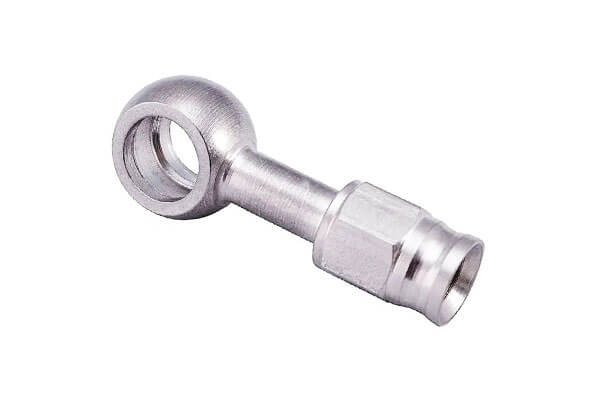
Például, AISI 430 hasznos korrózióállóságot biztosít beltéri és enyhén korrozív környezetekben, míg a stabilizált fokozatok, mint pl 439 és 441 széles körben használják az autók kipufogórendszereiben.
Magasabb ötvözetű minőségek, mint pl 444 lényegesen jobb ellenállást biztosítanak a klorid tartalmú környezetekkel szemben, és alkalmasak forró vízzel és bizonyos vegyi közegekkel kapcsolatos alkalmazásokhoz.
A korróziós teljesítmény értékelésekor több tényezőt is figyelembe kell venni:
- Krómtartalom: A magasabb Cr általában javítja a passzivációt és az oxidációval szembeni ellenállást.
- Molibdéntartalom: A Mo javítja a lyuk- és réskorrózióval szembeni ellenállást.
- Szén és nitrogén: A túlzott intersticiális elemek elősegíthetik a króm kimerülését a termikus expozíció során.
- Stabilizáció: A titán vagy nióbium adalékok segítik a szén és a nitrogén megkötését, a hegesztés utáni érzékenységgel szembeni ellenállás javítása.
- Felületi állapot: Őrlés, polírozás, pácolás, és a passziváció erősen befolyásolhatja a gyakorlati korróziós viselkedést.
- Szolgáltatási környezet: Klorid koncentráció, hőmérséklet, pH, nedvesség, és az expozíciós idő mind befolyásolja a korróziós teljesítményt.
A ferrites rozsdamentes acél ezért különösen vonzó ott, ahol korrózióállóságra van szükség, de a nikkeltartalmú ausztenites rozsdamentes acél extrém korróziós teljesítménye szükségtelen.
6. A ferrites rozsdamentes acél mechanikai tulajdonságai
A ferrites rozsdamentes acél mechanikai viselkedését erősen befolyásolja a krómtartalom, szén- és nitrogénszint, szemcseméret, ötvözet stabilizálás, hideg munka, és az üzemi hőmérséklet.
Általában, A ferrites minőségek hasznos kombinációját kínálják közepestől nagyig erős, megfelelő rugalmasság, Jó fáradtság ellenállás, és a jó dimenziós stabilitás.
Tipikus mechanikai jellemzők
| Mechanikai jellemzők | A ferrites rozsdamentes acél jellemző viselkedése | Mérnöki jelentősége |
| Rugalmassági modulus | Hozzávetőlegesen 200 GPA | Jó rugalmas merevséget és méretstabilitást biztosít |
| Hozamszilárdság | Általában körülbelül 200–400 MPa sok szabványos minőségnél | Meghatározza a maradandó alakváltozással szembeni ellenállást |
| Szakítószilárdság | Általában körülbelül 400-600 MPa, fokozattól és állapottól függően | Meghatározza a végső húzó teherbírást |
Meghosszabbítás |
Gyakran körülbelül 15-30%, de erősen évfolyamfüggő | Az alakítás és a túlterhelés során elérhető rugalmasságot jelzi |
| Keménység | Lágyított állapotban általában közepes | Befolyásolja a kopásállóságot és a megmunkálhatóságot |
| Ütközési szilárdság | Erősen évfolyamfüggő, szemcseméret, hőmérséklet, és feldolgozás | Alacsony hőmérsékletű és ütőterheléses alkalmazásoknál fontos |
A ferrites rozsdamentes acélok általában korlátozottan erősödnek meg a hagyományos hőkezelés révén.
Ellentétben a martenzites rozsdamentes acélokkal, oltással általában nem alakíthatók át nagy keménységű martenzites szerkezetté.
Ehelyett elsősorban mechanikai tulajdonságaikat szabályozzák ötvözés, gabonafinomítás, hideg munka, és termomechanikus feldolgozás.
A hideg megmunkálás növelheti a szilárdságot és a keménységet, de a túlzott hideg deformáció csökkentheti a rugalmasságot és növelheti az alakítási nehézséget.
Igényes alkalmazásokhoz, az anyagi állapot – mint például a lágyított, hidegen hengerelt, vagy stabilizált – ezért a rozsdamentes acél minőségével együtt kell megadni.
Alacsony hőmérsékleten, a keménység különös figyelmet érdemel. Egyes ferrites rozsdamentes acélok a képlékeny-törékeny átmenet, amely alapvetően különbözik számos ausztenites rozsdamentes acél viselkedésétől.
A szemcsefinomítás és az alacsony szén/nitrogéntartalom javíthatja a szívósságot, de a ferrites minőségeket gondosan kell kiválasztani az ütéskritikus vagy kriogén alkalmazásokhoz.
7. Ferrites rozsdamentes acél hegeszthetősége
A hegeszthetőség jelentősen eltér a ferrites rozsdamentes acélminőségek között.
Modern alacsony szén-dioxid-kibocsátású, a stabilizált minőségek általában sokkal jobb hegeszthetőségűek, mint a régebbi, nagy széntartalmú ferrites készítmények, de a ferrites rozsdamentes acélok még mindig gondosabb hegesztési ellenőrzést igényelnek, mint sok szokásos ausztenites acél.
A fő kohászati szempont az szemcsésedés a hőhatászónában (HAZ).
Mivel a ferrites rozsdamentes acélok túlnyomórészt ferritesek maradnak a hegesztés során, a nagy hőbevitel durva szemcséket eredményezhet. A durva szemcséjű HAZ régiók rugalmassága és szívóssága csökkent.
Egy másik gond az króm-karbid vagy nitrid képződés.
Ha elegendő szén vagy nitrogén van jelen, hegesztés közbeni hőhatás krómfogyást okozhat a szemcsehatárok közelében, potenciálisan csökkenti a helyi korrózióállóságot.
Ez az oka annak, hogy az osztályzatok stabilizálódtak titán vagy nióbium, mint például 409, 439, 441, és 444, Általában hegesztési alkalmazásokhoz választják.
Fontos hegesztési szempontok
| Hegesztési tényező | Lehetséges probléma | Ajánlott vezérlés |
| Túlzott hőbevitel | Szemcsedurvulás és csökkentett szívósság | Használjon szabályozott hőbevitelt |
| Magas interpass hőmérséklet | Túlzott hőterhelés | Az interpass hőmérséklet szabályozása |
| Magas szén/nitrogén | Szenzibilizáció és korrózióérzékenység | Részesítse előnyben az alacsony C/N-tartalmú vagy stabilizált minőségeket |
| Gyors vagy ellenőrizetlen hűtés | Maradék feszültség és torzulás | Hozzon létre egy megfelelő hegesztési eljárást |
| Töltőanyag-fém eltérés | Csökkentett korrózió vagy mechanikai teljesítmény | Válassza ki a töltőanyagot a szolgáltatási igények alapján |
| Felületi szennyeződés | Hegesztési hibák és csökkent korrózióállóság | Alapos tisztítás hegesztés előtt és után |
FOGÓCSKAJÁTÉK, Én/mag, lézeres hegesztés, és ellenálláshegesztés is használható az alkatrész geometriától függően, vastagság, termelési kötet, és a teljesítményigénykövetelmények.
Hegesztés után, pácolás és passziváció szükséges lehet a korrózióállóság helyreállításához a hőárnyalat eltávolításával, ingyenes vasszennyeződés, és egyéb felületi szennyeződések.
Kritikus alkatrészekhez, A hegesztési eljárás minősítésének nem csak a vizuális varrat minőségére, hanem a szakítószilárdságra is ki kell terjednie, korróziós viselkedés, eloszlás, és adott esetben a HAZ teljesítményt.
8. Megfejthetőség és megmunkálhatóság
Megfogalmazhatóság
A ferrites rozsdamentes acélok általában jó hidegalakító tulajdonságokkal rendelkeznek, különösen lágyított állapotban szállítva.
Megnyúlásuk általában a 20-30% tartomány számos kereskedelmi minőséghez, megfelelő hajlékonyságot biztosítva a hajlításhoz, tekercselés, bélyegzés, és egyéb fémlemez-műveletek.
Viszont, Az alakítási teljesítmény nem csak a nyúlástól függ.
Hozamszilárdság, anizotrópia, munka edzés, vastagság, gabonaszerkezet, szerszámgeometria, és a kenés mind befolyásolhatja a végeredményt.
Precíziós formázáshoz, a következő paramétereket kell ellenőrizni:
- Minimális hajlítási sugár
- Gördülési irány
- Szerszámhézag
- Kenés
- Alakítási sorrend
- Springback kompenzáció
- Felületvédelem
A ferrites minőségek különösen vonzóak lehetnek a nagy lemezalkatrészek esetében, mivel az ésszerű rugalmasságot viszonylag stabil méretviselkedéssel kombinálják..
Megmunkálhatóság
A ferrites rozsdamentes acélok általában hagyományosak CNC megmunkálás.
Viszont, a megmunkálási paramétereket az adott minőségre kell optimalizálni, mert a króm, molibdén, anyag keménysége, és a hővezető képesség befolyásolja a forgácsolóerőket és a szerszám élettartamát.
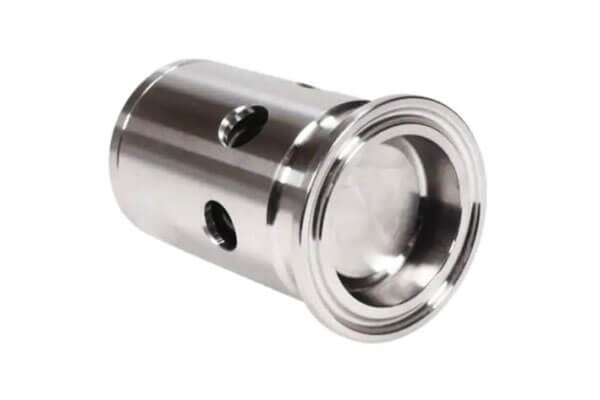
A tipikus megmunkálási műveletek közé tartozik:
CNC esztergálás → marás → fúrás → dörzsárazás → köszörülés → polírozás
Precíziós alkatrészekhez, mérettűrései ±0,01 mm vagy szorosabb ellenőrzött CNC megmunkálási körülmények között is elérhető,
de az elérhető tűrés az alkatrész geometriájától függ, gépi képesség, munkatartás, anyagi állapot, és hőstabilitás, nem csak a rozsdamentes acél minősége.
Megmunkálás közben, a túlzott vágási hő méreteltolódást okozhat. Ez különösen fontos a vékonyfalú alkatrészek és a szűk pozíciótűréssel rendelkező precíziós alkatrészek esetében.
9. Felületi burkolatok ferrites rozsdamentes acélhoz
A felületkezelés fontos szerepet játszik a korrózióállóságban, megjelenés, tisztíthatóság, viselési viselkedés, és a ferrites rozsdamentes acél alkatrészek méretteljesítménye.
| Felületi kidolgozás | Tipikus jellemzők | Tipikus alkalmazások |
| 2B | Hidegen hengerelt, hőkezelt, pácolt, és enyhén bőrrel elmúlt; sima és viszonylag fényvisszaverő | Készülékek, általános ipari alkatrészek, építészeti panelek |
| Ba | Fényes, lágyított felület nagy fényvisszaverő képességgel és sima megjelenéssel | Autóipari burkolat, készülékek, dekoratív alkatrészek |
| Nem. 3 | Durva mechanikusan polírozott felület | Építészeti és ipari alkatrészek |
| Nem. 4 | Finom irányított szálcsiszolt kivitel, általában csiszolószalaggal gyártják | Készülékek, építészeti panelek, konyhai felszerelés |
Hajvonal |
Finom, folytonos irányított szemcse | Dekoratív építészeti és belső alkatrészek |
| Tükörfényezésű | Erősen fényvisszaverő felület progresszív polírozással | Dekoratív alkatrészek és prémium építészeti alkalmazások |
| Elektromos | Felületi anyagok elektrokémiai eltávolítása; sima és tiszta felület | Higiénikus, pontosság, és korrózióérzékeny alkalmazások |
| Pácolt és passzivált | Eltávolítja a skálát, hőtárnyalat, és felületi szennyeződéseket, valamint visszaállítja a tiszta passzív felületet | Hegesztett és korrózióra érzékeny alkatrészek |
10. Ferrites rozsdamentes acél alkalmazásai
A ferrites rozsdamentes acélt széles körben használják a korrózióállóság kombinációja esetén, oxidációs ellenállás, mágneses viselkedés, hőstabilitás, mérsékelt mechanikai erő, és költséghatékonyságra van szükség.
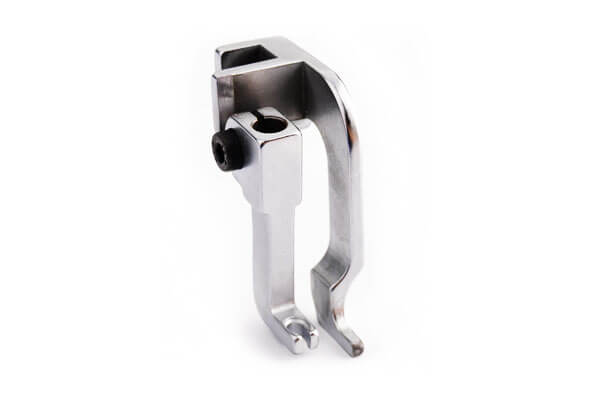
Gépjármű kipufogórendszerek
Autóipar A kipufogórendszerek a ferrites rozsdamentes acél legfontosabb alkalmazásai közé tartoznak.
Olyan osztályok, mint például 409, 439, és 441 általában a kipufogócsövekhez választják, csövek, katalizátor-alkatrészek, hangtompítók, és a kapcsolódó hőálló alkatrészek.
Az anyagnak ellenállnia kell:
- Ismételt termikus ciklus
- Magas kipufogógáz hőmérséklet
- Oxidáció
- Kondenzátum korrózió
- Rezgés és mechanikai fáradás
A viszonylag alacsony hőtágulási együttható és a magas hőmérsékletű oxidációval szembeni jó ellenállás miatt a ferrites minőségek különösen alkalmasak ebben a környezetben..
Háztartási készülékek
430 rozsdamentes acél széles körben használják készülékekben, mert egyesíti a korrózióállóságot, vonzó megjelenés, mágneses viselkedés, Megfogalmazhatóság, és viszonylag alacsony költséggel.
A tipikus termékek közé tartozik:
- Hűtőszekrény panelek
- Mosogatógép alkatrészek
- Sütő és tűzhely alkatrészek
- Konyhai felszerelés
- Készülék burkolat
- Mosógép alkatrészek
Mágneses jellege akkor is előnyös lehet, ha mágneses rögzítésre van szükség.
Hőcserélők és vízmelegítő berendezések
Stabilizált ferrites minőségek, mint pl 439 és 444 a korrózióállóság és a hőteljesítmény vonzó kombinációját nyújthatja.
ben használatosak:
- Hőcserélő alkatrészek
- Vízmelegítők
- Melegvíz rendszerek
- Hűtővíz berendezések
- Kondenzátorok
- Hőfeldolgozó berendezések
A ferrites rozsdamentes acél viszonylag magas hővezető képessége és alacsony hőtágulása segíthet a hőstabilitás javításában.
Építészeti és dekorációs alkatrészek
A ferrites rozsdamentes acélt olyan építészeti alkalmazásokhoz is használják, ahol mérsékelt korrózióállóság és felületi megjelenés szükséges.
A tipikus alkalmazások között szerepel:
- Belső falpanelek
- Lift panelek
- Dekoratív burkolat
- Építészeti burkolat
- Bútor alkatrészek
- Konyhai és kereskedelmi belső berendezések
Olyan osztályok, mint például 430 jó egyensúlyt biztosíthat a felület megjelenése között, Megfogalmazhatóság, korrózióállóság, és a költségek.
Ipari és vegyipari berendezések
A magasabb króm- és molibdéntartalmú ferrites minőségek bizonyos ipari környezetben használhatók, ahol jobb korrózió- és oxidációállóságra van szükség.
Például, 444 bizonyos melegvíz- és kloridtartalmú környezeteknél figyelembe vehető, míg a magas krómtartalmúak, mint pl 446 alkalmasak a magas hőmérsékletű oxidációnak ellenálló alkatrészekhez.
Viszont, A ferrites rozsdamentes acélt nem szabad automatikusan kiválasztani erősen agresszív vegyi vagy tengeri környezethez.
A pontos közeg, hőmérséklet, klorid koncentráció, és a korróziós mechanizmust értékelni kell az anyagválasztás előtt.
11. Összehasonlító elemzés: Ferrites vs. Ausztenites vs. Martenzitikus rozsdamentes acél
Ferritikus, austenit, a martenzites rozsdamentes acélok pedig három fő rozsdamentes acélkohászati családot képviselnek.
Különbségeik elsősorban abból erednek kristályszerkezet, ötvözetkémia, fázisstabilitás, és a hőkezelési reakció, amelyek viszont meghatározzák a mechanikai tulajdonságokat, korrózióállóság, hegesztés, mágneses viselkedés, és a tipikus alkalmazások.
| Ingatlan | Ferrit rozsdamentes acél | Austenit rozsdamentes acél | Martenzitikus rozsdamentes acél |
| Tipikus osztályzatok | 409, 430, 439, 441, 444 | 304, 304L, 316, 316L, 321, 310 | 410, 420, 440A, 440B, 440C |
| Tipikus kristályszerkezet üzemi hőmérsékleten | BCC -ferrit | FCC austenit | BCT/BCC martenzites szerkezet Keményítés után |
| Tipikus Cr-tartalom | Hozzávetőlegesen 10.5–30% | Hozzávetőlegesen 16–26% | Hozzávetőlegesen 11.5–18% |
| Tipikus Ni-tartalom | Általában nagyon alacsony vagy hiányzik | Általában 8-20%+ | Általában alacsony, bár egyes fokozatok Ni-t tartalmaznak |
| Széntartalom | Általában alacsony, különösen a modern évfolyamokon | Nagyon alacsony vagy közepes; számos alacsony szén-dioxid-kibocsátású minőség áll rendelkezésre | Általában magasabb, mint a ferrites és ausztenites minőség |
| Mágneses viselkedés | Mágneses | Általában izzított állapotban nem mágneses; a hidegmunka némi mágnesességet idézhet elő | Mágneses |
| Hőkezelés az edzéshez | Általában hagyományos oltással nem edzhető | Általában hagyományos oltással nem edzhető | Edzéssel és temperálással edzhető |
Erősségi szint |
Mérsékelt; hidegmunkával növelhető | Közepes, lágyított állapotban; kiváló munkaedző képesség | Magastól nagyon magasig a hőkezelés után |
| Keménység | Általában mérsékelt | Általában mérsékelt | Közepestől nagyon magasig, a fokozattól és a hőkezeléstől függően |
| Hajlékonyság | Mérsékelt | Kiváló | Általában alacsonyabb, különösen edzett állapotban |
| Szívósság | Mérsékelt; az alacsony hőmérsékletű szívósság korlátozható | Kiváló, beleértve az alacsony hőmérsékletet is | Mérsékelt; erősen függ a széntartalomtól és a hőkezeléstől |
| Korrózióállóság | Jótól nagyon jóig, a Cr/Mo tartalomtól függően | Általában kiváló, különösen a 316/316L és magasabb ötvözetű típusokhoz | Mérsékeltől jó; jellemzően alacsonyabb, mint az ausztenites minőség |
| Pitting/réskorrózióállóság | Jó a magas Cr/Mo fokozatokban, mint pl 444 | Nagyon jótól kiválóig Mo-tartalmú minőségekben, például 316L | Általában mérsékelt |
Hővezető képesség |
Viszonylag magas a rozsdamentes acélhoz; jellemzően körül 20–30 W/m·K | Alacsonyabb; jellemzően körül 14–16 W/m·K közösnek 304/316 fokozat | Általában kb 20–30 W/m·K, a fokozattól függően |
| Hőtágulási együttható | Viszonylag alacsony; jellemzően körül 10–11 × 10⁻⁶/K | Viszonylag magas; jellemzően körül 16–17 × 10⁻⁶/k -ra 304/316 | Általában kb 10–11 × 10⁻⁶/K |
| Hegesztés | Közepestől jóig alacsony C/stabilizált osztályokhoz; a szemek növekedését ellenőrizni kell | Általában kiváló, különösen a 304L/316L-hez | Általában korlátozott az ausztenites minőségekhez képest; előmelegítésre és hegesztés utáni kezelésre lehet szükség |
| Megfogalmazhatóság | Mérsékelt; hajlításra és számos alakítási műveletre alkalmas | Kiváló, különösen mélyhúzáshoz és összetett alakításhoz | Közepesen gyenge edzett állapotban |
| Megmunkálhatóság | Mérsékelt; erősen függ az osztályzattól és a munkaedző magatartástól | Mérsékelt; a munkaedzés növelheti a megmunkálási nehézséget | Általában jó szabadon megmunkált vagy lágyított minőségekben, de az edzett minőségeket nehéz megmunkálni |
Munka edzés |
Viszonylag korlátozott | Erős munkakeményedés, különösen a metastabil évfolyamokon | Korlátozott az ausztenites minőségekhez képest |
| Alacsony hőmérsékletű teljesítmény | Korlátozza a képlékeny-törékeny átmenet | Kiváló szívósság alacsony hőmérsékleten | Általában korlátozott az ausztenites minőségekhez képest |
| Magas hőmérsékletű oxidációállóság | Jó, különösen a magas Cr-minőségűeknél | Cr/Ni tartalomtól függően jótól kiválóig | Mérsékeltől jó |
| Tipikus gyártási módok | Gördülő, bélyegzés, hajlítás, hegesztés, gyártás | Gördülő, mély rajz, bélyegzés, csőgyártás, hegesztés | Hengerlés/kovácsolás, majd hőkezelés, megmunkálás, őrlés |
| Tipikus alkalmazások | Autóipari kipufogógáz, készülékek, építészeti panelek, hőcserélők, vízmelegítők | Vegyi feldolgozás, élelmiszerberendezések, gyógyszerkészítmény, csővezeték, nyomó edények, építészeti struktúrák | Kés, műtéti eszközök, szelepek, szivattyúk, tengelyek, turbina alkatrészek, kopásálló alkatrészek |
Fő előnye |
Jó korrózióállóság alacsony ötvözetköltséggel, mágneses válasz, alacsony hőtágulás | Kiváló korrózióállóság, hajlékonyság, szívósság, és hegeszthetőség | Nagy keménység, erő, és hőkezelés után kopásállóság |
| Fő korlátozás | Alacsonyabb szívósság és alakíthatóság alacsony hőmérsékleten, mint az ausztenites minőségek | Magasabb ötvözetköltség, nagyobb hőtágulás, és általában nem mágneses viselkedés | Alacsonyabb korrózióállóság, hegesztés, és szívósság, mint a legtöbb ausztenites minőség |
| Legmegfelelőbb | Költségérzékeny korrózióálló alkatrészek és termikusan stabil alkalmazások | Maró hatású, hegesztett, erősen formált, vagy alacsony hőmérsékletű alkalmazásokhoz | Hőkezelést igénylő nagy szilárdságú és kopásálló alkatrészek |
12. Következtetés
A ferrites rozsdamentes acél egy fontos rozsdamentes acélcsalád, amely egyesíti korrózióállóság, mágneses tulajdonságok, viszonylag alacsony hőtágulás, jó hővezető képesség, és a költséghatékonyság.
A túlnyomórészt ferrites BCC szerkezete jellegzetes tulajdonságprofilt ad neki az ausztenites és martenzites rozsdamentes acélokhoz képest.
Kulcsfontosságú felvétel
- Ferrites rozsdamentes acél a testközpontú köbös (BCC) szerkezet, mágneses viselkedés, és alacsony nikkeltartalom.
- Korrózióállóság króm biztosítja (10.5–30%); molibdén és stabilizátorok (-Y -az, Földrajzi jelzés) fokozza a teljesítményt.
- Fokozat szabványos osztályoktól kezdve (409, 430) magas krómtartalmú minőségekre (446) és stabilizált fokozatok (439, 441, 444).
- Kulcstulajdonságok: Jó korrózióállóság, mágneses, nagy hővezető képesség, alacsony hőtágulás, És a jó formálhatóság.
- Korlátozások: Alacsonyabb rugalmasság, DBTT, korlátozott hegeszthetőség, és szenzibilizációs kockázat.
- Alkalmazások: Autóipari kipufogó, készülékek, építészeti, hőcserélők, élelmiszer -feldolgozás, és kémiai feldolgozás.
- Előnyök: Költséghatékony, SCC-álló, mágneses, és újrahasznosítható.
- Hátrányok: Korlátozott szívósság alacsony hőmérsékleten, hegeszthetőségi problémák, és alacsonyabb korrózióállóság, mint az ausztenites minőségek.
Mérnöki alkalmazásokhoz, a helyes megközelítés a teljes szolgáltatási környezet értékelése – beleértve hőmérséklet, korróziónak való kitettség, mechanikai terhelés, követelmények kialakítása, hegesztési feltételek, dimenziós követelmények, és a várható élettartam.
Ha ezeket a tényezőket megfelelően figyelembe vesszük, A ferrites rozsdamentes acél a teljesítmény rendkívül hatékony kombinációját tudja biztosítani, tartósság, és gyártásgazdaság.
LangHe – Megbízható partnere a rozsdamentes acél precíziós alkatrészek terén
Langhe -ipar a precíziós rozsdamentes acél alkatrészek magas specializált gyártója, kiváló minőségű egyedi alkatrészek szállítása az ipari berendezésektől az autóipartól a repülőgépgyártásig, orvostechnikai eszközök, és folyadékkezelő rendszerek.
Több évtizedes gyakorlati tapasztalattal a befektetési öntés terén, precíziós CNC megmunkálás, és átfogó felületkezelés,
A LangHe integrált gyártási megoldást kínál az ellátási lánc összetettségének csökkentésére és a termék egyenletes minőségének biztosítására.
LangHe nem csupán öntvényszállító; teljes körű szolgáltatást nyújtó mérnöki partner vagyunk.
A DFM elemzéstől és a gyors prototípuskészítéstől a gyártásig, hőkezelés, és minőségbiztosítás, mi irányítjuk a teljes gyártási életciklust.
ISO -val 9001:2015 minősített létesítmény, házon belüli szerszámozási képességek, és szigorú vizsgálati protokollok – beleértve a CMM-et is, NDT, és nyomáspróba – győződjön meg arról, hogy minden alkatrész megfelel vagy meghaladja a nemzetközi szabványokat.
Vegye fel velünk a kapcsolatot ma hogy megbeszélje következő projektjét, és fedezze fel, hogyan tudja LangHe pontosan életre kelteni terveit, minőség, and efficiency.
GYIK
A ferrites rozsdamentes acél mágneses?
Igen. A ferrites rozsdamentes acélok általában ferromágneses szobahőmérsékleten ferrites BCC szerkezetük miatt.
Ez a tulajdonság alkalmassá teszi őket olyan alkalmazásokhoz, ahol mágneses reakcióra van szükség.
A ferrites rozsdamentes acél korrózióálló?
Igen, de a korrózióállóság szintje jelentősen eltér az egyes fokozatokban.
Fokozat 430 jó ellenállást biztosít számos légköri és enyhén korrozív környezetben,
míg a molibdént tartalmazó magasabb ötvözetű osztályok, mint például 444, lényegesen jobb ellenállást biztosítanak a kátyús és klorid tartalmú környezetekkel szemben.
A ferrites rozsdamentes acél jobb, mint az ausztenites?
Nem feltétlenül; az alkalmazástól függ.
A ferrites minőségek jobbak a mágneses tulajdonságokat igénylő alkalmazásokhoz, jó hővezető képesség, és ellenállás a stressz -korrózió repedésével szemben (SCC). Költséghatékonyabbak is.
Az ausztenites minőségek kiváló korrózióállóságot biztosítanak, jobb alakíthatóság, és nagyobb szívósság alacsony hőmérsékleten.
Mi a különbség a ferrites és a martenzites rozsdamentes acél között??
A ferrites rozsdamentes acél hőkezeléssel nem edzhető, és BCC szerkezetű.
A martenzites rozsdamentes acél hőkezeléssel edzhető (eloltás és edzés) és van egy testközpontú tetragonális (BCT) szerkezet. A martenzites minőségek magasabb széntartalommal és nagyobb keménységgel rendelkeznek.
Mi a ferrites rozsdamentes acél DBTT értéke??
A ferrites rozsdamentes acélok képlékeny és rideg átalakulási hőmérsékletet mutatnak (DBTT) -50°C és +20°C közötti tartományban.
Ez alatt a hőmérséklet alatt, ütési terhelés hatására törékennyé válnak és törésre érzékenyek. Ez korlátozza használatukat alacsony hőmérsékletű alkalmazásokban.
Hogyan viszonyul a ferrites rozsdamentes acél a szénacélhoz??
A ferrites rozsdamentes acél krómtartalmának köszönhetően lényegesen jobb korrózióállóságot biztosít, mint a szénacél. Az is drágább.
Viszont, néhány jellemzője megegyezik a szénacéléval, például mágneses és BCC szerkezetű.
A ferrites rozsdamentes acél edzhető?
Nem, a ferrites rozsdamentes acél hőkezeléssel nem edzhető. Csak hidegmunkával lehet erősíteni (munka edzés).
Ez különbözteti meg a martenzites minőségektől, amely oltással és temperálással keményíthető.