1. Panimula
Copper vs Stainless Steel—this comparison lies at the heart of countless decisions in engineering, konstruksiyon, pagmamanupaktura, and consumer product design.
Both are highly valued industrial metals, each offering a unique combination of properties that suit a broad range of applications.
Understanding their differences in terms of performance, gastos, paglaban sa kaagnasan, machinability, and environmental compatibility is essential for professionals across industries.
Copper is known for its superior electrical and thermal conductivity, natural antimicrobial properties, and excellent formability.
It has been used for millennia in plumbing, arkitektura, and electrical systems.
Hindi kinakalawang na asero, sa kabaligtaran, ay isang modern engineered alloy celebrated for its lakas ng loob, paglaban sa kaagnasan, and hygiene, particularly in food processing, mga kagamitang medikal, mga bahagi ng dagat, and structural applications.
2. Ano ang tanso?
Tanso is a reddish-brown metallic element with the chemical symbol Cu (from Latin Cuprum) at atomic number 29.

It is one of the earliest metals used by humans, with evidence of use dating back over 10,000 mga taon.
Copper is primarily extracted from ores such as chalcopyrite (CuFeS₂), which is the most abundant copper-bearing mineral. Other sources include bornite, malachite, and cuprite.
As a pure, Non-ferrous metal, copper is renowned for its combination of high electrical and thermal conductivity, pagiging formable, at aesthetic appeal, making it indispensable across multiple industries.
Key Characteristics of Copper
Exceptional Electrical Conductivity
Copper has an electrical conductivity of about 58 MS/m (megasiemens per meter), pangalawa lang sa silver.
This makes it the global standard for electrical wiring, busbars, paghahatid ng kuryente, and electronic connectors.
Mataas na thermal kondaktibiti
With a thermal conductivity of 401 W/m·K, copper is ideal for mga heat exchanger, Mga sistema ng HVAC, cooking vessels, at industrial thermal equipment.
Excellent Ductility and Malleability
Copper can be stretched into fine wires or pressed into thin sheets without breaking. Its ductility and malleability support complex manufacturing processes including drawing, pagulong gulong, and stamping.
Paglaban sa kaagnasan
Copper naturally resists corrosion in non-acidic environments.
Sa paglipas ng panahon, it forms a protective greenish layer called patina (o verdigris), which helps prevent further oxidation and material loss.
Mga Katangian ng Antimicrobial
Copper and many of its alloys possess intrinsic antimicrobial activity, capable of eliminating bacteria, mga virus, and fungi.
This makes copper surfaces effective in hospitals, kitchens, water systems, and public infrastructure.
Non-Magnetic and Fully Recyclable
Copper is non-magnetic, making it ideal for sensitive electromagnetic applications.
Dagdag pa, ito ay 100% pwede na ba mag recycle without degradation of properties, significantly reducing environmental impact.
Forms and Alloys
While pure copper is used in many applications, it is also alloyed with other elements to enhance strength, tigas na tigas, o paglaban sa kaagnasan:
- tanso (Tanso + Sink): Enhanced machinability, used in fittings and decorative items.
- tanso (Tanso + Tin): Superior hardness and wear resistance, used in bearings and sculptures.
- Cu-Ni Alloys (hal., 90/10, 70/30): Excellent resistance to seawater corrosion, used in marine applications.
3. What Is Stainless Steel?
Hindi kinakalawang na asero is a family of corrosion-resistant iron-based alloys that contain a minimum of 10.5% chromium by mass, which is essential for forming a passive chromium oxide film on the surface that protects the material from corrosion.

This property, pinagsama sa lakas nito, tibay ng katawan, and hygienic characteristics, makes stainless steel one of the most widely used engineering materials in the world today.
Hindi tulad ng tanso, which is a pure element, stainless steel is a complex alloy, primarily composed of bakal (Fe), kromo (Cr), and often nickel (Ni), molibdenum (Mo), mangganeso (Mn), at nitrogen (N) depending on the specific grade and application.
Key Characteristics of Stainless Steel
Paglaban sa kaagnasan
The standout feature of stainless steel is its resistance to corrosion in a wide range of environments.
Chromium is the key element, forming a self-healing oxide layer that protects the metal.
Higher alloy grades (tulad ng 316 or duplex steels) offer enhanced resistance to chlorides and acidic conditions.
Lakas at Tigas
Stainless steels have high tensile and yield strength, making them suitable for structural applications, presyon vessels, and load-bearing components.
Some duplex and martensitic stainless steels exhibit mechanical strength levels up to twice that of carbon steel.
Hygienic and Non-Reactive Surface
Stainless steel is non-porous, Madaling linisin, and does not support microbial growth, making it the material of choice in pagproseso ng pagkain, parmasyutiko, at medical industries.
Heat and Oxidation Resistance
Many stainless steels maintain mechanical properties and oxidation resistance at elevated temperatures, particularly austenitic grades.
Aesthetic Versatility
With finishes ranging from mirror-polished to matte brushed, stainless steel offers a sleek, modern look prized in architectural and consumer product design.
Common Types of Stainless Steel
| Uri ng | Istraktura | Mga Pangunahing Elementong Alloying | Mga Karaniwang Aplikasyon |
| Austenitic | FCC (di-magnetiko) | Cr, Ni | 304, 316 – kitchenware, Email Address *, mga tangke |
| Ferritic | BCC (magnetiko) | Cr | 430 – appliances, automotive trim |
| Martensitiko | BCT (magnetiko) | Cr, C | 410, 420 – cutlery, kirurhiko instrumento |
| Duplex | Mixed (austenite + ferrite) | Cr, Ni, Mo, N | 2205, 2507 – marine, pagproseso ng kemikal |
| Tumigas ang ulan (PH) | Heat treatable | Cr, Ni, Al, Cu | 17-4PH – aerospace, mataas na lakas na mga bahagi |
4. Physical Properties of Copper vs Stainless Steel
| Pag-aari | Tanso (C11000, ~99.9% Cu) | Hindi kinakalawang na asero (304 Grade) |
| Densidad ng katawan | 8.96 g/cm³ | 7.90 g/cm³ |
| Punto ng Pagtunaw | 1,085°C (1,985°F) | ~1,400–1,450°C (2,550–2,640°F) |
| Thermal kondaktibiti | 401 W/m·K | 16 W/m·K |
| Electrical kondaktibiti | ~58 MS/m | ~1.45 MS/m |
| Koepisyente ng Pagpapalawak ng Thermal | 16.5 μm/m·°C | 16–17 µm/m·°C |
| Tiyak na Kapasidad ng Init | 0.385 J/g·K | 0.500 J/g·K |
| Modulus ng Pagkalastiko (Young’s) | 110–128 GPa | 193–200 GPa |
| Ratio ng Poisson | ~0.34 | ~0.30 |
| Ang katigasan ng ulo (Brinell) | ~40 HB | 170–200 HB |
| Color / Hitsura | Mapula ang kayumanggi, lustrous | Silvery-gray, reflective |
| Magnetic | Hindi magnetic | Iba-iba ang: 304 (di-magnetiko), others may be magnetic |
5. Mechanical Properties of Stainless Steel vs Copper
Mechanical properties determine how a material behaves under various forces and stress conditions.
These characteristics are crucial in selecting materials for structural, Load-bearing, or dynamic applications.

Talahanayan ng Comparative: Mga Katangian ng Mekanikal
| Pag-aari | Tanso (C11000) | Hindi kinakalawang na asero (304 Grade) |
| Lakas ng Paghatak | 210–250 MPa | 515–750 MPa |
| Yield Lakas | ~33–70 MPa | ~205–310 MPa |
| Pagpapahaba sa Break | ~30–40% | ~40–60% |
| Modulus ng Pagkalastiko (Young’s) | 110–128 GPa | 193–200 GPa |
| Ang katigasan ng ulo (Brinell) | ~40 HB | 170–200 HB |
| Lakas ng Pagkapagod (Endurance Limit) | ~100 MPa (approximate) | ~ 240 MPa (depending on grade and condition) |
| Epekto ng tigas (Charpy V-bingaw) | Mataas na (ductile) | Katamtaman hanggang mataas, nag iiba ayon sa grado |
| Work Hardening Ability | High – significant increase with cold work | High – especially in austenitic grades |
| Paglaban sa Creep | Poor above 200°C | Good up to ~600°C (Depende sa grado) |
6. Corrosion Resistance of Copper vs Stainless Steel
Corrosion resistance is a vital factor when selecting materials for use in harsh environments, especially in industries such as construction, marine, pagproseso ng kemikal, and food production.

Copper Corrosion Resistance
Copper is naturally corrosion-resistant in many environments due to the formation of a protective oxide layer on its surface.
This layer acts as a barrier, slowing further oxidation and degradation. Some key points include:
- Patina Formation: Kapag nakalantad sa hangin at kahalumigmigan, copper develops a greenish-blue patina (verdigris), primarily composed of copper carbonate compounds.
While this patina protects the underlying metal, it alters the aesthetic appearance, which may be undesirable in some applications. - Resistance to Atmospheric and Freshwater Corrosion: Copper performs well in outdoor and freshwater environments, maintaining integrity over long periods without significant corrosion.
- Susceptibility in Aggressive Environments: Copper is vulnerable to acidic conditions and environments with high ammonia concentrations.
It can also corrode under exposure to sulfide-containing atmospheres. - Marine Environment: While copper resists general corrosion in seawater, it is susceptible to pitting kaagnasan at stress kaagnasan pag crack sa ilalim ng ilang mga kondisyon, especially in warm, stagnant saltwater.
Stainless Steel Corrosion Resistance
Stainless steel is renowned for its excellent corrosion resistance, primarily due to the presence of kromo (minimum ~10.5%),
which forms a passive oxide layer on the surface that protects the metal beneath. Important aspects include:
- Passive Film: The chromium oxide film is self-healing if damaged, providing ongoing protection against corrosion.
- Grade Variations:
-
- 304 Hindi kinakalawang na asero: Offers good corrosion resistance in many environments but is less effective against chloride-induced corrosion.
- 316 Hindi kinakalawang na asero: Enhanced with molybdenum, it provides superior resistance to chloride pitting and crevice corrosion, making it ideal for marine and chemical environments.
- Duplex hindi kinakalawang na asero: Combines austenitic and ferritic structures for even better corrosion resistance and strength.
- Chloride Sensitivity: Stainless steels can suffer from Chlor Stress Corrosion Cracking (SCC), especially under high stress and temperature in chloride-rich environments.
- Resistance to Various Corrosive Agents: Stainless steel withstands a wide range of corrosive media including acids, alkalis, at mga oxidizing agent.
7. Fabrication and Machinability
Understanding the fabrication and machinability characteristics of copper vs stainless steel is essential for selecting the right material for manufacturing processes.
Both metals have unique properties that influence how they are worked, shaped, and joined.

Copper Fabrication and Machinability
- Ease of Forming:
Copper is highly ductile and malleable, making it easy to form into complex shapes through processes like bending, pagulong gulong, pag stamp ng, and drawing.
Its excellent cold-working capabilities allow for the production of thin sheets, mga wire, and intricate components without cracking. - Machinability:
Copper machines well due to its softness and thermal conductivity, which helps dissipate heat during cutting. It allows for high cutting speeds and produces smooth finishes.
Gayunpaman, pure copper can be prone to galling (adhesive wear), so tool coatings and lubricants are often used to improve tool life. - Welding:
Copper can be welded using various methods, including gas tungsten arc welding (GTAW) and gas metal arc welding (GMAW).
Gayunpaman, it has high thermal conductivity, which can lead to heat dissipation and challenges in maintaining the weld pool temperature.
Preheating is sometimes necessary to prevent cracking. - Pagsali sa:
Copper is also easily joined by soldering and brazing, which are common techniques in plumbing and electrical applications.
Stainless Steel Fabrication and Machinability
- Formability:
Stainless steel varies in formability depending on the grade.
Austenitic hindi kinakalawang na asero tulad ng 304 at 316 have excellent ductility and can be cold-worked effectively, while ferritic and martensitic grades are less ductile and more prone to cracking during forming. - Machinability:
Stainless steel is generally harder to machine than copper due to its higher strength and work-hardening properties.
Its low thermal conductivity means heat builds up during machining, pagtaas ng pagsusuot ng tool.
Specialized carbide tooling, slower cutting speeds, and copious cooling fluids are often required to maintain tool life and surface finish. - Welding:
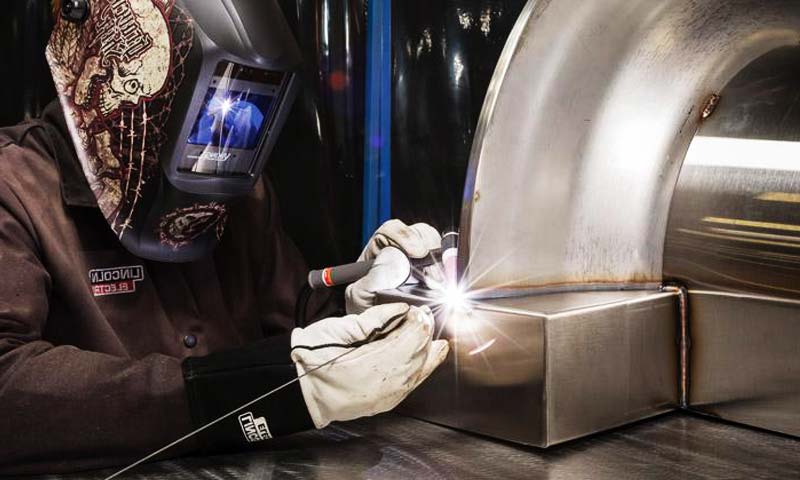
Welding stainless steel is generally easier than copper, with many suitable techniques such as GTAW, GMAW, and submerged arc welding (NAKITA).
Preheating is typically unnecessary for austenitic grades, but controlling heat input is important to avoid distortion and maintain corrosion resistance.
Filler metals closely matching the base metal chemistry are essential. - Pagsali sa:
Stainless steel components are frequently joined by welding, but brazing and soldering are less common due to the material’s high melting point.
8. Hygiene and Antimicrobial Properties
When evaluating stainless steel and copper for applications in healthcare, pagproseso ng pagkain, and water systems, their hygiene and antimicrobial characteristics are crucial considerations.

Copper Hygiene and Antimicrobial Properties
- Natural Antimicrobial Action:
Copper is well-known for its intrinsic antimicrobial properties.
It can kill a broad spectrum of bacteria, mga virus, and fungi on contact through a process called oligodynamic effect, where copper ions disrupt microbial cell membranes and interfere with vital enzymatic processes.
Studies show copper surfaces can reduce bacterial contamination by over 99% sa loob ng ilang oras. - Mga Aplikasyon:
Due to this property, copper and its alloys (tulad ng tanso at tanso) are widely used in high-touch surfaces like door handles, hospital bed rails, mga gripo, and water pipes to reduce the risk of healthcare-associated infections (HAIs). - Self-Sanitizing Surfaces:
Copper does not require chemical disinfectants to maintain its antimicrobial effectiveness, making it a sustainable and passive hygiene solution. - Patina Formation and Cleaning:
Sa paglipas ng panahon, copper develops a greenish patina (verdigris), which does not diminish its antimicrobial properties but may affect aesthetics.
Regular cleaning is needed to maintain surface appearance without compromising antimicrobial action.
Stainless Steel Hygiene and Antimicrobial Properties
- Non-Porous, Easy-to-Clean Surface:
Stainless steel is valued for its smooth, non-porous surface that resists dirt and microbial adhesion, making it easy to clean and disinfect.
This property makes it a preferred material in food processing, parmasyutiko, and medical environments. - Lack of Active Antimicrobial Effect:
Hindi tulad ng tanso, stainless steel does not inherently kill microbes. Pathogens can survive on its surface for extended periods unless regularly cleaned and disinfected. - Chemical Resistance and Hygiene:
Stainless steel’s corrosion resistance ensures it does not degrade with repeated sanitation using harsh chemicals, maintaining a sterile environment over time. - Is Stainless Steel Toxic?
Hindi, stainless steel is generally considered safe and non-toxic for use in food and medical applications. It does not leach harmful substances under normal conditions.
9. Aesthetics and Surface Finishing
The visual appeal and surface treatment options of copper vs stainless steel play a significant role in their selection for architectural, pandekorasyon, at mga aplikasyon ng mamimili.

Copper Aesthetics and Surface Finishing
- Distinctive Warm Appearance:
Copper is renowned for its rich, reddish-brown hue that adds warmth and elegance to any design.
This unique coloration makes it popular for decorative elements, mga alahas, pag bubungan ng bubong, and art. - Patina Development:
Sa paglipas ng panahon, copper naturally oxidizes, developing a greenish-blue patina known as verdigris.
This patina is often prized for its vintage and rustic aesthetic, used intentionally in architecture and sculpture to evoke character and history.
Gayunpaman, some applications may require patina prevention or removal to maintain its original shine. - Surface Finishing Options:
Copper can be polished to a bright, reflective surface or given various chemical or mechanical treatments to control the rate and pattern of patina formation.
Protective coatings, such as lacquers or waxes, can be applied to preserve its original luster. - Pagpapanatili:
Without protective coatings, copper requires periodic cleaning to prevent tarnishing and maintain its aesthetic appeal, especially in interior or decorative uses.
Stainless Steel Aesthetics and Surface Finishing
- Modern and Sleek Look:
Stainless steel’s naturally bright, silvery-gray appearance conveys a modern, malinis na, and professional look, widely favored in contemporary architecture, kitchen appliances, at mga instrumentong medikal. - Variety of Finishes:
Stainless steel offers versatile finishing options, kasama na ang:
-
- Polished Mirror Finish: Highly reflective, used for decorative panels and luxury products.
- Brushed or Satin Finish: Matte texture that reduces glare and hides fingerprints, popular in appliances and automotive trim.
- Bead Blasted or Matte Finish: Creates a uniform, low-gloss surface suitable for architectural cladding.
- Patterned or Embossed Finishes: Used for aesthetic or functional purposes such as slip resistance.
- Durability of Finishes:
Stainless steel finishes are highly resistant to corrosion, magsuot ng, at paglamlam, making them ideal for environments requiring low maintenance and long-term aesthetic retention.
10. Applications of Copper vs Stainless Steel
Stainless steel vs copper serve distinct yet sometimes overlapping roles across various industries due to their unique physical, kemikal na, and mechanical properties.

Copper Applications
- Electrical Wiring and Electronics:
Due to its outstanding electrical conductivity (~58 MS/m), copper is the preferred material for electrical wiring, cables, Mga Motor, mga transformer, and printed circuit boards. - Plumbing and HVAC Systems:
Copper’s corrosion resistance, kadalian ng paggawa, and antimicrobial properties make it ideal for water supply pipes, mga fixtures ng pagtutubero, and heating, bentilasyon, at aircon (HVAC) mga bahagi. - Roofing and Architectural Elements:
Copper is widely used for roofing, mga kanal, flashing, and decorative architectural accents. Its patina development offers a natural protective layer and an aesthetic appeal. - Industrial Heat Exchangers and Cooling Systems:
Mataas na thermal kondaktibiti (~401 W/m·K) enables copper to efficiently transfer heat, making it suitable for heat exchangers, Mga Condenser, and cooling coils. - Antimicrobial Surfaces:
Hospitals, public transport, and food preparation areas utilize copper and copper alloys for touch surfaces like door handles and railings to reduce microbial contamination. - Art and Jewelry:
Copper’s warm color and workability make it popular for sculptures, mga alahas, and artistic applications.
Stainless Steel Applications
- Food Processing and Kitchen Equipment:
Stainless steel’s corrosion resistance, kalinisan ng katawan, and ease of cleaning make it ideal for cookware, cutlery, lumubog na ang mga, and food processing machinery. - Medical and Pharmaceutical Equipment:
Sterilizable, corrosion-resistant stainless steel is essential for surgical tools, mga implants, hospital fixtures, and pharmaceutical processing equipment. - Mga Industriya ng Kemikal at Petrochemical:
Stainless steel’s resistance to harsh chemicals and high temperatures suits reactors, mga tangke ng imbakan, mga tubo, and heat exchangers in aggressive environments. - Arkitektura at Konstruksyon:
Stainless steel is extensively used for structural components, mga cladding, Mga handrail, and architectural details where strength and aesthetic durability are critical. - Automotive and Aerospace:
It provides corrosion resistance and structural integrity in exhaust systems, tsasis, mga bahagi ng engine, at mga bahagi ng aerospace. - Water Treatment and Marine Applications:
Mga grado tulad ng 316 stainless steel offer corrosion resistance in marine and desalination plants, mga tubo, at mga pump.
11. Comprehensive Comparison of Copper vs Stainless Steel
To thoroughly understand the differences and advantages of copper vs stainless steel, it is essential to compare their key attributes side by side.
| Property/Aspect | Tanso | Hindi kinakalawang na asero |
| Komposisyon ng kemikal | Pure metal, mapula ang kayumanggi, atomic number 29 | Iron-based alloy with chromium, nikel, at iba pang mga elemento |
| Lakas ng Mekanikal | Moderate tensile strength (~210 MPa) | Mas mataas na lakas ng makunat (304 SS ~515 MPa, 316 SS ~580 MPa) |
| Ductility & Kakayahang Magsuot ng Alak | Highly ductile and malleable | Magandang ductility; varies by grade and treatment |
| Thermal kondaktibiti | Napakahusay (~401 W/m·K) | Mababa ang (~15-25 W/m·K) |
| Electrical kondaktibiti | Napakahusay (~58 MS/m) | Mga Maralita (1-2 MS/m, depends on grade) |
| Paglaban sa kaagnasan | Naturally corrosion-resistant but forms patina; vulnerable to acid attack | Superior kaagnasan paglaban, especially in harsh environments and marine applications |
| Mga Katangian ng Antimicrobial | Natural antimicrobial agent, kills bacteria and viruses on contact | Hygienic surface, but no antimicrobial action |
| Machinability | Easy to machine and form | More difficult to machine; requires specialized tools and techniques |
| Welding | Karaniwan ay madaling i-weld | More complex welding, requiring shielding gases and precautions |
| Pagpapalawak ng Thermal | Higher coefficient (~16.5 × 10⁻⁶ /°C) | Mas mababa (~10-17 × 10⁻⁶ /°C depending on grade) |
| Aesthetics | Warm reddish tones; develops patina over time | Modernong, polished or brushed metallic look; retains shine |
| Weight/Density | 8.96 g/cm³ | Mas mababang density (~7.7-8.0 g/cm³) |
| Gastos | Generally more expensive for large quantities | Often more cost-effective depending on grade and application |
| Environmental Suitability | Suitable for electrical, pandekorasyon, and plumbing uses; less suited for highly acidic or marine environments | Highly versatile; ideal for chemical, marine, and structural uses |
| Mga Karaniwang Aplikasyon | Mga kable ng kuryente, pagtutubero, pag bubungan ng bubong, antimicrobial surfaces, mga heat exchanger | Food processing, mga kagamitang medikal, mga halaman ng kemikal, konstruksiyon, automotive |
Mga Pangunahing Takeaway
- Pagganap: Copper excels in electrical and thermal conductivity and antimicrobial performance, making it indispensable for electronics, pagtutubero, and hygiene-critical environments.
- Tibay ng buhay: Stainless steel offers superior strength and corrosion resistance, making it the material of choice for structural applications, harsh chemical environments, and food-grade equipment.
- Gawa-gawa: Copper is easier to form and machine, whereas stainless steel requires more specialized equipment but provides stronger, longer-lasting components.
- Gastos at Availability: Both materials are widely available, but cost varies depending on grade and application.
Copper’s price can be higher for bulk use, whereas stainless steel grades offer flexible options tailored to budgets and requirements. - Aesthetic and Design: Copper provides a classic, warm appearance with natural aging, while stainless steel suits modern, sleek designs with lasting shine.
12. Pangwakas na Salita
Copper vs stainless steel, each offers unique advantages: copper excels in conductivity, mga katangian ng antimicrobial, and ease of fabrication, while stainless steel provides superior strength, paglaban sa kaagnasan, at tibay.
The choice depends on application needs like environment, mechanical demands, at gastos.
Understanding their differences helps ensure the best material selection for optimal performance and longevity. Both remain essential materials across diverse industries.
Mga FAQ
Which material has better corrosion resistance, copper or stainless steel?
Stainless steel generally offers superior corrosion resistance, especially in harsh environments like marine or chemical exposure.
Copper resists corrosion too but can develop a greenish patina over time.
Is copper or stainless steel better for electrical applications?
Copper is vastly superior due to its excellent electrical conductivity, making it the preferred choice for wiring and electronics.
Is copper better than stainless steel for a still?
Oo nga, copper is preferred for distillation stills (hal., in alcohol production) because it reacts with sulfur compounds and improves the purity and flavor of the distillate.
Gayunpaman, stainless steel is more durable and easier to maintain.
Does copper have antimicrobial properties?
Oo nga, copper naturally kills bacteria and viruses on contact, making it valuable in healthcare and hygiene-sensitive environments. Stainless steel is hygienic but does not actively kill microbes.
What are common applications for stainless steel and copper?
Copper is used in electrical wiring, pagtutubero, and decorative items. Stainless steel is common in construction, Email Address *, mga medikal na aparato, at pagproseso ng kemikal.
Maaari bang kalawangin ang hindi kinakalawang na asero?
Stainless steel is highly corrosion resistant but can rust under extreme conditions or if the protective chromium oxide layer is damaged.