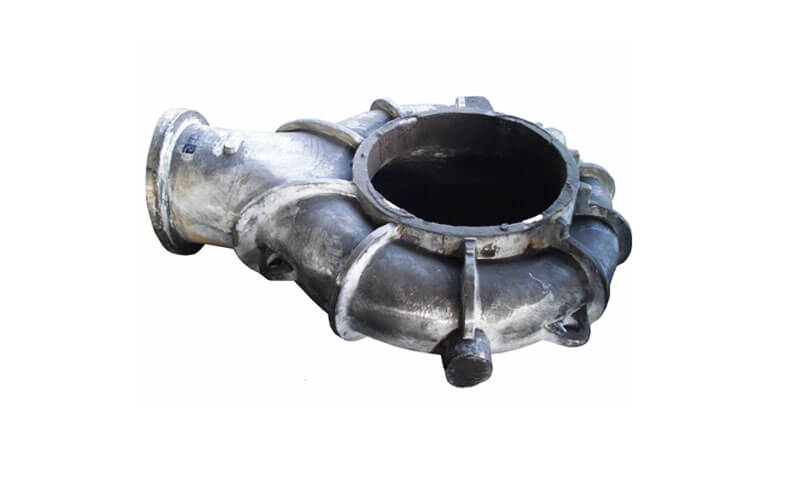
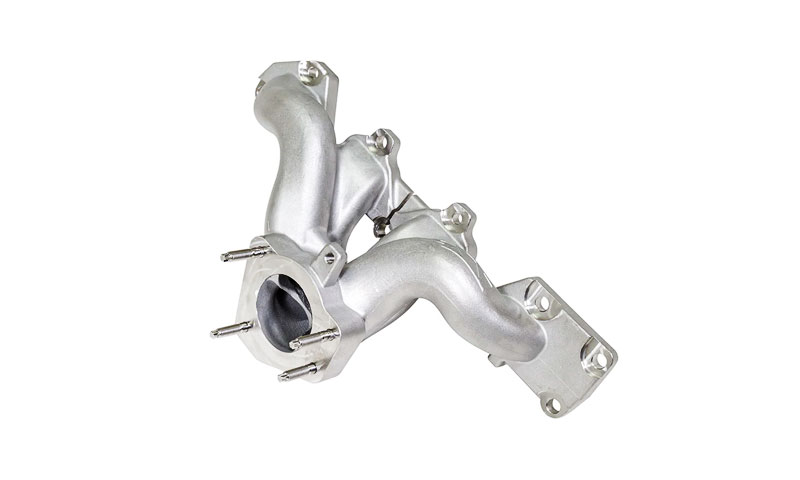
1. Panimula
Carbon steel vs stainless steel together account for over 90 % ng pandaigdigang produksyon ng bakal, underpinning industries from construction to healthcare.
Carbon bakal—an iron–carbon alloy with carbon content typically between 0.05 % at 2.0 %—has powered skyscrapers, mga tulay, and automotive frames for more than a century.
Sa kabilang banda, hindi kinakalawang na asero, defined by at least 10.5 % chromium plus nickel, molibdenum, or other elements, emerged in the early 20th century to meet the demand for corrosion‑resistant, hygienic surfaces.
Sa paglipas ng panahon, both families have evolved through advanced metallurgy and processing technologies.
This article examines their chemical makeup, microstructures, mekanikal na pag-uugali, pagganap ng kaagnasan, gawa gawa lang,
pang-ekonomiyang mga kadahilanan, mga aplikasyon, pagpapanatili, at mga uso sa hinaharap, enabling engineers to make informed material selections.
2. Komposisyon ng kemikal & Metalurhiya
Carbon Steel Composition
Carbon bakal‘s defining characteristic is its carbon content, which directly influences its mechanical properties. It is classified into three main types based on carbon percentage:

- Low-Carbon Steel: With less than 0.25% carbon, it offers good ductility and formability.
It is commonly used in applications where bending, paghubog, and welding are required,
such as in the production of sheets for automotive bodies and general-purpose structural components. - Katamtaman-Carbon Steel: Containing 0.25 – 0.6% carbon, Nagbibigay ito ng balanse sa pagitan ng lakas at ductility.
Heat treatment can significantly enhance its mechanical properties, making it suitable for parts like axles, mga gears, and shafts in machinery. - Mataas na Carbon Steel: Having more than 0.6% carbon, it is extremely hard and strong but less ductile.
It is often used for tools, mga bukal, and blades where high hardness and wear resistance are essential.
Bilang karagdagan sa carbon, carbon steel may contain small amounts of other elements like manganese, Silicon, asupre, and phosphorus, which can affect its strength, tigas na tigas, at machinability.
Stainless Steel Composition
Hindi kinakalawang na asero owes its corrosion-resistant properties mainly to the presence of chromium, which forms a thin, adherent oxide layer on the surface.
The minimum chromium content in stainless steel is typically 10.5%.

Gayunpaman, stainless steel is a diverse family of alloys, categorized into different types based on their microstructure and alloying elements:
- Austenitic hindi kinakalawang na asero: The most common type, including grades like 304 at 316.
It contains nickel, which enhances its corrosion resistance, ductility, at pagiging formable.
Austenitic stainless steels are widely used in food processing, arkitektura, at mga industriya ng kemikal. - Ferritic hindi kinakalawang na asero: With a lower chromium content compared to austenitic types, it has good corrosion resistance in mild environments.
It is often used in applications such as automotive exhaust systems and appliances. - Martensitic hindi kinakalawang na asero: Maaaring gamutin ang init, it offers high strength and hardness but lower corrosion resistance compared to austenitic and ferritic types.
It is used for cutlery, kirurhiko instrumento, at mga balbula. - Duplex hindi kinakalawang na asero: A combination of austenitic and ferritic microstructures, it provides high strength, mahusay na paglaban sa kaagnasan, and good stress-corrosion cracking resistance.
It is commonly used in the oil and gas and chemical processing industries.
Other alloying elements like molybdenum, mangganeso, and nitrogen can further modify the properties of stainless steel, improving its resistance to specific types of corrosion or enhancing its mechanical strength.
Comparison of Alloying Elements
| Elemento | Carbon Steel (wt%) | Hindi kinakalawang na asero (wt%) | Pangunahing Tungkulin |
| Carbon (C) | 0.05 – 2.00 | ≤ 0.08 (300‑series)≤ 0.15 (400‑series) | Increases hardness and tensile strength via carbide formation; excess reduces ductility and weldability. |
| Chromium (Cr) | ≤ 1.00 | 10.5 – 30.0 | In stainless: forms passive Cr₂O₃ film for corrosion resistance; in carbon steel (bakas) improves hardenability. |
| Mga mangganeso (Mn) | 0.30 – 1.65 | ≤ 2.00 | Deoxidizer; improves tensile strength and hardenability; counteracts sulfur embrittlement in carbon steel. |
| Silicon (Si Si) | 0.10 – 0.60 | ≤ 1.00 | Deoxidizer in steelmaking; increases strength and hardness; in stainless, aids oxidation resistance. |
| Nikel (Ni) | — | 8.0 – 20.0 (300‑series) | Nagpapatatag ng istraktura ng austenitiko (FCC), Pinahuhusay ang katigasan, ductility, at paglaban sa kaagnasan. |
| Molibdenum (Mo) | — | 2.0 – 3.0 (316, Duplex) | Increases pitting and crevice corrosion resistance in chloride environments; strengthens at high temperature. |
| Posporus (P) | ≤ 0.04 | ≤ 0.045 | Controlled impurity: improves strength and machinability in carbon steel; excess causes brittleness. |
| Sulfur (S) | ≤ 0.05 | ≤ 0.03 | Improves machinability by forming manganese sulfides in carbon steel; in stainless, kept low to avoid corrosion. |
| Nitrogen (N) | — | ≤ 0.10 (some grades) | In duplex and super‑austenitic grades, increases strength and pitting resistance without nickel. |
3. Physical Properties of Carbon Steel vs Stainless Steel
The fundamental physical properties of carbon steel vs stainless steel dictate their selection for thermal, mga de koryenteng, and structural applications.

Below is a comparison of key properties for a typical mild carbon steel (A36) and a common austenitic stainless steel (304):
| Pag-aari | Carbon Steel (A36) | Hindi kinakalawang na asero (304) |
| Densidad ng katawan | 7.85 g/cm³ (0.284 lb/in³) | 8.00 g/cm³ (0.289 lb/in³) |
| Saklaw ng Pagtunaw | 1,420–1,530 °C (2,588–2,786 °F) | 1,370–1,400 °C (2,498–2,552 °F) |
| Thermal kondaktibiti | 50 W/m·K (29 BTU·ft/h·ft²·°F) | 16 W/m·K (9 BTU·ft/h·ft²·°F) |
| Koepisyent ng Thermal Expansion | 11–13 ×10⁻⁶ /K (6.1–7.2 ×10⁻⁶ /°F) | 16–17 ×10⁻⁶ /K (8.9–9.4 ×10⁻⁶ /°F) |
| Tiyak na Kapasidad ng Init | 460 J/kg· K (0.11 BTU/lb·°F) | 500 J/kg· K (0.12 BTU/lb·°F) |
| Electrical Resistivity | 0.095 μΩ·m (6.0 µΩ·cm) | 0.72 μΩ·m (45 µΩ·cm) |
| Magnetic Permeability | ≈ 200 (Ferromagnetic) | ≈ 1 (essentially non‑magnetic) |
4. Paglaban sa kaagnasan & Tibay ng buhay
Corrosion Mechanisms in Carbon Steel
Carbon steel is highly susceptible to corrosion, primarily through rusting. When exposed to moisture and oxygen, iron in the steel reacts to form iron oxide (kalawang).
This process is accelerated in the presence of electrolytes, such as salts or acids. Chloride ions, halimbawa na lang, can penetrate the surface of the steel, leading to pitting corrosion.
Dagdag pa, carbon steel can corrode in acidic or alkaline environments, depending on the specific chemical reactions occurring.

Corrosion Resistance of Stainless Steel
The chromium in stainless steel forms a passive oxide layer (Cr₂O₃) on the surface, which acts as a barrier against oxygen and moisture, preventing further oxidation.
This passive layer is self – healing; if damaged, chromium in the steel reacts with oxygen in the environment to quickly reform the protective layer.
Gayunpaman, stainless steel is not completely immune to corrosion. Different types of stainless steel can be affected by specific forms of corrosion:
- Pag-iwas sa Kaagnasan: Common in environments with chlorides, such as seawater or de-icing salts.
Chloride ions can disrupt the passive layer, leading to the formation of small pits on the surface. - Kaagnasan ng bitak: Occurs in confined spaces or crevices where the concentration of corrosive substances can become high, preventing the formation of the protective oxide layer.
- Intergranular kaagnasan: Can happen when the stainless steel is heated in a certain temperature range (sensitization), causing chromium to react with carbon and form carbides at the grain boundaries.
This depletion of chromium at the boundaries reduces the corrosion resistance in those areas.
Comparison of Corrosion Resistance
Carbon steel requires protective measures like painting, Pag-galvanize, or coating to prevent corrosion, especially in outdoor or corrosive environments.
Sa kabilang banda, stainless steel offers inherent corrosion resistance, making it a preferred choice for applications where exposure to moisture, mga kemikal, or harsh atmospheres is expected.
Halimbawa na lang, in the marine industry, stainless steel is used for ship fittings and structures,
while carbon steel components would need extensive corrosion protection to survive the salty and humid conditions.
Comparative Durability
| Kapaligiran | Carbon Steel | Hindi kinakalawang na asero |
| Fresh Water | 0.05–0.2 mm/year | < 0.01 mm / taon |
| Marine Atmosphere | 0.5–1.0 mm/year | 0.01–0.05 mm/year (316/2205) |
| 3 % NaCl Solution | Localized pitting (0.5 mm/month) | Pitting if T > CPT; otherwise negligible |
| High‑Temp Oxidation (400 °C) | Rapid scaling (scale thickness > 100 µm in 100 h) | Slow scale (10–20 µm in 100 h) |
6. Gawa-gawa & Machinability
Effective fabrication of carbon steel and stainless steel hinges on their distinct metallurgical behaviors and the chosen manufacturing route.
Carbon Steel Fabrication
Paghahagis & Pagbubuo ng mga:
Carbon steel’s relatively low melting point (1,420–1,530 °C) and simple chemistry make it well suited for sand or pamumuhunan paghahagis of large parts,
such as engine blocks and gear housings, where the iron–carbon melt fills complex molds.

Bilang kahalili, forge pressing of heated billets (900–1,200 °C) refines the microstructure by elongating grains along flow lines,
delivering superior impact toughness and fatigue resistance for critical components like crankshafts and landing‑gear fittings.
Paggulong & Sheet Production:
Sa mainit na pagulong, slabs are reduced at 1,100–1,250 °C to form plates and structural shapes.
Subsequent malamig na paggulong at room temperature increases strength by up to 30 % through work hardening, producing steels for automotive panels and high‑strength tubing.
Machining:
Carbon steel’s machinability rating (~ 70 % of B1112) varies with carbon content.
Low‑carbon grades (≤ 0.25 % C) cut cleanly at higher speeds (100–200 m/min surface speed) and yield polished surfaces.
High‑carbon or alloy steels require slower feed rates and carbide tooling to avoid work‑hardening and premature tool wear.
Stainless Steel Fabrication
Natutunaw na & Paghahagis:
Stainless steel production begins in an electric arc pugon, where precise additions of chromium, nikel, and molybdenum achieve target compositions.
The steel is cast into ingots or continuously cast billets, demanding strict control of impurities (S, P < 0.03 %) to maintain corrosion performance.

Paggulong & Work Hardening:
Hot‑rolled stainless slabs (1,100–1,250 °C) become coils or plates for further cold rolling.
Mga marka ng Austenitic (304, 316) gain up to 50 % strength through cold work, but require intermediate anneals (1,050 °C solution treatment) to relieve stress and restore ductility.
Welding & Pagsali sa:
Welding stainless steel calls for TIG or pulse‑MIG techniques using matching filler rods (hal., ER308L for 304 base metal).
Pre‑weld cleaning removes surface contaminants; interpass temperatures must remain below 150 °C to prevent chromium carbide precipitation.
Post-weld Passivation or light pickling restores the protective oxide layer, guarding against intergranular attack.
Machining:
With a machinability rating near 50 %, austenitic stainless steels generate long, work‑hardening chips.
Employ rigid setups, slow speeds (30–60 m/min), and high‑feed, polished‑edge carbide inserts to minimize rubbing and edge build‑up.
7. Heat Treatment of Carbon Steel vs Stainless Steel
Lunas sa init tailors the microstructure—and therefore the mechanical and corrosion‑resistance properties—of both carbon and stainless steels.
Carbon Steel Heat Treatment

Annealing
- Layunin: Soften the steel, mapawi ang mga panloob na stress, improve machinability and ductility.
- Proseso: Init sa 700-750 ° C, hold for 30 min per inch of thickness, pagkatapos ay slow‑cool (furnace or buried in insulation) sa 20 °C/hour down to 500 °C before air‑cool
- Resulta: Uniform ferrite‑pearlite microstructure, hardness ≈ 180 HB, pagpapahaba > 25 %.
Normalizing
- Layunin: Refine grain size for uniform mechanical properties.
- Proseso: Init sa 820-900 ° C, hold until uniform, pagkatapos ay air‑cool.
- Resulta: Fine ferrite‑pearlite grains, tensile strength ~ 450–550 MPa.
Pagpapawi & Paghina ng loob
- Pagpapawi: Austenitize at 820–880 °C, then rapidly cool in oil or water to form martensite. Yields hardness HRC 50–60 in high‑carbon grades.
- Paghina ng loob: Reheat to 200-650 ° C (depending on desired trade‑off) para sa 1 h per inch of thickness, then air‑cool.
-
- 200–300 °C temper: Retains high hardness (~ HRC 50), tensile 800–1,000 MPa.
- 400–550 °C temper: Balances hardness (~ HRC 40) with toughness and ductility (> 15 % pagpapahaba).
Carburizing & Nitriding (Kaso Hardening)
- Layunin: Mahirap, wear‑resistant surface layer with a tough core.
- Proseso:
-
- Carburizing: Expose to carbon‑rich atmosphere at 900 °C for 2–24 h, pagkatapos ay pawiin & pag-uugali. Case depth 0.5–2 mm, Katigasan ng ibabaw HRC 60–62.
- Nitriding: 500–550 °C in ammonia atmosphere, forming hard nitrides; no quenching needed. Surface hardness HV 700–1,000.
Stainless Steel Heat Treatment

Solusyon sa Pagsusubo
- Layunin: Matunaw ang mga karbid, maximize corrosion resistance, restore ductility after cold work or welding.
- Proseso: Init sa 1,050–1,100 °C, hold 15–30 min, pagkatapos ay water‑quench.
- Resulta: Single‑phase austenitic structure (for 300‑series) or optimized ferrite/austenite balance (for duplex), hardness ~ 200 HB.
Pagtigas ng ulan (PH Grades)
- Mga Grade: 17‑4PH, 15‑5PH, 13‑8PH.
- Proseso:
-
- Solution Treat: 1,015–1,045 °C, water‑quench.
- Pag-iipon:
-
-
- 17‑4PH: 480 °C for 1–4 h → hardness ~~ HRC 40–45, tensile 950–1,100 MPa.
- 15‑5PH: 540 °C para sa 4 h → hardness ~~ HRC 42–48.
-
- Resulta: High strength with moderate ductility, combined with good corrosion resistance.
Stabilization (Ferritic Grades)
- Layunin: Prevent sensitization in grades like 430Ti or 446 by forming stable carbides.
- Proseso: Init sa 815–845 °C, hawakan mo, then air‑quench.
- Resulta: Improved intergranular corrosion resistance at welds and heat‑affected zones.
Nakakawala ng stress
- Layunin: Reduce residual stresses after welding or cold forming.
- Proseso: Init sa 600-650 ° C para sa 1 h, then air‑cool.
- Resulta: Minimal change in hardness; improved dimensional stability.
Key Contrasts
| Tampok | Carbon Steel | Hindi kinakalawang na asero |
| Hardenability | Mataas na; broad range via quench & pag-uugali | Limitado; only PH and martensitic grades harden |
| Epekto ng Kaagnasan | Quenching can promote rust; nangangailangan ng patong | Solution anneal restores corrosion resistance |
| Mga Temperatura ng Proseso | 700-900 ° C (anneal/quench) | 600–1,100 °C (Solusyon, pagtanda) |
| Resulting Hardness | Up to HRC 60–62 (mataas na C, Tempered) | Up to HRC 48–50 (PH grades) |
| Microstructural Control | Ferrite/pearlite/bainite/martensite | Austenitic/ferritic/duplex/phases via heat |
8. Gastos at Availability
Cost Analysis of Carbon Steel
Carbon steel is relatively inexpensive due to its simple composition and widespread availability of raw materials.
The cost of carbon steel is mainly influenced by the cost of iron ore, energy for production, and market demand.
Low-carbon steel is the most affordable, while high-carbon steel may be slightly more expensive due to additional processing requirements.
Its affordability makes it a popular choice for large-scale construction projects, such as building frames and bridges, where cost-effectiveness is crucial.
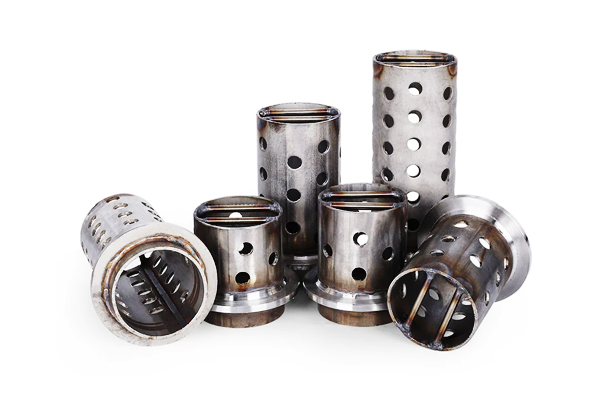
Cost Analysis of Stainless Steel
Stainless steel is more expensive than carbon steel.
The primary cost drivers are the cost of alloying elements, especially chromium and nickel, which can be costly and subject to price fluctuations in the global market.
Dagdag pa, the more complex manufacturing processes and higher quality control requirements contribute to the higher cost.
Austenitic hindi kinakalawang na asero, which contain significant amounts of nickel, are generally more expensive than ferritic or martensitic types.
Cost-Benefit Comparison
In applications where corrosion resistance is not a major concern, carbon steel offers a cost-effective solution.
Gayunpaman, in environments where corrosion would quickly degrade carbon steel components, the long-term cost of using stainless steel may be lower due to reduced maintenance and replacement costs.
9. Typical Applications of Carbon Steel vs Stainless Steel
Parehong carbon bakal at hindi kinakalawang na asero are integral to modern industry, but their applications diverge significantly due to differences in paglaban sa kaagnasan, mekanikal na pagganap, at aesthetic properties.
Mga Aplikasyon ng Carbon Steel
Konstruksyon & Imprastraktura
- Mga beam ng istruktura, Mga Haligi, at mga frame in commercial buildings and bridges
- Rebars for reinforced concrete
- Mga pipeline for oil, gas, and water (typically coated or painted)
- Rail tracks and railway components
Industriya ng Automotive
- Mga frame ng tsasis, mga panel ng katawan, at mga sistema ng suspensyon
- Mga Gear, mga ehe, mga crankshaft (especially medium to high carbon steels)
- Chosen for strength-to-cost efficiency and ease of forming
Mga Makinarya sa Industriya
- Mga base ng makina, press frames, at mabibigat na bahagi
- Common in applications where strength and weldability are prioritized over corrosion resistance
Tools and Equipment
- Hand tools (wrenches, hammers) using high-carbon steel
- Dies and punches requiring high hardness and strength
Sektor ng Enerhiya
- Wind turbine towers and supports
- Oil drilling rigs and structural tubing
Stainless Steel Applications
Food and Beverage Processing
- Mga tangke, Email Address *, Mga Conveyor, and mixers for sanitary conditions
- Mga grado tulad ng 304 (pangkalahatang paggamit) at 316 (chloride resistance) tiyakin kalinisan ng katawan, proteksyon ng kaagnasan, and easy cleaning

Medikal at Parmasyutiko
- Mga instrumento sa kirurhiko, implantable devices, hospital equipment
- 316L and 17-4PH stainless used for biocompatibility and sterilization compatibility
Architecture and Design
- Pag-cladding, mga railings, kitchen appliances, elevators
- Pinagsama aesthetic appeal with corrosion resistance
- Brushed and mirror finishes provide a modern look
Marine at Offshore
- Boat fittings, mga shaft ng propeller, mga platform sa malayo sa pampang
- Hindi kinakalawang na asero, lalo na 316 and duplex grades, perform well in Mga kapaligiran ng tubig-alat
Industriya ng Kemikal at Petrochemical
- Mga daluyan ng presyon, mga heat exchanger, Mga balbula, mga bomba
- Stainless steel handles corrosive fluids and high temperatures
Electronics at Consumer Goods
- Mobile phone frames, laptop chassis, Email Address *
- Ginagamit para sa paglaban sa kaagnasan, sleek appearance, and tactile feel
Hybrid & Clad Solutions
- Clad Piping: Carbon steel pipes overlaid with a 3 mm stainless layer combine structural strength with corrosion resistance—widely used in chemical plants and pulp‑and‑paper mills.
- Bimetallic Plates: A 5 mm stainless skin bonded to carbon steel substrates delivers both weldability and surface durability for heat exchangers and reactor vessels.
10. Mga kalamangan & Limitations of Carbon Steel vs Stainless Steel
Understanding the advantages and limitations of carbon bakal at hindi kinakalawang na asero is crucial for material selection in engineering, konstruksiyon, pagmamanupaktura, and product design.
Advantages of Carbon Steel vs Stainless Steel
| Aspeto | Carbon Steel | Hindi kinakalawang na asero |
| Kahusayan sa Gastos | Low cost, widely available, economical for large-scale use | Long lifecycle reduces maintenance cost despite higher initial expense |
| Lakas ng loob & Ang katigasan ng ulo | Mataas na mekanikal na lakas, heat-treatable for even higher hardness | Napakahusay na ratio ng lakas sa timbang, especially in duplex grades |
| Machinability | Easily machined and formed (especially low-carbon grades) | Magandang machinability (especially in free-machining grades like 303) |
| Weldability | Good weldability in low/medium carbon grades | Specialized weld techniques allow strong, corrosion-resistant joints |
| Versatility | Broad range of applications (istruktura, mekanikal, mga tooling) | Ideal for clean, kinakaing unti-unti, and decorative environments |
| Recyclability | Ganap na recyclable | 100% recyclable with high scrap value |
| Thermal kondaktibiti | High thermal conductivity—good for heat transfer applications | Stable performance at high temperatures; oxidation-resistant |
| Formability | Excellent in low-carbon forms | Mga marka ng Austenitic (hal., 304, 316) are also very formable |
Limitations of Carbon Steel vs Stainless Steel
| Aspeto | Carbon Steel | Hindi kinakalawang na asero |
| Paglaban sa kaagnasan | Poor resistance; prone to rust and oxidation | Excellent resistance; forms protective chromium oxide layer |
| Pagpapanatili | Requires regular coatings and inspections | Minimal maintenance needed in most environments |
| Aesthetic Halaga | Dulls, stains, and rusts easily | Clean, polished appearance; maintains finish |
| Timbang | Heavier in high-strength forms | Lighter options available with similar strength (hal., Duplex) |
| Weld Sensitivity | High-carbon steel may crack or harden in weld zones | Needs controlled heat input to avoid sensitization and cracking |
| Fabrication Complexity | Simple, but hard grades may be brittle | Requires special tools, speeds, and care during fabrication |
| Pagpapalawak ng Thermal | Katamtaman | Higher thermal expansion in austenitic grades can cause warping |
| Upfront Cost | Lower material and processing costs | Higher alloy and processing costs due to chromium/nickel content |
11. Maintenance and Durability of Carbon Steel vs Stainless Steel
Maintenance and durability are critical considerations when choosing between carbon steel and stainless steel.
These factors affect the total cost of ownership, Buhay ng Serbisyo, and performance reliability, especially in harsh or demanding environments.
Maintenance of Carbon Steel
- High Maintenance Requirements: Carbon steel is prone to oxidation and rust when exposed to moisture and oxygen.
Without protective coatings (hal., pintura, langis, or galvanizing), it rapidly corrodes. - Protective Measures Needed: Routine inspection, pagpipinta, or application of corrosion inhibitors is essential in most outdoor or humid environments.
- Paggamot sa ibabaw: Galvanizing, patong ng pulbos, or plating is often used to prolong service life.
Maintenance of Stainless Steel
- Paglilinis: Regularly cleaning the surface to remove dirt, grime, and potential contaminants that could lead to corrosion.
Sa ilang mga kaso, mild detergents or specialized stainless-steel cleaners may be used.
Halimbawa na lang, in a food processing facility, stainless-steel equipment is often cleaned with alkaline-based cleaners to remove food residues and maintain hygiene. - Protection from Chlorides: In environments with high chloride levels, such as coastal areas or facilities using de-icing salts, extra care is needed.
Chlorides can penetrate the passive layer of stainless steel and cause pitting corrosion. Regular rinsing to remove chloride deposits can help prevent this. - Inspection for Damage: Although stainless steel is durable, it can still be damaged by impact or improper handling.
Regular inspections to check for scratches, dents, or other damage that could compromise the integrity of the passive layer are recommended.
12. Mga umuusbong na uso & Mga makabagong ideya
- Advanced High‑Strength Steels (AHSS): Tensile strengths up to 1,200 MPa for lightweight automotive safety structures.
- Super-Austenitic & Duplex Grades: PREN > 40 available for ultra‑corrosive offshore and chemical applications.
- Inhinyeriya sa ibabaw: Laser‑induced nanostructures and ceramic‑polymer nanocoatings extend wear and corrosion resistance.
13. Pagsusuri ng Comparative: Carbon Steel vs Stainless Steel
| Kategorya | Carbon Steel | Hindi kinakalawang na asero |
| Komposisyon ng kemikal | Fe–C alloy (0.05–2.0 % C); minor Mn, Si Si, P, S | Fe–Cr (≥10.5 %), Ni, Mo, N; minimal C (< 0.08 % in austenitics) |
| Microstructure | Ferrite + Pearlite; Bainite/Martensite in quenched grades | Austenitic (300‑series), Ferritic (400‑series), Duplex, Martensitiko |
| Densidad ng katawan | ~ 7.85 g/cm³ | ~ 8.00 g/cm³ |
| Lakas ng Paghatak | 400–550 MPa (58–80 ksi) | 520–720 MPa (75–105 ksi) |
| Yield Lakas | ~ 250 MPa (36 ksi) | 215–275 MPa (31–40 ksi) |
| Pagpapahaba | 20–25 % | 40–60 % |
| Ang katigasan ng ulo | 140–180 HB; up to HRC 60+ Kapag ang init ay ginagamot | 150–200 HB; HRC 48–60 in martensitics/PH grades |
| Thermal kondaktibiti | ~ 50 W/m·K | ~ 16 W/m·K |
| Pagpapalawak ng Thermal | 11–13 ×10⁻⁶ /K | 16–17 ×10⁻⁶ /K |
| Paglaban sa kaagnasan | Mga Maralita (requires coatings or galvanizing) | Napakahusay (inherent passivation; grades for chlorides, mga asido, high‑T) |
| Pagpapanatili | Mataas na: periodic coating/repair | Mababa ang: simple cleaning; minimal upkeep |
| Gawa-gawa | Excellent weldability and formability; easy machining | Requires controlled welding, slower machining, work‑hardens when cold worked |
| Paggamot ng Heat | Full range: anneal, pawiin, pag-uugali | Limitado: solution anneal, precipitation‑hardening; most are non‑hardenable |
| Gastos (2025 est.) | ~ US$700 / ton | ~ US$2,200 / ton |
| Email Address * | Napakataas; global production >1.6 billion t/year | Mataas na; production ~ 55 million t/year, concentrated in major regions |
| Recyclability | > 90 % scrap content in EAF routes | ~ 60 % scrap content; high value, specialized sorting |
| Typical Uses | Mga beam ng istruktura, automotive chassis, mga tubo, mga tool | Food processing, mga medikal na aparato, hardware ng dagat, arkitektura trim |
| Service Temperature | Hanggang sa 300 °C (oxidation/scaling above) | Up to 800–900 °C (grades dependent) |
| Gastos sa Lifecycle | Higher due to coatings and maintenance | Lower in corrosive or hygienic applications |
14. Pangwakas na Salita
Choosing between carbon steel vs stainless steel hinges on balancing lakas ng loob, paglaban sa kaagnasan, gawa gawa lang, at gastos.
Carbon steel remains indispensable for heavy structural and heat‑treated components, while stainless steel excels where corrosion immunity, kalinisan ng katawan, or aesthetics matter.
By understanding their metalurhiya, mga katangian, economic trade‑offs, at application contexts, engineers can specify the right steel—or a hybrid solution—to optimize performance, lifecycle cost, at pagpapanatili.
The continued innovation in both families ensures that steel will remain the backbone of modern industry well into the future.
Mga FAQ
Which steel is stronger—carbon or stainless?
It depends on the grade and heat treatment:
- Mga steels na may mataas na carbon (hal., 1045, 1095) can reach higher hardness and strength than most stainless grades.
- Hindi kinakalawang na asero tulad ng 17-4PH at martensitic 420 can also be hardened, but generally offer moderate strength with better corrosion resistance.
Is stainless steel more expensive than carbon steel?
Oo nga. Tulad ng 2025:
- Hindi kinakalawang na asero costs 2–3 times more per ton due to alloying elements like nikel, kromo, at molibdenum.
- Gayunpaman, lower maintenance, longer service life, at aesthetic appeal may offset the initial cost.
Is carbon steel more sustainable or recyclable than stainless steel?
Both are highly recyclable:
- Carbon bakal has a global recycling rate above 90%, commonly via Electric Arc Furnaces (EAF).
- Hindi kinakalawang na asero also has high recycling value, but requires more advanced sorting due to its alloying elements.
Which is better for structural applications?
Carbon bakal ay malawakang ginagamit sa construction and structural frames dahil sa nito high strength-to-cost ratio.
Gayunpaman, in corrosive environments or where aesthetic finish at panghabang buhay ay kinakailangan, hindi kinakalawang na asero may be preferred despite higher costs.
Does stainless steel rust?
Yes—but rarely.
Stainless steel can corrode under chloride exposure, low-oxygen conditions, o mechanical damage to its passive layer.
Using the correct grade na ba (hal., 316 for saltwater, duplex for aggressive media) is essential for corrosion resistance.
Which steel is easier to machine?
Sa pangkalahatan, mababa ang carbon na bakal is easier to machine.
Austenitic hindi kinakalawang na asero (tulad ng 304) ay tougher and tend to work-harden, making them harder to cut unless using proper tooling and lubricants.
Can carbon steel vs stainless steel be used together?
They can be combined structurally, pero galvanic corrosion is a risk when both are in electrical contact in a moist environment. Insulation or coatings may be needed to prevent premature failure.