1. Panimula
AISI 420 Hindi kinakalawang na asero (X20Cr13 / 1.4021) is a medium-carbon martensitic hindi kinakalawang na asero that belongs to the 400-series of stainless steels.
This series is known for its martensitic microstructure, which gives these steels their characteristic hardness and strength.
Compared to other stainless steel types, stainless steel AISI 420 offers a unique balance between corrosion resistance and hardness.
While it may not match the corrosion resistance of austenitic stainless steels like 304 o 316, it can be hardened to a much higher degree, making it ideal for applications where wear resistance is crucial.
The purpose of this article is to provide a comprehensive and in-depth look at AISI 420 hindi kinakalawang na asero.
We will explore its chemical composition, pisikal at mekanikal na mga katangian, corrosion and heat-resisting performance,
heat treatment processes, fabrication and machinability, mga aplikasyon, Mga kalamangan, Mga limitasyon, and conduct comparative analyses with other relevant steel grades.
2. Komposisyon ng kemikal ng AISI 420 Hindi kinakalawang na asero
AISI 420 stainless steel belongs to the martensitic branch of the 400‑series, defined by its ability to form a hard, needle‑like martensite phase on quenching.

Its nominal composition (in wt%) centers on:
| Elemento | Tipikal na Nilalaman (wt%) | Primary Role |
| Chromium (Cr) | 12.0 – 14.0 | Forms passive Cr₂O₃ layer for corrosion resistance |
| Carbon (C) | ≤ 0.15 | Enables martensite formation and high hardness |
| Mga mangganeso (Mn) | ≤ 1.00 | Acts as deoxidizer; improves hot‑workability |
| Silicon (Si Si) | ≤ 1.00 | Strengthens ferrite; aids oxidation and deoxidation |
| Posporus (P) | ≤ 0.04 | Impurity—controlled to maintain toughness |
| Sulfur (S) | ≤ 0.03 | Impurity—enhances machinability, limited for ductility |
| Bakal na Bakal (Fe) | Balanse | Base metal matrix element |
3. Pisikal & Mechanical Properties of AISI 420 Hindi kinakalawang na asero
AISI 420 stainless steel combines high strength and moderate ductility with excellent wear resistance.
Key properties are summarized below, using both SI and Imperial units for engineering versatility.
| Pag-aari | As‑Quenched | Tempered (250 °C / 1 h) |
| Lakas ng Paghatak | 650–850 MPa(94,300–123,300 psi) | 550–700 MPa(79,800–101,500 psi) |
| Yield Lakas (0.2% Offset) | 450–600 MPa(65,300–87,000 psi) | 350–500 MPa(50,800–72,500 psi) |
| Pagpapahaba sa Break | 8–12 % | 10–15 % |
| Katigasan ng Rockwell (HRC) | 58–62 | 48–55 |
| Brinell tigas na tigas (HB) | 550–650 HB | 300–400 HB |
| Lakas ng Pagkapagod | ~ 260 MPa(~ 37,700 psi) at 10⁷ cycles | N / A |
| Epekto ng tigas | 12–20 J (Charpy V‑Notch) | 20–30 J (improved after temper) |
| Densidad ng katawan | 7.75 g/cm³(0.280 lb/in³) | — |
| Thermal kondaktibiti | 25 W/m·K | — |
| Electrical Resistivity | 0.85 μΩ·m | — |
4. Corrosion & Heat‑Resisting Performance
Pangkalahatang Paglaban sa Kaagnasan
AISI 420 stainless steel offers good general corrosion resistance in mild environments. In indoor atmospheres, it can maintain its integrity for long periods without significant corrosion.
It can also resist the corrosive effects of many non-aggressive chemicals and solutions,
making it suitable for a variety of applications in industries such as food processing and light manufacturing.
The passive oxide layer formed by chromium provides effective protection against oxidation and general corrosion.
Gayunpaman, this protection can be compromised in more aggressive environments.

Pitting and Crevice Resistance
One of the limitations of stainless steel AISI 420 is its relatively low pitting and crevice resistance, especially in chloride-containing environments.
Chloride ions can penetrate the passive oxide layer, causing local breakdown and the formation of pits on the surface of the steel.
Crevices, such as those found in gaskets, mga bolts, or overlapping metal surfaces, can further accelerate this process.
In these areas, chloride ions can become concentrated, leading to more severe corrosion.
AISI 420 is not recommended for continuous exposure to seawater or other highly chlorinated solutions without appropriate protection measures, such as surface treatments or the use of corrosion inhibitors.
High-Temperature Scaling and Oxidation
AISI 420 stainless steel can withstand high temperatures up to approximately 400°C without significant scaling or oxidation.
At these temperatures, the passive oxide layer remains stable and continues to provide protection to the underlying metal.
Gayunpaman, as the temperature increases beyond 400°C, the rate of oxidation accelerates, and the steel may start to form a thick oxide scale.
This scale can flake off, exposing fresh metal to further oxidation, and can also affect the mechanical properties of the steel.
In applications where higher temperatures are involved, alternative materials or heat-resistant coatings may be required.
Surface Treatments to Enhance Corrosion Performance
To improve the corrosion resistance of AISI 420 hindi kinakalawang na asero, several surface treatments can be applied:
- Passivation: This process involves chemical cleaning to remove contaminants from the surface of the steel and promote the formation of a more uniform and protective passive oxide layer.
Passivation can significantly enhance the corrosion resistance of AISI 420, especially in mild to moderately corrosive environments. - Electroplating: Electroplating AISI 420 stainless steel with corrosion-resistant metals such as nickel or chromium can provide an additional layer of protection.
The plated layer acts as a barrier, preventing the underlying steel from coming into contact with corrosive substances. - Mga Coatings: Applying organic or inorganic coatings, such as paints or ceramic coatings, can also improve the corrosion resistance of AISI 420.
These coatings can provide a physical barrier and may also contain corrosion – inhibiting pigments.
5. Heat Treatment of AISI 420 Hindi kinakalawang na asero
Annealing and Stress Relief Cycles
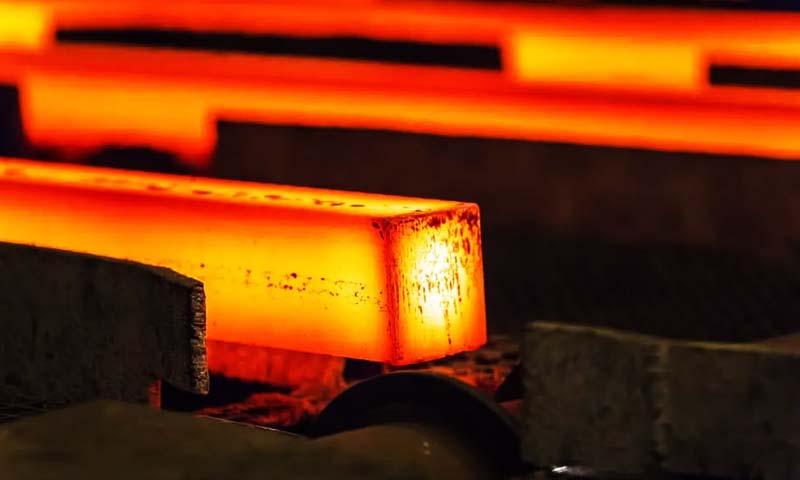
Annealing is an important heat treatment process for AISI 420 hindi kinakalawang na asero. Ang layunin ng annealing ay upang pabatain ang bakal, improve its machinability, and relieve internal stresses.
- Proseso: The steel is heated to a temperature in the range of 800 – 900°C, held at this temperature for 1-2 hours to allow for complete recrystallization, and then slowly cooled in the furnace.
This slow cooling rate helps to prevent the formation of internal stresses. - Mga Benepisyo: Annealed stainless steel AISI 420 is easier to machine and form, making it suitable for subsequent manufacturing operations.
It also has a more uniform microstructure, which can improve its overall mechanical properties.
Stress relief cycles are often performed after processes such as machining, hinang, o malamig na pagtatrabaho.
The steel is heated to a lower temperature (usually sa paligid 600 – 700°C), held for a period of time, and then cooled slowly.
This process helps to relieve the internal stresses generated during these operations, reducing the risk of cracking and improving the dimensional stability of the component.
Quenching Media and Cooling Rate Effects
Quenching is a critical step in the heat treatment of AISI 420 stainless steel to achieve its high hardness.
The choice of quenching media can have a significant impact on the properties of the steel:
- Oil Quenching: Oil is a commonly used quenching medium for AISI 420.
It provides a moderate cooling rate, which helps to avoid excessive internal stresses and cracking.
Oil quenching is suitable for most AISI 420 stainless steel components and can result in a high hardness and good mechanical properties. - Air Quenching: Air quenching can be used for thinner sections of AISI 420.
Gayunpaman, it results in a lower cooling rate compared to oil quenching, which may lead to a lower hardness and different microstructure.
Air-quenched AISI 420 stainless steel may be more suitable for applications where a slightly lower hardness and better toughness are desired.
The cooling rate during quenching affects the formation of martensite.
A faster cooling rate leads to a higher proportion of martensite and a higher hardness, but it also increases the risk of cracking due to the development of internal stresses.
Tempering at Various Temperatures
Tempering is carried out after quenching to balance the hardness and toughness of AISI 420 hindi kinakalawang na asero:
- Mababang temperatura Tempering (150 – 200°C): This mainly serves to relieve internal stresses and slightly reduce the brittleness of the as-quenched steel while retaining a high level of hardness.
Low-temperature tempered AISI 420 is often used for applications where maximum hardness and wear resistance are required, tulad ng sa pagputol ng mga tool. - Mataas na temperatura ng Tempering (300 – 400°C): Tempering at higher temperatures further reduces the hardness of the steel but significantly improves its toughness and ductility.
High-temperature tempered AISI 420 is suitable for applications where a combination of strength, tigas na tigas, and good impact resistance is needed,
such as in structural components or parts subjected to dynamic loads.
6. Gawa-gawa & Machinability of AISI 420 Hindi kinakalawang na asero

Mga Pagsasaalang-alang sa Welding
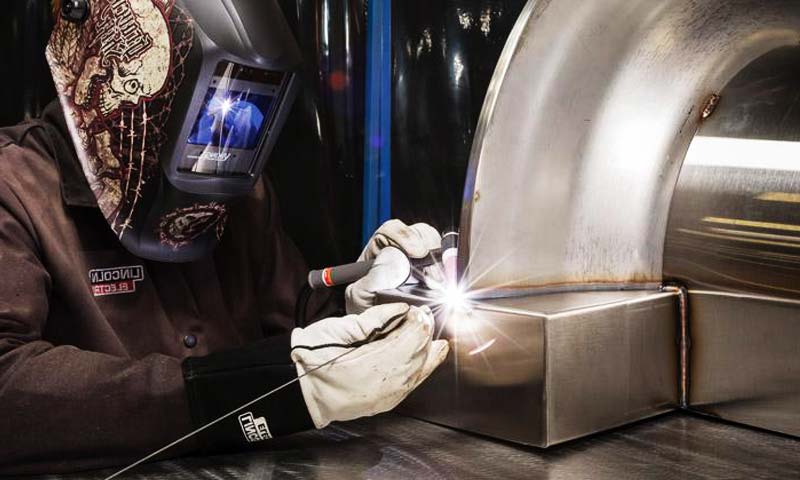
Welding stainless steel AISI 420 can be challenging due to its high hardness and low ductility in the as-quenched state. Here are some important considerations:
- Preheating: Preheating the material to a temperature in the range of 200 – 300°C before welding is essential.
This helps to reduce the risk of cracking by minimizing the temperature gradient between the weld area and the base metal during the welding process. - Interpass Temperature: Maintaining an interpass temperature of around 200 – 300°C during welding is also important.
This ensures that the weld area remains at a suitable temperature and reduces the likelihood of cracking. - Filler Metal Selection: Filler metals with similar chemical compositions to AISI 420 hindi kinakalawang na asero, such as ER410 or ER420, are typically used.
These filler metals help to ensure good weld quality and compatibility with the base metal.
Machinability
- Machinability Rating: AISI 420 stainless steel has a machinability rating of approximately 60% of B1112, which means it is moderately difficult to machine, especially in the heat-treated state.
Its high hardness can cause rapid tool wear and make cutting operations more challenging. - Tooling Recommendations: High-speed steel or carbide-tipped tools are recommended for machining AISI 420.
Carbide tools are more suitable for high-speed machining and can withstand the high temperatures generated during the cutting process. - Cutting Parameters: When machining AISI 420 hindi kinakalawang na asero, proper cutting speeds and feeds need to be selected.
Halimbawa na lang, when turning with carbide tools, a cutting speed of 60 – 90 m/min and a feed rate of 0.1 – 0.2 mm/rev are often used.
Lower cutting speeds and feeds may be required for more precise machining operations.
Forming and Bending
- Mga Limitasyon: AISI 420 stainless steel has lower ductility compared to austenitic stainless steels, especially in the hardened state.
This makes it more difficult to form and bend. Cold forming is possible for thin sections and with proper lubrication, but for thicker sections, hot forming may be necessary. - Mainit na Pagbuo: Hot forming AISI 420 involves heating the steel to a temperature above its recrystallization temperature (usually sa paligid 800 – 900°C) and then shaping it.
This process allows for greater formability but requires careful control of the temperature and cooling rate to avoid affecting the mechanical properties of the steel.
Pagtatapos ng Ibabaw
- Paggiling: Grinding is used to remove stock and achieve the desired shape and dimensional accuracy of AISI 420 stainless steel components.
Different types of grinding wheels can be used depending on the material and the required surface finish. - Polishing: Polishing is carried out to obtain a smooth surface finish, which is important for applications such as cutlery, mga instrumentong medikal, or decorative components.
Various polishing techniques, such as buffing and electropolishing, can be used. - Passivation: As mentioned earlier, passivation is also a form of surface finishing that helps to enhance the corrosion resistance of AISI 420.
It involves chemical treatment to clean the surface and promote the formation of a protective oxide layer.
7. Applications of AISI 420 Hindi kinakalawang na asero
Cutlery Industry
- Application Parts: Kitchen knives, forks, spoons, and steak knives.
These utensils benefit from AISI 420’s ability to hold a sharp edge and resist corrosion from food acids during regular use.

Medical Field
- Application Parts: Scalpels, mga puwersa, hemostats, gunting sa kirurhiko.
The high hardness of AISI 420 allows for precise cutting edges, while its corrosion resistance ensures the instruments can withstand repeated sterilization processes.
Food and Beverage Equipment
- Application Parts: Mga Valve, mga bomba, paghahalo ng mga talim, conveyor components.
AISI 420 resists corrosion from food products like acidic juices, dairy, and salty brines, and its wear-resistant properties make it suitable for parts that come into contact with food particles.
Pagproseso ng Kemikal
- Application Parts: Mga Pump, Mga balbula, fittings for handling non-highly corrosive chemicals.
It can endure the chemical attacks of mild acids and alkalis in the processing environment.
Mga Makinarya sa Industriya
- Application Parts: Mga bearing, mga gears, cams, slides, wear pads.
The high hardness of AISI 420 stainless steel enables these parts to withstand high loads, friction, and wear in heavy-duty machinery such as construction and manufacturing equipment.
Mga Bahagi ng Automotive
- Application Parts: Small engine parts, clutch components, and some fasteners.
Its combination of strength, tigas na tigas, and moderate corrosion resistance makes it suitable for various automotive applications.
Textile Machinery
- Application Parts: Guide bars, cutting blades, spindles.
AISI 420’s wear resistance helps these parts maintain functionality over long periods of use in the textile production process.
8. Mga kalamangan & Limitations of AISI 420 Hindi kinakalawang na asero
AISI 420 stainless steel offers a unique combination of tigas na tigas, Paglaban sa Pagsusuot, at moderate corrosion protection, making it a popular martensitic grade for applications requiring durability and edge retention.
Gayunpaman, its use also comes with certain trade-offs that engineers and manufacturers must consider when selecting it for critical components.

Advantages of AISI 420 Hindi kinakalawang na asero
Mataas na Katigasan
Pagkatapos ng paggamot ng init, AISI 420 stainless steel can achieve Rockwell C hardness levels of HRC 50–55, making it ideal for cutting tools, Mga Bahagi ng Pagsusuot, at mga hulma.
Excellent Wear Resistance
Thanks to its high carbon content and martensitic structure, AISI 420 offers strong resistance to abrasion and surface degradation, making it suitable for high-wear environments.
Magandang Machinability
With a machinability rating of around 60% (compared to AISI B1112), AISI 420 is easier to machine than many high-alloy stainless steels, making it attractive for production efficiency.
Polishability
This grade can be polished to a mirror-like finish, which is especially important in applications such as surgical tools, cutlery, and decorative parts.
Katamtamang paglaban sa kaagnasan
While not as corrosion-resistant as austenitic grades, AISI 420 stainless steel performs well in mild atmospheres, freshwater, and lightly corrosive industrial settings—especially when polished or passivated.
Pagiging Epektibo sa Gastos
AISI 420 is generally more affordable than higher-alloy stainless steels like 316 or 440C, making it a practical choice when budget and performance need to be balanced.
Limitations of AISI 420 Hindi kinakalawang na asero
Lower Corrosion Resistance
Compared to austenitic stainless steels such as 304 o 316, AISI 420 is less resistant to chlorides, mga asido, at mga kapaligiran sa dagat, where pitting and crevice corrosion can occur.
Reduced Toughness at High Hardness
As hardness increases, the steel becomes more brittle. This makes it less suitable for applications involving heavy impact or sudden loads.
Pagiging sensitibo sa init
Prolonged exposure to temperatures above 400 °C can lead to grain growth and surface scaling, reducing both mechanical and corrosion performance.
Limited Weldability
Due to its martensitic structure, AISI 420 stainless steel requires preheating and post-weld heat treatment to avoid cracking and property degradation during welding operations.
Not Ideal for Highly Corrosive Environments
Without special coatings or treatments, AISI 420 should not be used in aggressive chemical environments or where prolonged contact with chlorides is expected.
9. International Brands of AISI 420 Hindi kinakalawang na asero
| Pamantayan / Rehiyon | Grade / Pagtatalaga | Paglalarawan |
| ASTM / UNS (Estados Unidos) | AISI 420 / UNS S42000 | Widely used American designation conforming to ASTM A276; versatile in industrial and tooling applications. |
| EN / DIN (Europa) | X20Cr13 / 1.4021 | European designation (Werkstoff-Nr.), common in mechanical components, mga kutsilyo, and food processing equipment. |
| Hapon (Hapon) | SUS 420J1 / SUS 420J2 | Japanese standards; J2 grade contains more carbon, providing higher hardness—used in blades and surgical tools. |
| GB (Tsina) | Y1Cr13 / 20Cr13 | Chinese national standards from GB/T 1220 and GB/T 3280; used for corrosion-resistant and high-strength parts. |
| BS (UK) | 420S29 / 420S45 | British BS 970 standards; applied in structural and tool components with good machinability and wear resistance. |
10. Comparative Analysis of AISI 420 Hindi kinakalawang na asero
| Aspeto | AISI 420 | AISI 440C | Austenitic 304/316 | Powder Metallurgy (PM) 420 | Duplex hindi kinakalawang na asero |
| Microstructure | Martensitiko | Martensitiko | Austenitic | Martensitiko (enhanced via PM process) | Mixed austenitic-ferritic |
| Nilalaman ng Carbon | ≤ 0.15% | ~ 1.0% | Mababa ang (~0.08%) | Similar to AISI 420, with refined microstructure | Katamtaman |
| Ang katigasan ng ulo (HRC) | 48–55 | 58–62 | Non-hardenable | Comparable or slightly higher than 420 | Katamtaman (lower than 420) |
| Paglaban sa kaagnasan | Katamtaman; good in mild environments | Slightly lower than 420 due to carbides | Napakahusay, lalo na 316 kasama si Mo | Enhanced due to PM processing | Napakahusay, superior pitting and stress corrosion resistance |
| Magsuot ng Paglaban | Mabuti na lang | Napakahusay | Mababa ang | Superior to conventional 420 | Katamtaman |
| Tigas na tigas | Katamtaman | Lower than 420 | Mataas na | Improved toughness over conventional 420 | Mataas na |
| Heat Treatable | Oo nga | Oo nga | Hindi | Oo nga | Hindi |
| Machinability | Katamtaman (~60% of B1112) | Lower due to high hardness | Mataas na | Improved machinability depending on PM grade | Katamtaman |
| Mga Karaniwang Aplikasyon | Cutlery, Mga balbula, Mga tool sa kirurhiko | High-end knives, mga bearing | Kagamitan sa kemikal, pagproseso ng pagkain | Precision tooling, Mga Bahagi ng Pagsusuot | Structural components in corrosive environments |
| Gastos | Katamtaman | Mas Mataas | Katamtaman hanggang mataas | Higher due to advanced processing | Mas Mataas |
11. Pangwakas na Salita
AISI 420 stainless steel offers a maraming nalalaman, Hardenable, at Epektibo sa gastos solution wherever moderate corrosion resistance and high wear performance intersect.
By understanding its chemical makeup, processing requirements, at application niches, engineers can deploy 420 to optimize both performance and budget in cutting tools, Mga balbula, and wear components.
As additive manufacturing and advanced coatings evolve, AISI 420 stainless steel’s role is likely to expand into even more demanding service environments.
LangHe Ito ang perpektong pagpipilian para sa iyong mga pangangailangan sa pagmamanupaktura kung kailangan mo ng mataas na kalidad stainless steel components.