1. Panimula
904L hindi kinakalawang na asero (UNS N08904/EN 1.4539) stands at the pinnacle of the super‑austenitic family, prized for its exceptional corrosion resistance, mekanikal na lakas, at pagiging formable.
Developed jointly by Outokumpu and AK Steel in the 1970s to meet the rigors of the chemical processing industry,
904L stainless steel filled a critical gap between conventional 300‑series grades (hal., 304L, 316L) and more exotic nickel‑based alloys.
Ngayong araw, it finds key markets in the petrochemical, marine, pagbuo ng kapangyarihan, and high‑purity pharmaceutical sectors.
This article examines stainless steel 904L’s composition, mga katangian, gawa gawa lang, and applications to guide material selection in demanding environments.
2. Komposisyon ng kemikal & Metallurgical Basis
904L hindi kinakalawang na asero ay isang super-austenitic alloy designed to provide exceptional corrosion resistance in harsh chemical and marine environments.
Its performance derives from a meticulously engineered chemical composition that enhances resistance to pitting, kaagnasan ng bitak, and stress-corrosion cracking, particularly in chloride-bearing and acidic conditions.
Nominal Chemical Composition of 904L (UNS N08904) Hindi kinakalawang na asero
| Elemento | Symbol | Tipikal na Nilalaman (wt. %) | Function / Tungkulin |
| Bakal na Bakal | Fe | Balanse (~50.0–55.0%) | Base matrix of the alloy; supports all alloying elements |
| Chromium | Cr | 19.0–23.0 | Promotes passivation; improves resistance to general and localized corrosion |
| Nikel | Ni | 23.0–28.0 | Stabilizes austenitic phase; increases ductility and chloride SCC resistance |
| Molibdenum | Mo | 4.0–5.0 | Enhances pitting and crevice corrosion resistance (PREN boost) |
| Tanso | Cu | 1.0–2.0 | Increases resistance to non-oxidizing acids (hal., H₂SO₄, H₃PO₄) |
| Carbon | C | ≤ 0.02 | Pinapaliit ang pag-ulan ng karbid; prevents sensitization |
| Mga mangganeso | Mn | ≤ 2.0 | Deoxidizer; assists in sulfur resistance and hot workability |
| Silicon | Si Si | ≤ 1.0 | Pinahuhusay ang paglaban sa oksihenasyon; used as a deoxidizer in steelmaking |
| Posporus | P | ≤ 0.045 | Residual element; kept low to avoid embrittlement |
| Sulfur | S | ≤ 0.035 | Residual element; minimized to maintain ductility and corrosion performance |
| Nitrogen | N | ≤ 0.10 | Strengthens the austenitic matrix; improves pitting resistance |
Metallurgical Characteristics
- Fully Austenitic Microstructure: The high Ni and Cr content stabilizes a single-phase austenitic matrix, even after welding or cold working,
eliminating the risk of ferrite or sigma phase formation that can degrade corrosion performance. - Mababang Carbon (L-grade): Kasama ang C ≤ 0.02%, 904L stainless steel is highly resistant to intergranular corrosion, even in the as-welded condition, and meets ASTM A262 Practice E requirements.
- Stabilization Against Sensitization: Unlike some other stainless steels, 904L doesn’t require titanium (Ti) or niobium (Nb) stabilizers
because its extremely low carbon and rapid quench annealing prevent chromium carbide precipitation. - Alloy Synergy: The synergy between Mo, Cu, and Ni improves corrosion resistance in reducing and mixed acid environments, kasama na ang sulfuric acid up to 40 % concentration at ambient temperatures.
3. Pisikal & Mechanical Properties of 904L Stainless Steel
| Pag-aari | 904L Hindi kinakalawang na asero | Mga Tala |
| Densidad ng katawan | 8.03 g/cm³ | Slightly higher than 316L (7.99 g/cm³) |
| Saklaw ng Pagtunaw | 1,370–1,420 °C | Similar to other austenitics |
| Thermal kondaktibiti | 14 W/m·K (sa 100 °C) | Tinatayang 30% lower than 316L |
| Coefficient of Expansion | 16 ×10⁻⁶ /K (20-100 ° C) | Comparable to 316L |
| Tiyak na Init | 500 J/kg· K | — |
| Lakas ng Paghatak | 520–760 MPa | Annealed condition |
| Yield Lakas | 200–350 MPa | Broad range due to fabrication variability |
| Pagpapahaba | ≥ 40 % | Exceptional ductility |
| Ang katigasan ng ulo (Brinell) | 200–240 HB | Katamtamang katigasan, amenable to forming |
4. Paglaban sa kaagnasan & Tibay ng buhay
Stainless steel 904L’s hallmark is its outstanding resistance across a spectrum of corrosive media:
- Pangkalahatang kaagnasan: Virtually negligible attack in neutral and mildly oxidizing environments.
- Pitting/Crevice Resistance: With a Pitting Resistance Equivalent Number (PREN) approaching 40, 904L outperforms 316L (PREN ≈ 24) and matches some super‑austenitics such as 254 SMO.
- Chloride Stress‑Corrosion Cracking (SCC): Superior resistance compared to 316L; usable in chloride up to 150 °C, whereas 316L is limited to ~ 60 °C.
- Acidic Environments: Copper addition affords exceptional resistance to sulfuric and phosphoric acids down to 10 % concentration at room temperature.
- High‑Temperature Oxidation: Scales form slowly up to 870 °C, enabling intermittent service in thermal‐cycling applications.
5. Gawa-gawa & Welding of 904L Stainless Steel
Stainless steel 904L’s super‑austenitic chemistry delivers unmatched corrosion resistance and toughness, but it also demands careful handling during forming and joining to preserve its performance.
Pagbuo ng & Machining
- Malamig na Paggawa:
-
- 904L stainless steel can be deep‑drawn, nakabaluktot, or roll‑formed in the annealed condition (20 °C) with elongations ≥ 40 %.
- Because it work‑hardens rapidly, multi‑stage forming often requires intermediate anneals sa 1,040 °C to restore ductility.
- Machinability:
-
- Rated at ~ 25 % of the AISI B1112 standard, 904L requires lower cutting speeds (30–60 m/min) at coated‑carbide tooling (TiN, TiCN, or AlTiN).
- High‑pressure coolant (≥ 50 bar) and feed rates of 0.1–0.3 mm/rev help control heat and prevent built‑up edge formation.
Mga Pamamaraan ng Hinang
Recommended Processes
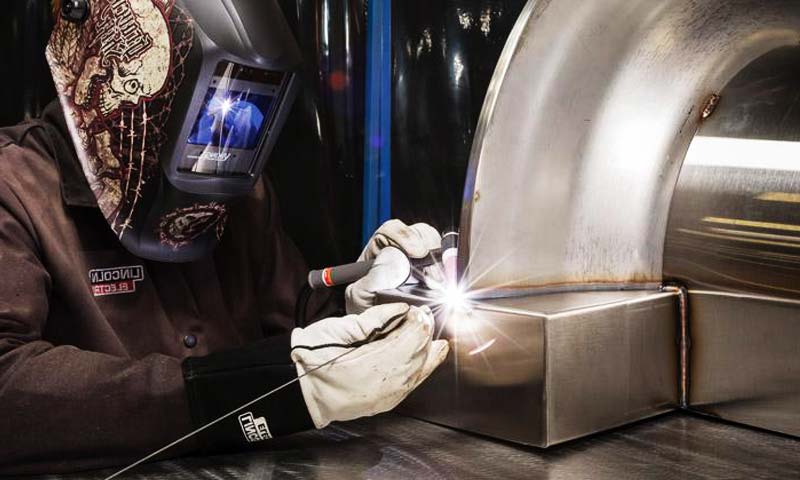
- Tungsten walang kibo gas (GTAW/TIG): Provides precise heat control, ideal for thin‑wall sections and critical joints.
- Metal walang kibo Gas (GMAW/MIG): Suited for higher deposition rates on thicker sections.
- Submerged Arc (NAKITA): Used for large weldments where productivity outweighs precision.
Tagapuno ng Metal & Mga parameter
- Filler Alloys: ERNiCrMo‑3 (haluang metal 625) or ER385 (904L equivalent) ensure the weld metal matches base‑metal corrosion performance.
- Heat Input: Keep between 0.3–0.5 kJ/mm to minimize hot‑cracking risk.
- Interpass Temperature: Maintain below 150 °C. No preheat is typically required.
- Shielding Gas: 100% argon or argon‑helium mixes at 12–20 L/min flow for optimal arc stability.
Mitigating Weld Defects
- Intergranular kaagnasan: Avoid extended dwell times in 600–900 °C sensitization range. If welding large structures, perform solution annealing at 1,040 °C and rapid quench to re‑dissolve chromium carbides.
- Solidification Cracking: Use joint designs with generous root radii and controlled cooling rates. Preheat thin sections to 100–150 °C where necessary to reduce thermal gradients.
Post‑Weld Treatment
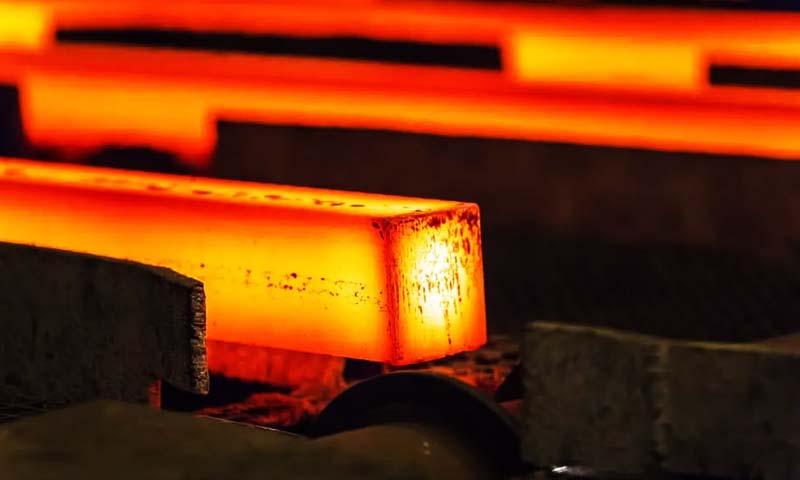
- Solusyon sa Pagsusubo: 1,040 – 1,100 °C for 15–30 min, na sinundan ng Pag-aayos ng Tubig, restores full austenitic structure and maximizes corrosion resistance.
- Email Address * & Passivation: A nitric‑based bath removes heat tint, whereas citric acid passivation rebuilds the protective Cr₂O₃ layer.
6. Applications of 904L Stainless Steel
Stainless steel 904L’s exceptional corrosion resistance and mechanical robustness make it ideal for demanding environments. Below are its primary application sectors and representative components:
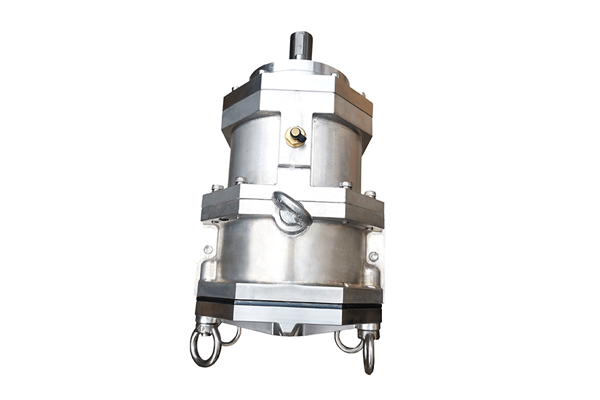
Pagproseso ng Kemikal
- Sulfuric Acid Plants: Heat‑exchanger tubes, reactor shells, transfer pipelines, Mga Casing ng Bomba
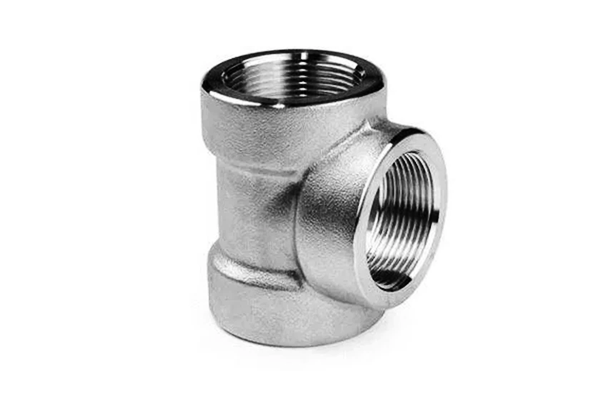
- Phosphoric Acid Facilities: Storage tanks, mixing vessels, control valves, Mga kagamitan sa tubo
- General Chemical Synthesis: Distillation columns, reaction vessels, mga tangke ng imbakan
Marine & Malayo sa pampang
- Subsea Infrastructure: Pipeline risers, wellhead connectors, Mga sari-sari sa ilalim ng dagat
- Paggawa ng barko: Mga shaft ng propeller, seawater strainers, deck hardware, intake grilles
- Desalination: RO membrane housings, high‑pressure feed pumps, condenser coils
Parmasyutiko & Pagproseso ng Pagkain
- Pharmaceutical Plants: Mixing reactors, clean‑in‑place piping, sterile manifolds
- Dairy & Email Address *: Fermentation tanks, storage silos, pasteurization heat exchangers
Pagbuo ng Kapangyarihan & Environmental Control
- Flue‑Gas Desulfurization (FGD): Absorber tower internals, mist eliminators, recirculation pumps
- Corrosion‑Resistant Ducting: Acid‑resistant flue gas ducts, stack liners
High‑Purity Specialty Equipment
- Semiconductor Fabrication: Chemical delivery manifolds, etch chambers
- Analytical Instruments: Email Address *, sample‑handling components
7. Mga Pamantayan at Pagtutukoy
904L stainless steel is recognized globally under various national and international standards.
These specifications ensure that the material meets consistent chemical, mekanikal, and dimensional requirements for use in demanding environments.
Talahanayan: Key Standards and Specifications for 904L Stainless Steel
| Kategorya | Standards Organization | Pamantayan / Grade | Mga Form ng Produkto |
| UNS Number | ASTM / SAE | UNS N08904 | Universal designation for all product types |
| European Standard (EN) | EN | 1.4539 (X1NiCrMoCu25-20-5) | Mga Plato, mga tubo, mga bar, mga tubo |
| Mga Pamantayan ng ASTM (Estados Unidos) | ASTM | A240, A312, A276, A182 | Mga Plato, seamless pipes, mga bar, forgings |
| German Standard (DIN) | DIN | W.Nr. 1.4539 | All forms |
| Pamantayan ng Hapon (Hapon) | Hapon | SUS890L | Mga Sheet, mga tubo |
| Chinese Standard (GB) | GB / T | 0Cr20Ni25Mo4.5Cu | Mga Plato, mga baras, mga tubo |
| ASME Boiler Code | ASME | SA-240, SA-312, SA-479 | Mga Plato, mga tubo, pressure vessel components |
| Welding Filler Metals | AWS | ERNiCrMo-3 | TIG/MIG welding consumables |
8. Pagsusuri ng Comparative
904L stainless steel is categorized as a super austenitic stainless steel, and its performance is often compared with other commonly used corrosion-resistant alloys.
904L vs. 316L and 317L
| Pag-aari | 316L | 317L | 904L |
| UNS Number | S31603 | S31703 | N08904 |
| Ni Content (wt%) | 10–14 | 11–15 | 23–28 |
| Mo Nilalaman (wt%) | 2–3 | 3–4 | 4–5 |
| PREN (Paglaban sa Pagpipigil) | ~24 | ~29 | ~36–40 |
| Yield Lakas (MPa) | ~170–310 | ~170–310 | ~220–240 (annealed na nga ba) |
| Paglaban sa kaagnasan | Mabuti na lang | Better than 316L | Napakahusay (sulfuric acids, Mga klorido) |
| Kadahilanan ng Gastos | Mababa ang | Katamtaman | Mataas na |
Buod
904L stainless steel offers superior kaagnasan paglaban to both 316L and 317L, partikular na sa aggressive acidic and chloride environments. It is especially effective against Sulpuriko acid, where 316L/317L may fail.
Gayunpaman, 904L is more expensive and requires careful welding practices, making it more suitable for high-end applications.
904L vs. Super Duplex Stainless Steels (2205, 2507)
| Pag-aari | 2205 Duplex | 2507 Super Duplex | 904L |
| UNS Number | S32205 | S32750 | N08904 |
| Istraktura | Duplex (50% Ferrite) | Duplex (50% Ferrite) | Ganap na Austenitiko |
| PREN | ~ 35–38 | ~40–45 | ~36–40 |
| Yield Lakas (MPa) | ~ 450 | ~ 550 | ~220–240 |
| Lakas ng Paghatak (MPa) | ~620–800 | ~800–1000 | ~490–710 |
| Stress Corrosion Resistance | Mataas na | Napakataas na | Mataas na |
| Paglaban sa Chloride | Mataas na | Napakahusay | Napakataas na |
| Weldability | Katamtaman | More challenging | Mabuti na lang |
| Kadahilanan ng Gastos | Katamtaman | Mataas na | Mataas na |
Buod
Super duplex stainless steels (lalo na 2507) may mga mas mataas na lakas and equal or better corrosion resistance compared to stainless steel 904L, partikular na sa Mga kapaligiran ng klorido.
Gayunpaman, they are more difficult to weld and can suffer from ferrite-phase-related issues in high-temperature applications.
904L hindi kinakalawang na asero, being fully austenitic, ay may better weldability and formability, but with lower mechanical strength.
904L vs. Other Super Austenitic Grades (hal., 254SMO, AL-6XN)
| Pag-aari | 254SMO | AL-6XN | 904L |
| UNS Number | S31254 | N08367 | N08904 |
| Ni Content (wt%) | ~ 18 | ~24 | 23–28 |
| Mo Nilalaman (wt%) | ~6.1 | ~6.2 | 4–5 |
| PREN | ~42–44 | ~45 | ~36–40 |
| Resistance to Pitting/Crevice | Napakahusay | Napakahusay | Napakaganda |
| Kadahilanan ng Gastos | Napakataas na | Napakataas na | Mataas na |
Buod
All three are super austenitic grades, pero 254SMO at AL-6XN alok even higher resistance to chloride pitting than 904L due to their higher Mo and N content.
These alloys are preferred in severe marine or chemical process environments, but their costs are significantly higher than 904L stainless steel.
For many applications, 904L provides an optimal balance of performance and affordability.
9. Pangwakas na Salita
904L stainless steel occupies a unique niche between mainstream 300‑series and specialized nickel‑based alloys.
It’s tailored chemistry delivers unparalleled corrosion resistance—especially in chlorides and strong acids—coupled with robust mechanical properties and good fabricability.
As industries push toward more aggressive environments and longer service intervals, 904L’s role will continue to grow, reinforced by ongoing alloy refinements and sustainable stainless‑steel production initiatives.
LangHe Ito ang perpektong pagpipilian para sa iyong mga pangangailangan sa pagmamanupaktura kung kailangan mo ng mataas na kalidad stainless steel components.
Mga FAQ
What is so special about 904L steel?
904L is a super austenitic stainless steel known for its:
- Pambihirang paglaban sa kaagnasan, especially in acidic and chloride-rich environments (hal., Sulpuriko acid, tubig dagat).
- High alloy content, including ~25% Nickel (Ni), ~4.5% Molybdenum (Mo), and Copper (Cu), which enhances resistance to pitting, kaagnasan ng bitak, at pag-crack ng kaagnasan ng stress.
- Excellent formability and weldability, thanks to its fully austenitic microstructure.
- Stability in aggressive chemical environments, making it ideal for chemical processing, marine, at mga industriya ng parmasyutiko.
Is 904L better than 316?
Oo nga, in terms of corrosion resistance, lalo na sa acidic or chloride-heavy conditions, 904L is significantly better than 316.
Does Rolex use 904L stainless steel?
Oo nga. Rolex is known for using a proprietary version of 904L hindi kinakalawang na asero, which they call Oystersteel.
Is 904L stainless steel expensive?
Oo nga. 904L is significantly more expensive than common stainless steels like 304 o 316.
904L can cost 2–3 times more than 316L per kilogram, depending on market conditions and form (bar, Sheet, pipe, atbp.).