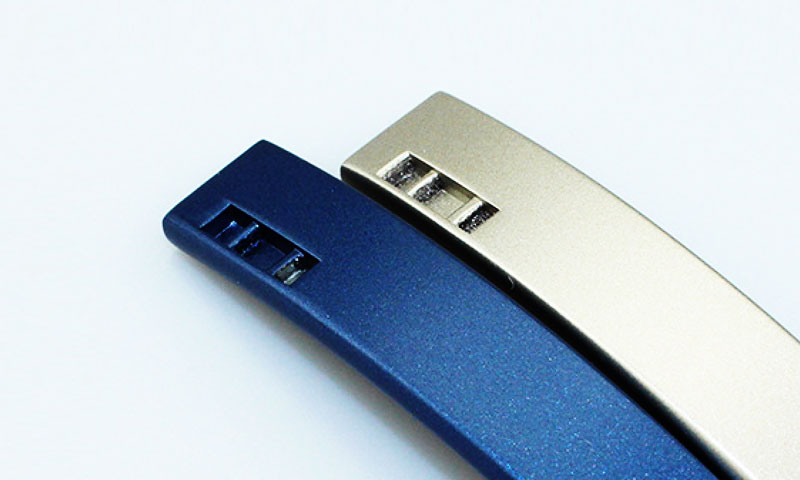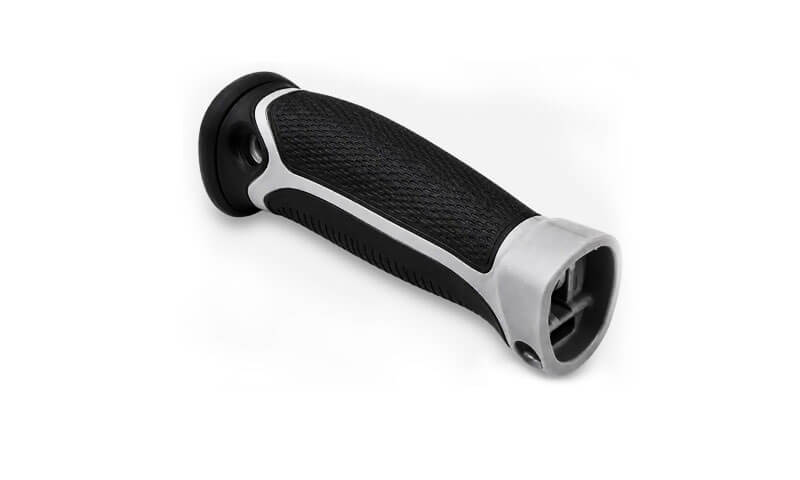
Overmolding on edistynyt ruiskuvalu tekniikka, jota käytetään kahden tai useamman materiaalin yhdistämiseen yhdeksi toiminnalliseksi komponentiksi.
Sen sijaan, että valmistaisit jokainen komponentti erikseen ja koottaisiin ne jälkeenpäin, päällemuovaus mahdollistaa toissijaisen materiaalin muovauksen suoraan esimuodostetun alustan päälle.
Tuloksena voidaan yhdistää jäykän materiaalin rakenteelliset ominaisuudet ja joustavuus, ote, tiivistys, eristys, iskunkestävyys, tai elastomeerin tai muun polymeerin esteettiset ominaisuudet.
Prosessia käytetään laajasti tuotteissa, joissa materiaali integroidaan, ergonominen suorituskyky, ympäristönsuojelu, ja kokoonpanon vähentäminen ovat tärkeitä.
Tyypillisiä esimerkkejä ovat sähkötyökalujen kahvat, autojen kytkimet, sähköliittimet, lääkinnällisen laitteen kotelot, kulutuselektroniikka, kaapelikomponentit, otteita, tiivisteet, ja teolliset kontrollit.
1. Mikä on Overmolding?
Päällemuovaus on valmistusprosessi, jossa toinen materiaali ruiskupuristetaan olemassa olevan ympärille tai päälle substraatti, lisätä, tai aiemmin valettu komponentti luoda integroitu monimateriaaliosa.
Substraatti muodostaa komponentin alla olevan rakenteen, kun taas ylivalettu materiaali lisää erityisiä toiminnallisia tai esteettisiä ominaisuuksia.
Hakemuksesta riippuen, substraatti voi olla jäykkää kestomuovia, metallinen sisäosa, tai muu ennalta muodostettu komponentti.
Päällysmuotti voi olla pehmeämpää termoplastista elastomeeria (TPE), termoplastinen polyuretaani (TPU), termoplastinen kumi, tai muu yhteensopiva polymeeri.
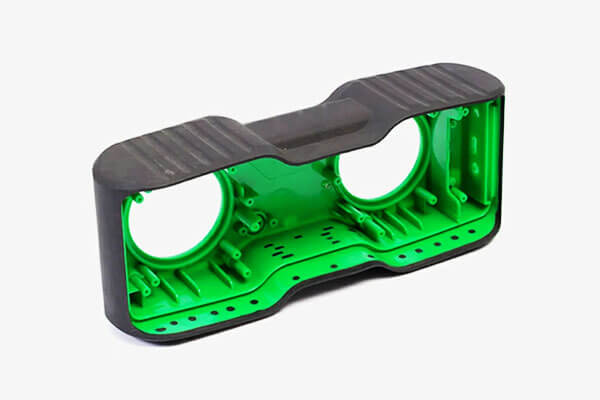
Yksinkertainen esitys rakenteesta on:
Substraatti → Muovausmateriaali → Integroitu valmis osa
Esimerkiksi, harkitse kädessä pidettävää sähkötyökalua. Sisäinen kotelo voidaan muovata jäykästä teknisestä muovista, kuten ABS:stä tai vahvistetusta nailonista rakenteellisen lujuuden aikaansaamiseksi.
Pehmeämpi TPE- tai TPU-kerros voidaan sitten muotoilla kotelon valituille alueille luistamattoman otteen saamiseksi ja tärinänvaimennuksen parantamiseksi..
Sen sijaan, että valmistetaan erillinen kumikahva ja asennetaan se asennuksen aikana, overmolding integroi kahvan suoraan koteloon.
Ylivaletun komponentin perusrakenne
Päällevalettu tuote koostuu yleensä kahdesta toiminnallisesta materiaalivyöhykkeestä:
| Komponentti | Ensisijainen toiminta |
| Substraatti | Tarjoaa rakenteellista tukea, ulottuvuusvakaus, tai mekaaninen kiinnitys |
| Overmold | Lisää pitoa, tiivistys, tyyny, eristys, suoja, tai estetiikkaa |
| Liimausliitäntä | Siirtää kuormia ja ylläpitää materiaalin kiinnitystä |
Avainominaisuus: Monien materiaalien integrointi
Ylimuovauksen määrittelevä ominaisuus on eri materiaalien suora integrointi yhdeksi valmiiksi komponentiksi.
Tämä erottaa ylimuovauksen tavanomaisesta kokoonpanosta. Perinteisessä kokoonpanoprosessissa, yksittäiset komponentit valmistetaan erikseen ja yhdistetään myöhemmin kiinnikkeillä, liimat, leikkeet, puristin sopii, hitsaus, tai muut menetelmät.
Ylimuovaus siirtää osan integraatiosta itse muovausprosessiin.
Tämä voi tuottaa useita valmistusetuja:
- Vähemmän yksittäisiä komponentteja
- Vähentynyt kokoonpanotoimintoja
- Parannettu komponenttien integrointi
- Toissijaisen materiaalin johdonmukainen sijoitus
- Parempi tiivistys ja ympäristönsuojelu
- Parempi ergonomia ja tuntokyky
- Suurempi suunnitteluvapaus
- Mahdollinen kokoonpanoon liittyvien vikojen väheneminen
Kuitenkin, alustan ja ylimuotin välisestä rajapinnasta tulee kriittinen suunnitteluominaisuus.
Näiden kahden materiaalin on pysyttävä tukevasti kiinni tuotteen todellisissa käyttöolosuhteissa.
Lämpötilapyöräily, kosteus, kemikaalit, mekaaninen kuormitus, vaikutus, ja toistuva taipuminen voi kaikki vaikuttaa käyttöliittymän suorituskykyyn.
2. Ylimuovauksen tyypit
Päällysmuovaus ei ole yksi standardisoitu valmistuskokoonpano.
Muovaus muovista muoviin
Muovista muoviksi muovaus sisältää yhden kestomuovin muovauksen suoraan aiemmin muovatun muovialustan päälle.
Sitä käytetään yleisesti, kun kaksi polymeeriä tarjoavat toisiaan täydentäviä suorituskykyominaisuuksia.
Esimerkiksi, jäykkä tekninen muovi voi tarjota rakenteellisen rungon, kun taas pehmeämpi termoplastinen elastomeeri muodostaa otteen, tiiviste, -painiketta, tai suojakerrosta.
Vaihtoehtoisesti, kaksi jäykkää polymeeriä voidaan yhdistää erilaisten toiminnallisten vyöhykkeiden luomiseksi samaan komponenttiin.
Suurin tekninen haaste on saavuttaa riittävä adheesio tai mekaaninen retentio kahden polymeerin välillä samalla kun estetään alustan muodonmuutos toisen muovausjakson aikana..
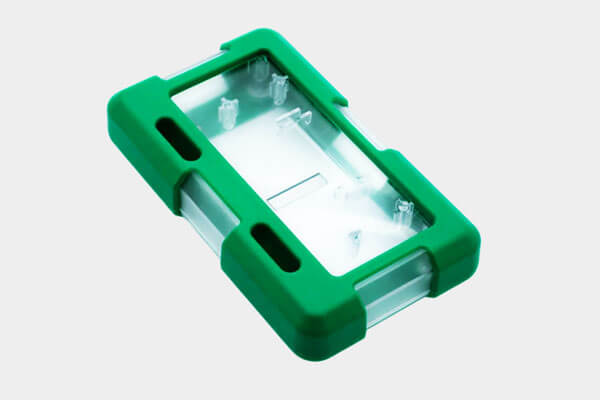
Tyypillisiä yhdistelmiä ovat mm:
- Abs -abs + TPE
- Tietokone + TPE
- PC/ABS + TPE
- Nylon + TPE
- Pp + TPE tai TPV
- PBT + TPE
- Abs -abs + TPU
Kaikki yhdistelmät eivät ole luonnostaan yhteensopivia. Tarkka arvosana, muotoilu, pinnan kunto, käsittelylämpötila, ja muovausolosuhteet on arvioitava.
Muovaus muovista elastomeeriin
Muovaus muovista elastomeeriin on yksi yleisimmin tunnetuista päällysvalumuodoista.
Joustava materiaali, kuten TPE, TPU, TPV, tai muu termoplastinen elastomeeri valetaan jäykän muovisubstraatin päälle.
Tarkoitus on yleensä pikemminkin toiminnallinen kuin puhtaasti esteettinen. Elastomeeri voi tarjota:
- Parempi pito ja ergonomia
- Iskun ja iskunvaimennus
- Värähtely
- Tiivistys
- Pehmeät pinnat
- Liukastumisen esto
- Sähköeristys
- Suojaus ympäristön saastumista vastaan
Sähkötyökalujen kahvat ovat tyypillinen esimerkki. Jäykkä alusta antaa rakenteellista tukea, elastomeerinen päällysmuotti tarjoaa mukavan ja kestävän käyttöliittymän työkalun ja käyttäjän välillä.
Elastomeerikerroksen paksuutta on valvottava huolellisesti. Liiallinen paksuus voi pidentää kiertoaikaa, kutistuminen, ja materiaalinkulutusta, kun taas riittämätön kerros ei välttämättä tarjoa vaadittua pehmustetta tai pitoa.
Päällysvalu metallista muoviin
Muovaus metallista muoviin asettaa polymeerin suoraan metallisen sisäosan tai komponentin ympärille.
Metalli antaa voimaa, johtavuus, kulumiskestävyys, lämmön suorituskyky, tai mittavakautta, kun taas polymeeri tarjoaa eristyksen, suoja, tiivistys, tai rakenteellista integraatiota.
Metalli-muovi-muovaus on erityisen hyödyllinen sähköliittimissä, liittimet, anturit, kierteiset lisäosat, kahvat, ohjauskomponentit, ja teollisuuskokoonpanot.
Kriittinen näkökohta on ero Lämpölaajennuskerroin (CTE) metallin ja polymeerin välillä.
Lämpötilan muutosten aikana, nämä kaksi materiaalia laajenevat ja supistuvat eri tahtia.
Jos käyttöliittymän suunnittelu ei sovi tähän liikkeeseen, jäännösjännitys voi edistää halkeilua, tentti, tai ulottuvuuden epävakaus.
Aseta päällysvalu
Muottipuristuksessa käytetään esimuotoiltua sisäosaa, joka sijoitetaan ruiskumuotin sisään ennen muovausmateriaalin ruiskuttamista.
Sisäosa voi olla metallia, muovi, keraaminen, elektroninen, tai muu valmistettu komponentti, hakemuksesta riippuen.
Sisäosan päällemuovaus voi eliminoida erilliset kokoonpanotoimenpiteet, koska valuprosessi integroi välikappaleen pysyvästi valmiiseen komponenttiin.
Sisäosan on oltava tarkasti sijoitettu ja tukevasti tuettu. Huono kiinnitys voi mahdollistaa insertin liikkumisen ruiskeen aikana, mikä johtaa mittavirheisiin, epätasainen materiaalipeitto, salama, tai muotin vaurioituminen.
Kahden laukauksen päällemuovaus
Kahden laukauksen päällemuovaus, myös kutsutaan 2K-muovaus tai kaksikomponenttinen ruiskupuristus, tuottaa useasta materiaalista koostuvan komponentin peräkkäisten ruiskutusoperaatioiden avulla, yleensä samassa muovausjärjestelmässä.
Tyypillisessä prosessissa, ensimmäinen materiaali muodostaa alustan tai ensimmäisen komponentin geometrian.
Muotin konfiguraatiota tai osan asentoa muutetaan sitten niin, että toinen materiaali voidaan ruiskuttaa määrätylle alueelle.
Toisin kuin perinteinen päällemuovaus, jossa käytetään erikseen valmistettua alustaa, kahden laukauksen muovaus voi yhdistää kaksi muovaustoimintoa pitkälle automatisoituun tuotantosykliin.
3. Kuinka ylimuovausprosessi toimii?
Päällemuovausprosessi sisältää toisen materiaalin muovauksen suoraan esimuotoillulle alustalle tai insertille yhtenäisen komponentin luomiseksi.
Vaikka tarkka prosessi vaihtelee materiaaliyhdistelmän mukaan, tuotteen geometria, ja tuotantotapa, ydintyönkulku pysyy yhtenäisenä:
Tuotesuunnittelu → Materiaalin valinta → Alustan valmistus → Muotin valmistelu → Alustan kuormitus → Päällemuovausruiskutus → Jäähdytys & Poisto → Tarkastus
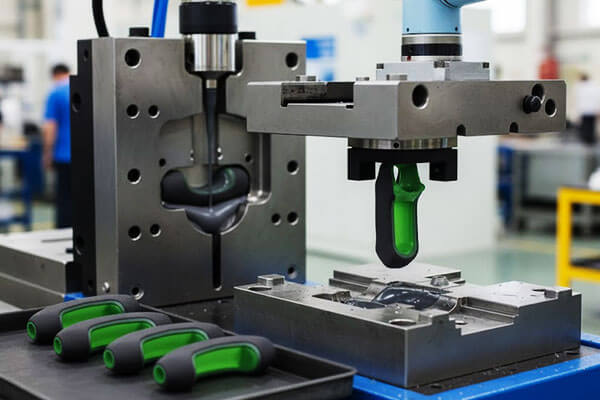
Tuotesuunnittelu ja DFM-analyysi
Ylimuovaus alkaa tuotteesta ja Suunnittelu valmistusta varten (Dfm) analyysi.
Insinöörit arvioivat alustan geometrian, ylimuotin paksuus, luonnoskulmat, eroavat linjat, porttien paikat, tuuletus, alittaa, ja kriittiset mitat.
Alustan on oltava riittävän jäykkä kestämään ruiskutuspainetta ja lämpöaltistusta toisen muovaustoimenpiteen aikana.
Mekaaniset kiinnitysominaisuudet, kuten rivat, uria, reiät, tai alaleikkauksia voidaan myös sisällyttää, kun tarvitaan lisälukitus.
Materiaalin valinta ja yhteensopivuus
Alusta ja muovausmateriaali on valittava yhdessä. Insinöörit huomioivat mekaaniset ominaisuudet, käsittelylämpötilat, kutistuminen, lämmön laajennus, kemiallinen vastustuskyky, kosteusherkkyys, ja mikä tärkeintä, rajapinnan tarttuminen.
Yksittäin hyvin toimiva materiaaliyhdistelmä ei välttämättä muodosta luotettavaa sidosta, kun se on valettu yhteen.
Kriittisiin sovelluksiin, materiaalien yhteensopivuus tulee varmistaa toimittajatietojen avulla, prototyyppikokeet, tai tartuntatesti.
Alustan valmistus ja valmistelu
Substraatti valmistetaan ennen toista muovausvaihetta.
Muovisubstraatit ruiskupuristetaan yleensä, kun taas metalliosat voidaan työstää, leimattu, heittää, tai muuten valmistettu.
Ennen ylimuovausta, substraatti saattaa vaatia:
- Puhdistus ja rasvanpoisto
- Kosteusherkkien polymeerien kuivaus
- Pintakäsittely
- Esilämmitys
- Ulottuvuustarkastus
Oikea valmistelu auttaa estämään kontaminaatiota, mittojen vaihtelu, huono tarttuvuus, ja muut käyttöliittymään liittyvät viat.
Alustan lataus ja muotin sulkeminen
Valmistettu substraatti sijoitetaan tarkasti muovausmuotin sisään.
Se voidaan ladata manuaalisesti pienempään tuotantoon tai automaattisesti käyttämällä robottikäsittelyjärjestelmiä suuria tuotantomääriä varten.
Muotin on tuettava tukevasti alustaa ja säilytettävä vaadittu ylimuotin paksuus.
Kun se on sijoitettu, muotti sulkeutuu ja käyttää riittävää puristusvoimaa vastustaakseen ruiskutuspainetta ja estääkseen välähdyksen.
Päällysmuovausmateriaalin ruiskutus
Toinen materiaali kuumennetaan käsittelylämpötilaansa ja ruiskutetaan muottipesään.
Sula materiaali virtaa substraatin määrättyjen alueiden ympäri ja muodostaa päällysmuottikerroksen.
Ensisijaisia prosessiparametreja ovat mm:
| Parametri | Päävaikutus |
| Sulamislämpötila | Juoksevuus ja tarttuvuus |
| Muotin lämpötila | Täyte, jäähdytys, ja pinnan laatu |
| Ruiskutusnopeus | Virtauskäyttäytyminen ja ilman juuttuminen |
| Ruiskutuspaine | Ontelon täyttö |
| Paineen pitäminen | Kutistumisen kompensointi ja mittapysyvyys |
| Jäähdytysaika | Osan jäykkyys ja sykliaika |
Prosessi on tasapainotettava huolellisesti. Liiallinen lämpötila tai paine voi muuttaa alustaa, kun taas riittämättömät täyttöolosuhteet voivat aiheuttaa lyhyitä laukauksia, heikko sidos, tai puutteellinen peitto.
Liimaus ja jäähdytys
Kun sula ylimuovausmateriaali koskettaa alustaa, rajapinta kehittyy kemiallisen adheesion kautta, mekaaninen lukitus, tai molempien yhdistelmä.
Täytön ja pakkaamisen jälkeen, komponentti jäähtyy muotin sisällä. Jäähdytystä on valvottava, koska alustalla ja ylimuotilla voi olla erilaiset kutistumis- ja lämpölaajenemisominaisuudet.
Huonosti ohjattu jäähdytys voi johtaa vääntymiseen, jäännöstressi, pesuallasmerkit, tai käyttöliittymävirhe.
Poisto- ja laaduntarkastus
Riittävän jäähdytyksen jälkeen, valmis ylivalettu osa työnnetään ulos muotista. Portin poisto, salaman trimmaus, tai muita toissijaisia toimintoja voidaan suorittaa tarvittaessa.
Laadunvalvonta keskittyy yleensä:
Mitat tarkkuus + homeen peitto + pinnan ulkonäkö + sidoslujuus + toiminnallinen suorituskyky
Vaativiin sovelluksiin, valmistajat voivat lisäksi suorittaa kuorinnan, Vedä, leikkaus, vääntömomentti, lämpötila-sykli, kosteus, kemikaalinkestävyys, tai muut ympäristötestit.
4. Päällemuovauksessa yleisesti käytetyt materiaalit
Materiaalin valinta on kiistatta tärkein tekninen päätös ylimuotissa. Ihanteellisen materiaaliyhdistelmän on täytettävä kaksi erillistä vaatimusta:
Materiaalien tulee toimia kunnolla yksittäisinä materiaaleina, ja materiaalirajapinnan tulee pysyä luotettavana yhtenäisenä järjestelmänä.
Yleiset alustamateriaalit
Substraatti muodostaa yleensä komponentin rakenteellisen perustan. Se voi olla jäykkää muovia tai metallia.
Yleiset muoviset alustamateriaalit
| Substraattimateriaali | Tärkeitä ominaisuuksia | Tyypillisiä muovaussovelluksia |
| Abs -abs | Hyvä iskunkestävyys, helppo käsittely, hyvä ulkonäkö | Kuluttajatuotteet, kahvat, kotelot |
| Tietokone | Voimakkaan voimakkuus, läpinäkyvyysvaihtoehdot, hyvä mittasuorituskyky | Elektroniikka, suojakotelot, hallintalaitteet |
| PC/ABS | Tasapainoinen sitkeys, esiintyminen, ja prosessoitavuus | Autot ja elektroniikka |
| Paa (Nylon) | Voimakkuus, jäykkyys, kulumiskestävyys | Autoteollisuus, teollisuuskomponentit, työkalut |
Pp |
Matala tiheys, kemiallinen vastustuskyky, väsymiskestävyys | Autoteollisuus, kuluttajatuotteet, elävät saranakomponentit |
| PBT | Hyvä mittapysyvyys ja sähköinen suorituskyky | Sähköliittimet, autojen komponentit |
| Pommi | Matala kitka, kulumiskestävyys, ulottuvuusvakaus | Mekaaniset komponentit ja säätimet |
| PPS | Korkea lämpötila- ja kemikaalinkestävyys | Vaativia auto- ja teollisuussovelluksia |
Yleiset muovausmateriaalit
Toinen materiaali valitaan yleensä lisäämään toiminto, jota substraatti ei pysty tarjoamaan tehokkaasti.
| Päällysmuovausmateriaali | Pääominaisuudet | Tyypilliset toiminnot |
| TPE | Joustava, pehmeä kosketus, prosessoitavissa | Pito, tyyny, tiivistys |
| TPU | Korkea kulutus- ja repeytymiskestävyys | Suojaavat pinnat, otteita, joustavat komponentit |
| TPV | Kumimainen elastisuus termoplastisella käsittelyllä | Autojen tiivisteet, otteita, säänkestävät komponentit |
TPO |
Joustava, kevyt, säänkestävä | Autojen verhoilu ja suojakomponentit |
| Pehmeät PP-yhdisteet | Kevyt ja kemiallisesti kestävä | Kuluttaja- ja autotuotteet |
| Silikonipohjaiset järjestelmät | Erinomainen joustavuus ja lämpötilankesto | Erikoistiivistys ja lääketieteelliset sovellukset |
| Erikoiselastomeerit | Sovelluskohtainen kemikaali, lämpö-, tai mekaaninen suorituskyky | Teolliset ja vaativat ympäristöt |
5. Mekaaninen liimaus vs. Kemiallinen liimaus ylimuovauksessa
Rajapinta alustan ja muovausmateriaalin välillä on kriittisin alue monesta materiaalista muovatussa komponentissa.
Osalla voi olla erinomaiset mekaaniset ominaisuudet ja houkutteleva pintakäsittely, silti epäonnistuu, jos muotti irtoaa alustasta.
Mekaaninen liimaus: Fyysinen lukitus
Mekaaninen liimaus perustuu sulaan muottihartsiin, joka virtaa valmiiksi suunniteltuihin altaisiin, reiät, uria, knurling or textured surfaces on the substrate.
Kiinteytyessä, hartsi muodostaa pysyvän fyysisen lukon, joka siirtää kuormaa geometristen häiriöiden kautta molekyylien välisten voimien sijaan.
- Perusperiaate: Sula polymeeri täyttää kaikki substraatin pinnan negatiiviset piirteet ja jähmettyy sopivaksi positiiviseksi geometriaksi, luoden lukituksen, jota ei voida irrottaa ilman, että jokin materiaali muuttuu.
Läpireikäankkurit tuottavat vahvimmat mekaaniset sidokset, koska ne muodostavat täyspolymeeriniittejä, jotka kestävät sekä kuoriutumis- että leikkauskuormituksia. - Yleisiä ankkurointiominaisuuksia: Läpireiät, sivuleikkaukset, lohenpyrstöpaikat, kehän uria, hiekkapuhallettu rakenne, uurretut pinnat ja muotoillut väkäsominaisuudet.
- Edut: Toimii minkä tahansa materiaaliparin kanssa, mukaan lukien täysin yhteensopimattomat yhdistelmät, kuten silikoni metallin päällä tai TPE POM:n päällä; sidoksen lujuus on hyvin ennustettavissa geometrian perusteella; vähemmän herkkä pinnan saastumiselle ja ympäristön ikääntymiselle.
- Rajoitukset: Vaatii lisää alustan suunnittelua ja työkalujen monimutkaisuutta; sidoksen lujuus on lokalisoitu kiinnityspisteisiin; ei sovellu ultraohuille päällysmuottikerroksille alla 0.5 mm.
Kemiallinen sidos: Molekyylien välinen diffuusio
Kemiallinen sitoutuminen tapahtuu, kun ylimuottihartsi ja alusta ovat kemiallisesti yhteensopivia.
Muotoilulämpötilassa, polymeeriketjut päällimuotista diffundoituvat alustan pintaan, muodostaen molekyylien välisiä sidoksia ja sekundaarisia sidoksia (van der Waalsin joukot, vetysidoksia, ja joissakin tapauksissa kovalenttisen sidoksen muodostuminen esterivaihdon kautta).
- Perusperiaate: Jotta kemiallinen sitoutuminen tapahtuisi, kahdella materiaalilla on oltava samanlaiset liukoisuusparametrit (tyypillisesti sisällä 2 (cal/cm³)^0,5 toisistaan) ja alustan pinnan tulee olla lasittumislämpötilansa yläpuolella ruiskutuksen aikana, mahdollistaa ketjun liikkuvuuden ja diffuusion.
Tuloksena oleva faasien välinen kerros vaihtelee tyypillisesti 20 nm useisiin mikrometreihin. - Vaikuttavat tekijät: Liukoisuusparametrien sovitus, sulamislämpötilan sovitus, substraatin pintaenergia, kosketuspaine, ja viipyä käyttöliittymässä.
- Edut: Yhtenäinen sidoslujuus koko käyttöliittymässä; ei vaadi ylimääräisiä substraattiominaisuuksia; mahdollistaa erittäin ohuet ylimuotikerrokset tasaisella tarttuvalla; sileä sidosviiva ilman jännityskeskittymiä.
- Rajoitukset: Edellyttää yhteensopivia polymeerikemiaa; herkkä pintakontaminaatiolle, hapetus- ja irrotusaineet; voi hajota ajan myötä korkeissa lämpötiloissa tai korkean kosteuden olosuhteissa.
Hybridiliimaus: Mekaanisten ja kemiallisten mekanismien yhdistäminen
Vaativiin sovelluksiin, vahvin ratkaisu voi olla yhdistää molemmat mekanismit.
Substraatti voidaan suunnitella urilla, reiät, tai teksturoituja alueita, kun taas valitut materiaalit tarjoavat myös luontaisen rajapinnan adheesion.
Tässä kokoonpanossa, kemiallinen adheesio tarjoaa hajautetun kiinnittymisen, kun taas mekaaniset ominaisuudet lisäävät kuoriutumiskestävyyttä, leikkaus, tai aksiaalinen erotus.
Esimerkiksi, metallisisäke voi saada pintakäsittelyn ja olla muovattu yhteensopivalla polymeerillä, samalla kun siinä voi olla läpimeneviä reikiä tai pyällettyjä.
Tuloksena oleva rajapinta ei riipu yksinomaan kemiallisesta tarttumisesta tai geometrisesta retentiosta.
Tämä lähestymistapa on erityisen hyödyllinen, kun käyttöliittymän vika voi vaarantaa turvallisuuden tai tuotteen toiminnallisuuden.
6. Ylimuovauksen edut ja rajoitukset
Keskeiset edut
Pienempi osamäärä ja kokoonpano
Overmolding voi integroida kahvat, tiivisteet, eristys, tyyny, ja suojaavat kerrokset suoraan alustalle.
Tämä vähentää erillisten komponenttien määrää, kiinnittimet, liimat, ja kokoonpanotoimenpiteet, mikä voi yksinkertaistaa tuotantoa ja parantaa johdonmukaisuutta.
Tehostettu toiminnallinen integraatio
Yksi osa voi yhdistää jäykän rakennetuen, pehmeä ergonominen kahva, ympäristötiivistys ja sähköeristys yhdessä muovausjaksossa.
Tämä mahdollistaa asteittaisen suorituskyvyn komponentin eri alueilla, mitä ei voida saavuttaa esimerkiksi monoliittisella materiaalisuunnittelulla, jäykkä rakenneydin, jossa on pehmeä tärinää vaimentava pitokerros ja kiinteä ympäristötiiviste.
Parempi kestävyys ja luotettavuus
Integroidut ylivaletut sidokset eliminoivat liiman hajoamisen, kiinnittimien löystymis- ja tiivisteen kohdistusvirhetilat.
Ylimuovatut tiivisteet tarjoavat yhtenäisen IP67/IP68-suojauksen 3–5x pidemmällä käyttöiällä kuin kootut tiivistejärjestelmät, koska erillistä tiivistekomponenttia ei voi siirtää, huonontua tai pudota .
Ylivoimainen ergonominen ja sensorinen suorituskyky
Pehmeät elastomeeriset päällysmuotit voidaan säätää tarkkaan pitoon, tärinänvaimennus ja iskunvaimennus.
Tärinän välittymistä käyttäjälle voidaan vähentää 30–60 % verrattuna jäykiin yksimateriaalikahvoihin, parantaa käyttömukavuutta ja vähentää toistuvien stressivammojen riskiä.
Suunnittelun joustavuus ja tuotteiden eriyttäminen
Päällemuovaus mahdollistaa monivärisen käytön, monirakenne- ja monikovuusmallit ilman toissijaisia operaatioita, luomalla tuotteiden erottelun minimaalisilla lisätyökalukustannuksilla. Se mahdollistaa myös suunnittelun iteroinnin ilman täydellistä työkalujen uudelleensuunnittelua.
Alennetut kokonaiskustannukset
Työkaluinvestointi on 30–80 % suurempi kuin yksittäisen materiaalin muovaus, pienemmät kokoonpanokustannukset,
vähentynyt romu ja pienemmät takuuvaatimukset johtavat tyypillisesti 15–35 % alhaisempiin kokonaisomistuskustannuksiin keskisuurilla ja suurilla tuotantomäärillä.
Luontaiset rajoitukset
Korkeammat työkalu- ja kehityskustannukset
Muokattu ylimuottityökalu vaatii monimutkaisempaa suunnittelua, useita onteloita tai pyöriviä levyjä, ja pidempi kehitysaika.
Työkalukustannukset ovat tyypillisesti 2–3 kertaa vastaavien yksimateriaalisten muottien hinta, ja kehityssyklit ovat 30–50 % pidempiä.
Materiaalien yhteensopivuuden rajoitukset
Kaikki materiaaliparit eivät liity luotettavasti. Yhteensopimattomat yhdistelmät edellyttävät mekaanista ankkurointia tai sidontakerroksia, lisäämällä suunnittelun monimutkaisuutta ja kustannuksia.
Esimerkiksi, PP:tä on tunnetusti vaikea liittää useimpiin TPE-laatuihin, vaativat PP-pohjaisia TPE-laatuja tai mekaanisia kiinnitysominaisuuksia .
Kapeampi prosessiikkuna
Ylimuovaus vaatii tiukempaa sulatuslämpötilan hallintaa, muotin lämpötila, ruiskutusnopeus ja pitopaine kuin yhden materiaalin muovaus.
Prosessin poikkeama voi aiheuttaa sidoksen epäonnistumisen, lisää siirtymä tai delaminointi. Prosessin määrittäminen vaatii yleensä 2–3 kertaa enemmän koeajoja kuin yksittäisen materiaalin muovaus.
Differentiaalinen kutistuminen ja jännitys
Sopimattomat lämpölaajenemis- ja kutistumisnopeudet alustan ja ylimuotin välillä luovat jäännösjännitystä rajapinnalle, mikä voi johtaa vääntymiseen, halkeilua tai delaminoitumista lämpösyklien aikana.
Tämä on erityisen voimakasta jäykän polymeerin metallin päälle muovattaessa.
Rajoitettu sulakäsiteltävissä oleviin materiaaleihin
Päällemuovaus on rajoitettu kestomuoviin ja nestemäiseen silikonikumiin (LSR).
Perinteisiä lämpökovettuvia hartseja ja useimpia keraamisia materiaaleja ei voi ylimuovata tavallisilla ruiskuvalulaitteistolla.
7. Yleiset viat ja lieventämisstrategiat
Overmolding esittelee ainutlaatuiset vikatilat, jotka liittyvät rajapinnan sidostukseen, terän asemointi ja tasauskutistuminen.
Alla olevassa taulukossa on yhteenveto yleisimmistä vioista, perimmäiset syyt ja todistetut korjaavat toimenpiteet.
| Vikatila | Esiintyminen | Ensisijaiset syyt | Korjaavat toimenpiteet |
| Delaminaatio / kuorinnan epäonnistuminen | Muottikerros erottuu alustasta | Materiaalien yhteensopimattomuus; kylmä substraatti; saastunut pinta; riittämätön käyttöliittymäpaine | Tarkista materiaalien yhteensopivuus; esilämmitä substraatti; puhdista alustapinnat; lisää pakkauspainetta |
| Lisää vaihto / väärinkäyttö | Alusta on siirretty aiotusta paikasta | Suuri ruiskutusvirtausnopeus; riittämätön välikkeen kiinnitys; epätasapainoinen virtaus | Lisää paikannusnastat; optimoi portin asento virtausvaikutuksen vähentämiseksi; käytä kiinnityslaitteita |
| Altaan jäljet käyttöliittymässä | Painettu pinta liitosviivalla | Differentiaalinen kutistuminen; paksu muottiosa; riittämätön pakkaus | Pienennä ylimuotin seinämän paksuutta; lisää pakkauspainetta; optimoida jäähdytysprofiili |
Flash käyttöliittymässä |
Ylimääräinen hartsi valuu alustan ja muotin väliin | Huono muottiinsovitus; substraatin mittojen vaihtelu; liiallinen ruiskutuspaine | Paranna muotin ontelon istuvuutta; kiristä alustan toleransseja; vähentää ruiskutuspainetta |
| Rakkuloja käyttöliittymässä | Muotin pinnan alla kohoavia kuplia | Jäänyt ilma; kosteutta alustalla; kaasuttaa | Paranna tuuletusta; kuivaa alusta ennen muovausta; alentaa sulamislämpötilaa |
| Sisäinen jännityshalkeilu | Halkeamia liitoslinjassa jäähtymisen jälkeen | Differentiaalinen kutistuminen; yhteensopimattomat materiaalin laajenemisnopeudet | Optimoi muotin lämpötila; vähentää jäähdytysnopeutta; Valitse materiaalit, joiden CTE-arvot ovat lähempänä |
8. Päällemuovauksen tärkeimmät sovellukset
Päällysmuovausta käytetään kaikilla teollisuudenaloilla, koska sen avulla valmistajat voivat yhdistää rakenteellisia ja toiminnallisia materiaaleja luottamatta kokonaan toissijaiseen kokoonpanoon.
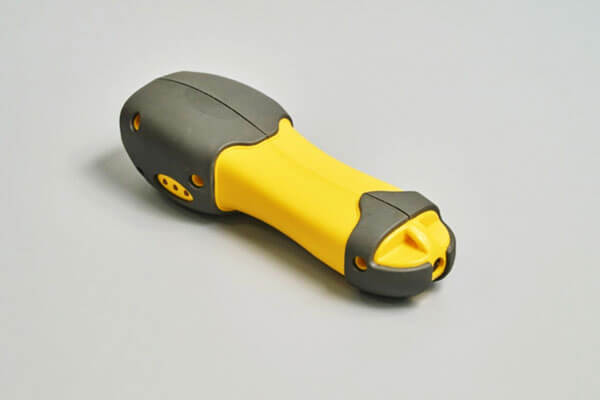
Autoteollisuuden sovellukset
Autovalmistajat käyttävät ylimuovausta parantaakseen toimivuutta, kestävyys, mukavuus, ja komponenttien integrointi.
Yleisiä esimerkkejä ovat mm:
- Ohjauspyörän säätimet
- Kytkimet ja painikkeet
- Anturikotelot
- Sähköliittimet
- Kaapelin suojakomponentit
- Sisustuskomponentit
- Tiivistyskomponentit
- Kahvat ja kädensijat
- Suojakuoret
- Tärinää vaimentavat komponentit
Kulutuselektroniikka
Kulutuselektroniikka hyötyy ylimuovauksesta, koska käyttäjät ovat suoraan vuorovaikutuksessa monien tuotteen ulkopintojen kanssa.
Sovellukset sisältävät:
- Älypuhelinten ja elektronisten laitteiden lisävarusteet
- Kaukosäätimet
- Puettavien laitteiden komponentit
- Kuulokkeiden komponentit
- Latausliittimet
- Kaapelin päät
- Suojakotelot
- Painikkeet ja ohjausliitännät
Lääkinnälliset laitteet
Päällysmuovausta käytetään lääketieteen ja terveydenhuollon tuotteissa, joissa ergonomia, tiivistys, eristys, puhtaus, ja hallittu tuntokyky ovat tärkeitä.
Esimerkkejä ovat:
- Lääketieteellisten instrumenttien kahvat
- Diagnostiikkalaitteiden komponentit
- Kirurgisten laitteiden kahvat
- Putket ja liittimet
- Tiivistyselementit
- Suojakotelot
- Laitteen kertakäyttöiset osat
Sähkötyökalut ja käsityökalut
Sähkötyökalut ovat klassinen sovellus jäykästä joustavaan päällemuovaukseen.
Rakenteellinen polymeerisubstraatti voi tarjota vaaditun jäykkyyden, kun taas TPE tai TPU voivat luoda ergonomisia pitoalueita.
Ylimuotti voi parantua:
- Kädensijan varmistus
- Käyttömukavuus
- Värähtely
- Iskunkestävyys
- Pinnan kestävyys
- Tuotteen ulkonäkö
Sähkö- ja elektroniset komponentit
Sähkösovelluksissa yhdistetään usein johtavat metalliosat eristäviin polymeerimateriaaleihin.
Tyypilliset sovellukset sisältävät:
- Sähköliittimet
- Terminaalit
- Anturin komponentit
- Kaapelikokoonpanot
- Vaihda komponentteja
- Eristetyt koskettimet
- Liitinkotelot
- Elektroniset ohjauskomponentit
Teollisuuslaitteet
Teollisuustuotteet vaativat usein voimayhdistelmiä, iskunkestävyys, kemiallinen vastustuskyky, tärinän hallinta, ja kuljettajan ergonomia.
Päällemuovausta käytetään siksi:
- Koneen kahvat
- Ohjauspainikkeet
- Teollisuuden kytkimet
- Työkalukahvat
- Suojakuoret
- Tiivistyskomponentit
- Anturikotelot
- Kaapelin suojaus
- Tärinää vaimentavat komponentit
9. Overmolding vs. Insert Molding vs. Kahden laukauksen muovaus
Ylikuormitus, inserttilista, ja kaksipuristusmuovaus ovat läheisesti liittyviä ruiskuvalutekniikoita, mutta ne eroavat siitä, miten substraatti valmistetaan, sijoitettu, ja integroitu toiseen materiaaliin.
Ylikuormitus
Päällemuovaukseen kuuluu yleensä toisen materiaalin muovaus olemassa olevan substraatin tai komponentin päälle.
Substraatti voi olla aiemmin muovattu muoviosa, koneistettu metallikomponentti, leimattu sisäosa, tai muu valmistettu elementti.
Se on erityisen sopiva, kun alusta ja muotti valmistetaan erillisissä toimenpiteissä tai kun molemmille komponenteille tarvitaan erilaisia valmistusprosesseja.
Tyypillisiä käyttökohteita ovat pehmeät kädensijat, suojakuoret, sähköeristys, tiivisteet, ja vedonpoistokomponentit.
Aseta lista
Asenna muovaus asettaa esimuotoillun sisäkkeen ruiskumuottiin ennen kuin muovia ruiskutetaan sen ympärille.
Sisäosa voidaan valmistaa metallista, muovi, keraaminen, tai muu sopiva materiaali.
Metalliterämuovausta käytetään laajalti, kun lopullinen komponentti vaatii lujuutta, johtavuus, ulottuvuusvakaus, tai metallin kiinnityskyky yhdistettynä muovin kevyisiin ja eristäviin ominaisuuksiin.
Yleisiä sisäosia ovat kierreholkit, terminaalit, nastat, akselit, levyt, ja suluissa.
Toisin kuin yleinen ylimuovaus, välikappaleen muovaus korostaa erityisesti esivalmistetun sisäosan integrointia ruiskutusjakson aikana.
Kahden laukauksen muovaus
Kahden laukauksen muovaus, kutsutaan myös 2K tai kaksikomponentti ruiskuvalu, tuottaa kaksi materiaalialuetta peräkkäisten ruiskutusoperaatioiden avulla samassa muovausjärjestelmässä.
Ensimmäinen materiaali muodostaa alkuperäisen alustan, jonka jälkeen muotti tai osa asetetaan uudelleen ja toinen materiaali ruiskutetaan.
Tämä lähestymistapa voi tarjota erinomaisen mittojen kohdistuksen näiden kahden materiaalin välillä ja soveltuu erittäin hyvin suurten volyymien tuotantoon.
Se voi myös vähentää käsittelyä, koska alustaa ei tarvitse siirtää manuaalisesti erillisten muovaustoimenpiteiden välillä.
Prosessin vertailu
| Ominaisuus | Ylikuormitus | Aseta lista | Kahden laukauksen muovaus |
| Substraatti | Preformed component or insert | Esimuotoiltu sisäosa | Molded during the first shot |
| Tyypilliset materiaalit | Muovi, elastomeeri, metalli | Mainly metal or rigid inserts | Two compatible polymers/elastomers |
| Tuotantojärjestys | Substraatti + toinen muovausoperaatio | Lisää ladattu + muovinen ruiskutus | Ensimmäinen laukaus + toinen laukaus |
| Automaatio | Matalasta pitkälle automatisoituun | Matalasta pitkälle automatisoituun | Yleensä pitkälle automatisoitu |
| Työkalujen monimutkaisuus | Kohtalainen | Kohtuullinen | Korkea |
| Tärkein etu | Flexible multi-material integration | Combines insert functionality with plastic | High-precision multi-material production |
| Tyypilliset sovellukset | Kahvat, tiivisteet, kotelot, suojaavia kerroksia | Liittimet, terminaalit, kierteiset lisäosat | Painikkeet, kotelot, moniväriset komponentit |
| Parhaiten sopiva | Flexible manufacturing strategies | Metal/plastic integration | High-volume integrated production |
Käytännössä, termit voivat mennä päällekkäin. Muovaus on erityinen muovausmuoto esimuotoillun sisäkkeen ympärille, kun taas kaksipuristus on erittäin integroitu monimateriaaliprosessi, jossa substraatti luodaan tyypillisesti saman muovausjakson aikana.
Prosessin valinnan tulisi siksi perustua todelliseen tuotearkkitehtuuriin pelkän terminologian sijaan.
10. Kehittyneet trendit ja innovaatiot
Overmolding-teknologia kehittyy edelleen nopeasti, driven by demand for miniaturization, kestävyys ja tehostettu toiminnallinen integraatio.
LSR Overmolding
Nestemäinen silikonikumi (LSR) muovaus teknisten kestomuovien päälle on nopeimmin kasvava päällysmuovaussegmentti.
LSR delivers exceptional heat resistance (-60°C - 200 °C+), biocompatibility and compression set performance, Tekee siitä ihanteellisen lääkinnällisille laitteille, elintarvikkeiden kanssa kosketuksiin joutuvat osat ja korkean lämpötilan autosovellukset.
Kehittyneet kylmäkanavatyökalut ja tarkkuusannostelujärjestelmät mahdollistavat LSR-päällysmuovauksen seinämänpaksuuksilla jopa 0.2 mm.
Micro-overmuovaus
Elektroniikan ja lääkinnällisten laitteiden miniatyrisointi on johtanut mikromuovausprosessien kehittämiseen, kun ylimuotin seinämän paksuus on alle 0.3 mm ja sijaintitarkkuus ±0,02 mm.
Tämä mahdollistaa ylivaletut ominaisuudet mikroliittimissä, puettava elektroniikka ja implantoitavat lääkinnälliset laitteet, joita ei aiemmin ollut mahdollista valmistaa.
Kestävä ja biopohjainen muovaus
Biopohjaisten ja kierrätettyjen polymeerilaatujen kehittäminen, joilla on yhteensopivat sulamisominaisuudet, mahdollistaa kestävien materiaaliparien ylimuovauksen.
Tämä sisältää kierrätetyt PP-substraatit, jotka on valettu kierrätetyllä TPE:llä, ja biopohjaisilla elastomeereilla päällysvalettu biopohjainen PA.
Brändit määrittelevät yhä useammin kestävää muovausta kiertotalouden ja hiilidioksidipäästöjen vähentämistavoitteiden saavuttamiseksi.
In-Mold Assembly Integrointi
Kehittyneet moniasemaiset ylimuovaussolut integroivat useita esivalmistettuja komponentteja (tiivisteet, magneetit, elektroniikka) yhdeksi muovausjaksoksi, valmistaa täysin koottuja valmiita osia suoraan muotista.
Tämä eliminoi kokonaiset kokoonpanolinjat ja lyhentää tuotannon läpimenoaikaa 70–90 %..
AI-ohjattu prosessien optimointi
Koneoppimisjärjestelmiä otetaan käyttöön ylimuovausprosessin parametrien optimoimiseksi reaaliajassa, ruiskutusnopeuden säätäminen, paine ja lämpötila perustuvat muotin sisäisen anturin tietoihin ja onkalopainekäyriin.
Tämä vähentää romun määrää 30–50 %, parantaa sidoksen johdonmukaisuutta ja lyhentää uusien osien asennusaikaa.
11. Päällemuovaus erilaisiin tuotevaatimuksiin
Päällemuotti tulee valita valmiin komponentin toiminnallisten vaatimusten mukaan, sen sijaan, että se olisi vain menetelmä kahden materiaalin yhdistämiseksi.
| Tuotevaatimus | Suositeltu ylimuovausratkaisu | Keskeiset suunnittelunäkökohdat | Tyypilliset sovellukset |
| Parempi pito ja kitka | Jäykkä alusta + TPE/TPU-muotti | Kovuus, kitkakerroin, pintarakenne, hieronkestävyys | Työkalukahvat, nupit, kuluttajatuotteet |
| Iskusuojaus | Jäykkä alusta + kova elastomeeri | Iskunvaimennus, kyynelten voimaa, paksuus, reunan peitto | Elektroniset kotelot, suojavarusteet, teollisuuskomponentit |
| Veden ja pölyn suojaus | Jäykkä kotelo + elastomeerinen tiivistekerros | Käyttöliittymän jatkuvuus, puristus, mitat tarkkuus, ikääntymisen vastustuskyky | Liittimet, anturit, ulkoiluelektroniikkaa |
| Sähköeristys | Metalli/elektroninen sisäosa + eristävä polymeeri | Dielektrinen lujuus, eristyksen paksuus, lämpötilaluokitus, tyhjyyden ehkäisy | Terminaalit, liittimet, kaapelikokoonpanot |
Tärinän ja melun vaimennus |
Jäykkä alusta + vaimennus elastomeeri | Elastomeerin kovuus, paksuus, dynaaminen vaste, väsymiskestävyys | Sähkötyökalut, autojen komponentit, koneet |
| Ergonominen Käsittely | Rakenteellinen ydin + pehmeä TPE/TPU | Kovuusgradientti, pitogeometria, kosketustuntumaa, pitkäaikaista kulumista | Käsityökalut, lääketieteelliset välineet, ohjauskahvat |
| Kemiallinen ja ympäristönsuojelu | Substraatti + kemiallisesti kestävä polymeeri | Kemiallinen yhteensopivuus, lämpötila, UV, kosteus, tartuntastabiilisuus | Teollisuuslaitteet, autoosat, nesteenkäsittelykomponentit |
| Kuluminen ja hankausvastus | Jäykkä alusta + kulutusta kestävä TPU/TPE | Pinnan kovuus, hieronkestävyys, kosketuspaine, käyttölämpötila | Rullat, oppaat, otteita, teolliset kontrollit |
12. LangHe Teollisuuden ruiskupuristuspalvelut
Langhe tarjoaa räätälöityjä ruiskupuristus- ja päällepuristusratkaisuja prototyyppien kehittämisestä suurivolyymiin, tukimateriaalit mukaan lukien PP, PE -PE, Abs -abs, Tietokone, nylon, TPE, TPU, LSR, ja kurkistaa.
Sen ominaisuudet kattavat kahden laukauksen muovauksen, pick-and-place -päällystys, ja välikappale metallia varten, keraaminen, muovi, ja elektroniset liitteet, yrityksen sisäinen työkalujen suunnittelu ja valmistus.
Kuten an ISO 9001:2015-sertifioitu valmistaja, LangHe Industry soveltaa systemaattista laadunvalvontaa kautta 100% tarkastus, CMM-mittaus, ja konenäköjärjestelmät mittatarkkuuden varmistamiseksi, ulkonäön johdonmukaisuus, ja tuotteen luotettava suorituskyky.
Mukautetut värit, tekstuurit, ja pintakäsittelyt ovat myös saatavilla tiettyjen sovellusten ja tuotemerkin vaatimusten täyttämiseksi.
Ota yhteyttä LangHe Industry tänään keskustellaksesi ylimuovauksesta tai mukautetun ruiskupuristusprojektistasi.
13. Johtopäätös
Päällemuovaus on paljon enemmän kuin pelkkä muovikerroksen lisääminen alustalle.
Se on hienostunut monimateriaalivalmistustekniikka, joka integroi rakenteelliset, ergonominen, tiivistys- ja kosmeettiset toiminnot yhdeksi integroiduksi komponentiksi, tuottaa suorituskykyä, jota ei voi verrata yhdestä materiaalista valmistettuun valuun tai perinteisiin kokoonpanomenetelmiin.
Sen arvolupaus perustuu kolmeen ydinpilariin: toiminnallinen integraatio, joka vähentää osien määrää ja kokoonpanokustannuksia, materiaalikohtainen suorituskyvyn optimointi, joka mahdollistaa yhden osan toiminnallisuuden, ja parannettu luotettavuus, joka johtuu kiinteästä liittämisestä toissijaisen liitoksen sijaan.
Tuotesuunnittelun jatkuessa kohti korkeampaa integraatiota, miniatyrisointi ja kestävyys, overmolding laajenee edelleen uusille sovellusalueille.
LSR-käsittelyn edistysaskel, mikromuovaus ja kestävät materiaalit laajentavat entisestään sen ominaisuuksia, varmistaa asemansa yhtenä modernin teollisuuden tärkeimmistä ja monipuolisimmista tarkkuusvalmistustekniikoista.
Faqit
Mitä eroa on päällemuovauksella ja inserttimuovauksella?
Päällemuovauksella tarkoitetaan yleensä toisen materiaalin muovausta esimuotoillun alustan päälle.
Muottiin muovataan esimuotoiltu sisäosa – usein metallia – muottiin ja muovia ruiskutetaan sen ympärille.. Nämä kaksi termiä voivat mennä päällekkäin komponenttiarkkitehtuurista riippuen.
Mitä eroa on ylimuovauksella ja kaksitoimisella muovauksella?
Perinteisessä ylimuovauksessa, substraatti valmistetaan tyypillisesti erikseen ennen kuin toinen materiaali muovataan sen päälle.
Kaksoispuristettuna, ensimmäinen materiaali muovataan ja toinen materiaali ruiskutetaan samassa integroidussa muovausjärjestelmässä, tarjoaa tarkan rekisteröinnin ja korkean tuotantotehokkuuden.
Voidaanko metallia peittää muovilla?
Kyllä. Metalli-muovi-muovausta käytetään laajalti yhdistämään metallin lujuus tai johtavuus eristeeseen, suoja, ja polymeerien suunnittelun joustavuus.
Metalliosan tulee olla tarkasti sijoitettu ja suunniteltu kestämään muovauslämpötilaa ja painetta.
Onko päällemuovaus kalliimpaa kuin perinteinen ruiskuvalu?
Työkalu- ja kehityskustannukset ovat yleensä korkeammat, koska ylimuovaus vaatii monimutkaisempaa työkalua ja prosessin ohjausta.
Kuitenkin, kokonaisvalmistuskustannukset voivat olla alhaisemmat, kun prosessi eliminoi erilliset komponentit, kokoonpanotoiminnot, liimat, kiinnittimet, tai toissijaisia tiivistysprosesseja.