

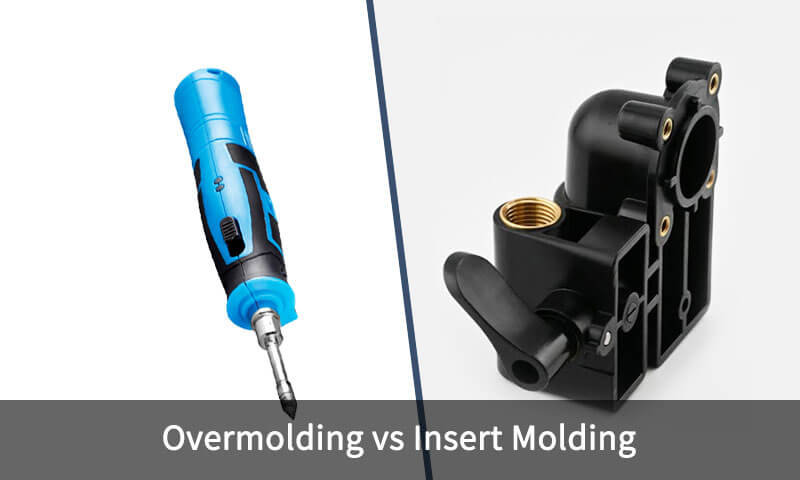
Nykyaikaisessa valmistuksessa, yhdestä materiaalista valmistetut osat vastaavat harvoin kaikkia suorituskykyvaatimuksia, estetiikka, ja toiminnallisuus.
Nykypäivän tuotteiden tulee olla kestäviä mutta mukavia, vedenpitävä mutta hengittävä, ja monimutkainen mutta helppo koota.
Tämä on johtanut usean materiaalin valmistusprosessien laajaan käyttöön. Näiden joukossa, ylimuovaus ja välimuovaus ovat kaksi tärkeintä ja usein verrattua tekniikkaa.
Vaikka näitä kahta termiä käytetään joskus vaihtokelpoisesti, ne kuvaavat erilaisia valmistusmenetelmiä ja ratkaisevat erilaisia teknisiä ongelmia.
Päällemuovaukseen kuuluu yleensä toisen materiaalin muovaus olemassa olevan alustan päälle monimateriaalikomponentin luomiseksi.
Asenna muovaus, sitä vastoin, asettaa esimuotoillun sisäkkeen - usein metallin - ruiskumuotin sisään ja kapseloi tai ympäröi sen osittain muovilla.
Tämä artikkeli tarjoaa kattavan, rinnakkainen vertailu päällysmuovauksen ja välikappaleen muovauksen kanssa.
1. Mikä on Overmolding?
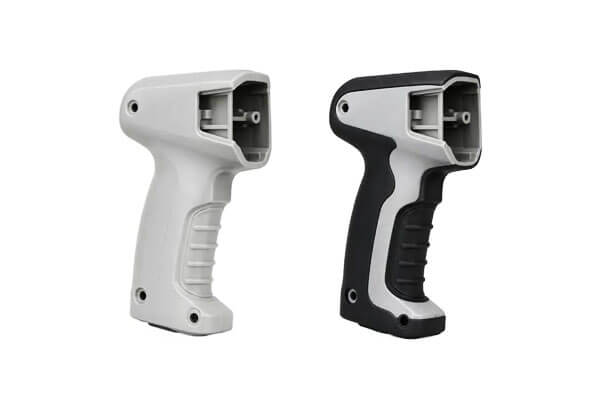
Ylikuormitus on ruiskuvaluprosessi, jossa yksi materiaali muovataan olemassa olevan alustan tai aiemmin muovatun komponentin päälle integroidun monimateriaaliosan luomiseksi.
Ensimmäistä komponenttia kutsutaan yleisesti nimellä substraatti, kun taas toissijaisen muovausoperaation aikana käytetty materiaali on ylimuovattava materiaali.
Tuotesuunnittelusta riippuen, substraatti voi olla jäykkää kestomuovia, elastomeeri, metallikomponentti, tai muu sopiva esimuotoiltu osa.
Tyypillinen ylivalettu komponentti voi yhdistää jäykän rakennemateriaalin pehmeämpään materiaaliin.
Esimerkiksi, jäykkä ABS-kotelo voi vastaanottaa TPE-muotin, joka tarjoaa mukavan otteen, parantaa tiivistystä, tai luoda suojaava ulkopinta.
Tavoitteena ei ole vain asettaa yhtä materiaalia toisen päälle. Kahden materiaalin välisen rajapinnan tulee tarjota riittävä tartunta, mekaaninen pito, tai molempien yhdistelmä kestämään tuotteen odotettavissa olevia mekaanisia vaikutuksia, lämpö-, kemikaali-, ja ympäristöolosuhteet.
Kuinka Overmolding toimii
Muovausprosessi alkaa yleensä alustan valmistuksella.
Tämä voi sisältää erillisen ruiskuvaluoperaation, koneistusprosessi, leimaustoiminto, kuolla casting -prosessi, tai muulla valmistusmenetelmällä.
Kun alusta on tarkastettu, se on sijoitettu toisen muotin sisään. Muotti on suunniteltu paljastamaan alueet, jotka tarvitsevat päällysmuottimateriaalia, samalla kun se paikantaa ja tukee alustaa tarkasti.
Toissijainen materiaali kuumennetaan sitten sopivaan käsittelylämpötilaan ja ruiskutetaan muottipesään.
Se virtaa määrättyjen substraattipintojen ympäri ja muodostaa vaaditun ulkogeometrian.
Täytön ja pakkaamisen jälkeen, materiaali jäähtyy ja jähmettyy ennen kuin valmis komponentti irtoaa.
Tyypillinen työnkulku on:
Alustan valmistus → alustan tarkastus → muotin kuormitus → asemointi → toisiomateriaalin ruiskutus → pakkaus → jäähdytys → poisto → tarkastus
Lopputuotteen laatu riippuu suuresti käyttöliittymän suunnittelusta. Jos kemiallista tarttumista tarvitaan, alustan ja muottimateriaalin on oltava riittävän yhteensopivia.
Jos mekaaninen kiinnitys on ensisijainen mekanismi, alusta saattaa vaatia uria, kylkiluut, reiät, alittaa, tai muita ominaisuuksia, jotka mahdollistavat toisen materiaalin lukittumisen paikoilleen.
Pintojen saastuminen on toinen tärkeä näkökohta. Öljy, pöly, irrotusaineet, hapetus, kosteus, tai muut epäpuhtaudet voivat häiritä kiinnittymistä ja johtaa delaminaatioon tai ennenaikaiseen erottumiseen.
Yleiset muovausmateriaalit
Päällemuovauksessa voidaan käyttää laajaa valikoimaa kestomuoveja ja elastomeerisia materiaaleja, mutta kaikki materiaaliyhdistelmät eivät ole luonnostaan yhteensopivia.
Materiaalin valinnassa tulee huomioida sulamislämpötila, kemiallinen yhteensopivuus, kutistuminen, Lämpölaajennuskerroin, kovuus, joustavuus, pinnan ominaisuudet, ja odotetut käyttöolosuhteet.
Yleisiä yhdistelmiä ovat mm:
| Substraattimateriaali | Ylimuovattu materiaali | Tyypillinen tarkoitus |
| Abs -abs | TPE | Pehmeät kotelot ja kädensijat |
| Tietokone | TPE | Iskunkestävät tuotteet ergonomisilla pinnoilla |
| Nylon | TPE/TPU | Teolliset kahvat ja joustavat liitännät |
| Pp | TPE | Kuluttajatuotteet ja sinetit |
| PC/ABS | TPU | Suojaavat ja ergonomiset pinnat |
| Jäykkä termoplastinen | LSR | Tiivisteet ja erikoistuneet joustavat komponentit |
Tyypillisiä muovaussovelluksia
Päällemuovaus on erityisen hyödyllistä, kun tuotteessa on yhdistettävä rakenteellinen suorituskyky ja pehmeys, joustavuus, tiivistys, eristys, tai parannettu ergonomia.
Päällemuovausta käytetään yleisesti:
- Käsityökalujen kahvat
- Autojen kytkimet ja säätimet
- Viihde-elektroniikan kotelot
- Lääketieteellisten laitteiden komponentit
- Puettavat laitteet
- Kaapeleiden ja johtojen suojaus
- Tiivistyskomponentit
- Kahvat ja ergonomiset käyttöliittymät
- Suojakuoret
- Teollisuuden laitteiden ohjaus
2. Mikä on Insert Molding?
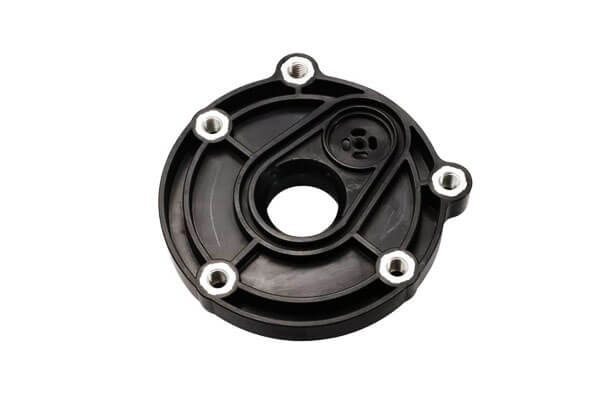
Asenna muovaus on ruiskuvaluprosessi, jossa esimuotoiltu komponentti, tunnetaan nimellä an lisätä, sijoitetaan ruiskumuotin sisään ja sitten osittain tai kokonaan kapseloituna sulaan muoviin.
Sisäosa on usein valmistettu metallista, vaikka muovia, keraaminen, elektroninen, ja muita esimuotoiltuja komponentteja voidaan myös käyttää.
Toisin kuin perinteinen yhden materiaalin ruiskuvalu, inserttivalu yhdistää itsenäisesti valmistetun komponentin ruiskutetun muovin kanssa yhden muovausoperaation aikana.
Muovi jähmettyy sisäkkeen ympärille, integroidun osan tuottaminen, joka voi eliminoida myöhemmät kokoonpanotoimenpiteet.
Esimerkiksi, messinkikierteinen sisäosa voidaan sijoittaa muotin sisään ja ympäröidä nailonilla.
Muotoilun jälkeen, tuloksena oleva komponentti sisältää pysyvän kierteitetyn metalliliitännän ilman, että kierteitetty sisäosa on asennettava jälkikäteen.
Kuinka Insert Molding toimii
Terän muovaus alkaa välikappaleen valmistuksella ja tarkastuksella. Mittatarkkuus on erityisen tärkeä, koska sisäkkeen on sopia oikein muottiin ja säilytettävä määritellyssä asennossaan koko ruiskutuksen ajan.
Sisäosa asetetaan sitten muottiin käsin, puoliautomaattisesti, tai automaattisen lastausjärjestelmän kautta.
Omistetut kalusteet, nastat, ontelo, tai pidätysominaisuuksia voidaan käyttää estämään liikkumista.
Kun muotti sulkeutuu, sulaa muovia ruiskutetaan sisäkkeen ympärille. Ruiskutuspaine voi olla huomattava, joten muotin on tuettava riittävästi, jotta se ei pääse liikkumaan, muodonmuutos, tai kohdistuu väärin.
Sitten muovi jäähtyy ja jähmettyy sisäkkeen ympärille. Poiston jälkeen, valmiin komponentin mittatarkkuus tarkastetaan, lisäysasento, salama, tyhjyys, halkeamat, ja muita vikoja.
Perusjärjestys on:
Terän valmistus → sisäänpanon tarkastus → sisäosan kuormitus → sijoitus ja kiinnitys → muotin sulkeminen → muoviruiskutus → jäähdytys → irrotus → tarkastus
Suurten volyymien valmistukseen, automaattinen terän lastaus voidaan integroida muovauskennoon. Tämä voi parantaa syklin johdonmukaisuutta ja vähentää manuaalista käsittelyä.
Yleiset liitemateriaalit
Metalli on tunnetuin sisäkemateriaali, koska se tarjoaa ominaisuuksia, joita muovit eivät yleensä pysty uusiutumaan, kuten korkea sähkönjohtavuus, langan kestävyys, jäykkyys, kulumiskestävyys, tai paikallinen mekaaninen lujuus.
Yleisiä sisäkemateriaaleja ovat mm:
- Messinki
- Ruostumaton teräs
- Hiiliteräs
- Alumiini
- Kupari ja kupariseokset
- Tekniset muovit
- Keramiikka
- Elektroniset komponentit
Tyypilliset teräsvalusovellukset
Muovausta käytetään yleisesti, kun tuote vaatii metallin tai muun esimuotoillun komponentin integroinnin pysyvästi muovirunkoon.
Tyypilliset sovellukset sisältävät:
- Kierteitetyt pomot
- Sähköliittimet
- Autojen terminaalit
- Anturikotelot
- Vaihda komponentteja
- Lääketieteelliset välineet
- Rakenteelliset vahvistuskomponentit
- Kaapeliliittimet
- Elektroniset kokoonpanot
- Tarkkuusmekaaniset komponentit
3. Päällysmuovaus vs: Mitä eroa on?
Vaikka molemmat tekniikat integroivat useita materiaaleja tai komponentteja, niiden valmistuslogiikka on erilainen.
Yksinkertaisin ero on:
Päällemuovaus lisää uutta materiaalia olemassa olevan alustan päälle, kun taas välikappaleen muovaus kapseloi tai ympäröi esimuodostetun sisäkkeen ruiskupuristetulla muovilla.
Kuitenkin, terminologia voi mennä päällekkäin. Joissakin valmistustilanteissa, muovausta voidaan pitää laajempana muovauksena, koska molempiin liittyy materiaalin muovaus jo olemassa olevan komponentin ympärille.
Tekniseen viestintään, kuitenkin, on hyödyllistä erottaa ne olemassa olevan komponentin roolin perusteella.
Päällysvalu vs
| Tekijä | Ylikuormitus | Aseta lista |
| Ensisijainen tarkoitus | Yhdistä erilaisia materiaaliominaisuuksia | Integroi esimuotoiltu sisäosa muoviin |
| Olemassa oleva komponentti | Substraatti | Lisätä |
| Yhteinen substraatti/insertti | Muovi, elastomeeri, metalli | Metalli, muovi, keraaminen, elektroninen komponentti |
| Tyypillinen yhdistelmä | Jäykkä muovi + elastomeeri | Muovi + metalli |
| Pääliitäntämekanismi | Tarttuvuus, mekaaninen lukitus, tai molemmat | Kapselointi, mekaaninen pito, tarttuminen joissakin tapauksissa |
| Keskeinen suunnitteluhuoli | Aineellinen yhteensopivuus | Aseta sijoitus ja kiinnitys |
| Tyypillinen sovellus | Pehmeä ote | Kierre metallisisäke |
| Pintatoiminto | Pito, tiiviste, tyyny, suoja | Sähkö-, mekaaninen, rakenne-, kiinnitys |
| Automaatio | Erittäin automatisoitavissa | Erittäin automatisoitavissa, mutta lisäkkeen lataus on kriittinen |
| Suuri riski | Delaminaatio tai huono sidos | Aseta liike tai kohdistusvirhe |
4. Päällysmuovaus vs: Suunnittelun näkökohdat
Päällysmuovauksen ja teräpuristuksen suunnitteluvaatimukset eroavat pääasiassa siksi, että nämä kaksi prosessia hallitsevat erilaisia rajapintoja.
Päällysmuovaus keskittyy luomaan luotettava rajapinta alustan ja ylivaletun materiaalin välille, kun taas välikappaleen muovaus keskittyy esimuotoillun sisäosan tarkkaan sijoittamiseen ja turvalliseen kapselointiin.
| Suunnittelun huomioiminen | Ylikuormitus | Aseta lista |
| Aineellinen yhteensopivuus | Valitse yhteensopiva alusta ja muovausmateriaalit tarttuvuuden perusteella, sulamislämpötila, kutistuminen, kovuus, ja lämpölaajeneminen. | Varmista, että sisäosa kestää muovauslämpötilaa ja painetta ilman muodonmuutoksia tai mittojen epävakautta. |
| Geometria & Seinämän paksuus | Säilytä tasainen ylimuotin paksuus ja varmista riittävä liimausalue. Vältä äkillisiä paksuuden muutoksia, jotka voivat aiheuttaa kutistumista, loimi, tai heikko sidos. | Jätä sisäkkeen ympärille riittävä muovipaksuus lujuuden vuoksi ja käytä uria, murisee, reiät, tai olkapäille, kun tarvitaan lisäkiinnitystä. |
| Liimaus & Säilytys | Suunnittele rajapinta kemiallista tarttumista varten, mekaaninen lukitus, tai molemmat, materiaalien yhteensopivuuden mukaan. | Suunnittele mekaaniset kiinnitys- ja kapselointiominaisuudet kestämään ulosvetoa ja pyörimistä. |
| Portti & Materiaalivirtaus | Sijoita portit tasapainoisen täytön saavuttamiseksi ja hitsauslinjojen minimoimiseksi, ilman juuttuminen, ja liiallinen stressi käyttöliittymässä. | Ohjaa materiaalin virtausta huolellisesti, jotta estetään sisäkkeen siirtyminen, epätäydellinen kapselointi, tai liiallista painetta sisäosaan. |
Lisätä / Alustan sijoittelu |
Substraatti on sijoitettava tarkasti ja pidettävä tukevasti ruiskeen aikana. | Terän tarkka sijoitus on kriittinen; paikannusnastat, taskut, kalusteet, tai automaattinen sijoittelu saattaa olla tarpeen. |
| Kutistuminen & Lämmön laajennus | Ota huomioon kutistumisen ja lämpölaajenemisen erot alustan ja ylimuotin välillä vääntymisen estämiseksi, jäännöstressi, ja delaminaatio. | Harkitse sisäkkeen ja polymeerin lämpölaajenemiseroja, erityisesti metallista muoviin -sovelluksissa, mittojen vaihtelun ja sisäisen jännityksen estämiseksi. |
| Luonnos & Poisto | Järjestä riittävä veto ja oikein sijoitetut ejektorit, jotta osa vapautuu vahingoittamatta päällysmuottia tai liitäntää. | Suunnittele syväys ja ulospuhallus huolellisesti, jotta estetään terän liikkuminen, muodonmuutos, tai löystyminen purkamisen aikana. |
Toleranssit |
Ota huomioon alustan mitat, ylimuotin paksuus, materiaali kutistuminen, ja mahdollinen käyttöliittymän liike. | Ota huomioon välikappaleen mitat, paikannustarkkuus, polymeerin kutistuminen, ja lopullinen lisäyspaikka. |
| Dfm & Muottivirtaus | Arvioi liimausalue, materiaalivirtaa, seinämän paksuus, portin sijainti, ja erokutistuminen ennen työkalua. | Arvioi insertin pysyminen, sijainti, polymeerin virtaus, lämpökäyttäytyminen, ja mahdollinen terän siirtymä ennen työkalua. |
| Laadunvalvonta | Keskity liimauksen lujuuteen, ylimuotin paksuus, salama, tentti, loimi, ja ulottuvuuden tarkkuus. | Keskity insertin asentoon, säilytysvoima, kapselointi, salama, tyhjyys, ja ulottuvuuden tarkkuus. |
5. Räätälöidyt muovaus- ja teräsvalupalvelut LangHe-teollisuudesta
Langhe tarjoaa räätälöityjä ruiskuvaluratkaisuja sovelluksiin, jotka vaativat ylimuovausta, inserttilista, ja muita integroituja muovaustekniikoita.
Tuotantotapamme voi tukea projekteja alkuperäisestä tuotekehityksestä ja työkaluista tuotantoon ja laaduntarkastukseen.
| Kyky | Yksityiskohdat |
| Päällysmuovaustyypit | Kaksi laukausta (2K -k -) ylikuormitus, pick-and-place -päällystys. |
| Aseta lista | Metalliset sisäosat (messinki, teräs, kupari), keraamiset insertit, elektroniset lisäkkeet (Piirilevy, anturit). |
| Materiaalit (Substraatti) | Abs -abs, Tietokone, Nylon (PA6, PA66), Pp, PBT. |
| Materiaalit (Overmold) | TPE, TPU, LSR, TPV, silikoni. |
| Työkalu | Oma työkalusuunnittelu ja valmistus. |
| Laatu | ISO 9001:2015 sertifioitu; 100% tarkastus. |
| Läpimenoaika | 2– 4 viikkoa prototyypeille; 4– 8 viikkoa tuotantotyökaluille. |
6. Johtopäätös
Päällemuovaus vs ei ole kysymys siitä, mikä prosessi on yleisesti parempi. Molemmat ovat erittäin tehokkaita ruiskuvalutekniikoita, mutta ne koskevat erilaisia tuotekehitysvaatimuksia.
Päällysmuovaus soveltuu ensisijaisesti tuotteille, joissa on yhdistettävä erilaisia materiaaliominaisuuksia yhden integroidun komponentin sisällä.
Se on erityisen arvokas pehmeille pinnoille, ergonomiset kädensijat, joustavat tiivisteet, tyyny, eristys, ja suojaavat kerrokset.
Sen menestys riippuu suuresti materiaalien yhteensopivuudesta, käyttöliittymän suunnittelu, tarttuvuus, mekaaninen lukitus, ja differentiaalisen kutistumisen säätö.
Asenna muovaus, sitä vastoin, on erityisen tehokas, kun esimuotoiltu komponentti – usein metalliosa – on integroitava pysyvästi muovirakenteeseen.
Se soveltuu laajalti kierreliitäntöihin, sähköliitteet, vahvistuskomponentit, anturit, liittimet, ja muut sovellukset, joissa muovi ja muu materiaali täydentävät toisiaan.
Lopulta, prosessin valinnan tulee perustua koko tuotantojärjestelmään, materiaalinen käyttäytyminen mukaan lukien, tuotteen geometria, työkalu, sidos- tai säilytysstrategia, tuotantomäärä, automaatio, tarkastus, ja elinkaarikustannukset.
Faqit
Mitä eroa on inserttimuovauksella ja kaksisuihkumuovauksella?
Muovaus käyttää a esimuotoiltu insertti joka asetetaan muottiin ennen muoviruiskutusta.
Kaksiruiskuvalu tuottaa tyypillisesti kahta materiaalia peräkkäin käyttämällä erikoistyökaluja ja useita ruiskutusvaiheita, usein lataamatta manuaalisesti erikseen valmistettua alustaa otosten välillä.
Kumpi prosessi on nopeampi: päällemuovaus tai välimuovaus?
Muovaus on yleensä nopeampaa, koska siinä käytetään yhtä ruiskupuristusta. Päällemuovaus vaatii kaksi laukausta tai monivaiheisen prosessin.
Kummalla prosessilla on pienemmät työkalukustannukset?
Muottivalulla on alhaisemmat työkalukustannukset, koska se vaatii vain yhden muottipesän. Päällysmuovaus vaatii kaksi erillistä muottia tai monimutkaisen kaksisuihkumuotin.
Milloin minun pitäisi käyttää ylimuovausta?
Käytä ylimuovausta, kun tarvitset pehmeitä kahvoja, vedenpitävä tiiviste, värähtely vaimentaa, tai parannettu estetiikka.
Milloin minun tulisi käyttää välikappaletta?
Käytä välikappaletta, kun tarvitset erittäin lujia kierreliitoksia, sähkönjohtavuus, tai rakenteelliset vahvistukset muoviosissa.
Voidaan käyttää päällemuovausta ja välimuovausta yhdessä?
Kyllä. Jotkut monimutkaiset osat yhdistävät molemmat prosessit - esimerkiksi, sisäänmuovattu metallikierre, jossa on päällevalettu pehmeä kosketuskahva samassa komponentissa.
Onko upotusmuovaus eräänlainen overmuovaus?
Terminologia voi mennä päällekkäin, koska molemmat prosessoivat muottimateriaalia olemassa olevan komponentin ympärille.
Kuitenkin, käytännön valmistusterminologiassa, ylikuormitus yleensä painottaa toisen materiaalikerroksen tai materiaalijärjestelmän lisäämistä, kun taas inserttilista korostaa erityisesti esimuotoillun sisäkkeen upottamista valettuun komponenttiin.
Voidaan käyttää metallia päällemuovauksessa?
Kyllä. Metallisubstraatit voidaan ylimuovata sopivilla muoveilla tai elastomeereilla.
Kuitenkin, prosessissa on otettava huomioon pinnan esikäsittely, lämmön laajennus, tarttuvuus, mekaaninen pito, ja erokutistuminen.

