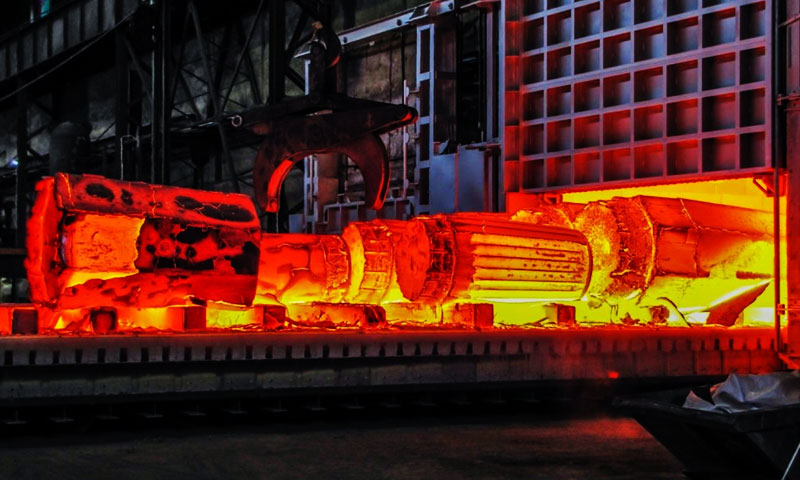
برش لیزری فولاد ضد زنگ نشان دهنده یک پیشرفت دگرگون کننده در ساخت مدرن است, ترکیب دوام ذاتی و مقاومت در برابر خوردگی فولاد ضد زنگ با دقت و کارایی فناوری لیزر پیشرفته.
از زمان پذیرش صنعتی آن در دهه 1970, برش لیزری از پردازش ورق ساده به روشی بسیار تصفیه شده که قادر به تولید پیچیده است پیشرفت کرده است., اجزای با تحمل بالا در طیف گسترده ای از گریدها و ضخامت های فولاد ضد زنگ.
ناشی از تقاضا برای دقت, سرعت, و حداقل زباله های مادی, این تکنیک در صنایعی مانند هوافضا ضروری شده است, خودرو, دستگاه های پزشکی, فرآوری مواد غذایی, و طراحی معماری.
فراتر از مزایای مکانیکی آن, برش لیزری فولاد ضد زنگ از روندهای تولید دیجیتال پشتیبانی می کند, ارائه یکپارچه سازی یکپارچه با سیستم های CAD/CAM, خطوط تولید خودکار, و سیستم های کنترل کیفیت بلادرنگ.
1. فناوری برش لیزری چیست؟
برش لیزر غیر تماسی است, فرآیند برش حرارتی با دقت بالا که از یک متمرکز استفاده می کند, پرتو لیزر پرقدرت برای ذوب شدن, سوختن, یا مواد را در طول مسیر مشخصی تبخیر کنید.
به دلیل سرعت زیاد در صنایع مختلف از هوافضا و خودرو گرفته تا لوازم الکترونیکی و پزشکی استفاده می شود., دقت, و انعطاف پذیری.
اصل عملیات
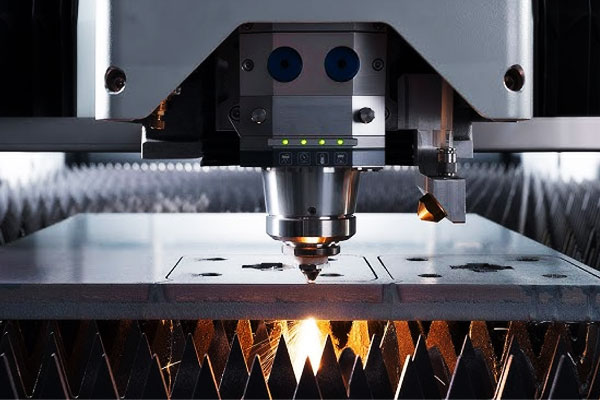
در هسته آن, برش لیزری شامل هدایت یک منسجم است, پرتو لیزر با شدت بالا بر روی سطح قطعه کار.
پرتو لیزر در یک تشدید کننده لیزر تولید می شود, که در آن تقویت نور از طریق انتشار تحریک شده رخ می دهد.
سپس پرتو از طریق یک سری آینه یا فیبر نوری به یک سر برش هدایت می شود, جایی که آن را به یک کوچک متمرکز شده است, نقطه پر انرژی, اغلب کمتر از 0.3 میلی متر قطر.
هنگامی که این پرتو متمرکز با سطح ماده تماس پیدا می کند, به سرعت ناحیه مورد نظر را تا نقطه ذوب یا تبخیر آن گرم می کند.
انرژی موضعی شدید باعث ذوب شدن مواد می شود, سوختن, یا تصعید, به لیزر اجازه می دهد تا قطعه کار را با حداقل اعوجاج حرارتی قطع کند.
اجزای کلیدی
- منبع لیزر: از منابع رایج لیزر می توان به لیزرهای فیبر اشاره کرد, لیزر CO2, و Nd:لیزر YAG, هر کدام دارای طول موج ها و توان خروجی های متفاوتی هستند که برای مواد و ضخامت های خاص طراحی شده اند.
- اپتیک فوکوس: لنزها یا آینه های دقیق پرتو لیزر را برای دستیابی به چگالی توان بسیار بالا متمرکز می کنند (تا 106 وات بر سانتی متر مربع), برای برش کارآمد ضروری است.
- گاز کمکی: جت گاز کواکسیال (مانند اکسیژن, نیتروژن, یا هوای فشرده) در کنار پرتو لیزر هدایت می شود تا مواد مذاب یا بخار شده را از پوسته جدا کند, اطمینان از برش تمیز.
نوع گاز کمکی نیز بر مکانیسم برش و کیفیت لبه تأثیر می گذارد. - سیستم کنترل حرکت: موتورهای کنترل شده با CNC سر لیزر یا قطعه کار را در مسیرهای برنامه ریزی شده حرکت می دهند, ایجاد اشکال پیچیده و طرح های پیچیده با قابلیت تکرار و سرعت.
مکانیسم های برش لیزری
برش لیزری از طریق سه مکانیسم اصلی عمل می کند, بسته به ماده و گاز مورد استفاده:
- برش فیوژن (ذوب و دمیدن):
لیزر مواد را ذوب می کند, و یک گاز کمکی بی اثر (معمولا نیتروژن) مواد مذاب را از روی پوسته دور می کند.
این روش تمیز تولید می کند, لبه های بدون اکسید, ایده آل برای فولاد ضد زنگ و آلومینیوم. - برش واکنشی (برش شعله):
استفاده از اکسیژن به عنوان گاز کمکی, پرتو لیزر یک واکنش گرمازا را با مواد آغاز می کند, افزودن انرژی به فرآیند برش و افزایش سرعت برش, به ویژه در فولادهای کربنی.
هر چند, می تواند منجر به اکسید شدن لبه ها شود. - برش تصعید:
این ماده مستقیماً از جامد به گاز بدون ذوب تبخیر می شود. این روش برای مواد غیرفلزی مانند پلاستیک معمول است, چوب, و کامپوزیت ها, ارائه حداقل مناطق تحت تأثیر گرما.
2. منابع لیزری که معمولا استفاده می شود
انتخاب منبع لیزر یک عامل مهم در کارایی است, کیفیت, و مقرون به صرفه بودن برش لیزری فولاد ضد زنگ.
انواع مختلف لیزر از نظر طول موج متفاوت است, توان خروجی, کیفیت پرتو, و ویژگی های عملیاتی, آنها را برای کاربردهای خاص و ضخامت مواد مناسب می کند.
سه منبع لیزر رایج مورد استفاده در برش فولاد ضد زنگ عبارتند از لیزر CO2, لیزرهای فیبر, وت Nd: لیزر YAG.

لیزر CO2
- طول موج: تقریباً 10.6 میکرومتر (μM)
- اصل عملیاتی: لیزرهای CO2 لیزرهای گازی هستند که در آن مخلوطی از دی اکسید کربن است, نیتروژن, و گازهای هلیوم برای تولید نور لیزر به صورت الکتریکی برانگیخته می شوند.
- نقاط قوت:
-
- فناوری تثبیت شده با چندین دهه استفاده صنعتی.
- توان خروجی بالا از چند صد وات تا ده ها کیلووات, مناسب برای برش فولاد ضد زنگ ضخیم.
- کیفیت پرتو عالی، برش های دقیق را با پوشش لبه خوب امکان پذیر می کند.
- محدودیت ها:
-
- تنظیمات نسبتا بزرگ و پیچیده به دلیل جابجایی گاز و طراحی حفره لیزری.
- برای هدایت پرتو لیزر به آینه نیاز دارد, منجر به نیازهای تعمیر و نگهداری و مشکلات بالقوه هم ترازی می شود.
- طول موج بیشتر باعث جذب کمتر فلزات می شود, که می تواند کارایی برش را در مواد بازتابنده مانند فولاد ضد زنگ کاهش دهد.
- برنامه: به طور گسترده برای برش ورق های فولادی ضد زنگ متوسط تا ضخیم استفاده می شود, مخصوصاً در جاهایی که به توان بالایی نیاز است.
لیزرهای فیبر
- طول موج: دور 1.07 میکرومتر (μM)
- اصل عملیاتی: لیزرهای فیبر نور لیزر را از طریق فیبرهای نوری دوپ شده تولید می کنند که توسط لیزرهای دیود پمپ می شوند., تولید یک پرتو منسجم که از طریق خود فیبر منتقل می شود.
- نقاط قوت:
-
- جذب بیشتر در فلزات به دلیل طول موج کوتاهتر, کارآمدتر کردن لیزرهای فیبر در برش فولاد ضد زنگ.
- فشرده, قوی, و تعمیر و نگهداری پایین از آنجایی که هیچ آینه ای وجود ندارد - تحویل پرتو از طریق فیبر نوری است.
- کیفیت پرتو عالی با قابلیت تمرکز بالا, امکان برش های بسیار ظریف و سرعت های بالاتر.
- به طور معمول انرژی کارآمدتر با هزینه های عملیاتی کمتر.
- طول عمر عملیاتی طولانی تر با خرابی کمتر.
- محدودیت ها:
-
- قدرت به طور کلی به چند کیلووات محدود می شود, اگرچه لیزرهای فیبر پرقدرت به طور فزاینده ای در دسترس هستند.
- ممکن است در مقایسه با لیزرهای CO2 برای مواد بسیار ضخیم به تنظیمات مختلف یا کمک به پیکربندی گاز کمک کند.
- برنامه: ایده آل برای برش فولاد ضد زنگ با ضخامت نازک تا متوسط, میکرو ماشینکاری, و کاربردهایی که به دقت بالایی نیاز دارند.
Nd: YAG (گارنت آلومینیوم ایتریوم دوپ شده با نئودیمیم) لیزرها
- طول موج: تقریباً 1.06 میکرومتر (μM)
- اصل عملیاتی: لیزرهای حالت جامد که در آن یک Nd:کریستال YAG به صورت نوری توسط لامپ های فلاش یا دیودها پمپ می شود تا پرتوهای لیزری پالسی یا پیوسته ساطع شود..
- نقاط قوت:
-
- قابلیت پیک بسیار بالا در حالت پالسی, مناسب برای برش دقیق و ریز ماشینکاری.
- کیفیت پرتو خوب و توانایی برش مواد بازتابنده مانند فولاد ضد زنگ.
- محدودیت ها:
-
- به طور کلی در مقایسه با لیزرهای فیبر تعمیر و نگهداری کمتر و بالاتر است.
- اندازه نقطه کوچکتر و توان متوسط کمتر استفاده از آنها را در برش های با حجم بالا محدود می کند.
- نیازهای پیچیده تر سرمایش و نگهداری.
- برنامه: اغلب در برنامه های تخصصی استفاده می شود, مانند ریز برش, جوش, یا علامت گذاری قطعات فولادی ضد زنگ که در آن دقت بسیار مهم است.
3. چرا فولاد ضد زنگ نیاز به برش تخصصی دارد؟
فولاد ضد زنگ, به دلیل مقاومت در برابر خوردگی عالی خود شناخته شده است, قدرت مکانیکی, و جذابیت زیبایی, به طور گسترده در صنایعی مانند هوافضا استفاده می شود, پزشکی, خودرو, فرآوری مواد غذایی, و معماری.
هر چند, همین ویژگیها که فولاد ضد زنگ را مطلوب میکند، چالشهای منحصر به فردی را در ماشینکاری و برش ایجاد میکند.
خواص مواد فولاد ضد زنگ
فولاد ضد زنگ یک آلیاژ منفرد نیست، بلکه خانواده ای از آلیاژهای مبتنی بر آهن با حداقل مقدار است 10.5% محتوای کروم. خواص منحصر به فرد آن عبارتند از:
- انعکاس پذیری بالا: به خصوص در طول موج های مادون قرمز که توسط بسیاری از سیستم های لیزری استفاده می شود, فولاد ضد زنگ بخش قابل توجهی از انرژی لیزر را منعکس می کند,
جفت پرتو اولیه را دشوارتر می کند و به توان بالاتر یا لیزرهای تخصصی نیاز دارد (به عنوان مثال, لیزرهای فیبر با طول موج کوتاه تر). - هدایت حرارتی کم: در مقایسه با فولاد کربنی یا آلومینیوم, فولاد ضد زنگ گرما را به سرعت دفع نمی کند.
این می تواند منجر به گرمای بیش از حد موضعی شود اگر فرآیند بهینه نشود, افزایش خطر اعوجاج حرارتی یا کیفیت پایین لبه. - نقطه ذوب بالا: با محدوده ذوب تقریباً 1400-1530 درجه سانتیگراد, فولاد ضد زنگ برای شروع و حفظ برش به چگالی انرژی بالاتری نیاز دارد.
- تشکیل اکسید: فولادهای ضد زنگ مستعد تشکیل لایه های اکسید غنی از کروم در دماهای بالا هستند.
بدون محافظ گاز مناسب, این می تواند بر جوشکاری و پرداخت سطح پس از برش تأثیر بگذارد.
محدودیت های روش های برش سنتی
تکنیک های برش معمولی مانند برش, اره, پانچ مکانیکی یا پانچ مکانیکی هنگام اعمال بر روی فولاد ضد زنگ با چندین محدودیت مواجه است:
- سایش ابزار: سختی و چقرمگی فولاد ضد زنگ می تواند باعث تخریب سریع ابزار شود.
- تشکیل Burr: روشهای مکانیکی اغلب سوراخها و لبههای ناهموار باقی میگذارند, نیاز به عملیات تخلیه اضافی.
- مناطق تحت تأثیر گرما (خندق): تکنیک هایی مانند برش پلاسما یا برش با سوخت اکسی HAZ های گسترده ای تولید می کنند, به طور بالقوه خواص متالورژیکی نزدیک لبه برش را تغییر می دهد.
- انعطاف پذیری طراحی محدود: فرآیندهای مکانیکی برای برش هندسه های پیچیده یا شعاع های محکم بدون ابزار گران قیمت کمتر مناسب هستند.
الزامات دقت و تمیزی
بسیاری از صنایعی که از فولاد ضد زنگ استفاده می کنند، تحمل ها و استانداردهای زیبایی شناختی دقیقی دارند:
- تجهیزات پزشکی: نیاز به فرز ندارد, برش های بدون آلودگی با حداقل تغییرات حرارتی برای حفظ زیست سازگاری.
- تجهیزات پردازش مواد غذایی: بهداشتی می طلبد, سطوح صاف که از تجمع باکتری ها جلوگیری می کند.
- تابلوهای معماری: اغلب شامل سطوح تزئینی یا سطوح صیقلی آینه ای است که نباید در طول برش آسیب دیده یا اکسید شوند..
برش لیزر, هنگامی که به درستی پیکربندی شده است, با ارائه این الزامات برتری دارد:
- دقت ابعادی بالا
- حداقل تغییر شکل مکانیکی
- تمیز, لبه های بدون اکسید (به خصوص هنگام استفاده از گاز کمکی نیتروژن)
حساسیت سطح و کیفیت پایان
بسیاری از نمرات فولاد ضد زنگ در جلا استفاده می شود, قلم مو, یا روکش های طرح دار که باید در طول پردازش حفظ شوند.
روش های مکانیکی خطر خراش یا اعوجاج این سطوح را دارند. برش لیزر, به خصوص با لیزرهای فیبر و سرهای برش بدون تماس, از تماس مکانیکی جلوگیری می کند و یکپارچگی سطح را حفظ می کند.
4. ملاحظات خاص درجه فولاد ضد زنگ
نمرات Austenitic (304, 316)
- چالش های برش: شکل پذیری بالا منجر به ایجاد سوراخ می شود; فشار نیتروژن بهینه (2 MPA) وت 1.5 قدرت لیزر فیبر کیلووات ارتفاع فرز را به حداقل می رساند <0.05میلی متر.
- کاربردهای صنایع غذایی: 316L برش با نیتروژن مطابق با استانداردهای FDA است, با زبری سطح Ra < 0.8میکرومتر برای تجهیزات دارویی.
درجات مارتنزیتی (410, 420)
- تاثیر سختی: 420 فولاد ضد زنگ (40 HRC) مستلزم 20% قدرت لیزر بالاتر از 304 به دلیل افزایش هدایت حرارتی.
- برنامه های کاربردی ابزار: 410 برش با اکسیژن در 1.2 m/min لبه های مناسب برای تیغه های چاقو تولید می کند, با زوایای لبه 8-12 درجه قابل دستیابی.
نمرات بارش-سخت شدن (17-4 PH)
- حساسیت به عملیات حرارتی: برش در حالت آنیل شده با محلول (شرط a) از سخت شدن در HAZ جلوگیری می کند. پیری پس از برش (H900) استحکام کششی را به 1,310 MPA.
- استفاده از هوافضا: 17-4 اجزای مخزن سوخت PH برش با لیزرهای فیبر 5 کیلوواتی نشان می دهد <0.1میلی متر انحراف ابعادی, مطابق با استانداردهای AS9100D.
5. پارامترهای کلیدی فرآیند در برش لیزری فولاد ضد زنگ
دستیابی به برش های با کیفیت بالا در فولاد ضد زنگ با استفاده از فناوری لیزر به کنترل دقیق چندین پارامتر فرآیند حیاتی بستگی دارد..
این پارامترها بر کیفیت برش تاثیر می گذارند, سرعت, پایان لبه, منطقه تحت تأثیر گرما (خندق), و کارایی کلی.

قدرت لیزر
- تعریف: توان خروجی پرتو لیزر, معمولا بر حسب وات اندازه گیری می شود (حرف) یا کیلووات (کیلووات).
- تأثیر: قدرت لیزر بالاتر برش مواد ضخیم تر و سرعت برش سریعتر را امکان پذیر می کند.
هر چند, قدرت بیش از حد می تواند باعث ذوب بیش از حد شود, پیچش دهنده, یا یک منطقه تحت تأثیر گرما گسترده تر. - دامنه معمولی: برای فولاد ضد زنگ, توان لیزر از چند صد وات متغیر است (برای ورق های نازک) تا 10 کیلو وات یا بیشتر (برای صفحات ضخیم).
سرعت برش
- تعریف: سرعت حرکت سر لیزر یا قطعه کار نسبت به یکدیگر, معمولا بر حسب میلی متر در ثانیه (mm/s) یا متر در دقیقه (M/من).
- تأثیر: افزایش سرعت بهره وری را بهبود می بخشد اما اگر انرژی لیزر برای نفوذ کامل به مواد کافی نباشد می تواند کیفیت برش را کاهش دهد..
سرعت بسیار پایین منجر به گرمای بیش از حد ورودی و کیفیت پایین لبه می شود. - بهینه سازی: باید با قدرت لیزر و ضخامت مواد برای برشهای تمیز بدون ریزش یا سرباره متعادل شود.
نوع و فشار گاز کمکی
- انواع:
-
- اکسیژن (اوت): معمولا برای برش واکنشی فولاد ضد زنگ استفاده می شود, ترویج اکسیداسیون و افزایش راندمان برش.
- نیتروژن (نصف النهار): برای برش بی اثر برای جلوگیری از اکسیداسیون استفاده می شود, تولید لبه های تمیزتر بدون تغییر رنگ.
- هوای فشرده: گاهی اوقات به عنوان یک جایگزین مقرون به صرفه استفاده می شود اما ممکن است باعث اکسیداسیون شود.
- فشار: به طور معمول از 0.5 به 20 نوار بسته به نوع گاز و ضخامت مواد.
- تأثیر: فشار گاز کمک میکند تا فلز مذاب از داخل پوسته خارج شود, تاثیر بر کیفیت برش, پایان لبه, و حرارت ورودی.
موقعیت تمرکز
- تعریف: موقعیت نسبی نقطه کانونی پرتو لیزر در رابطه با سطح مواد.
- تأثیر: موقعیت فوکوس صحیح برای چگالی انرژی بهینه در ناحیه برش حیاتی است. تمرکز را می توان تنظیم کرد:
-
- در سطح مواد,
- کمی بالاتر (تمرکز زدایی شده),
- کمی زیر سطح.
- اثر: تمرکز نامناسب باعث نفوذ ضعیف می شود, بریدگی عریض, یا ذوب شدن بیش از حد.
فرکانس و مدت پالس (برای لیزرهای پالس)
- فرکانس پالس: تعداد پالس لیزر در ثانیه (هرتز).
- مدت زمان نبض: طول هر پالس لیزر (میکروثانیه یا نانوثانیه).
- تأثیر: انرژی تحویل شده در هر پالس را کنترل می کند. فرکانس بالا با پالس های کوتاه می تواند گرمای ورودی را کاهش دهد, مفید برای فولاد ضد زنگ نازک یا برش های دقیق.
فاصله ایستاده
- تعریف: فاصله بین نازل سر برش لیزر و سطح مواد.
- تأثیر: نزدیک شدن بیش از حد می تواند به نازل آسیب برساند یا باعث ایجاد پاشش شود; کارایی جت گاز و کیفیت برش را بسیار کاهش می دهد.
- دامنه معمولی: 0.5 به 2 میلی متر برای برش فولاد ضد زنگ.
عرض کرف
- تعریف: عرض مواد حذف شده توسط پرتو لیزر.
- تأثیر: بر دقت ابعاد و استفاده از مواد تأثیر می گذارد.
- عوامل تأثیرگذار: اندازه نقطه لیزری, قدرت, و سرعت برش.
6. مزایای برش لیزری فولاد ضد زنگ
برش لیزری به دلیل مزایای بی شماری که نسبت به روش های برش سنتی دارد، به یکی از روش های ارجح برای پردازش فولاد ضد زنگ تبدیل شده است..

برش های دقیق و با کیفیت
- حداقل عرض بریدگی: برش لیزری یک پوسته بسیار باریک ایجاد می کند (عرض), اغلب کمتر از 0.2 میلی متر, که منجر به حداقل ضایعات مواد و تحمل سخت تر می شود.
- لبه های تمیز: منطقه متاثر از گرما (خندق) بسیار کوچک است, کاهش تاب برداشتن و اعوجاج.
لبه ها به طور معمول صاف و بدون سوراخ هستند, اغلب نیاز به تکمیل ثانویه را از بین می برد. - هندسه های پیچیده: پرتوهای لیزر را می توان با سیستم های CNC به طور دقیق کنترل کرد, امکان برش اشکال پیچیده را فراهم می کند, جزئیات دقیق, و گوشه های تیز که با روش های مکانیکی به سختی به دست می آیند.
سرعت و کارایی
- پردازش سریع: برش لیزری می تواند با سرعت بالا عمل کند, به خصوص روی ورق های فولادی ضد زنگ با ضخامت متوسط (تا 15 میلی متر), زمان تولید را به میزان قابل توجهی کاهش می دهد.
- سازگاری اتوماسیون: ادغام با CNC و سیستم های رباتیک امکان ادامه کار را فراهم می کند, عملیات بدون مراقبت, بهبود توان عملیاتی و کاهش هزینه های نیروی کار.
- کاهش زمان تنظیم: ماهیت غیر تماسی به این معنی است که هیچ سایش ابزار یا تغییرات مکانیکی وجود ندارد, امکان تعویض سریع بین کارهای مختلف برش.
تطبیق پذیری و انعطاف پذیری
- محدوده ضخامت گسترده: سیستم های برش لیزری می توانند ورق های فولادی ضد زنگ از فویل های بسیار نازک تا ضخامت چندین سانتی متر را با تنظیمات برق مناسب و گازهای کمکی مدیریت کنند..
- گزینه های چندگانه گاز: استفاده از گازهای کمکی مختلف (نیتروژن, اکسیژن, هوا) اجازه می دهد تا فرآیندهای برش را برای بهینه سازی سرعت تنظیم کنید, کیفیت لبه, و کنترل اکسیداسیون.
- سازگاری مواد: جدا از فولاد ضد زنگ, لیزرها می توانند انواع فلزات و غیر فلزات را با تنظیمات جزئی برش دهند, ارائه تطبیق پذیری برای خطوط تولید مختلط.
مقرون به صرفه بودن
- کاهش زباله های مواد: لبه باریک و دقت بالا نرخ ضایعات را کاهش می دهد.
- هزینه های نیروی کار کمتر: اتوماسیون نیاز به جابجایی و مداخله دستی را کاهش می دهد.
- حداقل سایش ابزار: از آنجایی که برش با پرتو لیزر انجام می شود, هیچ تماس فیزیکی یا سایش ابزار وجود ندارد, کاهش هزینه های تعمیر و نگهداری.
- کارایی انرژی: لیزرهای فیبر مدرن در مقایسه با برش مکانیکی سنتی انرژی کمتری مصرف می کنند, کمک به صرفه جویی در هزینه های عملیاتی کلی.
مزایای زیست محیطی و ایمنی
- فرآیند غیر تماسی: تنش های مکانیکی روی مواد را به حداقل می رساند و خطرات محیط کار مربوط به ابزارهای تیز یا برش را کاهش می دهد..
- فرآیند تمیزتر: در مقایسه با برش پلاسما یا مکانیکی، گرد و غبار و صدای کمتری تولید می کند.
- کاهش استفاده از مواد مصرفی: بر خلاف روش های برش ساینده, برش لیزری نیازی به تیغه یا دیسک مصرفی ندارد, کاهش زباله.
طراحی پیشرفته و فرصت های نوآوری
- نمونه سازی سریع: توانایی برش سریع و دقیق اشکال پیچیده، تکرار طراحی و توسعه محصول را تسریع می کند.
- سفارشی سازی: سفارشات دسته ای کوچک یا سفارشی به دلیل حداقل تغییرات ابزار، امکان پذیر و مقرون به صرفه هستند.
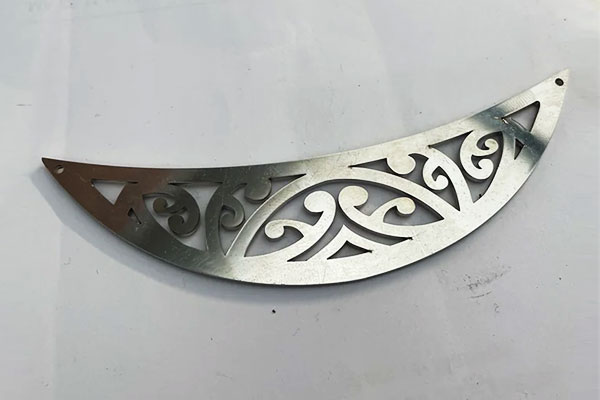
- ساخت ویژگی های میکرو و ظریف: برش لیزری می تواند برش های بسیار ظریف مناسب برای کاربردهای با دقت بالا در الکترونیک ایجاد کند, دستگاه های پزشکی, و قطعات فولادی ضد زنگ تزئینی.
7. محدودیت ها و چالش های برش لیزری فولاد ضد زنگ
در حالی که برش لیزر مزایای زیادی برای پردازش فولاد ضد زنگ دارد, همچنین محدودیتها و چالشهای خاصی را ارائه میکند که باید با دقت مدیریت شوند تا نتایج بهینه تضمین شود.
محدودیت های ضخامت
- کاهش راندمان در مواد ضخیم: برش لیزری برای ورق های فولادی ضد زنگ با ضخامت متوسط تا متوسط کارآمدتر است, به طور معمول تا 15-20 میلی متر.
برش قطعات ضخیم تر به قدرت لیزر بالاتر و سرعت کمتر نیاز دارد, که می تواند هزینه ها و زمان پردازش را افزایش دهد. - منطقه تحت تأثیر گرما (خندق) رشد: با افزایش ضخامت, گرمای ورودی مورد نیاز برای ذوب شدن از طریق مواد افزایش می یابد, باعث ایجاد HAZ بزرگتر می شود.
این می تواند به اعوجاج حرارتی منجر شود, تغییرات متالورژیکی, و کیفیت لبه تنزل یافته است.
بازتاب سطح و کیفیت مواد
- انعکاس پذیری بالا: سطح بازتابنده فولاد ضد زنگ می تواند باعث انعکاس پرتو لیزر شود, منجر به ناکارآمدی می شود, برش ناپایدار, یا حتی آسیب به اپتیک لیزر.
لیزرهای فیبر این را به طور موثرتری نسبت به لیزرهای CO2 کاهش می دهند، اما همچنان به تنظیم دقیق پارامتر نیاز دارند.. - تنوع مواد: تغییرات در ترکیب فولاد ضد زنگ, پایان سطح, یا پوشش ها می توانند بر جذب لیزر و کیفیت برش تأثیر بگذارند, نیاز به تنظیمات فرآیند.
کیفیت لبه و تشکیل ریزش
- روی لبه های برش ریخته شود: انتخاب نادرست گاز یا فشار ناکافی گاز کمکی می تواند باعث چسبیدن مواد مذاب به لبه بریده شود (گودال), نیاز به تمیز کردن یا سنگ زنی ثانویه.
- خطوط و زبری: در سرعت های برش بالاتر یا مواد ضخیم تر, ممکن است رگه ها یا بافت لبه های ناهموار ایجاد شود, تاثیر بر زیبایی شناسی یا تناسب مکانیکی.
کمک به انتخاب گاز و هزینه ها
- وابستگی به گاز: انتخاب گاز کمکی (نیتروژن, اکسیژن, یا هوا) به طور قابل توجهی بر کیفیت برش تأثیر می گذارد, سرعت, و اکسیداسیون:
-
- اکسیژن: با اکسیداسیون باعث برش سریعتر می شود اما می تواند باعث خشن تر شدن آن شود, لبه های اکسید شده.
- نیتروژن: تمیز تولید می کند, لبه های بدون اکسید اما گران تر است و ممکن است سرعت برش را کاهش دهد.
- هوا: گزینه ای مقرون به صرفه اما از نظر کیفیت کمتر سازگار است.
- هزینه های عملیاتی: گازهای با خلوص بالا, مخصوصا نیتروژن, به افزایش هزینه های عملیاتی کمک می کند.
تجهیزات و نگهداری
- سرمایه گذاری اولیه بالا: دستگاه های برش لیزری پیشرفته, به خصوص لیزرهای فیبر پرقدرت, نیاز به سرمایه گذاری قابل توجهی دارد.
- حساسیت اپتیک: اپتیک های لیزری نسبت به آلودگی و آسیب ناشی از پرتوهای منعکس شده یا گرد و غبار حساس هستند, نیاز به تعمیر و نگهداری منظم و تراز کردن.
- عملیات ماهر: برش لیزری بهینه نیازمند اپراتورها و مهندسان آموزش دیده برای مدیریت پارامترها است, عیب یابی مسائل, و تعمیرات پیشگیرانه را انجام دهید.
اثرات حرارتی و اعوجاج
- تنش های حرارتی: گرمای متمرکز لیزر می تواند باعث ایجاد تنش های حرارتی شود که باعث تاب برداشتن می شود, به خصوص در قطعات فولادی ضد زنگ نازک یا با برش پیچیده.
- تغییرات ریز ساختاری: قرار گرفتن طولانی مدت در معرض گرما ممکن است ریزساختار فولاد ضد زنگ را در نزدیکی لبه برش تغییر دهد, بر مقاومت خوردگی و خواص مکانیکی تأثیر می گذارد.
محدودیت در برش اشکال پیچیده سه بعدی
- در درجه اول برش 2 بعدی: اکثر سیستم های برش لیزری برای صفحات صاف یا خطوط سه بعدی ساده بهینه شده اند.
اشکال پیچیده سه بعدی یا مقاطع ضخیم اغلب به روش های جایگزین مانند جوشکاری لیزری یا ماشینکاری لیزری 5 محوره نیاز دارند.. - عمق نفوذ محدود: فاصله کانونی و توان لیزر، عمق و زاویه برش را محدود می کند, محدود کردن تطبیق پذیری برای برخی از برنامه ها.
8. کاربردهای برش لیزری فولاد ضد زنگ
برش لیزری فولاد ضد زنگ به دلیل دقت آن به یک فناوری ضروری در صنایع مختلف تبدیل شده است, سرعت, و تطبیق پذیری.
توانایی آن در تولید طرح های پیچیده با لبه های با کیفیت بالا، آن را برای بسیاری از کاربردهای تولید و ساخت ایده آل می کند..

صنعت خودرو
- قطعه سازی: برش لیزری به طور گسترده ای برای تولید قطعات دقیق برای موتورهای خودرو استفاده می شود, سیستم اگزوز, و اجزای شاسی از ورق ها و صفحات فولادی ضد زنگ.
- نمونه سازی و سفارشی سازی: این فناوری نمونه سازی سریع و سفارشی سازی قطعات با هندسه های پیچیده را امکان پذیر می کند, کمک به مهندسان خودرو برای آزمایش سریع و کارآمد طرح ها.
- عناصر تزئینی: برش لیزری امکان ایجاد تریم های پیچیده را فراهم می کند, نشان ها, و گریل با لبه های تمیز و الگوهای دقیق.
هوافضا و هوانوردی
- مؤلفه های ساختاری: قطعات فولادی ضد زنگ برای قاب هواپیما, موتورهای, و ارابه فرود اغلب به استحکام بالا و مقاومت در برابر خوردگی نیاز دارند, از طریق برش لیزری دقیق به دست می آید.
- کاهش وزن: توانایی برش لیزر برای تولید سبک وزن, اشکال پیچیده به سازندگان هوافضا کمک می کند تا یکپارچگی ساختاری را بهینه کنند و وزن را به حداقل برسانند.
- تحمل های تنگ: اجزای هوافضا به تحملهای سخت و پرداخت صاف نیاز دارند, که برش لیزری می تواند به طور مداوم ارائه دهد.
ساخت دستگاه های پزشکی
- سازهای جراحی: برش لیزری از جنس استنلس استیل در ساخت تیز بسیار مهم است, استریل, و ابزارهای جراحی دقیق مانند چاقوی جراحی, فورس, و قیچی.
- کاشت و پروتز: برش لیزری امکان تولید مواد پیچیده را فراهم می کند, ایمپلنت های زیست سازگار و اجزای پروتز با مشخصات دقیق.
- تجهیزات پزشکی: برش لیزری برای ساخت محفظه ها و قطعات دستگاه های تشخیصی و درمانی استفاده می شود, جایی که دقت و تمیزی در درجه اول اهمیت قرار دارد.
معماری و ساخت و ساز
- پانل های تزئینی: برش لیزری به معماران این امکان را می دهد که پیچیده ایجاد کنند, پانل های هنری استیل ضد زنگ, صفحه نمایش, و نماهایی که زیبایی شناسی را با دوام ترکیب می کنند.
- عناصر ساختاری: برش دقیق قطعات فولادی ضد زنگ برای سازه های پشتیبانی, براکت, و یراق آلات کیفیت ساخت و ایمنی را بهبود می بخشد.
- لوازم و اتصالات سفارشی: عناصر ساخته شده از فولاد ضد زنگ مانند نرده راه پله, نرده, و علائم از انعطافپذیری برش لیزری بهره میبرند.
صنعت غذا و آشامیدنی
- تجهیزات بهداشتی: مقاومت در برابر خوردگی فولاد ضد زنگ آن را برای محیط های بهداشتی ایده آل می کند. برای ساخت مخازن از برش لیزری استفاده می شود, لوله, و تجهیزات پردازشی که استانداردهای تمیزی دقیق را رعایت می کنند.
- ماشین آلات بسته بندی: قطعات فولادی ضد زنگ با برش دقیق، قابلیت اطمینان و کارایی ماشین آلات بسته بندی و بطری مواد غذایی را بهبود می بخشد..
- اجزای تزئینی و کاربردی: عناصر فولادی ضد زنگ برش لیزری سفارشی در لوازم آشپزخانه و تجهیزات تجاری خدمات غذایی استفاده می شود.
الکترونیک و صنعت برق
- محفظه ها و روکش ها: برش لیزری محفظه های فولادی ضد زنگ دقیقی را برای دستگاه های الکترونیکی تولید می کند, ارائه حفاظت و مقاومت در برابر حرارت.
- میکروساخت: کوچک, اجزای دقیق مانند کانکتورها, مخاطب, و قطعات محافظ از دقت و تکرارپذیری برش لیزری بهره می برند.
- سینک های حرارتی و سیستم های خنک کننده: قطعات فولادی ضد زنگ برش لیزری سفارشی به مدیریت اتلاف گرما در مجموعه های الکترونیکی کمک می کند.
هنر و ساخت سفارشی
- تاسیسات مجسمه سازی و هنری: هنرمندان از برش لیزری برای طرح ها و الگوهای پیچیده فولاد ضد زنگ استفاده می کنند که دستیابی به آنها با روش های سنتی دشوار یا غیرممکن است..
- جواهرات و لوازم جانبی سفارشی: برش لیزری قطعات فولادی ضد زنگ دقیق و ظریف را با لبه های صاف و اشکال پیچیده امکان پذیر می کند.
- علامت گذاری و برندسازی: کسبوکارها از علائم و آرمهای فولاد ضد زنگ برش لیزری برای دوام و پرداخت حرفهای استفاده میکنند.
9. کنترل کیفیت و استانداردها
اطمینان از بالاترین کیفیت در برش لیزری فولاد ضد زنگ مستلزم کنترل دقیق دقت ابعاد است, کیفیت لبه, و یکپارچگی مادی.
پایبندی به استانداردهای بین المللی و استفاده از روش های آزمایش پیشرفته برای نتایج قابل اعتماد و سازگار بسیار مهم است.
دقت
- محدوده های تحمل:
برش لیزری فولاد ضد زنگ، بسته به ضخامت مواد، تحملهای سختی را به دست میآورد. برای ورقه های نازک (1-3 میلی متر), تحمل ابعادی معمولی ± 0.1 میلی متر است.
برای صفحات ضخیم تر اعم از 10 به 20 میلی متر, تلرانس ها به 0.3± میلی متر افزایش می یابد, مطابق با ISO 2768-M (درجه تحمل متوسط).
این استانداردها تضمین میکنند که قطعات با مشخصات طراحی برای مونتاژ و عملکرد دقیق مطابقت دارند. - کلاس های کیفیت لبه:
مطابق در ایزو 9013, کیفیت لبه بر اساس زبری سطح طبقه بندی می شود (رگ):
-
- طبقه 1: رگ < 2.5 μM, مناسب برای کاربردهای با دقت بالا مانند تجهیزات پزشکی و قطعات هوافضا.
- طبقه 2: رگ < 5 μM, معمولاً در کاربردهای صنعتی عمومی که در آن سطح متوسط قابل قبول است استفاده می شود.
آزمایش غیر مخرب (NDT)
- بازرسی بصری:
با استفاده از بزرگنمایی از 10x تا 50x, اپراتورها لبه های برش را برای فرزها بررسی می کنند, رسوبات تفاله, اکسیداسیون, و سایر عیوب سطحی.
این مرحله تضمین می کند که یکپارچگی سطح قبل از پردازش یا مونتاژ بیشتر مطابق با الزامات زیبایی شناختی و عملکردی باشد. - تست اولتراسونیک:
برای نمرات فولاد ضد زنگ ضخیم تر مانند 316L در 10 ضخامت میلی متر, بازرسی اولتراسونیک با 5 کاوشگر مگاهرتز برای تشخیص عیوب زیرسطحی در منطقه متاثر از گرما استفاده می شود. (خندق).
این روش می تواند عیب های کوچک را شناسایی کند 0.2 میلی متر, ارائه یک مرحله تضمین کیفیت حیاتی در کاربردهای حیاتی ایمنی. - تست خوردگی:
مقاومت در برابر خوردگی برای قطعات فولادی ضد زنگ ضروری است, به خصوص در محیط های خشن.
-
- آزمایشات اسپری نمک ASTM B117 نشان می دهد که قطعات برش لیزری با گاز کمکی نیتروژن مقاومت در برابر خوردگی بالاتری از خود نشان می دهند, تحمل کردن 500 ساعت بدون تخریب قابل توجه در 304 فولاد ضد زنگ.
- در مقابل, بریدگی های به کمک اکسیژن معمولاً در اطراف دوام می آورند 300 چند ساعت قبل از ظاهر شدن علائم خوردگی. این اهمیت انتخاب گاز برش برای دوام و طول عمر را برجسته می کند.
10. مقایسه با سایر روش های برش
هنگام انتخاب روش برش برای فولاد ضد زنگ, ارزیابی روش های مختلف بر اساس دقت بسیار مهم است, سرعت, هزینه, کیفیت, و مناسب بودن برای کاربردهای خاص.
در زیر مقایسه ای جامع از برش لیزری با سایر فناوری های برش رایج است: برش پلاسما, برش واترجت, و برش مکانیکی.
| معیارها | برش لیزری | برش پلاسما | برش واترجت | برش مکانیکی |
| دقت & کیفیت لبه | دقت بسیار بالایی; تمیز, لبه های صاف | دقت متوسط; لبه های خشن تر | با دقت بالا; لبه های صاف | کم تا متوسط; لبه ممکن است نیاز به تکمیل داشته باشد |
| سرعت | بالا برای ضخامت نازک تا متوسط | خیلی بلند, مخصوصا برای فلزات ضخیم | متوسط تا کند | آهسته تا متوسط |
| قابلیت ضخامت مواد | تا 20 میلی متر (بستگی به قدرت لیزر دارد) | تا 50 میلی متر یا بیشتر | مواد بسیار ضخیم ممکن است (100+ میلی متر) | با قدرت ابزار محدود شده است |
| منطقه متاثر از گرما (خندق) | حداقل تا متوسط, بسته به قدرت | HAZ بزرگتر | هیچ کدام (فرآیند برش سرد) | هیچ کدام |
| هزینه عملیاتی | معتاد (انرژی + نگهدار) | کم تا متوسط | متوسط تا زیاد | کم |
| برنامه های کاربردی مناسب | ورق فلز, طرح های پیچیده, ضخامت نازک تا متوسط | صفحات ضخیم, ساخت سنگین, برش های خشن | مواد ضخیم; مواد حساس به گرما | برش های ساده, شکل دهی خشن, مواد ضخیم |
| جوانب | دقت عالی; حداقل اعوجاج مواد; سریع برای ورقه های نازک | برای فلزات ضخیم موثر است; برش سریعتر روی صفحات ضخیم | بدون اعوجاج حرارتی; می تواند تقریباً هر ماده ای را برش دهد | کم هزینه; تجهیزات ساده |
| منفی | قابلیت مواد ضخیم محدود; فولاد ضد زنگ بازتابنده می تواند چالش برانگیز باشد | کیفیت لبه پایین تر; HAZ قابل توجه; برای برش های ظریف ایده آل نیست | کندتر از لیزر; هزینه های مصرفی بالاتر; فرآیند مرطوب | دقت محدود; آهسته; سایش ابزار; محدود به اشکال ساده |
11. پایان
برش لیزری فولاد ضد زنگ در محل تقاطع قرار دارد مهندسی دقیق و نوآوری در ساخت مدرن.
با قابلیت تحویل سریع, تمیز, و نتایج بسیار دقیق, در صنایع متعدد ضروری شده است.
همانطور که تکنولوژی تکامل می یابد, تصویب از سیستم های لیزری هوشمند و شیوه های پایدار به پیش بردن مرزهای امکان پذیر در ساخت فلز ادامه خواهد داد.
متداول
چه ضخامتی از فولاد ضد زنگ را می توان با لیزر برش داد?
بستگی به توان لیزر دارد:
- تا 6 میلی متر: 1-لیزرهای فیبر 2 کیلوواتی ورق های نازک را با دقت بالا مدیریت می کنند.
- 6-12 میلی متر: 3معمولاً از لیزرهای 6 کیلوواتی استفاده می شود.
- 12-25 میلی متر: به لیزرهای فیبر 6 تا 10 کیلووات + با گاز کمکی و اپتیک مناسب نیاز دارد.
یادداشت: کیفیت و سرعت لبه ممکن است با افزایش ضخامت کاهش یابد.
آیا برش لیزری باعث اکسیداسیون لبه در فولاد ضد زنگ می شود؟?
فقط اگر اکسیژن به عنوان گاز کمکی استفاده می شود. برای جلوگیری از اکسید شدن و تغییر رنگ:
- استفاده کردن نیتروژن به عنوان یک گاز بی اثر.
- این روشنایی تولید می کند, لبه های تمیز, ایده آل برای کاربردهای زیبایی شناختی یا حساس به خوردگی (به عنوان مثال, پزشکی, تجهیزات درجه غذا).
تلورانس های معمولی برای قطعات فولادی ضد زنگ برش لیزری چیست؟?
تحمل ها بر اساس ضخامت متفاوت است:
- 0.1 میلی متر برای ورق های 1-3 میلی متر ضخامت.
- ± 0.2-0.3 میلی متر برای صفحات 10-20 میلی متر.
استانداردهای مانند ISO 2768-M وت در ایزو 9013 کلاس های تحمل عمومی و ریز را تعریف کنید.