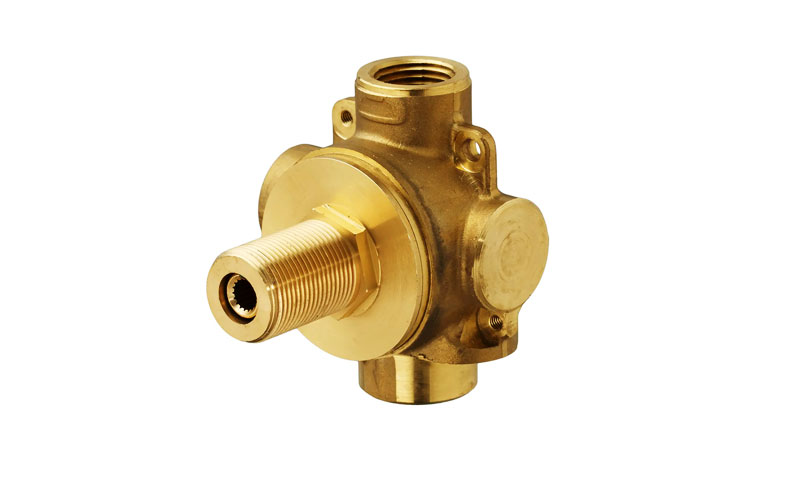
شیرهای دیورتر اجزای ضروری در سیستم های جابجایی سیال هستند, امکان هدایت مجدد جریان از یک مسیر به مسیر دیگر.
این شیرها در لوله کشی کاربرد فراوانی دارند, گرمایش, تهویه, تهویه مطبوع (HVAC), تصفیه آب, و فرآوری صنعتی.
از جمله مواد مختلف مورد استفاده برای شیرهای دیورتر, برنج به دلیل ماشین کاری عالی به عنوان انتخاب ارجح شناخته می شود, مقاومت در برابر خوردگی, antimicrobial properties, و جذابیت زیبایی.
ساخت شیرهای دیورتر برنجی با کیفیت بالا به ترکیبی از ریخته گری دقیق و ماشینکاری پیشرفته CNC نیاز دارد..
ریخته گری موم گمشده (سرمایه گذاری سرمایه گذاری) روشی ایده آل برای تولید گذرگاه های داخلی پیچیده و هندسه های پیچیده بدنه شیرهای دیورتر است..
هنگامی که با ماشینکاری CNC دقیق ترکیب می شود, این فرآیند دریچه ها را با دقت ابعادی استثنایی تحویل می دهد, سطح صاف به پایان می رسد, و عملکرد قابل اعتماد.
1. شیر انحرافی برنجی چیست؟?
بوها شیر دیورتر برنجی یک دستگاه کنترل سیال چند پورت است که برای تغییر مسیر طراحی شده است, انتخاب کردن, یا جریان سیال را بین مسیرهای جریان مختلف توزیع کنید.
برخلاف شیر قطع کننده دو پورت معمولی, یک شیر انحرافی از چندین پورت و یک عنصر متحرک داخلی استفاده می کند تا مشخص کند کدام گذرها در یک موقعیت عملیاتی معین وصل شده اند..
بدنه شیر معمولاً جزء حاوی فشار است. دارای پورت های ورودی و خروجی است, معابر جریان داخلی, محفظه دریچه, رابط های آب بندی, و ویژگی های اتصال.
یک عنصر داخلی - معمولاً یک توپ, وصل کردن, کارتریج, یا مکانیزم دوکی - مسیر جریان را هنگامی که شیر می چرخد یا فعال می شود تغییر می دهد..
یک شیر دیورتر معمولی سه پورت, به عنوان مثال, ممکن است در دو موقعیت اساسی عمل کند:
موقعیت الف: ورودی → خروجی A
موقعیت B: ورودی → خروجی B
پیکربندی های پیچیده تر می توانند مسیرهای جریان را بسته به نیازهای فرآیند ترکیب یا جدا کنند.
عملکرد یک شیر انحرافی برنجی به بیش از توانایی آن در تغییر جریان بستگی دارد.
شیر باید یکپارچگی فشار را حفظ کند, مقاومت جریان کنترل شده, خاموش شدن قابل اعتماد, ثبات ابعادی, و آب بندی قابل تکرار در طول عمر مورد نظر آن.
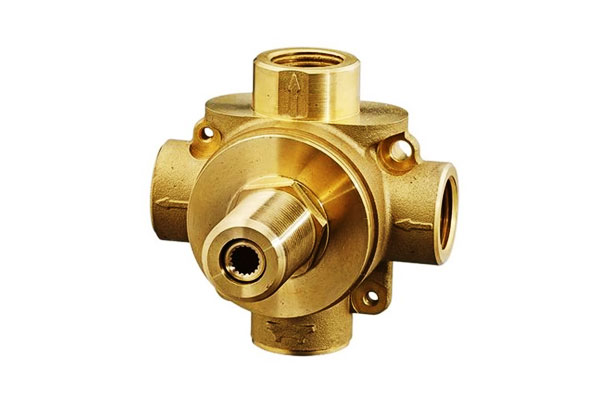
انواع شیرهای دیورتر
| نوع | توضیحات | برنامه های معمولی |
| 3-شیر انحراف راه | یک ورودی, دو خروجی (یا برعکس). | سیستم های دوش, شیرهای اختلاط, HVAC, کنترل فرآیند. |
| 4-شیر انحراف راه | دو ورودی, دو خروجی. | سیستم های گرمایشی, پمپ های حرارتی, کاربردهای جریان معکوس. |
| شیر دایورتر دوار | یک عنصر چرخان جریان را بین پورت ها منحرف می کند. | انتقال پنوماتیک, جابجایی پودر, پردازش صنعتی. |
| شیر کشویی | یک صفحه کشویی جریان را تغییر جهت می دهد. | جابجایی مواد فله, جمع آوری گرد و غبار. |
| شیر انحراف توپ | یک توپ با چند گذر به سمت جریان مستقیم می چرخد. | لوله کشی, پردازش شیمیایی, توزیع گاز. |
2. آلیاژهای برنجی معمولی برای ریخته گری شیر دیورتر
انتخاب صحیح برنج آلیاژ برای یکپارچگی فشار اساسی است, مقاومت در برابر خوردگی, قابلیت تغییر, ثبات ابعادی, و عمر مفید شیر دیورتر.
برنج یک ماده واحد نیست بلکه یک خانواده وسیع از آلیاژهای مبتنی بر مس با ترکیبات و ویژگی های عملکردی متفاوت است..
برای یک شیر دیورتر ریخته گری دقیق, انتخاب آلیاژ باید بیشتر از مقاومت مکانیکی در نظر گرفته شود.
سازنده همچنین باید رفتار ریخته گری را ارزیابی کند, الزامات فشار داخلی, شیمی مایعات, مقاومت در برابر زینک زدایی, الزامات ماشینکاری, درجه حرارت, قرار گرفتن در معرض محیطی, و محدودیت های نظارتی بر روی ترکیبات آلیاژی.
خاص, شیرهایی که برای آب آشامیدنی یا سایر کاربردهای تنظیم شده در تماس با سیال در نظر گرفته شده اند ممکن است به آلیاژهای کم سرب یا بدون سرب نیاز داشته باشند که مخصوصاً برای آن خدمات واجد شرایط هستند..
از این رو, "بهترین" آلیاژ برنج به جای جهانی وابسته به کاربرد است.
آلیاژهای برنجی که معمولاً برای ریختهگری شیرهای دیورتر استفاده میشوند
| الیاژ (ما) | خصوصیات کلیدی | کاربردهای معمولی شیر |
| C84400 | ریخته گری و ماشین کاری خوب; برنج نیمه قرمز سربی سنتی | بدنه شیر ریخته گری, اتصالات لوله کشی, اجزای عمومی کنترل سیال |
| c85700 | برنج نیروی دریایی سربدار; ماشینکاری خوب و مقاومت در برابر خوردگی | قطعات حاوی فشار ریخته گری, اتصالات دریایی |
| C87610 | آلیاژ مس-سیلیکون با استحکام خوب و مقاومت در برابر خوردگی; سرب کم | اجزای خدمات آب و ریخته گری های مقاوم در برابر خوردگی در مواردی که مشخص شده است |
| C87800 | برنج سیلیکون; قابلیت بازیگری خوب, قدرت, مقاومت در برابر خوردگی, و ویژگی های کم سرب | بدنه شیرهای سرویس آب, اتصالات لوله کشی, مؤلفه های صنعتی |
C87850 |
برنج سیلیکونی با ماشین کاری خوب, سفتی فشار, و مقاومت در برابر خوردگی | بدنهای, شیر, کیس های کنتور آب, لوله کشی و قطعات دریایی |
| C89833 | آلیاژ بدون سرب حاوی بیسموت; ماشینکاری خوب و مقاومت در برابر خوردگی | اجزای حاوی فشار بدون سرب, کاربردهای شیر آب آشامیدنی و لوله کشی در مواردی که مشخص شده است |
| C36000 | ویژگی های ماشینکاری آزاد عالی | اجزای شیر ماشینکاری شده, ساقه, اتصالات, آداپتورها, قطعات دقیق کوچک |
3. فرآیند ریخته گری موم گم شده دریچه انحرافی برنجی
در فرآیند ریخته گری موم از دست رفته برای شیرهای انحرافی برنجی برای تبدیل هندسه پیچیده بدنه شیر به ریختهگری فلزی نزدیک به شبکه با ثبات ابعادی کنترل شده و یکپارچگی ساختاری صدا طراحی شده است..
بررسی CAD و ابزار
این فرآیند با ترسیم شیر یا مدل سه بعدی CAD آغاز می شود. قبل از تولید ابزار, هندسه برای امکان سنجی ریخته گری و پایداری تولید بررسی می شود.
سازنده میزان انقباض مورد نیاز را تعیین می کند, کمک هزینه ماشینکاری, انتقال دیوار, فیله, مکان های دروازه, و جهت گیری بازیگری.
برای شیر دیورتر, توجه ویژه ای به مناطق اطراف گذرگاه های جریان متقاطع داده می شود زیرا تغییرات ناگهانی در ضخامت مقطع می تواند بر تغذیه و انجماد فلز تأثیر بگذارد..
سپس این ابزار برای بازتولید هندسه الگوی موم مورد نیاز ساخته می شود.
تولید الگوی موم
موم مذاب به قالب دقیق تزریق می شود تا الگوی فداکاری بدنه دریچه ایجاد شود..
کیفیت الگو پایه ابعادی ریخته گری را تعیین می کند. دمای تزریق, فشار, زمان برگزاری, خنک کننده, و وضعیت دای باید برای به حداقل رساندن فلاش کنترل شود, تحریف, پر کردن ناقص, و تنوع ابعادی.
الگوی موم تکمیل شده قبل از شروع به مونتاژ بررسی می شود.
مونتاژ و گیتینگ واکس
الگوهای موم جداگانه به یک سیستم اسپروی مرکزی متصل می شوند تا یک درخت ریخته گری را تشکیل دهند.
در این مرحله, سیستم دروازه به گونه ای ایجاد شده است که برنج مذاب می تواند حفره دریچه را به صورت کنترل شده پر کند..
موقعیت دروازه و ابعاد دونده بر زمان پر شدن تأثیر می گذارد, تلاطم, شیب حرارتی, و رفتار تغذیه.
برای شیرهای دیورتر پیچیده, دروازه در اطراف طراحی شده است هندسه کل بدن, به جای به حداکثر رساندن سرعت پر کردن.
ساختمان پوسته سرافیکی
درخت موم به طور مکرر در دوغاب سرامیکی فرو می رود و با گچ نسوز پوشانده می شود.. لایه های متوالی یک پوسته سرامیکی سفت و سخت در اطراف الگو ایجاد می کنند.
پوسته باید استحکام کافی برای موم زدایی و ریختن فلز در حین بازتولید جزئیات سطح مورد نیاز را فراهم کند.
کنترل های فرآیند اولیه هستند:
ویسکوزیته دوغم + اندازه ذرات نسوز + ضخامت لایه + شرایط خشک شدن + استحکام پوسته
آماده سازی پوسته ناسازگار می تواند منجر به ترک خوردن شود, تنوع ابعادی, کیفیت سطح پایین, یا خرابی پوسته در حین ریختن.
آبشویی و شلیک پوسته
پوسته سرامیکی برای حذف الگوی مومی و ایجاد حفره منفی بدنه شیر گرم می شود..
بعد از شبنم, پوسته برای حذف مواد آلی باقیمانده و ایجاد مقاومت نسوز و پایداری حرارتی مورد نیاز شلیک می شود..
قالب سرامیکی به دست آمده باید تمیز باشد, خشک, و از نظر ساختاری قبل از معرفی برنج مذاب سالم است.
کنترل ذوب و آلیاژ برنج
آلیاژ برنج انتخاب شده تحت شرایط کنترل شده ذوب می شود.
هدف اصلی این است که اطمینان حاصل شود که فلز مذاب مطابق با مشخص شده است ترکیب شیمیایی و الزامات تمیزی قبل از ریختن.
این امر به ویژه برای شیرهای سفارشی مهم است که خواص مواد و الزامات نظارتی ممکن است به درجه آلیاژ خاصی بستگی داشته باشد.
کنترل فرآیند معمولاً شامل:
- مواد شارژ تایید شده
- نظارت بر دمای ذوب
- تجزیه و تحلیل شیمیایی
- کنترل سرباره و اکسید
- شناسایی حرارتی و قابلیت ردیابی
ریختن کنترل شده
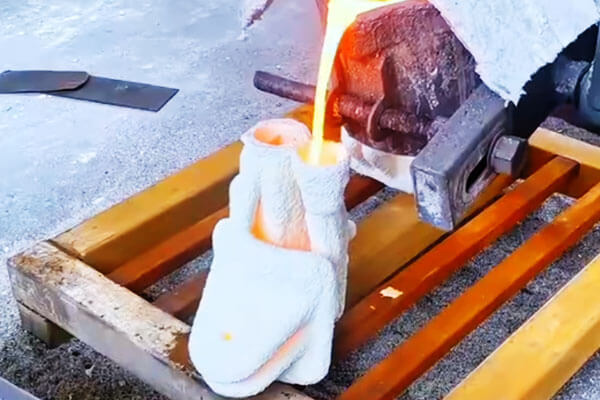
پوسته سرامیکی پیش گرم شده از طریق سیستم دروازه طراحی شده با برنج مذاب پر می شود.
دمای ریختن و سرعت پر شدن باید با هندسه آلیاژ و شیر مطابقت داشته باشد.
فلز باید به اندازه کافی سیال بماند تا بخش های نازک و گذرگاه های پیچیده را بدون تلاطم بیش از حد یا انجماد زودرس پر کند..
یک عملیات ریختن به خوبی کنترل شده به دنبال دستیابی به آن است:
پر کردن کامل + جریان پایدار + حداقل جذب + شرایط حرارتی کنترل شده
انجماد و تغذیه
پس از پر کردن, برنج شروع به سفت شدن می کند. زیرا ممکن است بدنه شیر دارای ضخامت دیواره های مختلف باشد, روسای, و تقاطع های معابر, مناطق مختلف می توانند با سرعت های مختلف خنک شوند.
بنابراین طراحی ریخته گری باید از انجماد کنترل شده و تغذیه کافی فلز در حال انقباض پشتیبانی کند.
کنترل ضعیف انجماد می تواند باعث ایجاد نقص هایی مانند:
- تخلخل کوچک
- حفره های انقباض
- ناپیوستگی های مربوط به گاز
- ترک
برای بدنه های شیر پیچیده, شبیه سازی ریخته گری می تواند برای پیش بینی رفتار پر شدن و انجماد و بهینه سازی سیستم دروازه و تغذیه قبل از تولید استفاده شود..
ناک اوت
هنگامی که ریخته گری به اندازه کافی سرد شد, پوسته سرامیکی به صورت مکانیکی برداشته می شود.
لرزش, جداسازی مکانیکی, یا روش های مناسب دیگری بسته به قطعه و سیستم تولید ممکن است استفاده شود.
در هنگام ناک اوت باید مراقب بود زیرا نیروی مکانیکی بیش از حد می تواند به بخش های نازک آسیب برساند, ویژگی های پورت, یا سطوح ریخته گری.
حذف دروازه و رایزر
اسپرو, دونده, گیتس, و رایزرها از ریخته گری دریچه بریده می شوند.
مکان های برش به گونه ای انتخاب می شوند که حذف به نواحی عملکردی آسیب نرساند یا مواد بیش از حد باقی بماند که ماشینکاری بعدی را پیچیده کند..
این مرحله درخت ریخته گری سرمایه گذاری را به یک ریخته گری بدنه دریچه تبدیل می کند.
اتمام ریخته گری
ریخته گری تمیز شده در معرض سنگ زنی قرار می گیرد, انفجار, یا سایر عملیات تکمیل مناسب برای حذف سرامیک باقیمانده, باله, فلاش, و بقایای دروازه.
هدف تولید یک ریخته گری تمیز و پایدار مناسب برای بازرسی و ماشینکاری بعدی است.
مهمتر, پرداخت نباید برای پنهان کردن ناپیوستگی های غیرقابل قبول ریخته گری استفاده شود. مناطقی که به مرزهای فشار تبدیل خواهند شد, سطوح آب بندی, یا داده های ماشینکاری بحرانی نیاز به توجه خاصی دارند.
4. ماشینکاری CNC ریخته گری شیر انحرافی برنجی
ریختهگری موم گمشده هندسه اصلی یک شیر انحرافی برنجی را ایجاد میکند., اما معمولاً دقت نهایی مورد نیاز برای رابط های حیاتی را ارائه نمی دهد.
ماشینکاری CNC بنابراین پل بین یک ریخته گری نزدیک به شبکه و یک شیر دقیق عملکردی است.
فرآیند ماشینکاری نه تنها باید به ابعاد فردی برسد; باید رابطه هندسی بین پورت ها را حفظ کند, معابر جریان, صندلی های دریچه, سطوح آب بندی, ساقه, و رابط های محرک.
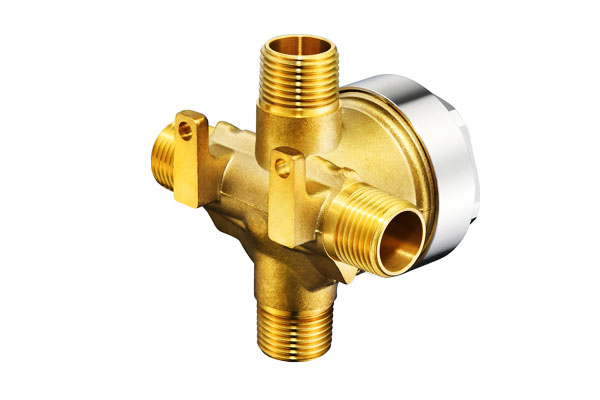
یک توالی تولید معمولی است:
بازرسی ریخته گری ← استقرار مبدأ ← ماشینکاری ناهموار ← ماشینکاری سوراخ/درگاه ← ماشینکاری رزوه ← ماشینکاری صندلی و شیار مهر و موم ← ماشینکاری رابط محرک ← سوراخ زدایی → بازرسی ابعادی
توالی دقیق به معماری شیر بستگی دارد.
ماشینکاری پورت های شیر و سوراخ های داخلی
درگاه های ورودی و خروجی اتصال شیر را با سیستم سیال خارجی برقرار می کنند. بسته به طراحی سوپاپ, این رابط ها ممکن است استفاده کنند:
- NPT یا سایر رزوه های لوله مخروطی
- رشته های BSP یا BSPP/BSPT
- رشته های متریک یا سفارشی
- رابط های فشرده سازی
- اتصالات فلنجی
- لحیم کاری یا هندسه اتصال تخصصی
عملیات ماشینکاری بندری باید ابعاد و موقعیت را کنترل کند.
اگر محور پورت نسبت به بدنه سوپاپ یا پورت های مجاور به درستی قرار نگیرد، یک رزوه درست ماشینکاری شده همچنان می تواند مشکلات مونتاژ ایجاد کند..
برای متقاطع معابر داخلی, ماشینکاری ممکن است شامل حفاری باشد, خسته کننده, متقاطع حفاری, یا ترکیبی از ویژگی های ریخته گری و ماشینکاری شده.
انتقال بین این معابر باید به دقت بررسی شود زیرا ناگهانی بیش از حد می تواند افت فشار و تلاطم را افزایش دهد..
در طرح های سفارشی, ریخته گری می تواند اکثر معماری جریان را ایجاد کند در حالی که ماشینکاری CNC دهانه ها و رابط های عملکردی را تکمیل می کند..
ماشینکاری دقیق صندلی های سوپاپ
نشیمن سوپاپ یکی از حیاتی ترین ویژگی های شیر دیورتر است زیرا رابطی را تشکیل می دهد که نشت ناخواسته سیال را محدود می کند..
عملکرد صندلی بستگی به چندین ویژگی دارد که با هم کار می کنند:
متمرکز + هندسه تماس + پایان سطح + صافی/گردی + سازگاری مواد
صندلی سوپاپ که قطر اسمی خود را دارد اما با عنصر سوپاپ متحدالمرکز نیست ممکن است تماس ناهمواری ایجاد کند..
به همین ترتیب, یک سطح بیش از حد ناصاف می تواند در آب بندی اختلال ایجاد کند, در حالی که یک هندسه سطح نادرست می تواند گشتاور عملیاتی را افزایش دهد.
بنابراین تحمل مناسب صندلی و پرداخت سطح باید با توجه به طراحی خاص دریچه مشخص شود, عنصر آب بندی, امتیاز فشار, و نیاز به نشتی.
ماشینکاری با نخ
رزوه ها در شیرهای دیورتر برنجی رایج هستند زیرا اتصالات فشرده و اقتصادی را ایجاد می کنند.
ماشینکاری CNC ممکن است برای هر دو رزوه داخلی و خارجی استفاده شود. پارامترهای بحرانی شامل:
- قطر عمده
- قطر جزئی
- زمین
- نمایه موضوع
- قطر موثر
- عمق نخ
- متمرکز
- پایان سطح
گیج های رزوه ای اغلب برای تایید تولید استفاده می شوند, در حالی که بازرسی ابعادی می تواند هندسه زیرین را تأیید کند.
زیرا برنج نسبتاً قابل ماشینکاری است, از تولید نخ کارآمد پشتیبانی می کند, اما استراتژی برش هنوز باید با آلیاژ خاص مطابقت داشته باشد.
برخی از آلیاژهای برنج بدون سرب میتوانند رفتار متفاوتی با گریدهای ماشینکاری آزاد سنتی داشته باشند و ممکن است به ابزارها و پارامترهای برش بهینه نیاز داشته باشند..
O-Ring و Seal-Groove Machining
جاهایی که از مهر و موم الاستومری استفاده می شود, شیار O-ring یک ویژگی دقیق است تا یک فرورفتگی ساده.
ابعاد آن فشرده سازی مهر و موم را تعیین می کند و بنابراین بر عملکرد نشتی تأثیر می گذارد. عرض شیار نادرست, عمق, هندسه گوشه, یا وضعیت سطح می تواند باعث شود:
- آب بندی ناکافی
- فشرده سازی بیش از حد
- اکستروژن مهر و موم
- سختی مونتاژ
- سایش زودرس مهر و موم
در نتیجه فرآیند ماشینکاری باید هندسه شیار مشخص شده را حفظ کند و در عین حال از سطح آب بندی اطراف محافظت کند..
5. گزینه های تکمیل سطح برای شیرهای انحرافی برنجی
برای اجزای شیر سفارشی, پرداخت سطح باید همراه با آلیاژ انتخاب شود, فرآیند ماشینکاری, تحمل های ابعادی, و محیط عملیاتی.
هر فرآیند تکمیل برای هر سطحی مناسب نیست.
خاص, صندلی های دریچه, نخ, رابط های آب بندی, و معابر خیس شده ممکن است به شرایط تکمیلی کاملاً کنترل شده نیاز داشته باشند تا از تغییر ابعاد عملکردی آنها جلوگیری شود.
پولیش مکانیکی
پولیش مکانیکی از رسانه های ساینده به تدریج ریزتر برای حذف آثار ماشینکاری استفاده می کند, بی نظمی های جزئی سطح, و عیوب سطح مربوط به ریخته گری از سطح برنج.
بسته به ظاهر مورد نیاز, این فرآیند می تواند از پرداخت اولیه ساینده تا پرداخت با براقیت بالا باشد.
مزایا:
- سطح برنجی صاف و جذابی ایجاد می کند
- ظاهر بصری را بهبود می بخشد
- علائم ماشینکاری و ریخته گری قابل مشاهده را کاهش می دهد
- یک بستر موثر برای آبکاری بعدی فراهم می کند
- می تواند یکنواختی سطح را در سطوح شیر خارجی بهبود بخشد
آبکاری
آبکاری نیکل یک لایه نیکل کنترل شده را بر روی سطح برنج آماده شده رسوب می دهد, معمولاً از طریق فرآیند آبکاری.
پیش تصفیه مناسب برای اطمینان از چسبندگی خوب بین بستر برنجی و پوشش ضروری است.
مزایا:
- مقاومت در برابر خوردگی را بهبود می بخشد
- سختی سطح بیشتری را نسبت به برنج تصفیه نشده فراهم می کند
- مقاومت سایش را بهبود می بخشد
- ظاهر فلزی یکنواختی ایجاد می کند
- مناسب برای قطعاتی که در معرض رطوبت و جابجایی هستند
- می تواند یک لایه پایه برای سیستم های تکمیل تزئینی یا کاربردی ایجاد کند
آبکاری
آبکاری کروم یک لایه سطحی مبتنی بر کروم را روی یک بستر مناسب اعمال می کند, اغلب روی آبکاری نیکل.
فرآیند تولید سخت است, سطح روشن با مقاومت خوب در برابر سایش و کدر شدن.
مزایا:
- ظاهر تزئینی عالی
- سختی سطح بالا
- مقاومت در برابر سایش خوب
- مقاومت خوب در برابر کدر شدن و قرار گرفتن در معرض اتمسفر
- مناسب برای اجزای دریچه های اکسپوز و سخت افزار لوله کشی تزئینی
آبکاری نیکل الکترول
آبکاری نیکل الکترولس یک پوشش نیکل-فسفر یا آلیاژ نیکل مربوطه را از طریق یک واکنش شیمیایی اتوکاتالیستی به جای اتکا به جریان الکتریکی خارجی مستقیم رسوب می کند..
این ضخامت پوشش نسبتاً یکنواخت را در سراسر هندسه های پیچیده امکان پذیر می کند.
مزایا:
- ضخامت پوشش یکنواخت تر روی سطوح پیچیده
- مقاومت در برابر خوردگی خوب
- مقاومت در برابر سایش و سایش خوب
- مناسب برای هندسه های فرورفته و نامنظم
- محافظت از سطح کنترل شده را با تجمع ابعادی نسبتاً قابل پیش بینی ارائه می دهد
- مفید برای اجزای شیر صنعتی که هم به حفاظت و هم سازگاری ابعادی نیاز دارند
پرداخت سطحی ماشینکاری شده دقیق
برای سطوح کاربردی مانند نشیمنگاه سوپاپ, سوراخ, نخ, و رابط های آب بندی, پایان مورد نیاز اغلب مستقیماً از طریق ماشینکاری کنترل شده CNC تولید می شود, چرخش خوب, خسته کننده, سنگ زنی, یا سایر عملیات های دقیق به جای پوشش تزئینی.
مزایا:
- کنترل ابعاد دقیق را حفظ می کند
- هندسه آب بندی دقیق را فعال می کند
- از زبری سطح کنترل شده پشتیبانی می کند
- از ایجاد پوشش غیرضروری در رابط های حیاتی جلوگیری می کند
- مونتاژ و عملکرد عملکردی قابل پیش بینی را ارائه می دهد
- مخصوصاً برای صندلی های سوپاپ مناسب است, سوراخ, نخ, و سطوح تماس مهر و موم
6. مزایای ریخته گری موم گمشده برای شیرهای انحرافی برنجی
ریختهگری موم گمشده مزایای منحصربهفردی را برای تولید شیر دیورتر ارائه میکند که با روشهای ریختهگری یا شکلدهی جایگزین قابل مقایسه نیست..
دقت ابعادی بی نظیر & تکرارپذیری
ریخته گری سرمایه گذاری ± 0.05-0.1 میلی متر در هر 25 میلی متر تحمل به عنوان ریخته گری, با تکرارپذیری مداوم در حجم تولید بالا.
این باعث کاهش موجودی ماشینکاری می شود, تجمع تحمل را به حداقل می رساند, و مونتاژ قابل تعویض را تضمین می کند.
هندسه داخلی پیچیده & بهینه سازی جریان
موم گم شده می تواند هندسه های پورت داخلی پیچیده ای ایجاد کند, انتقال جریان صاف, و معابر کانتوری که با ریخته گری شن و ماسه غیرممکن است یا برای ماشین کاری غیراقتصادی است.
مسیرهای جریان داخلی بهینه شده تلاطم را کاهش می دهد, افت فشار, و نویز جریان.
پایان سطح عالی As-Cast
روکش صورت سرامیکی ریز، Ra 1.6-3.2 میکرومتر را به عنوان سطح ریخته گری تولید می کند, کاهش زمان ماشینکاری و بهبود عملکرد سطح آب بندی.
سطوح صاف ریخته گری نیز فرسایش ناشی از جریان را در داخل معابر سیال کاهش می دهد.
حداقل سهام ماشینکاری & کارایی مواد
ریخته گری به شکل نزدیک به تور فقط به 0.8 تا 1.5 میلی متر ماشینکاری در هر طرف نیاز دارد., در مقایسه با 3-6 میلی متر برای ریخته گری شن و ماسه.
این ضایعات مواد را 40-60٪ کاهش می دهد و زمان ماشینکاری را به طور قابل توجهی کاهش می دهد.
انعطاف پذیری آلیاژ & فرمولاسیون سفارشی
ریخته گری موم گمشده تقریباً با هر آلیاژ برنجی کار می کند, به فرمول آلیاژ سفارشی اجازه می دهد تا با خوردگی خاص مطابقت داشته باشد, قدرت, یا الزامات قانونی بدون تغییرات عمده در ابزار.
یکپارچگی فشار ثابت & مقاومت در برابر نشت
بدنه های ریخته گری تک تکه مسیرهای نشت مشترک مونتاژ شده را حذف می کنند. انجماد کنترل شده تخلخل داخلی را به حداقل می رساند, حصول اطمینان از عملکرد بدون فشار که از تست نشت فشار کاری 1.5 برابر عبور می کند.
7. ریخته گری موم گمشده در مقابل. شیرهای انحرافی برنجی فورج
هم ریخته گری و هم آهنگری اجزای شیر برنجی را تولید می کنند, اما آنها در خدمت سناریوهای طراحی و عملکرد مجزا هستند.
| ابعاد عملکرد | شیرهای برنجی ریخته گری موم گمشده | شیرآلات برنجی فورج |
| دقت | 0.05 ± - 0.1 ± میلی متر / 25 میلی متر به عنوان ریخته گری; بعد از ماشینکاری سفت تر | 0.02 ± - 0.05 ± میلی متر; بسیار سازگار |
| پیچیدگی هندسه داخلی | بسیار بالا - پورت های پیچیده, معابر کانتور شده, طرح های چند پورت | محدود - فقط اشکال محوری ساده; ویژگی های داخلی عمیق امکان پذیر نیست |
| فشار & مقاومت در برابر خستگی | برای فشار استاندارد خوب است; وابسته به تخلخل | عالی; مقاومت در برابر خستگی و فشار ترکیدگی بالاتر |
| مناسب بودن حجم تولید | 500 - 50,000 رایانه های شخصی/سال | 10,000 - 500,000+ رایانه های شخصی/سال |
| هزینه ابزاری & زمان پیشرو | هزینه ابزارآلات متوسط; 4-6 هفته زمان تحویل | هزینه ابزار بالا; 6-10 هفته زمان تحویل |
| کل هزینه واحد | متوسط-بالا برای حجم کم; رقابتی در حجم متوسط | بالا در حجم کم; کمترین در حجم بسیار بالا |
| سناریوهای کاربردی ایده آل | بدنه های چند پورت پیچیده, مسیرهای جریان منحنی, حجم متوسط | طرح های محوری ساده, فشار, خستگی چرخه بالا, حجم بسیار بالا |
8. کاربردهای شیرهای انحرافی برنجی
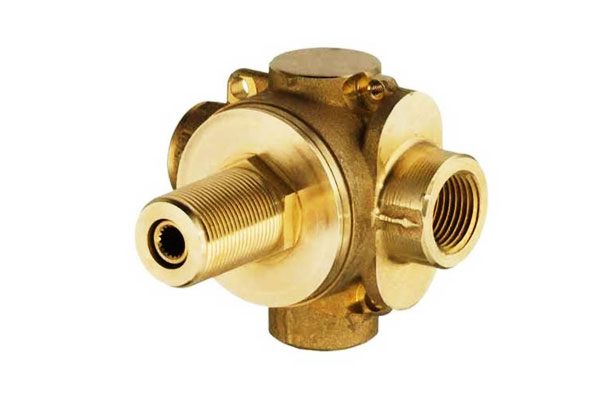
لوله کشی و توزیع آب
شیرهای انحرافی برنجی به طور گسترده در سیستم های لوله کشی برای هدایت آب بین خروجی های مختلف استفاده می شود, مدارها, یا وسایل.
طراحی جمع و جور آنها, مقاومت در برابر خوردگی, و ماشین کاری خوب آنها را برای تجهیزات کنترل آب مسکونی و تجاری مناسب می کند.
برنامه های معمولی شامل:
- سیستم های دوش
- مجموعه های شیر آب
- تجهیزات توزیع آب
- سیستم های اختلاط و مسیریابی
- تجهیزات لوله کشی خانگی
سیستم های گرمایش و تهویه مطبوع
شیرهای انحرافی برنجی معمولاً در سیستمهای گرمایش HVAC و هیدرونیک برای کنترل جهت گردش آب و سایر سیالات سازگار استفاده میشوند..
این شیر می تواند جریان را بین مدارهای گرمایش تغییر دهد, خطوط دور زدن, یا حلقه های ثانویه.
برنامه های معمولی شامل:
- سیستم های گرمایش رادیاتور
- سیستم های گرمایش از کف
- مدارهای گردش HVAC
- سیستم های پمپ حرارتی
- دیگ بخار و تجهیزات گرمایشی
سیستم های آبیاری
در تجهیزات آبیاری, می توان از شیرهای انحرافی برنجی برای هدایت آب بین شاخه ها یا مناطق مختلف استفاده کرد.
مقاومت در برابر خوردگی و ساختار قوی آنها را برای تعویض جریان مکرر در محیط های بیرونی مناسب می کند.
برنامه های معمولی شامل:
- سیستم های آبیاری کشاورزی
- تجهیزات آبیاری باغ
- سیستم های آبپاش
- آبیاری گلخانه
- منیفولدهای توزیع آب
تجهیزات تصفیه آب
دریچههای انحرافی برنجی را میتوان در سیستمهای تصفیه آب فشرده که در آن مسیرهای جریان مختلف باید انتخاب یا جداسازی شوند، ادغام شوند..
ریخته گری دقیق به ویژه زمانی مفید است که بدنه شیر به گذرگاه های داخلی سفارشی شده نیاز دارد.
برنامه های معمولی شامل:
- سیستم های تصفیه آب
- تجهیزات تصفیه آب
- سیستم های نرم کننده
- مجموعه های پمپ و فیلتراسیون
- واحدهای کنترل تصفیه آب
لوازم خانگی و تجهیزات مسکونی
دریچههای انحرافی برنجی فشرده نیز در وسایلی استفاده میشوند که آب یا مایع سازگار دیگری باید بین مدارهای داخلی مختلف هدایت شود..
برنامه های معمولی شامل:
- تجهیزات قهوه و نوشیدنی
- لوازم شستشو
- آبگرمکن
- تجهیزات نظافت
- دستگاه های کنترل آب مسکونی
تجهیزات کنترل سیالات صنعتی
تجهیزات صنعتی ممکن است از شیرهای انحرافی برنجی برای مسیریابی آب استفاده کنند, روغن, هوا, یا دیگر مایعات سازگار که در آن فشار, درجه حرارت, و محیط شیمیایی در محدوده طراحی مواد و شیر قرار دارند.
برنامه های معمولی شامل:
- سیستم های پمپ
- کمپرسورها و تجهیزات جانبی
- ماشین آلات پردازش سیالات
- سیستم های خنک کننده صنعتی
- مجموعه تجهیزات سفارشی
سیستم های تجاری و تخصصی
شیرهای انحرافی برنجی سفارشی نیز برای سازندگان تجهیزاتی مناسب هستند که به یک قطعه کنترل جریان چند پورت فشرده طراحی شده در اطراف یک مجموعه خاص یا مدار سیال نیاز دارند..
برنامه های معمولی شامل:
- تجهیزات لوله کشی تجاری
- سیستم های گردش آب
- منیفولدهای تجهیزات
- مجموعه های کنترل سیال OEM
- ماشین آلات و تجهیزات فرآیند سفارشی
9. چرا LangHe Industry را برای ریختهگری موم گمشده دریچه برنجی انتخاب کنید & ماشینکاری?
برای شیرهای دیورتر برنجی سفارشی, انتخاب یک تولید کننده صرفاً یافتن تامین کننده ای نیست که بتواند برنج ریخته گری کند.
جزء نهایی به هماهنگی مهندسی ریخته گری بستگی دارد, انتخاب آلیاژ, ماشینکاری CNC, پایان سطحی, کنترل ابعادی, و تست عملکردی.
صنعت لانگه به تولید شیر انحرافی برنجی سفارشی به عنوان یک پروژه تولید یکپارچه می پردازد, اجازه می دهد تا مراحل ریخته گری و ماشینکاری با هم بر اساس نیازهای عملکردی مشتری توسعه یابد.
| قابلیت | جزئیات |
| مواد | C84400, c85700, C87610, C87800, C87850, C89833, C36000. |
| فرآیند ریخته گری | ریخته گری موم گمشده (سرمایه گذاری سرمایه گذاری). |
| تحمل | 0.1-0.3 میلی متر (CT5-CT7 در هر ISO 8062). |
| ماشینکاری CNC | چرخش CNC, آسیاب کردن, حفاری, بهره برداری, خسته کننده, نواحی, نخ دار. |
| کیفیت | ISO 9001:2015 گواهی شده است; 100% بازرسی; CMM. |
| زمان پیشرو | 6-12 هفته برای ابزار; 2-4 هفته برای سفارشات تکراری. |
10. پایان
شیر انحرافی برنجی یک جزء فشرده است, اما الزامات تولید آن بسیار به هم مرتبط است.
بدنه شیر باید دارای فشار باشد, ارائه مسیرهای جریان دقیق, المان شیر داخلی را در خود جای دهد, حفظ رابط های آب بندی, و به طور قابل اعتماد با لوله ها یا تجهیزات خارجی متصل شوید.
برای طرح های سفارشی پیچیده, ریخته گری موم گمشده راهی کارآمد برای ایجاد هندسه اصلی شیر-بدنه فراهم می کند, از جمله پورت های سفارشی شده, روسای, انتقال ها, و معماری داخلی مناسب.
ماشینکاری CNC سپس نخ ها را به همراه می آورد, سوراخ, صندلی های دریچه, شیارهای آب بندی, و رابط های محرک با دقت لازم.
انتخاب مواد به همان اندازه مهم است. آلیاژهای مختلف برنج ترکیبات مختلفی از قابلیت ریخته گری را ارائه می دهند, قابلیت تغییر, قدرت مکانیکی, مقاومت در برابر خوردگی, و تناسب مقرراتی.
بنابراین انتخاب صحیح باید بر اساس سیال واقعی و محیط عملیاتی باشد.
LangHe Industry ریخته گری دقیق برنج و ماشینکاری CNC را برای پشتیبانی از تولید شیر انحرافی سفارشی از بررسی اولیه طراحی از طریق بازرسی اجزای نهایی ترکیب می کند., کمک به مشتریان OEM تبدیل مفاهیم پیچیده شیر به محصولات قابل تولید و تکرار شونده.
سوالات متداول
شیر دیورتر برنجی چیست?
شیر انحرافی برنجی یک دستگاه کنترل سیال چند پورت است که برای تغییر مسیر یا توزیع انتخابی سیال بین مسیرهای جریان مختلف استفاده می شود..
عنصر سوپاپ داخلی آن تعیین می کند که کدام پورت ها در هر موقعیت عملیاتی متصل هستند.
چرا معمولاً از برنج برای شیرهای دیورتر استفاده می شود?
برنج ترکیب مفیدی از مقاومت در برابر خوردگی را فراهم می کند, قابلیت تغییر, قدرت مکانیکی, قابلیت استفاده, و راندمان هزینه.
این خواص آن را برای بسیاری از آب ها مناسب می کند, HVAC, لوله کشی, وسیله, و کاربردهای صنعتی کنترل سیال.
چرا از ریخته گری موم گم شده برای شیر دیورتر برنجی استفاده کنید؟?
ریخته گری موم گمشده به ویژه زمانی مفید است که بدنه شیر دارای هندسه پیچیده باشد, پورت های متعدد, رئیسان یکپارچه, یا گذرگاه های جریان سفارشی.
بدنه ای شبیه به شبکه تولید می کند که متعاقباً می تواند ماشینکاری CNC شود.
آیا می توان از شیرهای انحرافی برنجی برای آب آشامیدنی استفاده کرد?
آنها می توانند باشند, به شرطی که ساخت کامل شیر مطابق با الزامات قابل اجرا برای سرویس آب آشامیدنی باشد.
آلیاژ برنج, محتوای سرب, اجزای خیس شده, فرآیند تولیدی, و انطباق محصول مورد نیاز همه باید در نظر گرفته شود.