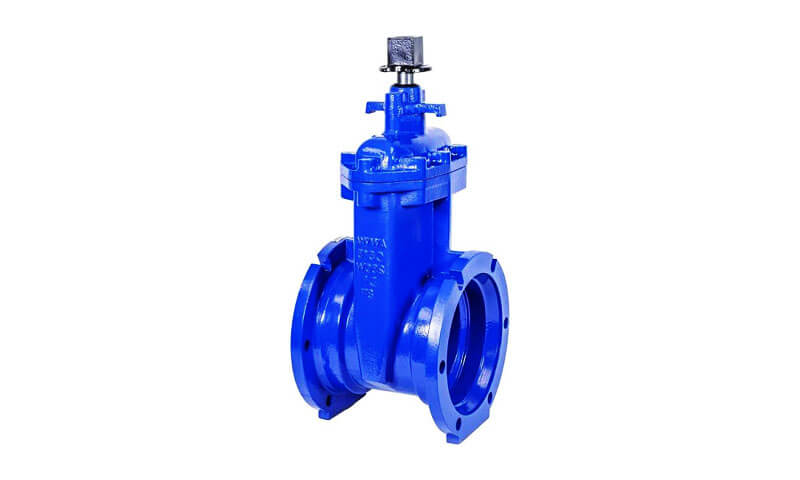
Las válvulas de compuerta se encuentran entre las válvulas industriales más utilizadas., Sirviendo como mecanismo de cierre principal en innumerables sistemas de tuberías en todo el mundo..
Su diseño simple pero robusto (una compuerta que se mueve perpendicularmente a la trayectoria del flujo) proporciona confiabilidad, Cierre hermético con mínima caída de presión cuando está completamente abierto..
Si bien las válvulas de compuerta se pueden fabricar con diversos materiales, El hierro dúctil se ha convertido en el material elegido para muchas aplicaciones industriales debido a su excepcional combinación de resistencia., tenacidad, castigabilidad, y rentabilidad.
Cuando las válvulas de compuerta de hierro dúctil se producen mediante fundición a la cera perdida, el resultado es un componente con una precisión dimensional superior, Excelente acabado superficial, y propiedades mecánicas consistentes que superan las de las alternativas de fundición en arena..
La fundición a la cera perdida permite la producción de componentes con forma casi neta y geometrías internas complejas., superficies de sellado precisas, y bridas integrales, todo en una sola pieza.
Este artículo proporciona un examen exhaustivo de las válvulas de compuerta de hierro dúctil de fundición a la cera perdida..
1. ¿Qué es una válvula de compuerta de hierro dúctil de fundición a la cera perdida??
un hierro dúctil válvula de compuerta Es una válvula de aislamiento de movimiento lineal cuyos componentes que contienen presión, principalmente el cuerpo de la válvula y el casquete, están fabricados de hierro dúctil. (hierro fundido nodular).
A diferencia de las válvulas reguladoras que controlan el flujo continuamente, Una válvula de compuerta está diseñada para funcionar en una posición completamente abierta o completamente cerrada., proporcionando una restricción de flujo mínima cuando está abierto y un cierre confiable cuando está cerrado.
La característica distintiva del hierro dúctil radica en su morfología de grafito.. Durante el proceso de nodularización, El magnesio o los elementos de tierras raras transforman las escamas de grafito en nódulos esféricos..
Este cambio microestructural mejora drásticamente la resistencia a la tracción., ductilidad, resistencia a la fatiga, y resistencia al impacto manteniendo la excelente capacidad de fundición asociada con el hierro fundido..
Una válvula de compuerta de hierro dúctil de fundición a la cera perdida aplica el proceso de fundición a la cera perdida de precisión para fabricar componentes de válvula complejos con una consistencia dimensional y una calidad de superficie excepcionales..
En comparación con los métodos de fundición convencionales., La fundición a la cera perdida permite la producción de componentes con una forma casi neta que requieren menos mecanizado y al mismo tiempo mantienen un rendimiento mecánico excelente..
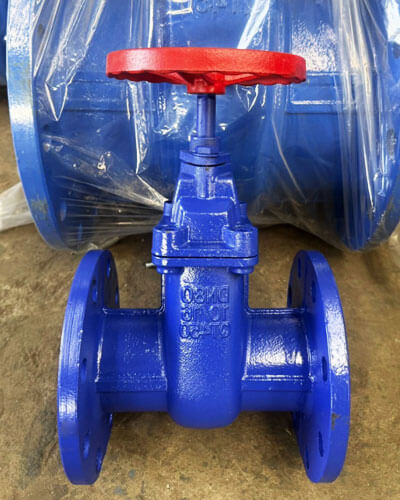
Principio de trabajo de las válvulas de puerta
El principio de funcionamiento de una válvula de compuerta es sencillo pero muy eficaz..
Al girar el volante o el actuador, el vástago roscado mueve la puerta. (cuña o disco paralelo) verticalmente dentro del cuerpo de la válvula.
Cuando se abre la válvula, la compuerta se eleva completamente fuera del recorrido del flujo, creando un paso sin obstrucciones cuyo diámetro interno coincida estrechamente con el de la tubería.
Esta configuración de puerto completo minimiza la pérdida de presión., reduce la turbulencia, y permite una alta eficiencia de flujo, haciendo que las válvulas de compuerta sean ideales para sistemas donde el flujo sin restricciones es esencial.
Cuando la válvula está cerrada, la compuerta desciende hasta hacer contacto firmemente con los asientos de la válvula, creando un sello hermético a la presión que evita fugas de fluido.
Dependiendo del diseño de la válvula, El sellado se puede lograr mediante asientos elásticos., contacto metal con metal, o una combinación de ambos.
Debido a que las superficies de sellado experimentan poco movimiento relativo una vez completamente asentadas, Las válvulas de compuerta generalmente presentan un menor desgaste del asiento que las válvulas de estrangulación cuando se usan con fines de aislamiento.. Sin embargo, No están destinados a la regulación del flujo..
Operar una válvula de compuerta en una posición parcialmente abierta expone la compuerta y los asientos a la erosión continua del fluido., vibración, y cavitación, reduciendo significativamente la vida útil.
Componentes de la válvula de compuerta
| Componente | Función | Consideraciones materiales |
| Cuerpo | Vivienda principal; Contiene la puerta y los asientos.; proporciona conexiones de tubería. | Hierro dúctil (el elenco de inversión) para la fuerza, castigabilidad, y la integridad de la presión. |
| Puerta (desct) | La cuña móvil que controla el flujo.; sube y baja dentro del cuerpo. | Hierro dúctil (el elenco de inversión) para resistencia al desgaste y superficies de sellado. |
| Asiento | Superficies de sellado fijas contra las que presiona la puerta. | Hierro dúctil (el elenco de inversión) con endurecimiento superficial (P.EJ., superposición de estelita). |
Provenir |
Transmite torque desde el actuador a la puerta.. | Acero inoxidable (martensítico) para resistencia a la corrosión y resistencia al desgaste. |
| Capó | Cubre la parte superior de la válvula.; alberga el tallo y el empaque. | Hierro dúctil (el elenco de inversión) para la integridad de la presión. |
| Solenoide | Manual (volante), engranaje, o automatizado (eléctrico, neumático). | Componentes comerciales. |
2. ¿Por qué elegir hierro dúctil para válvulas de compuerta??
¿Qué es el hierro dúctil??
Hierro dúctil, también conocido como hierro fundido nodular o hierro de grafito esferoidal (SG Iron), Es un hierro fundido de alto rendimiento en el que el grafito existe como nódulos esféricos discretos en lugar de escamas interconectadas..
Esta morfología única del grafito se logra agregando cantidades controladas de magnesio o cerio durante el tratamiento del metal fundido antes de la fundición..
La transformación del grafito en escamas al grafito esferoidal cambia fundamentalmente el comportamiento mecánico del hierro fundido..
Mientras que el hierro gris es fuerte en compresión pero relativamente frágil bajo cargas de tracción., El hierro dúctil combina una alta resistencia a la tracción con una excelente ductilidad., permitiéndole absorber cargas de impacto, acomodar concentraciones de estrés, y resistir la propagación de grietas mucho más eficazmente.
Para componentes que contienen presión, como válvulas de compuerta, Estas características son particularmente valiosas porque las válvulas están frecuentemente sujetas a presiones internas fluctuantes., tensiones térmicas, vibración mecánica, y eventos ocasionales de golpes de ariete.
En comparación con muchos componentes de acero, El hierro dúctil también ofrece una excelente moldeabilidad., Permitir a los fabricantes producir geometrías de válvulas complejas con menos defectos de fundición y menores costos de producción..
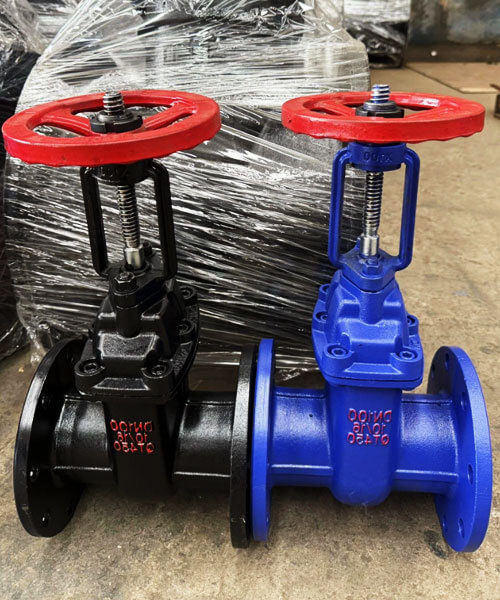
Ventajas mecánicas y metalúrgicas del hierro dúctil
Excelente relación de fuerza-peso
El hierro dúctil proporciona una resistencia mecánica similar a la del acero fundido al tiempo que mantiene costos de fabricación más bajos y una excelente capacidad de fundición..
Su alto límite elástico y de tracción permite que los cuerpos de las válvulas resistan de forma segura la presión interna., carga de brida, y fuerzas mecánicas externas durante largos períodos de servicio.
Excelente dureza y resistencia al impacto
La estructura esférica de grafito interrumpe la propagación de grietas y distribuye la tensión de manera más uniforme por toda la matriz metálica..
Como resultado, El hierro dúctil presenta una tenacidad a la fractura significativamente mayor que el hierro gris., reducir la probabilidad de falla frágil bajo cargas de impacto o aumentos repentinos de presión, como golpes de ariete.
Capacidad superior de soporte de presión
Por su combinación de resistencia y ductilidad., El hierro dúctil es particularmente adecuado para componentes que retienen presión..
Los cuerpos de válvulas de compuerta de fundición a la cera perdida correctamente diseñados pueden soportar con seguridad ciclos de presión repetidos mientras mantienen la estabilidad dimensional y el rendimiento de sellado durante períodos de funcionamiento prolongados..
Excelente capacidad de fundición
El hierro dúctil fluye bien durante la fundición y llena de manera eficiente cavidades complejas del molde., lo que lo hace ideal para producir cuerpos de válvulas complejos con bridas integradas, costillas de refuerzo, características de montaje, y pasajes de flujo optimizados.
Esta excelente capacidad de moldeo complementa el proceso de fundición a la cera perdida al permitir una fabricación con forma casi neta con requisitos de mecanizado reducidos..
Buena maquinabilidad
A pesar de su alta resistencia mecánica, El hierro dúctil sigue siendo relativamente fácil de mecanizar..
Los nódulos de grafito actúan como rompevirutas naturales y proporcionan un grado de autolubricación durante el corte., lo que resulta en un menor desgaste de la herramienta, eficiencia de mecanizado mejorada, y excelente acabado superficial en las caras de sellado, superficies de brida, y características roscadas.
Excelente amortiguación de vibración
Comparado con el acero, El hierro dúctil posee una capacidad de amortiguación superior., permitiéndole absorber vibraciones mecánicas y reducir la transmisión de ruido..
Esta característica contribuye a un funcionamiento más silencioso de la bomba y la válvula y, al mismo tiempo, ayuda a minimizar las tensiones de fatiga en sistemas de tuberías sujetos a cargas cíclicas..
Excelente rendimiento de costos
Quizás la mayor ventaja de ingeniería del hierro dúctil es su capacidad para ofrecer un alto rendimiento mecánico a un costo competitivo..
Cuando se combina con fundición a la cera perdida, Los fabricantes pueden lograr geometrías complejas., integridad de presión confiable, mecanizado reducido, y larga vida útil sin los mayores costos de material asociados con el acero inoxidable o el acero fundido, haciendo del hierro dúctil una opción excepcionalmente económica para una amplia gama de aplicaciones de válvulas de compuerta.
3. Proceso de fabricación de fundición a la cera perdida para válvulas de compuerta de hierro dúctil
La producción de válvulas de compuerta de hierro dúctil de alto rendimiento requiere algo más que simplemente verter metal fundido en un molde..
Cada etapa de la proceso de fundición a la cera perdida influye en la precisión dimensional, integridad de la presión, rendimiento de sellado, y durabilidad a largo plazo.
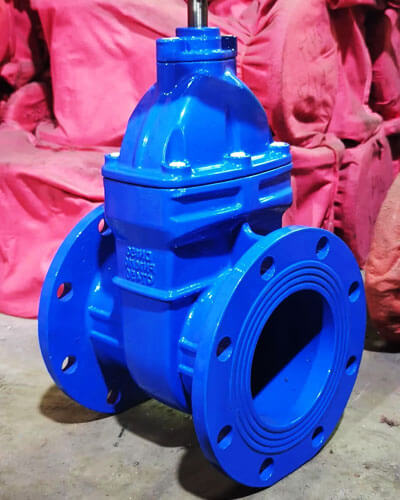
Para componentes críticos de válvulas, El proceso de fabricación se controla cuidadosamente desde la preparación del material hasta la inspección final para garantizar el cumplimiento de normas internacionales como ASTM., ISO, API, EN, y especificaciones de ingeniería específicas del cliente.
Descripción general del flujo de proceso
| Escenario | Paso | Detalle clave |
| 1 | Producción de patrones | Inyección de cera en un troquel de precisión que replica la geometría de la válvula de compuerta (cuerpo, puerta, capó). |
| 2 | Conjunto central | Núcleos de cerámica o cera soluble para conductos de flujo internos., ranuras del asiento, y socavos. |
| 3 | Montaje del árbol | Múltiples patrones de cera unidos al bebedero central. (árbol). |
| 4 | Edificio de conchas | 6-10 capas de lechada cerámica (Sola de sílice) + estuco (circón/alúmina). |
| 5 | Rocío | El autoclave de vapor derrite la cera; la concha permanece hueca. |
| 6 | Disparo de proyectiles | Cocido a 900-1100°C para fortalecer la cerámica y eliminar los volátiles.. |
7 |
Fusión de hierro dúctil | Fusión por inducción con tratamiento de nodularización de magnesio.. |
| 8 | Torrencial | Hierro dúctil fundido vertido en una carcasa precalentada. |
| 9 | Enfriamiento & knockear | Enfriamiento controlado; cáscara eliminada por vibración o chorro de agua. |
| 10 | Cierre & refinamiento | Cortar puertas y contrahuellas; molienda, disparo, caída. |
| 11 | Tratamiento térmico | Recocido (para maquinabilidad) o normalizando (Para mejorar la fuerza). |
| 12 | Inspección & pruebas | Visual, dimensional, NDT (radiografía, penetrante de tinte), prueba de presión hidrostática. |
4. Ventajas de la fundición a la cera perdida para válvulas de compuerta de hierro dúctil
La fundición a la cera perdida se ha convertido en uno de los métodos de fabricación más eficaces para producir componentes de válvulas de compuerta de hierro dúctil de alta calidad..
Combinando las excelentes propiedades mecánicas del hierro dúctil con la precisión del proceso a la cera perdida, Los fabricantes pueden lograr una precisión dimensional superior., integridad de presión mejorada, y mayor flexibilidad de diseño en comparación con los métodos de fundición convencionales.
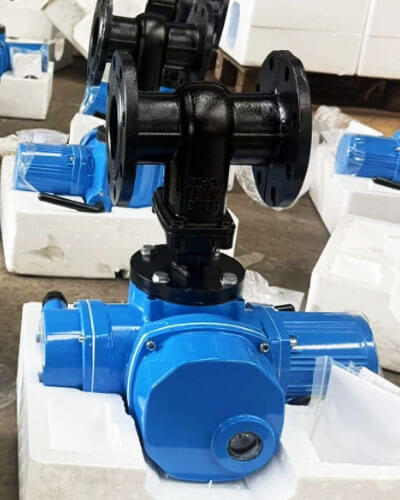
Precisión dimensional excepcional
Una de las principales ventajas de la fundición a la cera perdida es su capacidad para producir componentes con una forma casi neta y una consistencia dimensional excepcional..
Cuerpos de válvulas complejos, gorros, cuñas, y los conductos de flujo internos se pueden moldear con una variación dimensional mínima, reduciendo significativamente las operaciones de mecanizado secundario.
Dimensiones de brida precisas, orificios de vástago concéntricos, y las superficies de sellado formadas con precisión contribuyen directamente a un ensamblaje confiable de la válvula y un rendimiento hermético.
Calidad de superficie superior
El proceso de concha cerámica reproduce el patrón de cera con notable fidelidad., lo que da como resultado superficies de fundición mucho más suaves que la fundición en arena convencional..
El acabado superficial mejorado reduce los márgenes de mecanizado, acorta los ciclos de producción, y minimiza las posibles concentraciones de estrés..
Los canales de flujo interno suaves también reducen la turbulencia del fluido y las pérdidas de presión durante la operación., mejorando la eficiencia hidráulica.
Capacidad para fabricar geometrías complejas
Las válvulas de compuerta modernas a menudo incorporan características estructurales complejas que serían difíciles o antieconómicas de producir utilizando métodos de fundición tradicionales..
La fundición a la cera perdida permite elementos complejos, como nervaduras reforzadas., pasajes de flujo curvos, jefes de montaje integrados, rieles guía de precisión, y transiciones de pared optimizadas, que se formarán directamente durante el vaciado.
Esta libertad de diseño permite a los ingenieros mejorar la resistencia., reducir el peso innecesario, y mejorar el rendimiento del flujo sin aumentar la complejidad de fabricación.
Excelente integridad de la presión
Los componentes que contienen presión exigen solidez interna y confiabilidad estructural.
La fundición a la cera perdida ofrece un excelente control sobre el flujo y la solidificación del metal., reduciendo la probabilidad de caries por contracción, Cierre frío, inclusiones, y otras discontinuidades internas.
Combinado con un diseño de compuerta adecuado, control de esferoidización, y una inspección rigurosa, El proceso produce piezas fundidas densas capaces de cumplir estrictos requisitos de pruebas de presión para aplicaciones de válvulas industriales..
Rendimiento mecánico mejorado
Porque el proceso de fundición a la cera perdida proporciona una solidificación controlada y un desarrollo uniforme de la microestructura., Los componentes de hierro dúctil exhiben propiedades mecánicas consistentes en toda la fundición..
La nodularidad adecuada del grafito y el control de la matriz contribuyen a una alta resistencia a la tracción., Excelente ductilidad, fuerte resistencia a la fatiga, y rendimiento de impacto confiable, haciendo que las válvulas sean adecuadas para condiciones exigentes de presión y carga cíclica.
Mecanizado reducido y desechos de materiales
La fabricación con forma casi neta reduce significativamente la cantidad de material que se debe eliminar durante el mecanizado.
Menos mecanizado se traduce en tiempos de producción más cortos, menor desgaste de herramientas, consumo de energía reducido, y mejor utilización del material.
Estas ventajas se vuelven cada vez más importantes para la producción de válvulas de volumen medio y alto, donde la eficiencia de fabricación afecta directamente el costo general..
Alta consistencia de producción
Herramientas de cera de precisión, edificio de concha automatizado, fusión controlada, y los parámetros de proceso estandarizados garantizan una excelente repetibilidad de un lote de producción a otro.
Esta consistencia es particularmente valiosa para los fabricantes OEM que requieren componentes intercambiables., calidad estable, y fiabilidad del suministro a largo plazo.
Rentabilidad para medianas- a la producción de alto volumen
Aunque la inversión en herramientas es generalmente mayor que para la fundición en arena tradicional, El costo total de fabricación a menudo se vuelve más económico en tiradas de producción medianas y grandes..
Mecanizado reducido, tasas de chatarra más bajas, tiempos de montaje más cortos, y la consistencia mejorada del producto ayudan a compensar los gastos iniciales de herramientas al mismo tiempo que entregan componentes de mayor valor..
Compatibilidad de material amplio
La fundición a la cera perdida admite una amplia gama de grados de hierro dúctil, incluyendo ferrítico, perlítico, y hierro dúctil austemplado (Adi).
Esta flexibilidad permite a los fabricantes adaptar la resistencia mecánica, resistencia al desgaste, tenacidad, y rendimiento contra la corrosión en entornos de servicio específicos sin cambiar el proceso de producción fundamental.
Fiabilidad mejorada y vida útil más larga
La combinación de fabricación de precisión., alta integridad estructural, calidad constante del material, y el diseño optimizado da como resultado componentes de válvulas de compuerta capaces de ofrecer un rendimiento a largo plazo en condiciones operativas exigentes..
Tasas de defectos reducidas, fiabilidad de sellado mejorada, y una excelente resistencia a la fatiga mecánica contribuyen a reducir los requisitos de mantenimiento y prolongar la vida operativa en los sistemas de distribución de agua., plantas de procesamiento industrial, instalaciones de generación de energía, e infraestructura municipal.
5. Materiales de hierro dúctil para válvulas de compuerta de fundición de inversión
Seleccionando el apropiado hierro dúctil El grado es una de las decisiones de ingeniería más importantes en la fabricación de válvulas de compuerta..
Diferentes grados están optimizados para entornos operativos específicos., desde sistemas de agua municipales hasta tuberías industriales de alta presión.
Grados comunes de hierro dúctil para válvulas de compuerta
| Estándar | Calificación | Resistencia a la tracción (MPA) | Fuerza de rendimiento (MPA) | Alargamiento (%) | Características clave | Aplicaciones típicas |
| ASTM A536 | 60-40-18 | ≥414 | ≥276 | ≥18 | Excelente ductilidad y resistencia al impacto. | Suministro de agua municipal, tuberías de baja presión |
| ASTM A536 | 65-45-12 | ≥448 | ≥310 | ≥12 | Fuerza y ductilidad equilibradas | Válvulas industriales generales |
| ASTM A536 | 80-55-06 | ≥552 | ≥379 | ≥6 | Mayor capacidad de presión y resistencia al desgaste. | Sistemas de procesamiento industrial |
| ASTM A536 | 100-70-03 | ≥690 | ≥483 | ≥3 | Alta resistencia y rigidez | Válvulas de servicio pesado, equipo minero |
| EN 1563 | En-gjs-400-15 | ≥400 | ≥250 | ≥15 | Excelente tenacidad y maquinabilidad. | Obras sanitarias e infraestructura municipal. |
| EN 1563 |
En-gjs-500-7 |
≥500 | ≥320 | ≥7 | Buen equilibrio entre fuerza y dureza. | Aceite & gas, HVAC, tuberías industriales |
| EN 1563 | En-gjs-600-3 | ≥600 | ≥370 | ≥3 | Alta resistencia y resistencia a la presión. | Cuerpos de válvulas de alta presión |
| EN 1563 | En-gjs-700-2 | ≥700 | ≥420 | ≥2 | Máxima resistencia entre las fundiciones dúctiles convencionales | Aplicaciones industriales de servicio severo |
| ASTM A897 | Hierro dúctil (Adi) | 800–1600 | 500–1300 | 1–10 | Fuerza excepcional, fatiga, y resistencia al desgaste | Minería, generación de energía, servicios abrasivos |
6. Rendimiento mecánico y resistencia a la presión
La confiabilidad a largo plazo de una válvula de compuerta depende no solo de su mecanismo de sellado sino también del desempeño mecánico del cuerpo de la válvula bajo presión continua., cargas fluctuantes, y entornos de servicio exigentes.
El hierro dúctil moldeado a la cera perdida combina excelentes propiedades mecánicas con una calidad de fundición muy constante, lo que lo convierte en un material ideal para componentes de válvulas que retienen la presión..
Alta resistencia con excelente tenacidad
A diferencia del hierro fundido gris, que contiene grafito en escamas que actúa como concentradores de tensión naturales, El hierro dúctil presenta grafito esferoidal disperso por toda la matriz metálica..
Esta microestructura mejora significativamente la resistencia a la tracción., fuerza de rendimiento, ductilidad, y resistencia al impacto manteniendo una excelente moldeabilidad.
Los grados típicos de hierro dúctil utilizados para válvulas de compuerta proporcionan resistencias a la tracción que van desde 400 MPa a más 700 MPA, permitiendo que el cuerpo de la válvula resista de manera segura tanto la presión interna del fluido como las cargas mecánicas externas generadas por el peso de la tubería, vibración, y expansión térmica.
Excelente capacidad de soportar presión
La fundición a la cera perdida produce densos, Cuerpos de válvula uniformes con porosidad de contracción mínima y excelente consistencia dimensional..
La ausencia de discontinuidades importantes en la fundición mejora en gran medida la integridad de la presión y reduce el riesgo de fugas o de inicio de grietas bajo altas presiones operativas..
Cuando se combina con mecanizado de precisión de superficies de sellado y bridas, Las válvulas de compuerta de fundición a la cera perdida pueden satisfacer de manera confiable las clases de presión requeridas por estándares internacionales como:
- PN10, PN16, PN25
- Clase ANSI 125
- Clase ANSI 150
- Sistemas industriales de media presión personalizados
Cada cuerpo de válvula terminado generalmente se somete a pruebas de presión hidrostática para verificar la integridad estructural antes del ensamblaje y envío..
Resistencia de fatiga superior
Las válvulas de compuerta rara vez fallan debido a un solo evento de sobrecarga. En cambio, están expuestos a miles de ciclos operativos que implican apertura, cierre, fluctuaciones de presión, martillo de agua, y vibración.
El hierro dúctil exhibe una excelente resistencia a la fatiga debido a su estructura de grafito nodular., lo que reduce la concentración de tensiones y retrasa la iniciación de grietas..
Para redes de agua municipales y sistemas de servicios industriales que funcionan continuamente durante décadas, Este rendimiento ante la fatiga se traduce directamente en una vida útil más larga y menores costos de mantenimiento..
Resistencia al choque mecánico
Los sistemas de tuberías experimentan con frecuencia cargas transitorias causadas por el arranque de la bomba., funcionamiento de la válvula, transporte, impactos de instalación, o aumentos repentinos de presión accidentales.
El hierro dúctil moldeado a la cera perdida proporciona una tenacidad al impacto significativamente mejor que el hierro fundido convencional., Reducir la probabilidad de fractura frágil bajo condiciones de carga inesperadas..
Esta dureza es particularmente valiosa en tuberías enterradas., estaciones de bombeo, y proyectos de infraestructura donde el acceso de mantenimiento es limitado.
Estabilidad dimensional bajo carga
El espesor uniforme de la pared y la solidificación optimizada obtenida mediante fundición a la cera perdida minimizan las tensiones residuales dentro del cuerpo de la válvula..
Como resultado, La carcasa mantiene la estabilidad dimensional durante el mecanizado., prueba de presión, instalación, y funcionamiento a largo plazo.
La geometría estable garantiza:
- Alineación precisa del asiento
- Movimiento suave de la puerta
- Guía fiable del vástago
- Par de funcionamiento reducido
- Rendimiento de sellado constante
7. Opciones de mecanizado y acabado de superficies
La fundición a la cera perdida ofrece componentes de válvulas con una forma casi neta y una excelente precisión dimensional, pero el mecanizado secundario y el acabado superficial siguen siendo esenciales para lograr un rendimiento de sellado preciso, precisión de montaje, y durabilidad a largo plazo.
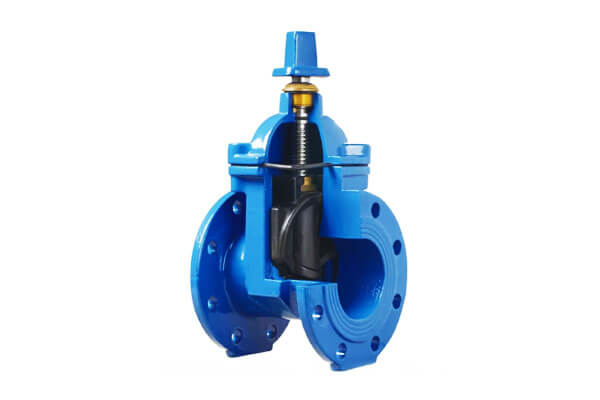
Mecanizado CNC de precisión
Las superficies funcionales críticas se mecanizan mediante torneado CNC, molienda, perforación, y operaciones de mandrinado para lograr estrechas tolerancias dimensionales y una excelente precisión geométrica.
El mecanizado normalmente incluye:
- Caras de brida
- Orificios de vástago
- Bolsillos del asiento
- Superficies guía
- Conexiones roscadas
- Interfaces de montaje
El mecanizado preciso garantiza una alineación adecuada entre la puerta, provenir, capó, y sellar componentes mientras se minimiza el par de operación y el desgaste..
Acabado de superficies de sellado de precisión
Las superficies de sellado de las válvulas de compuerta con asiento elástico o con asiento metálico requieren acabados superficiales controlados para lograr un rendimiento de cierre confiable..
Según el diseño de la válvula, las caras de sellado pueden ser:
- Mecanizado fino
- Suelo
- traslapado
- Pulido con precisión
Estos procesos reducen las vías de fuga., mejorar el contacto del asiento, y aumentar la vida útil del sellado bajo ciclos operativos repetidos.
Granallado y limpieza de superficies
Después de la fundición a la cera perdida y el tratamiento térmico., Los cuerpos de las válvulas se someten a granallado para eliminar los residuos de la carcasa de cerámica., oxidación, y escala de superficie.
Este proceso también produce una textura superficial uniforme que mejora la adhesión del recubrimiento y prepara la pieza fundida para operaciones posteriores de mecanizado o pintura..
Recubrimientos de superficie protectores
Después de mecanizado, Los cuerpos de las válvulas pueden recibir varios acabados protectores según las condiciones de funcionamiento y las especificaciones del cliente., incluyendo recubrimiento en polvo epoxi, epoxi unido a fusión, imprimaciones ricas en zinc, revestimientos de poliuretano, o sistemas especializados resistentes a la corrosión.
Estos tratamientos no solo mejoran la resistencia a la corrosión sino que también mejoran la apariencia y extienden los intervalos de mantenimiento..
Identificación personalizada y trazabilidad
Las válvulas de compuerta modernas a menudo requieren una identificación permanente para la gestión de calidad y la trazabilidad del ciclo de vida..
Los componentes moldeados a la cera perdida pueden incorporar logotipos moldeados, números de pieza, números de calor, marcas comerciales del cliente, o códigos QR durante la fabricación de herramientas, mientras que se puede realizar un marcado o estampado láser adicional después del mecanizado.
Esta identificación integrada mejora la gestión del inventario., seguimiento de mantenimiento, y cumplimiento regulatorio.
8. Resistencia a la corrosión y protección de superficies
Aunque el hierro dúctil ofrece un excelente rendimiento mecánico, Su resistencia a la corrosión depende en gran medida del entorno de servicio y de los sistemas de protección aplicados a la fundición..
Por lo tanto, las válvulas de compuerta modernas de fundición combinan una selección optimizada de materiales con ingeniería de superficie avanzada para lograr décadas de servicio confiable..
Comportamiento natural de la corrosión del hierro dúctil
Comparado con el acero al carbono, El hierro dúctil forma una capa de óxido relativamente estable que proporciona una resistencia moderada a la corrosión atmosférica..
Sin embargo, exposición prolongada a la humedad, oxígeno, cloruros, ácidos, o productos químicos industriales agresivos pueden deteriorar gradualmente la superficie del metal si se dejan desprotegidos..
Por esta razón, Los recubrimientos protectores se han convertido en una parte integral de la fabricación moderna de válvulas de compuerta en lugar de un proceso de acabado opcional..
Epoxi unido a fusión (Fbe) Revestimiento
El epoxi adherido por fusión es uno de los sistemas de protección más ampliamente especificados para válvulas de compuerta de hierro dúctil utilizadas en agua potable e infraestructura municipal..
Aplicado electrostáticamente sobre piezas fundidas precalentadas., El polvo epoxi se funde y se adhiere químicamente a la superficie del metal., formando un denso, capa protectora altamente adherente.
Las ventajas clave incluyen:
- Excelente adhesión
- Alta resistencia al impacto
- Excelente barrera contra la humedad
- Resistencia a la corrosión del suelo.
- Protección a largo plazo para tuberías enterradas
- Cumplimiento de las normas de agua potable.
Recubrimiento en polvo epoxi
Los recubrimientos electrostáticos en polvo epoxi proporcionan una solución económica para aplicaciones industriales generales que requieren una excelente resistencia a la corrosión y una apariencia atractiva..
Estos recubrimientos ofrecen una alta dureza., resistencia a la abrasión, y estabilidad química mientras se mantiene una excelente adhesión en superficies de fundición a presión.
Protección contra la corrosión a base de zinc
En ambientes enterrados o muy húmedos, Se pueden aplicar imprimaciones ricas en zinc o metalización de zinc antes de las capas finales epoxi..
El zinc actúa como una capa protectora de sacrificio., Reducir la corrosión incluso si se producen daños localizados en el revestimiento durante la instalación o el funcionamiento..
Revestimientos Internos para Medios Especializados
Ciertas aplicaciones requieren protección adicional contra lodos abrasivos, agua de mar, aguas residuales, o productos químicos ligeramente corrosivos.
Dependiendo de las condiciones de funcionamiento, los pasajes de flujo interno pueden incorporar:
- Recubrimientos epoxi rellenos de cerámica
- Revestimientos de goma
- Recubrimientos de poliuretano
- Sistemas de polímeros especializados resistentes a productos químicos
Estas tecnologías de revestimiento extienden la vida útil de la válvula mientras mantienen la eficiencia hidráulica..
La preparación de la superficie determina el rendimiento del recubrimiento
Incluso el recubrimiento de más alta calidad no puede funcionar eficazmente sin una preparación adecuada de la superficie..
Las válvulas de compuerta de fundición a la cera perdida generalmente se limpian mediante granallado o chorro abrasivo para lograr una rugosidad superficial controlada antes de la aplicación del recubrimiento..
Este proceso elimina la escala, óxidos, y contaminantes al mismo tiempo que proporciona un perfil de anclaje ideal para una máxima adhesión del recubrimiento..
Sistemas de recubrimiento adecuados, combinado con inspección y mantenimiento de rutina, permiten que las válvulas de compuerta de hierro dúctil de fundición a la cera perdida alcancen una vida útil superior 30 años en muchos entornos municipales e industriales.
9. Aplicaciones industriales de válvulas de compuerta de hierro dúctil fundido a la cera perdida
Las válvulas de compuerta de hierro dúctil de fundición a la cera perdida se emplean ampliamente en industrias donde el cierre confiable, resistencia estructural, y una larga vida útil son fundamentales.
Su capacidad para combinar una fabricación de precisión con un excelente rendimiento mecánico los hace adecuados tanto para proyectos de infraestructura como para sistemas de procesos industriales exigentes..
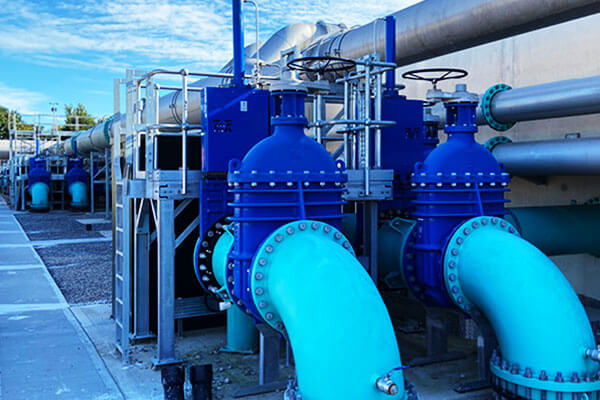
Redes Municipales de Abastecimiento de Agua
La distribución municipal de agua sigue siendo el sector de aplicación más importante para las válvulas de compuerta de hierro dúctil.
Se instalan en redes de transmisión., tuberías de distribución, estaciones de bombeo, embalses, e instalaciones de tratamiento de agua donde el aislamiento confiable y el mantenimiento mínimo son esenciales.
La combinación de resistencia a alta presión., revestimientos protectores contra la corrosión, y su larga vida operativa hacen que las válvulas de fundición sean particularmente adecuadas para infraestructura subterránea que se espera funcione durante varias décadas..
Tratamiento de aguas residuales y cloacales
Los sistemas de aguas residuales exponen las válvulas a partículas abrasivas, sólidos suspendidos, humedad, y entornos químicamente agresivos.
Las válvulas de compuerta de fundición dúctil equipadas con revestimientos epóxicos y sistemas de sellado resistentes a la corrosión brindan un funcionamiento confiable en estaciones de bombeo de aguas residuales., plantas de tratamiento de aguas residuales, sistemas de manejo de lodos, y redes de agua regenerada.
Sistemas de protección contra incendios
La infraestructura de protección contra incendios exige válvulas capaces de permanecer operativas durante largos períodos con un mantenimiento mínimo y al mismo tiempo proporcionar confiabilidad inmediata durante emergencias..
Las válvulas de compuerta de fundición a la cera perdida se utilizan ampliamente en tuberías contra incendios., sistemas de rociadores, redes de hidrantes,
y estaciones de bombeo contra incendios debido a su integridad de presión, revestimientos duraderos, y cumplimiento de las normas internacionales de protección contra incendios.
Tuberías de servicios industriales
Las instalaciones de fabricación requieren válvulas de aislamiento confiables para el agua de refrigeración., aire comprimido, agua de proceso, y sistemas de servicios auxiliares.
Las válvulas de compuerta de hierro dúctil de fundición a la cera perdida ofrecen un excelente equilibrio de resistencia mecánica, eficiencia de rentabilidad, y precisión dimensional para un funcionamiento industrial continuo.
Instalaciones de generación de energía
Las centrales eléctricas emplean válvulas de compuerta en todos los circuitos de agua de refrigeración., sistemas de agua circulante, líneas de servicio auxiliares, y redes de servicios públicos de plantas.
Su construcción robusta y rendimiento mecánico estable permiten un servicio confiable en condiciones de funcionamiento continuo con temperaturas y presiones variables..
Sistemas de riego y agua agrícola
Proyectos de riego a gran escala, estaciones de bombeo, embalses, y los sistemas de distribución de agua agrícola se benefician de la durabilidad y las ventajas económicas de las válvulas de compuerta de hierro dúctil de fundición a presión..
Sus revestimientos resistentes a la corrosión y su capacidad de soportar presión garantizan un funcionamiento confiable en entornos exteriores sujetos a variaciones climáticas estacionales..
Gestión de aguas industriales y mineras
Las operaciones mineras frecuentemente transportan agua y lodos de procesos abrasivos a través de extensas redes de tuberías..
Las válvulas de compuerta de hierro dúctil de alta resistencia brindan un cierre confiable y resisten golpes mecánicos., vibración, y exigentes condiciones de operación comúnmente encontradas en la minería, cantera, e instalaciones de procesamiento de minerales.
HVAC y redes de energía urbana
Calefacción, ventilación, aire acondicionado, y los sistemas urbanos de calefacción o refrigeración dependen de válvulas de compuerta para aislar secciones de tuberías para mantenimiento y control operativo..
Los cuerpos de válvulas moldeados a la cera perdida proporcionan una alineación precisa, sellado confiable, y durabilidad a largo plazo, Apoyar la distribución eficiente de energía en edificios comerciales., plantas industriales, y sistemas de energía de distrito urbano.
10. Válvula de compuerta de hierro dúctil de fundición a la cera perdida versus válvula de compuerta de acero fundido
La selección de materiales es una de las decisiones más críticas al diseñar o comprar válvulas de compuerta industriales..
| Factor de comparación | Hierro dúctil (Casting de inversión) | Acero carbono (WCB) | Acero inoxidable (CF8 / CF8M) |
| Estructura material | Hierro fundido de grafito esferoidal | Fundición de acero de aleación de carbono | Fundición de acero inoxidable austenítico |
| Estándares típicos | ASTM A536, Serie ES-GJS | ASTM A216 WCB | ASTM A351 CF8 / CF8M |
| Resistencia a la tracción | 400–700 MPa dependiendo del grado | Aproximadamente 485 MPA | Aproximadamente 485 a 550 MPa |
| Fuerza de rendimiento | 250–480 MPa | Aproximadamente 250 MPA | Aproximadamente 200 a 300 MPa |
| Ductilidad | Excelente en comparación con el hierro gris. | Moderado | Excelente |
| Resistencia al impacto | Muy bien | Bien | Excelente |
| Capacidad de presión | Alto para servicio industrial general. | Muy alto | Muy alto |
| Resistencia a la corrosión | Moderado (Requiere recubrimiento) | Pobre sin recubrimiento | Excelente |
| Resistencia a cloruro | Limitado | Pobre | Excelente, especialmente CF8M |
Capacidad de temperatura |
Normalmente hasta 300°C dependiendo del grado | Hasta aproximadamente 425°C o más | Excelente capacidad de alta temperatura |
| Peso | Menor densidad que el acero. | Mayor densidad | Similar al acero al carbono |
| Maquinabilidad | Excelente | Bien | Moderado |
| Características de lanzamiento | Excelente | Bien | Bien |
| Acabado superficial mediante fundición a la cera perdida | Excelente | Excelente | Excelente |
| Costo de fabricación | Bajo a medio | Medio | Alto |
| Requisito de mantenimiento | Bajo con recubrimiento adecuado | Medio a alto | Bajo |
| Aplicaciones típicas | Agua, aguas residuales, utilidades, tuberías industriales | Aceite & gas, vapor, sistemas de alta presión | Químico, marina, alimento, farmacéutico |
11. Elija LangHe para válvulas de compuerta de hierro dúctil fundido de inversión personalizadas
Seleccionar el socio de fabricación adecuado es tan importante como seleccionar el material de válvula adecuado.
Las válvulas de compuerta de hierro dúctil de alto rendimiento requieren una amplia experiencia en tecnología de fundición, metalurgia, mecanizado, control de calidad, e ingeniería de aplicaciones.
Langhe Foundry proporciona soluciones personalizadas de fundición a la cera perdida para componentes de válvulas de compuerta de hierro dúctil, Apoyar a los clientes desde el desarrollo del diseño inicial hasta la producción final y la inspección..
| Capacidad | Detalles |
| Materiales | Hierro dúctil (Grados ASTM A536 60-40-18, 65-45-12, 80-55-06). |
| proceso de fundición | Fundición a la cera perdida (cera perdida). |
| Peso de la pieza | 0.1 kg a 100 kg. |
| Dimensiones | Arriba a 600 diámetro mm. |
| Tolerancias | ±0,1‑0,3 mm (CT5‑CT7 según ISO 8062). |
| Acabado superficial | Ra 1,6‑6,3 µm en estado fundido; mecanizado disponible. |
| Tratamiento térmico | Recocido, normalizando. |
| Calidad | ISO 9001:2015 certificado; 100% END y pruebas de presión. |
| Tiempo de entrega | 8-12 semanas para herramientas y primeros artículos; 2-4 semanas para pedidos repetidos. |
12. Conclusión
Las válvulas de compuerta de hierro dúctil fundido a la cera perdida representan un punto medio de alto valor entre las válvulas de hierro fundido en arena de consumo básico y las válvulas de acero fundido de primera calidad..
Combinando el equilibrio de resistencia único del hierro dúctil, tenacidad, resistencia a la corrosión y moldeabilidad con la precisión casi neta de la fundición a la cera perdida, calidad de superficie limpia y flexibilidad de diseño, Esta ruta de fabricación ofrece una relación rendimiento-coste excepcional para productos personalizados., Producción de válvulas de compuerta especiales y de lotes medianos..
A medida que crece la demanda industrial de soluciones personalizadas de control de fluidos y una mayor consistencia del producto, La fundición a la cera perdida seguirá ampliando su participación en el mercado premium de válvulas de compuerta de hierro dúctil., complementar, en lugar de reemplazar, la fundición en arena de gran volumen para productos básicos estándar.
Preguntas frecuentes
¿Qué es una válvula de compuerta de hierro dúctil de fundición a la cera perdida??
Una válvula de compuerta de hierro dúctil de fundición a la cera perdida es una válvula de aislamiento fabricada mediante el proceso de fundición a cera perdida con hierro dúctil como material principal..
Utiliza un mecanismo de compuerta móvil para detener completamente o permitir el flujo de fluido y se usa ampliamente en agua., industrial, y sistemas de tuberías de servicios públicos.
¿Las válvulas de compuerta de hierro dúctil son resistentes a la corrosión??
El hierro dúctil tiene una resistencia moderada a la corrosión, pero normalmente requiere recubrimientos protectores para un servicio a largo plazo..
Las protecciones comunes incluyen epoxi adherido por fusión., recubrimiento en polvo epoxi, y revestimientos internos especializados.
¿Cuáles son los materiales de asiento comunes para las válvulas de compuerta de hierro dúctil??
Las válvulas de compuerta de hierro dúctil suelen tener asientos de hierro dúctil. (asombrado), estrellas (duro), Ptfe, o EPDM. El material del asiento depende de las condiciones de servicio y del sellado requerido..
¿Se pueden utilizar válvulas de compuerta de hierro dúctil para servicio de vapor??
Sí, hasta 450°C. Para vapor a mayor temperatura, Se requieren válvulas de acero inoxidable o acero aleado..