

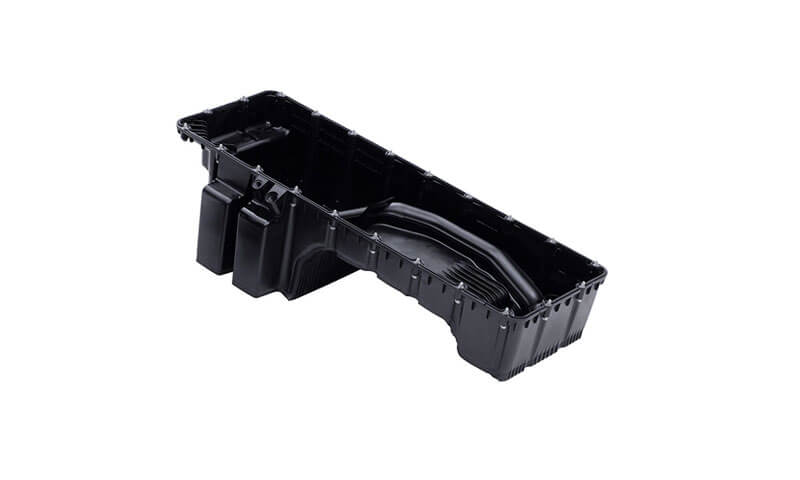
Erfahren Sie mehr über die Chemie von Polyamiden, wichtige mechanische und thermische Eigenschaften, Fertigungsmethoden, verstärkte Sorten, Vorteile, Einschränkungen, Recycling, und industrielle Anwendungen.
Polyamid ist eine der vielseitigsten und am weitesten verbreiteten Familien technischer Polymere weltweit.
Von der Zahnbürste in Ihrem Badezimmer bis zu den Hochleistungsgetrieben in Automobilmotoren, Von den Fasern Ihrer Kleidung bis zu den Strukturkomponenten in Luft- und Raumfahrtanwendungen, Polyamide sind überall.
Ihre außergewöhnliche Kombination aus mechanischer Festigkeit, Resistenz tragen, Chemische Stabilität, und Verarbeitbarkeit haben sie in unzähligen Branchen unverzichtbar gemacht.
In der Praxis des Wirtschaftsingenieurwesens, der Begriff Nylon wird häufig synonym mit Polyamid verwendet.
Obwohl dies für viele gängige Materialien wie PA6 und PA66 weitgehend akzeptabel ist, Polyamid ist eigentlich die umfassendere wissenschaftliche und technische Klassifikation.
Zur Familie gehören herkömmliche aliphatische Nylons, langkettige Polyamide, Hochtemperatur-halbaromatische Polyamide, und hochspezialisierte aromatische Polyamide wie Aramide.
1. Was ist Polyamid??
Polyamid (PA) ist eine Klasse von Polymeren, die sich wiederholende Amidgruppen in der Hauptmolekülkette enthalten. Die Amidbindung wird üblicherweise als dargestellt:
–CO–NH–
Die Amidbindung entsteht durch die Kondensationsreaktion zwischen einer Carbonsäuregruppe (–COOH) und eine Amingruppe (–NH₂).
Die allgemeine chemische Struktur eines Polyamids kann wie folgt dargestellt werden::
- -[–CO–R–CO–NH–R’–NH–]- -
Wobei R und R‘ Kohlenwasserstoffketten unterschiedlicher Länge sind.
Diese wiederkehrenden chemischen Bindungen unterscheiden Polyamide von anderen großen Polymerfamilien wie Polyethylen, Polypropylen, Polycarbonat, und Polyester.
Polyamide können aus unterschiedlichen Monomersystemen hergestellt werden, Dies führt zu Materialien mit deutlich unterschiedlichen Molekularstrukturen und Leistungsmerkmalen.
Abhängig von der chemischen Zusammensetzung, Ein Polyamid kann relativ flexibel und feuchtigkeitsbeständig sein, hohe Steifigkeit und Verschleißfestigkeit, oder in der Lage, bei erhöhten Temperaturen zu arbeiten.
Auf molekularer Ebene, Die Amidgruppen sind polar und können Wasserstoffbrückenbindungen zwischen benachbarten Polymerketten bilden.
Diese intermolekularen Kräfte tragen dazu bei, eine relativ starke und zusammenhängende Polymerstruktur zu schaffen. Infolge, viele Polyamide bieten:
- Hohe Zugfestigkeit und Steifigkeit
- Gute Zähigkeit und Ermüdungsbeständigkeit
- Hervorragende Abrieb- und Verschleißfestigkeit
- Geringe Reibung unter geeigneten Bedingungen
- Gute Beständigkeit gegen Öle, Brennstoffe, und viele Industriechemikalien
- Nützliche thermische Leistung
- Großes Potenzial zur Verstärkung mit Glasfaser, Kohlefaser, oder mineralische Füllstoffe
Im Gegensatz zu duroplastischen Polymeren, Die kommerziell wichtigsten technischen Polyamide sind Thermoplaste.
Sie erweichen oder schmelzen beim Erhitzen und können mit Verfahren wie Spritzguss und Extrusion verarbeitet werden.
Aufgrund dieser Verarbeitbarkeit hat Polyamid in der modernen Fertigung eine besondere Bedeutung erlangt, da komplexe Bauteile häufig in großen Stückzahlen wirtschaftlich hergestellt werden können und gleichzeitig eine gute mechanische Leistung gewährleistet ist.
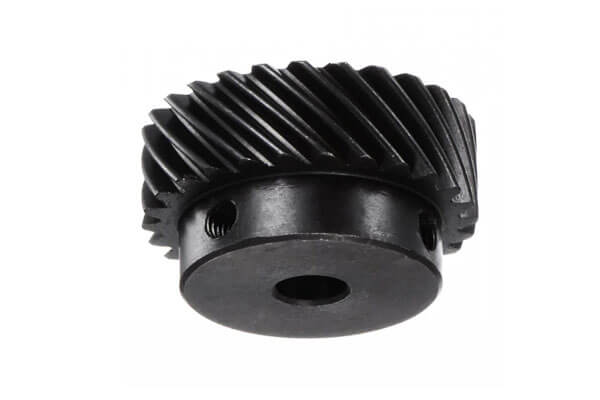
Die Beziehung zwischen Polyamid und Nylon
Der Begriff Nylon wurde erstmals von DuPont in eingeführt 1938 für sein Polyamid 6,6 (PA66), das in Fasern und Textilien verwendet wurde.
Im Laufe der Zeit, Nylon ist zum Oberbegriff für aliphatische Polyamide – die häufigste Art von Polyamid – geworden und wird im Verbraucher- und Industriebereich häufig synonym mit Polyamid verwendet.
Jedoch, Polyamid ist der umfassendere wissenschaftliche Begriff, der umfasst:
| Typ | Beispiele | Beschreibung |
| Aliphatische Polyamide | PA6, PA66, PA11, PA12 | Die gebräuchlichsten Polyamide; auch als Nylon bekannt. |
| Aromatische Polyamide (Aramide) | Kevlar®, Nomex® | Leistungsstark; aromatische Ringe im Rückgrat. |
| Halbaromatische Polyamide | PPA (Polyphthalamid) | Hochtemperaturleistung; aromatisch + Aliphatische Einheiten. |
| Polyamidimide | PAI (Torlon®) | Hohe Leistung; Imidgruppen zusätzlich zu Amidgruppen. |
Kernpunkt: Alle Nylons sind Polyamide, aber nicht alle Polyamide sind Nylons. Der Begriff „Polyamid“ ist der korrekte Fachbegriff für die gesamte Familie.
2. Wie wird Polyamid hergestellt??
Polyamid wird durch die Bildung langer, sich wiederholender Polymerketten hergestellt Amidbindungen (–CONH–).
Abhängig von der Note, Kommerzielle Polyamide werden hauptsächlich durch beide Verfahren hergestellt Kondensationspolymerisation oder ringöffnende Polymerisation.
Kondensationspolymerisation
Viele Polyamide, insbesondere PA66, werden durch Reaktion eines Diamins mit einer Dicarbonsäure hergestellt. Bei der Reaktion werden Amidbindungen gebildet und gleichzeitig kleine Moleküle freigesetzt, typischerweise Wasser.
Zum Beispiel, PA66 wird aus hergestellt Hexamethylendiamin Und Adipinsäure.
Präzise Kontrolle des Monomerverhältnisses, Temperatur, Druck, und die Polymerisationszeit ist wichtig, da diese Faktoren das Molekulargewicht beeinflussen, Viskosität, Kristallinität, und endgültige mechanische Leistung.
Ringöffnende Polymerisation
Weitere wichtige Noten, wie zum Beispiel PA6, werden üblicherweise durch ringöffnende Polymerisation von hergestellt Caprolactam.
Unter kontrollierter Temperatur und Druck, Die zyklischen Caprolactam-Moleküle öffnen sich und verbinden sich zu langkettigen PA6-Polymeren.
Dieser Weg ermöglicht eine effiziente Produktion in großem Maßstab und wird häufig für technische Kunststoffe eingesetzt, Fasern, Filme, und Formteile.
Polymer-Compoundierung und -Modifizierung
Nach der Polymerisation, Das Basispolyamid kann durch Compoundierung weiter modifiziert werden.
Hersteller können integrieren Glasfasern, Kohlenstofffasern, mineralische Füllstoffe, Schlagzähmodifikatoren, Flammschutzmittel, Schmiermittel, oder Stabilisatoren um das Material für bestimmte Anwendungen anzupassen.
Das fertige Polymer wird typischerweise pelletiert und als Granulat für die Weiterverarbeitung bereitgestellt Spritzguss, Extrusion, Blasenformung, oder andere Polymerherstellungsmethoden.
3. Haupttypen und -qualitäten von Polyamid
Polyamid ist kein einzelnes Material, sondern eine breite Familie von Polymeren mit deutlich unterschiedlichen Molekülstrukturen, Wärmeverhalten, Feuchtigkeitsaufnahme, mechanische Eigenschaften, und Verarbeitungseigenschaften.
Aliphatische Polyamide (Nylons)
Aliphatische Polyamide stellen die größte und kommerziell bedeutendste Gruppe von Polyamiden dar.
Sie werden häufig beim Spritzgießen verwendet, Extrusion, Faserproduktion, und andere industrielle Prozesse, da sie ein günstiges Gleichgewicht der mechanischen Festigkeit bieten, Resistenz tragen, Verarbeitbarkeit, und Kosten.
| Grad | Typischer Schmelzbereich (° C) | Schlüsseleigenschaften | Typische Anwendungen |
| PA6 | 215–225 | Gute Zähigkeit, Schlagfestigkeit, Resistenz tragen, und Verarbeitbarkeit; relativ hohe Feuchtigkeitsaufnahme. | Kfz -Teile, Getriebe, Gehäuse, industrielle Komponenten, Fasern. |
| PA66 | 255–265 | Höhere Stärke, Steifheit, Wärmewiderstand, und Kriechfestigkeit als PA6. | Getriebe, Lager, Buchsen, Befestigungselemente, elektrische Komponenten, Kfz-Teile unter der Motorhaube. |
| PA11 | 185–195 | Hervorragende Flexibilität und Schlagfestigkeit; geringe Feuchtigkeitsaufnahme und gute chemische Beständigkeit. | Flexibler Schlauch, Pneumatikleitungen, Kabelmäntel, Automobil-Flüssigkeitssysteme. |
| PA12 | 175–185 | Sehr geringe Feuchtigkeitsaufnahme, Hervorragende chemische Resistenz, Flexibilität, und dimensionale Stabilität. | Kraftstoffleitungen, Pneumatikschläuche, medizinischer Schlauch, Kabelisolierung, Präzisionskomponenten. |
PA610 |
215–225 | Bessere Dimensionsstabilität und geringere Feuchtigkeitsaufnahme als PA6 und PA66. | Elektrische Anschlüsse, Kabelkomponenten, Industrieteile, Borsten. |
| PA612 | 210–220 | Gute Zähigkeit, chemische Beständigkeit, Dimensionsstabilität, und reduzierte Wasseraufnahme. | Flüssigkeitsleitungen für Kraftfahrzeuge, elektrische Komponenten, Schlauch, Präzisionsformteile. |
| PA1010 | 195–205 | Teilweise oder größtenteils biobasiertes Rohstoffpotenzial; geringe Feuchtigkeitsaufnahme und gute Zähigkeit. | Nachhaltige Konsumgüter, Automobilkomponenten, industrielle Anwendungen. |
Halbaromatische Polyamide
Teilaromatische Polyamide kombinieren aliphatische Kettensegmente mit aromatischen Strukturen.
Die aromatischen Ringe erhöhen die molekulare Steifigkeit und thermische Stabilität, Dadurch können diese Materialien bei Temperaturen betrieben werden, die über dem praktischen Bereich von herkömmlichem PA6 oder PA66 liegen.
| Materielle Familie | Repräsentative Noten | Typischer Schmelzbereich (° C) | Schlüsselmerkmale | Typische Anwendungen |
| PPA | PA6T/66, PA6T/6I, PA9T und verwandte Copolyamide | Ca.. 280–330* | Hoher Wärmewiderstand, hohe Steifigkeit, gute chemische Beständigkeit, geringes Kriechen, und verbesserte Dimensionsstabilität. | Komponenten für den Motorraum von Kraftfahrzeugen, Hochtemperatur-Steckverbinder, LED-Komponenten, Pumpenteile. |
| PA6T-basierte Polyamide | PA6T- und copolymerisierte PA6T-Systeme | Oft oben 300 für Zusammensetzungen mit hohem PA6T-Gehalt* | Sehr hohe thermische Stabilität, ausgezeichnete Festigkeit, und gute Beibehaltung der mechanischen Eigenschaften bei erhöhten Temperaturen. | Elektrische und elektronische Steckverbinder, Automobilkomponenten, Industrieausrüstung. |
PA9T |
Polyamid 9T | Ca.. 300–310* | Hoher Wärmewiderstand, relativ geringe Feuchtigkeitsaufnahme, ausgezeichnete Dimensionsstabilität und chemische Beständigkeit. | Oberflächenmontierte Elektronik, Anschlüsse, Präzisionselektrokomponenten. |
Aromatische Polyamide (Aramide)
Aromatische Polyamide, allgemein bekannt als Aramide, stellen eine Hochleistungsklasse dar, in der aromatische Ringe einen Großteil des Polymerrückgrats bilden.
Ihre starre Molekularstruktur verleiht ihnen eine außergewöhnliche Zugfestigkeit, Modul, Wärmestabilität, und – in einigen Qualitäten – Flammwidrigkeit.
| Aramid-Typ | Repräsentatives Material | Molekulare Struktur | Schlüsseleigenschaften | Typische Anwendungen |
| Para-Aramid | Kevlar® | Paraorientiertes aromatisches Polyamid | Extrem hohe Zugfestigkeit und Modul, Ausgezeichnete Aufprallfestigkeit, und gute thermische Stabilität. | Ballistischer Schutz, Verbundwerkstoffe für die Luft- und Raumfahrt, Verstärkungskabel, Reifen, Seile, Sportausrüstung. |
| Meta-Aramid | Nomex® | Metaorientiertes aromatisches Polyamid | Hervorragende Flammwidrigkeit, Wärmestabilität, elektrische Isolierung, und Beständigkeit gegen Hitzeeinwirkung. | Schutzkleidung, elektrische Isolierung, Innenräume für die Luft- und Raumfahrt, Filtermedien. |
Polyamid-Imid (PAI)
Polyamidimid stellt eine ultrahochleistungsfähige Polymerfamilie dar, die kombiniert funktionelle Amid- und Imidgruppen innerhalb der molekularen Struktur.
Das Ergebnis ist ein Material mit außergewöhnlicher thermischer Stabilität, mechanische Stärke, Resistenz tragen, und tragende Fähigkeit.
Eines der bekanntesten kommerziellen Beispiele ist Torlon® PAI.
| Material | Chemische Familie | Schlüsseleigenschaften | Typische Anwendungen |
| PAI | Polyamidimid | Extrem hohe Festigkeit und Steifigkeit, Ausgezeichneter Verschleißfestigkeit, geringes Kriechen, Hervorragende thermische Stabilität, und gute Leistung bei starker mechanischer Belastung. | Lager, Buchsen, Siegel, Kompressorkomponenten, Luft- und Raumfahrtteile, Halbleiterausrüstung, Hochtemperatur-Industriekomponenten. |
4. Haupteigenschaften von Polyamid
Die Leistungsfähigkeit von Polyamid wird durch seine molekulare Struktur bestimmt, insbesondere die Konzentration der Amidgruppen, Molekulargewicht, Kristallinität, und das Gleichgewicht zwischen flexiblen aliphatischen Segmenten und starren aromatischen Strukturen.
Mechanische Festigkeit und Steifigkeit
Die meisten technischen Polyamide bieten ein günstiges Verhältnis von Festigkeit zu Gewicht.
PA6 und PA66, Zum Beispiel, werden häufig für Zahnräder verwendet, Klammern, Gehäuse, Clips, und Strukturbauteile, da sie wiederholter mechanischer Belastung standhalten und gleichzeitig leichter als Stahl sind, Aluminium, oder Zinklegierungen.
Die mechanischen Eigenschaften von Polyamid können je nach Feuchtigkeitszustand erheblich variieren.
Denn die Amidgruppen ziehen Wassermoleküle an, Aufgenommene Feuchtigkeit kann als Weichmacher wirken.
Dies verringert im Allgemeinen die Steifigkeit und Zugfestigkeit und erhöht gleichzeitig die Flexibilität und Schlagfestigkeit.
Eine Glasfaserverstärkung kann die Steifigkeit und Festigkeit deutlich erhöhen.
Eine verstärkte PA66-Komponente kann einen Modul erreichen, der um ein Vielfaches höher ist als der des ungefüllten Polymers, Dadurch eignet es sich für anspruchsvolle Automobil- und Industrieanwendungen.
Zähigkeit und Aufprallfestigkeit
Polyamid weist im Allgemeinen eine gute Schlag- und Wiederstandsfestigkeit auf.
PA6 und PA66 bieten ein sinnvolles Gleichgewicht zwischen Steifigkeit und Zähigkeit, während langkettige Typen wie PA11 und PA12 besonders wegen ihrer Flexibilität und Schlagzähigkeit geschätzt werden, Besonders bei niedrigen Temperaturen.
Durch diese Eigenschaft eignet sich Polyamid für Bauteile, die Vibrationen ausgesetzt sind, Schock, zyklischer Stress, und mechanische Bewegung.
Kfz-Clips, Kabelschutzsysteme, Pneumatikschläuche, und Industriegehäuse sind typische Beispiele.
Jedoch, Die Schlagleistung hängt von mehreren Faktoren ab, inklusive Temperatur, Feuchtigkeitsinhalt, Kristallinität, Wandstärke, und Verstärkungsgrad.
Hochgefüllte oder hochkristalline Sorten bieten möglicherweise eine höhere Steifigkeit, aber eine geringere Schlagfestigkeit.
Verschleißfestigkeit und reibungsarme Leistung
Aufgrund seiner guten Abriebfestigkeit und seines relativ niedrigen Reibungskoeffizienten wird Polyamid häufig in tribologischen Anwendungen eingesetzt.
Komponenten wie Zahnräder, Buchsen, Lager, Rollen, Führer, und Verschleißpolster können mit reduziertem Lärm arbeiten und, in einigen Fällen, ohne externe Schmierung.
Für anspruchsvolle Gleitanwendungen, Polyamid kann mit Additiven wie z.B. modifiziert werden:
- PTFE für geringere Reibung;
- Molybdändisulfid für verbessertes Gleitverhalten;
- Glasfasern für erhöhte Steifigkeit;
- Kohlenstofffasern für verbesserte Festigkeit und Wärmeleitfähigkeit;
- Festschmierstoffe für verbesserte Trockenlaufeigenschaften.
Das endgültige Verschleißverhalten hängt stark von den Gegenwerkstoffen ab, Oberflächendruck, Gleitgeschwindigkeit, Temperatur, und Schmierbedingungen.
Wärmeleistung
Polyamide bieten im Allgemeinen eine bessere Hitzebeständigkeit als Standardkunststoffe wie Polypropylen und Polyethylen. Jedoch, Die thermische Belastbarkeit variiert erheblich zwischen den Güteklassen.
PA6 und PA66 eignen sich für viele Anwendungen bei mäßig erhöhten Temperaturen, während halbaromatische Polyamide wie PPA für anspruchsvollere Umgebungen konzipiert sind, Dazu gehören Automobil-Unterbaukomponenten und Hochtemperatur-Elektrosteckverbinder.
Der Schmelzpunkt, Wärmeformbeständigkeitstemperatur, Bei der Auswahl eines Polyamids sollten sowohl die Temperatur als auch die Dauergebrauchstemperatur berücksichtigt werden.
Eine Verstärkung kann die Dimensionsstabilität bei erhöhten Temperaturen weiter verbessern, Allerdings kann es auch Auswirkungen auf die Zähigkeit und Verarbeitbarkeit haben.
Feuchtigkeitsaufnahme und Dimensionsstabilität
Die Feuchtigkeitsaufnahme ist einer der wichtigsten technischen Aspekte bei der Verwendung von Polyamid.
Die Amidgruppen in der Polymerstruktur können Wasser aus der Umgebung aufnehmen, Dies führt zu Änderungen der Abmessungen und mechanischen Eigenschaften.
Kurzkettige Polyamide wie PA6 und PA66 nehmen grundsätzlich mehr Feuchtigkeit auf als langkettige Polyamide wie PA11 und PA12.
Diese Eigenschaft muss bei der Konstruktion von Präzisionsbauteilen berücksichtigt werden.
Maßtoleranzen sollten sowohl die Schrumpfung bei der Herstellung als auch mögliche Umwelteinflüsse während des Betriebs berücksichtigen.
Chemischer Widerstand
Polyamid verhält sich im Allgemeinen gut, wenn es Ölen ausgesetzt wird, Fetten, Brennstoffe, und viele Kohlenwasserstoffe.
Dies ist einer der Gründe, warum PA-Materialien in Kraftstoffsystemen für Kraftfahrzeuge weit verbreitet sind, Industrieausrüstung, und Flüssigkeitshandhabungsanwendungen.
Jedoch, Die chemische Beständigkeit ist nicht universell. Starke Säuren, starke Oxidationsmittel, bestimmte Lösungsmittel, und eine längere Einwirkung von Hochtemperaturchemikalien kann das Polymer zersetzen.
Bei der Materialauswahl sollte daher die gesamte Einsatzumgebung berücksichtigt werden, anstatt sich ausschließlich auf die allgemeine Klassifizierung eines Materials als „chemisch beständig“ zu verlassen.
Elektrische Eigenschaften
Polyamid ist von Natur aus elektrisch isolierend und wird häufig für elektrische Steckverbinder verwendet, Klemmengehäuse, Spulenkörper, und Isolationskomponenten.
Jedoch, Aufgenommene Feuchtigkeit kann die dielektrischen Eigenschaften und den Oberflächenwiderstand beeinflussen.
Für Hochspannungs- oder hochzuverlässige elektrische Anwendungen, Ingenieure wählen oft Sorten aus, die speziell für die elektrische Leistung entwickelt wurden, Flammwidrigkeit, geringe Feuchtigkeitsaufnahme, oder Hochtemperaturstabilität.
5. Herstellungs- und Verarbeitungsmethoden für Polyamid
Polyamid ist ein thermoplastisches Material, Dadurch kann es durch Erhitzen erweicht und mithilfe verschiedener Herstellungsverfahren geformt werden.
Die optimale Verarbeitungsmethode hängt von der Polymersorte ab, Bauteilgeometrie, Produktionsvolumen, Dimensionstoleranz, Oberflächenanforderungen, und Verstärkungssystem.
Spritzguss
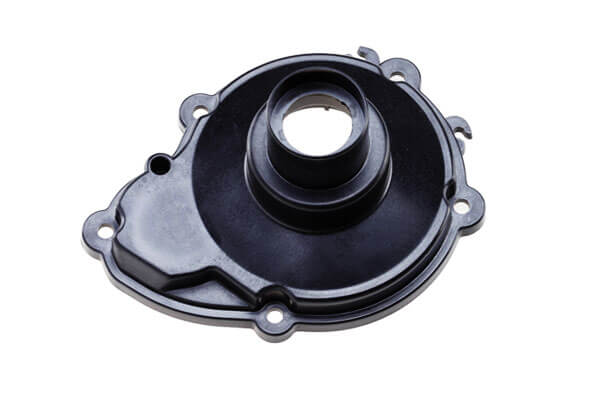
Injektionsformung ist eines der wichtigsten Fertigungsverfahren für technische Polyamidbauteile.
Getrocknete Polymerpellets werden in einem beheizten Fass geschmolzen und unter Druck in eine Präzisionsform eingespritzt.
Das Verfahren eignet sich besonders zur Herstellung komplexer, Großvolumige Komponenten mit konsistenter Geometrie.
Typische Anwendungen umfassen:
- Zahnräder und mechanische Komponenten;
- Kfz-Clips und Halterungen;
- Elektrische Anschlüsse;
- Gerätekomponenten;
- Gehäuse und Gehäuse;
- Präzisionsindustrieteile.
Denn Polyamid kann Feuchtigkeit aufnehmen, Eine ordnungsgemäße Trocknung des Harzes vor dem Formen ist von entscheidender Bedeutung
Auch glasfaserverstärkte Polyamide werden üblicherweise im Spritzgussverfahren hergestellt, Allerdings müssen Formdesign und Verarbeitungsbedingungen die Faserorientierung berücksichtigen, erhöhte Viskosität, und anisotrope Schrumpfung.
Extrusion
Mittels Extrusion werden kontinuierlich Polyamidprodukte mit konstantem Querschnitt hergestellt. Geschmolzenes Polymer wird durch eine geformte Düse gepresst und dann abgekühlt und kalibriert.
Zu den gängigen extrudierten Produkten gehören Schläuche, Rohre, Filme, Blätter, Stangen, Kabelisolierung, und Ingenieurprofile.
PA11 und PA12 sind aufgrund ihrer kombinierten chemischen Beständigkeit besonders wichtig für flexible Schläuche, Flexibilität, und relativ geringe Feuchtigkeitsaufnahme.
In der Profil- und Rohrextrusion, Temperaturregelung, Schmelzstabilität, Kühlrate, und Maßkalibrierung sind für die Aufrechterhaltung einer konsistenten Wandstärke und Geometrie unerlässlich.
Blasenformung
Blasformen kommt dann zum Einsatz, wenn hohle Polyamidbauteile benötigt werden. Ein erhitzter Polymerschlauch oder Vorformling wird in einer Form mithilfe von Luftdruck expandiert.
Polyamid-Blasformen wird häufig für Flüssigkeitsbehälter in der Automobilindustrie verwendet, Kanäle, Komponenten des Kraftstoffsystems, und spezielle Industriecontainer.
Wenn zusätzliche Barriereeigenschaften erforderlich sind, können auch mehrschichtige Strukturen hergestellt werden.
Kompressions- und Spritzpressen
Obwohl es bei standardmäßigen thermoplastischen Polyamiden weniger verbreitet ist als beim Spritzgießen, Formpressen kann für große Zwecke nützlich sein, stark verstärkt, oder spezialisierte Komponenten.
Das Verfahren eignet sich für bestimmte langfaserverstärkte Materialien und kann ausgewählt werden, wenn die Teilegeometrie oder die Verstärkungsarchitektur durch herkömmliches Spritzgießen nur schwer zu erreichen sind.
CNC-Bearbeitung
Polyamid kann auch aus extrudiertem oder gegossenem Material durch CNC-Drehen bearbeitet werden, Mahlen, Bohren, und andere subtraktive Prozesse.
CNC-Bearbeitung ist besonders nützlich für:
- Prototypenentwicklung;
- Kleinserienfertigung;
- Große Komponenten;
- Teile, die schwer zu formende Merkmale erfordern;
- Bauteile, die enge Nachbearbeitungstoleranzen erfordern.
Jedoch, Bei der Bearbeitung von Präzisionsbauteilen aus Polyamid müssen feuchtigkeitsbedingte Maßänderungen berücksichtigt werden. Idealerweise sollte die Materialkonditionierung vor der Endkontrolle kontrolliert werden.
Additive Fertigung
Mehrere Polyamidmaterialien, insbesondere PA12 und PA11, werden häufig in additiven Fertigungstechnologien eingesetzt, z Selektives Lasersintern (SLS) Und Multi-Jet-Fusion (mjf)
Diese Verfahren eignen sich besonders für Prototypen, maßgeschneiderte Produkte, Komplexe interne Geometrien, und Produktion kleiner bis mittlerer Stückzahlen.
Im Vergleich zum Spritzguss, Die additive Fertigung macht spezielle Werkzeuge überflüssig, verursacht aber bei großen Produktionsmengen im Allgemeinen höhere Stückkosten.
6. Verstärkte und modifizierte Polyamidmaterialien
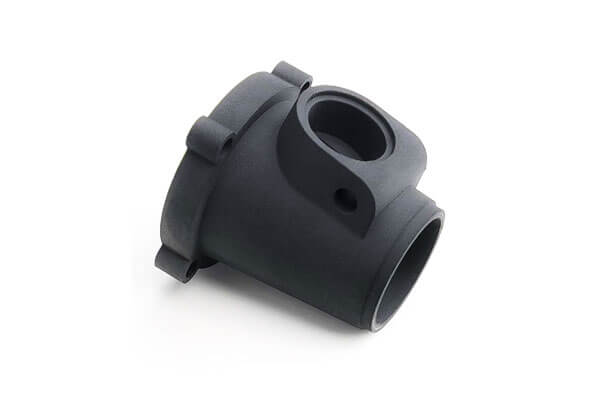
Ungefülltes Polyamid sorgt für eine ausgewogene Festigkeitskombination, Zähigkeit, Resistenz tragen, und Verarbeitbarkeit.
Jedoch, Viele technische Anwendungen erfordern Eigenschaften, die über die von Standard-PA6 oder PA66 hinausgehen.
Aus diesem Grund, Polyamid wird häufig mit Verstärkungsfasern vermischt, mineralische Füllstoffe, Schlagzähmodifikatoren, Flammschutzmittel, Schmiermittel, und andere funktionelle Zusatzstoffe.
| Modifizierter Polyamidtyp | Primäre Modifikation | Hauptleistungsverbesserung | Typische Anwendungen |
| Glasfaserverstärktes PA | Glasfasern | Stärke, Steifheit, Wärmewiderstand | Automobilstrukturen, Anschlüsse, Maschinen |
| Carbonfaserverstärktes PA | Kohlenstofffasern | Hohe spezifische Festigkeit und Steifigkeit | Luft- und Raumfahrt, Robotik, Hochleistungs-Teile |
| Mit Mineralien gefülltes PA | Talk, Glimmer, Mineralien | Dimensionsstabilität, niedrigeres Schrumpfung | Gehäuse, große Präzisionskomponenten |
| Schlagzähmodifiziertes PA | Elastomermodifikatoren | Verbesserte Zähigkeit und Schlagfestigkeit | Automobil- und Schutzkomponenten |
Flammhemmendes PA |
Flammhemmende Zusätze | Verbesserte Feuerleistung | Elektrische und elektronische Komponenten |
| Selbstschmierendes PA | Ptfe, MoS₂, Schmierzusätze | Reduzierte Reibung und Verschleiß | Lager, Getriebe, Schiebeteile |
| Leitfähiges PA | Leitfähige Füllstoffe auf Kohlenstoffbasis | ESD-Kontrolle oder elektrische Leitfähigkeit | Elektronik und statisch empfindliche Geräte |
7. Vorteile und Grenzen von Polyamid
Schlüsselvorteile
- Hohe spezifische Stärke: Das außergewöhnliche Verhältnis von Festigkeit zu Gewicht ermöglicht einen kostengünstigen Metallersatz in Strukturanwendungen.
- Hervorragende Verschleißleistung: Aufgrund der inhärenten selbstschmierenden Eigenschaften ist bei vielen Anwendungen mit leichter bis mittlerer Belastung keine externe Schmierung erforderlich.
- Gute chemische Beständigkeit: Hervorragende Ölverträglichkeit, Kraftstoffe und Fette für Automobil- und Industrieumgebungen.
- Breite Verarbeitbarkeit: Kompatibel mit allen wichtigen thermoplastischen Herstellungsverfahren mit guter Schmelzfließfähigkeit.
- Hohe Schlagzähigkeit: Behält eine gute Duktilität über einen breiten Temperaturbereich bei, insbesondere bei schlagzäh modifizierten Typen.
- Vielseitige Formulierung: Leicht verstärkt, gehärtet, flammhemmend und zusammengesetzt für gezielte Leistung.
- Gute elektrische Isolierung: Ausreichende dielektrische Leistung für die meisten allgemeinen elektrischen und elektronischen Anwendungen.
Inhärente Einschränkungen
- Hohe Feuchtigkeitsaufnahme: Standardqualitäten absorbieren erhebliches atmosphärisches Wasser, Dies führt zu Dimensionsänderungen und Eigenschaftsschwankungen – der größten Designeinschränkung.
- Dimensionsvariabilität: Eine stärkere Formschrumpfung und feuchtigkeitsbedingte Quellung erfordern eine sorgfältige Toleranzauslegung.
- Sprödigkeit bei niedrigen Temperaturen: Unmodifizierte Standardgüten werden bei Minustemperaturen spröde und müssen für den Kaltbetrieb schlagzäh modifiziert werden.
- Begrenzte starke Säure-/Laugenbeständigkeit: Zersetzt sich in starken Mineralsäuren und konzentrierten alkalischen Lösungen.
- Verarbeitungstrocknungsbedarf: Durch die obligatorische Vortrocknung entstehen im Vergleich zu nicht hygroskopischen Kunststoffen zusätzliche Prozessschritte und Energiekosten.
- UV -Abbau: Nicht stabilisierte Typen zersetzen sich bei längerer UV-Einwirkung im Freien und müssen für den Außenbereich stabilisiert werden.
8. Anwendungen von Polyamid
Die Kombination aus mechanischer Festigkeit, Resistenz tragen, Niedriges Gewicht, chemische Beständigkeit, Dank der flexiblen Herstellung kann Polyamid in Anwendungen eingesetzt werden, die von Konsumgütern bis hin zu hochentwickelten Automobil- und Industriekomponenten reichen.
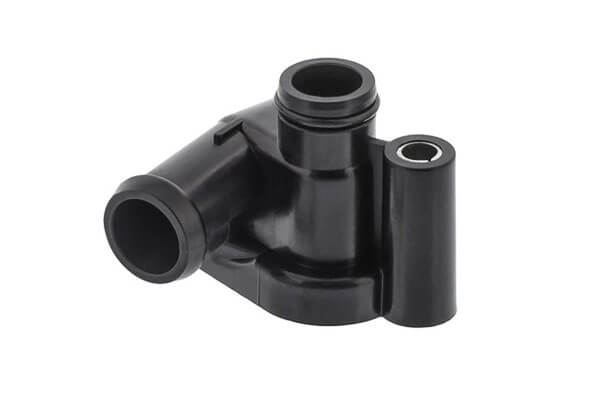
Automobilindustrie
Automobil Der Maschinenbau ist eines der größten Anwendungsgebiete für technische Polyamide.
PA6, PA66, und verstärkte Sorten werden häufig zum Ersetzen von Metallkomponenten verwendet, um das Gewicht zu reduzieren, Korrosionsbeständigkeit, und integriertes Formen sind von Vorteil.
Zu den typischen Komponenten gehören::
- Motorabdeckungen und Halterungen
- Luftansaugkomponenten
- Komponenten des Kühlsystems
- Kabelführungen und Clips
- Ausrüstungsgehäuse
- Lagerkäfige
- Komponenten des Kraftstoffsystems
- Elektrische Anschlüsse
- Strukturklammern
- Lüfter- und Riemenscheibenkomponenten
Glasfaserverstärktes PA66 ist besonders wichtig für Anwendungen unter der Motorhaube, da die Verstärkung die Steifigkeit verbessert, Kriechwiderstand, und dimensionale Stabilität.
Elektrik und Elektronik
Aufgrund seiner isolierenden Eigenschaften wird Polyamid häufig für elektrische Komponenten verwendet, mechanische Stärke, und Spritzgussfähigkeit.
Anwendungen umfassen Steckerhäuser, Klemmenblöcke, Kabelverschraubungen, Schalter, Sensorgehäuse, Schaltkreisschutzkomponenten, und Elektrogehäuse.
Flammhemmende Typen werden häufig dort ausgewählt, wo gesetzliche Anforderungen eine kontrollierte Zündung und Flammenausbreitung erfordern.
Industriemaschinerie
In Maschinen, Polyamid wird häufig dort eingesetzt, wo leichte Bauteile wiederholten mechanischen Bewegungen standhalten müssen.
Häufige Beispiele sind::
- Zahnräder und Zahnräder
- Buchsen und Lager
- Walzen
- Verschleißstreifen
- Führungsschienen
- Kabelträger
- Dichtungskomponenten
- Maschinenschutz
- Förderkomponenten
Im Vergleich zu metallischen Bauteilen, Polyamidteile können das Gewicht reduzieren, Lärm, und Schmierungsanforderungen in bestimmten Anwendungen.
Flüssigkeitshandhabung und Schläuche
PA11 und PA12 sind besonders wertvoll für Rohr- und Flüssigkeitshandhabungsanwendungen, da sie Flexibilität vereinen, chemische Beständigkeit, niedrige Dichte, und relativ geringe Feuchtigkeitsaufnahme.
Sie werden verwendet für Pneumatikschläuche, Hydraulikleitungen, Kraftstoffleitungen, bremsbezogene Komponenten, Kabelummantelung, und Industrieschläuche, Abhängig von der spezifischen Sorte und den geltenden Standards.
Verbraucher- und Handelsprodukte
Polyamid wird auch häufig in Konsumgütern verwendet, bei denen Haltbarkeit und Schlagfestigkeit wichtig sind.
Beispiele hierfür sind Komponenten von Elektrowerkzeugen, Sportausrüstung, Befestigungselemente, Gehäuse, Griffe, Räder, mechanische Beschläge, und verschiedene Formteile.
Medizinische und Gesundheitsanwendungen
Für ausgewählte Anwendungen im Medizin- und Gesundheitswesen können spezielle Polyamidtypen eingesetzt werden, inklusive Schlauch, Instrumentenkomponenten, Teile für die Handhabung von Flüssigkeiten, und bestimmte Einweg- oder wiederverwendbare Geräte.
Für diese Anwendungen, Jedoch, Biokompatibilität, Sterilisationsbeständigkeit, extrahierbare Stoffe, Chemische Kompatibilität, und geltende behördliche Anforderungen müssen für die spezifische Sorte bewertet werden und dürfen nicht von den allgemeinen Eigenschaften von Polyamid ausgegangen werden.
9. Polyamid vs. Andere technische Kunststoffe
Polyamid ist anderen technischen Kunststoffen nicht grundsätzlich überlegen.
Jedes Polymer hat ein anderes Leistungsprofil, und die geeignete Wahl hängt von Faktoren wie der mechanischen Belastung ab, Reibung, Temperatur, Chemische Exposition, Feuchtigkeit, Dimensionsanforderungen, und Kosten.
| Eigenschaft / Faktor | Polyamid (PA) | Polyoxymethylen (POM) | Polypropylen (PP) | Polyetherether Keton (SPÄHEN) |
| Materialklasse | Technischer Thermoplast | Technischer Thermoplast | Standard-/halbtechnischer Thermoplast | Technischer Hochleistungs-Thermoplast |
| Typische Stärke | Gut bis hoch | Gut | Mäßig | Sehr hoch |
| Steifheit | Gut; höher mit Verstärkung | Gut | Mäßig | Exzellent |
| Schlagfestigkeit | Gut bis ausgezeichnet | Gut | Gut bis ausgezeichnet | Gut |
| Resistenz tragen | Gut bis ausgezeichnet | Exzellent | Mäßig | Exzellent |
| Reibung | Niedrig bis moderat | Sehr niedrig | Niedrig | Niedrig |
| Feuchtigkeitsabsorption | Mäßig bis hoch für PA6/PA66; niedriger für PA11/PA12 | Sehr niedrig | Sehr niedrig | Sehr niedrig |
| Dimensionsstabilität | Mäßig; in einigen Qualitäten stark von Feuchtigkeit beeinflusst | Exzellent | Gut | Exzellent |
| Temperaturfähigkeit | Moderat bis hoch, Abhängig von der Klasse | Mäßig | Relativ niedrig | Exzellent |
| Chemische Beständigkeit | Gut | Gut | Exzellent | Exzellent |
| Elektrische Isolierung | Gut | Gut | Exzellent | Exzellent |
| Ermüdungsbeständigkeit | Gut | Exzellent | Gut | Exzellent |
| Verarbeitbarkeit | Exzellent | Exzellent | Exzellent | Anspruchsvoller |
Relative Materialkosten |
Mäßig | Mäßig | Niedrig | Sehr hoch |
| Typische Anwendungen | Getriebe, Buchsen, Automobilteile, Anschlüsse, Strukturkomponenten | Präzisionsgeräte, Lager, Ventile, Mechanismen | Verpackung, Panzer, lebende Scharniere, chemische Behälter | Luft- und Raumfahrt, Halbleiter, medizinisch, Hochtemperaturmaschinen |
| Hauptvorteil | Ausgewogene mechanische und verarbeitungstechnische Leistung | Geringe Reibung und Dimensionsstabilität | Geringe Kosten und chemische Beständigkeit | Außergewöhnliche Hochtemperatur- und mechanische Leistung |
| Haupteinschränkung | Feuchtigkeitsempfindlichkeit | Begrenzte Hochtemperaturfähigkeit | Niedrigere mechanische Leistung | Hohe Kosten und anspruchsvollere Verarbeitung |
10. Polyamid-Recycling und Nachhaltigkeit
Mechanisches Recycling
Postindustrielle Polyamidabfälle werden routinemäßig durch erneutes Mahlen und Neucompoundieren mechanisch recycelt.
Recyceltes Harz behält die meisten seiner mechanischen Eigenschaften und wird häufig für unkritische Strukturteile verwendet.
Post-Consumer-Recycling ist weniger etabliert, nimmt aber zu, insbesondere für Textil- und Teppichfaserabfallströme.
Chemisches Recycling
Fortschrittliche Depolymerisationstechnologien können Polyamidabfälle wieder in reine Monomerrohstoffe aufspalten, Herstellung von neuwertigem Harz mit identischer Leistung.
Chemische Recyclinganlagen im industriellen Maßstab sind mittlerweile in Europa und Nordamerika in Betrieb, Ermöglichung eines geschlossenen Kreislaufs für Polyamidmaterialien.
Biobasierte Polyamide
Nachhaltigkeit beschränkt sich nicht nur auf Recycling. Bestimmte Polyamide, einschließlich PA11 und PA1010, können je nach Herstellungsweg teilweise oder größtenteils aus nachwachsenden Rohstoffen hergestellt werden.
Biobasierte Rohstoffe können die Abhängigkeit von fossilen Ressourcen verringern, Ein biobasiertes Polymer ist jedoch nicht automatisch ökologisch überlegen.
Bei einer vollständigen Bewertung sollte die Rohstoffbeschaffung berücksichtigt werden, Auswirkungen auf die Landwirtschaft, Energieverbrauch, Herstellungsemissionen, Produktlebensdauer, Recyclabalität, und Behandlung am Lebensende.
11. Kundenspezifische Polyamidteile von LangHe Industrie
Langhe Industrie bietet maßgeschneiderte Fertigungslösungen für technische Kunststoffkomponenten, einschließlich Polyamidteilen für mechanische Zwecke, elektrisch, Automobil, industriell, und andere anspruchsvolle Anwendungen.
Anstatt Polyamid als allgemeinen Kunststoff zu behandeln, Das Material und der Herstellungsprozess sollten entsprechend den tatsächlichen Betriebsbedingungen des Bauteils ausgewählt werden.
Faktoren wie der PA-Grad, Feuchtigkeitseinwirkung, Temperatur, mechanische Belastung, Maßtoleranzen, Verschleißanforderungen, chemische Umgebung, und Verstärkung werden während der technischen Entwicklung bewertet.
Kundenspezifische Möglichkeiten zur Herstellung von Polyamid
| Fähigkeit | Details |
| Materialauswahl | PA6, PA66, PA11, PA12 und verstärkte oder modifizierte Polyamidtypen |
| Materialmodifikation | Glasfaser, Kohlefaser, mineralgefüllte und verschleißmodifizierte Sorten, vorbehaltlich der Bewerbungsvoraussetzungen |
| Herstellung | Spritzguss und Präzisionsbearbeitung für passende Polyamid-Komponenten |
| CNC-Bearbeitung | Drehen, Mahlen, Bohren, langweilig, und Veredelung von technischen Kunststoffbauteilen |
| Komplexe Geometrien | Gehäuse, Getriebe, Buchsen, Klammern, Führer, Abdeckungen, und kundenspezifische mechanische Komponenten |
| Präzise Steuerung | Maßprüfung anhand der Bauteilgeometrie, Toleranzanforderungen, und Anwendungsbedürfnisse |
| Prototypenfertigung | Kleinserien- und Prototypenentwicklung vor der Serienproduktion |
| Technische Unterstützung | Materialauswahl, DFM-Rezension, Toleranzbewertung, und Prozessoptimierung |
| Qualität | ISO 9001:2015 zertifiziert. |
| Vorlaufzeit | 2‑4 Wochen für die Bearbeitung; 4‑8 Wochen für Werkzeugbau und Produktion. |
12. Abschluss
Bei Polyamid handelt es sich nicht um ein einzelnes Material, sondern um eine große Familie technischer Polymere.
Von konventionell PA6 und PA66 zu einer geringeren Feuchtigkeitsaufnahme PA11 und PA12, Hochtemperatur PPA, und faserverstärkte Typen, Unterschiedliche Formulierungen bieten deutlich unterschiedliche Kombinationen mechanischer Eigenschaften, Thermal-, Chemikalie, und dimensionale Leistung.
Sein größter Vorteil ist seine ausgewogene technische Leistung. Polyamid vereint eine relativ geringe Dichte mit guter Festigkeit, Zähigkeit, Resistenz tragen, chemische Beständigkeit, elektrische Isolierung, und hervorragende Verarbeitbarkeit.
Diese Eigenschaften machen es in vielen Anwendungen zu einer wirksamen Alternative zu Metallen und anderen technischen Kunststoffen.
Gleichzeitig, Designer dürfen seine Grenzen nicht übersehen. Feuchtigkeitsabsorption, temperaturabhängige Eigenschaften, kriechen, und chemische Verträglichkeit kann die Langzeitleistung stark beeinflussen.
Die Materialauswahl sollte daher auf der gesamten Betriebsumgebung basieren und nicht nur auf der Zugfestigkeit oder dem Schmelzpunkt.
Für kundenspezifische Komponenten, Der zuverlässigste Ansatz ist die Bewertung der Polyamidqualität, Verstärkung, Herstellungsprozess, Dimensionsanforderungen, Serviceumgebung, und erwartete Lebensdauer als integriertes System.
Wenn diese Faktoren richtig kontrolliert werden, Polyamid kann eine kostengünstige und technisch robuste Lösung für eine Vielzahl technischer Komponenten bieten.
FAQs zu Polyamid
Ist Polyamid dasselbe wie Nylon??
Nicht ganz. Nylon ist eine Hauptgruppe der Polyamide, insbesondere aliphatische Polyamide wie PA6 und PA66.
Polyamid ist die größere chemische Familie, zu der auch PA11 gehört, PA12, teilaromatische Polyamide, und aromatische Polyamide.
Ist Polyamid ein starkes Material??
Ja. Polyamid bietet im Allgemeinen eine gute Zugfestigkeit, Steifheit, Zähigkeit, und Ermüdungsleistung. Glasfaser- und kohlenstofffaserverstärkte Polyamide kann eine wesentlich höhere Steifigkeit und Festigkeit bieten als ungefüllte Typen.
Nimmt Polyamid Wasser auf??
Ja. Die Feuchtigkeitsaufnahme ist eine wichtige Eigenschaft vieler Polyamide, insbesondere PA6 und PA66.
Durch die Wasseraufnahme können sich Abmessungen und mechanische Eigenschaften verändern, Daher sollten bei Präzisionsanwendungen Feuchtigkeit und Konditionierung berücksichtigt werden.
Ist Polyamid für Hochtemperaturanwendungen geeignet??
Es kommt auf die Note an. Für mäßig erhöhte Temperaturen eignen sich herkömmliches PA6 und PA66, während PPA und andere Hochtemperatur-Polyamide eignen sich besser für anspruchsvolle thermische Umgebungen.
Kann Polyamid Metall in Strukturbauteilen tatsächlich ersetzen??
A: Ja. Glasfaserverstärkte Polyamide werden häufig als Ersatz für Aluminium- und Stahldruckguss im Strukturbau von Automobilen eingesetzt, Industrie- und Verbraucherkomponenten.
Sie reduzieren das Teilegewicht in der Regel um 40–60 % und bieten gleichzeitig ausreichende Festigkeit für viele tragende Anwendungen. Der Metallersatz bleibt der wichtigste Wachstumstreiber für technische Polyamide.
Ist Polyamid chemikalienbeständig?
Polyamid weist eine gute Beständigkeit gegenüber vielen Ölen auf, Brennstoffe, Kohlenwasserstoffe, und industrielle Chemikalien, aber seine Beständigkeit gegenüber starken Säuren, Oxidationsmittel, und bestimmte Lösungsmittel können begrenzt sein.
Die spezifische Sorte und die Betriebsbedingungen sollten immer bewertet werden.
Ist Polyamid besser als POM??
Keines von beiden ist allgemein besser. Polyamid bietet im Allgemeinen eine stärkere Kombination aus Zähigkeit und mechanischer Leistung,
während POM oft eine überlegene Dimensionsstabilität bietet, geringe Reibung, und Verschleißleistung.
Die Wahl hängt von der konkreten Anwendung ab.
Urheberrechts- und Markenhinweise
- Kevlar® und Nomex® sind eingetragene Marken von E. ICH. du Pont de Nemours und Company (Dupont).
- Torlon® ist eine eingetragene Marke von Syensqo.

