

Zavedení
Legovaná ocel investiční lití je přesná výrobní cesta, která kombinuje schopnost vytavitelného odlévání v téměř čistém tvaru s mechanický, nosit, koroze, a teplotní vlastnosti legovaných ocelí.
V rámci normy ASTM pro odlévání oceli, investiční odlitky jsou samy o sobě formální kategorií,
a příslušná sada specifikací zahrnuje uhlíkové oceli, Ocely s nízkým plechovkou, austenitické manganové oceli, žáruvzdorné železo-chromové a železo-chrom-niklové oceli,
nerezové rodiny odolné proti korozi, duplexní rodiny, precipitační vytvrzovací nerez, slitiny niklu, a vysoce pevné konstrukční třídy.
Tato šíře je jedním z nejsilnějších signálů toho, jak vyzrálý a metalurgicky důležitý proces je.
1. Co je lití legované oceli?
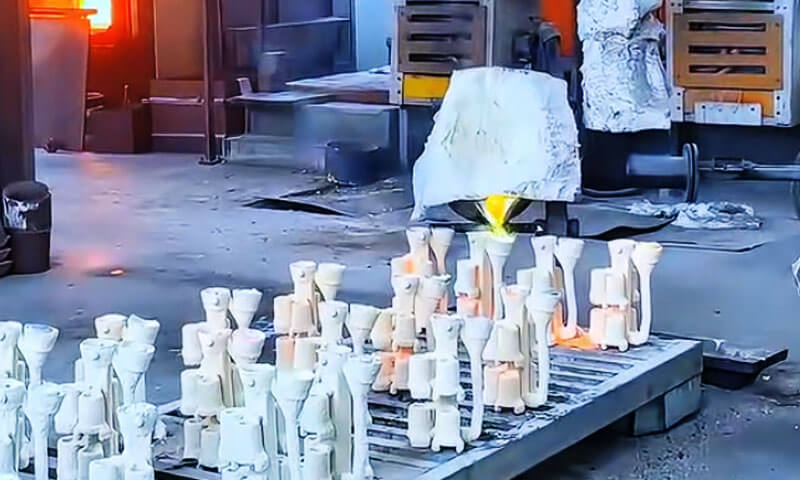
Legovaná ocel Investiční obsazení je proces výroby ocelových nebo legovaných ocelových součástí nejprve vytvořením voskového vzoru, postavit kolem něj keramický plášť, odparafínování skořápky, a poté nalití roztaveného kovu do dutiny.
Metoda je také známá jako Proces ztraceného vozu, a slévárenské odkazy jej popisují jako cestu přesného lití, která může využívat skořepinové formy a, v některých variantách, vakuové nebo gravitační lití.
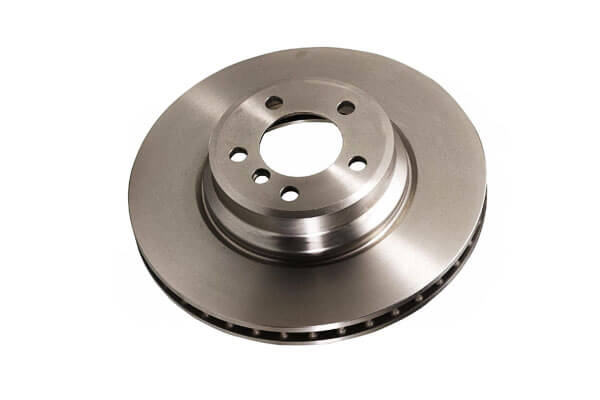
Z inženýrského hlediska, proces je nejlépe chápán jako a strategie výroby oceli v téměř čistém tvaru.
Keramická skořepina zachycuje jemnou geometrii, zatímco slitina oceli a následné tepelné zpracování poskytuje konečný mechanický výkon.
Protože odlitek se již blíží svým konečným rozměrům, proces může snížit množství potřebného obrábění později, zejména u dílů se složitými vlastnostmi, které by bylo obtížné konvenčním způsobem obrábět.
Užitečný způsob, jak shrnout proces, je to skořápka tvoří tvar, ocel dělá vlastnosti, a tepelným zpracováním se metalurgie ukončí.
To je důvod, proč se vytavitelné lití legované oceli používá v aplikacích, kde geometrie a výkon musí být optimalizovány společně spíše než odděleně.
2. Rodiny běžných slitin a reprezentativní třídy
| Slitinová rodina | Reprezentativní standardy / stupně | Typický inženýrský charakter | Společná servisní logika |
| Vytavitelné odlitky z uhlíkové oceli | ASTM A27 stupně jako např 60-30, 70-36, 70-40; ASTM A216 stupně jako WCA a WCB; ASTM A732 pro uhlíkové a nízkolegované vytavitelné odlitky; ASTM A957 společné požadavky. | Základní síla a hospodárnost, s tepelným zpracováním sloužícím k vyladění vlastností. | Obecné průmyslové části, stroje, komponenty související s tlakem, a konstrukčního hardwaru. |
| Vytavitelné odlitky z nízkolegované oceli | ASTM A732 nízkolegované investiční odlitky; ASTM A958 stupně jako např 60-30, 65-35, 70-36, 70-40; ASTM A148 strukturální třídy od 80-40 přes 210-180. | Lepší prokalitelnost a vyladění vlastností než u obyčejných uhlíkových ocelí. | Díly pro vyšší zátěž, které vyžadují odezvu kalení a temperování nebo normalizace a temperování. |
| Austenitická manganová ocel | ASTM A128/A128M uvedeny pod deštníkem A957. | Pracovní otužování, chování odolné proti nárazu. | Provoz odolný proti opotřebení, kde záleží na houževnatosti a odolnosti proti deformaci. |
Žáruvzdorné železo-chromové a železo-chrom-niklové oceli |
ASTM A297/A297M, včetně tříd používaných pro tepelně odolný provoz, jako je např Hf, HH, AHOJ, HK, ON, Ht ve standardní rodině shrnuté SFSA. | Navrženo pro stabilitu při zvýšených teplotách a odolnost proti oxidaci. | Kování pro pece, součásti horké sekce, a tepelně-servisní díly. |
| Nerez odolný proti korozi / duplexní rodiny | ASTM A743/A743M, A744/A744M, A747/A747M; ASTM A890/A890M duplexní odlitky. | Odolnost proti korozi a specifická metalurgie aplikace. | Chemikálie, námořní, a prostředí obsahující tlak. |
| Speciální vysokoteplotní slitiny | ASTM A447, A494, A560, A1002 uvedené v rozsahu A957. | Úzce zaměřené vysokoteplotní nebo speciální servisní výkony. | Komponenty pro náročný provoz, kde standardní oceli nestačí. |
Samotná krajina standardů vypráví příběh: vytavitelné lití z legované oceli není výklenek z jednoho materiálu,
ale široká rodina ocelí, která se řídí běžnými požadavky a specializovanými kategoriemi chemie/výkonnosti.
Specifikace ASTM A957 je zde obzvláště důležitá, protože funguje jako obecný rámec požadavků na vytavitelné odlitky z oceli a slitin.,
zatímco A732 konkrétně pokrývá uhlíkové a nízkolegované ocelové vytavitelné odlitky pro obecné použití.
3. Kompletní výrobní pracovní postup investičního lití legované oceli
| Krok | Co se stane | Proč na tom záleží |
| 1. Tvorba vzorů | Vyrábí se vosková nebo plastová replika finálního dílu. | Tento vzor definuje téměř čistou geometrii a rozměrový základ odlitku. |
| 2. Shromáždění / Gating | Vzory mohou být připojeny k centrálnímu vtoku, aby vytvořily shluk. | Klastr řídí, jak kov vstupuje a jak je řízeno smrštění. |
| 3. Budova skořápky | Sestava modelu je opakovaně ponořena do keramické kaše a potažena žáruvzdorným materiálem, dokud se nevytvoří plášť. | Skořepina se stává dutinou formy a musí být dostatečně pevná, aby udržela kov a tepelné zatížení. |
| 4. Dewaxing | Vosk se roztaví, typicky parním autoklávem nebo spalováním na bázi spalování. | Zanechává dutou dutinu, která přesně odpovídá vzoru. |
| 5. Střelba granátů / Předehřejte | Keramická skořepina je před naléváním vypálena. | Odstraňuje zbytky a předehřívá formu pro stabilní plnění a tuhnutí. |
6. Nalévání |
Roztavená legovaná ocel se nalije do horkého pláště. | To je místo plnění, tekutost, a tepelná regulace začíná nejvíce záležet. |
| 7. Tuhnutí | Kov uvnitř skořápky zamrzne. | Tuhnutí řídí strukturu zrna, srážení, a hodně z konečné kvality. |
| 8. Knockout a čištění | Skořápka se odlomí a odlitek se vyčistí, ořezané, a připravena ke kontrole. | Přemění hrubý odlitý díl na použitelnou ocelovou součást. |
| 9. Tepelné zpracování | Odlitek může být normalizován, normalizované-a-temperované, nebo kalené a temperované v závislosti na jakosti. | Ladí konečnou sílu, tvrdost, houževnatost, a tažnost. |
| 10. Inspekce / dokončení | Rozměrové kontroly, povrchové kontroly, a veškeré požadované obrábění je dokončeno. | Potvrzuje, že díl splňuje zadané požadavky na materiál a geometrii. |
Silným způsobem, jak přemýšlet o pracovním postupu, je lití na vytavitelné lití z legované oceli ne jen „lití oceli do formy“.
Je to sekvence přenosu tvaru, shell inženýrství, tepelné ovládání, a rozvoj hutního majetku. Závěrečná část je výsledkem společné práce všech čtyř.
4. Proč na lití legované oceli záleží
Odlévání legované oceli je důležité, protože umožňuje inženýrům vyrábět díly, které jsou geometricky složité ale stále potřeba výkon na úrovni oceli.
Průmyslová literatura o vytavitelném lití klade důraz na výrobu v téměř čistém tvaru, Vynikající povrchová úprava, jemný detail, a schopnost eliminovat nebo snížit nákladné frézování, soustružení, vrtání, a kroky broušení.
Tato výhoda téměř čistého tvaru se stává obzvláště důležitou, když je materiál obtížně obrobitelný nebo geometrie je příliš složitá na to, aby byla vyrobena ekonomicky ze skladu..
V kontextu investičního odlévání, konstruktér může často dosáhnout úzké tolerance a detailního tvaru v jednom procesu, pak rezervujte obrábění pouze pro kritické plochy, vlákna, nebo protilehlé povrchy.
Jinými slovy, lití z legované oceli je cenné, protože umožňuje výrobcům optimalizovat celkové náklady na část, nejen náklady na suroviny nebo náklady na obrábění samostatně.
To je důvod, proč tento proces zůstává důležitý v aplikacích s vysokou hodnotou oceli, kde záleží na celém životním cyklu součásti.
5. Základní technické výzvy a kontrola kvality
Ovládání tuhnutí
Tuhnutí je kritickým momentem každého odlévání.
Referenční informace o tuhnutí ASM poznamenávají, že tuhnutí silně ovlivňuje mikrostrukturu a mechanické vlastnosti, proto je tepelná kontrola během mrazení tak zásadní pro praxi zvukového odlévání.
Ve vytavitelném lití legované oceli, tuhnutí určuje strukturu zrna, smršťovací chování, a konečné rozdělení vad.
Smršťování a porozita
Pokud je podávání nedostatečné nebo je tepelná cesta špatně navržena, v oblastech posledního mrazu se mohou tvořit smršťovací dutiny nebo pórovitost.
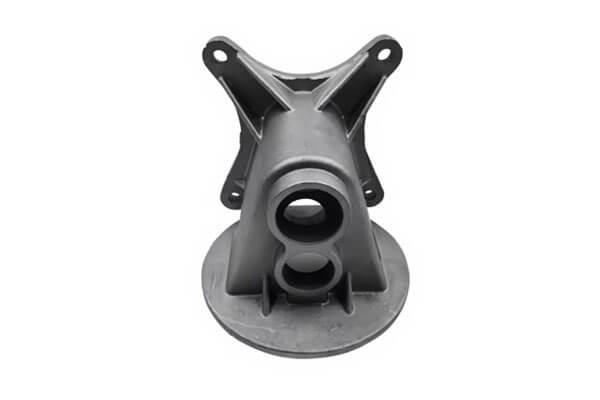
Toto riziko je zvláště důležité u složitých ocelových vytavitelných odlitků, protože se mění sekce, tlustí šéfové, a izolovaná horká místa mohou zachytit tekutý kov způsoby, které nejsou zvenčí zřejmé.
Správně postavený systém sprue/strom a vysoce kvalitní skořepina pomáhají udržet pórovitost ve stromě spíše než v odlitku.
Kontrola složení
ASTM A957 výslovně vyžaduje chemické látky, teplo, a analýzy produktů na prvky, jako je uhlík, mangan, křemík, fosfor, síra, nikl, Chromium, molybden, vanadium, wolfram, měď, a hliník.
To znamená, že lití z legované oceli na vytavitelný model je chemicky disciplinované; nestačí, aby součást vypadala správně, pokud je její chemie vypnutá.
Citlivost na tepelné zpracování
Tepelné zpracování je součástí systému jakosti, ne dodatečný nápad.
Přehled odlévání oceli SFSA ukazuje běžné podmínky odlévání na vytavitelný materiál, jako je např A (žíhané), N (normalizovaný), NT (normalizované a temperované), a Qt (uhasit a temperovaný).
Tato označení odrážejí skutečnost, že stejný odlitek lze vyladit do velmi odlišných vlastností v závislosti na zamýšlených provozních podmínkách.
Povrchová a inspekční kontrola
Protože se očekává, že investiční odlitky budou blízko konečnému tvaru, kvalita povrchu a vizuální akceptace jsou součástí logiky procesu.
Referenční rámce ASTM a SFSA oba považují vytavitelné odlitky za přesné ocelové výrobky s definovanými požadavky na přijetí a analýzu,
proto kontrola, čištění, a kontrola povrchu jsou hlavní prvky procesu spíše než volitelné dokončovací kroky.
6. Tepelné zpracování a ladění majetku
Tepelné zpracování je jedním z nejdůležitějších kroků s přidanou hodnotou při vytavitelném lití legované oceli.
Odlitek dává dílu tvar, ale tepelné zpracování mu dává konečnou rovnováhu pevnost, tvrdost, houževnatost, tažnost, a rozměrová stabilita.
Pro mnoho odlitků z legované oceli, stav as-cast je pouze přechodným stavem; skutečný technický výkon je stanoven po dokončení tepelného cyklu.
Běžné cesty tepelného zpracování
Žíhání
Používá se ke změkčení odlitku, zlepšit obrobitelnost, a snížit vnitřní stres.
Často se volí, když součást potřebuje další obrábění nebo když musí být odlitek stabilizován před pozdějším zpracováním.
Normalizace
Používá se ke zjemnění struktury zrna a zlepšení uniformity vlastností.
Normalizace je zvláště užitečná, když odlitek potřebuje vyváženější kombinaci pevnosti a houževnatosti, než může poskytnout odlitá struktura.
Normalizace a temperování
Běžná cesta pro mnoho odlitků z uhlíkové a nízkolegované oceli. Normalizační krok zpřesňuje strukturu, zatímco temperování pomáhá kontrolovat křehkost a zlepšovat provozní houževnatost.
Zhášení a temperování
Používá se, když je požadována vyšší pevnost a tvrdost. Kalení vytváří tvrdší strukturu, a tempera upravuje konečnou rovnováhu mezi pevností a houževnatostí.
Ošetření řešení / stabilizační léčby
Používá se pro vybrané nerezové a speciální slitinové odlitky pro kontrolu odolnosti proti korozi, fázová stabilita, a rozměrové chování.
Praktické příklady
- Vytavitelné odlitky z uhlíkové oceli často používají žíhané, normalizovaný, nebo normalizované a temperované podmínky.
- Nízkolegované ocelové odlitky může vyžadovat úpravu kalením a temperováním k dosažení vyšších úrovní pevnosti.
- Tepelně odolné nebo nerezové odlitky může potřebovat řešení, stabilizace, nebo speciální tepelné cykly v závislosti na jakosti a provozním prostředí.
7. Typické aplikace litých odlitků z legované oceli
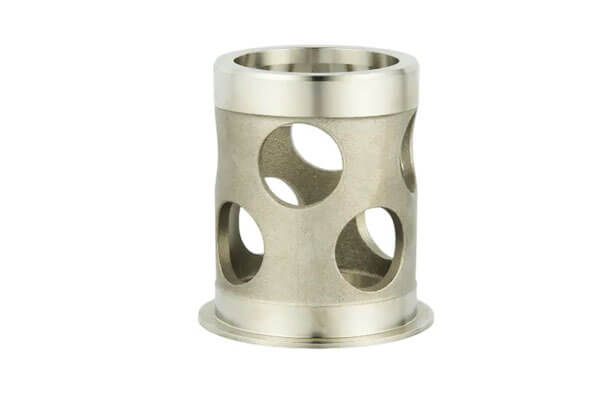
Odlitky z legované oceli se používají tam, kde Komplexní geometrie, pevnost na úrovni oceli, a řízený výkon služby musí koexistovat ve stejné komponentě.
Tento proces je zvláště cenný, když by součást byla příliš obtížná, příliš plýtvání, nebo příliš nákladné na obrábění z pevných zásob.
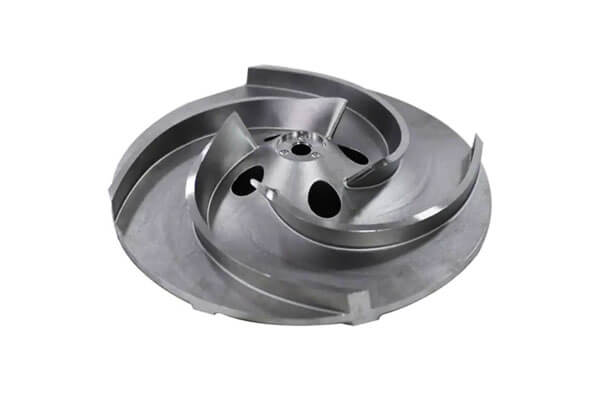
Všeobecné průmyslové stroje
- Tělesa čerpadel a oběžná kola čerpadel
- Tělesa ventilu, kapoty, a komponenty vnitřního toku
- Skříně převodovky a mechanické kryty
- Držáky stroje, Podpory, a konektory
Tyto díly těží ze schopnosti vytavitelného lití vytvářet detailní vnitřní tvary, hladké povrchy,
a geometrie blízké sítě, zatímco slitina oceli poskytuje konstrukční spolehlivost a životnost.
Zařízení pro regulaci tlaku a průtoku
- Části ventilů obsahující tlak
- Konektory potrubí
- Průtokové trysky a kryty pohonů
- Přesné armatury pro průmyslové systémy
V této kategorii, proces je atraktivní, protože těsnící povrchy, průtokové průchody,
a montážní prvky lze často odlévat blízko konečnému tvaru, snížení pozdějšího obrábění při zachování požadované výkonnosti materiálu.
Komponenty odolné vůči opotřebení
- Páky a táhla podléhají opakovanému zatížení
- Noste obuv a kontaktní součásti
- Těžební a manipulační díly
- Díly strojů s vysokým dopadem
Často se zde volí odlitky z nízkolegované a manganové oceli, protože mohou být tepelně zpracovány pro pevnost a houževnatost, nebo mechanicky zpevněné, kde je prioritou odolnost proti nárazu.
Hardware pro vysoké teploty a pece
- Zařizovací předměty pece
- Tepelně odolné držáky a podpěry
- Komponenty související s hořákem
- Tepelně-servisní kryty a vnitřní hardware
V této oblasti jsou zvláště užitečné žáruvzdorné železo-chromové a železo-chrom-niklové odlitky
protože si zachovávají funkční integritu v prostředí se zvýšenými teplotami, kde by běžné uhlíkové oceli příliš rychle měkly nebo oxidovaly.
Díly odolné proti korozi a chemikáliím
- Komponenty čerpadla a ventilu z nerezové oceli
- Kryty na chemické zpracování
- Námořní armatury
- Duplexní a korozivzdorné servisní díly
Odlitky z legované oceli odolné proti korozi jsou cenné tam, kde jsou kompatibilní s kapalinami, odolnost proti korozi, a rozměrová přesnost musí být kombinována v jedné části.
- Držáky a držáky
- Uzamykací a nosné prvky
- Konstrukční konektory
- Nosné kování se složitou geometrií
Tyto díly často vyžadují kombinaci optimalizace geometrie a spolehlivých mechanických vlastností.
Investiční lití umožňuje konstruktérovi zabudovat funkci do tvaru a zároveň zachovat výběr slitiny vázaný na zatěžovací stav.
8. Jedinečné výhody litého lití legované oceli
Odlévání legované oceli na vytavitelný model má výraznou hodnotu.
Není to jen způsob výroby ocelových dílů; je to způsob, jak udělat ocelové díly s kontrolou geometrie a vlastností, které by bylo obtížné dosáhnout jinými metodami.
Účinnost ve tvaru téměř sítě
- Vyrábí díly blízké konečné geometrii
- Snižuje plýtvání surovinami
- Minimalizuje těžké obrábění u složitých prvků
- Zkracuje celkovou dobu zpracování obtížných tvarů
To je jeden z nejsilnějších důvodů pro výběr procesu.
Když má součást podříznutí, Tenké stěny, křivky, šéfové, nebo jemný detail, odlévací cesta často ušetří více, než stojí.
Komplexní geometrická schopnost
- Zvládá tvary, které je obtížné konvenčním způsobem obrábět
- Podporuje vnitřní a vnější detaily
- Umožňuje konsolidaci více prvků do jedné části
- Snižuje potřebu svařenců nebo sestav
V mnoha aplikacích, to znamená, že odlitek může nahradit vícedílnou vyrobenou konstrukci jednou integrovanou součástí.
Široká flexibilita materiálu
- Uhlíková ocel pro hospodárnost
- Nízkolegovaná ocel pro pevnostní ladění
- Žáruvzdorné oceli pro tepelný provoz
- Nerezové a duplexní oceli pro odolnost proti korozi
- Speciální slitiny pro specifické provozní podmínky
Tato flexibilita je hlavní výhodou, protože cesta odlévání není vázána na jednu metalurgii.
Návrhář si může vybrat rodinu slitin, která odpovídá skutečnému prostředí součásti.
Kompatibilita tepelného zpracování
- Žíhané stavy pro obrobitelnost
- Normalizované stavy pro rafinovanou strukturu
- Uhasené a temperované stavy pro sílu
- Speciální tepelné cykly pro nerezové nebo žáruvzdorné jakosti
To dává výrobcům po výběru slitiny druhou technickou páku.
Stejný základní odlitek lze tepelným zpracováním přizpůsobit velmi různým výkonnostním cílům.
Dobrá kvalita povrchu
- Lepší reprodukce detailů než mnoho hrubovacích tras
- Snížená potřeba rozsáhlého čištění funkčních povrchů
- Vhodné pro díly, kde záleží na vzhledu a střihu
Forma skořepiny efektivně zachycuje jemné detaily, což je zvláště užitečné, když finální díl potřebuje jak funkční přesnost, tak kontrolovaný vzhled.
Konsolidace designu
- Nahrazuje více obráběných nebo svařovaných kusů
- Redukuje spoje a rozhraní sestav
- Může zlepšit opakovatelnost napříč výrobními sériemi
- Často zlepšuje integritu součásti odstraněním variability související se svarem
To je jedna z méně zřejmých, ale velmi důležitých výhod. Méně spojení obvykle znamená méně zdrojů selhání.
Ekonomická výhoda při složitosti
- Nástroje a výroba skořepin jsou odůvodněny složitostí součásti
- Snižuje celkové náklady, pokud by obrábění bylo nadměrné
- Zvláště atraktivní pro středně sériovou výrobu
- U složitých ocelových dílů může být ekonomičtější než obrábění sochorů
Klíčovým bodem je, že náklady by měly být posuzovány podle úroveň komponent, nejen na úrovni formy nebo na úrovni hodin obrábění.
9. Odlévání legované oceli vs CNC obrábění
Vytavitelné lití legované oceli a CNC obrábění nejsou v jednoduchém smyslu konkurenční metody; řeší různé výrobní problémy.
Investiční lití je a proces tvarování blízkého tvaru sítě který vytváří součást litím roztavené legované oceli do keramického pláště.
CNC obrábění je a subtraktivní proces který odebírá materiál z pevného materiálu, kování, nebo předtvarujte, dokud není dosaženo konečné geometrie.
| Srovnávací aspekt | Investiční lití legované oceli | Slitinová ocel CNC obrábění |
| Logika výroby jádra | Staví součást odléváním roztavené legované oceli do keramické formy vyrobené z voskového vzoru. | Vytváří součást odříznutím materiálu od pevného polotovaru. |
| Schopnost geometrie | Vynikající pro složité tvary, Tenké sekce, podříznutí, vnitřní detaily, a integrované funkce. | Vynikající pro přesné funkce a jednoduché až středně složité díly, ale geometrie je omezena přístupem k nástroji. |
| Účinnost materiálu | Velmi efektivní pro díly ve tvaru téměř sítě, protože později je třeba odstranit jen málo materiálu. | Méně efektivní u složitých dílů, protože velká část materiálu se stává třískami. |
| Strategie tolerance | Dobrá přesnost téměř čistého tvaru, s kritickými povrchy často dokončovanými obráběním. | Vynikající přesnost na přímo obrobených plochách a kritických vztažných bodech. |
Stav povrchu |
Dobrá reprodukce detailů jako v odlitku; některé povrchy mohou stále vyžadovat konečné opracování nebo čištění. | Vynikající na obrobené tváře, otvory, vlákna, a těsnicí povrchy. |
| Nejlepší rozsah hlasitosti | Ekonomické pro díly s malým až středním a středním objemem se složitostí. | Ekonomické pro prototypy, Produkce s nízkým objemem, a díly s častými konstrukčními změnami. |
| Nástroje / nastavení | Vyžaduje vzory, budova skořápky, a kontrola procesu před naléváním. | Vyžaduje příslušenství, nástroje, a strojový čas, ale není potřeba žádná odlévací forma. |
| Dodací lhůta | Delší předem, protože musí být vytvořen vzor a proces shellu. | Rychlejší pro rané prototypy nebo iterace návrhu. |
Flexibilita materiálu |
Široká flexibilita rodiny slitin, včetně uhlíkových ocelí, Ocely s nízkým plechovkou, nerez, Duplex, a tepelně odolné rodiny. | Lze obrábět téměř jakoukoli ocel, ale výchozí zásoby již musí existovat v požadované podobě. |
| Vývoj mechanického majetku | Pevnost a houževnatost jsou vyladěny výběrem slitiny a tepelným zpracováním po odlití. | Konečné vlastnosti pocházejí především z výchozího materiálu a případného tepelného zpracování po obrábění. |
| Část konsolidace | Může kombinovat více funkcí do jedné integrované součásti, snížení počtu montáží. | Obvykle nelze eliminovat konsolidaci součásti, pokud není geometrie jednoduchá nebo polotovar již není téměř finální. |
| Typická rizika | Srážení, pórovitost, vady skořápky, problémy s tuhnutím, a zkreslení tepelným zpracováním. | Opotřebení nástroje, klábosení, Burry, zkreslení z upnutí, a vysoký odpad pro složité tvary. |
10. Závěr
Vytavitelné lití legované oceli je proces založený na přesné geometrii a metalurgické kontrole.
Spojuje tvarovou volnost cesty ztraceného vosku s výkonnostním potenciálem uhlíkových ocelí, Ocely s nízkým plechovkou, nerezové oceli, a rodiny žáruvzdorných ocelí.
Tento proces je zvláště cenný, když konstruktér potřebuje účinnost téměř čistého tvaru bez obětování schopnosti specifikovat ocelovou slitinu pro pevnost, nosit, tlak, nebo teplotní servis.
Jeho technický úspěch závisí na třech věcech: vytváření zvukových skořápek, kontrolované tuhnutí, a správně přizpůsobené tepelné zpracování.
Když jsou ty tři srovnané, lití z legované oceli může produkovat součásti, které jsou složité, odolný, a vysoce technicky.
Proto zůstává hlavním výrobním postupem pro náročné průmyslové komponenty.
Časté časté
Jedná se o vytavitelný odlitek legované oceli jako odlitek běžné oceli?
Žádný. Jedná se o specifickou cestu odlévání oceli, která využívá voskové nebo plastové vzory a keramické skořepiny k vytvoření dílů ve tvaru téměř sítě..
ASTM A732 výslovně identifikuje odlitky z uhlíkové a nízkolegované oceli vyrobené procesem vytavovacího lití.
Proč používat investiční lití místo obrábění ocelového dílu z masivního materiálu?
Protože investiční lití může produkovat složitější tvary s menším množstvím plýtvaného materiálu a menším počtem obráběcích kroků, zvláště když geometrie obsahuje jemné detaily, Tenké stěny, nebo vnitřní zakřivení.
Popis procesu a rámec standardů ukazují, že cesta je určena pro komplexní, kontrolované ocelové odlitky.
Které rodiny slitin jsou nejběžnější?
Uhlíkové oceli, Ocely s nízkým plechovkou, austenitické manganové oceli, a žáruvzdorný železo-chrom / železo-chrom-niklové oceli jsou všechny zastoupeny v rámci standardů ocelí pro vytavitelné lití.
Proč je tepelné zpracování tak důležité?
Protože ocelové vytavitelné odlitky často po ztuhnutí vyžadují úpravu vlastností.
Normy a dodací podmínky běžně umožňují žíhání, normalizace, temperování, nebo cykly kalení a temperování v závislosti na jakosti.
Jaké je největší technické riziko?
Mezi nejvýznamnější rizika patří defekty související s tuhnutím, protože zmrazovací stupeň řídí jak mikrostrukturu, tak mechanické vlastnosti.
Pokud je krmení a tepelný design špatné, v oblastech posledního mrazu odlitku se může vyvinout smrštění a pórovitost.

