1. مقدمة
الفولاذ المقاوم للصدأ الحديدي هو أحد العائلات الرئيسية للفولاذ المقاوم للصدأ, تتميز في المقام الأول بها الجسم الحديدي مكعب مركزه (BCC) بنية البلورة في درجة حرارة الغرفة ومحتواها العالي نسبيا من الكروم.
على عكس الفولاذ المقاوم للصدأ الأوستنيتي التقليدي, تحتوي درجات الحديد عادة على القليل من النيكل المضاف عمدًا أو لا تحتوي على الإطلاق.
هذه الخاصية التركيبية يمكن أن توفر مزيجًا جذابًا من مقاومة التآكل, الاستقرار الحراري, الخصائص المغناطيسية, والتكلفة المادية.
يستخدم الفولاذ المقاوم للصدأ الحديدي على نطاق واسع في أنظمة عوادم السيارات, الأجهزة المنزلية, المبادلات الحرارية, المكونات المعمارية, معدات معالجة الطعام, والآلات الصناعية.
أدائهم, لكن, يعتمد بقوة على كيمياء السبائك, السيطرة على الكربون والنيتروجين, الاستقرار, تاريخ المعالجة, وبيئة الخدمة.
2. ما هو الفولاذ المقاوم للصدأ الحديدي?
فيريتي الفولاذ المقاوم للصدأ هي مجموعة من سبائك الحديد والكروم التي تكون مصفوفتها حديدية في درجة حرارة الغرفة.
يمتلك الفريت بنية بلورية مكعبة متمحورة حول الجسم ويظل مستقرًا على نطاق واسع من درجات الحرارة في تركيبات السبائك المناسبة.
الكروم هو عنصر صناعة السبائك الرئيسي المسؤول عن سلوك الفولاذ المقاوم للصدأ.
بمجرد وجود كمية كافية من الكروم, يمكن أن يشكل الفولاذ طبقة رقيقة, ملتصق, طبقة سلبية غنية بالكروم تعمل على إبطاء المزيد من التآكل بشكل كبير.
يغطي الفولاذ المقاوم للصدأ الحديدي التجاري نطاقًا واسعًا نسبيًا من التركيب. قد تحتوي الدرجات المشتركة تقريبًا 11– 30% كروم, بينما يتم التحكم في الكربون والنيتروجين عمومًا عند مستويات منخفضة نسبيًا.
تحتوي بعض الدرجات عالية الأداء بالإضافة إلى ذلك على الموليبدينوم لتحسين مقاومة التآكل الموضعية أو التيتانيوم والنيوبيوم لتحقيق الاستقرار.
على عكس الفولاذ المقاوم للصدأ المارتنسيتي, الفولاذ المقاوم للصدأ الحديدي التقليدي هو لا يتم تصلبها عادة من خلال المعالجة الحرارية التقليدية.
يتم تحديد خصائصها النهائية في المقام الأول من خلال التركيب الكيميائي, المعالجة الحرارية الميكانيكية, الصلب, بنية الحبوب, والتشوه البارد.
لذلك من الأفضل فهم الفولاذ المقاوم للصدأ من الحديد باعتباره عائلة معدنية متميزة وليس مجرد بديل منخفض التكلفة للفولاذ المقاوم للصدأ الأوستنيتي..
3. التركيب الكيميائي للفولاذ المقاوم للصدأ من الحديديك
يعد التركيب الكيميائي أحد أهم العوامل التي تتحكم في أداء الفولاذ المقاوم للصدأ من الحديديك.
يوفر الكروم خاصية الفولاذ المقاوم للصدأ الأساسية, بينما الكربون, نتروجين, الموليبدينوم, التيتانيوم, نيوبيوم, ويتم تعديل العناصر الأخرى لتحقيق مجموعات محددة من مقاومة التآكل, الخصائص الميكانيكية, قابلية اللحام, والاستقرار الحراري.
التكوين الكيميائي النموذجي
يختلف التكوين بشكل كبير بين الدرجات الفردية. تمثل القيم التالية نطاقات نموذجية للفولاذ المقاوم للصدأ الحديدي التجاري الشائع, ليست حدود المواصفات العالمية.
| عنصر | النطاق النموذجي / مستوى | الوظيفة المعدنية الأولية |
| الكروم (كر) | ~10.5–30% | التخميل, مقاومة التآكل, استقرار الفريت |
| الكربون (ج) | منخفضة بشكل عام, في كثير من الأحيان .080.08٪ | تعزيز; المستويات المفرطة يمكن أن تعزز التوعية |
| نتروجين (ن) | منخفضة بشكل عام | تعزيز; المستويات المفرطة يمكن أن تضعف خصائص الحديدي |
| الموليبدينوم (شهر) | 0-4%+ حسب الدرجة | يحسن مقاومة التآكل والشقوق |
| التيتانيوم (ل) | تعتمد على الدرجة | يستقر الكربون والنيتروجين |
نيوبيوم (ملحوظة) |
تعتمد على الدرجة | يستقر الكربون والنيتروجين; يحسن أداء اللحام |
| النيكل (في) | عادة ما تكون منخفضة | يتم التحكم فيه للحفاظ على استقرار المرحلة الحديدي |
| المنغنيز (MN) | عادة ما تكون محدودة | إزالة الأكسدة والتحكم في السبائك/العمليات |
| السيليكون (و) | عادة ما تكون محدودة | مساهمة إزالة الأكسدة ومقاومة الأكسدة |
ينبغي دائمًا أخذ الحدود الدقيقة من مواصفات المواد ذات الصلة, مثل المعمول بها ASTM, في, هو, أو معيار وطني/دولي آخر, لأن أسماء الدرجات الاسمية وحدها لا تحدد كل حد تركيبي مسموح به.
4. الأنواع والدرجات الرئيسية للفولاذ المقاوم للصدأ من الحديديك
يغطي الفولاذ المقاوم للصدأ من الحديد مجموعة واسعة من السبائك القائمة على الكروم, من الدرجات الاقتصادية المصممة لأنظمة عوادم السيارات إلى الدرجات العالية من سبائك الكروم والموليبدينوم المخصصة للتآكل والبيئات ذات درجات الحرارة العالية.
تنظم الجداول التالية الدرجات التمثيلية في ثلاث فئات عملية: الدرجات الحديديك القياسية, درجات الحديد عالية الكروم, ويلقي الفولاذ المقاوم للصدأ الحديدي.
الدرجات الحديدية القياسية (400 مسلسل)
تُستخدم هذه الدرجات على نطاق واسع لأنها توفر توازنًا عمليًا لمقاومة التآكل, التصنيع, الأداء الحراري, والتكلفة.
درجات مثل 409 و 430 لها أهمية خاصة في السيارات, جهاز, المعماري, والتطبيقات الصناعية العامة.
| درجة | تعيين الولايات المتحدة | التكوين التقريبي | الخصائص الرئيسية | التطبيقات النموذجية |
| 409 | S40900 | الكروم 10.5-11.7%; ج ≥0.08%; استقر | الفولاذ المقاوم للصدأ الحديدي الاقتصادي مع مقاومة جيدة للأكسدة ومقاومة كافية للتآكل; مناسبة لخدمة درجات الحرارة المرتفعة | أنظمة عادم السيارات, أنابيب العادم, مكونات المحول الحفاز |
| 410ل | S41003 | الكروم 11.5-13.5%; ج ≥0.03% | يعمل الكربون المنخفض جدًا على تحسين قابلية اللحام ويقلل من مخاطر التحسس المرتبط باللحام; مقاومة التآكل المعتدلة | مكونات السيارات, الأجزاء الهيكلية, خزانات المياه, المعدات الصناعية |
| 430 | S43000 | الكروم 16-18%; ج ≥0.08% | مقاومة التآكل العامة الجيدة, السلوك المغناطيسي, قابلية تشكيل جيدة, ومظهر سطحي جذاب; متاحة على نطاق واسع واقتصادية | الأجهزة, معدات المطبخ, تقليم السيارات, لوحات معمارية |
430ل |
S43003 | الكروم 16-18%; ج ≥0.03% | نسخة منخفضة الكربون من 430 مع تحسين قابلية اللحام وتقليل التعرض للتآكل الحبيبي | المعدات الملحومة, معدات معالجة الطعام, المكونات المعمارية |
| 434 | S43400 | الكروم 16-18%; مو حوالي 0.5-1.0%; ج ≥0.08% | يعمل الموليبدينوم على تحسين مقاومة التآكل الموضعي مقارنةً بالتقليدي 430; يحافظ على مقاومة جيدة للأكسدة | تقليم السيارات, مكونات العادم, المعدات المتعلقة بالحرارة |
| 436 | S43600 | الكروم 16-18%; مو حوالي 0.5-1.0%; استقر Ti/NB | درجة حديدية مستقرة مع تحسين قابلية اللحام, مقاومة التآكل, ومقاومة التآكل الحبيبي | أنظمة عادم السيارات, المكونات المعمارية, المعدات الصناعية |
درجات حديدية عالية من الكروم
يحتوي الفولاذ المقاوم للصدأ الحديدي عالي الكروم على كمية أكبر بكثير من الكروم مقارنة بدرجات السلسلة 400 التقليدية.
يحتوي بعضها أيضًا على الموليبدينوم وعناصر التثبيت مثل التيتانيوم والنيوبيوم.
تعمل استراتيجيات صناعة السبائك هذه على تحسين مقاومة الأكسدة, مقاومة التآكل الموضعية, وأداء درجات الحرارة العالية.
| درجة | تعيين الولايات المتحدة | التكوين التقريبي | الخصائص الرئيسية | التطبيقات النموذجية |
| 439 | S43035 | الكروم 17-19%; استقر | مقاومة جيدة للتآكل والأكسدة مع تحسين قابلية اللحام; مناسبة لخدمة درجات الحرارة المرتفعة | أنظمة عادم السيارات, المبادلات الحرارية, سخانات المياه |
| 441 | S44100 | الكروم 17-19%; ل + استقرت ملحوظة | يوفر الهيكل الحديدي المستقر قابلية لحام جيدة, مقاومة الأكسدة, ومقاومة التحسس | أنظمة عادم السيارات, مكونات المحول الحفاز, المبادلات الحرارية |
| 444 | S44400 | الكروم 17-19%; مو 1.5-2.5%; ل + استقرت ملحوظة | يوفر الكربون المنخفض والنيتروجين مع Mo مقاومة عالية للتآكل والشقوق; قابلية اللحام الجيدة | المبادلات الحرارية, أنظمة الماء الساخن, معدات مياه التبريد, معدات المعالجة الكيميائية |
446 |
S44600 | الكروم 23-27%; منخفض ج | يوفر المحتوى العالي جدًا من الكروم مقاومة ممتازة للأكسدة وأداءً جيدًا في درجات الحرارة المرتفعة | مكونات الفرن, معدات المعالجة الحرارية, معدات المعالجة الكيميائية ذات درجة الحرارة العالية |
| 447 | S44700 | الكروم 28-30%; مو 2.0-3.0%; منخفضة جداً ج | الفولاذ المقاوم للصدأ الفائق الحديدي مع مقاومة ممتازة للتآكل والأكسدة الموضعي الناجم عن الكلوريد | المعالجة الكيميائية, معدات معالجة مياه البحر, المبادلات الحرارية, المعدات البحرية |
| 448 | S44800 | الكروم 28-30%; مو 3.5-4.2%; C/N منخفض جدًا | الفولاذ المقاوم للصدأ من الحديد عالي السبائك يوفر مقاومة استثنائية للتآكل والأكسدة في البيئات القاسية | المعدات البحرية, المعالجة الكيميائية, الأنظمة البحرية, خدمة كلوريد شديدة |
ملحوظة: تختلف الحدود الكيميائية الدقيقة وفقًا لمعايير ASTM المعمول بها, أسمي, في, أو مواصفات UNS. يتم توفير التركيبات المذكورة أعلاه كنطاقات تمثيلية للمقارنة الهندسية.
درجات الفولاذ المقاوم للصدأ من الحديد المصبوب
بعض درجات الفولاذ المقاوم للصدأ المصبوبة والمشار إليها بشكل شائع مذكورة أدناه.
الأهم من ذلك, ليست كل درجة من الفولاذ المصبوب المحتوي على الكروم والمدرجة في عائلة ASTM A743/A744 حديدية بشكل صارم في درجة حرارة الغرفة; يتم تصنيف الدرجات مثل CA-15 تقليديًا على أنها مارتنسيتية.
لذلك, يجب دائمًا تأكيد التصنيف المعدني المحدد من مواصفات المواد المعمول بها.
| درجة الصب | تعيين الولايات المتحدة | الخصائص الرئيسية | التطبيقات النموذجية |
| CA-15 | J91150 | درجة صب الكروم غير القابل للصدأ مع مقاومة عامة جيدة للتآكل وقوة جيدة بعد المعالجة الحرارية المناسبة; يتم تصنيفها تقليديًا على أنها مارتنسيتية وليست حديدية | مكونات المضخة, جثث الصمام, مكونات التوربينات, المسبوكات الصناعية |
| كا-40 | J91151 | صلابة وقوة أعلى من درجات صب الكروم منخفضة الكربون; مقاومة التآكل جيدة ولكن قابلية اللحام منخفضة | مكونات مقاومة للارتداء, أجزاء الصمام, مكونات خدمة البخار |
سي بي-30 |
J91330 | يوفر المحتوى العالي من الكروم مقاومة محسنة للتآكل والأكسدة لمكونات الصب | معدات المعالجة الكيميائية, أجزاء المضخة, مكونات الصمام |
| سي سي-50 | J91450 | يوفر محتوى الكروم العالي جدًا مقاومة قوية للأكسدة والتآكل, خاصة في البيئات ذات درجات الحرارة المرتفعة | معدات المعالجة الكيميائية ذات درجة الحرارة العالية, مكونات الفرن, المسبوكات المقاومة للتآكل |
5. الخصائص الرئيسية للفولاذ المقاوم للصدأ من الحديديك
يتميز الفولاذ المقاوم للصدأ من الحديديك بـ مكعب محور الجسم (BCC) مصفوفة الحديد, الكروم كعنصر صناعة السبائك الرئيسي, ومحتويات منخفضة الكربون والنيكل بشكل عام.
مزيجهم من المقاومة للتآكل, السلوك المغناطيسي, التمدد الحراري المنخفض نسبيا,
والتوصيل الحراري المتوسط إلى الجيد يجعلها مناسبة بشكل خاص لأنظمة عوادم السيارات, الأجهزة, المبادلات الحرارية, المكونات المعمارية, والمعدات الصناعية.
توفر القيم التالية نقاط مرجعية هندسية مفيدة لدرجات الحديد شائعة الاستخدام:
| ملكية | نطاق الفولاذ المقاوم للصدأ الحديدي النموذجي | الدرجة التمثيلية / قيمة | الأهمية الهندسية |
| معامل مرن | ~200-215 جيجا باسكال | يكتب 430: ~ 200 GPA | يحدد الصلابة المرنة |
| كثافة | ~7.6-7.8 جم/سم3 | يكتب 430: ~7.7 جم/سم3 | تتعلق بوزن المكون |
| معامل التمدد الحراري | ~9–11 × 10⁻⁶/ك | يكتب 430: ~10.4 × 10⁻⁶/ك | مهم للتشويه الحراري |
| الموصلية الحرارية | ~24–27 ث/(م · ك) | يكتب 430: ~26 واط/(م · ك) | يؤثر على نقل الحرارة |
حرارة محددة |
~440–500 جول/(كجم · ك) | تعتمد على الدرجة | تستخدم في الحسابات الحرارية |
| المقاومة الكهربائية | ~0.55–0.65 ميكروأوم·م | تعتمد على الدرجة | ذات صلة بالتطبيقات الكهربائية/الحرارية |
| السلوك المغناطيسي | المغناطيسية الحديدية في درجة حرارة الغرفة | معظم الدرجات الحديديك | مفيد للتطبيقات المغناطيسية |
| نطاق ذوبان | ~1,425-1,510 درجة مئوية | تعتمد على الدرجة | مهم للصب واللحام |
وينبغي التعامل مع هذه الأرقام على أنها القيم المرجعية, لا بديل للمواصفات.
لتصميم المكونات, ASTM المعمول بها, في, هو, أو غيرها من معايير المواد ويجب أن يكون لتقرير اختبار المواد المعتمد الأسبقية.
مقاومة التآكل
تعد مقاومة التآكل أحد الأسباب الرئيسية لاستخدام الفولاذ المقاوم للصدأ من الحديديك.
الكروم يشكل رقيقة, ملتصق, والشفاء الذاتي فيلم سلبي غني بالكروم على السطح الفولاذي.
عندما يكون محتوى الكروم مرتفعًا بدرجة كافية ويظل السطح نظيفًا كيميائيًا, تقلل هذه الطبقة السلبية بشكل كبير من معدل التآكل في العديد من البيئات الجوية والمائية.
تزداد مقاومة التآكل للفولاذ المقاوم للصدأ من الحديد بشكل عام مع محتوى الكروم, في حين أن إضافات الموليبدينوم يمكن أن تزيد من تحسين مقاومة التآكل الموضعي, وخاصة التآكل والشقوق.
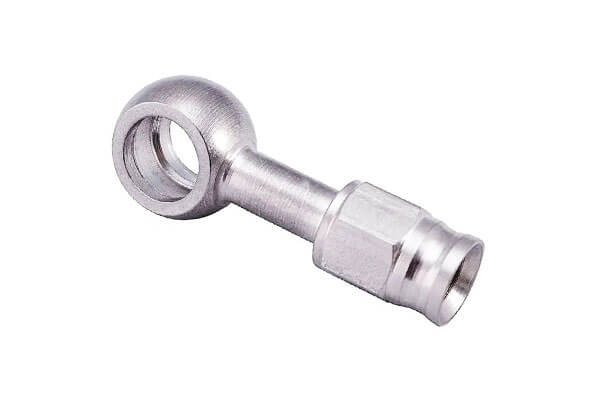
على سبيل المثال, AISI 430 يوفر مقاومة مفيدة للتآكل في البيئات الداخلية والتآكل الخفيف, في حين استقرت الدرجات مثل 439 و 441 تستخدم على نطاق واسع في أنظمة عوادم السيارات.
درجات سبائك أعلى مثل 444 توفر مقاومة أفضل بكثير للبيئات التي تحتوي على الكلوريد وهي مناسبة للتطبيقات التي تتضمن الماء الساخن وبعض الوسائط الكيميائية.
وينبغي النظر في عدة عوامل عند تقييم أداء التآكل:
- محتوى الكروم: يعمل ارتفاع الكروم بشكل عام على تحسين مقاومة التخميل والأكسدة.
- محتوى الموليبدينوم: يعمل Mo على تحسين مقاومة التآكل والشقوق.
- الكربون والنيتروجين: يمكن للعناصر الخلالية المفرطة أن تعزز استنفاد الكروم أثناء التعرض الحراري.
- الاستقرار: تساعد إضافات التيتانيوم أو النيوبيوم على ربط الكربون والنيتروجين, تحسين مقاومة التحسس بعد اللحام.
- حالة السطح: طحن, تلميع, تخليل, والتخميل يمكن أن يؤثر بقوة على سلوك التآكل العملي.
- بيئة الخدمة: تركيز الكلوريد, درجة حرارة, PH, رطوبة, ووقت التعرض كلها تؤثر على أداء التآكل.
وبالتالي فإن الفولاذ المقاوم للصدأ الحديدي جذاب بشكل خاص حيث تكون مقاومة التآكل مطلوبة ولكن أداء التآكل الشديد للفولاذ المقاوم للصدأ الأوستنيتي المحتوي على النيكل غير ضروري.
6. الخواص الميكانيكية للفولاذ المقاوم للصدأ من الحديديك
يتأثر السلوك الميكانيكي للفولاذ المقاوم للصدأ الحديدي بشدة بمحتوى الكروم, مستويات الكربون والنيتروجين, حجم الحبوب, استقرار السبائك, العمل البارد, ودرجة حرارة الخدمة.
على العموم, تقدم الدرجات الحديدية مزيجًا مفيدًا من قوة متوسطة إلى عالية, ليونة كافية, مقاومة التعب الجيدة, والاستقرار الأبعاد الجيد.
الخصائص الميكانيكية النموذجية
| خاصية ميكانيكية | السلوك النموذجي للفولاذ المقاوم للصدأ من الحديديك | الأهمية الهندسية |
| معامل مرن | تقريبًا 200 GPA | يوفر صلابة مرنة جيدة واستقرار الأبعاد |
| قوة العائد | عادة حوالي 200-400 ميجا باسكال للعديد من الدرجات القياسية | يحدد مقاومة التشوه الدائم |
| قوة الشد | عادة حوالي 400-600 ميجا باسكال, اعتمادًا على الصف والشرط | يحدد قدرة تحميل الشد النهائية |
استطالة |
في كثير من الأحيان حوالي 15-30٪, ولكنها تعتمد بشكل كبير على الدرجة | يشير إلى الليونة المتاحة أثناء التشكيل والتحميل الزائد |
| صلابة | معتدل عموما في حالة صلب | يؤثر على مقاومة التآكل وإمكانية التشغيل الآلي |
| تأثير المتانة | تعتمد بشكل كبير على الدرجة, حجم الحبوب, درجة حرارة, والمعالجة | مهم للتطبيقات ذات درجات الحرارة المنخفضة والمحملة بالصدمات |
يُظهر الفولاذ المقاوم للصدأ من الحديدي أيضًا بشكل عام تقوية محدودة من خلال المعالجة الحرارية التقليدية.
على عكس الفولاذ المقاوم للصدأ المارتنسيتي, ولا يمكن عادةً تحويلها إلى بنية مارتنسيتية عالية الصلابة من خلال التبريد.
بدلاً من ذلك، يتم التحكم في خواصها الميكانيكية بشكل أساسي من خلال سبائك, تحسين الحبوب, العمل البارد, والمعالجة الحرارية الميكانيكية.
العمل البارد يمكن أن يزيد من القوة والصلابة, لكن التشوه البارد المفرط قد يقلل من الليونة ويزيد من صعوبة التشكيل.
للتطبيقات الصعبة, الحالة المادية – مثل الصلب, تدحرجت البرد, أو مستقرة - لذلك يجب تحديدها مع درجة الفولاذ المقاوم للصدأ.
في درجات حرارة منخفضة, المتانة تستحق اهتماما خاصا. يمكن لبعض أنواع الفولاذ المقاوم للصدأ من الحديد أن تظهر أ التحول من الدكتايل إلى الهش, والذي يختلف جوهريًا عن سلوك العديد من أنواع الفولاذ المقاوم للصدأ الأوستنيتي.
يمكن أن يؤدي صقل الحبوب ومحتوياتها المنخفضة من الكربون/النيتروجين إلى تحسين المتانة, ولكن يجب اختيار درجات الحديد بعناية للتطبيقات ذات التأثيرات الحرجة أو المبردة.
7. قابلية اللحام للفولاذ المقاوم للصدأ الحديدي
تختلف قابلية اللحام بشكل كبير بين درجات الفولاذ المقاوم للصدأ من الحديد.
الحديثة منخفضة الكربون, تتمتع الدرجات المستقرة عمومًا بقابلية لحام أفضل بكثير من تركيبات الحديديك القديمة عالية الكربون, لكن الفولاذ المقاوم للصدأ من الحديد لا يزال يتطلب تحكمًا أكثر دقة في اللحام من العديد من الدرجات الأوستنيتي الشائعة.
الاهتمام الرئيسي بالمعادن هو خشونة الحبوب في المنطقة المتضررة بالحرارة (هاز).
لأن الفولاذ المقاوم للصدأ الحديدي يظل في الغالب حديديًا أثناء اللحام, يمكن أن تنتج الحرارة العالية المدخلات الحبوب الخشنة. قد تظهر مناطق HAZ ذات الحبيبات الخشنة انخفاضًا في الليونة والمتانة.
مصدر قلق آخر هو تشكيل كربيد الكروم أو نيتريد.
في حالة وجود كمية كافية من الكربون أو النيتروجين, يمكن أن يؤدي التعرض الحراري أثناء اللحام إلى استنفاد الكروم بالقرب من حدود الحبوب, يحتمل أن يقلل من مقاومة التآكل الموضعية.
ولهذا السبب استقرت الدرجات مع التيتانيوم أو النيوبيوم, مثل 409, 439, 441, و 444, يتم اختيارها عادة للتطبيقات الملحومة.
اعتبارات اللحام الهامة
| عامل اللحام | مشكلة محتملة | التحكم الموصى به |
| الإفراط في إدخال الحرارة | خشونة الحبوب وتقليل صلابتها | استخدام مدخلات الحرارة التي تسيطر عليها |
| ارتفاع درجة حرارة البينية | التعرض الحراري المفرط | التحكم في درجة الحرارة البينية |
| نسبة عالية من الكربون/النيتروجين | التحسس والقابلية للتآكل | تفضل الدرجات المنخفضة C/N أو الدرجات المستقرة |
| التبريد السريع أو غير المنضبط | الإجهاد المتبقي والتشويه | إنشاء إجراء اللحام المناسب |
| عدم تطابق الحشو المعدني | انخفاض التآكل أو الأداء الميكانيكي | حدد الحشو بناءً على متطلبات الخدمة |
| التلوث السطحي | عيوب اللحام وانخفاض مقاومة التآكل | تنظيف شامل قبل وبعد اللحام |
تيغ, أنا/ماج, لحام الليزر, ويمكن استخدام اللحام بالمقاومة اعتمادًا على هندسة المكونات, سماكة, حجم الإنتاج, ومتطلبات الأداء.
بعد اللحام, التخليل والتخميل قد تكون هناك حاجة لاستعادة مقاومة التآكل عن طريق إزالة الصبغة الحرارية, تلوث الحديد الحر, وغيرها من الملوثات السطحية.
للمكونات الحرجة, يجب أن تتناول مؤهلات إجراء اللحام ليس فقط جودة اللحام المرئي ولكن أيضًا خصائص الشد, سلوك التآكل, تشويه, وأداء HAZ حيثما ينطبق ذلك.
8. قابلية التشكيل والقابلية للآلات
قابلية التشكيل
يُظهر الفولاذ المقاوم للصدأ الحديدي عمومًا خصائص جيدة للتشكيل على البارد, وخاصة عندما يتم توفيره في حالة صلب.
استطالة تقع عادة في 20– نطاق 30% للعديد من الدرجات التجارية, توفير ليونة كافية للانحناء, لفة تشكيل, ختم, وغيرها من عمليات الصفائح المعدنية.
لكن, يعتمد أداء التشكيل على أكثر من الاستطالة وحدها.
قوة العائد, تباين, تصلب العمل, سمك الورقة, بنية الحبوب, هندسة الأدوات, والتشحيم يمكن أن يؤثر جميعها على النتيجة النهائية.
لتشكيل الدقة, يجب التحكم في المعلمات التالية:
- الحد الأدنى لنصف قطر الانحناء
- الاتجاه المتداول
- تخليص الأداة
- تشحيم
- تسلسل التشكيل
- تعويض سبرينجباك
- حماية السطح
يمكن أن تكون درجات الحديد جذابة بشكل خاص لمكونات الألواح الكبيرة لأنها تجمع بين ليونة معقولة وسلوك الأبعاد المستقر نسبيًا.
القابلية للآلات
يعتبر الفولاذ المقاوم للصدأ من الحديديك مناسبًا بشكل عام للطرق التقليدية تصنيع CNC.
لكن, يجب تحسين معلمات التصنيع للصف المحدد بسبب الكروم, الموليبدينوم, صلابة المواد, والتوصيل الحراري يؤثر على قوى القطع وعمر الأداة.
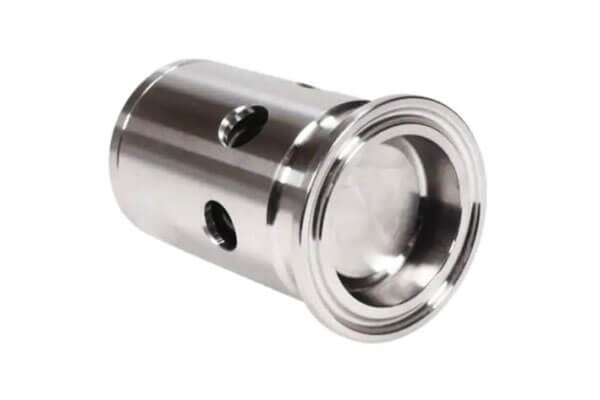
وتشمل عمليات التصنيع النموذجية:
تحول CNC → الطحن → الحفر → التوسيع → الطحن → التلميع
لمكونات الدقة, التسامح الأبعاد ±0.01 مم أو أكثر إحكامًا يمكن تحقيقه في ظل ظروف التصنيع باستخدام الحاسب الآلي الخاضعة للرقابة,
لكن التسامح الذي يمكن تحقيقه يعتمد على هندسة المكونات, قدرة الآلة, عقد العمل, الحالة المادية, والاستقرار الحراري وليس على درجة الفولاذ المقاوم للصدأ وحدها.
أثناء الآلات, حرارة القطع المفرطة يمكن أن تسبب انجراف الأبعاد. وهذا مهم بشكل خاص للمكونات ذات الجدران الرقيقة والأجزاء الدقيقة ذات التفاوتات الموضعية الضيقة.
9. التشطيبات السطحية للفولاذ المقاوم للصدأ من الحديديك
يلعب تشطيب السطح دورًا مهمًا في مقاومة التآكل, مظهر, التنظيف, سلوك الارتداء, والأداء الأبعاد لمكونات الفولاذ المقاوم للصدأ من الحديد.
| الانتهاء من السطح | الخصائص النموذجية | التطبيقات النموذجية |
| 2ب | المدرفلة على البارد, تعالج الحرارة, مخلل, ومرت الجلد بخفة; سلسة وعاكسة نسبيا | الأجهزة, المكونات الصناعية العامة, لوحات معمارية |
| با | سطح صلب لامع مع انعكاس عالي ومظهر ناعم | تقليم السيارات, الأجهزة, المكونات الزخرفية |
| لا. 3 | لمسة نهائية خشنة مصقولة ميكانيكيًا | المكونات المعمارية والصناعية |
| لا. 4 | لمسة نهائية مصقولة اتجاهية دقيقة, يتم إنتاجها عادة باستخدام أحزمة كاشطة | الأجهزة, لوحات معمارية, معدات المطبخ |
شعري |
بخير, الحبوب الاتجاه المستمر | المكونات المعمارية والداخلية الزخرفية |
| مصقول بالمرآة | سطح عاكس للغاية يتم تحقيقه من خلال التلميع التدريجي | المكونات الزخرفية والتطبيقات المعمارية المتميزة |
| المنعشات الكهربائية | الإزالة الكهروكيميائية للمواد السطحية; سطح أملس ونظيف | صحية, دقة, والتطبيقات الحساسة للتآكل |
| مخلل ومخمول | يزيل النطاق, لون الحرارة, وتلوث السطح ويستعيد سطحًا سلبيًا نظيفًا | مكونات ملحومة وحساسة للتآكل |
10. تطبيقات الفولاذ المقاوم للصدأ الحديدي
يستخدم الفولاذ المقاوم للصدأ الحديدي على نطاق واسع عند الجمع بين مقاومة التآكل, مقاومة الأكسدة, السلوك المغناطيسي, الاستقرار الحراري, القوة الميكانيكية المعتدلة, وكفاءة التكلفة مطلوبة.
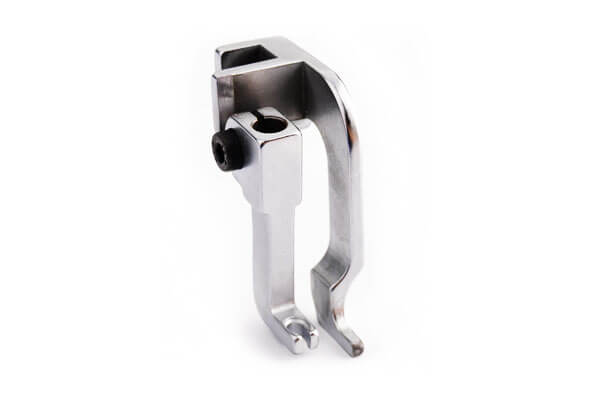
أنظمة عادم السيارات
السيارات تعد أنظمة العادم من بين أهم تطبيقات الفولاذ المقاوم للصدأ من الحديديك.
درجات مثل 409, 439, و 441 يتم اختيارها عادة لمشعبات العادم, الأنابيب, مكونات المحول الحفاز, كاتمات الصوت, والأجزاء المقاومة للحرارة ذات الصلة.
يجب أن تتحمل المادة:
- التدوير الحراري المتكرر
- ارتفاع درجات حرارة غاز العادم
- أكسدة
- تآكل المكثفات
- الاهتزاز والتعب الميكانيكي
إن معامل التمدد الحراري المنخفض نسبيًا والمقاومة الجيدة للأكسدة في درجات الحرارة المرتفعة يجعل درجات الحديد مناسبة بشكل خاص لهذه البيئة.
الأجهزة المنزلية
430 الفولاذ المقاوم للصدأ يستخدم على نطاق واسع في الأجهزة لأنه يجمع بين مقاومة التآكل, مظهر جذاب, السلوك المغناطيسي, قابلية التشكيل, وتكلفة منخفضة نسبيا.
وتشمل المنتجات النموذجية:
- ألواح الثلاجة
- مكونات غسالة الصحون
- مكونات الفرن والموقد
- معدات المطبخ
- تقليم الأجهزة
- مكونات الغسالة
يمكن أن تكون طبيعتها المغناطيسية مفيدة أيضًا عندما يكون الارتباط المغناطيسي مطلوبًا.
المبادلات الحرارية ومعدات تسخين المياه
استقرت الدرجات الحديديك مثل 439 و 444 يمكن أن يوفر مزيجًا جذابًا من مقاومة التآكل والأداء الحراري.
يتم استخدامها في:
- مكونات المبادل الحراري
- سخانات المياه
- أنظمة الماء الساخن
- معدات مياه التبريد
- المكثفات
- معدات المعالجة الحرارية
يمكن أن تساعد الموصلية الحرارية العالية نسبيًا والتمدد الحراري المنخفض للفولاذ المقاوم للصدأ من الحديد على تحسين الاستقرار الحراري.
المكونات المعمارية والديكورية
يستخدم الفولاذ المقاوم للصدأ من الحديديك أيضًا في التطبيقات المعمارية التي تتطلب مقاومة معتدلة للتآكل ومظهر السطح.
وتشمل التطبيقات النموذجية:
- ألواح الجدران الداخلية
- لوحات المصاعد
- تقليم الزخرفية
- الكسوة المعمارية
- مكونات الأثاث
- معدات المطابخ والديكور الداخلي التجاري
درجات مثل 430 يمكن أن يوفر توازنًا جيدًا بين مظهر السطح, قابلية التشكيل, مقاومة التآكل, والتكلفة.
المعدات الصناعية والكيميائية
يمكن استخدام درجات الحديد الحاملة للكروم والموليبدينوم في بيئات صناعية مختارة حيث يلزم تحسين مقاومة التآكل والأكسدة.
على سبيل المثال, 444 يمكن أخذها في الاعتبار بالنسبة لبعض البيئات التي تحتوي على الماء الساخن والكلوريد, بينما درجات الكروم العالية مثل 446 مناسبة للمكونات المقاومة للأكسدة في درجات الحرارة المرتفعة.
لكن, لا ينبغي اختيار الفولاذ المقاوم للصدأ من الحديد تلقائيًا للبيئات الكيميائية أو البحرية شديدة العدوانية.
الوسيلة الدقيقة, درجة حرارة, تركيز الكلوريد, ويجب تقييم آلية التآكل قبل اختيار المواد.
11. التحليل المقارن: الحديدي مقابل. الأوستنيتي مقابل. الفولاذ المقاوم للصدأ مارتينيسيتي
فيريتي, أوستنيتي, ويمثل الفولاذ المقاوم للصدأ المارتنسيتي ثلاث عائلات معدنية رئيسية من الفولاذ المقاوم للصدأ.
اختلافاتهم تنشأ في المقام الأول من بنية البلورة, كيمياء السبائك, استقرار المرحلة, والاستجابة للمعالجة الحرارية, والتي بدورها تحدد الخواص الميكانيكية, مقاومة التآكل, قابلية اللحام, السلوك المغناطيسي, والتطبيقات النموذجية.
| ملكية | الفولاذ المقاوم للصدأ الفيريريك | الفولاذ المقاوم للصدأ الأوستنيتي | الفولاذ المقاوم للصدأ مارتينيسيتي |
| الدرجات النموذجية | 409, 430, 439, 441, 444 | 304, 304ل, 316, 316ل, 321, 310 | 410, 420, 440أ, 440ب, 440ج |
| هيكل بلوري نموذجي في درجة حرارة الخدمة | BCC الفريت | FCC Austenite | BCT / BCC هيكل مارتنسيتي بعد التصلب |
| محتوى الكروم النموذجي | تقريبًا 10.5-30 ٪ | تقريبًا 16-26 ٪ | تقريبًا 11.5-8 ٪ |
| محتوى ني النموذجي | عمومًا منخفضة جدًا أو غائبة | عادة 8-20%+ | عمومًا قليل, على الرغم من أن بعض الدرجات تحتوي على Ni |
| محتوى الكربون | منخفضة بشكل عام, وخاصة في الدرجات الحديثة | منخفضة جداً إلى متوسطة; تتوفر العديد من الدرجات منخفضة الكربون | عموما أعلى من الدرجات الحديديك والأوستنيتي |
| السلوك المغناطيسي | مغناطيسي | عمومًا غير مغناطيسية في حالة الصلب; العمل البارد يمكن أن يحفز بعض المغناطيسية | مغناطيسي |
| المعالجة الحرارية للتصلب | عمومًا لا يمكن تصلبها عن طريق التبريد التقليدي | عمومًا لا يمكن تصلبها عن طريق التبريد التقليدي | يمكن أن تصلب عن طريق التبريد وتلطيف |
مستوى القوة |
معتدل; يمكن زيادتها عن طريق العمل البارد | معتدلة في حالة صلب; قدرة ممتازة على تصلب العمل | عالية إلى عالية جدًا بعد المعالجة الحرارية |
| صلابة | معتدلة بشكل عام | معتدلة بشكل عام | معتدلة إلى عالية جداً, اعتمادًا على المعالجة الدراسية والحرارة |
| ليونة | معتدل | ممتاز | أقل عموما, وخاصة في حالة تصلب |
| صلابة | معتدل; يمكن أن تكون صلابة درجات الحرارة المنخفضة محدودة | ممتاز, بما في ذلك في درجات حرارة منخفضة | معتدل; تعتمد بقوة على محتوى الكربون والمعالجة الحرارية |
| مقاومة التآكل | جيد إلى جيد جدًا, اعتمادًا على محتوى Cr/Mo | ممتازة عموما, خاصة بالنسبة لدرجات 316/316L والسبائك الأعلى | معتدل إلى جيد; عادة أقل من الدرجات الأوستنيتي |
| تأليب/شق مقاومة للتآكل | جيد في درجات Cr/Mo العالية مثل 444 | جيد جدًا إلى ممتاز في الدرجات التي تحتوي على مو مثل 316L | معتدلة بشكل عام |
الموصلية الحرارية |
عالية نسبيا بالنسبة للفولاذ المقاوم للصدأ; عادة حول 20-30 واط/م·ك | أدنى; عادة حول 14-16 واط/م·ك للعموم 304/316 الدرجات | عموما حولها 20-30 واط/م·ك, اعتمادا على الصف |
| معامل التمدد الحراري | منخفضة نسبيا; عادة حول 10–11 × 10⁻⁶/ك | مرتفع نسبيا; عادة حول 16-17 × 10⁻⁶/ك ل 304/316 | عموما حولها 10–11 × 10⁻⁶/ك |
| قابلية اللحام | معتدل إلى جيد للدرجات المنخفضة C/المستقرة; يجب التحكم في نمو الحبوب | ممتازة عموما, خاصة بالنسبة لـ 304L/316L | محدودة عموما مقارنة مع الدرجات الأوستنيتي; قد تكون هناك حاجة للتسخين المسبق ومعالجة ما بعد اللحام |
| قابلية التشكيل | معتدل; مناسبة للثني والعديد من عمليات التشكيل | ممتاز, خاصة للرسم العميق والتشكيل المعقد | معتدلة إلى سيئة في حالة تصلب |
| القابلية للآلات | معتدل; يعتمد بشدة على الدرجة وسلوك تصلب العمل | معتدل; تصلب العمل يمكن أن يزيد من صعوبة التصنيع | جيدة بشكل عام في الدرجات الحرة أو الملدنة, لكن الدرجات المتصلبة يصعب تشكيلها آليًا |
تصلب العمل |
محدودة نسبيا | تصلب العمل القوي, وخاصة في الدرجات شبه المستقرة | محدودة بالمقارنة مع الدرجات الأوستنيتي |
| أداء درجات الحرارة المنخفضة | محدودة من خلال التحول المحتمل من الدكتايل إلى الهش | صلابة ممتازة في درجات الحرارة المنخفضة | محدودة عموما مقارنة مع الدرجات الأوستنيتي |
| مقاومة الأكسدة لدرجات الحرارة العالية | جيد, وخاصة في الدرجات عالية الكروم | جيد إلى ممتاز اعتمادًا على محتوى Cr/Ni | معتدل إلى جيد |
| طرق التصنيع النموذجية | المتداول, ختم, الانحناء, اللحام, التصنيع | المتداول, رسم عميق, ختم, إنتاج الأنبوب, اللحام | المتداول / تزوير تليها المعالجة الحرارية, الآلات, طحن |
| التطبيقات النموذجية | عوادم السيارات, الأجهزة, لوحات معمارية, المبادلات الحرارية, سخانات المياه | المعالجة الكيميائية, معدات الغذاء, المعدات الصيدلانية, الأنابيب, أوعية الضغط, الهياكل المعمارية | السكاكين, الأدوات الجراحية, الصمامات, مضخات, مهاوي, مكونات التوربينات, أجزاء مقاومة للارتداء |
الميزة الرئيسية |
مقاومة جيدة للتآكل بتكلفة منخفضة للسبائك, الاستجابة المغناطيسية, التمدد الحراري المنخفض | مقاومة تآكل ممتازة, ليونة, صلابة, وقابلية اللحام | صلابة عالية, قوة, ومقاومة التآكل بعد المعالجة الحرارية |
| القيد الرئيسي | انخفاض صلابة درجات الحرارة المنخفضة وقابلية التشكيل من الدرجات الأوستنيتي | ارتفاع تكلفة السبائك, التمدد الحراري العالي, والسلوك غير المغناطيسي بشكل عام | انخفاض مقاومة التآكل, قابلية اللحام, والمتانة من معظم الدرجات الأوستنيتي |
| الأنسب ل | مكونات مقاومة للتآكل حساسة للتكلفة وتطبيقات مستقرة حرارياً | تآكل, ملحومة, تشكلت بشكل كبير, أو تطبيقات درجات الحرارة المنخفضة | مكونات عالية القوة ومقاومة للاهتراء تتطلب معالجة حرارية |
12. خاتمة
الفولاذ المقاوم للصدأ الحديدي هو عائلة مهمة من الفولاذ المقاوم للصدأ يتم دمجها مقاومة التآكل, الخصائص المغناطيسية, التمدد الحراري المنخفض نسبيا, الموصلية الحرارية الجيدة, وكفاءة التكلفة.
يمنحها هيكل BCC الذي يغلب عليه الحديدي خصائص مميزة مقارنة بالفولاذ المقاوم للصدأ الأوستنيتي والمارتنسيتي..
الوجبات الرئيسية
- الفولاذ المقاوم للصدأ الحديدي يتميز ب مكعب محور الجسم (BCC) بناء, السلوك المغناطيسي, و محتوى منخفض من النيكل.
- مقاومة التآكل يتم توفيره بواسطة الكروم (10.5-30 ٪); الموليبدينوم والمثبتات (ل, ملحوظة) تعزيز الأداء.
- الدرجات تتراوح من الدرجات القياسية (409, 430) إلى درجات عالية من الكروم (446) واستقرت الدرجات (439, 441, 444).
- الخصائص الرئيسية: مقاومة تآكل جيدة, مغناطيسي, الموصلية الحرارية العالية, التمدد الحراري المنخفض, وقابلية تشكيل جيدة.
- القيود: ليونة أقل, DBTT, محدودة لحام, ومخاطر التحسس.
- التطبيقات: عادم السيارات, الأجهزة, المعماري, المبادلات الحرارية, معالجة الأغذية, والمعالجة الكيميائية.
- المزايا: فعالة من حيث التكلفة, مقاومة SCC, مغناطيسي, وقابلة لإعادة التدوير.
- عيوب: محدودية صلابة درجات الحرارة المنخفضة, قضايا قابلية اللحام, ومقاومة أقل للتآكل من الدرجات الأوستنيتي.
للتطبيقات الهندسية, النهج الصحيح هو تقييم بيئة الخدمة الكاملة - بما في ذلك درجة حرارة, التعرض للتآكل, التحميل الميكانيكي, متطلبات التشكيل, ظروف اللحام, متطلبات الأبعاد, ومدة الخدمة المتوقعة.
عندما يتم النظر في هذه العوامل بشكل صحيح, يمكن أن يوفر الفولاذ المقاوم للصدأ الحديدي مزيجًا فعالاً للغاية من الأداء, متانة, والاقتصاد التصنيعي.
LangHe - شريكك الموثوق به للأجزاء الدقيقة المصنوعة من الفولاذ المقاوم للصدأ
صناعة لانغي هي شركة متخصصة للغاية في تصنيع مكونات الفولاذ المقاوم للصدأ الدقيقة, تقديم قطع غيار مخصصة عالية الجودة للصناعات التي تتراوح بين المعدات الصناعية والسيارات والفضاء, الأجهزة الطبية, وأنظمة معالجة السوائل.
مع عقود من الخبرة العملية في مجال صب الاستثمار, التصنيع باستخدام الحاسب الآلي الدقة, والتشطيب السطحي الشامل,
توفر LangHe حلاً تصنيعيًا متكاملاً مصممًا لتقليل تعقيد سلسلة التوريد وضمان جودة المنتج المتسقة.
LangHe ليست مجرد مورد للصب; نحن شريك هندسي متكامل الخدمات.
من تحليل سوق دبي المالي والنماذج الأولية السريعة إلى الإنتاج, المعالجة الحرارية, وضمان الجودة, نحن ندير دورة حياة التصنيع بأكملها.
ISO لدينا 9001:2015 منشأة معتمدة, قدرات الأدوات الداخلية, وبروتوكولات التفتيش الصارمة - بما في ذلك CMM, NDT, واختبار الضغط - التأكد من أن كل مكون يلبي المعايير الدولية أو يتجاوزها.
اتصل بنا اليوم لمناقشة مشروعك القادم واكتشاف كيف يمكن لـ LangHe إضفاء الحيوية على تصميماتك بدقة, جودة, والكفاءة.
الأسئلة الشائعة
هو الفولاذ المقاوم للصدأ الحديدي المغناطيسي?
نعم. الفولاذ المقاوم للصدأ الحديدي بشكل عام المغنطيسية في درجة حرارة الغرفة بسبب هيكل BCC الحديدي.
هذه الخاصية تجعلها مناسبة للتطبيقات التي تتطلب الاستجابة المغناطيسية.
يعتبر الفولاذ المقاوم للصدأ من الحديديك مقاومًا للتآكل?
نعم, لكن مستوى مقاومة التآكل يختلف بشكل كبير بين الدرجات.
درجة 430 يوفر مقاومة جيدة في العديد من البيئات الجوية والتآكل المعتدل,
بينما تحتوي درجات السبائك الأعلى على الموليبدينوم, مثل 444, توفر مقاومة أفضل بكثير للبيئات التي تحتوي على الحفر والكلوريد.
هل الفولاذ المقاوم للصدأ الحديدي أفضل من الأوستنيتي؟?
ليس بالضرورة; ذلك يعتمد على التطبيق.
تعد درجات الحديد أفضل للتطبيقات التي تتطلب خصائص مغناطيسية, الموصلية الحرارية الجيدة, ومقاومة تكسير التآكل (SCC). كما أنها أكثر فعالية من حيث التكلفة.
توفر الدرجات الأوستنيتي مقاومة فائقة للتآكل, قابلية تشكيل أفضل, وصلابة أعلى في درجات الحرارة المنخفضة.
ما هو الفرق بين الفولاذ المقاوم للصدأ الحديدي والمارتنسيتي?
الفولاذ المقاوم للصدأ من الحديديك غير قابل للتصلب عن طريق المعالجة الحرارية وله هيكل BCC.
يمكن تقوية الفولاذ المقاوم للصدأ المارتنسيتي عن طريق المعالجة الحرارية (تبريد وتهدئة) ولها شكل رباعي يتمركز حول الجسم (BCT) بناء. تحتوي درجات المارتنسيت على محتوى كربون أعلى وصلابة أعلى.
ما هو DBTT من الفولاذ المقاوم للصدأ من الحديديك?
يُظهر الفولاذ المقاوم للصدأ الحديدي درجة حرارة انتقالية من الدكتايل إلى الهش (DBTT) في حدود -50 درجة مئوية إلى +20 درجة مئوية.
تحت درجة الحرارة هذه, تصبح هشة وعرضة للكسر تحت تأثير التحميل. وهذا يحد من استخدامها في تطبيقات درجات الحرارة المنخفضة.
كيف يقارن الفولاذ المقاوم للصدأ الحديدي بالفولاذ الكربوني?
يوفر الفولاذ المقاوم للصدأ من الحديد مقاومة للتآكل أفضل بكثير من الفولاذ الكربوني بسبب محتواه من الكروم. كما أنها أكثر تكلفة.
لكن, تشترك في بعض الخصائص مع الفولاذ الكربوني, مثل كونها مغناطيسية ولها بنية BCC.
هل من الممكن تصلب الفولاذ المقاوم للصدأ من الحديديك?
لا, لا يمكن تصلب الفولاذ المقاوم للصدأ الحديدي عن طريق المعالجة الحرارية. ولا يمكن تقويتها إلا بالعمل البارد (تصلب العمل).
وهذا ما يميزه عن الدرجات المارتنسيتية, والتي يمكن تصلبها عن طريق التبريد والتلطيف.