البولي يوريثين, يتم اختصاره عادةً كـ بو أو بور, هي فئة متعددة الاستخدامات من البوليمرات تتشكل من خلال تفاعل المركبات التي تحتوي على مجموعات الإيزوسيانات مع البوليولات أو الجزيئات الأخرى التي تحتوي على مجموعات الهيدروجين النشطة.
على عكس العديد من المواد البلاستيكية التقليدية التي ترتبط بنطاق ضيق نسبيًا من الخصائص, يمكن هندسة مادة البولي يوريثين عبر نطاق واسع بشكل استثنائي - بدءًا من المواد الناعمة وحتى المواد الناعمة, الرغاوي المرنة واللدائن إلى الرغاوي الهيكلية الصلبة, الطلاء, المواد اللاصقة, مانعات التسرب, والمكونات الهندسية الصعبة.
يأتي هذا التنوع في المقام الأول من مادة البولي يوريثين التركيب الجزيئي مجزأة والقدرة على تعديل كيميائها, كثافة التشابك, بنية الخلية, وظروف المعالجة.
عن طريق اختيار البوليولات المختلفة, ايزوسيانات, تمديدات السلسلة, المحفزات, عوامل النفخ, والإضافات, يمكن للمصنعين تصميم مادة البولي يوريثين لمتطلبات مثل التوسيد, مقاومة التآكل, العزل الحراري, المقاومة الكيميائية, المرونة, امتصاص التأثير, والاستقرار الأبعاد.
تتناول هذه المقالة ما هو مادة البولي يوريثين من كل من أ علم المواد ومنظور التصنيع, بما في ذلك تركيبها الكيميائي, الأنواع الرئيسية, ملكيات, طرق الإنتاج, المزايا, القيود, والتطبيقات الهندسية.
1. ما هو البولي يوريثين?
البولي يوريثين هو بوليمر يحتوي على عدد كبير من روابط يوريتان, ويمثلها عادة التركيب الكيميائي:
–NH–CO–O–
يتم إنشاء مجموعات اليوريتان هذه عادةً من خلال تفاعل بين مجموعة الإيزوسيانات (– ضابط صف) ومجموعة الهيدروكسيل (-أوه):
R-ضباط الصف + R′–OH → R–NH–CO–O–R′
هذا التفاعل هو الكيمياء الأساسية وراء إنتاج البولي يوريثين.
لكن, نادرًا ما تتكون مواد البولي يوريثان التجارية من وحدات يوريتان متكررة بسيطة.
قد تحتوي أيضًا على بنياتها الجزيئية الأثير, استر, اليوريا, كربونات, عطرية, الأليفاتية, أو مجموعات وظيفية أخرى, اعتمادا على المواد الخام المختارة.
ولهذا السبب فإن كلا المنتجين الموصوفين بـ "البولي يوريثين" يمكن أن يكون لهما خصائص مختلفة بشكل كبير.
على سبيل المثال, قد تكون رغوة البولي يوريثان المرنة المستخدمة في الأثاث ناعمة ومرنة للغاية, في حين أن المطاط الصناعي من مادة البولي يوريثين المستخدم في البكرات الصناعية قد يكون له صلابة عالية, قوة الشد, ومقاومة التآكل.
رغوة البولي يوريثان الصلبة المستخدمة في معدات التبريد, في أثناء, تم تصميمه في المقام الأول من أجل التوصيل الحراري المنخفض واستقرار الأبعاد.
بالحرارة والبولي يوريثان بالحرارة
يمكن تقسيم مواد البولي يوريثين على نطاق واسع وفقًا لبنيتها الجزيئية وسلوك المعالجة.
البولي يوريثين بالحرارة يطور شبكة متشابكة بشكل دائم أثناء المعالجة.
بمجرد الشفاء بما فيه الكفاية, ولا يمكن ببساطة صهره وإعادة تشكيله دون التسبب في تحلل كيميائي.
العديد من اللدائن المصبوبة, الطلاء, المواد اللاصقة, وتقع أنظمة البولي يوريثين الصلبة ضمن هذه الفئة.
البولي يوريثين الحراري (TPU) يحتوي في الغالب على هياكل بوليمر خطية أو مرتبطة ماديًا ويمكن تليينها بالتسخين ومعالجتها بشكل متكرر داخل نافذة المعالجة الحرارية الخاصة بها.
يجمع TPU بين العديد من خصائص اللدائن وطرق المعالجة بالحرارة مثل القولبة بالحقن والبثق.
التمييز مهم لأنه يؤثر بشكل مباشر على التصنيع, Recyclabality, قابلية الإصلاح, وأداء الاستخدام النهائي.
الخصائص الرئيسية للبولي يوريثين
على الرغم من أن تركيبات البولي يوريثين تختلف بشكل كبير, تعرض العديد من مواد البولي يوريثين مزيجًا مفيدًا من الخواص الميكانيكية والكيميائية.
تشمل الخصائص النموذجية:
- مقاومة عالية للتآكل والتآكل
- مرونة جيدة ومرونة
- صلابة قابلة للتعديل
- مقاومة تأثير جيدة
- مقاومة جيدة للزيوت والعديد من المواد الكيميائية
- التصاق ممتاز للعديد من الركائز
- مقاومة التعب الجيدة
- مرونة معالجة واسعة
- عزل حراري جيد في الأشكال الخلوية
- القدرة على إنتاج هياكل مرنة وصلبة
الأداء الدقيق يعتمد بقوة على الصيغة.
على سبيل المثال, غالبًا ما يكون البولي يوريثين شديد المقاومة للتآكل, ولكن مقاومة التحلل المائي, الأشعة فوق البنفسجية, حرارة, أو تختلف المواد الكيميائية المحددة بشكل كبير بين كيمياء البولي يوريثين المختلفة.
لذلك, يجب أن يعتمد اختيار المواد دائمًا على صياغة البولي يوريثين محددة وبيئة التشغيل, بدلاً من المصطلح العام "PU".
2. التركيب الكيميائي والتركيب الجزيئي للبولي يوريثين
البولي يوريثين (بو) ليس مركبًا كيميائيًا واحدًا، بل مجموعة واسعة من البوليمرات التي يمكن تصميم خصائصها من خلال اختيار وتناسب وحدات البناء الكيميائية المختلفة.
يحدث تفاعل البولي يوريثين الأساسي بين مجموعات الايزوسيانات (– ضابط صف) و مجموعات الهيدروكسيل (-أوه), إنتاج روابط يوريتان.
عن طريق تغيير التركيب الجزيئي, الوظيفة, الوزن الجزيئي, ونسبة المواد المتفاعلة, يمكن للمصنعين إنتاج مواد تتراوح من الرغاوي المرنة واللدائن إلى الرغاوي الصلبة, الطلاء, المواد اللاصقة, ومكونات هندسية عالية القوة.
اللبنات الكيميائية الأساسية
العائلتان المتفاعلتان الرئيسيتان هما الأيزوسيانات والبوليولات.
مكونات أخرى, بما في ذلك تمديدات السلسلة, crosslinkers, المحفزات, عوامل النفخ, المواد الخافضة للتوتر السطحي, وإضافات الأداء, يتم تقديمها عند ميكانيكية محددة, حراري, يعالج, أو الخصائص البيئية المطلوبة.
| فئة المكون | الوظيفة الأساسية | أمثلة شائعة |
| الإيزوسيانات | توفير مجموعات NCO تفاعلية والمساهمة في القطاعات الصعبة, قوة, صلابة, والمقاومة الكيميائية | MDI, تي دي آي, مؤشر التنمية البشرية, IPDI |
| البوليولات | تشكل شرائح ناعمة وتؤثر بقوة على المرونة, مرونة, مقاومة التحلل المائي, والسلوك في درجات الحرارة المنخفضة | بوليولات البولي إيثر, بوليولات البوليستر, البوليولات البولي كربونات |
| تمديدات السلسلة | زيادة محتوى الجزء الصلب وتنظيم الوزن الجزيئي, صلابة, قوة الشد, وبنية المرحلة | 1,4-بوتانيديول (بي دي أو), جلايكول الإثيلين, ديامينيس |
| كروسلينكرز | تقديم هياكل الشبكة ثلاثية الأبعاد وزيادة الصلابة, الاستقرار الأبعاد, ومقاومة الحرارة | تريميثيلولبروبان (تمب), بوليولات متعددة الوظائف |
المحفزات |
التحكم في معدل التفاعل والتأثير على التوازن بين تفاعلات البولي يوريثان المتنافسة | الأمينات الثلاثية, المحفزات المعدنية العضوية |
| وكلاء النفخ | توليد الغاز وإنشاء البنية الخلوية لرغاوي البولي يوريثان | ماء, البنتان, co₂, عوامل النفخ الفيزيائية المختارة |
| السطحي | تثبيت الرغوة النامية والتحكم في حجم الخلية, التوحيد, والمورفولوجيا | المواد الخافضة للتوتر السطحي القائمة على السيليكون |
| إضافات | تعديل خصائص الأداء المحددة مثل مقاومة اللهب, استقرار الأشعة فوق البنفسجية, لون, مقاومة الأكسدة, أو سلوك المعالجة | مثبطات اللهب, مثبتات الأشعة فوق البنفسجية, مضادات الأكسدة, أصباغ |
3. الأنواع الرئيسية من مادة البولي يوريثين
البولي يوريثان عبارة عن عائلة بوليمر متعددة الاستخدامات وليست مادة واحدة ذات خصائص ثابتة.
عن طريق تغيير الايزوسيانات, بوليول, موسع السلسلة, كثافة التشابك, نظام النفخ, وظروف المعالجة, يمكن للمصنعين إنتاج مواد البولي يوريثان التي تتراوح من الرغاوي الناعمة والمرنة للغاية إلى البوليمرات الهيكلية الصلبة واللدائن عالية الأداء.
رغوة البولي يوريثان المرنة
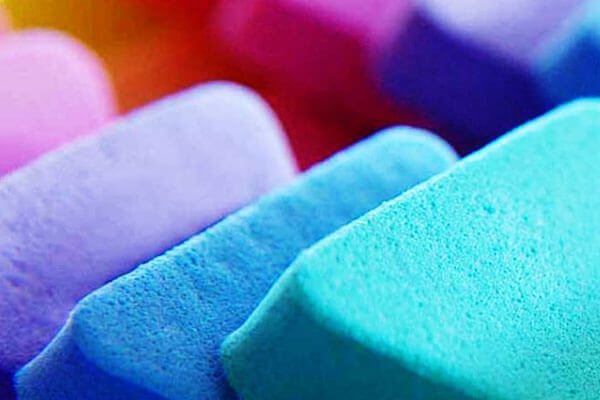
تتميز رغوة البولي يوريثان المرنة ببنية الخلية المفتوحة, كثافة منخفضة نسبيا, ومرونة عالية.
يتم إنتاجه عن طريق الجمع بين البوليولات والإيزوسيانات مع عوامل النفخ والمواد المضافة الأخرى تحت ظروف رغوة خاضعة للرقابة.
يسمح هيكلها الخلوي المترابط بضغط المادة واستعادتها بشكل متكرر.
كثافة الرغوة, حجم الخلية, صلابة, صمود, ويمكن تعديل مجموعة الضغط من خلال الصياغة والمعالجة.
وتشمل التطبيقات النموذجية:
- توسيد الأثاث والمراتب
- مقاعد السيارات والمكونات الداخلية
- منتجات التحكم في الصوت والاهتزاز
- مواد التعبئة والتغليف والحماية
- أختام مرنة وعناصر توسيد
لتطبيقات التوسيد, كثافة, صلابة المسافة البادئة, صمود, ومجموعة الضغط غالبًا ما تكون أكثر أهمية من قوة الشد وحدها.
رغوة البولي يوريثان الصلبة
تحتوي رغوة البولي يوريثان الصلبة على بنية خلية مغلقة في الغالب وهي مصممة للصلابة العالية, الاستقرار الأبعاد, والعزل الحراري.
تنتج الموصلية الحرارية المنخفضة في المقام الأول عن البنية الخلوية والغاز الموجود داخل الخلايا.
اعتمادا على عملية الصياغة والتصنيع, يمكن للأنظمة القائمة على PU وPIR الصلبة أن توفر أداء عزل ممتازًا بكثافة منخفضة نسبيًا.
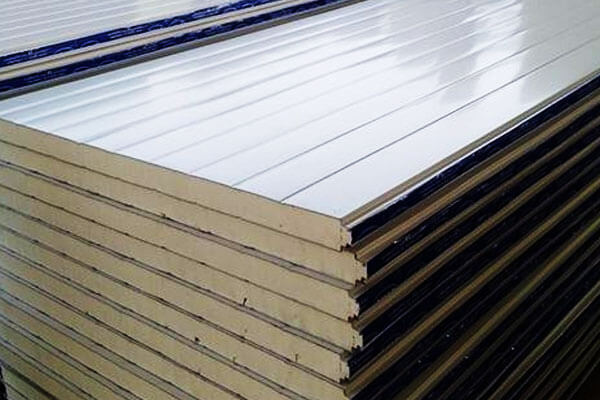
وتشمل التطبيقات الشائعة عزل المباني, المعدات المبردة, ألواح التخزين البارد, أنابيب معزولة, وعزل الأجهزة.
يجب أن توازن تركيبة الرغوة الصلبة النموذجية بين العديد من الخصائص في وقت واحد:
| ملكية | أهمية |
| كثافة | يؤثر على القوة, الاستقرار الأبعاد, والأداء الحراري |
| محتوى الخلية المغلقة | مهم للعزل ومقاومة الرطوبة |
| قوة الضغط | تحديد القدرة على التحمل |
| الموصلية الحرارية | حاسمة لتطبيقات كفاءة الطاقة |
| الاستقرار الأبعاد | يتحكم في الأداء طويل الأمد في ظل التغيرات في درجات الحرارة |
| أداء القابلية للاشتعال | مهم لتطبيقات البناء والنقل |
اللدائن البولي يوريثين
تحتل اللدائن المصنوعة من مادة البولي يوريثين مكانة مهمة بين المطاط التقليدي والبلاستيك الهندسي الصلب.
يمكنها الجمع بين قوة الشد العالية نسبيًا ومقاومة التآكل والتشوه المرن الكبير.
وهي متوفرة كما البولي يوريثين بالحرارة (TPU), اللدائن البولي يوريثين المصبوبة, وأنظمة بالحرارة.
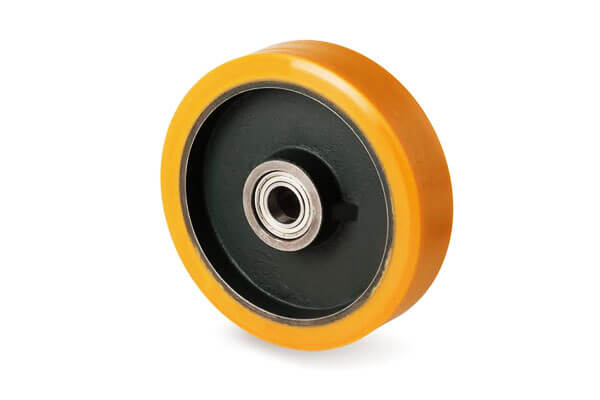
يتم تقدير قيمة اللدائن المصنوعة من مادة البولي يوريثين بشكل خاص للتطبيقات التي تتضمن التحميل الميكانيكي المتكرر, تأثير, احتكاك, أو التآكل.
عجلات, بكرات, الأختام, حشيات, البطانات, مكونات النقل, وأجزاء التآكل الصناعية هي أمثلة شائعة.
يعتمد أدائها بشدة على محتوى الجزء الصلب والهندسة الجزيئية.
زيادة تركيز الجزء الصلب بشكل عام يؤدي إلى زيادة الصلابة والمعامل, بينما تحافظ كيمياء الجزء الناعم المناسبة على المرونة والاستطالة.
البولي يوريثين الحراري (TPU)
TPU هو شكل من أشكال اللدائن الحرارية من مادة البولي يوريثين التي يمكن تليينها بشكل متكرر عن طريق التسخين ومعالجتها باستخدام تقنيات تصنيع اللدائن الحرارية التقليدية.
على عكس مادة البولي يوريثين الحرارية المتشابكة للغاية, يعتمد TPU بشكل أساسي على التفاعلات الفيزيائية وتشكل البوليمر المجزأ لتحقيق خصائصه الميكانيكية.
هذا يجعلها مناسبة للقولبة بالحقن, البثق, تهب القولبة, وغيرها من عمليات التصنيع المستمرة.
يمكن صياغة مادة TPU عبر نطاق صلابة واسع, عادة من الدرجات المرنة الناعمة جدًا إلى الدرجات الهندسية الصلبة نسبيًا.
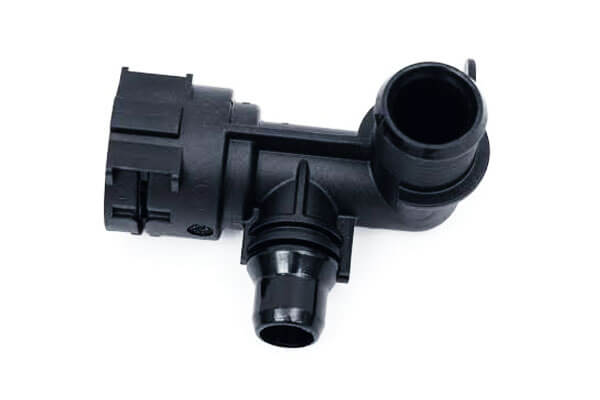
وتشمل التطبيقات النموذجية:
- سترات الكابلات والأغطية الواقية
- مكونات السيارات
- الخراطيم والأنابيب الصناعية
- الأختام والموصلات المرنة
- مكونات الأحذية
- علب المنتجات الاستهلاكية وأجزاء الحماية
صب مادة البولي يوريثين
يتم إنتاج مادة البولي يوريثين المصبوبة عن طريق خلط المكونات التفاعلية وصب التركيبة في قالب, حيث تتم البلمرة والمعالجة.
تعتبر هذه العملية مفيدة بشكل خاص لتصنيع مكونات مطاطية كبيرة أو مخصصة والتي قد يكون من الصعب أو غير الاقتصادي إنتاجها من خلال معالجة اللدائن الحرارية التقليدية.
يمكن صياغة مادة البولي يوريثين المصبوبة لمجموعات مختلفة من الصلابة, مرونة, مقاومة المسيل للدموع, مقاومة التآكل, والمقاومة الكيميائية.
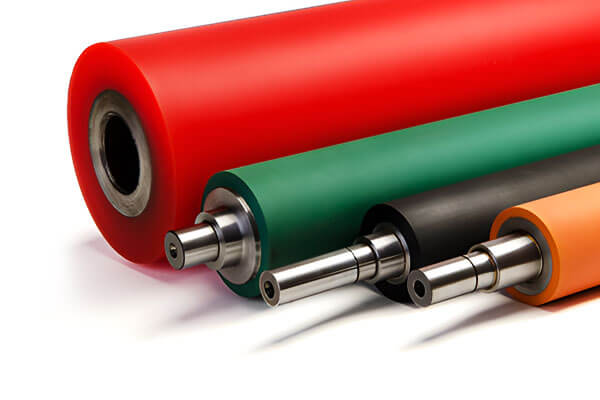
بكرات صناعية, شفرات مكشطة, ارتداء بطانات, الأختام, البطانات, والمكونات المقاومة للصدمات هي تطبيقات نموذجية.
طلاءات البولي يوريثين, مواد لاصقة, والمواد المانعة للتسرب
يستخدم البولي يوريثين أيضًا على نطاق واسع كسطح وظيفي أو مادة ربط بدلاً من استخدامه كمكون هيكلي ضخم.
طلاءات البولي يوريثين يمكن أن توفر مقاومة للتآكل, المقاومة الكيميائية, قابلية الطقس, المرونة, والتشطيبات السطحية الجذابة. يتم استخدامها على المعادن, البلاستيك, خشب, أسمنت, وركائز أخرى.
مواد لاصقة من مادة البولي يوريثين يمكن أن تشكل روابط قوية بين مواد مختلفة وتستخدم في السيارات, بناء, أحذية, أثاث, والتجمع الصناعي.
مواد مانعة للتسرب من مادة البولي يوريثين الجمع بين الالتصاق والتشوه المرن, مما يسمح للمفاصل باستيعاب الحركة الناتجة عن التمدد الحراري, اهتزاز, أو الإزاحة الميكانيكية.
4. الخصائص الرئيسية للبولي يوريثين
البولي يوريثين (بو) تتميز بنطاقها الميكانيكي الواسع بشكل غير عادي, حراري, كيميائية, والخصائص الفيزيائية.
على عكس المعادن أو العديد من اللدائن الحرارية التقليدية, البولي يوريثين عبارة عن عائلة مادية يمكن تعديل أدائها على نطاق واسع من خلال اختيار نوع الايزوسيانات, كيمياء البوليول, محتوى الجزء الصعب, كثافة التشابك, إضافات, كثافة, والبنية الخلوية.
بالتالي, لا توجد مجموعة واحدة من الخواص الميكانيكية التي تمثل جميع منتجات البولي يوريثين.
مادة مطاطية مرنة من البولي إيثر, رغوة عازلة صلبة, ويمكن تصنيف البولي يوريثين المصبوب عالي الصلابة كيميائيًا على أنه بولي يوريثين مع إظهار خصائص أداء مختلفة تمامًا.
ولذلك ينبغي التعامل مع القيم التالية على أنها نطاقات أو أمثلة هندسية تمثيلية بدلاً من المواصفات العالمية.
يجب أن يعتمد الاختيار النهائي للمواد دائمًا على ورقة البيانات التي تم اختبارها من قبل الشركة المصنعة بموجب معايير ASTM ذات الصلة, ISO, أو معيار EN.
الخصائص الميكانيكية
| ملكية | النطاق الهندسي النموذجي / مثال | عوامل التحكم الرئيسية |
| الكثافة - المطاط الصناعي الصلب | ~1.1-1.3 جم/سم3 | كيمياء البوليمر, الحشو |
| الكثافة - رغوة PU الصلبة | ~30-45 كجم/م3 للعديد من منتجات العزل | نظام النفخ, صياغة, بنية الخلية |
| قوة الشد | ~15-50+ ميجاباسكال للعديد من اللدائن | صلابة, التركيب الجزيئي, تشابك |
| استطالة | ~300-700% للعديد من اللدائن المرنة | كيمياء الجزء الناعم وكثافة التشابك |
صلابة |
~45 شور أ إلى 70 شور د+ | محتوى الجزء الصعب, تشابك |
| الموصلية الحرارية – المطاط الصناعي | ~0.15–0.25 واط/(م · ك), تعتمد على الصف | الكثافة والصياغة |
| الموصلية الحرارية - رغوة صلبة | ~0.020–0.030 واط/(م · ك) | بنية الخلية, الغاز, كثافة, شيخوخة |
| مقاومة الحجم | يمكن أن يصل إلى ~10¹³ Ω·cm في الدرجات المناسبة | صياغة, رُطُوبَة, درجة حرارة |
| درجة حرارة الخدمة على المدى الطويل | الدرجات الشائعة تقريبًا -30 إلى +80 درجة مئوية; الدرجات المتخصصة أعلى | كيمياء البوليمر وصياغته |
التآكل وارتداء المقاومة
البولي يوريثين معروف بشكل خاص بمقاومته للتآكل الكاشط.
يمكن للبولي يوريثين المصمم بشكل صحيح أن يتفوق على العديد من اللدائن التقليدية في التطبيقات التي تنطوي على الانزلاق, المتداول, تأثير, أو الاتصال المتكرر.
هذه الخاصية تجعل مادة البولي يوريثين جذابة بكرات صناعية, مكونات النقل, ارتداء بطانات, الأختام, عجلات, البطانات, ومكونات معدات التعدين.
لكن, مقاومة التآكل ليست خاصية عالمية لجميع درجات البولي يوريثين. كيمياء البوليول, صلابة, كثافة التشابك, درجة حرارة, مادة مضادة, تشحيم, وآلية التآكل يمكن أن تؤثر جميعها على عمر الخدمة الفعلي.
المرونة والمرونة
تسمح الأجزاء الناعمة المرنة من مادة البولي يوريثين بتشوه كبير قابل للعكس. وهذا يعطي العديد من اللدائن البولي يوريثين مرونة ممتازة وخصائص إعادة الطاقة.
تعتبر المرونة مهمة بشكل خاص في المكونات التي تتعرض للضغط أو التأثير المتكرر.
على سبيل المثال, تحتاج عجلات وبكرات البولي يوريثين إلى التشوه تحت الحمل بينما تستعيد شكلها بسرعة كافية للحد من التشوه الدائم وتوليد الحرارة.
لذلك يعد التوازن بين المرونة والتباطؤ أحد الاعتبارات المهمة في التطبيقات الديناميكية.
المقاومة الكيميائية
يوفر البولي يوريثين بشكل عام مقاومة جيدة للزيوت, الشحوم, الوقود, والعديد من المواد الكيميائية الصناعية, على الرغم من أن الأداء يختلف بشكل كبير بين الصيغ.
غالبًا ما يوفر البولي يوريثين المعتمد على البولي إيثر مقاومة أفضل للتحلل المائي, في حين أن الأنظمة القائمة على البوليستر قد توفر مزايا في بعض البيئات الميكانيكية والكيميائية.
لذلك ينبغي تقييم التوافق الكيميائي مقابل مادة كيميائية محددة, تركيز, درجة حرارة, وقت التعرض, وحالة التحميل الميكانيكية بدلاً من الاعتماد على عبارة عامة مفادها أن مادة البولي يوريثين مقاومة كيميائياً.
الخصائص الحرارية
يعتمد نطاق درجة الحرارة القابلة للاستخدام في مادة البولي يوريثين بشدة على كيميائيتها وبنيتها الفيزيائية.
تعمل العديد من اللدائن المصنوعة من مادة البولي يوريثين التقليدية بفعالية على نطاق واسع من درجات الحرارة المعتدلة, بينما تم تصميم التركيبات المتخصصة لخدمة درجات الحرارة المرتفعة أو المنخفضة.
في درجات حرارة عالية بما فيه الكفاية, تزداد حركة سلسلة البوليمر وتنخفض الخواص الميكانيكية. في درجات حرارة منخفضة, تصبح بعض التركيبات أكثر صلابة وأقل مرونة بشكل ملحوظ.
يتم أيضًا تقدير رغوة البولي يوريثان الصلبة بسبب موصليتها الحرارية المنخفضة وبالتالي فهي تستخدم على نطاق واسع للعزل الحراري.
مقاومة الماء والتحلل المائي
مقاومة التحلل المائي مهمة بشكل خاص في الهواء الطلق, البحرية, هيدروليكي, والبيئات الرطبة.
البولي يوريثين القائم على البولي إيثر يوفر بشكل عام مقاومة أفضل للتحلل المائي مقارنة بالبولي يوريثين التقليدي المعتمد على البوليستر.
لكن, يمكن أن يوفر بولي يوريثان البوليستر خصائص ميكانيكية وتآكل ممتازة في البيئات المناسبة.
للتعرض للماء على المدى الطويل, يجب أن يأخذ اختيار المواد في الاعتبار ليس فقط الماء نفسه ولكن أيضًا درجة الحرارة, PH, الكائنات الحية الدقيقة, الإجهاد الميكانيكي, ومدة التعرض.
الخصائص الكهربائية
توفر العديد من تركيبات البولي يوريثين خصائص عزل كهربائي مفيدة, بما في ذلك المقاومة الكهربائية العالية نسبيا وقوة العزل.
تدعم هذه الخصائص تطبيقات مثل سترات الكابلات, التغليف الكهربائي, الطلاء الواقي, والمكونات الإلكترونية.
مع ذلك, يمكن أن يتغير الأداء الكهربائي مع درجة الحرارة, رطوبة, تكرار, صياغة, ومحتوى الحشو.
5. صلابة البولي يوريثين
الصلابة هي واحدة من الخصائص الأكثر شيوعًا للبولي يوريثين, خاصة بالنسبة لللدائن, بكرات, عجلات, الأختام, حشيات, الطلاء الواقي, ومكونات مقاومة للاهتراء.
لكن, لا ينبغي تفسير صلابة البولي يوريثين ببساطة على أنها مقياس لقوة المادة الإجمالية.
في هندسة البولي يوريثان, تصف الصلابة في المقام الأول صلابة المادة مقاومة التشوه الموضعي في ظل ظروف اختبار المسافة البادئة المحددة.
ماذا تعني صلابة البولي يوريثين?
عندما يتم تطبيق القوة على سطح البولي يوريثين, تشوه المادة حول المسافة البادئة.
يُظهر البولي يوريثين الأكثر صلابة مسافة بادئة أقل في ظل ظروف الاختبار المحددة, في حين أن الدرجة الأكثر ليونة تخضع لتشوه موضعي أكبر.
لأن مادة البولي يوريثين يمكن أن تتراوح من اللدائن الناعمة جدًا إلى المواد الهندسية الصلبة, يتم استخدام مقاييس صلابة مختلفة لنطاقات صلابة مختلفة.
من أجل مادة البولي يوريثين المرنة والمرنة, يتم قياس الصلابة عادة باستخدام مقياس صلابة الشاطئ.
شور أ يستخدم بشكل عام للبولي يوريثين الأكثر ليونة إلى المعتدلة الصلابة, بينما شور د يستخدم لتركيبات أصعب.
يجب دائمًا الإبلاغ عن المقياس المحدد مع قيمة الصلابة لأنه, على سبيل المثال, 80 شور أ و 80 يمثل Shore D ظروفًا مادية مختلفة جدًا.
نطاقات صلابة البولي يوريثين الشائعة
| نطاق الصلابة | الخصائص النموذجية | الأداء النموذجي | التطبيقات التمثيلية |
| 20-40 شور أ | ناعمة للغاية ومرنة للغاية | الامتثال العالي, معامل منخفض, توسيد ممتاز وامتصاص الاهتزاز | الأختام الناعمة, حشيات, الوسائد, مكونات التخميد الصوتي |
| 40-60 شور أ | لينة إلى صلابة متوسطة | مرونة جيدة, صمود, والمرونة مع سعة تحميل معتدلة | عجلات مرنة, البطانات, عوازل الاهتزاز, مكونات الأحذية |
| 60-80 شور أ | المطاط الصناعي متوسط الصلابة | توازن جيد من المرونة, سعة الحمل, ومقاومة التآكل | بكرات, عجلات, البطانات, مكونات النقل |
80-95 شور أ |
المطاط الصناعي الصلب | صلابة أعلى, سعة الحمولة, ومقاومة التآكل مع انخفاض المرونة | بكرات صناعية, عجلات ثقيلة, ارتداء وسادات, مكونات عالية التحميل |
| 50-80 شور د | مادة البولي يوريثين الصلبة للغاية | صلابة عالية واستقرار الأبعاد مع مقاومة قوية للتأثير والتآكل | التروس, كامز, مكونات الدليل, الأجزاء الهيكلية, مكونات مقاومة للاهتراء |
هذه النطاقات هي مواصفات تمثيلية وليست عالمية.
يمكن أن تمتد تركيبات البولي يوريثين التجارية إلى ما هو أبعد من هذه النطاقات, والعلاقة بين الصلابة والأداء الميكانيكي تعتمد على كيمياء البوليمر, كثافة التشابك, محتوى الحشو, درجة حرارة, وطريقة الاختبار.
6. عمليات تصنيع مادة البولي يوريثين
يمكن تصنيع مادة البولي يوريثين من خلال العديد من تقنيات المعالجة, والطريقة المناسبة تعتمد على كيمياء البولي يوريثان, هندسة المنتج, الصلابة المطلوبة, كثافة, حجم الإنتاج, التسامح الأبعاد, وأداء الاستخدام النهائي.
رد فعل حقن صب (حافة)
إن عملية حقن التفاعل هي عملية عالية الإنتاجية يتم فيها قياس مكونين أو أكثر من مكونات البولي يوريثان السائل - عادةً تركيبة الأيزوسيانات والبوليول - بدقة, مختلط, وحقنها في قالب مغلق.
يحدث التفاعل الكيميائي بسرعة داخل القالب, حيث تملأ المادة التجويف ومن ثم تصلب بالشكل المطلوب.
تعتبر RIM مناسبة بشكل خاص للمكونات الكبيرة لأن اللزوجة المنخفضة نسبيًا لنظام التفاعل تسمح بملء القوالب المعقدة بضغوط حقن منخفضة نسبيًا.
يمكن أيضًا دمج مواد التسليح أو الحشو في تركيبات متخصصة لتحسين الصلابة, الاستقرار الأبعاد, أو مقاومة التأثير.
منتجات:
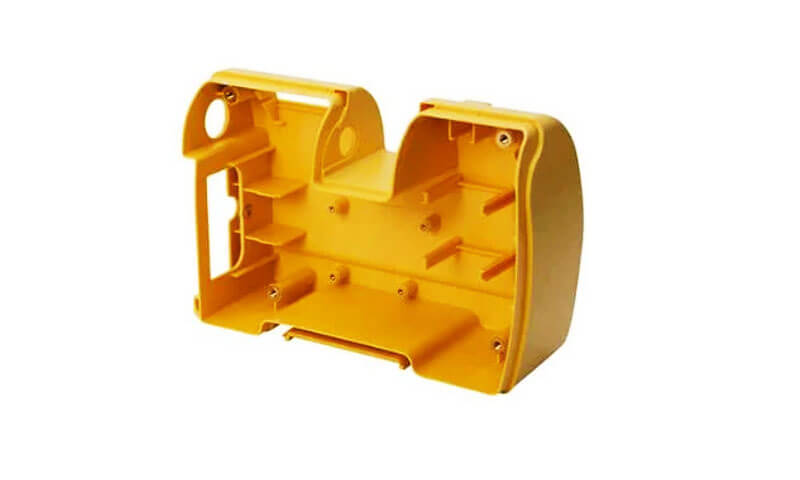
تشمل منتجات RIM النموذجية لوحات هيكل السيارات, مصدات, المفسدين, مساكن المعدات, الأغطية الهيكلية, العبوات الصناعية, ومكونات مصبوبة كبيرة وخفيفة الوزن.
صب مادة البولي يوريثين
يتم إنتاج البولي يوريثين المصبوب عن طريق خلط مكونات البولي يوريثين التفاعلية وصب الخليط السائل في قالب مُجهز.
ثم يتم معالجة المادة في درجة حرارة الغرفة أو تحت تسخين متحكم فيه, اعتمادا على الصيغة.
توفر هذه العملية مرونة كبيرة في صياغة المواد.
يمكن للمصنعين ضبط الصلابة, مرونة, مقاومة المسيل للدموع, مقاومة التآكل, خصائص التخميد, والمقاومة الكيميائية عن طريق اختيار البوليولات المناسبة, ايزوسيانات, تمديدات السلسلة, المحفزات, والإضافات.
يعتبر البولي يوريثين المصبوب ذو قيمة خاصة للمنتجات التي تتطلب ذلك مقاومة عالية التآكل, امتصاص التأثير, مرونة, أو صلابة مخصصة.
يمكن إجراء عملية التفريغ قبل الصب لتقليل الهواء المحبوس والفراغات الداخلية, وخاصة بالنسبة للمكونات الدقيقة.
منتجات:
وتشمل المنتجات المشتركة بكرات صناعية, عجلات, البطانات, الأختام, حشيات, ارتداء وسادات, شفرات مكشطة, عوازل الاهتزاز, ممتصات الصدمات, مكونات التعدين, وبطانات البولي يوريثين المخصصة.
صب الضغط
يستخدم صب الضغط كمية مقاسة من مادة البولي يوريثين الموضوعة في تجويف القالب الساخن.
ثم يتم إغلاق القالب ويتم تطبيق الضغط, السماح للمادة بالتدفق, تتوافق مع التجويف, وعلاجها تحت درجة حرارة وضغط يمكن التحكم فيهما.
تُستخدم هذه العملية بشكل شائع في أنظمة البولي يوريثين المتصلدة بالحرارة والمركبات المرنة.
التحكم السليم في درجة حرارة العفن, ضغط, وقت المعالجة, وشحن المواد ضروري لأن المعالجة غير الكافية يمكن أن تقلل من الأداء الميكانيكي, في حين أن درجة الحرارة الزائدة أو وقت المعالجة يمكن أن يؤثر على الخصائص النهائية للمادة.
يعتبر قولبة الضغط فعالة بشكل خاص بالنسبة للهندسة البسيطة نسبيًا أو المعقدة إلى حد ما ويمكن أن توفر تناسقًا جيدًا للأبعاد في الوسط- لإنتاج الحجم العالي.
منتجات:
وتشمل المنتجات النموذجية sealing rings, حشيات, منصات, مصدات, مكونات التخميد الاهتزاز, ارتداء لوحات, أغطية واقية, وأجزاء مطاطية من مادة البولي يوريثين المصبوبة.
حقن صب البولي يوريثين بالحرارة (TPU)
يمكن معالجة البولي يوريثين الحراري باستخدام اللدائن الحرارية التقليدية صب الحقن معدات.
على عكس البولي يوريثين بالحرارة, يمكن تليين مادة TPU بشكل متكرر عن طريق التسخين وتصلبها عن طريق التبريد, مما يسمح بإذابته وحقنه في قالب دون حدوث تفاعل تشابك كيميائي دائم.
أثناء المعالجة, السيطرة الدقيقة على تذوب درجة الحرارة, ضغط الحقن, درجة حرارة العفن, ظروف التجفيف, ومعدل التبريد مهم.
TPU استرطابي بدرجات متفاوتة, والرطوبة الزائدة في الكريات يمكن أن تسبب تحللًا مائيًا, عيوب السطح, فقاعات, أو انخفاض الخواص الميكانيكية. لذلك يعد التجفيف المسبق المناسب جزءًا مهمًا من قولبة حقن مادة TPU.
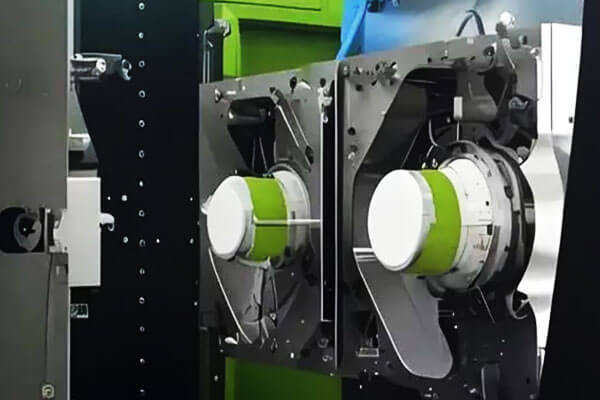
منتجات:
يتم استخدام صب حقن TPU على نطاق واسع حالات وقائية, موصلات مرنة, الأختام, مكونات الكابل, عجلات, قبضة, مكونات المنتج الاستهلاكي, قطع غيار السيارات, المكونات الطبية, والأجزاء الصناعية المقاومة للتآكل.
البثق
يستخدم بثق البولي يوريثين في المقام الأول لإنتاج التشكيلات الجانبية المستمرة, الأنابيب, أفلام, أوراق, وغيرها من المنتجات ذات هندسة مقطعية ثابتة.
يتم تسخين كريات البولي يوريثين الملدنة بالحرارة وتلطيفها في جهاز بثق قبل دفعها بشكل مستمر من خلال قالب مصمم خصيصًا.
تتطلب عملية البثق مراقبة دقيقة درجة حرارة البرميل, سرعة المسمار, يموت درجة حرارة, معدل البثق, ظروف التبريد, والرطوبة المادية.
يعد تصميم القالب مهمًا بشكل خاص لأن السلوك اللزج المرن للبولي يوريثين يمكن أن يؤثر على استقرار الأبعاد وتضخم القالب.
منتجات:
وتشمل المنتجات المبثوقة النموذجية أنابيب تي بي يو, خراطيم, الأختام, حشيات, شرائط, أفلام, ملفات تعريف, سترات الكابلات, الأكمام الواقية, والأغشية المرنة.
رد الفعل الصب والصب بالطرد المركزي
بالنسبة لبعض مكونات البولي يوريثين الكبيرة أو المتماثلة دورانيًا, يمكن استخدام صب التفاعل والصب بالطرد المركزي.
في رد الفعل الصب, يتم إدخال مكونات البولي يوريثين التفاعلية في القالب ويسمح لها بالبلمرة والمعالجة في الموقع.
الطرد المركزي الصب يستخدم قوة الدوران لتوزيع المواد التفاعلية على جدار القالب, إنتاج مكون أنبوبي أو على شكل حلقة موحد نسبيًا.
تكون هذه العمليات مفيدة بشكل خاص عندما تتطلب القوالب التقليدية أدوات باهظة الثمن أو عندما يكون للمكون قطر كبير وهندسة دورانية بسيطة نسبيًا.
منتجات:
وتشمل التطبيقات بكرات البولي يوريثين الكبيرة, الأكمام, الأنابيب, الخواتم, بطانات, طلاءات الأنابيب, ومكونات أسطوانية متخصصة مقاومة للتآكل.
الرغوة وصب الرغوة
يتم تصنيع رغاوي البولي يوريثان من خلال الجمع بين مكونات البولي يوريثان التفاعلية مع نظام النفخ الذي يولد بنية خلوية أثناء البلمرة.
اعتمادا على الصيغة, قد تتضمن آلية النفخ عوامل نفخ كيميائية, مثل تفاعل الماء مع الأيزوسيانات لتوليد ثاني أكسيد الكربون, أو عوامل النفخ المادية.
تحدد الصيغة ما إذا كانت الرغوة الناتجة أم لا مرن, شبه جامدة, أو جامدة.
حجم الخلية, كثافة, يفتح- أو بنية الخلية المغلقة, ويتم التحكم في ثبات الأبعاد من خلال توازن البوليولات, ايزوسيانات, المحفزات, المواد الخافضة للتوتر السطحي, عوامل النفخ, وظروف المعالجة.
منتجات:
تستخدم رغوة البولي يوريثان المرنة بشكل شائع وسائد الجلوس, مراتب, المواد الصوتية, والديكورات الداخلية للسيارات,
في حين يتم استخدام رغاوي PU وPIR الصلبة على نطاق واسع بناء ألواح العزل, عزل التبريد, أنظمة العزل الحراري, والمعدات الموفرة للطاقة.
التصنيع باستخدام الحاسب الآلي من مادة البولي يوريثين
تصنيع CNC ليست عملية بلمرة أولية, ولكنها طريقة تصنيع ثانوية مهمة لمكونات البولي يوريثين.
كتلة من مادة البولي يوريثين, ملزمة, عصا, أو يمكن تشكيله فارغًا مسبقًا باستخدام الخراطة باستخدام الحاسب الآلي, الطحن, حفر, وغيرها من العمليات لتحقيق أبعاد دقيقة وهندسة معقدة.
لأن مادة البولي يوريثين مرنة ويمكن أن تتشوه تحت قوى القطع, يجب تحديد معلمات التصنيع وفقًا لصلابة المادة ومرونتها.
قوة القطع المفرطة, توليد الحرارة, أو يمكن أن يؤدي انحراف الأداة إلى عدم دقة الأبعاد أو ضعف جودة السطح. تعتبر أدوات القطع الحادة وطريقة العمل المناسبة ذات أهمية خاصة بالنسبة للدرجات الناعمة.
منتجات:
يستخدم التصنيع باستخدام الحاسب الآلي بشكل شائع الأختام البولي يوريثين الدقة, البطانات المخصصة, ارتداء المكونات, بكرات, النماذج الأولية, الأجزاء الهندسية, مكونات الاستبدال, والمنتجات المخصصة منخفضة الحجم.
7. تطبيقات مادة البولي يوريثين
إن التنوع الاستثنائي للبولي يوريثين يسمح له بالعمل كمواد هيكلية, المطاط الصناعي, طلاء, لاصق, مانع التسرب, رغوة, والمواد العازلة.
ولذلك تمتد تطبيقاتها من المنتجات الاستهلاكية إلى المعدات الصناعية الصعبة.
صناعة السيارات
وتشمل التطبيقات النموذجية وسائد المقعد, مساند الرأس, البطانات تعليق, يتصاعد المحرك, الأختام, مكونات التوجيه, تقليم الداخلية, مكونات لوحة العدادات, الطلاء الواقي, والعزل الصوتي.
بكرات وعجلات صناعية
تستخدم بكرات البولي يوريثين على نطاق واسع في:
- أنظمة الناقل
- معدات مناولة المواد
- آلات الطباعة
- ماكينات التعبئة والتغليف
- آلات النسيج
- عجلات رافعة شوكية
- بكرات الدليل
- عجلات القيادة
الأختام, حشيات, والبطانات
مزيج من مادة البولي يوريثين من المرونة, مقاومة المسيل للدموع, ومقاومة التآكل تجعلها مناسبة لتطبيقات الختم الديناميكي.
تُستخدم أختام PU والمكونات الهيدروليكية بشكل شائع في تجارب المواد الانزلاق المتكرر, ضغط, والتشوه الميكانيكي.
تستفيد البطانات وعناصر التخميد أيضًا من قدرة البولي يوريثين على امتصاص الاهتزازات مع الحفاظ على السلامة الهيكلية.
التعدين والمعدات الثقيلة
تعرض معدات التعدين والبناء مكونات البوليمر للتآكل الشديد, تأثير, تراب, رُطُوبَة, والتحميل الميكانيكي.
ولذلك يتم استخدام مادة البولي يوريثين ل ارتداء بطانات, لوحات الشاشة, بطانات شلال, شفرات مكشطة, بكرات, الأختام الهيدروليكية, ومكونات الحماية.
في البيئات الكاشطة, يمكن لمكون البولي يوريثين المصمم بشكل صحيح أن يقلل بشكل كبير من تكرار الصيانة مقارنة بالمطاط الصناعي الأقل مقاومة للتآكل.
مواد البناء والبناء
يلعب البولي يوريثين دورًا مهمًا في أنظمة البناء الحديثة.
توفر رغاوي البولي يوريثان والبولي إيزوسيانورات الصلبة موصلية حرارية منخفضة وتستخدم على نطاق واسع في الألواح المعزولة, أنظمة التبريد, مظاريف البناء, أسطح, الجدران, وعزل الأنابيب.
وتستخدم أيضا المواد المانعة للتسرب والطلاءات من مادة البولي يوريثين ختم مشترك, العزل المائي, الأرضيات, الطلاء الواقي, وحماية ملموسة.
المنتجات الكهربائية والإلكترونية
يمكن لمواد البولي يوريثان أن توفر العزل الكهربائي مع المرونة وحماية البيئة.
يتم استخدامها ل سترات الكابلات, مركبات بوتينغ, مواد التغليف, الموصلات, الطلاء الواقي, ومكونات التخميد الاهتزاز.
يمكن تصميم المستحضرات لتوفير مجموعات محددة من خصائص العزل الكهربائي, مقاومة الرطوبة, المرونة, ومقاومة اللهب.
الأحذية والمنتجات الاستهلاكية
يتم استخدام مادة البولي يوريثين المرنة والبولي يوريثان الحراري على نطاق واسع في المنتجات الاستهلاكية لأنها توفر مزيجًا مناسبًا من الراحة, صمود, متانة, ومرونة التصميم.
وتشمل التطبيقات باطن الأحذية, مكونات الأحذية الرياضية, حالات وقائية, قبضة, عجلات, البضائع الرياضية, مكونات الأمتعة, وأجزاء المنتجات الاستهلاكية المرنة.
8. مزايا مادة البولي يوريثين
- قابلية ضبط الأداء لا مثيل لها — صلابة, يمكن هندسة الكثافة والخواص الميكانيكية بدقة عبر نطاق واسع للغاية من قاعدة كيميائية واحدة.
- مقاومة استثنائية للتآكل والتآكل — توفر اللدائن المصنوعة من مادة البولي يوريثين بشكل روتيني ما بين 3 إلى 10 أضعاف عمر خدمة البدائل المطاطية في تطبيقات التآكل الثقيل.
- عزل حراري متفوق — تعتبر رغوة البولي يوريثان الصلبة أكثر المواد العازلة العضوية المتوفرة تجاريًا كفاءة من الناحية الحرارية, تقليل استهلاك الطاقة في المباني بنسبة 30-50%.
- قدرة معالجة واسعة النطاق - يمكن تصنيعه عن طريق الرغوة, صب, رش, صب الحقن, طرق البثق والتطبيق في الموقع.
- التصاق الركيزة العالمية - ترتبط الطلاءات والمواد اللاصقة بقوة بالمعدن, خشب, أسمنت, الزجاج ومعظم البلاستيك.
- تخميد اهتزاز ممتاز — تمتص الرغاوي المرنة واللدائن الصدمات والضوضاء بشكل فعال, مما يجعلها لا غنى عنها للتحكم في NVH في السيارات والصناعية.
- تصميم الحرية — المعالجة السائلة تمكن من إنتاج كميات كبيرة, معقد, الأجزاء المتكاملة التي قد تكون مستحيلة مع المطاط أو البلاستيك الصلب.
9. حدود مادة البولي يوريثين
- مقاومة درجات الحرارة المعتدلة — الدرجات القياسية لها حدود خدمة مستمرة تبلغ 80-120 درجة مئوية. التعرض طويل الأمد فوق هذا النطاق يسبب تدهورًا حراريًا وفقدانًا دائمًا للممتلكات.
- حساسية التحلل المائي — تتحلل مادة البولي يوريثان القائمة على البوليستر تدريجيًا في درجات الحرارة الطويلة, البيئات الرطبة. تعمل درجات البولي إيثر بشكل أفضل ولكن لا تزال لها حدود.
- تدهور الأشعة فوق البنفسجية للدرجات العطرية - مادة البولي يوريثان العطرية القياسية ذات اللون الأصفر والطباشير عند التعرض للأشعة فوق البنفسجية لفترة طويلة. تحل الدرجات الأليفاتية هذه المشكلة ولكن بتكلفة أعلى بكثير.
- مخاطر التعامل مع المواد الخام — تعتبر مونومرات الأيزوسيانات غير المتفاعلة من المواد المهيجة للجهاز التنفسي وتتطلب تهوية مناسبة ومعدات الوقاية الشخصية أثناء المعالجة. المنتجات المعالجة بالكامل آمنة للاستخدام النهائي العادي.
- القابلية للاشتعال — مادة البولي يوريثين غير المعدلة قابلة للاحتراق ويمكن أن تطلق أبخرة سامة أثناء الاحتراق. تركيبات مثبطات اللهب مطلوبة لتطبيقات البناء والنقل.
- تحديات إعادة التدوير - لا يمكن إعادة صهر مادة البولي يوريثين المتصلبة بالحرارة, مما يجعل إعادة التدوير الميكانيكية صعبة. إن تقنيات إعادة تدوير المواد الكيميائية آخذة في الظهور ولكنها ليست متاحة عالميًا بعد.
10. اعتبارات البيئة والاستدامة
| وجه | تقدير |
| الموارد المتجددة | البوليولات ذات الأساس الحيوي متاحة بشكل متزايد, مشتقة من الزيوت النباتية أو المصادر النباتية. |
| Recyclabality | البولي يوريثان الحراري (TPU) قابلة لإعادة التدوير; بالحرارة (رغاوي صلبة, العديد من اللدائن) ليست كذلك. |
| استهلاك الطاقة | إنتاج البولي يوريثان من البتروكيماويات يستهلك الكثير من الطاقة. |
| تقييم دورة الحياة | يعتمد على الصياغة والتطبيق; العزل (رغوة جامدة) يمكن أن توفر وفورات كبيرة في الطاقة. |
| نهاية الحياة | من الصعب إعادة تدوير نفايات الرغوة; الحرق هو طريق التخلص المشترك. |
| الصحة والسلامة | الأيزوسيانات سامة; تعتبر التهوية المناسبة ومعدات الحماية الشخصية ضرورية أثناء المناولة. |
| القابلية للتحلل البيولوجي | البولي يوريثين التقليدي غير قابل للتحلل. |
11. البولي يوريثين مقابل. المطاط والبلاستيك التقليدي
يحتل البولي يوريثين مكانة مميزة بين اللدائن واللدائن الهندسية.
تسلط المقارنة التالية الضوء على الاختلافات الرئيسية بين مادة البولي يوريثين والعديد من المواد شائعة الاستخدام.
| ملكية | البولي يوريثين | المطاط الطبيعي | البولي إيثيلين (PE) | نايلون |
| نوع المواد | بوليمر متعدد الاستخدامات; متاح كما المطاط الصناعي, لدن بالحرارة, بالحرارة, ورغوة | المطاط الصناعي الطبيعي | لدن بالحرارة | اللدائن الحرارية الهندسية |
| صلابة نموذجية | تقريبًا 20 شور أ إلى 70+ شور د, اعتمادا على صياغة | حوالي 20-90 شور أ | عادةً ما تكون مجموعة Shore D للدرجات الصلبة | عادة روكويل أو شور د; جامدة عموما |
| قوة الشد | درجات المطاط الصناعي الشائعة حوالي 20-60 ميجا باسكال; تعتمد على الصياغة | حوالي 15-30 ميجا باسكال للعديد من الدرجات التجارية | حوالي 10-40 ميجا باسكال, يعتمد على الصف | ما يقرب من 50-100 ميجا باسكال للعديد من الدرجات الهندسية |
| استطالة عند الاستراحة | عادة 200-700% للدرجات المرنة | عادة 400-800% | عادة 100-1000% حسب الدرجة | عموما أقل بكثير من مادة البولي يوريثين المرنة |
| مقاومة التآكل | ممتاز; واحدة من المزايا الرئيسية للبولي يوريثين | جيد إلى ممتاز | معتدل إلى جيد | جيد |
| مقاومة المسيل للدموع | جيد جدًا إلى ممتاز | ممتاز | معتدل | جيد |
| الانتعاش المرن | ممتاز في اللدائن المصنعة بشكل صحيح | ممتاز | عموما أقل من اللدائن | محدودة نسبيا |
مقاومة التأثير |
جيد جدًا; تظل فعالة للغاية في العديد من التطبيقات الصعبة | ممتاز | جيد, خاصة في درجات PE المصممة لمقاومة الصدمات | جيد إلى ممتاز |
| مقاومة الزيوت والشحوم | عموما جيدة جدا, خاصة مع البوليستر المناسب- أو التركيبات القائمة على البولي إيثر | فقيرة نسبيا; يمكن أن تسبب الزيوت التورم والتدهور | جيد بشكل عام ضد العديد من المواد الكيميائية, لكن مقاومة المذيبات تختلف | جيد, على الرغم من أن بعض المواد الكيميائية والرطوبة يمكن أن تؤثر على الأداء |
| المقاومة الكيميائية | جيد إلى ممتاز حسب الكيمياء; يتصرف البوليستر والبولي إيثر PU بشكل مختلف | محدود ضد الزيوت, الوقود, الأوزون, وبعض المواد الكيميائية | مقاومة ممتازة للعديد من الأحماض, القلويات, والمواد الكيميائية المائية | مقاومة جيدة للعديد من الهيدروكربونات والزيوت, ولكنها حساسة لبعض الأحماض والرطوبة |
| مقاومة الرطوبة | تعتمد على الصياغة; يعمل البولي إيثر PU بشكل أفضل في البيئات الرطبة | جيد في العديد من التطبيقات ولكنه حساس للشيخوخة البيئية | جيد جدًا | يمكن أن يكون امتصاص الرطوبة كبيرًا ويمكن أن يؤثر على الأبعاد والخواص الميكانيكية |
التجوية / مقاومة الأشعة فوق البنفسجية |
جيد إلى ممتاز مع الاستقرار المناسب; يوفر PU الأليفاتي مقاومة قوية للأشعة فوق البنفسجية بشكل خاص | محدود; يمكن للأوزون والأشعة فوق البنفسجية تسريع التدهور | عموما جيد, خاصة مع مثبتات الأشعة فوق البنفسجية | معتدل; قد تكون هناك حاجة لمثبتات الأشعة فوق البنفسجية للخدمة في الهواء الطلق |
| مقاومة درجات الحرارة | نطاق واسع, ولكنها تعتمد بشكل كبير على الصياغة; تعمل العديد من الدرجات من درجات حرارة تحت الصفر إلى ما يقرب من 80-120 درجة مئوية بشكل مستمر | فعال بشكل شائع عند درجة حرارة -50 إلى 80 درجة مئوية تقريبًا, اعتمادا على المركب | نطاق واسع; يعتمد على الصف | بشكل عام، قدرة أعلى على درجة حرارة الاستخدام المستمر من البولي يوريثان المطاطي |
| المرونة في درجات الحرارة المنخفضة | جيد إلى ممتاز للدرجات التي تمت صياغتها بشكل صحيح | ممتاز | جيد لدرجات الحرارة المنخفضة المناسبة | بشكل عام أقل من البولي يوريثين والمطاط المرن |
| امتصاص الماء | منخفضة بشكل عام, ولكنها تختلف بشكل كبير مع الكيمياء والبنية الخلوية | منخفضة إلى معتدلة | منخفض جدا | عالية نسبيا مقارنة مع PU و PE |
| القدرة على التحمل | ممتاز لللدائن; يمكن للدرجات عالية الأداء أن تتحمل الأحمال الانضغاطية والديناميكية الكبيرة | جيد, ولكن التشوه على المدى الطويل يمكن أن يكون كبيرا | جيد لتطبيقات اللدائن الحرارية الهيكلية | ممتاز للمكونات الهندسية الصلبة |
مقاومة التعب |
ممتاز في العديد من التطبيقات الديناميكية | ممتاز تحت التحميل الدوري المناسب | جيد | جيد |
| طرق المعالجة | صب, صب حقن رد الفعل, صب الحقن, البثق, صب الضغط, رغوة, الآلات | معالجة اللاتكس, صب, البثق, الفلكنة | صب الحقن, البثق, تهب القولبة, صب التناوب | صب الحقن, البثق, الآلات |
| التطبيقات النموذجية | عجلات, بكرات, الأختام, البطانات, حشيات, عوازل الاهتزاز, الطلاء, أحزمة, الرغاوي, التروس | الإطارات, الأختام, قفازات, يتصاعد الاهتزاز, خراطيم, مكونات مرنة | التغليف, الأنابيب, الحاويات, بطانات, أفلام, الأجزاء البلاستيكية الهيكلية | التروس, المحامل, البطانات, المكونات الهيكلية, الأجزاء الكهربائية |
| الميزة الرئيسية | مزيج استثنائي من مقاومة التآكل, مرونة, صلابة, سعة الحمولة, ومرونة التصميم | مرونة ممتازة, مقاومة التعب, والمرونة | تكلفة منخفضة, المقاومة الكيميائية, امتصاص منخفض للرطوبة | قوة عالية, صلابة, الاستقرار الأبعاد, والقدرة على درجة الحرارة |
| القيد الرئيسي | تختلف الخصائص بشكل كبير مع الصياغة; بعض الدرجات حساسة للتحلل المائي, حرارة, أو التعرض للأشعة فوق البنفسجية | مقاومة ضعيفة للزيوت, الأوزون, وبعض المواد الكيميائية | انخفاض درجة الحرارة والأداء الميكانيكي من العديد من البوليمرات الهندسية | يمكن أن يؤثر امتصاص الرطوبة والحساسية لبعض المواد الكيميائية على الأداء |
12. خاتمة
يحتل البولي يوريثين مكانة فريدة في عالم المواد باعتباره منصة البوليمر الأكثر مرونة في التصميم المتاحة اليوم.
يتيح هيكلها الجزيئي المنفصل عن الطور الدقيق ضبط الأداء عبر النطاق الكامل من الرغوة الناعمة إلى البلاستيك الهندسي الصلب, دعم الوظائف الحيوية في كل قطاع صناعي تقريبًا.
لا يمكن لأي عائلة أخرى من المواد أن تعمل كوسادة في نفس الوقت, العزل, المكون الهيكلي والطلاء الواقي بنفس الفعالية.
مع الطلب العالمي على كفاءة الطاقة, الوزن الخفيف والمواد المتقدمة تنمو, سيظل البولي يوريثين مادة صناعية أساسية - حيث سيتطور من أصوله المعتمدة على النفط إلى مادة أكثر استدامة, مستقبل الاقتصاد الدائري مع الحفاظ على التنوع الاستثنائي الذي جعله لا غنى عنه في التصنيع والبناء الحديث.
الأسئلة الشائعة
هل هو بلاستيك بولي يوريثين أو مطاط?
يقع البولي يوريثين في فئة بين المطاط والبلاستيك. تتصرف اللدائن المصنوعة من مادة البولي يوريثين الناعمة مثل المطاط, بينما تقترب درجات البولي يوريثين الصلبة من أداء البلاستيك الهندسي.
على عكس المطاط الحقيقي, لا يتم ربطه عبر الفلكنة; على عكس البلاستيك الحقيقي, إنه مرن للغاية عبر معظم نطاق صلابته. يتم تصنيفه بدقة على أنه بوليمر مرن.
مادة البولي يوريثين قابلة للاشتعال?
بعض التركيبات قابلة للاشتعال. تتم عادةً إضافة مثبطات اللهب للتطبيقات التي تتطلب مقاومة الحريق.
رغوة البولي يوريثان الصلبة, المستخدمة في عزل المباني, يجب أن تستوفي معايير صارمة للسلامة من الحرائق.
ما هو الفرق بين البولي إيثر والبولي يوريثين البوليستر؟?
يتمتع البولي إيثر بولي يوريثين بمقاومة أفضل للتحلل المائي, المقاومة الميكروبية, والمرونة في درجات الحرارة المنخفضة.
بولي يوريثان البوليستر لديه قوة شد أعلى, يٌقطِّع, ومقاومة للتآكل ولكنها عرضة للتحلل المائي والهجوم الميكروبي.
ما هو تي بي يو?
يرمز TPU إلى مادة البولي يوريثين بالحرارة. إنه نوع من مادة البولي يوريثين التي يمكن معالجتها مثل البلاستيك التقليدي (صب الحقن, البثق) وقابلة لإعادة التدوير.
يتم استخدامه في الخراطيم, أنابيب, أفلام, أحذية, والعديد من التطبيقات الصناعية.
كيف يتم تصنيع رغوة البولي يوريثان?
يتم إنتاج رغوة البولي يوريثان عن طريق تفاعل الأيزوسيانات مع البوليول في وجود عامل النفخ (عادة الماء), المحفزات, والمواد الخافضة للتوتر السطحي.
ينتج عن التفاعل غاز ثاني أكسيد الكربون, الذي يوسع البوليمر إلى رغوة.