من بين جميع عائلات الفولاذ المقاوم للصدأ, الفولاذ المقاوم للصدأ الأوستنيتي هي الفئة الأكثر استخدامًا والأكثر أهمية تجاريًا, تمثل أكثر من نصف الإنتاج العالمي من الفولاذ المقاوم للصدأ.
ومن المسلم به لمقاومته الاستثنائية للتآكل, قابلية لحام ممتازة, ليونة متميزة, صلابة متفوقة, وأداء رائع في كل من البيئات ذات درجات الحرارة العالية والمبردة.
الخصائص الفريدة للفولاذ المقاوم للصدأ الأوستنيتي تنبع من هيكلها المعدني الخاص.
على عكس الفولاذ المقاوم للصدأ الحديدي أو المارتنسيتي, يحافظ الفولاذ المقاوم للصدأ الأوستنيتي على أ مكعب يركز على الوجه (FCC) بنية البلورة في درجة حرارة الغرفة.
يوفر هذا الهيكل قدرة ممتازة على تشوه البلاستيك ويمنع الفشل الهش, مما يجعلها مناسبة للتطبيقات التي تتطلب تشكيلًا معقدًا, اللحام, وعملية موثوقة في ظل ظروف قاسية.
الدرجات المشتركة مثل 304, 316, 321, و 347 الفولاذ المقاوم للصدأ أصبحت معايير الصناعة, بينما الدرجات المتقدمة بما في ذلك 904ل, 254 نحن, وغيرها من الفولاذ المقاوم للصدأ الأوستنيتي الفائق تم تصميمها للبيئات شديدة التآكل.
1. ما هو الفولاذ الأوستنيتي المقاوم للصدأ?
أوستنيتي الفولاذ المقاوم للصدأ هي أكبر عائلة من الفولاذ المقاوم للصدأ وأكثرها استخدامًا, تتميز بالاستقرار مكعب يركز على الوجه (FCC) بنية البلورة, المعروف علميا باسم أوستنيت (γ-المرحلة).
يتم الحفاظ على هذه البنية المجهرية الفريدة في درجة حرارة الغرفة من خلال إضافة عناصر صناعة السبائك المثبتة للأوستينيت, في المقام الأول النيكل (في), جنبا إلى جنب مع عناصر مثل المنغنيز (MN), نتروجين (ن), والكربون (ج).
على عكس الحديد النقي, حيث يوجد الأوستينيت فقط في درجات حرارة مرتفعة, تم تصميم الفولاذ المقاوم للصدأ الأوستنيتي من خلال صناعة السبائك للاحتفاظ بالطور الأوستنيتي على نطاق واسع من درجات الحرارة, بما في ذلك الظروف المحيطة والمبردة.
هذا الهيكل الأوستنيتي المستقر هو السبب الأساسي وراء إظهار هذه المواد لمزيجها المتميز من مقاومة التآكل, ليونة, صلابة, قابلية اللحام, والقدرة على التصنيع.
على المدى "الأوستنيتي" لا يشير إلى تركيبة كيميائية محددة بل إلى المرحلة المعدنية السائدة والبنية البلورية من السبائك.
في الحديد النقي, التحول من الفريت (α-phase, هيكل مكعب محوره الجسم) إلى الأوستينيت (γ-المرحلة, هيكل FCC) يحدث في حوالي 912درجة مئوية.
لكن, تؤدي إضافة النيكل والعناصر الأخرى المكونة للأوستينيت إلى توسيع نطاق الاستقرار لمرحلة التكسير التحفيزي المائع (FCC)., السماح للأوستينيت بالبقاء مستقرًا في درجة حرارة الغرفة وحتى في ظل ظروف الخدمة ذات درجات الحرارة المنخفضة للغاية.
السمات المميزة الرئيسية للفولاذ المقاوم للصدأ الأوستنيتي:
- مكعب محوره الوجه (FCC) بنية البلورة- يوفر ليونة ممتازة, صلابة, والقدرة على التشكيل.
- نسبة عالية من الكروم (16-26%)- يوفر مقاومة للتآكل من خلال طبقة الأكسيد السلبي ذاتية الشفاء.
- نسبة عالية من النيكل (6-22%)- يستقر الهيكل الأوستنيتي, يحسن مقاومة التآكل, ويعزز صلابة درجات الحرارة المنخفضة.
- غير مغناطيسية (في الحالة الصلبة)- على عكس الفولاذ المقاوم للصدأ الحديدي والمارتنسيتي, الدرجات الأوستنيتي هي في الأساس غير مغناطيسية.
- غير قابل للتصلب بالمعالجة الحرارية- لا يمكن زيادة القوة إلا عن طريق العمل البارد (تصلب العمل).
- قابلية لحام ممتازة- معظم الدرجات قابلة للحام بسهولة, مع درجات منخفضة الكربون (درجات L) مصممة خصيصًا لمقاومة التحسس.
2. التركيب الكيميائي للفولاذ المقاوم للصدأ الأوستنيتي
يتم تحديد أداء الفولاذ المقاوم للصدأ الأوستنيتي من خلال تركيبه الكيميائي الدقيق.
يلخص الجدول التالي نطاقات التركيب النموذجية للعناصر الأكثر شيوعًا ووظائفها.
| عنصر | النطاق النموذجي (بالوزن ٪) | وظيفة |
| الكروم (كر) | 16-26 | يشكل أكسيد الكروم السلبي (cr₂o₃) الفيلم الذي يوفر مقاومة للتآكل. تعمل زيادة الكروم على تحسين مقاومة الأحماض المؤكسدة والأكسدة في درجات الحرارة العالية. |
| النيكل (في) | 6-22 | يستقر الهيكل الأوستنيتي في درجة حرارة الغرفة; يحسن مقاومة التآكل (وخاصة في تقليل الأحماض); يعزز صلابة درجات الحرارة المنخفضة; يقلل من معدل تصلب العمل. |
| الموليبدينوم (شهر) | 0-7 | يحسن مقاومة التآكل والتآكل, وخاصة في البيئات التي تحتوي على الكلوريد; يزيد من قوة درجات الحرارة العالية. |
| المنغنيز (MN) | ≤2.0 | مزيل الأكسدة; يستقر الأوستينيت في بعض الدرجات (على سبيل المثال, 200 مسلسل); يحسن قابلية العمل الساخنة. |
السيليكون (و) |
≤1.0 | مزيل الأكسدة; يحسن مقاومة الأكسدة. |
| الكربون (ج) | ≤0.08 (معيار) <0.03 (درجات L) | يقوي السبيكة ولكن يمكن أن يقلل من مقاومة التآكل عن طريق تكوين كربيدات الكروم (التوعية). درجات منخفضة الكربون (304ل, 316ل) تقليل التحسس. |
| نتروجين (ن) | 0-0.25 | يقوي الأوستينيت; يحسن مقاومة تأليف; يستقر الهيكل الأوستنيتي. |
| نحاس (النحاس) | 0-3 | يحسن مقاومة تقليل الأحماض (وخاصة حمض الكبريتيك); يعزز القابلية للتشكيل. |
| التيتانيوم (ل) / نيوبيوم (ملحوظة) | ≤1.0 | المثبتات- منع التحسس عن طريق تكوين كربيدات بشكل تفضيلي مع الكربون, ترك الكروم في المحلول. |
العلاقات التركيبية الرئيسية
- مكافئ الكروم مقابل. ما يعادل النيكل: التوازن بين عناصر تثبيت الفريت (كر, شهر, و) وعناصر استقرار الأوستينيت (في, MN, ن, النحاس) يحدد ما إذا كانت البنية المجهرية أوستنيتيًا بالكامل أو تحتوي على بعض الفريت.
- خشب (رقم ما يعادل مقاومة الحفر): صيغة تجريبية تستخدم لمقارنة مقاومة الحفر للفولاذ المقاوم للصدأ:
خذ = ٪ cr + 3.3 × % مو + 16 × %ن
تشير قيم PREN الأعلى إلى مقاومة أفضل للتآكل والشقوق في بيئات الكلوريد.
| درجة | خشب (تقريبا.) | مقاومة التآكل |
| 304 | 19 | جيد |
| 316 | 26 | أحسن |
| 904ل | 34-38 | ممتاز |
| فوق الأوستنيتي (على سبيل المثال, 6- سبائك مو) | >40 | استثنائية |
3. الأنواع الرئيسية والدرجات من الفولاذ المقاوم للصدأ الأوستنيتي
يمثل الفولاذ المقاوم للصدأ الأوستنيتي الفئة الأكبر والأكثر استخدامًا من الفولاذ المقاوم للصدأ, تحتوي على درجات عديدة تم تطويرها لتلبية المتطلبات المختلفة لمقاومة التآكل, القوة الميكانيكية, القدرة على درجة الحرارة, قابلية اللحام, وأداء التصنيع.
درجات الفولاذ المقاوم للصدأ الأوستنيتي القياسية (300 مسلسل)
ال 300 مسلسل هي العائلة الأكثر شهرة من الفولاذ المقاوم للصدأ الأوستنيتي.
تحتوي هذه الدرجات عادةً على الكروم والنيكل كعناصر صناعة السبائك الأساسية, توفير توازن ممتاز لمقاومة التآكل, الخصائص الميكانيكية, قابلية اللحام, وكفاءة التكلفة.
درجات الفولاذ المقاوم للصدأ الأوستنيتي الشائعة من سلسلة 300
| درجة | تعيين الولايات المتحدة | التكوين التقريبي | الخصائص الرئيسية | التطبيقات النموذجية |
| 304 | S30400 | 18% كر, 8% في | الفولاذ المقاوم للصدأ الأوستنيتي الأكثر استخدامًا; مقاومة تآكل ممتازة, قابلية التشكيل, قابلية اللحام, وتوازن التكلفة والأداء | معدات معالجة الأغذية, معدات المطبخ, المكونات المعمارية, قطع غيار السيارات, التطبيقات الصناعية العامة |
| 304ل | S30403 | 18% كر, 8% في, انخفاض درجة الحرارة ≥0.03% | نسخة منخفضة الكربون من 304; يقلل من ترسيب كربيد الكروم ويحسن مقاومة التآكل بعد اللحام | الهياكل الملحومة, معدات الغذاء, معدات المعالجة الكيميائية, أوعية الضغط |
| 316 | S31600 | 16-18 ٪ كر, 10-14 ٪ لديهم, 2-3 ٪ مو | تؤدي إضافة الموليبدينوم إلى تحسين مقاومة التنقر الناجم عن الكلوريد وتآكل الشقوق بشكل كبير | المعدات البحرية, أنظمة المعالجة الكيميائية, المعدات الصيدلانية, الأجهزة الطبية |
316ل |
S31603 | 16-18 ٪ كر, 10-14 ٪ لديهم, 2-3 ٪ مو, منخفض ج | نسخة منخفضة الكربون من 316; قابلية لحام فائقة ومقاومة للتآكل الحبيبي | خزانات الأدوية, الهياكل البحرية, أنظمة الأنابيب الملحومة, المعدات البحرية |
| 321 | S32100 | 17-19% كروم, 9-12% في, استقر | يمنع تثبيت التيتانيوم ترسيب كربيد الكروم; يحافظ على مقاومة التآكل بعد التعرض لدرجة الحرارة العالية | المبادلات الحرارية, أنظمة عوادم الطائرات, مكونات الفرن, أنابيب ذات درجة حرارة عالية |
| 347 | S34700 | 17-19% كروم, 9-13% في, استقرت ملحوظة | يعمل تثبيت النيوبيوم على تحسين مقاومة التحسس ويعزز قوة الزحف في درجات الحرارة العالية | مكونات الفضاء, معدات توليد الطاقة, أنظمة المعالجة الكيميائية ذات درجة الحرارة العالية |
309 |
S30900 | 22-24% كروم, 12– 15% في | يوفر المحتوى العالي من الكروم والنيكل مقاومة محسنة للأكسدة عند درجات الحرارة المرتفعة | أجزاء الفرن, معدات الاحتراق, تركيبات المعالجة الحرارية, أوعية ذات درجة حرارة عالية |
| 310 | S31000 | 24-26% كروم, 19-22% في | مقاومة ممتازة للأكسدة وقوة عند درجات حرارة عالية جدًا | بطانات الفرن, أنابيب مشعة, المبادلات الحرارية, معدات المعالجة الحرارية |
| 904ل | N08904 | 20% كر, 25% في, 4-5% مو, مع اضافة | درجة فوق الأوستنيتي مع مقاومة متميزة لحمض الكبريتيك والمواد الكيميائية شديدة التآكل | المفاعلات الكيميائية, معدات معالجة حمض الكبريتيك, الأنظمة الصيدلانية |
درجات الفولاذ المقاوم للصدأ عالية الأداء وفائقة الأوستنيتي
قد لا يوفر الفولاذ المقاوم للصدأ الأوستنيتي القياسي أداءً كافيًا في البيئات شديدة العدوانية مثل الأحماض المركزة, مياه البحر, وظروف ارتفاع الكلوريد.
لهذه التطبيقات, الفولاذ المقاوم للصدأ عالي الأداء أو فوق الأوستنيتي تم تطويرها.
الدرجات التمثيلية الفائقة
| درجة | تعيين الولايات المتحدة | التكوين التقريبي | الخصائص الرئيسية | التطبيقات النموذجية |
| 254 نحن | S31254 | 20% كر, 18% في, 6% شهر, 0.2% ن | مقاومة عالية للغاية للكلوريد; قيمة PREN أعلاه 40; مقاومة تآكل ممتازة وتآكل الشقوق | أنظمة مياه البحر, المنصات الخارجية, النباتات تحلية المياه, معدات المعالجة الكيميائية |
| al-6xn | N08367 | 21% كر, 24% في, 6.3% شهر, 0.2% ن | مقاومة متميزة لتآكل الكلوريد والبيئات الحمضية; قوة ميكانيكية عالية | الهندسة البحرية, صناعة اللب والورق, المعالجة الكيميائية, معدات مكافحة التلوث |
| incoloy 825 | N08825 | 21% كر, 42% في, 3% شهر, 2% النحاس | مقاومة ممتازة للحد من الأحماض, تصدع الإجهاد, وبيئات درجة الحرارة العالية | معدات النفط والغاز, المعالجة الكيميائية, التطبيقات النووية |
درجات الفولاذ المقاوم للصدأ الأوستنيتي المصبوب
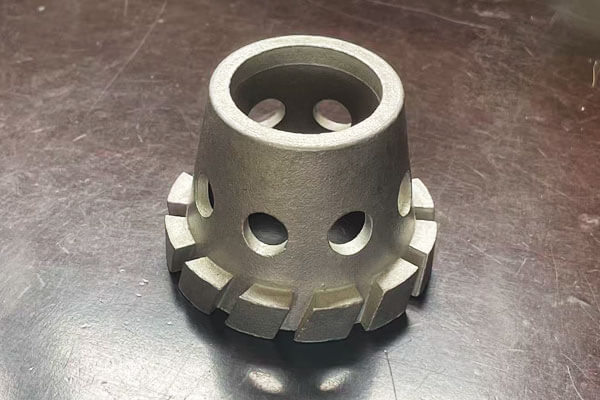
على عكس الفولاذ المقاوم للصدأ المطاوع, تم تصميم الفولاذ المقاوم للصدأ المصبوب خصيصًا للتصنيع من خلال عمليات الصب مثل:
- صب الاستثمار
- صب الرمال
- صب قذيفة
درجات الفولاذ المقاوم للصدأ الأوستنيتي المصبوب المشترك
| ASTM المصبوب الصف | تعيين الولايات المتحدة | ما يعادلها | الخصائص الرئيسية | التطبيقات النموذجية |
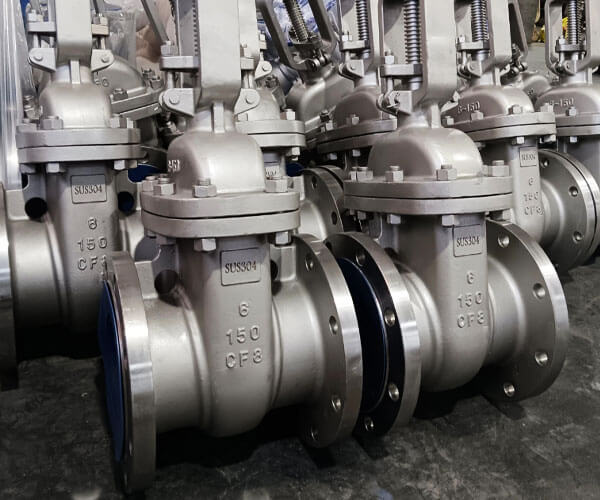
| CF-8 | J92600 | 304 | الفولاذ المقاوم للصدأ الأوستنيتي المصبوب للأغراض العامة; مقاومة ممتازة للتآكل وقابلية الصب | جثث الصمام, مضخة العلب, تجهيزات الأنابيب, المكونات الصناعية |
| CF-3 | J92500 | 304ل | درجة صب منخفضة الكربون; قابلية لحام ممتازة ومقاومة للحساسية | مكونات الصمام الملحومة, المعدات الكيميائية, أوعية الضغط |
| CF-8M | J92900 | 316 | سبيكة مصبوبة تحتوي على الموليبدينوم مع مقاومة محسنة للتآكل بالكلوريد | الصمامات البحرية, مضخات كيميائية, المعدات الصيدلانية |
| CF-3M | J92800 | 316ل | نسخة منخفضة الكربون من CF-8M; قابلية لحام ممتازة ومقاومة للتآكل | المعدات البحرية, أنظمة تحلية المياه, المسبوكات المعالجة الكيميائية |
| سي إن-7 إم | J95150 | سبيكة 20 | مقاومة عالية لحمض الكبريتيك والبيئات الكيميائية العدوانية | معدات معالجة الأحماض, المكونات البتروكيماوية |
4. الخصائص الرئيسية للفولاذ المقاوم للصدأ الأوستنيتي
الفولاذ المقاوم للصدأ الأوستنيتي معروف على نطاق واسع بتوازنه الممتاز في مقاومة التآكل, الأداء الميكانيكي, القدرة على التصنيع, وموثوقية الخدمة.
يتم تحديد هذه الخصائص في المقام الأول من خلال استقرارها مكعب يركز على الوجه (FCC) بنية البلورة, محتوى الكروم العالي, ووجود عناصر تثبيت الأوستينيت مثل النيكل والنيتروجين.
مقاومة التآكل
المقاومة الاستثنائية للتآكل هي السمة الأكثر تحديدًا للفولاذ المقاوم للصدأ الأوستنيتي.
الحماية تأتي من تشكيل رقيقة, مستقر, والشفاء الذاتي أكسيد الكروم (cr₂o₃) فيلم سلبي على سطح المادة.
عندما يتفاعل الكروم مع الأكسجين الموجود في البيئة المحيطة, فهو يشكل طبقة أكسيد واقية تمنع المزيد من الأكسدة وتحمي المعدن الأساسي من هجوم التآكل.
حتى عندما يتضرر السطح ميكانيكيًا, يمكن لهذا الفيلم السلبي أن يتجدد بسرعة في البيئات التي تحتوي على الأكسجين.
يعتمد أداء التآكل للفولاذ المقاوم للصدأ الأوستنيتي على تركيبة السبائك. يوفر الكروم المقاومة الأساسية للتآكل, بينما يعمل النيكل على تحسين مقاومة البيئات الكيميائية ويثبت البنية الأوستنيتي.
الدرجات التي تحتوي على الموليبدينوم, مثل 316 و 316L, تقدم مقاومة محسنة بشكل ملحوظ للتآكل الناتج عن الكلوريد والشقوق.
لشروط خدمة أكثر عدوانية, الدرجات المتقدمة مثل 904L, 254 نحن, وتم تطوير AL-6XN بمستويات أعلى من النيكل, الموليبدينوم, والنيتروجين لتحمل البيئات القاسية, بما في ذلك مياه البحر, أحماض قوية, وتطبيقات المعالجة الكيميائية.
الخواص الميكانيكية وسلوك تصلب العمل
يوفر الفولاذ المقاوم للصدأ الأوستنيتي توازنًا ممتازًا بين القوة والليونة.
في حالة صلب, قوتها معتدلة مقارنة بالفولاذ المقاوم للصدأ المارتنسيتي أو المزدوج, لكن مرونتها الفائقة تسمح لها بالخضوع لتشوه كبير دون أن تتشقق.
معرض نموذجي للفولاذ المقاوم للصدأ الأوستنيتي:
- قوة الشد: حوالي 500-750 ميجا باسكال
- قوة العائد: حوالي 170-350 ميجا باسكال
- استطالة: عادة أعلاه 40%
واحدة من أهم الخصائص الميكانيكية للفولاذ المقاوم للصدأ الأوستنيتي هي قوته القدرة على تصلب العمل.
أثناء التشوه البارد, مثل المتداول, رسم, أو تشكيل, تزداد كثافة الاضطرابات داخل هيكل لجنة الاتصالات الفيدرالية, مما أدى إلى ارتفاع القوة والصلابة.
يوفر هذا السلوك العديد من المزايا الهندسية. يمكن أن يؤدي العمل البارد إلى تحسين القوة الميكانيكية للمكونات بشكل كبير دون معالجة حرارية إضافية, مما يجعل من الممكن تصنيع أسلاك الفولاذ المقاوم للصدأ عالية القوة, الينابيع, شرائط, وأجزاء الدقة.
لكن, يؤدي تصلب العمل القوي أيضًا إلى خلق تحديات أثناء التصنيع.
تتطلب المادة قوى تشكيل أعلى, يسرع تآكل الأداة أثناء المعالجة, وقد يتطلب التلدين المتوسط أثناء عمليات التشكيل الشديدة لاستعادة الليونة.
صلابة درجات الحرارة المنخفضة
يمتلك الفولاذ المقاوم للصدأ الأوستنيتي صلابة متميزة في درجات حرارة منخفضة للغاية بسبب هيكلها البلوري المستقر FCC.
على عكس الفولاذ المقاوم للصدأ الحديدي والمارتنسيتي, أنها لا تواجه درجة حرارة انتقالية حادة من اللدونة إلى الهشة, مما يسمح لهم بالحفاظ على مقاومة ممتازة للصدمات حتى في ظل الظروف المبردة.
الدرجات المشتركة مثل 304إل و 316 ل الحفاظ على صلابة ممتازة في درجات الحرارة تقترب -196 درجة مئوية, مما يجعلها مواد مثالية للتطبيقات التي تنطوي على الغازات المسالة والبيئات شديدة البرودة.
هذا المزيج الفريد من صلابة درجات الحرارة المنخفضة ومقاومة التآكل يجعل الفولاذ المقاوم للصدأ الأوستنيتي يستخدم على نطاق واسع في:
- أنظمة تخزين ونقل الغاز الطبيعي المسال
- الأنابيب المبردة
- معدات الأكسجين والنيتروجين السائل
- أنظمة الوقود الفضائية
- البنية التحتية للمنطقة الباردة
القليل من المواد الهندسية توفر موثوقية تبريد قابلة للمقارنة مع الحفاظ أيضًا على قابلية اللحام الجيدة ومقاومة التآكل.
قابلية اللحام
يعتبر الفولاذ المقاوم للصدأ الأوستنيتي من بين أكثر مواد الفولاذ المقاوم للصدأ القابلة للحام بسبب بنيتها المجهرية المستقرة, ليونة ممتازة, ومخاطر منخفضة نسبيًا للتكسير المرتبط باللحام.
يمكن تصنيعها باستخدام طرق اللحام الشائعة, بما في ذلك TIG, أنا, لحام الليزر, واللحام بالمقاومة.
يمكن لحام معظم الدرجات القياسية دون التسخين المسبق, وتحتفظ الوصلات الملحومة عمومًا بخصائص ميكانيكية جيدة ومقاومة للتآكل.
الاعتبار الرئيسي أثناء اللحام هو التوعية, والذي يحدث عندما تتشكل رواسب كربيد الكروم عند حدود الحبوب أثناء التعرض لدرجات حرارة تتراوح بين 450-850 درجة مئوية.
تقلل هذه العملية من توافر الكروم بالقرب من حدود الحبوب وقد تؤدي إلى تآكل بين الخلايا الحبيبية.
لتقليل هذا الخطر, درجات منخفضة الكربون مثل 304إل و 316 ل تستخدم على نطاق واسع.
يحد محتواها المنخفض من الكربون من تكوين الكربيد ويضمن مقاومة أفضل للتآكل بعد اللحام, مما يجعلها مناسبة بشكل خاص لأوعية الضغط, أنظمة الأنابيب, المعدات الصيدلانية, ومكونات المعالجة الكيميائية.
قابلية التشكيل وأداء التصنيع
إن القابلية الممتازة للتشكيل للفولاذ المقاوم للصدأ الأوستنيتي هي نتيجة مباشرة لهيكله البلوري FCC وليونته العالية.
بالمقارنة مع العديد من السبائك الهندسية الأخرى, يمكن أن تخضع الدرجات الأوستنيتي لتشوه بلاستيكي واسع النطاق مع الحفاظ على السلامة الهيكلية.
إنها مناسبة لعمليات التصنيع مثل:
- رسم عميق
- ختم
- الانحناء
- لفة تشكيل
- التشكيل المائي
درجات مثل 304 و 316 تستخدم على نطاق واسع للمكونات المعقدة الشكل, بما في ذلك معدات المطبخ, الأجهزة الطبية, قطع غيار السيارات, والمباني الصناعية.
تسمح استطالتها العالية للمصنعين بإنتاج مكونات رقيقة الجدران ومعقدة مع مخاطر أقل للتشقق.
لكن, لأن هذه المواد تتصلب بسرعة أثناء التشوه, قد تتطلب عمليات التشكيل المعقدة أدوات محسنة, مراحل تشكيل متعددة, أو التلدين الوسيط.
خصائص الآلات
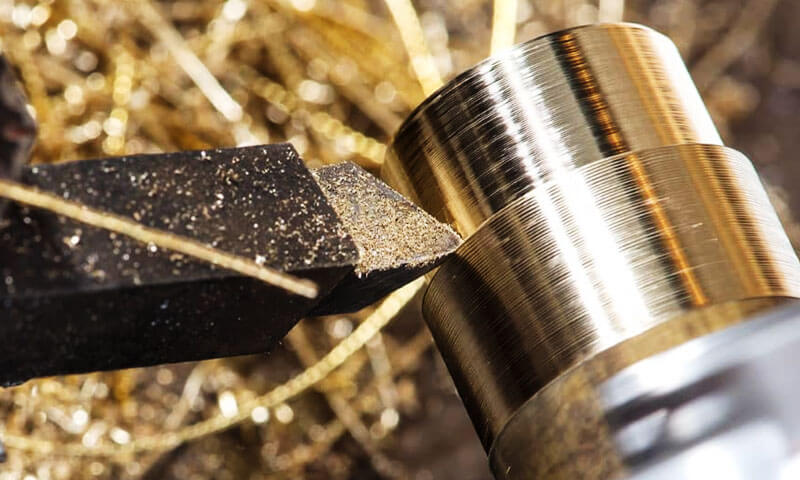
على الرغم من أن الفولاذ المقاوم للصدأ الأوستنيتي مناسب للغاية للتشكيل واللحام, فهي عمومًا أكثر صعوبة في التصنيع من الفولاذ الكربوني.
ترتبط تحديات التصنيع الرئيسية بصلابتها, ليونة, وسلوك تصلب العمل.
أثناء القطع, يمكن أن تصبح الطبقة السطحية أكثر صلابة بسرعة, زيادة قوى القطع وتسريع تآكل الأداة.
فضلاً عن ذلك, تؤدي الموصلية الحرارية المنخفضة نسبيًا إلى بقاء المزيد من الحرارة مركزة في منطقة القطع, والتي يمكن أن تقلل من عمر الأداة.
لتحقيق أداء الآلات الفعال, عادة ما تستخدم الشركات المصنعة:
- معلمات القطع المناسبة
- أدوات كربيد حادة أو مغلفة
- أنظمة التبريد الفعالة
- إعدادات الآلة الصارمة
درجات التصنيع المجانية مثل 303 الفولاذ المقاوم للصدأ يتم اختيارها أحيانًا عند الحاجة إلى تحسين إمكانية التشغيل الآلي, على الرغم من أنها توفر عمومًا مقاومة للتآكل أقل قليلاً من المعيار 304 أو 316 الدرجات.
السلوك غير المغناطيسي (حالة الصلب)
الفولاذ المقاوم للصدأ الأوستنيتي بشكل عام غير مغناطيسية في حالة الصلب لأن هيكلها الأوستنيتي للجنة الاتصالات الفيدرالية (FCC) لا يُظهر سلوكًا مغنطيسيًا حديديًا.
هذه الخاصية تميزها عن الفولاذ المقاوم للصدأ من الحديد والمارتنسيت, وهي مغناطيسية بشكل طبيعي بسبب بنيتها البلورية المختلفة.
الدرجات المشتركة مثل 304, 316, و 316L لديهم نفاذية مغناطيسية منخفضة جدًا بعد التلدين بالمحلول, مما يجعلها مناسبة للتطبيقات التي يجب فيها تقليل التداخل المغناطيسي, مشتمل:
- المعدات الطبية
- أدوات المختبر
- الأجهزة الإلكترونية الدقيقة
- البيئات المرتبطة بالتصوير بالرنين المغناطيسي
لكن, يمكن أن يؤدي العمل البارد إلى تحويل الأوستينيت جزئيًا إلى مارتنسيت الناجم عن التشوه, مما يسبب بعض الزيادة في الاستجابة المغناطيسية. تعتمد درجة المغناطيسية على تكوين السبائك, محتوى النيكل, محتوى النيتروجين, وكمية التشوه الميكانيكي.
5. حدود الفولاذ المقاوم للصدأ الأوستنيتي
على الرغم من أن الفولاذ المقاوم للصدأ الأوستنيتي يستخدم على نطاق واسع بسبب مقاومته الممتازة للتآكل, صلابة, قابلية اللحام, والقدرة على التشكيل, لديهم أيضًا العديد من القيود التي يجب مراعاتها أثناء اختيار المواد وتصميم المكونات.
انخفاض قوة العائد في حالة الصلب
أحد القيود الأساسية للفولاذ المقاوم للصدأ الأوستنيتي التقليدي هو قوة الخضوع المنخفضة نسبيًا في الحالة الصلبة.
الدرجات المشتركة مثل 304 و 316 الفولاذ المقاوم للصدأ عادة ما تكون قوة الخضوع أقل من العديد من الحديديك, martensitic, والفولاذ المقاوم للصدأ المزدوج.
وهذا يعني أنها قد تتطلب أقسامًا أكثر سمكًا أو طرق تقوية إضافية عند استخدامها في التطبيقات الحاملة.
على عكس الفولاذ المقاوم للصدأ المارتنسيتي, لا يمكن تقوية الدرجات الأوستنيتي من خلال المعالجة الحرارية التقليدية. يتم زيادة قوتهم بشكل رئيسي من خلال:
- العمل البارد
- صناعة سبائك النيتروجين
- حل الصلبة تعزيز
يمكن أن يؤدي التشوه البارد إلى تحسين القوة بشكل ملحوظ, ولكنه قد يقلل من الليونة ويزيد من صعوبة التشكيل.
للتطبيقات التي تتطلب نسب قوة إلى وزن عالية, مثل الهياكل البحرية أو المكونات الميكانيكية الثقيلة, قد يوفر الفولاذ المقاوم للصدأ المزدوج أو الفولاذ المقاوم للصدأ المتصلب بالترسيب أداءً أفضل.
خطر التحسس أثناء التعرض الحراري
قد يتعرض الفولاذ المقاوم للصدأ الأوستنيتي الذي يحتوي على نسبة عالية من الكربون التوعية عندما تتعرض لدرجات حرارة عادة ما بين 450درجة مئوية و 850 درجة مئوية, خاصة أثناء اللحام أو الخدمة ذات درجة الحرارة العالية على المدى الطويل.
خلال هذه العملية:
- يتفاعل الكربون مع الكروم لتكوين رواسب كربيد الكروم عند حدود الحبوب.
- تتطور المناطق المستنفدة للكروم بالقرب من حدود الحبوب.
- تنخفض مقاومة التآكل المحلية, يحتمل أن يسبب التآكل بين الحبيبات.
لتقليل هذا الخطر, عادة ما يختار المهندسون:
- درجات منخفضة الكربون, مثل 304L و316L
- استقرت الدرجات, مثل 321 و 347
تم تصميم هذه الدرجات للحفاظ على مقاومة التآكل بعد اللحام أو التعرض الحراري.
تكسير التآكل الإجهادي في بيئات الكلوريد
على الرغم من أن الفولاذ المقاوم للصدأ الأوستنيتي يوفر مقاومة عامة ممتازة للتآكل, يمكن أن يكونوا عرضة ل تصدع الإجهاد (SCC) في ظل ظروف معينة.
يحدث SCC عادةً عند وجود ثلاثة عوامل في وقت واحد:
- إجهاد الشد
- بيئة تحتوي على الكلوريد
- ارتفاع درجة الحرارة
تشمل بيئات المخاطر الشائعة:
- أنظمة مياه البحر
- المعدات البحرية
- العمليات الكيميائية المحتوية على الكلوريد
- الأنظمة الصناعية ذات درجات الحرارة العالية
درجات الأوستنيتي ذات السبائك الأعلى مع زيادة النيكل, الموليبدينوم, ومحتوى النيتروجين, مثل 904ل, 254 نحن, و AL-6XN, توفير مقاومة محسنة للتآكل الناجم عن الكلوريد.
لكن, لبيئات كلوريد شديدة للغاية, قد لا يزال من الممكن تفضيل الفولاذ المقاوم للصدأ المزدوج أو المزدوج للغاية.
أداء الآلات الصعبة
عادةً ما يكون تصنيع الفولاذ الأوستنيتي المقاوم للصدأ أكثر صعوبة في التصنيع من الفولاذ الكربوني بسبب سلوكه الميكانيكي الفريد.
التحدي الرئيسي هو قوتهم ميل العمل. أثناء الآلات, تصبح الطبقة السطحية المشوهة أكثر صعوبة, زيادة قوى القطع وتسريع تآكل الأداة.
تشمل صعوبات المعالجة الإضافية:
- الموصلية الحرارية المنخفضة, مما يسبب تركيز الحرارة في منطقة القطع
- ليونة عالية, مما أدى إلى رقائق طويلة ويصعب السيطرة عليها
- زيادة خطر سوء تشطيب السطح
تتطلب المعالجة الفعالة:
- معلمات القطع المناسبة
- أدوات حادة ومقاومة للاهتراء
- التبريد والتشحيم الفعال
- إعدادات الآلة الصارمة
درجات التصنيع المجانية مثل 303 الفولاذ المقاوم للصدأ يمكن تحسين كفاءة الآلات, على الرغم من أنها تضحي بشكل عام ببعض مقاومة التآكل مقارنة بالمعيار 304.
ارتفاع تكلفة المواد
عادةً ما يكون الفولاذ المقاوم للصدأ الأوستنيتي أكثر تكلفة من الفولاذ المقاوم للصدأ من الحديد أو المارتنسيت بسبب محتواه العالي من السبائك., وخاصة النيكل.
النيكل ضروري لتحقيق الاستقرار في الهيكل الأوستنيتي وتحسين المتانة, لكنه يزيد بشكل كبير من تكلفة المواد.
عناصر صناعة السبائك الإضافية مثل الموليبدينوم 316 والدرجات الأوستنيتي الفائقة تزيد من السعر.
لكن, غالبًا ما يتم موازنة التكلفة الأولية الأعلى من خلال:
- عمر خدمة أطول
- متطلبات صيانة أقل
- مقاومة أفضل للتآكل
- انخفاض وتيرة الاستبدال
للتطبيقات التي قد يؤدي فيها فشل التآكل إلى توقف العمل بشكل كبير أو مخاطر السلامة, غالبًا ما يوفر الفولاذ المقاوم للصدأ الأوستنيتي قيمة اقتصادية إجمالية أفضل.
تشكيل التحديات
يتمتع الفولاذ المقاوم للصدأ الأوستنيتي بقابلية تشكيل ممتازة, لكن سلوكهم القوي في العمل يمكن أن يخلق تحديات أثناء عمليات التشكيل المعقدة.
بالمقارنة مع الفولاذ الكربوني, أنها تتطلب:
- قوى تشكيل أعلى
- معدات أكثر قوة
- مراقبة أكثر دقة للعملية
أثناء الانحناء والختم, Springback يمكن أن تحدث بسبب انتعاشها المرن العالي. قد يؤثر هذا على دقة الأبعاد ويتطلب التعويض أثناء تصميم الأداة.
للرسم العميق وعمليات التشكيل المعقدة, قد تحتاج الشركات المصنعة للنظر فيها:
- عمليات التشكيل متعددة المراحل
- الصلب الوسيط
- هندسة الأدوات الأمثل
على الرغم من هذه التحديات, يظل الفولاذ المقاوم للصدأ الأوستنيتي من بين أكثر مواد الفولاذ المقاوم للصدأ المتاحة للتشكيل.
6. تطبيقات الفولاذ المقاوم للصدأ الأوستنيتي
بسبب مزيجها الممتاز من مقاومة التآكل, صلابة, قابلية اللحام, والقدرة على التصنيع, يتم استخدام الفولاذ المقاوم للصدأ الأوستنيتي في كل قطاع صناعي رئيسي تقريبًا.
| صناعة | التطبيقات | الدرجات النموذجية | المتطلبات الرئيسية |
| طعام & المشروبات | الدبابات, سفن, الأنابيب, الناقلات, أدوات المائدة, معدات المطبخ. | 304, 316ل | متوافقة مع إدارة الغذاء والدواء; صحية; مقاومة للتآكل; سهل التنظيف. |
| طبي & الأدوية | الأدوات الجراحية, يزرع, أنظمة WFI, معدات الغرفة النظيفة. | 316ل, 304ل | متوافق حيويا; قابلة للتعقيم; غير مسامية; مقاومة للتآكل. |
| المعالجة الكيميائية | المفاعلات, المبادلات الحرارية, الأنابيب, الصمامات, مضخات. | 316ل, 904ل, سبيكة 20 | مقاومة التآكل للأحماض, المواد الكيميائية, ودرجات حرارة عالية. |
| البحرية & في الخارج | أنابيب مياه البحر, مضخات, المبادلات الحرارية, المنصات الخارجية. | 316ل, 254 نحن, دوبلكس | مقاومة تأليب الكلوريد; مقاومة التآكل بمياه البحر. |
| المعماري & بناء | الكسوة, تسقيف, الدرابزين, جدران الستار, الأقسام الهيكلية. | 304, 316 | جماليات; مقاومة التآكل; متانة; خدمة الخدمة الطويلة. |
توليد الطاقة |
المبادلات الحرارية, أنابيب المكثف, مكونات الغلاية, أجزاء التوربينات. | 304ل, 316ل, 310, 347 | قوة درجات الحرارة العالية; مقاومة الأكسدة; مقاومة زحف. |
السيارات |
أنظمة العادم, مكونات الشاحن التوربيني, أجهزة استشعار, تقليم. | 304, 321, 310 | مقاومة الأكسدة لدرجات الحرارة العالية; مقاومة التآكل; قابلية التشكيل. |
| الفضاء | مكونات المحرك, أنظمة العادم, الأجزاء الهيكلية, السحابات. | 304, 321, 347 | قوة درجات الحرارة العالية; مقاومة التآكل; صلابة. |
| مبردة | صهاريج تخزين الغاز الطبيعي المسال, الأنابيب المبردة, نقل الغاز المسال. | 304, 316 | صلابة درجات الحرارة المنخفضة (لا DBTT). |
| الإلكترونيات | العلب, الموصلات, التدريع, مكونات الصك. | 304, 316ل | غير مغناطيسية; مقاومة للتآكل; قابلية التشكيل. |
| زيت & الغاز | الأنابيب, الصمامات, التركيبات, معدات تحت سطح البحر, مكونات رأس البئر. | 316ل, 904ل, 254 نحن | مقاومة كلوريد SCC; قوة عالية; مقاومة الغاز الحامض. |
7. الفولاذ المقاوم للصدأ الأوستنيتي مقابل أنواع الفولاذ المقاوم للصدأ الأخرى
يتم تصنيف الفولاذ المقاوم للصدأ إلى عدة عائلات رئيسية وفقًا لخصائصها البنية المجهرية, تكوين السبائك, الخصائص الميكانيكية, واستجابة المعالجة الحرارية.
على الرغم من أن جميع أنواع الفولاذ المقاوم للصدأ تعتمد على الكروم لتحقيق مقاومة التآكل, تؤدي الاختلافات في التركيب البلوري وعناصر صناعة السبائك إلى اختلافات كبيرة في القوة, صلابة, أداء التآكل, قابلية اللحام, ومدى ملاءمة التطبيق.
| معيار | الفولاذ المقاوم للصدأ الأوستنيتي | الفولاذ المقاوم للصدأ الفيريريك | الفولاذ المقاوم للصدأ مارتينيسيتي | دوبلكس ستانلس ستيل | هطول الأمطار (PH) الفولاذ المقاوم للصدأ |
| بنية البلورة | FCC (أوستنيت) | BCC (الفريت) | BCT (martensite) | مختلطة FCC + BCC | هيكل مارتنسيتي أو الأوستنيتي حسب الدرجة |
| محتوى الكروم النموذجي | 16-26 ٪ | 10.5-30 ٪ | 11-8 ٪ | 21-26 ٪ | 14-17% |
| محتوى النيكل النموذجي | 6-22 ٪ | <1% | <2% | 4-7 ٪ | 3-8 ٪ |
| محتوى الموليبدينوم | 0-7 ٪ | 0-2 ٪ | 0–1% | 0-4 ٪ | 0-4 ٪ |
| أقصى صلابة | ≥217 هب | ≥250 هب | حتى 600 HB (مغوّل) | ≥300 هب | حتى 500 HB |
| قوة العائد (صلب) | 170-280 ميجا باسكال | 200-300 ميجا باسكال | 250-450 ميجا باسكال | 450-550 ميجا باسكال | 550-1,100 ميجا باسكال |
| قوة الشد | 485-650 ميجا باسكال | 400-500 ميجا باسكال | 700-1000 ميجا باسكال | 650-800 ميجا باسكال | 1,000-1,300 ميجا باسكال |
| استطالة | 35-60 ٪ | 20-30 ٪ | 10-20 ٪ | 20-30 ٪ | 8-5 ٪ |
| مقاومة التآكل العامة | ممتاز | جيد | معتدل | ممتاز | جيد إلى ممتاز |
| مقاومة تكسير الإجهاد والتآكل للكلوريد | معتدل | جيد | فقير | ممتاز | معتدل |
| صلابة درجات الحرارة المنخفضة | ممتاز | فقير (التحول من الدكتايل إلى الهش) | فقير (التحول من الدكتايل إلى الهش) | معتدل إلى جيد | معتدل |
قوة درجة الحرارة العالية |
ممتاز (حوالي 800-1100 درجة مئوية حسب الدرجة) | جيد (تصل إلى حوالي 800 درجة مئوية) | معتدل (عادة أقل من 400 درجة مئوية) | محدودة بالمقارنة مع الدرجات الأوستنيتي | معتدل |
| قابلية اللحام | ممتاز | جيد | فقير إلى معتدل | جيد | جيد |
| السلوك المغناطيسي | غير مغناطيسي في حالة الصلب | مغناطيسي | مغناطيسي | مغناطيسي ضعيف | بشكل عام مغناطيسي |
| تصلب المعالجة الحرارية | لا (يتم تقويتها بشكل رئيسي عن طريق العمل البارد) | محدود | نعم | لا | نعم |
| التكلفة النسبية | أعلى بسبب محتوى النيكل | أدنى | معتدل | أعلى | أعلى |
| التطبيقات النموذجية | المعدات الكيميائية, معالجة الأغذية, الأنظمة البحرية, الأجهزة الطبية, بنيان | أنظمة عادم السيارات, الأجهزة, لوحات معمارية | أدوات المائدة, الصمامات, المحامل, مكونات مقاومة للاهتراء | المنصات الخارجية, أنظمة مياه البحر, المعالجة الكيميائية | مكونات الفضاء, السحابات عالية القوة, الأجزاء الميكانيكية الدقيقة |
8. خاتمة
يحتل الفولاذ المقاوم للصدأ الأوستنيتي مكانة فريدة لا يمكن الاستغناء عنها في مجال هندسة المواد.
يوفر هيكلها البلوري FCC الأوستنيتي بالكامل مزيجًا من المقاومة الممتازة للتآكل, قابلية التشكيل استثنائية, صلابة مبردة متميزة وأداء جيد في درجات الحرارة العالية لا يمكن لأي عائلة أخرى من الفولاذ المقاوم للصدأ أن تضاهيها تمامًا.
من كل مكان 18/8 درجة 304 إلى سبائك فائقة الأوستنيتي عالية الأداء, توفر هذه الفئة من المواد حلولاً معايرة لكل مستوى من خطورة خدمة التآكل.
إن فهم الفولاذ الأوستنيتي المقاوم للصدأ يعني التعرف على تنوعه الاستثنائي وحدوده المحددة.
أنها تتفوق في التآكل العام, مبردة, تطبيقات درجات الحرارة العالية والتشكيل المكثف, لكنها ليست الخيار الأمثل للواجبات الهيكلية عالية القوة, بيئات SCC شديدة الكلوريد أو المكونات المصنعة ذات الحجم الكبير حيث يمكن لعائلات الفولاذ المقاوم للصدأ الأخرى تقديم أداء أفضل بتكلفة أقل.
الأسئلة الشائعة
لماذا يعتبر الفولاذ المقاوم للصدأ الأوستنيتي غير مغناطيسي؟?
مكعب محوره الوجه (FCC) هيكل الأوستينيت غير مغنطيسي.
وهذا على النقيض من الفولاذ المقاوم للصدأ الحديدي والمارتنسيتي, التي لها هياكل BCC وهي مغناطيسية.
هل يمكن تصلب الفولاذ المقاوم للصدأ الأوستنيتي عن طريق المعالجة الحرارية؟?
لا. لا يمكن تقوية الفولاذ المقاوم للصدأ الأوستنيتي عن طريق المعالجة الحرارية. يتم تقويتها فقط عن طريق العمل البارد (تصلب العمل).
وذلك لأن هيكل لجنة الاتصالات الفيدرالية (FCC) لا يخضع للتحول المارتنسيتي عند التبريد.
ما هو التحسس, وكيف يتم الوقاية منه?
يحدث التحسس عندما تترسب كربيدات الكروم عند حدود الحبوب عند درجة حرارة 450-850 درجة مئوية, استنفاد الكروم محليًا والتسبب في تآكل الحبيبات.
ويتم الوقاية منه باستخدام درجات منخفضة الكربون (304ل, 316ل), درجات مستقرة (321, 347), أو التبريد السريع بعد اللحام.
ما هو الفرق بين 304 و 304 ل?
304L لديه محتوى أقل من الكربون (.030.03% مقابل. ≤0.08 ٪ ل 304).
وهذا يقلل من خطر التحسس أثناء اللحام, مما يجعل 304L مناسبًا للهياكل الملحومة التي تتطلب مقاومة جيدة للتآكل.
ما هو رقم PREN?
خشب (رقم ما يعادل مقاومة الحفر) هي صيغة تجريبية تستخدم للتنبؤ بمقاومة الحفر للفولاذ المقاوم للصدأ: خذ = ٪ cr + 3.3 × % مو + 16 × %ن.
تشير قيم PREN الأعلى إلى مقاومة أفضل للتآكل والشقوق في بيئات الكلوريد.
هل الفولاذ المقاوم للصدأ الأوستنيتي مناسب للتطبيقات المبردة?
نعم. الفولاذ المقاوم للصدأ الأوستنيتي (خصوصاً 304 و 316) الحفاظ على صلابة عالية وصولاً إلى درجات الحرارة المبردة (-269 درجة مئوية, الهيليوم السائل).
أنها لا تظهر التحول من اللدنة إلى الهشة, مما يجعلها ضرورية لتخزين الغاز الطبيعي المسال والمعدات المبردة.