تعد صمامات المحول مكونات أساسية في أنظمة معالجة السوائل, تمكين إعادة توجيه التدفق من مسار إلى آخر.
وتستخدم هذه الصمامات على نطاق واسع في السباكة, التدفئة, تهوية, تكييف (HVAC), معالجة المياه, والمعالجة الصناعية.
من بين المواد المختلفة المستخدمة في صمامات التحويل, يبرز النحاس باعتباره الخيار المفضل نظرًا لقابليته الممتازة للتشغيل الآلي, مقاومة التآكل, خصائص مضادات الميكروبات, والجاذبية الجمالية.
يتطلب تصنيع صمامات المحول النحاسية عالية الجودة مزيجًا من الصب الدقيق والتصنيع باستخدام الحاسب الآلي المتقدم.
فقدت الشمع المفقود (صب الاستثمار) هي الطريقة المثالية لإنتاج الممرات الداخلية المعقدة والأشكال الهندسية المعقدة لأجسام الصمامات المحولة.
عند دمجها مع الآلات الدقيقة باستخدام الحاسب الآلي, توفر هذه العملية صمامات بدقة أبعاد استثنائية, السطح الأملس ينتهي, وأداء موثوق.
1. ما هو صمام التحويل النحاسي?
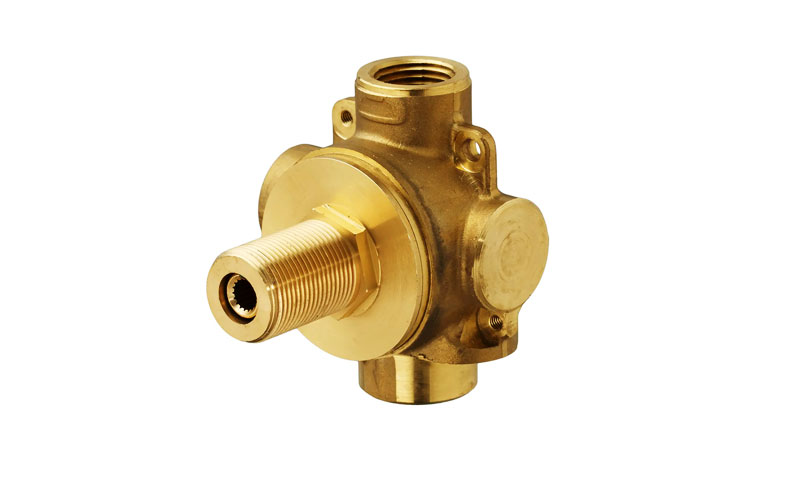
أ صمام تحويل النحاس هو جهاز متعدد المنافذ للتحكم في السوائل مصمم لإعادة التوجيه, يختار, أو توزيع تدفق السوائل بين مسارات التدفق المختلفة.
على عكس صمام الإغلاق التقليدي ثنائي المنفذ, يستخدم صمام المحول منافذ متعددة وعنصرًا داخليًا متحركًا لتحديد الممرات المتصلة في موضع تشغيل معين.
عادةً ما يكون جسم الصمام هو المكون المحتوي على الضغط. أنه يشتمل على منافذ الدخول والخروج, ممرات التدفق الداخلي, غرفة الصمام, واجهات الختم, وميزات الاتصال.
عنصر داخلي – عادةً كرة, سدادة, خرطوشة, أو آلية تشغيل المغزل - تغير مسار التدفق عند تدوير الصمام أو تشغيله.
صمام تحويل نموذجي بثلاثة منافذ, على سبيل المثال, يمكن أن تعمل في موقعين أساسيين:
المنصب أ: مدخل → مخرج أ
الموقف ب: مدخل → مخرج ب
يمكن للتكوينات الأكثر تعقيدًا دمج مسارات التدفق أو عزلها وفقًا لمتطلبات العملية.
يعتمد أداء الصمام المحول النحاسي على أكثر من قدرته على تبديل التدفق.
يجب أن يحافظ الصمام على سلامة الضغط, مقاومة التدفق التي تسيطر عليها, إغلاق موثوق, الاستقرار الأبعاد, والختم القابل للتكرار طوال فترة الخدمة المقصودة.
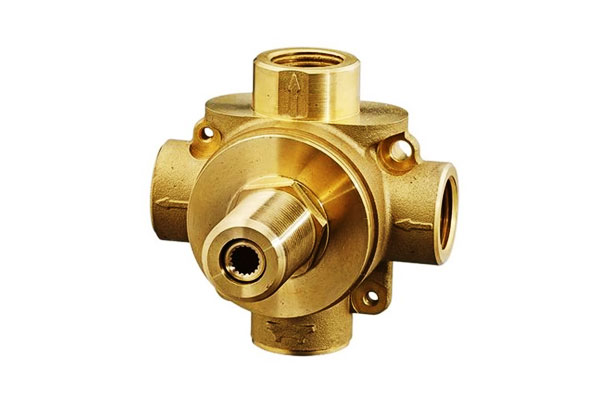
أنواع صمامات التحويل
| يكتب | وصف | التطبيقات النموذجية |
| 3-صمام تحويل الطريق | مدخل واحد, منفذين (أو العكس). | أنظمة الدش, صمامات الخلط, HVAC, التحكم في العملية. |
| 4-صمام تحويل الطريق | مدخلين, منفذين. | أنظمة التدفئة, مضخات الحرارة, تطبيقات التدفق العكسي. |
| صمام التحويل الدوار | يقوم العنصر الدوار بتحويل التدفق بين المنافذ. | نقل هوائي, التعامل مع المسحوق, المعالجة الصناعية. |
| صمام تحويل الشريحة | لوحة منزلقة تعيد توجيه التدفق. | التعامل مع المواد السائبة, جمع الغبار. |
| صمام تحويل الكرة | تدور الكرة ذات الممرات المتعددة للتدفق المباشر. | السباكة, المعالجة الكيميائية, توزيع الغاز. |
2. سبائك النحاس المشتركة لصب صمام المحول
اختيار الصحيح النحاس تعتبر السبائك أمرًا أساسيًا لسلامة الضغط, مقاومة التآكل, القابلية للآلات, الاستقرار الأبعاد, وعمر الخدمة لصمام التحويل.
لا يعد النحاس مادة واحدة، بل هو مجموعة واسعة من السبائك القائمة على النحاس والتي تتميز بتركيبات وخصائص أداء مختلفة إلى حد كبير.
لصمام تحويل مصبوب بدقة, يجب أن يأخذ اختيار السبائك بعين الاعتبار أكثر من القوة الميكانيكية.
يجب على الشركة المصنعة أيضًا تقييم سلوك الصب, متطلبات الضغط الداخلي, كيمياء السوائل, مقاومة إزالة الزنك, متطلبات التصنيع, درجة حرارة, التعرض البيئي, والقيود التنظيمية على مكونات السبائك.
بخاصة, قد تتطلب الصمامات المخصصة لمياه الشرب أو غيرها من تطبيقات ملامسة السوائل المنظمة سبائك منخفضة الرصاص أو خالية من الرصاص مؤهلة خصيصًا لهذه الخدمة.
لذلك, إن سبائك النحاس "الأفضل" تعتمد على التطبيق وليست عالمية.
سبائك النحاس شائعة الاستخدام لصب صمام المحول
| سبيكة (نحن) | الخصائص الرئيسية | تطبيقات الصمامات النموذجية |
| C84400 | قابلية صب جيدة وإمكانية التشغيل الآلي; النحاس التقليدي شبه الأحمر المحتوي على الرصاص | أجسام الصمامات المصبوبة, تجهيزات السباكة, مكونات التحكم في السوائل العامة |
| C85700 | النحاس البحري المحتوي على الرصاص; قابلية تصنيع جيدة ومقاومة للتآكل | المكونات المحتوية على الضغط المصبوب, التجهيزات الموجهة البحرية |
| C87610 | سبائك النحاس والسيليكون ذات قوة جيدة ومقاومة للتآكل; الرصاص المنخفض | مكونات خدمة المياه والمسبوكات المقاومة للتآكل عند تحديدها |
| C87800 | النحاس السيليكون; قابلية جيدة, قوة, مقاومة التآكل, وخصائص الرصاص المنخفض | أجسام صمامات خدمة المياه, تجهيزات السباكة, المكونات الصناعية |
C87850 |
نحاس السيليكون مع قابلية تصنيع جيدة, ضيق الضغط, ومقاومة التآكل | جثث الصمام, حنفيات, حالات عداد المياه, السباكة والمكونات البحرية |
| C89833 | سبيكة تحتوي على البزموت خالية من الرصاص; قابلية تصنيع جيدة ومقاومة للتآكل | مكونات تحتوي على ضغط خالية من الرصاص, تطبيقات الصمامات والسباكة الموجهة نحو مياه الشرب عند تحديدها |
| C36000 | خصائص ممتازة للتصنيع الحر | مكونات الصمامات الآلية, ينبع, التركيبات, محولات, أجزاء دقيقة صغيرة |
3. عملية صب الشمع المفقودة بصمام المحول النحاسي
ال عملية صب الشمع المفقود تم تصميم صمامات المحول النحاسية لتحويل هندسة جسم الصمام المعقدة إلى صب معدني على شكل شبكي قريب مع اتساق الأبعاد الذي يمكن التحكم فيه والسلامة الهيكلية السليمة.
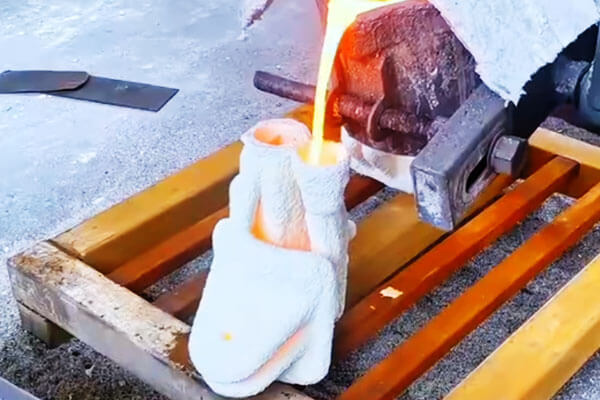
مراجعة CAD والأدوات
تبدأ العملية برسم الصمام أو نموذج CAD ثلاثي الأبعاد. قبل أن يتم إنتاج الأدوات, تتم مراجعة الهندسة لجدوى الصب واستقرار الإنتاج.
تحدد الشركة المصنعة بدل الانكماش المطلوب, بدل الآلات, انتقالات الجدار, شرائح, مواقع البوابات, وتوجيه الصب.
لصمام التحويل, يتم إيلاء اهتمام خاص للمناطق المحيطة بممرات التدفق المتقاطعة لأن التغيرات المفاجئة في سمك القسم يمكن أن تؤثر على تغذية المعادن وتصلبها.
يتم بعد ذلك تصنيع الأدوات لإعادة إنتاج الشكل الهندسي لنمط الشمع المطلوب.
إنتاج نمط الشمع
يتم حقن الشمع المنصهر في القالب الدقيق لإنشاء نمط التضحية لجسم الصمام.
تحدد جودة النموذج أساس الأبعاد للصب. درجة حرارة الحقن, ضغط, عقد الوقت, تبريد, ويجب التحكم في حالة القالب لتقليل الفلاش, تشويه, ملء غير مكتمل, واختلاف الأبعاد.
يتم فحص نمط الشمع المكتمل قبل الشروع في التجميع.
تجميع الشمع والبوابة
ترتبط أنماط الشمع الفردية بنظام ذرب مركزي لتشكيل شجرة صب.
في هذه المرحلة, تم إنشاء نظام البوابات بحيث يمكن للنحاس المنصهر أن يملأ تجويف الصمام بطريقة يمكن التحكم فيها.
يؤثر موضع البوابة وأبعاد العداء على وقت التعبئة, الاضطراب, التدرجات الحرارية, وسلوك التغذية.
للصمامات المحولة المعقدة, تم تصميم البوابات حول هندسة الجسم بأكمله, بدلاً من مجرد زيادة سرعة التعبئة إلى الحد الأقصى.
مبنى شل السيراميك
يتم غمس شجرة الشمع بشكل متكرر في ملاط السيراميك ومغطاة بالجص المقاوم للحرارة. تقوم الطبقات المتعاقبة ببناء غلاف خزفي صلب حول النموذج.
يجب أن توفر القشرة قوة كافية لإزالة الشمع وصب المعدن مع إعادة إنتاج تفاصيل السطح المطلوبة.
ضوابط العملية الأساسية هي:
اللزوجة الملاهي + حجم الجسيمات الحرارية + سمك الطبقة + ظروف التجفيف + قوة القشرة
يمكن أن يؤدي التحضير غير المتسق للقشرة إلى تشققها, تباين الأبعاد, نوعية السطح سيئة, أو فشل القشرة أثناء الصب.
إزالة الشمع وإطلاق الصدفة
يتم تسخين الغلاف الخزفي لإزالة نمط الشمع وإنشاء التجويف السلبي لجسم الصمام.
بعد إزالة شمع, يتم حرق القشرة لإزالة المواد العضوية المتبقية وتطوير قوة المقاومة الحرارية المطلوبة والثبات الحراري.
يجب أن يكون قالب السيراميك الناتج نظيفًا, جاف, وسليمة من الناحية الهيكلية قبل إدخال النحاس المنصهر.
ذوبان النحاس والتحكم في السبائك
يتم ذوبان سبائك النحاس المختارة تحت ظروف خاضعة للرقابة.
الهدف الرئيسي هو التأكد من أن المعدن المنصهر يفي بالمواصفات المحددة التركيب الكيميائي ومتطلبات النظافة قبل أن تتدفق.
وهذا مهم بشكل خاص للصمامات المخصصة حيث قد تعتمد خصائص المواد والمتطلبات التنظيمية على درجة معينة من السبائك.
يتضمن التحكم في العمليات عادة:
- مواد الشحن التي تم التحقق منها
- مراقبة درجة حرارة الذوبان
- التحليل الكيميائي
- السيطرة على الخبث والأكسيد
- تحديد الحرارة وتتبعها
صب تسيطر عليها
يتم تعبئة الغلاف الخزفي المسخن مسبقًا بالنحاس المنصهر من خلال نظام البوابات المصمم.
يجب أن تتوافق درجة حرارة الصب ومعدل التعبئة مع هندسة السبائك والصمام.
يجب أن يظل المعدن سائلاً بدرجة كافية لملء المقاطع الرقيقة والممرات المعقدة دون اضطراب مفرط أو تصلب سابق لأوانه.
تسعى عملية الصب التي يتم التحكم فيها جيدًا إلى تحقيقها:
ملء كامل + تدفق مستقر + الحد الأدنى من الجرف + الظروف الحرارية التي تسيطر عليها
التصلب والتغذية
بعد التعبئة, يبدأ النحاس في التصلب. لأن جسم الصمام قد يحتوي على سمك جدار مختلف, الرؤساء, وتقاطعات المرور, مناطق مختلفة يمكن أن تبرد بمعدلات مختلفة.
لذلك يجب أن يدعم تصميم الصب عملية التصلب المتحكم فيها والتغذية الكافية للمعادن المتقلصة.
يمكن أن يؤدي التحكم الضعيف في التصلب إلى حدوث عيوب مثل:
- مسامية انكماش
- انكماش التجاويف
- الانقطاعات المتعلقة بالغاز
- تكسير ساخن
لأجسام الصمامات المعقدة, يمكن استخدام محاكاة الصب للتنبؤ بسلوك التعبئة والتجميد وتحسين نظام البوابات والتغذية قبل الإنتاج.
قصا
بمجرد أن يبرد الصب بما فيه الكفاية, تتم إزالة القشرة الخزفية ميكانيكيًا.
اهتزاز, الفصل الميكانيكي, أو يمكن استخدام طرق أخرى مناسبة اعتمادًا على المكون ونظام الإنتاج.
يجب توخي الحذر أثناء الضربة القاضية لأن القوة الميكانيكية المفرطة يمكن أن تلحق الضرر بالأجزاء الرقيقة, ميزات الميناء, أو يلقي الأسطح.
إزالة البوابة والناهض
الذروة, المتسابقين, بوابات, ويتم قطع الناهضون من صب الصمام.
يتم اختيار مواقع القطع بحيث لا تؤدي عملية الإزالة إلى الإضرار بالمناطق الوظيفية أو ترك مواد زائدة قد تؤدي إلى تعقيد عملية المعالجة اللاحقة.
تقوم هذه المرحلة بتحويل شجرة الصب الاستثمارية إلى صب جسم صمام فردي.
صب التشطيب
يخضع الصب النظيف للطحن, التفجير, أو غيرها من عمليات التشطيب المناسبة لإزالة بقايا السيراميك, زعانف, فلاش, وبقايا البوابة.
الهدف هو إنتاج صب نظيف ومستقر مناسب للفحص والتصنيع اللاحق.
الأهم من ذلك, لا ينبغي استخدام التشطيب لإخفاء انقطاعات الصب غير المقبولة. المناطق التي سوف تصبح حدود الضغط, السطح الختم, أو تتطلب بيانات المعالجة الحرجة اهتمامًا خاصًا.
4. التصنيع باستخدام الحاسب الآلي لسبائك صمامات النحاس النحاسية
يحدد صب الشمع المفقود الشكل الهندسي الرئيسي لصمام المحول النحاسي, ولكنها عادةً لا توفر الدقة النهائية المطلوبة للواجهات المهمة.
تصنيع CNC وبالتالي فهو الجسر بين صب الشكل القريب من الشبكة وصمام الدقة الوظيفي.
يجب ألا تحقق عملية التصنيع الأبعاد الفردية فقط; يجب أن تحافظ على العلاقة الهندسية بين المنافذ, ممرات التدفق, مقاعد الصمام, السطح الختم, ينبع, واجهات المحرك.
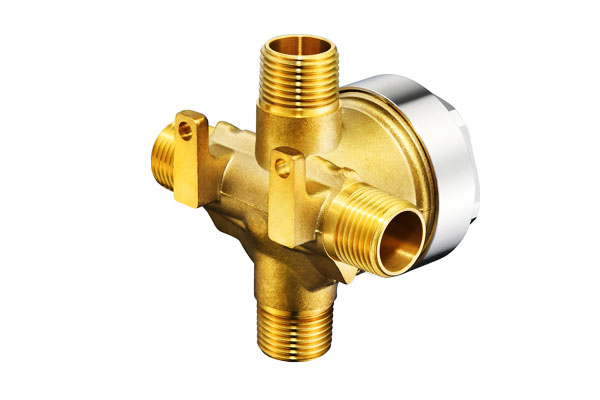
تسلسل الإنتاج النموذجي هو:
فحص الصب ← إنشاء المسند ← المعالجة الخشنة ← معالجة التجويف / المنفذ ← معالجة الخيط ← معالجة المقعد والأخدود ← معالجة واجهة المحرك ← إزالة الأزيز ← فحص الأبعاد
يعتمد التسلسل الدقيق على بنية الصمام.
معالجة منافذ الصمامات والتجويف الداخلي
تحدد منافذ الدخول والخروج اتصال الصمام بنظام السوائل الخارجي. اعتمادا على تصميم الصمام, قد تستخدم هذه الواجهات:
- NPT أو غيرها من خيوط الأنابيب المدببة
- خيوط BSP أو BSPP/BSPT
- المواضيع متري أو مخصصة
- واجهات الضغط
- اتصالات ذات حواف
- مختلط أو هندسة اتصال متخصصة
يجب أن تتحكم عملية تصنيع المنفذ في كل من البعد والموضع.
لا يزال من الممكن أن يتسبب الخيط المُشكل بشكل صحيح في حدوث مشكلات في التجميع إذا تم وضع محور المنفذ بشكل غير صحيح بالنسبة لجسم الصمام أو المنافذ المجاورة.
للممرات الداخلية المتقاطعة, قد تنطوي عملية التصنيع على الحفر, ممل, الحفر المتقاطع, أو مزيج من ميزات الصب والتشكيل.
يجب فحص الانتقال بين هذه الممرات بعناية لأن المفاجأة المفرطة يمكن أن تزيد من فقدان الضغط والاضطراب.
في التصاميم المخصصة, يمكن أن ينتج الصب غالبية بنية التدفق بينما تقوم الآلات CNC بإنهاء الفتحات والواجهات الوظيفية.
التصنيع الدقيق لمقاعد الصمامات
يعد مقعد الصمام من بين أهم ميزات الصمام المحول لأنه يشكل واجهة تحد من تسرب السوائل غير المرغوب فيه.
يعتمد أداء المقعد على عدة خصائص تعمل معًا:
تركيز + هندسة الاتصال + الانتهاء من السطح + التسطيح / الاستدارة + توافق المواد
قد يؤدي مقعد الصمام الذي يلبي قطره الاسمي ولكنه غير متحد المركز مع عنصر الصمام إلى حدوث تلامس غير متساوٍ.
بصورة مماثلة, يمكن أن يتداخل السطح الخشن للغاية مع الختم, في حين أن هندسة السطح غير الصحيحة يمكن أن تزيد من عزم الدوران التشغيلي.
ولذلك ينبغي تحديد التسامح المناسب للمقعد والانتهاء من السطح وفقًا لتصميم الصمام المعين, عنصر الختم, تصنيف الضغط, ومتطلبات التسرب.
تصنيع الخيوط
تعتبر الخيوط شائعة في الصمامات المحولة النحاسية لأنها توفر وصلات مدمجة واقتصادية.
يمكن استخدام التصنيع باستخدام الحاسب الآلي لكل من الخيوط الداخلية والخارجية. تشمل المعلمات الحرجة:
- القطر الرئيسي
- القطر الصغير
- يقذف
- ملف تعريف الموضوع
- القطر الفعال
- عمق الخيط
- تركيز
- الانتهاء من السطح
غالبًا ما تستخدم مقاييس الخيوط للتحقق من الإنتاج, بينما يمكن لفحص الأبعاد تأكيد الهندسة الأساسية.
لأن النحاس قابل للتشكيل نسبيًا, وهو يدعم إنتاج الخيوط بكفاءة, ولكن لا تزال هناك حاجة إلى مطابقة استراتيجية القطع مع السبيكة المعينة.
يمكن أن تتصرف بعض سبائك النحاس الخالية من الرصاص بشكل مختلف عن درجات التصنيع الحرة التقليدية وقد تتطلب أدوات ومعلمات قطع محسنة.
تصنيع الحلقات والأخدود
حيث يتم استخدام الأختام المرنة, يعد الأخدود الدائري عبارة عن ميزة دقيقة وليست فترة راحة بسيطة.
تحدد أبعادها ضغط الختم وبالتالي تؤثر على أداء التسرب. عرض الأخدود غير صحيح, عمق, هندسة الزاوية, أو يمكن أن تسبب حالة السطح:
- الختم غير كاف
- الضغط المفرط
- قذف الختم
- صعوبة التجميع
- ارتداء الختم المبكر
وبالتالي، يجب أن تحافظ عملية التصنيع على هندسة الأخدود المحددة مع حماية سطح الختم المحيط.
5. خيارات التشطيب السطحي للصمامات المحولة النحاسية
لمكونات الصمام المخصصة, يجب اختيار التشطيب السطحي مع السبائك, عملية التصنيع, التحمل الأبعاد, وبيئة التشغيل.
ليست كل عملية تشطيب مناسبة لكل سطح.
بخاصة, مقاعد الصمام, المواضيع, واجهات الختم, وقد تتطلب الممرات المبللة ظروف تشطيب يتم التحكم فيها بإحكام لتجنب تغيير أبعادها الوظيفية.
التلميع الميكانيكي
يستخدم التلميع الميكانيكي وسائط كاشطة أكثر دقة لإزالة علامات التشغيل الآلي, مخالفات سطحية طفيفة, والعيوب السطحية المتعلقة بالصب من سطح النحاس.
حسب المظهر المطلوب, يمكن أن تتراوح العملية من التشطيب الكاشط الأساسي إلى التلميع شديد اللمعان.
المزايا:
- ينتج سطح نحاسي أملس وجذاب
- يحسن المظهر البصري
- يقلل من علامات المعالجة والصب المرئية
- يوفر ركيزة فعالة للطلاء اللاحق
- يمكن أن يحسن تجانس السطح على أسطح الصمامات الخارجية
طلاء النيكل
يقوم طلاء النيكل بترسيب طبقة من النيكل يمكن التحكم فيها على سطح النحاس المُجهز, عادة من خلال عملية الطلاء الكهربائي.
تعد المعالجة المسبقة المناسبة ضرورية لضمان التصاق جيد بين الركيزة النحاسية والطلاء.
المزايا:
- يحسن مقاومة التآكل
- يوفر صلابة سطحية أكبر من النحاس غير المعالج
- يحسن ارتداء المقاومة
- يعطي مظهرًا معدنيًا موحدًا
- مناسبة للمكونات المعرضة للرطوبة والتعامل معها
- يمكن أن توفر طبقة أساسية لأنظمة التشطيب الزخرفية أو الوظيفية
طلاء الكروم
يطبق طلاء الكروم طبقة سطحية قائمة على الكروم فوق ركيزة معدة بشكل مناسب, في كثير من الأحيان على طلاء النيكل.
تنتج العملية صعوبة, سطح مشرق مع مقاومة جيدة للتآكل والتشويه.
المزايا:
- مظهر ديكور ممتاز
- صلابة سطحية عالية
- مقاومة ارتداء جيدة
- مقاومة جيدة للتشويه والتعرض للغلاف الجوي
- مناسبة لمكونات الصمام المكشوفة وأجهزة السباكة الزخرفية
طلاء النيكل بالكهرباء
يقوم طلاء النيكل غير الكهربائي بترسيب طبقة من النيكل والفوسفور أو طلاء سبائك النيكل ذي الصلة من خلال تفاعل كيميائي تحفيزي ذاتي بدلاً من الاعتماد على تيار كهربائي خارجي مباشر.
يتيح ذلك سماكة طلاء موحدة نسبيًا عبر الأشكال الهندسية المعقدة.
المزايا:
- سمك طلاء أكثر اتساقًا على الأسطح المعقدة
- مقاومة تآكل جيدة
- مقاومة جيدة للتآكل والتآكل
- مناسبة للهندسة راحة وغير منتظمة
- يوفر حماية سطحية يمكن التحكم فيها مع تراكم أبعاد يمكن التنبؤ به نسبيًا
- مفيد لمكونات الصمامات الصناعية التي تتطلب الحماية واتساق الأبعاد
لمسة نهائية دقيقة للسطح
للأسطح الوظيفية مثل مقاعد الصمام, بورز, المواضيع, وواجهات الختم, غالبًا ما يتم إنتاج اللمسة النهائية المطلوبة مباشرة من خلال التصنيع باستخدام الحاسب الآلي الذي يتم التحكم فيه, تحول جيد, ممل, طحن, أو عمليات دقيقة أخرى بدلاً من الطلاء الزخرفي.
المزايا:
- يحافظ على التحكم الدقيق في الأبعاد
- تمكن هندسة الختم دقيقة
- يدعم خشونة السطح التي يمكن التحكم فيها
- يتجنب تراكم الطلاء غير الضروري على الواجهات المهمة
- يوفر التجميع المتوقع والأداء الوظيفي
- مناسبة بشكل خاص لمقاعد الصمام, بورز, المواضيع, وأسطح الاتصال الختم
6. مزايا صب الشمع المفقود للصمامات المحولة النحاسية
يوفر صب الشمع المفقود مزايا فريدة لتصنيع صمامات التحويل التي لا يمكن مطابقتها بطرق صب أو تشكيل بديلة.
دقة الأبعاد لا مثيل لها & التكرار
يحقق صب الاستثمار ±0.05–0.1 مم لكل 25 ملم كما يلقي التسامح, مع التكرار المستمر عبر كميات الإنتاج العالية.
وهذا يقلل من مخزون الآلات, يقلل من تراكم التسامح, ويضمن التجميع القابل للتبديل.
الهندسة الداخلية المعقدة & تحسين التدفق
يمكن أن ينتج الشمع المفقود أشكالًا هندسية معقدة للمنافذ الداخلية, انتقالات التدفق السلس, والممرات المحددة التي قد تكون مستحيلة باستخدام صب الرمل أو غير اقتصادية للآلة.
تعمل مسارات التدفق الداخلي المحسنة على تقليل الاضطراب, انخفاض الضغط, وتدفق الضوضاء.
تشطيب فائق للسطح المصبوب
تنتج طبقة الوجه الخزفية الدقيقة تشطيب سطح مصبوب Ra 1.6–3.2 ميكرومتر, تقليل وقت المعالجة وتحسين أداء سطح الختم.
تعمل الأسطح المصبوبة الملساء أيضًا على تقليل التآكل الناجم عن التدفق داخل ممرات السوائل.
الحد الأدنى من مخزون الآلات & كفاءة المواد
يتطلب الصب على شكل شبه شبكي فقط 0.8-1.5 مم من مخزون المعالجة لكل جانب, مقارنة بـ 3-6 ملم لصب الرمل.
وهذا يقلل من هدر المواد بنسبة 40-60% ويقلل وقت المعالجة بشكل كبير.
مرونة السبائك & صياغة مخصصة
يعمل صب الشمع المفقود مع أي سبيكة نحاسية تقريبًا, السماح بتركيبة سبائك مخصصة لتتناسب مع التآكل المحدد, قوة, أو المتطلبات التنظيمية دون تغييرات كبيرة في الأدوات.
سلامة الضغط المستمر & مقاومة التسرب
تقضي الأجسام المصبوبة ذات القطعة الواحدة على مسارات التسرب المجمعة. التصلب المتحكم فيه يقلل من المسامية الداخلية, ضمان أداء محكم الضغط يجتاز اختبار تسرب ضغط العمل 1.5 مرة.
7. صب الشمع المفقود مقابل. صمامات محوّل نحاسية مزورة
ينتج كل من الصب والتزوير مكونات الصمامات النحاسية, ولكنها تخدم سيناريوهات تصميم وأداء متميزة.
| البعد الأداء | فقدت الصمامات النحاسية المصبوبة بالشمع | صمامات نحاس مزورة |
| دقة الأبعاد | ±0.05 – ±0.1 مم/25 مم مصبوب; أكثر إحكاما بعد التصنيع | ±0.02 – ±0.05 ملم; متسقة للغاية |
| تعقيد الهندسة الداخلية | عالية جدًا — منافذ معقدة, ممرات محيطية, تصميمات متعددة المنافذ | محدودة - الأشكال المحورية البسيطة فقط; الميزات الداخلية العميقة غير ممكنة |
| ضغط & مقاومة التعب | جيد للضغط القياسي; تعتمد على المسامية | ممتاز; مقاومة أعلى للتعب وضغط الانفجار |
| مدى ملاءمة حجم الإنتاج | 500 - 50,000 PCS/Year | 10,000 - 500,000+ PCS/Year |
| تكلفة الأدوات & مهلة | تكلفة الأدوات المعتدلة; 4– مهلة 6 أسابيع | تكلفة أدوات عالية; 6– مهلة 10 أسابيع |
| إجمالي تكلفة الوحدة | متوسطة عالية لحجم منخفض; قادرة على المنافسة في الحجم المتوسط | عالية في مستوى الصوت المنخفض; أدنى مستوى صوت مرتفع جدًا |
| سيناريوهات التطبيق المثالي | أجسام معقدة متعددة المنافذ, مسارات التدفق المحددة, حجم متوسط | تصاميم محورية بسيطة, الضغط العالي, التعب دورة عالية, حجم مرتفع جدًا |
8. تطبيقات صمامات المحول النحاسية
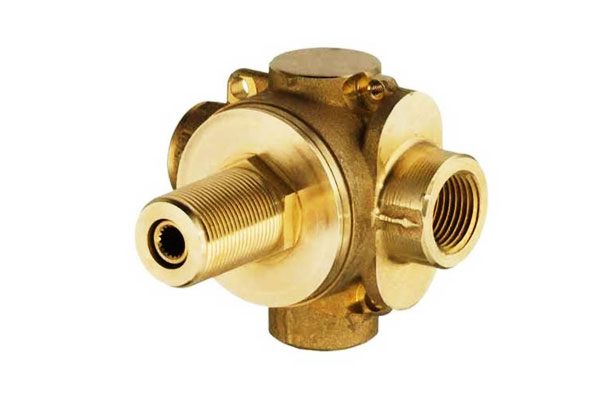
السباكة وتوزيع المياه
تُستخدم صمامات المحول النحاسية على نطاق واسع في أنظمة السباكة لإعادة توجيه المياه بين المنافذ المختلفة, دوائر, أو تركيبات.
تصميمها المدمج, مقاومة التآكل, وقابلية التصنيع الجيدة تجعلها مناسبة لكل من معدات التحكم في المياه السكنية والتجارية.
وتشمل التطبيقات النموذجية:
- أنظمة الدش
- جمعيات الحنفية
- معدات توزيع المياه
- أنظمة الخلط والتوجيه
- معدات السباكة المنزلية
أنظمة التدفئة والتهوية وتكييف الهواء (HVAC) والتدفئة
تُستخدم صمامات المحول النحاسية بشكل شائع في أنظمة التدفئة والتهوية وتكييف الهواء (HVAC) والتدفئة المائية للتحكم في اتجاه دوران المياه والسوائل المتوافقة الأخرى..
يمكن للصمام تبديل التدفق بين دوائر التسخين, خطوط الالتفافية, أو الحلقات الثانوية.
وتشمل التطبيقات النموذجية:
- أنظمة التدفئة المبرد
- أنظمة التدفئة تحت البلاط
- دوائر تداول HVAC
- أنظمة المضخات الحرارية
- الغلايات ومعدات التدفئة
أنظمة الري
في معدات الري, يمكن استخدام صمامات المحول النحاسية لتوجيه المياه بين الفروع أو المناطق المختلفة.
إن مقاومتها للتآكل وبنيتها القوية تجعلها مناسبة لتبديل التدفق المتكرر في البيئات الخارجية.
وتشمل التطبيقات النموذجية:
- أنظمة الري الزراعية
- معدات ري الحدائق
- أنظمة الرش
- الري الدفيئة
- مشعبات توزيع المياه
معدات معالجة المياه
يمكن دمج صمامات المحول النحاسية في أنظمة معالجة المياه المدمجة حيث يلزم تحديد مسارات تدفق مختلفة أو عزلها.
يكون الصب الدقيق مفيدًا بشكل خاص عندما يتطلب جسم الصمام ممرات داخلية مخصصة.
وتشمل التطبيقات النموذجية:
- أنظمة ترشيح المياه
- معدات تنقية المياه
- أنظمة التليين
- تجميعات المضخة والترشيح
- وحدات التحكم في معالجة المياه
الأجهزة والمعدات السكنية
تُستخدم أيضًا صمامات المحول النحاسية المدمجة في الأجهزة حيث يجب إعادة توجيه الماء أو أي سائل آخر متوافق بين الدوائر الداخلية المختلفة.
وتشمل التطبيقات النموذجية:
- معدات القهوة والمشروبات
- اجهزة غسيل
- سخانات المياه
- معدات التنظيف
- أجهزة التحكم في المياه السكنية
معدات التحكم في السوائل الصناعية
قد تستخدم المعدات الصناعية صمامات محولة نحاسية لتوجيه المياه, زيت, هواء, أو غيرها من السوائل المتوافقة حيث الضغط, درجة حرارة, والبيئة الكيميائية ضمن حدود تصميم المواد والصمامات.
وتشمل التطبيقات النموذجية:
- أنظمة المضخات
- الضواغط والمعدات المساعدة
- آلات معالجة السوائل
- أنظمة التبريد الصناعية
- تجميعات المعدات المخصصة
الأنظمة التجارية والمتخصصة
تعتبر صمامات المحول النحاسية المخصصة أيضًا مناسبة لمصنعي المعدات التي تتطلب مكونًا مدمجًا للتحكم في التدفق متعدد المنافذ مصممًا حول مجموعة معينة أو دائرة سائلة.
وتشمل التطبيقات النموذجية:
- معدات السباكة التجارية
- أنظمة تداول المياه
- مجمعات المعدات
- تجميعات التحكم في السوائل OEM
- الآلات المخصصة ومعدات العمليات
9. لماذا تختار صناعة LangHe لصب الشمع المفقود بصمام المحول النحاسي & الآلات?
لصمامات تحويل النحاس المخصصة, إن اختيار الشركة المصنعة لا يعني مجرد العثور على مورد يمكنه صب النحاس.
يعتمد المكون النهائي على تنسيق هندسة الصب, اختيار السبائك, تصنيع CNC, التشطيب السطح, التحكم الأبعاد, والاختبار الوظيفي.
صناعة لانغي تقترب من إنتاج صمام المحول النحاسي المخصص كمشروع تصنيع متكامل, السماح بتطوير مراحل الصب والتصنيع معًا وفقًا للمتطلبات الوظيفية للعميل.
| القدرة | تفاصيل |
| مواد | C84400, C85700, C87610, C87800, C87850, C89833, C36000. |
| عملية الصب | فقدت الشمع المفقود (صب الاستثمار). |
| التسامح | ± 0.1-0.3 مم (CT5-CT7 لكل ISO 8062). |
| تصنيع CNC | تحول CNC, الطحن, حفر, التنصت, ممل, توسيع, الخيوط. |
| جودة | ISO 9001:2015 معتمد; 100% تقتيش; CMM. |
| مهلة | 6– 12 أسبوعًا للأدوات; 2– 4 أسابيع للطلبات المتكررة. |
10. خاتمة
صمام المحول النحاسي هو مكون مدمج, لكن متطلبات التصنيع الخاصة بها مترابطة بشكل كبير.
يجب أن يحتوي جسم الصمام على الضغط, توفير مسارات تدفق دقيقة, استيعاب عنصر الصمام الداخلي, الحفاظ على واجهات الختم, والاتصال بشكل موثوق مع الأنابيب أو المعدات الخارجية.
للتصاميم المخصصة المعقدة, يوفر صب الشمع المفقود طريقة فعالة لإنشاء الشكل الهندسي الرئيسي لجسم الصمام, بما في ذلك المنافذ المخصصة, الرؤساء, التحولات, والهندسة المعمارية الداخلية المناسبة.
التصنيع باستخدام الحاسب الآلي ثم يجلب الخيوط, بورز, مقاعد الصمام, الأخاديد الختم, وواجهات المحرك بالدقة المطلوبة.
اختيار المواد لا يقل أهمية. توفر سبائك النحاس المختلفة مجموعات مختلفة من قابلية الصب, القابلية للآلات, القوة الميكانيكية, مقاومة التآكل, والملاءمة التنظيمية.
ولذلك يجب أن يعتمد الاختيار الصحيح على السوائل الفعلية وبيئة التشغيل.
تجمع صناعة LangHe بين صب النحاس الدقيق والتصنيع باستخدام الحاسب الآلي لدعم إنتاج صمام المحول المخصص بدءًا من مراجعة التصميم الأولية وحتى فحص المكونات النهائية, مساعدة عملاء OEM على تحويل مفاهيم الصمامات المعقدة إلى منتجات قابلة للتصنيع وقابلة للتكرار.
التعليمات
ما هو صمام التحويل النحاسي?
صمام المحول النحاسي هو جهاز متعدد المنافذ للتحكم في السوائل يستخدم لإعادة توجيه السائل أو توزيعه بشكل انتقائي بين مسارات التدفق المختلفة.
يحدد عنصر الصمام الداخلي الخاص به المنافذ المتصلة في كل موضع تشغيل.
لماذا يشيع استخدام النحاس في صمامات التحويل؟?
يوفر النحاس مزيجًا مفيدًا من مقاومة التآكل, القابلية للآلات, القوة الميكانيكية, قابلية القابلية, وكفاءة التكلفة.
هذه الخصائص تجعلها مناسبة للعديد من المياه, HVAC, السباكة, جهاز, وتطبيقات التحكم في السوائل الصناعية.
لماذا نستخدم صب الشمع المفقود لصمام محول نحاسي?
يعد صب الشمع المفقود مفيدًا بشكل خاص عندما يحتوي جسم الصمام على هندسة معقدة, منافذ متعددة, زعماء متكاملون, أو ممرات التدفق المخصصة.
إنها تنتج جسمًا شبه شبكي يمكن تشكيله لاحقًا باستخدام الحاسب الآلي.
هل يمكن استخدام صمامات التحويل النحاسية لمياه الشرب؟?
يمكن أن يكونوا كذلك, بشرط أن يفي بناء الصمام الكامل بالمتطلبات المعمول بها لخدمة مياه الشرب.
سبائك النحاس, محتوى الرصاص, مكونات مبللة, عملية التصنيع, والامتثال للمنتج المطلوب يجب أخذه في الاعتبار.