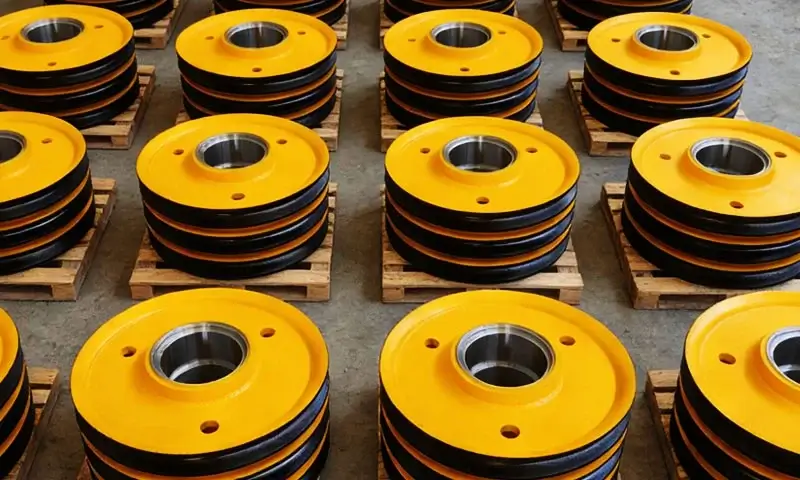
يوفر الصب الدقيق طريقًا فعالاً لتصنيع الحزم الرافعة المخصصة لأنه يمكن أن يعيد إنتاج أشكال هندسية معدنية معقدة نسبيًا مع الحفاظ على اتساق الأبعاد الذي يمكن التحكم فيه وتوفير نقطة بداية شبه شبكية للتصنيع اللاحق.
عند دمجها مع اختيار السبائك المناسب, المعالجة الحرارية التي تسيطر عليها, تصنيع CNC, والتفتيش غير المدمر, يمكن أن ينتج الصب الدقيق حزمًا مصممة خصيصًا لأنظمة الحبال السلكية وتطبيقات الرفع المحددة.
الهدف الهندسي ليس مجرد إنتاج حزمة تناسب التجميع.
الهدف هو تصنيع مكون يتمتع بسلامة الصب, الخصائص الميكانيكية, هندسة الأخدود, دقة الأبعاد, وتظل حالة السطح مناسبة طوال دورات الخدمة المتكررة.
هذا المقال يفحص الحزم رافعة الصب الدقة من منظور تصميم المكونات, هندسة المواد, إنتاج مسبك, الآلات, ضبط الجودة, وأداء التطبيق.
1. ما هو رافعة الحزم?
أ إحزم الرافعة هي عجلة مخددة تستخدم للتوجيه, إعادة التوجيه, يدعم, أو توزيع حبل سلكي داخل رافعة أو آلية رفع أخرى.
يمتد الحبل السلكي حول محيط الحزم, بينما تدور الحزم حول عمود, دبوس, أو المحور المدعوم بالمحمل.
اعتمادا على تكوين الرافعة, يمكن تركيب حزمة واحدة أو أكثر في كتلة الحزم, نظام التنقيح, رأس الطفرة, تجميع العربة, أو آلية رفع أخرى.
الغرض الأساسي من الحزم واضح ومباشر: إنه يغير اتجاه الحبل السلكي ويسمح للحبل بالتحرك تحت الحمل مع تقليل الاحتكاك والانحناء المتحكم فيه.
وظيفتها الميكانيكية الفعلية, لكن, هو أكثر تطلبا إلى حد كبير.
عندما يمر حبل سلكي محمّل فوق الحزم, يتم ثني الحبل بشكل متكرر وعدم ثنيه. يدعم أخدود الحزم الحبل ويوزع قوى الاتصال على منطقة محددة.
في نفس الوقت, يجب أن تتحمل الحزم نفسها القوى المنقولة عبر الحبل دون تشوه مفرط, تكسير, يرتدي, أو فقدان المحاذاة.
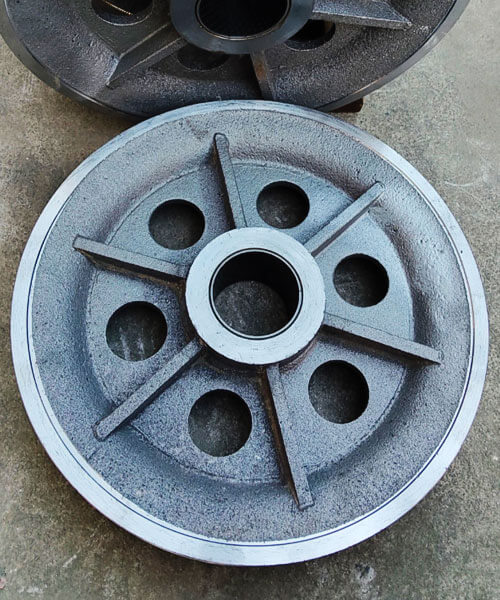
هيكل إحزم الرافعة الأساسي
تتكون حزمة الرافعة التقليدية عمومًا من عدة مجالات وظيفية:
| عنصر | الوظيفة الأساسية | الاعتبارات الهندسية الرئيسية |
| إحزم الجسم | يدعم الحبل وينقل الحمل | قوة, صلابة, سلامة الصب |
| حبل الأخدود | يستقبل ويوجه الحبل السلكي | نصف القطر, عمق, حساب تعريفي, الانتهاء من السطح |
| مَركَز | يربط الحزم بالدعم الدوار | نقل الحمل, سمك الجدار |
| التجويف | يستوعب ترتيب العمود أو المحمل | قطر, تسامح, تركيز |
| الشفاه | يساعد على الاحتفاظ بالحبل السلكي | ارتفاع, صلابة, التخليص |
| تحمل مقعد | يدعم المحمل حيثما ينطبق ذلك | دقة الأبعاد, الانتهاء من السطح |
| Keyway / ميزات التركيب | ينقل عزم الدوران أو يؤمن التجميع | موضع, الهندسة, تنسيق |
2. المواد المشتركة لحزم الرافعة
يعد اختيار المواد أحد أهم القرارات في تصنيع أحزمة الرافعة المخصصة لأن المادة تؤثر على القوة, صلابة, ارتداء المقاومة, سلوك التعب, مقاومة التآكل, القابلية للآلات, استجابة المعالجة الحرارية, وأداء الصب.
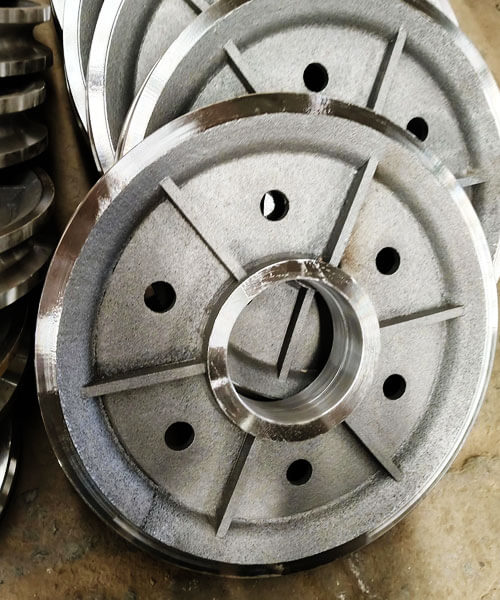
المسبوكات الصلب الكربونية
ينطبق الفولاذ الكربوني على نطاق واسع على المكونات الصناعية العامة لأنه يوفر مزيجًا مفيدًا من القوة, صلابة, القابلية للآلات, قابلية اللحام, وكفاءة التكلفة.
لحزم الرافعة, قد يكون الفولاذ الكربوني مناسبًا عندما لا تتطلب ظروف الخدمة القوة المحسنة, الصلابة, أو مقاومة التآكل المرتبطة بمواد أكثر سبائكًا.
يجب اختيار درجة الفولاذ الدقيقة وفقًا للخصائص الميكانيكية المطلوبة, حجم قسم الصب, حالة المعالجة الحرارية, بيئة التشغيل, والمواصفات الفنية المعمول بها.
سبائك الصلب المسبوكات
تصبح سبائك الفولاذ جذابة عندما تتعرض الحزم لأحمال أكثر تطلبًا أو عند زيادة الصلابة, صلابة, قوة, أو مطلوب مقاومة التآكل.
عناصر صناعة السبائك مثل المنغنيز, الكروم, الموليبدينوم, ويمكن استخدام النيكل في مجموعات مختلفة لتعديل استجابة المادة للمعالجة الحرارية وتحميل الخدمة.
لحزم الرافعة الثقيلة, إن فائدة سبائك الفولاذ ليست مجرد قوة أعلى. يمكن أن يساعد التصميم الصحيح للسبائك في تحقيق مزيج أكثر توازناً من:
قوة + صلابة + مقاومة التعب + الصلابة + ارتداء المقاومة
يعد هذا التوازن مهمًا بشكل خاص عندما تحتوي الحزم على أقسام سميكة نسبيًا حيث يمكن أن تصبح الاستجابة الموحدة للمعالجة الحرارية أكثر صعوبة.
الفولاذ المقاوم للصدأ
يمكن اعتبار الفولاذ المقاوم للصدأ لحزم الرافعات المتخصصة المعرضة لظروف التآكل, بما في ذلك البحرية, ساحلية, في الخارج, كيميائية, أو بيئات الغسيل.
لكن, لا ينبغي اعتبار الفولاذ المقاوم للصدأ الخيار الأفضل تلقائيًا لأنه يتمتع بمقاومة فائقة للتآكل.
يجب أن يأخذ اختيار المواد بعين الاعتبار التحميل الميكانيكي, سلوك الارتداء, يكلف, متطلبات التصنيع, والتآكل الفعلي للبيئة.
للعديد من تطبيقات الرفع الثقيلة, يمكن أن يكون الكربون أو سبائك الصلب المصمم بشكل صحيح مع نظام الحماية المناسب أكثر عملية من الفولاذ المقاوم للصدأ.
الحديد الدكتايل
يمكن أن يوفر حديد الدكتايل خصائص صب جذابة بالإضافة إلى قوة مفيدة, صلابة, ارتداء المقاومة, التخميد الاهتزاز, والاستقرار الأبعاد.
تعتمد إمكانية تطبيقه بشدة على متطلبات التصميم والتحميل.
لا ينبغي أن يتم اختياره فقط لأن قابليته للصب مواتية; يجب تقييم التحميل الميكانيكي الكامل وعواقب الفشل للتطبيق.
3. عملية الصب الدقيقة لحزم الرافعة
يعد الصب الدقيق طريقة تصنيع فعالة لإنتاج حزم الرافعة ذات التشكيلات المعقدة, محاور متكاملة, التحولات الهيكلية, وغيرها من الأشكال الهندسية التي قد يكون تصنيعها مكلفًا أو غير فعال بالكامل عن طريق التشغيل الآلي.
لحزم الرافعة المخصصة, صب الاستثمار (صب الشمع المفقود) تعتبر ذات قيمة خاصة لأن العملية يمكن أن تنتج أشكالًا هندسية معقدة مع تفاوتات صب ضيقة نسبيًا وبنية على شكل شبكة قريبة, في حين تحدد الآلات CNC اللاحقة الأبعاد الوظيفية الحرجة.
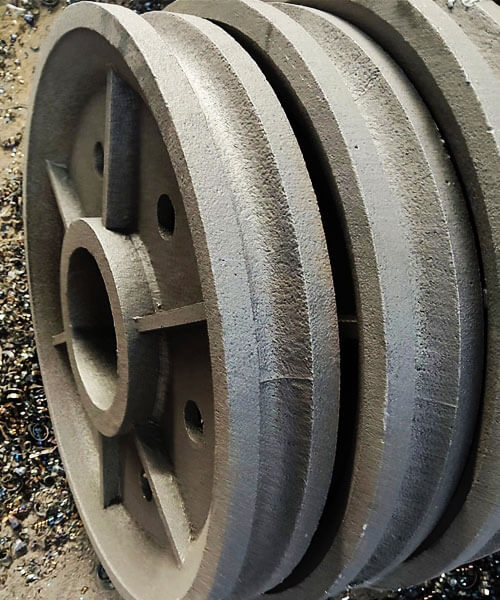
صب الاستثمار (صب الشمع المفقود) عملية
| منصة | خطوة العملية | وصف | الضوابط الرئيسية |
| 1. هندسة & الأدوات | تحليل سوق دبي المالي | تتم مراجعة الرسم ثنائي الأبعاد أو نموذج CAD ثلاثي الأبعاد للتأكد من جدوى الصب, سمك الجدار, التحولات, انكماش, مخصصات الآلات, ومتطلبات البوابات. | محاكاة الصب; متطلبات الأبعاد; مسودة; نصف قطر فيليه; بدل الآلات |
| 2. إنتاج الأنماط | حقن الشمع | يتم حقن الشمع في أداة دقيقة لإنتاج نمط قرباني دقيق يمثل هندسة حزمة الرافعة. | درجة حرارة الشمع; ضغط الحقن; الضغط على الضغط; وقت الدورة; أبعاد النمط |
| فحص النمط | يتم فحص أنماط الشمع بحثًا عن التشويه, ملء غير مكتمل, فلاش, تباين الأبعاد, وعيوب السطح. | أبعاد النمط; التفتيش البصري; الاتساق الأبعاد | |
| 3. تجميع نمط | تجميع الشجرة | يتم ربط أنماط الشمع الفردية بنظام ذرب مركزي مع مجاري وبوابات مصممة لتوفير تدفق معدني يمكن التحكم فيه. | تخطيط البوابات; اتجاه النمط; التباعد; أبعاد عداء |
| 4. مبنى شل | طلاء الطين | يتم غمس مجموعة الشمع بشكل متكرر في ملاط السيراميك وتغطيتها بالجص المقاوم للحرارة لإنشاء غلاف سيراميك متعدد الطبقات. | اللزوجة الملاهي; سمك الطبقة; وقت التجفيف; رطوبة; حجم الجسيمات الجص |
| تعزيز القشرة | يتم تطبيق طبقات سيراميك إضافية حتى تتمتع القشرة بالقوة والنفاذية الكافية لصب المعدن. | سمك القشرة; ظروف التجفيف; سلامة القشرة | |
5. إزالة شمع |
الأوتوكلاف / إزالة الشمع فلاش | يتم تسخين الغلاف المجمع لإزالة نمط الشمع وترك تجويف سيراميكي نظيف. | درجة حرارة; ضغط البخار; معدل التدفئة; وقت إزالة الشمع |
| 6. إطلاق النار | حرق السيراميك | يتم تسخين الغلاف الخزفي عند درجة حرارة مرتفعة لإزالة الشمع المتبقي, تعزيز القالب, وتحقيق الاستقرار الحراري. | درجة حرارة الفرن; معدل التدفئة; عقد الوقت; درجة حرارة القشرة |
| 7. ذوبان | ذوبان التعريفي | يتم صهر السبيكة المختارة في فرن متحكم به وإحضارها إلى التركيب الكيميائي المطلوب وحالة الصب. | كيمياء السبائك; تذوب درجة الحرارة; عقد الوقت; تذوب النظافة |
| 8. التحقق من المعادن | التحليل الكيميائي | يتم تحليل المعدن المنصهر للتأكد من أن تركيبته تتوافق مع درجة السبائك المحددة قبل صبه. | التحليل الطيفي; التحكم في شحن المواد; رقم الحرارة |
9. سكب |
جاذبية / صب تسيطر عليها | يتم إدخال المعدن المنصهر في الغلاف الخزفي المسخن مسبقًا من خلال نظام البوابات الهندسي. | درجة الحرارة; معدل صب; تسخين القالب; ملء الاستقرار |
| 10. التصلب | التبريد المتحكم فيه | يصلب الصب داخل قالب السيراميك. يتم التحكم في التغذية والتصلب الاتجاهي لتقليل الانكماش والانقطاعات الداخلية الأخرى. | التدرجات الحرارية; كفاءة الناهض; معدل التبريد; سمك القسم |
| 11. قصا | إزالة الصدفة | بعد التبريد الكافي, تتم إزالة القشرة الخزفية ميكانيكيًا من صب المعدن. | شدة الاهتزاز; طريقة إزالة القشرة; حماية الصب |
| 12. قطع | إزالة البوابة والناهض | شجرة التنوب, المتسابقين, بوابات, ويتم فصل الناهضين عن صب إحزم الرافعة. | مكان القطع; معلمات المنشار الكاشطة; التعامل مع الجزء |
13. صب التشطيب |
طحن / إطلاق النار | البوابات المتبقية, زعانف, فلاش, تتم إزالة السيراميك الملتصق ويتم تحضير السطح للمعالجة اللاحقة. | نوع جلخ; ضغط التفجير; بدل طحن; حالة السطح |
| 14. المعالجة الحرارية | التطبيع / س&ر / تخفيف الإجهاد | تتم معالجة الصب بالحرارة وفقًا للسبيكة والخصائص الميكانيكية المطلوبة. | درجة حرارة الفرن; نقع الوقت; معدل التبريد; صلابة |
| 15. تصنيع CNC | تحول / ممل / تصنيع الأخدود | الميزات الوظيفية مثل التجويف, مَركَز, مقعد تحمل, أخدود الحبل, ويتم تشكيل الأسطح المتصاعدة للأبعاد النهائية. | التسامح الأبعاد; تركيز; نفد; خشونة السطح |
| 16. التفتيش النهائي | فحص الأبعاد و NDT | يتم فحص الحزم النهائية للتحقق من الشكل الهندسي, الخصائص الميكانيكية, حالة السطح, و, حيث المحدد, السلامة الداخلية. | CMM; صلابة; UT/MT/PT/RT حسب الاقتضاء; التفتيش البصري |
4. تصنيع أخدود الحبل والانتهاء من السطح
يعد أخدود الحبل أحد أهم الميزات الوظيفية لحزم الرافعة لأنه يحدد كيفية دعم الحبل السلكي, تسترشد, و عازمة أثناء العملية.
حتى عندما يتمتع جسم الصب بسلامة معدنية ممتازة, يمكن أن يؤدي الأخدود المُشكل بشكل غير صحيح إلى تسريع تآكل الحبل, زيادة ضغط الاتصال المحلي, تعزيز التحميل غير المتكافئ, وتقليل عمر الخدمة لكل من الحبل والحزم.
تجهيز الأخدود بعد الصب
يمكن لصب الاستثمار أو عمليات الصب الدقيقة الأخرى أن تنتج حزمًا على شكل شبكة قريبة, لكن أخدود الحبل النهائي يتطلب عادةً تصنيعًا آليًا عندما تكون الهندسة المتحكم فيها وتشطيب السطح أمرًا بالغ الأهمية.
قد يشمل تسلسل التصنيع:
فحص الصب ← إنشاء المسند ← الخراطة الخشنة ← تصنيع الأخدود ← الخراطة النهائية ← التحقق من الأبعاد
يتم أولاً تحديد موقع الحزم بشكل آمن باستخدام مسند الإسناد المناسب. يجب إنشاء مرجع المعالجة من الخط المركزي الوظيفي للمكون بدلاً من السطح المصبوب التعسفي.
يعد هذا مهمًا بشكل خاص للحزم الكبيرة أو غير المتماثلة نظرًا لأن تنوع الصب يمكن أن ينتقل مباشرة إلى موضع الأخدود النهائي.
تركيز الأخدود والنفاذ
العلاقة بين أخدود الحبل وتجويف الحزم أمر بالغ الأهمية.
إذا لم يكن الأخدود متحد المركز مع التجويف, يمكن أن يواجه الحبل موضعًا شعاعيًا متغيرًا أثناء دوران الحزم.
يمكن أن يؤدي الجريان المفرط إلى اختلاف دوري في ملامسة الحبل والتحميل وقد يساهم في الاهتزاز أو تآكل المكونات بشكل سريع.
لحزم الرافعة الدقيقة, ولذلك يجب على الشركات المصنعة وضع معايير التفتيش ل:
- التركيز من الأخدود إلى التجويف
- نفاذ شعاعي
- الجريان المحوري
- قطر التجويف
- قطر الأخدود
- ملف تعريف الأخدود
- أبعاد شفة
يجب أن تأتي القيم المسموح بها من الرسم الهندسي أو المواصفات المعمول بها بدلاً من تعيينها بشكل عام.
الانتهاء من السطح لأخدود الحبل
يجب التحكم في تشطيب السطح بشكل كافٍ لمنع التآكل غير الضروري للحبل السلكي مع الحفاظ على هندسة التلامس المقصودة.
خشنة, ممزق, مسامي, أو يمكن أن يؤدي الأخدود الأرضي بشكل غير صحيح إلى إنشاء تباينات موضعية تعمل بمثابة تركيزات إجهاد أو نقاط كاشطة.
على العكس, لا ينبغي استخدام التشطيب السطحي للتعويض عن المظهر الجانبي غير الصحيح للأخدود.
قد يتضمن تسلسل تحضير السطح:
- تصنيع خشن
- تصنيع الآلات نصف النهائية
- الانتهاء من الآلات
- deburring
- تلميع أو طحن يمكن التحكم فيه عند تحديد ذلك
- التنظيف النهائي
يجب تحديد خشونة السطح المطلوبة وفقًا لمواصفات الحبل والحزم.
لا ينبغي التعامل مع قيمة Ra الرقمية الفردية على أنها قابلة للتطبيق عالميًا نظرًا لأن إنشاءات الحبال وظروف الخدمة المختلفة قد تتطلب معايير سطحية مختلفة.
5. المعالجة الحرارية لحزم الرافعة المصبوبة
المعالجة الحرارية هي مرحلة حاسمة في تصنيع الحزم الرافعة المصبوبة, خاصة عند استخدام الفولاذ الكربوني أو سبائك الصلب.
يحدد الصب الشكل الهندسي الأساسي للمكون, لكن البنية المجهرية المصبوبة ليست بالضرورة الهيكل الأمثل للخدمة الميكانيكية المطلوبة.
يمكن لعملية المعالجة الحرارية التي يتم التحكم فيها بشكل صحيح تعديل البنية المجهرية وتحسين التركيبة المطلوبة من قوة, صلابة, صلابة, مقاومة التعب, والاستقرار الأبعاد.
يعتمد مسار المعالجة الحرارية المناسب على كيمياء السبائك, حجم قسم الصب, الخواص الميكانيكية المطلوبة, ومواصفات العملاء.
عمليات المعالجة الحرارية الشائعة
التطبيع
تتضمن عملية التطبيع تسخين الفولاذ إلى نطاق درجة حرارة مناسب أعلى من درجة حرارة التحول, الاحتفاظ بها لفترة كافية, ومن ثم تبريده في الهواء.
للفولاذ المصبوب, يمكن أن يساعد التطبيع في تحسين البنية المجهرية وتجانسها وتقليل بعض حالات عدم التماثل المرتبطة بالصب.
يمكن استخدامه عندما تكون القوة المتوسطة إلى العالية مطلوبة مع صلابة معقولة وثبات الأبعاد.
الصلب
يتضمن التلدين بشكل عام التسخين يليه التبريد المتحكم فيه.
يمكن أن تقلل من صلابة, تحسين إمكانية التشغيل الآلي, تخفيف الضغوط الداخلية, وإنتاج ليونة, حالة معدنية أكثر استقرارا.
قد يكون التلدين مفيدًا كعملية وسيطة حيث تكون متطلبات المعالجة اللاحقة مطلوبة بشكل خاص.
تبريد وتهدئة
للسبائك المناسبة والفولاذ الكربوني, إخماد المزاج (س&ر) يمكن استخدام العلاج للحصول على قوة وصلابة متزايدة بشكل كبير مع التحكم في الصلابة.
العملية الأساسية هي:
الأوستين → التبريد → هدأ
تنتج خطوة التبريد بنية مجهرية أكثر صلابة, في حين أن التخفيف يقلل من الهشاشة المفرطة ويضبط التوازن النهائي للقوة والمتانة.
لمكونات الرافعة المحملة بشكل كبير, تعتبر مرحلة التقسية ذات أهمية خاصة لأن الحد الأقصى للصلابة لا يعادل بالضرورة الأداء الأمثل للخدمة.
تخفيف الإجهاد
يمكن استخدام المعالجة الحرارية لتخفيف الإجهاد لتقليل الضغوط المتبقية الناتجة أثناء الصب, اللحام, آلات واسعة النطاق, أو المعالجة الحرارية السابقة.
يمكن أن يكون هذا مفيدًا بشكل خاص للحزم الكبيرة حيث يكون استقرار الأبعاد مهمًا.
6. العيوب الشائعة في صب أحزمة الرافعة وأسبابها الجذرية
يمكن أن تؤثر عيوب الصب بشكل كبير على الموثوقية الهيكلية لحزم الرافعة.
لأن الحزم عبارة عن مكون يتم تحميله دوريًا, يمكن أن تصبح الانقطاعات الداخلية التي يمكن تحملها في قالب زخرفي منخفض الضغط مهمة عندما يتعرض المكون لأحمال رفع متكررة.
| عيب | وصف | السبب الجذري | التدابير الوقائية |
| مسامية انكماش | الفراغات الداخلية | عدم كفاية التغذية أثناء التصلب. | تحسين تصميم الناهض; استخدم قشعريرة; محاكاة. |
| مسامية الغاز | فراغات صغيرة مدورة | حبس الغاز; الغازات الذائبة في المصهور. | حرق لتذوب; تحسين ممارسة الصب; تهمة نظيفة. |
| الدموع الساخنة | الشقوق | إجهاد الشد أثناء التصلب. | خفض درجة حرارة الصب; تحسين قابلية انهيار القشرة. |
| شوائب الرمال | الرمال المدمجة | تآكل القشرة الخزفية. | تحسين قوة القشرة; تقليل الاضطراب. |
مصر |
تعبئة غير مكتملة | درجة حرارة صب منخفضة; معدن غير كاف. | زيادة درجة حرارة الصب; تحسين النابضة. |
| يغلق البرد | لفات السطح | يلتقي تياران دون اندماج. | زيادة درجة حرارة الصب; تحسين النابضة. |
| اختلاف الأبعاد | أبعاد خارجة عن التسامح | ارتداء النمط; توسيع القشرة. | الحفاظ على الأدوات; عملية قذيفة التحكم. |
| سوء الانتهاء من السطح | سطح خشن | سيراميك خشن; عيوب القشرة. | استخدام قذيفة أدق; تحسين عملية القشرة. |
7. تطبيقات الحزم الرافعة المصبوبة بدقة
يتم استخدام حزم رافعة الصب الدقيقة عبر أنظمة الرفع حيث يجب إعادة توجيه الحبال السلكية, مدعومة, أو يتم تجديده مع الحفاظ على اتصال الحبل المتحكم فيه والموثوقية الميكانيكية.
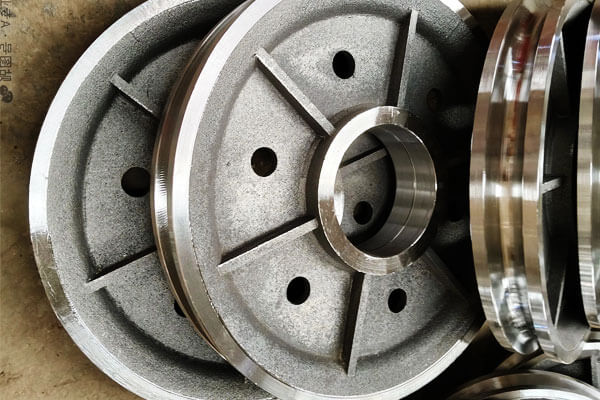
الرافعات العلوية وEOT
الرافعات العلوية والسفر العلوي الكهربائي (محكمة تكافؤ الفرص) تستخدم الرافعات عادةً الحزم في كتلة الخطاف, آلية الرفع, ونظام التنقيح.
تتطلب هذه التطبيقات عادة:
- مقاومة عالية للتحميل المتكرر
- هندسة دقيقة لأخدود الحبل
- توازن دوران جيد
- واجهات تحمل موثوقة
- التحكم في التركيز بين التجويف والأخدود
- مقاومة التعب الكافية
لرافعات الإنتاج التي يتم تدويرها بشكل متكرر, يمكن أن يكون لمتانة الحزم تأثير مباشر على فترات الصيانة لأن تآكل الأخدود وتعب الحبل مرتبطان ارتباطًا وثيقًا.
تعتبر الحزم المصبوبة المخصصة مفيدة بشكل خاص عندما تحتاج الشركة المصنعة للرافعة إلى أبعاد محسنة لأسطوانة معينة, كتلة هوك, حبل سلكي, أو مغلف التثبيت.
الرافعات الجسرية والبوابية
تستخدم الرافعات الجسرية والبوابية على نطاق واسع لمناولة الحاويات, أحواض بناء السفن, ساحات صناعية, مصانع الصلب, والتعامل مع المواد الثقيلة.
قد تواجه حزمها توترات حبلية عالية نسبيًا وتحميلًا ديناميكيًا.
فضلاً عن ذلك, تعرض التركيبات الخارجية المكونات للمطر, رطوبة, تراب, تقلبات درجة الحرارة, والظروف الجوية المسببة للتآكل.
وبالتالي يصبح اختيار المواد جزءًا مهمًا من التصميم.
قد يكون الفولاذ المصبوب بالكربون أو السبائك مناسبًا للتطبيقات العامة للخدمة الشاقة, في حين أن السبائك المقاومة للتآكل أو أنظمة التشطيب الواقية يمكن أن تصبح أكثر أهمية في البيئات البحرية.
لرافعات البوابة الكبيرة, يعد استقرار الأبعاد وسلامة الصب الهيكلي أمرًا مهمًا بشكل خاص لأن أبعاد الحزم يمكن أن تصبح كبيرة.
الرافعات البرجية
تستخدم الرافعات البرجية الحزم في الرفع, عربة النقل, وآليات luffing. قيود المساحة, توجيه الحبل, ودورات التشغيل العالية نسبيًا تجعل تحسين الأبعاد مهمًا.
قد تحتاج الحزم المخصصة إلى تلبية العديد من المتطلبات المتنافسة:
كبيرة بما يكفي لتقليل انحناء الحبل الشديد, ولكنها مدمجة بما يكفي لتناسب الغلاف الميكانيكي للرافعة.
يجب أن يتوافق ملف تعريف الأخدود أيضًا مع الحبل السلكي المحدد, في حين يجب أن يتكامل ترتيب المحور والمحمل مع المكونات الموجودة في الرافعة.
يمكن أن يوفر الصب الدقيق المرونة في تطوير تكوينات المحور والشفة المعقدة دون الحاجة إلى تصنيع المكون بالكامل من كتلة كبيرة.
ميناء, هاربور, ورافعات الحاويات
تعمل رافعات الميناء في ظل مجموعات متطلبة من:
- أحمال رفع عالية
- الاستفادة العالية
- واجب مستمر أو شبه مستمر
- أجواء محملة بالملح
- التحميل الديناميكي
- متطلبات الصيانة الصارمة
لذلك قد تتطلب الحزم المستخدمة في هذه الأنظمة مزيجًا من القوة الميكانيكية, ارتداء المقاومة, مقاومة التعب, حماية التآكل, والتصنيع الدقيق.
حيث يكون التآكل شديدًا, يمكن اعتبار المسبوكات غير القابل للصدأ أو المزدوجة غير القابل للصدأ لمكونات معينة, على الرغم من أن الاختيار يجب أن يعتمد على المتطلبات الميكانيكية والبيئية الكاملة بدلاً من مقاومة التآكل وحدها.
بناء السفن والرافعات البحرية
تعمل الرافعات البحرية عادة في المناطق الرطبة, البيئات التي تحتوي على المياه المالحة حيث يمكن أن يؤثر التآكل بشكل كبير على عمر المكونات.
يمكن استخدام الحزم الرافعة المصبوبة بدقة في:
- أنظمة رفع السفن
- رافعات بناء السفن
- رافعات سطح السفينة
- أنظمة المناولة البحرية
- معدات الدعم البحرية
لهذه التطبيقات, يجب على الشركة المصنعة أن تأخذ في الاعتبار ليس فقط المواد السائبة ولكن أيضًا حالة الأسطح المُشكَّلة, السحابات, المحامل, الطلاء الواقي, الصرف, والصيانة.
التآكل الموضعي في الأخدود, مَركَز, أو يمكن أن تكون واجهة التحمل غير مرغوب فيها بشكل خاص لأن هذه المناطق مهمة وظيفيًا.
الرافعات البحرية
تفرض أنظمة الرفع البحرية شروط خدمة صعبة بشكل خاص لأنها تجمع بين الأحمال الميكانيكية العالية والتآكل البحري, الحركة الناجمة عن الرياح, اهتزاز, والآثار الديناميكية الشديدة المحتملة.
قد يتطلب الأمر وجود بكرة رافعة مصبوبة بدقة للخدمة البحرية:
- ارتفاع صلابة الكسر
- التركيب الكيميائي الخاضع للرقابة
- المعالجة الحرارية المؤهلة
- مادة أو طلاء مقاوم للتآكل
- اختبار NDT واسع النطاق
- شهادة المواد التي يمكن تتبعها
- تحكم محكم في الأبعاد
لمثل هذه التطبيقات, يجب أن تحدد المواصفات الهندسية معايير الفحص والقبول المطلوبة بالتفصيل. درجة المواد وحدها لا تكفي لتحديد مدى ملاءمتها.
التعدين والرافعات الصناعية الثقيلة
مرافق التعدين, مصانع الصلب, المسابك, محطات الطاقة, وغالبًا ما تستخدم عمليات التصنيع الثقيلة الرافعات في البيئات التي تتميز بالغبار, اهتزاز, ارتفاع درجات الحرارة, الاستفادة العالية, والأحمال الثقيلة.
قد تتطلب الحزم لهذه التطبيقات مقاومة متزايدة:
- التعب الدوري
- التأثير الميكانيكي
- ارتداء الأخدود
- تلوث
- ارتفاع درجات حرارة التشغيل
- البيئات الكاشطة
يمكن أن توفر مصبوبات سبائك الصلب مع المعالجة الحرارية المناسبة مزيجًا قويًا من الخواص الميكانيكية حيث يكون الأداء للخدمة الشاقة مطلوبًا.
معدات البناء ومناولة المواد
رافعات البناء, الرافعات, الروافع, وتستخدم أنظمة مناولة المواد أيضًا الحزم لإعادة توجيه الحبال السلكية والحفاظ على عملية التنقيط الخاضعة للرقابة.
تختلف المتطلبات بشكل كبير. قد تعطي حزمة الرافعة الصغيرة نسبيًا الأولوية للتكلفة والاكتناز, في حين أن رافعة البناء ذات السعة العالية قد تتطلب واجهات ذات أخدود ومحمل هندسية عالية.
يعد تنوع التطبيقات هذا أحد الأسباب التي تجعل الشركة المصنعة المخصصة قادرة على دعم العديد من المواد وطرق التصنيع بدلاً من فرض كل تطبيق في تصميم قياسي واحد.
8. مزايا الصب الدقيق لحزم الرافعة
| ميزة | القيمة الهندسية |
| القدرة على الشكل القريب من الشبكة | يقلل من الآلات غير الضرورية |
| الهندسة المعقدة | يدعم المحور الأمثل, شفة, والميزات الهيكلية |
| مرونة المواد | يتيح اختيار السبائك الخاصة بالتطبيق |
| الإنتاج المتكامل | يمكن تصميم عمليات الصب والتصنيع باستخدام الحاسب الآلي معًا |
| التكرار | مفيدة لتصنيع المعدات الأصلية وإنتاج قطع الغيار |
| انخفاض نفايات المواد | إزالة أقل من الآلات من المخزون الكبير |
| تخصيص التصميم | يدعم الهندسة الخاصة بالتطبيق |
| إنتاج قابل للتطوير | مناسبة لتكرار الإنتاج عندما تكون الأدوات مبررة |
9. الحزم المصبوبة الدقيقة للرافعة مقابل. الحزم مزورة وملفقة
الاختيار بين صب الدقة, تزوير, والتصنيع ينبغي أن يستند إلى المتطلبات الهندسية الفعلية لحزم الرافعة بدلاً من افتراض أن عملية تصنيع واحدة متفوقة عالميًا.
كل طريقة تخلق توازنًا مختلفًا للهندسة, الاستفادة من المواد, الخصائص الميكانيكية, مرونة الإنتاج, متطلبات التصنيع, والتكلفة.
لحزم الرافعة المخصصة, وبالتالي فإن السؤال المركزي ليس ببساطة "أي عملية أقوى?" بل بالأحرى:
ما هي عملية التصنيع التي يمكنها توفير سعة الحمولة المطلوبة بكفاءة أكبر؟, أداء التعب, دقة أخدود الحبل, النزاهة الهيكلية, أبعاد, حجم الإنتاج, وموثوقية الخدمة?
تركز المقارنة التالية على الاختلافات الهندسية الأساسية التي تهم عند اختيار طريق التصنيع لحزم الرافعة.
| الفرق الرئيسي | الحزم الرافعة المصبوبة بدقة | الحزم رافعة مزورة | ملفقة / الحزم الملحومة |
| أفضل ملاءمة | معقد, الحزم المخصصة التي تتطلب هندسة الشكل القريب من الشبكة والإنتاج المتكرر | تطبيقات عالية القوة والتعب الحرجة | كبير جدا, الحجم المنخفض, أو الحزم المخصصة للغاية |
| الهندسة & تصميم الحرية | ممتاز للمحاور المعقدة, الشفاه, أضلاع, والتحولات | معتدل; يجب أن تكون الهندسة متوافقة مع تزوير | ممتاز من خلال البناء متعدد الأجزاء |
| الأداء الميكانيكي | ممتاز عند التحكم بشكل صحيح في جودة الصب والمعالجة الحرارية | ممتاز, خاصة بالنسبة للتطبيقات عالية القوة والتي تتطلب التعب | جيد, ولكنها تعتمد بشدة على تصميم اللحام وجودته |
| كفاءة المواد | عالي, مع القليل نسبيا من المواد الزائدة | معتدل; مطلوب بدل الآلات بشكل عام | عامل; يعتمد على اللوحة, جرس, وتخطيط المكونات |
| متطلبات الآلات | معتدل; الأسطح الوظيفية الحرجة بشكل رئيسي | معتدلة إلى عالية | معتدلة إلى عالية |
| قدرة القطر الكبير | جيد, ولكن يعتمد على معدات الصب والعملية | محدودة بتزوير القدرات والأدوات | ممتاز للهياكل الكبيرة جدًا |
حجم الإنتاج |
مناسب تمامًا لتكرار إنتاج OEM | الأنسب لتكرار الإنتاج حيث تكون الأدوات مبررة | مناسب تمامًا للإنتاج منخفض الحجم أو القائم على المشاريع |
| تكلفة الأدوات | معتدل | عالي | منخفضة نسبيا |
| الاهتمام الرئيسي بالجودة | عيوب الصب مثل الانكماش, المسامية, والشرائط | جودة المواد, تزوير النزاهة, والتحكم في المعالجة الحرارية | عيوب اللحام, الإجهاد المتبقي, والتشويه |
| الميزة الرئيسية | الهندسة المعقدة + التخصيص + شكل شبه شبكة | أداء ميكانيكي عالي | حجم كبير + المرونة الهيكلية |
| القيد الرئيسي | يتطلب مسبكًا صارمًا ومراقبة NDT | ارتفاع تكلفة الأدوات والمعالجة | المزيد من تحديات اللحام والتحكم في الأبعاد |
10. لماذا تختار شركة LangHe Industry لحزم الرافعات المخصصة ذات الصب الدقيق?
يجب أن يتجاوز اختيار مورد الرافعة مقارنة أسعار الصب.
لأن المكون يجمع بين الصب الهيكلي, المعالجة الحرارية, الآلات الدقة, هندسة الاتصال بالحبل, والتفتيش, غالبًا ما تكون قدرة المورد على التحكم في سلسلة التصنيع الكاملة أكثر أهمية من عملية الصب الاسمية نفسها.
صناعة لانغي يمكن التعامل مع حزم الرافعات المصبوبة بدقة مخصصة كمشروع تصنيع متكامل, ربط المراجعة الهندسية, تطوير الصب, الآلات, الانتهاء, وفحص الجودة.
| القدرة | تفاصيل |
| مواد | الصلب الكربوني (WCB), يلقي الصلب, الحديد الدكتايل (60-40-18, 65-45-12, 80-55-06), الفولاذ المقاوم للصدأ (CF-8, CF-8M, 17-4PH), سبيكة الصلب (4140, 4340) |
| عملية الصب | صب الاستثمار, صب الرمال. |
| وزن الجزء | 0.5 كجم ل 500 كجم. |
| التسامح | ± 0.1-0.3 مم (CT5-CT7 لكل ISO 8062). |
| جودة | ISO 9001:2015 معتمد; 100% تقتيش; CMM; الملف الشخصي السطحي; NDT (الأشعة السينية, اختراق صبغة). |
| مهلة | 6– 12 أسبوعًا للأدوات; 2– 4 أسابيع للطلبات المتكررة. |
11. خاتمة
إن حزمة الرافعة عبارة عن مكون بسيط المظهر نسبيًا وله وظيفة ميكانيكية متطلبة. يجب أن يوجه ويثني الحبل السلكي بشكل متكرر أثناء نقل الحمل عبر المحور, المحامل, والهيكل الداعم.
بالتالي, هندسة الأخدود, سلامة المواد, حالة المعالجة الحرارية, دقة الآلات, تركيز, وتساهم جودة السطح جميعها في أداء الحزم في العالم الحقيقي.
يوفر الصب الدقيق طريقًا تصنيعيًا مقنعًا لحزم الرافعات المخصصة عندما تكون الهندسة معقدة, إنتاج الشكل القريب من الشبكة, مرونة المواد, والتكرار مهم.
يمكن أن يقلل من العمليات غير الضرورية مع السماح للمهندسين بدمج المحاور, الشفاه, أضلاع, التحولات, وغيرها من الميزات الهيكلية في الصب.
توفر صناعة LangHe طريقة تصنيع مخصصة لحزم الرافعات المصبوبة بدقة, الجمع بين هندسة الصب, اختيار المواد, تصنيع CNC, المعالجة الحرارية, الانتهاء, والتفتيش لدعم متطلبات OEM الخاصة بالتطبيق.
التعليمات
ما هو إحزم رافعة الصب الدقيق?
إن بكرة الرافعة المصبوبة بدقة هي عبارة عن حزمة سلكية مصنوعة باستخدام عملية صب يتم التحكم فيها, عادةً ما يكون الاستثمار أو طريقة صب أخرى موجهة نحو الدقة, تليها تصنيع الأسطح الوظيفية الهامة.
الصب يخلق الهندسة الأولية, في حين أن التصنيع باستخدام الحاسب الآلي ينشئ ميزات مثل أخدود الحبل, تتحمل, وتحمل المقاعد.
لماذا نستخدم الصب الدقيق بدلاً من تصنيع رافعة الرافعة من الفولاذ الصلب?
يمكن أن ينتج الصب الدقيق الكثير من الأشكال الهندسية النهائية قبل التشغيل الآلي.
هذا يمكن أن يقلل من إزالة المواد, وقت المعالجة, والنفايات المادية مع السماح بقدر أكبر من الحرية للمحاور المعقدة, الشفاه, أضلاع, والتحولات الهيكلية.
هي حزمة رافعة مصبوبة قوية مثل الحزم المزورة?
لا توجد إجابة عالمية. يمكن للحزم الفولاذية المصبوبة المصممة والمعالجة بشكل صحيح أن توفر أداء ميكانيكيًا ممتازًا,
لكن الحدادة قد توفر مزايا في التطبيقات التي تتطلب بنية مطاوعًا موحدة للغاية وخصائص كلال محددة.
الملاءمة تعتمد على المواد, الهندسة, حجم القسم, المعالجة الحرارية, تحميل, ومتطلبات التفتيش.
ما هو عامل الجودة الأكثر أهمية لحزم الرافعة?
لا توجد معلمة واحدة تحدد الجودة. سلامة الصب, الخصائص الميكانيكية, هندسة الأخدود, محاذاة تتحمل, حالة السطح, ودقة الأبعاد يجب أن تعمل معًا.
للتطبيقات الحرجة للسلامة, ويجب التحقق من هذه الخصائص وفقًا للمواصفات الهندسية المعتمدة وخطة الفحص.
كيف يمكن تحسين عمر خدمة إحزم الرافعة?
يمكن تحسين عمر الخدمة من خلال الحجم الصحيح للحزم إلى الحبل, هندسة الأخدود المناسبة, اختيار المواد المناسبة, التشحيم والصيانة المناسبة,
محاذاة دقيقة, مراقبة جودة التصنيع, والاستبدال في الوقت المناسب عندما يتجاوز تآكل الأخدود أو أي ضرر آخر الحد المحدد.