1. Giới thiệu
Thép không gỉ Ferritic là một trong những họ thép không gỉ chính, được phân biệt chủ yếu bởi nó khối lập phương tập trung vào vật thể ferritic (BCC) cấu trúc tinh thể ở nhiệt độ phòng và hàm lượng crom tương đối cao.
Không giống như thép không gỉ austenit thông thường, các loại ferritic thường chứa ít hoặc không có niken được thêm vào một cách có chủ ý.
Đặc tính thành phần này có thể mang lại sự kết hợp hấp dẫn giữa khả năng chống ăn mòn, Ổn định nhiệt, tính chất từ tính, và chi phí vật chất.
Thép không gỉ Ferritic được sử dụng rộng rãi trong hệ thống ống xả ô tô, thiết bị gia dụng, Trao đổi nhiệt, Thành phần kiến trúc, Thiết bị chế biến thực phẩm, và máy móc công nghiệp.
Hiệu suất của họ, Tuy nhiên, phụ thuộc mạnh mẽ vào hóa học hợp kim, Kiểm soát cacbon và nitơ, ổn định, Lịch sử xử lý, và môi trường dịch vụ.
2. Thép không gỉ Ferritic là gì?
Ferritic thép không gỉ là một nhóm hợp kim sắt-crom có ma trận chủ yếu là ferritic ở nhiệt độ phòng.
Ferrite có cấu trúc tinh thể lập phương tập trung vào vật thể và duy trì ổn định trong phạm vi nhiệt độ rộng trong các chế phẩm hợp kim thích hợp.
Crom là nguyên tố hợp kim chính tạo nên tính không gỉ.
Khi có đủ crom, thép có thể tạo thành một lớp mỏng, tuân thủ, màng thụ động giàu crom làm chậm đáng kể sự ăn mòn hơn nữa.
Thép không gỉ ferit thương mại có phạm vi thành phần tương đối rộng. Các loại phổ biến có thể chứa khoảng 11–30% crom, trong khi carbon và nitơ thường được kiểm soát ở mức độ tương đối thấp.
Một số loại hiệu suất cao hơn còn chứa thêm molypden để cải thiện khả năng chống ăn mòn cục bộ hoặc titan và niobi để ổn định.
Không giống như thép không gỉ martensitic, thép không gỉ ferritic thông thường là thường không được làm cứng thông qua xử lý nhiệt tôi luyện thông thường.
Tính chất cuối cùng của chúng chủ yếu được xác định bởi thành phần hóa học, gia công cơ nhiệt, ủ, Cấu trúc hạt, và biến dạng nguội.
Do đó, thép không gỉ Ferritic được hiểu rõ nhất là một họ luyện kim riêng biệt thay vì chỉ đơn giản là một sự thay thế chi phí thấp hơn cho thép không gỉ Austenit..
3. Thành phần hóa học của thép không gỉ Ferritic
Thành phần hóa học là một trong những yếu tố quan trọng nhất kiểm soát tính năng của thép không gỉ ferritic.
Crom cung cấp đặc tính không gỉ cơ bản, trong khi cacbon, nitơ, Molypden, titan, Niobi, và các yếu tố khác được điều chỉnh để đạt được sự kết hợp cụ thể về khả năng chống ăn mòn, tính chất cơ học, Khả năng hàn, và sự ổn định nhiệt.
Thành phần hóa học điển hình
Thành phần thay đổi đáng kể giữa các lớp riêng lẻ. Các giá trị sau đây đại diện phạm vi điển hình cho thép không gỉ ferritic thương mại thông thường, giới hạn đặc điểm kỹ thuật không phổ quát.
| Yếu tố | Phạm vi điển hình / Mức độ | Chức năng luyện kim sơ cấp |
| Crom (Cr) | ~10,5–30% | Thụ động, kháng ăn mòn, ổn định ferit |
| Carbon (C) | Nói chung là thấp, thường xuyên 0,08% | Tăng cường; mức độ quá mức có thể thúc đẩy sự nhạy cảm |
| Nitơ (N) | Nói chung là thấp | Tăng cường; mức độ quá mức có thể làm giảm tính chất ferritic |
| Molypden (MO) | 0–4%+ tùy theo cấp bậc | Cải thiện khả năng chống ăn mòn rỗ và kẽ hở |
| Titan (Của) | Phụ thuộc vào lớp | Ổn định carbon và nitơ |
Niobi (NB) |
Phụ thuộc vào lớp | Ổn định carbon và nitơ; cải thiện hiệu suất hàn |
| Niken (TRONG) | Thường thấp | Được kiểm soát để duy trì sự ổn định của pha ferritic |
| Mangan (Mn) | Thường bị hạn chế | Khử oxy và kiểm soát hợp kim/quá trình |
| Silicon (Và) | Thường bị hạn chế | Đóng góp khử oxy và chống oxy hóa |
Các giới hạn chính xác phải luôn được lấy từ thông số kỹ thuật vật liệu liên quan, chẳng hạn như áp dụng ASTM, TRONG, Anh ấy là, hoặc tiêu chuẩn quốc gia/quốc tế khác, bởi vì tên lớp danh nghĩa không xác định được mọi giới hạn thành phần cho phép.
4. Các loại và cấp độ chính của thép không gỉ Ferritic
Thép không gỉ Ferritic bao gồm nhiều loại hợp kim gốc crom, từ các loại tiết kiệm được thiết kế cho hệ thống ống xả ô tô đến các loại hợp kim crôm và molypden cao dành cho môi trường ăn mòn và nhiệt độ cao đòi hỏi khắt khe.
Các bảng sau đây sắp xếp các lớp đại diện thành ba loại thực tế: lớp ferritic tiêu chuẩn, lớp ferritic có hàm lượng crom cao, và đúc thép không gỉ ferit.
Các lớp Ferritic tiêu chuẩn (400 Loạt)
Các loại này được sử dụng rộng rãi vì chúng mang lại sự cân bằng thực tế về khả năng chống ăn mòn, sản xuất, Hiệu suất nhiệt, và chi phí.
Các lớp như 409 Và 430 đặc biệt quan trọng trong ô tô, thiết bị, kiến trúc, và các ứng dụng công nghiệp nói chung.
| Cấp | Chỉ định Hoa Kỳ | Thành phần gần đúng | Đặc điểm chính | Các ứng dụng điển hình |
| 409 | S40900 | Cr 10,5–11,7%; C 0,08%; Các ổn định | Thép không gỉ ferritic tiết kiệm với khả năng chống oxy hóa tốt và chống ăn mòn đầy đủ; thích hợp cho dịch vụ nhiệt độ cao | Hệ thống ống xả ô tô, ống xả, bộ phận chuyển đổi xúc tác |
| 410L | S41003 | Cr 11,5–13,5%; C 0,03% | Lượng carbon rất thấp cải thiện khả năng hàn và giảm nguy cơ nhạy cảm liên quan đến mối hàn; Kháng ăn mòn vừa phải | Thành phần ô tô, các bộ phận cấu trúc, bể chứa nước, Thiết bị công nghiệp |
| 430 | S43000 | Cr 16–18%; C 0,08% | Kháng ăn mòn chung tốt, Hành vi từ tính, định dạng tốt, và bề ngoài hấp dẫn; có sẵn rộng rãi và kinh tế | Thiết bị, Thiết bị nhà bếp, Trang trí ô tô, bảng kiến trúc |
430L |
S43003 | Cr 16–18%; C 0,03% | Phiên bản carbon thấp 430 với khả năng hàn được cải thiện và giảm tính nhạy cảm với sự ăn mòn giữa các hạt | Thiết bị hàn, Thiết bị chế biến thực phẩm, Thành phần kiến trúc |
| 434 | S43400 | Cr 16–18%; Mo khoảng 0,5–1,0%; C 0,08% | Molypden cải thiện khả năng chống ăn mòn cục bộ so với thông thường 430; duy trì khả năng chống oxy hóa tốt | Trang trí ô tô, Thành phần xả, thiết bị liên quan đến nhiệt |
| 436 | S43600 | Cr 16–18%; Mo khoảng 0,5–1,0%; TI/NB ổn định | Lớp ferritic ổn định với khả năng hàn được cải thiện, kháng ăn mòn, và khả năng chống ăn mòn giữa các hạt | Hệ thống ống xả ô tô, Thành phần kiến trúc, Thiết bị công nghiệp |
Các lớp Ferritic Crom cao
Thép không gỉ ferritic hàm lượng crom cao chứa nhiều crom hơn đáng kể so với các loại 400-series thông thường.
Một số còn chứa molypden và các nguyên tố ổn định như titan và niobi.
Những chiến lược hợp kim này cải thiện khả năng chống oxy hóa, chống ăn mòn cục bộ, và hiệu suất nhiệt độ cao.
| Cấp | Chỉ định Hoa Kỳ | Thành phần gần đúng | Đặc điểm chính | Các ứng dụng điển hình |
| 439 | S43035 | Cr 17–19%; Các ổn định | Khả năng chống ăn mòn và oxy hóa tốt với khả năng hàn được cải thiện; thích hợp cho dịch vụ nhiệt độ cao | Hệ thống ống xả ô tô, Trao đổi nhiệt, máy nước nóng |
| 441 | S44100 | Cr 17–19%; Của + Nb đã ổn định | Cấu trúc ferritic ổn định mang lại khả năng hàn tốt, kháng oxy hóa, và khả năng chống mẫn cảm | Hệ thống ống xả ô tô, bộ phận chuyển đổi xúc tác, Trao đổi nhiệt |
| 444 | S44400 | Cr 17–19%; Mo 1,5–2,5%; Của + Nb đã ổn định | Carbon và nitơ thấp kết hợp với Mo mang lại khả năng chống rỗ và ăn mòn kẽ hở cao; Khả năng hàn tốt | Trao đổi nhiệt, hệ thống nước nóng, thiết bị nước làm mát, Thiết bị xử lý hóa học |
446 |
S44600 | Cr 23–27%; thấp c | Hàm lượng crom rất cao mang lại khả năng chống oxy hóa tuyệt vời và hiệu suất tốt ở nhiệt độ cao | Thành phần lò, thiết bị xử lý nhiệt, thiết bị xử lý hóa chất nhiệt độ cao |
| 447 | S44700 | Cr 28–30%; Mo 2,0–3,0%; rất thấp C | Thép không gỉ siêu ferritic có khả năng chống ăn mòn và oxy hóa cục bộ do clorua gây ra tuyệt vời | Xử lý hóa học, thiết bị xử lý nước biển, Trao đổi nhiệt, Thiết bị ngoài khơi |
| 448 | S44800 | Cr 28–30%; Mo 3,5–4,2%; C/N rất thấp | Thép không gỉ ferritic hợp kim cao mang lại khả năng chống ăn mòn và oxy hóa đặc biệt trong môi trường khắc nghiệt | Thiết bị biển, Xử lý hóa học, hệ thống ngoài khơi, dịch vụ clorua nặng |
Ghi chú: Giới hạn hóa học chính xác khác nhau tùy theo tiêu chuẩn ASTM hiện hành, Asme, TRONG, hoặc đặc điểm kỹ thuật UNS. Các chế phẩm trên được cung cấp dưới dạng phạm vi đại diện để so sánh kỹ thuật.
Các loại thép không gỉ đúc Ferritic
Một số loại thép không gỉ đúc thường được tham khảo được liệt kê dưới đây.
Quan trọng, không phải mọi loại thép không gỉ đúc có chứa crom được liệt kê trong họ ASTM A743/A744 đều có tính chất ferritic nghiêm ngặt ở nhiệt độ phòng; các loại như CA-15 thường được phân loại là martensitic.
Vì thế, phân loại luyện kim cụ thể phải luôn được xác nhận từ thông số kỹ thuật vật liệu áp dụng.
| Lớp đúc | Chỉ định Hoa Kỳ | Đặc điểm chính | Các ứng dụng điển hình |
| CA-15 | J91150 | Lớp đúc không gỉ crom có khả năng chống ăn mòn nói chung tốt và độ bền tốt sau khi xử lý nhiệt thích hợp; thường được phân loại là martensitic hơn là ferritic | Các thành phần bơm, thân van, Thành phần tuabin, vật đúc công nghiệp |
| CA-40 | J91151 | Độ cứng và độ bền cao hơn các loại đúc crom có hàm lượng carbon thấp; chống mài mòn tốt nhưng giảm khả năng hàn | Các thành phần chống hao mòn, bộ phận van, thành phần dịch vụ hơi nước |
CB-30 |
J91330 | Hàm lượng crom cao hơn giúp cải thiện khả năng chống ăn mòn và oxy hóa cho các bộ phận đúc | Thiết bị xử lý hóa chất, Bộ phận bơm, Thành phần van |
| CC-50 | J91450 | Hàm lượng crom rất cao mang lại khả năng chống oxy hóa và ăn mòn mạnh mẽ, đặc biệt là trong môi trường nhiệt độ cao | Thiết bị xử lý hóa chất nhiệt độ cao, Thành phần lò, vật đúc chống ăn mòn |
5. Đặc tính chính của thép không gỉ Ferritic
Thép không gỉ Ferritic được đặc trưng bởi một khối tập trung vào cơ thể (BCC) ma trận ferrit, crom là nguyên tố hợp kim chính, và hàm lượng carbon và niken nói chung thấp.
Sự kết hợp của chúng về khả năng chống ăn mòn, Hành vi từ tính, giãn nở nhiệt tương đối thấp,
và độ dẫn nhiệt từ trung bình đến tốt khiến chúng đặc biệt thích hợp cho hệ thống ống xả ô tô, thiết bị, Trao đổi nhiệt, Thành phần kiến trúc, và thiết bị công nghiệp.
Các giá trị sau đây cung cấp các điểm tham chiếu kỹ thuật hữu ích cho các loại ferritic thường được sử dụng:
| Tài sản | Phạm vi thép không gỉ Ferritic điển hình | Lớp đại diện / Giá trị | Ý nghĩa kỹ thuật |
| mô đun đàn hồi | ~200–215 GPa | Kiểu 430: ~ 200 GPa | Xác định độ cứng đàn hồi |
| Tỉ trọng | ~7,6–7,8 g/cm³ | Kiểu 430: ~7,7 g/cm³ | Liên quan đến trọng lượng thành phần |
| Hệ số giãn nở nhiệt | ~9–11 × 10⁻⁶/K | Kiểu 430: ~10,4 × 10⁻⁶/K | Quan trọng đối với biến dạng nhiệt |
| Độ dẫn nhiệt | ~24–27 W/(m · k) | Kiểu 430: ~26 W/(m · k) | Ảnh hưởng đến sự truyền nhiệt |
Nhiệt dung riêng |
~440–500 J/(kg·K) | Phụ thuộc vào lớp | Được sử dụng trong tính toán nhiệt |
| Điện trở suất | ~0,55–0,65 μΩ·m | Phụ thuộc vào lớp | Liên quan đến các ứng dụng điện/nhiệt |
| Hành vi từ tính | Sắt từ ở nhiệt độ phòng | Hầu hết các loại ferrit | Hữu ích cho các ứng dụng từ tính |
| Phạm vi nóng chảy | ~1.425–1.510°C | Phụ thuộc vào lớp | Quan trọng cho việc đúc và hàn |
Những số liệu này phải được coi là giá trị tham chiếu, không thay thế thông số kỹ thuật.
Đối với thiết kế thành phần, ASTM áp dụng, TRONG, Anh ấy là, hoặc tiêu chuẩn vật liệu khác và báo cáo thử nghiệm vật liệu được chứng nhận sẽ được ưu tiên.
Kháng ăn mòn
Khả năng chống ăn mòn là một trong những lý do chính để sử dụng thép không gỉ ferritic.
Crom tạo thành một lớp mỏng, tuân thủ, và tự chữa lành màng thụ động giàu crom trên bề mặt thép.
Khi hàm lượng crom đủ cao và bề mặt vẫn sạch về mặt hóa học, lớp thụ động này làm giảm đáng kể tốc độ ăn mòn trong nhiều môi trường khí quyển và nước.
Khả năng chống ăn mòn của thép không gỉ ferritic nói chung tăng theo hàm lượng crom, trong khi việc bổ sung molypden có thể cải thiện hơn nữa khả năng chống ăn mòn cục bộ, đặc biệt là ăn mòn rỗ và kẽ hở.
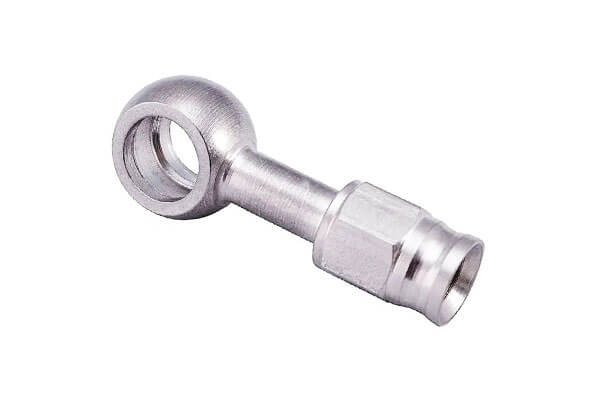
Ví dụ, Aisi 430 cung cấp khả năng chống ăn mòn hữu ích cho môi trường trong nhà và ăn mòn nhẹ, trong khi các lớp ổn định như 439 Và 441 được sử dụng rộng rãi trong hệ thống ống xả ô tô.
Các loại hợp kim cao hơn như 444 cung cấp khả năng chống chịu tốt hơn đáng kể với môi trường chứa clorua và phù hợp cho các ứng dụng liên quan đến nước nóng và một số môi trường hóa học nhất định.
Một số yếu tố cần được xem xét khi đánh giá hiệu suất ăn mòn:
- Nội dung crom: Cr cao hơn thường cải thiện khả năng chống thụ động và oxy hóa.
- Hàm lượng molypden: Mo cải thiện khả năng chống rỗ và ăn mòn kẽ hở.
- Cacbon và nitơ: Các nguyên tố xen kẽ quá mức có thể thúc đẩy sự suy giảm crom trong quá trình tiếp xúc với nhiệt.
- Ổn định: Việc bổ sung titan hoặc niobi giúp liên kết carbon và nitơ, cải thiện khả năng chống nhạy cảm sau khi hàn.
- Tình trạng bề mặt: Nghiền, đánh bóng, ngâm, và thụ động có thể ảnh hưởng mạnh mẽ đến hành vi ăn mòn thực tế.
- Môi trường dịch vụ: nồng độ clorua, nhiệt độ, PH, độ ẩm, và thời gian tiếp xúc đều ảnh hưởng đến hiệu suất ăn mòn.
Do đó, thép không gỉ Ferritic đặc biệt hấp dẫn khi cần có khả năng chống ăn mòn nhưng hiệu suất ăn mòn cực cao của thép không gỉ austenit chứa niken là không cần thiết.
6. Tính chất cơ học của thép không gỉ Ferritic
Hoạt động cơ học của thép không gỉ ferit bị ảnh hưởng mạnh mẽ bởi hàm lượng crom, nồng độ cacbon và nitơ, Kích thước hạt, ổn định hợp kim, Làm việc lạnh, và nhiệt độ phục vụ.
Nói chung, lớp ferritic cung cấp một sự kết hợp hữu ích của cường độ trung bình đến cao, độ dẻo thích hợp, Kháng mệt mỏi tốt, và sự ổn định về chiều tốt.
Đặc tính cơ học điển hình
| Đặc tính cơ học | Hành vi điển hình của thép không gỉ ferritic | Ý nghĩa kỹ thuật |
| mô đun đàn hồi | Khoảng 200 GPA | Cung cấp độ cứng đàn hồi tốt và ổn định kích thước |
| Sức mạnh năng suất | Thông thường khoảng 200–400 MPa đối với nhiều cấp tiêu chuẩn | Xác định khả năng chống biến dạng vĩnh viễn |
| Độ bền kéo | Thông thường khoảng 400–600 MPa, Tùy thuộc vào lớp và điều kiện | Xác định khả năng chịu kéo cuối cùng |
Kéo dài |
Thường khoảng 15–30%, nhưng phụ thuộc nhiều vào cấp lớp | Cho biết độ dẻo có sẵn trong quá trình hình thành và quá tải |
| Độ cứng | Nói chung là vừa phải trong điều kiện ủ | Ảnh hưởng đến khả năng chống mài mòn và khả năng gia công |
| Tác động đến độ dẻo dai | Phụ thuộc nhiều vào cấp lớp, Kích thước hạt, nhiệt độ, và xử lý | Quan trọng đối với các ứng dụng chịu nhiệt độ thấp và chịu va đập |
Thép không gỉ Ferritic thường có khả năng tăng cường hạn chế thông qua xử lý nhiệt thông thường.
Không giống như thép không gỉ martensitic, thông thường chúng không thể biến đổi thành cấu trúc martensitic có độ cứng cao thông qua quá trình làm nguội.
Thay vào đó, tính chất cơ học của chúng được kiểm soát chủ yếu thông qua hợp kim, sàng lọc hạt, Làm việc lạnh, và gia công cơ nhiệt.
Gia công nguội có thể tăng cường độ và độ cứng, nhưng biến dạng lạnh quá mức có thể làm giảm độ dẻo và tăng độ khó tạo hình.
Dành cho các ứng dụng đòi hỏi khắt khe, điều kiện vật chất - chẳng hạn như ủ, lạnh lăn, hoặc ổn định—do đó phải được chỉ định cùng với loại thép không gỉ.
Ở nhiệt độ thấp, độ dẻo dai đáng được quan tâm đặc biệt. Một số thép không gỉ ferit có thể biểu hiện một chuyển từ dẻo sang giòn, về cơ bản là khác với đặc tính của nhiều loại thép không gỉ austenit.
Tinh chế hạt và hàm lượng carbon/nitơ thấp có thể cải thiện độ dẻo dai, nhưng các loại ferritic nên được lựa chọn cẩn thận cho các ứng dụng chịu va đập hoặc gây lạnh.
7. Khả năng hàn của thép không gỉ Ferritic
Khả năng hàn thay đổi đáng kể giữa các loại thép không gỉ ferritic.
Carbon thấp hiện đại, các lớp ổn định thường có khả năng hàn tốt hơn nhiều so với các công thức ferritic có hàm lượng carbon cao cũ hơn, nhưng thép không gỉ ferit vẫn yêu cầu kiểm soát hàn cẩn thận hơn nhiều loại austenit thông thường.
Mối quan tâm chính của ngành luyện kim là hạt thô ở vùng ảnh hưởng nhiệt (HAZ).
Bởi vì thép không gỉ ferit vẫn chủ yếu là ferit trong quá trình hàn, đầu vào nhiệt cao có thể tạo ra hạt thô. Các vùng HAZ hạt thô có thể biểu hiện độ dẻo và độ dai giảm.
Một mối quan tâm khác là sự hình thành crom cacbua hoặc nitrit.
Nếu có đủ cacbon hoặc nitơ, tiếp xúc với nhiệt trong quá trình hàn có thể gây ra sự suy giảm crom ở ranh giới hạt, có khả năng làm giảm khả năng chống ăn mòn cục bộ.
Đây là lý do tại sao điểm ổn định với titan hoặc niobi, chẳng hạn như 409, 439, 441, Và 444, thường được lựa chọn cho các ứng dụng hàn.
Những cân nhắc quan trọng về hàn
| Hệ số hàn | Vấn đề tiềm ẩn | Kiểm soát được đề xuất |
| Đầu vào nhiệt quá mức | Hạt thô và giảm độ dẻo dai | Sử dụng đầu vào nhiệt được kiểm soát |
| Nhiệt độ giữa cao | Tiếp xúc với nhiệt quá mức | Kiểm soát nhiệt độ giữa các |
| Carbon/nitơ cao | Độ nhạy và độ nhạy ăn mòn | Ưu tiên loại có C/N thấp hoặc ổn định |
| Làm mát nhanh hoặc không kiểm soát được | Ứng suất dư và biến dạng | Thiết lập quy trình hàn phù hợp |
| Sự không phù hợp giữa kim loại phụ | Giảm ăn mòn hoặc hiệu suất cơ học | Chọn phụ dựa trên yêu cầu dịch vụ |
| Ô nhiễm bề mặt | Khuyết tật mối hàn và khả năng chống ăn mòn giảm | Vệ sinh kỹ lưỡng trước và sau khi hàn |
TIG, Tôi/mag, Hàn laser, và hàn điện trở đều có thể được sử dụng tùy thuộc vào hình dạng thành phần, Độ dày, Khối lượng sản xuất, và yêu cầu hiệu suất.
Sau khi hàn, Dưa chua và thụ động có thể được yêu cầu để khôi phục khả năng chống ăn mòn bằng cách loại bỏ màu nhiệt, ô nhiễm sắt tự do, và các chất gây ô nhiễm bề mặt khác.
Đối với các thành phần quan trọng, Việc đánh giá quy trình hàn không chỉ đề cập đến chất lượng mối hàn nhìn thấy được mà còn cả đặc tính kéo, hành vi ăn mòn, biến dạng, và hiệu suất HAZ nếu có.
8. Khả năng định dạng và khả năng gia công
Tính định dạng
Thép không gỉ Ferritic thường có đặc tính tạo hình nguội tốt, đặc biệt là khi được cung cấp ở trạng thái ủ.
Độ giãn dài của chúng thường rơi vào 20–Phạm vi 30% cho nhiều cấp độ thương mại, cung cấp đủ độ dẻo để uốn, cuộn hình thành, dập, và các hoạt động kim loại tấm khác.
Tuy nhiên, hiệu suất hình thành không chỉ phụ thuộc vào độ giãn dài.
Sức mạnh năng suất, tính dị hướng, làm việc chăm chỉ, Độ dày tấm, Cấu trúc hạt, hình học dụng cụ, và bôi trơn đều có thể ảnh hưởng đến kết quả cuối cùng.
Để tạo hình chính xác, các thông số sau đây cần được kiểm soát:
- Bán kính uốn tối thiểu
- Hướng lăn
- Giải phóng mặt bằng công cụ
- Bôi trơn
- Trình tự hình thành
- Bồi thường hồi xuân
- Bảo vệ bề mặt
Các loại ferrit có thể đặc biệt hấp dẫn đối với các thành phần tấm lớn vì chúng kết hợp độ dẻo hợp lý với đặc tính kích thước tương đối ổn định.
Khả năng gia công
Thép không gỉ Ferritic thường thích hợp cho các loại thép thông thường. Gia công CNC.
Tuy nhiên, các thông số gia công phải được tối ưu hóa cho cấp độ cụ thể vì crom, Molypden, độ cứng vật liệu, và độ dẫn nhiệt ảnh hưởng đến lực cắt và tuổi thọ dụng cụ.
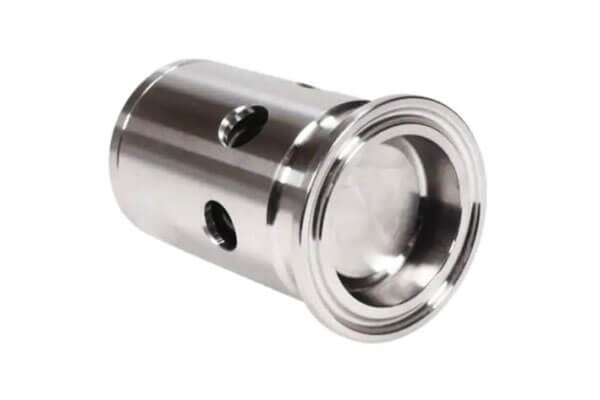
Các hoạt động gia công điển hình bao gồm:
Tiện CNC → phay → khoan → doa → mài → đánh bóng
Đối với các thành phần chính xác, dung sai kích thước của ±0,01 mm hoặc chặt hơn có thể đạt được trong điều kiện gia công CNC được kiểm soát,
nhưng dung sai có thể đạt được phụ thuộc vào hình dạng thành phần, công suất máy, làm việc, điều kiện vật chất, và độ ổn định nhiệt thay vì chỉ riêng loại thép không gỉ.
Trong quá trình gia công, nhiệt cắt quá mức có thể gây ra sự trôi chiều. Điều này đặc biệt quan trọng đối với các bộ phận có thành mỏng và các bộ phận chính xác có dung sai vị trí chặt chẽ..
9. Hoàn thiện bề mặt cho thép không gỉ Ferritic
Hoàn thiện bề mặt đóng vai trò quan trọng trong khả năng chống ăn mòn, vẻ bề ngoài, khả năng làm sạch, mặc hành vi, và hiệu suất kích thước của các thành phần thép không gỉ ferritic.
| Hoàn thiện bề mặt | Đặc điểm tiêu biểu | Các ứng dụng điển hình |
| 2B | Cán nguội, nhiệt được xử lý, Dưa chua, và làn da nhẹ nhàng trôi qua; mịn và tương đối phản chiếu | Thiết bị, linh kiện công nghiệp tổng hợp, bảng kiến trúc |
| BA | Bề mặt ủ sáng với độ phản chiếu cao và bề ngoài mịn màng | Trang trí ô tô, thiết bị, Thành phần trang trí |
| KHÔNG. 3 | Hoàn thiện đánh bóng cơ học thô | Thành phần kiến trúc và công nghiệp |
| KHÔNG. 4 | Kết thúc chải mịn định hướng, thường được sản xuất với đai mài mòn | Thiết bị, bảng kiến trúc, Thiết bị nhà bếp |
đường chân tóc |
Khỏe, hạt định hướng liên tục | Các thành phần kiến trúc và nội thất trang trí |
| Đánh bóng gương | Bề mặt có độ phản chiếu cao đạt được thông qua quá trình đánh bóng liên tục | Các thành phần trang trí và ứng dụng kiến trúc cao cấp |
| Điện tử | Loại bỏ điện hóa vật liệu bề mặt; bề mặt mịn và sạch | Vệ sinh, Độ chính xác, và các ứng dụng nhạy cảm với sự ăn mòn |
| Ngâm và thụ động | Loại bỏ quy mô, Nhiệt tông màu, và ô nhiễm bề mặt và khôi phục bề mặt thụ động sạch sẽ | Các thành phần hàn và nhạy cảm với ăn mòn |
10. Ứng dụng của thép không gỉ Ferritic
Thép không gỉ Ferritic được sử dụng rộng rãi khi kết hợp khả năng chống ăn mòn, kháng oxy hóa, Hành vi từ tính, Ổn định nhiệt, sức mạnh cơ học vừa phải, và hiệu quả chi phí là cần thiết.
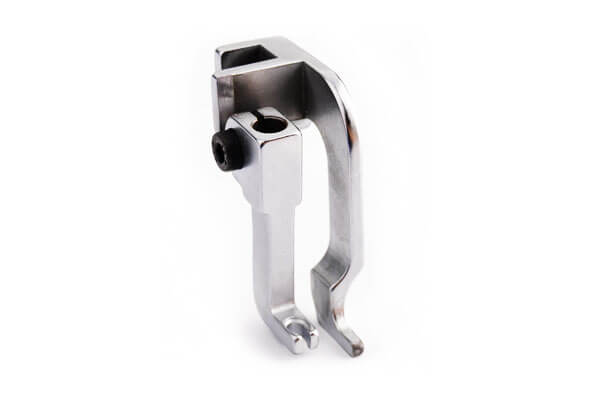
Hệ thống xả ô tô
ô tô hệ thống ống xả là một trong những ứng dụng quan trọng nhất của thép không gỉ ferritic.
Các lớp như 409, 439, Và 441 thường được lựa chọn cho ống xả, Ống, bộ phận chuyển đổi xúc tác, bộ giảm thanh, và các bộ phận chịu nhiệt liên quan.
Vật liệu phải chịu được:
- Chu kỳ nhiệt lặp đi lặp lại
- Nhiệt độ khí thải cao
- Quá trình oxy hóa
- Ăn mòn ngưng tụ
- Rung động và mỏi cơ học
Hệ số giãn nở nhiệt tương đối thấp và khả năng chống oxy hóa ở nhiệt độ cao tốt làm cho các loại ferrit đặc biệt thích hợp với môi trường này.
Thiết bị gia dụng
430 thép không gỉ được sử dụng rộng rãi trong các thiết bị vì nó kết hợp khả năng chống ăn mòn, Ngoại hình hấp dẫn, Hành vi từ tính, Tính định dạng, và chi phí tương đối thấp.
Sản phẩm tiêu biểu bao gồm:
- Tấm tủ lạnh
- Linh kiện máy rửa bát
- Các bộ phận của lò nướng và phạm vi sử dụng
- Thiết bị nhà bếp
- Trang trí thiết bị
- Linh kiện máy giặt
Bản chất từ tính của nó cũng có thể thuận lợi khi cần gắn từ tính.
Bộ trao đổi nhiệt và thiết bị làm nóng nước
Các loại ferritic ổn định như 439 Và 444 có thể cung cấp một sự kết hợp hấp dẫn giữa khả năng chống ăn mòn và hiệu suất nhiệt.
Chúng được sử dụng trong:
- Linh kiện trao đổi nhiệt
- Máy nước nóng
- Hệ thống nước nóng
- Thiết bị nước làm mát
- bình ngưng
- Thiết bị xử lý nhiệt
Độ dẫn nhiệt tương đối cao và độ giãn nở nhiệt thấp của thép không gỉ ferritic có thể giúp cải thiện độ ổn định nhiệt.
Thành phần kiến trúc và trang trí
Thép không gỉ Ferritic cũng được sử dụng cho các ứng dụng kiến trúc đòi hỏi khả năng chống ăn mòn vừa phải và hình thức bề mặt.
Các ứng dụng điển hình bao gồm:
- Tấm tường nội thất
- Tấm thang máy
- Trang trí trang trí
- Tấm ốp kiến trúc
- Linh kiện nội thất
- Thiết bị nhà bếp và nội thất thương mại
Các lớp như 430 có thể cung cấp một sự cân bằng tốt giữa sự xuất hiện bề mặt, Tính định dạng, kháng ăn mòn, và chi phí.
Thiết bị công nghiệp và hóa chất
Các loại ferritic chứa crôm và molypden cao hơn có thể được sử dụng trong các môi trường công nghiệp được chọn, nơi cần cải thiện khả năng chống ăn mòn và oxy hóa.
Ví dụ, 444 có thể được xem xét đối với một số môi trường nước nóng và chứa clorua, trong khi các loại có hàm lượng crom cao như 446 thích hợp cho các thành phần chống oxy hóa ở nhiệt độ cao.
Tuy nhiên, Thép không gỉ ferritic không nên tự động được lựa chọn cho môi trường biển hoặc hóa chất có tính xâm thực cao.
Phương tiện chính xác, nhiệt độ, nồng độ clorua, và cơ chế ăn mòn phải được đánh giá trước khi lựa chọn vật liệu.
11. Phân tích so sánh: Ferritic vs. Austenit vs. Thép không gỉ Martensitic
Ferritic, Austenitic, và thép không gỉ martensitic đại diện cho ba họ luyện kim thép không gỉ chính.
Sự khác biệt của họ bắt nguồn chủ yếu từ cấu trúc tinh thể, hóa học hợp kim, độ ổn định pha, và phản ứng xử lý nhiệt, từ đó xác định tính chất cơ học, kháng ăn mòn, Khả năng hàn, Hành vi từ tính, và các ứng dụng điển hình.
| Tài sản | Thép không gỉ ferritic | Thép không gỉ Austenitic | Thép không gỉ Martensitic |
| Lớp điển hình | 409, 430, 439, 441, 444 | 304, 304L, 316, 316L, 321, 310 | 410, 420, 440MỘT, 440B, 440C |
| Cấu trúc tinh thể điển hình ở nhiệt độ sử dụng | BCC Ferrite | FCC Austenite | Cấu trúc martensitic BCT/BCC Sau khi cứng lại |
| Hàm lượng Cr điển hình | Khoảng 10.5–30% | Khoảng 16–26% | Khoảng 11.5–18% |
| Hàm lượng Ni điển hình | Nói chung là rất thấp hoặc vắng mặt | Thông thường 8–20%+ | Nói chung là thấp, mặc dù một số loại có chứa Ni |
| Hàm lượng cacbon | Nói chung là thấp, đặc biệt là ở các lớp hiện đại | Rất thấp đến trung bình; nhiều loại carbon thấp có sẵn | Nói chung cao hơn các loại ferritic và austenit |
| Hành vi từ tính | Từ tính | Nói chung là không có từ tính trong điều kiện ủ; công việc nguội có thể tạo ra một số từ tính | Từ tính |
| Xử lý nhiệt để làm cứng | Nói chung là không thể làm cứng bằng cách làm nguội thông thường | Nói chung là không thể làm cứng bằng cách làm nguội thông thường | Có thể được làm cứng bằng cách làm nguội và ủ |
Mức độ sức mạnh |
Vừa phải; có thể tăng lên bằng cách gia công nguội | Vừa phải trong điều kiện ủ; khả năng làm việc tuyệt vời | Cao đến rất cao sau khi xử lý nhiệt |
| Độ cứng | Nói chung là vừa phải | Nói chung là vừa phải | Trung bình đến rất cao, Tùy thuộc vào điều trị bằng cấp và nhiệt |
| Độ dẻo | Vừa phải | Xuất sắc | Nói chung là thấp hơn, đặc biệt trong điều kiện cứng |
| Độ dẻo dai | Vừa phải; độ dẻo dai ở nhiệt độ thấp có thể bị hạn chế | Xuất sắc, kể cả ở nhiệt độ thấp | Vừa phải; phụ thuộc nhiều vào hàm lượng carbon và xử lý nhiệt |
| Kháng ăn mòn | Tốt đến rất tốt, tùy theo hàm lượng Cr/Mo | Nói chung là xuất sắc, đặc biệt đối với các loại hợp kim 316/316L và cao hơn | Vừa phải đến tốt; thường thấp hơn lớp austenit |
| Khả năng chống ăn mòn rỗ/kẽ hở | Tốt ở các loại có hàm lượng Cr/Mo cao như 444 | Rất tốt đến xuất sắc trong các loại có chứa Mo như 316L | Nói chung là vừa phải |
Độ dẫn nhiệt |
Tương đối cao đối với thép không gỉ; thường xung quanh 20–30 W/m·K | Thấp hơn; thường xung quanh 14–16 W/m·K cho chung 304/316 điểm | Nói chung xung quanh 20–30 W/m·K, Tùy thuộc vào lớp |
| Hệ số giãn nở nhiệt | Tương đối thấp; thường xung quanh 10–11 × 10⁻⁶/K | Tương đối cao; thường xung quanh 16Mạnh17 × 10⁻⁶/k vì 304/316 | Nói chung xung quanh 10–11 × 10⁻⁶/K |
| Khả năng hàn | Trung bình đến tốt đối với điểm C thấp/ổn định; sự tăng trưởng của hạt phải được kiểm soát | Nói chung là xuất sắc, đặc biệt đối với 304L/316L | Nói chung hạn chế so với các lớp austenit; có thể cần phải làm nóng trước và xử lý sau hàn |
| Tính định dạng | Vừa phải; thích hợp cho việc uốn và nhiều hoạt động tạo hình | Xuất sắc, đặc biệt dành cho vẽ sâu và tạo hình phức tạp | Trung bình đến kém ở trạng thái cứng |
| Khả năng gia công | Vừa phải; phụ thuộc mạnh mẽ vào cấp độ và thái độ làm việc chăm chỉ | Vừa phải; việc làm cứng có thể làm tăng độ khó gia công | Nói chung là tốt ở các lớp gia công tự do hoặc ủ, nhưng các lớp cứng thì khó gia công |
Làm việc chăm chỉ |
Tương đối hạn chế | Làm việc mạnh mẽ, đặc biệt là ở các lớp siêu bền | Hạn chế so với các loại austenit |
| Hiệu suất ở nhiệt độ thấp | Bị giới hạn bởi khả năng chuyển đổi từ dẻo sang giòn | Độ dẻo dai ở nhiệt độ thấp tuyệt vời | Nói chung hạn chế so với các lớp austenit |
| Chống oxy hóa ở nhiệt độ cao | Tốt, đặc biệt ở các lớp có hàm lượng Cr cao | Tốt đến xuất sắc tùy theo hàm lượng Cr/Ni | Vừa phải đến tốt |
| Các tuyến sản xuất điển hình | Lăn, dập, uốn cong, Hàn, sự chế tạo | Lăn, vẽ sâu, dập, sản xuất ống, Hàn | Cán/rèn sau đó xử lý nhiệt, gia công, mài |
| Các ứng dụng điển hình | Ống xả ô tô, thiết bị, bảng kiến trúc, Trao đổi nhiệt, máy nước nóng | Xử lý hóa học, Thiết bị thực phẩm, Thiết bị dược phẩm, đường ống, Tàu áp lực, cấu trúc kiến trúc | Những con dao, dụng cụ phẫu thuật, Van, bơm, trục, Thành phần tuabin, Các bộ phận chống hao mòn |
Ưu điểm chính |
Chống ăn mòn tốt với chi phí hợp kim thấp, phản ứng từ, giãn nở nhiệt thấp | Kháng ăn mòn tuyệt vời, độ dẻo, độ dẻo dai, và khả năng hàn | Độ cứng cao, sức mạnh, và chống mài mòn sau khi xử lý nhiệt |
| Hạn chế chính | Độ dẻo dai và khả năng định hình ở nhiệt độ thấp thấp hơn so với các loại austenit | Chi phí hợp kim cao hơn, giãn nở nhiệt cao hơn, và nói chung là hành vi phi từ tính | Kháng ăn mòn thấp hơn, Khả năng hàn, và độ dẻo dai hơn hầu hết các loại austenit |
| Phù hợp nhất cho | Các thành phần chống ăn mòn nhạy cảm với chi phí và các ứng dụng ổn định nhiệt | Ăn mòn, hàn, hình thành cao, hoặc các ứng dụng nhiệt độ thấp | Các bộ phận có độ bền cao và chịu mài mòn cần được xử lý nhiệt |
12. Phần kết luận
Thép không gỉ Ferritic là một họ thép không gỉ quan trọng kết hợp kháng ăn mòn, tính chất từ tính, giãn nở nhiệt tương đối thấp, Độ dẫn nhiệt tốt, và hiệu quả chi phí.
Cấu trúc BCC chủ yếu là ferritic của nó mang lại cho nó một đặc tính đặc biệt so với thép không gỉ austenit và martensitic.
Key Takeaways
- Thép không gỉ Ferit được đặc trưng bởi một khối tập trung vào cơ thể (BCC) kết cấu, hành vi từ tính, Và hàm lượng niken thấp.
- Kháng ăn mòn được cung cấp bởi crom (10.5–30%); molypden và chất ổn định (Của, NB) nâng cao hiệu suất.
- Điểm phạm vi từ các lớp tiêu chuẩn (409, 430) đến các lớp crom cao (446) và lớp ổn định (439, 441, 444).
- Thuộc tính chính: Kháng ăn mòn tốt, Từ tính, Độ dẫn nhiệt cao, giãn nở nhiệt thấp, và khả năng định dạng tốt.
- Giới hạn: Độ dẻo thấp hơn, DBTT, khả năng hàn hạn chế, và nguy cơ nhạy cảm.
- Ứng dụng: Khí thải ô tô, thiết bị, kiến trúc, Trao đổi nhiệt, chế biến thực phẩm, và xử lý hóa học.
- Thuận lợi: Hiệu quả chi phí, Chống SCC, Từ tính, và tái chế.
- Bất lợi: Độ bền nhiệt độ thấp hạn chế, vấn đề về khả năng hàn, và khả năng chống ăn mòn thấp hơn so với các loại austenit.
Đối với các ứng dụng kỹ thuật, cách tiếp cận đúng là đánh giá môi trường dịch vụ hoàn chỉnh—bao gồm nhiệt độ, phơi nhiễm ăn mòn, tải cơ khí, yêu cầu hình thành, điều kiện hàn, yêu cầu kích thước, và tuổi thọ sử dụng dự kiến.
Khi những yếu tố này được xem xét đúng đắn, thép không gỉ ferritic có thể mang lại sự kết hợp hiệu quả cao giữa hiệu suất, độ bền, và nền kinh tế sản xuất.
LangHe – Đối tác đáng tin cậy của bạn về các bộ phận chính xác bằng thép không gỉ
Công nghiệp Langhe là nhà sản xuất chuyên môn cao về các thành phần thép không gỉ có độ chính xác cao, cung cấp các bộ phận tùy chỉnh chất lượng cao cho các ngành công nghiệp từ thiết bị công nghiệp và ô tô đến hàng không vũ trụ, thiết bị y tế, và hệ thống xử lý chất lỏng.
Với hàng chục năm kinh nghiệm thực tế trong lĩnh vực đúc mẫu đầu tư, gia công CNC chính xác, và hoàn thiện bề mặt toàn diện,
LangHe cung cấp giải pháp sản xuất tích hợp được thiết kế để giảm độ phức tạp của chuỗi cung ứng và đảm bảo chất lượng sản phẩm ổn định.
Lang He không đơn thuần là nhà cung cấp vật đúc; chúng tôi là đối tác kỹ thuật đầy đủ dịch vụ.
Từ phân tích DFM và tạo mẫu nhanh đến sản xuất, Điều trị nhiệt, và đảm bảo chất lượng, chúng tôi quản lý toàn bộ vòng đời sản xuất.
ISO của chúng tôi 9001:2015 cơ sở được chứng nhận, khả năng sử dụng công cụ nội bộ, và các quy trình kiểm tra nghiêm ngặt—bao gồm CMM, Ndt, và kiểm tra áp suất—đảm bảo rằng mọi bộ phận đều đáp ứng hoặc vượt tiêu chuẩn quốc tế.
Liên hệ với chúng tôi ngay hôm nay để thảo luận về dự án tiếp theo của bạn và khám phá cách LangHe có thể biến các thiết kế của bạn thành hiện thực một cách chính xác, chất lượng, và hiệu quả.
Câu hỏi thường gặp
Thép không gỉ ferritic có từ tính không?
Đúng. Thép không gỉ Ferit nói chung là sắt từ ở nhiệt độ phòng vì cấu trúc BCC ferritic của chúng.
Đặc tính này làm cho chúng phù hợp cho các ứng dụng cần có phản ứng từ tính.
Thép không gỉ ferritic có khả năng chống ăn mòn?
Đúng, nhưng mức độ chống ăn mòn khác nhau đáng kể giữa các lớp.
Cấp 430 cung cấp sức đề kháng tốt trong nhiều môi trường khí quyển và ăn mòn nhẹ,
trong khi các loại hợp kim cao hơn có chứa molypden, chẳng hạn như 444, cung cấp khả năng chống rỗ và môi trường chứa clorua tốt hơn đáng kể.
Thép không gỉ ferritic có tốt hơn austenit không?
Không nhất thiết; nó phụ thuộc vào ứng dụng.
Lớp Ferritic tốt hơn cho các ứng dụng yêu cầu tính chất từ tính, Độ dẫn nhiệt tốt, và khả năng chống lại vết nứt ăn mòn căng thẳng (SCC). Chúng cũng tiết kiệm chi phí hơn.
Các lớp Austenitic có khả năng chống ăn mòn vượt trội, khả năng định dạng tốt hơn, và độ dẻo dai cao hơn ở nhiệt độ thấp.
Sự khác biệt giữa thép không gỉ ferritic và martensitic?
Thép không gỉ Ferritic không thể cứng lại bằng cách xử lý nhiệt và có cấu trúc BCC.
Thép không gỉ Martensitic có thể được làm cứng bằng cách xử lý nhiệt (dập tắt và ôn hòa) và có một hình tứ giác lấy vật làm trung tâm (BCT) kết cấu. Lớp Martensitic có hàm lượng carbon cao hơn và độ cứng cao hơn.
DBTT của thép không gỉ ferritic là gì?
Thép không gỉ Ferritic thể hiện nhiệt độ chuyển tiếp từ dẻo sang giòn (DBTT) trong khoảng từ -50°C đến +20°C.
Dưới nhiệt độ này, chúng trở nên giòn và dễ bị gãy khi chịu tải trọng va đập. Điều này hạn chế việc sử dụng chúng trong các ứng dụng nhiệt độ thấp.
Thép không gỉ ferritic so sánh với thép carbon như thế nào?
Thép không gỉ Ferritic có khả năng chống ăn mòn tốt hơn đáng kể so với thép cacbon do hàm lượng crom của nó. Nó cũng đắt hơn.
Tuy nhiên, nó có chung một số đặc điểm với thép cacbon, chẳng hạn như có từ tính và có cấu trúc BCC.
Thép không gỉ ferritic có thể được làm cứng?
KHÔNG, thép không gỉ ferritic không thể được làm cứng bằng cách xử lý nhiệt. Nó chỉ có thể được tăng cường bằng cách gia công nguội (làm việc chăm chỉ).
Điều này phân biệt nó với các lớp martensitic, có thể được làm cứng bằng cách làm nguội và ủ.