

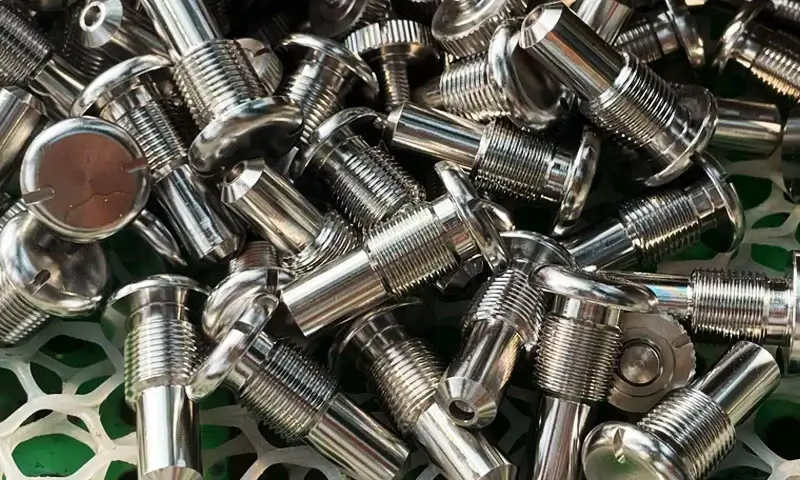
Trong số tất cả các gia đình thép không gỉ, Thép không gỉ Austenitic là loại được sử dụng rộng rãi nhất và có ý nghĩa thương mại nhất, chiếm hơn một nửa sản lượng thép không gỉ toàn cầu.
Nó được công nhận về khả năng chống ăn mòn đặc biệt, Khả năng hàn tuyệt vời, độ dẻo vượt trội, độ dẻo dai vượt trội, và hiệu suất vượt trội trong cả môi trường nhiệt độ cao và đông lạnh.
Các tính chất độc đáo của thép không gỉ austenit bắt nguồn từ cấu trúc luyện kim đặc biệt của nó.
Không giống như thép không gỉ ferritic hoặc martensitic, thép không gỉ austenit duy trì một hình khối tập trung vào khuôn mặt (FCC) cấu trúc tinh thể ở nhiệt độ phòng.
Cấu trúc này cung cấp khả năng biến dạng dẻo tuyệt vời và ngăn ngừa sự phá hủy giòn, làm cho nó phù hợp cho các ứng dụng yêu cầu tạo hình phức tạp, Hàn, và hoạt động đáng tin cậy trong điều kiện khắc nghiệt.
Các cấp độ phổ biến như 304, 316, 321, Và 347 thép không gỉ đã trở thành tiêu chuẩn công nghiệp, trong khi các lớp nâng cao bao gồm 904L, 254 Chúng tôi, và các loại thép không gỉ siêu austenit khác được thiết kế cho môi trường ăn mòn cao.
1. Thép không gỉ Austenitic là gì?
Austenitic thép không gỉ là dòng thép không gỉ lớn nhất và được sử dụng rộng rãi nhất, đặc trưng bởi sự ổn định hình khối tập trung vào khuôn mặt (FCC) cấu trúc tinh thể, được gọi là luyện kim Austenite (pha γ).
Cấu trúc vi mô độc đáo này được duy trì ở nhiệt độ phòng thông qua việc bổ sung các nguyên tố hợp kim ổn định austenit, chủ yếu Niken (TRONG), cùng với các yếu tố như Mangan (Mn), nitơ (N), và carbon (C).
Khác với sắt nguyên chất, nơi austenite chỉ tồn tại ở nhiệt độ cao, Thép không gỉ austenit được thiết kế thông qua hợp kim để giữ lại pha austenit trong phạm vi nhiệt độ rộng, bao gồm cả điều kiện môi trường xung quanh và đông lạnh.
Cấu trúc austenit ổn định này là lý do cơ bản khiến các vật liệu này thể hiện sự kết hợp vượt trội về khả năng chống ăn mòn, độ dẻo, độ dẻo dai, Khả năng hàn, và khả năng chế tạo.
Thuật ngữ “austenit” không đề cập đến một thành phần hóa học cụ thể mà đề cập đến pha luyện kim chiếm ưu thế và cấu trúc tinh thể của hợp kim.
Bằng sắt nguyên chất, sự chuyển đổi từ ferit (α-pha, cấu trúc lập phương lấy vật làm trung tâm) đến austenit (pha γ, Cấu trúc FCC) xảy ra vào khoảng 912° C..
Tuy nhiên, việc bổ sung niken và các nguyên tố tạo austenit khác sẽ mở rộng phạm vi ổn định của pha FCC, cho phép austenite duy trì ổn định ở nhiệt độ phòng và ngay cả trong điều kiện sử dụng ở nhiệt độ cực thấp.
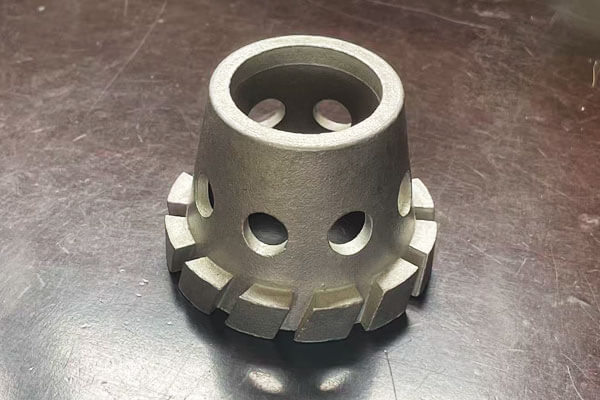
Các tính năng xác định chính của thép không gỉ austenit:
- Khối lập phương tâm mặt (FCC) cấu trúc tinh thể-cung cấp độ dẻo tuyệt vời, độ dẻo dai, và tính định dạng.
- Hàm lượng crom cao (16‑26%)—cung cấp khả năng chống ăn mòn thông qua lớp oxit thụ động tự phục hồi.
- Hàm lượng niken cao (6‑22%)-ổn định cấu trúc austenit, Cải thiện khả năng chống ăn mòn, và tăng cường độ dẻo dai ở nhiệt độ thấp.
- Không có từ tính (ở trạng thái ủ)—không giống như thép không gỉ ferritic và martensitic, các lớp austenit về cơ bản là không có từ tính.
- Không cứng lại bằng cách xử lý nhiệt—sức mạnh chỉ có thể được tăng lên bằng cách gia công nguội (làm việc chăm chỉ).
- Khả năng hàn tuyệt vời—hầu hết các lớp đều có thể hàn được, với cấp độ carbon thấp (lớp L) được thiết kế đặc biệt để chống lại sự nhạy cảm.
2. Thành phần hóa học của thép không gỉ Austenitic
Hiệu suất của thép không gỉ austenit được xác định bởi thành phần hóa học chính xác của chúng.
Bảng sau đây tóm tắt các phạm vi thành phần điển hình cho các phần tử phổ biến nhất và chức năng của chúng.
| Yếu tố | Phạm vi điển hình (wt%) | Chức năng |
| Crom (Cr) | 16‑26 | Tạo thành oxit crom thụ động (Cr₂o₃) màng cung cấp khả năng chống ăn mòn. Cr tăng cải thiện khả năng chống lại axit oxy hóa và quá trình oxy hóa ở nhiệt độ cao. |
| Niken (TRONG) | 6‑22 | Ổn định cấu trúc austenit ở nhiệt độ phòng; Cải thiện khả năng chống ăn mòn (đặc biệt là trong việc giảm axit); tăng cường độ dẻo dai ở nhiệt độ thấp; giảm tốc độ làm việc cứng rắn. |
| Molypden (MO) | 0‑7 | Cải thiện khả năng chống rỗ và ăn mòn kẽ hở, đặc biệt là trong môi trường chứa clorua; tăng cường độ nhiệt độ cao. |
| Mangan (Mn) | ≤2.0 | chất khử oxy; ổn định austenite ở một số lớp (VÍ DỤ., 200 loạt); Cải thiện khả năng làm việc nóng. |
Silicon (Và) |
≤1.0 | chất khử oxy; Cải thiện khả năng kháng oxy hóa. |
| Carbon (C) | ≤0,08 (tiêu chuẩn) <0.03 (lớp L) | Tăng cường hợp kim nhưng có thể làm giảm khả năng chống ăn mòn bằng cách tạo thành cacbua crom (mẫn cảm). Lớp carbon thấp (304L, 316L) giảm thiểu sự nhạy cảm. |
| Nitơ (N) | 0‑0,25 | Tăng cường Austenite; Cải thiện sức đề kháng rỗ; ổn định cấu trúc austenit. |
| đồng (Cu) | 0‑3 | Cải thiện khả năng chống lại axit khử (Đặc biệt là axit sunfuric); tăng cường khả năng định hình. |
| Titan (Của) / Niobi (NB) | ≤1.0 | Chất ổn định-ngăn chặn sự nhạy cảm bằng cách tạo thành cacbua tốt nhất bằng cacbon, để crom trong dung dịch. |
Các mối quan hệ thành phần chính
- Crom tương đương so với. Niken tương đương: Sự cân bằng giữa các yếu tố ổn định ferrite (Cr, MO, Và) và các yếu tố ổn định austenite (TRONG, Mn, N, Cu) xác định xem cấu trúc vi mô có hoàn toàn austenit hay chứa một số ferit.
- Gỗ (Số lượng kháng tương đương): Công thức thực nghiệm dùng để so sánh khả năng chống rỗ của thép không gỉ:
Lấy = %cr + 3.3 × %Mo + 16 × %N
Giá trị PREN cao hơn cho thấy khả năng chống rỗ và ăn mòn kẽ hở tốt hơn trong môi trường clorua.
| Cấp | Gỗ (khoảng.) | Kháng ăn mòn |
| 304 | 19 | Tốt |
| 316 | 26 | Tốt hơn |
| 904L | 34‑38 | Xuất sắc |
| siêu austenit (VÍ DỤ., 6-Hợp kim Mo) | >40 | Đặc biệt |
3. Các loại và cấp độ chính của thép không gỉ Austenitic
Thép không gỉ Austenitic đại diện cho loại thép không gỉ lớn nhất và được sử dụng rộng rãi nhất, chứa nhiều loại được phát triển để đáp ứng các yêu cầu khác nhau về khả năng chống ăn mòn, sức mạnh cơ học, khả năng nhiệt độ, Khả năng hàn, và hiệu suất chế tạo.
Các loại thép không gỉ Austenitic tiêu chuẩn (300 Loạt)
Các 300 loạt là dòng thép không gỉ austenit được công nhận nhất.
Các loại này thường chứa crom và niken làm nguyên tố hợp kim chính của chúng., cung cấp sự cân bằng tuyệt vời về khả năng chống ăn mòn, tính chất cơ học, Khả năng hàn, và hiệu quả chi phí.
Các loại thép không gỉ Austenitic 300-Series phổ biến
| Cấp | Chỉ định Hoa Kỳ | Thành phần gần đúng | Đặc điểm chính | Các ứng dụng điển hình |
| 304 | S30400 | 18% Cr, 8% TRONG | Thép không gỉ austenit được sử dụng rộng rãi nhất; Kháng ăn mòn tuyệt vời, Tính định dạng, Khả năng hàn, và cân bằng chi phí-hiệu quả | Thiết bị chế biến thực phẩm, Thiết bị nhà bếp, Thành phần kiến trúc, Các bộ phận ô tô, ứng dụng công nghiệp nói chung |
| 304L | S30403 | 18% Cr, 8% TRONG, C thấp 0,03% | Phiên bản carbon thấp 304; giảm thiểu lượng mưa cacbua crom và cải thiện khả năng chống ăn mòn sau khi hàn | Cấu trúc hàn, Thiết bị thực phẩm, thiết bị xử lý hóa chất, Tàu áp lực |
| 316 | S31600 | 161818% cr, 10-14% có, 2Mùi 3% mo | Việc bổ sung molypden cải thiện đáng kể khả năng chống rỗ và ăn mòn kẽ hở do clorua gây ra | Thiết bị biển, hệ thống xử lý hóa chất, Thiết bị dược phẩm, thiết bị y tế |
316L |
S31603 | 161818% cr, 10-14% có, 2Mùi 3% mo, thấp c | Phiên bản carbon thấp 316; khả năng hàn vượt trội và khả năng chống ăn mòn giữa các hạt | Bể chứa dược phẩm, công trình biển, hệ thống đường ống hàn, Thiết bị ngoài khơi |
| 321 | S32100 | 17–19% Cr, 9–12% Trong, Các ổn định | Ổn định titan ngăn chặn sự kết tủa cacbua crom; duy trì khả năng chống ăn mòn sau khi tiếp xúc với nhiệt độ cao | Trao đổi nhiệt, hệ thống xả máy bay, Thành phần lò, đường ống nhiệt độ cao |
| 347 | S34700 | 17–19% Cr, 9–13% Trong, Nb đã ổn định | Ổn định Niobium cải thiện khả năng chống nhạy cảm và tăng cường độ bền leo ở nhiệt độ cao | Các thành phần hàng không vũ trụ, thiết bị phát điện, hệ thống xử lý hóa chất nhiệt độ cao |
309 |
S30900 | 22–24% Cr, 12–15% Trong | Hàm lượng crom và niken cao hơn giúp cải thiện khả năng chống oxy hóa ở nhiệt độ cao | Các bộ phận lò, thiết bị đốt, thiết bị xử lý nhiệt, bình nhiệt độ cao |
| 310 | S31000 | 24–26% Cr, 19–22% Trong | Khả năng chống oxy hóa và độ bền tuyệt vời ở nhiệt độ rất cao | Lớp lót lò, ống rạng rỡ, Trao đổi nhiệt, thiết bị xử lý nhiệt |
| 904L | N08904 | 20% Cr, 25% TRONG, 4–5% tháng, Với phép cộng | Lớp Superaustenit có khả năng chống axit sulfuric vượt trội và các hóa chất ăn mòn cao | Lò phản ứng hóa học, thiết bị xử lý axit sulfuric, hệ thống dược phẩm |
Các loại thép không gỉ hiệu suất cao và siêu austenit
Thép không gỉ austenit tiêu chuẩn có thể không cung cấp đủ hiệu suất trong môi trường cực kỳ mạnh như axit đậm đặc, nước biển, và điều kiện có hàm lượng clorua cao.
Đối với những ứng dụng này, thép không gỉ hiệu suất cao hoặc siêu austenit đã được phát triển.
Các lớp Superaustenit đại diện
| Cấp | Chỉ định Hoa Kỳ | Thành phần gần đúng | Đặc điểm chính | Các ứng dụng điển hình |
| 254 Chúng tôi | S31254 | 20% Cr, 18% TRONG, 6% MO, 0.2% N | Khả năng kháng clorua cực cao; Giá trị PREN ở trên 40; Khả năng chống ăn mòn và kẽ hở tuyệt vời | Hệ thống nước biển, Nền tảng ngoài khơi, Cây khử muối, thiết bị xử lý hóa chất |
| Al-6xn | N08367 | 21% Cr, 24% TRONG, 6.3% MO, 0.2% N | Khả năng chống ăn mòn clorua và môi trường axit vượt trội; sức mạnh cơ học cao | Kỹ thuật hàng hải, ngành công nghiệp giấy và bột giấy, Xử lý hóa học, Thiết bị kiểm soát ô nhiễm |
| Incoloy 825 | N08825 | 21% Cr, 42% TRONG, 3% MO, 2% Cu | Khả năng chống axit khử tuyệt vời, Ăn mòn căng thẳng, và môi trường nhiệt độ cao | Thiết bị dầu khí, Xử lý hóa học, ứng dụng hạt nhân |
Các loại thép không gỉ đúc Austenitic
Không giống như thép không gỉ rèn, thép không gỉ đúc được thiết kế đặc biệt để sản xuất thông qua các quá trình đúc như:
- Đúc đầu tư
- Đúc cát
- Đúc vỏ
Các loại thép không gỉ Austenitic đúc phổ biến
| Lớp đúc ASTM | Chỉ định Hoa Kỳ | Tương đương rèn | Đặc điểm chính | Các ứng dụng điển hình |
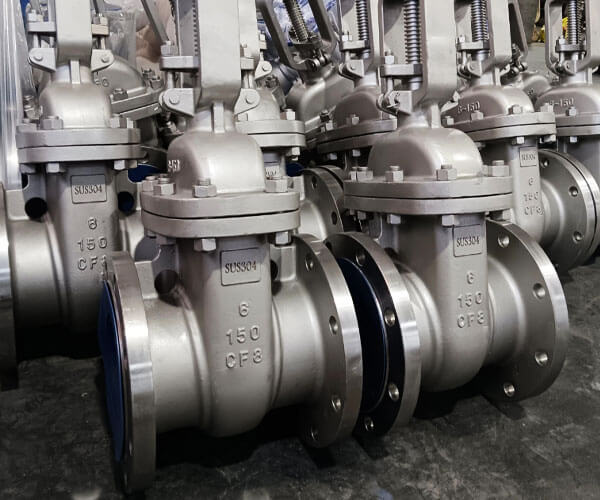
| CF-8 | J92600 | 304 | Thép không gỉ austenit đúc đa năng; khả năng chống ăn mòn tuyệt vời và khả năng đúc | Thân van, Vỏ bơm, Phụ kiện ống, Thành phần công nghiệp |
| CF-3 | J92500 | 304L | Lớp đúc carbon thấp; khả năng hàn tuyệt vời và khả năng chống nhạy cảm | Linh kiện van hàn, Thiết bị hóa học, Tàu áp lực |
| CF-8M | J92900 | 316 | Hợp kim đúc chứa molypden có khả năng chống ăn mòn clorua được cải thiện | Van biển, máy bơm hóa chất, Thiết bị dược phẩm |
| CF-3M | J92800 | 316L | Phiên bản carbon thấp của CF-8M; khả năng hàn tuyệt vời và chống ăn mòn | Thiết bị ngoài khơi, hệ thống khử muối, đúc xử lý hóa chất |
| CN-7M | J95150 | Hợp kim 20 | Khả năng kháng axit sulfuric cao và môi trường hóa học mạnh | Thiết bị xử lý axit, thành phần hóa dầu |
4. Đặc tính chính của thép không gỉ Austenitic
Thép không gỉ Austenitic được công nhận rộng rãi nhờ khả năng chống ăn mòn cân bằng tuyệt vời, Hiệu suất cơ học, khả năng chế tạo, và độ tin cậy của dịch vụ.
Những tính chất này chủ yếu được xác định bởi tính ổn định của chúng hình khối tập trung vào khuôn mặt (FCC) cấu trúc tinh thể, Hàm lượng crom cao, và sự hiện diện của các nguyên tố ổn định austenite như niken và nitơ.
Kháng ăn mòn
Khả năng chống ăn mòn đặc biệt là đặc tính rõ ràng nhất của thép không gỉ austenit.
Sự bảo vệ đến từ sự hình thành của một lớp mỏng, ổn định, và tự chữa lành Oxit crom (Cr₂o₃) Phim thụ động trên bề mặt vật liệu.
Khi crom phản ứng với oxi ở môi trường xung quanh, nó tạo thành một lớp oxit bảo vệ ngăn chặn quá trình oxy hóa tiếp theo và bảo vệ kim loại bên dưới khỏi sự tấn công ăn mòn.
Ngay cả khi bề mặt bị hư hỏng cơ học, màng thụ động này có thể tái tạo nhanh chóng trong môi trường chứa oxy.
Hiệu suất ăn mòn của thép không gỉ austenit phụ thuộc vào thành phần hợp kim. Crom cung cấp khả năng chống ăn mòn cơ bản, trong khi niken cải thiện khả năng chống lại môi trường hóa học và ổn định cấu trúc austenit.
Các loại có chứa molypden, chẳng hạn như 316 và 316l, cải thiện đáng kể khả năng chống ăn mòn rỗ và kẽ hở do clorua gây ra.
Để có điều kiện dịch vụ tích cực hơn, các lớp cao cấp như 904L, 254 Chúng tôi, và AL-6XN được phát triển với hàm lượng niken cao hơn, Molypden, và nitơ để chịu được môi trường khắc nghiệt, bao gồm nước biển, axit mạnh, và các ứng dụng xử lý hóa học.
Tính chất cơ học và hành vi làm cứng
Thép không gỉ Austenitic mang lại sự cân bằng tuyệt vời giữa độ bền và độ dẻo.
Ở trạng thái ủ, sức mạnh của chúng là vừa phải so với thép không gỉ martensitic hoặc duplex, nhưng độ dẻo vượt trội của chúng cho phép chúng trải qua biến dạng đáng kể mà không bị nứt.
Triển lãm thép không gỉ austenit điển hình:
- Độ bền kéo: khoảng 500–750 MPa
- Sức mạnh năng suất: khoảng 170–350 MPa
- Kéo dài: thường ở trên 40%
Một trong những đặc tính cơ học quan trọng nhất của thép không gỉ austenit là khả năng chịu lực tốt. khả năng làm việc cứng.
Khi biến dạng nguội, chẳng hạn như lăn, vẽ, hoặc hình thành, mật độ sai lệch trong cấu trúc FCC tăng lên, dẫn đến độ bền và độ cứng cao hơn.
Hành vi này cung cấp một số lợi thế kỹ thuật. Gia công nguội có thể cải thiện đáng kể độ bền cơ học của các bộ phận mà không cần xử lý nhiệt bổ sung, có thể sản xuất dây thép không gỉ có độ bền cao, lò xo, dải, và các bộ phận chính xác.
Tuy nhiên, quá trình làm việc bền bỉ cũng tạo ra những thách thức trong quá trình sản xuất.
Vật liệu đòi hỏi lực tạo hình cao hơn, tăng tốc độ mài mòn dụng cụ trong quá trình gia công, và có thể yêu cầu ủ trung gian trong các hoạt động tạo hình khắc nghiệt để khôi phục độ dẻo.
Độ dẻo dai ở nhiệt độ thấp
Thép không gỉ Austenitic sở hữu độ dẻo dai vượt trội ở nhiệt độ cực thấp nhờ cấu trúc tinh thể FCC ổn định.
Không giống như thép không gỉ ferritic và martensitic, chúng không trải qua nhiệt độ chuyển tiếp từ dẻo sang giòn, cho phép chúng duy trì khả năng chống va đập tuyệt vời ngay cả trong điều kiện đông lạnh.
Các cấp độ phổ biến như 304L và 316L giữ được độ dẻo dai tuyệt vời ở nhiệt độ gần −196°C, biến chúng thành vật liệu lý tưởng cho các ứng dụng liên quan đến khí hóa lỏng và môi trường cực lạnh.
Sự kết hợp độc đáo giữa độ bền ở nhiệt độ thấp và khả năng chống ăn mòn làm cho thép không gỉ austenit được sử dụng rộng rãi trong:
- Hệ thống lưu trữ và vận chuyển LNG
- Đường ống đông lạnh
- Thiết bị oxy và nitơ lỏng
- Hệ thống nhiên liệu hàng không vũ trụ
- Cơ sở hạ tầng vùng lạnh
Rất ít vật liệu kỹ thuật cung cấp độ tin cậy đông lạnh tương đương trong khi vẫn duy trì khả năng hàn và chống ăn mòn tốt.
Khả năng hàn
Thép không gỉ Austenitic được coi là một trong những vật liệu thép không gỉ dễ hàn nhất vì cấu trúc vi mô ổn định của chúng, Độ dẻo tuyệt vời, và nguy cơ nứt liên quan đến hàn tương đối thấp.
Chúng có thể được chế tạo bằng các phương pháp hàn thông thường, bao gồm TIG, TÔI, Hàn laser, và hàn điện trở.
Hầu hết các loại tiêu chuẩn có thể được hàn mà không cần làm nóng trước, và các mối hàn thường giữ được tính chất cơ học tốt và khả năng chống ăn mòn.
Một vấn đề quan trọng cần quan tâm trong quá trình hàn là sự nhạy cảm, xảy ra khi kết tủa crom cacbua hình thành ở ranh giới hạt khi tiếp xúc với nhiệt độ khoảng 450–850°C.
Quá trình này làm giảm lượng crom sẵn có gần ranh giới hạt và có thể dẫn đến ăn mòn giữa các hạt..
Để giảm thiểu rủi ro này, các loại có hàm lượng carbon thấp như 304L và 316L được sử dụng rộng rãi.
Hàm lượng carbon giảm của chúng hạn chế sự hình thành cacbua và đảm bảo khả năng chống ăn mòn tốt hơn sau khi hàn, làm cho chúng đặc biệt thích hợp cho các bình chịu áp lực, Hệ thống đường ống, Thiết bị dược phẩm, và các thành phần xử lý hóa học.
Khả năng định hình và hiệu suất chế tạo
Khả năng tạo hình tuyệt vời của thép không gỉ austenit là kết quả trực tiếp của cấu trúc tinh thể FCC và độ dẻo cao của nó..
So với nhiều hợp kim kỹ thuật khác, Các lớp austenit có thể trải qua biến dạng dẻo rộng rãi trong khi vẫn duy trì tính toàn vẹn cấu trúc.
Chúng phù hợp cho các quy trình sản xuất như:
- Vẽ sâu
- Dập
- uốn
- Cuộn hình thành
- Hydroforming
Các lớp như 304 Và 316 được sử dụng rộng rãi cho các thành phần có hình dạng phức tạp, bao gồm cả thiết bị nhà bếp, thiết bị y tế, Các bộ phận ô tô, và vỏ công nghiệp.
Độ giãn dài cao của chúng cho phép các nhà sản xuất sản xuất các bộ phận có thành mỏng và phức tạp với ít rủi ro bị nứt hơn.
Tuy nhiên, bởi vì những vật liệu này cứng lại nhanh chóng trong quá trình biến dạng, các hoạt động tạo hình phức tạp có thể yêu cầu dụng cụ được tối ưu hóa, nhiều giai đoạn hình thành, hoặc ủ trung gian.
Đặc điểm gia công
Mặc dù thép không gỉ austenit rất thích hợp cho việc tạo hình và hàn, nhìn chung chúng khó gia công hơn thép cacbon.
Những thách thức gia công chính liên quan đến độ dẻo dai của chúng, độ dẻo, và hành vi làm việc chăm chỉ.
Trong quá trình cắt, lớp bề mặt có thể nhanh chóng trở nên cứng hơn, tăng lực cắt và tăng tốc độ mài mòn dụng cụ.
Ngoài ra, độ dẫn nhiệt tương đối thấp của chúng khiến nhiệt tập trung nhiều hơn ở vùng cắt, có thể làm giảm tuổi thọ dụng cụ.
Để đạt được hiệu suất gia công hiệu quả, các nhà sản xuất thường sử dụng:
- Thông số cắt thích hợp
- Dụng cụ cacbit hoặc phủ sắc bén
- Hệ thống làm mát hiệu quả
- Cấu hình máy cứng nhắc
Các lớp gia công tự do như 303 thép không gỉ đôi khi được chọn khi cần cải thiện khả năng gia công, mặc dù chúng thường có khả năng chống ăn mòn thấp hơn một chút so với tiêu chuẩn 304 hoặc 316 điểm.
Hành vi không từ tính (Điều kiện ủ)
Thép không gỉ Austenitic nói chung là không có từ tính trong điều kiện ủ vì cấu trúc austenit FCC của chúng không thể hiện tính chất sắt từ.
Đặc điểm này phân biệt chúng với thép không gỉ ferritic và martensitic, có từ tính tự nhiên do cấu trúc tinh thể khác nhau của chúng.
Các cấp độ phổ biến như 304, 316, và 316L có độ thấm từ rất thấp sau khi ủ dung dịch, làm cho chúng phù hợp cho các ứng dụng cần giảm thiểu nhiễu từ, bao gồm:
- Thiết bị y tế
- Dụng cụ thí nghiệm
- Thiết bị điện tử chính xác
- Môi trường liên quan đến MRI
Tuy nhiên, gia công nguội có thể biến đổi một phần austenite thành martensite do biến dạng, gây ra sự gia tăng phản ứng từ tính. Mức độ từ tính phụ thuộc vào thành phần hợp kim, Nội dung niken, Hàm lượng nitơ, và mức độ biến dạng cơ học.
5. Hạn chế của thép không gỉ Austenitic
Mặc dù thép không gỉ austenit được sử dụng rộng rãi vì khả năng chống ăn mòn tuyệt vời., độ dẻo dai, Khả năng hàn, và tính định dạng, chúng cũng có một số hạn chế phải được xem xét trong quá trình lựa chọn vật liệu và thiết kế thành phần.
Sức mạnh năng suất thấp hơn trong điều kiện ủ
Một trong những hạn chế chính của thép không gỉ austenit thông thường là cường độ chảy tương đối thấp trong điều kiện ủ..
Các cấp độ phổ biến như 304 Và 316 thép không gỉ thường có cường độ năng suất thấp hơn nhiều loại ferritic, Martensitic, và thép không gỉ song.
Điều này có nghĩa là chúng có thể yêu cầu các phần dày hơn hoặc các phương pháp tăng cường bổ sung khi sử dụng trong các ứng dụng chịu tải..
Không giống như thép không gỉ martensitic, lớp austenit không thể được tăng cường thông qua xử lý nhiệt thông thường. Sức mạnh của họ chủ yếu được tăng lên thông qua:
- Làm việc lạnh
- Hợp kim nitơ
- Dung dịch rắn tăng cường
Biến dạng lạnh có thể cải thiện đáng kể sức mạnh, nhưng nó có thể làm giảm độ dẻo và tăng độ khó tạo hình.
Dành cho các ứng dụng yêu cầu tỷ lệ cường độ trên trọng lượng cao, chẳng hạn như các công trình ngoài khơi hoặc các bộ phận cơ khí nặng, thép không gỉ song công hoặc thép không gỉ làm cứng kết tủa có thể mang lại hiệu suất tốt hơn.
Rủi ro mẫn cảm khi tiếp xúc với nhiệt
Thép không gỉ Austenitic có hàm lượng carbon cao hơn có thể gặp phải sự nhạy cảm khi tiếp xúc với nhiệt độ thường giữa 450° C và 850 ° C., đặc biệt là trong quá trình hàn hoặc làm việc ở nhiệt độ cao trong thời gian dài.
Trong quá trình này:
- Carbon phản ứng với crom tạo thành kết tủa cacbua crom ở ranh giới hạt.
- Các khu vực nghèo crom phát triển gần ranh giới hạt.
- Khả năng chống ăn mòn cục bộ giảm, có khả năng gây ăn mòn giữa các hạt.
Để giảm thiểu rủi ro này, kỹ sư thường chọn:
- Lớp carbon thấp, chẳng hạn như 304L và 316L
- Lớp ổn định, chẳng hạn như 321 Và 347
Các lớp này được thiết kế để duy trì khả năng chống ăn mòn sau khi hàn hoặc tiếp xúc với nhiệt.
Ăn mòn ứng suất Cracking trong môi trường clorua
Mặc dù thép không gỉ austenit có khả năng chống ăn mòn nói chung tuyệt vời, họ có thể dễ bị tổn thương Ăn mòn căng thẳng (SCC) trong một số điều kiện nhất định.
SCC thường xảy ra khi có ba yếu tố tồn tại đồng thời:
- Căng thẳng kéo
- Môi trường chứa clorua
- Nhiệt độ tăng cao
Môi trường rủi ro phổ biến bao gồm:
- Hệ thống nước biển
- Thiết bị ngoài khơi
- Các quá trình hóa học có chứa clorua
- Hệ thống công nghiệp nhiệt độ cao
Các loại austenit hợp kim cao hơn có hàm lượng niken tăng, Molypden, và hàm lượng nitơ, chẳng hạn như 904L, 254 Chúng tôi, và AL-6XN, cải thiện khả năng chống ăn mòn do clorua gây ra.
Tuy nhiên, cho môi trường clorua cực kỳ khắc nghiệt, thép không gỉ song công hoặc siêu song công vẫn có thể được ưa thích hơn.
Hiệu suất gia công khó khăn
Thép không gỉ Austenitic thường khó gia công hơn thép carbon vì tính chất cơ học độc đáo của chúng.
Thách thức chính là sức mạnh của họ Xu hướng làm việc làm việc. Trong quá trình gia công, lớp bề mặt bị biến dạng trở nên cứng hơn, tăng lực cắt và tăng tốc độ mài mòn dụng cụ.
Những khó khăn gia công bổ sung bao gồm:
- Độ dẫn nhiệt thấp, gây ra sự tập trung nhiệt ở vùng cắt
- Độ dẻo cao, dẫn đến chip dài và khó kiểm soát
- Tăng nguy cơ bề mặt hoàn thiện kém
Gia công hiệu quả đòi hỏi:
- Thông số cắt thích hợp
- Dụng cụ sắc bén và chống mài mòn
- Làm mát và bôi trơn hiệu quả
- Cấu hình máy cứng nhắc
Các lớp gia công tự do như 303 thép không gỉ có thể cải thiện hiệu quả gia công, mặc dù chúng thường hy sinh một số khả năng chống ăn mòn so với tiêu chuẩn 304.
Chi phí vật liệu cao hơn
Thép không gỉ Austenitic thường đắt hơn thép không gỉ ferritic hoặc martensitic vì hàm lượng hợp kim cao hơn, đặc biệt là niken.
Niken rất cần thiết để ổn định cấu trúc austenit và cải thiện độ dẻo dai, nhưng nó làm tăng đáng kể chi phí vật liệu.
Các nguyên tố hợp kim bổ sung như molypden trong 316 và các loại siêu austenit làm tăng giá hơn nữa.
Tuy nhiên, chi phí ban đầu cao hơn thường được cân bằng bởi:
- Tuổi thọ dài hơn
- Yêu cầu bảo trì thấp hơn
- Chống ăn mòn tốt hơn
- Giảm tần suất thay thế
Đối với các ứng dụng mà hư hỏng do ăn mòn sẽ dẫn đến thời gian ngừng hoạt động cao hoặc rủi ro về an toàn, thép không gỉ austenit thường mang lại giá trị kinh tế tổng thể tốt hơn.
Hình thành thách thức
Thép không gỉ Austenitic có khả năng định hình tuyệt vời, nhưng hành vi chăm chỉ làm việc mạnh mẽ của họ có thể tạo ra thách thức trong các hoạt động tạo hình phức tạp.
So với thép cacbon, họ yêu cầu:
- Lực hình thành cao hơn
- Trang bị mạnh mẽ hơn
- Kiểm soát quá trình cẩn thận hơn
Trong quá trình uốn và dập, Springback có thể xảy ra do khả năng phục hồi đàn hồi cao của chúng. Điều này có thể ảnh hưởng đến độ chính xác về kích thước và yêu cầu bù trong quá trình thiết kế công cụ.
Dành cho các quá trình vẽ sâu và tạo hình phức tạp, nhà sản xuất có thể cần phải xem xét:
- Hoạt động hình thành nhiều giai đoạn
- Ủ trung gian
- Hình học dụng cụ được tối ưu hóa
Bất chấp những thách thức này, Thép không gỉ austenit vẫn là một trong những vật liệu thép không gỉ dễ tạo hình nhất hiện có.
6. Ứng dụng của thép không gỉ Austenitic
Do sự kết hợp tuyệt vời của khả năng chống ăn mòn, độ dẻo dai, Khả năng hàn, và khả năng chế tạo, Thép không gỉ austenit được sử dụng trong hầu hết các lĩnh vực công nghiệp lớn.
| Ngành công nghiệp | Ứng dụng | Lớp tiêu biểu | Yêu cầu chính |
| Đồ ăn & đồ uống | Xe tăng, tàu, đường ống, Băng tải, Dao kéo, Thiết bị nhà bếp. | 304, 316L | tuân thủ FDA; Vệ sinh; chống ăn mòn; Dễ dàng để làm sạch. |
| Thuộc về y học & Dược phẩm | Dụng cụ phẫu thuật, cấy ghép, hệ thống WFI, Thiết bị phòng sạch. | 316L, 304L | Tương thích sinh học; có thể khử trùng; không xốp; chống ăn mòn. |
| Xử lý hóa học | Lò phản ứng, Trao đổi nhiệt, đường ống, Van, bơm. | 316L, 904L, Hợp kim 20 | Khả năng chống ăn mòn axit, Hóa chất, và nhiệt độ cao. |
| Hàng hải & ngoài khơi | Đường ống nước biển, bơm, Trao đổi nhiệt, Nền tảng ngoài khơi. | 316L, 254 Chúng tôi, song công | Khả năng chống rỗ clorua; chống ăn mòn nước biển. |
| Kiến trúc & sự thi công | Ốp, Tấm lợp, tay vịn, Tường rèm, phần kết cấu. | 304, 316 | Thẩm mỹ; kháng ăn mòn; độ bền; cuộc sống phục vụ lâu dài. |
Sản xuất điện |
Trao đổi nhiệt, ống ngưng tụ, linh kiện nồi hơi, Các bộ phận tuabin. | 304L, 316L, 310, 347 | Độ bền nhiệt độ cao; kháng oxy hóa; Khả năng chống creep. |
ô tô |
Hệ thống ống xả, linh kiện tăng áp, cảm biến, Cắt. | 304, 321, 310 | Khả năng chống oxy hóa ở nhiệt độ cao; kháng ăn mòn; Tính định dạng. |
| Hàng không vũ trụ | Các thành phần động cơ, hệ thống ống xả, các bộ phận cấu trúc, buộc chặt. | 304, 321, 347 | Độ bền nhiệt độ cao; kháng ăn mòn; độ dẻo dai. |
| Đông lạnh | bể chứa LNG, đường ống đông lạnh, vận chuyển khí hóa lỏng. | 304, 316 | Độ dẻo dai ở nhiệt độ thấp (không có DBTT). |
| Điện tử | Vỏ, đầu nối, che chắn, linh kiện dụng cụ. | 304, 316L | Không có từ tính; chống ăn mòn; Tính định dạng. |
| Dầu & khí | Đường ống, Van, phụ kiện, thiết bị dưới đất, Các thành phần đầu tốt. | 316L, 904L, 254 Chúng tôi | Kháng SCC clorua; sức mạnh cao; kháng khí chua. |
7. Thép không gỉ Austenitic và các loại thép không gỉ khác
Thép không gỉ được phân loại thành nhiều họ lớn theo tính chất của chúng. cấu trúc vi mô, Thành phần hợp kim, tính chất cơ học, và phản ứng xử lý nhiệt.
Mặc dù tất cả các loại thép không gỉ đều dựa vào crom để đạt được khả năng chống ăn mòn, sự khác biệt trong cấu trúc tinh thể và các nguyên tố hợp kim dẫn đến sự thay đổi đáng kể về độ bền, độ dẻo dai, hiệu suất ăn mòn, Khả năng hàn, và sự phù hợp của ứng dụng.
| Tiêu chí | Thép không gỉ Austenitic | Thép không gỉ ferritic | Thép không gỉ Martensitic | Thép không gỉ song công | Kết tủa cứng (PH) thép không gỉ |
| Cấu trúc tinh thể | FCC (Austenite) | BCC (Ferrite) | BCT (Martensite) | FCC hỗn hợp + BCC | Cấu trúc Martensitic hoặc Austenit tùy theo cấp |
| Nội dung crom điển hình | 16–26% | 10.5–30% | 11–18% | 21–26% | 14–17% |
| Hàm lượng Niken điển hình | 6–22% | <1% | <2% | 4–7% | 3–8% |
| Nội dung molybdenum | 0–7% | 0–2% | 0–1% | 0–4% | 0–4% |
| Độ cứng tối đa | 217 HB | 250 HB | Lên đến 600 HB (dập tắt) | 300 HB | Lên đến 500 HB |
| Sức mạnh năng suất (Ăn) | 170–280 MPa | 200Mạnh300 MPa | 250MP450 MPa | 450MP550 MPA | 550–1.100 MPa |
| Độ bền kéo | 485MP650 MPa | 400Mạnh500 MPa | 700Mạnh1.000 MPa | 650MP800 MPa | 1,000–1.300 MPa |
| Kéo dài | 35–60% | 20–30% | 10–20% | 20–30% | 8–15% |
| Kháng ăn mòn nói chung | Xuất sắc | Tốt | Vừa phải | Xuất sắc | Tốt đến xuất sắc |
| Chống ăn mòn ứng suất clorua | Vừa phải | Tốt | Nghèo | Xuất sắc | Vừa phải |
| Độ dẻo dai ở nhiệt độ thấp | Xuất sắc | Nghèo (chuyển từ dẻo sang giòn) | Nghèo (chuyển từ dẻo sang giòn) | Vừa phải đến tốt | Vừa phải |
Cường độ nhiệt độ cao |
Xuất sắc (khoảng 800–1100°C tùy theo cấp) | Tốt (lên tới khoảng 800°C) | Vừa phải (thường dưới 400°C) | Hạn chế so với các loại austenit | Vừa phải |
| Khả năng hàn | Xuất sắc | Tốt | Kém đến trung bình | Tốt | Tốt |
| Hành vi từ tính | Không từ tính trong điều kiện ủ | Từ tính | Từ tính | Từ tính yếu | Nói chung là từ tính |
| Làm cứng xử lý nhiệt | KHÔNG (được tăng cường chủ yếu bằng cách gia công nguội) | Giới hạn | Đúng | KHÔNG | Đúng |
| Chi phí tương đối | Cao hơn do hàm lượng niken | Thấp hơn | Vừa phải | Cao hơn | Cao hơn |
| Các ứng dụng điển hình | Thiết bị hóa học, chế biến thực phẩm, Hệ thống biển, thiết bị y tế, ngành kiến trúc | Hệ thống ống xả ô tô, thiết bị, bảng kiến trúc | Dao kéo, Van, Vòng bi, thành phần chịu mài mòn | Nền tảng ngoài khơi, Hệ thống nước biển, Xử lý hóa học | Các thành phần hàng không vũ trụ, ốc vít cường độ cao, bộ phận cơ khí chính xác |
8. Phần kết luận
Thép không gỉ Austenitic chiếm một vị trí độc nhất và không thể thay thế trong bối cảnh kỹ thuật vật liệu.
Cấu trúc tinh thể FCC austenit hoàn toàn của chúng mang đến sự kết hợp khả năng chống ăn mòn tuyệt vời, khả năng định dạng đặc biệt, Độ bền đông lạnh vượt trội và hiệu suất nhiệt độ cao tốt mà không dòng thép không gỉ nào khác có thể sánh được.
Từ khắp nơi 18/8 cấp 304 đến hợp kim siêu austenit hiệu suất cao, loại vật liệu này cung cấp các giải pháp hiệu chuẩn cho mọi mức độ nghiêm trọng của dịch vụ ăn mòn.
Hiểu thép không gỉ austenit có nghĩa là nhận ra cả tính linh hoạt đặc biệt và ranh giới xác định của chúng.
Chúng vượt trội trong việc ăn mòn nói chung, đông lạnh, ứng dụng nhiệt độ cao và tạo hình chuyên sâu, nhưng chúng không phải là sự lựa chọn tối ưu cho nhiệm vụ kết cấu cường độ cao, môi trường SCC clorua nghiêm trọng hoặc các bộ phận gia công khối lượng lớn trong đó các dòng thép không gỉ khác có thể mang lại hiệu suất tốt hơn với chi phí thấp hơn.
Câu hỏi thường gặp
Tại sao thép không gỉ austenit không có từ tính?
Khối lập phương tâm mặt (FCC) cấu trúc của austenit không có tính sắt từ.
Điều này trái ngược với thép không gỉ ferritic và martensitic, có cấu trúc BCC và có từ tính.
Thép không gỉ austenit có thể được làm cứng bằng cách xử lý nhiệt?
KHÔNG. Thép không gỉ Austenitic không thể được làm cứng bằng cách xử lý nhiệt. Chúng chỉ được tăng cường bằng cách gia công nguội (làm việc chăm chỉ).
Điều này là do cấu trúc FCC không trải qua quá trình biến đổi martensitic khi làm mát.
Nhạy cảm là gì, và nó được ngăn chặn như thế nào?
Sự nhạy cảm xảy ra khi cacbua crom kết tủa ở ranh giới hạt ở nhiệt độ 450‑850°C, làm cạn kiệt crom cục bộ và gây ra sự ăn mòn giữa các hạt.
Nó được ngăn ngừa bằng cách sử dụng các loại có hàm lượng carbon thấp (304L, 316L), lớp ổn định (321, 347), hoặc làm mát nhanh sau khi hàn.
Sự khác biệt giữa 304 và 304L?
304L có hàm lượng carbon thấp hơn (.030,03% so với. ≤0,08% cho 304).
Điều này làm giảm nguy cơ nhạy cảm trong quá trình hàn, làm 304L thích hợp cho các kết cấu hàn yêu cầu chống ăn mòn tốt.
Số PREN là gì?
Gỗ (Số lượng kháng tương đương) là một công thức thực nghiệm được sử dụng để dự đoán khả năng chống rỗ của thép không gỉ: Lấy = %cr + 3.3 × %Mo + 16 × %N.
Giá trị PREN cao hơn cho thấy khả năng chống rỗ và ăn mòn kẽ hở tốt hơn trong môi trường clorua.
Thép không gỉ austenit có thích hợp cho các ứng dụng đông lạnh không?
Đúng. Thép không gỉ Austenitic (đặc biệt 304 Và 316) duy trì độ dẻo dai cao đến nhiệt độ đông lạnh (−269°C, heli lỏng).
Chúng không thể hiện sự chuyển đổi từ dẻo sang giòn, làm cho chúng trở nên cần thiết cho thiết bị lưu trữ và đông lạnh LNG.

