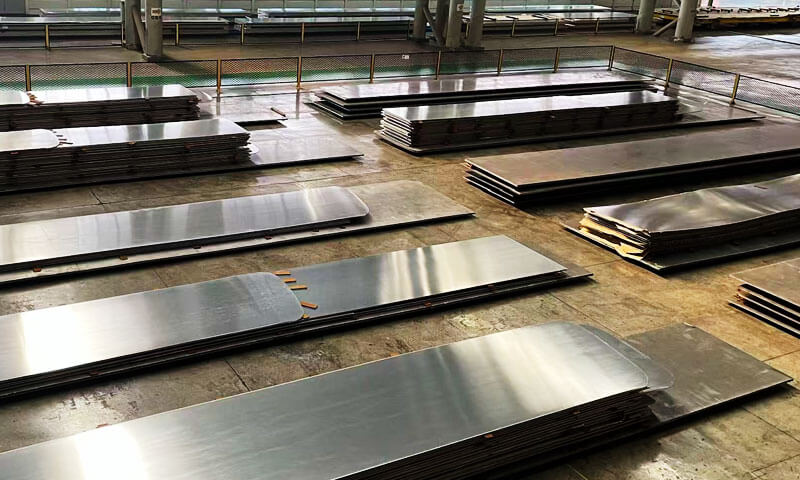
1. Giới thiệu
904L Thép không gỉ (Hoa Kỳ N08904/EN1.4539) đứng ở đỉnh cao của gia đình siêu Austenitic, được đánh giá cao cho khả năng chống ăn mòn đặc biệt của nó, sức mạnh cơ học, và tính định dạng.
Được phát triển bởi Outokumpu và AK Steel vào những năm 1970 để đáp ứng sự khắc nghiệt của ngành xử lý hóa chất,
904Thép không gỉ L lấp đầy khoảng cách quan trọng giữa các loại 300-series thông thường (VÍ DỤ., 304L, 316L) và các hợp kim gốc niken kỳ lạ hơn.
Hôm nay, nó tìm thấy các thị trường trọng điểm trong ngành hóa dầu, hàng hải, sản xuất điện, và ngành dược phẩm có độ tinh khiết cao.
Bài viết này tìm hiểu thành phần của inox 904L, của cải, sự chế tạo, và các ứng dụng để hướng dẫn lựa chọn vật liệu trong môi trường đòi hỏi khắt khe.
2. Thành phần hóa học & Cơ sở luyện kim
904L thép không gỉ là a hợp kim siêu austenit được thiết kế để cung cấp khả năng chống ăn mòn đặc biệt trong môi trường biển và hóa chất khắc nghiệt.
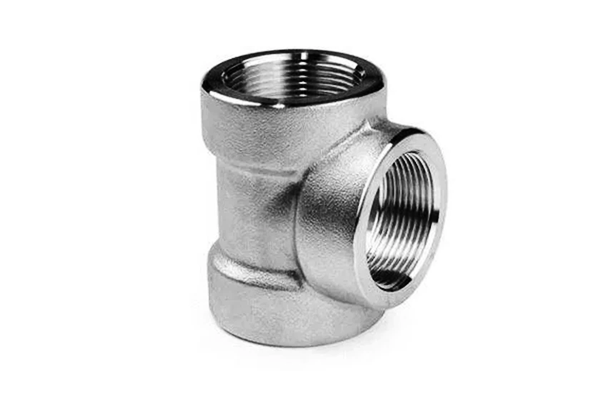
Hiệu suất của nó bắt nguồn từ thành phần hóa học được thiết kế tỉ mỉ giúp tăng cường khả năng chống rỗ, Ăn mòn kẽ hở, và vết nứt do ăn mòn ứng suất, đặc biệt là trong điều kiện chứa clorua và axit.
Thành phần hóa học danh nghĩa của 904L (Hoa Kỳ N08904) thép không gỉ
| Yếu tố | Biểu tượng | Nội dung điển hình (WT. %) | Chức năng / Vai trò |
| Sắt | Fe | Sự cân bằng (~50,0–55,0%) | Ma trận cơ sở của hợp kim; Hỗ trợ tất cả các yếu tố hợp kim |
| Crom | Cr | 19.0Mạnh23.0 | Thúc đẩy thụ động; cải thiện khả năng chống ăn mòn chung và cục bộ |
| Niken | TRONG | 23.0Mạnh28.0 | Ổn định giai đoạn austenitic; Tăng độ dẻo và điện trở SCC clorua |
| Molypden | MO | 4.0Cấm5.0 | Tăng cường khả năng chống ăn mòn rỗ và kẽ hở (Pren tăng) |
| đồng | Cu | 1.0Cấm2.0 | Tăng khả năng kháng axit không oxy hóa (VÍ DỤ., H₂so₄, H₃po₄) |
| Carbon | C | ≤ 0.02 | Giảm thiểu kết tủa cacbua; ngăn chặn sự nhạy cảm |
| Mangan | Mn | ≤ 2.0 | Desoxidizer; Hỗ trợ kháng lưu huỳnh và khả năng làm việc nóng |
| Silicon | Và | ≤ 1.0 | Tăng cường kháng oxy hóa; được sử dụng như một chất khử oxy trong sản xuất thép |
| Phốt pho | P | ≤ 0.045 | Phần tử còn lại; Giữ thấp để tránh việc ôm ấp |
| Lưu huỳnh | S | ≤ 0.035 | Phần tử còn lại; giảm thiểu để duy trì độ dẻo và hiệu suất ăn mòn |
| Nitơ | N | ≤ 0.10 | Tăng cường ma trận Austenitic; Cải thiện sức đề kháng rỗ |
Đặc điểm luyện kim
- Hoàn toàn là cấu trúc vi mô austenitic: Nội dung Ni và CR cao ổn định ma trận austenitic một pha, Ngay cả sau khi hàn hoặc làm việc lạnh,
loại bỏ nguy cơ hình thành pha ferrite hoặc sigma có thể làm giảm hiệu suất ăn mòn. - Carbon thấp (lớp L): Với C ≤ 0.02%, 904Thép không gỉ L có khả năng chống ăn mòn giữa các hạt cao, ngay cả trong điều kiện hàn, và đáp ứng các yêu cầu của ASTM A262 Practice E.
- Ổn định chống lại sự nhạy cảm: Khác với một số loại thép không gỉ khác, 904L không yêu cầu titan (Của) hoặc niobi (NB) chất ổn định
bởi vì lượng carbon cực thấp và quá trình ủ nhanh của nó ngăn chặn sự kết tủa cacbua crom. - Sức mạnh tổng hợp hợp kim: Sức mạnh tổng hợp giữa Mo, Cu, và Ni cải thiện khả năng chống ăn mòn trong môi trường axit khử và hỗn hợp, bao gồm axit sunfuric lên đến 40 % nồng độ ở nhiệt độ môi trường.
3. Thuộc vật chất & Tính chất cơ học của thép không gỉ 904L
| Tài sản | 904L Thép không gỉ | Ghi chú |
| Tỉ trọng | 8.03 g/cm³ | Cao hơn một chút so với 316L (7.99 g/cm³) |
| Phạm vi nóng chảy | 1,370–1.420°C | Tương tự với các austenit khác |
| Độ dẫn nhiệt | 14 W/m · k (Tại 100 ° C.) | Khoảng 30% thấp hơn 316L |
| Hệ số mở rộng | 16 × 10⁻⁶ /k (20Mạnh100 ° C.) | Có thể so sánh với 316L |
| Nhiệt cụ thể | 500 J/kg · k | - |
| Độ bền kéo | 520MP760 MPa | Điều kiện ủ |
| Sức mạnh năng suất | 200MP350 MPa | Phạm vi rộng do sự thay đổi chế tạo |
| Kéo dài | ≥ 40 % | Độ dẻo đặc biệt |
| Độ cứng (Brinell) | 200–240 HB | Độ cứng vừa phải, có thể hình thành |
4. Kháng ăn mòn & Độ bền
Điểm nổi bật của thép không gỉ 904L là khả năng chống chịu vượt trội trên nhiều môi trường ăn mòn:
- Ăn mòn chung: Tấn công hầu như không đáng kể trong môi trường trung tính và oxy hóa nhẹ.
- Kháng/kẽ hở: Với số tương đương về khả năng chống rỗ (Gỗ) đang đến gần 40, 904L vượt trội hơn 316L (Gỗ 24) và phù hợp với một số chất siêu austenit như 254 Chúng tôi.
- Ứng suất clorua-Ăn mòn Cracking (SCC): Sức đề kháng vượt trội so với 316L; có thể sử dụng trong clorua lên đến 150 ° C., trong khi 316L bị giới hạn ở ~ 60 ° C..
- Môi trường axit: Việc bổ sung đồng mang lại khả năng kháng đặc biệt đối với axit sunfuric và photphoric đến 10 % nồng độ ở nhiệt độ phòng.
- Quá trình oxy hóa ở nhiệt độ cao: Vảy hình thành từ từ lên đến 870 ° C., cho phép dịch vụ không liên tục trong các ứng dụng chu trình nhiệt.
5. Sự chế tạo & Hàn thép không gỉ 904L
Hóa học siêu austenit của thép không gỉ 904L mang lại khả năng chống ăn mòn và độ bền chưa từng có, nhưng nó cũng đòi hỏi phải xử lý cẩn thận trong quá trình tạo hình và nối để duy trì hiệu suất của nó.
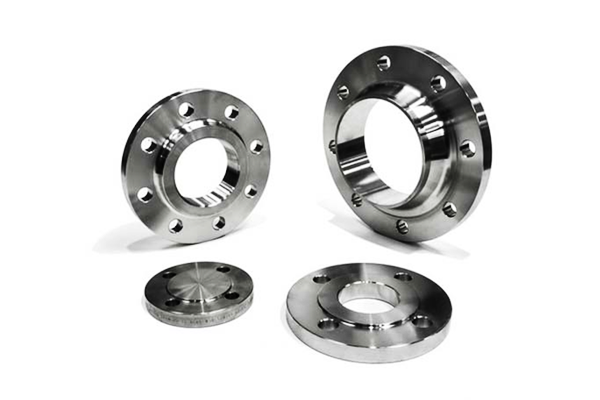
Hình thành & Gia công
- Làm việc lạnh:
-
- 904Thép không gỉ L có thể được kéo sâu, uốn cong, hoặc dạng cuộn ở trạng thái ủ (20 ° C.) với độ giãn dài ≥ 40 %.
- Bởi vì nó cứng lại nhanh chóng, tạo hình nhiều giai đoạn thường đòi hỏi ủ trung gian Tại 1,040 ° C để khôi phục độ dẻo.
- Khả năng gia công:
-
- Được xếp hạng ở mức ~ 25 % của tiêu chuẩn AISI B1112, 904L yêu cầu tốc độ cắt thấp hơn (30–60 m/tôi) Và dụng cụ phủ cacbua (Thiếc, Ticn, hoặc AlTiN).
- Chất làm mát áp suất cao (≥ 50 thanh) và tốc độ tiến dao 0,1–0,3 mm/vòng giúp kiểm soát nhiệt và ngăn chặn sự hình thành cạnh tích tụ.
Kỹ thuật hàn
Quy trình được đề xuất
- Khí trơ vonfram (GTAW / TURN): Cung cấp khả năng kiểm soát nhiệt chính xác, lý tưởng cho các phần tường mỏng và các mối nối quan trọng.
- Khí trơ kim loại (GMAW/MIG): Thích hợp cho tốc độ lắng đọng cao hơn trên các phần dày hơn.
- Vòng cung chìm (CÁI CƯA): Được sử dụng cho các mối hàn lớn nơi năng suất cao hơn độ chính xác.
Kim loại phụ & Tham số
- Hợp kim phụ: ERNiCrMo‑3 (Hợp kim 625) hoặc ER385 (904L tương đương) đảm bảo kim loại mối hàn phù hợp với đặc tính ăn mòn của kim loại cơ bản.
- Đầu vào nhiệt: Giữ giữa 0.3–0,5 kJ/mm để giảm thiểu rủi ro nứt nóng.
- Nhiệt độ giữa các: Duy trì dưới đây 150 ° C.. Thường không cần làm nóng trước.
- Khí che chắn: 100% hỗn hợp argon hoặc argon-helium ở lưu lượng 12–20 L/phút để có độ ổn định hồ quang tối ưu.
Giảm thiểu các khuyết tật hàn
- Ăn mòn giữa các hạt: Tránh thời gian dừng kéo dài ở phạm vi nhạy cảm 600–900 ° C. Nếu hàn các kết cấu lớn, trình diễn ủ dung dịch ở 1,040 ° C. và làm nguội nhanh để hòa tan lại crom cacbua.
- Chất rắn nứt: Sử dụng các thiết kế mối nối có bán kính gốc lớn và tốc độ làm mát được kiểm soát. Làm nóng trước các phần mỏng ở nhiệt độ 100–150 °C khi cần thiết để giảm độ dốc nhiệt.
Điều trị sau khi chiến đấu
- Giải pháp ủ: 1,040 - 1,100 °C trong 15–30 phút, theo sau là nước dập tắt, khôi phục toàn bộ cấu trúc austenit và tối đa hóa khả năng chống ăn mòn.
- Ngâm & Thụ động: Bể chứa gốc nitric loại bỏ màu nhiệt, trong khi đó quá trình thụ động hóa axit citric xây dựng lại lớp Cr₂O₃ bảo vệ.
6. Ứng dụng thép không gỉ 904L
Khả năng chống ăn mòn đặc biệt và độ bền cơ học đặc biệt của thép không gỉ 904L khiến nó trở nên lý tưởng cho các môi trường đòi hỏi khắt khe. Dưới đây là các lĩnh vực ứng dụng chính và các thành phần đại diện của nó:
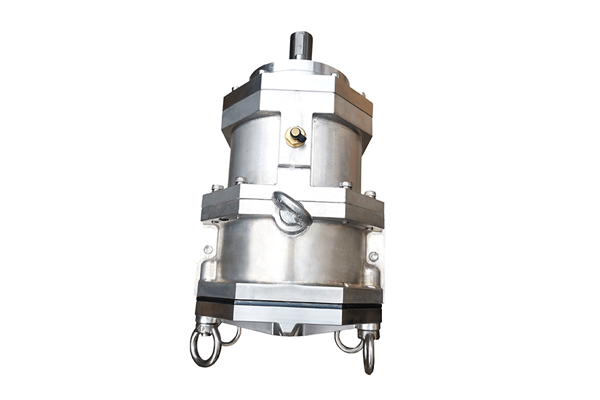
Xử lý hóa học
- Nhà máy axit sunfuric: Ống trao đổi nhiệt, vỏ lò phản ứng, đường ống chuyển, Vỏ bơm
- Cơ sở axit photphoric: Bể chứa, thùng trộn, van điều khiển, Phụ kiện ống
- Tổng hợp hóa học đại cương: Cột chưng cất, bình phản ứng, bể chứa
Hàng hải & Ngoài khơi
- Cơ sở hạ tầng dưới biển: Ống đứng, đầu nối đầu giếng, Đa tạp dưới đất
- Đóng tàu: Trục chân vịt, máy lọc nước biển, phần cứng boong, lưới hút gió
- Khử muối: Vỏ màng RO, bơm cấp liệu cao áp, cuộn dây ngưng tụ
Dược phẩm & Chế biến thực phẩm
- Nhà máy dược phẩm: Lò phản ứng trộn, đường ống sạch tại chỗ, đa tạp vô trùng
- Sữa & Đồ uống: Bể lên men, silo lưu trữ, trao đổi nhiệt thanh trùng
Sản xuất điện & Kiểm soát môi trường
- Khử lưu huỳnh khí thải (FGD): Nội thất tháp hấp thụ, máy khử sương mù, máy bơm tuần hoàn
- Ống dẫn chống ăn mòn: Ống khói chịu axit, lót ngăn xếp
Thiết bị đặc biệt cao bảo mật
- Chế tạo chất bán dẫn: Đa tạp phân phối hóa chất, buồng khắc
- Dụng cụ phân tích: Vỏ, bộ phận xử lý mẫu
7. Tiêu chuẩn và thông số kỹ thuật
904Thép không gỉ L được công nhận trên toàn cầu theo nhiều tiêu chuẩn quốc gia và quốc tế.
Các thông số kỹ thuật này đảm bảo rằng vật liệu đáp ứng các tiêu chuẩn hóa học phù hợp, cơ học, và yêu cầu về kích thước để sử dụng trong môi trường đòi hỏi khắt khe.
Bàn: Các tiêu chuẩn và thông số kỹ thuật chính cho thép không gỉ 904L
| Loại | Tổ chức tiêu chuẩn | Tiêu chuẩn / Cấp | Mẫu sản phẩm |
| Số không | ASTM / Sae | Hoa Kỳ N08904 | Ký hiệu chung cho tất cả các loại sản phẩm |
| Tiêu chuẩn Châu Âu (TRONG) | TRONG | 1.4539 (X1NiCrMoCu25-20-5) | Tấm, Ống, thanh, ống |
| Tiêu chuẩn ASTM (Hoa Kỳ) | ASTM | A240, A312, A276, A182 | Tấm, ống liền mạch, thanh, rèn |
| Tiêu chuẩn Đức (TỪ) | TỪ | W.Nr. 1.4539 | Tất cả các hình thức |
| Tiêu chuẩn Nhật Bản (Anh ấy là) | Anh ấy là | SUS890L | Tấm, ống |
| Tiêu chuẩn Trung Quốc (GB) | Gb/t | 0Cr20Ni25Mo4.5Cu | Tấm, que, ống |
| Mã nồi hơi ASME | Asme | SA-240, SA-312, SA-479 | Tấm, ống, linh kiện bình áp lực |
| Kim loại hàn phụ | AWS | Ernchrmo-3 | Vật liệu hàn TIG/MIG |
8. Phân tích so sánh
904Thép không gỉ L được phân loại là thép không gỉ siêu austenit, và hiệu suất của nó thường được so sánh với các hợp kim chống ăn mòn thường được sử dụng khác.
904L vs. 316L và 317L
| Tài sản | 316L | 317L | 904L |
| Số không | S31603 | S31703 | N08904 |
| Nội dung Ni (wt%) | 10Mạnh14 | 11–15 | 23Mạnh28 |
| Nội dung MO (wt%) | 2–3 | 3–4 | 4—5 |
| Gỗ (Kháng chiến) | ~ 24 | ~29 | ~36–40 |
| Sức mạnh năng suất (MPA) | ~170–310 | ~170–310 | ~220–240 (Ăn) |
| Kháng ăn mòn | Tốt | Tốt hơn 316L | Xuất sắc (axit sulfuric, clorua) |
| Yếu tố chi phí | Thấp | Vừa phải | Cao |
Bản tóm tắt
904Ưu đãi thép không gỉ L Kháng ăn mòn vượt trội cho cả 316L và 317L, đặc biệt là trong môi trường axit và clorua mạnh. Nó đặc biệt hiệu quả chống lại axit sunfuric, nơi 316L/317L có thể bị hỏng.
Tuy nhiên, 904L đắt hơn và yêu cầu thực hành hàn cẩn thận, làm cho nó phù hợp hơn cho các ứng dụng cao cấp.
904L vs. Thép không gỉ siêu song song (2205, 2507)
| Tài sản | 2205 Song công | 2507 Siêu song công | 904L |
| Số không | S32205 | S32750 | N08904 |
| Kết cấu | Song công (50% Ferrite) | Song công (50% Ferrite) | Hoàn toàn austenitic |
| Gỗ | ~ 35 trận38 | ~40–45 | ~36–40 |
| Sức mạnh năng suất (MPA) | ~ 450 | ~ 550 | ~220–240 |
| Độ bền kéo (MPA) | ~620–800 | ~800–1000 | ~490–710 |
| Chống ăn mòn căng thẳng | Cao | Rất cao | Cao |
| Kháng clorua | Cao | Xuất sắc | Rất cao |
| Khả năng hàn | Vừa phải | Thử thách hơn | Tốt |
| Yếu tố chi phí | Vừa phải | Cao | Cao |
Bản tóm tắt
Thép không gỉ siêu song công (đặc biệt 2507) có sức mạnh cao hơn và khả năng chống ăn mòn bằng hoặc tốt hơn so với thép không gỉ 904L, đặc biệt là trong môi trường clorua.
Tuy nhiên, chúng khó hàn hơn và có thể bị ảnh hưởng các vấn đề liên quan đến pha ferrite trong các ứng dụng nhiệt độ cao.
904L Thép không gỉ, hiện tại hoàn toàn austenit, có khả năng hàn và định dạng tốt hơn, nhưng có độ bền cơ học thấp hơn.
904L vs. Các lớp siêu Austenitic khác (VÍ DỤ., 254Chúng tôi, Al-6xn)
| Tài sản | 254Chúng tôi | Al-6xn | 904L |
| Số không | S31254 | N08367 | N08904 |
| Nội dung Ni (wt%) | ~ 18 | ~ 24 | 23Mạnh28 |
| Nội dung MO (wt%) | ~6.1 | ~6.2 | 4—5 |
| Gỗ | ~42–44 | ~45 | ~36–40 |
| Khả năng chống rỗ/kẽ hở | Xuất sắc | Xuất sắc | Rất tốt |
| Yếu tố chi phí | Rất cao | Rất cao | Cao |
Bản tóm tắt
Cả ba đều là lớp siêu austenit, Nhưng 254Chúng tôi Và Al-6xn lời đề nghị khả năng chống rỗ clorua thậm chí còn cao hơn hơn 904L do chúng hàm lượng Mo và N cao hơn.
Các hợp kim này được ưa thích trong môi trường xử lý hóa học hoặc biển khắc nghiệt, nhưng của họ chi phí cao hơn đáng kể hơn thép không gỉ 904L.
Đối với nhiều ứng dụng, 904L cung cấp sự cân bằng tối ưu giữa hiệu suất và khả năng chi trả.
9. Phần kết luận
904Thép không gỉ L chiếm một vị trí độc đáo giữa dòng 300 phổ thông và hợp kim gốc niken chuyên dụng.
Hóa học phù hợp của nó mang lại khả năng chống ăn mòn tuyệt vời, đặc biệt là trong clorua và axit mạnh, cùng với các tính chất cơ học mạnh mẽ và khả năng chế tạo tốt.
Khi các ngành công nghiệp hướng tới môi trường khắc nghiệt hơn và thời gian phục vụ dài hơn, 904Vai trò của L sẽ tiếp tục phát triển, được củng cố bằng các cải tiến hợp kim liên tục và các sáng kiến sản xuất thép không gỉ bền vững.
Langhe là lựa chọn hoàn hảo cho nhu cầu sản xuất của bạn nếu bạn cần chất lượng cao Các thành phần bằng thép không gỉ.
Liên hệ với chúng tôi ngay hôm nay!
Câu hỏi thường gặp
Có gì đặc biệt về thép 904L?
904L là một thép không gỉ siêu austenit được biết đến với nó:
- Kháng ăn mòn đặc biệt, đặc biệt là trong môi trường axit và giàu clorua (VÍ DỤ., axit sunfuric, nước biển).
- Hàm lượng hợp kim cao, bao gồm ~ 25% Niken (TRONG), ~4,5% Molypden (MO), và đồng (Cu), giúp tăng cường khả năng chống rỗ, Ăn mòn kẽ hở, và vết nứt ăn mòn căng thẳng.
- Khả năng định hình và khả năng hàn tuyệt vời, nhờ cấu trúc vi mô hoàn toàn austenit của nó.
- Tính ổn định trong môi trường hóa học mạnh, làm cho nó trở nên lý tưởng cho việc xử lý hóa học, hàng hải, và các ngành công nghiệp dược phẩm.
Là 904L tốt hơn 316?
Đúng, về khả năng chống ăn mòn, đặc biệt là trong điều kiện axit hoặc clorua nặng, 904L tốt hơn đáng kể so với 316.
Rolex có sử dụng thép không gỉ 904L không?
Đúng. Rolex được biết đến với việc sử dụng phiên bản độc quyền của 904L Thép không gỉ, cái mà họ gọi thép hàu.
Thép không gỉ 904L có đắt không?
Đúng. 904L đắt hơn đáng kể so với thép không gỉ thông thường như 304 hoặc 316.
904L có thể đắt gấp 2–3 lần so với 316L mỗi kg, tùy theo điều kiện thị trường và hình thức (thanh, tờ giấy, đường ống, vân vân.).