Trong ngành sản xuất, hiểu biết đầy đủ về các phương pháp gia công là điều cần thiết đối với các kỹ sư quy trình, Máy móc, và người lập kế hoạch sản xuất.
Trong nhiều năm, những người mới tham gia vào lĩnh vực này đã gặp khó khăn trong việc phân biệt giữa các quy trình cắt khác nhau—khi nào nên chuyển, khi nào xay, khi nào nên xay, và khi nào nên từ bỏ hoàn toàn các phương pháp truyền thống để chuyển sang sử dụng các quy trình dựa trên điện hoặc laser.
Sự nhầm lẫn này có thể hiểu được. Bối cảnh gia công đã mở rộng đáng kể trong thế kỷ qua, phát triển từ công việc tiện thủ công đơn giản đến một hệ sinh thái phức tạp của Gia công CNC trung tâm, máy phóng điện, máy cắt laser, và hệ thống tia nước.
Mỗi quy trình đều có thế mạnh riêng, giới hạn, và các ứng dụng lý tưởng—và việc chọn sai ứng dụng có thể dẫn đến các bộ phận bị loại bỏ, dụng cụ bị hư hỏng, và những chi phí không cần thiết.
Bài viết này giải thích một cách có hệ thống 13 phương pháp gia công phổ biến, bao gồm 8 quy trình gia công truyền thống và 5 công nghệ gia công đặc biệt, giúp các kỹ sư hiểu nguyên tắc của họ, thuận lợi, giới hạn, và các ứng dụng điển hình.
1. Ba nguyên tắc cơ bản của sự hình thành bộ phận
Mỗi bộ phận cơ khí, từ một máy giặt đơn giản đến một cánh tuabin phức tạp, được sản xuất thông qua một trong ba nguyên tắc sản xuất cơ bản.
Những nguyên tắc này xác định cách chuyển đổi nguyên liệu từ nguyên liệu thô sang thành phẩm—và chúng đóng vai trò là điểm khác biệt chính giữa các phương pháp xử lý khác nhau.
Nguyên tắc 1: Hình thành vật chất (Δm ≈ 0)
Trong quá trình hình thành vật chất, khối lượng tổng thể của phôi hầu như không thay đổi trước và sau khi gia công.
Thay vì loại bỏ hoặc thêm tài liệu, vật liệu hiện có được định hình lại thông qua biến dạng dẻo, chuyển pha, hoặc hóa rắn.
Các quy trình này chủ yếu được sử dụng để sản xuất các hình dạng ban đầu của các bộ phận, thường được gọi là khoảng trống, phôi, hoặc các bộ phận gần dạng lưới.
Sau đó, các bộ phận được tạo hình có thể trải qua các hoạt động gia công thứ cấp để đạt được các yêu cầu về kích thước và bề mặt chính xác..
Các quá trình hình thành vật chất đặc biệt quan trọng vì chúng quyết định cấu trúc cơ bản của vật chất, tính chất cơ học, và hiệu quả sản xuất của thành phần cuối cùng.
| Quá trình | Cơ chế sản xuất | Các ứng dụng điển hình | Lợi thế chính |
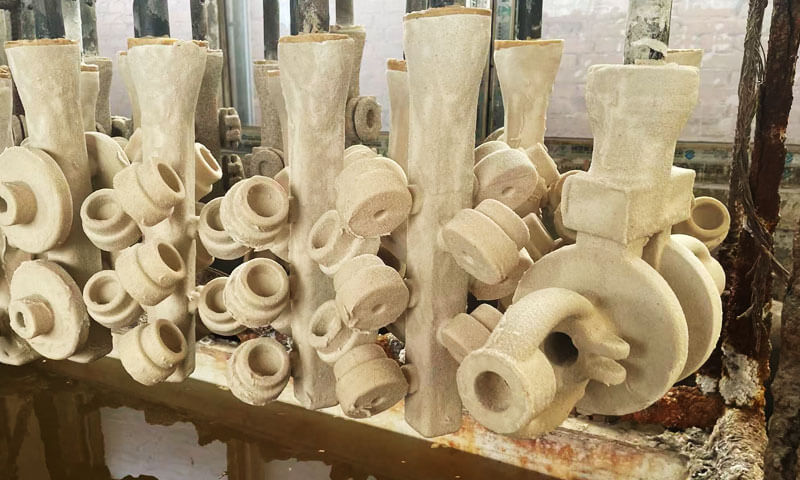
| Đúc | Kim loại nóng chảy được đổ vào khoang khuôn và đông cứng lại thành hình dạng mong muốn. | Vỏ bơm, thân van, Khối động cơ, cơ sở máy, thành phần cấu trúc phức tạp. | Tạo ra hình học rất phức tạp, đoạn văn nội bộ, và các thành phần lớn với chất thải vật liệu tương đối thấp. |
| Rèn | Kim loại được nung nóng được tạo hình thông qua lực nén bằng khuôn, nhấn, hoặc búa. | Trục, Bánh răng, kết nối thanh, Các thành phần áp lực, Cấu trúc hàng không vũ trụ. | Cải thiện tính chất cơ học thông qua dòng hạt tinh chế, sức mạnh cao hơn, và khả năng chống mỏi vượt trội. |
Lớp luyện kim bột |
Bột kim loại được nén dưới áp suất và thiêu kết ở nhiệt độ cao để tạo thành các thành phần rắn. | Vòng bi, bộ lọc, Bánh răng, thành phần chịu mài mòn, các bộ phận chính xác. | Sử dụng vật liệu cực cao, độ xốp được kiểm soát, và khả năng sản xuất các thành phần vật liệu đặc biệt. |
Cái nhìn sâu sắc chính: Mặc dù các quy trình này không phải là “gia công” theo nghĩa truyền thống, họ cung cấp nguyên liệu ban đầu—khối trống—mà hầu hết các bộ phận chính xác đều yêu cầu.
Nguyên tắc 2: Loại bỏ vật liệu (Δm < 0)
Loại bỏ vật liệu, còn được gọi là Sản xuất trừ, là nguyên tắc cốt lõi đằng sau gia công thông thường.
Trong các quá trình này, vật liệu dư thừa được loại bỏ khỏi phôi ban đầu, chẳng hạn như vật đúc, rèn, thanh cổ, hoặc tấm—để tạo hình học cuối cùng với kích thước chính xác, dung sai, và hoàn thiện bề mặt.
Danh mục này bao gồm các phương pháp gia công được sử dụng rộng rãi nhất:
- Quay.
- Xay xát.
- Khoan.
- Nhạt nhẽo.
- Nghiền.
- Gia công bánh răng.
- Gia công điện (EDM).
Loại bỏ vật liệu vẫn là phương pháp sản xuất chủ đạo đối với các bộ phận cơ khí chính xác vì nó mang lại khả năng kiểm soát tuyệt vời đối với chất lượng bộ phận cuối cùng.
Đặc điểm cốt lõi:
- Vật liệu được loại bỏ, sản xuất chip hoặc phoi.
- Đạt được độ chính xác kích thước và độ hoàn thiện bề mặt cao nhất.
- Phương pháp được sử dụng rộng rãi nhất để sản xuất các bộ phận chính xác.
Cái nhìn sâu sắc chính
Loại bỏ vật liệu là nền tảng của sản xuất chính xác vì nó chuyển đổi các phôi gần dạng lưới thành các bộ phận kỹ thuật chức năng.
Một lộ trình sản xuất công nghiệp điển hình thường đi theo mô hình này:
Đúc / Rèn → Gia công thô → Xử lý nhiệt → Gia công chính xác → Hoàn thiện bề mặt
Sự kết hợp này cân bằng hiệu quả vật liệu, Hiệu suất cơ học, và độ chính xác kích thước.
Nguyên tắc 3: Bổ sung vật liệu (Δm > 0)
Quá trình bổ sung vật liệu tạo ra các thành phần bằng cách thêm, ký gửi, hoặc nối các vật liệu lại với nhau.
Không giống như sản xuất trừ, loại bỏ vật liệu dư thừa, quá trình phụ gia làm tăng lượng vật liệu trong quá trình sản xuất.
Danh mục này bao gồm cả công nghệ nối truyền thống và phương pháp sản xuất bồi đắp hiện đại.
| Quá trình | Cơ chế sản xuất | Các ứng dụng điển hình | Lợi thế chính |
| Hàn | Vật liệu được kết nối thông qua nhiệt, áp lực , hoặc kết hợp cả hai để tạo ra một liên kết lâu dài. | Khung kết cấu, đường ống, Tàu áp lực, xe tăng, thiết bị nặng. | Tạo ra các mối nối cố định chắc chắn và cho phép chế tạo các cấu trúc lớn một cách hiệu quả. |
| Khoe khoang / hàn | Kim loại phụ được nấu chảy và phân phối giữa các thành phần mà không làm nóng chảy vật liệu cơ bản. | Trao đổi nhiệt, Các thành phần điện tử, lắp ráp chính xác. | Cho phép nối các vật liệu khác nhau với độ biến dạng nhiệt tối thiểu. |
3D In ấn (Sản xuất phụ gia) |
Vật liệu được lắng đọng từng lớp theo mô hình số. | Nguyên mẫu, Cấu trúc nhẹ, bộ phận y tế tùy chỉnh, Hình học phức tạp. | Cung cấp sự tự do thiết kế đặc biệt và cho phép sản xuất nhanh chóng các hình dạng phức tạp. |
Cái nhìn sâu sắc chính: Sản xuất bồi đắp đặc biệt có giá trị cho việc tạo nguyên mẫu, các bộ phận tùy chỉnh, và hình học không thể hoặc cực kỳ khó đạt được thông qua các phương pháp trừ.
2. Các 8 Quy trình gia công truyền thống: Xương sống của sản xuất
Gia công truyền thống dựa vào các công cụ cắt cơ học để loại bỏ vật liệu khỏi phôi.
Những quy trình này là công việc chính của ngành công nghiệp sản xuất, có khả năng sản xuất mọi thứ từ trục đơn giản đến khuôn và khuôn phức tạp. Đây là 8 quy trình truyền thống phổ biến nhất, nguyên tắc làm việc của họ, và những ứng dụng lý tưởng của chúng.
Quay: Quy trình cho các bộ phận quay
Nguyên tắc làm việc:
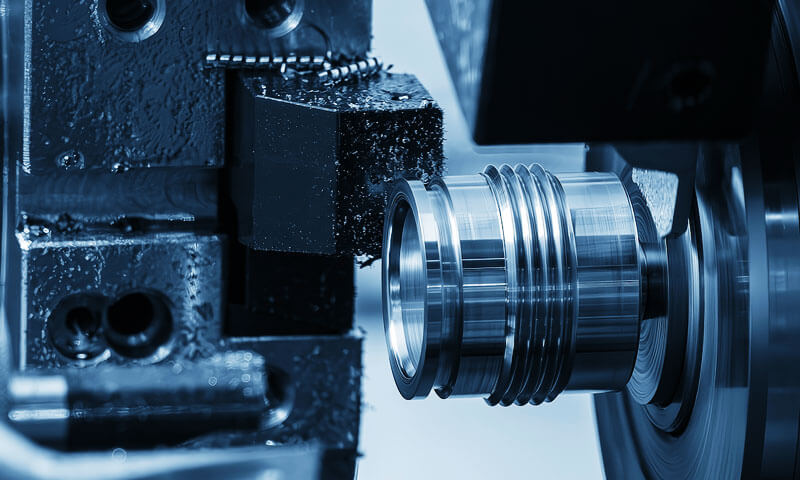
tiện CNC là một quá trình gia công trong đó phôi quay (chuyển động cơ bản) và dụng cụ cắt một điểm di chuyển tuyến tính (chuyển động thức ăn).
Máy tiện là máy công cụ dùng để thực hiện các thao tác tiện. Khi phôi quay, công cụ loại bỏ vật liệu để tạo biên dạng hình trụ, khuôn mặt, côn, chủ đề, và các tính năng quay khác.

Tại sao phải chuyển Excel:
Tiện mang lại độ chính xác đặc biệt cho các bộ phận quay nhờ tính ổn định vốn có của quy trình.
Phôi quay đảm bảo rằng tất cả các chi tiết đều đồng tâm trên cùng một trục, giúp dễ dàng đạt được độ đồng trục và độ vuông góc tuyệt vời giữa các mặt.
Quá trình cắt diễn ra liên tục (không bị gián đoạn), cho phép tốc độ cắt cao, Hoàn thiện bề mặt tuyệt vời, và tuổi thọ dụng cụ dài.
| Tham số | Phạm vi điển hình | Ghi chú |
| Độ nhám bề mặt | Ra 0.1 - 3.2 Sọ | Tiện kim cương của kim loại màu có thể đạt được Ra <0.1 Sọ. |
| Độ chính xác kích thước | ±0,01 – 0.05 mm | Máy tiện chính xác có thể đạt được ± 0,005 mm. |
| Vật liệu điển hình | kim loại, nhựa, vật liệu tổng hợp | Không phù hợp với vật liệu rất cứng (>HRC 60) không có dụng cụ đặc biệt. |
Ứng dụng:
- Các bộ phận hình trụ: trục, ghim, con lăn
- Bộ phận dạng đĩa: mặt bích, Bánh răng, Bánh đà
- Các thành phần có ren: bu lông, ốc vít, hạt
- Các bộ phận lệch tâm và không tròn (trên máy tiện cam)
Các loại máy:
- Máy tiện ngang: Loại phổ biến nhất; xử lý một loạt các kích cỡ bộ phận.
- máy tiện đứng: Dùng cho kích thước lớn, thành phần hình đĩa nặng (VÍ DỤ., trống phanh, bánh răng lớn).
- kiểu Thụy Sĩ (tự động) Lathes: Lý tưởng cho nhỏ, dài, và các bộ phận phức tạp (VÍ DỤ., linh kiện đồng hồ, thiết bị y tế).
- Trung tâm tiện CNC: Máy nhiều trục có khả năng hoạt động phức tạp (quay, xay xát, khoan) trong một thiết lập.
Mẹo thiết thực: Xoay là quá trình lựa chọn cho bất kỳ bộ phận nào có trục quay chiếm ưu thế. Cho sản xuất khối lượng lớn, Máy tiện CNC có bộ cấp phôi có thể chạy không cần giám sát trong nhiều giờ.
Xay xát: Máy đa năng toàn diện
Nguyên tắc làm việc:
Phay CNC sử dụng máy cắt nhiều răng quay (chuyển động cơ bản) để loại bỏ vật liệu khỏi phôi cố định hoặc chuyển động.
Trục dao thường vuông góc với bề mặt phôi (phay cuối) hoặc song song với nó (phay ngoại vi).
Phay có thể tạo ra bề mặt phẳng, khe cắm, túi, đường nét, và hình dạng 3D phức tạp.

Tại sao phay Excels:
Phay là quá trình gia công linh hoạt nhất. Với máy cắt và thiết lập phù hợp, nó có thể gia công hầu hết mọi tính năng trên phôi: bề mặt phẳng, rãnh, Hồ sơ, Khoang sâu, và thậm chí cả các bề mặt 3D phức tạp.
Hành động cắt không liên tục, trong khi tạo ra một số rung động, cho phép tốc độ loại bỏ kim loại cao.
Sự khác biệt chính: Phay lên vs. Phay xuống:
| Loại phay | Cắt hành động | Tốt nhất cho | Cuộc sống công cụ |
| Phay lên (Thông thường) | Độ dày chip tăng từ 0 đến tối đa. | Máy cũ bị phản ứng dữ dội; đúc và rèn với da cứng. | Ngắn hơn (do cọ xát lúc vào). |
| Phay xuống (Leo) | Độ dày phoi giảm từ mức tối đa về 0. | Máy CNC có bù phản ứng dữ dội; bề mặt hoàn thiện tốt hơn. | Lâu hơn (lối vào sạch hơn; ít cọ xát). |
Phương pháp cắt:
- Phay cuối: Trục cắt vuông góc với phôi; được sử dụng cho các khe, túi, và hồ sơ.
- Phay ngoại vi: Trục cắt song song với phôi; dùng cho bề mặt phẳng.
- Phay mặt: Máy cắt mặt phẳng có hạt dao; sử dụng cho bề mặt phẳng lớn.
- Cắt ruồi: Công cụ một điểm cho bề mặt phẳng lớn; tỷ lệ sản xuất thấp nhưng hoàn thiện tốt.
Ứng dụng:
- Bề mặt phẳng: khuôn mặt hàng đầu, Gắn miếng đệm
- Khe và rãnh: Khe chữ T, Key, khớp với nhau
- Hồ sơ phức tạp: Bánh răng, cam, người thúc đẩy
- 3đường nét D: khoang khuôn, bề mặt chết, Các thành phần hàng không vũ trụ
- Phay ren: sợi chất lượng cao trong vật liệu cứng
Dung sai và độ hoàn thiện bề mặt:
| Tham số | Phạm vi điển hình |
| Độ nhám bề mặt | Ra 0.8 - 6.3 Sọ |
| Độ chính xác kích thước | ±0,02 – 0.10 mm |
| Phay chính xác | ±0,005 – 0.01 mm (với trang thiết bị cao cấp) |
Mẹo thiết thực: Khi xay xát, luôn xem xét độ cứng của thiết lập. Dài, dao cắt mảnh mai sẽ lệch, dẫn đến độ hoàn thiện bề mặt kém và độ chính xác không cao. Sử dụng ngắn, dụng cụ cứng nhắc nếu có thể.
Lập kế hoạch: Giải pháp bề mặt phẳng chi phí thấp
Nguyên tắc làm việc:
Lập kế hoạch là một quá trình gia công trong đó dụng cụ cắt một điểm di chuyển theo đường thẳng (chuyển động cơ bản), cắt ngang phôi được giữ trên bàn chuyển động qua lại.
Phôi di chuyển qua dụng cụ cố định, loại bỏ một lớp vật liệu trên mỗi lượt. Dụng cụ quay về trạng thái ban đầu mà không cắt (đột quỵ nhàn rỗi).
Tại sao lập kế hoạch Excels:
Lập kế hoạch là một giải pháp chi phí thấp để gia công lớn, bề mặt phẳng, đặc biệt đối với các bộ phận đơn lẻ hoặc lô nhỏ.
Máy móc tương đối đơn giản và rẻ tiền, và công cụ là cơ bản (Công cụ HSS).
dài, nét thẳng rất lý tưởng để gia công các bề mặt thẳng như bệ máy, hướng dẫn, và tấm đế lớn.
| Tham số | Phạm vi điển hình | Ghi chú |
| Độ nhám bề mặt | Ra 1.6 - 6.3 Sọ | Tốt nhưng thô hơn phay. |
| Độ chính xác kích thước | ± 0,05 - 0.20 mm | Ít chính xác hơn phay. |
| Tỷ lệ sản xuất | Thấp | Đột quỵ nhàn rỗi lãng phí thời gian. |
Ứng dụng:
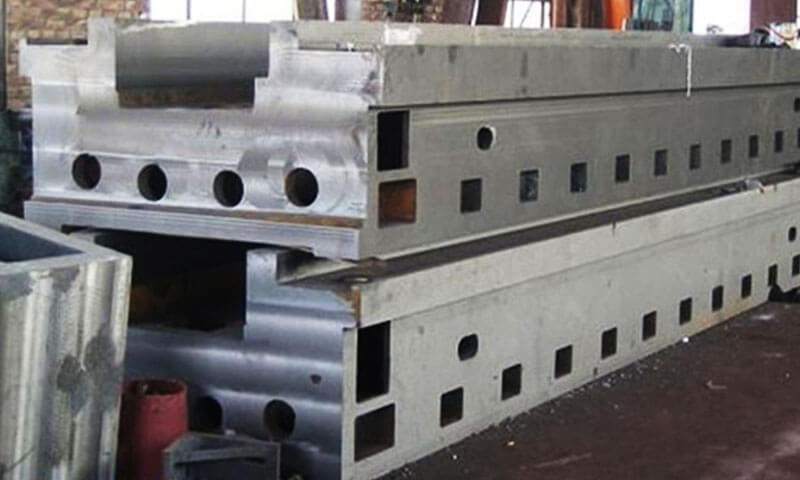
- Lớn, bề mặt phẳng: cơ sở máy, giường, và bảng
- Rãnh thẳng: Rãnh chữ V, khớp với nhau, Key
- Các bộ phận đơn lẻ và công việc hàng loạt nhỏ: công việc sửa chữa và bảo trì
- Phòng dụng cụ và các ứng dụng làm khuôn
Giới hạn:
- Năng suất thấp: hành trình không tải giới hạn tốc độ sản xuất.
- Độ chính xác thấp: không chính xác như phay.
- Hình dạng hạn chế: chỉ có thể tạo ra các đặc điểm phẳng hoặc đường thẳng.
Mẹo thiết thực: Lập kế hoạch phù hợp nhất cho các công việc mà chi phí cho máy phay hoặc thiết lập quá cao. Nó hiếm khi được sử dụng trong sản xuất số lượng lớn.
Khoan: Nền tảng của việc tạo lỗ
Nguyên tắc làm việc:
Khoan là quá trình tạo một lỗ tròn trên phôi bằng dụng cụ cắt đa điểm quay gọi là máy khoan (hoặc mũi khoan xoắn).
Mũi khoan quay (chuyển động cơ bản) và được đưa vào phôi (chuyển động thức ăn). Các cạnh cắt ở đầu loại bỏ vật liệu, trong khi sáo di tản chip.
Tại sao khoan Excels:
Khoan là cách đơn giản và tiết kiệm nhất để tạo lỗ trên kim loại.
Nó có thể được thực hiện trên nhiều loại máy công cụ: máy khoan, Máy phay, và thậm chí cả máy khoan cầm tay. Khoan thường là bước đầu tiên trong chuỗi các hoạt động tạo lỗ.
| Tham số | Phạm vi điển hình | Ghi chú |
| Phạm vi kích thước lỗ | 0.1 - 100+ mm | Những lỗ nhỏ cần có những mũi khoan siêu nhỏ đặc biệt. |
| Độ sâu lỗ | Đường kính lên tới 10 × (tiêu chuẩn) | Lỗ sâu cần có dụng cụ chuyên dụng (khoan súng). |
| Độ chính xác kích thước | ± 0,05 - 0.2 mm | Khoan là một hoạt động gia công thô; lỗ có thể quá khổ. |
| Bề mặt hoàn thiện | Ra 3.2 - 12.5 Sọ | Tương đối kém so với doa. |
Các hoạt động liên quan đến khoan thông thường:
| Hoạt động | Sự miêu tả | Mục đích |
| Ream | Mở rộng và hoàn thiện lỗ hiện có với đường kính chính xác. | Kích thước lỗ chính xác; cải thiện độ tròn và bề mặt hoàn thiện. |
| đối trọng | Mở rộng phần trên cùng của lỗ lên đường kính lớn hơn. | Tạo vai cho đầu vít (vít nắp đầu ổ cắm). |
| chìm | Tạo một hình nón ở đầu lỗ. | Dành cho vít đầu phẳng và mài nhẵn. |
| Khai thác | Cắt ren bên trong trong một lỗ. | Đối với ốc vít có ren. |
Các vấn đề khoan thường gặp:
| Vấn đề | Gây ra | Giải pháp |
| Lỗ quá khổ | Khoan lắc lư; khoan mòn; thức ăn không đúng cách. | Sử dụng mũi khoan tâm; kiểm tra căn chỉnh mũi khoan; giảm thức ăn. |
| Lỗi vị trí lỗ | Chuyển động phôi; bố cục kém. | phôi an toàn; sử dụng máy khoan. |
| hình thành gờ | Thông số khoan không đúng. | Sử dụng thao tác gỡ lỗi; giảm nguồn cấp dữ liệu khi thoát. |
Mẹo thiết thực: Để tạo lỗ chính xác, luôn bắt đầu bằng mũi khoan ở giữa để tạo điểm bắt đầu chính xác, sau đó khoan theo kích thước, và cuối cùng khoan cho chiều cuối cùng.
Nhạt nhẽo: Quá trình phóng to chính xác
Nguyên tắc làm việc:
Khoan là quá trình mở rộng và tinh chỉnh một lỗ hiện có để đạt được kích thước chính xác, tròn, và hoàn thiện bề mặt.
Việc khoan được thực hiện trên máy tiện (sử dụng một thanh nhàm chán) hoặc trên máy khoan.
Dụng cụ một điểm được đưa vào lỗ dọc theo trục, loại bỏ một lớp vật liệu mỏng.
Tại sao Excel nhàm chán:
Khoan là quá trình được lựa chọn để đạt được độ chính xác cao về đường kính lỗ, độ đồng tâm, và căn chỉnh.
Nó có thể sửa lỗi vị trí từ các hoạt động trước đó (VÍ DỤ., khoan) và rất cần thiết cho các lỗ lớn và sâu không thể doa hoặc khoan chính xác.
| Tham số | Phạm vi điển hình | Ghi chú |
| Đường kính lỗ | 5 - 500+ mm | Bị giới hạn bởi đường kính của thanh khoan. |
| Độ sâu | Bị giới hạn bởi độ cứng của dụng cụ. | Các lỗ khoan sâu đòi hỏi sự cứng nhắc, thanh nhàm chán được hỗ trợ tốt. |
| Độ chính xác kích thước | ±0,01 – 0.05 mm | Khoan chính xác là rất chính xác. |
| Bề mặt hoàn thiện | Ra 0.4 - 3.2 Sọ | Rất tốt. |
Ứng dụng:
- Lỗ chính xác: mang vỏ, xi lanh động cơ, Thành phần thủy lực
- Căn chỉnh lỗ: nơi nhiều lỗ yêu cầu độ đồng trục chính xác
- Lỗ có đường kính lớn: lỗ quá lớn cho mũi doa tiêu chuẩn
- Sửa chữa các lỗ hiện có: sửa chữa các lỗ bị hư hỏng hoặc sai lệch
Mẹo thiết thực: Thanh nhàm chán phải cứng nhắc; ngay cả một độ lệch nhỏ cũng có thể gây ra hiện tượng giật và thiếu chính xác. Sử dụng phần nhô ra của công cụ ngắn nhất có thể.
Gia công cắt bánh răng và gia công biên dạng răng
Nguyên tắc làm việc:
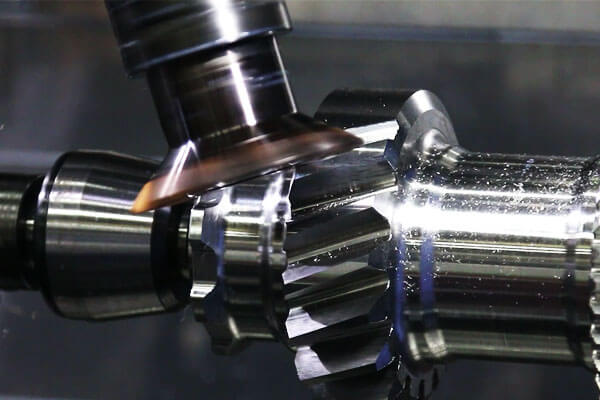
Bánh răng cắt bao gồm một loạt các quy trình được sử dụng để sản xuất răng của bánh răng, Splines, và các bộ phận có răng khác. Hai phương pháp phổ biến nhất là đi lại Và tạo hình bánh răng.
- Hobbing: Máy cắt quay (bếp nấu ăn) được đưa qua phôi quay, tạo ra các răng bánh răng bằng hành động cắt liên tục. Hobbing có năng suất cao và được sử dụng rộng rãi cho bánh răng thẳng và bánh răng xoắn.
- Tạo hình bánh răng: Một máy cắt chuyển động tịnh tiến có cùng hình dạng răng với bánh răng được ép vào phôi, tạo ra từng chiếc răng một. Việc tạo hình chậm hơn nhưng có thể tạo ra các bánh răng bên trong và một số cấu hình phức tạp.
Tại sao việc cắt bánh răng lại vượt trội:
Quá trình cắt bánh răng được thiết kế đặc biệt để tạo ra độ chính xác, mạnh, và bánh răng chạy êm. Chúng là phương pháp tiêu chuẩn để sản xuất hầu hết các bánh răng và trục xoay.
Phạm vi hiệu suất gia công bánh răng điển hình
| Tham số | Phạm vi điển hình | Ghi chú |
| Mô -đun / Diametral cao độ | Mô-đun 0,5–20+ | Bao gồm các bánh răng có độ chính xác nhỏ đến các bánh răng công nghiệp lớn. |
| Đường kính bánh răng | 10–1000+mm | Bị giới hạn chủ yếu bởi công suất máy. |
| Độ chính xác của răng | ISO lớp 5–8 | Cấp cao hơn được sử dụng cho các ứng dụng chính xác. |
| Độ nhám bề mặt | RA 0,8-3,2 μm | Bề mặt răng nhẵn làm giảm ma sát và tiếng ồn khi vận hành. |
| Vật liệu điển hình | Thép carbon, Thép hợp kim, thép không gỉ, gang, đồng | Lựa chọn vật liệu phụ thuộc vào tải, tốc độ, và môi trường. |
Các phương pháp gia công biên dạng răng và cắt bánh răng phổ biến
| Phương pháp | Nguyên tắc làm việc | Ứng dụng tốt nhất |
| Bánh răng | Máy cắt hob quay liên tục tạo ra các răng bánh răng trong khi phôi quay đồng bộ. | Sản xuất bánh răng trụ số lượng lớn, bánh răng xoắn ốc, và hộp số truyền động công nghiệp. |
| Tạo hình bánh răng | Máy cắt chuyển động tịnh tiến tạo ra răng thông qua chuyển động cắt đồng bộ. | Bánh răng bên trong, Splines, bánh răng vai, và biên dạng bánh răng phức tạp. |
Giới hạn |
Một dao chuốt nhiều răng sẽ loại bỏ vật liệu trong một lần duy nhất. | Sản xuất số lượng lớn các bánh răng bên trong, Key, và spline. |
| Phay mẫu | Một dao phay định hình sẽ cắt các khoảng răng riêng lẻ theo biên dạng yêu cầu. | Bánh răng lớn, Các lô nhỏ, công việc sửa chữa, và thiết kế bánh răng tùy chỉnh. |
| Thiết bị mài | Quá trình hoàn thiện bằng mài mòn sẽ loại bỏ một lượng nhỏ vật liệu sau khi xử lý nhiệt. | Bánh răng cứng có độ chính xác cao được sử dụng trong ô tô, Không gian vũ trụ, và máy móc hiệu suất cao. |
Mẹo thiết thực: Gia công bánh răng là phương pháp tiết kiệm nhất để sản xuất bánh răng số lượng lớn. Tạo hình được sử dụng cho các bánh răng bên trong và các hình dạng phức tạp.
Nghiền: Quá trình hoàn thiện chính xác
Nguyên tắc làm việc:
Nghiền sử dụng một bánh xe mài mòn quay (bao gồm hàng ngàn phần cứng, đá mài nhọn) để loại bỏ vật liệu bằng cách kết hợp cắt, cày, và cọ xát.
Bánh xe mài mòn hoạt động như một công cụ cắt nhiều răng, nhưng với góc nghiêng âm, kết quả là rất trơn tru, bề mặt có độ chính xác cao.
Tại sao mài Excels:
Mài là quá trình được lựa chọn để đạt được độ bóng bề mặt và độ chính xác kích thước cao nhất, đặc biệt là trên các vật liệu cứng (HRC > 45).
Nó có thể sửa chữa các biến dạng xử lý nhiệt và tạo ra các bề mặt phẳng, bề mặt song song.
| Tham số | Phạm vi điển hình | Ghi chú |
| Độ nhám bề mặt | Ra 0.05 - 0.8 Sọ | Mài chính xác có thể đạt được Ra <0.05 Sọ. |
| Độ chính xác kích thước | ±0,001 – 0.005 mm | Mài là quá trình gia công chính xác nhất. |
| Độ cứng vật liệu | Lên đến 70 HRC | Có thể mài thép cứng, Carbide. |
| Vật liệu điển hình | Thép cứng, Thép công cụ, Carbide, gốm sứ | Tất cả đều khó khăn, vật liệu giòn. |
Quy trình mài thông thường:
| Kiểu | Sự miêu tả | Ứng dụng |
| Mài bề mặt | Mài các bề mặt phẳng. | Tấm khuôn, bàn máy, dụng cụ. |
| Mài hình trụ | Mài các bề mặt hình trụ bên ngoài. | Trục, ghim, tạp chí mang. |
| mài bên trong | Mài các bề mặt hình trụ bên trong. | Vỏ ổ trục, lỗ xi lanh. |
| Mài vô tâm | Mài hình trụ không có tâm. | Sản xuất trục khối lượng lớn. |
| Mài dụng cụ và dao cắt | Mài dụng cụ cắt. | Mũi khoan mài, nhà máy cuối, reamers. |
| Nghiền thức ăn leo | Sâu, nghiền thức ăn chậm. | Cấu hình phức tạp trong vật liệu cứng. |
Mẹo thiết thực: Nghiền tạo ra nhiệt đáng kể, có thể gây ra thiệt hại nhiệt (đốt cháy) và căng thẳng dư. Sử dụng nhiều chất làm mát và thông số mài thích hợp.
Hình thành mài: Chuyên môn hồ sơ
Nguyên tắc làm việc:
Mài khuôn sử dụng bánh mài định hình hoặc quy trình điều khiển bằng CNC để mài các chi tiết phức tạp, hồ sơ phi tuyến tính.
Bánh xe được trang trí theo một đường viền cụ thể, sau đó được nghiền thành phôi.
Đây là phần mở rộng của quá trình mài dành cho các ứng dụng chuyên biệt yêu cầu hình dạng hoặc biên dạng cụ thể.
Tại sao nên mài mẫu Excels:
Việc mài khuôn có thể tạo ra rất chính xác, biên dạng phức tạp trong vật liệu cứng, với bề mặt hoàn thiện tuyệt vời và độ chính xác kích thước.
Đó là quá trình lựa chọn để hình thành khuôn, cú đấm, và khuôn mẫu.
Ứng dụng:
- Khoang khuôn
- Hồ sơ khuôn
- Các đường viền phức tạp trong chế tạo công cụ và khuôn dập
- Biên dạng chính xác trong các bộ phận hàng không vũ trụ
Mẹo thiết thực: Mài khuôn là một công việc chuyên biệt, quy trình chi phí cao, chỉ hợp lý khi yêu cầu độ chính xác cực cao và bề mặt hoàn thiện tuyệt vời.
3. Các 5 Quy trình đặc biệt: Gia công phi truyền thống
Các dụng cụ cắt truyền thống gặp khó khăn—hoặc thất bại hoàn toàn—khi gặp vật liệu rất cứng (Thép công cụ, Carbide, gốm sứ), Hình học phức tạp (Khoang sâu, tính năng vi mô), hoặc khi thiệt hại về nhiệt hoặc cơ học phải được giảm thiểu.
Các quy trình đặc biệt sử dụng các dạng năng lượng khác ngoài việc cắt cơ học để loại bỏ vật liệu, đưa ra giải pháp cho những thách thức này.
Gia công phóng điện (EDM)
Nguyên tắc làm việc:
EDM—còn được gọi là xói mòn do tia lửa điện—loại bỏ vật liệu bằng một loạt phóng điện định kỳ nhanh chóng (tia lửa) giữa một điện cực (dụng cụ) và phôi.
Các tia lửa ăn mòn một lượng nhỏ vật liệu từ cả điện cực và phôi.
Phôi được ngâm trong chất lỏng điện môi (VÍ DỤ., nước hoặc dầu khử ion) để kiểm soát việc xả và loại bỏ các hạt bị xói mòn.

Các loại EDM:
| Kiểu | Sự miêu tả | Ứng dụng |
| Edm chìm (Ram EDM) | Điện cực được định hình theo âm của khoang mong muốn. | Khoang khuôn, chết chìm, khoang 3D phức tạp. |
| Dây EDM (WEDM) | Một mỏng, dây chuyển động liên tục đóng vai trò là điện cực. | Hồ sơ, đường nét, các bộ phận chính xác; khoảng trống để dập khuôn. |
| EDM lỗ nhỏ | Điện cực đường kính nhỏ để khoan tinh, hố sâu. | Lỗ làm mát, vòi phun nhiên liệu. |
Tại sao EDM lại vượt trội:
EDM có thể gia công mọi vật liệu dẫn điện, bất kể độ cứng của nó. Nó có thể tạo ra phức hợp, hình dạng phức tạp (kể cả các góc nhọn) với độ chính xác cao và bề mặt hoàn thiện tuyệt vời.
Quá trình không áp dụng lực cơ học, nên các bộ phận có thành mỏng và mỏng manh có thể được gia công mà không bị biến dạng.
| Tham số | Phạm vi điển hình | Ghi chú |
| Độ nhám bề mặt | Ra 0.2 - 3.2 Sọ | Phụ thuộc vào kết thúc; tuyệt vời để hoàn thiện. |
| Độ chính xác kích thước | ±0,005 – 0.02 mm | Độ chính xác cao, đặc biệt là trong dây EDM. |
| Độ cứng vật liệu | Lên đến 70 HRC | Hầu như không giới hạn đối với vật liệu dẫn điện. |
| Độ dẫn vật liệu | Phải có tính dẫn điện. | Không phù hợp với gốm sứ, nhựa, hoặc kính. |
Ứng dụng:
- Khuôn sâu và chết
- Khuôn ép nhựa
- Linh kiện động cơ máy bay
- Thiết bị y tế
- Đường viền và hồ sơ phức tạp
Mẹo thiết thực: EDM là một quá trình chậm, vì vậy nó thường được sử dụng cho các hoạt động hoàn thiện, không phải để làm thô.
Gia công điện hóa (ECM)
Nguyên tắc làm việc:
ECM là một quy trình gia công phi truyền thống nhằm loại bỏ vật liệu bằng cách hòa tan anốt. Phôi (cực dương) và một công cụ có hình dạng (cực âm) được ngâm trong chất điện phân.
Một dòng điện DC cao đi qua giữa chúng, và các ion kim loại được hòa tan khỏi phôi, sau đó được dòng điện phân mang đi.
Tại sao ECM vượt trội:
ECM có thể gia công các vật liệu cứng và khó gia công mà không bị mòn dụng cụ và không có vùng chịu ảnh hưởng nhiệt.
Quá trình này có khả năng loại bỏ vật liệu cao và có thể tạo ra các hình dạng phức tạp với bề mặt hoàn thiện tốt. Nó đặc biệt thích hợp để loại bỏ vật liệu số lượng lớn.
| Tham số | Phạm vi điển hình | Ghi chú |
| Độ nhám bề mặt | Ra 0.2 - 0.8 Sọ | Kết thúc rất tốt. |
| Độ chính xác kích thước | ± 0,05 - 0.2 mm | Độ chính xác thấp hơn EDM. |
| Độ cứng vật liệu | Lên đến 70 HRC | Hầu như không giới hạn; vật liệu phải dẫn điện. |
| Tỷ lệ loại bỏ vật liệu | Cao | Thích hợp để loại bỏ số lượng lớn. |
Ứng dụng:
- Cánh và cánh động cơ phản lực
- nòng súng (súng trường)
- Cấy ghép y tế
- Khuôn cho nhựa
- Cứng, các thành phần hàng không vũ trụ phức tạp
Mẹo thiết thực: ECM là một quy trình chuyên biệt đòi hỏi phải đầu tư đáng kể vào thiết bị và xử lý chất điện phân. Điều này được chứng minh bằng khối lượng sản xuất cao hoặc khó khăn của các phương pháp thay thế.
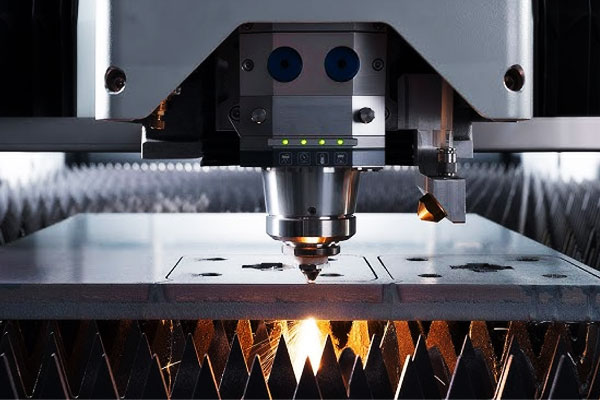
Gia công Laser
Nguyên tắc làm việc:
Gia công laze sử dụng chùm ánh sáng kết hợp có độ tập trung cao (tia laze) tan chảy, bốc hơi, hoặc cắt bỏ vật liệu khỏi phôi.
Điểm laser được di chuyển trên bề mặt bằng gương hoặc các giai đoạn chuyển động được điều khiển bằng máy tính.
Tại sao Gia công bằng Laser lại vượt trội:
Gia công bằng laser rất nhanh, chính xác, và quy trình không tiếp xúc. Nó có thể được thực hiện trên bất kỳ vật liệu nào (kim loại, nhựa, gốm sứ, thủy tinh, vật liệu tổng hợp) và có thể đạt được những tính năng cực kỳ tốt (xuống còn vài micron).
Quá trình không tạo ra lực cơ học, để các bộ phận mỏng và tinh tế có thể được xử lý.
| Tham số | Phạm vi điển hình | Ghi chú |
| chiều rộng kerf | 0.02 - 0.2 mm | Vết cắt rất hẹp. |
| Tốc độ cắt | Lên đến 50 m/của tôi | Cao đối với vật liệu tấm. |
| Kích thước tính năng | Xuống tới 10 Sọ | Đối với gia công vi mô. |
| Vật liệu | Hầu như bất kỳ vật liệu nào | kim loại, nhựa, gốm sứ, thủy tinh. |
| Sự chính xác | ±0,01 – 0.05 mm | Độ chính xác cao. |
Ứng dụng:
- Cắt: tấm kim loại, Hồ sơ, ống
- Khoan: lỗ chính xác, lỗ làm mát
- Khắc và đánh dấu: một phần số, logo
- Gia công vi mô: stent y tế, Vi điện tử
- Kết cấu bề mặt: tạo ra độ nhám vi mô
Mẹo thiết thực: Gia công bằng laser tạo ra vùng chịu ảnh hưởng nhiệt (HAZ). Đối với vật liệu nhạy cảm với hư hỏng nhiệt, cân nhắc sử dụng xung ngắn (pico giây/femto giây) tia laser.
Gia công siêu âm (USM)
Nguyên tắc làm việc:
Gia công siêu âm sử dụng dụng cụ rung ở tần số cao (20-40 KHz) và biên độ (10-50 Sọ).
Bùn mài mòn (VÍ DỤ., cacbua boron hoặc cacbua silic trong nước) được đưa vào giữa dụng cụ và phôi.
Dụng cụ rung tác động các hạt mài mòn lên phôi, loại bỏ vật liệu bằng cách sứt mẻ vi mô và xói mòn.
Tại sao USM Excel:
USM là quá trình được lựa chọn để gia công các vật liệu cứng và giòn khó hoặc không thể gia công bằng phương pháp truyền thống.
Nó đặc biệt hiệu quả đối với các vật liệu không dẫn điện (gốm sứ, thủy tinh, đá) và vật liệu có độ dẫn điện thấp.
| Tham số | Phạm vi điển hình | Ghi chú |
| Độ nhám bề mặt | Ra 0.2 - 1.6 Sọ | Kết thúc tốt. |
| Độ chính xác kích thước | ±0,005 – 0.02 mm | Độ chính xác cao. |
| Vật liệu | Cứng, giòn, vật liệu không dẫn điện | Gốm sứ, thủy tinh, đá, Carbide. |
| Độ mòn dụng cụ | Vừa phải | Dụng cụ bị mài mòn bởi các hạt mài mòn. |
Ứng dụng:
- Khoan lỗ trên gốm sứ và thủy tinh
- Gia công vật liệu composite tiên tiến
- Chìm trong vật liệu cứng
- Linh kiện bán dẫn và điện tử
Mẹo thiết thực: USM là một quá trình chậm, vì vậy nó thường được giới hạn ở các bộ phận có giá trị cao hoặc khó gia công.
Gia công tia nước
Nguyên tắc làm việc:
Gia công bằng tia nước sử dụng dòng nước áp suất cao (có hoặc không có hạt mài mòn) ăn mòn và cắt vật liệu. Áp lực có thể dao động từ 2,000 ĐẾN 6,000 thanh (30,000 ĐẾN 90,000 psi).
Nước được đẩy qua một lỗ có đường kính nhỏ, tạo ra một tia siêu âm tác động lên phôi.
Tại sao tia nước vượt trội:
Gia công bằng tia nước là một quá trình cắt nguội—không có vùng ảnh hưởng nhiệt, không có biến dạng nhiệt, và không có thay đổi luyện kim.
Nó có thể cắt được nhiều loại vật liệu, bao gồm cả kim loại, nhựa, thủy tinh, vật liệu tổng hợp, và thậm chí cả đồ ăn.
Quá trình này rất linh hoạt, có thể bắt đầu ở bất cứ đâu (không cần lỗ thí điểm), và tạo ra sự mịn màng, cạnh chính xác.
| Tham số | Phạm vi điển hình | Ghi chú |
| Độ dày cắt | Lên đến 200+ mm | Tùy thuộc vào vật liệu và độ mài mòn. |
| chiều rộng kerf | 0.5 - 1.5 mm | Chật hẹp. |
| Khả năng chịu cắt | ± 0,05 - 0.2 mm | Độ chính xác tốt. |
| Bề mặt hoàn thiện | Ra 0.8 - 6.3 Sọ | Kết thúc tốt. |
| Không có vùng ảnh hưởng nhiệt | Đúng | Không có thiệt hại nhiệt. |
Ứng dụng:
- Tấm kim loại dày: nhôm, thép không gỉ, titan
- Vật liệu giòn: cục đá, thủy tinh, gốm sứ
- Vật liệu tổng hợp: vật liệu nhiều lớp (không có sự phân tách)
- Chế biến thực phẩm: cắt sản phẩm thực phẩm
- Các thành phần hàng không vũ trụ: hình dạng phức tạp trong vật liệu tiên tiến
Mẹo thiết thực: Gia công tia nước là một quá trình mạnh mẽ và linh hoạt, nhưng tốc độ tương đối chậm và tạo ra nhiều tiếng ồn cũng như chất thải..
Nó phù hợp nhất cho các vật liệu dày hoặc khó cắt mà các quy trình khác có thể gây ra hư hỏng do nhiệt.
4. Hướng dẫn kỹ thuật để lựa chọn phương pháp gia công
Không có quy trình gia công hoàn hảo trên toàn cầu. Sự lựa chọn tối ưu phụ thuộc vào:
- Tính chất vật liệu.
- Phần hình học.
- Khối lượng sản xuất.
- Yêu cầu về độ chính xác.
- Yêu cầu hoàn thiện bề mặt.
- Chi phí sản xuất.
| Ứng dụng | Quy trình được đề xuất | Tại sao? |
| Bộ phận quay (trục, ghim) | Quay | Tuyệt vời cho hình dạng hình trụ; bề mặt hoàn thiện tốt và độ chính xác. |
| Bề mặt phẳng, khe cắm, túi | Xay xát | Rất linh hoạt; có thể tạo ra nhiều hình dạng khác nhau. |
| Lớn, bề mặt phẳng (bộ phận đơn lẻ) | Lập kế hoạch | Chi phí thấp cho các bộ phận đơn giản; tốt cho việc sửa chữa và bảo trì. |
| Lỗ chính xác | Khoan + Doa hoặc nhàm chán | Khoan lỗ thô; doa/chán để có kích thước và độ chính xác cuối cùng. |
| Răng bánh răng | Hobbing, Định hình | Sản xuất khối lượng lớn; quy trình chuẩn hóa. |
Vật liệu cứng (HRC > 45) |
Mài hoặc EDM | Mài cho bề mặt phẳng; EDM cho hình dạng phức tạp. |
| Khoang 3D phức tạp | EDM hoặc phay (5-Trục) | EDM cho chiều sâu, hình dạng phức tạp; 5-phay trục cho các bộ phận lớn hơn. |
| Rất khó, vật liệu không dẫn điện | Gia công siêu âm | Gốm sứ, thủy tinh, đá. |
| Vật liệu nhạy cảm với nhiệt | Gia công tia nước | Không có vùng ảnh hưởng nhiệt; biến dạng tối thiểu. |
| Độ chính xác cao, Các tính năng nhỏ | Gia công Laser | Tính năng rất tốt, nhanh, không tiếp xúc. |
5. Phần kết luận
Thế giới gia công rất rộng lớn và phức tạp, nhưng cốt lõi của nó, nó được xây dựng dựa trên ba nguyên tắc biến đổi vật chất cơ bản—sự hình thành, loại bỏ, và bổ sung—và một tập hợp các quy trình được xác định rõ ràng có thể phù hợp với các yêu cầu bộ phận cụ thể.
Các 8 quy trình truyền thống—chuyển, xay xát, bào, khoan, nhạt nhẽo, cắt bánh răng, mài, và mài khuôn—tạo thành xương sống của ngành công nghiệp sản xuất.
Họ là những con ngựa sản xuất phần lớn các thành phần chính xác, từ các chốt đơn giản đến các khuôn và khuôn phức tạp. Sức mạnh của họ nằm ở sự linh hoạt, sự chính xác, và độ tin cậy.
Các 5 quy trình đặc biệt—EDM, ECM, gia công laser, gia công siêu âm, và gia công bằng tia nước—cung cấp các giải pháp thay thế mạnh mẽ khi các dụng cụ cắt truyền thống đạt đến giới hạn của chúng.
Chúng cho phép gia công những vật liệu rất cứng, giòn, hoặc vật liệu phức tạp, và họ có thể đạt được những tính năng mà các phương pháp thông thường không thể thực hiện được.
Chìa khóa để lựa chọn quy trình thành công nằm ở việc hiểu rõ nguyên liệu, hình học, khối lượng sản xuất, và dung sai yêu cầu.
Bằng cách nắm vững đặc điểm và ứng dụng của từng quy trình, kỹ sư sản xuất có thể tối ưu hóa hiệu quả sản xuất, giảm chi phí, và đạt được chất lượng vượt trội.