1. Zavedenie
Klapkové ventily patria medzi najpoužívanejšie zariadenia na reguláciu prietoku v priemyselných potrubných systémoch.
Ich jednoduchý, ale účinný dizajn – otočný kotúč, ktorý reguluje prietok – ich robí nepostrádateľnými pri úprave vody, chemické spracovanie, ropa, jedlo a nápoje, a generácia energie.
V srdci každého škrtiaceho ventilu leží telo ventilu, štrukturálne puzdro, ktoré obsahuje disk, sedadlá, kmeň, a ovládače, a musí odolávať vnútornému tlaku, teplota, a korozívne médiá.
Výroba telies klapiek sa tradične opierala o liatie do piesku, kovanie, alebo výroba z plechu.
Avšak, vytavené liatie sa ukázalo ako vynikajúci výrobný postup pre vysokovýkonné telesá škrtiacich klapiek – najmä z nehrdzavejúcej ocele a duplexných zliatin – ponúkajúce bezkonkurenčnú rozmerovú presnosť, povrchová úprava, a materiálna integrita.
2. Čo je teleso škrtiaceho ventilu?
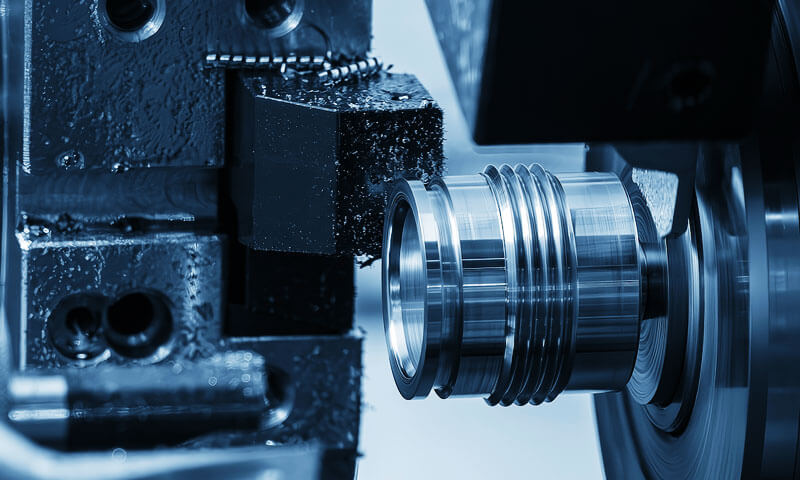
A motýľový ventil reguluje prietok tekutiny približne otáčaním kruhového kotúča 90 stupňa okolo centrálneho hriadeľa.
V porovnaní s posúvačmi, glóbusové ventily, a guľové ventily, škrtiace klapky ponúkajú oveľa kompaktnejšiu štruktúru a nižšiu hmotnosť, vďaka čomu sú obzvlášť vhodné pre potrubné systémy s veľkým priemerom.
Hoci ventil vyzerá pomerne jednoducho, každý komponent vykonáva kritickú mechanickú funkciu.
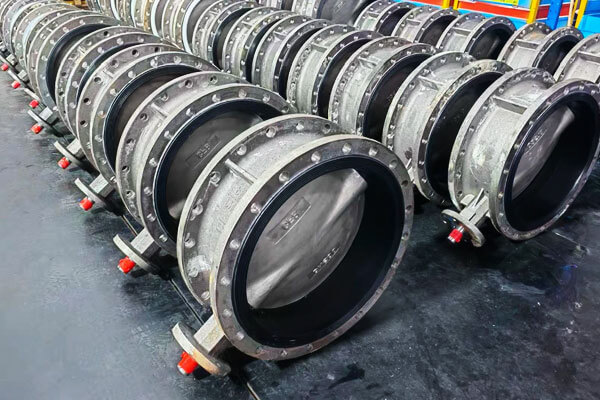
Teleso škrtiacej klapky je hlavným krytom škrtiacej klapky, ktorý obsahuje tlak.
Podporuje kmeňové ložiská, prispôsobí sedlo ventilu, poskytuje tesniace plochy pre potrubné spojenia, a odoláva vnútornému tlaku tekutiny aj vonkajšiemu mechanickému zaťaženiu.
Základné komponenty škrtiaceho ventilu
| Komponent | Funkcia |
| Tela | Obsahuje disk a sedadlá; zabezpečuje potrubné spoje (prírubový, ucho, doštička, alebo na tupo zvarené konce). |
| Disk | Otočný uzáver, ktorý reguluje prietok; typicky odliate integrálne s driekom alebo oddelene od drieku. |
| Kmeň / hriadeľ | Prenáša krútiaci moment z pohonu na kotúč. |
| Sedadlá | Zabezpečte nepriepustné tesnenie medzi kotúčom a telom. |
| Pohon | Manuál (páka, koleso) alebo automatizovaný (pneumatický, elektrický, hydraulický). |
| Kapota / horná príruba | Umiestňuje vreteno a poskytuje montáž pre pohon. |
Typy konštrukcií telesa škrtiaceho ventilu
| Typ tela | Popis | Typické aplikácie |
| Na spôsob oblátky | Tenké telo s priechodnými otvormi pre skrutky; vložené medzi príruby potrubia. | Nízky tlak, kompaktné systémy. |
| V štýle očka | Závitové vložky na každej strane; možno použiť ako koncový ventil. | Mierny tlak; prístup údržby. |
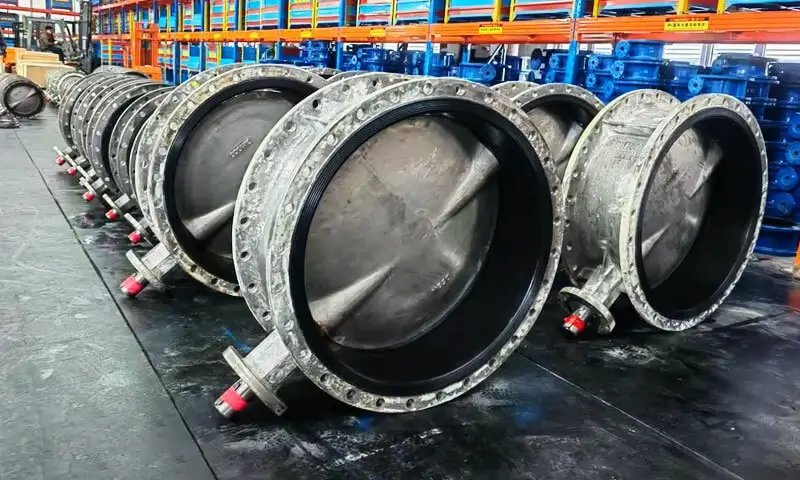
| Prírubový | Integrálne príruby na oboch koncoch; priskrutkované priamo na príruby potrubia. | Vysoký tlak, systémy s veľkým priemerom. |
| Tupý zvar | Konce určené na zváranie priamo do potrubia. | Vysoká teplota, vysoký tlak, systémy kritické pre úniky. |
| Kompenzácia / excentrický | Disk odsadený od stredu pre lepšie utesnenie a znížený krútiaci moment. | Vysoký výkon, aplikácie s tesným uzáverom. |
Kritické funkčné požiadavky
| Požiadavka | Inžinierske dôsledky |
| Integrita tlaku | Musí odolávať vnútornému tlaku bez úniku alebo deformácie (až po triedu ASME 150-2500). |
| Odpor | Odoláva médiám (vodná voda, chemikálie, plyny, morská voda) bez degradácie. |
| Rozmerová presnosť | Presný priemer otvoru a čelné rozmery pre kompatibilitu prírub. |
| Povrchová úprava | Hladký otvor a čela príruby znižujú prietokový odpor a zaisťujú tesnenie. |
| Konštrukčná tuhosť | Udržuje zarovnanie disku a sediel pri tepelných a tlakových cykloch. |
| Únava | Odoláva opakovanému cyklovaniu a kolísaniu tlaku. |
3. Prečo zvoliť investičný odliatok pre telesá škrtiacich ventilov?
Spôsob výroby zvolený pre teleso škrtiacej klapky má zásadný vplyv na jej rozmerovú presnosť, mechanický výkon, odpor, efektívnosť výroby, a celkové náklady.
Medzi rôznymi dostupnými výrobnými procesmi, odlievanie investícií sa stala jednou z preferovaných možností výroby vysokokvalitných telies škrtiacich klapiek, najmä tie, ktoré sa používajú v náročných priemyselných aplikáciách.
Na rozdiel od konvenčných metód odlievania, investičné liatie využíva spotrebné voskové vzory a presné keramické formy na výrobu komponentov takmer čistého tvaru s výnimočnou rozmerovou presnosťou a povrchovou úpravou.
Proces je schopný reprodukovať zložité geometrie, ktoré by boli náročné, nákladné, alebo dokonca nemožné vyrobiť pomocou tradičného odlievania do piesku alebo rozsiahleho obrábania.
V dôsledku, investičné liatie nielen zlepšuje kvalitu produktu, ale tiež zvyšuje efektivitu výroby a znižuje plytvanie materiálom.
Pre telesá klapiek, ktoré obsahujú zložité prietokové kanály, tesnenie, kmeňa, a prírubové spoje, investičný odliatok ponúka jedinečnú kombináciu flexibility dizajnu, štrukturálna integrita, a dôslednosť výroby.
Kľúčové výhody investičného odlievania pre telesá ventilov
| Výhoda | Vysvetlenie |
| Zložitá vnútorná geometria | Prietokové priechody, rebrá, a montážne prvky možno odlievať priamo, eliminácia viacdielnej výroby. |
| Takmer sieťový tvar | Minimálne obrábanie znižuje plytvanie materiálom a znižuje výrobné náklady. |
| Vynikajúca povrchová úprava | As-cast Ra 1,6-6,3 µm znižuje prietokový odpor a zlepšuje tesnenie sedadla. |
| Tesné rozmerové tolerancie | Zabezpečuje vyrovnanie príruby, sústrednosť sedadla, a nepriepustnou zostavou. |
Všestrannosť zliatiny |
Odlieva akúkoľvek odlievateľnú nehrdzavejúcu oceľ, duplexný, superzliatina, alebo zliatiny niklu. |
| Integrita tlaku | Zvukové odliatky so správnym vtokom dosahujú tlakotesnosť až do triedy ANSI 2500. |
| Jednotná mikroštruktúra | Jemnozrnná liata štruktúra poskytuje konzistentné mechanické vlastnosti. |
| Nákladová efektívnosť pri stredných objemoch | 100-10 000 dielov/rok; ideálne pre vlastné a štandardné veľkosti. |
4. Výber materiálu pre telesá škrtiacich ventilov z liatiny
Výber vhodného materiálu je jedným z najdôležitejších rozhodnutí pri navrhovaní a výrobe telesa škrtiacej klapky na vytavenie.
Zatiaľ čo proces investičného liatia určuje rozmerovú kvalitu a geometrickú zložitosť komponentu, zliatina určuje jej mechanické vlastnosti, odpor, tlaková schopnosť, teplotný rozsah, a predpokladanej životnosti.
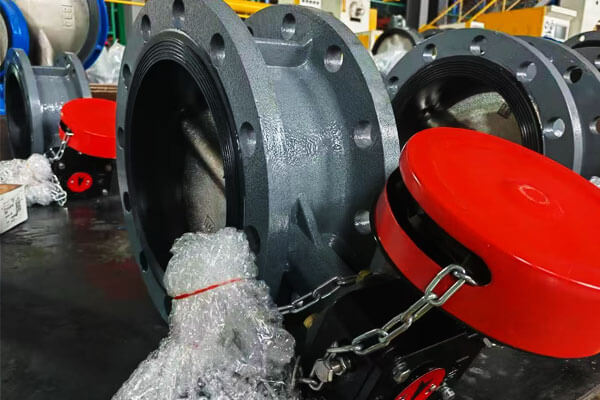
Nerezová oceľ
Nehrdzavejúca oceľ je najbežnejšie používaným materiálom pre telesá škrtiacich klapiek na vytaviteľné liatie vďaka svojej vynikajúcej rovnováhe odolnosti voči korózii, mechanická pevnosť, výroba, a dlhodobá spoľahlivosť.
Pasívny oxidový film bohatý na chróm vytvorený na povrchu poskytuje účinnú ochranu proti atmosférickej korózii a mnohým priemyselným chemikáliám.
CF8 (Ekvivalent k ASTM A351 Grade CF8)
CF8 je odlievaný ekvivalent kovaného typu 304 nehrdzavejúcej ocele a obsahuje pribl 18% chróm a 8% nikel.
Ponúka dobrú odolnosť voči korózii vo vode, pary, potravinárske výrobky, a mnoho mierne korozívnych chemikálií.
Medzi jeho výhody patrí:
- Dobrý všeobecný odpor korózie
- Vynikajúca odlievateľnosť
- Dobrú zvárateľnosť
- Stabilné mechanické vlastnosti
- Konkurenčné náklady na materiál
CF8 je široko používaný v:
- Systémy na úpravu vody
- Spracovanie potravín
- HVAC zariadenia
- Všeobecné priemyselné potrubia
- Chemické služby s nízkou koróziou
Avšak, CF8 sa neodporúča pre prostredia s vysokou koncentráciou chloridov, kde sa môže vyskytnúť lokalizovaná jamková a štrbinová korózia.
CF8M (Ekvivalent k ASTM A351 Grade CF8M)
CF8M zodpovedá kovanému typu 316 nehrdzavejúca oceľ, ale obsahuje približne 2–3 % molybdénu.
Prídavok molybdénu výrazne zlepšuje odolnosť proti:
- Chloridové jamky
- Štrbinová korózia
- Morské prostredie
- Organické kyseliny
- Chemické procesné kvapaliny
Typické aplikácie zahŕňajú:
- Offshore inžinierstvo
- Systémy chladenia morskou vodou
- Chemické rastliny
- Farmaceutické vybavenie
- Celulózový a papierenský priemysel
Hoci CF8M je vo všeobecnosti drahší ako CF8, jeho zvýšená odolnosť proti korózii často vedie k podstatne nižším nákladom na údržbu počas životnosti ventilu.
Nízkouhlíkové nehrdzavejúce ocele (CF3 a CF3M)
CF3 a CF3M sú nízkouhlíkové verzie CF8 a CF8M, respektíve.
Ich znížený obsah uhlíka minimalizuje zrážanie karbidov počas zvárania, čím sa zlepšuje odolnosť proti medzikryštalickej korózii v tepelne ovplyvnených zónach.
Tieto triedy sa bežne vyberajú:
- Zvárané potrubné systémy
- Farmaceutická výroba
- Vybavenie na spracovanie potravín
- Vysoko čisté chemické systémy
Tam, kde sa predpokladá rozsiahle zváranie, nízkouhlíkové nehrdzavejúce ocele sú vo všeobecnosti uprednostňované pred štandardnými druhmi.
Uhlíková oceľ
Hoci nehrdzavejúca oceľ dominuje v korozívnych aplikáciách, uhlíková oceľ zostáva ekonomickou voľbou pre mnohé telesá klapiek pracujúcich v nekorozívnych alebo mierne korozívnych podmienkach.
WCB uhlíková oceľ
ASTM A216 WCB je jednou z najpoužívanejších uhlíkových ocelí v priemysle ventilov.
Medzi jeho výhody patrí:
- Vysoká pevnosť
- Dobrá rázová húževnatosť
- Vynikajúca stroja
- Nízke náklady na materiál
- Dobrá odolnosť voči tlaku
Typické aplikácie zahŕňajú:
- Ropovody
- Prenos zemného plynu
- Parné systémy
- Ochrana proti požiaru
- Priemyselné služby
Avšak, WCB vyžaduje ochranné nátery alebo vnútorné obloženie, keď je vystavené korozívnemu prostrediu.
Nízkoteplotná uhlíková oceľ LCC
LCC je špeciálne vyvinutý pre prevádzku pri nízkych teplotách.
V porovnaní s WCB, vykazuje zlepšenú rázovú húževnatosť pri teplotách pod nulou a bežne sa používa v:
- zariadenia LNG
- Kryogénne skladovanie
- Chladiace systémy
- Infraštruktúra arktického potrubia
Duplexná nehrdzavejúca oceľ
Keďže priemyselné prostredie je čoraz agresívnejšie, duplexná nehrdzavejúca oceľ získala široké uznanie pre vysokovýkonné telesá škrtiacich klapiek.
Duplexné nehrdzavejúce ocele obsahujú približne rovnaký podiel feritu a austenitu, spája výhody oboch mikroštruktúr.
Medzi ich vlastnosti patrí:
- Veľmi vysoká pevnosť v ťahu
- Vynikajúca odolnosť voči chloridom
- Vynikajúca odolnosť proti praskaniu v dôsledku korózie
- Dobrý výkon pri únave
- Vynikajúca odolnosť proti erózii
V porovnaní s konvenčnými austenitickými nehrdzavejúcimi oceľami, duplexné zliatiny často poskytujú takmer dvojnásobnú medzu klzu pri zachovaní vynikajúcej odolnosti proti korózii.
Bežné triedy investičného liatia zahŕňajú:
- CD4MCU
- ASTM A890 GRADE 4A
- ASTM A890 GRADE 5A
Typické aplikácie zahŕňajú:
- Pobrežné ropné plošiny
- Odsoľovacie rastliny
- Námorné potrubia
- Chemické reaktory
- Systémy chladenia morskou vodou
Hoci duplexné zliatiny sú drahšie ako bežné nehrdzavejúce ocele, ich predĺžená životnosť často odôvodňuje dodatočné investície.
Zliatiny na nikle
Niektoré priemyselné procesy fungujú v podmienkach, ktoré presahujú možnosti nehrdzavejúcich ocelí.
Vysoko koncentrované kyseliny, zvýšené teploty, oxidačné chemikálie, a redukčné prostredia vyžadujú špeciálne zliatiny s výnimočnou odolnosťou proti korózii.
Investičné liatie umožňuje vyrábať telesá klapiek zo zliatin na báze niklu ako napr:
Hastelloy
Zliatiny Hastelloy vykazujú vynikajúcu odolnosť voči:
- Kyselina chlorovodíková
- Kyselina sírová
- Kyselina fosforečná
- Chloridy
- Oxidujúce chemikálie
Široko sa používajú v chemických spracovateľských závodoch, kde by bežné nehrdzavejúce ocele rýchlo korodovali.
Odvoz
Zliatiny Inconel poskytujú:
- Vynikajúca pevnosť pri vysokých teplotách
- Oxidácia
- Rezistencia na tepelnú únavu
- Odolnosť voči tlaku pri zvýšených teplotách
Aplikácie zahŕňajú:
- Generovanie energie
- Petrochemické spracovanie
- Letecké podporné systémy
- Vysokoteplotné chemické závody
Monel
Monel zliatiny majú výnimočnú odolnosť voči:
- Morská voda
- Kyselina fluorovodíková
- Soľné roztoky
- Morské biologické znečistenie
Často sa vyberajú pre námorné a pobrežné klapky.
Hoci zliatiny niklu predstavujú významnú materiálovú investíciu, môžu dramaticky znížiť náklady na údržbu a prestoje v náročných servisných prostrediach.
5. Mechanický výkon telies škrtiacich ventilov odlievaných z investície
Primárnym účelom akéhokoľvek telesa škrtiacej klapky je poskytnúť spoľahlivú mechanickú podporu v náročných prevádzkových podmienkach.
Zatiaľ čo investičné liatie je často uznávané pre svoju vynikajúcu rozmerovú presnosť a povrchovú úpravu, rovnako dôležitá je jeho schopnosť vyrábať komponenty s vynikajúcim mechanickým výkonom.
Odolnosť voči tlaku
Udržiavanie tlaku je základnou funkciou každého telesa ventilu.
Počas prevádzky, telo je vystavené vnútornému hydrostatickému tlaku, ktorý vytvára ťahové napätie počas odlievania.
Medzi kritické oblasti stresu patrí:
- Stopkové otvory
- Korene príruby
- Otvory pre skrutky
- Stenové prechody
- Výstužné priesečníky rebier
Investičné liatie prispieva k vynikajúcemu tlaku prostredníctvom:
- Hrúbka steny
- Znížené napätie spôsobené obrábaním
- Hladké geometrické prechody
- Vysoká rozmerová konzistencia
Tlaková schopnosť je v konečnom dôsledku overená testovaním hydrostatickým tlakom v súlade s platnými priemyselnými normami.
Štrukturálna pevnosť
Konštrukčná pevnosť sa vzťahuje na schopnosť tela ventilu odolávať trvalej deformácii pri mechanickom zaťažení.
Medzi dôležité vlastnosti materiálu patrí:
- Výnosová sila
- Pevnosť v ťahu
- Modul pružnosti
- Tvrdosť
Nehrdzavejúce ocele liate na investovanie zvyčajne poskytujú vynikajúce kombinácie pevnosti a ťažnosti, aby telo ventilu odolalo:
- Zaťaženia potrubia
- Krútiaci moment ovládača
- Inštalačné sily
- Napätia tepelnej rozťažnosti
Správne tepelné spracovanie ďalej zlepšuje pevnosť zdokonalením mikroštruktúry zliatiny.
Únava
Na rozdiel od statických tlakových nádob, škrtiace ventily sa často počas svojej životnosti opakovane zaťažujú.
Každý prevádzkový cyklus generuje:
- Kolísanie tlaku
- Krútiaci moment stonky
- Vibrácie
- Tepelná rozťažnosť
- Mechanický náraz
Viac ako tisíce – alebo dokonca milióny – cyklov, môžu vzniknúť mikroskopické únavové trhliny.
Investičné liatie zlepšuje výkon pri únave:
- Povrchová povrchová úprava
- Znížená koncentrácia stresu
- Jednotná mikroštruktúra
- Vysoká dimenzionálna presnosť
Dizajnové prvky, ako sú veľkorysé zaoblenia a optimalizované umiestnenie rebier, ďalej zvyšujú odolnosť proti únave rovnomernejším rozložením napätia.
Húževnatosť
Priemyselné ventily môžu byť počas prepravy vystavené náhlym mechanickým nárazom, inštalácia, alebo prevádzka. V prostredí s nízkou teplotou, nedostatočná húževnatosť môže viesť ku krehkému lomu.
Rázová húževnatosť je preto podstatnou vlastnosťou, najmä:
- systémy LNG
- Kryogénne potrubia
- Offshore inštalácie
- Infraštruktúra v chladnom podnebí
Materiály ako uhlíková oceľ LCC a duplexná nehrdzavejúca oceľ si zachovávajú vynikajúcu húževnatosť pri znížených teplotách, ich vhodný pre náročné aplikácie.
Odolnosť proti opotrebovaniu a erózii
Hoci teleso ventilu vo všeobecnosti nie je vystavené priamemu klznému kontaktu ako kotúč alebo sedlo, stále môže dôjsť k erózii z vysokorýchlostných kvapalín nesúcich abrazívne častice.
Medzi typické erozívne médiá patria:
- Kal
- Voda plná piesku
- Ťažobná hlušina
- Popolček
- Chemické suspenzie
Duplexné nerezové ocele a zliatiny na báze niklu liate na investovanie poskytujú vynikajúcu odolnosť proti erózii vďaka vyššej tvrdosti a pevnejšej mikroštruktúre.
Optimalizované vnútorné prietokové kanály tiež znižujú lokalizovanú turbulenciu, minimalizácia erózie počas dlhších prevádzkových období.
Odpor
Korózia zostáva jednou z hlavných príčin zlyhania ventilov v priemyselných systémoch.
V závislosti od operačného prostredia, telesá škrtiacich klapiek sa môžu stretnúť:
- Všeobecná korózia
- Korózia jamiek
- Štrbinová korózia
- Galvanická korózia
- Rozmanitá korózia
- Praskanie korózie stresu
Investičné liatie podporuje použitie zliatin vysoko odolných voči korózii pri výrobe hutných materiálov, vysokokvalitné odliatky s minimálnymi povrchovými chybami.
Správne povrchové úpravy – ako je pasivácia alebo elektrolytické leštenie – môžu ďalej zvýšiť odolnosť proti korózii posilnením ochrannej oxidovej vrstvy na povrchoch z nehrdzavejúcej ocele.
Výkonný výkon
Vysokoteplotná služba predstavuje ďalšie technické výzvy.
Ako teplota stúpa:
- Medza klzu klesá
- Dôležitou sa stáva odolnosť proti tečeniu
- Oxidácia sa zrýchľuje
- Môže sa vyvinúť tepelná únava
Pre aplikácie pri zvýšených teplotách, Telesá ventilov na vytaviteľné liatie sa bežne vyrábajú zo žiaruvzdorných nehrdzavejúcich ocelí alebo superzliatin na báze niklu, ktoré sú schopné zachovať mechanické vlastnosti pri dlhšom tepelnom pôsobení.
Dimenzionnosť
Rozmerová stabilita je obzvlášť dôležitá, pretože škrtiace ventily sa spoliehajú na presné zarovnanie medzi telom, kmeň, disk, a sedadlo.
Zlá rozmerová stabilita môže viesť k:
- Zvýšený prevádzkový krútiaci moment
- Opotrebenie sedadla
- Únik
- Predčasná porucha ložiska
Investičné liatie poskytuje vynikajúcu opakovateľnosť rozmerov minimalizovaním skreslenia počas výroby.
Riadené tepelné spracovanie a presné obrábanie ďalej zaisťujú, že kritické rozmery zostanú v rámci špecifikovaných tolerancií.
Táto vysoká miera rozmerovej stability priamo prispieva k hladkému chodu ventilu, spoľahlivý tesniaci výkon, a dlhá životnosť.
6. Tepelné spracovanie a povrchová úprava telesa škrtiaceho ventilu liateho na investíciu
Tepelné spracovanie a povrchová úprava nie sú sekundárnymi krokmi dodatočného spracovania pri výrobe ventilov;
skôr, sú to kritické štádiá, ktoré priamo určujú mechanická spoľahlivosť, odpor, dimenzionnosť, a životnosť telies škrtiacich klapiek liatych na investíciu.
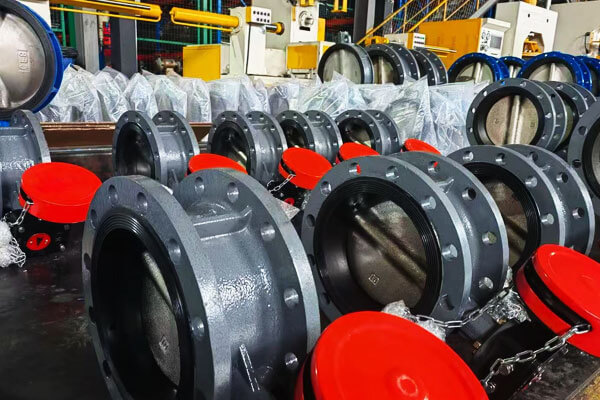
Tepelné spracovanie: Mikroštruktúrne inžinierstvo pre optimalizáciu výkonu
Tepelné spracovanie sa používa na úpravu mikroštruktúry odlievanej zliatiny, eliminovať zvyškové napätia, a dosiahnuť požadovanú rovnováhu síl, tvrdosť, a odolnosť proti korózii.
Tepelné spracovanie roztoku (Austenitické nehrdzavejúce ocele)
Pre triedy nehrdzavejúcej ocele ako napr CF8, CF8M, Cf3, a CF3M, riešenie je najkritickejším procesom.
Tento proces zahŕňa:
- Zahriatie odliatku na pribl 1040°C – 1120 °C
- Udržiavanie pri teplote na rozpustenie karbidov a homogenizáciu štruktúry
- Rýchle zhasnutie (zvyčajne vodné chladenie)
Medzi kľúčové výsledky patrí:
- Eliminácia zrážania karbidu chrómu
- Obnovenie odolnosti proti korózii
- Zlepšená ťažnosť a húževnatosť
- Homogenizovaná austenitická mikroštruktúra
Bez správneho ošetrenia roztokom, Telesá ventilov z nehrdzavejúcej ocele môžu trpieť medzikryštalickou koróziou a predčasným zlyhaním v prostrediach bohatých na chloridy.
Tepelné ošetrenie na zmiernenie stresu (Uhlíkové a zliatinové ocele)
Telesá ventilov z liatej uhlíkovej ocele (Napr., Wcb, LCC) často zachovávajú zvyškové napätia z tuhnutia a ochladzovania.
Odbúravanie stresu sa vykonáva pri 550°C – 650 °C do:
- Znížte vnútorné zvyškové napätia
- Zlepšite rozmerovú stabilitu
- Minimalizujte skreslenie počas obrábania a servisu
- Zvýšte odolnosť proti únave
Tento proces je obzvlášť dôležitý pre telesá škrtiacich klapiek s veľkým priemerom, kde sú výraznejšie nerovnomerné gradienty chladenia.
Normalizácia a kalenie & Temperovanie
Pre uhlíkové a nízkolegované ocele vyžadujúce vyššiu pevnosť:
- Normalizácia zjemňuje štruktúru zŕn a zlepšuje jednotnosť
- Ochladenie a temperovanie výrazne zvyšuje pevnosť a tvrdosť pri zachovaní primeranej húževnatosti
Tieto úpravy sa bežne používajú vo vysokotlakových aplikáciách, ako sú ropovody a parné systémy.
Povrchová úprava: Funkčné a ochranné vylepšenie
Povrchová úprava je rovnako dôležitá, pretože priamo ovplyvňuje odolnosť proti korózii, čistota, hydraulický výkon, a estetickú kvalitu.
Tryskanie a čistenie
Otryskávanie je zvyčajne prvým konečným krokom po odstránení odliatku.
Medzi jeho funkcie patrí:
- Odstraňovanie zvyškov keramických škrupín
- Odstránenie oxidového kameňa
- Jednotná textúra povrchu
- Príprava povrchu na ďalšiu úpravu
Pre odliatky z uhlíkovej ocele, bežne sa používajú oceľové broky, zatiaľ čo komponenty z nehrdzavejúcej ocele často používajú broky z nehrdzavejúcej ocele alebo kontrolované médiá, aby sa zabránilo kontaminácii.
Morenie a odstraňovanie vodného kameňa
Morenie je chemický proces používaný predovšetkým pri odliatkoch z nehrdzavejúcej ocele.
Odstraňuje:
- Tepelný odtieň
- Oxidové vrstvy
- Povrchová kontaminácia z vysokoteplotného spracovania
Zmesi kyselín (typicky dusičné + systémy kyseliny fluorovodíkovej) obnoviť čistý kovový povrch, čo je nevyhnutné pre odolnosť proti korózii.
Pasivačná liečba
Pasivácia zvyšuje prirodzenú odolnosť nehrdzavejúcej ocele proti korózii tým, že podporuje tvorbu stabilnej vrstvy oxidu chrómu.
Medzi výhody patrí:
- Zlepšená rezistencia na jamky
- Zvýšená chemická stabilita
- Dlhodobá ochrana povrchu
- Znížené riziko lokalizovanej korózie
Tento krok je rozhodujúci pre telesá ventilov CF8M používané v námornom a chemickom prostredí.
Elektropooling (High-end aplikácie)
Elektroleštenie je elektrochemický proces dokončovania, ktorý odstraňuje mikroskopické povrchové vrcholy, výsledkom je extrémne hladký a čistý povrch.
Medzi výhody patrí:
- Ultra nízka drsnosť povrchu
- Zlepšený hygienický výkon
- Znížená priľnavosť baktérií
- Zvýšená odolnosť proti korózii
- Vylepšené prietokové charakteristiky
Sa bežne používa v:
- Farmaceutické systémy
- Biotechnologické potrubia
- Zariadenia na spracovanie potravín
- Systémy ultračistej vody
Ochranné povlaky (Aplikácie uhlíkovej ocele)
Pre telesá ventilov z uhlíkovej ocele, ochranné nátery sú nevyhnutné na zabránenie environmentálnej korózii.
Bežné náterové systémy zahŕňajú:
- Fusion Bond Epoxid (Fbe)
- Polyuretánové nátery
- Priméry bohaté na zinok
- Práškové lakovacie systémy
Tieto nátery poskytujú dlhodobú odolnosť proti vlhkosti, chemikálie, a atmosférickej korózii.
7. Obrábanie telies ventilov odlievaných na investície
Investičným liatím sa vyrábajú telesá takmer čistého tvaru, ale kritické rozmery vyžadujú opracovanie.
Typické obrábanie operácií
| Činnosť | Účel | Tolerancia |
| Čelné frézovanie príruby | Dosiahnite rovinnosť a rovnobežnosť | ± 0,05 mm |
| Sústruženie vŕtania | Dosiahnite presný vnútorný priemer | ±0,05–0,10 mm |
| Vŕtanie otvorov pre skrutky | Vytvorte otvory pre skrutky príruby | ±0,1–0,2 mm |
| Rezanie závitu (výstupky) | Create threads for lug‑style valves | ISO / ASME štandard |
| Otáčanie drážky sedadla | Precision recess for seat ring | ±0,02-0,05 mm |
| Vyvrtávanie drieku | Pre driek ventilu | ±0,02-0,05 mm |
| Obrábanie montážnej podložky | Na montáž pohonu | ±0,05–0,10 mm |
Obrábanie výziev
| Spochybniť | Spôsob | Riešenie |
| Tvrdenie práce | Austenitic stainless work‑hardens | Ostré nástroje z tvrdokovu; vhodné posuvy/rýchlosti. |
| Opotrebenie nástroja | Nerez je abrazívny | Potiahnutý karbid (Tialn, PVD); chladiaca kvapalina. |
| Chatárčenie / vibrovanie | Tenkostenné časti | Používajte stabilné odpočívadlá; zvýšiť tuhosť; znížiť previs. |
| Rozmerová stálosť | Residual stress from casting | Úľava na stres; rough machining → aging → finish machining. |
8. Kontrola a kontrola kvality
Telesá škrtiacich klapiek odliatych na investíciu vyžadujú prísne zabezpečenie kvality, aby spĺňali priemyselné normy.
Nedeštruktívne testovanie (Ndt)
| metóda NDT | Detekuje | Norma | Frekvencia |
| Vizuálna kontrola | Povrchové chyby | ASTM E430 | 100% |
| Prienik (Pt) | Povrchové trhliny, pórovitosť | ASTM E165 | 100% (kritických oblastiach) |
| Rádiografia (X -ray) | Vnútorná pórovitosť, inklúzia | ASTM E94 | 10-25 % (dávka) |
| Ultrazvukový | Vnútorné chyby, hrúbka steny | ASTM E114 | 10-25 % (dávka) |
| Tlakové testovanie | Netesnosť | API 598 | 100% |
Rozmerová kontrola
| Meranie | Vybavenie | Tolerancia |
| Priemer otvoru | CMM alebo vŕtanie | ± 0,05 mm |
| Rovinnosť čela príruby | Optické alebo číselníkové meradlo | ≤0,05 mm/m |
| Rozmer tvárou v tvár | CMM alebo páska | ±0,5-1,0 mm |
| Vzor otvorov pre skrutky príruby | CMM alebo šablóna | ±0,1–0,2 mm |
| Rozmery drážky sedadla | CMM alebo špeciálne meradlo | ±0,02-0,05 mm |
Mechanické testovanie
| Test | Účel | Norma |
| Ťah | Výnos, ťah, predĺženie | ASTM E8 / V 10002 |
| Tvrdosť | HB alebo HRB | ASTM E10 / ASTM E18 |
| Dopad (Charpy) | Tvrdosť | ASTM E23 |
| Hydrostatický test | Integrita tlaku | API 598 / ASME B16.34 |
9. Priemyselné aplikácie telesa škrtiaceho ventilu na investičné liatie
Telesá škrtiacich klapiek odlievaných na investovanie sú široko používané v mnohých priemyselných odvetviach, pretože kombinujú vysokú rozmerovú presnosť, Vynikajúce mechanické vlastnosti, a vynikajúca odolnosť proti korózii.
Ich schopnosť prispôsobiť sa zložitým geometriám pri zachovaní integrity tlaku ich robí vhodnými pre štandardné priemyselné služby aj pre vysoko náročné prevádzkové prostredia.
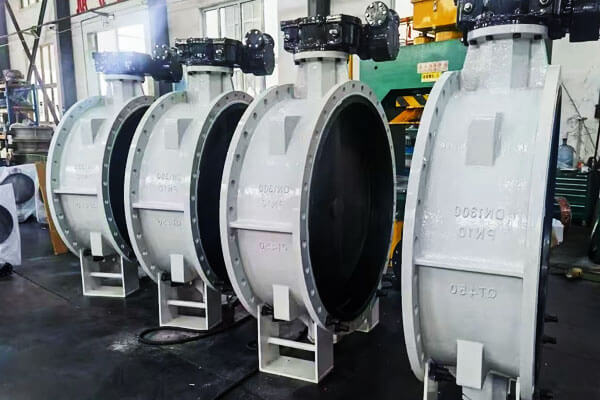
Úprava a distribúcia vody
Úprava vody je jedným z najväčších aplikačných sektorov pre klapkové ventily.
Mestské vodárne, odsoľovacie zariadenia, čistiarne odpadových vôd, a zavlažovacie systémy všetky vyžadujú spoľahlivé zariadenie na riadenie prietoku schopné nepretržitej prevádzky s minimálnou údržbou.
Telesá škrtiacich klapiek liateho na investovanie sú obzvlášť výhodné, pretože poskytujú:
- Vynikajúca rozmerová konzistencia pre spoľahlivé utesnenie
- Hladké vnútorné povrchy, ktoré znižujú odpor prúdenia
- Dobrá odolnosť proti korózii v pitnej a upravenej vode
- Dlhá životnosť pri častých prevádzkových cykloch
V závislosti od kvality vody a prevádzkových podmienok, bežne používané materiály zahŕňajú:
- CF8 nehrdzavejúca oceľ
- Nerezová oceľ CF8M
- Tvárna liatina s ochrannými nátermi
- Duplexná nehrdzavejúca oceľ pre aplikácie s morskou vodou
Pre odsoľovacie zariadenia, duplexná nehrdzavejúca oceľ je často preferovaná kvôli jej vynikajúcej odolnosti voči jamkovej a štrbinovej korózii spôsobenej chloridmi.
Ropný a plynárenský priemysel
Pri výrobe ropy a plynu sú telesá ventilov vystavené niektorým z najtvrdších prevádzkových podmienok, s ktorými sa stretávame v priemyselných aplikáciách.
Medzi typické prevádzkové problémy patrí:
- Vysoký tlak
- Zvýšené teploty
- Sírovodík (H₂s)
- Oxid uhličitý (Co₂)
- Abrazívne častice
- Pobrežné morské prostredie
Telesá škrtiacich ventilov odlievané z investovaného materiálu ponúkajú vynikajúcu kontrolu tlaku a zároveň sú prispôsobené zliatinám odolným voči korózii špeciálne navrhnutým pre kyslé použitie.
Bežné materiály zahŕňajú:
- WCB uhlíková oceľ
- Nerezová oceľ CF8M
- Duplexná nehrdzavejúca oceľ
- Super duplexná nehrdzavejúca oceľ
- Zliatiny na nikle
Typické aplikácie zahŕňajú:
- Ropovody
- Pobrežné platformy
- Procesné jednotky rafinérie
- Prenos zemného plynu
- LNG terminály
- Petrochemické závody
Presnosť zatavovacieho liatia tiež zlepšuje spoľahlivosť tesnenia, čo je rozhodujúce pre prevenciu fugitívnych emisií a zabezpečenie súladu so životným prostredím.
Chemické spracovanie
Chemické závody manipulujú s vysoko agresívnymi médiami, ktoré môžu rýchlo degradovať konvenčné inžinierske materiály.
Medzi typické chemikálie patria:
- Kyselina sírová
- Kyselina chlorovodíková
- Kyselina dusík
- Hydroxid sodný
- Roztoky chloridov
- Organické rozpúšťadlá
Investičné liatie umožňuje výrobcom vyrábať telesá klapiek zo zliatin vysoko odolných voči korózii pri zachovaní vynikajúcej rozmerovej presnosti.
V závislosti od chémie procesu, vhodné materiály zahŕňajú:
- Nerezová oceľ CF8M
- Duplexná nehrdzavejúca oceľ
- Hastelloy
- Odvoz
- Monel
Vynikajúca povrchová úprava vytvorená vytaviteľným liatím tiež minimalizuje tvorbu štrbín, zníženie lokálnej korózie a uľahčenie čistenia zariadení.
Generovanie energie
Elektrárne vyžadujú ventily schopné nepretržitej prevádzky v náročných tepelných a mechanických podmienkach.
Aplikácie zahŕňajú:
- Systémy napájacej vody kotlov
- Distribúcia pary
- Systémy chladiacej vody
- Pustenie plynu
- Kondenzačné systémy
Telesá ventilov musia vydržať:
- Vysoký tlak
- Tepelná cyklistika
- Zvýšené teploty
- Korozívne kondenzáty
Pre tieto aplikácie sa bežne vyberajú tepelne odolné nehrdzavejúce ocele a zliatiny na báze niklu.
Rozmerová stabilita poskytovaná vytaveným liatím prispieva ku konzistentnému výkonu ventilu počas opakovaných cyklov tepelnej expanzie a kontrakcie.
Priemysel potravín a nápojov
Zariadenia na spracovanie potravín musia spĺňať prísne hygienické normy pri zachovaní vynikajúcej odolnosti voči korózii.
Typické aplikácie zahŕňajú:
- Výroba nápojov
- Spracovanie mlieka
- Pivovarníctvo
- Rafinácia cukru
- Výroba jedlého oleja
Telesá klapiek z ušľachtilej ocele odliate investovaním ponúkajú niekoľko dôležitých výhod:
- Vyhladiť, čistiace povrchy
- Nízka priľnavosť baktérií
- Vynikajúca odolnosť proti korózii
- Vysoká dimenzionálna presnosť
- Compatibility with sanitary cleaning procedures
Elektrolyticky leštené nehrdzavejúce ocele CF3 a CF3M sa často používajú v hygienických procesných systémoch, kde je dôležitá čistota produktu.
Farmaceutický a biotechnologický priemysel
Farmaceutická výroba kladie ešte prísnejšie požiadavky ako spracovanie potravín.
Valve bodies must exhibit:
- Extremely smooth surfaces
- Minimal contamination risk
- Výborná čistiteľnosť
- Resistance to aggressive sterilization chemicals
- Compliance with GMP standards
Investičné liatie poskytuje výnimočnú geometrickú presnosť a zároveň minimalizuje nedokonalosti povrchu, ktoré by mohli obsahovať mikroorganizmy.
Additional electropolishing further improves:
- Drsnosť
- Odpor
- Sterilita
- Čistota produktu
Vďaka týmto vlastnostiam sú telesá škrtiacich ventilov odlievané po vytavení dobre vhodné pre systémy sterilného spracovania.
Morské inžinierstvo
Morské prostredie kombinuje niekoľko agresívnych faktorov:
- Korózia slanou vodou
- Vysoká vlhkosť
- Biologické znečistenie
- Mechanické vibrácie
- Cyklické zaťaženie
Telesá ventilov používané na palubách lodí, pobrežné platformy, a pobrežné zariadenia vyžadujú vynikajúcu odolnosť proti korózii.
Bežné materiály zahŕňajú:
- Duplexná nehrdzavejúca oceľ
- Super duplexná nehrdzavejúca oceľ
- Monel
- Bronzová zliatiny
Investičné liatie umožňuje zložité konštrukcie námorných ventilov a zároveň zabezpečuje vynikajúcu mechanickú integritu pri nepretržitom vystavení morskej vode.
Ťažba a spracovanie nerastov
Ťažobné operácie predstavujú jedinečné výzvy v dôsledku vysoko abrazívnych kalov obsahujúcich suspendované pevné látky.
Telesá ventilov musia odolávať:
- Abrazívne opotrebovanie
- Zaťaženie nárazom
- Korózia
- Vysoké rýchlosti prúdenia
Duplexná nerezová oceľ liata na investovanie ponúka vynikajúcu kombináciu odolnosti proti opotrebovaniu, sila, a odolnosť proti korózii, vďaka čomu je vhodný pre systémy prepravy kalov.
HVAC a služby budov
Veľké komerčné budovy často používajú škrtiace klapky:
- Ochladená voda
- Vykurovacie systémy
- Chladiace veže
- Ochrana proti požiaru
- Distribúcia vody
Telesá ventilov z investičného odliatku poskytujú ľahkú konštrukciu, presné rozmery, a spoľahlivé tesnenie pri znížení nákladov na údržbu počas dlhých prevádzkových období.
10. Trendy budúceho vývoja
| Trend | Popis | Vplyv na telesá ventilov liatych na investíciu |
| Aditívna výroba voskových vzorov | 3D-tlačené vzory eliminujú nástroje pre malé objemy. | Umožňuje rýchle prototypovanie; vlastné veľkosti bez nákladov na matricu. |
| Digitálne dvojča a simulácia | Simulácia odlievania a obrábania v reálnom čase. | Znižuje defekty; optimalizuje proces. |
| Predikcia defektov riadená AI | Strojové učenie predpovedá pórovitosť a inklúzie. | Zlepšuje výnos; znižuje kontrolu. |
Vysokovýkonné duplexné zliatiny |
Nové duplexné zliatiny s vyššou pevnosťou a odolnosťou proti korózii. | Umožňuje tenšie časti; zníženie hmotnosti. |
| Udržateľné materiály plášťa | Spojivá na bio báze; recyklovateľná škrupina. | Znižuje vplyv na životné prostredie. |
| Inteligentné telesá ventilov | Zabudované snímače teploty, tlak, korózia. | Umožňuje prediktívnu údržbu; sledovanie stavu. |
| Veľkopriemerový investičný odliatok | Veľkosti odliatkov do DN1200 / 48″. | Rozširuje rozsah použitia na veľké potrubia. |
| Elektrifikácia tavenia | Indukčné tavenie s obnoviteľnou elektrinou. | Znižuje uhlíkovú stopu. |
11. Záver
Investičné liatie je popredným výrobným procesom pre vysokovýkonné telesá klapiek, najmä v nehrdzavejúcej oceli a duplexných zliatinách.
Ponúka jedinečnú kombináciu geometrická zložitosť, rozmerová presnosť, povrchová úprava, a materiálna integrita čo je neporovnateľné s liatím do piesku, kovanie, alebo zhotovenie.
Tento proces poskytuje komponenty takmer čistého tvaru s minimálnym obrábaním, vynikajúca integrita tlaku, a konzistentné mechanické vlastnosti.
Pre telesá ventilov vyžadujúce odolnosť proti korózii, tesné tolerancie, a dlhú životnosť – či už v chemických prevádzkach, pobrežné platformy, alebo linky na spracovanie potravín – metódou voľby je investičné liatie.
Úspech v odlievaných telesách klapiek závisí od prísnej kontroly v rámci celého výrobného reťazca: zliatina, vzorový dizajn, výstavba škrupiny, taviace sa, nalievanie, tepelné spracovanie, obrábanie, a kontrola.
Pokroky v simulácii, automatizácie, a udržateľné materiály tento proces ďalej zlepšujú, zefektívniť, spoľahlivý, a šetrné k životnému prostrediu.
Keďže priemyselné odvetvia vyžadujú vyšší výkon, ľahšia váha, a dlhšia životnosť zo zariadenia na riadenie prietoku, investičné odlievanie bude naďalej zohrávať ústrednú úlohu pri riešení týchto výziev.
Časté otázky
Aká je maximálna veľkosť telesa škrtiacej klapky, ktorú je možné odliať na investíciu?
Typická kapacita investičného liatia: až do 600 mm (24″) priemer pre telá doštičiek/očiek; väčšie veľkosti až 900 mm (36″) sú možné pri špecializovanej hrubej stavbe.
Pre veľmi veľké ventily (>48″), liatie do piesku alebo výroba je ekonomickejšia.
Aký je rozdiel medzi doštičkou a telesom ventilu v tvare očka?
Telá v tvare plátku sú tenké a sú upevnené medzi prírubami; Telesá v tvare očiek majú závitové vložky na každej strane a možno ich použiť ako koncové ventily. Obe sú vhodné na investície.
Je možné opraviť telesá ventilov odlievaných na investíciu?
Menšie chyby odliatku je možné opraviť zváraním (s vhodnou náplňou a predhrejte), ale veľké chyby zvyčajne vedú k šrotu. HIP môže odstrániť pórovitosť, ale nedokáže opraviť povrchové chyby.
Aká je typická dodacia lehota pre telesá ventilov odlievaných na investíciu?
8-12 týždňov na náradie a prvé výrobky; 2-4 týždne pri opakovaných objednávkach (s existujúcim náradím). Rýchle objednávky môžu byť urýchlené za príplatok.