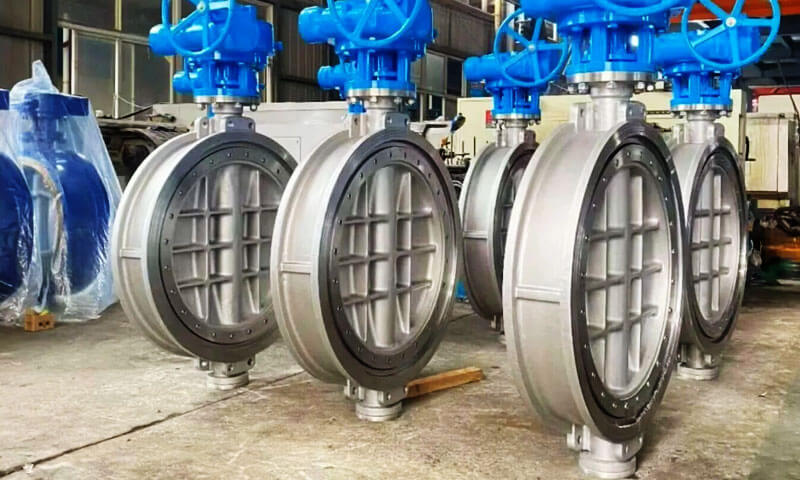
Klapkové ventily patria medzi najpoužívanejšie zariadenia na reguláciu prietoku v priemyselných potrubných systémoch, ponúka jednoduchý, kompaktný, a cenovo výhodné riešenie na reguláciu prietoku plynov, kvapalina, a kaly.
Keď si aplikácia vyžaduje silu, hospodárstva, a mierna odolnosť proti korózii, klapky z uhlíkovej ocele stanú predvolenou voľbou – najmä pri úprave vody, ropa, generovanie energie, a všeobecné priemyselné služby.
Výroba komponentov klapiek z uhlíkovej ocele – telies, disky, stonky, a konzoly – tradične sa spolieha na odlievanie do piesku alebo výrobu.
Avšak, odlievanie investícií (obsadenie) sa ukázal ako vynikajúci spôsob výroby mnohých komponentov ventilov z uhlíkovej ocele, ponuka takmer sieťová presnosť tvaru, vynikajúca povrchová úprava, tesné rozmerové tolerancie, a konzistentné mechanické vlastnosti.
Tento článok poskytuje komplexného technického a strategického sprievodcu riešeniami pre odlievanie klapiek z uhlíkovej ocele.
1. Čo je to motýľový ventil z uhlíkovej ocele?
A uhlíková oceľ motýľový ventil je štvrťotáčkový rotačný ventil určený na spustenie, zastaviť, alebo regulovať prietok tekutiny otáčaním kruhového kotúča okolo centrálneho hriadeľa.
Na rozdiel od ventilov s lineárnym pohybom, ako sú posúvače alebo guľové ventily, škrtiace ventily vyžadujú iba otočenie o 90 stupňov, aby sa mohli pohybovať medzi úplne otvorenou a úplne zatvorenou polohou, umožňuje rýchlu prevádzku s minimálnym krútiacim momentom.
Ich jednoduchý, ale efektívny dizajn z nich robí jeden z najuniverzálnejších typov ventilov pre priemyselné systémy na manipuláciu s tekutinami.
Klapky z uhlíkovej ocele sú široko používané v potrubiach prepravujúcich vodu, pary, olej, natural gas, stlačený vzduch, a rôzne nekorozívne alebo mierne korozívne médiá.
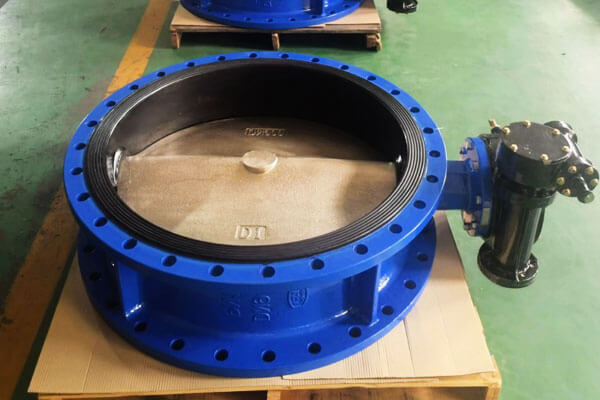
Základné komponenty škrtiaceho ventilu
| Komponent | Funkcia |
| Tela | Puzdro, ktoré obsahuje disk, sedadlá, and stem; zabezpečuje potrubné spoje (prírubový, ucho, doštička). |
| Disk | Rotating closure member; reguluje prietok otáčaním z otvorenej do zatvorenej polohy. |
| Kmeň (hriadeľ) | Prenáša krútiaci moment z pohonu na kotúč. |
| Sedadlá | Zabezpečte tesnenie medzi kotúčom a telom; vymeniteľné alebo integrálne odliate. |
| Pohon | Manuál (páka, koleso) alebo automatizovaný (pneumatický, elektrický, hydraulický). |
| Kapota / horná príruba | Umiestňuje vreteno a poskytuje montáž pohonu. |
| Tuleň | Zabráňte úniku pozdĺž stonky. |
Typy konštrukcií telesa škrtiaceho ventilu
| Typ tela | Popis | Typické aplikácie |
| Na spôsob oblátky | Tenké telo s otvormi na skrutky; vložené medzi príruby potrubia. | Nízky tlak, kompaktné systémy, HVAC, water lines. |
| V štýle očka | Závitové vložky na každej strane; možná koncová služba. | Mierny tlak; prístup údržby. |
| Prírubový | Integrálne príruby na oboch koncoch; priskrutkované priamo na príruby potrubia. | Vysoký tlak, systémy s veľkým priemerom, olej & plyn. |
| Tupý zvar | Konce určené na zváranie do potrubia. | Vysoká teplota, vysoký tlak, systémy kritické pre úniky. |
Kritické funkčné požiadavky na klapkové ventily z uhlíkovej ocele
| Požiadavka | Inžinierske dôsledky |
| Integrita tlaku | Musí odolávať vnútornému tlaku (až po triedu ASME 150‑600 pre uhlíkovú oceľ). |
| Pevnosť a húževnatosť | Musí odolávať mechanickému zaťaženiu, vibrovanie, a tepelná cyklistika. |
| Rozmerová presnosť | Presný vývrt, obloženie príruby, a zarovnanie otvorov drieku zaisťuje utesnenie a prevádzku. |
| Odpor | Stredná odolnosť voči atmosférickým vplyvom, vodná voda, a mierne chemické prostredie. |
| Zvárateľnosť | Triedy uhlíkovej ocele musia byť pri inštalácii a oprave zvárateľné. |
| Nákladová efektívnosť | Nižšie náklady na materiál ako nehrdzavejúca oceľ; vhodné pre ventily s veľkým priemerom. |
2. Prečo je investičný odliatok ideálny pre komponenty škrtiacich ventilov
Odlievanie investícií, commonly known as the proces odlievania strateného vosku, je uznávaná ako jedna z najmodernejších výrobných technológií na výrobu presných kovových komponentov.
V porovnaní s konvenčnými metódami odlievania, investičné liatie ponúka podstatné zlepšenie v rozmerovej presnosti, kvalita povrchu, štrukturálna integrita, a dôslednosť výroby, vďaka tomu je obzvlášť vhodný pre vysokovýkonné komponenty škrtiacich klapiek.
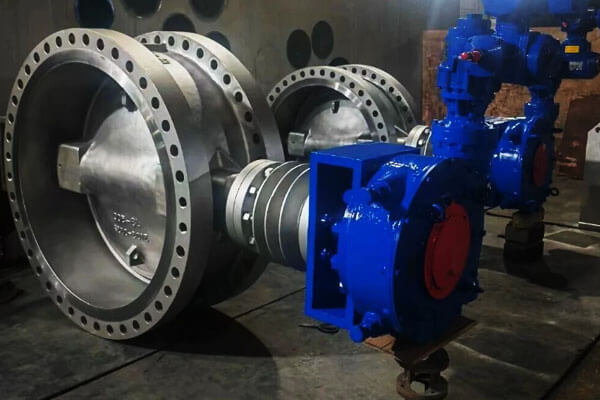
Výnimočná rozmerová presnosť
Klapkové ventily obsahujú množstvo presne opracovaných rozhraní, vrátane čelných plôch prírub, kmeňa, ložiská, a tesniace povrchy.
Aj malé rozmerové odchýlky môžu viesť k netesnostiam, nadmerný prevádzkový krútiaci moment, alebo predčasné opotrebovanie.
Investičné liatie vytvára komponenty takmer čistého tvaru s úzkymi toleranciami, výrazne znižuje potrebu korekčného obrábania a zabezpečuje vynikajúcu zameniteľnosť medzi dielmi.
Medzi výhody patrí:
- Vylepšená efektivita montáže
- Znížené prídavky na obrábanie
- Lepší tesniaci výkon
- Konzistentná kvalita produktu v rámci výrobných šarží
Povrchová povrchová úprava
Na rozdiel od liatia do piesku, kde hrubé plesne často zanechávajú drsné povrchy, investičné liatie využíva jemné keramické škrupiny, ktoré presne reprodukujú voskový vzor.
Typická drsnosť povrchu sa pohybuje od RA 3,2-6,3 μm, poskytnutie:
- Lepšia priľnavosť náteru
- Znížené požiadavky na leštenie
- Nižší odpor tekutín
- Vylepšený vzhľad exponovaných komponentov ventilu
Hladšia vnútorná dráha prúdenia tiež prispieva k zníženiu turbulencií a nižšej tlakovej strate počas prevádzky.
Komplexná geometria bez dodatočnej výroby
Moderné telesá škrtiacich klapiek často obsahujú výstužné rebrá, montážne podložky ovládačov, kontúry usmerňujúce prúdenie, a integrované podporné štruktúry.
Výroba týchto prvkov obrábaním alebo výrobou zvyšuje zložitosť výroby a náklady.
Investičné liatie umožňuje vytvárať tieto zložité geometrie priamo počas odlievania, zníženie počtu zvarových spojov a zlepšenie štrukturálnej integrity.
Zlepšená metalurgická kvalita
Pretože roztavený kov plní presnú keramickú formu za starostlivo kontrolovaných podmienok, investičné liatie môže dosiahnuť:
- Rovnomerná štruktúra zŕn
- Znížená segregácia
- Nižší obsah inklúzie
- Vylepšená hustota
- Zvýšená odolnosť proti únave
Tieto metalurgické výhody sú obzvlášť cenné pre ventily pracujúce pri cyklickom tlaku alebo pri kolísajúcich tepelných podmienkach.
Vyššie využitie materiálu
Tradičné obrábanie často odoberá značnú časť suroviny, aby sa dosiahla konečná geometria, čo vedie k zbytočnému plytvaniu.
Investičné liatie vyrába komponenty blízke ich konečným rozmerom, ponúka viacero ekonomických výhod:
- Menej materiálneho odpadu
- Znížený čas obrábania
- Nižšie opotrebovanie nástrojov
- Kratšie výrobné cykly
- Vylepšená udržateľnosť
Porovnanie výrobných metód
| Výrobná metóda | Presnosť | Povrchová úprava | Využitie materiálu | Efektívnosť výroby | Vhodné aplikácie |
| Investičný casting | Vynikajúci | Vynikajúci | Vynikajúci | Vysoký | Komponenty precízneho ventilu |
| Odlievanie piesku | Mierny | Hnusný | Mierny | Vysoký | Veľký, jednoduché odliatky |
| Kovanie | Vynikajúci | Dobre | Mierny | Médium | Vysokopevnostné tlakové diely |
| CNC obrábanie | Vynikajúci | Vynikajúci | Nízky | Nízky | Malosériové vlastné komponenty |
3. Výber materiálu uhlíkovej ocele pre investičné liatie
Výber materiálu je jedným z najdôležitejších technických rozhodnutí pri výrobe klapkových ventilov odlievaných na investície.
Zatiaľ čo proces investičného liatia určuje rozmerovú presnosť a štrukturálnu integritu, ten trieda uhlíkovej ocele
Bežné triedy uhlíkovej ocele pre škrtiace ventily odlievané na investíciu
Rôzne triedy uhlíkovej ocele sú navrhnuté tak, aby spĺňali špecifické prevádzkové podmienky.
Štandardné liate uhlíkové ocele ako napr Wcb a WCC sú široko používané pre všeobecné priemyselné aplikácie, kým nízkoteplotné stupne ako napr LCB a LCC sú vybrané pre kryogénnu službu.
Pre prostredia so zvýšenou teplotou, chróm-molybdénovej zliatiny ocele vrátane Wc6 a Wc9
Nižšie uvedená tabuľka sumarizuje najbežnejšie používané druhy komponentov škrtiacich klapiek odlievaných na investíciu.
| Stupeň | US č. | Uhlík (%) | Výnosová sila (MPA) | Pevnosť v ťahu (MPA) | Predĺženie (%) | Maximálna prevádzková teplota | Typické aplikácie |
| WCA | J02502 | ≤0.25 | ≥205 | ≥415 | ≥24 | 425° C | Ekonomické ventily pre nízkotlakové a nekritické služby |
| Wcb | J03002 | ≤0,30 | ≥250 | ≥485 | ≥22 | 425° C | Štandardné klapky na vodu, olej, plyn, and steam |
| WCC | J02505 | ≤0.25 | ≥275 | ≥485 | ≥22 | 425° C | Vysokovýkonné ventily vyžadujúce vyššiu pevnosť a lepšiu zvárateľnosť |
| LCB | J03003 | ≤0.25 | ≥ 240 | ≥450 | ≥22 | -46° C | Nízkoteplotné potrubia a chladiace systémy |
| LCC | J03005 | ≤0.25 | ≥275 | ≥485 | ≥22 | -46° C | zariadenia LNG, cryogenic processing, a aplikácie v chladnom podnebí |
| Wc6 | J12072 | 0.05–0.20 | ≥275 | ≥ 550 | ≥ 20 | 540° C | Vysokoteplotné systémy na výrobu pary a elektriny |
| Wc9 | J21890 | 0.05–0,18 | ≥310 | ≥585 | ≥ 20 | 595° C | Vysokoteplotné petrochemické a rafinérske zariadenia |
Medzi týmito materiálmi, ASTM A216 WCB zostáva priemyselným štandardom pre telesá klapiek z uhlíkovej ocele vďaka svojej vynikajúcej rovnováhe mechanického výkonu, odlievateľnosť, machináovateľnosť, a nákladová efektívnosť.
Je preferovanou voľbou pre väčšinu priemyselných aplikácií pracujúcich pri okolitých alebo mierne zvýšených teplotách.
4. Výrobný proces investičného odliatku pre škrtiaci ventil
Výkon klapky z uhlíkovej ocele je určený nielen jej dizajnom a výberom materiálu, ale aj presnosťou a stabilitou výrobného procesu..
Odlievanie investícií, tiež známy ako proces odlievania strateného vosku, je vysoko kontrolovaná výrobná metóda schopná vyrábať zložité komponenty ventilov s výnimočnou rozmerovou presnosťou, vynikajúca povrchová úprava, a konzistentné metalurgické vlastnosti.
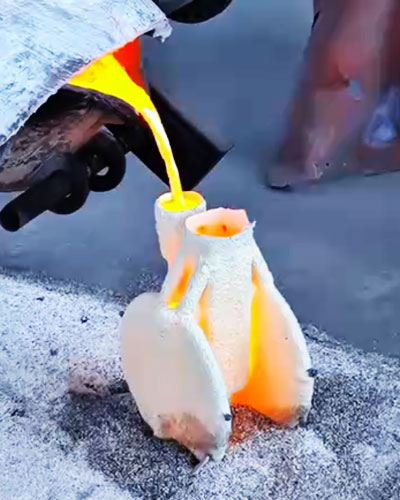
Na rozdiel od bežného odlievania do piesku, investičné liatie vyrába v tvare takmer komponenty, ktoré vyžadujú podstatne menej obrábania pri zachovaní prísnejších tolerancií.
Tento proces je obzvlášť vhodný pre telesá klapiek, disky, montáž, a iné konštrukčné diely, kde presnosť priamo ovplyvňuje tesniaci výkon a prevádzkovú spoľahlivosť.
Prehľad toku procesu
| Pódium | Sťahovať | Kľúčový detail |
| 1 | Výroba vzorov | Vstrekovanie vosku do presnej kovovej matrice (náradie) replikujúci tvar tela ventilu. |
| 2 | Montáž stromu | Viaceré voskové vzory pripevnené k centrálnemu vtoku (strom). |
| 3 | Výstavba škrupiny | 6-10 vrstiev keramickej kaše (Oxid kremičitý) + štuk (zirkón/oxid hlinitý). |
| 4 | Odvoz | Parný autokláv roztaví vosk; škrupina zostáva. |
5 |
Streľba mušlí | Vypálené pri 900-1100°C na spevnenie keramiky a odstránenie prchavých látok. |
| 6 | Tavenie uhlíkovej ocele & nalievanie | Indukčné alebo oblúkové tavenie pri 1550-1650°C; naliať do predhriatej škrupiny. |
| 7 | Chladenie & klepať | Ovládané chladenie; škrupina odstránená vibráciami alebo vodným lúčom. |
| 8 | Cut-off & dokončenie | Brány a stúpačky rezané; brúsenie, otryskanie, zrážanie. |
| 9 | Tepelné spracovanie | Normalizácia alebo zmiernenie stresu na dosiahnutie špecifikovaných vlastností. |
| 10 | Kontrola & testovanie | Vizuálne, rozmerový, Ndt (X -ray, prienik), hydrostatická tlaková skúška. |
Kritické riadenie procesu pre telesá ventilov z uhlíkovej ocele
| Faktor | Cieľ | Prečo na tom záleží |
| Nalievanie teploty | 1550-1650 °C | Príliš nízka → nesprávny chod; príliš vysoká → erózia škrupiny, pórovitosť. |
| Predhriatie škrupiny | 200-600 °C | Zabraňuje teplotným šokom; zlepšuje výplň. |
| Rýchlosť chladenia | Kontrolovaný (vysielať) | Zabraňuje zrážaniu karbidov; zabezpečuje húževnatosť. |
| Dizajn brány | Zabraňuje turbulenciám; podporuje smerové tuhnutie | Znižuje inklúzie a pórovitosť zmršťovania. |
| Tepelné spracovanie | Normalizácia (870-930 °C) alebo úľavu od stresu (600-650 °C) | Dosahuje špecifikované mechanické vlastnosti; zmierňuje zvyškový stres. |
Tepelné spracovanie odliatkov ventilov z uhlíkovej ocele
| Liečba | Teplota | Chladenie | Účel |
| Normalizácia | 870-930 °C | Chladný | Vylepšuje štruktúru zŕn; zlepšuje pevnosť a húževnatosť. |
| Úľava na stres | 600-650 °C | Pec alebo chladenie vzduchom | Znižuje zvyškové napätie pri odlievaní a zváraní. |
| Zhasnutie & temperovanie | 850-900 °C (uhasiť) + 550-650 °C (miernosť) | Olej alebo voda + vysielať | Zvyšuje silu a tvrdosť (pre aplikácie vyššej triedy). |
5. Riešenia odolnosti proti korózii a povrchovej ochrany
Uhlíková oceľ je široko cenená pre svoju vysokú pevnosť, vynikajúca stroja, a nákladová efektívnosť. Avšak, na rozdiel od nerezovej ocele, to nemá vlastnú odolnosť proti korózii.
Keď je vystavený kyslíku, vlhkosť, soli, alebo chemicky agresívne médiá, uhlíková oceľ je náchylná na oxidáciu, rovnomerná korózia, jamka, a korózia trhliny.
Bez riadnej ochrany, tieto korózne mechanizmy môžu postupne znižovať hrúbku steny, zhoršiť tesniaci výkon, zvýšiť prevádzkový krútiaci moment, a v konečnom dôsledku skrátiť životnosť škrtiacej klapky.
Našťastie, pokroky v povrchovom inžinierstve umožnili klapkovým ventilom z uhlíkovej ocele dosiahnuť dlhodobú životnosť aj v náročných prevádzkových podmienkach vďaka použitiu ochranných náterov, kovové povrchové úpravy, podšívka, a správne stratégie údržby.
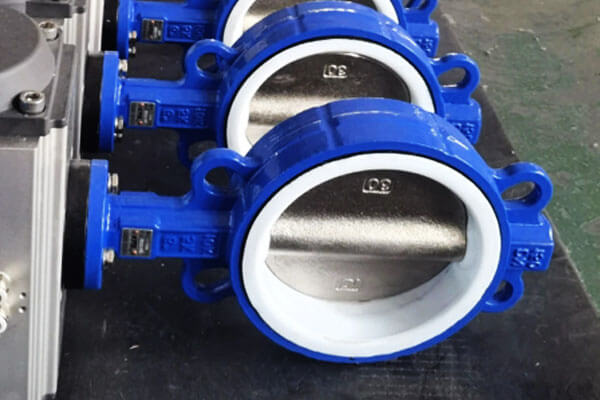
Bežné metódy ochrany proti korózii
Pre klapky z uhlíkovej ocele sú k dispozícii rôzne technológie povrchovej úpravy, každý ponúka inú úroveň odolnosti proti korózii, ochrana, and economic efficiency.
| Protection Method | Popis procesu | Typická hrúbka povlaku (μm) | Estimated Service Life* | Typické aplikácie |
| Epoxy Painting / Liquid Coating | Aplikácia priemyselnej epoxidovej farby striekaním alebo štetcom | 100–300 | 5– 15 rokov | Všeobecné priemyselné ventily, vodná voda, vysielať, HVAC |
| Práškové lakovanie | Elektrostatické striekanie prášku s následným vytvrdzovaním v peci | 60–120 | 10– 20 rokov | Municipal water, priemyselné vybavenie, vonkajšie inštalácie |
| Fusion Bond Epoxid (Fbe) | Elektrostatický epoxidový prášok aplikovaný na vyhrievaný oceľový povrch | 250–500 | 20– 30 rokov | Vodovodné potrubia, buried pipelines, fire protection systems |
| Galvanizácia za tepla | Ponorenie do roztaveného zinku na vytvorenie metalurgického zinkového povlaku | 50–100 | 20–40 years | Vonkajšie konštrukcie, pobrežné zariadenia, námorné vybavenie |
| Galvanické pokovovanie (Zinok/nikel) | Elektrochemické nanášanie kovových povlakov | 5–25 | 5– 15 rokov | Ochranca, stonky, dekoratívna alebo nenáročná ochrana |
Fosfátovanie |
Chemický konverzný náter vytvárajúci fosfátovú vrstvu | 5–20 | 2– 5 rokov | Predúprava pred lakovaním, dočasná ochrana proti korózii |
| Podšívka alebo povlak PTFE/FEP | Fluórpolymérová výstelka aplikovaná na vnútorné povrchy | 300–1000 | Závisí od servisných podmienok | Korozívne chemikálie, kyseliny, alkalis |
| Katódová ochrana | Obetované anódy alebo systémy s vloženým prúdom | - | Dizajnovo závislé | Zakopané potrubia, ponorené ventily |
| Príspevok na koróziu | Dodatočná hrúbka steny zahrnutá počas návrhu | 1–3 mm | Dizajnovo závislé | Dlhodobé priemyselné potrubia |
Poznámka: Skutočná životnosť sa líši v závislosti od podmienok prostredia, kvalita náteru, postupy údržby, a prevádzková teplota.
Medzi tieto metódy, Fusion Bond Epoxid (Fbe) sa stal jedným z najrozšírenejších riešení pre klapkové ventily z uhlíkovej ocele v komunálnom zásobovaní vodou, čistenie odpadu, a potrubnej infraštruktúry vďaka svojej vynikajúcej priľnavosti, chemický odpor, a dlhodobá trvanlivosť.
Výber vhodného systému povrchovej ochrany
Žiadny jednotlivý náterový systém nie je vhodný pre každé prevádzkové prostredie.
Výber riešenia ochrany proti korózii by mal byť založený na komplexnom posúdení environmentálnej expozície, charakteristiky médií, prevádzková teplota, mechanické opotrebenie, a dostupnosť údržby.
Nasledujúce odporúčania poskytujú praktický návod pre bežné aplikačné scenáre.
| Prevádzkové prostredie | Odporúčaná povrchová ochrana | Inžinierske zdôvodnenie |
| Vnútorný, suché prostredie | Epoxidová farba alebo práškový náter (100– 150 μm) | Ekonomická ochrana proti atmosférickej korózii |
| Vonku, nepobrežné zariadenia | Vysokovrstvový epoxidový náter alebo žiarové zinkovanie | Výborná odolnosť voči dažďu, vlhkosť, a UV vystavenie |
| Pobrežné a morské prostredie | Žiarové zinkovanie s epoxidovým vrchným náterom (duplexný náterový systém) | Zinok poskytuje obetnú ochranu, zatiaľ čo epoxid pôsobí ako bariéra proti posypovej soli |
| Zásobovanie vodou a čistenie odpadových vôd | Vnútorné a vonkajšie fúzne lepené epoxidy (Fbe) poťahovanie | Vynikajúca odolnosť voči vode, mierne chemikálie, a mikrobiologicky ovplyvnená korózia |
Chemické spracovanie |
Podšívka PTFE alebo FEP; prípadne, nehrdzavejúca oceľ pre náročný servis | Fluórpolymérové obklady odolávajú agresívnym kyselinám, alkalis, a rozpúšťadlá |
| Zakopané potrubia | FBE povlak kombinovaný s katódovou ochranou | Zabraňuje korózii pôdy a predlžuje životnosť pod zemou |
| Prostredia s vysokou abráziou | Epoxidový keramický povlak alebo polymérny povlak odolný voči opotrebovaniu | Zlepšuje odolnosť voči korózii a oderu |
Dizajnové stratégie pre zvýšenú odolnosť proti korózii
Okrem povrchových úprav, premyslený technický dizajn zohráva významnú úlohu pri zlepšovaní odolnosti klapiek z uhlíkovej ocele proti korózii.
Medzi kľúčové aspekty dizajnu patrí:
- Udržiavanie hrúbka steny aby sa minimalizovala lokalizovaná korózia.
- Odstránenie trhlín, kde sa môže hromadiť vlhkosť a nečistoty.
- Navrhovanie hladkých vnútorných prietokových kanálov na zníženie erózie-korózie.
- Začlenenie veľkorysých polomerov, aby sa zabránilo koncentrácii napätia a stenčovaniu povlaku.
- Izolácia rôznych kovov, aby sa zabránilo galvanickej korózii.
- Umožňuje dostatočnú toleranciu korózie v aplikáciách s predvídateľnou stratou materiálu.
- Výber kompatibilných tesniacich materiálov a spojovacích prvkov pre servisné prostredie.
6. Bežné chyby odliatkov a technické riešenia
Investičné liatie je známe výrobou vysoko presných komponentov, no žiadny výrobný proces nie je úplne imúnny voči chybám.
Variácie v dizajne formy, kvalita kovu, nalievanie parametrov, podmienky chladenia, alebo riadenie procesu môže viesť k nedokonalostiam, ktoré ovplyvňujú mechanické vlastnosti, rozmerová presnosť, a tesniaci výkon komponentov škrtiacej klapky.
Pochopenie základných príčin týchto chýb – a implementácia vhodných technických riešení – je nevyhnutné na dosiahnutie konzistentnej kvality produktu a minimalizáciu výrobných nákladov..
| Defekt | Visual/NDT signature | Príčina | Prevencia / remedy |
| Pórovitosť | Round internal voids | Rozpustený vodík/dusík; nedostatočná deoxidácia. | Spáliť do roztopenia; zlepšiť prax nalievania; používajte čisté nabíjanie. |
| Pórovitosť | Zubatý, nepravidelné vnútorné dutiny | Nedostatočné kŕmenie; zlý dizajn stúpačky. | Optimalizujte hradlovanie / stúpanie; použiť zimnicu; simulovať tuhnutie. |
| Roztrhnutie | Praskliny s ošúchanými okrajmi | Ťahové napätie pri konečnom tuhnutí; plesňové obmedzenie. | Znížte teplotu nalievania; zlepšiť skladateľnosť škrupiny. |
| Inklúzia (oxid/troska) | Nepravidelné nekovové častice | Turbulentné liatie; špinavá tavenina; erodovaná škrupina. | Keramické filtre; spodné nalievanie; čistý náboj. |
Egypt / studený uzáver |
Neúplná náplň; skladaný povrch | Nízka teplota nalievania; slabá tekutosť. | Zvýšte teplotu nalievania; zlepšiť hradlovanie. |
| Drsnosť / rebrovanie | Vyvýšené čiary na povrchu | Praskanie škrupiny počas plnenia; nízka pevnosť škrupiny. | Zvýšte hrúbku škrupiny; použite silnejšie spojivo. |
| Rozmerová odchýlka | Rozmery mimo tolerancie | Variácia zmršťovania vosku; rozšírenie škrupiny; die opotrebovanie. | Kontrolné vstrekovanie vosku; udržiavať stav dierok. |
Zabezpečenie kvality odliatkov ventilov z uhlíkovej ocele
| QA prvok | Metóda | Kritériá prijatia |
| Chemický rozbor | Spektrometria | Spĺňa špecifikáciu ASTM A216. |
| Mechanické testovanie | Ťah, tvrdosť, dopad | Výťažok ≥250 MPa; Predĺženie ≥22 %. |
| Ndt | Prienik (Pt) alebo rádiografiu (Rt) | Žiadne praskliny, pórovitosť presahujúca špecifikáciu. |
| Rozmerová kontrola | Cmm, meradlo | Spĺňa tolerancie výkresov; rovinnosť čela príruby. |
| Tlakové testovanie | Hydrostatický (1.5× menovitý tlak) | Žiadny únik; žiadna deformácia. |
| Povrchová úprava | Vizuálne, profilometer | Ra < 6,3 um (alebo podľa špecifikácie). |
7. Výhody škrtiaceho ventilu z uhlíkovej ocele na investičné odlievanie
| Výhoda | Vysvetlenie |
| Zložité geometrie | Vnútorné prietokové kanály, rebrá, príruba, a montážne prvky odliate integrálne. |
| Takmer sieťový tvar | Znižuje čas obrábania a plytvanie materiálom (85-95% výťažnosť materiálu). |
| Vynikajúca povrchová úprava | As-cast Ra 1,6-6,3 µm znižuje prietokový odpor a problémy s tesnením. |
| Tesné rozmerové tolerancie | ±0,1-0,3 mm; zaisťuje vyrovnanie príruby a nepriepustné tesnenie. |
| Konzistentné mechanické vlastnosti | Rovnomerná štruktúra zŕn; spoľahlivá pevnosť a húževnatosť. |
| Pružnosť zliatiny | Odlieva WCB, WCC, LCB, LCC, Wc6, Wc9, a vlastné známky. |
| Nákladová efektívnosť | Nižšie celkové náklady ako kovanie + obrábanie zložitých tvarov. |
| Integrita tlaku | Zvukové odliatky odolávajú vysokým tlakom (Trieda 150-600). |
| Zvárateľnosť | Triedy liatej uhlíkovej ocele sú ľahko zvárateľné na inštaláciu a opravu. |
| Škálovateľnosť | Vhodné pre veľkosti dávok od 100 do 10,000+ komponentov za rok. |
8. Priemyselné aplikácie škrtiacich ventilov z uhlíkovej ocele
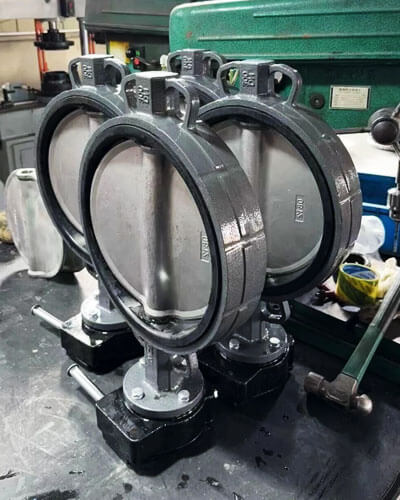
Klapkové ventily z uhlíkovej ocele vyrábané prostredníctvom investičného liatia sú široko používané v odvetviach, ktoré vyžadujú spoľahlivé riadenie prietoku, vysoká pevnosť, a nákladovo efektívnu prevádzku.
Ich vynikajúca schopnosť znášať tlak, v kombinácii s precíznou výrobou a ochrannými povrchovými úpravami, im umožňuje efektívne fungovať v širokom spektre servisných prostredí.
Ropný a plynárenský priemysel
Sektor ropy a zemného plynu kladie jedny z najvyšších požiadaviek na výkon ventilov.
V protiprúde sa bežne inštalujú škrtiace ventily, stredný prúd, a nadväzujúce operácie, kde regulujú tok ropy, natural gas, rafinované produkty, a pomocné procesné kvapaliny.
Typické aplikácie zahŕňajú:
- Potrubné dopravné systémy
- Ropné rafinérie
- Závody na spracovanie plynu
- Skladovacie terminály
- Pobrežné platformy
- Čerpacie stanice
Zásobovanie vodou a čistenie odpadových vôd
Mestská vodárenská infraštruktúra sa vo veľkej miere spolieha na škrtiace ventily, pretože poskytujú hospodárne riadenie prietoku pre potrubia s veľkým priemerom.
Bežné aplikácie zahŕňajú:
- Rozvod pitnej vody
- Čistiaci prostriedok
- Zariadenia na čistenie odpadových vôd
- Čerpacie stanice
- Zavlažovacie systémy
- Odsoľovacie rastliny
Odvetvie chemického spracovania
Zariadenia na chemickú výrobu vyžadujú ventily schopné manipulovať so širokou škálou kvapalín a plynov za kontrolovaných podmienok.
Klapky z uhlíkovej ocele sú vhodné pre mierne korozívne médiá, ak sú vybavené vhodným obložením alebo ochranným náterom.
Typické aplikácie zahŕňajú:
- Potrubia na prepravu chemikálií
- Úložné nádrže
- Systémy chladiacej vody
- Inžinierske potrubia
- Systémy na manipuláciu s rozpúšťadlami
V závislosti od procesného média, kotúče a sedlá ventilov môžu byť obložené PTFE alebo inými materiálmi odolnými voči korózii.
Generovanie energie
Elektrárne pracujú pri vysokých teplotách a tlakoch, vyžadujúci spoľahlivý výkon ventilu počas nepretržitých prevádzkových cyklov.
Klapkové ventily sa bežne používajú v:
- Cirkulácia chladiacej vody
- Kondenzátorové systémy
- Pomocné systémy kotlov
- Pustenie plynu (FGD)
- Protipožiarne siete
Ťažba a spracovanie nerastov
Ťažobné prevádzky prepravujú abrazívne kaly, odpadová voda, a procesné kvapaliny, ktoré spôsobujú značné opotrebovanie potrubného zariadenia.
Často sú inštalované škrtiace ventily:
- Systémy na prepravu kalu
- Hlušinové potrubia
- Závody na spracovanie rudy
- Systémy rekuperácie vody
- Systémy na potláčanie prachu
Morský a lodiarsky priemysel
Morské prostredie vystavuje zariadenie vlhkosti, soľný sprej, a kolísanie teplôt.
Typické aplikácie zahŕňajú:
- Balastová voda
- Okruhy chladiacej vody
- Údolné systémy
- Vedenie na prenos paliva
- Protipožiarne systémy
HVAC a služby budov
Obchodné budovy a priemyselné zariadenia využívajú na vykurovanie škrtiace ventily, vetranie, a klimatizačné systémy.
Aplikácie zahŕňajú:
- Systémy chladenej vody
- Cirkulácia teplej vody
- Chladiace veže
- Diaľkové vykurovanie
- Protipožiarne sprinklerové systémy
Potravinárske a všeobecné priemyselné služby
Hoci nehrdzavejúca oceľ je všeobecne preferovaná pre hygienické procesy, škrtiace ventily z uhlíkovej ocele sú široko používané v úžitkových systémoch slúžiacich na podávanie potravín a nápojov.
Typické aplikácie zahŕňajú:
- Distribúcia pary
- Chladiaca voda
- Stlačený vzduch
- Inžinierske potrubia
- Neproduktová procesná voda
9. Uhlíková oceľ vs. Butterfly z nehrdzavejúcej ocele
Výber medzi a uhlíková oceľ a a škrtiaci ventil z nehrdzavejúcej ocele vyžaduje zhodnotenie viac než len počiatočnej kúpnej ceny.
Inžinieri musia zvážiť mechanický výkon, odpor, prevádzkové prostredie, požiadavky na údržbu, náklady na životný cyklus, a súlad s priemyselnými normami.
| Porovnávací faktor | Klapkový ventil z uhlíkovej ocele | Butterfly z nehrdzavejúcej ocele |
| Bežné triedy materiálov | ASTM A216 WCB, WCC, LCB, LCC | ASTM A351 CF8, CF8M, Cf3, Cf3m |
| Mechanická pevnosť | Vynikajúca pevnosť a tuhosť; ideálne pre stredné- a vysokotlakové systémy | Vysoká pevnosť s vynikajúcou húževnatosťou; mierne nižšia medza klzu pre niektoré austenitické triedy |
| Odpor | Mierny; vyžaduje ochranné nátery alebo obklady, aby sa zabránilo hrdzi | Vynikajúca vnútorná odolnosť proti korózii vďaka pasívnemu filmu bohatému na chróm |
| Spôsobilosť | Vhodné pre približne -46°C až 425 °C (špeciálne triedy dostupné pre vyššie teploty) | Vhodné pre kryogénnu prevádzku aj pre zvýšené teploty, v závislosti od triedy zliatiny |
| Tlakový výkon | Vynikajúca tlaková únosnosť pre priemyselné potrubné systémy | Porovnateľná tlaková schopnosť pri navrhovaní podľa rovnakých noriem |
Požiadavky na ochranu povrchu |
Epoxidový náter, Fbe, pozemský, PTFE podšívka, alebo iné ochranné liečby sa vo všeobecnosti vyžadujú | Zvyčajne sa nevyžaduje žiadny vonkajší náter, s výnimkou estetických alebo špeciálnych prevádzkových podmienok |
| Odolnosť proti opotrebovaniu | Výborná po tepelnej úprave; vhodné pre abrazívne priemyselné médiá | Dobrý odpor; môže vyžadovať naváranie pri silnom otere |
| Zvárateľnosť | Dobre (najmä WCC); môže vyžadovať tepelné spracovanie po zváraní v závislosti od hrúbky | Vynikajúca zvárateľnosť s minimálnou úpravou po zváraní pre mnohé druhy |
| Machináovateľnosť | Lepšia maximálna činnosť; nižšie opotrebenie nástrojov a vyššie rýchlosti obrábania | Ťažšie opracovateľné kvôli vyššej tendencii tvrdnúť |
| Výrobné náklady | Nižšie náklady na suroviny a spracovanie | Vyššie náklady na materiál a obrábanie |
| Požiadavky na údržbu | Vyžaduje sa pravidelná kontrola povlaku a údržba proti korózii | Nižšia údržba v korozívnom prostredí vďaka samopasivačnému povrchu |
Očakávaná životnosť |
Dlhá životnosť pri správnom nátere a údržbe | Veľmi dlhá životnosť, najmä v korozívnom alebo morskom prostredí |
| Typické aplikácie | Olej & plyn, úpravy vody, HVAC, generovanie energie, ťažba, komunálnej infraštruktúry | Chemické spracovanie, morské inžinierstvo, farmaceutický, jedlo & nápoj, odsoľovanie, pobrežné platformy |
| Primárne výhody | Vysoká sila, ekonomický, vynikajúca odolnosť voči tlaku, ideálne pre ventily s veľkým priemerom | Vynikajúca odolnosť proti korózii, hygienický, nízka údržba, vynikajúca trvanlivosť |
| Primárne obmedzenia | Bez ochrannej úpravy náchylné na koróziu | Vyššia počiatočná investícia a náklady na obrábanie |
| Najlepší scenár výberu | Nákladovo citlivé projekty s nekorozívnymi alebo mierne korozívnymi médiami | Veľmi žieravý, sanitárny, bohatý na chlorid, alebo prostrediach kritických na údržbu |
| Celková nákladová výkonnosť | Nižšia počiatočná investícia a vynikajúca hodnota pre všeobecné priemyselné služby | Vyššie počiatočné náklady, ale nižšia údržba a dlhší životný cyklus v korozívnych aplikáciách |
10. Záver
Priemyselné systémy sa neustále vyvíjajú smerom k vyššej účinnosti, väčšia spoľahlivosť, a nižšie náklady na životný cyklus, Dopyt po presne skonštruovaných zariadeniach na riadenie prietoku nebol nikdy väčší.
Medzi mnohými technológiami výroby ventilov, ktoré sú dnes k dispozícii, investičné liatie sa etablovalo ako jeden z najpokročilejších a najspoľahlivejších procesov na výrobu vysokokvalitných klapiek z uhlíkovej ocele.
Jeho schopnosť vyrábať zložité komponenty s výnimočnou rozmerovou presnosťou, povrchová povrchová úprava, a konzistentné metalurgické vlastnosti poskytuje významnú konkurenčnú výhodu oproti konvenčným metódam odlievania.
Pozerať sa dopredu, vznikajúce technológie – vrátane priemyslu 4.0, umelá inteligencia (Ai), Priemyselný internet vecí (Iiot), robotická automatizácia, digitálne dvojčatá, a monitorovanie procesov v reálnom čase – očakáva sa, že ďalej transformujú odvetvie investičného liatia.
Keďže priemyselné odvetvia naďalej požadujú vyšší výkon, dlhšia životnosť, a nižšie náklady, Ventily z uhlíkovej ocele odlievané na investíciu – s ich robustným dizajnom a precíznou výrobou – zostanú kritickým riešením pre riadenie prietoku.
Vlastný motýľový ventil z uhlíkovej ocele od LangHe Foundry
Zlievareň sa špecializuje na zákazkovú výrobu komponentov škrtiacich klapiek z uhlíkovej ocele, ponúka integrované riešenia od inžinierskeho dizajnu a presného odlievania až po CNC obrábanie, tepelné spracovanie, povrchová úprava, a kontrola kvality.
Či už na ropu a plyn, úpravy vody, generovanie energie, chemické spracovanie, ťažba, morské inžinierstvo, alebo všeobecné priemyselné potrubné systémy,
LangHe Foundry poskytuje prispôsobené riešenia odlievania škrtiacich klapiek navrhnuté tak, aby spĺňali medzinárodné normy a technické požiadavky špecifické pre zákazníka.
Jeho kombinácia inžinierskych odborných znalostí, výroba, a prísna kontrola kvality robí z LangHe spoľahlivého partnera pre OEM, výrobcov ventilov, a dodávatelia priemyselných zariadení, ktorí hľadajú trvanlivosť, vysokovýkonné komponenty klapiek z uhlíkovej ocele.
Časté otázky
Aká je najbežnejšia trieda uhlíkovej ocele pre telesá klapiek?
Wcb (ASTM A216) je najbežnejšou triedou pre telesá škrtiacich klapiek na všeobecné použitie, ponúka dobrú silu (≥485 MPa v ťahu), zvárateľnosť, a hospodárstvo.
Aký je rozdiel medzi doštičkovými a očkovými ventilmi?
Ventily v tvare plátku sú tenké a upnuté medzi príruby; nemôžu byť použité ako koncové ventily.
Očkové ventily majú závitové vložky a môžu byť priskrutkované na jednu stranu potrubia pre servis na konci.
Môžu byť škrtiace ventily z uhlíkovej ocele zvárané v teréne?
Áno, Typy WCB a WCC sú ľahko zvárateľné. Predhrievanie (100-150 °C) a tepelné spracovanie po zváraní sa odporúča pre hrubé profily.
Prečo je pre klapkové ventily z uhlíkovej ocele uprednostňované investičné liatie pred liatím do piesku?
Investičné liatie ponúka výrazne vyššiu rozmerovú presnosť, hladšie povrchové úpravy, a prísnejšie výrobné tolerancie ako tradičné liatie do piesku.
Pretože súčiastky sa vyrábajú vo forme takmer siete, je potrebné menšie obrábanie, zníženie výrobného času a plytvania materiálom.
Navyše, Investičný odliatok vytvára rovnomernejšiu mikroštruktúru s menším počtom vnútorných defektov, výsledkom je zlepšená mechanická pevnosť, tesniaci výkon, a konzistenciu produktu.
Vďaka týmto výhodám je obzvlášť vhodný pre komponenty škrtiacich klapiek, ktoré vyžadujú presné dosadacie plochy a spoľahlivú dlhodobú prevádzku.