Введение
Среди множества методов производства, выделяются две совершенно разные, но часто конкурирующие технологии.: литье по выплавляемым моделям и порошковая металлургия (Премьер -министр).
Литье по выплавляемым моделям, тысячелетний процесс, усовершенствованный с помощью современной науки о материалах, предлагает беспрецедентную геометрическую свободу и универсальность сплава..
Порошковая металлургия, инновация 20-го века, обеспечивает исключительную эффективность использования материала, высокие темпы производства, и контролируемая пористость для специализированных применений.
На первый взгляд, Оба процесса позволяют производить металлические детали почти готовой формы с минимальной механической обработкой..
Но их основополагающие принципы — затвердевание из расплавленного металла или спекание твердых порошков под давлением — приводят к радикально разным правилам проектирования., материальные возможности, механические свойства, и экономические масштабы.
Выбор между этими двумя технологиями требует всестороннего понимания не только производственных затрат, но и механических требований., Сложность геометрии, объем производства, выбор материала, и долгосрочное обслуживание.
1. Понимание инвестиционного литья
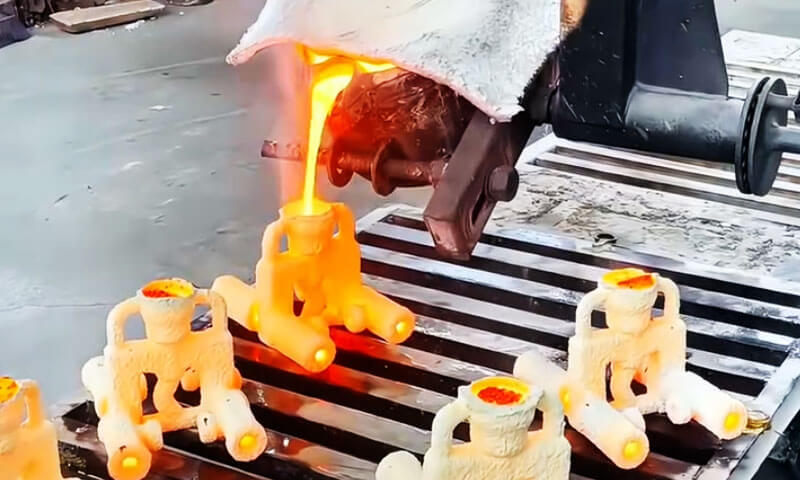
Литье по выплавляемым моделям, также известное как литье по выплавляемым моделям, представляет собой процесс прецизионной обработки металла, при котором восковая модель покрывается огнеупорной керамической оболочкой., воск растоплен, и образовавшаяся полость заполняется расплавленным металлом.
После затвердевания, керамическая оболочка удаляется, обнаружение металлического компонента почти готовой формы с исключительной чистотой поверхности и точностью размеров.
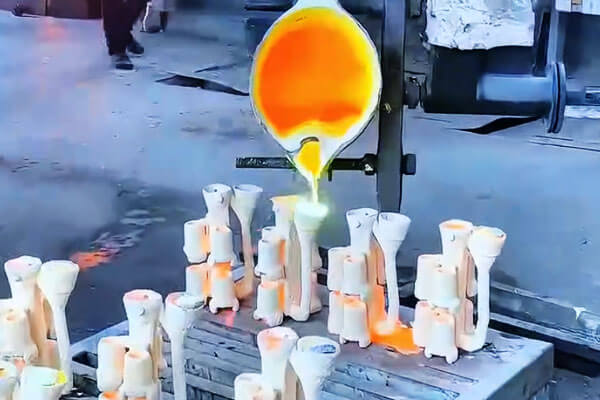
Этот процесс начался еще 5,000 лет древним цивилизациям Египта, Китай, и Месопотамия, где его использовали для изготовления бронзовых статуй и украшений.
Сегодня, это высокотехнологичный метод производства лопаток аэрокосмических турбин., Медицинские имплантаты, компоненты огнестрельного оружия, и промышленные клапаны.
Основной процесс
| Этап | Шаг | Ключевая деталь |
| 1 | Производство моделей | Воск (или термопластик) впрыскивается в прецизионную металлическую матрицу (инструмент). |
| 2 | Сборка дерева | Несколько шаблонов, прикрепленных к центральному литнику (восковое дерево). |
| 3 | Здание снаряда | 6‑10 слоев керамической массы (Силика Сол) + огнеупорная штукатурка (циркон/глинозем). |
| 4 | Depaxing | Паровой автоклав плавит воск; оболочка остается полой. |
| 5 | Стрельба снарядами | 900-Обжиг при 1100°C для укрепления керамики и удаления летучих веществ. |
| 6 | Таяние & залив | Металл плавится в индукционной печи; выливают в предварительно нагретую оболочку. |
| 7 | Нокаутировать & отрезать | Оболочка снята вибрацией; детали, вырезанные из дерева. |
| 8 | Отделка | Шлифование, выстрел в взрыв, термическая обработка, неразрушающий контроль. |
Ключевые характеристики
| Особенность | Описание |
| Геометрия | Очень высокая сложность; подписаны, внутренние отрывки, тонкие стены (≥0,5 мм). |
| Поверхностная отделка | Литой Ra 1,6‑6,3 мкм; можно отполировать до Ra <0.4 мкм. |
| Терпимость | ±0,1‑0,3 мм на 25 ММ типично. |
| Материалы | Практически любой литейный сплав: углеродистая сталь, нержавеющая ставка, Суперсплавы, титан, алюминий, бронза. |
| Размер детали | Грамм до ~150 кг (сталь). |
| Объем | Экономичный от 100 к 10,000+ части/год. |
| Лом | Минимальный (почти чистая форма). |
2. Понимание порошковой металлургии
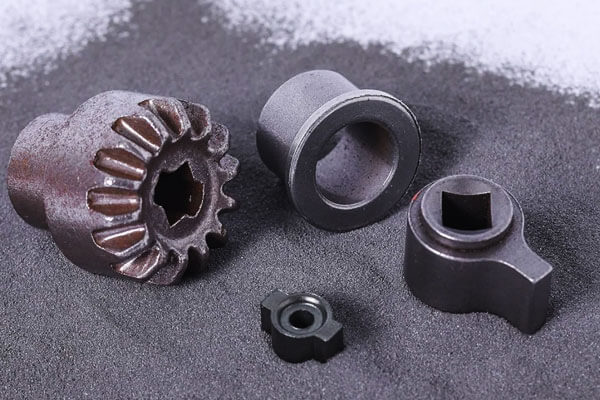
Порошковая металлургия это производственный процесс, при котором мелкие металлические порошки прессуются (прессованный) в жесткой матрице, а затем нагретой (спечен) ниже точки плавления, чтобы связать частицы в твердый компонент.
В отличие от литья по выплавляемым моделям, которое включает в себя фазовый переход от жидкости к твердой фазе, PM представляет собой твердотельный процесс, который сохраняет химические и микроструктурные характеристики порошка..
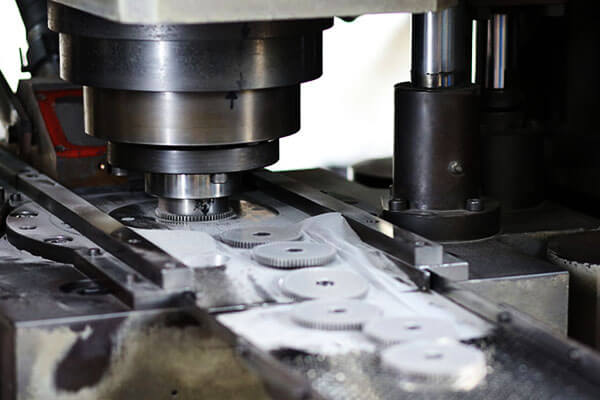
Современная индустрия ФЭУ возникла в 1920-х годах с производством самосмазывающихся подшипников и нитей вольфрамовых ламп..
Сегодня, это зрелый, технология крупносерийного производства, автомобильная промышленность потребляет более 70% всех деталей из черных металлов по всему миру.
Основной процесс
| Этап | Шаг | Ключевая деталь |
| 1 | Производство порошков | Распыление воды или газа, электролиз, снижение; контролируемый размер/форма частиц. |
| 2 | Смешивание | Порошки, смешанные со смазочными материалами (0.5-1,5%) и добавки в сплавы (НАПРИМЕР., графит). |
| 3 | Уплотнение (прессование) | Одноосное прессование в жесткой матрице; давление 200‑800 МПа; плотность зеленого 70‑85%. |
| 4 | Спекание | Нагрев в контролируемой атмосфере (эндотермический газ, Н₂‑H₂) до 70‑90% температуры плавления (обычно 1120‑1150°C для железа). |
| 5 | Дополнительные дополнительные операции | Размеры, придумывание, термическая обработка, проникновение, обработка, пропитка смолой. |
Ключевые характеристики
| Особенность | Описание |
| Геометрия | Умеренная сложность (2D-образные формы); ограниченные подрезы; ограниченные углы уклона. |
| Поверхностная отделка | Спеченный Ra 3‑12 мкм; можно улучшить путем изменения размера/чеканки. |
| Терпимость | ±0,05‑0,1 мм на 25 мм (после калибровки). |
| Материалы | Преимущественно черные (железо, сталь, нержавеющая ставка), на основе меди, вольфрам, и специальные сплавы. Титан и алюминий возможны, но менее распространены.. |
| Размер детали | Обычно <10 кг, <300 мм диаметр. |
| Объем | Экономичный от 5,000 до миллионов частей/год. |
| Лом | >95% использование материала. |
3. Принципы производства: Чем отличаются процессы
| Аспект | Кастинг по выплавляемым моделям | Порошковая металлургия |
| Исходный материал | Расплавленный металл (жидкая фаза). | Металлический порошок (твердая фаза). |
| Изменение фазы | Жидкий → Твердый (затвердевание). | Твердый → Твердый (диффузионная сварка). |
| Источник энергии | Тепло для плавления + залив. | Давление + нагревать (спекание). |
| Требование к пресс-форме | Одноразовый керамический корпус (за часть). | Многоразовая металлическая матрица (тысячи циклов). |
| Время цикла | Часы (Здание снаряда) до дней. | Секунды (прессование) + часы (шихта для спекания). |
| Стоимость инструмента | Умеренный (восковые штампы $5‑20 тыс.). | Высокий (штампы для пресса $10‑50 тыс.). |
| Интенсивность труда | Высокий (сборка оболочки производится вручную). | Низкий (автоматическое прессование). |
| Контроль размеров | За счет усадки оболочки + восковой узор. | Благодаря точности штампа + усадка при спекании. |
Принципиальная разница: Кастинг по выплавляемым моделям – это прецизионное литье сетчатой формы процесс; ПМ - это консолидация порошка процесс.
Первый предлагает почти бесконечную геометрическую свободу.; последний предлагает почти бесконечную эффективность использования материала.
4. Совместимость материалов и гибкость сплавов
| Материальная семья | Кастинг по выплавляемым моделям | Порошковая металлургия |
| Углеродистая сталь | Да (широкий диапазон) | Да (наиболее распространенный материал ПМ) |
| Низколегированная сталь | Да | Да (Fe-Cu-C, Fe-Ni-Mo-Cu) |
| Нержавеющая сталь | Отличный (CF‑8, CF‑8M, 17--4PH) | Да (304Л, 316Л, 410Л, 17--4PH) |
| Никель суперпладол | Отличный (Insonel 718, 625, Рене) | Ограничен (высокая стоимость; специализированный) |
| Кобальтовые сплавы | Отличный (Ко‑Кр‑Мо) | Ограничен |
| Титан | Отличный (Оценка 5, Сн) | Возможный (высокая стоимость, реактивный) |
| Алюминий | Да (A356, 380) | Ограничен (проблемы с оксидом; редкий) |
| Медь / бронза | Да (C90500, C93200) | Отличный (Cu, латунь, бронза) |
| Вольфрам / тяжелые сплавы | Трудный (высокая точка плавления) | Отличный (W-Ni-Fe, W-Ni-Cu) |
| Керамо-металлические композиты | Невозможно | Да (металлокерамика, WC‑Co) |
Ключевое понимание: Предложения по инвестиционному литью существенно более широкая гибкость сплава, особенно для тугоплавких, реактивный, или труднопрессуемые сплавы (титан, Суперсплавы, кобальт-хром).
Порошковая металлургия превосходит черную, на основе меди, и материалы на основе вольфрама, а также композиты, которые невозможно отлить из-за несмешиваемости или сегрегации..
5. Точность размеров и отделка поверхности
| Критерий | Кастинг по выплавляемым моделям | Порошковая металлургия |
| Типичная терпимость (мм/25 мм) | ±0,1‑0,3 | ±0,05‑0,1 (спеченный) ±0,025‑0,05 (размер/придуман) |
| Поверхностная отделка (Раствор, мкм) | 1.6-6,3 (Ассист) | 3-12 (спеченный) 0.8‑3 (размер/придуман) |
| Стабильность допуска | Хороший (усадка скорлупы постоянная) | Отличный (точность штампа; переменные спекания) |
| Требуется угол уклона | Нет (восковые модели удаляются без сквозняка) | Да (для снятия детали со штампа) |
| Нить / Внутренние функции | Трансляция напрямую | Должно быть обработано (не могу нажать темы) |
Что лучше? Для сложной геометрии с мелкой детализацией и высоким качеством поверхности., литье по выплавляемым моделям превосходно.
Для простых геометрических форм, требующих очень жестких допусков. (особенно после вторичных операций), У ПМ есть преимущество.
6. Сложность геометрии и свобода дизайна
| Особенность дизайна | Кастинг по выплавляемым моделям | Порошковая металлургия |
| Подписаны | Да (восковую модель можно собрать) | Нет (для извлечения матрицы требуется прямое вытягивание) |
| Внутренние ходы | Да (керамические сердечники) | Нет (не могу нажать полые элементы) |
| Тонкие стены | 0.5-1,5 мм достижимо | 1.5-2,5 мм минимум |
| Прекрасные возможности (надпись, логотипы) | Отличная репродукция | Ограничен (должен быть отчеканен или обработан на станке) |
| Переменная толщина секции | Да (может плавно сужаться) | Ограничен (требуется равномерная плотность) |
| Асимметричный / органические формы | Отличный | Бедный (прессование предпочитает однородные стенки) |
| 3D сложность | Высокий | Умеренный (по сути 2.5D) |
Инвестиционный кастинг одерживает решающую победу по геометрической сложности.
Возможность создания подрезов, изогнутые внутренние каналы, органические контуры, и мелкие детали поверхности не имеют себе равных в порошковой металлургии., что ограничено пресс-формой и требованием одноосного уплотнения..
7. Механические свойства и структурные характеристики
| Механические свойства | Кастинг по выплавляемым моделям | Порошковая металлургия |
| Типичная плотность | 99‑100 % от теоретического | 85-98% (в зависимости от прессования и спекания) |
| Предел прочности | Хороший (обработанный в звуковых отливках) | Умеренно-хорошо (зависит от плотности) |
| Урожайность | Сравнимо с ковато | 10-30% ниже кованого (эффект пористости) |
| Удлинение | 10-35% (аустенитный) | 2-15% (зависящий от плотности) |
| Твердость | 80-600 ГБ (в зависимости от сплава) | 60-400 хб. (в зависимости от материала) |
| Усталость сила | Умеренный (чувствительный к вырезу) | Ниже (пористость действует как источник напряжений) |
| Воздействие на выносливость | Хороший (в зависимости от сплава) | Ниже (пористость охрупчивает) |
| Единообразие | Литая структура (дендритный) | Спеченная структура (пористый, изотропный) |
| Реакция на ужесточение работы | Ограничен (Ассист) | Спеченная структура может подвергаться термической обработке. |
Ключевое сравнение: Литые детали полностью плотный и, при правильном касте, подход к кованым свойствам (90-95% поддельных ценностей).
Детали порошковой металлургии, даже в сортах с высокой плотностью (≥95% теоретический), имеют остаточную пористость, снижающую пластичность, стойкость, и усталостные характеристики.
Для критически важных с точки зрения безопасности, высокая нагрузка, или приложения, подверженные ударам, литье по выплавляемым моделям является предпочтительным.
8. Плотность, Пористость, и внутреннее качество
| Аспект | Кастинг по выплавляемым моделям | Порошковая металлургия |
| Типичная плотность | 99-100% (полностью плотный) | 85-98% (остаточная пористость) |
| Тип пористости | Усадка или газ (случайный, предотвратимый) | Взаимосвязанные и закрытые (присущий) |
| Контроль пористости | Конструкция ворот/подъёма; БЕДРО уменьшает пористость | Давление уплотнения; атмосфера спекания |
| Герметичность под давлением | Отличный (возможно герметичное литье) | Бедный (пористый, требует герметизации) |
| Распределение плотности | Единообразный во всем | Плотные близкие к ударам лица; ниже ближе к центру (градиент уплотнения) |
| HIP-применимость | Общий (закрывает пористость) | Редкий (поры уже закрыты; HIP увеличивает стоимость) |
| Внутренняя чистота | Хороший (возможны включения) | Отличный (порошки чистые) |
Ключевое понимание: Литье по выплавляемым моделям позволяет получать полностью плотные детали, которые герметичны под давлением и могут подвергаться термической обработке без образования пузырей..
Части ПМ, если не обработано специально (НАПРИМЕР., теплое уплотнение, двойное нажатие, БЕДРО), имеют остаточную пористость, которая ограничивает герметичность и определенные реакции на термообработку.
9. Объем производства и экономика производства
| Экономический фактор | Кастинг по выплавляемым моделям | Порошковая металлургия |
| Стоимость инструмента | Умеренный ($5-20 тысяч восковых штампов) | Высокий ($10-50 тыс. пресс-форм) |
| Срок службы инструмента | 50,000-200 000 циклов нанесения воска | 500,000-1 000 000 циклов прессования |
| Стоимость сырья | Выше (восковой, керамика, металл) | Ниже (пудра, смазка) |
| Использование материала | 85-95% | >95% (почти нулевой лом) |
| Время цикла | От минут до часов (руководство) | <1 второй (прессование) |
| Интенсивность труда | Высокий (Здание снаряда) | Низкий (автоматизированный) |
| Безубыточный объем | ~100‑1000 деталей/год | ~5 000–10 000 деталей в год |
| Время выполнения (обработанный) | 8‑16 недель | 6‑10 недель |
| Стоимость за деталь (низкий объем, <500) | Умеренно-высокий | Очень высоко (оснастка амортизирована) |
| Стоимость за деталь (средний объем, 5к-50к) | Низкий | Очень низкий |
| Стоимость за деталь (большой объем, >100k) | Низкий (но ПМ ниже) | Самый низкий |
Правило принятия решения о стоимости:
- <1,000 части/год → Литье по выплавляемым моделям (оснастка амортизирована).
- 1,000-5000 деталей/год → Оба варианта возможны; сравнить по сложности.
- >10,000 части/год → Порошковая металлургия (значительная экономия средств).
- >100,000 части/год → PM — явный победитель.
10. Промышленные приложения: Литье по выплавляемым моделям против порошковой металлургии
| Промышленность | Кастинг по выплавляемым моделям | Порошковая металлургия |
| Автомобильная промышленность | Турбокомпрессорные колеса, выхлопные коллекторы (нержавеющая ставка) | Передачи, звездочки, концентраторы синхронизации, соединительные шатуны (ПМ на основе Fe) |
| Аэрокосмическая промышленность | Турбинные лезвия, топливные сопла, структурные корпуса (Суперсплавы, титан) | Легкие приложения: упорные шайбы, втулки, фильтры |
| Медицинский | Ортопедические имплантаты (бедра стебли, коленные подносы), Хирургические инструменты | Ортопедические винты (Мим, производная от PM), костные пластины |
| Масло & газ | Клапанские тела, насосные буйства, Подводные разъемы (нержавеющая сталь/дуплекс) | Фильтрующие элементы, Балансировочные грузики из тяжелого вольфрамового сплава |
Огнестрельное оружие |
Ресиверы, триггеры, компоненты глушителя (17--4PH) | Триггерные механизмы, подписчики журнала, возвратные пружины |
| Промышленная техника | Насосные корпусы, Клапанские тела, коробки передач (нержавеющая/чугунная) | Передачи, камеры, ролики, подшипники, носить тарелки |
| Электрический | Компоненты распределительного устройства, радиаторы | Электрические контакты, магнитные сердечники, держатели щеток |
| Потребительские товары | Смотреть чехлы, аппаратная арматура, декоративные предметы | Компоненты замка, части молнии, маленькие скобки |
11. Преимущества и ограничения литья по выплавляемым моделям
Преимущества
- Исключительная геометрическая сложность - подрезает, внутренние отрывки, тонкие стены, органические формы.
- Широкая гибкость сплава — практически любой литой металл, включая суперсплавы и титан.
- Отличная поверхностная отделка – Ra 1,6‑6,3 мкм в литом состоянии; можно отполировать до зеркального блеска.
- Околосетчатая форма – минимальные отходы материала; соотношение покупки и полета <1.5:1.
- Черновик не требуется — возможны вертикальные стены.
- Герметичные отливки – поддаются сварке и термообработке.
- Проверенное наследие – тысячи лет; обширные данные и стандарты.
Ограничения
- Высокая трудоемкость - сборка оболочки ручная, зависящий от навыков.
- Медленное время цикла – дней от выкройки до готовой детали.
- Ограничение размера — практический максимум ~150 кг.
- Более высокая стоимость при небольших объемах – амортизация оснастки.
- Риск пористости – усадка и газовая пористость требуют надежного контроля процесса.
- Ограничено литейными сплавами. – тугоплавкий, нельзя использовать нелитые материалы.
12. Преимущества и ограничения порошковой металлургии
Преимущества
- Превосходное использование материала - >95% безотходный; устойчивый.
- Высокие темпы производства – цикл прессования <1 второй; спекание непрерывное.
- Отличная размерная стабильность – точность, контролируемая штампом.
- Низкая стоимость каждой детали в больших объёмах.
- Контролируемая пористость — для фильтров, самосмазывающиеся подшипники, электроды батареи.
- Отлично, Единая зерновая структура - отсутствие дефектов литья.
- Возможность смешивать сплавы. – создавать уникальные композиции, недоступные методом плавления.
- Хорошая механизм – многие сплавы ПМ содержат элементы, улучшающие механическую обработку..
Ограничения
- Ограниченная геометрическая сложность - по сути 2.5D; без подрезов, внутренние отрывки.
- Требуются углы уклона – для выброса деталей из штампов.
- Более низкие механические свойства – остаточная пористость снижает пластичность и усталость.
- Ограничения по размеру и весу - <10 кг, <300 ММ типично.
- Пористость ограничивает герметичность – уплотнение требуется для применений, работающих с жидкостями.
- Гибкость сплава ограничена – титан, алюминий, суперсплавы сложны или дороги.
- Высокая стоимость оснастки - наборы штампов дорогие; безубыточные объемы высокие.
13. Литье по выплавляемым моделям против порошковой металлургии: Комплексная таблица сравнения
| Критерий | Кастинг по выплавляемым моделям | Порошковая металлургия |
| Принцип процесса | Затвердевание жидкого металла в керамической форме. | Уплотнение порошка + спекание |
| Исходный материал | Восковой паттерн + расплавленный металл | Металлический порошок + смазка |
| Геометрическая сложность | Очень высоко (3Дюймовый, подписаны) | Умеренный (2.5Дюймовый, без подрезов) |
| Минимальная толщина стенки | 0.5-1,5 мм | 1.5-2,5 мм |
| Поверхностная отделка (Раствор, мкм) | 1.6-6,3 (Ассист) | 3-12 (спеченный) |
| Размерная толерантность | ±0,1‑0,3 мм/25 мм | ±0,05‑0,1 мм/25 мм (после калибровки) |
| Плотность | 99-100% | 85-98% |
| Пористость | Низкий (усадка/газ) | Неотъемлемый (остаток) |
| Герметичность | Отличный | Бедный (требует герметизации) |
| Диапазон сплавов | Очень широкий (сталь, нержавеющая ставка, Суперсплавы, Из, Ал, бронза) | Ограничен (Фей, Cu, W., немного нержавеющей стали; Ti/Al редкий) |
| Предел прочности | Кованый (хороший) | Умеренный (зависящий от пористости) |
| Пластичность | Хороший (10-35%) | Ниже (2-15%) |
| Усталость сила | Умеренный | Ниже (концентраторы напряжений из-за пористости) |
| Стоимость инструмента | Умеренный | Высокий |
| Срок службы инструмента | 50к-200 тыс. циклов | 500к-1000 тыс. циклов |
| Использование материала | 85-95% | >95% |
| Время цикла (за часть) | От минут до часов | <1 второй (прессование) |
| Интенсивность труда | Высокий | Низкий |
| Безубыточный объем | ~100‑1000/год | ~5 000‑10 000/год |
| Стоимость за деталь (большой объем) | Умеренный | Очень низкий |
| Типичный максимальный вес детали | 150 кг | 10 кг |
| Вторичные операции | Резка, шлифование, термическая обработка, Непрерывный | Размеры, термическая обработка, обработка (ограничен) |
14. Заключение
Литье по выплавляемым моделям и порошковая металлургия не являются конкурирующими технологиями в любой ситуации.; скорее, они решают различные производственные задачи.
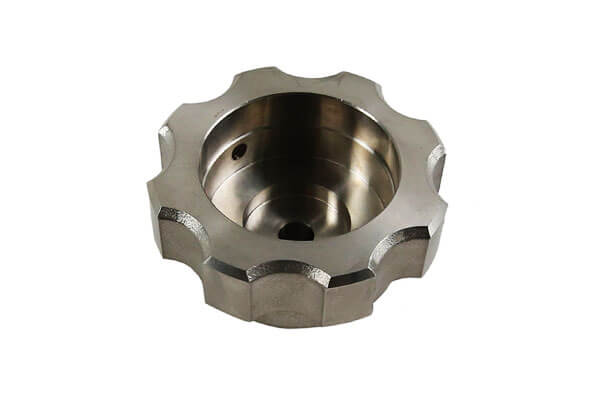
Литье по выплавляемым моделям превосходно подходит, когда инженерам требуются сложные геометрические формы., широкий выбор сплавов, превосходные механические свойства, высокая плотность, и надежность конструкции.
Он остается предпочтительным выбором для компонентов аэрокосмической отрасли., Клапанские тела, Части насоса, медицинское оборудование, и высокопроизводительное промышленное оборудование.
Порошковая металлургия превосходно подходит для крупномасштабных производств, где требуется постоянство размеров., эффективность материала, автоматизация, и низкие удельные затраты являются основными целями.
Он доминирует в таких областях, как автомобильные зубчатые передачи., подшипники, втулки, и механические компоненты массового производства.
Оптимальный выбор зависит от баланса пяти критических факторов.:
- Геометрия компонента
- Требуемые механические характеристики
- Требования к материалам
- Объем производства
- Общая стоимость жизненного цикла
Понимание этих факторов позволяет производителям выбрать наиболее технически подходящий и экономически конкурентоспособный процесс..
Часто задаваемые вопросы
Является ли литье по выплавляемым моделям сильнее порошковой металлургии??
В большинстве структурных приложений, да. Литые детали обычно имеют более высокую плотность., нижняя пористость, и лучшая усталостная прочность, чем у обычных деталей порошковой металлургии..
Какой процесс обеспечивает лучшую точность размеров?
Для простого, Большой части, порошковая металлургия часто обеспечивает более высокую повторяемость. Для сложной геометрии, литье по выплавляемым моделям обычно обеспечивает лучшие общие размерные характеристики.
Могут ли оба процесса производить компоненты из нержавеющей стали??
Да. Обе технологии поддерживают производство нержавеющей стали., хотя литье по выплавляемым моделям обеспечивает большую гибкость в выборе марок сплавов и сложности компонентов..
Какой процесс экономически выгоднее?
Порошковая металлургия, как правило, более рентабельна при очень больших объемах производства.. Литье по выплавляемым моделям часто более экономично для небольших и средних производственных тиражей и сложных деталей..
Какие отрасли промышленности больше всего полагаются на литье по выплавляемым моделям?
Аэрокосмическая промышленность, нефть и газ, химическая обработка, Медицинское оборудование, Производство электроэнергии, Продовольственная обработка, и промышленное оборудование входят в число крупнейших потребителей компонентов, отлитых по выплавляемым моделям..