Введение
Легированная сталь литье по выплавляемым моделям — это путь точного производства, сочетающий в себе возможность литья по выплавляемым моделям почти чистой формы с механический, носить, коррозия, и температурные характеристики легированных сталей.
В рамках стандартов ASTM на стальное литье, кастинги по выплавляемым моделям являются самостоятельной формальной категорией.,
и применимый набор спецификаций охватывает углеродистые стали., низкопластные стали, аустенитные марганцевые стали, жаропрочные железохромовые и железохромоникелевые стали,
семейства устойчивых к коррозии нержавеющей стали, дуплексные семьи, дисперсионно-твердеющая нержавеющая сталь, никелевые сплавы, и высокопрочные конструкционные марки.
Такая широта является одним из самых ярких сигналов того, насколько зрелым и металлургически важным является этот процесс..
1. Что такое литье по выплавляемым моделям из легированной стали??
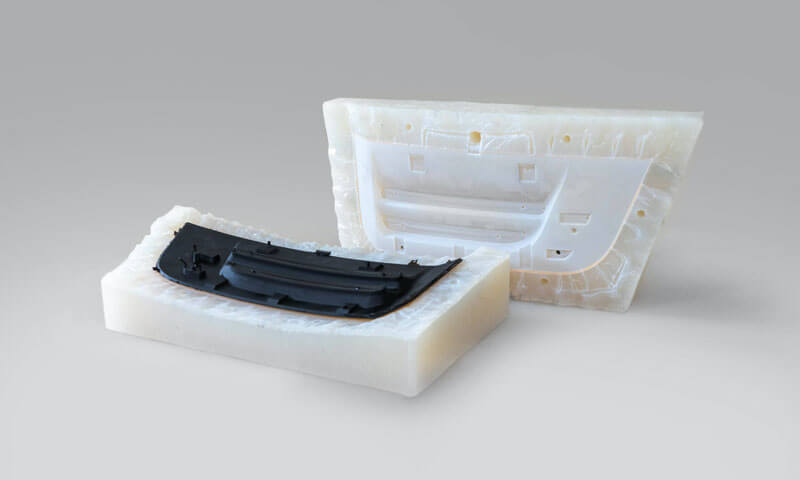
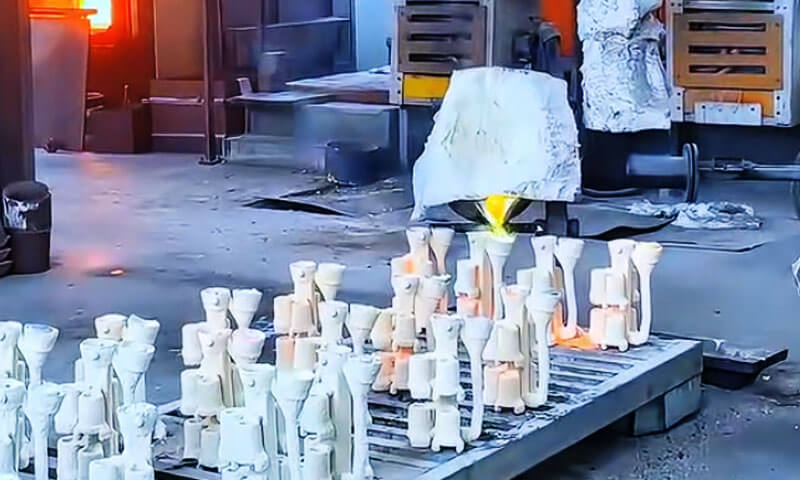
Легированная сталь инвестиционный кастинг это процесс изготовления деталей из стали или легированной стали путем предварительного создания восковой модели., построить вокруг него керамическую оболочку, депарафинизация скорлупы, а затем заливаем в полость расплавленный металл.
Метод также известен как Процесс потерянного воска, и ссылки на литейное производство описывают его как метод точного литья, при котором можно использовать оболочечные формы и, в некоторых вариантах, вакуумная или гравитационная заливка.
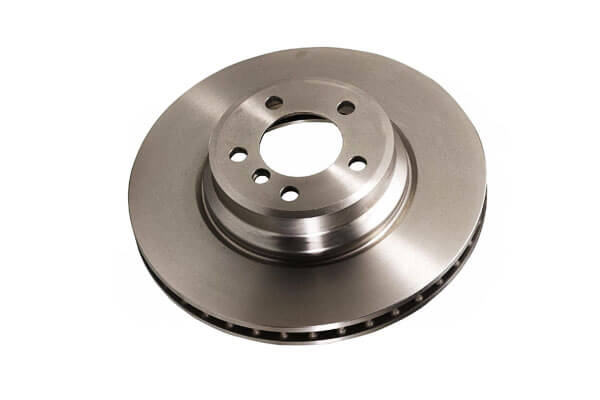
С инженерной точки зрения, этот процесс лучше всего понимать как стратегия производства стали, близкой к чистой форме.
Керамический корпус передает точную геометрию., в то время как стальной сплав и последующая термическая обработка обеспечивают окончательные механические характеристики..
Потому что отливка уже близка к окончательным размерам., этот процесс может уменьшить объем механической обработки, необходимой в дальнейшем, особенно на деталях со сложными характеристиками, которые было бы трудно обрабатывать традиционным способом.
Полезный способ подвести итог этому процессу состоит в том, что оболочка придает форму, сталь придает свойства, и термообработка завершает металлургию.
Вот почему литье по выплавляемым моделям из легированной стали используется там, где геометрия и производительность должны оптимизироваться вместе, а не по отдельности..
2. Распространенные семейства сплавов и типичные марки
| Семейство сплавов | Репрезентативные стандарты / оценки | Типичный инженерный персонаж | Общая логика обслуживания |
| Отливки из углеродистой стали | Астм А27 такие оценки, как 60-30, 70-36, 70-40; Астм А216 такие сорта, как WCA и WCB; Астм А732 для углеродистого и низколегированного литья по выплавляемым моделям; Астм А957 общие требования. | Базовая мощность и экономичность, с термической обработкой, используемой для настройки свойств. | Общие промышленные детали, машины, компоненты, связанные с давлением, и структурное оборудование. |
| Отливки из низколегированной стали | Астм А732 низколегированное литье по выплавляемым моделям; Астм А958 такие оценки, как 60-30, 65-35, 70-36, 70-40; Астм А148 структурные сорта из 80-40 через 210-180. | Лучшая прокаливаемость и настройка свойств, чем у простых углеродистых сталей.. | Детали для более тяжелых условий эксплуатации, требующие закалки и отпуска или нормализации и отпуска.. |
| Аустенитная марганцевая сталь | Астм А128/А128М внесен в список A957. | Закалка, ударопрочность. | Работа в тяжелых условиях эксплуатации, где важны прочность и устойчивость к деформации.. |
Жаропрочные железохромовые и железохромоникелевые стали. |
Астм А297/А297М, включая марки, используемые для термостойких условий эксплуатации, такие как Hf, ХХ, ПРИВЕТ, Гонконг, ОН, Ht в стандартной семье, обобщенной SFSA. | Разработан для стабильности при повышенных температурах и устойчивости к окислению.. | Печная фурнитура, компоненты горячей секции, и теплотехнические части. |
| Коррозионностойкая нержавеющая сталь / дуплексные семьи | Астм А743/А743М, А744/А744М, А747/А747М; Астм А890/А890М дуплексное литье. | Коррозионная стойкость и специфическая металлургия. | Химический, морской пехотинец, и среды, содержащие давление. |
| Специальные жаропрочные сплавы | Астм А447, А494, А560, А1002 указан в объеме A957. | Узконаправленные высокотемпературные или специальные эксплуатационные характеристики. | Компоненты для тяжелых условий эксплуатации, где стандартных сталей недостаточно.. |
Ландшафт стандартов сам по себе рассказывает историю: литье по выплавляемым моделям из легированной стали — это не ниша, состоящая из одного материала,
но широкое семейство сталей, к которым применяются общие требования и специальные категории по химическому составу/производительности..
Спецификация ASTM A957 здесь особенно важна, поскольку она действует как общая основа требований для отливок по выплавляемым моделям из стали и сплавов.,
в то время как A732 специально охватывает отливки из углеродистой и низколегированной стали для общего применения..
3. Полный производственный процесс литья по выплавляемым моделям из легированной стали
| Шаг | Что происходит | Почему это важно |
| 1. Изготовление выкроек | Изготовлена восковая или пластиковая копия готовой детали.. | Этот шаблон определяет почти чистую геометрию и размерную основу отливки.. |
| 2. Сборка / стробирование | Узоры можно прикрепить к центральному литнику, чтобы сформировать кластер.. | Кластер контролирует поступление металла и управление усадкой.. |
| 3. Здание снаряда | Сборку модели неоднократно погружают в керамический раствор и покрывают огнеупорным материалом до тех пор, пока не будет построена оболочка.. | Оболочка становится полостью формы и должна быть достаточно прочной, чтобы выдерживать металл и тепловую нагрузку.. |
| 4. Depaxing | Воск растоплен, обычно с помощью парового автоклава или выжигания на основе сжигания. | Оставляет полость, точно соответствующую рисунку.. |
| 5. Стрельба снарядами / разогреть | Керамическая оболочка обжигается перед заливкой. | Удаляет остатки и предварительно нагревает форму для стабильного заполнения и затвердевания.. |
6. Залив |
Расплавленная легированная сталь заливается в горячую оболочку.. | Вот где заполняемость, текучесть, и термоконтроль начинают иметь наибольшее значение. |
| 7. Затвердевание | Металл замерзает внутри корпуса. | Затвердевание контролирует зернистую структуру, усадка, и большая часть конечного качества. |
| 8. Выбивка и очистка | Оболочка отрывается, отливка очищается., обрезанный, и подготовлен к проверке. | Превращает необработанную отлитую деталь в пригодный к использованию стальной компонент.. |
| 9. Термическая обработка | Отливку можно нормализовать, нормализованный и закаленный, или закалённый и отпущенный в зависимости от марки. | Настраивает окончательную силу, твердость, стойкость, и пластичность. |
| 10. Осмотр / отделка | Проверки размеров, поверхностные проверки, и любая необходимая механическая обработка завершена. | Подтверждает, что деталь соответствует указанным требованиям к материалу и геометрии.. |
Хороший способ подумать о рабочем процессе заключается в том, что литье по выплавляемым моделям из легированной стали – это нет просто «заливка стали в форму».
Это последовательность передачи формы., ракушечная инженерия, тепловой контроль, и развитие металлургической собственности. Заключительная часть — результат совместной работы всех четырёх..
4. Почему литье по выплавляемым моделям из легированной стали имеет значение
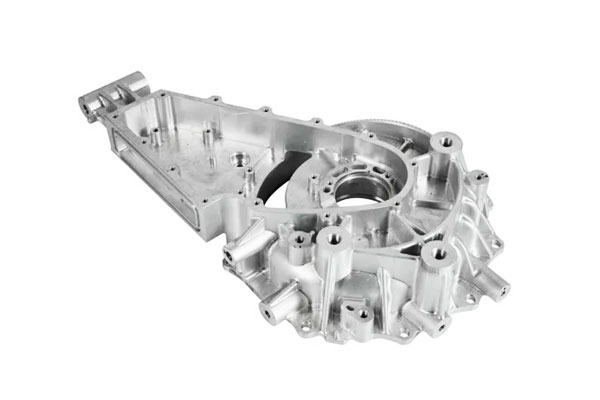
Литье по выплавляемым моделям из легированной стали имеет большое значение, поскольку оно позволяет инженерам изготавливать детали, которые Геометрически сложный но все равно нужно производительность на уровне стали.
В отраслевой литературе по литью по выплавляемым моделям делается упор на производство, имеющее форму, близкую к чистой., Отличная поверхностная отделка, мелкие детали, и возможность исключить или сократить дорогостоящее фрезерование., поворот, бурение, и этапы шлифовки.
Преимущество почти готовой формы становится особенно важным, когда материал трудно поддается механической обработке или геометрия слишком сложна для экономичного изготовления со склада..
В контексте инвестиционного кастинга, дизайнер часто может добиться точного допуска и детальной формы за один процесс., затем оставьте обработку только для критических граней, нити, или сопрягаемые поверхности.
Другими словами, литье по выплавляемым моделям из легированной стали ценно, поскольку оно позволяет производителям оптимизировать общая стоимость детали, не только стоимость сырья или стоимость механической обработки по отдельности.
Вот почему этот процесс остается важным при производстве дорогостоящей стали, где важен полный жизненный цикл детали..
5. Основные технические проблемы и контроль качества
Контроль затвердевания
Затвердевание – критический момент в любой отливке..
В справочнике по затвердеванию ASM отмечается, что затвердевание сильно влияет на микроструктуру и механические свойства., вот почему температурный контроль во время замораживания так важен для практики качественного литья..
При литье по выплавляемым моделям из легированной стали, затвердевание определяет зернистую структуру, поведение при усадке, и окончательное распределение дефектов.
Усадка и пористость
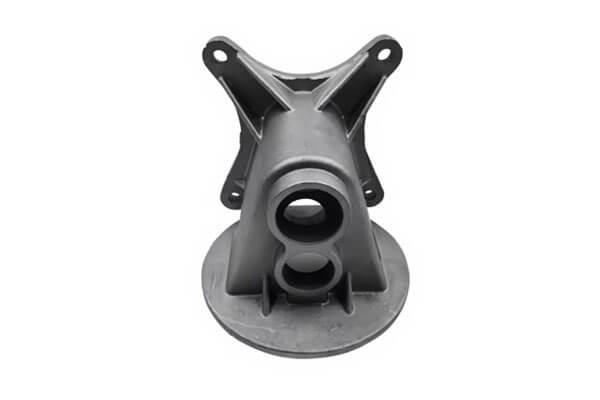
Если подача недостаточна или тепловой путь плохо спроектирован, в зонах последнего замерзания могут образовываться усадочные полости или пористость.
Этот риск особенно важен при сложных отливках по выплавляемым моделям из стали, поскольку, толстые боссы, а изолированные горячие точки могут улавливать жидкий металл способами, незаметными снаружи..
Правильно построенная система литник/дерево и высококачественная оболочка помогают сохранить пористость в дереве, а не в отливке..
Контроль состава
ASTM A957 явно требует химического, нагревать, и анализы продуктов на такие элементы, как углерод, марганец, кремний, фосфор, сера, никель, хром, молибден, ванадий, вольфрам, медь, и алюминий.
Это означает, что литье по выплавляемым моделям из легированной стали химически дисциплинировано по своей конструкции.; недостаточно, чтобы деталь выглядела хорошо, если в ней нарушен химический состав.
Чувствительность к термообработке
Термическая обработка является частью системы качества., не второстепенная мысль.
В сводке SFSA по стальному литью показаны общие условия литья по выплавляемым моделям, такие как А (отожжен), Не (нормализован), НТ (нормализованный и закаленный), и QT (утомил и закален).
Эти обозначения отражают тот факт, что одна и та же отливка может быть настроена на самые разные состояния свойств в зависимости от предполагаемых условий эксплуатации..
Поверхностный и инспекционный контроль
Поскольку ожидается, что отливки будут близки к окончательной форме., качество поверхности и визуальное восприятие являются частью логики процесса.
Стандарты ASTM и SFSA рассматривают отливки по выплавляемым моделям как изделия из прецизионной стали с определенными требованиями приемки и анализа.,
вот почему проверка, уборка, и проверка поверхности являются основными элементами процесса, а не дополнительными этапами отделки..
6. Термическая обработка и настройка свойств
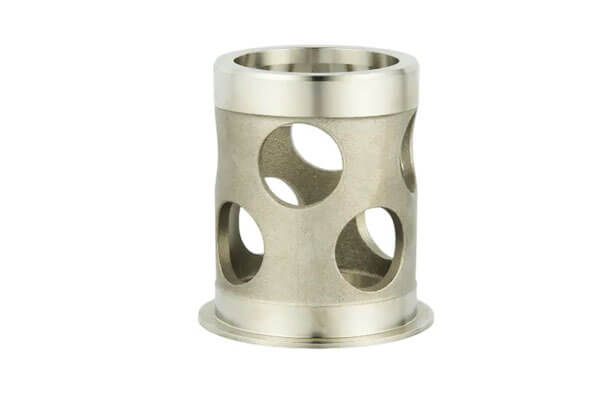
Термическая обработка является одним из наиболее важных этапов литья по выплавляемым моделям из легированной стали..
Литье придает детали форму., но термическая обработка придает ему окончательный баланс сила, твердость, стойкость, пластичность, и размерная стабильность.
Для многих отливок из легированной стали, состояние как приведение является лишь промежуточным состоянием; реальные технические характеристики устанавливаются после завершения теплового цикла.
Распространенные способы термообработки
Отжиг
Используется для смягчения отливки., улучшить обрабатываемость, и снизить внутреннее напряжение.
Его часто выбирают, когда деталь требует дальнейшей обработки или когда отливку необходимо стабилизировать перед последующей обработкой..
Нормализация
Используется для улучшения зернистой структуры и улучшения однородности свойств..
Нормализация особенно полезна, когда отливке требуется более сбалансированное сочетание прочности и ударной вязкости, чем может обеспечить литая структура..
Нормализация и отпуск
Общий маршрут для многих отливок из углеродистой и низколегированной стали.. Шаг нормализации уточняет структуру, в то время как отпуск помогает контролировать хрупкость и улучшить эксплуатационную прочность.
Утомить и отпуск
Используется, когда требуется более высокая прочность и твердость.. Закалка дает более твердую структуру., а характер регулирует окончательный баланс между силой и выносливостью.
Раствор лечение / стабилизирующие процедуры
Используется для отливок из выбранной нержавеющей стали и специальных сплавов для контроля коррозионной стойкости., фазовая стабильность, и размерное поведение.
Практические примеры
- Отливки из углеродистой стали часто использую отожженный, нормализован, или нормализованные и отпущенные условия.
- Отливки из низколегированной стали может потребоваться закалка и отпуск для достижения более высоких уровней прочности.
- Жаропрочное или нержавеющее литье может потребоваться решение, стабилизация, или специальные термические циклы в зависимости от марки и условий эксплуатации..
7. Типичные области применения отливок из легированной стали
Отливки из легированной стали используются там, где сложная геометрия, прочность на уровне стали, и контролируемое качество обслуживания должны сосуществовать в одном и том же компоненте.
Этот процесс особенно ценен, когда деталь слишком сложна., слишком расточительно, или слишком дорого обрабатывать твердый материал.
Общепромышленное оборудование
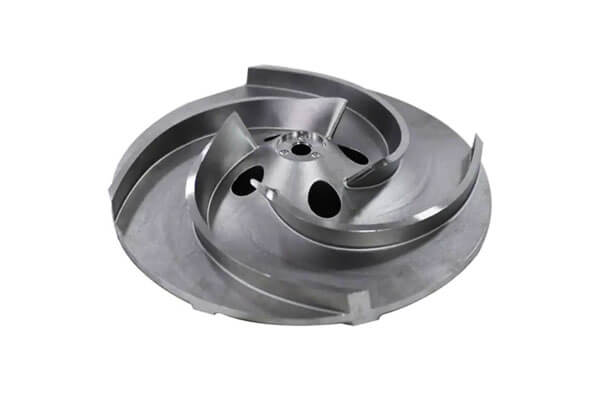
- Корпуса насосов и рабочие колеса насосов
- Клапанские тела, чепчики, и внутренние компоненты потока
- Корпуса редукторов и механические крышки
- Кронштейны машины, поддержка, и разъемы
Эти детали выигрывают от способности литья по выплавляемым моделям создавать детальные внутренние формы., плавные поверхности,
и околосетчатая геометрия, а стальной сплав обеспечивает надежность конструкции и срок службы..
Оборудование для регулирования давления и расхода
- Детали клапана, работающие под давлением
- Соединители трубопроводов
- Сопла и корпуса приводов
- Прецизионная арматура для промышленных систем
В этой категории, процесс привлекателен тем, что уплотняемые поверхности, проходы потока,
и элементы крепления часто могут быть отлиты близко к окончательной форме, сокращение количества последующей обработки при сохранении требуемых характеристик материала.
Износостойкие компоненты
- Рычаги и связи, подверженные повторным нагрузкам
- Износ обуви и контактных компонентов
- Детали горнодобывающей и погрузочно-разгрузочной техники
- Ударопрочные детали машин
Здесь часто выбирают отливки из низколегированной и марганцовистой стали, поскольку их можно подвергать термической обработке для придания прочности и ударной вязкости., или закаленные в работе, где ударопрочность является приоритетом.
Высокотемпературное и печное оборудование
- Печные приспособления
- Термостойкие кронштейны и опоры
- Компоненты горелки
- Тепловые сервисные корпуса и внутреннее оборудование
Особенно полезны в этой области жаропрочные железо-хромовые и железо-хромоникелевые отливки.
поскольку они сохраняют функциональную целостность в условиях повышенных температур, где обычные углеродистые стали слишком быстро размягчаются или окисляются..
Коррозионностойкие и химически обслуживаемые детали
- Компоненты насоса и клапана из нержавеющей стали
- Корпуса для химической обработки
- Морская арматура
- Дуплексные и коррозионностойкие запасные части
Отливки из коррозионностойкой легированной стали ценны там, где совместима жидкость., коррозионная стойкость, и точность размеров должны быть объединены в одной детали.
- Кронштейны и крепления
- Запирающие и опорные элементы
- Структурные соединители
- Несущая арматура сложной геометрии
Эти детали часто требуют сочетания оптимизации геометрии и надежных механических свойств..
Литье по выплавляемым моделям позволяет дизайнеру придать форму функциональности, сохраняя при этом выбор сплава привязанным к варианту нагрузки..
8. Уникальные преимущества литья по выплавляемым моделям из легированной стали
Литье по выплавляемым моделям из легированной стали имеет особое ценностное предложение..
Это не просто способ изготовления стальных деталей.; это способ сделать стальные детали с контролем геометрии и свойств, которые было бы трудно достичь другими методами.
Эффективность, близкая к чистой форме
- Производит детали, близкие к окончательной геометрии.
- Снижает отходы сырья
- Сводит к минимуму тяжелую механическую обработку сложных элементов
- Сокращает общее время обработки сложных форм.
Это одна из веских причин для выбора этого процесса..
Если компонент имеет подрезы, тонкие стены, кривые, боссы, или мелкие детали, маршрут заброса часто экономит больше, чем стоит.
Сложная геометрия
- Обрабатывает формы, которые трудно обрабатывать традиционным способом.
- Поддерживает внутренние и внешние детали
- Позволяет объединить несколько функций в одну часть.
- Уменьшает потребность в сварных деталях или сборках.
Во многих приложениях, это означает, что отливка может заменить многокомпонентную сборную конструкцию с одним интегрированным компонентом..
Широкая гибкость материалов
- Углеродистая сталь для экономики
- Низколегированная сталь для настройки прочности
- Жаростойкие стали для термической службы
- Нержавеющие и дуплексные стали для устойчивости к коррозии
- Специальные сплавы для нишевых условий эксплуатации
Такая гибкость является основным преимуществом, поскольку маршрут литья не привязан к одному металлургическому предприятию..
Конструктор может выбрать семейство сплавов, соответствующее реальным условиям эксплуатации детали..
Совместимость с термообработкой
- Отожженные состояния для обрабатываемости
- Нормализованные состояния для уточненной структуры
- Закаленные и отпущенные состояния для прочности
- Специальные термические циклы для нержавеющих и жаропрочных марок
Это дает производителям второй инженерный рычаг после выбора сплава..
Одна и та же базовая отливка может быть адаптирована к самым разным целям посредством термической обработки..
Хорошее качество поверхности
- Лучшее воспроизведение деталей, чем у многих маршрутов черновой обработки.
- Снижение необходимости тщательной очистки функциональных поверхностей.
- Подходит для деталей, где внешний вид и посадка имеют значение.
Пресс-форма эффективно фиксирует мелкие детали., что особенно полезно, когда финальная часть требует как функциональной точности, так и контролируемого внешнего вида..
Консолидация дизайна
- Заменяет несколько обработанных или сваренных деталей.
- Уменьшает количество соединений и монтажных интерфейсов.
- Может улучшить повторяемость во всех производственных циклах
- Часто улучшает целостность детали, устраняя изменчивость, связанную со сваркой.
Это одно из менее очевидных, но очень важных преимуществ.. Меньшее количество соединений обычно означает меньше источников сбоев..
Экономическое преимущество при сложности
- Оснастка и изготовление оболочек оправданы сложностью детали.
- Снижает общую стоимость, когда механическая обработка будет чрезмерной
- Особенно привлекательна для среднесерийного производства.
- Может быть более экономичным, чем обработка заготовок для сложных стальных деталей.
Ключевым моментом является то, что стоимость следует оценивать по уровень компонента, не только на уровне пресс-формы или часов обработки.
9. Литье по выплавляемым моделям из легированной стали и обработка на станках с ЧПУ
Литье по выплавляемым моделям из легированной стали и обработка на станках с ЧПУ не являются конкурирующими методами в простом смысле слова.; они решают различные производственные задачи.
Кастинг по выплавляемым моделям – это процесс формирования почти чистой формы который создает деталь путем заливки расплавленной легированной стали в керамическую оболочку..
Обработка на станке с ЧПУ – это Процесс выявления который удаляет материал из твердой заготовки, ковкость, или преформу до достижения окончательной геометрии.
| Аспект сравнения | Литье по выплавляемым моделям из легированной стали | Сплава Сталь обработка с ЧПУ |
| Основная производственная логика | Изготовление детали путем отливки расплавленной легированной стали в керамическую форму, изготовленную по восковому образцу.. | Создает деталь, вырезая материал из твердой заготовки.. |
| Возможность геометрии | Отлично подходит для сложных форм., тонкие секции, подписаны, внутренние детали, и интегрированные функции. | Отлично подходит для прецизионных функций и деталей от простых до умеренно сложных., но геометрия ограничена доступом к инструменту. |
| Эффективность материала | Очень эффективен для деталей, имеющих почти готовую форму, поскольку впоследствии требуется удалить мало материала.. | Менее эффективен для сложных деталей, поскольку большая часть заготовки превращается в стружку.. |
| Стратегия толерантности | Хорошая точность формы, близкая к чистой., с критическими поверхностями, часто обработанными механической обработкой. | Превосходная точность на непосредственно обработанных поверхностях и критически важных базовых точках. |
Состояние поверхности |
Хорошее воспроизведение деталей в литом состоянии; некоторые поверхности могут потребовать финишной обработки или очистки.. | Отлично подходит для обработанных поверхностей, выросли, нити, и герметизирующие поверхности. |
| Лучший диапазон громкости | Экономичен для деталей малого, среднего и среднего объема и сложности.. | Экономично для прототипов, мелкосерийное производство, и детали с частыми изменениями конструкции. |
| Инструмент / настраивать | Требуются шаблоны, Здание снаряда, и контроль процесса перед заливкой. | Требуются приспособления, инструмент, и машинное время, но форма для литья не требуется. |
| Время выполнения | Длительность предварительной обработки, поскольку необходимо установить шаблон и процесс оболочки.. | Быстрее для ранних прототипов или итераций дизайна. |
Гибкость материала |
Широкая гибкость в семействе сплавов, в том числе углеродистые стали, низкопластные стали, нержавеющая ставка, дуплекс, и термостойкие семейства. | Может обрабатывать практически любую сталь, но стартовый запас уже должен существовать в нужном виде. |
| Развитие механической собственности | Прочность и вязкость настраиваются за счет выбора сплава и термической обработки после литья.. | Конечные свойства зависят в основном от исходного материала и термической обработки после механической обработки.. |
| Часть консолидации | Можно объединить несколько функций в один интегрированный компонент., уменьшение количества сборок. | Обычно невозможно устранить консолидацию детали, если только геометрия не является простой или заготовка уже близка к окончательной форме.. |
| Типичные риски | Усадка, пористость, дефекты скорлупы, проблемы с затвердеванием, и деформация при термообработке. | Износ инструмента, болтовня, нормы, искажение от зажима, и высокий процент брака для сложных форм. |
10. Заключение
Литье по выплавляемым моделям из легированной стали — это процесс, основанный на точной геометрии и металлургическом контроле..
Он сочетает в себе свободу форм, свойственную методу наплавки по выплавляемым моделям, с потенциалом производительности углеродистых сталей., низкопластные стали, нержавеющие стали, и семейства жаропрочных сталей.
Этот процесс особенно ценен, когда проектировщику требуется эффективность формы, близкая к чистой, не жертвуя при этом возможностью указать стальной сплав для обеспечения прочности., носить, давление, или температурный сервис.
Его технический успех зависит от трех вещей: качественное изготовление ракушек, контролируемое затвердевание, и правильно подобранная термическая обработка.
Когда эти трое выровнены, литье по выплавляемым моделям из легированной стали позволяет производить сложные детали., долговечный, и высокотехнологичный.
Вот почему он остается основным направлением производства требовательных промышленных компонентов..
Часто задаваемые вопросы
Является ли литье по выплавляемым моделям легированной стали тем же, что и литье из обычной стали??
Нет. Это особый метод литья стали, в котором используются восковые или пластиковые модели и керамические оболочки для создания деталей почти чистой формы..
ASTM A732 четко идентифицирует отливки из углеродистой и низколегированной стали, изготовленные методом литья по выплавляемым моделям..
Зачем использовать литье по выплавляемым моделям вместо обработки стальной детали из цельной заготовки??
Потому что литье по выплавляемым моделям позволяет производить более сложные формы с меньшими затратами материала и меньшим количеством операций обработки., особенно когда геометрия включает мелкие детали, тонкие стены, или внутренняя кривизна.
Описание процесса и структура стандартов показывают, что маршрут предназначен для сложных, контролируемое стальное литье.
Какие семейства сплавов наиболее распространены?
Углеродные сталики, низкопластные стали, аустенитные марганцевые стали, и термостойкий железо-хром / все железо-хромо-никелевые стали представлены в системе стандартов литья стали по выплавляемым моделям..
Почему термическая обработка так важна?
Поскольку стальные отливки по выплавляемым моделям часто требуют настройки свойств после затвердевания..
Стандарты и условия поставки обычно допускают отжиг., нормализация, отпуск, или циклы закалки и отпуска в зависимости от марки.
В чем заключается самый большой технический риск?
Дефекты, связанные с затвердеванием, являются одними из наиболее важных рисков., поскольку стадия замораживания контролирует как микроструктуру, так и механические свойства.
Если питание и тепловой расчет неудовлетворительны, усадка и пористость могут возникнуть в зонах последнего замерзания отливки..