

No mundo dos aços inoxidáveis para altas temperaturas, 1.4878—conhecido pelo seu número de material EN 1.4878 e correspondente a UNS S32109 (ASTM 321H)- é um aço inoxidável austenítico de cromo-níquel estabilizado com titânio que combina excelente resistência à oxidação com resistência superior à corrosão intergranular após soldagem ou exposição prolongada a temperaturas elevadas.
Ao incorporar titânio, a liga minimiza a precipitação de carboneto de cromo, permitindo manter a resistência à corrosão e a integridade estrutural onde classes convencionais não estabilizadas podem falhar.
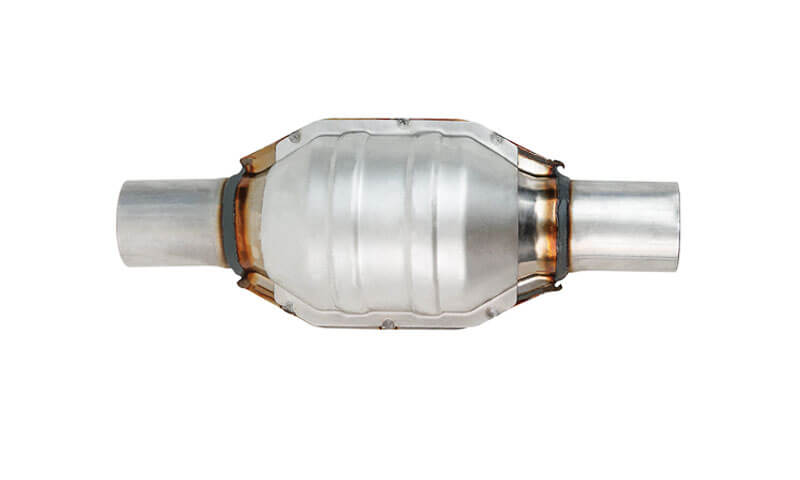
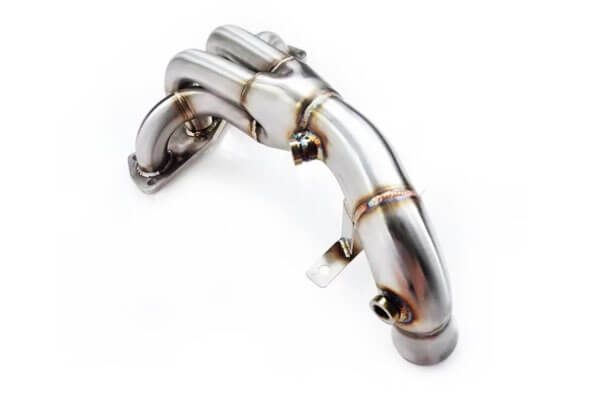
Por causa dessas características, 1.4878 o aço inoxidável é amplamente utilizado em trocadores de calor, componentes do forno, sistemas de escape, equipamento petroquímico, vasos de pressão, usinas de geração de energia, e equipamentos de tratamento térmico industrial.
Está disponível em vários formatos de produtos – incluindo placas, folhas, tubos, tubos, barras, Esquecimento, e peças fundidas de precisão - tornando-as adequadas tanto para estruturas fabricadas quanto para componentes de engenharia complexos.
1. O que é 1.4878 Aço inoxidável?
1.4878 aço inoxidável (EM 1.4878 / X12CrNiTi18-9) é a Austenítico estabilizado por titânio aço inoxidável desenvolvido para aplicações que envolvem exposição prolongada a temperaturas elevadas e carga térmica cíclica.
Pertence à família dos aços inoxidáveis cromo-níquel resistentes ao calor e oferece um excelente equilíbrio de resistência à oxidação, soldabilidade, resistência, e resistência à corrosão intergranular.
Ao contrário dos graus austeníticos padrão, que pode ficar sensibilizado após soldagem ou serviço de longo prazo entre aproximadamente 450° C e 850 ° C., 1.4878 incorpora titânio como elemento estabilizador.
O titânio reage preferencialmente com o carbono para formar carbonetos de titânio estáveis em vez de carbonetos de cromo.
Como resultado, o cromo permanece dissolvido na matriz do aço, preservando a película protetora de óxido de cromo que confere ao aço inoxidável sua resistência à corrosão.
Por que é 1.4878 Estabilizado com Titânio?
A característica definidora de 1.4878 aço inoxidável é o seu Estabilização de titânio, o que melhora significativamente o seu desempenho sob temperaturas elevadas e após a soldagem.
Quando os aços inoxidáveis austeníticos convencionais são expostos a temperaturas dentro da faixa de sensibilização (tipicamente 450–850 ° C.), átomos de carbono se difundem através da microestrutura e se combinam com o cromo para formar carbonetos de cromo ao longo dos limites dos grãos..
Este processo, conhecido como sensibilização, cria zonas sem cromo adjacentes aos limites dos grãos.
Porque o cromo é essencial para formar o filme de óxido passivo, essas regiões esgotadas tornam-se altamente suscetíveis a Corrosão intergranular.
Em 1.4878 aço inoxidável, o titânio tem uma afinidade muito mais forte pelo carbono do que o cromo.
Durante a solidificação e subsequente exposição ao calor, o titânio reage primeiro para formar carbonetos de titânio (Tique).
Esses carbonetos estáveis efetivamente “bloqueiam” o carbono, evitando a precipitação de carboneto de cromo e preservando o conteúdo de cromo na matriz circundante.
Este mecanismo de estabilização oferece diversas vantagens importantes de engenharia:
- Melhor resistência à corrosão intergranular após soldagem
- Maior estabilidade microestrutural durante serviço prolongado em alta temperatura
- Melhor desempenho de fluência sob carga térmica sustentada
- Necessidade reduzida de recozimento de solução pós-solda
- Vida útil mais longa em ambientes de aquecimento cíclicos
Como resultado, 1.4878 é especialmente adequado para grandes fabricações soldadas que não podem ser facilmente submetidas a tratamento térmico pós-soldagem, como vasos de pressão, conjuntos de forno, e tubulação de processo.
Padrões Comuns para 1.4878 Aço inoxidável
| Padrão | Designação | Descrição |
| EM 10088 | 1.4878 / X12CrNiTi18-9 | Designação europeia de aço inoxidável |
| DE | X12CrNiTi18-9 | Designação de material alemão |
| ASTM | Tipo 321 (Equivalente) | Aço inoxidável austenítico estabilizado com titânio |
| AISI/SAE | 321H | Vaso de pressão e materiais de tubulação |
| NÓS | S32109 | |
| ISO | X12CrNiTi18-9 | Requisitos internacionais de fabricação |
| JIS japonês | SUS321H | Certificados de inspeção de materiais |
Distinção de 1.4541 (Padrão 321)
O ponto de confusão mais frequente é a relação entre 1.4878 (321H) e 1.4541 (padrão 321 / X6crniti18-10).
Ambos são estabilizados com titânio 18-10 Aços inoxidáveis austeníticos, e compartilham a mesma resistência à corrosão e características metalúrgicas gerais.
A diferença definidora está na especificação do conteúdo de carbono:
- 1.4541 (321): carbono máximo 0.08%, classe estabilizada para uso geral
- 1.4878 (321H): faixa de carbono controlado de 0,04–0,10%, com teor mínimo intencional de carbono
O sufixo “H” em 321H significa “alto carbono”.
O elevado teor mínimo de carbono é deliberadamente especificado para melhorar a resistência à tração em altas temperaturas, resistência à fluência e vida útil à ruptura por tensão, fazendo 1.4878 a variante otimizada resistente ao calor do 321 família.
Muitas fábricas certificam o material de acordo com ambos os padrões quando a composição está dentro da faixa sobreposta.
2. Composição química de 1.4878 Aço inoxidável
O excelente desempenho de 1.4878 aço inoxidável (X12CrNiTi18-9) é o resultado de uma composição química cuidadosamente equilibrada.
Cada elemento de liga desempenha uma função metalúrgica específica, contribuindo para a resistência à corrosão, resistência à oxidação em alta temperatura, soldabilidade, força mecânica, e estabilidade microestrutural.
A composição química especificada pelas normas EN é mostrada abaixo.
| Elemento | Contente (%) | Função primária |
| Carbono (C) | ≤0.10 | Melhora a força, mas é controlada para reduzir o risco de sensibilização |
| Silício (E) | ≤1,00 | Aumenta a resistência à oxidação e melhora a fluidez durante a fundição |
| Manganês (Mn) | ≤2,00 | Melhora a trabalhabilidade a quente e a desoxidação durante a produção de aço |
| Fósforo (P) | ≤0,045 | Elemento residual; mantido baixo para manter a ductilidade e a soldabilidade |
| Enxofre (S) | ≤0,015 | Controlado em níveis baixos para melhorar a tenacidade e a resistência à corrosão |
Cromo (Cr) |
17.0–19.0 | Fornece resistência à corrosão, Resistência a oxidação, e passivação |
| Níquel (Em) | 9.0–12.0 | Estabiliza a estrutura austenítica e melhora a tenacidade |
| Titânio (De) | ≥5 × C e ≤0,80 | Previne a precipitação de carboneto de cromo e melhora a estabilidade em altas temperaturas |
| Ferro (Fe) | Equilíbrio | Elemento da matriz |
Observação: A composição química real pode variar ligeiramente dependendo da EN aplicável, DE, ASTM, ou especificação do cliente.
3. Propriedades físicas de 1.4878 Aço inoxidável
As propriedades físicas de 1.4878 aço inoxidável determina como o material responde à transferência de calor, Expansão térmica, condutividade elétrica, e campos magnéticos durante o serviço.
Estas propriedades são particularmente importantes ao projetar componentes para fornos, trocadores de calor, coletores de escape, e equipamentos sob pressão operando sob ciclagem térmica contínua.
| Propriedade | Valor típico |
| Densidade | 7.90–8,00 g/cm³ |
| Faixa de fusão | 1400–1425ºC |
| Módulo elástico (20° c) | 193 GPA |
| Condutividade térmica (20° c) | 15 W/m · k |
| Capacidade de calor específico (20° c) | 500 J/kg · k |
| Resistividade elétrica (20° c) | 0.72 μΩ · m |
| Coeficiente de expansão térmica (20–100 ° C.) | 16.5 × 10⁻⁶ /K |
| Permeabilidade magnética | Essencialmente não magnético (condição recozida) |
Os valores são dados de referência típicos e podem variar ligeiramente de acordo com a forma do produto, rota de processamento, e padrões aplicáveis.
4. Propriedades mecânicas de 1.4878 Aço inoxidável
As propriedades mecânicas de 1.4878 o aço inoxidável reflete seu papel principal como material estrutural de alta temperatura.
Embora sua resistência à temperatura ambiente seja semelhante à dos aços inoxidáveis austeníticos convencionais, sua verdadeira vantagem reside na manutenção da integridade mecânica durante serviço prolongado em temperaturas elevadas.
| Propriedade | Valor típico |
| Resistência à tracção (Rm) | ≥520MPa |
| Força de escoamento (Rp0.2) | ≥205MPa |
| Alongamento (A5) | ≥40% |
| Redução da área | ≥55% |
| Dureza de Brinell (Hbw) | ≤215 |
| Dureza Rockwell (Hrb) | ≤95 |
| Vickers dureza (Hv) | Aprox. 200 |
Os valores são representativos do material recozido em solução e podem variar dependendo da forma do produto e do processo de fabricação.
5. Resistência ao calor e desempenho em altas temperaturas
A principal vantagem de 1.4878 aço inoxidável reside no seu excelente desempenho sob condições de serviço em temperaturas elevadas.
Ao contrário dos graus austeníticos convencionais, como 304, que são projetados principalmente para resistência à corrosão em temperaturas ambientes, 1.4878 é projetado para manter sua integridade estrutural, Resistência a oxidação, e desempenho de corrosão durante exposição prolongada ao calor.
Temperatura de serviço recomendada
A tabela a seguir resume as faixas típicas de temperatura operacional para 1.4878 aço inoxidável.
| Condição de serviço | Temperatura recomendada |
| Serviço contínuo em atmosfera oxidante | Até 850–900°C |
| Serviço intermitente | Até aproximadamente 900°C |
| Serviço estrutural de longo prazo | 450–850 ° C. |
| Exposição máxima de curto prazo | Aproximadamente 950°C (dependendo da carga e da atmosfera) |
Os limites reais de serviço dependem da geometria do componente, tensão aplicada, atmosfera do forno, frequência de ciclagem térmica, e projetar a vida.
Excelente resistência à oxidação
A temperaturas elevadas, o cromo reage rapidamente com o oxigênio para formar um óxido de cromo denso (Cr₂o₃) camada que protege o metal subjacente de oxidação adicional.
Este filme de óxido passivo se regenera continuamente se for danificado, fornecendo resistência a longo prazo contra incrustações no ar e em muitos ambientes de combustão.
Devido ao seu conteúdo estável de cromo, 1.4878 apresenta excelente resistência a:
- Oxidação em alta temperatura
- Dimensionamento de superfície
- Descarbonetação
- Corrosão por gás quente em atmosferas levemente oxidantes
Estas características o tornam adequado para componentes de fornos, aquecedores industriais, equipamento de processamento térmico, e sistemas de escape.
Resistência superior ao ciclismo térmico
Muitos componentes industriais experimentam aquecimento e resfriamento repetidos, em vez de temperaturas constantes.
Esses ciclos térmicos geram tensões de expansão e contração que podem eventualmente levar à distorção, rachaduras por fadiga, ou falha na soldagem.
A microestrutura totalmente austenítica de 1.4878 oferece excelente resistência à fadiga térmica porque combina:
- Alta ductilidade
- Estrutura de grãos estável
- Boa resistência
- Baixa suscetibilidade à fratura frágil
A estabilização do titânio minimiza ainda mais a degradação microestrutural durante a exposição térmica repetida, prolongando a vida útil em ambientes operacionais cíclicos.
Resistência à fluência e à ruptura por tensão
Para componentes que operam continuamente em temperaturas elevadas, a resistência à fluência é muitas vezes mais importante do que a resistência à temperatura ambiente.
Creep é o lento, deformação permanente de um material sob carga sustentada em alta temperatura.
Em fornos industriais, caldeiras, Reatores petroquímicos, e trocadores de calor, a deformação por fluência pode alterar gradualmente as dimensões do componente e eventualmente levar à falha.
Comparado com o padrão 304 aço inoxidável, 1.4878 ofertas:
- Maior resistência à fluência
- Melhor resistência à ruptura por tensão
- Estabilidade aprimorada dos limites dos grãos
- Deformação reduzida durante serviço prolongado
Essas melhorias são atribuídas principalmente à estabilização do titânio, que suprime a precipitação de carboneto de cromo e ajuda a preservar a resistência dos limites dos grãos.
Resistência à sensibilização durante serviço em alta temperatura
Uma das vantagens mais significativas 1.4878 é a sua capacidade de resistir à sensibilização após exposição prolongada a temperaturas entre 450° C e 850 ° C..
Padrão 304 o aço inoxidável pode sofrer esgotamento de cromo próximo aos limites dos grãos após soldagem ou aquecimento prolongado, aumentando o risco de corrosão intergranular.
Em contraste, o titânio reage preferencialmente com o carbono para formar carbonetos de titânio, evitando a precipitação de carboneto de cromo e permitindo que o cromo permaneça disponível para manter a película protetora passiva.
Como resultado, 1.4878 é particularmente adequado para:
- Estruturas de fornos soldados
- Tubulação petroquímica
- Dispositivos de tratamento térmico
- Componentes da usina
- Vasos de pressão de alta temperatura
6. Resistência à corrosão
Corrosão geral
Em temperaturas ambiente e moderadamente elevadas, 1.4878 apresenta boa resistência geral à corrosão em ambientes atmosféricos, água doce, vapor e a maioria dos produtos químicos orgânicos e inorgânicos.
Seu desempenho é amplamente comparável ao 304 aço inoxidável em condições não sensibilizadas.
Resistência à corrosão intergranular
É aqui que 1.4878 distingue-se das notas não estabilizadas.
Na condição soldada ou aquecida, aços não estabilizados, como 304 sofrer precipitação de carboneto de cromo nos limites dos grãos (sensibilização), levando à corrosão intergranular.
Em 1.4878, titânio sequestra carbono, evitando o esgotamento significativo de cromo e mantendo a resistência total à corrosão intergranular mesmo após exposição à faixa de sensibilização de 450–850°C.
Esta propriedade é particularmente valiosa para grandes estruturas soldadas e componentes de fornos que não podem ser recozidos em solução após a fabricação.
Corrosão localizada
A resistência à corrosão por picadas e fendas é moderada, aproximadamente equivalente a 304 aço inoxidável.
A classe não se destina a ambientes severos de cloreto; 316Materiais de liga L ou superior são preferidos para esse serviço.
1.4878 o aço inoxidável não é adequado para fluxos de processo com água do mar ou com alto teor de cloreto.
Estresse corrosão rachando
Como outros aços inoxidáveis austeníticos, 1.4878 o aço inoxidável é suscetível à corrosão sob tensão induzida por cloreto em temperaturas elevadas.
Para aplicações que combinam tensão de tração com ambientes quentes de cloreto, materiais alternativos devem ser considerados.
7. Características de fabricação e soldagem
Apesar de ter sido projetado para aplicações em temperaturas elevadas, 1.4878 aço inoxidável oferece excelente capacidade de fabricação.
Sua estrutura totalmente austenítica proporciona excelente ductilidade e tenacidade, permitindo que o material seja formado em geometrias complexas, mantendo a precisão dimensional e a integridade estrutural.
Formação e fabricação
1.4878 possui excelentes características de conformação a frio e pode ser processado usando técnicas convencionais de fabricação de chapas metálicas.
As operações típicas de conformação incluem:
- Desenho profundo
- Role a formação
- Flexão
- Formação de estiramento
- Hidroconformação
- Moldagem por prensa
- Fiação
Porque a liga endurece rapidamente, deformação severa pode exigir recozimento intermediário para restaurar a ductilidade antes do processamento adicional.
A conformação a quente é normalmente realizada dentro da faixa de temperatura de 1050–1200 ° C., seguido de resfriamento rápido para preservar a microestrutura totalmente austenítica.
Características de usinagem
Comparado com aços carbono e aços inoxidáveis de usinagem livre, 1.4878 o aço inoxidável é considerado moderadamente difícil de usinar.
Sua alta resistência, Excelente ductilidade, e forte tendência ao endurecimento aumentam as forças de corte e geram calor considerável na interface ferramenta-peça.
Se os parâmetros de usinagem não forem controlados adequadamente, a superfície endurecida pode acelerar o desgaste da ferramenta e reduzir a precisão dimensional.
Durante usinagem, o material tende a gerar:
- Altas forças de corte
- Temperaturas de corte elevadas
- Chips contínuos
- Desgaste acelerado da ferramenta
A usinagem eficiente, portanto, requer:
- Ferramentas de corte afiadas de metal duro ou cerâmica
- Geometrias de inclinação positivas
- Fluido de corte adequado
- Velocidades de corte moderadas
- Rigidez estável da máquina
O uso de condições de corte interrompidas ou ferramentas desgastadas deve ser evitado porque superfícies endurecidas podem reduzir rapidamente a eficiência da usinagem.
Fundição de precisão
Embora 1.4878 o aço inoxidável é fornecido principalmente como produtos forjados na forma de placas, barras, tubos, e forjados, também é adequado para fabricar componentes complexos por elenco de investimento (elenco de cera perdida).
A fundição de precisão oferece vantagens significativas para peças geometricamente complexas que, de outra forma, exigiriam usinagem extensa, reduzindo o desperdício de material e os custos gerais de produção.
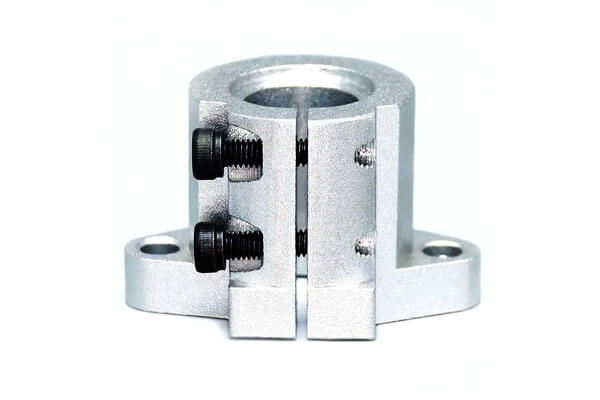
A fundição de precisão é particularmente adequada para a produção:
- Acessórios de forno
- Componentes do queimador
- Suportes resistentes ao calor
- Peças do sistema de escapamento
- Hardware industrial complexo
Controle adequado da prática de fusão, Design de molde, e condições de solidificação são essenciais para minimizar a segregação, Defeitos de encolhimento, e fissuração a quente, garantindo ao mesmo tempo uma microestrutura austenítica uniforme.
Após o elenco, o recozimento em solução é normalmente realizado para otimizar a resistência à corrosão e as propriedades mecânicas.
Características de soldagem
Uma das maiores vantagens 1.4878 é a sua excelente soldabilidade.
Porque o titânio estabiliza o carbono, a liga exibe suscetibilidade significativamente menor à sensibilização do que não estabilizada 304 aço inoxidável.
É compatível com praticamente todos os processos comuns de soldagem por fusão, incluindo:
- Gtaw (TIG)
- Gawn (MEU)
- SMAW
- SERRA
- Soldagem a arco plasma
- Soldagem a laser
A seleção adequada do metal de adição é importante para garantir o desempenho correspondente em altas temperaturas e a resistência à corrosão.
8. Tratamento térmico de 1.4878 Aço inoxidável
Ao contrário dos aços inoxidáveis martensíticos ou de endurecimento por precipitação, 1.4878 não pode ser reforçado através de tratamento térmico convencional.
Suas propriedades mecânicas são controladas principalmente pelo reforço em solução sólida, trabalho frio, e estabilização de titânio em vez de transformação de fase.
Os principais objetivos do tratamento térmico são, portanto, restaurar a resistência à corrosão, dissolver precipitados indesejáveis, aliviar tensões de fabricação, e manter uma microestrutura austenítica estável.
| Tratamento | Temperatura | Resfriamento | Propósito |
| Recozimento da solução | 1050-1100°C | Têmpera em água ou resfriamento rápido ao ar | Dissolve carbonetos; Restaura a resistência à corrosão. |
| Alívio do estresse | 300-400 °C | Ar | Alivia o estresse residual; nenhum efeito significativo na resistência à corrosão. |
| Estabilização | 850-900 °C | Ar (não é comum) | Opcional; precipita carbonetos de titânio para estabilização adicional. |
| Endurecimento | Não aplicável | - | Austenítico; não pode ser endurecido por tratamento térmico. |
9. Acabamentos de superfície
O acabamento superficial de 1.4878 o aço inoxidável influencia significativamente não apenas sua aparência, mas também sua resistência à corrosão, limpeza, características de fricção, e vida de serviço.
A seleção do acabamento apropriado depende do ambiente operacional, método de fabricação, e requisitos funcionais do componente final.
| Acabamento superficial | Método de fabricação | Características de superfície | Aplicações típicas |
| Nº 1 | Laminado a quente, recozido, em conserva | Acabamento fosco áspero com escama de óxido removida | Peças do forno, vasos de pressão, equipamentos industriais pesados |
| 2B | Laminado a frio, recozido, em conserva, a pele passou | Suave, uniforme, ligeiramente reflexivo | Equipamento de processamento químico, processamento de alimentos, tubulação |
| Ba (Recozido brilhante) | Recozimento brilhante em atmosfera controlada | Altamente suave e reflexivo | Componentes decorativos, Equipamento farmacêutico, instrumentos de precisão |
| Nº 4 (Escovado) | Polimento mecânico com cintas abrasivas | Acabamento acetinado com grão linear fino | Painéis arquitetônicos, Equipamento de cozinha, cercos industriais |
Acabamento espelhado (Nº 8) |
Polimento fino progressivo | Superfície reflexiva semelhante a um espelho | Aplicações decorativas, Equipamento de sala limpa, projetos arquitetônicos premium |
| Em conserva & Passivado | Limpeza química e passivação | Máxima resistência à corrosão com aparência metálica limpa | Fabricações soldadas, Sistemas petroquímicos, Equipamento offshore |
| Eletropolido | Polimento eletroquímico | Ultra-Smooth, baixa rugosidade superficial, filme passivo aprimorado | Semicondutor, farmacêutico, biotecnologia, sistemas de processamento ultralimpos |
10. Aplicações típicas de 1.4878 Aço inoxidável
A combinação de excelente resistência à corrosão, resistência à oxidação em alta temperatura, excelente soldabilidade, e a estabilidade estrutural a longo prazo torna 1.4878 aço inoxidável, um dos materiais preferidos para ambientes industriais exigentes.
Processamento petroquímico e químico
As fábricas de produtos químicos frequentemente operam sob condições agressivas que envolvem temperaturas elevadas, fluidos pressurizados, e mídia corrosiva.
1.4878 o aço inoxidável oferece excelente resistência à oxidação, ácidos orgânicos, e muitos produtos químicos industriais, mantendo a integridade estrutural durante o ciclo térmico.
Componentes típicos incluem:
- Trocadores de calor
- Vasos do reator
- Tubulação de processo
- Juntas de dilatação
- Vasos de pressão
- Colunas de destilação
- Flanges e acessórios
Fornos Industriais e Equipamentos de Tratamento Térmico
Uma das áreas de aplicação mais importantes para 1.4878 é a construção de fornos de alta temperatura.
A liga resiste à exposição contínua a temperaturas elevadas enquanto resiste à oxidação, fadiga térmica, e dimensionamento.
Os componentes comuns do forno incluem:
- Rolos de forno
- Tubos radiantes
- Cestos de forno
- Bandejas de tratamento térmico
- Acessórios de recozimento
- Conjuntos de queimadores
- Retortas
- Grades de suporte
Geração de energia
Caldeiras a vapor, sistemas de recuperação de calor residual, e usinas termelétricas expõem componentes estruturais a altas temperaturas e tensões térmicas cíclicas.
A estabilização de titânio melhora a confiabilidade a longo prazo, evitando a sensibilização dos limites de grãos durante operação prolongada.
As aplicações típicas incluem:
- Tubos de caldeira
- Suportes de superaquecedor
- Dutos de exaustão
- Sistemas de gases de combustão
- Acessórios para tubulação de vapor
Sistemas Automotivos e de Escape
A liga tem um bom desempenho sob repetidos ciclos de aquecimento e resfriamento encontrados em sistemas de escapamento de veículos.
Sua resistência à oxidação e soldabilidade o tornam adequado para a fabricação de componentes de escapamento duráveis.
Exemplos incluem:
- Coletores de escape
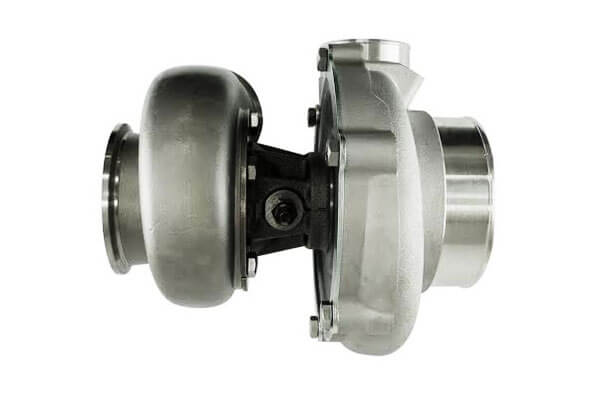
- Tubulação do turbocompressor
- Fole de exaustão
- Carcaças de catalisador
- Escudos de calor
Equipamento de processamento de alimentos
Embora não seja tão amplamente utilizado como 304L ou 316L na produção de alimentos, 1.4878 torna-se vantajoso onde o equipamento de processamento passa por limpeza ou esterilização frequente em alta temperatura.
O equipamento típico inclui:
- Câmaras de esterilização
- Transportadores de alta temperatura
- Fornos industriais
- Equipamento de processamento resistente ao calor
Fundições de precisão e componentes fabricados
A liga também é amplamente utilizada em peças fundidas de precisão e conjuntos fabricados que combinam resistência à corrosão com desempenho em temperaturas elevadas.
Produtos representativos incluem:
- Corpos da válvula
- Componentes da bomba
- Acessórios para forno
- Hardware de turbina
- Suportes industriais
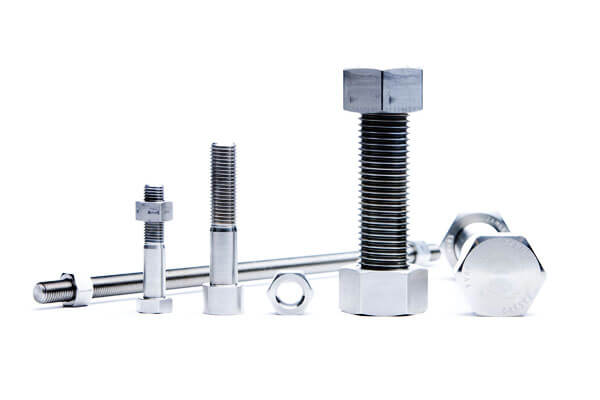
- Fixadores de alta temperatura
- Suportes mecânicos
11. Vantagens e limitações de 1.4878 Aço inoxidável
Vantagens
Excelente resistência à corrosão intergranular
A estabilização do titânio liga efetivamente o carbono em carbonetos de titânio estáveis, evitando a precipitação de carboneto de cromo durante a soldagem ou serviço prolongado em temperaturas elevadas.
Isto melhora significativamente a resistência à corrosão a longo prazo na faixa crítica de temperatura onde os aços inoxidáveis austeníticos não estabilizados podem ficar sensibilizados.
Excelente desempenho de alta temperatura
1.4878 mantém excelente resistência à oxidação e estabilidade mecânica durante operação contínua em temperaturas próximas 800–850 ° C., tornando-o altamente adequado para equipamentos de forno, sistemas de escape, e máquinas de processamento térmico.
Excelente soldabilidade
A liga pode ser soldada usando praticamente todos os métodos convencionais de soldagem por fusão com risco mínimo de deterioração da solda.
Grandes estruturas fabricadas muitas vezes podem ser colocadas em serviço sem recozimento com solução pós-solda, simplificando a fabricação e reduzindo os custos de produção.
Boa resistência geral à corrosão
Em muitos ambientes industriais, 1.4878 fornece resistência à corrosão comparável ao Tipo 304 aço inoxidável, incluindo excelente resistência à corrosão atmosférica, água doce, vapor, e numerosos produtos químicos orgânicos.
Alta resistência em uma ampla faixa de temperatura
A microestrutura totalmente austenítica proporciona excelente resistência ao impacto e ductilidade em temperaturas ambiente e moderadamente elevadas, permitindo desempenho confiável sob carga dinâmica e ciclo térmico.
Excelente desempenho de fabricação
A liga suporta uma ampla gama de processos de fabricação, incluindo:
- Formação a frio
- Formação a quente
- Fundição de precisão
- Usinagem CNC
- Desenho profundo
- Rolando
- Soldagem
Essa versatilidade permite que os engenheiros produzam componentes complexos com alta precisão dimensional.
Vida de serviço longo
A combinação de resistência à oxidação, Resistência à corrosão, estabilidade da solda, e a durabilidade térmica contribui para prolongar a vida útil do equipamento, reduzindo a frequência de manutenção e os custos do ciclo de vida em aplicações industriais exigentes.
Limitações
Máquina moderada
Como a maioria dos aços inoxidáveis austeníticos, 1.4878 apresenta endurecimento significativo durante a usinagem.
As operações de corte requerem equipamentos rígidos, ferramentas afiadas, resfriamento eficaz, e parâmetros de usinagem otimizados para alcançar produtividade e vida útil da ferramenta satisfatórias.
Resistência limitada à corrosão induzida por cloreto
Embora a liga tenha um bom desempenho em muitos ambientes industriais, sua composição isenta de molibdênio o torna menos resistente à corrosão por pites e frestas induzida por cloreto do que classes como 316L.
Portanto, não é a escolha preferida para ambientes marinhos ou meios de processo altamente salinos.
Custo de material mais alto do que aços carbono padrão
A presença de níquel, cromo, e o titânio aumenta o custo do material em comparação com os aços carbono e alguns aços inoxidáveis ferríticos.
No entanto, o maior investimento inicial é muitas vezes justificado pela maior durabilidade e menores requisitos de manutenção.
Não se destina a temperaturas extremamente altas
Enquanto 1.4878 funciona excepcionalmente bem em temperaturas elevadas, aplicações que envolvem exposição contínua acima de aproximadamente 900° c geralmente exigem classes mais resistentes ao calor, como 310S (1.4845) ou superligas à base de níquel.
Expansão térmica
Como outros aços inoxidáveis austeníticos, a liga tem um coeficiente de expansão térmica relativamente alto.
Os projetistas devem levar em conta o movimento térmico em grandes estruturas soldadas, sistemas de tubulação, e conjuntos de fornos incorporando tolerâncias de expansão apropriadas.
12. 1.4878 versus outras classes de aço inoxidável
A seleção do aço inoxidável apropriado requer equilíbrio na resistência à corrosão, capacidade de temperatura, requisitos de fabricação, e custo.
Embora 1.4878 compartilha muitas características com outros aços inoxidáveis austeníticos, sua estabilização de titânio o torna particularmente adequado para estruturas soldadas e serviços de longo prazo em temperaturas elevadas.
1.4878 vs. 1.4541 (321) Aço inoxidável
Ambas as classes são aços inoxidáveis de cromo-níquel estabilizados com titânio e oferecem excelente resistência à corrosão intergranular após a soldagem..
No entanto, 1.4878 contém um nível de carbono ligeiramente mais alto, o que contribui para melhorar a resistência à fluência e desempenho mecânico em temperaturas elevadas.
Para componentes que operam continuamente sob estresse térmico, como estruturas de fornos, vasos de pressão, e equipamentos petroquímicos - 1,4878 é geralmente preferido.
Orientação de seleção típica:
- Escolher 1.4878 para serviço prolongado em alta temperatura e componentes que suportam pressão.
- Escolher 1.4541 (321) para fabricação geral em alta temperatura, sistemas de exaustão de aeronaves, e estruturas soldadas padrão.
1.4878 vs. 1.4404 (316L) Aço inoxidável
Estas duas classes são projetadas para diferentes ambientes de serviço.
1.4404(316L)aço inoxidável deriva sua resistência superior à corrosão de aproximadamente 2–2,5% de molibdênio, tornando-o altamente resistente à corrosão por pites e frestas induzida por cloreto.
Consequentemente, é a escolha preferida para ambientes marinhos, Processamento farmacêutico, e aplicações químicas agressivas.
1.4878 aço inoxidável, por contraste, é otimizado para desempenho em temperaturas elevadas em vez de resistência a cloretos.
Sua estabilização de titânio evita a sensibilização durante aquecimento prolongado, permitindo que ele retenha a integridade mecânica onde o 316L perderia gradualmente a resistência.
Recomendação geral:
- Selecione 316L para exposição à água do mar, instalações costeiras, e meios de processo contendo cloreto.
- Selecione 1.4878 para temperaturas acima de aproximadamente 500°C onde a estabilidade térmica se torna mais importante que a resistência ao cloreto.
1.4878 vs. 1.4845 (310S) Aço inoxidável
Ambas as classes apresentam bom desempenho em temperaturas elevadas, mas eles são destinados a diferentes faixas de operação.
Com aproximadamente 25% cromo e 20% níquel, 310S apresenta excepcional resistência à oxidação e pode suportar temperaturas contínuas próximas 1100° c.
É amplamente utilizado em revestimentos de fornos, tubos radiantes, queimadores, e equipamentos de processamento térmico expostos a temperaturas extremamente altas.
Embora 1.4878 não pode corresponder à temperatura operacional máxima de 310S, oferece melhor estabilidade de solda, menor custo de material, e resistência ao calor suficiente para muitas aplicações industriais abaixo de aproximadamente 850° c.
Como resultado:
- Escolher 310S para ambientes de forno de temperatura ultra-alta.
- Escolher 1.4878 para fabricações estruturais em alta temperatura que exigem excelente soldabilidade, resistência à fluência, e confiabilidade a longo prazo.
13. Por que escolher LangHe para 1.4878 Produtos de aço inoxidável?
Fabricação de componentes de 1.4878 o aço inoxidável requer mais do que simplesmente selecionar a liga correta.
Alcançar um desempenho confiável em ambientes corrosivos e de alta temperatura depende do controle preciso do processo, Rastreabilidade do material, recursos avançados de fabricação, e garantia de qualidade rigorosa.
No LangHe, combinamos experiência metalúrgica com modernas tecnologias de produção para fornecer produtos de engenharia de precisão 1.4878 componentes de aço inoxidável que atendem aos exigentes requisitos de clientes industriais em todo o mundo.
| Capacidade | Detalhes |
| Fundição de investimento, Usinagem CNC | Formato Near-Net; geometrias complexas; Acabamento da superfície fina. |
| Materiais | 1.4878 (321), 1.4541 (321L), 1.4404 (316L), 1.4845 (310S). |
| Peso da peça | 0.05 kg para 100 kg. |
| Dimensões | Até 600 mm diâmetro. |
| Tolerâncias | ±0,1‑0,3 mm (CT5-CT7 por ISO 8062). |
| Acabamento superficial | Ra 1,6‑6,3 µm fundido; eletropolimento disponível. |
| Tratamento térmico | Recozimento da solução, alívio do estresse. |
| Qualidade | ISO 9001:2015 certificado; 100% END e inspeção dimensional. |
| Tempo de espera | 8-12 semanas para ferramentas e primeiros artigos; 2-4 semanas para pedidos repetidos. |
| Certificações | PED 2014/68/EU, Nascido MR0175/ISO 15156. |
14. Conclusão
1.4878 (X8CrNiTi18-10 / 321H) ocupa um nicho bem definido e importante no espectro do aço inoxidável resistente ao calor.
Combinando a estabilização do titânio com um maior teor de carbono controlado, oferece duas propriedades difíceis de obter simultaneamente em aços inoxidáveis austeníticos:
imunidade à corrosão intergranular após soldagem, e melhorou significativamente o desempenho de fluência e ruptura por tensão em temperaturas elevadas.
Não é o grau de temperatura mais alta, nem o grau mais resistente à corrosão, mas oferece um equilíbrio incomparável de resistência ao calor, soldabilidade, capacidade de fabricação e custo para componentes que operam na faixa de 500 a 900°C.
Para tubos de caldeira, ferragens do forno, equipamentos de processo petroquímico e acessórios de tratamento térmico, continua sendo o material padrão de referência contra o qual as alternativas são medidas.
À medida que a indústria global continua a aumentar as temperaturas dos processos em busca da eficiência energética e da redução de emissões,
1.4878 o aço inoxidável continuará sendo um material fundamental para serviços de suporte de carga em média temperatura, valorizado por sua confiabilidade comprovada, desempenho previsível e base de produção madura.
Perguntas frequentes
Qual é a diferença entre 1.4878 e 1.4541 aço inoxidável?
Ambos são estabilizados com titânio 18-10 Aços inoxidáveis austeníticos. 1.4541 (padrão 321) tem um carbono máximo de 0.08%, enquanto 1.4878 (321H) tem uma faixa de carbono controlada de 0,04–0,10%.
O carbono mínimo mais elevado em 1.4878 melhora a resistência à fluência em alta temperatura e à ruptura por tensão, tornando-o a escolha preferida para serviços de alta temperatura com suporte de carga.
Qual é a temperatura máxima de operação para 1.4878 aço inoxidável?
Até 850°C para serviço contínuo e 900°C para serviço intermitente. Para temperaturas acima de 900°C, 310S (1.4845) é recomendado.
É 1.4878 Magnético de aço inoxidável?
Não. 1.4878 é um aço inoxidável austenítico e é paramagnético (não magnético) na condição recozida. O trabalho a frio pode induzir algum ferromagnetismo.
Pode 1.4878 aço inoxidável ser soldado sem enchimento?
Para pequenas seções, soldagem autógena é possível, mas preenchimento correspondente (ER321) é recomendado para manter a estabilização e a resistência à corrosão.
Faz 1.4878 aço inoxidável requer tratamento térmico pós-soldagem?
Não. A estabilização de titânio evita a sensibilização, portanto, o tratamento térmico pós-soldagem não é necessário.
Qual é a diferença entre 1.4878 e 1.4404 (316L) aço inoxidável?
1.4878 tem estabilização de titânio e maior teor de carbono para resistência à fluência em altas temperaturas, mas sem molibdênio.
1.4404 (316L) o aço inoxidável possui molibdênio para resistência superior à corrosão por cloreto, mas é limitado a temperaturas mais baixas (≤400°C) para serviço de longo prazo.

