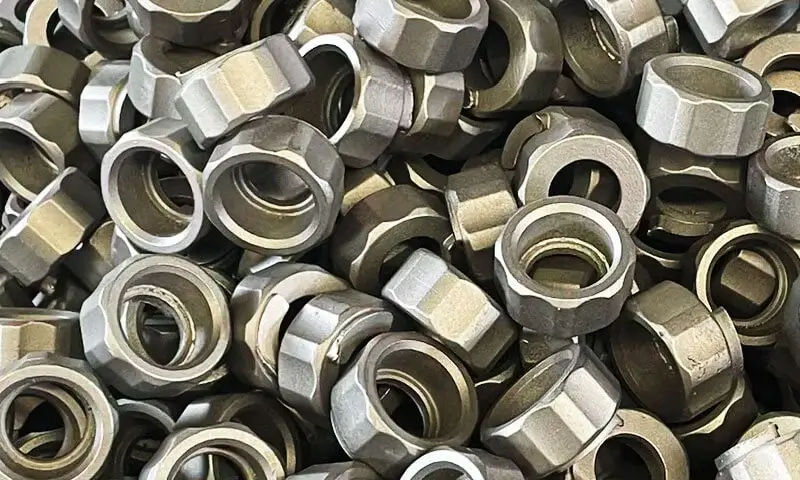
Polyester is one of the most versatile and widely used polymers in the modern world.
From the clothes we wear and the bottles we drink from to the automotive parts that make our cars lighter and more efficient, polyester touches nearly every aspect of daily life.
It is a material that has transformed industries—textiles, packaging, automotive, electronics, and healthcare—by offering an exceptional balance of performance, durability, and cost-effectiveness.
As a class of polymers, polyester encompasses a diverse family of materials, each with distinct properties and processing characteristics.
The most common polyester, polyethylene terephthalate (PET), is familiar to most people as the material used in beverage bottles and clothing fibers.
However, the polyester family also includes polybutylene terephthalate (PBT), polycarbonate (PC), and polyarylate (PAR), each engineered for specific applications.
1. What Is Polyester?
Polyester is a category of polymers that contain the ester functional group in their main chain.
The term polyester is commonly used to refer specifically to polyethylene terephthalate (PET) , but it encompasses a broad family of materials with varying chemical structures and properties.
The ester group is formed by the condensation reaction between a carboxylic acid and an alcohol.
In the case of PET, the reaction occurs between terephthalic acid (or dimethyl terephthalate) and ethylene glycol.
Chemical Structure
The general chemical structure of a polyester is:
–[–CO–R–CO–O–R’–O–]–n
Where R and R’ are hydrocarbon groups. The specific R and R’ groups determine the properties of the polyester.
For PET:
–[–CO–C₆H₄–CO–O–CH₂–CH₂–O–]–n
The repeating unit consists of a terephthalic acid moiety and an ethylene glycol moiety linked by ester bonds.
Brief History
Polyester was first synthesized in the 1930s by Wallace Carothers at DuPont, who also invented nylon.
However, it was John Rex Whinfield and James Tennant Dickson at Calico Printers’ Association in the UK who developed the first practical polyester fiber (PET) in 1941.
Commercial production of PET fiber began in the 1950s, and PET quickly became the dominant synthetic fiber for textiles.
In the 1970s, PET was developed for beverage bottles, and later for engineering applications (PBT, etc.).
2. Key Properties of Polyester
Polyester has become a preferred engineering plastic family because it offers a balanced combination of mechanical strength, dimensional accuracy, chemical resistance, electrical performance, and processing reliability.
Excellent Dimensional Stability
Dimensional stability is one of the most recognized advantages of polyester, particularly for precision components where maintaining accurate dimensions over time is critical.
Compared with moisture-sensitive engineering plastics such as polyamide (nylon), polyester absorbs significantly less water from the surrounding environment.
Moisture absorption can cause polymer materials to expand, contract, or experience changes in mechanical performance.
Because polyester has relatively low water absorption, it maintains more consistent dimensions even under fluctuating humidity conditions.
The semi-crystalline structure of materials such as PBT and PET also contributes to their dimensional control.
During processing and service, the organized molecular arrangement limits excessive deformation and provides better resistance to shrinkage and warpage.
For higher precision requirements, reinforced polyester grades containing glass fibers or mineral fillers can further improve dimensional stability by reducing thermal expansion and increasing rigidity.
High Mechanical Strength and Stiffness
Engineering polyester provides an excellent balance between strength, stiffness, and toughness.
While polyester is lighter than metals, it can achieve impressive mechanical performance through polymer formulation and reinforcement.
The rigid aromatic structure within polyester molecular chains contributes to its strength and resistance to deformation.
Semi-crystalline polyester materials, especially PBT and reinforced PET, maintain good mechanical stability because crystalline regions act as structural reinforcement within the polymer matrix.
Compared with general-purpose plastics, polyester offers:
- Higher tensile strength
- Better resistance to bending deformation
- Improved load-bearing capability
- More stable mechanical performance over time
The addition of reinforcing materials can significantly enhance these characteristics.
Glass fiber reinforcement, for example, increases elastic modulus and reduces creep deformation, allowing polyester to maintain structural integrity under continuous mechanical stress.
Low Moisture Absorption and Environmental Stability
Low moisture absorption is a fundamental property that distinguishes polyester from many other engineering plastics.
When plastics absorb water, polymer chains may become more flexible, resulting in reduced strength, dimensional changes, and altered electrical properties.
Polyester has a much lower affinity for moisture, which allows it to maintain its original mechanical and dimensional characteristics in humid environments.
This stability is particularly important for components exposed to changing environmental conditions, where material consistency is required over long service periods.
However, polyester is not completely immune to moisture-related degradation.
Under prolonged exposure to high temperatures combined with water or steam, hydrolysis may occur, breaking polymer chains and gradually reducing molecular weight and mechanical strength. Therefore, operating conditions must always be considered during material selection.
Excellent Chemical Resistance
Polyester provides good resistance to many chemicals commonly encountered in industrial environments.
Its molecular structure gives it stable performance when exposed to:
- Mineral oils
- Lubricants
- Fuels
- Hydrocarbon-based fluids
- Many weak acids and alkalis
Compared with many standard plastics, polyester maintains better mechanical integrity when exposed to oils and chemical substances.
Chemical resistance depends on several factors, including temperature, exposure duration, chemical concentration, and the specific polyester grade.
Although PBT and PET perform well in many chemical environments, strong acids, strong alkaline solutions, and high-temperature moisture exposure can accelerate degradation.
Proper material evaluation is therefore essential when polyester is used in chemically aggressive conditions.
Good Thermal Stability
Polyester offers reliable thermal performance compared with many conventional thermoplastics.
Engineering polyester grades have relatively high melting temperatures and can maintain useful mechanical properties under elevated temperatures.
PET typically melts at approximately 250–260°C, while PBT melts at approximately 220–230°C.
The thermal performance of polyester is influenced by:
- Polymer crystallinity
- Molecular structure
- Reinforcement content
- Exposure temperature
- Mechanical loading conditions
Semi-crystalline polyester grades generally provide better heat resistance than amorphous polymers because crystalline regions restrict molecular movement at elevated temperatures.
Glass fiber reinforced polyester materials show improved resistance to thermal deformation because the reinforcing fibers reduce polymer chain mobility and limit dimensional changes caused by heat.
Excellent Electrical Insulation Performance
Electrical insulation is one of the most important functional properties of polyester, especially for engineering-grade PBT materials.
Polyester exhibits:
- High dielectric strength
- Low electrical conductivity
- Stable insulation performance
- Good resistance to electrical aging
Its low moisture absorption further improves electrical reliability because absorbed water can reduce insulation performance in many polymer materials.
In addition, polyester can be modified with flame-retardant additives to improve resistance to ignition and enhance safety performance in electrical environments.
Excellent Injection Molding Performance
Polyester is widely used in injection molding because it offers stable processing behavior and high-quality molded results.
Compared with many engineering plastics, polyester provides:
- Good melt flow characteristics
- Accurate reproduction of mold details
- Consistent shrinkage behavior
- Smooth surface finish
- Compatibility with reinforcement materials
PBT is especially valued for its fast crystallization behavior, which allows efficient molding cycles and stable part dimensions.
PET provides higher strength and excellent barrier properties, while PETG offers improved toughness and transparency due to its modified molecular structure.
However, polyester materials are sensitive to moisture during processing.
Before injection molding, proper drying is essential because excessive moisture can cause hydrolysis during melting, reducing molecular weight and negatively affecting final mechanical properties.
Good Fatigue Resistance and Creep Performance
Polyester provides reliable performance under repeated loading and long-term mechanical stress.
Fatigue resistance refers to the ability of a material to withstand repeated cycles without cracking or failure, while creep resistance describes its ability to maintain shape under constant load over time.
Compared with many commodity thermoplastics, polyester offers better resistance to:
- Repeated mechanical stress
- Long-term deformation
- Temperature-related softening
The semi-crystalline structure of polyester helps restrict molecular movement, improving resistance to permanent deformation.
Reinforcement with glass fibers further enhances creep resistance by providing additional structural support within the polymer matrix.
Good Wear Resistance
Although polyester is not considered a specialized low-friction material like PTFE or certain high-performance polymers, it provides good wear resistance under moderate friction conditions.
Its wear behavior is influenced by:
- Material hardness
- Surface condition
- Applied load
- Temperature
- Reinforcement type
Modified polyester grades can achieve improved abrasion resistance through the addition of glass fibers, mineral fillers, or lubricating additives.
These modifications enhance surface durability and reduce material loss during repeated contact.
Excellent Surface Finish and Appearance
Polyester materials can achieve high-quality surface finishes due to their stable molding characteristics and good replication capability.
Compared with some engineering plastics that require extensive post-processing, polyester can produce consistent molded surfaces directly from the tooling process.
Its surface-related advantages include:
- Smooth appearance
- Good texture reproduction
- Stable color performance
- Consistent molding quality
PETG is particularly known for its transparency and optical clarity, while PBT and reinforced PET provide reliable surface quality for functional components.
3. How Polyester Is Made
Polyester is produced through a polycondensation process, in which small molecular building blocks are chemically reacted to form long-chain polymer structures.
The most common engineering polyesters, such as PET (polyethylene terephthalate) and PBT (polybutylene terephthalate), are manufactured by reacting aromatic diacids or their derivatives with glycols.
PET is typically produced from terephthalic acid (PTA) and ethylene glycol (EG), while PBT is produced from terephthalic acid and 1,4-butanediol (BDO).
During the reaction, small molecules such as water or methanol are removed, allowing the polymer chains to gradually increase in molecular weight and develop the required mechanical and thermal properties.
After polymerization, the polyester resin is cooled, pelletized, and further modified according to specific performance requirements.
Manufacturers can adjust molecular weight, crystallinity, and additive systems to control properties such as strength, toughness, transparency, heat resistance, and processability.
Reinforcements such as glass fibers, mineral fillers, flame retardants, and impact modifiers are often incorporated to enhance performance for engineering applications.
The final polyester pellets are then processed through injection molding, extrusion, or other forming methods to produce finished components with consistent quality and reliable performance.
4. Polyester Injection Molding Performance
Polyester is one of the most widely used engineering thermoplastics in injection molding due to its stable processing behavior, excellent dimensional accuracy, and balanced mechanical performance.
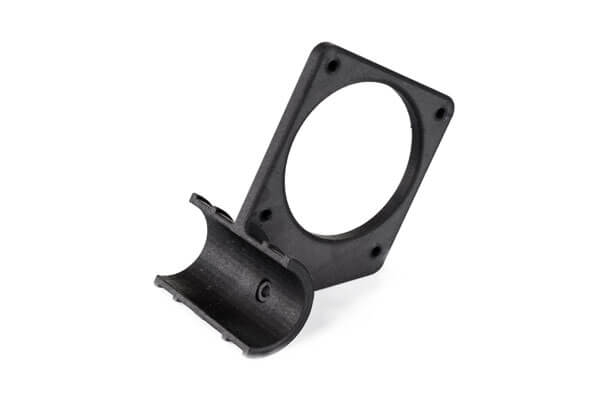
Materials such as PBT, PET, and PETG can be efficiently processed through injection molding to produce components with complex geometries, tight tolerances, and consistent surface quality.
Melt Flow and Processing Characteristics
Polyester materials generally exhibit good melt flow characteristics, allowing molten resin to fill complex mold cavities and reproduce fine surface details accurately.
PBT is particularly suitable for injection molding because of its relatively fast crystallization rate.
Rapid crystallization allows shorter molding cycles while maintaining good dimensional stability.
PET, with its higher melting temperature and slower crystallization behavior, often requires more precise mold temperature control to achieve the desired mechanical properties.
During processing, polyester must be properly dried before molding. Unlike some moisture-resistant plastics, polyester is sensitive to hydrolysis at elevated temperatures.
Excess moisture in the resin can break polymer chains during melting, resulting in:
- Reduced molecular weight
- Lower mechanical strength
- Brittle molded parts
- Poor surface appearance
Therefore, resin drying is a critical step in polyester injection molding.
Dimensional Accuracy and Shrinkage Control
One of the major advantages of polyester injection molding is its ability to produce dimensionally stable parts.
Semi-crystalline polyester materials experience shrinkage during cooling because polymer chains reorganize into crystalline structures. The final shrinkage rate depends on:
- Mold temperature
- Cooling rate
- Part thickness
- Flow direction
- Reinforcement content
Glass fiber reinforced polyester grades provide significantly improved dimensional stability because the fibers restrict polymer movement during cooling.
Proper mold design, including balanced gating, uniform wall thickness, and optimized cooling channels, is essential for controlling warpage and maintaining tight tolerances.
Reinforcement and Material Modification
One of polyester’s greatest advantages in injection molding is its compatibility with reinforcement and modification technologies.
Glass fiber reinforced polyester is widely used when higher strength, stiffness, and heat resistance are required.
Mineral fillers can improve dimensional stability and reduce thermal expansion, while flame retardants and impact modifiers allow polyester materials to meet more demanding performance requirements.
5. Industrial Applications of Polyester
Polyester has become an important engineering material across multiple industries because it combines mechanical reliability, electrical insulation, chemical resistance, and efficient processing capability.
Electrical and Electronics Industry
The electrical and electronics sector is one of the largest application areas for engineering polyester, particularly PBT.
Typical components include:
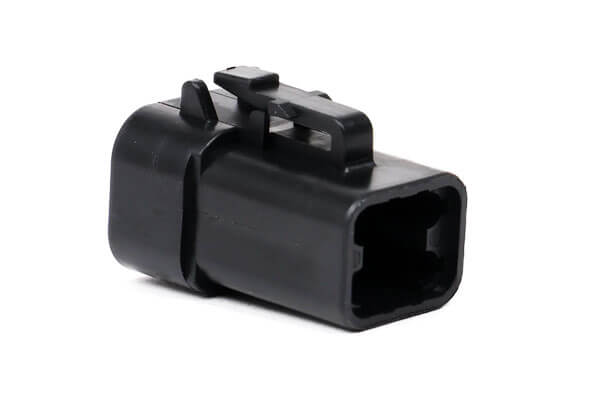
- Electrical connectors
- Terminal blocks
- Sensor housings
- Switch components
- Insulating structures
- Coil formers
In these applications, polyester helps maintain reliable electrical performance even under continuous thermal and mechanical stress.
Automotive Components
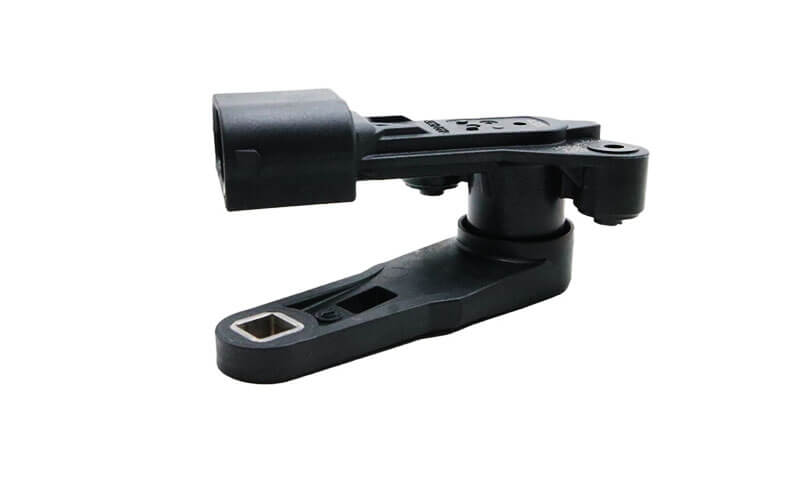
Polyester materials are widely used in automotive manufacturing due to their lightweight characteristics, durability, and resistance to automotive fluids.
Common automotive applications include:
- Electrical connectors
- Sensor housings
- Cooling system components
- Gear components
- Structural brackets
- Engine compartment parts
Glass fiber reinforced PBT is especially popular because it provides higher rigidity and better dimensional stability compared with unreinforced plastics.
Consumer Electronics and Precision Devices
The combination of accurate molding performance and excellent surface quality makes polyester suitable for precision components used in consumer electronics.
Applications include:
- Device housings
- Internal structural supports
- Mechanical brackets
- Optical and electronic components
PETG is often selected where transparency, toughness, and aesthetic appearance are important.
Industrial Equipment and Machinery
In industrial environments, polyester provides a cost-effective alternative to some metal components while maintaining sufficient mechanical performance.
Typical uses include:
- Bearings and bushings
- Pump components
- Gear components
- Mechanical housings
- Industrial connectors
Reinforced polyester grades are particularly suitable where wear resistance, stiffness, and dimensional accuracy are required.
Medical and Healthcare Equipment
Certain polyester grades are used in medical and healthcare products because of their stability, cleanliness, and reliable mechanical properties.
Applications include:
- Medical equipment housings
- Laboratory components
- Diagnostic device parts
- Disposable medical components
PETG is often preferred in applications requiring transparency and impact resistance.
Packaging and Consumer Products
PET is one of the most important polyester materials in packaging due to its excellent clarity, strength, and barrier performance.
Common applications include:
- Beverage bottles
- Food containers
- Packaging films
- Transparent containers
Its ability to maintain mechanical strength while providing good transparency has made PET a dominant material in packaging industries.
6. Advantages and Limitations of Polyester
Like all engineering materials, polyester offers significant advantages but also has certain limitations that must be considered during material selection.
Advantages of Polyester
Balanced Mechanical Performance
Polyester provides a strong combination of strength, stiffness, toughness, and dimensional stability.
Although it does not reach the extreme strength levels of some high-performance polymers, it delivers reliable performance for a wide range of engineering requirements.
Its mechanical properties can be further enhanced through reinforcement, making polyester suitable for applications requiring higher structural performance.
Excellent Dimensional Stability
Low moisture absorption and controlled thermal expansion allow polyester components to maintain accurate dimensions over long service periods.
This advantage is especially valuable for precision-molded parts where dimensional changes could affect assembly accuracy or functional performance.
Good Chemical and Environmental Resistance
Polyester offers good resistance to oils, fuels, lubricants, and many industrial chemicals.
It maintains mechanical integrity better than many general-purpose plastics when exposed to demanding environments.
Excellent Processing Efficiency
Polyester is highly compatible with modern injection molding technology. It allows manufacturers to produce complex components with high repeatability, good surface quality, and efficient production cycles.
Its compatibility with glass fiber and other additives also provides flexibility in material design.
Good Electrical Properties
The electrical insulation performance of polyester makes it an important material for electronic and electrical components.
Stable dielectric properties, low moisture sensitivity, and flame-retardant options expand its use in electrical systems.
Limitations of Polyester
Limited Resistance to Strong Chemicals
Although polyester has good chemical resistance, it is not suitable for all chemical environments.
Strong acids, strong alkalis, and certain aggressive solvents may attack polyester molecular structures, especially at elevated temperatures.
Hydrolysis Sensitivity
Long-term exposure to high-temperature water, steam, or humid heat can cause hydrolysis, which breaks polymer chains and reduces mechanical strength.
Applications involving continuous exposure to hot water require careful material evaluation.
Lower Impact Resistance Compared with Some Engineering Plastics
Compared with materials such as polycarbonate (PC) or modified nylon, standard polyester grades may have lower impact resistance.
Impact modifiers can improve toughness, but this may involve trade-offs with stiffness and dimensional stability.
Processing Requires Moisture Control
Because polyester is sensitive to moisture during melting, proper drying procedures are essential before injection molding.
Poor moisture control can lead to reduced performance and molding defects.
Not Suitable for Extreme Temperature Applications
Although polyester provides good thermal stability compared with many plastics, it cannot replace high-temperature polymers such as PEEK, PPS, or certain fluoropolymers in extreme thermal environments.
7. Types of Polyester
Polyester is not a single material but a broad family of polymers with different molecular structures and performance characteristics.
The selection of a specific polyester grade depends on the required balance of mechanical strength, thermal performance, dimensional stability, transparency, chemical resistance, and processing requirements.
PET (Polyethylene Terephthalate)
PET is the most widely recognized polyester material and is produced from terephthalic acid and ethylene glycol.
It is a semi-crystalline thermoplastic with excellent strength, dimensional stability, and barrier properties.
Compared with other polyester grades, PET generally provides:
- Higher tensile strength
- Excellent stiffness
- Good chemical resistance
- Superior gas and moisture barrier performance
- High transparency in amorphous forms
PET can exist in both amorphous and crystalline states. Rapid cooling during processing can produce transparent PET, while controlled crystallization improves thermal resistance and mechanical stability.
A major characteristic of PET is its ability to maintain structural integrity while remaining lightweight.
It also offers good fatigue resistance and stable performance under repeated mechanical stress.
However, PET has relatively slow crystallization behavior compared with PBT, which requires careful processing control during injection molding.
It also has a higher melting temperature, making processing conditions more demanding.
PBT (Polybutylene Terephthalate)
PBT is one of the most important engineering polyester materials used in injection molding.
It is produced from terephthalic acid and 1,4-butanediol and is characterized by fast crystallization, excellent dimensional stability, and good processing efficiency.
Compared with PET, PBT generally offers:
- Faster molding cycles
- Better melt flow characteristics
- Lower processing temperature
- Excellent electrical insulation
- Good chemical resistance
PBT maintains mechanical performance under elevated temperatures and shows good resistance to oils, fuels, and automotive fluids.
Because of its balanced properties, PBT is frequently modified with glass fibers, mineral fillers, flame retardants, and impact modifiers to meet specific engineering requirements.
Common modified PBT grades include:
| PBT Modification | Main Improvement |
| Glass fiber reinforced PBT | Increased stiffness, strength, and heat resistance |
| Flame-retardant PBT | Improved fire safety performance |
| Impact-modified PBT | Enhanced toughness and impact resistance |
| Mineral-filled PBT | Better dimensional stability and reduced shrinkage |
PETG (Glycol-Modified PET)
PETG is a modified version of PET created by introducing glycol-based modifiers into the polymer structure.
This modification reduces crystallization and improves toughness, transparency, and processing flexibility.
Compared with standard PET, PETG provides:
- Higher impact resistance
- Better transparency
- Easier processing
- Lower molding stress
- Improved toughness
Because PETG remains more amorphous than PET, it offers excellent optical clarity and surface quality.
However, it generally has lower heat resistance and chemical resistance compared with crystalline PET or PBT.
Reinforced Polyester Grades
Engineering polyester materials are often modified with reinforcement materials to improve performance beyond standard resin capabilities.
Common reinforcement methods include:
Glass Fiber Reinforced Polyester
Glass fiber reinforcement significantly improves:
- Tensile strength
- Flexural modulus
- Heat resistance
- Creep resistance
- Dimensional stability
This is one of the most widely used approaches for producing high-performance polyester components.
Mineral-Filled Polyester
Mineral fillers such as talc or calcium carbonate improve:
- Shrinkage control
- Surface appearance
- Thermal expansion resistance
- Dimensional consistency
Flame-Retardant Polyester
Flame-retardant formulations are developed by adding specialized additives that reduce ignition risk and improve fire behavior.
These grades are commonly used where electrical safety and thermal stability are important.
8. Polyester vs Other Engineering Plastics
Polyester competes with many engineering plastics, including nylon (PA), polycarbonate (PC), ABS, polypropylene (PP), and high-performance polymers such as PEEK and PPS.
The correct material choice depends on the required combination of mechanical performance, environmental resistance, cost, and processing requirements.
Comparison of Common Engineering Plastics
| Material | Main Advantages | Limitations | Typical Characteristics |
| Polyester (PET/PBT) | Dimensional stability, low moisture absorption, chemical resistance, good electrical properties | Limited impact resistance and extreme temperature capability | Balanced engineering performance |
| Nylon (PA6/PA66) | High strength, excellent wear resistance, good toughness | High moisture absorption, dimensional changes | Strong mechanical performance |
| Polycarbonate (PC) | Outstanding impact resistance, transparency | Lower chemical resistance, stress cracking risk | High toughness and optical clarity |
ABS |
Good impact resistance, easy processing, low cost | Lower heat resistance and strength | General-purpose engineering plastic |
| Polypropylene (PP) | Excellent chemical resistance, lightweight, low cost | Lower stiffness and temperature capability | Commodity performance material |
| PEEK | Extreme temperature resistance, chemical stability, mechanical strength | Very high material cost | High-performance polymer |
9. Environmental Impact & Circular Economy
As one of the most widely produced polymer families worldwide, polyester plays an important role in modern manufacturing, but its long service life and large-scale consumption also create significant challenges in waste management and resource utilization.
Building a circular economy for polyester requires improvements across the entire material lifecycle, including recycling technologies, material recovery, and the development of lower-carbon alternatives.
For engineering polyesters and PET-based products, sustainability is no longer limited to end-of-life recycling.
Manufacturers are increasingly focusing on reducing virgin material consumption, improving recycling efficiency, and maintaining material performance after multiple processing cycles.
Mechanical Recycling: Converting Waste Polyester into Reusable Material
Mechanical recycling is currently the most established method for recovering polyester materials, especially PET products.
In this process, post-consumer polyester waste is collected, sorted, cleaned, shredded into flakes, and processed through melting and pelletizing operations to produce recycled polyester resin (rPET).
The main advantages of mechanical recycling include:
- Lower energy consumption compared with producing virgin polyester
- Established industrial recycling infrastructure
- Reduced dependence on petroleum-based raw materials
- Lower overall carbon emissions
However, repeated thermal processing can gradually reduce polymer chain length through chain scission, leading to lower molecular weight and reduced intrinsic viscosity.
This can affect mechanical strength, toughness, and processing performance.
To overcome this limitation, recycled PET may undergo solid-state polymerization (SSP), a post-treatment process that increases molecular weight and restores performance closer to virgin-grade resin.
Chemical Recycling: Restoring Polyester to Its Original Building Blocks
Chemical recycling provides a more advanced approach by breaking polyester polymers back into their original chemical components.
Unlike mechanical recycling, which maintains the polymer structure, chemical recycling returns polyester to its basic molecular building blocks.
Common chemical recycling methods include:
- Glycolysis: Uses glycol compounds to break polyester chains into intermediate molecules that can be reused in polymer production.
- Methanolysis: Uses methanol to convert polyester into chemical raw materials suitable for repolymerization.
- Hydrolysis: Uses water-based reactions to recover terephthalic acid (PTA) and ethylene glycol (EG).
After purification, these recovered monomers can be used to manufacture new polyester resin with properties comparable to virgin material.
The major advantage of chemical recycling is its potential to create a closed-loop material cycle, allowing polyester waste to be transformed into high-quality resin repeatedly without significant degradation of performance.
Bio-Based Polyester Alternatives: Moving Toward Lower-Carbon Materials
Beyond recycling, another important direction for polyester sustainability is the development of bio-derived polymers that reduce dependence on fossil resources.
One emerging example is Polyethylene Furanoate (PEF), a bio-based polyester produced from renewable plant-derived sugars.
PEF is being studied as an alternative to conventional PET because it offers:
- Reduced dependence on petroleum-based feedstocks
- Potentially lower carbon emissions during production
- Higher gas barrier performance compared with PET
- Improved material efficiency for certain packaging applications
Although PEF is still developing toward broader commercial adoption, it represents the future trend of combining polyester performance with renewable raw materials.
Challenges and Future Development of Polyester Sustainability
Despite significant progress, polyester circularity still faces several challenges:
Collection and sorting efficiency:
High-quality recycling depends on effective waste collection and accurate separation of different polymer types, additives, and contaminants.
Maintaining material performance:
Recycled polyester must maintain consistent molecular weight, mechanical properties, and processing stability to meet industrial requirements.
Economic feasibility:
Advanced recycling technologies require significant investment in equipment, energy management, and quality control systems.
The future of polyester sustainability will rely on a combination of solutions rather than a single technology.
Mechanical recycling will continue to handle large-volume waste streams, chemical recycling will support higher-quality closed-loop recovery, and bio-based alternatives will help reduce dependence on fossil resources.
Through improved recycling systems, cleaner manufacturing processes, and material innovation, polyester can continue to serve global industries while moving toward a more sustainable and circular manufacturing model.
10. Conclusion
Polyester has become a vital engineering thermoplastic due to its balanced combination of mechanical strength, dimensional stability, chemical resistance, electrical insulation, and excellent processing performance.
From PET and PBT to reinforced and modified polyester grades, these materials provide flexible solutions for automotive, electronics, industrial equipment, consumer products, and precision injection molding applications.
As sustainability requirements continue to grow, recycling technologies and bio-based polyester alternatives are further expanding the material’s long-term value.
As an experienced custom manufacturing partner, Zhengzhou LangHe applies advanced injection molding capabilities, material expertise, and strict quality control to help customers select the right polyester grade and develop reliable, high-performance plastic components from prototype development to mass production.
FAQs
Is polyester a plastic?
Yes. Polyester is a type of thermoplastic polymer. Depending on its chemical structure, it can be processed through injection molding, extrusion, and other plastic manufacturing methods.
Is polyester stronger than nylon?
It depends on the specific grade and application. Nylon generally offers higher toughness and wear resistance, while polyester provides better dimensional stability, lower moisture absorption, and more consistent performance.
What is the difference between PET and PBT?
PET (polyethylene terephthalate) and PBT (polybutylene terephthalate) are both semi-crystalline polyesters.
PBT has a lower melting point, faster crystallisation, and better chemical resistance.
PET has better barrier properties and is more commonly used in packaging. PBT is preferred for electrical and automotive applications.
Is polyester safe for food contact?
Yes. PET is FDA-approved for food contact and is widely used in beverage bottles and food containers.
Can polyester be injection molded?
Yes. PET, PBT, PC, and PAR are all injection moldable. However, they require thorough drying before processing to prevent hydrolysis.
What is the difference between polyester and polycarbonate?
Polyester (PET, PBT) is semi-crystalline with good chemical resistance and barrier properties.
Polycarbonate (PC) is amorphous with exceptional impact resistance and clarity. PC is used for lenses and safety equipment; PET is used for bottles and fibers.
Is polyester biodegradable?
Most polyesters (PET, PBT, PC) are not biodegradable. However, some bio-based polyesters (PLA) are compostable under industrial conditions.