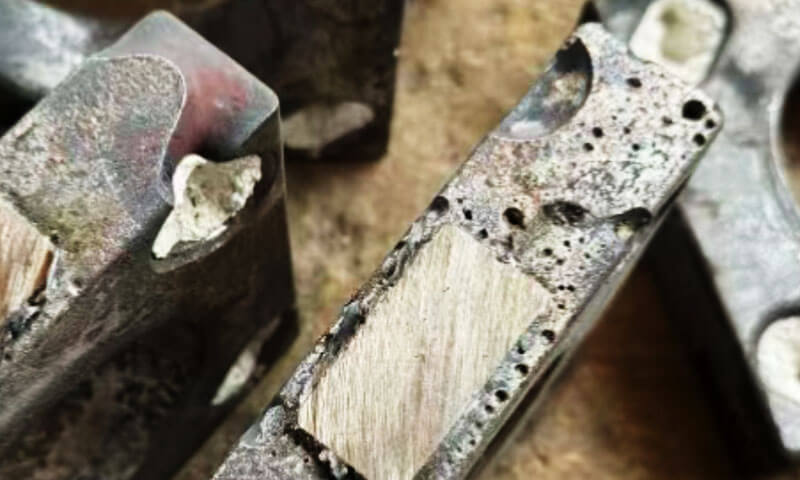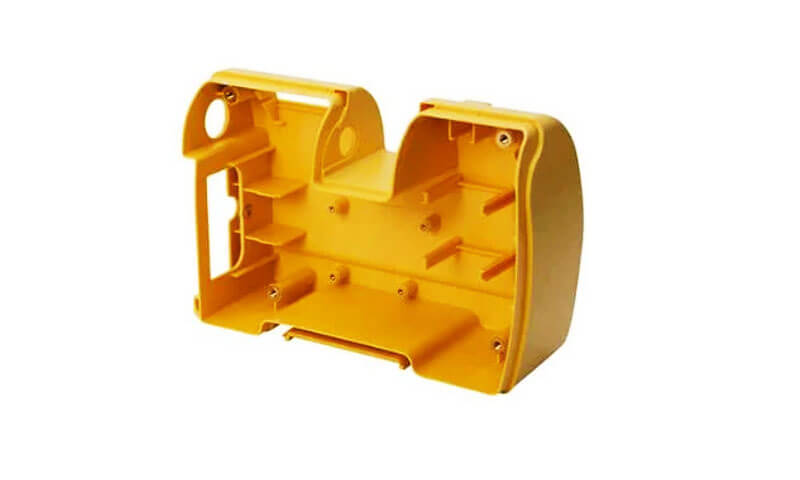
Poliuretan, powszechnie w skrócie jako PU lub PUR, to wszechstronna klasa polimerów powstająca w wyniku reakcji związków zawierających grupy izocyjanianowe z poliolami lub innymi cząsteczkami zawierającymi aktywne grupy wodorowe.
W przeciwieństwie do wielu konwencjonalnych tworzyw sztucznych, które kojarzą się ze stosunkowo wąskim zakresem właściwości, Poliuretan można wytwarzać w wyjątkowo szerokim spektrum – od miękkich, elastycznych pianek i elastomerów po sztywne pianki konstrukcyjne, powłoki, Kleje, uszczelniacze, i twarde komponenty inżynieryjne.
Ta wszechstronność wynika przede wszystkim z poliuretanów segmentowana struktura molekularna oraz możliwość modyfikowania jego składu chemicznego, gęstość usieciowania, struktura komórkowa, i warunki przetwarzania.
Wybierając różne poliole, izocyjaniany, przedłużacze łańcucha, katalizatory, środki porotwórcze, i dodatki, producenci mogą dostosować poliuretan do wymagań takich jak amortyzacja, Odporność na ścieranie, Izolacja termiczna, Odporność chemiczna, elastyczność, Wprowadzanie wpływu, i stabilność wymiarowa.
W tym artykule zbadano, czym jest poliuretan zarówno z perspektywa materiałoznawstwa i produkcji, łącznie z jego strukturą chemiczną, główne typy, właściwości, metody produkcji, zalety, ograniczenia, i zastosowań inżynierskich.
1. Co to jest poliuretan?
Poliuretan jest polimerem zawierającym znaczną ilość połączenia uretanowe, zazwyczaj reprezentowany przez strukturę chemiczną:
–NH–CO–O–
Te grupy uretanowe są zwykle wytwarzane w wyniku reakcji pomiędzy grupą izocyjanianową (-PODOFICER) i grupę hydroksylową (-OH):
R – podoficer + R′ –OH → R –NH –CO –O –R ′
Ta reakcja jest podstawową substancją chemiczną niezbędną do produkcji poliuretanu.
Jednakże, komercyjne materiały poliuretanowe rzadko składają się wyłącznie z prostych, powtarzalnych jednostek uretanowych.
Ich struktury molekularne mogą również zawierać eter, ester, mocznik, węglan, aromatyczny, alifatyczny, lub inne grupy funkcyjne, w zależności od wybranych surowców.
Dlatego też dwa produkty opisane jako „poliuretan” mogą mieć diametralnie różne właściwości.
Na przykład, elastyczna pianka poliuretanowa stosowana w meblach może być miękka i bardzo sprężysta, natomiast elastomer poliuretanowy stosowany do rolek przemysłowych może mieć wysoką twardość, wytrzymałość na rozciąganie, i odporność na ścieranie.
Sztywna pianka poliuretanowa stosowana w urządzeniach chłodniczych, Tymczasem, został zaprojektowany przede wszystkim z myślą o niskiej przewodności cieplnej i stabilności wymiarowej.
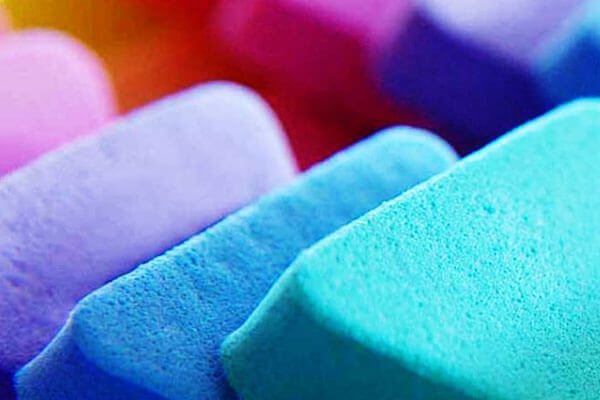
Poliuretany termoutwardzalne i termoplastyczne
Materiały poliuretanowe można ogólnie podzielić ze względu na ich architekturę molekularną i zachowanie podczas przetwarzania.
Termoutwardzalny poliuretan podczas utwardzania tworzy trwale usieciowaną sieć.
Po wystarczającym utwardzeniu, nie można go po prostu stopić i zmienić kształtu bez powodowania degradacji chemicznej.
Wiele odlewanych elastomerów, powłoki, Kleje, i sztywne systemy poliuretanowe należą do tej kategorii.
Termoplastyczny poliuretan (TPU) zawiera głównie liniowe lub fizycznie powiązane struktury polimerowe i może być zmiękczany przez ogrzewanie i wielokrotnie przetwarzany w ramach okna obróbki termicznej.
TPU łączy w sobie wiele cech elastomerów z metodami przetwarzania termoplastycznego, takimi jak formowanie wtryskowe i wytłaczanie.
To rozróżnienie jest ważne, ponieważ ma bezpośredni wpływ na produkcję, Recyklabalność, możliwość naprawy, i wydajność użytkowania końcowego.
Główne cechy poliuretanu
Chociaż receptury poliuretanów różnią się znacznie, wiele materiałów poliuretanowych wykazuje użyteczną kombinację właściwości mechanicznych i chemicznych.
Typowe cechy obejmują:
- Wysoka odporność na ścieranie i zużycie
- Dobra elastyczność i sprężystość
- Regulowana twardość
- Dobra odporność na uderzenia
- Dobra odporność na oleje i wiele substancji chemicznych
- Doskonała przyczepność do wielu podłoży
- Dobra odporność na zmęczenie
- Szeroka elastyczność przetwarzania
- Dobra izolacja termiczna w formach komórkowych
- Możliwość wytwarzania konstrukcji elastycznych i sztywnych
Dokładne działanie zależy w dużej mierze od receptury.
Na przykład, poliuretan jest często bardzo odporny na ścieranie, ale odporność na hydrolizę, Promieniowanie UV, ciepło, lub określone chemikalia różnią się znacznie w zależności od składu chemicznego poliuretanu.
Dlatego, Wybór materiału powinien zawsze opierać się na specyficzny skład poliuretanu i środowisko pracy, zamiast na ogólnym określeniu „PU”.
2. Skład chemiczny i struktura molekularna poliuretanu
Poliuretan (PU) nie jest pojedynczym związkiem chemicznym, ale szeroką rodziną polimerów, których właściwości można dostosować poprzez dobór i proporcje różnych elementów chemicznych.
Podstawowa reakcja poliuretanu zachodzi pomiędzy grupy izocyjanianowe (-PODOFICER) I grupy hydroksylowe (-OH), wytwarzających wiązania uretanowe.
Zmieniając strukturę molekularną, funkcjonalność, masa cząsteczkowa, i stosunek reagentów, producenci mogą produkować różne materiały, od elastycznych pianek i elastomerów po pianki sztywne, powłoki, Kleje, i komponenty inżynieryjne o wysokiej wytrzymałości.
Podstawowe bloki chemiczne
Dwie główne rodziny reagentów to izocyjaniany i poliole.
Inne komponenty, łącznie z przedłużaczami łańcucha, środki sieciujące, katalizatory, środki porotwórcze, środki powierzchniowo czynne, i dodatki zwiększające wydajność, są wprowadzane, gdy są specyficzne mechaniczne, termiczny, przetwarzanie, lub wymagane są cechy środowiskowe.
| Kategoria komponentu | Funkcja pierwotna | Typowe przykłady |
| Izocyjaniany | Zapewniaj reaktywne grupy –NCO i współtwórz twarde segmenty, wytrzymałość, sztywność, i odporność chemiczną | MDI, TDI, HDI, IPDI |
| Poliole | Tworzą miękkie segmenty i silnie wpływają na elastyczność, elastyczność, odporność na hydrolizę, i zachowanie w niskich temperaturach | Poliole polieterowe, poliole poliestrowe, poliole poliwęglanowe |
| Przedłużacze łańcucha | Zwiększ zawartość twardych segmentów i reguluj masę cząsteczkową, twardość, wytrzymałość na rozciąganie, i strukturę fazową | 1,4-Butanodiol (BDO), glikol etylenowy, diaminy |
| Środki sieciujące | Wprowadź trójwymiarowe struktury sieciowe i zwiększ sztywność, Stabilność wymiarowa, i odporność na ciepło | Trimetylolopropan (TMP), wielofunkcyjne poliole |
Katalizatory |
Kontroluj szybkość reakcji i wpływaj na równowagę pomiędzy konkurencyjnymi reakcjami poliuretanu | Aminy trzeciorzędowe, katalizatory metaloorganiczne |
| Środki porotwórcze | Wytwarzaj gaz i twórz strukturę komórkową pianek poliuretanowych | Woda, pentan, Co₂, wybrane fizyczne środki porotwórcze |
| Środki powierzchniowo czynne | Stabilizuj rozwijającą się pianę i kontroluj wielkość komórek, jednolitość, i morfologia | Środki powierzchniowo czynne na bazie silikonu |
| Dodatki | Zmodyfikuj określone właściwości użytkowe, takie jak odporność na płomień, Stabilność UV, kolor, Odporność na utlenianie, lub zachowanie związane z przetwarzaniem | Środki zmniejszające palność, stabilizatory UV, przeciwutleniacze, pigmenty |
3. Główne rodzaje poliuretanów
Poliuretan to wszechstronna rodzina polimerów, a nie pojedynczy materiał o ustalonych właściwościach.
Poprzez zmianę izocyjanianu, poliol, przedłużacz łańcucha, gęstość usieciowania, układ nadmuchowy, i warunki przetwarzania, producenci mogą produkować materiały poliuretanowe, od miękkich i bardzo elastycznych pianek po sztywne polimery strukturalne i wysokowydajne elastomery.
Elastyczna pianka poliuretanowa
Elastyczna pianka poliuretanowa charakteryzuje się strukturą otwartokomórkową, stosunkowo niska gęstość, i wysoka odporność.
Otrzymywany jest poprzez połączenie polioli i izocyjanianów ze środkami porotwórczymi i innymi dodatkami w kontrolowanych warunkach spieniania..
Jego wzajemnie połączona struktura komórkowa umożliwia materiałowi wielokrotną kompresję i regenerację.
Gęstość pianki, rozmiar komórki, twardość, odporność, i stopień sprężania można regulować poprzez formułowanie i przetwarzanie.
Typowe zastosowania obejmują:
- Amortyzacja mebli i materacy
- Fotele samochodowe i elementy wyposażenia wnętrz
- Produkty kontrolujące akustykę i wibracje
- Opakowania i materiały ochronne
- Elastyczne uszczelki i elementy amortyzujące
Do zastosowań amortyzujących, gęstość, twardość wcięcia, odporność, i zestaw kompresyjny są często ważniejsze niż sama wytrzymałość na rozciąganie.
Sztywna pianka poliuretanowa
Sztywna pianka poliuretanowa ma przeważnie strukturę o zamkniętych komórkach i została zaprojektowana z myślą o dużej sztywności, Stabilność wymiarowa, i termoizolację.
Jego niska przewodność cieplna wynika przede wszystkim ze struktury komórkowej oraz zawartego w komórkach gazu.
W zależności od receptury i procesu produkcyjnego, sztywne systemy na bazie PU i PIR mogą zapewnić doskonałe właściwości izolacyjne przy stosunkowo niskiej gęstości.
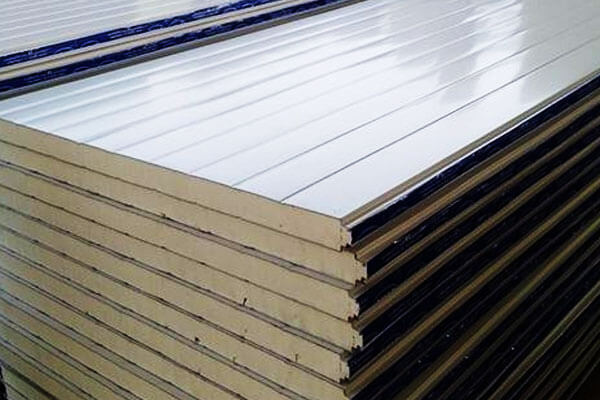
Typowe zastosowania obejmują izolację budynków, sprzęt chłodniczy, panele chłodnicze, izolowane rury, i izolacji urządzeń.
Typowa formuła sztywnej pianki musi równoważyć kilka właściwości jednocześnie:
| Nieruchomość | Znaczenie |
| Gęstość | Wpływa na siłę, Stabilność wymiarowa, i wydajność termiczna |
| Zawartość komórek zamkniętych | Ważne dla izolacji i odporności na wilgoć |
| Siła ściskająca | Określa nośność |
| Przewodność cieplna | Krytyczne w zastosowaniach związanych z efektywnością energetyczną |
| Stabilność wymiarowa | Kontroluje długoterminową wydajność przy zmianach temperatury |
| Wydajność palności | Ważne w zastosowaniach budowlanych i transportowych |
Elastomery poliuretanowe
Elastomery poliuretanowe zajmują ważną pozycję pomiędzy konwencjonalną gumą a sztywnymi tworzywami konstrukcyjnymi.
Mogą łączyć stosunkowo wysoką wytrzymałość na rozciąganie i odporność na ścieranie ze znacznymi odkształceniami sprężystymi.
Są dostępne jako termoplastyczny poliuretan (TPU), odlewane elastomery poliuretanowe, i systemy termoutwardzalne.
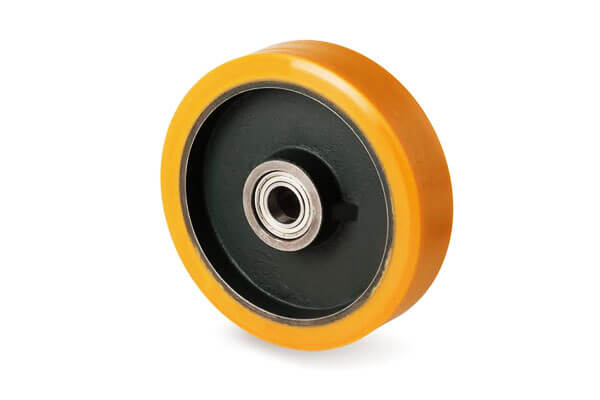
Elastomery poliuretanowe są szczególnie cenione w zastosowaniach wymagających powtarzających się obciążeń mechanicznych, uderzenie, tarcie, lub ścieranie.
Koła, Rolki, pieczęcie, uszczelki, tuleje, Komponenty przenośników, i przemysłowe części eksploatacyjne są częstymi przykładami.
Ich działanie zależy w dużym stopniu od zawartości twardych segmentów i architektury molekularnej.
Zwiększanie koncentracji twardych segmentów ogólnie zwiększa twardość i moduł, podczas gdy odpowiednia chemia segmentów miękkich utrzymuje elastyczność i wydłużenie.
Termoplastyczny poliuretan (TPU)
TPU to termoplastyczna forma poliuretanu, którą można wielokrotnie zmiękczać poprzez ogrzewanie i przetwarzać przy użyciu konwencjonalnych technologii produkcji tworzyw termoplastycznych.
W przeciwieństwie do silnie usieciowanego termoutwardzalnego poliuretanu, TPU opiera się przede wszystkim na interakcjach fizycznych i segmentowanej morfologii polimeru, aby osiągnąć swoje właściwości mechaniczne.
Dzięki temu nadaje się do formowania wtryskowego, wyrzucenie, Blow Forming, i inne ciągłe procesy produkcyjne.
TPU można formułować w szerokim zakresie twardości, zazwyczaj od bardzo miękkich gatunków elastomerów do stosunkowo sztywnych gatunków inżynieryjnych.
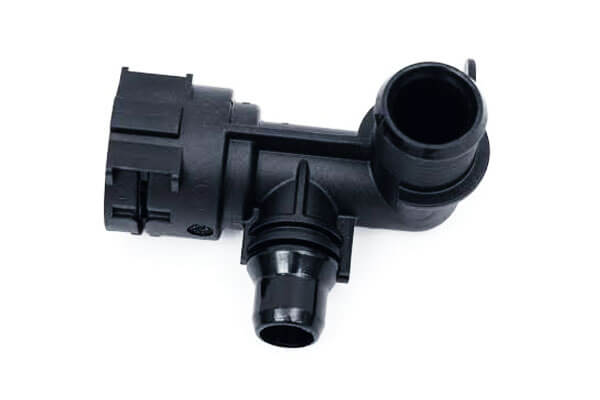
Typowe zastosowania obejmują:
- Osłony kabli i osłony ochronne
- Komponenty samochodowe
- Węże przemysłowe i rurki
- Uszczelki i złącza elastyczne
- Elementy obuwia
- Obudowy i części ochronne do produktów konsumenckich
Odlewany poliuretan
Poliuretan odlewany wytwarza się poprzez zmieszanie składników reaktywnych i wlanie preparatu do formy, gdzie zachodzi polimeryzacja i utwardzanie.
Proces ten jest szczególnie przydatny do wytwarzania dużych lub niestandardowych elementów elastomerowych, których produkcja w konwencjonalnym przetwarzaniu termoplastycznym byłaby trudna lub nieekonomiczna.
Poliuretan odlewany można formułować dla różnych kombinacji twardości, elastyczność, odporność na rozdarcie, Odporność na ścieranie, i odporność chemiczną.
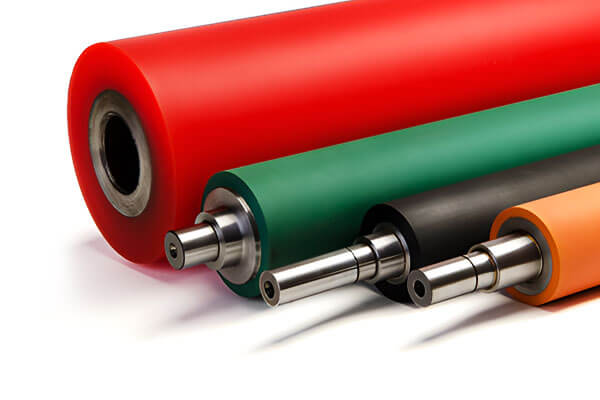
Rolki przemysłowe, ostrza zgarniające, nosić wkładki, pieczęcie, tuleje, i komponenty odporne na uderzenia to typowe zastosowania.
Powłoki poliuretanowe, Kleje, i uszczelniacze
Poliuretan jest również szeroko stosowany jako powierzchnia funkcjonalna lub materiał wiążący, a nie jako masowy element konstrukcyjny.
Powłoki poliuretanowe może zapewnić odporność na ścieranie, Odporność chemiczna, odporność na warunki atmosferyczne, elastyczność, i atrakcyjne wykończenia powierzchni. Stosowane są do metali, tworzywa sztuczne, drewno, Beton, i inne podłoża.
Kleje poliuretanowe mogą tworzyć silne wiązania między różnymi materiałami i są stosowane w motoryzacji, budowa, obuwie, meble, i montażu przemysłowego.
Uszczelniacze poliuretanowe łączą przyczepność z odkształceniem sprężystym, umożliwiając złączom kompensację ruchu spowodowanego rozszerzalnością cieplną, wibracja, lub przesunięcie mechaniczne.
4. Kluczowe właściwości poliuretanu
Poliuretan (PU) wyróżnia się niezwykle szerokim zakresem mechanicznym, termiczny, chemiczny, i właściwości fizyczne.
W przeciwieństwie do metali lub wielu konwencjonalnych tworzyw termoplastycznych, poliuretan to rodzina materiałów, których właściwości można w znacznym stopniu modyfikować poprzez dobór typu izocyjanianowego, chemia polioli, treści trudne do segmentowania, gęstość usieciowania, Dodatki, gęstość, i strukturę komórkową.
Więc, nie ma jednego zestawu właściwości mechanicznych reprezentujących wszystkie produkty poliuretanowe.
Elastyczny elastomer polieterowy, sztywna pianka izolacyjna, oraz poliuretan odlewany o wysokiej twardości, wszystkie mogą być chemicznie sklasyfikowane jako poliuretany, wykazując jednocześnie zupełnie inne właściwości użytkowe.
Poniższe wartości należy zatem traktować jako reprezentatywne zakresy inżynieryjne lub przykłady, a nie specyfikacje uniwersalne.
Ostateczny wybór materiału powinien zawsze opierać się na arkuszu danych producenta przetestowanym zgodnie z odpowiednią normą ASTM, ISO, lub norma EN.
Właściwości mechaniczne
| Nieruchomość | Typowy zakres inżynieryjny / Przykład | Główne czynniki kontrolne |
| Gęstość – stały elastomer | ~1,1–1,3 g/cm3 | Chemia polimerów, wypełniacze |
| Gęstość – sztywna pianka PU | ~30–45 kg/m3 dla wielu produktów izolacyjnych | System nadmuchowy, sformułowanie, struktura komórkowa |
| Wytrzymałość na rozciąganie | ~15–50+ MPa dla wielu elastomerów | Twardość, struktura molekularna, sieciowanie |
| Wydłużenie | ~300–700% dla wielu elastycznych elastomerów | Chemia segmentów miękkich i gęstość usieciowania |
Twardość |
~45 Shore A do 70 Brzeg D+ | Twarda segmentacja treści, sieciowanie |
| Przewodność cieplna – elastomer | ~0,15–0,25 W/(M · k), zależne od oceny | Gęstość i formuła |
| Przewodność cieplna – sztywna pianka | ~0,020–0,030 W/(M · k) | Struktura komórkowa, gaz, gęstość, starzenie się |
| Rezystywność objętościowa | Może osiągnąć ~10¹3 Ω·cm w odpowiednich gatunkach | Sformułowanie, wilgoć, temperatura |
| Długoterminowa temperatura użytkowania | Typowe gatunki w przybliżeniu od -30 do +80°C; wyższe stopnie specjalistyczne | Chemia i formułowanie polimerów |
Ścieranie i odporność na zużycie
Poliuretan jest szczególnie dobrze znany ze swojej odporności na zużycie ścierne.
Prawidłowo sformułowany poliuretan może przewyższać wiele konwencjonalnych elastomerów w zastosowaniach obejmujących poślizg, walcowanie, uderzenie, lub wielokrotny kontakt.
Ta cecha sprawia, że poliuretan jest atrakcyjny dla walce przemysłowe, Komponenty przenośników, nosić wkładki, pieczęcie, koła, tuleje, i elementy sprzętu górniczego.
Jednakże, odporność na ścieranie nie jest uniwersalną właściwością wszystkich gatunków poliuretanów. Chemia polioli, twardość, gęstość usieciowania, temperatura, materiał przeciwny, smarowanie, i mechanizm zużycia mogą mieć wpływ na rzeczywistą żywotność.
Elastyczność i odporność
Elastyczne, miękkie segmenty poliuretanu umożliwiają znaczne, odwracalne odkształcenie. Dzięki temu wiele elastomerów poliuretanowych ma doskonałą sprężystość i zwrot energii.
Odporność jest szczególnie ważna w przypadku elementów poddawanych wielokrotnemu ściskaniu lub uderzeniom.
Na przykład, koła i rolki z poliuretanu muszą odkształcać się pod obciążeniem, jednocześnie odzyskując swój kształt na tyle szybko, aby ograniczyć trwałe odkształcenie i wytwarzanie ciepła.
Dlatego w zastosowaniach dynamicznych ważnym czynnikiem jest równowaga pomiędzy elastycznością i histerezą.
Odporność chemiczna
Poliuretan ogólnie zapewnia dobrą odporność na oleje, Smary, paliwa, i wiele chemikaliów przemysłowych, chociaż wydajność różni się znacznie w zależności od preparatu.
Poliuretan na bazie polieteru często zapewnia lepszą odporność na hydrolizę, podczas gdy systemy na bazie poliestru mogą zapewniać korzyści w niektórych środowiskach mechanicznych i chemicznych.
Dlatego też zgodność chemiczną należy oceniać pod kątem konkretna substancja chemiczna, stężenie, temperatura, czas narażenia, i stan obciążenia mechanicznego zamiast polegać na ogólnym stwierdzeniu, że poliuretan jest odporny chemicznie.
Właściwości termiczne
Zakres temperatur użytkowych poliuretanu zależy w dużym stopniu od jego składu chemicznego i struktury fizycznej.
Wiele konwencjonalnych elastomerów poliuretanowych działa skutecznie w szerokim zakresie umiarkowanych temperatur, podczas gdy specjalistyczne formuły są przeznaczone do pracy w podwyższonych lub niskich temperaturach.
W wystarczająco wysokich temperaturach, mobilność łańcucha polimeru wzrasta, a właściwości mechaniczne maleją. W niskich temperaturach, niektóre preparaty stają się znacznie sztywniejsze i mniej elastyczne.
Sztywna pianka poliuretanowa jest również ceniona ze względu na niską przewodność cieplną i dlatego jest szeroko stosowana do izolacji termicznej.
Odporność na wodę i hydrolizę
Odporność na hydrolizę jest szczególnie ważna na zewnątrz, morski, hydrauliczny, i wilgotnym środowisku.
Poliuretan na bazie polieteru ogólnie zapewnia lepszą odporność na degradację hydrolityczną niż konwencjonalny poliuretan na bazie poliestru.
Jednakże, poliestrowo-poliuretanowy może zapewnić doskonałe właściwości mechaniczne i właściwości użytkowe w odpowiednich środowiskach.
Do długotrwałego narażenia na działanie wody, przy wyborze materiału należy uwzględnić nie tylko samą wodę, ale także temperaturę, Ph, mikroorganizmy, Naprężenie mechaniczne, i czas trwania ekspozycji.
Właściwości elektryczne
Wiele preparatów poliuretanowych zapewnia użyteczne właściwości izolacji elektrycznej, w tym stosunkowo wysoką oporność elektryczną i wytrzymałość dielektryczną.
Te właściwości wspierają zastosowania takie jak osłony kabli, hermetyzacja elektryczna, powłoki ochronne, i komponenty elektroniczne.
Niemniej jednak, wydajność elektryczna może zmieniać się wraz z temperaturą, wilgotność, częstotliwość, sformułowanie, i zawartość wypełniacza.
5. Twardość poliuretanu
Twardość jest jedną z najczęściej określanych właściwości poliuretanu, szczególnie w przypadku elastomerów, Rolki, koła, pieczęcie, uszczelki, powłoki ochronne, i elementy odporne na zużycie.
Jednakże, Twardości poliuretanu nie należy interpretować po prostu jako miary ogólnej wytrzymałości materiału.
W inżynierii poliuretanowej, Twardość przede wszystkim opisuje materiał odporność na miejscowe odkształcenia w określonych warunkach testu wciskania.
Co oznacza twardość poliuretanu?
Kiedy na powierzchnię poliuretanową działa siła, materiał odkształca się wokół wgłębnika.
Twardszy poliuretan wykazuje mniejsze wgniecenia w określonych warunkach testowych, podczas gdy bardziej miękki gatunek ulega większym miejscowym odkształceniom.
Ponieważ poliuretan może obejmować zarówno bardzo miękkie elastomery, jak i sztywne materiały konstrukcyjne, Dla różnych zakresów twardości stosuje się różne skale twardości.
Do elastycznego i elastomerowego poliuretanu, Twardość jest powszechnie mierzona za pomocą Skala twardości Shore’a.
Brzeg A jest powszechnie stosowany do miękkich i średnio twardych poliuretanów, chwila Brzeg D jest stosowany do twardszych preparatów.
Wybraną skalę należy zawsze podawać razem z wartością twardości, ponieważ, Na przykład, 80 Brzeg A i 80 Shore D reprezentuje bardzo różne warunki materialne.
Typowe zakresy twardości poliuretanu
| Zakres twardości | Typowa charakterystyka | Typowa wydajność | Reprezentatywne zastosowania |
| 20–40 Shore A | Bardzo miękkie i bardzo elastyczne | Wysoka zgodność, niski moduł, doskonała amortyzacja i pochłanianie drgań | Miękkie uszczelki, uszczelki, poduszki, elementy tłumiące akustycznie |
| 40–60 Shore A | Twardość miękka do średniej | Dobra elastyczność, odporność, i elastyczność przy umiarkowanej nośności | Elastyczne koła, tuleje, wibroizolatory, elementy obuwia |
| 60–80 Shore A | Średnio twardy elastomer | Dobra równowaga elastyczności, pojemność obciążenia, i odporność na ścieranie | Rolki, koła, tuleje, Komponenty przenośników |
80–95 Shore A |
Twardy elastomer | Większa sztywność, ładowność, i odporność na zużycie przy zmniejszonej elastyczności | Rolki przemysłowe, koła o dużej wytrzymałości, Podkładki do noszenia, komponenty o dużym obciążeniu |
| 50–80 Shore D | Bardzo twardy poliuretan | Wysoka sztywność i stabilność wymiarowa przy dużej odporności na uderzenia i zużycie | Przekładnie, Cams, elementy prowadnic, części strukturalne, elementy odporne na zużycie |
Te zakresy są specyfikacje reprezentatywne, a nie uniwersalne.
Komercyjne preparaty poliuretanowe mogą wykraczać poza te zakresy, a związek między twardością a właściwościami mechanicznymi zależy od składu chemicznego polimeru, gęstość usieciowania, zawartość wypełniacza, temperatura, i metoda testowania.
6. Procesy produkcyjne poliuretanów
Poliuretan można wytwarzać kilkoma technologiami przetwarzania, a odpowiednia metoda zależy od składu chemicznego poliuretanu, geometria produktu, wymagana twardość, gęstość, Wolumen produkcyjny, tolerancja wymiarowa, i wydajność użytkowania końcowego.
Formowanie wtryskowe reakcyjne (OBRZEŻE)
Reakcyjne formowanie wtryskowe to proces o wysokiej produktywności, w którym dwa lub więcej ciekłych składników poliuretanu — zazwyczaj izocyjanian i preparat poliolowy — są dokładnie dozowane, mieszany, i wtryskiwano do zamkniętej formy.
Wewnątrz formy reakcja chemiczna zachodzi szybko, gdzie materiał wypełnia ubytek, a następnie utwardza się do wymaganego kształtu.
RIM jest szczególnie odpowiedni do dużych komponentów, ponieważ stosunkowo niska lepkość układu reagującego pozwala na wypełnianie skomplikowanych form przy stosunkowo niskim ciśnieniu wtrysku.
Materiały wzmacniające lub wypełniacze można również włączyć do specjalistycznych preparatów w celu poprawy sztywności, Stabilność wymiarowa, lub odporność na uderzenie.
Produkty:
Typowe produkty RIM obejmują panele nadwozia samochodowego, zderzaki, spoilery, obudowy sprzętu, osłony strukturalne, obudowy przemysłowe, i duże, lekkie elementy formowane.
Odlewany poliuretan
Poliuretan lany wytwarza się poprzez zmieszanie reaktywnych składników poliuretanu i wlanie ciekłej mieszaniny do przygotowanej formy.
Następnie materiał utwardza się w temperaturze pokojowej lub przy kontrolowanym ogrzewaniu, w zależności od preparatu.
Proces ten zapewnia znaczną elastyczność w formułowaniu materiału.
Producenci mogą regulować twardość, elastyczność, odporność na rozdarcie, Odporność na ścieranie, właściwości tłumiące, i odporność chemiczną poprzez dobór odpowiednich polioli, izocyjaniany, przedłużacze łańcucha, katalizatory, i dodatki.
Poliuretan odlewany jest szczególnie cenny w przypadku produktów wymagających Wysoka odporność na zużycie, Wprowadzanie wpływu, elastyczność, lub dostosowana twardość.
Odgazowanie można przeprowadzić przed odlewaniem, aby zminimalizować ilość uwięzionego powietrza i wewnętrznych pustek, szczególnie w przypadku elementów precyzyjnych.
Produkty:
Typowe produkty obejmują walce przemysłowe, koła, tuleje, pieczęcie, uszczelki, Podkładki do noszenia, ostrza zgarniające, wibroizolatory, amortyzatory, komponenty górnicze, i niestandardowe wkładki poliuretanowe.
Formowanie kompresyjne
Formowanie tłoczne wykorzystuje odmierzoną ilość materiału poliuretanowego umieszczonego w ogrzanej gnieździe formy.
Następnie formę zamyka się i wywiera nacisk, umożliwiając przepływ materiału, dopasowywać się do wnęki, i utwardzać w kontrolowanej temperaturze i ciśnieniu.
Proces ten jest powszechnie stosowany w przypadku termoutwardzalnych systemów poliuretanowych i związków elastomerowych.
Właściwa kontrola temperatury formy, ciśnienie, czas utwardzania, a ładunek materiału jest niezbędny, ponieważ niewystarczające utwardzanie może zmniejszyć wydajność mechaniczną, natomiast nadmierna temperatura lub czas utwardzania mogą mieć wpływ na końcowe właściwości materiału.
Formowanie tłoczne jest szczególnie skuteczne w przypadku stosunkowo prostych lub średnio złożonych geometrii i może zapewnić dobrą spójność wymiarową w medium- do produkcji o dużej objętości.
Produkty:
Typowe produkty obejmują Pierścienie pieczęciowe, uszczelki, naramienniki, zderzaki, elementy tłumiące drgania, nosić płyty, osłony ochronne, i formowane części z elastomeru poliuretanowego.
Formowanie wtryskowe termoplastycznego poliuretanu (TPU)
Termoplastyczny poliuretan można przetwarzać przy użyciu konwencjonalnego tworzywa termoplastycznego formowanie wtryskowe sprzęt.
W przeciwieństwie do termoutwardzalnego poliuretanu, TPU można wielokrotnie zmiękczać przez ogrzewanie i zestalać przez chłodzenie, umożliwiając jego stopienie i wtryskiwanie do formy bez trwałej reakcji chemicznego sieciowania.
Podczas przetwarzania, precyzyjna kontrola Temperatura stopu, ciśnienie wtrysku, temperatura formy, warunki suszenia, i szybkość chłodzenia jest ważne.
TPU jest higroskopijny w różnym stopniu, a nadmierna wilgoć w peletach może powodować degradację hydrolityczną, Wady powierzchniowe, bąbelki, lub obniżone właściwości mechaniczne. Odpowiednie suszenie wstępne jest zatem ważną częścią formowania wtryskowego TPU.
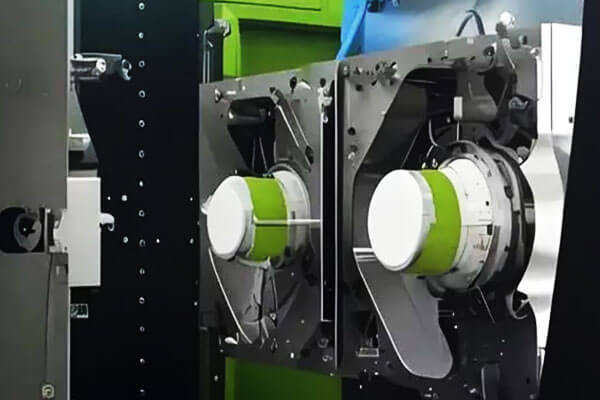
Produkty:
Formowanie wtryskowe TPU jest szeroko stosowane etui ochronne, złącza elastyczne, pieczęcie, elementy kabla, koła, uchwyty, komponenty produktów konsumenckich, Części samochodowe, komponenty medyczne, i odporne na zużycie części przemysłowe.
Wyrzucenie
Wytłaczanie poliuretanu stosowane jest przede wszystkim do produkcji profili ciągłych, rurki, filmy, Arkusze, oraz inne produkty o stałej geometrii przekroju poprzecznego.
Granulki termoplastycznego poliuretanu są podgrzewane i uplastyczniane w wytłaczarce, a następnie tłoczone w sposób ciągły przez specjalnie zaprojektowaną matrycę.
Proces wytłaczania wymaga starannej kontroli temperatura beczki, prędkość śruby, temperatura matrycy, szybkość wytłaczania, warunki chłodzenia, i wilgotność materiału.
Konstrukcja matrycy jest szczególnie ważna, ponieważ lepkosprężyste zachowanie poliuretanu może wpływać na stabilność wymiarową i pęcznienie matrycy.
Produkty:
Typowe produkty wytłaczane obejmują Wężyk z TPU, węże, pieczęcie, uszczelki, paski, filmy, profile, kurtki kablowe, rękawy ochronne, i elastyczne membrany.
Odlewanie reakcyjne i odlewanie odśrodkowe
Do niektórych dużych lub obrotowo symetrycznych elementów poliuretanowych, można zastosować odlewanie reakcyjne i odlewanie odśrodkowe.
W odlewaniu reakcyjnym, reaktywne składniki poliuretanowe wprowadza się do formy i pozostawia do polimeryzacji i utwardzenia na miejscu.
Casting odśrodkowy wykorzystuje siłę obrotową do rozprowadzania materiału reaktywnego na ściance formy, wytwarzając stosunkowo jednolity element rurowy lub pierścieniowy.
Procesy te są szczególnie przydatne, gdy konwencjonalne formowanie wymagałoby drogich narzędzi lub gdy element ma dużą średnicę i stosunkowo prostą geometrię obrotową.
Produkty:
Aplikacje obejmują duże rolki poliuretanowe, rękawy, rurki, pierścienie, wkładki, powłoki rurowe, oraz specjalistyczne, odporne na zużycie elementy cylindryczne.
Spienianie i formowanie pianki
Pianki poliuretanowe powstają poprzez połączenie reaktywnych składników poliuretanowych z systemem rozdmuchu, który podczas polimeryzacji generuje strukturę komórkową..
W zależności od preparatu, mechanizm rozdmuchujący może obejmować chemiczne środki porotwórcze, takie jak reakcja wody z izocyjanianem, w wyniku której powstaje dwutlenek węgla, lub fizyczne środki porotwórcze.
Receptura określa, czy powstała pianka jest elastyczny, półsztywne, lub sztywne.
Rozmiar komórki, gęstość, Otwarte- lub o strukturze zamkniętych komórek, i stabilność wymiarowa są kontrolowane poprzez równowagę polioli, izocyjaniany, katalizatory, środki powierzchniowo czynne, środki porotwórcze, i warunki przetwarzania.
Produkty:
Powszechnie stosowana jest elastyczna pianka poliuretanowa poduszki do siedzenia, materace, materiały akustyczne, i wnętrz samochodowych,
natomiast szeroko stosowane są sztywne pianki PU i PIR budowlane panele izolacyjne, izolacja chłodnicza, systemy ociepleń, i energooszczędny sprzęt.
Obróbka CNC poliuretanu
CNC Mękawka nie jest pierwotnym procesem polimeryzacji, jest to jednak ważna wtórna metoda produkcji elementów poliuretanowych.
Blok poliuretanowy, arkusz, pręt, lub prefabrykowany półfabrykat można poddać obróbce za pomocą toczenia CNC, przemiał, wiercenie, oraz inne operacje mające na celu uzyskanie precyzyjnych wymiarów i skomplikowanych geometrii.
Ponieważ poliuretan jest elastyczny i może odkształcać się pod wpływem sił tnących, Parametry obróbki należy dobrać odpowiednio do twardości i elastyczności materiału.
Nadmierna siła cięcia, wytwarzanie ciepła, lub odkształcenie narzędzia może skutkować niedokładnościami wymiarowymi lub gorszą jakością powierzchni. Ostre narzędzia skrawające i odpowiedni sposób mocowania są szczególnie ważne w przypadku miękkich gatunków.
Produkty:
Powszechnie stosowana jest obróbka CNC precyzyjne uszczelki poliuretanowe, tuleje niestandardowe, zużywające się elementy, Rolki, prototypy, części inżynieryjne, komponenty zamienne, oraz produkty niestandardowe w małych ilościach.
7. Zastosowania poliuretanu
Wyjątkowa wszechstronność poliuretanu pozwala mu służyć jako materiał konstrukcyjny, elastomer, powłoka, spoiwo, uszczelniacz, piana, i materiał izolacyjny.
Dlatego jego zastosowania rozciągają się od produktów konsumenckich po wymagający sprzęt przemysłowy.
Przemysł motoryzacyjny
Typowe zastosowania obejmują poduszki do siedzeń, zagłówki, tuleje zawieszenia, mocowania silnika, pieczęcie, elementy układu kierowniczego, wykończenie wnętrza, elementy tablicy przyrządów, powłoki ochronne, i izolacyjność akustyczna.
Rolki i koła przemysłowe
Rolki poliuretanowe są szeroko stosowane w:
- Systemy przenośnikowe
- Sprzęt do transportu materiałów
- Maszyny drukarskie
- Maszyny pakujące
- Maszyny włókiennicze
- Koła wózka widłowego
- Rolki prowadzące
- Koła napędowe
Pieczęcie, Uszczelki, i Tuleje
Połączenie elastyczności poliuretanu, odporność na rozdarcie, i odporność na ścieranie sprawiają, że nadaje się do zastosowań w uszczelnianiu dynamicznym.
Uszczelki PU i elementy hydrauliczne są powszechnie stosowane tam, gdzie występuje kontakt z materiałem wielokrotne przesuwanie, ciśnienie, i odkształcenia mechaniczne.
Tuleje i elementy tłumiące również korzystają ze zdolności poliuretanu do pochłaniania wibracji przy jednoczesnym zachowaniu integralności strukturalnej.
Górnictwo i sprzęt ciężki
Sprzęt górniczy i budowlany naraża elementy polimerowe na silne ścieranie, uderzenie, pył, wilgoć, i obciążenie mechaniczne.
Dlatego stosuje się poliuretan nosić wkładki, panele ekranowe, wkładki zsypowe, ostrza zgarniające, Rolki, uszczelnienia hydrauliczne, i elementy ochronne.
W środowiskach ściernych, odpowiednio sformułowany składnik poliuretanowy może znacznie zmniejszyć częstotliwość konserwacji w porównaniu z mniej odpornymi na zużycie elastomerami.
Materiały budowlane i budowlane
Poliuretan odgrywa ważną rolę w nowoczesnych systemach budowlanych.
Sztywne pianki poliuretanowe i poliizocyjanurowe zapewniają niską przewodność cieplną i są szeroko stosowane w izolowane panele, systemy chłodnicze, koperty budowlane, dachy, ściany, i izolacja rur.
Stosowane są również uszczelniacze i powłoki poliuretanowe uszczelnienie złącza, hydroizolacja, posadzka, powłoki ochronne, i zabezpieczenie betonu.
Produkty elektryczne i elektroniczne
Materiały PU mogą zapewnić izolację elektryczną wraz z elastycznością i ochroną środowiska.
Są używane do kurtki kablowe, związki doniczkowe, materiały kapsułkujące, złącza, powłoki ochronne, i elementy tłumiące drgania.
Można projektować receptury zapewniające określone kombinacje właściwości dielektrycznych, odporność na wilgoć, elastyczność, i odporność na płomień.
Obuwie i produkty konsumenckie
Elastyczny poliuretan i TPU są szeroko stosowane w produktach konsumenckich, ponieważ zapewniają korzystne połączenie komfortu, odporność, trwałość, i elastyczność projektowania.
Aplikacje obejmują podeszwy butów, elementy obuwia sportowego, etui ochronne, uchwyty, koła, towary sportowe, elementy bagażu, i elastyczne części produktów konsumenckich.
8. Zalety poliuretanu
- Niezrównana możliwość regulacji wydajności — twardość, gęstość i właściwości mechaniczne można precyzyjnie projektować w niezwykle szerokim zakresie z jednej bazy chemicznej.
- Wyjątkowa odporność na ścieranie i zużycie — elastomery poliuretanowe rutynowo zapewniają 3–10 razy dłuższą żywotność w porównaniu z alternatywami gumowymi w zastosowaniach wymagających dużego zużycia.
- Doskonała izolacja termiczna — sztywna pianka PU jest najbardziej efektywnym termicznie dostępnym na rynku organicznym materiałem izolacyjnym, zmniejszenie zużycia energii w budynku o 30–50%.
- Szerokie możliwości dostosowania przetwarzania — można wytwarzać metodą spieniania, odlew, rozpylający, formowanie wtryskowe, metody wytłaczania i aplikacji na miejscu.
- Uniwersalna przyczepność do podłoża — powłoki i kleje silnie wiążą się z metalem, drewno, Beton, szkło i większość tworzyw sztucznych.
- Doskonałe tłumienie wibracji — elastyczne pianki i elastomery skutecznie amortyzują wstrząsy i hałas, co czyni je niezbędnymi do kontroli NVH w motoryzacji i przemyśle.
- Wolność projektowa — przetwarzanie cieczy umożliwia produkcję dużych, złożony, zintegrowane części, które nie byłyby możliwe w przypadku gumy lub sztywnego plastiku.
9. Ograniczenia poliuretanu
- Umiarkowana odporność na temperaturę — gatunki standardowe mają limity ciągłej pracy wynoszące 80–120°C. Długotrwałe narażenie powyżej tego zakresu powoduje degradację termiczną i trwałą utratę właściwości.
- Wrażliwość na hydrolizę — poliuretany na bazie poliestru ulegają stopniowej degradacji pod wpływem długotrwałego działania wysokiej temperatury, wilgotnym środowisku. Gatunki polieterów działają lepiej, ale nadal mają ograniczenia.
- Degradacja UV gatunków aromatycznych — standardowe poliuretany aromatyczne żółkną i kredują pod wpływem długotrwałej ekspozycji na promieniowanie UV. Gatunki alifatyczne rozwiązują ten problem, ale przy znacznie wyższych kosztach.
- Zagrożenia związane z obsługą surowców — nieprzereagowane monomery izocyjanianowe działają drażniąco na drogi oddechowe i podczas przetwarzania wymagają odpowiedniej wentylacji i środków ochrony indywidualnej. W pełni utwardzone produkty są bezpieczne w normalnym użytkowaniu końcowym.
- Palność — niemodyfikowany poliuretan jest palny i podczas spalania może wydzielać toksyczne opary. Do zastosowań budowlanych i transportowych wymagane są preparaty zmniejszające palność.
- Wyzwania związane z recyklingiem — usieciowanego termoutwardzalnego poliuretanu nie można przetapiać, co utrudnia recykling mechaniczny. Technologie recyklingu chemicznego pojawiają się, ale nie są jeszcze powszechnie dostępne.
10. Rozważania dotyczące środowiska i zrównoważonego rozwoju
| Aspekt | Ocena |
| Zasoby odnawialne | Biopoliole są coraz bardziej dostępne, pochodzące z olejów roślinnych lub źródeł roślinnych. |
| Recyklabalność | Poliuretany termoplastyczne (TPU) nadają się do recyklingu; termoutwardzalne (sztywne pianki, wiele elastomerów) nie są. |
| Zużycie energii | Produkcja poliuretanu z produktów petrochemicznych jest energochłonna. |
| Ocena cyklu życia | Zależy od receptury i zastosowania; izolacja (sztywna pianka) może zapewnić znaczne oszczędności energii. |
| Koniec życia | Odpady piankowe są trudne do recyklingu; spalanie jest powszechną drogą unieszkodliwiania. |
| Zdrowie i bezpieczeństwo | Izocyjaniany są toksyczne; Podczas obsługi niezbędna jest właściwa wentylacja i środki ochrony indywidualnej. |
| Biodegradowalność | Konwencjonalny poliuretan nie ulega biodegradacji. |
11. Poliuretan vs. Guma i konwencjonalne tworzywa sztuczne
Poliuretan zajmuje wyróżniającą pozycję pomiędzy elastomerami a tworzywami konstrukcyjnymi.
Poniższe porównanie uwydatnia główne różnice pomiędzy poliuretanem a kilkoma powszechnie stosowanymi materiałami.
| Nieruchomość | Poliuretan | Kauczuk naturalny | Polietylen (PE) | Nylon |
| Typ materiału | Wszechstronny polimer; dostępny jako elastomer, termoplastyczny, termoutwardzalne, i piana | Naturalny elastomer | Termoplastyczny | Inżynierskie tworzywo termoplastyczne |
| Typowa twardość | Około 20 Brzeg A do 70+ Brzeg D, w zależności od preparatu | Około 20–90 Shore A | Typowy zakres Shore'a D dla gatunków sztywnych | Zazwyczaj Rockwell lub Shore D; ogólnie sztywne |
| Wytrzymałość na rozciąganie | Typowe gatunki elastomerów około 20–60 MPa; zależne od preparatu | Około 15–30 MPa dla wielu gatunków komercyjnych | Około 10–40 MPa, zależne od oceny | Około 50–100 MPa dla wielu gatunków inżynieryjnych |
| Wydłużenie w przerwie | Zwykle 200–700% w przypadku gatunków elastomerów | Zwykle 400–800% | Zwykle 100–1000% w zależności od gatunku | Generalnie znacznie niższa niż elastomerowy poliuretan |
| Odporność na ścieranie | Doskonały; jedna z głównych zalet poliuretanu | Dobry do doskonałości | Umiarkowany do dobrych | Dobry |
| Odporność na rozdarcie | Bardzo dobre lub doskonałe | Doskonały | Umiarkowany | Dobry |
| Regeneracja elastyczna | Doskonały w odpowiednio opracowanych elastomerach | Doskonały | Generalnie niższa niż elastomery | Stosunkowo ograniczone |
Odporność na uderzenie |
Bardzo dobry; pozostaje wysoce skuteczny w wielu wymagających zastosowaniach | Doskonały | Dobry, szczególnie w gatunkach PE zaprojektowanych pod kątem odporności na uderzenia | Dobry do doskonałości |
| Odporność na oleje i smary | Ogólnie bardzo dobrze, zwłaszcza z odpowiednim poliestrem- lub preparaty na bazie polieterów | Stosunkowo biedny; oleje mogą powodować pęcznienie i pogorszenie | Ogólnie dobry przeciwko wielu chemikaliom, ale odporność na rozpuszczalniki jest różna | Dobry, chociaż niektóre środki chemiczne i wilgoć mogą mieć wpływ na wydajność |
| Odporność chemiczna | Dobry lub doskonały, w zależności od składu chemicznego; poliester i polieter PU zachowują się inaczej | Ograniczony wobec olejów, paliwa, ozon, i trochę chemikaliów | Doskonała odporność na wiele kwasów, Alkalis, i wodne środki chemiczne | Dobra odporność na wiele węglowodorów i olejów, ale wrażliwy na niektóre kwasy i wilgoć |
| Odporność na wilgoć | Zależne od preparatu; polieter PU ogólnie działa lepiej w wilgotnym środowisku | Dobry w wielu zastosowaniach, ale wrażliwy na starzenie się środowiska | Bardzo dobry | Absorpcja wilgoci może być znacząca i mieć wpływ na wymiary i właściwości mechaniczne |
Zwietrzenie / Odporność na promieniowanie UV |
Dobry lub doskonały przy odpowiedniej stabilizacji; alifatyczny PU zapewnia szczególnie dużą odporność na promieniowanie UV | Ograniczony; ozon i promieniowanie UV mogą przyspieszyć degradację | Ogólnie dobre, zwłaszcza ze stabilizatorami UV | Umiarkowany; W przypadku pracy na zewnątrz mogą być wymagane stabilizatory UV |
| Odporność na temperaturę | Szeroki zakres, ale w dużym stopniu zależny od preparatu; wiele gatunków pracuje w temperaturach poniżej zera do około 80–120°C w sposób ciągły | Zwykle skuteczny w temperaturze około -50 do 80°C, w zależności od związku | Szeroki zakres; zależne od oceny | Generalnie wyższa temperatura pracy ciągłej niż elastomerowy PU |
| Elastyczność w niskiej temperaturze | Dobra lub doskonała w przypadku prawidłowo sformułowanych ocen | Doskonały | Dobre dla odpowiednich gatunków niskotemperaturowych | Generalnie niższy niż elastyczny poliuretan i guma |
| Absorpcja wody | Generalnie niski, ale różni się znacznie w zależności od składu chemicznego i struktury komórkowej | Niskie do umiarkowane | Bardzo niski | Stosunkowo wysoki w porównaniu z PU i PE |
| Możliwość przenoszenia obciążeń | Doskonały do elastomerów; gatunki o wysokiej wydajności wytrzymują znaczne obciążenia ściskające i dynamiczne | Dobry, ale długotrwałe odkształcenie może być znaczące | Dobry do konstrukcyjnych zastosowań termoplastycznych | Doskonały do sztywnych elementów konstrukcyjnych |
Odporność na zmęczenie |
Doskonały w wielu dynamicznych zastosowaniach | Znakomity przy odpowiednim obciążeniu cyklicznym | Dobry | Dobry |
| Metody przetwarzania | Odlew, reakcyjne formowanie wtryskowe, formowanie wtryskowe, wyrzucenie, formowanie kompresyjne, pieniący się, obróbka | Obróbka lateksu, odlewanie, wyrzucenie, wulkanizacja | Formowanie wtryskowe, wyrzucenie, Blow Forming, formowanie rotacyjne | Formowanie wtryskowe, wyrzucenie, obróbka |
| Typowe zastosowania | Koła, Rolki, pieczęcie, tuleje, uszczelki, wibroizolatory, powłoki, pasy, pianki, Przekładnie | Opony, pieczęcie, rękawice, mocowania wibracyjne, węże, elementy elastyczne | Opakowanie, kobza, pojemniki, wkładki, filmy, konstrukcyjne elementy z tworzyw sztucznych | Przekładnie, namiar, tuleje, Składniki strukturalne, części elektryczne |
| Główna zaleta | Wyjątkowe połączenie Odporność na ścieranie, elastyczność, wytrzymałość, ładowność, i elastyczność projektowania | Doskonała elastyczność, odporność na zmęczenie, i odporność | Niski koszt, Odporność chemiczna, niska absorpcja wilgoci | Wysoka siła, sztywność, Stabilność wymiarowa, i możliwości temperaturowe |
| Główne ograniczenie | Właściwości różnią się znacznie w zależności od składu; niektóre gatunki są wrażliwe na hydrolizę, ciepło, lub ekspozycja UV | Słaba odporność na oleje, ozon, i trochę chemikaliów | Niższa temperatura i wydajność mechaniczna niż wiele polimerów konstrukcyjnych | Absorpcja wilgoci i wrażliwość na niektóre chemikalia mogą mieć wpływ na wydajność |
12. Wniosek
Poliuretan zajmuje wyjątkową pozycję w świecie materiałów jako najbardziej elastyczna platforma polimerowa dostępna obecnie.
Jego struktura molekularna z separacją mikrofaz umożliwia dostrojenie wydajności w pełnym spektrum, od miękkiej pianki po sztywne tworzywo konstrukcyjne, wspieranie funkcji krytycznych w niemal każdym sektorze przemysłu.
Żadna inna pojedyncza rodzina materiałów nie może jednocześnie służyć jako amortyzacja, izolacja, element konstrukcyjny i powłoka ochronna o jednakowej skuteczności.
Jako globalne zapotrzebowanie na efektywność energetyczną, rośnie waga lekkich i zaawansowanych materiałów, poliuretan pozostanie podstawowym materiałem przemysłowym – ewoluującym od pochodzenia naftowego w kierunku bardziej zrównoważonego, przyszłość gospodarki o obiegu zamkniętym, przy jednoczesnym zachowaniu niezwykłej wszechstronności, która uczyniła ją niezbędną w nowoczesnej produkcji i budownictwie.
FAQ
Czy jest to tworzywo poliuretanowe czy guma?
Poliuretan należy do kategorii pomiędzy gumą a tworzywem sztucznym. Miękkie elastomery poliuretanowe zachowują się podobnie jak guma, podczas gdy twarde gatunki poliuretanów osiągają parametry konstrukcyjne tworzyw sztucznych.
Inaczej niż prawdziwa guma, nie jest usieciowany poprzez wulkanizację; w odróżnieniu od prawdziwego plastiku, jest wysoce elastyczny w większości zakresu twardości. Najdokładniej jest klasyfikowany jako polimer elastomerowy.
Czy poliuretan jest łatwopalny?
Niektóre preparaty są łatwopalne. Środki zmniejszające palność dodaje się zwykle do zastosowań wymagających odporności ogniowej.
Sztywna pianka poliuretanowa, stosowane do izolacji budynków, muszą spełniać rygorystyczne normy bezpieczeństwa przeciwpożarowego.
Jaka jest różnica między polieterem a poliestrem poliuretanowym?
Polieteropoliuretan ma lepszą odporność na hydrolizę, oporność drobnoustrojów, i elastyczność w niskich temperaturach.
Poliester poliuretanowy ma wyższą wytrzymałość na rozciąganie, łza, i odporność na ścieranie, ale jest podatny na hydrolizę i atak mikrobiologiczny.
Co to jest TPU?
TPU oznacza termoplastyczny poliuretan. Jest to rodzaj poliuretanu, który można przetwarzać jak konwencjonalne tworzywa sztuczne (formowanie wtryskowe, wyrzucenie) i nadaje się do recyklingu.
Stosowany jest w wężach, rury, filmy, obuwie, i wiele zastosowań przemysłowych.
Jak powstaje pianka poliuretanowa?
Pianka poliuretanowa wytwarzana jest w wyniku reakcji izocyjanianu z poliolem w obecności środka porotwórczego (zazwyczaj woda), katalizatory, i środki powierzchniowo czynne.
W wyniku reakcji powstaje gazowy CO₂, który rozszerza polimer w piankę.