W nowoczesnej produkcji, części wykonane z jednego materiału rzadko spełniają pełne wymagania dotyczące wydajności, estetyka, i funkcjonalność.
Dzisiejsze produkty muszą być trwałe, a jednocześnie wygodne, wodoodporny, a jednocześnie oddychający, i złożone, a jednocześnie łatwe w montażu.
Doprowadziło to do powszechnego przyjęcia procesów produkcyjnych obejmujących wiele materiałów. Wśród nich, obtrysk i formowanie wkładkowe to dwie najważniejsze i najczęściej porównywane techniki.
Chociaż te dwa terminy są czasami używane zamiennie, opisują różne podejścia do produkcji i rozwiązują różne problemy inżynieryjne.
Overmolding zazwyczaj polega na formowaniu drugiego materiału na istniejącym podłożu w celu utworzenia komponentu składającego się z wielu materiałów.
Wstaw formowanie, w przeciwieństwie do tego, umieszcza wstępnie uformowaną wkładkę – często metalową – wewnątrz formy wtryskowej i otacza ją lub częściowo otacza tworzywem sztucznym.
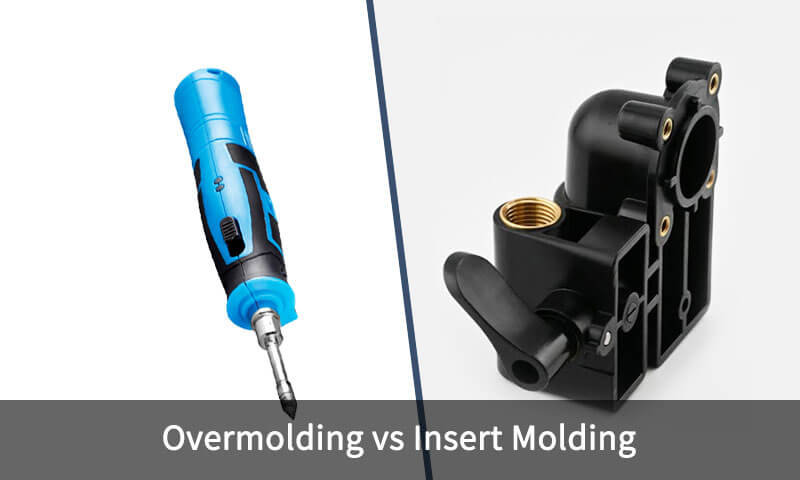
Ten artykuł zawiera kompleksowe, bezpośrednie porównanie formowania obtryskowego i formowania wkładanego.
1. Co to jest overmolding?
Overmolding to proces formowania wtryskowego, w którym jeden materiał jest formowany na istniejącym podłożu lub wcześniej uformowanym elemencie w celu utworzenia zintegrowanej części składającej się z wielu materiałów.
Pierwszy składnik jest powszechnie określany jako substrat, podczas gdy materiałem zastosowanym podczas operacji formowania wtórnego jest materiał obtryskowy.
W zależności od projektu produktu, podłoże może być sztywnym tworzywem termoplastycznym, elastomer, element metalowy, lub inną odpowiednią wstępnie uformowaną część.
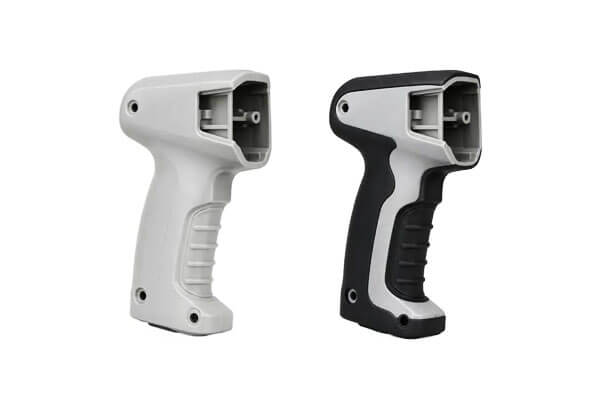
Typowy element formowany natryskowo może łączyć sztywny materiał konstrukcyjny z materiałem bardziej miękkim.
Na przykład, sztywna obudowa ABS może zostać pokryta warstwą TPE, aby zapewnić wygodny chwyt, poprawić uszczelnienie, lub utwórz ochronną powierzchnię zewnętrzną.
Celem nie jest po prostu umieszczenie jednego materiału na drugim. Połączenie pomiędzy obydwoma materiałami musi zapewniać odpowiednią przyczepność, retencja mechaniczna, lub kombinację obu, aby wytrzymać oczekiwane właściwości mechaniczne produktu, termiczny, chemiczny, i warunki środowiskowe.
Jak działa overmolding
Proces obtrysku zazwyczaj rozpoczyna się od wytworzenia podłoża.
Może to obejmować oddzielną operację formowania wtryskowego, proces obróbki, operacja stemplowania, Proces odlewania matrycy, lub inną metodę wytwarzania.
Po sprawdzeniu podłoża, jest on umieszczony wewnątrz drugiej formy. Forma została zaprojektowana tak, aby odsłonić obszary, które muszą przyjąć materiał obtrysku, jednocześnie dokładnie umieszczając i podtrzymując podłoże.
Materiał wtórny jest następnie podgrzewany do odpowiedniej temperatury przetwarzania i wtryskiwany do gniazda formy.
Opływa wyznaczone powierzchnie podłoża i tworzy wymaganą geometrię zewnętrzną.
Po napełnieniu i zapakowaniu, materiał ochładza się i zestala przed wyrzuceniem gotowego komponentu.
Typowy przepływ pracy to:
Produkcja podłoża → kontrola podłoża → ładowanie formy → pozycjonowanie → wtrysk materiału wtórnego → pakowanie → chłodzenie → wyrzucanie → kontrola
Jakość produktu końcowego zależy w dużej mierze od projektu interfejsu. Jeśli wymagana jest przyczepność chemiczna, podłoże i materiał formy muszą mieć wystarczającą kompatybilność.
Jeśli głównym mechanizmem jest retencja mechaniczna, podłoże może wymagać rowków, żeberka, dziury, podcięcia, lub inne cechy, które umożliwiają zablokowanie drugiego materiału na swoim miejscu.
Zanieczyszczenie powierzchni jest kolejnym ważnym czynnikiem. Olej, pył, środki uwalniające, utlenianie, wilgoć, lub inne zanieczyszczenia mogą zakłócać przyczepność i prowadzić do rozwarstwienia lub przedwczesnego rozdzielenia.
Typowe materiały do obtrysku
W procesie overmoldingu można zastosować szeroką gamę tworzyw termoplastycznych i elastomerów, ale nie każda kombinacja materiałów jest z natury kompatybilna.
Dobór materiału powinien uwzględniać temperaturę topnienia, Kompatybilność chemiczna, skurcz, Współczynnik rozszerzalności cieplnej, twardość, elastyczność, charakterystyka powierzchni, i oczekiwane warunki świadczenia usług.
Typowe kombinacje obejmują:
| Materiał podłoża | Materiał do obtrysku | Typowy cel |
| Abs | TPE | Miękkie w dotyku obudowy i uchwyty |
| komputer | TPE | Produkty odporne na uderzenia o ergonomicznych powierzchniach |
| Nylon | TPE/TPU | Przemysłowe uchwyty i elastyczne interfejsy |
| PP | TPE | Produkty konsumenckie i uszczelki |
| PC/ABS | TPU | Powierzchnie ochronne i ergonomiczne |
| Sztywny termoplast | LSR | Uszczelnienia i specjalistyczne elementy elastyczne |
Typowe zastosowania overmoldingu
Obtrysk jest szczególnie przydatny, gdy produkt musi łączyć właściwości strukturalne z miękkością, elastyczność, opieczętowanie, izolacja, lub poprawiona ergonomia.
Powszechnie stosuje się overmolding:
- Uchwyty do narzędzi ręcznych
- Przełączniki i elementy sterujące samochodowe
- Obudowy do elektroniki użytkowej
- Elementy urządzeń medycznych
- Urządzenia do noszenia
- Ochrona kabli i przewodów
- Elementy uszczelniające
- Uchwyty i ergonomiczne interfejsy
- Osłony ochronne
- Sterowanie urządzeniami przemysłowymi
2. Co to jest formowanie wstawkowe?
Wstaw formowanie to proces formowania wtryskowego, w którym wstępnie uformowany jest element, znany jako wstawić, jest umieszczany wewnątrz formy wtryskowej, a następnie częściowo lub całkowicie zamykany w stopionym tworzywie sztucznym.
Wkładka jest często wykonana z metalu, choć plastikowy, ceramiczny, elektroniczny, można również zastosować inne wstępnie uformowane elementy.
W przeciwieństwie do konwencjonalnego formowania wtryskowego pojedynczego materiału, formowanie wkładkowe łączy niezależnie wyprodukowany komponent z wtryskiwanym tworzywem sztucznym podczas jednej operacji formowania.
Plastik twardnieje wokół wkładki, wyprodukowanie zintegrowanej części, która może wyeliminować późniejsze operacje montażowe.
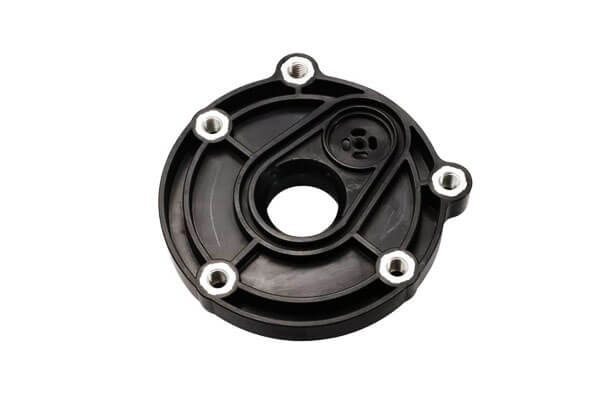
Na przykład, mosiężną wkładkę gwintowaną można umieścić wewnątrz formy i otoczyć nylonem.
Po formowaniu, powstały element zawiera trwałe, gwintowane metalowe złącze bez konieczności późniejszego montażu wkładki gwintowanej.
Jak działa formowanie wstawkowe
Formowanie wkładek rozpoczyna się od wyprodukowania i sprawdzenia wkładki. Dokładność wymiarowa jest szczególnie ważna, ponieważ wkładka musi prawidłowo pasować do formy i utrzymywać określoną pozycję przez cały czas wtrysku.
Następnie wkładkę umieszcza się w formie ręcznie, półautomatycznie, lub poprzez automatyczny system załadunku.
Dedykowane oprawy, szpilki, wnęki, lub elementy utrzymujące mogą być stosowane w celu zapobiegania ruchowi.
Gdy forma się zamknie, wokół wkładki wtryskiwany jest stopiony plastik. Ciśnienie wtrysku może być znaczne, dlatego forma musi zapewniać wystarczające podparcie, aby zapobiec przesuwaniu się wkładki, deformowanie, lub staje się źle ustawiony.
Plastik następnie ochładza się i twardnieje wokół wkładki. Po wyrzuceniu, gotowy element jest sprawdzany pod kątem dokładności wymiarowej, wstaw pozycję, błysk, puste przestrzenie, spękanie, i inne wady.
Podstawowa kolejność to:
Produkcja wkładek → kontrola wkładek → ładowanie wkładek → pozycjonowanie i utrzymanie → zamykanie formy → wtrysk tworzywa sztucznego → chłodzenie → wyrzucanie → kontrola
Do produkcji wielkoseryjnej, zautomatyzowane ładowanie płytek można zintegrować z komorą formierską. Może to poprawić spójność cyklu, jednocześnie ograniczając obsługę ręczną.
Typowe materiały płytek
Metal jest najpopularniejszym materiałem na płytki, ponieważ zapewnia właściwości, których tworzywa sztuczne zazwyczaj nie są w stanie odtworzyć, takie jak wysoka przewodność elektryczna, trwałość nici, sztywność, odporność na zużycie, lub lokalną wytrzymałość mechaniczną.
Typowe materiały wkładek obejmują:
- Mosiądz
- Stal nierdzewna
- Stal węglowa
- Aluminium
- Miedź i stopy miedzi
- Inżynieria tworzyw sztucznych
- Ceramika
- Elementy elektroniczne
Typowe zastosowania formowania wkładkowego
Formowanie wtryskowe jest powszechnie stosowane, gdy produkt wymaga trwałego zintegrowania metalu lub innego wstępnie uformowanego elementu z korpusem z tworzywa sztucznego.
Typowe zastosowania obejmują:
- Wątkowani bossowie
- Złącza elektryczne
- Terminale samochodowe
- Obudowy czujników
- Przełącz komponenty
- Instrumenty medyczne
- Elementy zbrojenia konstrukcji
- Złącza kablowe
- Zespoły elektroniczne
- Precyzyjne elementy mechaniczne
3. Obtrysk a formowanie wstawkowe: Jaka jest różnica?
Chociaż obie technologie integrują wiele materiałów lub komponentów, ich logika produkcji jest inna.
Najprostsze rozróżnienie to:
Overmolding polega na nałożeniu nowego materiału na istniejące podłoże, podczas gdy formowanie wkładkowe otacza lub otacza wstępnie uformowaną wkładkę formowanym wtryskowo tworzywem sztucznym.
Jednakże, terminologia może się pokrywać. W niektórych kontekstach produkcyjnych, formowanie wkładkowe można omówić jako szerszą formę formowania obtryskowego, ponieważ oba obejmują formowanie materiału wokół istniejącego komponentu.
Do komunikacji inżynierskiej, Jednakże, przydatne jest rozróżnienie ich na podstawie roli istniejącego komponentu.
Porównanie obtrysku i formowania wkładanego
| Czynnik | Overmolding | Wstaw formowanie |
| Podstawowy cel | Łącz różne właściwości materiału | Zintegruj wstępnie uformowaną wkładkę z tworzywem sztucznym |
| Istniejący komponent | Podłoże | Wstawić |
| Wspólne podłoże/wkładka | Plastikowy, elastomer, metal | Metal, plastikowy, ceramiczny, element elektroniczny |
| Typowa kombinacja | Sztywny plastik + elastomer | Plastikowy + metal |
| Główny mechanizm interfejsu | Przyczepność, blokowanie mechaniczne, lub oba | Hermetyzacja, retencja mechaniczna, przyczepność w niektórych przypadkach |
| Kluczowy problem projektowy | Kompatybilność materialna | Pozycjonowanie i utrzymywanie wkładek |
| Typowe zastosowanie | Miękki w dotyku uchwyt | Gwintowana wkładka metalowa |
| Funkcja powierzchni | Chwyt, foka, poduszka, ochrona | Elektryczny, mechaniczny, strukturalny, zapięcie |
| Automatyzacja | Wysoce zautomatyzowany | Wysoce zautomatyzowany, ale ładowanie wkładek jest krytyczne |
| Główne ryzyko | Rozwarstwienie lub słabe wiązanie | Wstaw ruch lub niewspółosiowość |
4. Obtrysk a formowanie wstawkowe: Względy projektowe
Wymagania projektowe dotyczące formowania obtryskowego i formowania wtryskowego różnią się przede wszystkim dlatego, że te dwa procesy zarządzają różnymi interfejsami.
Overmolding koncentruje się na tworzeniu niezawodnego połączenia między podłożem a materiałem overmoldingu, podczas gdy formowanie wkładkowe koncentruje się na dokładnym umieszczeniu i bezpiecznym zamknięciu wstępnie uformowanej wkładki.
| Rozważania projektowe | Overmolding | Wstaw formowanie |
| Kompatybilność materialna | Wybierz kompatybilne podłoże i materiały do obtrysku w oparciu o przyczepność, temperatura topnienia, skurcz, twardość, i rozszerzalność cieplna. | Upewnij się, że wkładka wytrzyma temperaturę i ciśnienie formowania bez deformacji lub niestabilności wymiarowej. |
| Geometria & Grubość ściany | Utrzymuj jednolitą grubość formy i zapewniaj wystarczającą powierzchnię klejenia. Unikaj nagłych zmian grubości, które mogą powodować skurcz, Warpage, lub słabe wiązanie. | Zapewnij wystarczającą grubość tworzywa sztucznego wokół wkładki, aby zapewnić wytrzymałość i użyj rowków, chrząka, dziury, lub ramiona, gdy wymagane jest dodatkowe podtrzymanie. |
| Klejenie & Zatrzymanie | Zaprojektuj interfejs dla adhezji chemicznej, blokowanie mechaniczne, lub oba, w zależności od kompatybilności materiałowej. | Zaprojektuj elementy mechanicznego mocowania i hermetyzacji, aby były odporne na wyciąganie i obracanie. |
| Brama & Przepływ materiału | Ustawić zasuwy, aby uzyskać zrównoważone wypełnienie i zminimalizować linie spawów, uwięzienie powietrza, i nadmierne napięcie na styku. | Dokładnie kontroluj przepływ materiału, aby zapobiec przemieszczeniu się płytki, niepełna hermetyzacja, lub nadmierny nacisk na wkładkę. |
Wstawić / Pozycjonowanie podłoża |
Podłoże musi być dokładnie umiejscowione i bezpiecznie trzymane podczas wstrzykiwania. | Precyzyjne umiejscowienie płytki ma kluczowe znaczenie; szpilki lokalizujące, kieszenie, oprawy, lub może być wymagane automatyczne rozmieszczenie. |
| Skurcz & Rozszerzanie termiczne | Aby zapobiec wypaczeniu, należy wziąć pod uwagę różnice w skurczu i rozszerzalności cieplnej pomiędzy podłożem a obtryskiem, stres resztkowy, i rozwarstwienie. | Rozważ różnice w rozszerzalności cieplnej pomiędzy wkładką a polimerem, szczególnie w zastosowaniach metal-plastik, aby zapobiec zmianom wymiarowym i naprężeniom wewnętrznym. |
| Projekt & Wyrzucanie | Zapewnij odpowiedni ciąg i odpowiednio ustawione wypychacze, aby zwolnić część bez uszkodzenia formy lub interfejsu. | Starannie zaprojektuj ciąg i wyrzut, aby zapobiec ruchowi płytki, odkształcenie, lub poluzowanie podczas wyjmowania z formy. |
Tolerancje |
Uwzględnij wymiary podłoża, grubość formy, Materiał skurcz, i możliwy ruch interfejsu. | Uwzględnij wymiary płytki, dokładność pozycjonowania, skurcz polimeru, i ostateczna lokalizacja wkładki. |
| DFM & Przepływ pleśni | Ocenić obszar łączenia, przepływ materiału, grubość ściany, lokalizacja bramy, i skurcz różnicowy przed obróbką. | Oceń zachowanie płytki, pozycjonowanie, przepływ polimeru, Zachowanie termiczne, i potencjalne przemieszczenie płytki przed obróbką. |
| Kontrola jakości | Skoncentruj się na sile wiązania, grubość formy, błysk, rozwarstwienie, Warpage, i dokładność wymiarowa. | Skoncentruj się na pozycji wkładki, siła retencji, enkapsulacja, błysk, puste przestrzenie, i dokładność wymiarowa. |
5. Niestandardowe usługi formowania wtryskowego i formowania wtryskowego oferowane przez LangHe Industry
Przemysł Langhe zapewnia dostosowane rozwiązania w zakresie formowania wtryskowego do zastosowań wymagających obtrysku, formowanie wkładkowe, i inne zintegrowane technologie formowania.
Nasze podejście do produkcji może wspierać projekty od wstępnego opracowania produktu i oprzyrządowania, po produkcję i kontrolę jakości.
| Zdolność | Bliższe dane |
| Rodzaje overmoldingu | Dwustrzałowy (2K) Overmolding, Obtrysk typu pick-and-place. |
| Wstaw formowanie | Wstawki metalowe (mosiądz, stal, miedź), Wkładki ceramiczne, wkłady elektroniczne (PCB, czujniki). |
| Przybory (Podłoże) | Abs, komputer, Nylon (PA6, PA66), PP, PBT. |
| Przybory (Obtrysk) | TPE, TPU, LSR, KADŹ, silikon. |
| Obróbka | Własne projektowanie i produkcja narzędzi. |
| Jakość | ISO 9001:2015 atestowany; 100% kontrola. |
| Czas realizacji | 2–4 tygodnie na prototypy; 4–8 tygodni na oprzyrządowanie produkcyjne. |
6. Wniosek
Obtrysk vs formowanie wtryskowe nie jest kwestią ustalenia, który proces jest ogólnie lepszy. Obie są wysoce efektywnymi technologiami formowania wtryskowego, ale dotyczą różnych wymagań związanych z rozwojem produktu.
Obtryskiwanie nadaje się przede wszystkim do produktów, które muszą łączyć różne właściwości materiałowe w jednym zintegrowanym komponencie.
Jest szczególnie cenny w przypadku powierzchni miękkich w dotyku, ergonomiczne uchwyty, elastyczne uszczelki, amortyzacja, izolacja, i warstwy ochronne.
Jego powodzenie zależy w dużej mierze od kompatybilności materiałowej, projekt interfejsu, przyczepność, blokowanie mechaniczne, i różnicową kontrolę skurczu.
Wstaw formowanie, w przeciwieństwie do tego, jest szczególnie skuteczny, gdy wstępnie uformowany element – często wkładka metalowa – musi zostać trwale zintegrowany z konstrukcją z tworzywa sztucznego.
Jest szeroko dostosowany do interfejsów gwintowanych, Terminale elektryczne, elementy wzmacniające, czujniki, złącza, oraz inne zastosowania, w których tworzywo sztuczne i inny materiał pełnią funkcje uzupełniające.
Ostatecznie, wybór procesu powinien opierać się na całym systemie produkcyjnym, łącznie z zachowaniem materialnym, geometria produktu, obróbka, strategia tworzenia więzi lub zatrzymania, Wolumen produkcyjny, automatyzacja, kontrola, i koszt cyklu życia.
FAQ
Jaka jest różnica pomiędzy formowaniem wkładkowym a formowaniem dwuetapowym?
Formowanie wkładkowe wykorzystuje a wstępnie uformowana wkładka który jest umieszczany w formie przed wtryskiem tworzywa sztucznego.
Formowanie dwuetapowe zazwyczaj wytwarza dwa materiały sekwencyjnie przy użyciu specjalistycznych narzędzi i wielu etapów wtrysku, często bez ręcznego ładowania osobno wyprodukowanego podłoża pomiędzy ujęciami.
Który proces jest szybszy: overmoldingu lub formowania wtryskowego?
Formowanie metodą wstawiania jest na ogół szybsze, ponieważ wykorzystuje pojedynczy wtrysk. Overmolding wymaga dwóch etapów lub procesu wieloetapowego.
Który proces ma niższe koszty oprzyrządowania?
Formowanie wkładkowe wiąże się z niższymi kosztami oprzyrządowania, ponieważ wymaga tylko jednej wnęki formy. Overmolding wymaga dwóch oddzielnych form lub złożonej formy dwustrzałowej.
Kiedy stosować overmolding??
Jeśli potrzebujesz miękkich w dotyku uchwytów, użyj overmoldingu, wodoodporne uszczelnienie, Tłumienie wibracji, lub poprawiona estetyka.
Kiedy należy zastosować formowanie wstawkowe?
Jeśli potrzebne są połączenia gwintowe o dużej wytrzymałości, należy zastosować formowanie wkładkowe, przewodność elektryczna, lub wzmocnienie konstrukcyjne w częściach z tworzyw sztucznych.
Czy można łączyć formowanie metodą overmoldingu i formowania metodą wstawiania??
Tak. Niektóre złożone części łączą oba procesy – na przykład, formowany wtryskowo metalowy gwint z formowanym, miękkim w dotyku uchwytem na tym samym elemencie.
Czy formowanie wkładane jest rodzajem obtrysku?
Terminologia może się pokrywać, ponieważ w obu procesach formowany jest materiał wokół istniejącego komponentu.
Jednakże, w praktycznej terminologii produkcyjnej, Overmolding zwykle kładzie nacisk na dodanie kolejnej warstwy materiału lub układu materiałów, chwila formowanie wkładkowe szczególnie kładzie nacisk na osadzenie wstępnie uformowanej wkładki w formowanym elemencie.
Czy w procesie overmoldingu można zastosować metal??
Tak. Podłoża metalowe można obtryskiwać odpowiednimi tworzywami sztucznymi lub elastomerami.
Jednakże, proces musi uwzględniać przygotowanie powierzchni, Rozszerzanie termiczne, przyczepność, retencja mechaniczna, i skurcz różnicowy.