

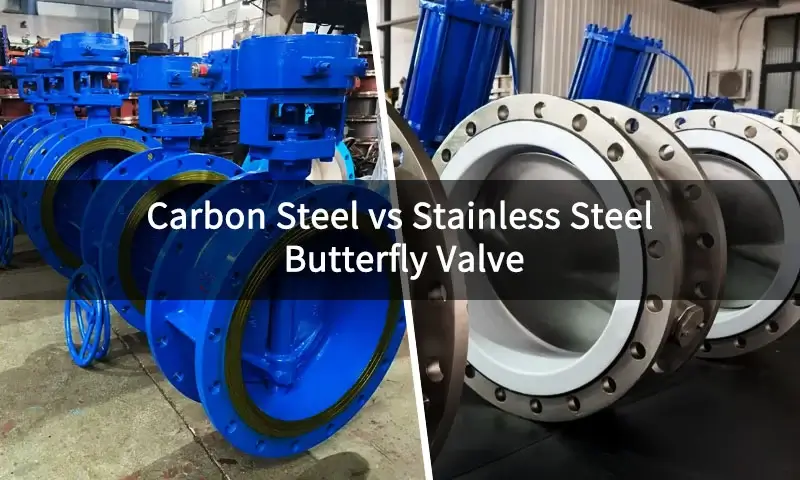
Zawory motylkowe należą do najczęściej stosowanych urządzeń do kontroli przepływu w rurociągach przemysłowych, cenione za kompaktową konstrukcję, Lekki, szybka praca ćwierćobrotowa, i opłacalność.
Jednakże, występ, niezawodność, i żywotność zaworu motylkowego zależą w dużym stopniu od jednej zasadniczej decyzji: wybór materiału korpusu i dysku.
Dwie dominujące rodziny materiałów na zawory motylkowe to Stal węglowa I stal nierdzewna.
Stal węglowa zapewnia wyjątkową wytrzymałość i opłacalność, co czyni go domyślnym wyborem do ogólnych zastosowań przemysłowych, takich jak woda, powietrze, para, i usługi naftowe.
Stal nierdzewna, dzięki doskonałej odporności na korozję, właściwości higieniczne, i zdolność do pracy w wysokich temperaturach, jest materiałem z wyboru w przypadku mediów agresywnych, środowiska morskie, przetwórstwo spożywcze, i zastosowania farmaceutyczne.
Wybór pomiędzy przepustnicami ze stali węglowej i stali nierdzewnej to nie tylko kwestia kosztów – to strategiczna decyzja, która wpływa na żywotność sprzętu, wymagania konserwacyjne, Zgodność regulacyjna, i całkowity koszt własności.
1. Co to jest zawór motylkowy?
A Zawór motyla jest ćwierćobrotowy zawór ruchu obrotowego który kontroluje przepływ płynu poprzez obracanie okrągłej tarczy zamontowanej na centralnym wale.
Kiedy uchwyt, skrzynia biegów, siłownik pneumatyczny, lub siłownik elektryczny obraca trzpień o 90 stopnie, dysk obraca się jednocześnie:
- W pełni otwarty (0°): Tarcza jest równoległa do kierunku przepływu, umożliwiając maksymalny przepływ przy stosunkowo małych stratach ciśnienia.
- Częściowo otwarte: Dysk częściowo blokuje rurociąg, regulujący natężenie przepływu.
- Całkowicie zamknięte (90°): Tarcza jest prostopadła do przepływu, uszczelnienie gniazda zaworu, aby zatrzymać przepływ płynu.
W przeciwieństwie do zasuw, które wymagają wielu obrotów do działania, przepustnice zapewniają niezwykle szybkie otwieranie i zamykanie, dzięki czemu idealnie nadają się do zautomatyzowanego sterowania procesami i zastosowań związanych z awaryjnym odcięciem.
Wydajność przepustnicy zależy nie tylko od jej konstrukcji, ale także od doboru materiałów korpusu, materiały na płytę, materiały łodygowe, elementy uszczelniające, i precyzja wykonania.
Wśród tych czynników, materiał korpusu — zwłaszcza stal węglowa w porównaniu ze stalą nierdzewną — jest często głównym wyznacznikiem trwałości, Odporność na korozję, Life Service, i całkowity koszt cyklu życia.
Typowe typy zaworów motylkowych
| Typ zaworu motylkowego | Charakterystyka strukturalna | Typowe zastosowania |
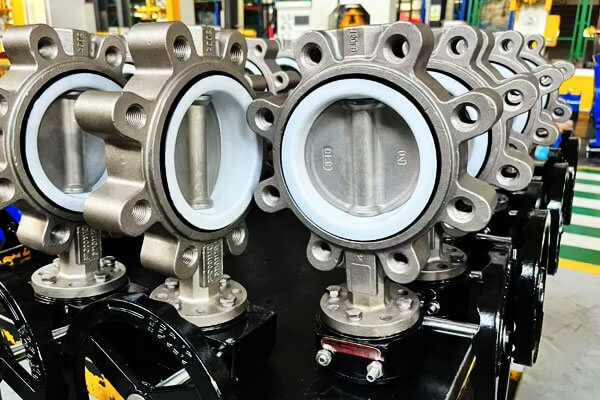
| Zawór motyla opłat | Montowany pomiędzy dwoma kołnierzami rur i mocowany za pomocą śrub kołnierzowych przechodzących przez rurociąg. Kompaktowy, lekki, i ekonomiczne. | Zaopatrzenie w wodę, Systemy HVAC, nawadnianie, sprężone powietrze, Ochrona przeciwpożarowa, i ogólne usługi przemysłowe. |
| Załóż zawór motyla | Wyposażone w gwintowane występy po obu stronach korpusu zaworu, umożliwiając niezależne przykręcenie każdego kołnierza. | Branże procesowe, Rośliny chemiczne, przetwórstwo spożywcze, systemy farmaceutyczne, oraz rurociągi wymagające częstej konserwacji. |
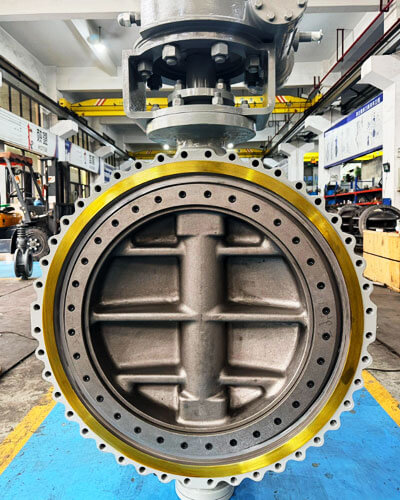
| Zawór motylkowy z podwójnym kołnierzem | Posiada zintegrowane kołnierze po obu stronach korpusu zaworu, umożliwiające bezpośrednie połączenie śrubowe z współpracującymi kołnierzami. Zapewnia doskonałą sztywność strukturalną i wyrównanie. | Miejski przesył wody, elektrownie, Inżynieria morska, górnictwo, olej & Rurociągi gazowe, i inne systemy przemysłowe o dużej wytrzymałości. |
Koncentryczny (Linia środkowa) Zawór motyla |
Tarcza i trzpień są umieszczone na tej samej linii środkowej, ze sprężystym gniazdem elastomerowym zapewniającym uszczelnienie podczas obrotu. | Obróbka wody, HVAC, woda chłodząca, systemy kanalizacyjne, i ogólnego zastosowania przemysłowego. |
| Zawór motylkowy z podwójnym przesunięciem | Trzpień jest przesunięty zarówno od środka dysku, jak i od linii środkowej korpusu zaworu, zmniejszenie tarcia pomiędzy tarczą a gniazdem podczas pracy. | Zakłady petrochemiczne, systemy parowe, wytwarzanie energii, Platformy offshore, oraz rurociągi technologiczne średniego i wysokiego ciśnienia. |
| Zawór motylkowy z potrójnym przesunięciem | Zawiera trzecie przesunięcie geometryczne, tworząc stożkowy mechanizm uszczelniający metal-metal, który praktycznie eliminuje tarcie podczas pracy. | Rafinerie ropy naftowej, Instalacje LNG, Przetwarzanie chemiczne, wysokotemperaturowe systemy parowe, inżynieria morska, i inne zastosowania w trudnych warunkach. |
Dlaczego materiał korpusu jest krytyczny
Określa materiał korpusu przepustnicy:
- Odporność na korozję: Odporność na płyn roboczy i warunki środowiskowe.
- Możliwość pomiaru temperatury: Maksymalna i minimalna temperatura pracy.
- Ocena ciśnienia: Maksymalne dopuszczalne ciśnienie robocze.
- Siła mechaniczna: Zdolność do wytrzymywania naprężeń liniowych, Cykl termiczny, i wibracja.
- Koszt: Koszt materiału znacząco wpływa na całkowitą cenę zaworu.
- Zgodność: Czy zawór spełnia wymagania prawne (żywność, farmaceutyczny, jądrowy, itp.).
2. Zawór motylkowy ze stali węglowej
Co to jest stal węglowa?
Stal węglowa jest stopem żelaza z węglem zawierającym stosunkowo niewielkie ilości pierwiastków stopowych.
Jego wytrzymałość osiąga się przede wszystkim dzięki zawartości węgla i obróbce cieplnej, a nie dodatkom chromu lub niklu.
Ponieważ brakuje mu pasywnej warstwy tlenku chromu, którą można znaleźć w stali nierdzewnej, stal węglowa ma ograniczoną naturalną odporność na korozję, ale zapewnia doskonałą wytrzymałość mechaniczną, maszyna, i efektywność kosztowa.
Do zaworów motylkowych, stal węglowa pozostaje jednym z najpowszechniej stosowanych materiałów na korpusy w gałęziach przemysłu, w których korozja jest umiarkowana, a głównym wymaganiem są właściwości mechaniczne.
Powłoki ochronne, Podszewki, lub systemy malarskie są często stosowane w celu poprawy trwałości środowiskowej.
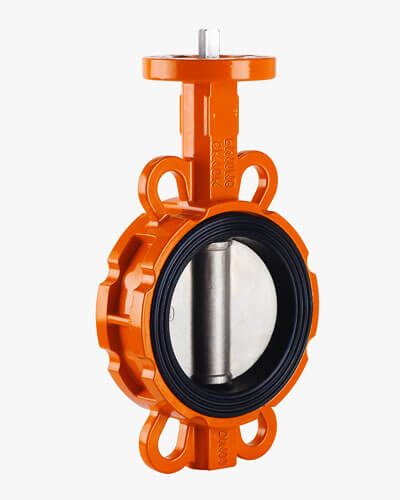
Typowe gatunki stali węglowej do zaworów motylkowych
Poniższe gatunki są powszechnie określane w międzynarodowych normach dotyczących zaworów:
| Stopień | Standard | Typowa aplikacja | Charakterystyka |
| ASTM A216 WCB | Odlew ze stali węglowej | Ogólne zawory przemysłowe | Doskonała wytrzymałość i spawalność |
| ASTM A216 WCC | Odlew ze stali węglowej | Sprzęt zawierający ciśnienie | Poprawiona odporność na uderzenia |
| ASTM A352LCB | Staliwo niskotemperaturowe | Serwis kriogeniczny i niskotemperaturowy | Wysoka udarność |
| ASTM A105 | Kuta stal węglowa | Zawory kute pod wysokim ciśnieniem | Doskonała wytrzymałość mechaniczna |
| ASTM A350 LF2 | Kuta stal niskotemperaturowa | Rurociągi niskotemperaturowe | Doskonała wytrzymałość w niskich temperaturach |
Wśród nich, ASTM A216 WCB to standard branżowy dla zaworów motylkowych ogólnego przeznaczenia ze stali węglowej, ponieważ zapewnia zrównoważoną kombinację właściwości mechanicznych, dostępność, i gospodarki produkcyjnej.
Charakterystyka przepustnic ze stali węglowej
Wysoka wytrzymałość i odporność na ciśnienie
Zawory motylkowe ze stali węglowej zapewniają doskonałą wytrzymałość mechaniczną i sztywność, dzięki czemu nadają się do wysokociśnieniowych systemów rurociągów i zaworów o dużej średnicy.
Typowe materiały, takie jak ASTM A216 WCB, A352LCB, I A105 zapewniają niezawodne działanie konstrukcyjne w wymagających warunkach pracy.
Szerokie możliwości dostosowania temperatury
W zależności od gatunku materiału, Zawory ze stali węglowej mogą pracować w szerokim zakresie temperatur.
Standardowe WCB jest powszechnie stosowane w ogólnych usługach przemysłowych, natomiast LCB jest przeznaczony do zastosowań niskotemperaturowych, dzięki czemu stal węglowa nadaje się do pary, olej, gaz, i systemy użytkowe.
Doskonała zdolność produkcyjna
Stal węglowa ma dobrą lejność, maszyna, i spawalność, umożliwiając wydajną produkcję poprzez odlewanie, kucie, CNC Mękawka, i spawanie. Dojrzały proces produkcyjny pomaga również obniżyć koszty produkcji.
Ekonomiczne rozwiązanie
W porównaniu ze stalą nierdzewną, stal węglowa jest bardziej ekonomiczna, a jednocześnie zapewnia doskonałe właściwości mechaniczne.
Jest to często preferowany wybór w przypadku mediów niekorozyjnych lub lekko korozyjnych, gdzie nie jest konieczna wysoka odporność na korozję.
Ograniczony odporność na korozję
Stal węglowa nie jest naturalnie odporna na korozję i zazwyczaj wymaga powłok ochronnych, takich jak powłoki epoksydowe, FBE, lub powłoki bogate w cynk.
W agresywnym środowisku, Dla zapewnienia długiej żywotności niezbędna jest dodatkowa ochrona antykorozyjna.
3. Zawór motyla ze stali nierdzewnej
Co to jest stal nierdzewna?
Stal nierdzewna jest stopem na bazie żelaza zawierającym minimum ok 10.5% chrom, który tworzy na powierzchni stabilną pasywną warstwę tlenku chromu.
Ta pasywna warstwa stale się regeneruje w przypadku uszkodzenia, zapewniając wyjątkową odporność na utlenianie i korozję bez konieczności stosowania dodatkowych powłok ochronnych.
W zależności od składu stopu, stale nierdzewne mogą również zawierać nikiel, molibden, azot, mangan, tytan, niobium, lub miedź w celu zwiększenia odporności na korozję, Siła mechaniczna, wytrzymałość, Spawalność, lub wydajność w wysokiej temperaturze.
Do zaworów motylkowych, stal nierdzewna jest preferowanym materiałem, jeśli ma długą żywotność, Odporność na korozję, czystość produktu, lub wymagane jest wykonanie higieniczne.
Jest szeroko stosowany w przetwórstwie chemicznym, Farmaceutyki, produkcja żywności i napojów, inżynieria morska, rośliny odsalania, i systemy płynów o wysokiej czystości.
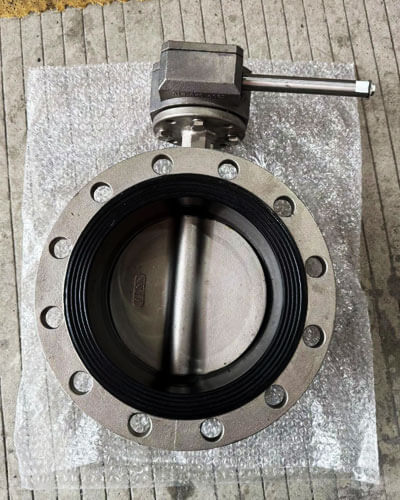
Typowe gatunki stali nierdzewnej do zaworów motylkowych
Różne gatunki stali nierdzewnej dobierane są w zależności od odporności na korozję, Siła mechaniczna, zdolność temperaturowa, i środowisko serwisowe.
| Stopień stali nierdzewnej | Materiał równoważny | Kluczowe cechy | Typowe zastosowania |
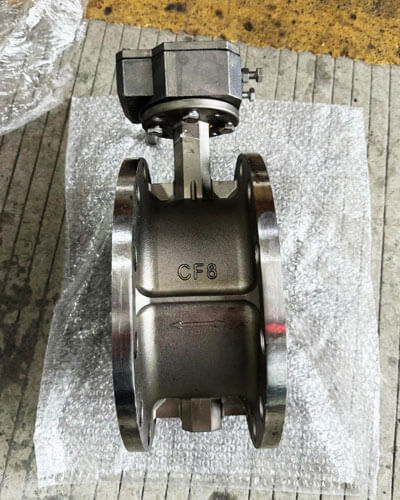
| CF8 | Rzucać 304 Stal nierdzewna (W 1.4308) | Doskonała ogólna odporność na korozję, Dobra wytrzymałość, Dobra spawalność, ekonomiczny | Obróbka wody, HVAC, przetwórstwo spożywcze, ogólne usługi chemiczne |
| CF8M | Rzucać 316 Stal nierdzewna (W 1.4408) | Odporność na korozję wzmocniona molibdenem, doskonała odporność na chlorki i wodę morską | Przetwarzanie chemiczne, Inżynieria morska, Platformy offshore, odsolenie |
| CF3 | Odlew ze stali nierdzewnej 304L (W 1.4306) | Niska zawartość węgla minimalizuje wytrącanie się węglików i poprawia spawalność | Spawane systemy rurowe, Sprzęt farmaceutyczny, branży spożywczej i napojów |
CF3M |
Odlew ze stali nierdzewnej 316L (W 1.4404) | Niskoemisyjna wersja CF8M o doskonałej odporności na korozję spawów | Systemy procesowe o wysokiej czystości, Biotechnologia, zakłady farmaceutyczne i chemiczne |
| Dupleks ze stali nierdzewnej | ASTM A890 Grade 4A (2205) | Wysoka siła, Doskonała odporność na wżery, Korozja szczeliny, i pękanie korozji naprężeń | Ropa na morzu & gaz, rurociągi wody morskiej, miąższ & papier, systemy ciśnieniowe |
| Super dupleks ze stali nierdzewnej | ASTM A890 klasa 5A/6A (2507) | Znakomita odporność na korozję, bardzo wysoka wytrzymałość mechaniczna, wyjątkowa wydajność wody morskiej | Platformy offshore, Sprzęt podmorski, rośliny odsalania, agresywna obróbka chemiczna |
Charakterystyka przepustnic ze stali nierdzewnej
Doskonała odporność na korozję
Podstawową zaletą przepustnic ze stali nierdzewnej jest ich wyjątkowa odporność na korozję.
Bogata w chrom folia pasywna chroni zawór przed rdzą, utlenianie, i wiele chemikaliów, dzięki czemu stal nierdzewna nadaje się do trudnych i korozyjnych środowisk.
Doskonała wydajność chemiczna i higieniczna
Oceny takie jak CF8M (316), dupleks, i stal nierdzewna super duplex zapewniają zwiększoną odporność na chlorki, kwasy, i wodę morską.
Ich gładkie, nieporowata powierzchnia sprawia, że idealnie nadają się również do przetwarzania żywności, Farmaceutyki, i inne zastosowania sanitarne.
Niezawodne działanie w wysokich temperaturach
Austenityczne stale nierdzewne zachowują dobrą wytrzymałość i odporność na utlenianie w podwyższonych temperaturach, umożliwiający stabilną pracę w instalacjach parowych, Rośliny chemiczne, i inne usługi wysokotemperaturowe.
Długie życie
Ponieważ stal nierdzewna jest odporna na korozję, nosić , i utlenianie, generalnie wymaga mniej konserwacji i zapewnia dłuższą żywotność niż stal węglowa, szczególnie w wymagających środowiskach operacyjnych.
Wyższy koszt początkowy
Chociaż przepustnice ze stali nierdzewnej mają wyższą cenę zakupu niż zawory ze stali węglowej, ich niższe wymagania konserwacyjne i dłuższa żywotność często skutkują niższymi całkowitymi kosztami cyklu życia w zastosowaniach korozyjnych.
4. Produkcja i obróbka zaworów motylkowych
Wydajność i żywotność przepustnicy zależą nie tylko od doboru materiału, ale także od jakości produkcji.
Od odlewania lub kucia korpusu zaworu po precyzyjną obróbkę i testy końcowe, każdy etap produkcji ma bezpośredni wpływ na dokładność wymiarową, Wydajność uszczelnienia, odporność na ciśnienie, i niezawodność operacyjna.
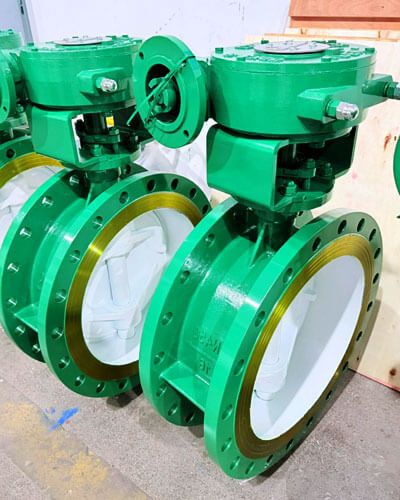
Precyzyjne casting
Zawory motylkowe ze stali węglowej
Średni- i wielkogabarytowe przepustnica ze stali węglowej korpusy są powszechnie produkowane przy użyciu Casting piasku, włączając w to procesy związane z piaskiem zielonym i piaskiem związanym żywicą.
Technologie te mają ugruntowaną pozycję w produkcji stosunkowo dużych elementów znajdujących się pod ciśnieniem i zapewniają korzystną równowagę pomiędzy wydajnością produkcji, wydajność odlewania, koszt oprzyrządowania, i wymagania wymiarowe.
Stal węglowa jest na ogół łatwiejsza do odlewania niż wysokostopowa stal nierdzewna, ponieważ jej wymagania dotyczące topienia i zalewania są mniej wymagające.
Stosunkowo dojrzały proces sprawia, że stal węglowa jest również atrakcyjna do produkcji zaworów przemysłowych na dużą skalę.
Do mniejszych lub skomplikowanych geometrycznie komponentów, Casting inwestycyjny można zastosować tam, gdzie poprawiona jest dokładność wymiarowa, Jakość powierzchni, i zmniejszony naddatek na obróbkę.
Zawory motylkowe ze stali nierdzewnej
Zawór motylkowy ze stali nierdzewnej komponenty są produkowane przy użyciu obu Casting inwestycyjny i odlewanie piasku, odpowiednią metodą, zdeterminowaną przede wszystkim rozmiarem i geometrią elementu.
Casting inwestycyjny, Znany również jako proces Lost-Wax, jest szczególnie odpowiedni dla małych- do elementów średniej wielkości o złożonej geometrii.
Może zapewnić stosunkowo dokładne wymiary i gładkie powierzchnie, zmniejszenie wymagań związanych z późniejszą obróbką.
Korpusy zaworów ze stali nierdzewnej o dużej średnicy są częściej produkowane metodą odlewania piaskowego ze względu na praktyczne ograniczenia odlewania metodą traconego węgla w przypadku bardzo dużych komponentów.
Precyzja obróbka CNC
Po wyprodukowaniu surowego odlewu lub odkuwki, Obróbka CNC zapewnia precyzyjne cechy niezbędne do montażu i uszczelnienia.
Krytyczne operacje obróbki obejmują:
- Obróbka powierzchni kołnierzy zgodnie z międzynarodowymi standardami (ASME, W, ISO)
- Wytaczanie wewnętrznego kanału przepływu
- Precyzyjna obróbka otworów na trzpienie
- Obróbka powierzchni uszczelniających tarcze
- Obróbka gniazd łożysk i lokalizacji tulei
- Obróbka gwintów dla zaworów typu lug
- Wykończenie powierzchni styków uszczelniających
Nowoczesne centra obróbcze CNC rutynowo osiągają tolerancje w granicach ±0,02–0,05 mm, zapewniając doskonałą koncentryczność pomiędzy korpusem zaworu, trzon, i dysk.
Wysoka precyzja obróbki zmniejsza moment obrotowy, poprawia niezawodność uszczelnienia, i wydłuża żywotność.
5. Porównanie właściwości mechanicznych: Zawór motylkowy ze stali węglowej vs. ze stali nierdzewnej
Właściwości mechaniczne określają, w jaki sposób korpus zaworu i dysk reagują na ciśnienie wewnętrzne, obciążenia zewnętrzne, zmiany temperatury, i powtarzane cykle operacyjne.
Jednakże, Same właściwości materiału nie określają ciśnienia znamionowego zaworu motylkowego.
Rzeczywista zdolność ciśnieniowa zależy również od grubość ściany, geometria zaworu, średnica, norma projektowa, temperatura, klasa ciśnienia, konfiguracja dysku, i jakość produkcji.
Poniższa tabela przedstawia reprezentatywne minimalne lub określone wartości dla typowych materiałów zaworów odlewanych.
Dokładne wymagania należy zawsze weryfikować w odniesieniu do obowiązującej normy materiałowej i wydania.
| Nieruchomość | Stal węglowa A216 WCB | Stal nierdzewna CF8 (304-typ) | Stal nierdzewna CF8M (316-typ) | Dupleks CD3MN (2205-typ) |
| 0.2% Granica plastyczności, min. | ≥ 250 MPA | ≥ 205 MPA | ≥ 205 MPA | ≥ 450 MPA |
| Wytrzymałość na rozciąganie | 485–655 MPa | ≥ 485 MPA | ≥ 485 MPA | ≥ 655 MPA |
| Wydłużenie w przerwie, min. | ≥ 24% | ≥ 35% | ≥ 30% | ≥ 25% |
| Typowy zakres twardości* | ~130–180 HB | ~140–190 HB | ~150–200 HB | ~220–280 HB |
| Moduł elastyczności | ~206 GPa | ~ 193 GPA | ~ 193 GPA | ~ 200 GPA |
*Wartości twardości są raczej orientacyjnymi niż uniwersalnymi zakresami akceptacji i mogą się różnić w zależności od obróbki cieplnej, specyfikacja produktu, i warunek testowy.
6. Porównanie odporności na korozję
Odporność na korozję jest prawdopodobnie najważniejsze rozróżnienie między przepustnicami ze stali węglowej i stali nierdzewnej.
Zawór może zachować odpowiednią wytrzymałość mechaniczną, gdy jest nowy, ale stopniowo tracić integralność granicy ciśnienia, jeśli korozja zmniejsza jego efektywną grubość ścianki.
Więc, odporność na korozję może mieć bezpośredni wpływ na długoterminową niezawodność zaworu.
| Środowisko usług | WCB ze stali węglowej | CF8 / 304 Nierdzewny | CF8M / 316 Nierdzewny |
| Suche powietrze / gaz obojętny | Do przyjęcia | Doskonały | Doskonały |
| Czysta świeża woda | Wymaga kontroli korozji | Doskonały | Doskonały |
| Gorąca woda obiegowa | Biedny bez ochrony | Dobrze – bardzo dobrze | Bardzo dobrze – doskonale |
| Woda morska / skoncentrowana solanka | Słaby | Wysokie ryzyko wżerów | Lepsza, ale nadal zależy od aplikacji |
| Słabe kwasy organiczne | Ogólnie biednie | Dobre dla wybranych mediów | Lepiej dla wielu usług |
| Silne kwasy mineralne | Generalnie nie nadaje się bez specjalistycznej ochrony | Wysoce zależne od aplikacji | Wysoce zależne od aplikacji |
| Nadmorska atmosfera na świeżym powietrzu | Wymaga malowania i konserwacji | Bardzo dobry | Doskonały |
| Płyny procesowe zawierające chlorki | Słaba - umiarkowana | Umiarkowane – wysokie ryzyko w zależności od warunków | Generalnie lepiej niż 304 |
7. Wydajność temperatury: Zawór motylkowy ze stali węglowej vs. ze stali nierdzewnej
Temperatura jest krytycznym czynnikiem przy wyborze materiału przepustnicy, ponieważ ma na nią bezpośredni wpływ granica plastyczności, wytrzymałość na rozciąganie, wytrzymałość uderzenia, Odporność na pełzanie, Rozszerzanie termiczne, Zachowanie utleniania, Wydajność uszczelnienia, i ciśnienie-temperatura.
Materiał, który dobrze zachowuje się w temperaturze otoczenia, może doświadczyć znacznych zmian właściwości mechanicznych wraz ze wzrostem lub spadkiem temperatury roboczej.
Typowa charakterystyka temperaturowa
| Tworzywo | Typowa maksymalna temperatura pracy ciągłej* | Typowa minimalna temperatura pracy* | Odporność na wstrząsy termiczne | Główne ograniczenie temperatury |
| WCB ze stali węglowej | ~425°C | ~−29°C | Umiarkowany | Redukcja wytrzymałości i utlenianie w podwyższonej temperaturze; ograniczona wytrzymałość w niskich temperaturach |
| Niskotemperaturowa stal węglowa LCB | ~425°C | ~−46°C | Umiarkowany | Lepsza wytrzymałość w niskich temperaturach niż WCB, ale nadal podlega ograniczeniom wytrzymałości w wysokiej temperaturze |
| Austenityczna stal nierdzewna 304 / 316 | ~800–850°C w wybranych zastosowaniach wysokotemperaturowych | Do ~-196°C, jeśli jest odpowiednio wykwalifikowany | Doskonały | Skradać się, utlenianie, a zmiany metalurgiczne stają się ważne w podwyższonych temperaturach |
Dupleks ze stali nierdzewnej 2205 |
~ 300 ° C. | ~−40°C, zależne od aplikacji | Dobry | Kruchość i niepożądane wytrącanie faz po długotrwałym działaniu podwyższonych temperatur |
| Super dupleks ze stali nierdzewnej 2507 | ~ 300 ° C. | ~−40°C, zależne od aplikacji | Dobry | Podobne ograniczenia metalurgiczne w wysokich temperaturach jak w przypadku gatunków duplex |
*Te wartości są orientacyjne zakresy materiałowo-usługowe, nie uniwersalne granice działania przepustnicy.
Rzeczywiste dopuszczalne temperatury należy ustalić na podstawie obowiązującej specyfikacji materiału, ocena ciśnienia i temperatury zaworu, materiał siedzący, system uszczelniający, norma projektowa, i dane producenta.
8. Wydajność ciśnieniowa: Zawór motylkowy ze stali węglowej vs. ze stali nierdzewnej
Wydajność ciśnienia jest regulowana przez interakcję pomiędzy wytrzymałość materiału, geometria komponentów, grubość ściany, temperatura, klasa ciśnienia, i normę projektową.
Do zaworów przemysłowych, ASME B16.34 to jedna z kluczowych norm stosowanych do określania wartości znamionowych ciśnienia i temperatury, wymiary, przybory, Testowanie, i powiązane wymagania dotyczące konstrukcji zaworów osłoniętych.
Wydajność ciśnieniowa: Praktyczne porównanie
| Czynnik | Stal węglowa | CF8 / Stal austenityczna CF8M | Dupleks ze stali nierdzewnej |
| Granica plastyczności w temperaturze pokojowej | Wysoki | Umiarkowany | Bardzo wysoko |
| Ograniczenie ciśnienia | Doskonały | Doskonały | Doskonały |
| Stosunek wytrzymałości do ceny | Doskonały | Umiarkowany | Dobry |
| Potencjał lekkiej konstrukcji | Dobry | Umiarkowany | Doskonały |
| Utrzymanie wytrzymałości w wysokiej temperaturze | Umiarkowany | Dobry | Ograniczone temperaturowo |
| Strata ciśnienia związana z korozją | Wyższe ryzyko | Niższe ryzyko | Bardzo niska w odpowiednich środowiskach |
| Możliwość stosowania pod wysokim ciśnieniem | Znakomity z odpowiednim designem | Dobry - excellent | Doskonały |
| Typowa zaleta inżynieryjna | Ekonomiczna wytrzymałość konstrukcyjna | Odporność na korozję + wytrzymałość | Wysoka siła + Odporność na korozję |
Kluczowa zasada inżynieryjna
Właściwe porównanie nie jest:
Który materiał ma najwyższą wartość ciśnienia?
Zamiast, powinno być:
Który materiał i konstrukcja zaworu mogą bezpiecznie i ekonomicznie utrzymać wymaganą granicę ciśnienia przez cały zamierzony okres użytkowania?
To rozróżnienie ma kluczowe znaczenie w inżynierii zaworów przemysłowych.
Zawór motylkowy ze stali węglowej może zapewnić najbardziej ekonomiczną granicę ciśnienia w czystości, usługa niekorozyjna, podczas gdy zawór ze stali nierdzewnej lub zawór typu duplex może zapewnić doskonałą długoterminową integralność ciśnienia, gdy dominującym mechanizmem degradacji jest korozja.
9. Odporność na zużycie i żywotność
Odporność na zużycie jest ważnym czynnikiem branym pod uwagę przy wyborze przepustnic ze stali węglowej i stali nierdzewnej, szczególnie w zastosowaniach wymagających częstej pracy na rowerze, cząsteczki ścierne, duża prędkość przepływu, lub powtarzające się dławienie.
Jednakże, zużycia nie należy oceniać wyłącznie na podstawie materiału, z którego wykonano korpus.
W przepustnicy, . dysk, trzon, siedziba, powierzchnie nośne, uszczelnianie krawędzi, i powłoki wewnętrzne mogą podlegać bardzo różnym mechanizmom zużycia.
Rzeczywista żywotność zależy zatem od interakcji tworzywo, płyn, konstrukcja zaworu, częstotliwość robocza, różnica ciśnień, Prędkość przepływu, i warunki konserwacji.
| Czynnik | Stal węglowa | Stal nierdzewna (Austenityc) | Dupleks ze stali nierdzewnej |
| Odporność na ścieranie | Dobry (trudniejsze oceny) | Umiarkowany | Dobrze – doskonale |
| Korozja – erozja | Słaby (zależne od powłoki) | Dobry | Doskonały |
| Irytujący opór | Dobry | Słaby (irytująca tendencja) | Doskonały |
| Oczekiwany okres użytkowania (żrący) | 5-20 lat (z powłoką) | 30-60+ lat | 30-60+ lat |
| Częstotliwość konserwacji | Wysoki (kontrola powłoki) | Niski | Niski |
10. Zgodność płynów i przydatność higieniczna
Kompatybilność płynów
- Zawory ze stali węglowej są kompatybilne z suchymi węglowodorami, oleje opałowe, smary, sprężone powietrze i gazy obojętne.
Na ogół nie nadają się do roztworów wodnych, kwasy, zasady i płyny solne bez wyściółki wewnętrznej. - Zawory ze stali nierdzewnej są kompatybilne z bardzo szeroką gamą środków chemicznych, płyny na bazie wody, produkty spożywcze i strumienie procesów farmaceutycznych. Wybór gatunku opiera się na zawartości chlorków, pH i temperatura.
Wydajność higieniczna i sanitarna
Jest to obszar absolutnej przewagi stali nierdzewnej:
- Stal węglowa nie może być używana do bezpośredniego spożycia, kontakt z napojami lub produktami farmaceutycznymi.
Produkty korozji i jony żelaza zanieczyszczają strumienie technologiczne, a nawet pokryte powierzchnie zawodzą, gdy powłoka jest uszkodzona. - Stal nierdzewna jest nieporowata, chemicznie obojętna powierzchnia, która jest odporna na tworzenie się biofilmu i wytrzymuje wielokrotne CIP (czyste miejsce) i SIP (sterylizować na miejscu) cykle.
Zawory motylkowe klasy sanitarnej ze stali nierdzewnej z polerowanymi elementami wewnętrznymi spełniają wymagania 3-A, Normy EHEDG i FDA dotyczące kontaktu z żywnością.
11. Porównanie kosztów: Zawór motylkowy ze stali węglowej vs. ze stali nierdzewnej
Koszt jest często czynnikiem decydującym, gdy wymagania techniczne aplikacji mogą być spełnione przez więcej niż jeden materiał.
Jednakże, porównywanie jedynie ceny zakupu może prowadzić do błędnej decyzji.
Ekonomicznie poprawne porównanie opiera się na Całkowity koszt własności (Tco).
Całkowity koszt własności
TCO = koszt zakupu + Koszt instalacji + Koszt konserwacji + Ochrona przed korozją + Przestój + Koszt wymiany
Porównanie kosztów cyklu życia
| Współczynnik kosztów | Stal węglowa | 304 / CF8 | 316 / CF8M | Dupleks / Super dupleks |
| Początkowy koszt materiału | Niski | Średni | Średnie - high | Wysoka – bardzo wysoka |
| Koszt produkcji | Niski | Średni | Średnie - high | Wysoki |
| Koszt obróbki | Niski | Wyższy | Wyższy | Wyższy |
| Ochrona przed korozją | Zwykle wymagane | Zwykle minimalne | Zwykle minimalne | Zwykle minimalne |
| Konserwacja powłoki | Potencjalnie znaczące | Niski | Niski | Niski |
| Ryzyko wymiany związane z korozją | Wyższy | Umiarkowany | Niski - umiarkowany | Niski w odpowiednich środowiskach |
| Koszty długoterminowe w eksploatacji korozyjnej | Potencjalnie wysoki | Umiarkowany | Często korzystne | Może być korzystny |
| Najlepszy przypadek ekonomiczny | Nie powoduje korozji / kontrolowane środowiska | Ogólna usługa odporna na korozję | Chlorek / środowiska chemiczne | Silna korozja + wysokie wymagania mechaniczne |
12. Przewodnik wyboru aplikacji: Zawór motylkowy ze stali węglowej vs. ze stali nierdzewnej
Nie ma materiału uniwersalnie lepszego. Właściwy wybór zależy od interakcji pomiędzy chemia płynów, temperatura, ciśnienie, ryzyko korozji, obciążenie mechaniczne, wymagania czystości, i ekonomika projektu.
Kiedy stal węglowa jest lepszym wyborem
Zawory motylkowe ze stali węglowej są często preferowanym rozwiązaniem, gdy:
- Płyn jest stosunkowo niekorozyjny
- Temperatura robocza mieści się w dopuszczalnym zakresie materiału
- System znajduje się w pomieszczeniu zamkniętym lub jest odpowiednio chroniony
- Można zachować powłoki ochronne
- Początkowy koszt kapitału jest głównym czynnikiem branym pod uwagę
- Duże rozmiary zaworów powodują, że stal nierdzewna jest nieproporcjonalnie droga
- W umiarkowanych temperaturach wymagana jest wysoka wytrzymałość mechaniczna
Typowe zastosowania obejmują:
- Systemy HVAC
- Instalacje przeciwpożarowe
- Ogólna dystrybucja wody
- Przemysłowe systemy chłodzenia
- Systemy sprężonego powietrza
- Przedsiębiorstwa naftowe i gazowe
- Ogólne rurociągi procesowe
Gdy 304 / Odpowiednia jest stal nierdzewna CF8
304-Stal nierdzewna jest powszechnie wybierana, gdy wymagana jest umiarkowana do wysokiej odporność na korozję, ale środowisko nie jest silnie bogate w chlorki.
Odpowiednie zastosowania mogą obejmować:
- Sprzęt do przetwarzania żywności
- Ogólne układy chemiczne
- Obróbka wody
- Czyste płyny przemysłowe
- Wyposażenie architektoniczne i zewnętrzne
- Ogólne zastosowania higieniczne
Należy go stosować ostrożnie w środowiskach z gorącymi chlorkami, ponieważ miejscowa korozja wżerowa i szczelinowa może stać się znacząca.
Gdy 316 / Preferowana jest stal nierdzewna CF8M
316-stal nierdzewna typu jest często lepszym wyborem w przypadku narażenia na działanie chlorków, zanieczyszczenie chemiczne, lub środowiska przybrzeżne są ważne.
Typowe zastosowania obejmują:
- Systemy morskie
- Przybrzeżne zakłady przetwórcze
- Przetwarzanie chemiczne
- Przetwórstwo spożywcze i farmaceutyczne
- Woda o wysokiej czystości
- Narzędzia farmaceutyczne
- Niektóre systemy solankowe
Obecność molibdenu zapewnia lepszą odporność na miejscową korozję w porównaniu ze stalą nierdzewną typu 304.
Kiedy stal nierdzewna typu duplex jest lepszą opcją
Stal nierdzewna typu duplex jest szczególnie atrakcyjna, gdy ważna jest zarówno wytrzymałość mechaniczna, jak i odporność na korozję.
Powszechnie uważa się, że:
- Systemy offshore
- Odsolenie
- Usługa wody morskiej
- Wysokociśnieniowe systemy wodne
- Produkcja ropy i gazu
- Płyny procesowe bogate w chlorki
- Przetwarzanie chemiczne
Jego wyższa granica plastyczności może zapewnić korzyści strukturalne, podczas gdy jego odporność na korozję może znacznie poprawić żywotność w agresywnym środowisku.
Kiedy stal nierdzewna Super Duplex jest uzasadniona
Super duplex jest zwykle rozważany, gdy środowisko pracy jest zbyt agresywne dla konwencjonalnej austenitycznej stali nierdzewnej lub gdy jednocześnie wymagana jest wysoka wytrzymałość.
Potencjalne zastosowania obejmują:
- Surowe usługi związane z wodą morską
- Ropa i gaz na morzu
- Solanka wysokochlorkowa
- Odsolenie
- Systemy podmorskie
- Płyny korozyjne pod wysokim ciśnieniem
Wyższy koszt materiału i produkcji należy uzasadnić wymaganą żywotnością i konsekwencjami awarii.
13. Zawór motylkowy ze stali węglowej vs. ze stali nierdzewnej: Kompleksowa tabela porównawcza
Poniższa tabela podsumowuje główne różnice konstrukcyjne pomiędzy przepustnicami ze stali węglowej i stali nierdzewnej, w tym, w stosownych przypadkach, gatunki podwójne.
| Czynnik wyboru | WCB ze stali węglowej | 304 / Stal nierdzewna CF8 | 316 / Stal nierdzewna CF8M | Dupleks 2205 | Super dupleks 2507 |
| Rodzina materialna | Stal węglowa | Austenityczna nierdzewna nierdzewna | Austenityczna nierdzewna nierdzewna | Dupleks ze stali nierdzewnej | Super duplex ze stali nierdzewnej |
| Typowa granica plastyczności | ≥250 MPa | ≥205 MPa | ≥205 MPa | Minimalna klasa ~450 MPa | Generalnie bardzo wysokie |
| Wytrzymałość na rozciąganie | 485–655 MPa | ≥485 MPa | ≥485 MPa | ≥655 MPa | Zazwyczaj bardzo wysoki |
| Plastyczność | Dobry | Doskonały | Doskonały | Dobry | Dobry |
| Wytrzymałość w niskich temperaturach | Limitowany dla WCB | Doskonały | Doskonały | Zależne od klasy | Zależne od klasy |
| Typowy kierunek niskotemperaturowy | WCB ~−29°C; LCB ~−46°C | Może zostać zakwalifikowany do serwisu kriogenicznego | Może zostać zakwalifikowany do serwisu kriogenicznego | Często ograniczona do około -40°C, w zależności od gatunku | Często ograniczona do około -40°C, w zależności od gatunku |
| Możliwość pracy w wysokich temperaturach | Umiarkowany | Wysoki | Wysoki | Bardziej ograniczone | Bardziej ograniczone |
| Wysokotemperaturowy problem metalurgiczny | Utrata siły, utlenianie, skradać się | Skradać się, utlenianie, efekty związane z fazą | Skradać się, utlenianie, efekty związane z fazą | Wytrącanie fazy międzymetalicznej | Wytrącanie fazy międzymetalicznej |
Ogólna odporność na korozję |
Niski bez zabezpieczenia | Wysoki | Bardzo wysoko | Bardzo wysoko | Doskonały |
| Odporność na chlorki | Słaby | Umiarkowany | Dobry | Bardzo dobry | Doskonały |
| Przydatność wody morskiej | Słabi bez solidnej ochrony | Ograniczony | Lepsze, ale zależne od aplikacji | Bardzo dobry | Doskonały |
| Odporność chemiczna | Ograniczony | Dobry dla wybranych substancji chemicznych | Bardzo dobry do wielu zastosowań | Bardzo dobry | Doskonały do wybranych, trudnych środowisk |
| Odporność na zużycie | Dobry; może być twardy | Umiarkowany | Umiarkowany | Dobry | Dobry |
| Maszyna | Doskonały | Umiarkowane - difficult | Umiarkowane - difficult | Trudny | Trudny |
| Koszt odlewu | Niski - umiarkowany | Umiarkowane - wysokie | Wysoki | Wysoki | Bardzo wysoko |
| Koszt obróbki | Niski | Wyższy | Wyższy | Wysoki | Wysoki |
Ochrona powierzchni |
Zwykle wymagana jest powłoka | Zwykle bez powłoki | Zwykle bez powłoki | Zwykle bez powłoki | Zwykle bez powłoki |
| Wymóg pasywacji | NIE | Często korzystne po wytworzeniu | Często korzystne po wytworzeniu | Ważne dla odporności na korozję | Ważne dla odporności na korozję |
| Przydatność higieniczna | Generalnie ograniczone | Doskonałe, jeśli są odpowiednio wykonane | Doskonały | Zależne od aplikacji | Zależne od aplikacji |
| Początkowy koszt zakupu | Najniższy | Umiarkowany | Umiarkowane - wysokie | Wysoki | Najwyższy |
| Koszt konserwacji w środowisku korozyjnym | Potencjalnie wysoki | Niski - umiarkowany | Niski | Niski | Niski |
| Ekonomia cyklu życia | Doskonały w działaniu niekorozyjnym | Dobra w umiarkowanej korozji | Doskonały w środowiskach chlorkowych/chemicznych | Doskonały w przypadku silnej korozji + Wysoka siła | Uzasadnione dla trudnych środowisk |
Typowe zastosowania |
Woda, HVAC, woda ognista, narzędzia, olej & gaz | Żywność, woda, ogólna obsługa chemiczna | Morski, żywność, Pharma, chemiczny | Offshore, Woda morska, odsolenie, olej & gaz | Ostra woda morska, Offshore, podmorski, solanka |
| Podstawowa zaleta | Niski koszt + dobra siła | Odporność na korozję + wytrzymałość | Poprawiona odporność na chlorkiem | Wytrzymałość + Odporność na korozję | Maksymalna odporność na korozję wśród tych opcji |
| Ograniczenie pierwotne | Korozja | Ryzyko wżerów chlorkowych | Wyższy koszt niż 304 | Wrażliwość na temperaturę + koszt | Wysoki koszt + wrażliwość na temperaturę |
14. Jak wybrać pomiędzy przepustnicami ze stali węglowej i stali nierdzewnej
Postępuj zgodnie z tymi ustrukturyzowanymi ramami decyzyjnymi, aby wybrać optymalny materiał dla każdego zastosowania:
- Zdefiniuj pełne warunki pracy Dokumentuj skład płynu, Ph, zawartość chlorków, temperatura, ciśnienie, ładowanie ciałami stałymi i obciążenie cykliczne. Nie polegaj na ogólnych opisach usług.
- Ustal wymaganą trwałość projektową Określ docelowy okres użytkowania instalacji. Dla krótkotrwałych obiektów tymczasowych, stal węglowa jest zwykle bardziej ekonomiczna.
Na stałe 20+ instalacje roczne, stal nierdzewna jest prawie zawsze tańsza w miarę upływu czasu. - Oblicz całkowity koszt cyklu życia Uwzględnij zakup, instalacja, konserwacja, wymiana i przewidywane koszty przestojów w całym okresie projektowania. Unikaj decyzji opartych wyłącznie na cenie z góry.
- Oceń wymagania dotyczące zgodności i bezpieczeństwa Na jedzenie, farmaceutyczny, woda pitna i usługi kriogeniczne, stal nierdzewna jest często wymagana na mocy przepisów lub norm branżowych.
- Oceń dostępność konserwacji Za pochowany, instalacje odległe lub trudno dostępne, priorytetem jest stal nierdzewna o długiej żywotności, aby zminimalizować kosztowne interwencje konserwacyjne.
- Rozważ rozwiązania pośrednie w przypadkach granicznych Do zastosowań, gdzie pełna stal nierdzewna jest nieopłacalna, rozważ zawory ze stali węglowej z wykończeniem ze stali nierdzewnej (dysk i łodyga), lub korpusy ze stali węglowej z wewnętrzną wykładziną.
15. Dlaczego warto wybrać firmę LangHe w zakresie komponentów zaworów motylkowych?
LangHe Foundry specjalizuje się w wysokiej jakości odlewach precyzyjnych do elementów przepustnic, oferując kompleksowe rozwiązania od doboru materiałów po gotowe komponenty.
Skontaktuj się z nami do niestandardowych zaworów motylkowych.
| Zdolność | Bliższe dane |
| Przybory | Stal węglowa (WCB, Wcc, LCB), Stal nierdzewna (CF-8, CF-8M, CF-3, CF-3M), Dupleks (CD-3MN, CE-8MN). |
| Metoda odlewania | Casting inwestycyjny, Casting piasku. |
| Masa części | 0.05 kg to 100 kg. |
| Tolerancje | ±0,1–0,3 mm (CT5‑CT7 według ISO 8062). |
| Wykończenie powierzchni | Ra 1,6–6,3 µm w postaci odlewu; Możliwość elektropolerowania. |
| Obróbka cieplna | Wyżarzanie rozwiązania, normalizowanie, ulga stresowa. |
| Jakość | ISO 9001:2015 atestowany; 100% Badania NDT i ciśnieniowe. |
| Czas realizacji | 8-12 tygodni na oprzyrządowanie; 2–4 tygodnie w przypadku powtarzających się zamówień. |
Dlaczego warto współpracować z LangHe?
- Własne oprzyrządowanie: Matryce i modele woskowe zaprojektowane i wyprodukowane we własnym zakresie.
- Symulacja procesu: Symulacja krzepnięcia odlewów pozbawionych wad.
- Zautomatyzowane budowanie powłoki: Stała jakość powłoki i przepuszczalność.
- Topienie próżniowe: Dostępne dla gatunków wysokostopowych.
- Pełna identyfikowalność: Dokumentacja materiałowa i procesowa dla każdej partii.
- Wsparcie inżynierskie: Pomoc w doborze materiałów i optymalizacji projektu.
16. Wniosek
Zawory motylkowe ze stali węglowej i stali nierdzewnej służą odrębnie, dobrze zdefiniowane role w kontroli płynów przemysłowych, i żadne z nich nie jest powszechnie lepsze od drugiego.
Zawory ze stali węglowej zapewniają wyjątkową wydajność konstrukcyjną przy niskich kosztach początkowych, co czyni je ekonomicznym koniem pociągowym do pracy na sucho, niekorozyjne instalacje użyteczności publicznej, w których korozja nie jest czynnikiem ograniczającym.
Zawory ze stali nierdzewnej zapewniają niezrównaną odporność na korozję, higieniczne działanie i długa żywotność, uzasadniając ich wyższy koszt początkowy w przypadku substancji żrących, zastosowań sanitarnych i wymagających konserwacji.
Najbardziej opłacalny wybór nigdy nie jest ustalany wyłącznie na podstawie ceny zakupu.
Systematyczna ocena chemii płynów, Warunki pracy, Projektowana żywotność i całkowity koszt cyklu życia będą konsekwentnie zapewniać optymalny wybór materiału.
Ponieważ procesy przemysłowe w dalszym ciągu wymagają wyższej niezawodności, dłuższe okresy międzyobsługowe i bardziej rygorystyczna zgodność z przepisami, Udział w rynku przepustnic ze stali nierdzewnej będzie nadal rósł, podczas gdy zawory ze stali węglowej pozostają niezbędnym punktem odniesienia dla usług użyteczności publicznej i usług węglowodorowych.
FAQ
Który materiał jest lepszy dla zaworu motylkowego, stal węglowa lub stal nierdzewna?
To zależy od zastosowania. Stal węglowa jest lepsza w przypadku zastosowań niekorozyjnych, gdzie głównym czynnikiem wpływającym na koszt jest koszt.
Stal nierdzewna jest lepsza w środowiskach korozyjnych, zastosowań o krytycznym znaczeniu dla higieny, i usługi wysokotemperaturowe.
Nie ma uniwersalnie lepszego materiału – jest tylko odpowiedni do konkretnego zastosowania.
Czy przepustnice ze stali nierdzewnej są droższe od stali węglowej??
Tak. Zawory ze stali nierdzewnej kosztują zazwyczaj 3–5 razy więcej niż zawory ze stali węglowej.
Jednakże, dłuższa żywotność i niższe koszty konserwacji często sprawiają, że stal nierdzewna jest bardziej opłacalna w całym cyklu życia.
Jaka jest różnica pomiędzy stalą nierdzewną CF‑8 i CF‑8M?
CF-8 jest odpowiednikiem 304 stal nierdzewna (nie zawiera molibdenu).
CF-8M jest odpowiednikiem 316 stal nierdzewna, zawierający 2-3% molibdenu dla lepszej odporności na wżery chlorkowe. CF-8M jest preferowany w usługach morskich i chemicznych.
Czy przepustnica ze stali nierdzewnej jest mocniejsza niż stal węglowa?
Niekoniecznie.
Mogą mieć to standardowe austenityczne stale nierdzewne, takie jak CF8 i CF8M niższa granica plastyczności niż stal węglowa A216 WCB, chociaż generalnie oferują większą ciągliwość i doskonałą wytrzymałość.
Dupleks ze stali nierdzewnej, w przeciwieństwie do tego, mogą mieć znacznie wyższą granicę plastyczności niż zarówno WCB, jak i konwencjonalne austenityczne stale nierdzewne.
Dlatego, stali nierdzewnej nie należy traktować jako pojedynczej kategorii mechanicznej.

