W świecie wysokotemperaturowych stali nierdzewnych, 1.4878—znany pod numerem materiału EN 1.4878 i odpowiadający UNS S32109 (ASTM 321H)- to stabilizowana tytanem austenityczna stal nierdzewna chromowo-niklowa, która łączy w sobie doskonałą odporność na utlenianie z doskonałą odpornością na korozję międzykrystaliczną po spawaniu lub długotrwałej ekspozycji na podwyższone temperatury.
Poprzez dodanie tytanu, stop minimalizuje wytrącanie się węglika chromu, pozwalając mu zachować odporność na korozję i integralność strukturalną tam, gdzie konwencjonalne gatunki niestabilizowane mogą zawieść.
Ze względu na te cechy, 1.4878 stal nierdzewna jest szeroko stosowana w wymiennikach ciepła, Komponenty pieca, układy wydechowe, sprzęt petrochemiczny, naczynia ciśnieniowe, elektrownie, i przemysłowe urządzenia do obróbki cieplnej.
Jest dostępny w wielu postaciach produktów – w tym w płytach, Arkusze, kobza, rurki, bary, Odkuwki, i precyzyjne odlewy metodą traconą – dzięki czemu nadaje się zarówno do gotowych konstrukcji, jak i złożonych komponentów inżynieryjnych.
1. Co jest 1.4878 Stal nierdzewna?
1.4878 stal nierdzewna (W 1.4878 / X12CrNiTi18-9) jest Austenitic, stabilizowany tytanem stal nierdzewna opracowany do zastosowań obejmujących długotrwałe narażenie na podwyższone temperatury i cykliczne obciążenia termiczne.
Należy do rodziny chromowo-niklowych żaroodpornych stali nierdzewnych i zapewnia doskonałą równowagę odporności na utlenianie, Spawalność, wytrzymałość, i odporność na korozję międzykrystaliczną.
W odróżnieniu od standardowych gatunków austenitycznych, które mogą ulec uczuleniu po spawaniu lub długotrwałej pracy w okresie od ok 450° C i 850 ° C., 1.4878 zawiera tytan jako element stabilizujący.
Tytan preferencyjnie reaguje z węglem, tworząc stabilne węgliki tytanu zamiast węglików chromu.
W rezultacie, chrom pozostaje rozpuszczony w stalowej osnowie, zachowując ochronną warstwę tlenku chromu, która nadaje stali nierdzewnej odporność na korozję.
Dlaczego jest 1.4878 Stabilizowany tytanem?
Cechą definiującą 1.4878 stal nierdzewna to jej Stabilizacja tytanu, co znacznie poprawia jego właściwości użytkowe w podwyższonych temperaturach oraz po spawaniu.
Gdy konwencjonalne austenityczne stale nierdzewne są wystawione na działanie temperatur w zakresie uczulającym (zazwyczaj 450–850 ° C.), atomy węgla dyfundują przez mikrostrukturę i łączą się z chromem, tworząc węgliki chromu wzdłuż granic ziaren.
Ten proces, znany jako uczulenie, tworzy strefy zubożone w chrom przylegające do granic ziaren.
Ponieważ chrom jest niezbędny do tworzenia pasywnej warstwy tlenkowej, te zubożone regiony stają się na nie bardzo podatne Korozja międzygranowa.
W 1.4878 stal nierdzewna, tytan ma znacznie większe powinowactwo do węgla niż chrom.
Podczas krzepnięcia i późniejszej ekspozycji na ciepło, tytan reaguje jako pierwszy, tworząc formę węgliki tytanu (Tik).
Te stabilne węgliki skutecznie „blokują” węgiel, zapobiegając wytrącaniu się węglika chromu i zachowując zawartość chromu w otaczającej matrycy.
Ten mechanizm stabilizacji zapewnia kilka ważnych zalet inżynieryjnych:
- Zwiększona odporność na korozję międzykrystaliczną po spawaniu
- Większa stabilność mikrostrukturalna podczas długotrwałej pracy w wysokiej temperaturze
- Zwiększona wydajność pełzania przy długotrwałym obciążeniu termicznym
- Mniejsza potrzeba wyżarzania po spawaniu
- Dłuższa żywotność w cyklicznych środowiskach grzewczych
W rezultacie, 1.4878 jest szczególnie odpowiedni do dużych konstrukcji spawanych, których nie można łatwo poddać obróbce cieplnej po spawaniu, takie jak zbiorniki ciśnieniowe, zespoły pieców, i rurociągów procesowych.
Wspólne standardy dla 1.4878 Stal nierdzewna
| Standard | Oznaczenie | Opis |
| W 10088 | 1.4878 / X12CrNiTi18-9 | Europejskie oznaczenie stali nierdzewnej |
| Z | X12CrNiTi18-9 | Niemieckie oznaczenie materiałów |
| ASTM | Typ 321 (Równowartość) | Austenityczna stal nierdzewna stabilizowana tytanem |
| AISI/SAE | 321H | Zbiornik ciśnieniowy i materiały rurowe |
| NAS | S32109 | |
| ISO | X12CrNiTi18-9 | Międzynarodowe wymagania produkcyjne |
| Japoński JIS | SUS321H | Certyfikaty kontroli materiałów |
Wyróżnienie od 1.4541 (Standard 321)
Najczęstszym punktem nieporozumień jest związek pomiędzy 1.4878 (321H) I 1.4541 (standard 321 / X6crniti18-10).
Oba są stabilizowane tytanem 18-10 Austenityczne stale nierdzewne, i mają tę samą odporność na korozję i ogólne właściwości metalurgiczne.
Decydująca różnica polega na specyfikacji zawartości węgla:
- 1.4541 (321): maksimum węgla 0.08%, gatunek stabilizowany ogólnego przeznaczenia
- 1.4878 (321H): kontrolowany zakres węgla 0,04–0,10%, z zamierzoną minimalną zawartością węgla
Przyrostek „H” w 321H oznacza „wysokowęglowy”.
Podwyższona minimalna zawartość węgla została celowo określona w celu poprawy wytrzymałości na rozciąganie w wysokich temperaturach, odporność na pełzanie i trwałość na zerwanie naprężeniowe, zrobienie 1.4878 zoptymalizowany wariant odporny na ciepło 321 rodzina.
Wiele hut przyznaje podwójną certyfikację materiału zgodnie z obydwoma standardami, jeśli skład mieści się w nakładającym się zakresie.
2. Skład chemiczny 1.4878 Stal nierdzewna
Znakomita wydajność 1.4878 stal nierdzewna (X12CrNiTi18-9) jest wynikiem starannie zbilansowanego składu chemicznego.
Każdy pierwiastek stopowy pełni określoną funkcję metalurgiczną, przyczyniając się do odporności na korozję, odporność na utlenianie w wysokiej temperaturze, Spawalność, Siła mechaniczna, i stabilność mikrostrukturalną.
Poniżej przedstawiono skład chemiczny określony normami EN.
| Element | Treść (%) | Funkcja pierwotna |
| Węgiel (C) | ≤0,10 | Poprawia wytrzymałość, ale jest kontrolowany w celu zmniejszenia ryzyka uczulenia |
| Krzem (I) | ≤1,00 | Zwiększa odporność na utlenianie i poprawia płynność podczas odlewania |
| Mangan (Mn) | ≤2,00 | Poprawia podatność na obróbkę na gorąco i odtlenienie podczas produkcji stali |
| Fosfor (P) | ≤0,045 | Element resztkowy; utrzymywany na niskim poziomie, aby zachować ciągliwość i spawalność |
| Siarka (S) | ≤0,015 | Kontrolowany na niskim poziomie w celu poprawy wytrzymałości i odporności na korozję |
Chrom (Cr) |
17.0–19.0 | Zapewnia odporność na korozję, Odporność na utlenianie, i pasywacja |
| Nikiel (W) | 9.0–12.0 | Stabilizuje strukturę austenityczną i poprawia wytrzymałość |
| Tytan (Z) | ≥5 × C i ≤0,80 | Zapobiega wytrącaniu się węglika chromu i poprawia stabilność w wysokich temperaturach |
| Żelazo (Fe) | Balansować | Element matrycy |
Notatka: Rzeczywisty skład chemiczny może się nieznacznie różnić w zależności od obowiązującej normy EN, Z, ASTM, lub specyfikację klienta.
3. Właściwości fizyczne 1.4878 Stal nierdzewna
Właściwości fizyczne 1.4878 stal nierdzewna określają, jak materiał reaguje na przenoszenie ciepła, Rozszerzanie termiczne, przewodność elektryczna, i pola magnetyczne podczas pracy.
Właściwości te są szczególnie istotne przy projektowaniu podzespołów do pieców, wymienniki ciepła, kolektory wydechowe, oraz urządzenia ciśnieniowe działające w warunkach ciągłych cykli termicznych.
| Nieruchomość | Typowa wartość |
| Gęstość | 7.90–8,00 g/cm3 |
| Zakres topnienia | 1400–1425°C |
| Moduł sprężystości (20° C.) | 193 GPA |
| Przewodność cieplna (20° C.) | 15 W/m · k |
| Właściwa pojemność cieplna (20° C.) | 500 J/kg · k |
| Rezystywność elektryczna (20° C.) | 0.72 μΩ · m |
| Współczynnik rozszerzalności cieplnej (20–100 ° C.) | 16.5 × 10⁻⁶ /K |
| Przepuszczalność magnetyczna | Zasadniczo nie-marki (Warunek wyżarzonego) |
Wartości są typowymi danymi referencyjnymi i mogą się nieznacznie różnić w zależności od postaci produktu, trasa przetwarzania, i obowiązujące normy.
4. Właściwości mechaniczne 1.4878 Stal nierdzewna
Właściwości mechaniczne 1.4878 stal nierdzewna odzwierciedla jej podstawową rolę jako materiału konstrukcyjnego odpornego na wysokie temperatury.
Chociaż jego wytrzymałość w temperaturze pokojowej jest podobna do wytrzymałości konwencjonalnych austenitycznych stali nierdzewnych, jego prawdziwą zaletą jest zachowanie integralności mechanicznej podczas długotrwałej pracy w podwyższonych temperaturach.
| Nieruchomość | Typowa wartość |
| Wytrzymałość na rozciąganie (Rm) | ≥520 MPa |
| Granica plastyczności (RP0.2) | ≥205 MPa |
| Wydłużenie (A5) | ≥40% |
| Zmniejszenie obszaru | ≥55% |
| Twardość Brinell (HBW) | ≤215 |
| Rockwell Hardness (HRB) | ≤95 |
| Twardość Vickersa (Hv) | Ok. 200 |
Wartości są reprezentatywne dla materiału wyżarzonego rozpuszczająco i mogą się różnić w zależności od postaci produktu i procesu produkcyjnego.
5. Odporność na ciepło i wydajność w wysokich temperaturach
Podstawową zaletą 1.4878 stal nierdzewna polega na jego wyjątkowej wydajności w warunkach pracy w podwyższonej temperaturze.
W przeciwieństwie do konwencjonalnych gatunków austenitycznych, takich jak 304, które są zaprojektowane głównie pod kątem odporności na korozję w temperaturach otoczenia, 1.4878 został zaprojektowany tak, aby zachować integralność strukturalną, Odporność na utlenianie, i odporność na korozję podczas długotrwałej ekspozycji na ciepło.
Zalecana temperatura pracy
Poniższa tabela podsumowuje typowe zakresy temperatur roboczych dla 1.4878 stal nierdzewna.
| Warunek usługi | Zalecana temperatura |
| Praca ciągła w atmosferze utleniającej | Do 850–900°C |
| Usługa przerywana | Do około 900°C |
| Długoterminowa obsługa konstrukcyjna | 450–850 ° C. |
| Krótkoterminowe narażenie szczytowe | Około 950°C (w zależności od obciążenia i atmosfery) |
Rzeczywiste limity usług zależą od geometrii komponentu, przyłożony stres, atmosfera pieca, częstotliwość cykli termicznych, i projektować życie.
Doskonała odporność na utlenianie
W podwyższonych temperaturach, chrom szybko reaguje z tlenem, tworząc gęsty tlenek chromu (Cr₂o₃) warstwa chroniąca metal przed dalszym utlenianiem.
Ta pasywna warstwa tlenku stale się regeneruje w przypadku uszkodzenia, zapewniając długoterminową odporność na osadzanie się kamienia w powietrzu i wielu środowiskach spalania.
Ze względu na stabilną zawartość chromu, 1.4878 wykazuje doskonałą odporność na:
- Utlenianie w wysokiej temperaturze
- Skalowanie powierzchni
- Odwęglanie
- Korozja gorącego gazu w lekko utleniającej atmosferze
Te cechy sprawiają, że nadaje się na elementy pieców, grzejniki przemysłowe, urządzenia do obróbki termicznej, i układy wydechowe.
Doskonała odporność na cykle termiczne
Wiele komponentów przemysłowych podlega wielokrotnemu nagrzewaniu i chłodzeniu, a nie stałym temperaturom.
Te cykle termiczne generują naprężenia rozszerzające i kurczące, które mogą ostatecznie prowadzić do odkształcenia, pękanie zmęczeniowe, lub uszkodzenie spoiny.
W pełni austenityczna mikrostruktura 1.4878 zapewnia doskonałą odporność na zmęczenie cieplne, ponieważ łączy:
- Wysoka plastyczność
- Stabilna struktura ziarna
- Dobra wytrzymałość
- Niska podatność na kruche pękanie
Stabilizacja tytanem dodatkowo minimalizuje degradację mikrostruktury podczas powtarzającej się ekspozycji termicznej, wydłużenie żywotności w cyklicznych środowiskach operacyjnych.
Odporność na pełzanie i pękanie naprężeniowe
Do elementów pracujących w sposób ciągły w podwyższonych temperaturach, odporność na pełzanie jest często ważniejsza niż wytrzymałość w temperaturze pokojowej.
Pełzanie jest powolne, trwałe odkształcenie materiału pod długotrwałym obciążeniem w wysokiej temperaturze.
W piecach przemysłowych, Kotły, Reaktory petrochemiczne, i wymienniki ciepła, odkształcenie pełzające może stopniowo zmieniać wymiary komponentów i ostatecznie prowadzić do awarii.
W porównaniu ze standardem 304 stal nierdzewna, 1.4878 oferty:
- Poprawiona wytrzymałość na pełzanie
- Lepsza odporność na pękanie naprężeniowe
- Zwiększona stabilność granic ziaren
- Zmniejszone odkształcenia podczas długotrwałej pracy
Ulepszenia te przypisuje się przede wszystkim stabilizacji tytanem, który hamuje wytrącanie się węglika chromu i pomaga zachować wytrzymałość granic ziaren.
Odporność na uczulenie podczas pracy w wysokiej temperaturze
Jedna z najważniejszych zalet 1.4878 jest jego odporność na uczulenie po długotrwałym narażeniu na temperatury pomiędzy 450° C i 850 ° C..
Standard 304 stal nierdzewna może utracić chrom w pobliżu granic ziaren po spawaniu lub długotrwałym ogrzewaniu, zwiększając ryzyko korozji międzykrystalicznej.
W przeciwieństwie do tego, tytan preferencyjnie reaguje z węglem, tworząc węgliki tytanu, zapobiegając wytrącaniu się węglika chromu i pozwalając, aby chrom pozostał dostępny do utrzymania ochronnej warstwy pasywnej.
W rezultacie, 1.4878 szczególnie nadaje się do:
- Spawane konstrukcje pieców
- Rurociągi petrochemiczne
- Urządzenia do obróbki cieplnej
- Elementy elektrowni
- Zbiorniki ciśnieniowe wysokotemperaturowe
6. Odporność na korozję
Ogólna korozja
W temperaturach otoczenia i umiarkowanie podwyższonych, 1.4878 wykazuje dobrą ogólną odporność na korozję w środowiskach atmosferycznych, świeża woda, para wodna oraz większość organicznych i nieorganicznych substancji chemicznych.
Jego wydajność jest zasadniczo porównywalna z 304 ze stali nierdzewnej w warunkach nieuczulonych.
Odporność na korozję międzykrystaliczną
To jest gdzie 1.4878 różni się od gatunków nieustabilizowanych.
W stanie po spawaniu lub po nagrzaniu, stale niestabilizowane, np 304 ulegają wytrącaniu się węglika chromu na granicach ziaren (uczulenie), co prowadzi do korozji międzykrystalicznej.
W 1.4878, tytan pochłania węgiel, zapobieganie znacznemu ubytkowi chromu i utrzymanie pełnej odporności na korozję międzykrystaliczną nawet po ekspozycji na zakres uczulenia 450–850°C.
Ta właściwość jest szczególnie cenna w przypadku dużych konstrukcji spawanych i elementów pieców, których nie można wyżarzać rozpuszczająco po wytworzeniu.
Zlokalizowana korozja
Odporność na korozję wżerową i szczelinową jest umiarkowana, mniej więcej równoważne 304 stal nierdzewna.
Gatunek nie jest przeznaczony do pracy w trudnych środowiskach zawierających chlorki; 316Do takich usług preferowane są materiały L lub materiały wysokostopowe.
1.4878 stal nierdzewna nie nadaje się do wody morskiej ani strumieni procesowych o wysokiej zawartości chlorków.
Pękanie korozji stresu
Podobnie jak inne austenityczne stali nierdzewne, 1.4878 stal nierdzewna jest podatna na pękanie korozyjne naprężeniowe wywołane chlorkami w podwyższonych temperaturach.
Do zastosowań łączących naprężenia rozciągające ze środowiskami gorących chlorków, należy rozważyć alternatywne materiały.
7. Charakterystyka wytwarzania i spawania
Pomimo tego, że został zaprojektowany do zastosowań w podwyższonych temperaturach, 1.4878 stal nierdzewna oferuje doskonałą produktywność.
Jego w pełni austenityczna struktura zapewnia wyjątkową ciągliwość i wytrzymałość, umożliwiając formowanie materiału w złożone geometrie przy jednoczesnym zachowaniu dokładności wymiarowej i integralności strukturalnej.
Formowanie i wytwarzanie
1.4878 posiada doskonałe właściwości formowania na zimno i może być przetwarzany przy użyciu konwencjonalnych technik wytwarzania blachy.
Typowe operacje formowania obejmują:
- Głęboki rysunek
- Formowanie rolki
- Pochylenie się
- Formowanie rozciągające
- Hydroformowanie
- Formowanie prasowe
- Spinning
Ponieważ stop szybko twardnieje, poważne odkształcenie może wymagać wyżarzania pośredniego w celu przywrócenia plastyczności przed dalszą obróbką.
Formowanie na gorąco zwykle przeprowadza się w zakresie temperatur 1050–1200 ° C., następnie następuje szybkie chłodzenie w celu zachowania w pełni austenitycznej mikrostruktury.
Charakterystyka obróbki
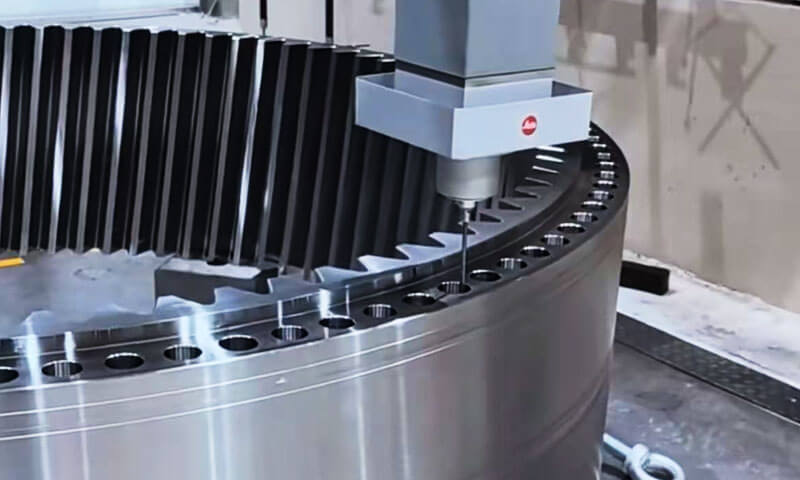
W porównaniu ze stalami węglowymi i automatowymi stalami nierdzewnymi, 1.4878 stal nierdzewna jest uważana za średnio trudną w obróbce.
Jego wysoka wytrzymałość, Doskonała plastyczność, i silna tendencja do utwardzania zwiększają siły skrawania i generują znaczne ciepło na styku narzędzie-przedmiot obrabiany.
Jeśli parametry obróbki nie są odpowiednio kontrolowane, powierzchnia utwardzana przez zgniot może przyspieszyć zużycie narzędzia i zmniejszyć dokładność wymiarową.
Podczas obróbka, materiał ma tendencję do generowania:
- Wysokie siły skrawania
- Podwyższone temperatury skrawania
- Ciągłe żetony
- Przyspieszone zużycie narzędzia
Dlatego wymagana jest wydajna obróbka:
- Ostre narzędzia tnące z węglika lub ceramiki
- Pozytywna geometria natarcia
- Odpowiedni płyn do cięcia
- Umiarkowane prędkości cięcia
- Stabilna sztywność maszyny
Należy unikać stosowania przerywanych warunków skrawania lub zużytych narzędzi, ponieważ powierzchnie utwardzane przez zgniot mogą szybko zmniejszyć wydajność obróbki.
Precyzyjne casting
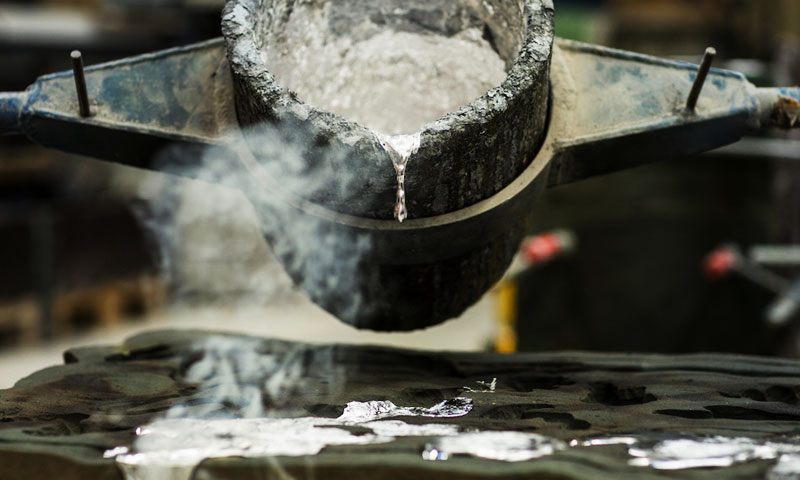
Chociaż 1.4878 stal nierdzewna dostarczana jest przede wszystkim w postaci wyrobów kutych w postaci płyt, bary, kobza, i odkuwki, nadaje się również do wytwarzania skomplikowanych komponentów Casting inwestycyjny (Zagubione odlewanie woskowe).
Odlewanie precyzyjne oferuje znaczne korzyści w przypadku skomplikowanych geometrycznie części, które w przeciwnym razie wymagałyby obszernej obróbki, redukując zarówno straty materiałowe, jak i ogólne koszty produkcji.
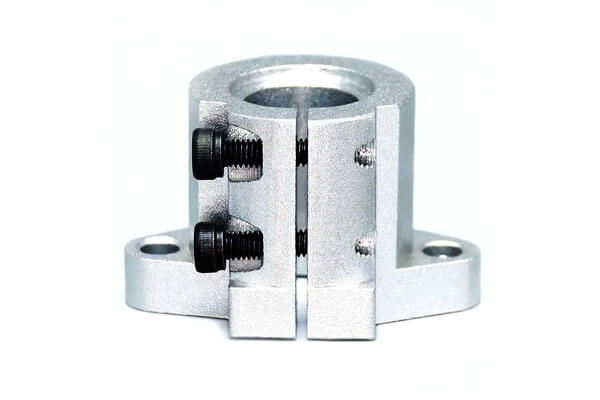
Odlewanie metodą traconą szczególnie nadaje się do produkcji:
- Wyposażenie pieca
- Elementy palnika
- Wsporniki odporne na ciepło
- Części układu wydechowego
- Złożony sprzęt przemysłowy
Właściwa kontrola praktyki topienia, Projektowanie formy, i warunki krzepnięcia są niezbędne, aby zminimalizować segregację, wady skurczowe, i pękanie na gorąco, zapewniając jednolitą mikrostrukturę austenityczną.
Po castingu, wyżarzanie rozpuszczające jest zwykle przeprowadzane w celu optymalizacji odporności na korozję i właściwości mechanicznych.
Charakterystyka spawania
Jedna z największych zalet 1.4878 jest jego wyjątkowa spawalność.
Ponieważ tytan stabilizuje węgiel, stop wykazuje znacznie mniejszą podatność na uczulenia niż niestabilizowany 304 stal nierdzewna.
Jest kompatybilny z praktycznie wszystkimi popularnymi procesami zgrzewania, w tym:
- GTAW (Tig)
- Bawn (JA)
- Smaw
- PIŁA
- Spawanie łukiem plazmowym
- Spawanie laserowe
Właściwy dobór spoiwa jest ważny, aby zapewnić odpowiednią wydajność w wysokich temperaturach i odporność na korozję.
8. Obróbka cieplna 1.4878 Stal nierdzewna
W przeciwieństwie do stali nierdzewnych martenzytycznych lub utwardzanych wydzieleniowo, 1.4878 nie można wzmocnić konwencjonalną obróbką cieplną.
Jego właściwości mechaniczne są kontrolowane przede wszystkim przez wzmocnienie w roztworze stałym, Zimna praca, i stabilizacja tytanu zamiast przemiany fazowej.
Głównym celem obróbki cieplnej jest zatem przywrócenie odporności na korozję, rozpuścić niepożądane osady, złagodzić naprężenia produkcyjne, i utrzymują stabilną mikrostrukturę austenityczną.
| Leczenie | Temperatura | Chłodzenie | Zamiar |
| Wyżarzanie rozwiązania | 1050-1100°C | Hartowanie wodą lub szybkie schładzanie powietrzem | Rozpuszcza węgliki; przywraca odporność na korozję. |
| Ulga stresowa | 300-400°C | Powietrze | Łagodzi stres resztkowy; nie ma znaczącego wpływu na odporność na korozję. |
| Stabilizacja | 850-900°C | Powietrze (niezbyt częste) | Fakultatywny; wytrąca węgliki tytanu w celu dodatkowej stabilizacji. |
| Hartowanie | Nie dotyczy | - - | Austenityc; nie można utwardzać przez obróbkę cieplną. |
9. Wykończenia powierzchniowe
Wykończenie powierzchni 1.4878 stal nierdzewna znacząco wpływa nie tylko na jej wygląd, ale także na odporność na korozję, czyszczenie, charakterystyka tarcia, i życie serwisowe.
Wybór odpowiedniego wykończenia zależy od środowiska operacyjnego, metoda wytwarzania, i wymagania funkcjonalne końcowego komponentu.
| Wykończenie powierzchni | Metoda produkcyjna | Charakterystyka powierzchni | Typowe zastosowania |
| Nr 1 | Walcowane na gorąco, Wyższywany, konserwowy | Szorstkie matowe wykończenie z usuniętą zgorzeliną tlenkową | Części pieca, naczynia ciśnieniowe, ciężki sprzęt przemysłowy |
| 2B | Walcowane na zimno, Wyższywany, konserwowy, skóra przeszła | Gładki, mundur, lekko odblaskowy | Sprzęt do przetwarzania chemicznego, przetwórstwo spożywcze, rurociąg |
| BA (Jasne wyżarzane) | Wyżarzanie jasne w kontrolowanej atmosferze | Wysoce gładka i odblaskowa | Elementy dekoracyjne, Sprzęt farmaceutyczny, instrumenty precyzyjne |
| Nr 4 (Szczotkowane) | Polerowanie mechaniczne za pomocą pasów ściernych | Wykończenie satynowe z drobnym, liniowym usłojeniem | Panele architektoniczne, Sprzęt kuchenny, obudowy przemysłowe |
Wykończenie lustrzane (Nr 8) |
Progresywne dokładne polerowanie | Lustrzana powierzchnia odblaskowa | Aplikacje dekoracyjne, Sprzęt do pomieszczeń czystych, projekty architektoniczne premium |
| Konserwowy & Pasywowane | Czyszczenie chemiczne i pasywacja | Maksymalna odporność na korozję przy czystym, metalicznym wyglądzie | Konstrukcje spawane, Systemy petrochemiczne, sprzęt morski |
| Elektropolujnie | Polerowanie elektrochemiczne | Ultra-gładka, niska chropowatość powierzchni, wzmocniona folia pasywna | Półprzewodnik, farmaceutyczny, Biotechnologia, ultraczyste systemy przetwarzania |
10. Typowe zastosowania 1.4878 Stal nierdzewna
Połączenie doskonałej odporności na korozję, odporność na utlenianie w wysokiej temperaturze, doskonała spawalność, i długoterminowa stabilność strukturalna zapewnia 1.4878 stal nierdzewna to jeden z preferowanych materiałów w wymagających środowiskach przemysłowych.
Przetwarzanie petrochemiczne i chemiczne
Zakłady chemiczne często działają w agresywnych warunkach obejmujących podwyższone temperatury, płyny pod ciśnieniem, i media korozyjne.
1.4878 stal nierdzewna zapewnia doskonałą odporność na utlenianie, kwasy organiczne, i wiele chemikaliów przemysłowych, przy jednoczesnym zachowaniu integralności strukturalnej podczas cykli termicznych.
Typowe komponenty obejmują:
- Wymienniki ciepła
- Naczynia reaktora
- Rurociąg procesowy
- Dylatacje
- Naczynia ciśnieniowe
- Kolumny destylacyjne
- Kołnierze i armatura
Piece przemysłowe i sprzęt do obróbki cieplnej
Jeden z najważniejszych obszarów zastosowań 1.4878 jest konstrukcja pieca wysokotemperaturowego.
Stop wytrzymuje ciągłą ekspozycję na podwyższone temperatury, a jednocześnie jest odporny na utlenianie, Zmęczenie termiczne, i skalowanie.
Typowe elementy pieca obejmują:
- Rolki pieca
- Rury promieniowe
- Kosze piecowe
- Tace do obróbki cieplnej
- Urządzenia do wyżarzania
- Zespoły palników
- Retorty
- Siatki wsparcia
Wytwarzanie energii
Kotły parowe, systemy odzysku ciepła odpadowego, i elektrownie cieplne narażają elementy konstrukcyjne na wysokie temperatury i cykliczne naprężenia termiczne.
Stabilizacja tytanem poprawia długoterminową niezawodność, zapobiegając uczuleniu na granicach ziaren podczas długotrwałej pracy.
Typowe zastosowania obejmują:
- Rurki kotła
- Wsporniki przegrzewacza
- Kanał wydechowy
- Instalacje spalinowe
- Akcesoria do rur parowych
Motoryzacja i układy wydechowe
Stop dobrze sprawdza się w powtarzających się cyklach ogrzewania i chłodzenia występujących w układach wydechowych pojazdów.
Jego odporność na utlenianie i spawalność sprawiają, że nadaje się do produkcji trwałych elementów układu wydechowego.
Przykłady obejmują:
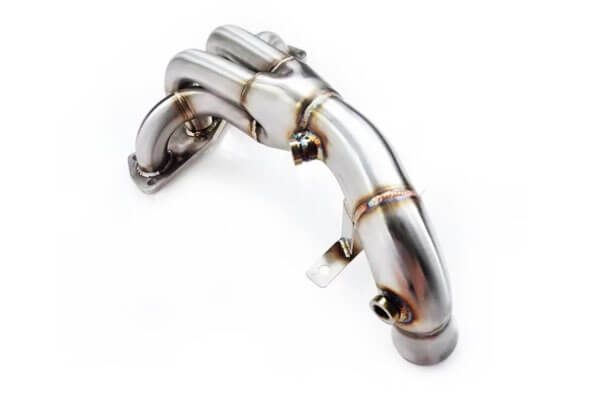
- Kolektory wydechowe
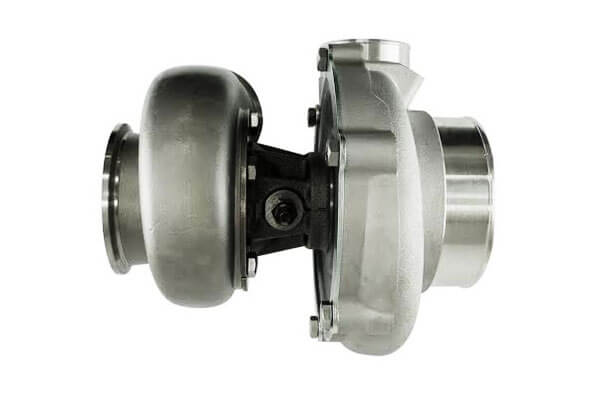
- Przewód turbosprężarki
- Miechy wydechowe
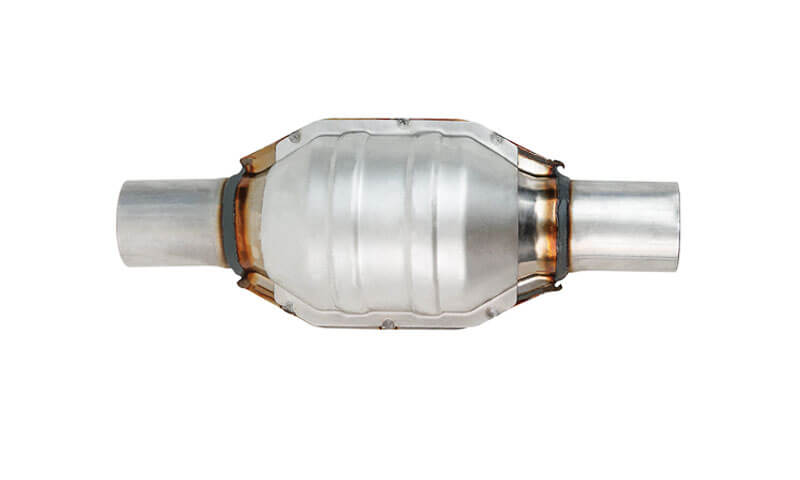
- Obudowy katalizatorów
- Tarcze cieplne
Sprzęt do przetwarzania spożywczego
Chociaż nie jest tak szeroko stosowany jak 304L lub 316L w produkcji żywności, 1.4878 staje się korzystne, gdy sprzęt przetwarzający jest poddawany częstemu czyszczeniu lub sterylizacji w wysokiej temperaturze.
Typowe wyposażenie obejmuje:
- Komory sterylizacyjne
- Przenośniki wysokotemperaturowe
- Piece przemysłowe
- Odporny na ciepło sprzęt do przetwarzania
Odlewy precyzyjne i komponenty gotowe
Stop jest również szeroko stosowany w precyzyjnych odlewach precyzyjnych i gotowych zespołach, które łączą odporność na korozję z odpornością na podwyższone temperatury.
Reprezentatywne produkty obejmują:
- Ciała zaworów
- Komponenty pompy
- Akcesoria do pieców
- Osprzęt turbiny
- Wsporniki przemysłowe
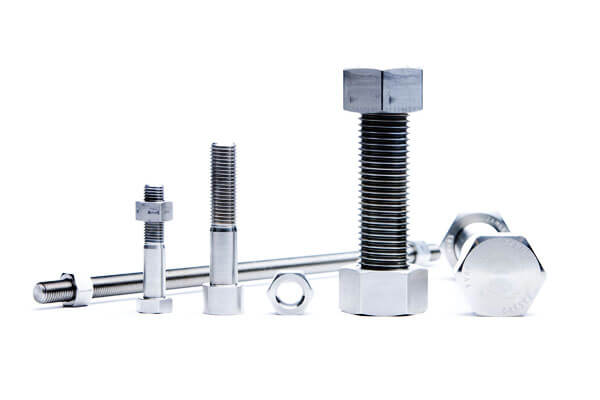
- Elementy złączne odporne na wysoką temperaturę
- Podpory mechaniczne
11. Zalety i ograniczenia 1.4878 Stal nierdzewna
Zalety
Doskonała odporność na korozję międzykrystaliczną
Stabilizacja tytanem skutecznie wiąże węgiel w stabilne węgliki tytanu, zapobieganie wytrącaniu się węglika chromu podczas spawania lub długotrwałej pracy w podwyższonych temperaturach.
To znacznie poprawia długoterminową odporność na korozję w krytycznym zakresie temperatur, w którym niestabilizowane austenityczne stale nierdzewne mogą ulec uczuleniu.
Znakomita wydajność w wysokiej temperaturze
1.4878 utrzymuje doskonałą odporność na utlenianie i stabilność mechaniczną podczas ciągłej pracy w zbliżających się temperaturach 800–850 ° C., dzięki czemu doskonale nadaje się do wyposażenia pieców, układy wydechowe, i maszyny do obróbki cieplnej.
Doskonała spawalność
Stop można spawać praktycznie wszystkimi konwencjonalnymi metodami spawania przy minimalnym ryzyku uszkodzenia spoiny.
Duże prefabrykowane konstrukcje często można oddać do użytku bez wyżarzania po spawaniu, uproszczenie produkcji przy jednoczesnym obniżeniu kosztów produkcji.
Dobra ogólna odporność na korozję
W wielu środowiskach przemysłowych, 1.4878 zapewnia odporność na korozję porównywalną z typem 304 stal nierdzewna, w tym doskonałą odporność na korozję atmosferyczną, świeża woda, para, oraz liczne organiczne substancje chemiczne.
Wysoka wytrzymałość w szerokim zakresie temperatur
W pełni austenityczna mikrostruktura zapewnia doskonałą udarność i ciągliwość zarówno w temperaturze otoczenia, jak i umiarkowanie podwyższonej, umożliwiając niezawodne działanie przy obciążeniu dynamicznym i cyklach termicznych.
Doskonała wydajność produkcyjna
Stop wspiera szeroki zakres procesów produkcyjnych, w tym:
- Formowanie zimna
- Formowanie na gorąco
- Precyzyjne odlewy metodą traconą
- CNC Mękawka
- Głęboki rysunek
- Walcowanie
- Spawalniczy
Ta wszechstronność pozwala inżynierom wytwarzać złożone komponenty z dużą dokładnością wymiarową.
Długie życie
Połączenie odporności na utlenianie, Odporność na korozję, stabilność spoiny, i trwałość termiczna przyczyniają się do wydłużenia żywotności sprzętu, zmniejszając częstotliwość konserwacji i koszty cyklu życia w wymagających zastosowaniach przemysłowych.
Ograniczenia
Umiarkowana maszyna
Jak większość austenitycznych stali nierdzewnych, 1.4878 wykazuje znaczne umocnienie podczas obróbki.
Operacje cięcia wymagają sztywnego sprzętu, ostre oprzyrządowanie, skuteczne chłodzenie, i zoptymalizowane parametry obróbki, aby osiągnąć zadowalającą produktywność i trwałość narzędzia.
Ograniczona odporność na wżery wywołane chlorkami
Chociaż stop dobrze sprawdza się w wielu środowiskach przemysłowych, jego skład nie zawiera molibdenu, co czyni go mniej odpornym na korozję wżerową i szczelinową wywołaną chlorkami niż gatunki takie jak 316L.
Dlatego nie jest to preferowany wybór w przypadku środowisk morskich lub mediów procesowych o dużym zasoleniu.
Wyższy koszt materiału niż standardowe stale węglowe
Obecność niklu, chrom, tytan zwiększa koszt materiału w porównaniu ze stalami węglowymi i niektórymi ferrytycznymi stalami nierdzewnymi.
Jednakże, wyższa inwestycja początkowa jest często uzasadniona zwiększoną trwałością i niższymi wymaganiami konserwacyjnymi.
Nie jest przeznaczony do ekstremalnie wysokich temperatur
Chwila 1.4878 wyjątkowo dobrze radzi sobie w podwyższonych temperaturach, zastosowania wymagające ciągłego narażenia powyżej ok 900° C. generalnie wymagają gatunków bardziej żaroodpornych, takich jak 310S (1.4845) lub superstopy na bazie niklu.
Rozszerzanie termiczne
Podobnie jak inne austenityczne stali nierdzewne, stop ma stosunkowo wysoki współczynnik rozszerzalności cieplnej.
Projektanci powinni uwzględnić ruch termiczny w dużych konstrukcjach spawanych, systemy rur, i zespołów pieców poprzez uwzględnienie odpowiednich naddatków na rozszerzalność.
12. 1.4878 w porównaniu z innymi gatunkami stali nierdzewnej
Wybór odpowiedniej stali nierdzewnej wymaga zrównoważenia odporności na korozję, zdolność temperaturowa, wymagania produkcyjne, i koszt.
Chociaż 1.4878 ma wiele cech wspólnych z innymi austenitycznymi stalami nierdzewnymi, dzięki stabilizacji tytanem nadaje się szczególnie do konstrukcji spawanych i długotrwałej pracy w podwyższonych temperaturach.
1.4878 vs. 1.4541 (321) Stal nierdzewna
Obydwa gatunki są stalami nierdzewnymi chromowo-niklowymi stabilizowanymi tytanem i zapewniają doskonałą odporność na korozję międzykrystaliczną po spawaniu.
Jednakże, 1.4878 zawiera nieco wyższą zawartość węgla, co przyczynia się do poprawy wytrzymałości na pełzanie i wydajności mechanicznej w podwyższonej temperaturze.
Do komponentów pracujących w sposób ciągły pod wpływem naprężeń termicznych, takich jak konstrukcje pieców, naczynia ciśnieniowe, i sprzęt petrochemiczny — ogólnie preferowany jest 1.4878.
Typowe wskazówki dotyczące wyboru:
- Wybierać 1.4878 do długotrwałej pracy w wysokich temperaturach i elementów przenoszących ciśnienie.
- Wybierać 1.4541 (321) do ogólnej produkcji w wysokich temperaturach, układy wydechowe samolotów, oraz standardowe konstrukcje spawane.
1.4878 vs. 1.4404 (316L) Stal nierdzewna
Te dwa gatunki są przeznaczone do różnych środowisk usługowych.
1.4404(316L)stal nierdzewna swoją doskonałą odporność na korozję zawdzięcza zawartości około 2–2,5% molibdenu, dzięki czemu jest wysoce odporny na korozję wżerową i szczelinową wywołaną chlorkami.
Więc, jest to preferowany wybór w środowiskach morskich, Przetwarzanie farmaceutyczne, i agresywnych zastosowań chemicznych.
1.4878 stal nierdzewna, w przeciwieństwie do tego, jest zoptymalizowany pod kątem wydajności w podwyższonych temperaturach, a nie odporności na chlorki.
Jego tytanowa stabilizacja zapobiega uczuleniom podczas długotrwałego ogrzewania, pozwalając mu zachować integralność mechaniczną tam, gdzie 316L stopniowo traciłby wytrzymałość.
Ogólne zalecenie:
- Wybierać 316L na ekspozycję na wodę morską, instalacje przybrzeżne, i media procesowe zawierające chlorki.
- Wybierać 1.4878 dla temperatur powyżej około 500°C, gdzie stabilność termiczna staje się ważniejsza niż odporność na chlorki.
1.4878 vs. 1.4845 (310S) Stal nierdzewna
Obydwa gatunki dobrze radzą sobie w podwyższonych temperaturach, ale są one przeznaczone dla różnych zakresów roboczych.
Z w przybliżeniu 25% chrom I 20% nikiel, 310S wykazuje wyjątkową odporność na utlenianie i wytrzymuje ciągłe zbliżanie się temperatur 1100° C..
Jest szeroko stosowany w wymurówkach pieców, rurki promieniujące, palniki, oraz urządzenia do obróbki termicznej narażone na działanie ekstremalnie wysokich temperatur.
Chociaż 1.4878 nie może osiągnąć maksymalnej temperatury roboczej 310S, zapewnia lepszą stabilność spoiny, niższy koszt materiału, i wystarczającą odporność na ciepło dla wielu zastosowań przemysłowych poniżej w przybliżeniu 850° C..
W rezultacie:
- Wybierać 310S do środowisk piecowych o bardzo wysokiej temperaturze.
- Wybierać 1.4878 do wysokotemperaturowych wyrobów konstrukcyjnych wymagających doskonałej spawalności, Odporność na pełzanie, i długoterminowa niezawodność.
13. Dlaczego warto wybrać LangHe dla 1.4878 Produkty ze stali nierdzewnej?
Produkcja komponentów z 1.4878 stal nierdzewna wymaga czegoś więcej niż tylko wyboru odpowiedniego stopu.
Osiągnięcie niezawodnej wydajności w środowiskach o wysokiej temperaturze i korozyjności zależy od precyzyjnej kontroli procesu, identyfikowalność materiału, zaawansowane możliwości produkcyjne, i rygorystyczne zapewnienie jakości.
Na LangHe, łączymy wiedzę metalurgiczną z nowoczesnymi technologiami produkcji, aby zapewnić precyzyjną inżynierię 1.4878 elementy ze stali nierdzewnej, które spełniają wysokie wymagania klientów przemysłowych na całym świecie.
| Zdolność | Bliższe dane |
| Casting inwestycyjny, CNC Mękawka | Kształt zbliżony do netto; złożone geometrie; drobne wykończenie powierzchni. |
| Przybory | 1.4878 (321), 1.4541 (321L), 1.4404 (316L), 1.4845 (310S). |
| Masa części | 0.05 kg to 100 kg. |
| Wymiary | Aż do 600 średnica mm. |
| Tolerancje | ±0,1–0,3 mm (CT5‑CT7 według ISO 8062). |
| Wykończenie powierzchni | Ra 1,6–6,3 µm w postaci odlewu; Możliwość elektropolerowania. |
| Obróbka cieplna | Wyżarzanie rozwiązania, ulga stresowa. |
| Jakość | ISO 9001:2015 atestowany; 100% Badania NDT i wymiarowe. |
| Czas realizacji | 8-12 tygodni na oprzyrządowanie i pierwsze artykuły; 2–4 tygodnie w przypadku powtarzających się zamówień. |
| Certyfikaty | PED 2014/68/UE, Urodzony MR0175/ISO 15156. |
14. Wniosek
1.4878 (X8CrNiTi18-10 / 321H) zajmuje dobrze zdefiniowaną i ważną niszę w spektrum żaroodpornej stali nierdzewnej.
Łącząc stabilizację tytanem z kontrolowaną wyższą zawartością węgla, zapewnia dwie właściwości, które są trudne do uzyskania jednocześnie w austenitycznych stalach nierdzewnych:
odporność na korozję międzykrystaliczną po spawaniu, oraz znacznie ulepszone właściwości pełzania i pękania naprężeniowego w podwyższonych temperaturach.
Nie jest to gatunek przeznaczony do najwyższych temperatur, ani najbardziej odporny na korozję, ale oferuje niezrównaną równowagę odporności na ciepło, Spawalność, łatwość wytwarzania i koszt komponentów pracujących w zakresie temperatur 500–900°C.
Do rur kotłowych, osprzęt pieca, urządzenia do procesów petrochemicznych i urządzenia do obróbki cieplnej, pozostaje wzorcowym materiałem standardowym, względem którego mierzone są rozwiązania alternatywne.
Ponieważ światowy przemysł w dalszym ciągu podnosi temperatury procesów w dążeniu do efektywności energetycznej i redukcji emisji,
1.4878 stal nierdzewna pozostanie podstawowym materiałem do zastosowań nośnych w średnich temperaturach, ceniony za sprawdzoną niezawodność, przewidywalna wydajność i dojrzała baza produkcyjna.
FAQ
Jaka jest różnica między 1.4878 I 1.4541 stal nierdzewna?
Oba są stabilizowane tytanem 18-10 Austenityczne stale nierdzewne. 1.4541 (standard 321) ma maksymalną zawartość węgla 0.08%, chwila 1.4878 (321H) ma kontrolowany zakres zawartości węgla 0,04–0,10%.
Wyższa minimalna zawartość węgla 1.4878 poprawia wytrzymałość na pełzanie w wysokich temperaturach i pękanie naprężeniowe, co czyni go preferowanym wyborem do przenoszenia obciążeń w wysokich temperaturach.
Jaka jest maksymalna temperatura pracy 1.4878 stal nierdzewna?
Do 850°C przy pracy ciągłej i 900°C przy pracy przerywanej. Dla temperatur powyżej 900°C, 310S (1.4845) jest zalecane.
Jest 1.4878 stal nierdzewna magnetyczna?
NIE. 1.4878 jest austenityczną stalą nierdzewną i jest paramagnetyczna (Niemagnetyczne) W stanie wyżarzonym. Obróbka na zimno może wywołać ferromagnetyzm.
Móc 1.4878 stal nierdzewną można spawać bez wypełniacza?
Dla małych odcinków, możliwe jest spawanie autogeniczne, ale pasujący wypełniacz (ER321) zaleca się zachować stabilizację i odporność na korozję.
Robi 1.4878 stal nierdzewna wymaga obróbki cieplnej po spawaniu?
NIE. Stabilizacja tytanowa zapobiega uczuleniom, dlatego obróbka cieplna po spawaniu nie jest wymagana.
Jaka jest różnica między 1.4878 I 1.4404 (316L) stal nierdzewna?
1.4878 posiada stabilizację tytanem i wyższą zawartość węgla w celu zapewnienia wytrzymałości na pełzanie w wysokiej temperaturze, ale bez molibdenu.
1.4404 (316L) stal nierdzewna zawiera molibden, co zapewnia doskonałą odporność na korozję chlorkową, ale jest ograniczona do niższych temperatur (≤400°C) za wieloletnią służbę.