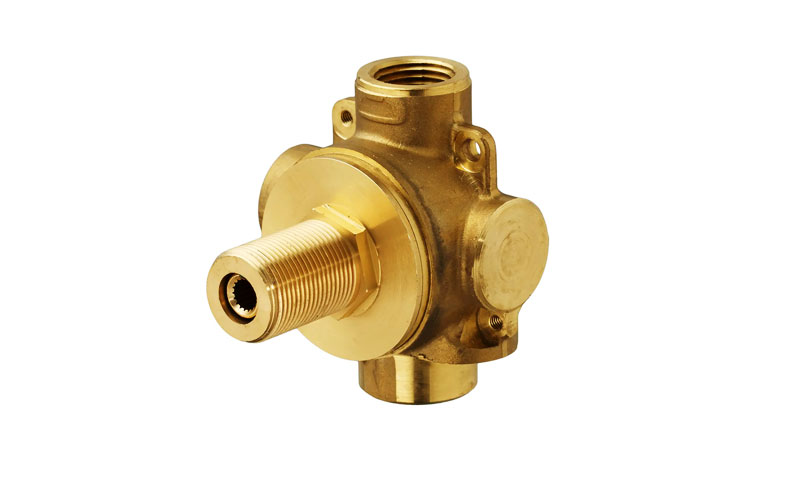
Zawory przełączające są niezbędnymi elementami systemów transportu płynów, umożliwiając przekierowanie przepływu z jednej ścieżki na drugą.
Zawory te są szeroko stosowane w instalacjach wodno-kanalizacyjnych, ogrzewanie, wentylacja, klimatyzacja (HVAC), obróbka wody, i przetwórstwo przemysłowe.
Wśród różnych materiałów stosowanych do zaworów przełączających, mosiądz wyróżnia się jako preferowany wybór ze względu na doskonałą obrabialność, Odporność na korozję, Właściwości przeciwdrobnoustrojowe, i estetyczny apel.
Produkcja wysokiej jakości mosiężnych zaworów przełączających wymaga połączenia precyzyjnego odlewania i zaawansowanej obróbki CNC.
Zagubione odlewanie woskowe (Casting inwestycyjny) to idealna metoda wytwarzania skomplikowanych kanałów wewnętrznych i skomplikowanych geometrii korpusów zaworów przełączających.
W połączeniu z precyzyjną obróbką CNC, proces ten pozwala uzyskać zawory o wyjątkowej dokładności wymiarowej, Gładkie wykończenia powierzchni, i niezawodne działanie.
1. Co to jest mosiężny zawór przełączający?
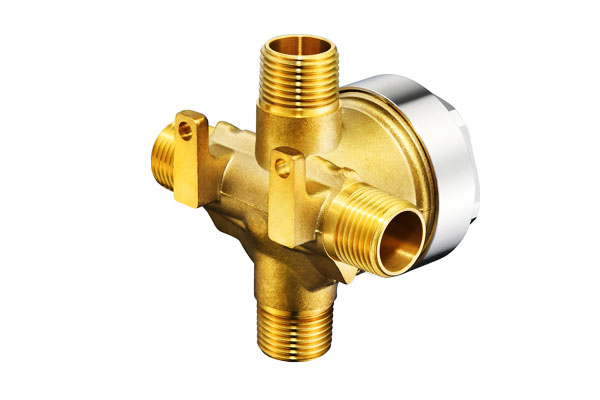
A mosiężny zawór przełączający to wieloportowe urządzenie do kontroli płynów przeznaczone do przekierowywania, wybierać, lub rozprowadzać przepływ płynu pomiędzy różnymi ścieżkami przepływu.
W przeciwieństwie do konwencjonalnego dwudrogowego zaworu odcinającego, zawór przełączający wykorzystuje wiele portów i wewnętrzny element ruchomy, aby określić, które kanały są połączone w danej pozycji roboczej.
Korpus zaworu jest zwykle elementem utrzymującym ciśnienie. Zawiera porty wlotowe i wylotowe, wewnętrzne kanały przepływowe, komora zaworowa, uszczelnianie interfejsów, i funkcje połączeń.
Element wewnętrzny — zwykle piłka, wtyczka, nabój, lub mechanizm wrzecionowy – zmienia ścieżkę przepływu, gdy zawór jest obracany lub uruchamiany.
Typowy trójdrogowy zawór przełączający, Na przykład, może pracować w dwóch podstawowych pozycjach:
Pozycja A: Wlot → Wylot A
Pozycja B: Wlot → Wylot B
Bardziej wyrafinowane konfiguracje mogą łączyć lub izolować ścieżki przepływu w zależności od wymagań procesu.
Wydajność mosiężnego zaworu przełączającego zależy nie tylko od jego zdolności do przełączania przepływu.
Zawór musi utrzymywać integralność ciśnienia, kontrolowany opór przepływu, niezawodne wyłączenie, Stabilność wymiarowa, i powtarzalne uszczelnienie w całym przewidzianym okresie użytkowania.
Rodzaje zaworów przełączających
| Typ | Opis | Typowe zastosowania |
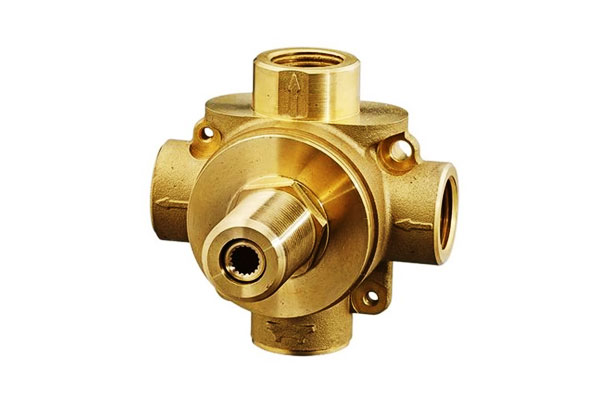
| 3-Zawór przełączający sposób | Jeden wlot, dwa gniazdka (lub odwrotnie). | Systemy prysznicowe, zawory mieszające, HVAC, kontrola procesu. |
| 4-Zawór przełączający sposób | Dwa wloty, dwa gniazdka. | Systemy grzewcze, pompy ciepła, zastosowania z przepływem wstecznym. |
| Obrotowy zawór przełączający | Obrotowy element odwraca przepływ pomiędzy portami. | Transport pneumatyczny, obsługa proszku, Przetwarzanie przemysłowe. |
| Zawór przełączający suwaka | Przesuwana płyta przekierowuje przepływ. | Obsługa materiałów sypkich, zbieranie kurzu. |
| Kulowy zawór przełączający | Kula z wieloma przejściami obraca się, aby kierować przepływem. | Instalacja wodociągowa, Przetwarzanie chemiczne, dystrybucja gazu. |
2. Typowe stopy mosiądzu do odlewania zaworów przełączających
Wybór prawidłowego mosiądz stop ma fundamentalne znaczenie dla integralności ciśnienia, Odporność na korozję, maszyna, Stabilność wymiarowa, i żywotność zaworu przełączającego.
Mosiądz nie jest pojedynczym materiałem, ale szeroką rodziną stopów na bazie miedzi o zasadniczo różnym składzie i charakterystyce użytkowej.
Do precyzyjnie odlanego zaworu przełączającego, przy wyborze stopu należy brać pod uwagę nie tylko wytrzymałość mechaniczną.
Producent musi również ocenić zachowanie odlewu, wymagania dotyczące ciśnienia wewnętrznego, chemia płynów, odporność na odcynkowanie, wymagania dotyczące obróbki, temperatura, narażenie środowiska, oraz ograniczenia regulacyjne dotyczące składników stopów.
Zwłaszcza, zawory przeznaczone do wody pitnej lub innych regulowanych zastosowań mających kontakt z płynami mogą wymagać stopów o niskiej zawartości ołowiu lub bezołowiowych specjalnie przystosowanych do tego zastosowania.
Dlatego, „najlepszy” stop mosiądzu jest zależny od zastosowania, a nie uniwersalny.
Powszechnie stosowane stopy mosiądzu do odlewania zaworów przełączających
| Stop (NAS) | Kluczowe właściwości | Typowe zastosowania zaworów |
| C84400 | Dobra lejność i obrabialność; tradycyjny, półczerwony mosiądz ołowiowy | Odlewane korpusy zaworów, Składniki hydrauliczne, ogólne elementy kontroli przepływu |
| C85700 | Mosiądz marynarski ołowiany; dobra obrabialność i odporność na korozję | Odlewane elementy przenoszące ciśnienie, armatura morska |
| C87610 | Stop miedzi i krzemu o dobrej wytrzymałości i odporności na korozję; niski ołów | Elementy do instalacji wodnych i odlewy odporne na korozję, jeśli określono |
| C87800 | Mosiądz silikonowy; Dobra możliwość, wytrzymałość, Odporność na korozję, i niską zawartością ołowiu | Korpusy zaworów wodociągowych, Składniki hydrauliczne, Komponenty przemysłowe |
C87850 |
Mosiądz krzemowy o dobrej obrabialności, szczelność ciśnieniowa, i odporność na korozję | Ciała zaworów, krany, obudowy wodomierzy, elementy hydrauliczne i morskie |
| C89833 | Bezołowiowy stop zawierający bizmut; dobra obrabialność i odporność na korozję | Bezołowiowe komponenty zawierające ciśnienie, tam, gdzie jest to określone, zawory i instalacje wodno-kanalizacyjne zorientowane na wodę pitną |
| C36000 | Doskonałe właściwości swobodnej obróbki | Obrobione maszynowo elementy zaworów, łodygi, armatura, adaptery, małe części precyzyjne |
3. Mosiężny zawór przełączający Proces odlewania wosku utraconego
. proces odlewania wosku traconego do mosiężnych zaworów przełączających jest przeznaczony do przekształcania złożonej geometrii korpusu zaworu w odlew metalowy o kształcie zbliżonym do netto, o kontrolowanej spójności wymiarowej i solidnej integralności strukturalnej.
Przegląd CAD i oprzyrządowanie
Proces rozpoczyna się od rysunku zaworu lub modelu 3D CAD. Przed wyprodukowaniem oprzyrządowania, geometria jest sprawdzana pod kątem wykonalności odlewu i stabilności produkcji.
Producent określa wymagany naddatek na skurcz, naddatek obróbczy, przejścia ścian, filety, lokalizacje bramek, i orientacja odlewania.
Do zaworu przełączającego, szczególną uwagę zwraca się na obszary otaczające przecinające się kanały przepływowe, ponieważ nagłe zmiany grubości przekroju mogą wpływać na podawanie metalu i krzepnięcie.
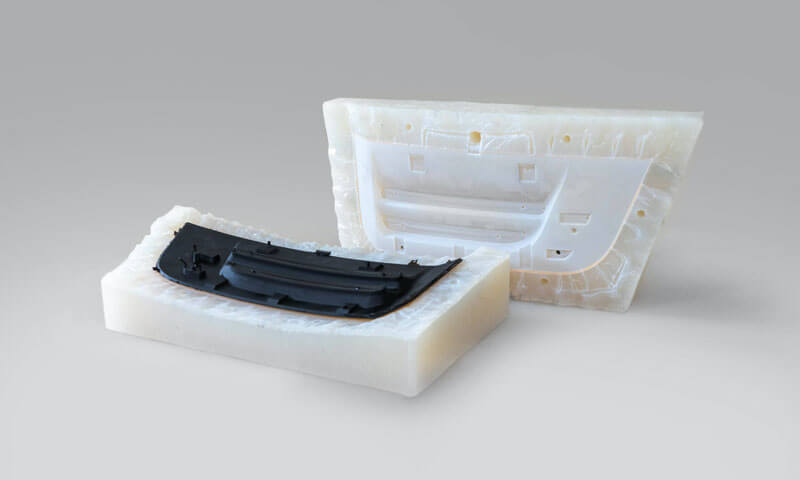
Następnie wytwarza się oprzyrządowanie w celu odtworzenia wymaganej geometrii wzoru wosku.
Produkcja wzoru wosku
Do precyzyjnej matrycy wtryskiwany jest stopiony wosk, aby utworzyć wzór protektorowy korpusu zaworu.
Jakość wzoru określa podstawę wymiarową odlewu. Temperatura wtrysku, ciśnienie, czas trzymania, chłodzenie, i stan matrycy muszą być kontrolowane, aby zminimalizować błysk, zniekształcenie, niepełne wypełnienie, i zmienność wymiarowa.
Gotowy wzór woskowy jest sprawdzany przed przystąpieniem do montażu.
Montaż i bramkowanie w wosku
Poszczególne wzory wosku są połączone z centralnym systemem wlewów, tworząc drzewko odlewnicze.
Na tym etapie, system wlewowy jest tak skonstruowany, że stopiony mosiądz może wypełnić wnękę zaworu w kontrolowany sposób.
Położenie bramy i wymiary prowadnic wpływają na czas napełniania, turbulencja, gradienty termiczne, i zachowania żywieniowe.
Do złożonych zaworów przełączających, Brama została zaprojektowana wokół całą geometrię ciała, zamiast po prostu maksymalizować prędkość napełniania.
Budynek ceramiczny
Drzewo woskowe jest wielokrotnie zanurzane w zawiesinie ceramicznej i pokrywane ogniotrwałym tynkiem. Kolejne warstwy budują wokół wzoru sztywną ceramiczną skorupę.
Powłoka musi zapewniać wystarczającą wytrzymałość do usuwania wosku i zalewania metalu, odtwarzając jednocześnie wymagane szczegóły powierzchni.
Podstawowymi kontrolami procesu są:
Lepkość zawiesiny + wielkość cząstek ogniotrwałych + grubość warstwy + warunki suszenia + wytrzymałość skorupy
Niekonsekwentne przygotowanie skorupy może prowadzić do pęknięć, zmienność wymiarowa, zła jakość powierzchni, lub uszkodzenie skorupy podczas zalewania.
DEWAXING I SHELLING
Ceramiczna osłona jest podgrzewana w celu usunięcia wzoru wosku i utworzenia ujemnej wnęki w korpusie zaworu.
Po dewaxing, skorupa jest wypalana w celu usunięcia pozostałości materiału organicznego i uzyskania wymaganej wytrzymałości ogniotrwałej i stabilności termicznej.
Powstała forma ceramiczna musi być czysta, suchy, i strukturalnie solidny przed wprowadzeniem stopionego mosiądzu.
Topienie mosiądzu i kontrola stopów
Wybrany stop mosiądzu topi się w kontrolowanych warunkach.
Kluczowym celem jest zapewnienie, że stopiony metal spełnia określone wymagania skład chemiczny i wymagania dotyczące czystości Przed nalewaniem.
Jest to szczególnie ważne w przypadku zaworów niestandardowych, gdzie właściwości materiału i wymagania prawne mogą zależeć od konkretnego gatunku stopu.
Kontrola procesu zazwyczaj obejmuje:
- Sprawdzone materiały wsadowe
- Monitorowanie temperatury topnienia
- Analiza chemiczna
- Kontrola żużla i tlenków
- Identyfikacja i identyfikowalność ciepła
Kontrolowane nalewanie
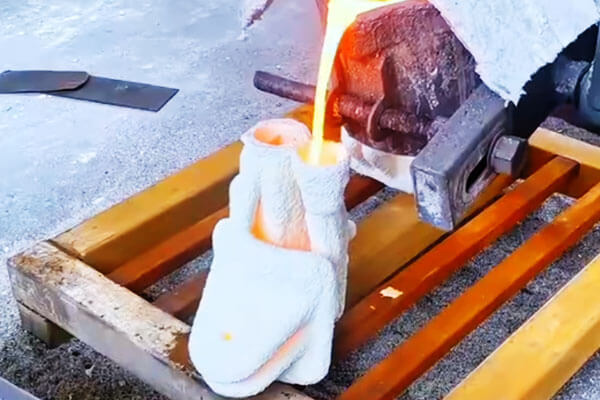
Podgrzana powłoka ceramiczna jest wypełniona roztopionym mosiądzem poprzez zaprojektowany system wlewowy.
Temperatura zalewania i szybkość napełniania muszą być dostosowane do stopu i geometrii zaworu.
Metal musi pozostać wystarczająco płynny, aby wypełnić cienkie przekroje i złożone przejścia bez nadmiernych turbulencji lub przedwczesnego krzepnięcia.
Celem jest osiągnięcie dobrze kontrolowanego nalewania:
Kompletne wypełnienie + stabilny przepływ + minimalne porywanie + kontrolowane warunki termiczne
Zestalanie i karmienie
Po napełnieniu, mosiądz zaczyna twardnieć. Ponieważ korpus zaworu może mieć ścianki o różnej grubości, Szefowie, i skrzyżowania przejazdów, różne obszary mogą chłodzić się z różną szybkością.
Dlatego projekt odlewu musi umożliwiać kontrolowane krzepnięcie i odpowiednie podawanie kurczącego się metalu.
Zła kontrola krzepnięcia może powodować wady, takie jak:
- Porowatość skurczowa
- Wgłębienia skurczowe
- Nieciągłości związane z gazem
- Gorące pękanie
Do skomplikowanych korpusów zaworów, symulację odlewania można wykorzystać do przewidywania zachowania podczas napełniania i krzepnięcia oraz do optymalizacji systemu wlewu i podawania przed produkcją.
Nokaut
Gdy odlew wystarczająco ostygnie, powłoka ceramiczna jest usuwana mechanicznie.
Wibracja, separacja mechaniczna, lub inne odpowiednie metody mogą być stosowane w zależności od komponentu i systemu produkcyjnego.
Podczas wybijania należy zachować ostrożność, ponieważ nadmierna siła mechaniczna może uszkodzić cienkie sekcje, funkcje portu, lub powierzchnie odlewane.
Demontaż bramy i podstopnicy
Wlew, biegacze, bramy, i piony są wycinane z odlewu zaworu.
Miejsca nacięcia dobierane są tak, aby usunięcie nie uszkodziło obszarów funkcjonalnych i nie pozostawiło nadmiaru materiału, który utrudniałby późniejszą obróbkę.
Na tym etapie drzewo odlewane metodą traconego drewna jest przekształcane w indywidualny odlew korpusu zaworu.
Wykończenie odlewu
Oczyszczony odlew poddawany jest szlifowaniu, strzałowy, lub inne odpowiednie operacje wykończeniowe mające na celu usunięcie resztek ceramiki, płetwy, błysk, i pozostałości bramy.
Celem jest wytworzenie czystego i stabilnego odlewu nadającego się do kontroli i późniejszej obróbki.
Co ważne, Nie należy stosować wykańczania w celu zamaskowania niedopuszczalnych nieciągłości odlewu. Obszary, które staną się granicami ciśnienia, powierzchnie uszczelniające, lub krytyczne punkty odniesienia obróbki wymagają szczególnej uwagi.
4. Obróbka CNC mosiężnych odlewów zaworów przełączających
Odlew z wosku traconego ustala główną geometrię mosiężnego zaworu przełączającego, ale zwykle nie zapewnia ostatecznej dokładności wymaganej dla krytycznych interfejsów.
CNC Mękawka jest zatem pomostem pomiędzy odlewem o kształcie zbliżonym do netto a funkcjonalnym zaworem precyzyjnym.
Proces obróbki musi nie tylko osiągać indywidualne wymiary; musi utrzymywać geometryczną relację między portami, przejścia przepływowe, Siedzenia zaworów, powierzchnie uszczelniające, łodygi, i interfejsy siłowników.
Typowa sekwencja produkcyjna to:
Kontrola odlewu → Ustalenie punktu odniesienia → Obróbka zgrubna → Obróbka otworu/portu → Obróbka gwintu → Obróbka gniazda i rowka uszczelniającego → Obróbka interfejsu siłownika → Gratowanie → Kontrola wymiarowa
Dokładna kolejność zależy od architektury zaworu.
Obróbka portów zaworów i otworów wewnętrznych
Otwory wlotowe i wylotowe zapewniają połączenie zaworu z zewnętrznym układem cieczy. W zależności od konstrukcji zaworu, te interfejsy mogą korzystać:
- Gwinty rurowe NPT lub inne stożkowe
- Gwinty BSP lub BSPP/BSPT
- Gwinty metryczne lub niestandardowe
- Interfejsy kompresyjne
- Połączenia kołnierzowe
- Lutowanie twarde lub specjalistyczne geometrie połączeń
Operacja obróbki portów musi kontrolować zarówno wymiar, jak i położenie.
Prawidłowo obrobiony gwint może nadal powodować problemy montażowe, jeśli oś portu jest nieprawidłowo ustawiona względem korpusu zaworu lub sąsiednich portów.
Do przecinania przejść wewnętrznych, obróbka może obejmować wiercenie, nudny, wiercenie poprzeczne, lub połączenie elementów odlewanych i obrabianych.
Należy dokładnie sprawdzić przejście między tymi przejściami, ponieważ nadmierna gwałtowność może zwiększyć utratę ciśnienia i turbulencje.
W niestandardowych projektach, odlewanie może wytworzyć większość architektury przepływu, podczas gdy obróbka CNC wykańcza otwory i interfejsy funkcjonalne.
Precyzyjna obróbka gniazd zaworów
Gniazdo zaworu jest jedną z najbardziej krytycznych cech zaworu przełączającego, ponieważ tworzy interfejs, który ogranicza niepożądany wyciek płynu.
Wydajność siedzenia zależy od kilku współdziałających cech:
Koncentryczność + Geometria kontaktu + Wykończenie powierzchni + Płaskość/okrągłość + Kompatybilność materialna
Gniazdo zaworu, które ma średnicę nominalną, ale nie jest koncentryczne z elementem zaworu, może powodować nierówny kontakt.
Podobnie, zbyt szorstka powierzchnia może zakłócać uszczelnienie, podczas gdy nieprawidłowa geometria powierzchni może zwiększyć moment obrotowy.
Dlatego należy określić odpowiednią tolerancję gniazda i wykończenie powierzchni w zależności od konkretnej konstrukcji zaworu, element uszczelniający, ocena ciśnienia, i wymóg wycieku.
Obróbka gwintów
Gwinty są powszechne w mosiężnych zaworach przełączających, ponieważ zapewniają kompaktowe i ekonomiczne połączenia.
Obróbkę CNC można zastosować zarówno do gwintów wewnętrznych, jak i zewnętrznych. Krytyczne parametry obejmują:
- Główna średnica
- Niewielka średnica
- Poziom
- Profil wątku
- Efektywna średnica
- Głębokość gwintu
- Koncentryczność
- Wykończenie powierzchni
Sprawdziany do gwintów są często używane do weryfikacji produkcji, podczas gdy kontrola wymiarowa może potwierdzić podstawową geometrię.
Ponieważ mosiądz jest stosunkowo obrabialny, wspiera wydajną produkcję nici, ale strategię cięcia nadal należy dopasować do konkretnego stopu.
Niektóre bezołowiowe stopy mosiądzu mogą zachowywać się inaczej niż tradycyjne gatunki do obróbki swobodnej i mogą wymagać zoptymalizowanych narzędzi skrawających i parametrów.
Obróbka pierścieni uszczelniających i rowków uszczelniających
W przypadku stosowania uszczelek elastomerowych, rowek na pierścień uszczelniający typu O-ring jest elementem precyzyjnym, a nie prostym wgłębieniem.
Jego wymiary decydują o ściskaniu uszczelki, a tym samym wpływają na szczelność. Nieprawidłowa szerokość rowka, głębokość, geometria narożników, lub stan powierzchni może być przyczyną:
- Niewystarczające uszczelnienie
- Nadmierna kompresja
- Wytłaczanie uszczelnień
- Trudność montażu
- Przedwczesne zużycie uszczelki
W związku z tym proces obróbki musi utrzymywać określoną geometrię rowka, jednocześnie chroniąc otaczającą powierzchnię uszczelniającą.
5. Opcje wykańczania powierzchni mosiężnych zaworów przełączających
Do niestandardowych elementów zaworów, wykończenie powierzchni należy dobierać razem ze stopem, proces obróbki, tolerancje wymiarowe, i środowisko operacyjne.
Nie każdy proces wykańczania jest odpowiedni dla każdej powierzchni.
Zwłaszcza, Siedzenia zaworów, wątki, uszczelnianie interfejsów, i zwilżone kanały mogą wymagać ściśle kontrolowanych warunków wykończenia, aby uniknąć zmiany ich wymiarów funkcjonalnych.
Polerowanie mechaniczne
W polerowaniu mechanicznym stosuje się coraz drobniejsze środki ścierne w celu usunięcia śladów obróbki, drobne nierówności powierzchni, oraz niedoskonałości powierzchni związane z odlewaniem z powierzchni mosiądzu.
W zależności od wymaganego wyglądu, proces może obejmować zarówno podstawowe wykończenie ścierne, jak i polerowanie na wysoki połysk.
Zalety:
- Tworzy gładką i atrakcyjną mosiężną powierzchnię
- Poprawia wygląd
- Redukuje widoczne ślady obróbki i odlewu
- Stanowi efektywne podłoże do późniejszego powlekania
- Może poprawić jednorodność powierzchni zewnętrznych powierzchni zaworów
Nikiel Splat
Niklowanie powoduje osadzenie kontrolowanej warstwy niklu na przygotowanej powierzchni mosiądzu, zazwyczaj w procesie galwanizacji.
Właściwa obróbka wstępna jest niezbędna, aby zapewnić dobrą przyczepność pomiędzy mosiężnym podłożem a powłoką.
Zalety:
- Poprawia odporność na korozję
- Zapewnia większą twardość powierzchni niż mosiądz nieobrobiony
- Poprawia odporność na zużycie
- Tworzy jednolity metaliczny wygląd
- Nadaje się do elementów narażonych na wilgoć i manipulację
- Może stanowić warstwę bazową pod dekoracyjne lub funkcjonalne systemy wykończeniowe
Chromowane poszycie
Chromowanie polega na nałożeniu na odpowiednio przygotowane podłoże warstwy wierzchniej na bazie chromu, często po niklowaniu.
W procesie powstaje twardy, jasna powierzchnia o dobrej odporności na zużycie i matowienie.
Zalety:
- Doskonały dekoracyjny wygląd
- Wysoka twardość powierzchni
- Dobry odporność na zużycie
- Dobra odporność na matowienie i działanie czynników atmosferycznych
- Nadaje się do odsłoniętych elementów zaworów i dekoracyjnego sprzętu hydraulicznego
Elektryczne nikielne poszycie
Bezprądowe niklowanie powoduje osadzenie powłoki niklowo-fosforowej lub pokrewnego stopu niklu w drodze autokatalitycznej reakcji chemicznej, zamiast polegać na bezpośrednim zewnętrznym prądzie elektrycznym.
Umożliwia to stosunkowo jednolitą grubość powłoki w przypadku złożonych geometrii.
Zalety:
- Bardziej jednolita grubość powłoki na skomplikowanych powierzchniach
- Dobra odporność na korozję
- Dobra odporność na zużycie i ścieranie
- Nadaje się do wgłębień i nieregularnych geometrii
- Zapewnia kontrolowaną ochronę powierzchni przy stosunkowo przewidywalnym narastaniu wymiarów
- Przydatny do elementów zaworów przemysłowych wymagających zarówno ochrony, jak i spójności wymiarowej
Precyzyjnie obrobione wykończenie powierzchni
Do powierzchni funkcjonalnych, takich jak gniazda zaworów, nudy, wątki, i uszczelnianie interfejsów, wymagane wykończenie jest często wytwarzane bezpośrednio poprzez kontrolowaną obróbkę CNC, dokładne toczenie, nudny, szlifowanie, lub innych precyzyjnych operacji, a nie poprzez dekoracyjną powłokę.
Zalety:
- Utrzymuje precyzyjną kontrolę wymiarową
- Umożliwia dokładną geometrię uszczelnienia
- Obsługuje kontrolowaną chropowatość powierzchni
- Zapobiega niepotrzebnemu gromadzeniu się powłok na krytycznych interfejsach
- Zapewnia przewidywalny montaż i wydajność funkcjonalną
- Szczególnie nadaje się do gniazd zaworów, nudy, wątki, i powierzchnie stykające się z uszczelnieniem
6. Zalety odlewania wosku traconego do mosiężnych zaworów przełączających
Odlewanie metodą traconego wosku zapewnia wyjątkowe korzyści w produkcji zaworów przełączających, których nie można osiągnąć alternatywnymi metodami odlewania lub formowania.
Niezrównana dokładność wymiarowa & Powtarzalność
Odlewanie metodą traconą osiąga ± 0,05–0,1 mm na 25 mm tolerancja odlewu, ze stałą powtarzalnością przy dużych nakładach produkcyjnych.
Zmniejsza to czas obróbki, minimalizuje nawarstwianie się tolerancji, i zapewnia wymienny montaż.
Złożona geometria wewnętrzna & Optymalizacja przepływu
Utracony wosk może powodować skomplikowaną geometrię portu wewnętrznego, płynne przejścia przepływu, i wyprofilowane przejścia, które byłyby niemożliwe przy odlewaniu piaskowym lub nieekonomiczne w obróbce.
Zoptymalizowane wewnętrzne ścieżki przepływu redukują turbulencje, spadek ciśnienia, i hałas przepływu.
Doskonałe wykończenie powierzchni w stanie odlewu
Drobna ceramiczna powłoka wierzchnia zapewnia wykończenie powierzchni odlewu o Ra 1,6–3,2 μm, skracając czas obróbki i poprawiając wydajność powierzchni uszczelniającej.
Gładkie powierzchnie odlewów zmniejszają również erozję wywołaną przepływem wewnątrz kanałów płynu.
Minimalny zapas obróbki & Wydajność materialna
Odlewanie o kształcie zbliżonym do netto wymaga jedynie 0,8–1,5 mm naddatku na stronę, w porównaniu do 3–6 mm w przypadku odlewów piaskowych.
Zmniejsza to straty materiału o 40–60% i znacznie skraca czas obróbki.
Elastyczność stopu & Niestandardowa formuła
Odlewanie z wosku traconego działa z praktycznie każdym stopem mosiądzu, umożliwiając niestandardową formułę stopu dostosowaną do konkretnej korozji, wytrzymałość, lub wymogów regulacyjnych bez większych zmian w narzędziach.
Stała integralność ciśnienia & Odporność na wycieki
Jednoczęściowe odlewane korpusy eliminują ścieżki nieszczelności złączy montażowych. Kontrolowane krzepnięcie minimalizuje porowatość wewnętrzną, zapewniając szczelność, która przechodzi 1,5-krotną próbę szczelności pod ciśnieniem roboczym.
7. Odlewanie utraconego wosku vs. Zawory przełączające z kutego mosiądzu
Zarówno odlewanie, jak i kucie wytwarzają mosiężne elementy zaworów, ale służą różnym scenariuszom projektowania i wydajności.
| Wymiar wydajności | Zawory mosiężne odlewane w wosku traconym | Zawory z kutego mosiądzu |
| Dokładność wymiarowa | ±0,05 – ±0,1 mm/25 mm w stanie odlewu; mocniej po obróbce | ±0,02 – ±0,05 mm; bardzo spójne |
| Złożoność geometrii wewnętrznej | Bardzo wysoki — złożone porty, wyprofilowane przejścia, konstrukcje wieloportowe | Ograniczone — tylko proste kształty osiowe; głębokie cechy wewnętrzne niewykonalne |
| Ciśnienie & Odporność na zmęczenie | Dobre dla standardowego ciśnienia; zależne od porowatości | Doskonały; wyższa odporność na zmęczenie i ciśnienie rozrywające |
| Przydatność wielkości produkcji | 500 - - 50,000 PC/Rok | 10,000 - - 500,000+ PC/Rok |
| Koszt narzędzi & Czas realizacji | Umiarkowany koszt oprzyrządowania; 4– 6 tygodni czasu realizacji | Wysoki koszt narzędzi; 6– 10 tygodni czasu realizacji |
| Całkowity koszt jednostkowy | Średnio-wysoki dla małej głośności; konkurencyjny przy średnim nakładzie | Wysoka przy małej głośności; najniższy przy bardzo dużej głośności |
| Idealne scenariusze zastosowań | Złożone korpusy wieloportowe, wyprofilowane ścieżki przepływu, średnia głośność | Proste konstrukcje osiowe, wysokie ciśnienie, zmęczenie wysokocyklowe, bardzo duża głośność |
8. Zastosowania mosiężnych zaworów przełączających
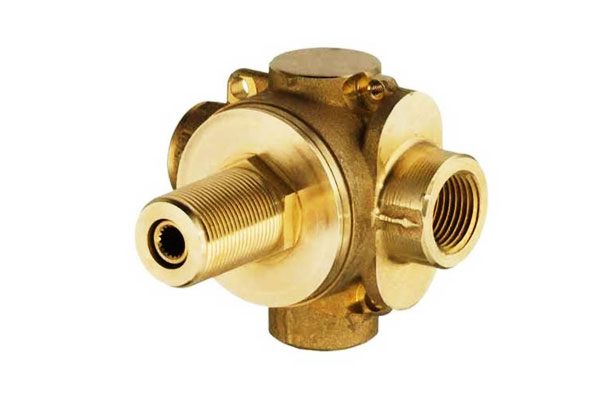
Hydraulika i dystrybucja wody
Mosiężne zawory przełączające są szeroko stosowane w instalacjach wodno-kanalizacyjnych do przekierowywania wody między różnymi wylotami, obwody, lub wyposażenie.
Ich kompaktowa konstrukcja, Odporność na korozję, i dobra obrabialność sprawiają, że nadają się zarówno do domowych, jak i komercyjnych urządzeń do kontroli wody.
Typowe zastosowania obejmują:
- Systemy prysznicowe
- Zespoły kranów
- Urządzenia do dystrybucji wody
- Systemy miksowania i routingu
- Sprzęt sanitarny do użytku domowego
Systemy HVAC i grzewcze
Mosiężne zawory przełączające są powszechnie stosowane w systemach HVAC i wodnych systemach grzewczych do kontrolowania kierunku przepływu wody obiegowej i innych kompatybilnych płynów.
Zawór może przełączać przepływ pomiędzy obiegami grzewczymi, linie obejściowe, lub pętle wtórne.
Typowe zastosowania obejmują:
- Systemy ogrzewania grzejnikowego
- Systemy ogrzewania podłogowego
- Obwody cyrkulacyjne HVAC
- Systemy pomp ciepła
- Kotły i urządzenia grzewcze
Systemy nawadniające
W sprzęcie nawadniającym, Mosiężne zawory przełączające można stosować do kierowania wody pomiędzy różnymi odgałęzieniami lub strefami.
Ich odporność na korozję i solidna konstrukcja sprawiają, że nadają się do wielokrotnego przełączania przepływu w środowiskach zewnętrznych.
Typowe zastosowania obejmują:
- Systemy nawadniające w rolnictwie
- Sprzęt do nawadniania ogrodu
- Systemy zraszaczy
- Nawadnianie szklarni
- Rozdzielacze dystrybucji wody
Sprzęt do uzdatniania wody
Mosiężne zawory przełączające można zintegrować z kompaktowymi systemami uzdatniania wody, w których należy wybrać lub odizolować różne ścieżki przepływu.
Odlewanie precyzyjne jest szczególnie przydatne, gdy korpus zaworu wymaga niestandardowych kanałów wewnętrznych.
Typowe zastosowania obejmują:
- Systemy filtracji wody
- Sprzęt do oczyszczania wody
- Systemy zmiękczające
- Zespoły pomp i filtrów
- Jednostki sterujące uzdatnianiem wody
AGD i sprzęt mieszkaniowy
Kompaktowe mosiężne zawory przełączające są również stosowane w urządzeniach, w których woda lub inny kompatybilny płyn musi być przekierowany pomiędzy różnymi obwodami wewnętrznymi.
Typowe zastosowania obejmują:
- Sprzęt do kawy i napojów
- Urządzenia do mycia
- Podgrzewacze wody
- Sprzęt do czyszczenia
- Urządzenia do kontroli wody w budynkach mieszkalnych
Przemysłowe urządzenia do kontroli płynów
Urządzenia przemysłowe mogą wykorzystywać mosiężne zawory przełączające do odprowadzania wody, olej, powietrze, lub inne kompatybilne płyny, gdzie ciśnienie, temperatura, i środowisko chemiczne mieszczą się w granicach materiałów i konstrukcji zaworu.
Typowe zastosowania obejmują:
- Systemy pompowe
- Sprężarki i urządzenia pomocnicze
- Maszyny do przetwarzania płynów
- Przemysłowe systemy chłodzenia
- Niestandardowe zestawy sprzętu
Systemy komercyjne i specjalistyczne
Niestandardowe mosiężne zawory przełączające są również odpowiednie dla producentów sprzętu, którzy wymagają kompaktowego, wieloportowego elementu sterującego przepływem zaprojektowanego dla określonego zespołu lub obwodu płynu.
Typowe zastosowania obejmują:
- Komercyjny sprzęt hydrauliczny
- Systemy obiegu wody
- Rozdzielacze wyposażenia
- Zespoły kontroli cieczy OEM
- Niestandardowe maszyny i urządzenia procesowe
9. Dlaczego warto wybrać firmę LangHe Industry do odlewania mosiężnych zaworów przełączających metodą traconego wosku & Obróbka?
Do niestandardowych mosiężnych zaworów przełączających, Wybór producenta to nie tylko kwestia znalezienia dostawcy, który może odlewać mosiądz.
Ostatni element zależy od koordynacji inżynierii odlewniczej, Wybór stopu, CNC Mękawka, Wykończenie powierzchni, kontrola wymiarowa, i testy funkcjonalne.
Przemysł Langhe podchodzi do produkcji niestandardowych mosiężnych zaworów przełączających jako zintegrowanego projektu produkcyjnego, umożliwiając wspólne opracowywanie etapów odlewania i obróbki w oparciu o wymagania funkcjonalne klienta.
| Zdolność | Bliższe dane |
| Przybory | C84400, C85700, C87610, C87800, C87850, C89833, C36000. |
| Proces odlewania | Zagubione odlewanie woskowe (Casting inwestycyjny). |
| Tolerancje | ± 0,1–0,3 mm (CT5-CT7 według ISO 8062). |
| CNC Mękawka | CNC Turning, przemiał, wiercenie, stukający, nudny, Rozwierc, gwintowanie. |
| Jakość | ISO 9001:2015 atestowany; 100% kontrola; Cmm. |
| Czas realizacji | 6–12 tygodni na oprzyrządowanie; 2–4 tygodnie w przypadku powtarzających się zamówień. |
10. Wniosek
Mosiężny zawór przełączający jest komponentem kompaktowym, ale jego wymagania produkcyjne są ze sobą ściśle powiązane.
Korpus zaworu musi utrzymywać ciśnienie, zapewniają dokładne ścieżki przepływu, pomieścić wewnętrzny element zaworu, utrzymywać interfejsy uszczelniające, i niezawodnie łączyć się z zewnętrznymi rurociągami lub sprzętem.
Do skomplikowanych projektów niestandardowych, Odlewanie w wosku traconym zapewnia skuteczny sposób ustalenia głównej geometrii korpusu zaworu, łącznie z niestandardowymi portami, Szefowie, przejścia, i odpowiednią architekturę wewnętrzną.
Obróbka CNC przynosi następnie gwinty, nudy, Siedzenia zaworów, rowki uszczelniające, i interfejsy siłowników z wymaganą precyzją.
Równie ważny jest dobór materiału. Różne stopy mosiądzu oferują różne kombinacje lejności, maszyna, Siła mechaniczna, Odporność na korozję, i przydatność regulacyjna.
Dlatego właściwy wybór musi opierać się na rzeczywistym płynie i środowisku pracy.
LangHe Industry łączy precyzyjne odlewanie mosiądzu i obróbkę CNC, aby wspierać produkcję niestandardowych zaworów przełączających od wstępnego przeglądu projektu po kontrolę gotowego elementu, pomaganie klientom OEM w przekształcaniu złożonych koncepcji zaworów w produkty nadające się do produkcji i powtarzalne.
FAQ
Co to jest mosiężny zawór przełączający?
Mosiężny zawór przełączający to wieloportowe urządzenie sterujące płynem używane do przekierowywania lub selektywnego rozprowadzania płynu pomiędzy różnymi ścieżkami przepływu.
Wewnętrzny element zaworowy określa, które przyłącza są podłączone w każdej pozycji roboczej.
Dlaczego mosiądz jest powszechnie używany do zaworów przełączających??
Mosiądz zapewnia użyteczną kombinację odporności na korozję, maszyna, Siła mechaniczna, Wydajność, i efektywność kosztowa.
Te właściwości sprawiają, że nadaje się do wielu wód, HVAC, instalacja wodociągowa, urządzenie, oraz zastosowania przemysłowe w zakresie kontroli płynów.
Po co stosować odlew z wosku traconego do mosiężnego zaworu przełączającego?
Odlewanie metodą traconego wosku jest szczególnie przydatne, gdy korpus zaworu ma złożoną geometrię, wiele portów, zintegrowani szefowie, lub dostosowane kanały przepływowe.
Wytwarza korpus o kształcie zbliżonym do netto, który można następnie poddać obróbce CNC.
Czy mosiężne zawory przełączające można stosować do wody pitnej??
Mogą być, pod warunkiem, że kompletna konstrukcja zaworu spełnia obowiązujące wymagania dotyczące wody pitnej.
Stop mosiądzu, treść wiodąca, zwilżone elementy, proces produkcyjny, i wymaganą zgodność produktu, należy wziąć pod uwagę.