

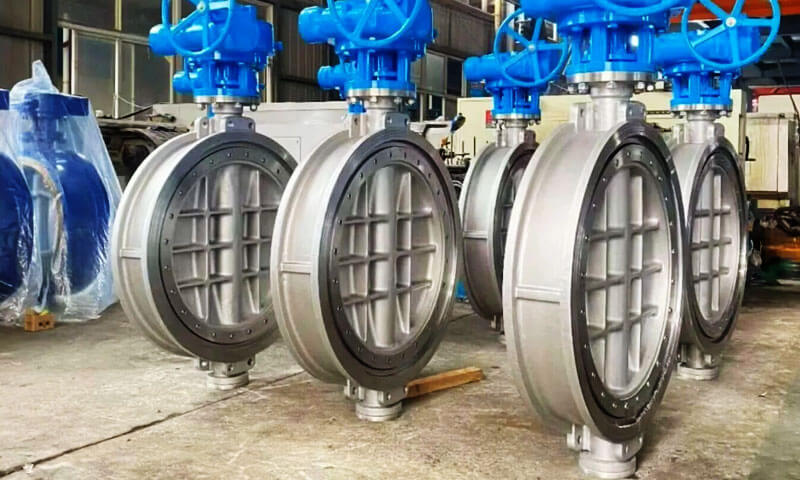
Zawory motylkowe należą do najczęściej stosowanych urządzeń do kontroli przepływu w rurociągach przemysłowych, oferując proste, kompaktowy, i ekonomiczne rozwiązanie do regulacji przepływu gazów, płyny, i szlamy.
Gdy aplikacja wymaga siły, gospodarka, i umiarkowana odporność na korozję, przepustnice ze stali węglowej stać się wyborem domyślnym — szczególnie w przypadku uzdatniania wody, ropa i gaz, wytwarzanie energii, i ogólne usługi przemysłowe.
Produkcja elementów przepustnic ze stali węglowej – korpusów, dyski, łodygi, i wsporniki – tradycyjnie opierało się na odlewaniu lub wytwarzaniu w piasku.
Jednakże, Casting inwestycyjny (Rzucanie za utracone) okazała się doskonałą metodą produkcji wielu elementów zaworów ze stali węglowej, ofiara precyzja kształtu zbliżona do netto, Doskonałe wykończenie powierzchniowe, ścisłe tolerancje wymiarowe, i spójne właściwości mechaniczne.
Artykuł ten stanowi kompleksowy przewodnik techniczny i strategiczny po rozwiązaniach w zakresie odlewania metodą traconego przepustnicy ze stali węglowej.
1. Co to jest zawór motylkowy ze stali węglowej?
A Stal węglowa Zawór motyla to ćwierćobrotowy zawór obrotowy przeznaczony do uruchamiania, zatrzymywać się, lub regulować przepływ płynu, obracając okrągły dysk wokół centralnego wału.
W przeciwieństwie do zaworów o ruchu liniowym, takich jak zasuwy lub zawory kulowe, przepustnice wymagają jedynie obrotu o 90 stopni, aby przemieszczać się pomiędzy pozycjami całkowicie otwartymi i całkowicie zamkniętymi, umożliwiając szybką pracę przy minimalnym momencie obrotowym.
Ich prosta, ale wydajna konstrukcja czyni je jednym z najbardziej wszechstronnych typów zaworów do przemysłowych systemów transportu płynów.
Przepustnice ze stali węglowej są szeroko stosowane w rurociągach transportujących wodę, para, olej, gaz ziemny, sprężone powietrze, oraz różne media niekorozyjne lub lekko korozyjne.
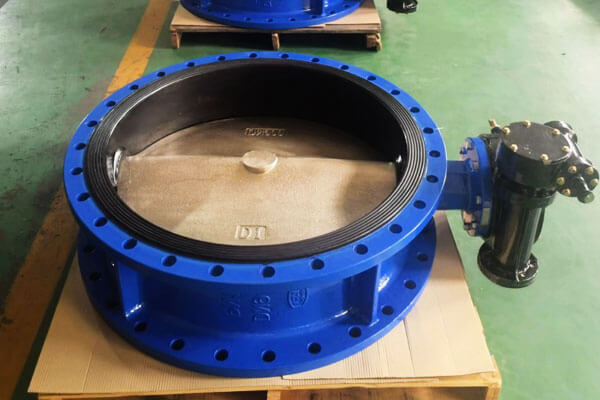
Podstawowe elementy zaworu motylkowego
| Część | Funkcjonować |
| Ciało | Obudowa zawierająca dysk, miejsca, i łodyga; zapewnia połączenia rurowe (kołnierz, targać, opłatek). |
| Dysk | Obrotowy element zamykający; kontroluje przepływ poprzez obrót z pozycji otwartej do zamkniętej. |
| Trzon (wał) | Przenosi moment obrotowy z siłownika na tarczę. |
| Miejsca | Zapewnij uszczelnienie pomiędzy dyskiem a korpusem; wymienne lub integralnie odlane. |
| Aparat | Podręcznik (dźwignia, koło ręczne) lub zautomatyzowane (pneumatyczny, elektryczny, hydrauliczny). |
| Czapeczka / górny kołnierz | Mieści trzpień i umożliwia montaż siłownika. |
| Pieczęcie | Zapobiegaj wyciekom wzdłuż łodygi. |
Rodzaje konstrukcji korpusów zaworów motylkowych
| Typ ciała | Opis | Typowe zastosowania |
| W stylu waflowym | Cienki korpus z otworami na śruby; umieszczone pomiędzy kołnierzami rur. | Niskie ciśnienie, systemy kompaktowe, HVAC, linie wodne. |
| Styl Lug | Gwintowane wkładki po każdej stronie; możliwa usługa „końca linii”.. | Umiarkowane ciśnienie; dostęp konserwacyjny. |
| Kołnierz | Zintegrowane kołnierze na obu końcach; przykręcane bezpośrednio do kołnierzy rur. | Wysokie ciśnienie, systemy o dużej średnicy, olej & gaz. |
| Zgrzewanie doczołowe | Końcówki przeznaczone do wspawania w rurę. | Wysoka temperatura, wysokociśnieniowe, systemy krytyczne pod względem nieszczelności. |
Krytyczne wymagania funkcjonalne dla przepustnic ze stali węglowej
| Wymóg | Implikacje inżynieryjne |
| Integralność ciśnienia | Musi wytrzymać ciśnienie wewnętrzne (do klasy ASME 150-600 dla stali węglowej). |
| Siła i wytrzymałość | Musi wytrzymywać obciążenia mechaniczne, wibracja, i cykl termiczny. |
| Dokładność wymiarowa | Precyzyjny otwór, okładzina kołnierza, i wyrównanie otworu trzpienia zapewniają szczelność i działanie. |
| Odporność na korozję | Umiarkowana odporność na warunki atmosferyczne, woda, i łagodne środowiska chemiczne. |
| Spawalność | Gatunki stali węglowej muszą nadawać się do spawania podczas montażu i naprawy. |
| Opłacalność | Niższy koszt materiału niż stal nierdzewna; nadaje się do zaworów o dużej średnicy. |
2. Dlaczego odlewanie inwestycyjne jest idealne do elementów zaworów motylkowych
Casting inwestycyjny, powszechnie znany jako proces odlewania wosku traconego, jest uznawana za jedną z najbardziej zaawansowanych technologii wytwarzania precyzyjnych elementów metalowych.
W porównaniu z konwencjonalnymi metodami odlewania, odlewanie metodą traconą zapewnia znaczną poprawę dokładności wymiarowej, Jakość powierzchni, integralność strukturalna, i spójność produkcji, dzięki czemu nadaje się szczególnie do wysokowydajnych elementów przepustnic.
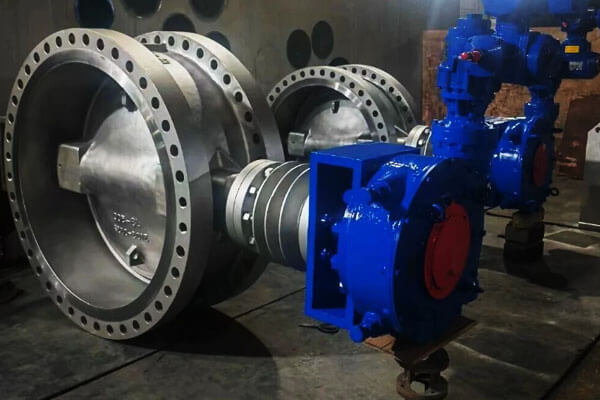
Wyjątkowa dokładność wymiarowa
Zawory motylkowe zawierają wiele precyzyjnie wykonanych interfejsów, łącznie z powierzchniami kołnierzy, Nudzi łodyga, noszące siedzenia, i powierzchnie uszczelniające.
Nawet niewielkie odchylenia wymiarowe mogą prowadzić do wycieków, nadmierny moment obrotowy, lub przedwczesne zużycie.
Odlewanie metodą traconą pozwala uzyskać komponenty o kształcie zbliżonym do netto z wąskimi tolerancjami, znacznie zmniejszając potrzebę obróbki korekcyjnej i zapewniając doskonałą wymienność pomiędzy częściami.
Korzyści obejmują:
- Poprawiona wydajność montażu
- Zmniejszone naddatki na obróbkę
- Lepsza skuteczność uszczelniania
- Stała jakość produktu we wszystkich partiach produkcyjnych
Najwyższe wykończenie powierzchni
W odróżnieniu od odlewania w piasku, gdzie grube pleśnie często pozostawiają szorstkie powierzchnie, odlewanie metodą inwestycyjną wykorzystuje drobne powłoki ceramiczne, które dokładnie odtwarzają wzór wosku.
Typowa chropowatość powierzchni waha się od RA 3,2-6,3 μm, że:
- Lepsza przyczepność powłoki
- Zmniejszone wymagania dotyczące polerowania
- Niższy opór płynu
- Ulepszony wygląd odsłoniętych elementów zaworu
Gładsza wewnętrzna ścieżka przepływu przyczynia się również do zmniejszenia turbulencji i niższych strat ciśnienia podczas pracy.
Złożona geometria bez dodatkowej obróbki
Nowoczesne korpusy zaworów motylkowych często zawierają żebra wzmacniające, podkładki montażowe siłownika, kontury kierujące przepływem, i zintegrowane struktury wsporcze.
Wytwarzanie tych cech poprzez obróbkę skrawaniem lub wytwarzanie zwiększa złożoność i koszty produkcji.
Odlewanie metodą traconą umożliwia formowanie tych skomplikowanych geometrii bezpośrednio podczas odlewania, zmniejszenie liczby połączeń spawanych i poprawa integralności konstrukcji.
Ulepszona jakość metalurgicznej
Ponieważ roztopiony metal wypełnia precyzyjną formę ceramiczną w dokładnie kontrolowanych warunkach, odlewanie inwestycyjne może osiągnąć:
- Jednolita struktura ziarna
- Zmniejszona segregacja
- Niższa zawartość włączenia
- Poprawiona gęstość
- Zwiększona odporność na zmęczenie
Te zalety metalurgiczne są szczególnie cenne w przypadku zaworów pracujących pod cyklicznym ciśnieniem lub zmieniającymi się warunkami termicznymi.
Wyższe wykorzystanie materiału
Tradycyjna obróbka często usuwa znaczną część surowca, aby uzyskać ostateczną geometrię, co skutkuje niepotrzebnymi odpadami.
Odlewanie metodą traconą pozwala uzyskać komponenty zbliżone do ich ostatecznych wymiarów, oferując szereg korzyści ekonomicznych:
- Mniej strat materiału
- Skrócony czas obróbki
- Mniejsze zużycie narzędzi
- Krótsze cykle produkcyjne
- Lepsza trwałość
Porównanie metod wytwarzania
| Metoda produkcyjna | Precyzja | Wykończenie powierzchni | Wykorzystanie materiału | Wydajność produkcji | Odpowiednie zastosowania |
| Casting inwestycyjny | Doskonały | Doskonały | Doskonały | Wysoki | Precyzyjne elementy zastawki |
| Casting piasku | Umiarkowany | Surowy | Umiarkowany | Wysoki | Duży, proste odlewy |
| Kucie | Doskonały | Dobry | Umiarkowany | Średni | Części ciśnieniowe o wysokiej wytrzymałości |
| CNC Mękawka | Doskonały | Doskonały | Niski | Niski | Niestandardowe komponenty w małych partiach |
3. Wybór materiału ze stali węglowej do odlewania inwestycyjnego
Wybór materiału jest jedną z najważniejszych decyzji inżynieryjnych przy produkcji przepustnic wykonanych z odlewu metodą traconego metodą ciśnieniową.
Podczas gdy proces odlewania metodą traconą określa dokładność wymiarową i integralność strukturalną, . gatunek stali węglowej
Typowe gatunki stali węglowej do zaworów motylkowych odlewanych metodą traconą
Różne gatunki stali węglowej są zaprojektowane tak, aby spełniać określone warunki pracy.
Standardowe stale węglowe, takie jak WCB I Wcc są szeroko stosowane w ogólnych zastosowaniach przemysłowych, podczas gdy gatunki niskotemperaturowe, takie jak LCB I LCC są wybierane do pracy kriogenicznej.
Do środowisk o podwyższonej temperaturze, staliwa stopowe chromowo-molibdenowe, w tym WC6 I WC9
Poniższa tabela podsumowuje najczęściej stosowane gatunki odlewanych metodą ciśnieniową elementów przepustnic.
| Grade ASTM | USA nr. | Węgiel (%) | Granica plastyczności (MPA) | Wytrzymałość na rozciąganie (MPA) | Wydłużenie (%) | Maksymalna temperatura usługi | Typowe zastosowania |
| WCA | J02502 | ≤0,25 | ≥205 | ≥415 | ≥24 | 425° C. | Ekonomiczne zawory do zastosowań niskociśnieniowych i niekrytycznych |
| WCB | J03002 | ≤0,30 | ≥250 | ≥485 | ≥22 | 425° C. | Standardowe przepustnice do wody, olej, gaz, i parę |
| Wcc | J02505 | ≤0,25 | ≥275 | ≥485 | ≥22 | 425° C. | Zawory do dużych obciążeń wymagające większej wytrzymałości i lepszej spawalności |
| LCB | J03003 | ≤0,25 | ≥240 | ≥450 | ≥22 | -46° C. | Rurociągi niskotemperaturowe i systemy chłodnicze |
| LCC | J03005 | ≤0,25 | ≥275 | ≥485 | ≥22 | -46° C. | Instalacje LNG, obróbka kriogeniczna, i zastosowania w zimnym klimacie |
| WC6 | J12072 | 0.05–0,20 | ≥275 | ≥550 | ≥20 | 540° C. | Wysokotemperaturowe systemy wytwarzania pary i energii |
| WC9 | J21890 | 0.05–0,18 | ≥310 | ≥585 | ≥20 | 595° C. | Wysokotemperaturowy sprzęt petrochemiczny i rafineryjny |
Wśród tych materiałów, ASTM A216 WCB pozostaje punktem odniesienia w branży dla korpusów przepustnic ze stali węglowej ze względu na doskonałą równowagę wydajności mechanicznej, Wydajność, maszyna, i opłacalność.
Jest to preferowany wybór w większości zastosowań przemysłowych działających w temperaturach otoczenia lub umiarkowanie podwyższonych.
4. Proces produkcji odlewów inwestycyjnych dla zaworu motylkowego
Wydajność przepustnicy ze stali węglowej zależy nie tylko od jej konstrukcji i doboru materiału, ale także od precyzji i stabilności procesu produkcyjnego.
Casting inwestycyjny, znany również jako proces odlewania wosku traconego, to wysoce kontrolowana metoda produkcji, umożliwiająca wytwarzanie złożonych elementów zaworów z wyjątkową dokładnością wymiarową, Doskonałe wykończenie powierzchniowe, i spójne właściwości metalurgiczne.
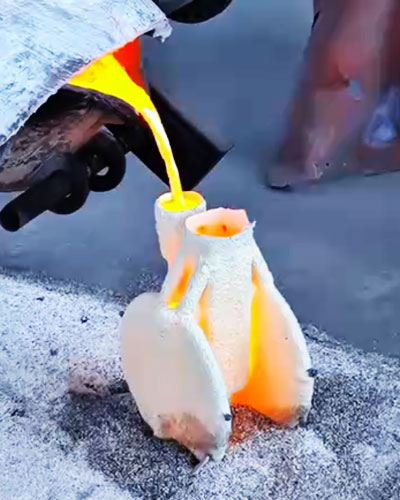
W odróżnieniu od konwencjonalnego odlewania w piasku, produkuje odlewanie inwestycyjne Bliski Net-Shape elementy, które wymagają znacznie mniej obróbki przy zachowaniu węższych tolerancji.
Proces ten jest szczególnie odpowiedni w przypadku korpusów zaworów motylkowych, dyski, wsporniki montażowe, i inne części konstrukcyjne, w których precyzja bezpośrednio wpływa na skuteczność uszczelnienia i niezawodność działania.
Przegląd przebiegu procesu
| Scena | Krok | Kluczowy szczegół |
| 1 | Produkcja wzorów | Wtrysk wosku do precyzyjnej metalowej matrycy (narzędzie) odwzorowujący kształt korpusu zaworu. |
| 2 | Montaż drzewa | Wiele wzorów wosku przymocowanych do centralnego wlewu (drzewo). |
| 3 | Budynek skorupy | 6-10 warstw zaczynu ceramicznego (Krzemionka sol) + stiuk (cyrkon/tlenek glinu). |
| 4 | DEWAXING | Autoklaw parowy topi wosk; pozostaje skorupa. |
5 |
Wystrzał pocisków | Wypalany w temperaturze 900-1100°C w celu wzmocnienia ceramiki i usunięcia substancji lotnych. |
| 6 | Topienie stali węglowej & zsyp | Topienie indukcyjne lub łukowe w temperaturze 1550-1650°C; wlewa się do podgrzanej muszli. |
| 7 | Chłodzenie & nokaut | Kontrolowane chłodzenie; skorupa usunięta za pomocą wibracji lub strumienia wody. |
| 8 | Odcięcie & wykończeniowy | Bramy i podstopnice przecięte; szlifowanie, Strzały, koziołkujący. |
| 9 | Obróbka cieplna | Normalizowanie lub odprężanie w celu uzyskania określonych właściwości. |
| 10 | Kontrola & Testowanie | Wizualny, wymiarowy, Ndt (X -Ray, Penetrujący barwnik), próba ciśnienia hydrostatycznego. |
Krytyczne elementy sterujące procesem dla korpusów zaworów ze stali węglowej
| Czynnik | Cel | Dlaczego to ma znaczenie |
| Nalewanie temperatury | 1550-1650°C | Za niskie → nieprawidłowe działanie; za wysoka → erozja skorupy, Porowatość gazu. |
| Wstępne podgrzanie skorupy | 200-600°C | Zapobiega szokowi termicznemu; poprawia wypełnienie. |
| Szybkość chłodzenia | Kontrolowane (powietrze) | Zapobiega wytrącaniu się węglików; zapewnia wytrzymałość. |
| Projekt bramkowy | Unika turbulencji; sprzyja kierunkowemu zestalaniu | Zmniejsza wtrącenia i porowatość skurczową. |
| Obróbka cieplna | Normalizowanie (870-930°C) lub odprężenie (600-650°C) | Osiąga określone właściwości mechaniczne; łagodzi stres resztkowy. |
Obróbka cieplna odlewów zaworów ze stali węglowej
| Leczenie | Temperatura | Chłodzenie | Zamiar |
| Normalizowanie | 870-930°C | Air Cool | Udaje strukturę ziarna; poprawia siłę i wytrzymałość. |
| Ulga stresowa | 600-650°C | Piec lub chłodzenie powietrzem | Zmniejsza naprężenia szczątkowe powstałe podczas odlewania i spawania. |
| Gaszenie & ruszenie | 850-900°C (ugasić) + 550-650°C (hartować) | Olej lub woda + powietrze | Zwiększa siłę i twardość (do zastosowań wyższej klasy). |
5. Rozwiązania w zakresie odporności na korozję i ochrony powierzchni
Stal węglowa jest powszechnie ceniona ze względu na wysoką wytrzymałość, Doskonała maszyna, i opłacalność. Jednakże, w przeciwieństwie do stali nierdzewnej, To nie posiada naturalnej odporności na korozję.
Po wystawieniu na tlen, wilgoć, sole, lub agresywnych chemicznie mediów, stal węglowa jest podatna na utlenianie, równomierna korozja, wżery, i korozja szczelinowa.
Bez odpowiedniej ochrony, te mechanizmy korozji mogą stopniowo zmniejszać grubość ścianki, pogarszać skuteczność uszczelniania, zwiększyć moment obrotowy, i ostatecznie skrócić żywotność przepustnicy.
Na szczęście, postęp w inżynierii powierzchni umożliwił przepustnicom ze stali węglowej osiągnięcie długotrwałej trwałości nawet w wymagających warunkach pracy dzięki zastosowaniu powłok ochronnych, Metalowe wykończenia, Podszewki, i właściwe strategie konserwacji.
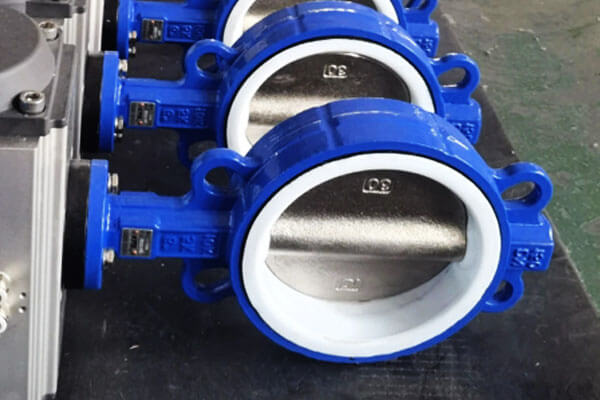
Typowe metody ochrony przed korozją
Dla przepustnic ze stali węglowej dostępne są różne technologie obróbki powierzchni, każdy oferuje inny poziom odporności na korozję, Ochrona z noszenia, i efektywność ekonomiczna.
| Metoda ochrony | Opis procesu | Typowa grubość powłoki (μm) | Szacowany okres użytkowania* | Typowe zastosowania |
| Malowanie epoksydowe / Powłoka w płynie | Nakładanie natryskiem lub pędzlem przemysłowej farby epoksydowej | 100–300 | 5–15 lat | Ogólne zawory przemysłowe, woda, powietrze, HVAC |
| Powłoka proszkowa | Elektrostatyczne natryskiwanie proszkowe, a następnie utwardzanie w piecu | 60–120 | 10–20 lat | Woda miejska, sprzęt przemysłowy, instalacje zewnętrzne |
| Klej epoksydowy (FBE) | Elektrostatyczny proszek epoksydowy nakładany na nagrzaną powierzchnię stali | 250–500 | 20–30 lat | Rurociągi wodne, zakopane rurociągi, systemy przeciwpożarowe |
| Galwanizacja na gorąco | Zanurzenie w stopionym cynku w celu wytworzenia metalurgicznej powłoki cynkowej | 50–100 | 20–40 lat | Konstrukcje zewnętrzne, obiekty przybrzeżne, sprzęt morski |
| Galwanotechnika (Cynk/nikiel) | Elektrochemiczne osadzanie powłok metalicznych | 5–25 | 5–15 lat | Łączniki, łodygi, ochrona dekoracyjna lub lekka |
Fosfor się |
Chemiczna powłoka konwersyjna tworząca warstwę fosforanową | 5–20 | 2–5 lat | Przygotowanie wstępne przed malowaniem, tymczasowa ochrona antykorozyjna |
| Wyściółka lub powłoka PTFE/FEP | Wyściółka z fluoropolimeru nałożona na powierzchnie wewnętrzne | 300–1000 | Zależy od warunków świadczenia usługi | Żrące chemikalia, kwasy, Alkalis |
| Ochrona katodowa | Anody ofiarne lub systemy prądu pod wrażeniem | - - | Zależne od projektu | Zakopowane rurociągi, zawory zanurzone |
| Dodatek na korozję | Dodatkowa grubość ścianki uwzględniona podczas projektowania | 1–3 mm | Zależne od projektu | Rurociągi przemysłowe długoterminowe |
Notatka: Rzeczywisty okres użytkowania różni się w zależności od warunków środowiskowych, jakość powłoki, praktyki konserwacyjne, i temperatura robocza.
Wśród tych metod, Klej epoksydowy (FBE) stało się jednym z najczęściej stosowanych rozwiązań przepustnic ze stali węglowej w miejskich wodociągach, Oczyszczanie ścieków, i infrastrukturę rurociągów ze względu na doskonałą przyczepność, Odporność chemiczna, i długoterminowa trwałość.
Wybór odpowiedniego systemu ochrony powierzchni
Żaden pojedynczy system powłokowy nie jest odpowiedni dla każdego środowiska operacyjnego.
Wybór rozwiązania zabezpieczającego przed korozją powinien opierać się na kompleksowej ocenie narażenia środowiska, charakterystyka mediów, temperatura serwisowa, zużycie mechaniczne, i dostępność konserwacji.
Poniższe zalecenia zawierają praktyczne wskazówki dotyczące typowych scenariuszy zastosowań.
| Środowisko operacyjne | Zalecana ochrona powierzchni | Uzasadnienie inżynieryjne |
| Wnętrz, suche środowiska | Farba epoksydowa lub powłoka proszkowa (100–150 μm) | Ekonomiczna ochrona przed korozją atmosferyczną |
| Plenerowy, instalacje inne niż przybrzeżne | Grubowarstwowa powłoka epoksydowa lub cynkowanie ogniowe | Doskonała odporność na deszcz, wilgotność, i ekspozycja UV |
| Środowiska przybrzeżne i morskie | Cynkowanie ogniowe z powłoką epoksydową (system powłok dwustronnych) | Cynk zapewnia ochronę, podczas gdy żywica epoksydowa działa jak bariera przed mgłą solną |
| Zaopatrzenie w wodę i oczyszczanie ścieków | Wewnętrzna i zewnętrzna żywica epoksydowa łączona metodą stapiania (FBE) powłoka | Doskonała odporność na wodę, Łagodne chemikalia, i korozję pod wpływem mikrobiologii |
Przetwarzanie chemiczne |
Wyściółka z PTFE lub FEP; alternatywnie, stal nierdzewna do ciężkich zastosowań | Wykładziny fluoropolimerowe są odporne na agresywne kwasy, Alkalis, i rozpuszczalniki |
| Zakopowane rurociągi | Powłoka FBE połączona z ochroną katodową | Zapobiega korozji gleby i wydłuża żywotność podłoża |
| Środowiska o wysokiej ścieralności | Powłoka epoksydowo-ceramiczna lub odporna na zużycie powłoka polimerowa | Poprawia zarówno odporność na korozję, jak i ścieranie |
Strategie projektowania zwiększające odporność na korozję
Oprócz obróbki powierzchni, przemyślany projekt inżynieryjny odgrywa znaczącą rolę w poprawie odporności na korozję przepustnic ze stali węglowej.
Kluczowe kwestie projektowe obejmują:
- Utrzymywanie jednolita grubość ściany aby zminimalizować miejscową korozję.
- Eliminacja szczelin, w których może gromadzić się wilgoć i zanieczyszczenia.
- Projektowanie gładkich wewnętrznych kanałów przepływu w celu ograniczenia erozji-korozji.
- Zawiera duże promienie, aby uniknąć koncentracji naprężeń i rozcieńczenia powłoki.
- Izolowanie różnych metali w celu zapobiegania korozji galwanicznej.
- Zapewnia wystarczający naddatek na korozję w zastosowaniach, w których występują przewidywalne straty materiału.
- Wybór kompatybilnych materiałów uszczelniających i elementów złącznych dla środowiska serwisowego.
6. Typowe wady odlewów i rozwiązania inżynieryjne
Odlewanie metodą traconą słynie z produkcji precyzyjnych komponentów, jednak żaden proces produkcyjny nie jest całkowicie odporny na wady.
Różnice w konstrukcji formy, Jakość metalu, Parametry nalewające, warunki chłodzenia, lub kontrola procesu może prowadzić do niedoskonałości wpływających na właściwości mechaniczne, dokładność wymiarowa, i skuteczność uszczelniania elementów przepustnicy.
Zrozumienie pierwotnych przyczyn tych wad i wdrożenie odpowiednich rozwiązań inżynieryjnych jest niezbędne do osiągnięcia stałej jakości produktu i minimalizacji kosztów produkcji.
| Wada | Podpis wizualny/NDT | Przyczyna podstawowa | Zapobieganie / zaradzić |
| Porowatość gazu | Okrągłe puste przestrzenie wewnętrzne | Rozpuszczony wodór/azot; nieodpowiednie odgłos. | Spalić, aby się stopić; poprawić praktykę nalewania; użyj czystego ładunku. |
| Porowatość skurczowa | Szczerbaty, nieregularne puste przestrzenie wewnętrzne | Niewystarczające karmienie; zła konstrukcja pionu. | Zoptymalizuj bramkowanie/wznoszenie; używaj dreszczy; symulować zestalanie. |
| Gorące łzy | Pęknięcia z postrzępionymi krawędziami | Naprężenie rozciągające podczas końcowego krzepnięcia; ograniczenie formy. | Obniż temperaturę zalewania; poprawić składaność skorupy. |
| Wtrącenia (tlenek/żużel) | Nieregularne cząstki niemetaliczne | Burzliwe wylewanie; brudny stop; zerodowana skorupa. | Filtry ceramiczne; nalewanie od dołu; czysty ładunek. |
Egipt / zimno zamknięte |
Niekompletne wypełnienie; złożona powierzchnia | Niska temperatura zalewania; słaba płynność. | Zwiększ temperaturę zalewania; poprawić bramkowanie. |
| Chropowatość powierzchni / płetwa | Podniesione linie na powierzchni | Pękanie skorupy podczas napełniania; niska wytrzymałość skorupy. | Zwiększ grubość skorupy; użyj mocniejszego spoiwa. |
| Odchylenie wymiarowe | Wymiary poza tolerancją | Różnice w skurczu wosku; ekspansja powłoki; umrzeć nosić. | Kontroluj wtrysk wosku; utrzymać stan matrycy. |
Zapewnienie jakości odlewów zaworów ze stali węglowej
| Element kontroli jakości | Metoda | Kryteria akceptacji |
| Analiza chemiczna | Spektrometria | Spełnia specyfikację ASTM A216. |
| Testy mechaniczne | Rozciągający, twardość, uderzenie | Wydajność ≥250 MPa; Wydłużenie ≥22%. |
| Ndt | Penetrujący barwnik (Pt) lub radiografia (Rt) | Żadnych pęknięć, porowatość przekraczająca specyfikację. |
| Kontrola wymiarowa | Cmm, Wskaźniki | Spełnia tolerancje rysunku; płaskość powierzchni kołnierza. |
| Testowanie ciśnienia | Hydrostatyczny (1.5× Ciśnienie znamionowe) | Brak wycieków; brak deformacji. |
| Wykończenie powierzchni | Wizualny, profilometr | Ra ≤6,3 µm (lub jak określono). |
7. Zalety zaworu motylkowego ze stali węglowej odlewanej metodą inwestycyjną
| Korzyść | Wyjaśnienie |
| Złożone geometrie | Wewnętrzne kanały przepływowe, żeberka, kołnierze, i elementy montażowe odlane integralnie. |
| Kształt zbliżony do netto | Redukuje czas obróbki i straty materiału (85-95% wydajności materiału). |
| Doskonałe wykończenie powierzchniowe | Odlew surowy Ra 1,6–6,3 µm zmniejsza opory przepływu i problemy z uszczelnieniem. |
| Ścisłe tolerancje wymiarowe | ±0,1–0,3 mm; zapewnia wyrównanie kołnierzy i szczelne uszczelnienie. |
| Stałe właściwości mechaniczne | Jednolita struktura ziarna; niezawodna wytrzymałość i wytrzymałość. |
| Elastyczność stopu | Obsada WCB, Wcc, LCB, LCC, WC6, WC9, i niestandardowe stopnie. |
| Opłacalność | Niższy koszt całkowity niż kucie + obróbka skomplikowanych kształtów. |
| Integralność ciśnienia | Odlewy dźwiękowe wytrzymują wysokie ciśnienia (Klasa 150-600). |
| Spawalność | Gatunki stali węglowej są łatwo spawalne w celu montażu i naprawy. |
| Skalowalność | Nadaje się do wielkości partii od 100 Do 10,000+ komponentów rocznie. |
8. Zastosowania przemysłowe zaworów motylkowych ze stali węglowej
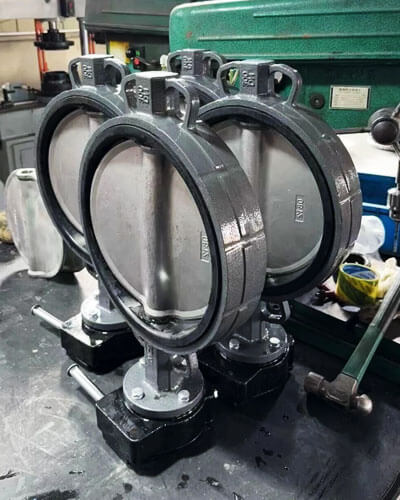
Przepustnice ze stali węglowej produkowane metodą odlewania metodą traconego paliwa są szeroko stosowane w gałęziach przemysłu wymagających niezawodnej kontroli przepływu, Wysoka wytrzymałość mechaniczna, i ekonomiczne działanie.
Ich doskonała zdolność wytrzymywania nacisku, w połączeniu z precyzyjną produkcją i ochronną obróbką powierzchni, umożliwia im efektywną pracę w szerokim zakresie środowisk usługowych.
Przemysł naftowy i gazowy
Sektor naftowo-gazowy stawia jedne z najwyższych wymagań w zakresie wydajności zaworów.
Zawory motylkowe są powszechnie instalowane przed zaworem, środkowy prąd, i dalsze operacje, w których regulują przepływ ropy naftowej, gaz ziemny, produkty rafinowane, i pomocnicze płyny procesowe.
Typowe zastosowania obejmują:
- Systemy transportu rurociągowego
- Rafinerie ropy naftowej
- Zakłady przetwarzania gazu
- Terminale magazynowe
- Platformy offshore
- Stacje pomp
Zaopatrzenie w wodę i oczyszczanie ścieków
Miejska infrastruktura wodna w dużym stopniu opiera się na przepustnicach, ponieważ zapewniają one ekonomiczną kontrolę przepływu w rurociągach o dużej średnicy.
Typowe aplikacje obejmują:
- Dystrybucja wody pitnej
- Oczyszczalnia wody
- Oczyszczalnie ścieków
- Stacje pomp
- Systemy nawadniające
- Rośliny odsalania
Przemysł przetwarzania chemicznego
Zakłady produkcji chemicznej wymagają zaworów zdolnych do obsługi szerokiej gamy cieczy i gazów w kontrolowanych warunkach.
Przepustnice ze stali węglowej nadają się do mediów lekko korozyjnych, jeśli są wyposażone w odpowiednie wykładziny lub powłoki ochronne.
Typowe zastosowania obejmują:
- Rurociągi przesyłowe chemikaliów
- Zbiorniki magazynowe
- Systemy wody chłodzącej
- Rurociągi użyteczności publicznej
- Systemy obsługi rozpuszczalników
W zależności od medium procesowego, tarcze i gniazda zaworów mogą być wyłożone PTFE lub innymi materiałami odpornymi na korozję.
Wytwarzanie energii
Elektrownie działają w wysokich temperaturach i ciśnieniach, wymagające niezawodnego działania zaworu w trakcie ciągłych cykli roboczych.
Zawory motylkowe są powszechnie stosowane w:
- Obieg wody chłodzącej
- Systemy skraplaczy
- Układy pomocnicze kotła
- Spalin Desulfuriation (FGD)
- Sieci przeciwpożarowe
Górnictwo i Przeróbka Minerałów
W kopalniach transportowane są szlamy ścierne, ścieki, i płyny procesowe, które powodują znaczne zużycie wyposażenia rurociągów.
Zawory motylkowe są często instalowane w:
- Systemy transportu gnojowicy
- Rurociągi odpadowe
- Zakłady przerobu rudy
- Systemy odzyskiwania wody
- Systemy tłumienia pyłu
Przemysł morski i stoczniowy
Środowiska morskie narażają sprzęt na działanie wilgoci, spray solny, i wahania temperatur.
Typowe zastosowania obejmują:
- Systemy wody balastowej
- Obiegi wody chłodzącej
- Systemy zęzowe
- Linie przesyłowe paliwa
- Systemy przeciwpożarowe
Usługi HVAC i budowlane
Budynki komercyjne i obiekty przemysłowe wykorzystują do ogrzewania przepustnice, wentylacja, i systemy klimatyzacji.
Aplikacje obejmują:
- Systemy wody lodowej
- Cyrkulacja ciepłej wody
- Chłodzące wieże
- Ciepło miejskie
- Systemy tryskaczowe przeciwpożarowe
Przemysł spożywczy i ogólnoprzemysłowy
Chociaż stal nierdzewna jest ogólnie preferowana w procesach higienicznych, Zawory motylkowe ze stali węglowej są szeroko stosowane w instalacjach użyteczności publicznej obsługujących obiekty gastronomiczne.
Typowe zastosowania obejmują:
- Dystrybucja pary
- Woda chłodząca
- Sprężone powietrze
- Rurociągi użyteczności publicznej
- Woda procesowa niebędąca produktem
9. Stal węglowa vs.. Zawór motyla ze stali nierdzewnej
Wybór pomiędzy A Stal węglowa i a przepustnica ze stali nierdzewnej wymaga oceny czegoś więcej niż tylko początkowej ceny zakupu.
Inżynierowie muszą wziąć pod uwagę wydajność mechaniczną, Odporność na korozję, środowisko operacyjne, wymagania konserwacyjne, Koszt cyklu życia, i zgodność ze standardami branżowymi.
| Współczynnik porównawczy | Zawór motylkowy ze stali węglowej | Zawór motyla ze stali nierdzewnej |
| Typowe gatunki materiałów | ASTM A216 WCB, Wcc, LCB, LCC | ASTM A351 CF8, CF8M, CF3, CF3M |
| Siła mechaniczna | Doskonała wytrzymałość i sztywność; idealny dla średnich- i systemy wysokociśnieniowe | Wysoka wytrzymałość połączona z doskonałą wytrzymałością; nieco niższa granica plastyczności dla niektórych gatunków austenitycznych |
| Odporność na korozję | Umiarkowany; wymaga powłok ochronnych lub okładzin zapobiegających rdzy | Wyjątkowa odporność na korozję dzięki bogatej w chrom folii pasywnej |
| Zdolność temperatury | Nadaje się do około -46°C do 425°C (dostępne są specjalne gatunki przeznaczone do wyższych temperatur) | Nadaje się zarówno do pracy kriogenicznej, jak i do podwyższonych temperatur, w zależności od gatunku stopu |
| Wydajność ciśnieniowa | Doskonała wytrzymałość na ciśnienie w przemysłowych systemach rurowych | Porównywalna zdolność ciśnieniowa przy projektowaniu według tych samych standardów |
Wymagania dotyczące ochrony powierzchni |
Powłoka epoksydowa, FBE, galwanizacja, Wyściółka z PTFE, lub inne zabiegi ochronne są zazwyczaj wymagane | Zwykle nie jest wymagana żadna powłoka zewnętrzna, z wyjątkiem estetycznych lub specjalnych warunków serwisowych |
| Odporność na zużycie i ścieranie | Doskonały po obróbce cieplnej; nadaje się do ściernych mediów przemysłowych | Dobry odporność na zużycie; może wymagać napawania w przypadku zastosowań o dużym obciążeniu ściernym |
| Spawalność | Dobry (szczególnie WCC); może wymagać obróbki cieplnej po spawaniu, w zależności od grubości | Doskonała spawalność przy minimalnej obróbce po spawaniu dla wielu gatunków |
| Maszyna | Lepsza maszyna; mniejsze zużycie narzędzi i większe prędkości obróbki | Trudniejsze w obróbce ze względu na większą skłonność do utwardzania |
| Koszt produkcji | Niższe koszty surowców i przetwarzania | Wyższe koszty materiałów i obróbki |
| Wymagania dotyczące konserwacji | Wymagana okresowa kontrola powłoki i konserwacja antykorozyjna | Niższa konserwacja w środowiskach korozyjnych dzięki powierzchni samopasywującej |
Oczekiwane życie usługowe |
Długa żywotność dzięki odpowiedniej powłoce i konserwacji | Bardzo długa żywotność, szczególnie w środowiskach korozyjnych lub morskich |
| Typowe zastosowania | Olej & gaz, obróbka wody, HVAC, wytwarzanie energii, górnictwo, infrastrukturę miejską | Przetwarzanie chemiczne, Inżynieria morska, farmaceutyczny, żywność & napój, odsolenie, Platformy offshore |
| Podstawowe zalety | Wysoka siła, ekonomiczny, doskonała odporność na ciśnienie, Idealny do zaworów o dużej średnicy | Najwyższy odporność na korozję, higieniczny, niska konserwacja, doskonała trwałość |
| Podstawowe ograniczenia | Podatny na korozję bez obróbki ochronnej | Wyższe początkowe koszty inwestycji i obróbki |
| Najlepszy scenariusz wyboru | Projekty wrażliwe na koszty z mediami niekorozyjnymi lub lekko korozyjnymi | Silnie korozyjny, sanitarny, bogaty w chlorek, lub środowiskach wymagających konserwacji o krytycznym znaczeniu |
| Ogólna wydajność kosztowa | Niższa inwestycja początkowa i doskonała wartość dla ogólnych usług przemysłowych | Wyższy koszt początkowy, ale mniejsza konserwacja i dłuższa żywotność w zastosowaniach korozyjnych |
10. Wniosek
Ponieważ systemy przemysłowe stale ewoluują w kierunku wyższej wydajności, większa niezawodność, i niższe koszty cyklu życia, zapotrzebowanie na precyzyjnie zaprojektowany sprzęt do kontroli przepływu nigdy nie było większe.
Wśród wielu dostępnych obecnie technologii produkcji zaworów, odlewanie metodą traconą stało się jednym z najbardziej zaawansowanych i niezawodnych procesów produkcji wysokiej jakości przepustnic ze stali węglowej.
Jego zdolność do wytwarzania złożonych komponentów z wyjątkową dokładnością wymiarową, Najwyższe wykończenie powierzchni, i spójne właściwości metalurgiczne zapewniają znaczącą przewagę konkurencyjną nad konwencjonalnymi metodami odlewania.
Patrząc w przyszłość, nowe technologie – w tym przemysł 4.0, Sztuczna inteligencja (Ai), Przemysłowy Internet Rzeczy (IIOT), Automatyzacja robotyczna, cyfrowe bliźniaki, i monitorowanie procesów w czasie rzeczywistym – oczekuje się, że w dalszym ciągu przekształcą branżę odlewów precyzyjnych.
Ponieważ branże nadal wymagają wyższej wydajności, dłuższe życie, i niższy koszt, Zawory z odlewanej stali węglowej – dzięki solidnej konstrukcji i precyzyjnemu wykonaniu – pozostaną kluczowym rozwiązaniem w zakresie kontroli przepływu.
Niestandardowy zawór motylkowy ze stali węglowej firmy LangHe Foundry
Langhe Foundry specjalizuje się w produkcji na zamówienie elementów przepustnic ze stali węglowej odlewanej metodą ciśnieniową, oferując zintegrowane rozwiązania, od projektowania inżynieryjnego i odlewania precyzyjnego po obróbkę CNC, obróbka cieplna, Wykończenie powierzchni, i kontrola jakości.
Czy to na ropę, czy na gaz, obróbka wody, wytwarzanie energii, Przetwarzanie chemiczne, górnictwo, Inżynieria morska, lub ogólne systemy rurociągów przemysłowych,
LangHe Foundry oferuje niestandardowe rozwiązania w zakresie odlewania zaworów motylkowych, zaprojektowane tak, aby spełniać międzynarodowe standardy i specyficzne wymagania techniczne klienta.
To połączenie wiedzy inżynierskiej, Precyzja produkcja, i ścisła kontrola jakości sprawiają, że LangHe jest niezawodnym partnerem dla producentów OEM, producentów zaworów, i dostawców sprzętu przemysłowego poszukujących trwałych, wysokowydajne elementy przepustnic ze stali węglowej.
FAQ
Jaki jest najpopularniejszy gatunek stali węglowej na korpusy zaworów motylkowych?
WCB (ASTM A216) to najpopularniejszy gatunek do korpusów przepustnic ogólnego przeznaczenia, oferując dobrą siłę (Wytrzymałość na rozciąganie ≥485 MPa), Spawalność, i ekonomia.
Jaka jest różnica między zaworami płytkowymi a zaworami typu lug?
Zawory waflowe są cienkie i zamocowane pomiędzy kołnierzami; nie można ich używać jako zaworów końcowych.
Zawory z występami mają gwintowane wkładki i można je przykręcić do jednej strony rury w celu obsługi na końcu przewodu.
Czy przepustnice ze stali węglowej można spawać w terenie?
Tak, Gatunki WCB i WCC są łatwo spawalne. Podgrzewanie (100-150°C) i obróbka cieplna po spawaniu są zalecane w przypadku grubych przekrojów.
Dlaczego w przypadku przepustnic ze stali węglowej preferuje się odlewanie metodą traconą zamiast odlewania piaskowego??
Odlewanie metodą traconą zapewnia znacznie większą dokładność wymiarową, gładsze wykończenie powierzchni, i węższe tolerancje produkcyjne niż w przypadku tradycyjnego odlewania piaskowego.
Ponieważ komponenty są produkowane w formie zbliżonej do siatki, wymagana jest mniejsza obróbka, redukując czas produkcji i straty materiału.
Ponadto, odlewanie metodą traconą zapewnia bardziej jednolitą mikrostrukturę z mniejszą liczbą defektów wewnętrznych, co skutkuje zwiększoną wytrzymałością mechaniczną, Wydajność uszczelnienia, i konsystencja produktu.
Te zalety sprawiają, że szczególnie nadaje się do elementów przepustnic, które wymagają precyzyjnych powierzchni współpracujących i niezawodnego, długotrwałego działania.

