Antara empat keluarga utama keluli tahan karat, keluli tahan karat martensit menduduki kedudukan yang unik dan terbilang.
Tidak seperti gred austenit, yang tidak boleh dikeraskan dengan rawatan haba, atau gred ferit, yang menawarkan kebolehkerasan terhad, keluli tahan karat martensit boleh dikeraskan dengan rawatan haba—mampu mencapai kekerasan yang tinggi, kekuatan, dan rintangan haus melalui pelindapkejutan dan pembajaan.
Gabungan rintangan kakisan dan prestasi mekanikal ini menjadikannya bahan pilihan untuk aplikasi yang memerlukan ketahanan dan ketahanan terhadap persekitaran yang agresif.
Daripada kutleri dan instrumen pembedahan kepada bilah turbin dan komponen automotif, keluli tahan karat martensit sangat diperlukan dalam banyak aplikasi industri dan pengguna.
1. Apakah Keluli Tahan Karat Martensit?
Martensit keluli tahan karat adalah kategori keluli tahan karat yang boleh membangunkan kebanyakannya struktur mikro martensit melalui rawatan haba.
Ia biasanya dikelaskan secara berasingan daripada austenit, Ferritic, dupleks, dan keluli tahan karat pengerasan pemendakan kerana mekanisme pengukuhan utamanya adalah berdasarkan perubahan austenit kepada martensit semasa penyejukan, diikuti dengan pembajaan untuk mencapai keseimbangan sifat mekanikal yang diperlukan.
Dalam istilah yang dipermudahkan, urutan pembuatan dan rawatan haba mengikut penjelmaan:
Struktur Annealed → Austenitizing → Quenching → Martensitic Structure → Tempering → Sifat Kejuruteraan Akhir
Proses ini bermula dengan memanaskan keluli ke tempat yang sesuai suhu austenitizing, di mana struktur mikro berubah menjadi austenit dan unsur mengaloi diagihkan semula mengikut komposisi dan kitaran haba.
Komponen itu kemudiannya disejukkan dengan cukup pantas untuk menyekat pembentukan struktur keseimbangan yang lebih lembut dan menggalakkan transformasi martensit.
Martensit yang terhasil dicirikan oleh struktur kristal yang sangat tegang yang mengandungi karbon supertepu.
Ini menghasilkan kekerasan dan kekuatan yang tinggi, tetapi martensit yang baru dipadamkan mungkin juga mempunyai keliatan terhad dan tegasan sisa yang ketara.
Akibatnya, komponen keluli tahan karat martensit biasanya tertakluk kepada pembiakan, yang mengurangkan kerapuhan dan membolehkan jurutera menyesuaikan kekerasan dan keliatan akhir.
Transformasi Martensit
Penjelmaan martensit adalah tanpa resapan, penjelmaan jenis ricih yang berlaku apabila austenit (FCC) disejukkan dengan cepat di bawah suhu permulaan martensit (MS).
Penjelmaan adalah serta-merta dan tidak melibatkan resapan atom karbon—karbon kekal terperangkap dalam kekisi, mencipta larutan pepejal supertepu.
| Peringkat | Penerangan | Suhu |
| Austenitising | Pemanasan kepada 950–1050°C untuk membentuk austenit. | 950-1050 ° C. |
| Pelindapkejutan | Penyejukan cepat (minyak, udara, atau air) untuk mengubah austenit kepada martensit. | Di bawah Pn |
| Pembiakan | Pemanasan semula kepada 150–650°C untuk melegakan tekanan dan melaraskan sifat. | 150-650 ° C. |
2. Komposisi Kimia Keluli Tahan Karat Martensit
Memandangkan keluli tahan karat martensit meliputi keluarga gred yang luas, julat di bawah adalah julat industri yang mewakili dan bukannya keperluan untuk mana-mana gred tunggal.
| Unsur Aloi | Julat tipikal (wt%) | Fungsi Utama dalam Keluli Tahan Karat Martensit |
| Chromium (Cr) | 10.5-18.0% | Menyediakan rintangan kakisan dan pengoksidaan asas keluli tahan karat dan sangat mempengaruhi kestabilan fasa. |
| Karbon (C) | 0.03-1.20% | Elemen pengerasan dan pengukuhan utama dalam gred martensit konvensional. |
| Nikel (Dalam) | 0-3.0% | Meningkatkan ketangguhan, Hardenability, dan kestabilan fasa dalam gred terpilih. |
| Molybdenum (Mo) | 0–1.5% | Meningkatkan rintangan kakisan setempat dan menyumbang kepada kebolehkerasan dan prestasi suhu tinggi. |
| Mangan (Mn) | 0–1.5% | Menyokong penyahoksidaan dan mempengaruhi kestabilan dan kebolehkerasan austenit. |
Silikon (Dan) |
0-1.0% | Terutamanya bertindak sebagai penyahoksida semasa pembuatan keluli dan boleh menyumbang kepada rintangan pengoksidaan. |
| Nitrogen (N) | 0-0.20% | Elemen pengukuhan dan penstabilan austenit digunakan dalam gred moden atau khusus terpilih. |
| Vanadium (V) | 0-1.0%* | Unsur pembentuk karbida yang kuat digunakan terutamanya dalam keluli martensitik haus tinggi atau jenis alat khusus. |
| Niobium (Nb) | 0-1.0%* | Membentuk karbida yang stabil dan boleh meningkatkan kestabilan metalurgi dalam gred terpilih. |
Karbon: Elemen Pengerasan Utama
Karbon mempunyai peranan yang sangat penting dalam keluli tahan karat martensit kerana ia sangat mempengaruhi struktur yang terbentuk semasa rawatan haba.
Dalam keadaan anil, karbon mungkin wujud sebahagiannya dalam larutan pepejal dan sebahagian lagi dalam fasa karbida, bergantung pada gred dan sejarah terma.
Semasa austenitizing dan pelindapkejutan seterusnya, karbon menyumbang kepada pembentukan martensit keras.
Sebagai trend kejuruteraan umum:
- Paras karbon yang lebih rendah memihak kepada keliatan yang lebih baik dan kekerasan yang lebih sederhana.
- Tahap karbon sederhana memberikan keseimbangan antara kekerasan dan kekuatan mekanikal.
- Tahap karbon tinggi membolehkan kekerasan yang sangat tinggi dan rintangan haus yang lebih baik tetapi boleh mengurangkan keliatan dan meningkatkan kerapuhan.
Inilah sebabnya mengapa gred dalam keluarga martensit boleh mempunyai aplikasi yang berbeza secara dramatik.
Gred karbon yang agak rendah boleh digunakan untuk injap, aci, dan komponen struktur, manakala gred karbon tinggi boleh dipilih untuk pisau, Alat pemotongan, dan bahagian ketepatan yang tahan haus.
3. Jenis dan Gred Utama Keluli Tahan Karat Martensit
Keluli tahan karat martensit termasuk beberapa kumpulan gred berbeza yang dibangunkan untuk memenuhi keperluan yang berbeza untuk kekerasan, kekuatan, Rintangan kakisan, Pakai rintangan, kebolehkerjaan, ketangguhan, dan kebolehan.
Gred Martensit Piawai
Julat komposisi di bawah ialah had perwakilan yang biasanya dikaitkan dengan penetapan gred yang sepadan.
Keperluan yang tepat hendaklah sentiasa disahkan terhadap ASTM yang berkenaan, Dalam, Kita, Dia, atau spesifikasi pelanggan.
| Gred | Penamaan AS | Anggaran Komposisi | Aplikasi biasa |
| 410 | S41000 | Cr: 11.5–13.5%; C: ≤0.15% | Injap, komponen pam, aci, pengikat, bahagian turbin, dan komponen perindustrian am. |
| 420 | S42000* | Cr: 12-14%; C: 0.15–0.40% | Alat makan, instrumen pembedahan, bilah, acuan, dan komponen tahan haus. |
| 420J2 | Biasanya dikaitkan dengan setara keluarga S42000** | Cr: 12-14%; C: 0.26–0.40% | Pisau, Gunting, gunting, kutleri pengguna, dan alat pemotong tujuan umum. |
| 431 | S43100 | Cr: 15–17%; Dalam: 1.25–2.50%; C: ≤0.20% | Aci pam, Aci laut, komponen injap, Kelengkapan pesawat, dan bahagian mekanikal berkekuatan tinggi. |
440A |
S44002 | Cr: 16-18%; C: 0.60–0.75% | Alat makan, komponen injap, galas, instrumen perubatan, dan bahagian tahan haus. |
| 440B | S44003 | Cr: 16-18%; C: 0.75-0.95% | Alat pemotongan, instrumen ketepatan, galas, dan memakai komponen. |
| 440C | S44004 | Cr: 16-18%; C: 0.95-1.20% | Galas berprestasi tinggi, komponen haus ketepatan, kutleri premium, bahagian injap, dan instrumen pembedahan. |
| 416 | S41600 | Cr: 12-14%; C: ≤0.15%; S: 0.15–0.35% | Kelengkapan mesin ketepatan, aci, skru, komponen injap, pengikat, dan bahagian mesin skru automatik. |
Gred Martensitik Cast
Sistem penetapan tuangan ASTM mengenal pasti beberapa gred keluli tahan karat martensit yang penting.
| Gred Pelakon ASTM | Penamaan AS | Anggaran Komposisi | Aplikasi biasa |
| CA-15 | J91150 | Cr: Kira -kira 11.5-14.0%; C: biasanya ≤0.15% | Badan injap dan trim, komponen pam, bahagian turbin, peralatan hidraulik, dan jentera perindustrian. |
| CA-40 | J91151 | Cr: Kira -kira 11.5-14.0%; C: biasanya sehingga 0.40% | Bahagian injap tahan haus, Jentera Perindustrian, komponen perkhidmatan wap, dan bahagian mekanikal. |
CA-6NM |
J91540 | Cr: Kira -kira 11.5-14.0%; Dalam: Kira -kira 3.5–4.5%; Mo: Kira -kira 0.4-1.0%; C: ≤0.06% | Turbin hidraulik, peralatan hidroelektrik, pendesak pam besar, casing pam, dan komponen pengendalian air. |
| CB-7Cu-1 | J92180 | Cr: Kira -kira 14–16%; Dalam: Kira -kira 4-6%; Cu: Kira -kira 2.5-4.0%; C: ≤0.07% | Komponen Aeroangkasa, tuangan berkekuatan tinggi, pam, injap, dan menuntut peralatan industri. |
4. Rawatan Haba Keluli Tahan Karat Martensit
Rawatan haba adalah salah satu aspek yang menentukan keluli tahan karat martensit.
Tidak seperti keluli tahan karat austenit, yang secara amnya tidak boleh dikuatkan dengan ketara oleh pelindapkejutan dan pembajaan konvensional,
gred martensit direka khusus untuk membangunkan kombinasi berbeza daripada kekerasan, kekuatan, ketangguhan, Pakai rintangan, dan kestabilan dimensi melalui pemprosesan haba terkawal.
Penyepuhlindapan
Penyepuhlindapan biasanya digunakan untuk melembutkan keluli tahan karat martensit sebelum pemesinan, membentuk, atau rawatan haba seterusnya.
Bergantung pada gred dan spesifikasi, keluli dipanaskan ke dalam julat suhu yang sesuai dan disejukkan di bawah keadaan terkawal untuk menghasilkan struktur mikro yang lebih lembut dan boleh dimesin..
Objektif utama penyepuhlindapan termasuk:
- Mengurangkan kekerasan
- Melegakan tekanan dalaman
- Meningkatkan kebolehmesinan
- Meningkatkan kestabilan dimensi
- Menghasilkan struktur mikro yang lebih seragam sebelum pengerasan akhir
Untuk banyak komponen, pemesinan kasar dilakukan dalam keadaan anil kerana keluli tahan karat martensit yang mengeras sepenuhnya boleh menjadi sukar dan mahal untuk dimesin..
Komponen tersebut kemudiannya dirawat haba dan kemudian dimesin kemasan atau dikisar untuk mencapai dimensi akhir yang diperlukan.
Austenitizing
Austenitizing ialah peringkat di mana keluli dipanaskan untuk membentuk austenit sebelum pelindapkejutan. Suhu yang diperlukan sangat bergantung pada gred.
Untuk keluli tahan karat martensit biasa, suhu austenitizing biasa mungkin jatuh lebih kurang dalam julat berikut:
| Keluarga Darjah | Julat Austenitizing Biasa* | Objektif Utama |
| 410 / gred martensit karbon rendah | Kira -kira 925–1,010°C | Membangunkan struktur austenit yang sesuai untuk pengerasan seterusnya. |
| 420 / gred karbon sederhana | Kira -kira 980–1,065°C | Larutkan jumlah karbon dan unsur pengaloian yang sesuai sebelum pelindapkejutan. |
| 440-gred karbon tinggi siri | Kira -kira 1,010-1,120 ° C. | Membangunkan potensi kekerasan yang tinggi sambil mengawal pembubaran karbida dan pertumbuhan bijirin. |
| 431 dan gred yang mengandungi nikel | Kira -kira 980–1,070°C | Membangunkan keseimbangan kebolehkerasan yang sesuai, kekuatan, dan ketangguhan. |
* Julat ini mewakili sahaja. Suhu rawatan haba sebenar dan masa penahanan hendaklah dipilih mengikut spesifikasi bahan yang berkenaan, saiz seksyen, keadaan relau, dan sifat akhir yang diperlukan.
Austenitizing mesti dikawal dengan teliti. Jika suhu terlalu rendah, transformasi yang tidak mencukupi atau pembubaran karbida mungkin mengehadkan kekerasan yang boleh dicapai.
Suhu yang terlalu tinggi atau masa penahanan yang berlebihan boleh menggalakkan pertumbuhan bijirin dan meningkatkan jumlah austenit yang tertahan, berpotensi mengurangkan keliatan dan kestabilan dimensi.
Pelindapkejutan
Selepas austenitizing, komponen itu disejukkan pada kadar yang mencukupi untuk menggalakkan perubahan austenit kepada martensit.
Bergantung kepada gred dan geometri komponen, pelindapkejutan mungkin melibatkan:
- Penyejukan udara
- Pelindapkejutan minyak
- Pelindapkejutan polimer
- Pelindapkejutan gas bertekanan
- Kaedah penyejukan terkawal lain
Pemilihan medium pelindapkejutan adalah keseimbangan antara mencapai penyejukan yang mencukupi untuk pengerasan dan meminimumkan tegasan haba.
Pembiakan
Martensit yang baru dipadamkan boleh mempunyai kekerasan yang sangat tinggi tetapi juga tekanan dalaman yang tinggi dan keliatan terhad.
Oleh itu, pembajaan merupakan langkah penting untuk kebanyakan aplikasi kejuruteraan.
Semasa pembajaan, keluli dipanaskan semula pada suhu terkawal di bawah julat austenitizing dan dipegang untuk tempoh yang sesuai.
Proses ini membolehkan struktur martensit menstabilkan dan mengurangkan tegasan sisa sambil melaraskan keseimbangan antara kekerasan dan keliatan.
Secara umum:
- Suhu pembajaan yang lebih rendah cenderung untuk mengekalkan kekerasan yang lebih tinggi dan rintangan haus.
- Suhu pembajaan yang lebih tinggi secara amnya mengurangkan kekerasan sambil meningkatkan keliatan dan kestabilan tekanan.
Perhubungan yang tepat adalah bergantung kepada gred. Sesetengah keluli tahan karat martensit juga boleh menunjukkan kerosakkan yang tidak diingini atau perubahan dalam tingkah laku kakisan dalam julat pembajaan tertentu.
Therefore, suhu pembajaan hendaklah dipilih mengikut spesifikasi gred yang berkaitan dan sifat perkhidmatan yang diperlukan dan bukannya berdasarkan sasaran kekerasan umum semata-mata.
Pembajaan Berganda dan Penstabilan Dimensi
Keluli tahan karat martensit berprestasi tinggi dan karbon tinggi mungkin memerlukan berbilang kitaran pembajaan untuk meningkatkan kestabilan struktur dan mengurangkan kesan austenit yang tertahan.
Pembajaan berganda boleh memberikan beberapa faedah:
- Kestabilan dimensi yang lebih baik
- Sifat mekanikal yang lebih seragam
- Mengurangkan tekanan sisa
- Penstabilan austenit tertahan berubah
- Peningkatan keseimbangan antara kekerasan dan keliatan
Dalam aplikasi ketepatan, rawatan penstabilan tambahan boleh digunakan sebelum pengisaran akhir atau kemasan.
Ini amat penting untuk galas, Alat pemotongan, komponen injap ketepatan, dan bahagian lain yang perubahan dimensi kecil boleh menjejaskan prestasi fungsian.
5. Julat Sifat Mekanikal Biasa Keluli Tahan Karat Martensit
Nilai berikut menyediakan julat kejuruteraan yang mewakili untuk keluli tahan karat martensit yang biasa digunakan.
Sifat sebenar berbeza mengikut bentuk produk, ketebalan seksyen, rawatan haba, keadaan pembajaan, dan piawaian yang boleh digunakan.
| Gred | Keadaan Biasa | Kekuatan hasil, RP0.2 (MPA) | Kekuatan tegangan, Rm (MPA) | Pemanjangan A (%) | Kekerasan |
| 410 | Mengeras & marah | 550-1,000 | 700-1,200 | 10-20 | Lebih kurang. 25-45 HRC |
| 416 | Mengeras & marah | 550-1,000 | 700-1,200 | 10-20 | Lebih kurang. 25-45 HRC |
| 420 | Mengeras & marah | 700–1,300 | 900–1,600 | 8-18 | Lebih kurang. 45-55 HRC |
| 431 | Mengeras & marah | 700-1,000 | 900-1,200 | 10-20 | Lebih kurang. 28-45 HRC |
| 440A | Mengeras & marah | 1,000-1,500 | 1,500–1,900 | 5-12 | Lebih kurang. 54–58 HRC |
| 440B | Mengeras & marah | 1,100-1,500 | 1,600–1,950 | 4-10 | Lebih kurang. 56–59 HRC |
| 440C | Mengeras & marah | 1,200–1,600 | 1,800–2,000+ | 2-8 | Lebih kurang. 56–60 HRC |
| CA-15 | Cast, Haba dirawat | ≥450 | ≥620 | ≥18 | Lazimnya ~180–230 HB |
6. Ciri-ciri Keluli Martensit
Rintangan kakisan
Seperti semua keluli tahan karat, gred martensit memperoleh perlindungan kakisan daripada nipis, filem pasif kromium oksida penyembuhan sendiri.
Namun begitu, prestasi mereka berada di bawah gred austenit:
- Mereka memberikan ketahanan yang baik terhadap suasana bandar luar bandar dan ringan, air tawar neutral, asid organik ringan dan kebanyakan persekitaran makanan.
- Kandungan kromiumnya yang lebih rendah (12–14% untuk gred standard) dan pemendakan kromium karbida mengakibatkan rintangan pitting dan rintangan kakisan am yang lebih lemah berbanding dengan 18/8 keluli austenit.
- Mereka tidak sesuai untuk pendedahan berpanjangan kepada air laut, asid mineral yang kuat, larutan klorida tinggi atau suasana industri berat.
- Gred kromium yang lebih tinggi seperti 440C menawarkan prestasi kakisan yang lebih baik daripada kromium yang lebih rendah 410 dan 420, walaupun kandungan karbon lebih tinggi.
Sifat magnet
Keluli tahan karat martensit adalah kuat magnet dalam semua keadaan rawatan haba.
Ini adalah akibat langsung daripada struktur kristal tetragonal berpusatkan badan mereka, yang menyokong susunan magnet spontan daripada putaran elektron yang tidak berpasangan.
Salah tanggapan biasa ialah tindak balas magnet menunjukkan keluli tahan karat berkualiti rendah.
Pada hakikatnya, kemagnetan adalah sifat struktur, bukan penunjuk kualiti: semua keluli tahan karat martensit dan ferit adalah magnet secara semula jadi, termasuk gred berprestasi tinggi seperti 440C.
Rintangan Haus dan Kekerasan
Rintangan haus yang sangat baik adalah kelebihan utama gred martensit karbon tinggi.
Apabila dikeraskan untuk 55+ HRC, ia mengatasi keluli tahan karat austenit dan ferit dengan faktor 5–10 dalam kedua-dua aplikasi haus yang melelas dan pelekat.
Gabungan matriks martensitik keras dan zarah kromium karbida yang tersebar menghasilkan bahan yang mengekalkan bentuk dan kemasan permukaannya di bawah sentuhan gelongsor berulang.
Ini menjadikan tahan karat martensit satu-satunya pilihan keluli tahan karat yang berdaya maju untuk tepi pemotongan, permukaan galas dan komponen sentuhan gelongsor.
Kebolehkimpalan Keluli Tahan Karat Martensit
Kebolehkimpalan secara amnya dianggap sebagai had pemprosesan yang paling ketara bagi keluli tahan karat martensit:
- Kebolehkerasan aloi yang tinggi bermakna logam kimpalan dan zon terjejas haba mengeras dengan cepat apabila disejukkan, mewujudkan tegasan tegangan sisa yang tinggi dan berisiko tinggi retak sejuk.
- Prosedur kimpalan standard memerlukan pemanasan awal hingga 200–300°C, suhu interpass terkawal dan pembajaan selepas kimpalan wajib serta-merta selepas kimpalan untuk mengelakkan kegagalan.
- Gred karbon rendah 410 mempunyai kebolehkimpalan terbaik dalam keluarga; 440C karbon tinggi biasanya tidak disyorkan untuk kimpalan gabungan.
- Untuk aplikasi kritikal, memadankan logam pengisi martensit atau austenit 309/310 pengisi digunakan untuk mengurangkan risiko keretakan.
Kebolehmesinan dan Kebolehbentukan
- Kebolehkerjaan berbeza dengan kuat dengan kekerasan. Dalam keadaan anil sepenuhnya, keluli tahan karat martensit mempunyai kebolehmesinan yang baik, umumnya lebih baik daripada austenit 304 disebabkan oleh kadar pengerasan kerja yang lebih rendah.
Dalam keadaan keras, kebolehmesinan sangat lemah; hampir semua pemesinan kemasan perlu disiapkan dalam keadaan anil lembut sebelum mengeras.
Gred pemesinan percuma 416 menawarkan pemecahan cip yang dipertingkatkan dengan ketara dan hayat alat untuk pengeluaran mesin skru volum tinggi. - Kebolehbaburan adalah sederhana dalam keadaan anil, sesuai untuk dibengkokkan, operasi membentuk gulungan dan lukisan cetek.
Gred martensit tidak dapat menandingi kebolehgambaran dalam keluli austenit, dan pembentukan sejuk mesti sentiasa dilakukan sebelum pengerasan.
7. Proses Pengilangan untuk Komponen Keluli Tahan Karat Martensit
Keluli tahan karat martensit boleh diproses melalui pelbagai laluan pembuatan, termasuk pemesinan CNC, Pelaburan Pelaburan, Pemutus pasir, menunaikan, dan metalurgi serbuk.
Proses yang sesuai bergantung kepada geometri komponen, Keperluan dimensi, Jumlah pengeluaran, keperluan mekanikal-harta, penggunaan bahan, dan sama ada komponen itu akan mengalami pengerasan dan pembajaan seterusnya.
Pemesinan CNC
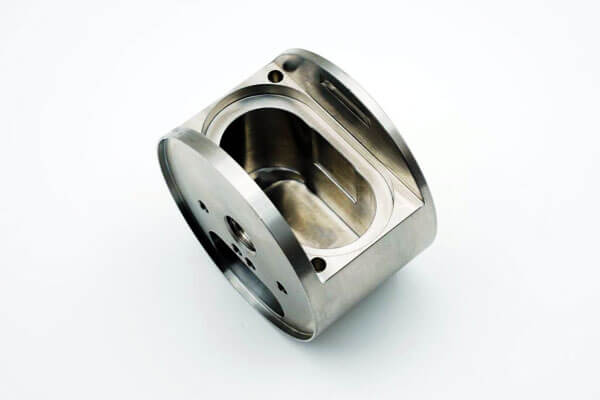
pemesinan CNC ialah proses pembuatan tolak di mana keluli tahan karat martensit dikeluarkan dari bar, pinggan, menunaikan, atau stok separuh siap lain menggunakan alat pemotong dikawal komputer.
Operasi biasa termasuk berpaling, penggilingan, penggerudian, threading, membosankan, pengisaran, dan pemesinan berbilang paksi.
Keluli tahan karat martensit sering dimesin dalam keadaan anil atau lembut sebelum pengerasan akhir.
Pemesinan kasar kemudiannya boleh diikuti dengan pelindapkejutan dan pembajaan, dengan pemesinan atau pengisaran kemasan yang digunakan untuk mencapai keperluan dimensi dan permukaan akhir.
Pelaburan Pelaburan
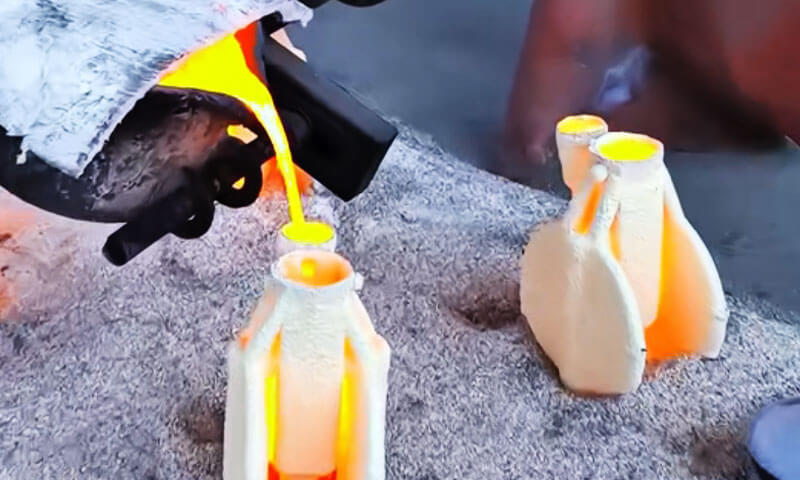
Pemutus pelaburan, juga dikenali sebagai Casting-casting, menghasilkan komponen keluli tahan karat martensit dengan mencipta corak lilin yang terperinci, membentuk cangkerang seramik di sekeliling corak, mengeluarkan lilin, dan menuang keluli tahan karat cair ke dalam rongga yang terhasil.
Proses ini amat berguna untuk komponen dengan geometri kompleks, bahagian nipis, petikan dalaman, bos bersepadu, dan profil sukar untuk mesin.
Pemutus pasir
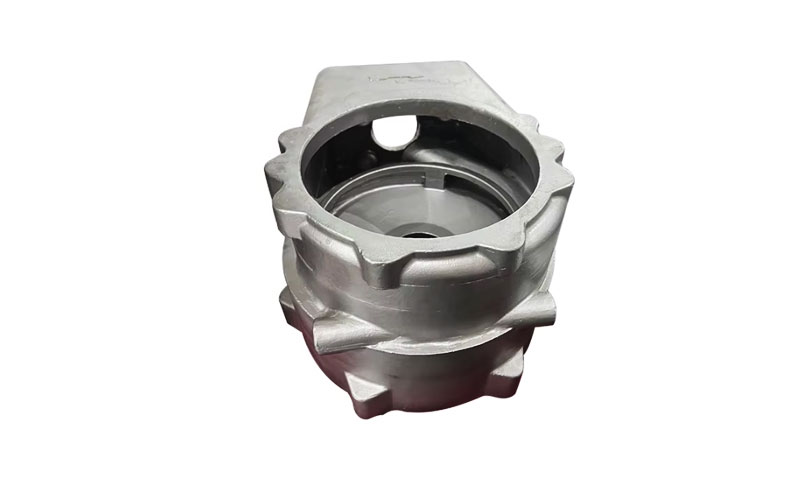
Pemutus pasir menggunakan acuan pasir untuk membentuk rongga di mana keluli tahan karat martensit cair dituangkan.
Berbanding dengan pemutus pelaburan, tuangan pasir memberikan fleksibiliti yang lebih besar untuk komponen yang lebih besar dan geometri yang agak ringkas atau sederhana kompleks.
Ia digunakan secara meluas untuk komponen industri di mana integriti struktur, saiz komponen, dan ekonomi pembuatan adalah lebih penting daripada perincian permukaan yang sangat halus.
Menunaikan
Menunaikan membentuk keluli tahan karat martensit melalui ubah bentuk plastik terkawal, biasanya pada suhu tinggi.
Bahan dimampatkan di antara acuan atau perkakas lain untuk menghasilkan geometri yang diperlukan.
Penempaan boleh menjana struktur mikro yang halus dan berarah sambil mengurangkan keliangan dalaman dan meningkatkan integriti struktur.
Oleh itu, ia sering dipilih untuk komponen yang terdedah kepada Beban mekanikal yang tinggi, kesan, tekanan, atau tekanan kitaran.
Komponen palsu yang biasa termasuk aci, batang injap, aci pam, pengikat, kelengkapan, dan komponen mekanikal berkekuatan tinggi.
Metalurgi serbuk
Metalurgi serbuk menghasilkan gred martensit karbon tinggi seperti 440C dengan taburan karbida yang sangat seragam dan struktur butiran halus, mengatasi prestasi bahan tempa dalam rintangan haus dan kestabilan dimensi.
Proses ini sesuai untuk kecil, komponen haus tinggi yang kompleks di mana pemesinan konvensional akan sangat mahal.
8. Kemasan Permukaan dan Kejuruteraan Permukaan
Keluli tahan karat martensit serasi dengan rangkaian penuh kemasan permukaan dan rawatan kejuruteraan untuk meningkatkan penampilan, rintangan kakisan dan prestasi haus:
- Kemasan kilang: Permukaan as-rolled atau as-forged standard untuk bahagian struktur industri
- Penggilap mekanikal / kemasan cermin: Gred karbon tinggi boleh digilap ke permukaan cermin berkualiti optik, menjadikannya standard untuk instrumen pembedahan dan kutleri mewah
- Disikat / Satin selesai: Kemasan bertekstur arah untuk alatan tangan dan perkakasan hiasan
- Passivation: Rawatan kimia untuk membuang besi bebas dan meningkatkan lapisan oksida pasif, Meningkatkan rintangan kakisan
- Electropolishing: Ultra-licin, kemasan permukaan kalis kakisan untuk komponen perubatan dan sentuhan makanan
- Salutan keras: DLC, Salutan tiN dan kromium karbida meningkatkan lagi kekerasan permukaan dan mengurangkan geseran untuk aplikasi galas dan pemotongan haus teruk
9. Aplikasi Keluli Tahan Karat Martensit
Keluli tahan karat martensit digunakan secara meluas di mana komponen memerlukan gabungan kekuatan tinggi, kekerasan, Pakai rintangan, Rintangan kakisan sederhana, dan kestabilan dimensi.
Injap dan Peralatan Kawalan Bendalir
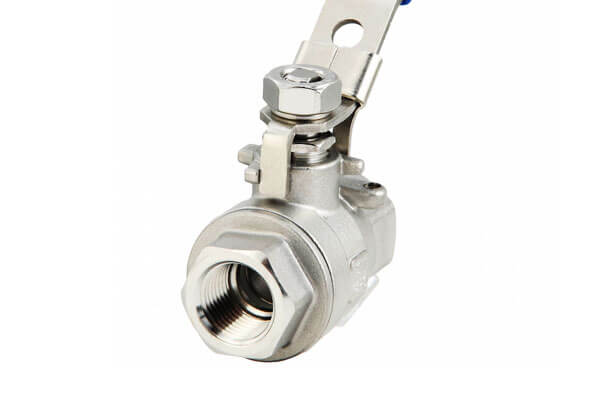
Keluli tahan karat martensit digunakan secara meluas untuk batang injap, trim injap, tempat duduk, aci, dan komponen dalaman yang lain.
Kekerasannya yang tinggi membantu menahan hakisan, lelasan, dan sentuhan mekanikal berulang, manakala rintangan kakisannya memberikan perlindungan dalam banyak air, wap, dan persekitaran cecair industri.
Komponen biasa termasuk:
- Batang injap
- Bola injap dan trim
- Tempat duduk
- Aci pam
- Pendesak
- Bushings
- Pakai cincin
Kutleri dan Alat Memotong
Gred martensit karbon tinggi amat penting dalam pisau dan aplikasi pemotongan.
420 digunakan secara meluas untuk bilah tujuan umum, manakala 440A, 440B, dan 440C boleh memberikan kekerasan yang lebih tinggi dan rintangan haus.
Kelebihan utama ialah:
- Pengekalan kelebihan tinggi
- Kekerasan tinggi
- Rintangan kepada ubah bentuk
- Rintangan haus yang baik
- Rintangan kakisan yang munasabah berbanding dengan keluli alat karbon konvensional
Galas dan Komponen Haus Ketepatan
Keluli tahan karat martensit karbon tinggi, terutamanya 440C, digunakan untuk komponen galas tahan kakisan.
Aplikasi biasa termasuk:
- Bebola galas
- Perlumbaan galas
- Penggelek ketepatan
- Bushings
- Pakai cincin
- Galas instrumen
Alat Perubatan dan Pembedahan
Keluli tahan karat martensit digunakan secara meluas dalam instrumen pembedahan kerana ia boleh bergabung kekerasan, pengekalan tepi, kekuatan, Rintangan kakisan, dan keupayaan pensterilan.
Aplikasi termasuk:
- Gunting pembedahan
- Bilah pembedahan
- Forceps
- Pengapit
- Alat pergigian
- Alat pemotong
Komponen automotif
Keluli tahan karat martensit boleh digunakan dalam komponen automotif yang terdedah kepada beban mekanikal, haba, Pakai, dan persekitaran yang menghakis.
Aplikasi termasuk:
- Aci
- Komponen injap
- Komponen pam
- Pengikat
- Komponen berkaitan ekzos
- Penggerak mekanikal
- Komponen tahan haus
Komponen Aeroangkasa dan Turbin
Keluli tahan karat martensit terpilih digunakan dalam peralatan aeroangkasa dan tenaga di mana kekuatan tinggi dan kestabilan dimensi diperlukan.
Permohonan boleh termasuk:
- Komponen turbin
- Aci
- Pengikat
- Komponen pam
- Komponen penggerak
- Bahagian mekanikal berkekuatan tinggi
Tenaga, Pam, dan Peralatan Hidroelektrik
Keluli tahan karat martensit juga penting dalam peralatan penjanaan tenaga dan pengendalian air.
Gred pelakon CA-6NM, contohnya, ialah keluli tahan karat martensit karbon rendah yang mengandungi nikel dan molibdenum dan dikaitkan secara meluas dengan pelari turbin hidraulik, komponen pam, dan peralatan pengendalian air.
10. Kelebihan dan Had Keluli Tahan Karat Martensit
Keluli tahan karat martensit dibezakan daripada keluarga keluli tahan karat lain dengan keupayaannya untuk berkembang kekuatan dan kekerasan yang tinggi melalui pelindapkejutan dan pembajaan.
Ini menjadikannya sangat sesuai untuk komponen yang terdedah kepada haus, pemuatan mekanikal, memotong, kesan, dan sentuhan berulang.
Namun begitu, ciri-ciri metalurgi yang sama yang memberikan kekerasan yang tinggi boleh mengurangkan kemuluran, ketangguhan, Rintangan kakisan, dan kebolehkalasan.
Kelebihan utama
- Satu-satunya keluarga keluli tahan karat yang boleh dikeraskan dengan rawatan haba, dengan kekerasan boleh tala dari 20 HRC ke 62 HRC
- Rintangan haus yang sangat baik dan kekerasan permukaan, 5–10 kali lebih baik daripada keluli tahan karat austenit
- 2–Kekuatan 3 kali lebih tinggi daripada gred austenit standard dalam keadaan mengeras
- Rintangan kakisan sederhana, jauh lebih baik daripada keluli karbon biasa
- Secara semula jadi magnet, sesuai untuk aplikasi komponen magnetik
- Kebolehgilapan yang sangat baik kepada kemasan cermin berkilat tinggi
- Kos yang lebih rendah daripada keluli tahan karat austenit dan dupleks aloi tinggi untuk tahap kekuatan yang setara
Batasan yang wujud
- Rintangan kakisan am dan pitting yang lebih rendah berbanding dengan 304/316 Gred Austenitic; tidak sesuai untuk persekitaran berklorida tinggi dan asid kuat
- Kebolehkimpalan yang lemah memerlukan pemanasan awal dan pembajaan selepas kimpalan untuk mengelakkan keretakan
- Memerlukan rawatan haba untuk mencapai sifat optimum, menambah kos pemprosesan dan masa utama
- Kemuluran dan keliatan yang lebih rendah daripada keluli tahan karat austenit dalam keadaan keras
- Terdedah kepada kerapuhan marah dalam julat suhu tertentu
- Keupayaan melukis dalam dan membentuk sejuk terhad
11. Martensitik lwn. Austenitik lwn. Keluli tahan karat Ferritic
Tiga keluarga keluli tahan karat utama berbeza terutamanya dalam struktur mikro, tindak balas rawatan haba, kekuatan, Rintangan kakisan, Kemuluran, tingkah laku magnet, dan kebolehkalasan.
Jadual berikut memberi tumpuan kepada ciri kejuruteraan yang paling relevan dengan pemilihan bahan.
| Harta benda | Keluli tahan karat martensit | Keluli tahan karat austenit | Keluli tahan karat Ferritic |
| Gred tipikal | 410, 420, 431, 440A/440C | 304, 304L., 316, 316L., 321 | 409, 430, 439, 441, 444 |
| Struktur kristal | BCT martensit selepas pengerasan | FCC austenite | BCC Ferrite |
| Kandungan Cr Biasa | ~11.5–18% berat | ~16–26% berat | ~10.5–30% berat |
| Pengerasan Rawatan Haba | Cemerlang; dipadamkan dan marah | Tidak boleh keras dengan pelindapkejutan konvensional | Tidak boleh keras dengan pelindapkejutan konvensional |
| Kekuatan | Tinggi hingga sangat tinggi | Sederhana; kekuatan yang lebih tinggi boleh dicapai dengan kerja sejuk | Sederhana |
| Kekerasan | Tinggi, biasanya ~20–60+ HRC bergantung pada gred dan keadaan | Secara amnya lebih rendah dalam keadaan anil | Umumnya sederhana |
| Kemuluran & Ketangguhan | Sederhana hingga rendah apabila sangat keras | Cemerlang | Sederhana |
| Rintangan kakisan | Sederhana hingga baik | Cemerlang kepada sangat baik | Baik untuk banyak persekitaran atmosfera |
| Pakai rintangan | Cemerlang apabila dikeraskan | Sederhana | Sederhana |
| Sifat magnet | Magnet | Secara amnya bukan magnet apabila disepuhlindap | Magnet |
| Kebolehkalasan | Sederhana hingga miskin; kawalan rawatan haba mungkin diperlukan | Cemerlang, terutamanya gred karbon rendah | Baik hingga sederhana |
| Kebolehbaburan | Sederhana; pembentukan teruk terhad | Cemerlang, termasuk lukisan dalam | Baik hingga sederhana |
Kebolehkerjaan |
Baik apabila disepuhlindap; sukar selepas mengeras | Sederhana; pengerasan kerja boleh menyukarkan pemesinan | Secara amnya baik hingga sederhana |
| Prestasi Suhu Rendah | Bergantung kepada gred; gred karbon tinggi boleh mempunyai keliatan terhad | Cemerlang | Lebih terhad kerana peralihan mulur kepada rapuh |
| Aplikasi biasa | Pisau, aci, injap, pam, galas, instrumen pembedahan, Pakai bahagian | Peralatan kimia, Peralatan pemprosesan makanan, Kapal tekanan, paip, Komponen seni bina | Sistem ekzos automotif, peralatan, panel seni bina, penukar haba |
| Kelebihan Utama | Kekuatan tinggi, kekerasan, dan memakai rintangan | Rintangan kakisan unggul, Kemuluran, ketangguhan, dan kebolehkalasan | Rintangan kakisan yang baik, pengembangan haba yang rendah, sifat magnet, dan kecekapan kos |
| Had Utama | Rintangan kakisan dan kebolehkimpalan yang lebih rendah | Kekerasan yang lebih rendah dalam keadaan anil; Gred yang mengandungi Ni boleh menjadi lebih mahal | Keliatan dan kebolehbentukan yang lebih rendah daripada gred austenit |
12. Bahagian Keluli Tahan Karat Martensitik Tersuai daripada LangHe
Langhe menyediakan penyelesaian pembuatan tersuai untuk komponen keluli tahan karat martensit, menggabungkan pemilihan bahan, Pemutus Precision, pemesinan CNC, rawatan haba, dan kemasan permukaan untuk menghasilkan komponen yang disesuaikan dengan keperluan mekanikal dan dimensi tertentu.
| Keupayaan | Perincian |
| Gred Keluli Tahan Karat Martensit | 410, 420, 431, 440A, 440B, 440C dan gred martensitik tuang terpilih |
| Proses pembuatan | Pemutus pelaburan, Pemutus pasir, CNC beralih, CNC Milling, penggerudian, pengisaran dan operasi sekunder yang berkaitan |
| Rawatan haba | Penyepuhlindapan, pengerasan, pelindapkejutan dan pembajaan mengikut gred dan sifat mekanikal yang diperlukan |
| Pemesinan | CNC beralih, penggilingan, penggerudian, threading, membosankan, pengisaran dan kemasan ketepatan |
Penamat permukaan |
Menggilap, pengisaran, pasif dan rawatan permukaan berfungsi terpilih |
| Jenis Komponen | Komponen injap, bahagian pam, aci, bushings, memakai komponen, kelengkapan mekanikal, perkakasan dan bahagian industri ketepatan |
| Kawalan kualiti | ISO 9001:2015 diperakui; 100% NDT dan pemeriksaan dimensi. |
| Penyesuaian | Pengeluaran mengikut lukisan pelanggan, 3D CAD Model, spesifikasi, sampel atau keperluan permohonan |
13. Kesimpulan
Keluli tahan karat martensit menduduki kedudukan yang unik dan tidak boleh diganti dalam keluarga keluli tahan karat.
Sebagai satu-satunya keluli tahan karat yang boleh dikeraskan dengan rawatan haba untuk mencapai kekuatan tinggi dan rintangan haus yang sangat baik, ia mengisi jurang prestasi kritikal antara keluli alat karbon biasa dan keluli tahan karat austenit yang tahan kakisan.
Rintangan kakisannya lebih rendah daripada 304 dan 316 Gred Austenitic, tetapi ia memberikan kekuatan dan prestasi haus yang tidak dapat dipadankan oleh gred austenit atau ferit.
Daripada kutleri harian kepada alat pembedahan yang tepat, daripada injap industri kepada bilah turbin penjanaan kuasa, keluli tahan karat martensit memberikan prestasi yang disasarkan di mana rintangan kakisan sederhana mesti digabungkan dengan kekuatan tinggi dan ketahanan haus.
Memandangkan reka bentuk aloi dan teknologi rawatan haba terus maju, baru tegar, gred martensit berketulenan tinggi dan curah hujan akan terus mengembangkan skop aplikasi keluarga material, mengukuhkan statusnya sebagai cawangan penting ekosistem keluli tahan karat global.
Soalan Lazim
Apakah perbezaan antara keluli tahan karat martensitik dan austenit?
Keluli tahan karat martensit boleh dikeraskan dengan rawatan haba, magnet, dan mempunyai rintangan kakisan sederhana.
Keluli tahan karat austenit tidak boleh dikeraskan dengan rawatan haba, bukan magnet, dan mempunyai rintangan kakisan yang sangat baik.
Gred martensit digunakan untuk kutleri, injap, dan galas; gred austenit digunakan untuk bahan kimia, makanan, dan aplikasi marin.
Bolehkah keluli tahan karat martensit dikimpal?
Ya, Tetapi dengan berhati -hati. Rawatan haba prapemanasan dan selepas kimpalan diperlukan untuk mengelakkan keretakan dan memulihkan sifat mekanikal.
Adalah magnet keluli tahan karat martensit?
Ya. Semua keluli tahan karat martensit adalah feromagnetik (sangat tertarik kepada magnet).
Adakah keluli tahan karat martensit berkarat?
Keluli tahan karat martensit boleh mengotorkan dan menghakis dalam keadaan yang agresif.
Ia tahan karat dalam persekitaran atmosfera dan air tawar biasa, tetapi akan menghasilkan pewarnaan permukaan dan pitting dalam garam tinggi, tetapan industri asid kuat atau berat.
Ia tidak sesuai untuk rendaman air laut yang berpanjangan atau pendedahan klorida berterusan.
Bolehkah keluli tahan karat martensit dirawat haba?
Ya. Rawatan haba adalah salah satu ciri yang menentukan keluarga keluli tahan karat ini.
Bergantung pada gred, pengerasan diikuti dengan pembajaan boleh meningkatkan kekerasan dengan ketara, kekuatan tegangan, dan memakai rintangan.
Keluli tahan karat martensit manakah yang paling sukar?
Antara keluli tahan karat martensit biasa, 440C adalah salah satu gred karbon tertinggi dan boleh mencapai kekerasan yang sangat tinggi selepas rawatan haba yang sesuai.
Kekerasannya yang tinggi menjadikannya sangat sesuai untuk galas, Alat pemotongan, memakai komponen, dan bilah mewah.