翻訳を編集します
による Transposh - translation plugin for wordpress
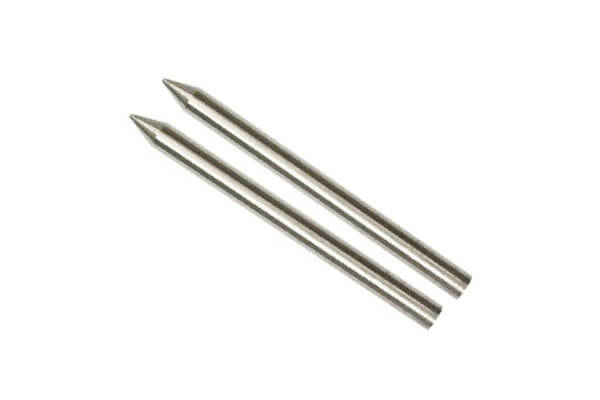
タングステン電極

タングステンの金属の概要

コンテンツの表 見せる

1. 導入

タングステン, ウルフラムとも呼ばれる, その並外れた特性でエンジニアや科学者を魅了します.

With a staggering melting point of approximately 3422°C and a density of 19.3 g/cm³, tungsten offers unparalleled performance in extreme environments.

さらに, its superior thermal conductivity and robust wear resistance ensure that tungsten-based components excel in high-temperature and high-stress applications.

This article aims to provide a multi-faceted analysis of tungsten—from its early discovery and historical milestones to modern processing techniques and future trends,

while incorporating key data and authoritative insights to guide readers through its complex landscape.

2. 歴史的背景と進化

Discovery and Early Uses

Tungsten first emerged on the scientific stage in the late 18th century.

Early researchers quickly recognized its potential, and initial applications focused on its use in specialized alloys and lighting filaments.

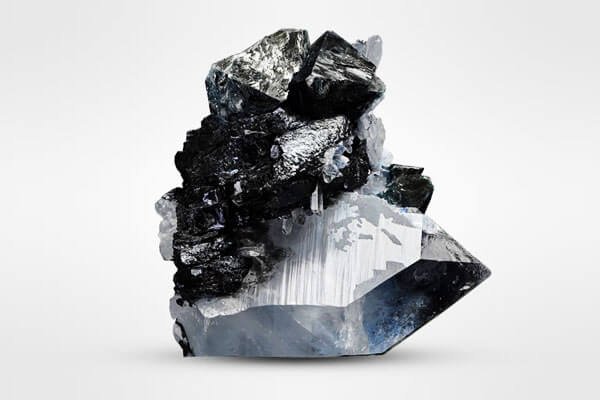
タングステン
タングステン

歴史的に, tungsten’s resistance to heat and corrosion set it apart from other metals, paving the way for its early adoption in niche industrial roles.

Industrial Revolution and Beyond

産業革命の間, tungsten’s inherent strength and high-temperature stability made it an essential material for improving machinery and manufacturing equipment.

その結果, It transitioned from experimental usage to a strategic resource in various engineering applications.

As technological demands evolved, tungsten cemented its reputation in sectors such as automotive, 防衛, とエネルギー.

Technological Milestones and Processing Evolution

Key breakthroughs in tungsten extraction and alloy development reshaped its production landscape.

例えば, advancements in powder metallurgy and refining methods not only increased purity but also expanded tungsten’s usability.

時間とともに, traditional processing techniques yielded to modern technologies such as advanced sintering and forging, which enhance both material performance and production efficiency.

These milestones underscore tungsten’s dynamic evolution and its continuous adaptation to meet the challenges of modern industry.

3. Key Properties of Tungsten

物理的特性

Extremely High Melting Point:

  • データポイント: Approximately 3422°C (6192°F)
  • 意義: This is the highest melting point among all metals, which allows tungsten to maintain structural integrity in extreme high-temperature environments.

High Density:

  • データポイント: その周り 19.3 g/cm³
  • アプリケーション: Its density makes tungsten ideal for use in counterweights, ballast systems, and radiation shielding where high mass in a small volume is critical.

熱伝導率:

  • データポイント: Roughly 173 W/m·K at room temperature
  • 利点: Enables efficient heat dissipation in high-temperature applications, particularly in electrical and lighting industries.

電気伝導率:

  • 注記: 銅ほど導電性ではありませんが, tungsten’s electrical properties are robust enough for applications in electronics, such as electrodes and filaments.

機械的特性

Tungsten’s mechanical performance is characterized by its ability to withstand severe stresses:

高い引張強度:

  • データポイント: Often exceeding 750 MPA
  • インパクト: This high strength makes tungsten suitable for use in components that must resist deformation under heavy loads.

剛性 (ヤングモジュラス):

  • データポイント: 約 400 GPA
  • 結果: Tungsten’s rigidity ensures minimal elastic deformation, which is vital in precision engineering and structural applications.

クリープ抵抗:

  • アドバンテージ: Maintains mechanical properties under prolonged exposure to high temperatures
  • チャレンジ: しかし, its inherent brittleness requires careful handling and specialized processing techniques to avoid fractures.

化学的性質

Oxidation and Corrosion Resistance:

  • 詳細: Tungsten resists oxidation and corrosion even under harsh conditions, such as high temperatures and aggressive chemical environments.
  • Practical Benefit: This stability extends the service life of tungsten components in industries like aerospace and defense.

化学的不活性:

  • 結果: Its inert behavior makes tungsten a reliable material in environments where chemical reactions must be minimized.

4. Manufacturing Processes of Tungsten Metal

Manufacturing tungsten metal involves a series of complex and highly specialized processes.

These processes, developed over decades of innovation, transform raw tungsten ore into a refined material capable of withstanding extreme conditions.

下に, we break down the manufacturing journey into several critical stages.

抽出と精製

The first step in tungsten production begins with the extraction of tungsten ore, which typically comes in the form of wolframite or scheelite. Key stages include:

Ore Mining and Concentration:

  • プロセス: Tungsten ore is mined using open-pit or underground methods. Subsequent crushing and grinding liberate tungsten minerals from the surrounding rock.
  • データポイント: The concentration process can yield tungsten oxide (WO₃) levels as high as 80% in high-grade ores.

Chemical Processing and Refining:

  • プロセス: Chemical leaching and precipitation techniques isolate tungsten from impurities.
    Modern refining processes, such as the solvent extraction method, produce high-purity tungsten concentrates.
  • Transition: さらに, these refining techniques have improved yield rates while minimizing environmental impact through advanced waste treatment systems.

Production Techniques

パウダー冶金:

  • Sintering and Pressing:
    • 説明: Tungsten powder, produced from the refined concentrate, is compacted under high pressure and sintered at temperatures near 1400°C to 1500°C.
    • 利点: This method produces uniform, dense components ideal for applications requiring high strength and durability.

Forging and Rolling:

  • 説明: 場合によっては, tungsten or tungsten alloys are further processed by forging or rolling.
  • データポイント: Forging temperatures often exceed 2000°C to ensure proper plastic deformation despite tungsten’s high melting point.
  • 結果: These techniques shape tungsten into plates, ロッド, or wires while enhancing its mechanical properties.
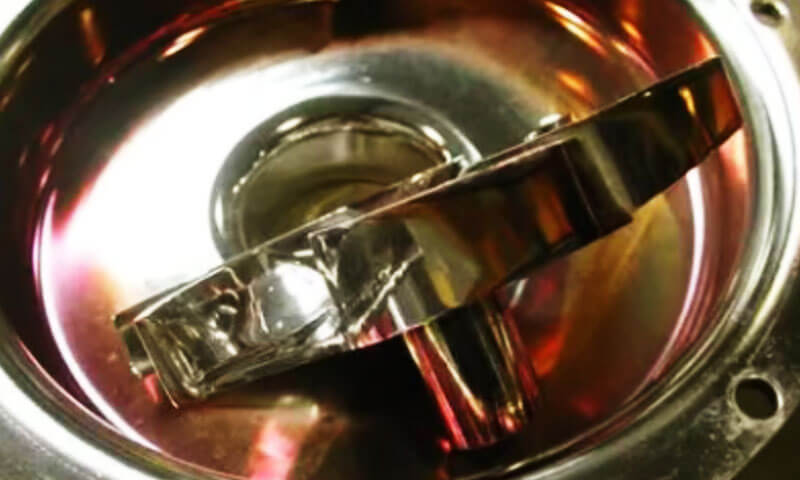
Tungsten Metal
Tungsten Metal

Tungsten Carbide Production:

  • プロセス: By combining tungsten with carbon at high temperatures, manufacturers produce tungsten carbide.
  • 応用: Tungsten carbide is celebrated for its exceptional hardness, making it indispensable in cutting tools and mining machinery.
  • Transition: さらに, the integration of tungsten carbide into composite materials has expanded its utility in high-wear industrial applications.

Processing Challenges

高い融点:

  • チャレンジ: Tungsten’s melting point of approximately 3422°C requires specialized equipment and controlled environments.
  • 解決: Manufacturers utilize advanced high-temperature furnaces and controlled atmospheres to mitigate oxidation and material degradation.

Inherent Brittleness:

  • チャレンジ: Tungsten’s high hardness and limited ductility complicate machining and forming processes.
  • 解決: Engineers often incorporate powder metallurgy techniques and carefully optimized thermal treatments to enhance workability without sacrificing performance.

エネルギー消費:

  • データポイント: Tungsten production processes are energy-intensive, contributing to higher production costs.
  • 緩和: Continuous research aims to improve energy efficiency through process optimization and the integration of renewable energy sources.

環境上の考慮事項

Waste Management and Emission Controls:

  • Practice: Modern facilities implement advanced waste treatment systems to capture and recycle byproducts from ore processing and refining.
  • インパクト: These measures not only reduce environmental footprints but also comply with stringent regulatory standards.

Recycling Initiatives:

  • 説明: Tungsten’s recyclability plays a crucial role in sustainable manufacturing.
  • 利点: Recycling tungsten reduces the demand for new ore extraction and cuts energy consumption by up to 95% 一次生産と比較して.

Sustainable Process Innovations:

  • 例: Innovations in chemical refining and high-efficiency sintering have led to significant reductions in both energy use and emissions, ensuring a more sustainable production cycle.

概要表

ステージ Key Process Notable Data/Benefits
抽出と精製 Ore mining, crushing, chemical leaching Tungsten oxide purity up to 80%; 廃棄物処理の改善
パウダー冶金 焼結 & プレス Sintering temperatures: 1400°C-1500°C; ユニフォーム, high-density parts
Forging and Rolling High-temperature shaping Forging above 2000°C; 強化された機械的特性
Tungsten Carbide Production Combining tungsten with carbon Exceptional hardness for cutting tools and mining applications
Environmental Measures 廃棄物管理, リサイクル まで 95% energy savings via recycling; compliance with regulations

5. Applications of Tungsten Metal

産業用アプリケーション

タングステンカーバイド, derived from tungsten, remains essential in producing durable cutting tools, 鉱業機械, and wear-resistant components.

Its ability to maintain integrity under abrasive conditions underlines its industrial significance.

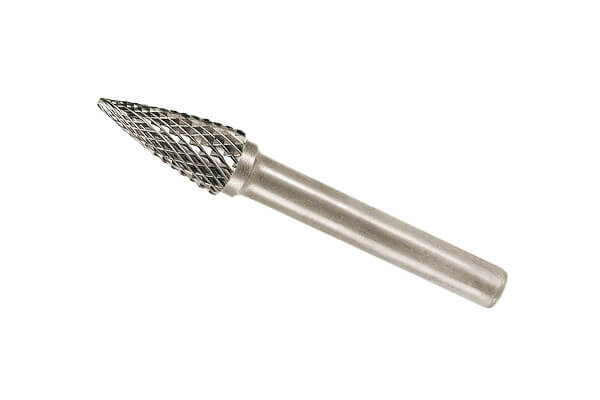
Tungsten Carbide Blade

航空宇宙と防御

航空宇宙 と防御, tungsten contributes to critical components such as counterweights, ballast, and radiation shields.

さらに, its high density finds application in armor-piercing projectiles and other specialized military equipment, where precision and reliability are paramount.

Electronics and Lighting

Tungsten’s role in エレクトロニクス and lighting cannot be overstated. 歴史的に, tungsten filaments powered incandescent bulbs, while today,

tungsten electrodes and contacts continue to support the functionality of welding equipment and high-performance electronic devices.

Medical and Emerging Applications

医学 分野, tungsten’s radiopaque properties enhance imaging accuracy and are used in diagnostic devices.

さらに, emerging sectors, including additive manufacturing and renewable energy, increasingly rely on tungsten for its high-temperature stability and structural performance.

6. Advantages and Limitations of Tungsten

Tungsten continues to be a critical material in high-performance industries due to its unique combination of properties.

このセクションで, we explore the advantages that make tungsten indispensable and the limitations that engineers must consider during its application.

6.1. Advantages of Tungsten

Tungsten offers a range of benefits that contribute to its widespread use in extreme environments:

Exceptional High-Temperature Resistance:

  • データポイント: Tungsten maintains stability at temperatures up to approximately 3422°C, the highest melting point among metals.
  • インパクト: This property allows tungsten to function effectively in applications such as aerospace components and high-temperature furnaces.

High Density and Durability:

  • データポイント: With a density of around 19.3 g/cm³, tungsten provides outstanding mass and strength.
  • アプリケーション: Its weight is ideal for counterweights, ballast systems, and radiation shielding, ensuring that components remain robust under mechanical stress.

Superior Thermal and Electrical Conductivity:

  • データポイント: Tungsten exhibits a thermal conductivity of roughly 173 w/m・k, which facilitates efficient heat dissipation.
  • 利点: These characteristics support its use in lighting filaments, 電気接点, and heat sinks in electronic devices.

堅牢な機械的特性:

  • Data Points: Tensile strengths exceeding 750 MPa and a Young’s modulus near 400 GPa reflect tungsten’s rigidity and strength.
  • 結果: These attributes enable tungsten to withstand significant mechanical loads and maintain structural integrity in demanding applications.

Chemical Stability:

  • 特性: Tungsten resists oxidation and corrosion, even in aggressive chemical environments.
  • 結果: This chemical inertness extends the service life of tungsten components in sectors such as defense and industrial manufacturing.

6.2. Limitations of Tungsten

Despite its exceptional performance, tungsten does present several challenges:

Inherent Brittleness:

  • 問題: Tungsten’s high hardness often comes at the expense of ductility, making it susceptible to cracking under impact or bending stresses.
  • 結果: Engineers must employ specialized processing techniques, such as powder metallurgy and controlled thermal treatments, to mitigate brittleness.

Processing and Machining Difficulties:

  • チャレンジ: The high melting point of tungsten necessitates the use of advanced, high-temperature equipment, which complicates machining and forming processes.
  • インパクト: 結果として, tungsten processing tends to be energy-intensive and costly, affecting overall production efficiency.

高い生産コスト:

  • データ洞察: Due to its complex processing requirements and the need for specialized manufacturing techniques, tungsten and its alloys are typically more expensive than other metals.
  • トレード・オフ: While the performance benefits are substantial, budget constraints may limit its use in cost-sensitive applications.

Limited Availability of Ductile Forms:

  • Observation: Although tungsten provides excellent strength, its limited ductility restricts the range of shapes and forms that can be easily produced.
  • 解決: Manufacturers often develop composite materials or hybrid alloys to combine tungsten’s favorable properties with improved workability.

7. Future Trends and Innovations in Tungsten Metal

Advanced Tungsten-Based Composites

Tungsten metal matrix composites (W-MMCs) are gaining traction for specialized applications requiring extreme durability and precision.

These composites blend tungsten with metals like nickel, 銅, or molybdenum to enhance machinability, 放射線シールド, および熱安定性.

  • DENSIMET® and INERMET®: High-density (>90% w) composites used in aerospace radiation shielding and medical devices, offering superior strength and non-magnetic properties.
  • Tungsten-Copper (WCu): Combines tungsten’s heat resistance with copper’s conductivity, ideal for electrical contacts and heat sinks in high-voltage systems.
  • SPARKAL®: Tailored for spark erosion (EDM) 電極, improving precision in mold manufacturing.

革新: Emerging composites like tungsten-carbide-copper (WCCu) aim to optimize arc erosion resistance for next-gen energy grids.

Sustainable Mining and Extraction Technologies

The tungsten industry is adopting eco-friendly practices to address resource scarcity and environmental concerns:

  • Molten Salt Electrolysis: Reduces energy consumption by 30% compared to traditional smelting, enabling cleaner extraction from low-grade ores.
  • Deep-Sea and Space Mining: Exploration of oceanic crusts and asteroid resources to secure tungsten supplies amid terrestrial depletion.
  • Recycling Initiatives: Closed-loop systems recover tungsten from industrial scrap (例えば。, 切削工具, エレクトロニクス), reducing reliance on primary mining.

Digital Integration and AI-Driven Optimization

Advanced technologies are revolutionizing tungsten processing and quality control:

  • TCS PREMAP/PEACOCK Platforms: AI-powered systems predict demand, optimize logistics, and detect defects in real time, cutting production costs by 15%.
  • 添加剤の製造: 3D-printed tungsten components (例えば。, 原子炉部品) enable complex geometries unachievable via conventional methods.
  • Smart Sensors: IoT-enabled devices monitor wear in tungsten-based machinery, extending component lifespans by 40%.

Expansion into High-Tech Applications

Tungsten’s unique properties are unlocking novel uses in cutting-edge sectors:

  • Nuclear Fusion: Tungsten plasma-facing components in reactors like ITER withstand temperatures exceeding 10,000°C.
  • 宇宙探査: Radiation shields and propulsion systems for satellites and Mars rovers leverage tungsten’s density and stability.
  • Medical Technology: Tungsten alloys in cancer radiotherapy collimators improve precision while minimizing patient exposure.

Regulatory and Sustainability Frameworks

Global regulations are driving innovation in tungsten’s lifecycle management:

  • EU Ecodesign Regulations: Mandate recyclability and low-carbon production for tungsten products, pushing manufacturers to adopt green practices.
  • Circular Economy Models: Partnerships between mining firms and tech companies aim to reuse 80% of tungsten waste by 2030.

Challenges Ahead

  • Cost Barriers: High energy demands for tungsten refining (例えば。, パウダー冶金) remain a hurdle for small-scale producers.
  • Supply Chain Risks: Geopolitical tensions in tungsten-rich regions (例えば。, 中国) necessitate diversification through synthetic alternatives.

8. 結論

要約すれば, tungsten metal continues to demonstrate its unparalleled value in modern technology and industry.

Its unique physical and chemical properties, combined with innovative manufacturing techniques, position tungsten as a material of choice for extreme applications.

Although challenges such as brittleness and high processing costs remain, ongoing research and digital advancements promise to overcome these hurdles.

先を見ています, tungsten is poised to drive further innovation,

ensuring its critical role in powering the next generation of high-performance systems while supporting sustainable manufacturing practices.

コメントを残してください

メールアドレスは公開されません. 必要なフィールドにマークが付けられています *

一番上までスクロール

すぐに見積もりを取得

あなたの情報を入力してください。すぐにご連絡させていただきます.