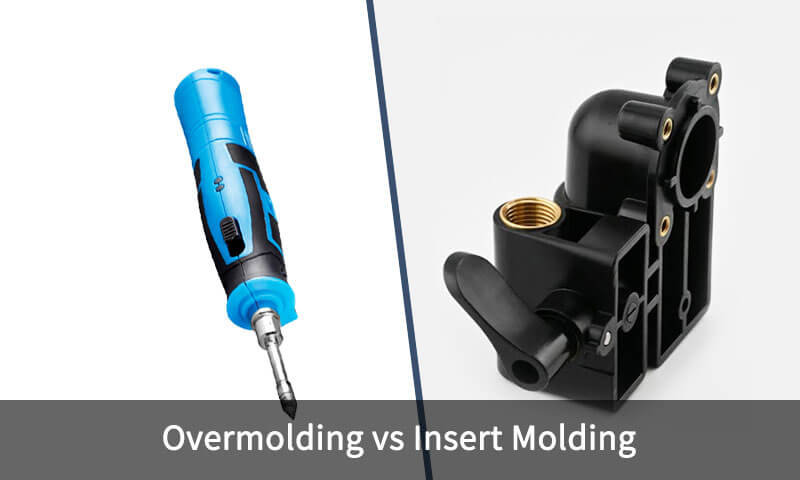
現代の製造業で, 単一材料の部品が性能の要求をすべて満たすことはほとんどありません, 美学, および機能.
今日の製品は耐久性がありながらも快適でなければなりません, 防水でありながら通気性のある, 複雑ですが組み立ては簡単です.
これにより、複数材料の製造プロセスが広く採用されるようになりました。. これらの中で, オーバーモールディングとインサートモールディングは、最も重要で頻繁に比較される 2 つの技術です.
この 2 つの用語は同じ意味で使用されることもありますが、, さまざまな製造アプローチについて説明し、さまざまなエンジニアリング上の問題を解決します。.
オーバーモールディングでは通常、既存の基板上に 2 番目の材料を成形して、マルチマテリアル コンポーネントを作成します。.
成形を挿入します, 対照的に, あらかじめ成形されたインサート (多くの場合金属) を射出成形金型内に配置し、それをプラスチックでカプセル化するか部分的に囲みます。.
この記事は包括的なものを提供します, オーバーモールディングとインサートモールディングの比較.
1. オーバーモールディングとは?
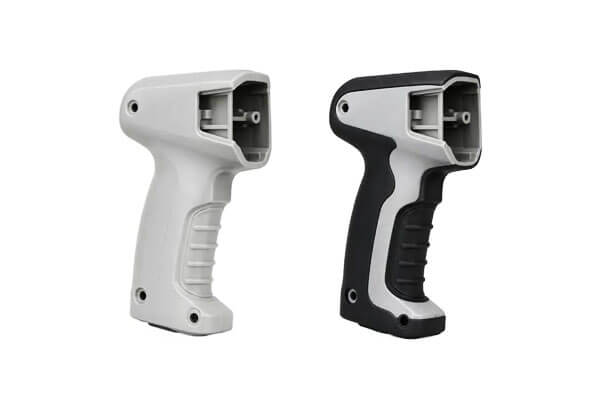
オーバーモールディング 既存の基板または以前に成形されたコンポーネント上に 1 つの材料を成形して、統合された複数材料の部品を作成する射出成形プロセスです。.
最初のコンポーネントは通常、 基板, 一方、二次成形操作中に適用される材料は オーバーモールド材料.
商品のデザインによっては, 基板は硬質熱可塑性プラスチックであってもよい, エラストマー, 金属部品, または別の適切な予備成形部品.
一般的なオーバーモールド部品は、硬い構造材料と柔らかい材料を組み合わせている場合があります。.
例えば, 硬質 ABS ハウジングは TPE オーバーモールドを受け入れることができ、快適なグリップを提供します, 密閉性を向上させる, または保護用の外面を作成します.
目的は、単にあるマテリアルの上に別のマテリアルを配置することではありません。. 2 つの材料間の界面は適切な接着力を提供する必要があります, 機械的保持, または製品の予想される機械的耐力に耐えるために両方の組み合わせ, サーマル, 化学薬品, および環境条件.
オーバーモールディングの仕組み
オーバーモールド プロセスは通常、基板の製造から始まります。.
これには、別の射出成形操作が必要になる場合があります。, 機械加工工程, プレス加工, ダイキャスティングプロセス, または他の製造方法.
基板検査後, 2番目の金型内に配置されます. このモールドは、基板を正確に配置して支持しながら、オーバーモールド材料を受け入れる必要がある領域を露出させるように設計されています。.
次に、二次材料が適切な加工温度に加熱され、金型キャビティに射出されます。.
指定された基材表面の周りを流れ、必要な外形を形成します。.
充填・梱包後, 完成したコンポーネントが取り出される前に、材料が冷えて固まります。.
典型的なワークフローは次のとおりです。:
基板生産 → 基板検査 → 金型搬入 → 位置決め → 副材料射出 → 梱包 → 冷却 → 取り出し → 検査
最終製品の品質はインターフェースのデザインに大きく依存します. 化学接着が必要な場合, 基板とオーバーモールド材料には十分な互換性がなければなりません.
機械的保持が主なメカニズムの場合, 基板には溝が必要な場合があります, rib骨, 穴, アンダーカット, または 2 番目の素材を所定の位置にロックできるその他の機能.
表面の汚染も重要な考慮事項です. 油, ほこり, 離型剤, 酸化, 水分, または他の汚染物質が接着を妨げ、層間剥離や早期分離を引き起こす可能性があります。.
一般的なオーバーモールディング材料
オーバーモールディングでは、幅広い熱可塑性プラスチックおよびエラストマー材料を使用できます, しかし、すべての材料の組み合わせが本質的に互換性があるわけではありません.
材料の選択には溶融温度を考慮する必要があります, 化学互換性, 収縮, 熱膨張係数, 硬度, 柔軟性, 表面特性, および予想される使用条件.
一般的な組み合わせとしては、:
| 基板材料 | オーバーモールド材料 | 典型的な目的 |
| ABS | TPE | ソフトタッチのハウジングとグリップ |
| パソコン | TPE | 人間工学に基づいた表面を備えた耐衝撃性のある製品 |
| ナイロン | TPE/TPU | 工業用グリップと柔軟なインターフェース |
| pp | TPE | 消費者製品およびシール |
| PC/ABS | TPU | 保護面と人間工学に基づいた表面 |
| 硬質熱可塑性プラスチック | LSR | シーリングと特殊な柔軟なコンポーネント |
一般的なオーバーモールディング用途
オーバーモールディングは、製品の構造性能と柔らかさを組み合わせる必要がある場合に特に役立ちます。, 柔軟性, シーリング, 絶縁, または人間工学の改善.
オーバーモールディングは一般的に次の目的で使用されます。:
- ハンドツールグリップ
- 自動車用スイッチとコントロール
- 家電製品の筐体
- 医療機器の部品
- ウェアラブルデバイス
- ケーブルとワイヤーの保護
- シール部品
- ハンドルと人間工学に基づいたインターフェース
- 保護カバー
- 産業機器制御
2. インサート成形とは?
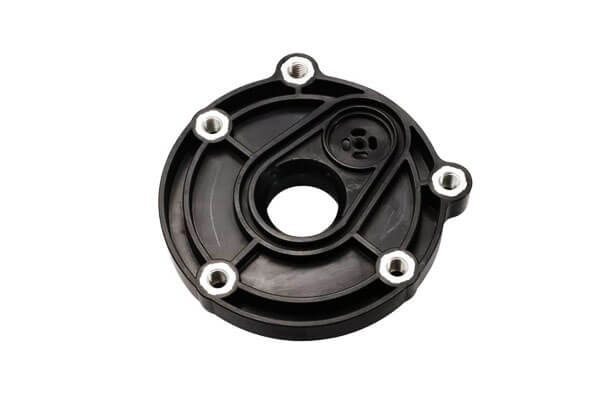
成形を挿入します 予備成形されたコンポーネントを射出成形するプロセスです。, として知られている 入れる, 射出成形金型内に配置され、溶融プラスチックで部分的または完全に封入されます。.
インサートは金属製であることが多い, プラスチックですが, セラミック, 電子, 他の事前成形コンポーネントも使用できます.
従来の単一材料射出成形とは異なり, インサート成形は、1 回の成形操作中に、独立して製造されたコンポーネントと射出プラスチックを組み合わせます。.
インサートの周囲でプラスチックが固まる, 後続の組み立て作業を省略できる統合部品の製造.
例えば, 真鍮製のねじ付きインサートを金型内に配置し、ナイロンで囲むことができます。.
成形後, 結果として得られるコンポーネントには、後でねじ付きインサートを取り付ける必要がなく、恒久的なねじ付き金属インターフェースが含まれています。.
インサート成形のしくみ
インサート成形はインサートの製造と検査から始まります. インサートは金型内に正しく適合し、射出中ずっと指定された位置を維持する必要があるため、寸法精度は特に重要です。.
その後、インサートを手作業で金型に配置します。, 半自動的に, または自動積載システム経由.
専用治具, ピン, キャビティ, または、動きを防ぐために保持機能が使用される場合があります.
型が閉じたら, 溶融プラスチックがインサートの周囲に射出される. 射出圧力がかなり大きくなる可能性がある, そのため、金型はインサートがずれないように十分なサポートを提供する必要があります。, 変形する, または位置がずれてしまう.
その後、プラスチックが冷えてインサートの周囲で固まります。. 排出後, 完成したコンポーネントの寸法精度が検査されます, 挿入位置, フラッシュ, ボイド, ひび割れ, およびその他の欠陥.
基本的な順序は、:
インサート製造 → インサート検査 → インサート装着 → 位置決め・保持 → 型閉じ → プラスチック射出 → 冷却 → 突き出し → 検査
大量生産向け, 自動インサートローディングを成形セルに統合可能. これにより、手動操作を減らしながらサイクルの一貫性を向上させることができます。.
一般的なインサート材質
金属は一般にプラスチックでは再現できない特性を備えているため、最も広く認識されているインサート材料です。, 高導電性など, 糸の耐久性, 剛性, 耐摩耗性, または局所的な機械的強度.
一般的なインサート材料には次のものがあります。:
- 真鍮
- ステンレス鋼
- 炭素鋼
- アルミニウム
- 銅および銅合金
- エンジニアリングプラスチック
- 陶器
- 電子部品
一般的なインサート成形の用途
インサート成形は、製品で金属またはその他の予備成形部品をプラスチック本体に永久的に一体化する必要がある場合に一般的に使用されます。.
典型的なアプリケーションには含まれます:
- ネジ付きボス
- 電気コネクタ
- 車載用端子
- センサーハウジング
- スイッチコンポーネント
- 医療機器
- 構造補強部品
- ケーブルコネクタ
- 電子アセンブリ
- 精密機械部品
3. オーバーモールディングとインサート成形: 違いは何ですか?
どちらのテクノロジーも複数の材料またはコンポーネントを統合していますが、, 製造ロジックが違う.
最も単純な区別は、:
オーバーモールディングは、既存の基材の上に新しい材料を追加します。, 一方、インサート成形は、射出成形プラスチックで予備成形インサートを封入または囲みます。.
しかし, 用語が重複する場合があります. 一部の製造状況では, インサート成形はどちらも既存のコンポーネントの周囲に材料を成形する必要があるため、オーバーモールディングのより広範な形式として議論される場合があります。.
エンジニアリングコミュニケーション用, しかし, 既存のコンポーネントの役割に基づいてそれらを区別すると便利です.
オーバーモールド成形とインサート成形の比較
| 要素 | オーバーモールディング | インサート成形 |
| 主な目的 | 異なる材料特性を組み合わせる | 予備成形インサートをプラスチックに一体化する |
| 既存のコンポーネント | 基板 | 入れる |
| 共通の基材/インサート | プラスチック, エラストマー, 金属 | 金属, プラスチック, セラミック, 電子部品 |
| 代表的な組み合わせ | 硬質プラスチック + エラストマー | プラスチック + 金属 |
| 主なインターフェース機構 | 接着, 機械的連動, または両方 | カプセル化, 機械的保持, 場合によっては癒着 |
| 設計上の主な懸念事項 | 材料の互換性 | インサートの位置決めと保持 |
| 代表的な用途 | ソフトタッチのグリップ | ネジ付き金属インサート |
| 表面関数 | グリップ, シール, クッション, 保護 | 電気, 機械, 構造, 締め付け |
| オートメーション | 高度に自動化可能 | 高度に自動化可能, ただし、挿入の読み込みは重要です |
| 重大なリスク | 層間剥離または接着不良 | インサートの動きや位置ずれ |
4. オーバーモールディングとインサート成形: 設計上の考慮事項
オーバーモールディングとインサートモールディングの設計要件が異なるのは、主に 2 つのプロセスが異なるインターフェイスを管理するためです。.
オーバーモールディングは、基板とオーバーモールド材料の間に信頼性の高い界面を作成することに重点を置いています。, 一方、インサート成形は、予備成形されたインサートを正確に位置決めして確実に封入することに重点を置いています。.
| 設計上の考慮事項 | オーバーモールディング | インサート成形 |
| 材料の互換性 | 接着力に基づいて互換性のある基板とオーバーモールディング材料を選択する, 融解温度, 収縮, 硬度, そして熱膨張. | インサートが変形や寸法の不安定性なしに成形温度と圧力に耐えられることを確認します。. |
| ジオメトリ & 壁の厚さ | 均一なオーバーモールドの厚さを維持し、十分な接合領域を提供します. 収縮を引き起こす可能性がある急激な厚さの変化を避けてください。, ワーページ, または結合が弱い. | 強度を高めるためにインサートの周囲に十分なプラスチックの厚みを設け、溝を使用します。, うなり声, 穴, または追加の保持が必要な場合は肩. |
| ボンディング & 保持 | 化学的付着を考慮した界面設計, 機械的連動, または両方, 材料の適合性に応じて. | 引き抜きや回転に耐える機械的な保持機能とカプセル化機能を設計します。. |
| ゲート & マテリアルフロー | バランスのとれた充填を実現し、ウェルド ラインを最小限に抑えるためにゲートを配置します。, 空気の閉じ込め, 界面に過度のストレスがかかると、. | インサートのズレを防ぐために材料の流れを慎重に制御する, 不完全なカプセル化, またはインサートに過度の圧力がかかる. |
入れる / 基板の位置決め |
基材は正確に配置され、射出中にしっかりと保持される必要があります. | インサートの正確な位置決めが重要です; 位置決めピン, ポケット, 備品, または自動配置が必要な場合があります. |
| 収縮 & 熱膨張 | 反りを防ぐために、基板とオーバーモールドの間の収縮と熱膨張の違いを考慮してください。, 残留応力, 剥離. | インサートとポリマーの熱膨張差を考慮する, 特に金属からプラスチックへの応用において, 寸法変化や内部応力を防ぐため. |
| 下書き & 排出 | 適切な抜き勾配と適切に配置されたイジェクターを提供して、オーバーモールドやインターフェースを損傷することなく部品をリリースします。. | インサートの移動を防ぐために抜き勾配と突き出しを慎重に設計してください, 変形, または脱型時の緩み. |
公差 |
基板の寸法を考慮する, オーバーモールドの厚さ, 材料の収縮, インターフェースの移動の可能性. | 挿入寸法を考慮する, 位置決め精度, ポリマーの収縮, そして最終的な挿入位置. |
| DFM & モールドフロー | 接着面積の評価, マテリアルフロー, 壁の厚さ, ゲートの位置, およびツーリング前の収縮差. | インサートの保持力を評価する, ポジショニング, ポリマーの流れ, 熱挙動, 工具加工前の潜在的なインサート変位. |
| 品質管理 | 接着強度重視, オーバーモールドの厚さ, フラッシュ, 剥離, ワーページ, および寸法精度. | 挿入位置に注目, 保持力, カプセル化, フラッシュ, ボイド, および寸法精度. |
5. LangHe Industry のカスタム オーバーモールディングおよびインサート成形サービス
ランゲ産業 オーバーモールドが必要な用途向けにカスタマイズされた射出成形ソリューションを提供します, インサート成形, などの複合成形技術.
当社の製造アプローチは、初期の製品開発およびツーリングから生産および品質検査までのプロジェクトをサポートできます。.
| 能力 | 詳細 |
| オーバーモールディングのタイプ | ツーショット (2k) オーバーモールディング, ピックアンドプレイスオーバーモールディング. |
| インサート成形 | 金属インサート (真鍮, 鋼鉄, 銅), セラミックインサート, 電子インサート (PCB, センサー). |
| 材料 (基板) | ABS, パソコン, ナイロン (PA6, PA66), pp, PBT. |
| 材料 (オーバーモールド) | TPE, TPU, LSR, バット, シリコーン. |
| ツーリング | 社内での金型の設計と製造. |
| 品質 | ISO 9001:2015 認定; 100% 検査. |
| リードタイム | 2– プロトタイプには 4 週間; 4– 生産ツールの場合は 8 週間. |
6. 結論
オーバーモールド成形とインサート成形 どのプロセスが一般的に優れているかを決定する問題ではありません. どちらも非常に効果的な射出成形技術です, しかし、それらはさまざまな製品開発要件に対応しています.
オーバーモールディングは主に、1 つの統合コンポーネント内でさまざまな材料特性を組み合わせる必要がある製品に適しています。.
ソフトタッチの表面に特に価値があります, 人間工学に基づいたグリップ, 柔軟なシール, クッション, 絶縁, および保護層.
その成功は材料の適合性に大きく依存します, インターフェースデザイン, 接着, 機械的連動, および収縮差制御.
成形を挿入します, 対照的に, 予備成形部品 (多くの場合金属インサート) をプラスチック構造に永久的に一体化する必要がある場合に特に効果的です.
スレッドインターフェースに広く適しています, 電気端子, 補強コンポーネント, センサー, コネクタ, およびプラスチックと別の材料が補完的な機能を果たすその他の用途.
最終的に, プロセスの選択は製造システム全体に基づいて行う必要があります, 物質的な振る舞いを含む, 製品の形状, ツーリング, 絆または保持戦略, 生産量, オートメーション, 検査, ライフサイクルコスト.
FAQ
インサート成形とツーショット成形の違いは何ですか?
インサート成形には 予備成形インサート プラスチック射出前に金型に入れられるもの.
ツーショット成形では通常、専用のツールと複数の射出ステージを使用して 2 つの材料を連続的に製造します。, 多くの場合、ショット間に個別に製造された基板を手動でロードする必要がなくなります.
どちらの処理が速いか: オーバーモールディングまたはインサートモールディング?
インサート成形は 1 回の射出ショットを使用するため、一般に高速です。. オーバーモールドには 2 つのショットまたは複数のステップのプロセスが必要です.
工具コストが低いプロセスはどれですか?
インサート成形は金型キャビティが 1 つだけ必要なため、金型コストが低くなります。. オーバーモールディングには 2 つの別個の金型または複雑な 2 ショット金型が必要です.
オーバーモールディングをいつ使用すべきか?
ソフトタッチのグリップが必要な場合はオーバーモールディングを使用してください, 防水シーリング, 振動減衰, または美観の向上.
インサート成形はいつ使用すべきですか?
高強度のねじ接続が必要な場合はインサート成形を使用してください, 電気伝導率, またはプラスチック部品の構造補強.
オーバーモールディングとインサートモールディングを併用できますか?
はい. 一部の複雑な部分は両方のプロセスを組み合わせます。たとえば、, 同じコンポーネント上にオーバーモールドされたソフトタッチグリップを備えたインサートモールドされた金属スレッド.
インサート成形はオーバーモールディングの一種ですか?
どちらのプロセスも既存のコンポーネントの周囲に材料を成形するため、用語が重複する場合があります。.
しかし, 実際の製造用語で, オーバーモールディング 通常、別のマテリアル レイヤーまたはマテリアル システムを追加することを強調します。, その間 インサート成形 特に、成形コンポーネントへの予備成形インサートの埋め込みを強調します。.
オーバーモールディングに金属を使用できますか?
はい. 金属基板は適切なプラスチックまたはエラストマーでオーバーモールド可能.
しかし, プロセスでは表面処理を考慮する必要があります, 熱膨張, 接着, 機械的保持, 収縮差.