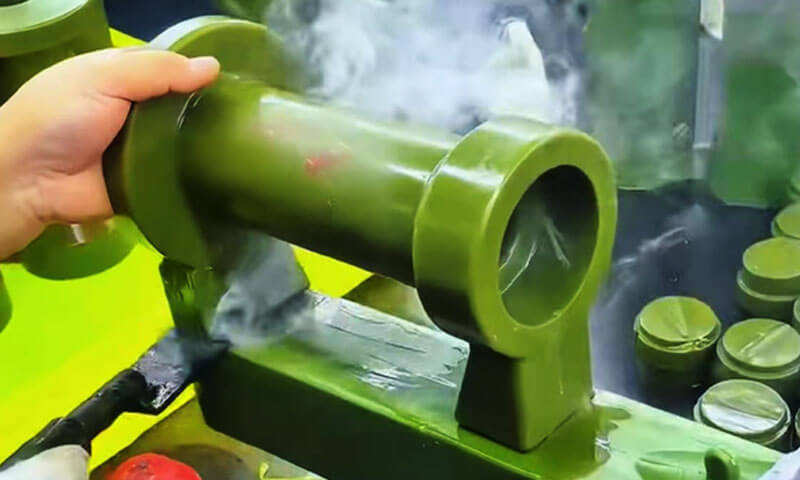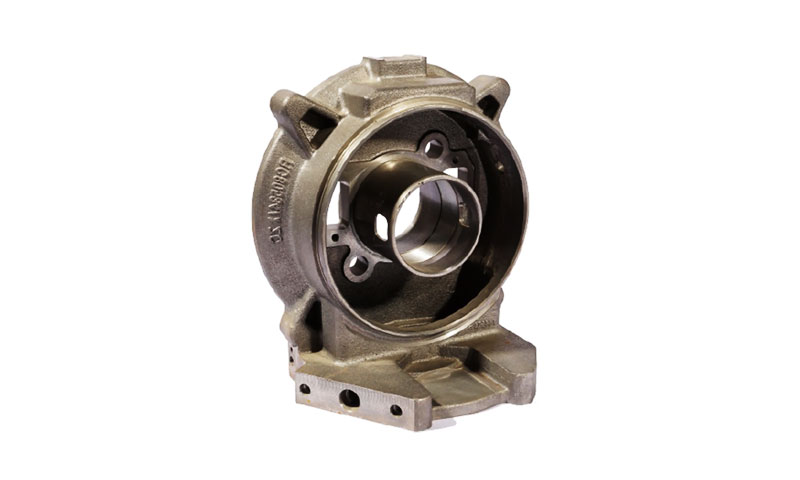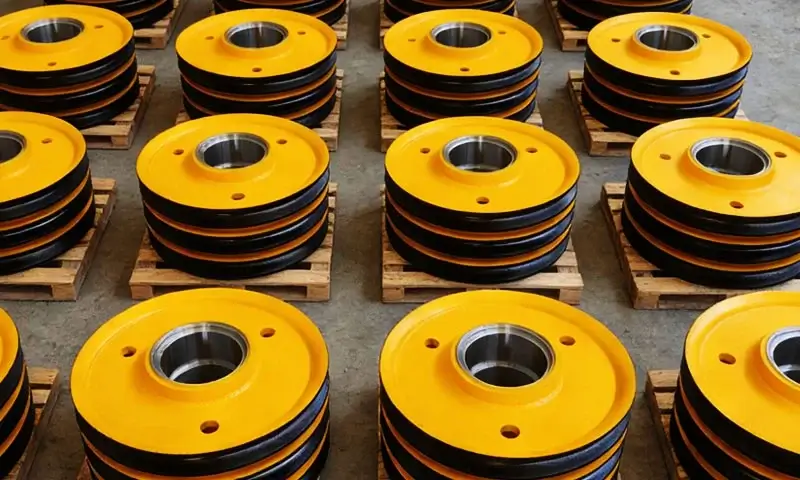
精密鋳造は、制御された寸法の一貫性を維持しながら、比較的複雑な金属形状を再現し、後続の機械加工のためのニアネットシェイプの開始点を提供できるため、カスタム クレーン シーブの効果的な製造ルートを提供します。.
適切な合金選択と組み合わせると, 制御された熱処理, CNC加工, 非破壊検査, 精密鋳造により、特定のワイヤロープシステムや吊り上げ用途に合わせたシーブを製造できます.
エンジニアリングの目的は、単にアセンブリに適合する滑車を製造することではありません.
目的は、鋳造の完全性を備えたコンポーネントを製造することです。, 機械的特性, 溝の形状, 寸法精度, サービスサイクルを繰り返しても表面状態は適切な状態を保ちます.
この記事では、検討しています 精密鋳造クレーンシーブ コンポーネント設計の観点から, 材料工学, 鋳物工場の生産, 機械加工, 品質管理, とアプリケーションのパフォーマンス.
1. クレーンシーブとは?
a クレーンシーブ ガイドに使用される溝付きホイールです, リダイレクト, サポート, または、クレーンまたはその他の吊り上げ機構内でワイヤーロープを分配します。.
シーブの外周にはワイヤーロープが張り巡らされています, シーブがシャフトの周りを回転する間, ピン, またはベアリングサポートハブ.
クレーンの構成に応じて, 1 つまたは複数のシーブをシーブ ブロックに取り付けることができます, リービングシステム, ブームヘッド, トロリーアセンブリ, または他の昇降機構.
シーブの基本的な目的は単純です: ワイヤロープの方向を変え、摩擦を軽減し、曲げを制御しながらロープが負荷の下で動くことを可能にします。.
実際の機械的機能, しかし, かなり要求が厳しい.
荷重をかけたワイヤロープがシーブ上を通過するとき, ロープは曲がったり曲がったりを繰り返します. シーブの溝がロープをサポートし、定義された領域全体に接触力を分散します。.
同時に, シーブ自体は、過度の変形を生じることなく、ロープを介して伝達される力に耐える必要があります。, ひび割れ, 着る, またはアライメントの損失.
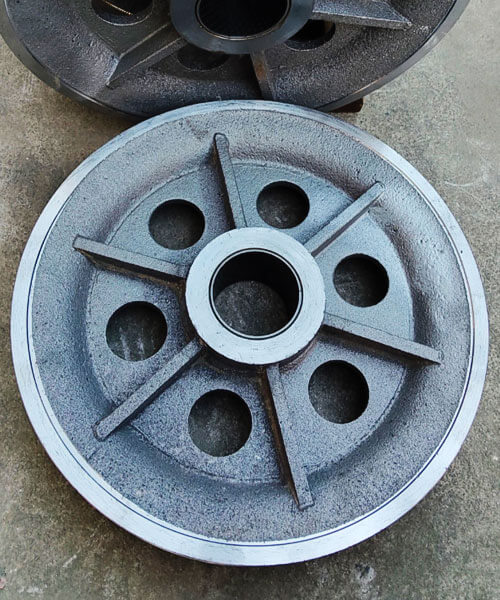
クレーンシーブの基本構造
従来のクレーンのシーブは通常、いくつかの機能領域で構成されています:
| 成分 | 一次機能 | 主要なエンジニアリング上の考慮事項 |
| シーブ本体 | ロープを支えて荷重を伝達します | 強さ, 剛性, 鋳造の完全性 |
| ロープ溝 | ワイヤーロープを受けて案内します | 半径, 深さ, プロフィール, 表面仕上げ |
| ハブ | シーブを回転サポートに接続します | 荷重伝達, 壁の厚さ |
| ボア | シャフトまたはベアリングの配置に対応 | 直径, 許容範囲, 同心 |
| フランジ | ワイヤーロープの保持に役立ちます | 身長, 剛性, クリアランス |
| ベアリングシート | 該当する場合はベアリングをサポートします | 寸法精度, 表面仕上げ |
| キー溝 / 取り付けの特徴 | トルクを伝達したり、アセンブリを固定したりする | 位置, ジオメトリ, アライメント |
2. クレーンシーブの一般的な材質
材料は強度に影響するため、材料の選択はカスタムクレーンシーブの製造において最も重要な決定事項の 1 つです。, タフネス, 耐摩耗性, 疲労行動, 耐食性, 加工性, 熱処理応答性, そしてキャスト性能も.
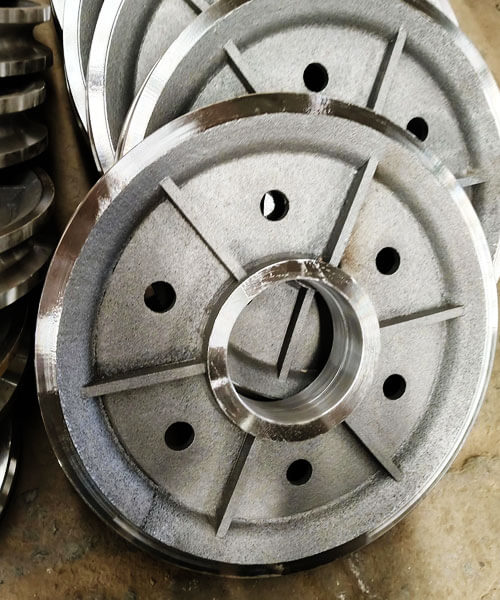
炭素鋼鋳物
炭素鋼は、優れた強度を兼ね備えているため、一般産業用部品に広く適用されています。, タフネス, 加工性, 溶接性, コスト効率.
クレーンシーブ用, 使用条件で強度を高める必要がない場合は、炭素鋼が適している場合があります。, ハーデン剤, または、より高度に合金化された材料に関連する耐食性.
必要な機械的特性に応じて正確な鋼種を選択する必要があります。, 鋳造断面サイズ, 熱処理条件, 動作環境, および適用される技術仕様.
合金鋼鋳物
合金鋼は、シーブがより厳しい荷重にさらされる場合、または焼入性が向上する場合に魅力的になります。, タフネス, 強さ, または耐摩耗性が必要です.
マンガンなどの合金元素, クロム, モリブデン, とニッケルをさまざまな組み合わせで使用して、熱処理や使用負荷に対する材料の応答を変更できます。.
大型クレーンシーブ用, 合金鋼の利点は単に強度が高いだけではありません. 正しい合金設計は、よりバランスのとれた組み合わせを実現するのに役立ちます。:
強さ + タフネス + 疲労抵抗 + ハーデン剤 + 耐摩耗性
このバランスは、均一な熱処理応答がより困難になる可能性がある比較的厚い部分がシーブに含まれる場合に特に重要です。.
ステンレス鋼
腐食条件にさらされる特殊なクレーンのシーブにはステンレス鋼が考慮される場合があります, 海兵隊を含む, 沿岸, 沖合, 化学薬品, または洗浄環境.
しかし, ステンレス鋼は耐食性に優れているという理由だけで自動的に最良の選択肢とみなされるべきではありません。.
材料の選択は機械的負荷を考慮する必要があります, 摩耗挙動, 料金, 加工要件, 環境の実際の腐食性.
多くの重量物を持ち上げる用途に最適, 適切な保護システムを備えた適切に設計された炭素鋼または合金鋼は、ステンレス鋼よりも実用的である可能性があります。.
延性鉄
ダクタイル鋳鉄は、有用な強度とともに魅力的な鋳造特性を提供します, タフネス, 耐摩耗性, 振動減衰, および寸法の安定性.
その適用性は設計と負荷の要件に大きく依存します.
鋳造性が良いという理由だけで選ばないでください。; アプリケーションによる完全な機械的負荷と故障の結果を評価する必要があります.
3. クレーンシーブの精密鋳造工程
精密鋳造は、複雑な形状のクレーンシーブを製造するのに効果的な製造方法です, 統合ハブ, 構造遷移, 完全に機械加工で製造するにはコストがかかる、または非効率的となるその他の形状.
カスタマイズされたクレーンシーブ用, 投資キャスティング (紛失したワックスキャスティング) このプロセスでは、比較的厳しい鋳造公差とニアネットシェイプ構造を持つ複雑な形状を再現できるため、特に価値があります。, その後の CNC 加工により重要な機能的寸法が確立されます。.
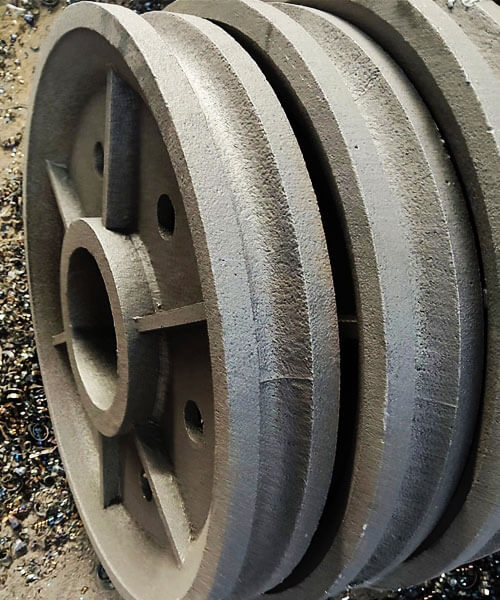
インベストメント鋳造 (紛失したワックスキャスティング) プロセス
| ステージ | プロセスステップ | 説明 | キーコントロール |
| 1. エンジニアリング & ツーリング | DFM分析 | 2D 図面または 3D CAD モデルが鋳造の実現可能性についてレビューされます。, 壁の厚さ, トランジション, 収縮, 機械加工手当, およびゲート要件. | 鋳造シミュレーション; 寸法要件; 下書き; フィレット半径; 取り代 |
| 2. パターン制作 | ワックスインジェクション | ワックスを精密ツールに注入して、クレーン シーブの形状を表す正確な犠牲パターンを生成します。. | ワックス温度; 射出圧力; 圧力を保持します; サイクル時間; パターン寸法 |
| パターン検査 | ワックスパターンの歪みをチェック, 不完全な充填, フラッシュ, 寸法変化, および表面欠陥. | パターン寸法; 目視検査; 寸法の一貫性 | |
| 3. パターンアセンブリ | ツリーアセンブリ | 個々のワックス パターンは、金属の流れを制御するように設計されたランナーとゲートを備えた中央のスプルー システムに取り付けられています。. | ゲートレイアウト; パターンの向き; 間隔; ランナー寸法 |
| 4. シェルビルディング | スラリーコーティング | ワックスアセンブリをセラミックスラリーに繰り返し浸漬し、耐火スタッコで覆って多層セラミックシェルを作成します。. | スラリー粘度; 層の厚さ; 乾燥時間; 湿度; 漆喰の粒径 |
| シェルの補強 | シェルが金属の注入に十分な強度と透過性を得るまで、追加のセラミック層が適用されます。. | シェルの厚さ; 乾燥条件; シェルの完全性 | |
5. 脱線 |
オートクレーブ / フラッシュ脱蝋 | 組み立てられたシェルは加熱されてワックスパターンが除去され、きれいなセラミックキャビティが残ります。. | 温度; 蒸気圧; 昇温速度; 脱蝋時間 |
| 6. シェルファイリング | セラミック焼成 | セラミックシェルは高温で焼成され、残留ワックスが除去されます。, 型を強化する, 熱安定性を確立します. | 炉温度; 昇温速度; 保持時間; シェル温度 |
| 7. 溶融 | 誘導溶解 | 選択された合金は制御された炉で溶解され、必要な化学組成と注入条件になります。. | 合金化学; 溶融温度; 保持時間; 溶ける清潔さ |
| 8. 金属の検証 | 化学分析 | 溶融金属は、注湯前に分析され、その組成が指定された合金グレードを満たしているかどうかが確認されます。. | 分光分析; チャージマテリアルコントロール; 熱番号 |
9. 注ぐ |
重力 / 制御された注入 | 溶融金属は、設計されたゲート システムを通じて予熱されたセラミック シェルに導入されます。. | 注ぐ温度; 注入速度; 金型予熱; 充填安定性 |
| 10. 凝固 | 制御された冷却 | 鋳物はセラミックの型内で固まります. 供給と方向性凝固を制御して、収縮やその他の内部不連続性を最小限に抑えます。. | 温度勾配; ライザー効率; 冷却速度; セクションの厚さ |
| 11. ノックアウト | シェル除去 | 十分に冷却した後, セラミックシェルは金属鋳物から機械的に取り外されます。. | 振動強度; 殻の除去方法; 鋳造保護 |
| 12. 切り落とす | ゲートとライザーの取り外し | スプルー, ランナー, ゲート, ライザーはクレーンシーブ鋳物から分離されています. | カット位置; 研磨鋸パラメータ; パーツハンドリング |
13. 鋳造仕上げ |
研削 / ショットブラスト | 残りのゲート, フィン, フラッシュ, 付着したセラミックを除去し、表面を後続の加工に備えます。. | 研磨タイプ; 爆発圧力; 研削代; 表面状態 |
| 14. 熱処理 | 正規化 / Q&t / ストレス緩和 | 鋳物は合金と必要な機械的特性に応じて熱処理されます。. | 炉温度; 浸す時間; 冷却速度; 硬度 |
| 15. CNC加工 | 旋回 / つまらない / 溝加工 | ボアなどの機能的特徴, ハブ, ベアリングシート, ロープの溝, 取り付け面は最終寸法に機械加工されています. | 寸法耐性; 同心; なくなる; 表面の粗さ |
| 16. 最終検査 | 寸法検査およびNDT検査 | 完成したシーブを検査して形状を確認します, 機械的特性, 表面状態, そして, 指定された場所, 内部の完全性. | CMM; 硬度; UT/MT/PT/RT(該当する場合); 目視検査 |
4. ロープ溝加工と表面仕上げ
ロープ溝は、ワイヤー ロープの支持方法を確立するため、クレーン シーブの最も重要な機能的特徴の 1 つです。, 導かれた, 動作中に曲がってしまう.
たとえ鋳造本体が優れた冶金学的完全性を持っていたとしても, 不適切に加工された溝はロープの摩耗を加速する可能性があります, 局所的な接触応力を増加させる, 不均一な荷重を促進する, ロープとシーブの両方の耐用年数が短くなります.
鋳造後の溝加工
インベストメント鋳造またはその他の精密鋳造プロセスでは、ニアネットシェイプのシーブを製造できます, ただし、制御された形状と表面仕上げが重要な場合、最終のロープの溝は通常機械加工が必要です.
加工シーケンスには次のものが含まれる場合があります。:
鋳造検査→データム設定→荒旋削→溝加工→仕上げ旋削→寸法検証
まず、適切な基準を使用してシーブを安全に配置します。. 機械加工基準は、任意の鋳放し表面からではなく、コンポーネントの機能中心線から確立する必要があります。.
これは、鋳造のばらつきが最終的な溝の位置に直接影響する可能性があるため、大型または非対称のシーブの場合に特に重要です。.
溝の同心度と振れ
ロープの溝とシーブの穴の関係は重要です.
溝が穴と同心でない場合, シーブが回転すると、ロープの半径方向の位置が変化する可能性があります。.
過度の振れは、ロープの接触と荷重に周期的な変動をもたらし、振動やコンポーネントの摩耗の加速につながる可能性があります。.
精密クレーンシーブ用, したがって、メーカーは次の検査基準を確立する必要があります。:
- 溝と穴の同心度
- ラジアル振れ
- アキシアル振れ
- 穴径
- 溝径
- 溝プロファイル
- フランジ寸法
許容値は、普遍的に割り当てられるのではなく、設計図面または該当する仕様に基づいて決定される必要があります。.
ロープ溝の表面仕上げ
意図した接触形状を維持しながらワイヤロープの不必要な摩耗を防ぐために、表面仕上げを十分に制御する必要があります。.
荒い, 破れた, 多孔質, 溝が不適切に研磨されていると、応力集中や摩耗点として機能する局所的な凹凸が生じる可能性があります。.
逆に, 不正確な溝プロファイルを補正するために表面仕上げを使用しないでください。.
表面処理シーケンスには以下が含まれる場合があります。:
- 大まかな機械加工
- 中仕上げ加工
- 仕上げ加工
- deburring
- 指定されている場合は、制御された研磨または研削を行う
- 最終洗浄
必要な表面粗さは、ロープとシーブの仕様に従って定義する必要があります。.
ロープの構造や使用条件が異なれば、異なる表面基準が必要になる可能性があるため、Ra の単一の数値を普遍的に適用できるものとして扱うべきではありません。.
5. 鋳造クレーンシーブの熱処理
熱処理 鋳造クレーンシーブの製造における重要な段階です, 特に炭素鋼や合金鋼を使用する場合.
鋳造によりコンポーネントの基本的な形状が確立されます, しかし、鋳放しの微細構造は、要求の厳しい機械的サービスに必ずしも最適な構造であるとは限りません。.
適切に制御された熱処理プロセスにより、微細構造を変更し、必要な組み合わせを改善できます。 強さ, 硬度, タフネス, 疲労抵抗, および寸法の安定性.
適切な熱処理ルートは合金の化学的性質によって異なります。, 鋳造断面サイズ, 必要な機械的特性, および顧客の仕様.
一般的な熱処理プロセス
正規化
正規化には、鋼をその変態温度を超える適切な温度範囲に加熱することが含まれます。, 十分な時間保持する, そして空気中で冷却する.
鋳鋼用, 正規化は、微細構造を改良して均質化し、鋳造に伴う不均一性の一部を軽減するのに役立ちます。.
適度な靭性と寸法安定性を兼ね備えた中程度から高強度が必要な場合に使用できます。.
アニーリング
アニーリングでは通常、加熱とそれに続く制御された冷却が行われます。.
硬度を下げることができる, 被削性を改善する, 内部ストレスを緩和します, そしてより柔らかいものを生み出す, より安定した冶金状態.
アニーリングは、後続の機械加工要件が特に厳しい場合の中間プロセスとして役立つ場合があります。.
クエンチングと焼き戻し
適切な合金鋼および炭素鋼用, 焼き戻し (Q&t) 処理を使用すると、靭性を制御しながら強度と硬度を大幅に向上させることができます。.
基本的なプロセスは:
オーステナイト化→焼入れ→焼戻し
焼入れステップにより、より硬い微細構造が生成されます, 焼き戻しは過度の脆性を軽減し、強度と靭性の最終的なバランスを調整します。.
重荷重のクレーンコンポーネント用, 最大硬度が必ずしも最適な使用性能と同等であるとは限らないため、焼き戻し段階は特に重要です。.
ストレス緩和
応力除去熱処理により、鋳造時に発生する残留応力を低減できます。, 溶接, 広範な機械加工, または以前の熱処理.
これは、寸法安定性が重要な大型シーブに特に役立ちます。.
6. 一般的なクレーン シーブの鋳造欠陥とその根本原因
鋳造欠陥はクレーンのシーブの構造的信頼性に大きな影響を与える可能性があります.
シーブは周期的に荷重がかかるコンポーネントであるため、, 低応力の装飾鋳物では許容される内部不連続性は、コンポーネントが繰り返し吊り上げ荷重にさらされる場合に重要になる可能性があります。.
| 欠陥 | 説明 | 根本的な原因 | 予防措置 |
| 収縮気孔率 | 内部空隙 | 凝固時の供給不足. | ライザー設計の最適化; 悪寒を利用する; シミュレーション. |
| ガス気孔率 | 小さな丸い空隙 | ガス閉じ込め; 溶融物中の溶存ガス. | 燃えて溶ける; 注ぐ練習を改善する; クリーンチャージ. |
| 熱い涙 | ひび割れ | 凝固時の引張応力. | 注湯温度を下げる; シェルの折りたたみ性を改善する. |
| 砂の混入 | 埋め込まれた砂 | セラミックシェルの侵食. | シェル強度の向上; 乱流を減らします. |
エジプト |
充填が不完全 | 低い注入温度; 金属が不足しています. | 注湯温度を上げる; ゲートを改善する. |
| コールドシャット | 路面周回 | 融合せずに合流する 2 つの流れ. | 注湯温度を上げる; ゲートを改善する. |
| 寸法変化 | 公差外の寸法 | パターン摩耗; シェルの拡張. | 工具のメンテナンス; コントロールシェルプロセス. |
| 表面仕上げが悪い | 粗い表面 | 粗いセラミック; シェルの欠陥. | より細かいシェルを使用する; シェルプロセスを改善する. |
7. 精密鋳造クレーンシーブの用途
精密鋳造クレーン シーブは、ワイヤ ロープの向きを変更する必要がある吊り上げシステム全体で使用されます。, サポートされている, 制御されたロープ接触と機械的信頼性を維持しながら、またはリーブします.
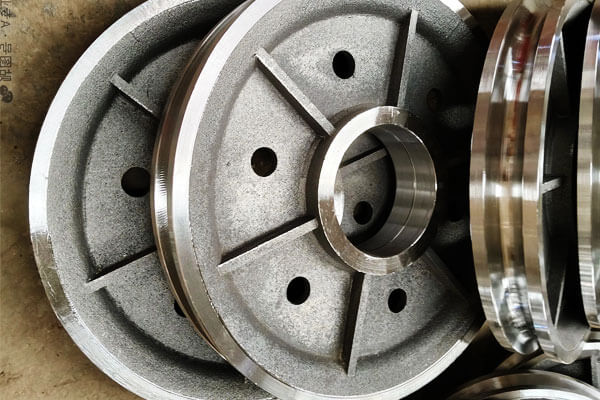
天井クレーンおよび EOT クレーン
天井クレーンと電動天井走行 (EOT) クレーンは一般的にフックブロックのシーブを使用します, 巻上げ機構, そしてリービングシステム.
これらのアプリケーションでは通常、:
- 繰り返し荷重に対する高い耐性
- 正確なロープ溝形状
- 回転バランスが良い
- 信頼性の高いベアリングインターフェイス
- 穴と溝の間の同心度を制御
- 十分な耐疲労性
頻繁に循環する生産クレーン向け, 溝の摩耗とロープの疲労は密接に関係しているため、シーブの耐久性はメンテナンス間隔に直接影響する可能性があります。.
カスタム鋳造シーブは、クレーンのメーカーが特定のドラムに合わせて寸法を最適化する必要がある場合に特に役立ちます。, フックブロック, ワイヤーロープ, またはインストール封筒.
ガントリークレーンとポータルクレーン
ガントリークレーンとポータルクレーンはコンテナの取り扱いに広く使用されています, 造船所, 工業ヤード, 鉄鋼工場, および重量物の取り扱い.
シーブは比較的高いロープ張力と動的荷重を受ける可能性があります。.
加えて, 屋外に設置するとコンポーネントが雨にさらされる, 湿度, ほこり, 温度変動, 腐食性の可能性のある大気条件.
したがって、材料の選択はデザインの重要な部分になります。.
一般的な頑丈な用途には、炭素または合金鋳鋼が適している場合があります。, 一方、海洋環境では耐食合金や保護仕上げシステムの関連性が高まる可能性があります。.
大型門型クレーン用, シーブの寸法が大きくなる可能性があるため、寸法安定性と構造的鋳造の完全性が特に重要です.
タワークレーン
タワークレーンは吊り上げにシーブを使用します, トロリー, そしてラフィング機構. スペースの制約, ロープの配線, 動作サイクルが比較的長いため、寸法の最適化が重要になります.
カスタム シーブは、いくつかの競合する要件を満たす必要がある場合があります:
ロープの激しい曲がりを軽減するのに十分な大きさ, クレーンの機械的エンベロープ内に収まるほどコンパクトですが、.
溝のプロファイルも選択したワイヤロープに対応している必要があります, 一方、ハブとベアリングの配置はクレーンの既存のコンポーネントと統合する必要があります.
精密鋳造により、コンポーネント全体を大きなビレットから機械加工する必要がなく、複雑なハブとフランジの構成を柔軟に開発できます。.
ポート, 港, およびコンテナクレーン
港湾クレーンは、次のような要求の厳しい組み合わせの下で動作します。:
- 高い吊り上げ荷重
- 高い使用率
- 連続または半連続勤務
- 塩分を含んだ大気
- 動的ロード
- 厳格なメンテナンス要件
したがって、これらのシステムで使用される滑車には、さまざまな機械的強度が必要となる場合があります。, 耐摩耗性, 疲労抵抗, 腐食保護, そして精密な加工.
腐食がひどいところ, 特定のコンポーネントにはステンレスまたは二相ステンレス鋳造が考慮される場合があります, ただし、選択は耐食性だけではなく、完全な機械的および環境的要件に基づいて行う必要があります。.
造船および海上クレーン
海上クレーンは通常、湿気の多い環境で動作します。, 腐食がコンポーネントの寿命に重大な影響を与える可能性がある塩水を含む環境.
精密鋳造クレーンシーブは以下の用途に使用できます。:
- 船上昇降システム
- 造船所のクレーン
- デッキクレーン
- 船舶用ハンドリングシステム
- オフショア支援機器
これらのアプリケーション向け, メーカーはバルク材料だけでなく、機械加工された表面の状態も考慮する必要があります, ファスナー, ベアリング, 保護コーティング, 排水, およびメンテナンス.
溝部の局部腐食, ハブ, これらの領域は機能的に重要であるため、ベアリングのインターフェースは特に望ましくない場合があります。.
オフショアクレーン
オフショア吊り上げシステムは、高い機械的負荷と海洋腐食を組み合わせるため、特に厳しい使用条件が課せられます。, 風による動き, 振動, 潜在的に深刻な動的影響.
オフショアサービス用の精密鋳造クレーンシーブには、必要な場合があります。:
- 高骨折の靭性
- 制御された化学組成
- 認定された熱処理
- 耐食性の材料またはコーティング
- 広範なNDT
- トレーサブルな材料認証
- 厳密な寸法管理
そのようなアプリケーション用, エンジニアリング仕様書では、必要な検査および合格基準を詳細に定義する必要があります。. 材料グレードだけでは適合性を確立するのに十分ではありません.
鉱山および重工業用クレーン
採掘施設, 製鉄所, ファウンドリー, 発電所, 重工業の製造作業では、粉塵が多い環境でクレーンが使用されることがよくあります。, 振動, 高温, 高い使用率, そして重い荷物.
これらの用途のシーブには、耐衝撃性を高める必要がある場合があります。:
- 周期的疲労
- 機械的衝撃
- 溝摩耗
- 汚染
- 動作温度の上昇
- 研磨環境
適切な熱処理を施した合金鋼鋳物は、耐久性の高い性能が必要な場合に強力な機械的特性の組み合わせを提供します。.
建設機械および資材運搬装置
建設用クレーン, ホイスト, ウインチ, また、マテリアルハンドリングシステムでは、ワイヤーロープの方向を変更し、制御されたリービングを維持するためにシーブも使用されます。.
要件は大幅に異なります. 比較的小型のホイストシーブはコストとコンパクト性を優先する場合があります, 一方、大容量の建設用クレーンには、高度に設計された溝とベアリングのインターフェースが必要になる場合があります。.
このアプリケーションの多様性は、有能なカスタム メーカーがすべてのアプリケーションを 1 つの標準設計に強制するのではなく、複数の材料と製造ルートをサポートできる必要がある理由の 1 つです。.
8. クレーンシーブの精密鋳造のメリット
| アドバンテージ | 工学的価値 |
| ニアネットシェイプ機能 | 無駄な加工を削減 |
| 複雑なジオメトリ | 最適化されたハブをサポート, フランジ, と構造上の特徴 |
| 材料の柔軟性 | 用途に応じた合金の選択が可能 |
| 一貫生産 | 鋳造とCNC機械加工を組み合わせて設計可能 |
| 再現性 | OEMや交換部品の生産に便利 |
| 材料廃棄物の減少 | 大型素材からの加工よりも除去が少ない |
| デザインのカスタマイズ | アプリケーション固有のジオメトリをサポート |
| スケーラブルな生産 | 工具が適切な場合の繰り返し生産に適しています |
9. 精密鋳造クレーンシーブ vs. 鍛造および製作されたシーブ
の中からの選択 精密鋳造, 鍛造, そして製造 1 つの製造プロセスが普遍的に優れているという仮定ではなく、クレーン シーブの実際のエンジニアリング要件に基づく必要があります。.
各方法により、ジオメトリの異なるバランスが作成されます。, 材料利用, 機械的特性, 生産の柔軟性, 加工要件, コスト.
カスタムクレーンシーブ用, したがって、中心的な問題は単に次のようなものではありません。 「どちらのプロセスが強いか?」 むしろ:
必要な耐荷重を最も効率的に提供できる製造プロセスはどれですか, 疲労性能, ロープ溝精度, 構造的完全性, 寸法, 生産量, サービスの信頼性?
次の比較は、クレーン シーブの製造ルートを選択する際に重要となる主要なエンジニアリングの違いに焦点を当てています。.
| 主な違い | 精密鋳造クレーンシーブ | 鍛造クレーンシーブ | 加工された / 溶接シーブ |
| ベストフィット | 複雑な, ニアネットシェイプの形状と繰り返し生産を必要とするカスタマイズされたシーブ | 高強度で疲労が重要な用途 | 非常に大きい, 低音量, または高度にカスタマイズされた束 |
| ジオメトリ & 設計の自由 | 素晴らしい 複雑なハブ用, フランジ, rib骨, そしてトランジション | 適度; ジオメトリは鍛造に適合する必要があります | 素晴らしい マルチパーツ構造による |
| 機械的性能 | 鋳造品質と熱処理が適切に管理されている場合に優れています | 素晴らしい, 特に高強度で疲労が要求される用途に最適 | 良い, ただし、溶接の設計と品質に大きく依存します |
| 材料効率 | 高い, 余分な材料が比較的少ない | 適度; 通常は加工代が必要です | 変数; プレートによります, 指輪, およびコンポーネントのレイアウト |
| 加工要件 | 適度; 主に重要な機能面 | 中程度から高 | 中程度から高 |
| 大口径化が可能 | 良い, ただし、鋳造設備とプロセスによって異なります | 鍛造能力と工具によって制限される | 非常に大規模な構造物に最適 |
生産量 |
リピートOEM生産に最適 | 工具が必要な繰り返し生産に最適 | 少量生産またはプロジェクトベースの生産に最適 |
| ツーリングコスト | 適度 | 高い | 比較的低い |
| 主な品質懸念事項 | ヒケなどの鋳造欠陥, 気孔率, およびインクルージョン | 材質の品質, 鍛造の完全性, 熱処理制御 | 溶接欠陥, 残留応力, そして歪み |
| 主な利点 | 複雑なジオメトリ + カスタマイズ + ネットの形状 | 高い機械性能 | 大きいサイズ + 構造上の柔軟性 |
| 主な制限事項 | 厳格な鋳造工場とNDT管理が必要 | 工具や加工コストが高くなる | 溶接と寸法管理のさらなる課題 |
10. カスタム精密鋳造クレーンシーブに LangHe Industry を選ぶ理由?
クレーン シーブのサプライヤーを選択する際には、単に鋳造価格を比較するだけで十分ではありません。.
コンポーネントは構造用鋳物を組み合わせているため、, 熱処理, 精密機械加工, ロープ接触形状, および検査, 製造チェーン全体を制御するサプライヤーの能力は、多くの場合、名目上の鋳造プロセス自体よりも重要です.
ランゲ産業 カスタム精密鋳造クレーンシーブを統合製造プロジェクトとしてアプローチできます, 接続エンジニアリングのレビュー, 鋳造開発, 機械加工, 仕上げ, および品質検査.
| 能力 | 詳細 |
| 材料 | 炭素鋼 (WCB), 鋳鋼, 延性鉄 (60-40-18, 65-45-12, 80-55-06), ステンレス鋼 (CF-8, CF-8M, 17-4ph), 合金鋼 (4140, 4340) |
| 鋳造工程 | インベストメント鋳造, 砂鋳造. |
| 部品重量 | 0.5 kg to 500 kg. |
| 公差 | ±0.1–0.3 mm (ISO ごとの CT5 ~ CT7 8062). |
| 品質 | ISO 9001:2015 認定; 100% 検査; CMM; 表面形状計; NDT (X線, 染料浸透剤). |
| リードタイム | 6– ツーリングには 12 週間; 2– リピート注文の場合は 4 週間. |
11. 結論
クレーン シーブは、要求の厳しい機械的機能を備えた比較的単純に見えるコンポーネントです. ハブを介して荷重を伝達しながら、ワイヤーロープを繰り返しガイドしたり曲げたりする必要があります, ベアリング, と支持構造.
その結果, 溝の形状, 物質的な完全性, 熱処理条件, 加工精度, 同心, と表面品質はすべて、現実世界のシーブのパフォーマンスに貢献します.
精密鋳造は、複雑な形状のカスタム クレーン シーブの魅力的な製造ルートを提供します。, ニアネットシェイプ生産, 材料の柔軟性, 再現性も重要です.
不要な機械加工を削減しながら、エンジニアがハブを統合できるようにします。, フランジ, rib骨, トランジション, およびその他の構造的特徴を鋳物に組み込む.
LangHe Industry は、精密鋳造クレーン シーブのカスタム製造アプローチを提供しています, 鋳造工学を組み合わせた, 材料の選択, CNC加工, 熱処理, 仕上げ, アプリケーション固有の OEM 要件をサポートするための検査.
よくある質問
精密鋳造クレーンシーブとは?
精密鋳造クレーンシーブは、制御された鋳造プロセスを使用して製造されたワイヤロープシーブです。, 一般的にはインベストメントまたは別の精密鋳造法が使用されます。, 続いて重要な機能面の機械加工が行われます.
鋳造により一次形状が作成されます, CNC加工によりロープの溝などの特徴を確立します。, ボア, そしてベアリングシート.
クレーンのシーブを無垢鋼から機械加工するのではなく、精密鋳造を使用する理由?
精密鋳造では、機械加工前に最終形状の大部分を作成できます。.
これにより、材料の除去を減らすことができます, 加工時間, 複雑なハブの自由度を高めながら、材料の無駄を削減します, フランジ, rib骨, そして構造的変遷.
鋳造クレーンシーブは鍛造シーブと同等の強度があります?
普遍的な答えはありません. 適切に設計および加工された鋳鋼シーブは、優れた機械的性能を提供します。,
しかし、高度に強化された鍛造構造と特定の疲労特性が必要な用途では、鍛造が利点となる可能性があります。.
適合性は素材によって異なります, ジオメトリ, セクションサイズ, 熱処理, 読み込み中, および検査要件.
クレーンのシーブにとって最も重要な品質要素は何ですか?
品質を決定する単一のパラメーターはありません. 鋳造の完全性, 機械的特性, 溝の形状, ボアアライメント, 表面状態, と寸法精度が連動する必要があります.
安全性が重要なアプリケーション向け, これらの特性は、承認された技術仕様と検査計画に照らして検証される必要があります。.
クレーンのシーブの寿命を改善するにはどうすればよいですか?
シーブからロープまでのサイズを正しく設定することで耐用年数を向上させることができます, 適切な溝形状, 適切な材料の選択, 適切な潤滑とメンテナンス,
正確な位置合わせ, 管理された製造品質, 溝の磨耗やその他の損傷が指定の制限を超えた場合は適時に交換してください。.