オーバーモールディングは先進的です 射出成形 2 つ以上の材料を単一の機能コンポーネントに組み合わせるために使用される技術.
すべてのコンポーネントを個別に製造し、後で組み立てるのではなく, オーバーモールディングにより、予備成形された基板上に二次材料を直接成形できます。.
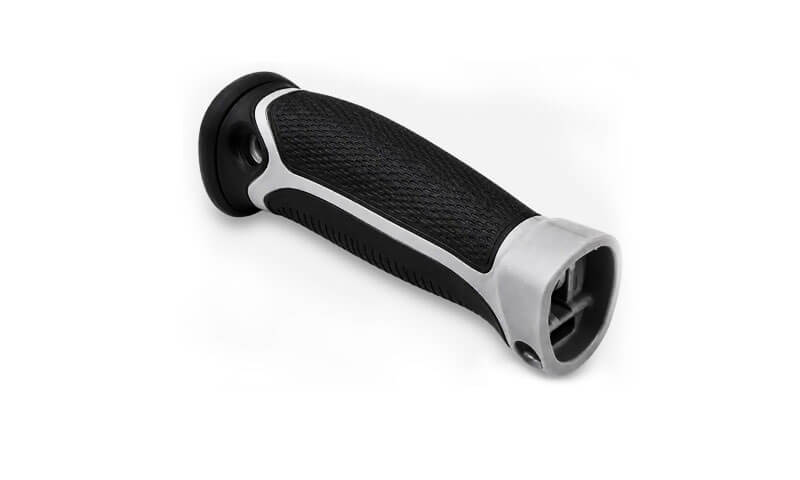
その結果、剛性材料の構造特性と柔軟性を組み合わせることができます。, グリップ, シーリング, 絶縁, 耐衝撃性, またはエラストマーまたは他のポリマーの美的特性.
このプロセスは、材料が一体化された製品に広く使用されています。, 人間工学に基づいたパフォーマンス, 環境保護, 組立の削減が重要.
典型的な例には電動工具のハンドルが含まれます。, 自動車用スイッチ, 電気コネクタ, 医療機器ハウジング, 家電, ケーブルコンポーネント, グリップ, アザラシ, および産業用制御.
1. オーバーモールディングとは?
オーバーモールディングは、既存の材料の周囲または上に 2 番目の材料を射出成形する製造プロセスです。 基板, 入れる, または事前に成形されたコンポーネント 統合されたマルチマテリアル部品を作成するには.
基板はコンポーネントの基礎となる構造を提供します, 一方、オーバーモールドされた材料により、特定の機能的または美的特性が追加されます。.
アプリケーションに応じて, 基板は硬質熱可塑性プラスチックであってもよい, 金属インサート, または別の事前成形コンポーネント.
オーバーモールドは、より柔らかい熱可塑性エラストマーであってもよい (TPE), 熱可塑性ポリウレタン (TPU), 熱可塑性ゴム, または別の互換性のあるポリマー.
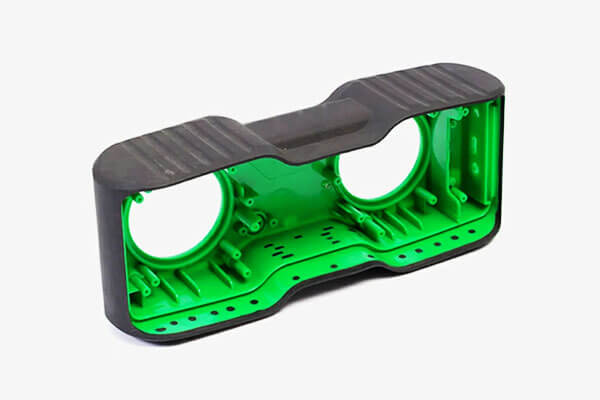
構造を簡単に表すと、:
基板 → オーバーモールド材料 → 一体化された完成部品
例えば, 手持ち電動工具を検討してください. 内部ハウジングは、構造強度を提供するために ABS や強化ナイロンなどの硬質エンジニアリング プラスチックで成形される場合があります。.
より柔らかい TPE または TPU 層をハウジングの選択した領域に成形して、滑り止めグリップを提供し、振動吸収性を向上させることができます。.
ラバーグリップを別途作成して組み立て時に取り付けるのではなく、, オーバーモールディングによりグリップがハウジングに直接統合されます。.
オーバーモールド部品の基本構造
オーバーモールド製品は通常、2 つの機能性材料ゾーンで構成されます。:
| 成分 | 一次機能 |
| 基板 | 構造的なサポートを提供します, 寸法安定性, または機械的な取り付け |
| オーバーモールド | グリップ力を追加, シーリング, クッション, 絶縁, 保護, 美学とか |
| ボンディングインターフェース | 荷重を伝達し、材料の付着を維持します |
主な特徴: 複数の材料の統合
オーバーモールディングの特徴は次のとおりです。 異なる材料を 1 つの完成したコンポーネントに直接統合する.
これにより、オーバーモールディングと従来のアセンブリが区別されます。. 従来の組み立てプロセスでは, 個々のコンポーネントは別々に製造され、その後ファスナーを使用して結合されます。, 接着剤, クリップ, 圧入, 溶接, またはその他の方法.
オーバーモールディングでは、その統合の一部が成形プロセス自体に組み込まれます。.
これにより、製造上のいくつかの利点が得られます:
- 個々のコンポーネントが少ない
- 組み立て作業の削減
- コンポーネントの統合の改善
- 二次材料の一貫した位置決め
- 優れた密閉性と環境保護
- 人間工学と触覚性能の向上
- 設計の自由度が向上
- 組み立て関連の欠陥が減少する可能性
しかし, 基板とオーバーモールド間の界面が重要なエンジニアリング機能になります.
この 2 つの材料は、製品の実際の動作条件下でしっかりと取り付けられたままでなければなりません。.
温度サイクル, 水分, 化学物質, 機械的負荷, インパクト, 繰り返しの屈曲はすべてインターフェイスのパフォーマンスに影響を与える可能性があります.
2. オーバーモールディングの種類
オーバーモールドは単一の標準化された製造構成ではありません.
プラスチック対プラスチックのオーバーモールディング
プラスチック対プラスチックのオーバーモールディングでは、事前に成形されたプラスチック基板上に 1 つの熱可塑性プラスチックを直接成形します。.
2 つのポリマーが相補的な性能特性を提供する場合に一般的に使用されます。.
例えば, 硬いエンジニアリングプラスチックが構造フレームワークを提供し、より柔らかい熱可塑性エラストマーがグリップを形成します。, シール, ボタン, または保護層.
または、または, 2 つの硬質ポリマーを組み合わせて、同じコンポーネント内に異なる機能ゾーンを作成できます。.
エンジニアリング上の主な課題は、2 つのポリマー間の適切な接着力または機械的保持を達成しながら、2 回目の成形サイクル中に基材の変形を防止することです。.
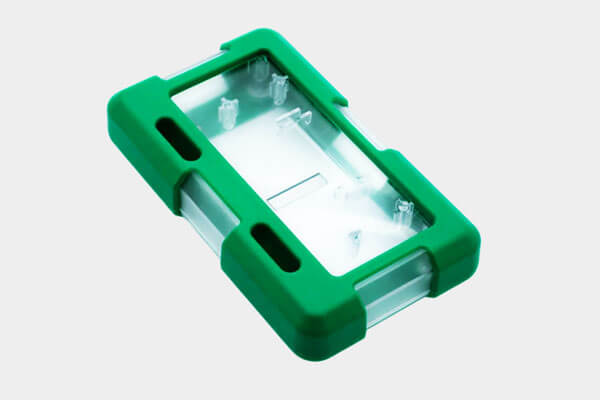
典型的な組み合わせには次のものがあります。:
- ABS + TPE
- パソコン + TPE
- PC/ABS + TPE
- ナイロン + TPE
- pp + TPEまたはTPV
- PBT + TPE
- ABS + TPU
すべての組み合わせが本質的に互換性があるわけではありません. 正確なグレード, 配合, 表面状態, 処理温度, 成形条件を評価する必要がある.
プラスチックからエラストマーへのオーバーモールディング
プラスチックからエラストマーへのオーバーモールディングは、最も広く認識されているオーバーモールディング形式の 1 つです.
TPEなどの柔軟な素材, TPU, バット, または別の熱可塑性エラストマーが硬質プラスチック基板上に成形されます.
目的は通常、純粋に美的であるというよりはむしろ機能的です. エラストマーが提供できるのは、:
- グリップ力と人間工学の向上
- 衝撃と衝撃吸収
- 振動減衰
- シーリング
- ソフトタッチの表面
- 滑り止め効果
- 電気絶縁
- 環境汚染からの保護
電動工具のハンドルが典型的な例です. 硬質基板が構造的なサポートを提供します, 一方、エラストマーのオーバーモールドは、ツールとオペレーターの間に快適で耐久性のあるインターフェイスを提供します。.
エラストマー層の厚さは慎重に制御する必要があります. 厚すぎるとサイクル時間が長くなる可能性があります, 収縮, そして物質消費量, 一方、層が不十分だと、必要なクッション性やグリップ力が得られない可能性があります。.
金属とプラスチックのオーバーモールディング
金属とプラスチックのオーバーモールディングでは、金属インサートまたはコンポーネントの周囲にポリマーを直接配置します。.
金属は強度を提供します, 導電率, 耐摩耗性, 熱性能, または寸法安定性, ポリマーが断熱性を提供する一方で、, 保護, シーリング, または構造的統合.
金属とプラスチックのオーバーモールドは、電気端子に特に役立ちます, コネクタ, センサー, ねじ付き挿入, ハンドル, 制御コンポーネント, および産業集会.
重要な考慮事項は、 熱膨張係数 (CTE) 金属とポリマーの間.
温度変化時, 2 つの材料は異なる速度で膨張および収縮します.
インターフェイスの設計がこの動きに対応していない場合, 残留応力が亀裂の原因となる可能性がある, 剥離, または寸法不安定性.
インサートオーバーモールディング
インサートオーバーモールディングでは、オーバーモールディング材料が射出される前に射出成形金型内に配置される予備成形インサートを使用します。.
インサートは金属製にすることもできます, プラスチック, セラミック, 電子, または別の製造されたコンポーネント, アプリケーションに応じて.
インサートのオーバーモールディングでは、成形プロセスでインサートが完成したコンポーネントに永続的に組み込まれるため、個別の組み立て作業が不要になります。.
インサートは正確に位置決めされ、しっかりとサポートされている必要があります. 固定が不十分だと、射出中にインサートが動く可能性があります, 寸法誤差が生じる, 材料の被覆が不均一である, フラッシュ, または金型の損傷.
ツーショットオーバーモールディング
ツーショットオーバーモールディング, 呼ばれます 2K成形または二液射出成形, 連続射出操作により複数の材料のコンポーネントを製造します, 通常は同じ成形システム内で.
典型的なプロセスでは, 最初の材料は基板または最初のコンポーネントの形状を形成します.
次に、指定された領域に 2 番目の材料を射出できるように、金型の構成または部品の位置が変更されます。.
別途製造した基板を使用した従来のオーバーモールドとは異なります。, ツーショット成形では、2 つの成形操作を高度に自動化された生産サイクルに統合できます。.
3. オーバーモールディングプロセスの仕組み?
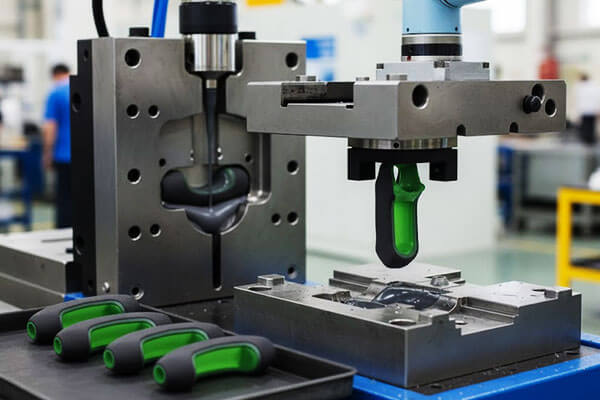
オーバーモールディング プロセスでは、予備成形された基板またはインサート上に 2 番目の材料を直接成形して、一体化したコンポーネントを作成します。.
正確なプロセスは材料の組み合わせによって異なりますが、, 製品の形状, および製造方法, コアのワークフローは一貫したままです:
製品設計 → 材料選択 → 基板製造 → 金型準備 → 基板装填 → オーバーモールディング射出 → 冷却 & 排出→検査
製品設計とDFM分析
オーバーモールドは製品から始まり、 製造のための設計 (DFM) 分析.
エンジニアが基板の形状を評価する, オーバーモールドの厚さ, ドラフト角度, パーティングライン, ゲートの位置, ベント, アンダーカット, 重要な寸法.
基材は、2 回目の成形操作中の射出圧力と熱暴露に耐えられる十分な剛性が必要です。.
リブなどの機械的保持機能, 溝, 穴, 追加のインターロックが必要な場合は、アンダーカットを組み込むこともできます。.
材料の選択と互換性
基板とオーバーモールディング材料を一緒に選択する必要があります. エンジニアは機械的特性を考慮します, 処理温度, 収縮, 熱膨張, 耐薬品性, 湿気への敏感性, そして最も重要なこと, 界面接着力.
個別に優れた性能を発揮する材料の組み合わせでも、一緒に成形すると信頼性の高い接合が得られない場合があります。.
重要なアプリケーション用, 材料の適合性はサプライヤーのデータを通じて確認する必要があります, プロトタイプのトライアル, または接着試験.
基板の製造と準備
基板は 2 回目の成形作業の前に製造されます。.
プラスチック基板は一般に射出成形されます, 金属インサートは機械加工される可能性がありますが、, 刻印された, キャスト, またはその他の方法で製造された.
オーバーモールド前, 基板には必要な場合があります:
- 洗浄・脱脂
- 感湿性ポリマーの乾燥
- 表面処理
- 予熱
- 寸法検査
適切な準備は汚染の防止に役立ちます, 寸法変化, 接着が悪い, およびその他のインターフェース関連の欠陥.
基板の装填と型閉じ
準備された基板はオーバーモールディング金型内に正確に配置されます.
少量生産の場合は手動で積み込むことも、大量生産の場合はロボットハンドリングシステムを使用して自動的に積み込むこともできます。.
モールドは基板をしっかりとサポートし、必要なオーバーモールドの厚さを維持する必要があります。.
配置されたら, 金型が閉じ、射出圧力に耐えてバリを防ぐのに十分な型締力が適用されます。.
オーバーモールディング材料の射出
2 番目の材料は処理温度まで加熱され、金型キャビティに射出されます。.
溶融した材料は基板の指定された領域の周りを流れ、オーバーモールド層を形成します。.
主なプロセスパラメータには次のものがあります。:
| パラメーター | 主な効果 |
| 溶融温度 | 流動性と接着性 |
| 金型温度 | 充填, 冷却, そして表面品質 |
| 射出速度 | 流れの挙動と空気の閉じ込め |
| 射出圧力 | 空洞の充填 |
| 保圧 | 収縮補正と寸法安定性 |
| 冷却時間 | 部品の剛性とサイクルタイム |
プロセスのバランスを注意深く調整する必要がある. 過度の温度または圧力により基板が変形する可能性があります, 充填条件が不十分な場合はショートショットが発生する可能性があります, 弱い結合, または不完全な報道.
接着と冷却
溶けたオーバーモールディング材料が基板に接触すると、, 界面は化学的接着によって発達します, 機械的連動, または両方の組み合わせ.
充填・梱包後, 部品が金型内で冷却される. 基板とオーバーモールドの収縮特性と熱膨張特性が異なる場合があるため、冷却を制御する必要があります。.
冷却制御が不十分だと反りが発生する可能性があります, 残留応力, シンクマーク, またはインターフェース障害.
排出と品質検査
十分に冷却した後, 完成したオーバーモールド部品が金型から取り出されます. ゲートの取り外し, フラッシュトリミング, 必要に応じて、その他の二次的な操作が実行される場合があります。.
品質管理は通常、次の点に焦点を当てます。:
寸法精度 + オーバーモールド被覆 + 表面の外観 + 接着強度 + 機能パフォーマンス
要求の厳しいアプリケーション向け, メーカーはピーリングを追加で実行する場合があります, 引く, 剪断, トルク, 温度サイクル, 湿度, 耐薬品性, またはその他の環境試験.
4. オーバーモールディングで一般的に使用される材料
材料の選択は、おそらくオーバーモールディングにおいて最も重要な技術的決定です。. 理想的な材料の組み合わせは、2 つの別々の要件を満たす必要があります。:
材料は個々の材料として適切に機能する必要があります, マテリアルインターフェースは統合システムとして信頼性を維持する必要があります。.
一般的な基板材料
基板は通常、コンポーネントの構造的基盤を提供します。. 硬質プラスチックまたは金属の場合があります.
一般的なプラスチック基板材料
| 基板材料 | 重要な特徴 | 一般的なオーバーモールディング用途 |
| ABS | 優れた耐衝撃性, 簡単な加工, 良い外観 | 消費者製品, ハンドル, ハウジング |
| パソコン | 影響力の高い強度, 透明度のオプション, 良好な寸法性能 | エレクトロニクス, 保護ハウジング, コントロール |
| PC/ABS | バランスの取れた靭性, 外観, および処理可能性 | 自動車およびエレクトロニクス |
| PA (ナイロン) | 高強度, 剛性, 耐摩耗性 | 自動車, 産業コンポーネント, ツール |
pp |
低密度, 耐薬品性, 疲労抵抗 | 自動車, 消費者製品, リビングヒンジコンポーネント |
| PBT | 優れた寸法安定性と電気的性能 | 電気コネクタ, 自動車コンポーネント |
| POM | 低摩擦, 耐摩耗性, 寸法安定性 | 機械コンポーネントと制御装置 |
| PPS | 高温耐性と耐薬品性 | 要求の厳しい自動車および産業用途 |
一般的なオーバーモールディング材料
第 2 の材料は通常、基板では効率的に提供できない機能を追加するために選択されます。.
| オーバーモールディング材料 | 主な特性 | 代表的な機能 |
| TPE | フレキシブル, ソフトタッチ, 加工可能 | グリップ, クッション, シーリング |
| TPU | 高い耐摩耗性と耐引裂性 | 保護面, グリップ, 柔軟なコンポーネント |
| バット | 熱可塑加工によるゴムのような弾力性 | 自動車用シール, グリップ, 耐候性コンポーネント |
TPO |
フレキシブル, 軽量, 耐候性 | 自動車用トリムおよび保護部品 |
| ソフトPPコンパウンド | 軽量で耐薬品性にも優れています | 消費者および自動車製品 |
| シリコーンベースのシステム | 優れた柔軟性と温度性能 | 特殊なシーリングおよび医療用途 |
| 特殊エラストマー | 用途固有の化学薬品, サーマル, または機械的性能 | 産業環境および要求の厳しい環境 |
5. 機械的接着 vs. オーバーモールディングにおける化学結合
基板とオーバーモールディング材料の間の界面は、複数材料の成形部品の最も重要な領域です。.
部品は優れた機械的特性と魅力的な表面仕上げを備えている場合があります, それでもオーバーモールドが基板から剥がれると使用できなくなります。.
機械的接合: 物理的インターロック
機械的接合は、事前に設計されたアンダーカットに流れ込む溶融したオーバーモールド樹脂に依存します。, 穴, 溝, 基材上のローレット加工またはテクスチャード加工された表面.
固化時, 樹脂は永久的な物理的ロックを形成し、分子間力ではなく幾何学的干渉によって荷重を伝達します。.
- 基本原則: 溶融したポリマーは基板表面のネガティブな形状をすべて満たし、一致するポジティブな形状に固化します。, 材料の 1 つを変形させなければ分離できない連結を作成します。.
スルーホールアンカーは最も強力な機械的結合を生成します, 剥離荷重とせん断荷重の両方に耐えるフルポリマーリベットを形成するため、. - 一般的なアンカー機能: スルーホール, サイドアンダーカット, ダブテールスロット, 円周溝, グリットブラストテクスチャ, ローレット加工された表面と成形バーブ機能.
- 利点: あらゆる素材の組み合わせで動作します, 金属とシリコン、POM と TPE など、完全に互換性のない組み合わせを含む; 結合強度は形状に基づいて高度に予測可能です; 表面の汚染や環境劣化の影響を受けにくい.
- 制限: 追加の基板設計と複雑なツールが必要; 結合強度はアンカーポイントに局所的に集中します; 以下の極薄オーバーモールド層には適していません 0.5 mm.
化学結合: 分子相互拡散
オーバーモールド樹脂と基板が化学的に適合すると、化学結合が発生します。.
成形温度時, オーバーモールドからのポリマー鎖が基板表面に拡散, 分子間のもつれと二次結合の形成 (ファンデルワールス軍, 水素結合, 場合によっては、エステル交換による共有結合の形成).
- 基本原則: 化学結合が起こるには, 2 つの材料は同様の溶解パラメータを持っていなければなりません (通常、内部 2 (カロリー/cm3)互いの ^0.5) 射出中は基板表面がガラス転移温度以上である必要があります。, 鎖の可動性と相互拡散を可能にする.
得られる界面層は通常、次の範囲になります。 20 nmから数マイクロメートルの厚さ. - 影響を与える要因: 溶解度パラメーターのマッチング, 溶融温度のマッチング, 基板の表面エネルギー, 接触圧力, インターフェースでの滞留時間.
- 利点: 界面全体にわたって均一な接着強度; 追加の基板機能は必要ありません; 一貫した接着力を備えた非常に薄いオーバーモールド層を実現; 応力集中のない滑らかな接着ライン.
- 制限: 互換性のあるポリマー化学が必要です; 表面の汚染に敏感, 酸化剤および離型剤; 高温または多湿の環境では時間の経過とともに劣化する可能性があります.
ハイブリッドボンディング: 機械的メカニズムと化学的メカニズムの組み合わせ
要求の厳しいアプリケーション向け, 最も堅牢な解決策は、両方のメカニズムを組み合わせることかもしれません.
基板に溝を設計可能, 穴, 選択された材料は固有の界面接着力も提供します。.
この構成では, 化学的接着により分散した取り付けが可能になり、機械的機能により剥離に対するさらなる耐性が得られます。, 剪断, または軸方向の分離.
例えば, 金属インサートには表面処理が施され、貫通穴やローレット加工も組み込まれながら、互換性のあるポリマーで成形される場合があります。.
結果として得られる界面は、化学的接着または幾何学的保持のどちらかだけに依存するわけではありません。.
このアプローチは、インターフェースの障害により安全性や製品の機能が損なわれる可能性がある場合に特に役立ちます。.
6. オーバーモールディングの利点と制限
主な利点
部品点数と組み立ての削減
オーバーモールディングによりグリップを統合可能, アザラシ, 絶縁, クッション, 基板上に直接保護層を形成.
これにより、個別のコンポーネントの数が削減されます, ファスナー, 接着剤, および組み立て操作, これにより、生産が簡素化され、一貫性が向上します。.
強化された機能統合
単一の部品で強固な構造サポートを組み合わせることができます, 人間工学に基づいたソフトなグリップ, 1 つの成形サイクルで環境シールと電気絶縁を実現.
これにより、モノリシック材料設計では達成できない、コンポーネントのさまざまな領域にわたる段階的なパフォーマンスが可能になります。たとえば、, 柔らかい振動減衰グリップ層と一体型環境シールを備えた剛性構造コア.
耐久性と信頼性の向上
一体型オーバーモールド接着により接着剤の劣化を排除, ファスナーの緩みとガスケットの位置ずれの故障モード.
オーバーモールドされたシールは、組み立てられたガスケット システムよりも 3 ~ 5 倍長い耐用年数を備え、一貫した IP67/IP68 の侵入保護を実現します。, 移動するための個別のシールコンポーネントがないため、, 劣化したり抜け落ちたり .
優れた人間工学的および感覚的パフォーマンス
ソフトエラストマーのオーバーモールドは正確なグリップを実現するために調整可能, 振動減衰と衝撃吸収.
単一素材の硬質ハンドルと比較して、ユーザーへの振動伝達を 30 ~ 60% 低減できます。, ユーザーの快適性を向上させ、反復ストレスによる損傷のリスクを軽減します。.
設計の柔軟性と製品の差別化
オーバーモールドによりマルチカラーが可能, 二次加工を必要としないマルチテクスチャーおよびマルチ硬度設計, 最小限の追加工具コストで製品の差別化を図る. また、ツールを完全に再設計しなくても、設計の反復が可能になります。.
総所有コストの削減
金型への投資は単一材料成形より 30 ~ 80% 高くなりますが、, 組み立てコストの削減,
スクラップの削減と保証請求の削減により、通常、中規模および多量の生産では総所有コストが 15 ~ 35% 削減されます。.
固有の制限
ツールと開発コストの増加
カスタム オーバーモールド ツールにはより複雑な設計が必要です, 複数のキャビティまたは回転プラテン, そして開発時間が長くなる.
工具コストは通常、同等の単一材料金型の 2 ~ 3 倍です, 開発サイクルが 30 ~ 50% 長くなります.
材料の互換性の制約
すべての材料ペアが確実に結合するわけではない. 互換性のない組み合わせには、機械的な固定または結合層が必要です, デザインの複雑さとコストを追加します.
例えば, PP はほとんどの TPE グレードに接着するのが難しいことで知られています, PP ベースの TPE グレードまたは機械的保持機能が必要 .
狭いプロセスウィンドウ
オーバーモールドでは、溶融温度をより厳密に制御する必要があります, 金型温度, 単一材料成形よりも射出速度と保持圧力が高い.
プロセスの逸脱は接着不良を引き起こす可能性があります, インサートのずれまたは層間剥離. プロセスのセットアップには通常、単一材料成形の 2 ~ 3 倍の試運転が必要です.
収縮差と応力
基板とオーバーモールド間の熱膨張率と熱収縮率の不一致により、界面に残留応力が発生します, 反りの原因となる可能性があります, 熱サイクルによる亀裂または層間剥離.
これは、金属オーバーモールディング上の硬質ポリマーで特に顕著です。.
溶融加工可能な材料に限定
オーバーモールドは熱可塑性プラスチックと液体シリコーンゴムに限定されます (LSR).
従来の熱硬化性樹脂とほとんどのセラミック材料は、標準の射出成形装置ではオーバーモールドできません。.
7. 一般的な欠陥と軽減戦略
オーバーモールディングにより、界面結合に関連する固有の故障モードが発生します。, インサートの位置決めと収縮差.
以下の表は、最も一般的な欠陥をまとめたものです, 根本原因と実証済みの是正措置.
| 欠陥モード | 外観 | 主な根本原因 | 是正措置 |
| 層間剥離 / 剥離失敗 | オーバーモールド層が基板から分離 | 材料の不適合性; 冷たい基板; 汚染された表面; 界面圧力が不十分です | 材料の互換性を確認する; 基板を予熱する; きれいな基板表面; 保圧を上げる |
| シフトを挿入 / ミスアライメント | 基板が意図した位置からオフセットされている | 高い射出流速; インサートの固定が不十分; アンバランスな流れ | 位置決めピンの追加; ゲート位置を最適化して流れへの影響を軽減; ホールドダウン治具を使用する |
| 界面のヒケ | ボンドラインの凹面 | 収縮差; 厚いオーバーモールドセクション; 梱包不足 | オーバーモールドの壁厚を減らす; 保圧を上げる; 冷却プロファイルを最適化する |
インターフェイスのフラッシュ |
余分な樹脂が基板と金型のパーティングの間に浸透する | 金型のフィット感が悪い; 基板寸法のばらつき; 過剰な射出圧力 | 金型キャビティの適合性を向上させる; 基板の公差を厳しくする; 射出圧力を下げる |
| 界面の水疱 | オーバーモールド表面の下で盛り上がった気泡 | 閉じ込められた空気; 基板上の水分; ガス放出 | 通気性を改善する; 成形前の乾燥基板; 溶融温度を下げる |
| 内部応力亀裂 | 冷却後のボンドラインの亀裂 | 収縮差; 互換性のない材料の膨張率 | 金型温度の最適化; 冷却速度を下げる; CTE 値が近い材料を選択する |
8. オーバーモールディングの主な用途
オーバーモールディングは、メーカーが二次アセンブリに完全に依存せずに構造材料と機能材料を組み合わせることができるため、あらゆる業界で使用されています。.
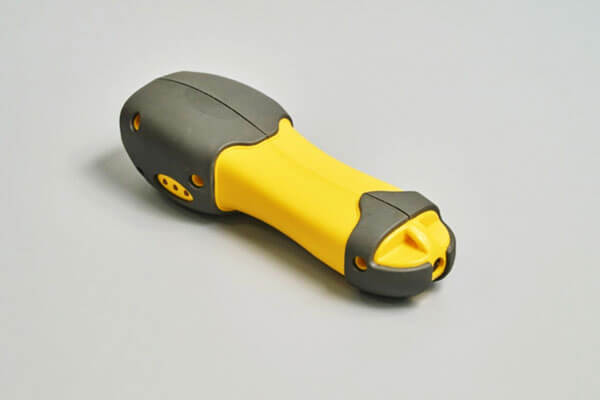
自動車用途
自動車メーカーは機能を向上させるためにオーバーモールドを使用しています, 耐久性, 快適, およびコンポーネントの統合.
一般的な例としては、次のようなものがあります。:
- ステアリングホイールコントロール
- スイッチとボタン
- センサーハウジング
- 電気コネクタ
- ケーブル保護コンポーネント
- インテリアトリムコンポーネント
- シール部品
- ハンドルとグリップ
- 保護カバー
- 防振部品
家電
家庭用電化製品は、ユーザーが製品の外面の多くを直接操作するため、オーバーモールドの恩恵を受けます。.
アプリケーションには含まれます:
- スマートフォンや電子機器のアクセサリー
- リモコン
- ウェアラブルデバイスのコンポーネント
- ヘッドフォンのコンポーネント
- 充電コネクタ
- ケーブル端
- 保護ハウジング
- ボタンとコントロールインターフェイス
医療機器
オーバーモールディングは、人間工学に基づいた医療およびヘルスケア製品で使用されています。, シーリング, 絶縁, きれいさ, 制御された触感性能が重要です.
例には含まれます:
- 医療器具のハンドル
- 診断装置コンポーネント
- 手術器具用グリップ
- チューブとコネクタのコンポーネント
- シール要素
- 保護ハウジング
- 使い捨てデバイスのコンポーネント
電動工具と手動工具
電動工具は、リジッドからフレキシブルへのオーバーモールディングの古典的なアプリケーションです.
構造ポリマー基板は必要な剛性を提供できます, TPE または TPU は人間工学に基づいたグリップ ゾーンを作成できます。.
オーバーモールドにより改善される可能性があります:
- グリップセキュリティ
- ユーザーの快適性
- 振動減衰
- 耐衝撃性
- 表面耐久性
- 製品の外観
電気コンポーネントと電子コンポーネント
電気用途では、導電性金属インサートと絶縁性ポリマー材料を組み合わせることがよくあります。.
典型的なアプリケーションには含まれます:
- 電気コネクタ
- 端子
- センサーコンポーネント
- ケーブルアセンブリ
- スイッチコンポーネント
- 絶縁接点
- コネクタハウジング
- 電子制御部品
産業用具
工業製品には強度の組み合わせが必要な場合が多い, 耐衝撃性, 耐薬品性, 振動制御, オペレーターの人間工学.
したがって、オーバーモールディングは次の目的で使用されます。:
- マシンハンドル
- コントロールノブ
- 産業用スイッチ
- ツールグリップ
- 保護カバー
- シール部品
- センサーハウジング
- ケーブル保護
- 防振部品
9. オーバーモールド vs.. インサート成形 vs. ツーショット成形
オーバーモールディング, インサート成形, とツーショット成形は密接に関連した射出成形技術です, しかし、それらは基板の製造方法が異なります, 位置決めされた, 2番目のマテリアルと統合.
オーバーモールディング
オーバーモールドには通常、既存の基板またはコンポーネントの上に 2 番目の材料を成形することが含まれます。.
基板は、事前に成形されたプラスチック部品である場合があります, 機械加工された金属部品, スタンプインサート, または別の製造された要素.
基板とオーバーモールドが別々の操作で製造される場合、または 2 つのコンポーネントに異なる製造プロセスが必要な場合に特に適しています。.
一般的な用途にはソフトタッチ グリップが含まれます。, 保護カバー, 電気断熱, アザラシ, および張力緩和コンポーネント.
インサート成形
成形を挿入します プラスチックが周囲に射出される前に、あらかじめ成形されたインサートを射出成形金型に配置します。.
インサートは金属製でもよい, プラスチック, セラミック, または別の適切な材料.
金属インサート成形は、最終部品の強度が必要な場合に広く使用されます。, 導電率, 寸法安定性, または金属の締結能力とプラスチックの軽量性と断熱性を組み合わせたもの.
一般的なインサートにはねじ付きブッシュが含まれます, 端子, ピン, シャフト, プレート, とブラケット.
一般的なオーバーモールドとは異なります, インサート成形では、射出サイクル中の事前に製造されたインサートの統合が特に重視されます。.
ツーショット成形
二色成形, 2K または 2 成分射出成形とも呼ばれます, 同じ成形システム内での連続射出操作により 2 つの材料領域を生成します.
最初の材料は初期基板を形成します, その後、金型または部品の位置が変更され、2 番目の材料が射出されます。.
このアプローチは、2 つの材料間に優れた寸法位置合わせを提供することができ、大量生産に非常に適しています。.
また、別々の成形作業の間に基板を手動で移送する必要がないため、取り扱いを軽減することもできます。.
プロセスの比較
| 特徴 | オーバーモールディング | インサート成形 | ツーショット成形 |
| 基板 | 予備成形されたコンポーネントまたはインサート | 予備成形インサート | 最初のショットで成形 |
| 典型的な資料 | プラスチック, エラストマー, 金属 | 主に金属または剛性インサート | 2 つの互換性のあるポリマー/エラストマー |
| 生産順序 | 基板 + 2回目の成形作業 | インサートがロードされました + プラスチック射出成形 | 最初のショット + セカンドショット |
| オートメーション | 低自動化から高度な自動化まで | 低自動化から高度な自動化まで | 通常は高度に自動化されています |
| ツールの複雑さ | 中程度から高 | 適度 | 高い |
| 主な利点 | 柔軟な複数材料の統合 | インサート機能とプラスチックを組み合わせた | 高精度なマルチマテリアル生産 |
| 典型的なアプリケーション | グリップ, アザラシ, ハウジング, 保護層 | コネクタ, 端子, ねじ付き挿入 | ボタン, ハウジング, マルチカラーコンポーネント |
| に最適です | 柔軟な製造戦略 | 金属とプラスチックの統合 | 大量一貫生産 |
実際に, 条件は重複する可能性があります. インサート成形は、予備成形されたインサートの周囲に特殊な成形方法です。, 一方、ツーショット成形は、高度に統合された複数材料プロセスであり、通常、基板は同じ成形サイクル内で作成されます。.
したがって、プロセスの選択は、用語だけではなく実際の製品アーキテクチャに基づいて行う必要があります。.
10. 先進的なトレンドとイノベーション
オーバーモールディング技術は急速に進化し続けています, 小型化の需要により, 持続可能性と機能統合の強化.
LSR オーバーモールディング
液状シリコーンゴム (LSR) エンジニアリング熱可塑性プラスチックへのオーバーモールディングは、最も急速に成長しているオーバーモールディング分野です.
LSR は優れた耐熱性を実現します (-60℃~200℃+), 生体適合性と圧縮永久歪み性能, 医療機器に理想的にします, 食品接触部品および高温自動車用途.
高度なコールド ランナー ツールと精密注入システムにより、肉厚を 100 μm まで下げる LSR オーバーモールドが可能になります。 0.2 mm.
マイクロオーバーモールディング
エレクトロニクスおよび医療機器の小型化により、オーバーモールドの壁厚が以下のマイクロオーバーモールディングプロセスの開発が推進されています。 0.3 mm、位置精度±0.02mm.
これにより、マイクロコネクタのオーバーモールド機能が可能になります, これまで製造不可能だったウェアラブルエレクトロニクスや植込み型医療機器.
持続可能なバイオベースのオーバーモールディング
適合した溶融特性を備えたバイオベースおよびリサイクルポリマーグレードの開発により、持続可能な材料ペアのオーバーモールドが可能になりました.
これには、リサイクル TPE でオーバーモールドされたリサイクル PP 基材が含まれます。, バイオベース エラストマーでオーバーモールドされたバイオベース PA.
循環経済と炭素削減目標を達成するために、持続可能なオーバーモールディングを指定するブランドが増えています。.
インモールドアセンブリの統合
高度なマルチステーション オーバーモールディング セルは、複数の既製コンポーネントを統合します (アザラシ, 磁石, エレクトロニクス) 単一の成形サイクルに, 完全に組み立てられた完成品を金型から直接製造.
これにより、組立ライン全体が不要になり、生産リードタイムが 70 ~ 90% 短縮されます。.
AI駆動型プロセス最適化
機械学習システムは、オーバーモールディング プロセスのパラメーターをリアルタイムで最適化するために導入されています。, 射出速度の調整, 金型内センサーデータとキャビティ圧力曲線に基づく圧力と温度.
これにより、スクラップ率が 30 ~ 50% 削減されます, 接着の一貫性が向上し、新しい部品のセットアップ時間が短縮されます.
11. さまざまな製品要件に対応するオーバーモールディング
オーバーモールディングは、完成したコンポーネントの機能要件に応じて選択する必要があります。, 単に 2 つの材料を組み合わせる方法としてではなく.
| 製品要件 | 推奨されるオーバーモールディング ソリューション | 主要なエンジニアリング上の考慮事項 | 典型的なアプリケーション |
| グリップ力と摩擦力の向上 | 硬質基板 + TPE/TPU オーバーモールド | 硬度, 摩擦係数, 表面テクスチャ, 耐摩耗性 | ツールハンドル, ノブ, 消費者製品 |
| 衝撃保護 | 硬質基板 + 丈夫なエラストマー | 衝撃吸収, 引き裂き強度, 厚さ, エッジカバレッジ | 電子ハウジング, 保護具, 産業コンポーネント |
| 防水および防塵保護 | 剛性の高いハウジング + エラストマーシール層 | インターフェースの連続性, 圧縮, 寸法精度, 耐老化性 | コネクタ, センサー, アウトドアエレクトロニクス |
| 電気断熱 | 金属/電子インサート + 絶縁ポリマー | 絶縁耐力, 断熱材の厚さ, 温度定格, ボイド防止 | 端子, コネクタ, ケーブルアセンブリ |
振動と騒音の低減 |
硬質基板 + ダンピングエラストマー | エラストマー硬度, 厚さ, 動的応答, 疲労抵抗 | 電動工具, 自動車コンポーネント, 機械 |
| 人間工学に基づいた取り扱い | 構造コア + ソフトタッチ TPE/TPU | 硬度勾配, グリップ形状, 触感, 長期間の着用 | ハンドツール, 医療機器, コントロールハンドル |
| 化学物質および環境保護 | 基板 + 耐薬品性ポリマー | 化学的適合性, 温度, UV, 水分, 接着安定性 | 産業用具, 自動車部品, 流体処理コンポーネント |
| 摩耗と耐摩耗性 | 硬質基板 + 耐摩耗性TPU/TPE | 表面の硬度, 耐摩耗性, 接触圧力, 使用温度 | ローラー, ガイド, グリップ, 産業用制御 |
12. LangHe Industry 射出成形サービス
ランゲ産業 プロトタイプ開発から量産まで、カスタマイズされた射出成形およびオーバーモールディングのソリューションを提供します, PPなどの支持材, PE, ABS, パソコン, ナイロン, TPE, TPU, LSR, とピーク.
2ショット成形をカバーする能力, ピックアンドプレイスオーバーモールディング, 金属のインサート成形, セラミック, プラスチック, 電子インサート, 社内の工具設計と製造による裏付け.
として ISO 9001:2015-認定メーカー, LangHe Industry は、次のような体系的な品質管理を適用しています。 100% 検査, 三次元測定機測定, 寸法精度を確保するためのマシンビジョンシステム, 外観の一貫性, 信頼できる製品性能.
カスタマイズされた色, テクスチャ, 特定の用途やブランド要件を満たすために表面仕上げも利用できます.
朗河産業へのお問い合わせ オーバーモールディングまたはカスタム射出成形プロジェクトについて今すぐご相談ください.
13. 結論
オーバーモールドは、単に基板上にプラスチックの層を追加するだけではありません。.
構造と構造を統合した高度なマルチマテリアル製造技術です。, 人間工学に基づいた, シーリング機能と装飾機能を単一の統合コンポーネントに統合, 単一材料の成形や従来の組み立て方法では達成できないパフォーマンスを実現します。.
その価値提案は 3 つの核となる柱に基づいています: 機能統合により部品数と組立コストを削減, 単一部品全体で段階的な機能を可能にする、材料固有の性能の最適化, 二次接合ではなく一体接合による信頼性の向上.
製品設計がより高度な統合に向けて進むにつれて, 小型化と持続可能性, オーバーモールディングは今後も新たな応用分野に拡大していくでしょう.
LSR処理の進歩, 微細成形と持続可能な素材により、その機能がさらに拡張されます, 現代産業の最も重要かつ多用途な精密製造技術の 1 つとしての地位を確保.
FAQ
オーバーモールド成形とインサート成形の違いは何ですか?
オーバーモールディングとは一般に、予備成形された基板上に第 2 の材料を成形することを指します。.
インサート成形では、具体的には、あらかじめ成形されたインサート (多くの場合は金属) を金型に配置し、その周囲にプラスチックを射出することが含まれます。. コンポーネントのアーキテクチャによっては、2 つの用語が重複する場合があります。.
オーバーモールド成形とツーショット成形の違いは何ですか?
従来のオーバーモールドでは, 基板は通常、その上に 2 番目の材料が成形される前に個別に製造されます。.
2ショット成形の場合, 同じ統合成形システム内で最初の材料が成形され、2 番目の材料が射出されます。, 正確な位置合わせと高い生産効率を実現.
金属をプラスチックでオーバーモールドできますか?
はい. 金属とプラスチックのオーバーモールディングは、金属の強度または導電性と絶縁性を組み合わせるために広く使用されています。, 保護, ポリマーの設計柔軟性.
金属インサートは正確に位置決めされ、成形温度と圧力に耐えられるように設計されている必要があります。.
オーバーモールドは従来の射出成形よりも高価です?
オーバーモールドにはより複雑なツールとプロセス制御が必要となるため、ツールと開発のコストは一般に高くなります。.
しかし, プロセスで個別のコンポーネントが不要になると、全体の製造コストを下げることができます, 組み立て作業, 接着剤, ファスナー, または二次シール工程.