Nella produzione moderna, le parti monomateriale raramente soddisfano tutte le esigenze prestazionali, estetica, e funzionalità.
I prodotti di oggi devono essere durevoli ma confortevoli, impermeabile ma traspirante, e complesso ma facile da assemblare.
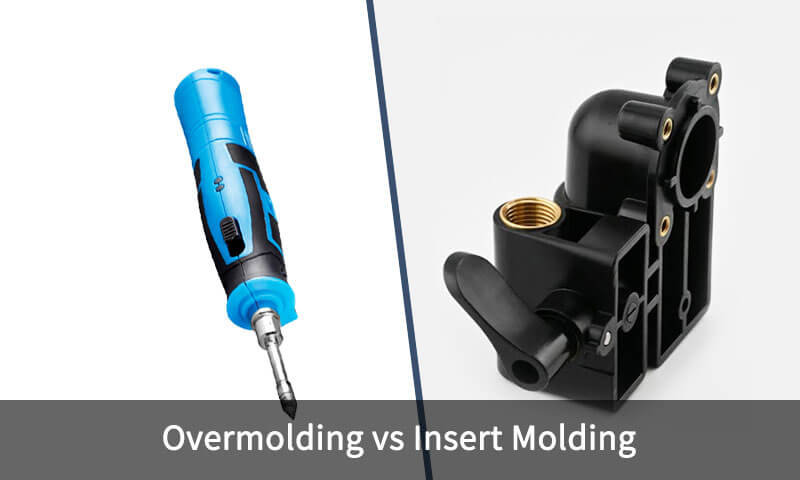
Ciò ha portato all’adozione diffusa di processi di produzione multimateriale. Tra questi, il sovrastampaggio e lo stampaggio con inserti sono due delle tecniche più importanti e frequentemente confrontate.
Sebbene i due termini siano talvolta usati in modo intercambiabile, descrivono diversi approcci produttivi e risolvono diversi problemi ingegneristici.
Il sovrastampaggio generalmente comporta lo stampaggio di un secondo materiale su un substrato esistente per creare un componente multimateriale.
Inserire la modanatura, al contrario, posiziona un inserto preformato, spesso metallico, all'interno di uno stampo a iniezione e lo incapsula o lo circonda parzialmente con la plastica.
Questo articolo fornisce un completo, confronto fianco a fianco tra sovrastampaggio e stampaggio con inserti.
1. Cos'è il sovrastampaggio?
Sovrastampaggio è un processo di stampaggio a iniezione in cui un materiale viene stampato su un substrato esistente o un componente precedentemente stampato per creare una parte multimateriale integrata.
Il primo componente è comunemente indicato come substrato, mentre il materiale applicato durante l'operazione di stampaggio secondario è il materiale sovrastampato.
A seconda del design del prodotto, il substrato può essere un materiale termoplastico rigido, elastomero, componente metallico, o un'altra parte preformata adatta.
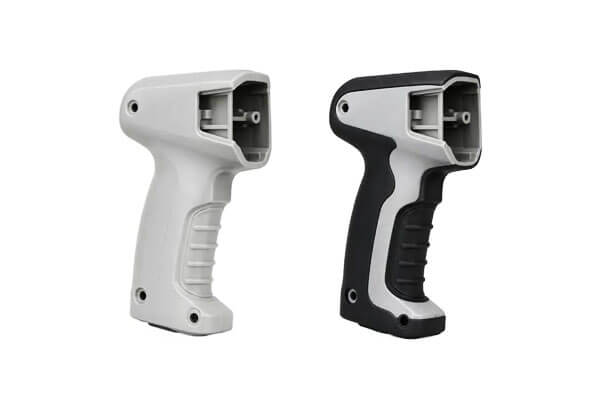
Un tipico componente sovrastampato può combinare un materiale strutturale rigido con un materiale più morbido.
Per esempio, un alloggiamento rigido in ABS può ricevere un sovrastampaggio in TPE per fornire una presa comoda, migliorare la tenuta, o creare una superficie esterna protettiva.
L’obiettivo non è semplicemente quello di sovrapporre un materiale all’altro. L'interfaccia tra i due materiali deve fornire un'adesione adeguata, ritenzione meccanica, o una combinazione di entrambi per resistere alle sollecitazioni meccaniche previste del prodotto, termico, chimico, e condizioni ambientali.
Come funziona il sovrastampaggio
Il processo di sovrastampaggio inizia generalmente con la produzione del substrato.
Ciò può comportare un'operazione separata di stampaggio a iniezione, processo di lavorazione, operazione di stampaggio, Muore il processo di casting, o un altro metodo di produzione.
Dopo aver ispezionato il substrato, viene posizionato all'interno di un secondo stampo. Lo stampo è progettato per esporre le aree che devono ricevere il materiale di sovrastampaggio, posizionando e supportando con precisione il substrato.
Il materiale secondario viene quindi riscaldato alla temperatura di lavorazione adeguata e iniettato nella cavità dello stampo.
Scorre attorno alle superfici del substrato designate e forma la geometria esterna richiesta.
Dopo il riempimento e l'imballaggio, il materiale si raffredda e si solidifica prima che il componente completato venga espulso.
Un flusso di lavoro tipico è:
Produzione del substrato → ispezione del substrato → caricamento dello stampo → posizionamento → iniezione del materiale secondario → imballaggio → raffreddamento → espulsione → ispezione
La qualità del prodotto finale dipende fortemente dal design dell'interfaccia. Se è necessaria l'adesione chimica, il substrato e il materiale del sovrastampaggio devono avere una compatibilità sufficiente.
Se la ritenzione meccanica è il meccanismo principale, il substrato potrebbe richiedere scanalature, costolette, buchi, sottosquadri, o altre caratteristiche che consentono al secondo materiale di bloccarsi in posizione.
La contaminazione superficiale è un'altra considerazione importante. Olio, polvere, agenti distaccanti, ossidazione, umidità, o altri contaminanti possono interferire con l'adesione e portare alla delaminazione o alla separazione prematura.
Materiali comuni per sovrastampaggio
Il sovrastampaggio può utilizzare un'ampia gamma di materiali termoplastici ed elastomerici, ma non tutte le combinazioni di materiali sono intrinsecamente compatibili.
La selezione del materiale dovrebbe considerare la temperatura di fusione, Compatibilità chimica, restringimento, coefficiente di espansione termica, durezza, flessibilità, caratteristiche della superficie, e le condizioni di servizio previste.
Le combinazioni comuni includono:
| Materiale del substrato | Materiale sovrastampato | Scopo tipico |
| ABS | TPE | Alloggiamenti e impugnature soft-touch |
| PC | TPE | Prodotti resistenti agli urti con superfici ergonomiche |
| Nylon | TPE/TPU | Prese industriali e interfacce flessibili |
| PP | TPE | Prodotti di consumo e sigilli |
| PC/ABS | TPU | Superfici protettive ed ergonomiche |
| Termoplastico rigido | LSR | Componenti flessibili di tenuta e specializzati |
Applicazioni tipiche del sovrastampaggio
Il sovrastampaggio è particolarmente utile quando il prodotto deve coniugare prestazioni strutturali con morbidezza, flessibilità, sigillatura, isolamento, o una migliore ergonomia.
Il sovrastampaggio è comunemente usato per:
- Impugnature per utensili manuali
- Interruttori e controlli automobilistici
- Custodie per elettronica di consumo
- Componenti di dispositivi medici
- Dispositivi indossabili
- Protezione di cavi e fili
- Componenti di tenuta
- Maniglie e interfacce ergonomiche
- Coperture protettive
- Controlli delle apparecchiature industriali
2. Cos'è lo stampaggio a inserti?
Inserire la modanatura è un processo di stampaggio a iniezione in cui un componente preformato, conosciuto come un inserire, viene posizionato all'interno di uno stampo ad iniezione e poi parzialmente o completamente incapsulato dalla plastica fusa.
L'inserto è spesso realizzato in metallo, anche se di plastica, ceramica, elettronico, e possono essere utilizzati anche altri componenti preformati.
A differenza dello stampaggio a iniezione monomateriale convenzionale, lo stampaggio con inserti combina un componente prodotto in modo indipendente con la plastica iniettata durante un'unica operazione di stampaggio.
La plastica si solidifica attorno all'inserto, producendo una parte integrata in grado di eliminare le successive operazioni di assemblaggio.
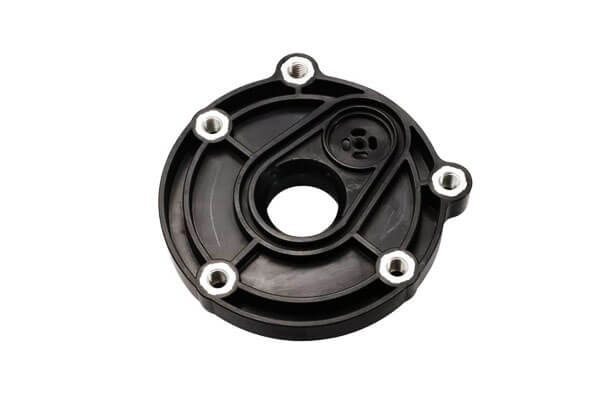
Per esempio, un inserto filettato in ottone può essere posizionato all'interno di uno stampo e circondato da nylon.
Dopo lo stampaggio, il componente risultante contiene un'interfaccia metallica filettata permanente senza richiedere la successiva installazione dell'inserto filettato.
Come funziona lo stampaggio con inserti
Lo stampaggio dell'inserto inizia con la produzione e l'ispezione dell'inserto. La precisione dimensionale è particolarmente importante perché l'inserto deve adattarsi correttamente allo stampo e mantenere la posizione specificata durante l'iniezione.
L'inserto viene quindi inserito manualmente nello stampo, semiautomatico, o attraverso un sistema di caricamento automatizzato.
Impianti dedicati, pin, cavità, oppure è possibile utilizzare funzioni di ritenzione per impedire il movimento.
Una volta chiuso lo stampo, la plastica fusa viene iniettata attorno all'inserto. La pressione di iniezione può essere notevole, quindi lo stampo deve fornire un supporto sufficiente per evitare che l'inserto si sposti, deformando, o diventare disallineati.
La plastica quindi si raffredda e si solidifica attorno all'inserto. Dopo l'espulsione, il componente finito viene ispezionato per verificarne l'accuratezza dimensionale, posizione di inserimento, flash, vuoti, crepe, e altri difetti.
La sequenza di base è:
Produzione inserto → ispezione inserto → caricamento inserto → posizionamento e ritenzione → chiusura stampo → iniezione plastica → raffreddamento → espulsione → ispezione
Per la produzione di grandi volumi, il caricamento automatizzato degli inserti può essere integrato nella cella di stampaggio. Ciò può migliorare la coerenza del ciclo riducendo al contempo la movimentazione manuale.
Materiali di inserto comuni
Il metallo è il materiale per inserti più ampiamente riconosciuto perché fornisce proprietà che la plastica generalmente non è in grado di riprodurre, come l'elevata conduttività elettrica, durabilità del filo, rigidità, resistenza all'usura, o resistenza meccanica localizzata.
I materiali di inserto comuni includono:
- Ottone
- Acciaio inossidabile
- Acciaio al carbonio
- Alluminio
- Rame e leghe di rame
- Ingegneria delle materie plastiche
- Ceramica
- Componenti elettronici
Applicazioni tipiche dello stampaggio di inserti
Lo stampaggio a inserti viene comunemente utilizzato quando un prodotto richiede che un metallo o un altro componente preformato sia integrato in modo permanente in un corpo in plastica.
Le applicazioni tipiche includono:
- Borchie filettate
- Connettori elettrici
- Terminali automobilistici
- Alloggi per sensori
- Cambiare componenti
- Strumenti medici
- Componenti di rinforzo strutturale
- Connettori per cavi
- Assemblaggi elettronici
- Componenti meccanici di precisione
3. Sovrastampaggio vs stampaggio con inserti: Qual è la differenza?
Sebbene entrambe le tecnologie integrino più materiali o componenti, la loro logica di produzione è diversa.
La distinzione più semplice è:
Il sovrastampaggio aggiunge un nuovo materiale su un substrato esistente, mentre lo stampaggio ad inserto incapsula o circonda un inserto preformato con plastica stampata ad iniezione.
Tuttavia, la terminologia può sovrapporsi. In alcuni contesti produttivi, lo stampaggio con inserti può essere considerato una forma più ampia di sovrastampaggio perché entrambi implicano lo stampaggio di materiale attorno a un componente preesistente.
Per la comunicazione ingegneristica, Tuttavia, è utile distinguerli in base al ruolo del componente preesistente.
Confronto tra sovrastampaggio e stampaggio con inserti
| Fattore | Sovrastampaggio | Inserisci modanatura |
| Scopo primario | Combina diverse proprietà dei materiali | Integrare un inserto preformato nella plastica |
| Componente preesistente | Substrato | Inserire |
| Substrato/inserto comune | Plastica, elastomero, metallo | Metallo, plastica, ceramica, componente elettronico |
| Combinazione tipica | Plastica rigida + elastomero | Plastica + metallo |
| Meccanismo di interfaccia principale | Adesione, interblocco meccanico, o entrambi | Incapsulamento, ritenzione meccanica, adesione in alcuni casi |
| Preoccupazione chiave di progettazione | Compatibilità materiale | Posizionamento e ritenzione dell'inserto |
| Applicazione tipica | Impugnatura morbida al tatto | Inserto metallico filettato |
| Funzione di superficie | Presa, foca, cuscino, protezione | Elettrico, meccanico, strutturale, fissaggio |
| Automazione | Altamente automatizzabile | Altamente automatizzabile, ma il caricamento dell'inserto è fondamentale |
| Rischio importante | Delaminazione o scarsa adesione | Inserire movimento o disallineamento |
4. Sovrastampaggio vs stampaggio con inserti: Considerazioni di progettazione
I requisiti di progettazione per il sovrastampaggio e lo stampaggio con inserti differiscono principalmente perché i due processi gestiscono interfacce diverse.
Il sovrastampaggio si concentra sulla creazione di un'interfaccia affidabile tra il substrato e il materiale sovrastampato, mentre lo stampaggio con inserti si concentra sul posizionamento accurato e sull'incapsulamento sicuro di un inserto preformato.
| Considerazione sulla progettazione | Sovrastampaggio | Inserisci modanatura |
| Compatibilità materiale | Selezionare il substrato compatibile e i materiali di sovrastampaggio in base all'adesione, temperatura di fusione, restringimento, durezza, e dilatazione termica. | Assicurarsi che l'inserto possa resistere alla temperatura e alla pressione dello stampaggio senza deformazioni o instabilità dimensionali. |
| Geometria & Spessore del muro | Mantenere uno spessore uniforme dello stampo e fornire un'area di adesione sufficiente. Evitare bruschi cambiamenti di spessore che possono causare restringimenti, warpage, o legame debole. | Fornire uno spessore di plastica sufficiente attorno all'inserto per rafforzarlo e utilizzare le scanalature, grugniti, buchi, o spalle quando è necessaria una ritenzione aggiuntiva. |
| Legame & Conservazione | Progettare l'interfaccia per l'adesione chimica, interblocco meccanico, o entrambi, a seconda della compatibilità dei materiali. | Progettare caratteristiche di ritenzione meccanica e incapsulamento per resistere all'estrazione e alla rotazione. |
| Cancello & Flusso di materiale | Posizionare i cancelli per ottenere un riempimento bilanciato e ridurre al minimo le linee di saldatura, intrappolamento dell'aria, e stress eccessivo all'interfaccia. | Controllare attentamente il flusso del materiale per evitare lo spostamento dell'inserto, incapsulamento incompleto, o una pressione eccessiva sull'inserto. |
Inserire / Posizionamento del substrato |
Il substrato deve essere posizionato accuratamente e tenuto saldamente durante l'iniezione. | Il posizionamento preciso dell'inserto è fondamentale; perni di posizionamento, tasche, infissi, oppure potrebbe essere necessario il posizionamento automatizzato. |
| Restringimento & Espansione termica | Considerare le differenze di ritiro ed espansione termica tra il substrato e il sovrastampaggio per evitare deformazioni, stress residuo, e delaminazione. | Considerare le differenze di dilatazione termica tra l'inserto e il polimero, in particolare nelle applicazioni metallo-plastica, per prevenire variazioni dimensionali e stress interni. |
| Bozza & Espulsione | Fornire un tiraggio adeguato ed espulsori posizionati correttamente per rilasciare la parte senza danneggiare il sovrastampaggio o l'interfaccia. | Progettare attentamente lo spogliamento e l'espulsione per evitare movimenti dell'inserto, deformazione, o allentamento durante la sformatura. |
Tolleranze |
Tenere conto delle dimensioni del substrato, spessore del sovrastampaggio, restringimento del materiale, e possibile movimento dell'interfaccia. | Tenere conto delle dimensioni di inserimento, precisione di posizionamento, ritiro del polimero, e la posizione di inserimento finale. |
| DFM & Flusso dello stampo | Valutare l'area di legame, flusso di materiale, spessore del muro, posizione del cancello, e ritiro differenziale prima dell'utensileria. | Valutare la ritenzione dell'inserto, posizionamento, flusso del polimero, comportamento termico, e potenziale spostamento dell'inserto prima dell'utensileria. |
| Controllo di qualità | Concentrati sulla forza del legame, spessore del sovrastampaggio, flash, delaminazione, warpage, precisione dimensionale. | Concentrarsi sulla posizione dell'inserto, forza di ritenzione, incapsulamento, flash, vuoti, precisione dimensionale. |
5. Servizi di sovrastampaggio personalizzato e stampaggio con inserti di LangHe Industry
Industria di Langhe fornisce soluzioni di stampaggio a iniezione personalizzate per applicazioni che richiedono il sovrastampaggio, stampaggio ad inserimento, e altre tecnologie di stampaggio integrate.
Il nostro approccio produttivo può supportare i progetti dallo sviluppo iniziale del prodotto e degli strumenti fino alla produzione e al controllo di qualità.
| Capacità | Dettagli |
| Tipi di sovrastampaggio | Due colpi (2K) sovraccaricare, sovrastampaggio pick-and-place. |
| Inserisci modanatura | Inserti metallici (ottone, acciaio, rame), inserti in ceramica, inserti elettronici (PCB, sensori). |
| Materiali (Substrato) | ABS, PC, Nylon (PA6, PA66), PP, PBT. |
| Materiali (Sovrastampaggio) | TPE, TPU, LSR, I.V.A., silicone. |
| Utensili | Progettazione e produzione interna di utensili. |
| Qualità | Iso 9001:2015 certificato; 100% ispezione. |
| Tempi di consegna | 2–4 settimane per i prototipi; 4–8 settimane per le attrezzature di produzione. |
6. Conclusione
Sovrastampaggio vs stampaggio con inserti non si tratta di determinare quale processo sia universalmente migliore. Entrambe sono tecnologie di stampaggio a iniezione altamente efficaci, ma rispondono a diversi requisiti di sviluppo del prodotto.
Il sovrastampaggio è adatto principalmente ai prodotti che necessitano di combinare diverse caratteristiche dei materiali all'interno di un componente integrato.
È particolarmente prezioso per le superfici soft-touch, impugnature ergonomiche, guarnizioni flessibili, ammortizzazione, isolamento, e strati protettivi.
Il suo successo dipende fortemente dalla compatibilità dei materiali, progettazione dell'interfaccia, adesione, interblocco meccanico, e controllo del ritiro differenziale.
Inserire la modanatura, Al contrario, è particolarmente efficace quando un componente preformato, spesso un inserto metallico, deve essere integrato in modo permanente in una struttura in plastica.
È ampiamente adatto alle interfacce threaded, Terminali elettrici, componenti di rinforzo, sensori, connettori, e altre applicazioni in cui la plastica e un altro materiale svolgono funzioni complementari.
Alla fine, la selezione del processo dovrebbe basarsi sull’intero sistema produttivo, compreso il comportamento materiale, geometria del prodotto, utensili, strategia di legame o di ritenzione, volume di produzione, automazione, ispezione, e costo del ciclo di vita.
FAQ
Qual è la differenza tra lo stampaggio con inserti e lo stampaggio a due fasi??
Lo stampaggio a inserto utilizza a inserto preformato che viene inserito nello stampo prima dell'iniezione della plastica.
Lo stampaggio a due fasi produce in genere due materiali in sequenza utilizzando attrezzature specializzate e più fasi di iniezione, spesso senza caricare manualmente un substrato prodotto separatamente tra uno scatto e l'altro.
Quale processo è più veloce: sovrastampaggio o stampaggio con inserti?
Lo stampaggio con inserti è generalmente più veloce perché utilizza una singola iniezione. Il sovrastampaggio richiede due riprese o un processo in più fasi.
Quale processo ha costi di attrezzaggio inferiori?
Lo stampaggio a inserti ha costi di attrezzaggio inferiori perché richiede solo una singola cavità dello stampo. Il sovrastampaggio richiede due stampi separati o uno stampo complesso a due fasi.
Quando dovrei usare il sovrastampaggio?
Utilizza il sovrastampaggio quando hai bisogno di impugnature morbide, sigillatura impermeabile, smorzamento delle vibrazioni, o estetica migliorata.
Quando dovrei utilizzare lo stampaggio a inserti?
Utilizzare lo stampaggio a inserto quando sono necessarie connessioni filettate ad alta resistenza, conducibilità elettrica, o rinforzo strutturale nelle parti in plastica.
È possibile utilizzare insieme il sovrastampaggio e lo stampaggio con inserti?
SÌ. Alcune parti complesse combinano entrambi i processi, ad esempio, un filo metallico stampato a inserto con un'impugnatura soft-touch sovrastampata sullo stesso componente.
Lo stampaggio a inserti è un tipo di sovrastampaggio?
La terminologia può sovrapporsi perché entrambi i processi modellano il materiale attorno a un componente preesistente.
Tuttavia, nella terminologia pratica della produzione, sovraccaricare di solito enfatizza l'aggiunta di un altro strato di materiale o sistema di materiale, Mentre stampaggio ad inserimento enfatizza in particolare l'inclusione di un inserto preformato nel componente stampato.
Il metallo può essere utilizzato nel sovrastampaggio?
SÌ. I substrati metallici possono essere sovrastampati con plastiche o elastomeri adatti.
Tuttavia, il processo deve tenere conto della preparazione della superficie, Espansione termica, adesione, ritenzione meccanica, e ritiro differenziale.