1. Introduzione
Gli acciai inossidabili ferritici rappresentano una delle principali famiglie di acciai inossidabili, distinto principalmente dal suo cubico a corpo centrato ferritico (BCC) struttura cristallina a temperatura ambiente e il suo contenuto di cromo relativamente elevato.
A differenza degli acciai inossidabili austenitici convenzionali, i gradi ferritici normalmente contengono poco o nessun nichel aggiunto intenzionalmente.
Questa caratteristica compositiva può fornire un'interessante combinazione di resistenza alla corrosione, stabilità termica, Proprietà magnetiche, e costo del materiale.
Gli acciai inossidabili ferritici sono ampiamente utilizzati nei sistemi di scarico automobilistici, elettrodomestici, scambiatori di calore, Componenti architettonici, Attrezzatura per la trasformazione degli alimenti, e macchinari industriali.
La loro prestazione, Tuttavia, dipende fortemente dalla chimica della lega, controllo del carbonio e dell’azoto, stabilizzazione, Storia di elaborazione, e ambiente di servizio.
2. Cos'è l'acciaio inossidabile ferritico?
Ferritico acciaio inossidabile è un gruppo di leghe ferro-cromo la cui matrice è prevalentemente ferritica a temperatura ambiente.
La ferrite ha una struttura cristallina cubica a corpo centrato e rimane stabile in un ampio intervallo di temperature in composizioni opportunamente legate.
Il cromo è il principale elemento legante responsabile del comportamento inossidabile.
Una volta che è presente abbastanza cromo, l'acciaio può formare un sottile, aderente, pellicola passiva ricca di cromo che rallenta sostanzialmente l'ulteriore corrosione.
Gli acciai inossidabili ferritici commerciali coprono un intervallo di composizione relativamente ampio. I voti comuni possono contenere circa 11–30% cromo, mentre il carbonio e l'azoto sono generalmente controllati a livelli relativamente bassi.
Alcuni gradi a prestazioni più elevate contengono inoltre molibdeno per una migliore resistenza alla corrosione localizzata o titanio e niobio per la stabilizzazione.
A differenza degli acciai inossidabili martensitici, gli acciai inossidabili ferritici convenzionali lo sono normalmente non indurito attraverso il trattamento termico convenzionale di tempra e rinvenimento.
Le loro proprietà finali sono determinate principalmente dalla composizione chimica, lavorazioni termomeccaniche, ricottura, Struttura a grana, e deformazione a freddo.
L’acciaio inossidabile ferritico è quindi meglio inteso come una famiglia metallurgica distinta piuttosto che semplicemente come un’alternativa a basso costo all’acciaio inossidabile austenitico..
3. Composizione chimica dell'acciaio inossidabile ferritico
La composizione chimica è uno dei fattori più importanti che controllano le prestazioni dell'acciaio inossidabile ferritico.
Il cromo fornisce la caratteristica inossidabile fondamentale, mentre il carbonio, azoto, molibdeno, titanio, niobio, e altri elementi vengono regolati per ottenere combinazioni specifiche di resistenza alla corrosione, Proprietà meccaniche, saldabilità, e stabilità termica.
Composizione chimica tipica
La composizione varia notevolmente tra i singoli gradi. I seguenti valori rappresentano intervalli tipici per i comuni acciai inossidabili ferritici commerciali, limiti di specifica non universali.
| Elemento | Gamma tipica / Livello | Funzione metallurgica primaria |
| Cromo (Cr) | ~10,5–30% | Passivazione, Resistenza alla corrosione, stabilizzazione della ferrite |
| Carbonio (C) | Generalmente basso, spesso ≤0,08% | Rafforzamento; livelli eccessivi possono favorire la sensibilizzazione |
| Azoto (N) | Generalmente basso | Rafforzamento; livelli eccessivi possono compromettere le proprietà ferritiche |
| Molibdeno (Mo) | 0–4%+ a seconda del grado | Migliora la resistenza alla vaiolatura e alla corrosione interstiziale |
| Titanio (Di) | Dipendente dal grado | Stabilizza il carbonio e l'azoto |
Niobio (Nb) |
Dipendente dal grado | Stabilizza il carbonio e l'azoto; migliora le prestazioni di saldatura |
| Nichel (In) | Solitamente basso | Controllato per mantenere la stabilità della fase ferritica |
| Manganese (Mn) | Solitamente limitato | Disossidazione e controllo di leghe/processi |
| Silicio (E) | Solitamente limitato | Contributo alla disossidazione e alla resistenza all'ossidazione |
I limiti esatti dovrebbero sempre essere ricavati dalle specifiche del materiale pertinente, come quello applicabile ASTM, IN, Lui è, o altro standard nazionale/internazionale, perché i nomi dei gradi nominali da soli non definiscono ogni limite compositivo consentito.
4. Principali tipi e gradi di acciaio inossidabile ferritico
Gli acciai inossidabili ferritici coprono un'ampia gamma di leghe a base di cromo, dai gradi economici progettati per i sistemi di scarico automobilistici ai gradi ad alto contenuto di cromo e molibdeno destinati ad ambienti esigenti con corrosione e alta temperatura.
Le tabelle seguenti organizzano i voti rappresentativi in tre categorie pratiche: gradi ferritici standard, gradi ferritici ad alto contenuto di cromo, e acciai inossidabili ferritici fusi.
Gradi ferritici standard (400 Serie)
Questi gradi sono ampiamente utilizzati perché forniscono un equilibrio pratico di resistenza alla corrosione, produzione, prestazioni termiche, e costo.
Gradi come 409 E 430 sono particolarmente importanti nel settore automobilistico, apparecchio, architettonico, e applicazioni industriali generali.
| Grado | Designazione americana | Composizione approssimativa | Caratteristiche chiave | Applicazioni tipiche |
| 409 | S40900 | Cr 10,5–11,7%; C ≤ 0,08%; Il stabilizzato | Acciaio inossidabile ferritico economico con buona resistenza all'ossidazione e adeguata resistenza alla corrosione; adatto per servizio a temperatura elevata | Sistemi di scarico automobilistico, tubi di scarico, componenti del convertitore catalitico |
| 410L | S41003 | Cr 11,5–13,5%; C ≤ 0,03% | Il basso contenuto di carbonio migliora la saldabilità e riduce il rischio di sensibilizzazione correlata alla saldatura; Resistenza alla corrosione moderata | Componenti automobilistici, parti strutturali, serbatoi d'acqua, attrezzatura industriale |
| 430 | S43000 | Cr 16–18%; C ≤ 0,08% | Buona resistenza alla corrosione generale, comportamento magnetico, buona formabilità, e aspetto superficiale attraente; ampiamente disponibile ed economico | Elettrodomestici, Attrezzatura da cucina, rivestimento automobilistico, pannelli architettonici |
430L |
S43003 | Cr 16–18%; C ≤ 0,03% | Versione a basse emissioni di carbonio di 430 con migliore saldabilità e ridotta suscettibilità alla corrosione intergranulare | Attrezzature saldate, Attrezzatura per la trasformazione degli alimenti, Componenti architettonici |
| 434 | S43400 | Cr 16–18%; Mo circa 0,5–1,0%; C ≤ 0,08% | Il molibdeno migliora la resistenza alla corrosione localizzata rispetto al convenzionale 430; mantiene una buona resistenza all'ossidazione | Rivestimento automobilistico, Componenti di scarico, apparecchiature legate al calore |
| 436 | S43600 | Cr 16–18%; Mo circa 0,5–1,0%; Ti/Nb stabilizzato | Grado ferritico stabilizzato con saldabilità migliorata, Resistenza alla corrosione, e resistenza alla corrosione intergranulare | Sistemi di scarico automobilistico, Componenti architettonici, attrezzatura industriale |
Gradi ferritici ad alto contenuto di cromo
Gli acciai inossidabili ferritici ad alto contenuto di cromo contengono sostanzialmente più cromo rispetto ai gradi convenzionali della serie 400.
Alcuni contengono anche molibdeno ed elementi stabilizzanti come titanio e niobio.
Queste strategie di lega migliorano la resistenza all'ossidazione, resistenza alla corrosione localizzata, e prestazioni ad alta temperatura.
| Grado | Designazione americana | Composizione approssimativa | Caratteristiche chiave | Applicazioni tipiche |
| 439 | S43035 | Cr 17–19%; Il stabilizzato | Buona resistenza alla corrosione e all'ossidazione con migliore saldabilità; adatto per servizio a temperatura elevata | Sistemi di scarico automobilistico, scambiatori di calore, scaldabagni |
| 441 | S44100 | Cr 17–19%; Di + Nb stabilizzato | La struttura ferritica stabilizzata garantisce una buona saldabilità, Resistenza all'ossidazione, e resistenza alla sensibilizzazione | Sistemi di scarico automobilistico, componenti del convertitore catalitico, scambiatori di calore |
| 444 | S44400 | Cr 17–19%; Mo 1,5–2,5%; Di + Nb stabilizzato | Il basso contenuto di carbonio e azoto combinato con il Mo fornisce un'elevata resistenza alla vaiolatura e alla corrosione interstiziale; Buona saldabilità | Scambiatori di calore, sistemi di acqua calda, apparecchiature per l'acqua di raffreddamento, Attrezzatura chimica di elaborazione |
446 |
S44600 | Cr 23–27%; basso c | Il contenuto molto elevato di cromo fornisce un'eccellente resistenza all'ossidazione e buone prestazioni a temperature elevate | Componenti della fornace, apparecchiature per il trattamento termico, apparecchiature per il trattamento chimico ad alta temperatura |
| 447 | S44700 | Cr 28–30%; Mo 2,0–3,0%; molto basso C | Acciaio inossidabile super-ferritico con eccellente resistenza alla corrosione localizzata e all'ossidazione indotta da cloruri | Elaborazione chimica, attrezzature per la movimentazione dell'acqua di mare, scambiatori di calore, attrezzatura offshore |
| 448 | S44800 | Cr 28–30%; Mo 3,5–4,2%; C/N molto basso | Acciaio inossidabile ferritico altamente legato che offre eccezionale resistenza alla corrosione e all'ossidazione in ambienti difficili | Attrezzatura marina, Elaborazione chimica, sistemi offshore, servizio severo del cloruro |
Nota: I limiti chimici esatti variano in base all'ASTM applicabile, Asme, IN, o specifica UNS. Le composizioni di cui sopra sono fornite come intervalli rappresentativi per il confronto tecnico.
Gradi di acciaio inossidabile ferritico fuso
Di seguito sono elencati alcuni gradi di acciaio inossidabile fuso comunemente menzionati.
Importante, non tutti gli acciai inossidabili fusi contenenti cromo elencati nella famiglia ASTM A743/A744 sono strettamente ferritici a temperatura ambiente; gradi come CA-15 sono convenzionalmente classificati come martensitici.
Perciò, la classificazione metallurgica specifica deve sempre essere confermata dalla specifica del materiale applicabile.
| Grado di fusione | Designazione americana | Caratteristiche chiave | Applicazioni tipiche |
| CA-15 | J91150 | Grado di fusione di acciaio inossidabile al cromo con buona resistenza generale alla corrosione e buona resistenza dopo un adeguato trattamento termico; convenzionalmente classificato come martensitico anziché ferritico | Componenti della pompa, corpi valvole, componenti della turbina, getti industriali |
| CA-40 | J91151 | Durezza e resistenza superiori rispetto ai gradi di fusione di cromo a basso contenuto di carbonio; buona resistenza all'usura ma ridotta saldabilità | Componenti resistenti all'usura, parti della valvola, componenti del servizio vapore |
CB-30 |
J91330 | Un contenuto di cromo più elevato fornisce una migliore resistenza alla corrosione e all'ossidazione per i componenti fusi | Attrezzature per il trattamento chimico, parti della pompa, componenti della valvola |
| CC-50 | J91450 | Il contenuto molto elevato di cromo fornisce una forte resistenza all'ossidazione e alla corrosione, soprattutto in ambienti a temperatura elevata | Apparecchiature per il trattamento chimico ad alta temperatura, Componenti della fornace, Casting resistenti alla corrosione |
5. Proprietà chiave dell'acciaio inossidabile ferritico
Gli acciai inossidabili ferritici sono caratterizzati da a cubico centrato sul corpo (BCC) matrice ferritica, cromo come principale elemento legante, e generalmente un basso contenuto di carbonio e nichel.
La loro combinazione di resistenza alla corrosione, comportamento magnetico, dilatazione termica relativamente bassa,
e la conduttività termica da moderata a buona li rende particolarmente adatti per i sistemi di scarico automobilistici, elettrodomestici, scambiatori di calore, Componenti architettonici, e attrezzature industriali.
I seguenti valori forniscono utili punti di riferimento ingegneristici per i gradi ferritici comunemente utilizzati:
| Proprietà | Gamma tipica di acciaio inossidabile ferritico | Grado rappresentativo / Valore | Significato ingegneristico |
| Modulo elastico | ~200–215 GPa | Tipo 430: ~ 200 GPA | Determina la rigidezza elastica |
| Densità | ~7,6–7,8 g/cm³ | Tipo 430: ~7,7 g/cm³ | Relativo al peso del componente |
| Coefficiente di espansione termica | ~9–11 × 10⁻⁶/K | Tipo 430: ~10,4 × 10⁻⁶/K | Importante per la distorsione termica |
| Conducibilità termica | ~24–27 W/(M · k) | Tipo 430: ~26 W/(M · k) | Influisce sul trasferimento di calore |
Calore specifico |
~440–500J/(kg·K) | Dipendente dal grado | Utilizzato nei calcoli termici |
| Resistività elettrica | ~0,55–0,65 μΩ·m | Dipendente dal grado | Relativo alle applicazioni elettriche/termiche |
| Comportamento magnetico | Ferromagnetico a temperatura ambiente | La maggior parte dei gradi ferritici | Utile per applicazioni magnetiche |
| Gamma di fusione | ~1.425–1.510°C | Dipendente dal grado | Importante per la fusione e la saldatura |
Queste cifre dovrebbero essere trattate come valori di riferimento, non sostituire le specifiche.
Per la progettazione dei componenti, l'ASTM applicabile, IN, Lui è, o altro standard sui materiali e il rapporto di prova sui materiali certificati dovrebbero avere la precedenza.
Resistenza alla corrosione
La resistenza alla corrosione è uno dei motivi principali per utilizzare l’acciaio inossidabile ferritico.
Il cromo forma un sottile, aderente, e autoguarigione pellicola passiva ricca di cromo sulla superficie dell'acciaio.
Quando il contenuto di cromo è sufficientemente elevato e la superficie rimane chimicamente pulita, questo strato passivo riduce significativamente la velocità di corrosione in molti ambienti atmosferici e acquosi.
La resistenza alla corrosione dell'acciaio inossidabile ferritico aumenta generalmente con il contenuto di cromo, mentre aggiunte di molibdeno possono migliorare ulteriormente la resistenza alla corrosione localizzata, in particolare vaiolatura e corrosione interstiziale.
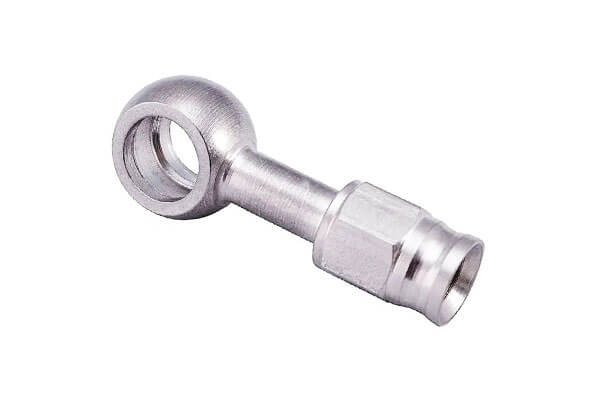
Per esempio, Aisi 430 fornisce un'utile resistenza alla corrosione per ambienti interni e leggermente corrosivi, mentre i gradi stabilizzati come 439 E 441 sono ampiamente utilizzati nei sistemi di scarico automobilistici.
Qualità di lega superiore come 444 forniscono una resistenza sostanzialmente migliore agli ambienti contenenti cloruri e sono adatti per applicazioni che coinvolgono acqua calda e determinati mezzi chimici.
Diversi fattori dovrebbero essere considerati quando si valuta la prestazione alla corrosione:
- Contenuto di cromo: Un Cr più elevato generalmente migliora la passivazione e la resistenza all'ossidazione.
- Contenuto di molibdeno: Il Mo migliora la resistenza alla vaiolatura e alla corrosione interstiziale.
- Carbonio e azoto: Un eccesso di elementi interstiziali può favorire l'esaurimento del cromo durante l'esposizione termica.
- Stabilizzazione: Le aggiunte di titanio o niobio aiutano a legare il carbonio e l'azoto, migliorare la resistenza alla sensibilizzazione dopo la saldatura.
- Condizioni superficiali: Macinazione, lucidare, Pickling, e la passivazione può influenzare fortemente il comportamento pratico della corrosione.
- Ambiente di servizio: Concentrazione di cloruro, temperatura, ph, umidità, e il tempo di esposizione influiscono tutti sulle prestazioni della corrosione.
L'acciaio inossidabile ferritico è quindi particolarmente attraente laddove è richiesta resistenza alla corrosione ma non sono necessarie le prestazioni estreme di corrosione dell'acciaio inossidabile austenitico contenente nichel.
6. Proprietà meccaniche dell'acciaio inossidabile ferritico
Il comportamento meccanico dell'acciaio inossidabile ferritico è fortemente influenzato dal contenuto di cromo, livelli di carbonio e azoto, dimensione del grano, stabilizzazione della lega, lavoro a freddo, e temperatura di servizio.
Generalmente, i gradi ferritici offrono un'utile combinazione di forza da moderata ad alta, adeguata duttilità, Buona resistenza alla fatica, e una buona stabilità dimensionale.
Caratteristiche meccaniche tipiche
| Caratteristica meccanica | Comportamento tipico degli acciai inossidabili ferritici | Significato ingegneristico |
| Modulo elastico | Circa 200 GPA | Fornisce una buona rigidità elastica e stabilità dimensionale |
| Forza di snervamento | Comunemente circa 200–400 MPa per molti gradi standard | Determina la resistenza alla deformazione permanente |
| Resistenza alla trazione | Comunemente circa 400–600 MPa, a seconda del grado e delle condizioni | Determina la capacità di carico di trazione finale |
Allungamento |
Spesso circa il 15-30%, ma fortemente dipendente dal voto | Indica la duttilità disponibile durante la formatura e il sovraccarico |
| Durezza | Generalmente moderato allo stato ricotto | Influisce sulla resistenza all'usura e sulla lavorabilità |
| La tenacità dell'impatto | Molto dipendente dal voto, dimensione del grano, temperatura, ed elaborazione | Importante per applicazioni a bassa temperatura e soggette a carichi d'urto |
Gli acciai inossidabili ferritici mostrano generalmente un rafforzamento limitato anche attraverso il trattamento termico convenzionale.
A differenza degli acciai inossidabili martensitici, normalmente non possono essere trasformati in una struttura martensitica ad alta durezza mediante tempra.
Le loro proprietà meccaniche sono invece controllate principalmente attraverso legatura, Refinità del grano, lavoro a freddo, e lavorazioni termomeccaniche.
La lavorazione a freddo può aumentare la resistenza e la durezza, ma un'eccessiva deformazione a freddo può ridurre la duttilità e aumentare la difficoltà di formatura.
Per applicazioni impegnative, la condizione materiale, come ricotto, arrotolato a freddo, o stabilizzato, dovrebbe quindi essere specificato insieme al tipo di acciaio inossidabile.
A basse temperature, la tenacità merita un'attenzione particolare. Alcuni acciai inossidabili ferritici possono presentare a transizione da duttile a fragile, che è fondamentalmente diverso dal comportamento di molti acciai inossidabili austenitici.
L'affinamento del grano e il basso contenuto di carbonio/azoto possono migliorare la tenacità, ma i gradi ferritici dovrebbero essere selezionati con attenzione per applicazioni critiche o criogeniche.
7. Saldabilità dell'acciaio inossidabile ferritico
La saldabilità varia considerevolmente tra i gradi di acciaio inossidabile ferritico.
Moderno a basso contenuto di carbonio, i gradi stabilizzati generalmente hanno una saldabilità molto migliore rispetto alle vecchie formulazioni ferritiche ad alto contenuto di carbonio, ma gli acciai inossidabili ferritici richiedono ancora un controllo della saldatura più accurato rispetto a molti comuni acciai austenitici.
La principale preoccupazione metallurgica è ingrossamento del grano nella zona termicamente alterata (Haz).
Perché gli acciai inossidabili ferritici rimangono prevalentemente ferritici durante la saldatura, un elevato apporto di calore può produrre cereali grossolani. Le regioni HAZ a grana grossa possono mostrare duttilità e tenacità ridotte.
Un'altra preoccupazione è formazione di carburo o nitruro di cromo.
Se è presente sufficiente carbonio o azoto, l'esposizione termica durante la saldatura può causare un impoverimento del cromo in prossimità dei bordi dei grani, riducendo potenzialmente la resistenza alla corrosione localizzata.
Questo è il motivo per cui i voti si sono stabilizzati con titanio o niobio, ad esempio 409, 439, 441, E 444, sono comunemente selezionati per applicazioni saldate.
Considerazioni importanti sulla saldatura
| Fattore di saldatura | Potenziale problema | Controllo consigliato |
| Apporto di calore eccessivo | Ingrossamento del grano e ridotta tenacità | Utilizzare l'apporto di calore controllato |
| Elevata temperatura di interpass | Eccessiva esposizione termica | Controllare la temperatura di interpass |
| Alto contenuto di carbonio/azoto | Sensibilizzazione e suscettibilità alla corrosione | Preferire qualità a basso contenuto di C/N o stabilizzate |
| Raffreddamento rapido o incontrollato | Tensioni residue e distorsioni | Stabilire una procedura di saldatura adeguata |
| Mancata corrispondenza del metallo d'apporto | Corrosione o prestazioni meccaniche ridotte | Selezionare il riempitivo in base ai requisiti del servizio |
| Contaminazione superficiale | Difetti di saldatura e ridotta resistenza alla corrosione | Pulizia accurata prima e dopo la saldatura |
TIG, Me/mag, Saldatura laser, e la saldatura a resistenza possono essere utilizzate a seconda della geometria del componente, spessore, volume di produzione, e requisiti di prestazione.
Dopo la saldatura, Pickling e passivazione potrebbe essere necessario ripristinare la resistenza alla corrosione rimuovendo la tinta dovuta al calore, contaminazione da ferro libero, e altri contaminanti superficiali.
Per componenti critici, La qualificazione della procedura di saldatura dovrebbe riguardare non solo la qualità visiva della saldatura ma anche le proprietà di trazione, Comportamento della corrosione, distorsione, e prestazioni HAZ ove applicabile.
8. Formabilità e machinabilità
Formabilità
Gli acciai inossidabili ferritici presentano generalmente buone caratteristiche di formatura a freddo, soprattutto se fornito allo stato ricotto.
Il loro allungamento rientra comunemente nel 20Intervallo –30%. per molti gradi commerciali, fornendo sufficiente duttilità per la flessione, rotolare formazione, timbratura, e altre operazioni sulla lamiera.
Tuttavia, le prestazioni di formatura non dipendono solo dall'allungamento.
Forza di snervamento, anisotropia, Il lavoro indurimento, spessore del foglio, Struttura a grana, geometria degli utensili, e la lubrificazione possono influenzare il risultato finale.
Per formatura di precisione, è necessario controllare i seguenti parametri:
- Raggio minimo di curvatura
- Direzione di rotolamento
- Spazio per gli strumenti
- Lubrificazione
- Sequenza di formazione
- Compensazione del ritorno elastico
- Protezione della superficie
I gradi ferritici possono essere particolarmente interessanti per componenti in lamiera di grandi dimensioni perché combinano una ragionevole duttilità con un comportamento dimensionale relativamente stabile.
Machinabilità
Gli acciai inossidabili ferritici sono generalmente adatti per quelli convenzionali MACCHING CNC.
Tuttavia, i parametri di lavorazione dovrebbero essere ottimizzati per il grado specifico perché il cromo, molibdeno, durezza del materiale, e la conduttività termica influenzano le forze di taglio e la durata dell'utensile.
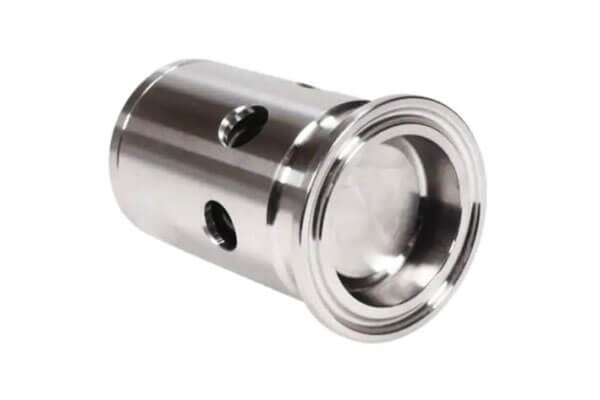
Le operazioni di lavorazione tipiche includono:
Tornitura CNC → fresatura → foratura → alesatura → rettifica → lucidatura
Per componenti di precisione, tolleranze dimensionali di ±0,01 mm o più stretto può essere realizzabile in condizioni di lavorazione CNC controllate,
ma la tolleranza ottenibile dipende dalla geometria del componente, capacità della macchina, tenuta del lavoro, condizione materiale, e stabilità termica piuttosto che sul solo grado di acciaio inossidabile.
Durante la lavorazione, un eccessivo calore di taglio può causare una deriva dimensionale. Ciò è particolarmente importante per componenti a parete sottile e pezzi di precisione con tolleranze di posizionamento ristrette.
9. Finiture superficiali per acciaio inossidabile ferritico
La finitura superficiale gioca un ruolo importante nella resistenza alla corrosione, aspetto, Pulibilità, comportamento all'usura, e prestazioni dimensionali dei componenti in acciaio inossidabile ferritico.
| Finitura superficiale | Caratteristiche tipiche | Applicazioni tipiche |
| 2B | Laminato a freddo, Trattato termico, sottaceto, e la pelle passò leggermente; liscio e relativamente riflettente | Elettrodomestici, componenti industriali generali, pannelli architettonici |
| Ba | Superficie ricotta brillante con elevata riflettività e aspetto liscio | Rivestimento automobilistico, elettrodomestici, componenti decorativi |
| NO. 3 | Finitura grossolana lucidata meccanicamente | Componenti architettonici e industriali |
| NO. 4 | Finitura spazzolata direzionale fine, comunemente prodotto con nastri abrasivi | Elettrodomestici, pannelli architettonici, Attrezzatura da cucina |
Attaccatura dei capelli |
Bene, fibra direzionale continua | Componenti architettonici decorativi e interni |
| Lucidato a specchio | Superficie altamente riflettente ottenuta mediante lucidatura progressiva | Componenti decorativi e applicazioni architettoniche premium |
| Elettropolizzato | Rimozione elettrochimica del materiale superficiale; superficie liscia e pulita | Igienico, precisione, e applicazioni sensibili alla corrosione |
| Decapato e passivato | Rimuove la scala, tinta di calore, e contaminazione della superficie e ripristina una superficie passiva pulita | Componenti saldati e sensibili alla corrosione |
10. Applicazioni dell'acciaio inossidabile ferritico
L'acciaio inossidabile ferritico è ampiamente utilizzato quando una combinazione di resistenza alla corrosione, Resistenza all'ossidazione, comportamento magnetico, stabilità termica, moderata resistenza meccanica, ed è necessaria l’efficienza in termini di costi.
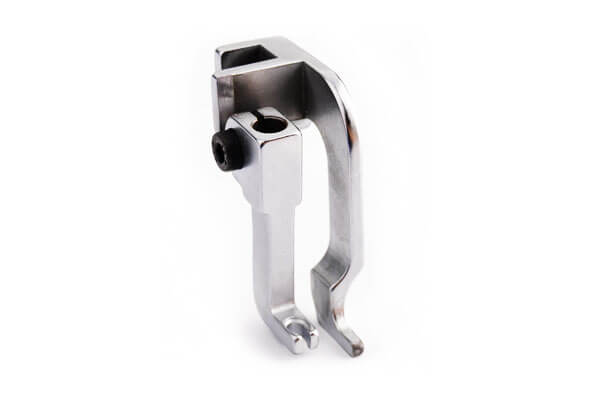
Sistemi di scarico automobilistici
Automobilistico i sistemi di scarico sono tra le applicazioni più importanti per l'acciaio inossidabile ferritico.
Gradi come 409, 439, E 441 sono comunemente selezionati per i collettori di scarico, tubi, componenti del convertitore catalitico, marmitte, e relative parti resistenti al calore.
Il materiale deve resistere:
- Cicli termici ripetuti
- Temperature elevate dei gas di scarico
- Ossidazione
- Corrosione da condensa
- Vibrazioni e fatica meccanica
Il coefficiente di dilatazione termica relativamente basso e la buona resistenza all'ossidazione ad alta temperatura rendono i gradi ferritici particolarmente adatti a questo ambiente.
Elettrodomestici
430 acciaio inossidabile è molto utilizzato negli elettrodomestici perché unisce resistenza alla corrosione, Aspetto attraente, comportamento magnetico, Formabilità, e un costo relativamente basso.
I prodotti tipici includono:
- Pannelli del frigorifero
- Componenti della lavastoviglie
- Componenti forni e cucine
- Attrezzatura da cucina
- Finitura dell'apparecchio
- Componenti per lavatrici
La sua natura magnetica può essere vantaggiosa anche laddove è richiesto un attacco magnetico.
Scambiatori di calore e apparecchiature per il riscaldamento dell'acqua
Gradi ferritici stabilizzati come 439 E 444 può fornire un'interessante combinazione di resistenza alla corrosione e prestazioni termiche.
Sono usati dentro:
- Componenti dello scambiatore di calore
- Scaldabagni
- Sistemi di acqua calda
- Apparecchiature per l'acqua di raffreddamento
- Condensatori
- Attrezzature per il trattamento termico
La conduttività termica relativamente elevata e la bassa dilatazione termica dell'acciaio inossidabile ferritico possono contribuire a migliorare la stabilità termica.
Componenti architettonici e decorativi
L'acciaio inossidabile ferritico viene utilizzato anche per applicazioni architettoniche dove sono richiesti una moderata resistenza alla corrosione e un aspetto superficiale.
Le applicazioni tipiche includono:
- Pannelli per pareti interne
- Pannelli per ascensori
- Rivestimento decorativo
- Rivestimento architettonico
- Componenti per mobili
- Attrezzature per interni da cucina e commerciali
Gradi come 430 può fornire un buon equilibrio tra l'aspetto della superficie, Formabilità, Resistenza alla corrosione, e costo.
Attrezzature industriali e chimiche
I gradi ferritici ad alto contenuto di cromo e molibdeno possono essere utilizzati in ambienti industriali selezionati dove è richiesta una migliore resistenza alla corrosione e all'ossidazione.
Per esempio, 444 può essere preso in considerazione per alcuni ambienti contenenti acqua calda e cloruro, mentre i gradi ad alto contenuto di cromo come 446 sono adatti per componenti resistenti all'ossidazione a temperature elevate.
Tuttavia, l'acciaio inossidabile ferritico non dovrebbe essere selezionato automaticamente per ambienti chimici o marini altamente aggressivi.
Il mezzo esatto, temperatura, concentrazione di cloruro, e il meccanismo di corrosione deve essere valutato prima della selezione del materiale.
11. Analisi comparativa: Ferritico vs. Austenitico vs. Acciaio inossidabile martensitico
Ferritico, austenitico, e gli acciai inossidabili martensitici rappresentano tre principali famiglie metallurgiche dell'acciaio inossidabile.
Le loro differenze provengono principalmente da struttura cristallina, chimica delle leghe, stabilità di fase, e la risposta al trattamento termico, che a loro volta determinano le proprietà meccaniche, Resistenza alla corrosione, saldabilità, comportamento magnetico, e applicazioni tipiche.
| Proprietà | Acciaio inossidabile ferritico | Acciaio inossidabile austenitico | Acciaio inossidabile martensitico |
| Gradi tipici | 409, 430, 439, 441, 444 | 304, 304L, 316, 316L, 321, 310 | 410, 420, 440UN, 440B, 440C |
| Tipica struttura cristallina alla temperatura di servizio | Ferrite BCC | FCC Austenite | Struttura martensitica BCT/BCC dopo l'indurimento |
| Contenuto tipico di Cr | Circa 10.5–30% | Circa 16–26% | Circa 11.5–18% |
| Contenuto tipico di Ni | Generalmente molto basso o assente | Comunemente 8–20%+ | Generalmente Basso, sebbene alcuni gradi contengano Ni |
| Contenuto di carbonio | Generalmente basso, soprattutto nelle qualità moderne | Da molto basso a moderato; disponibili molti gradi a basso tenore di carbonio | Generalmente superiori ai gradi ferritici e austenitici |
| Comportamento magnetico | Magnetico | Generalmente non magnetico allo stato ricotto; il lavoro a freddo può indurre un certo magnetismo | Magnetico |
| Trattamento termico per indurimento | Generalmente non induribile mediante tempra convenzionale | Generalmente non induribile mediante tempra convenzionale | Può essere indurito mediante tempra e rinvenimento |
Livello di forza |
Moderare; può essere aumentato mediante lavorazione a freddo | Moderato in condizioni ricotte; eccellente capacità di incrudimento | Da elevato a molto elevato dopo il trattamento termico |
| Durezza | Generalmente moderato | Generalmente moderato | Da moderato a molto alto, A seconda del trattamento e del trattamento termico |
| Duttilità | Moderare | Eccellente | Generalmente più basso, soprattutto in condizioni indurite |
| Tenacità | Moderare; la tenacità a bassa temperatura può essere limitata | Eccellente, anche a basse temperature | Moderare; fortemente dipendente dal contenuto di carbonio e dal trattamento termico |
| Resistenza alla corrosione | Da buono a molto buono, a seconda del contenuto di Cr/Mo | Generalmente eccellente, soprattutto per le qualità 316/316L e leghe superiori | Da moderato a buono; tipicamente inferiori ai gradi austenitici |
| Resistenza alla vaiolatura/corrosione interstiziale | Buono nelle qualità ad alto contenuto di Cr/Mo come 444 | Da molto buono a eccellente nei gradi contenenti Mo come 316L | Generalmente moderato |
Conducibilità termica |
Relativamente alto per l'acciaio inossidabile; in genere intorno 20–30 W/m·K | Inferiore; in genere intorno 14–16 W/m·K per comune 304/316 voti | Generalmente in giro 20–30 W/m·K, a seconda del grado |
| Coefficiente di espansione termica | Relativamente basso; in genere intorno 10–11 × 10⁻⁶/K | Relativamente alto; in genere intorno 16–17 × 10⁻⁶/k per 304/316 | Generalmente in giro 10–11 × 10⁻⁶/K |
| Saldabilità | Da moderato a buono per gradi a basso contenuto di C/stabilizzati; La crescita del grano deve essere controllata | Generalmente eccellente, in particolare per 304L/316L | Generalmente limitato rispetto ai gradi austenitici; potrebbe essere necessario un preriscaldamento e un trattamento post-saldatura |
| Formabilità | Moderare; adatto per la piegatura e molte operazioni di formatura | Eccellente, in particolare per l'imbutitura profonda e la formatura complessa | Da moderato a scarso in condizioni indurite |
| Machinabilità | Moderare; dipende fortemente dal grado e dal comportamento di incrudimento del lavoro | Moderare; l'incrudimento può aumentare la difficoltà di lavorazione | Generalmente buono nelle qualità a lavorazione meccanica o ricotte, ma le qualità temprate sono difficili da lavorare |
Il lavoro indurimento |
Relativamente limitato | Forte incrudimento del lavoro, soprattutto nei gradi metastabili | Limitato rispetto ai gradi austenitici |
| Prestazioni a bassa temperatura | Limitato dalla possibile transizione da duttile a fragile | Eccellente tenacità alle basse temperature | Generalmente limitato rispetto ai gradi austenitici |
| Resistenza all'ossidazione ad alta temperatura | Bene, in particolare nei gradi ad alto contenuto di Cr | Da buono a eccellente a seconda del contenuto di Cr/Ni | Da moderato a buono |
| Percorsi di produzione tipici | Rotolando, timbratura, flessione, saldatura, fabbricazione | Rotolando, disegno profondo, timbratura, produzione di tubi, saldatura | Laminazione/forgiatura seguita da trattamento termico, lavorazione, macinazione |
| Applicazioni tipiche | Scarichi automobilistici, elettrodomestici, pannelli architettonici, scambiatori di calore, scaldabagni | Elaborazione chimica, attrezzatura alimentare, Attrezzatura farmaceutica, tubatura, vasi a pressione, strutture architettoniche | Coltelli, Strumenti chirurgici, valvole, pompe, alberi, componenti della turbina, parti resistenti all'usura |
Vantaggio principale |
Buona resistenza alla corrosione con basso costo della lega, risposta magnetica, bassa dilatazione termica | Eccellente resistenza alla corrosione, duttilità, tenacità, e saldabilità | Alta durezza, forza, e resistenza all'usura dopo il trattamento termico |
| Limitazione principale | Tenacità e formabilità alle basse temperature inferiori rispetto ai gradi austenitici | Costo della lega più elevato, maggiore dilatazione termica, e generalmente comportamento non magnetico | Resistenza alla corrosione inferiore, saldabilità, e tenacità rispetto alla maggior parte dei gradi austenitici |
| Meglio adatto per | Componenti resistenti alla corrosione sensibili ai costi e applicazioni termicamente stabili | Corrosivo, saldato, altamente formato, o applicazioni a bassa temperatura | Componenti ad alta resistenza e resistenti all'usura che richiedono un trattamento termico |
12. Conclusione
L'acciaio inossidabile ferritico è un'importante famiglia di acciai inossidabili che unisce Resistenza alla corrosione, Proprietà magnetiche, dilatazione termica relativamente bassa, Buona conduttività termica, ed efficienza dei costi.
La sua struttura BCC prevalentemente ferritica gli conferisce un profilo di proprietà distintivo rispetto agli acciai inossidabili austenitici e martensitici.
Takeaway chiave
- Acciaio inossidabile ferritico è caratterizzato da a cubico centrato sul corpo (BCC) struttura, comportamento magnetico, E basso contenuto di nichel.
- Resistenza alla corrosione è fornito dal cromo (10.5–30%); molibdeno e stabilizzanti (Di, Nb) migliorare le prestazioni.
- Voti spaziano dai gradi standard (409, 430) alle qualità ad alto contenuto di cromo (446) e gradi stabilizzati (439, 441, 444).
- Proprietà chiave: Buona resistenza alla corrosione, magnetico, alta conduttività termica, bassa dilatazione termica, e buona formabilità.
- Limitazioni: Duttilità inferiore, Dbtt, saldabilità limitata, e rischio di sensibilizzazione.
- Applicazioni: Scarico automobilistico, elettrodomestici, architettonico, scambiatori di calore, trasformazione alimentare, e lavorazione chimica.
- Vantaggi: Economico, Resistente all'SCC, magnetico, e riciclabile.
- Svantaggi: Tenacità limitata alle basse temperature, problemi di saldabilità, e minore resistenza alla corrosione rispetto ai gradi austenitici.
Per applicazioni ingegneristiche, l'approccio corretto è valutare l'ambiente di servizio completo, incluso temperatura, esposizione alla corrosione, carico meccanico, requisiti di formazione, condizioni di saldatura, Requisiti dimensionali, e la durata di servizio prevista.
Quando questi fattori vengono adeguatamente considerati, l'acciaio inossidabile ferritico può fornire una combinazione di prestazioni altamente efficace, durabilità, ed economia manifatturiera.
LangHe: il tuo partner di fiducia per parti di precisione in acciaio inossidabile
Industria di Langhe è un produttore altamente specializzato di componenti di precisione in acciaio inossidabile, fornendo parti personalizzate di alta qualità a settori che vanno dalle attrezzature industriali, all'automotive e all'aerospaziale, dispositivi medici, e sistemi di gestione dei fluidi.
Con decenni di esperienza pratica nella fusione di investimenti, lavorazione CNC di precisione, e finitura superficiale completa,
LangHe fornisce una soluzione di produzione integrata progettata per ridurre la complessità della catena di fornitura e garantire una qualità del prodotto costante.
LangHe non è semplicemente un fornitore di pezzi fusi; siamo un partner di ingegneria a servizio completo.
Dall'analisi DFM e dalla prototipazione rapida alla produzione, Trattamento termico, e garanzia di qualità, gestiamo l’intero ciclo di vita produttivo.
Il nostro iso 9001:2015 struttura certificata, capacità di attrezzaggio interne, e rigorosi protocolli di ispezione, inclusa la CMM, Ndt, e test di pressione: garantiscono che ogni componente soddisfi o superi gli standard internazionali.
Contattaci oggi per discutere del tuo prossimo progetto e scoprire come LangHe può dare vita ai tuoi progetti con precisione, qualità, ed efficienza.
FAQ
L'acciaio inossidabile ferritico è magnetico?
SÌ. Gli acciai inossidabili ferritici sono generalmente ferromagnetico a temperatura ambiente a causa della loro struttura ferritica BCC.
Questa caratteristica li rende adatti per applicazioni in cui è richiesta una risposta magnetica.
È resistente alla corrosione dell'acciaio inossidabile ferritico?
SÌ, ma il livello di resistenza alla corrosione varia notevolmente tra i gradi.
Grado 430 fornisce una buona resistenza in molti ambienti atmosferici e leggermente corrosivi,
mentre i gradi più legati contengono molibdeno, ad esempio 444, forniscono una resistenza significativamente migliore alla vaiolatura e agli ambienti contenenti cloruri.
L'acciaio inossidabile ferritico è migliore dell'acciaio austenitico?
Non necessariamente; dipende dall'applicazione.
I gradi ferritici sono migliori per le applicazioni che richiedono proprietà magnetiche, Buona conduttività termica, e resistenza allo stress da corrosione cracking (SCC). Sono anche più convenienti.
I gradi austenitici offrono una resistenza alla corrosione superiore, migliore formabilità, e maggiore tenacità alle basse temperature.
Qual è la differenza tra acciaio inossidabile ferritico e martensitico?
L'acciaio inossidabile ferritico non è induribile mediante trattamento termico e ha una struttura BCC.
L'acciaio inossidabile martensitico può essere indurito mediante trattamento termico (spegnimento e tempera) e ha un corpo tetragonale centrato (Bct) struttura. I gradi martensitici hanno un contenuto di carbonio più elevato e una durezza più elevata.
Qual è il DBTT dell'acciaio inossidabile ferritico?
Gli acciai inossidabili ferritici presentano una temperatura di transizione da duttile a fragile (Dbtt) nell'intervallo da -50°C a +20°C.
Al di sotto di questa temperatura, diventano fragili e suscettibili a frattura sotto carico d'urto. Ciò limita il loro utilizzo in applicazioni a bassa temperatura.
Come si differenzia l'acciaio inossidabile ferritico dall'acciaio al carbonio??
L'acciaio inossidabile ferritico offre una resistenza alla corrosione significativamente migliore rispetto all'acciaio al carbonio grazie al suo contenuto di cromo. È anche più costoso.
Tuttavia, condivide alcune caratteristiche con l'acciaio al carbonio, come essere magnetico e avere una struttura BCC.
È possibile temprare l'acciaio inossidabile ferritico?
NO, l'acciaio inossidabile ferritico non può essere indurito mediante trattamento termico. Può essere rafforzato solo mediante lavorazione a freddo (Il lavoro indurimento).
Questo lo distingue dai gradi martensitici, che può essere indurito mediante tempra e rinvenimento.