Uvod
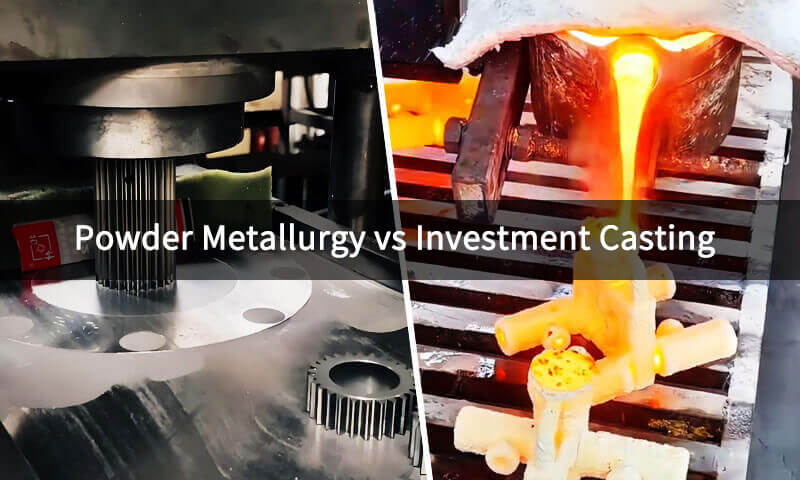
Među bezbrojnim metodama proizvodnje, ističu se dvije izrazito različite — ali često konkurentne — tehnologije: investicijsko lijevanje i metalurgija praha (Pom).
Investicijski lijev, proces star tisućljeća rafiniran kroz modernu znanost o materijalima, nudi neusporedivu geometrijsku slobodu i svestranost legura.
Puder metalurgija, inovacija 20. stoljeća, pruža iznimnu učinkovitost materijala, visoke stope proizvodnje, i kontroliranu poroznost za specijalizirane primjene.
Na prvi pogled, oba postupka proizvode metalne dijelove gotovo neto oblika uz minimalnu strojnu obradu.
Ali njihova temeljna načela - skrućivanje iz rastaljenog metala naspram sinteriranja čvrstih prahova pod pritiskom - dovode do radikalno različitih pravila dizajna, materijalne mogućnosti, mehanička svojstva, i ekonomskih razmjera.
Odabir između ove dvije tehnologije zahtijeva sveobuhvatno razumijevanje ne samo troškova proizvodnje već i mehaničkih zahtjeva, složenost geometrije, proizvodni volumen, odabir materijala, i dugoročne performanse usluge.
1. Razumijevanje investicijskog lijevanja
Investicijski lijev, također poznat kao izgubljeni voštani lijev, je precizni postupak oblikovanja metala u kojem se voštani uzorak oblaže vatrostalnom keramičkom ljuskom, vosak se rastopi, a nastala šupljina se ispuni rastaljenim metalom.
Nakon učvršćivanja, uklanja se keramička ljuska, otkrivajući metalnu komponentu gotovo neto oblika s iznimnom završnom obradom površine i točnosti dimenzija.
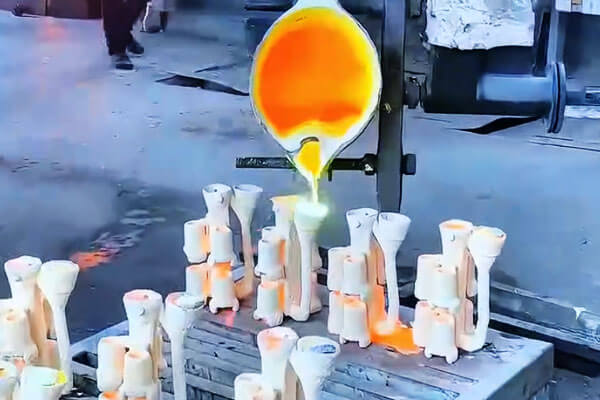
Proces datira od prije 5,000 godine do starih civilizacija u Egiptu, Kina, i Mezopotamije, gdje se koristio za brončane kipove i nakit.
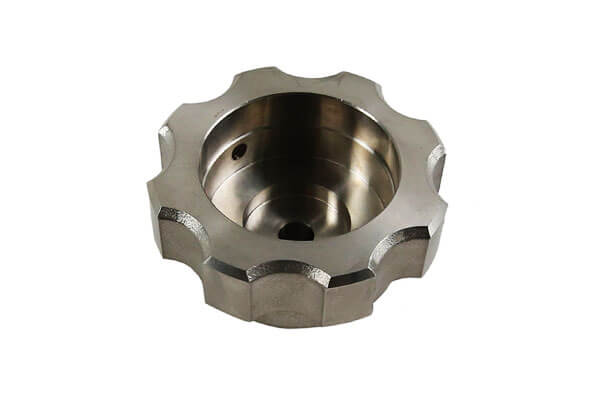
Danas, to je visokotehnološka metoda proizvodnje lopatica turbina u zrakoplovstvu, medicinski implantati, komponente vatrenog oružja, i industrijske ventile.
Osnove procesa
| Pozornica | Korak | Ključni detalj |
| 1 | Izrada uzorka | Vosak (ili termoplasta) ubrizgava se u preciznu metalnu matricu (alat). |
| 2 | Sastavljanje stabla | Višestruki uzorci pričvršćeni na središnji kanal (vosak). |
| 3 | Građevina | 6-10 slojeva keramičke kaše (Silikal) + vatrostalna štukatura (cirkon/aluminij). |
| 4 | Dewaxing | Parni autoklav topi vosak; ljuska ostaje šuplja. |
| 5 | Ispaljivanje granata | 900Pečenje na -1100°C za ojačavanje keramike i uklanjanje hlapljivih tvari. |
| 6 | Topljenje & ulijevanje | Metal taljen u indukcijskoj peći; uliven u prethodno zagrijanu školjku. |
| 7 | Nokaut & odsječenje | Školjka uklonjena vibracijom; komponente izrezane iz drveta. |
| 8 | Završnica | Mljevenje, pucanj, toplotna obrada, NDT inspekcija. |
Ključne karakteristike
| Značajka | Opis |
| Geometrija | Vrlo visoka složenost; podreza, Unutarnji odlomci, tanki zidovi (≥0,5 mm). |
| Površinski završetak | Lijevani Ra 1,6-6,3 µm; može se polirati do Ra <0.4 µm. |
| Tolerancija | ±0,1-0,3 mm po 25 mm tipično. |
| Materijali | Gotovo svaka legura koja se može lijevati: ugljični čelik, nehrđajući, Superoleji, titanijum, aluminij, bronca. |
| Veličina dijela | Grama do ~150 kg (čelik). |
| Volumen | Ekonomičan od 100 do 10,000+ Dijelovi/godina. |
| otpad | Minimalan (gotovo neto oblik). |
2. Razumijevanje metalurgije praha
Puder metalurgija je proizvodni proces u kojem se fini metalni prah sabija (pritisnut) u krutu matricu i zatim zagrijava (sinteran) ispod točke tališta za povezivanje čestica u čvrstu komponentu.
Za razliku od lijevanja po investiciji—koje uključuje promjenu faze iz tekućeg u kruto—PM je proces u čvrstom stanju koji zadržava kemijske i mikrostrukturne značajke praha.
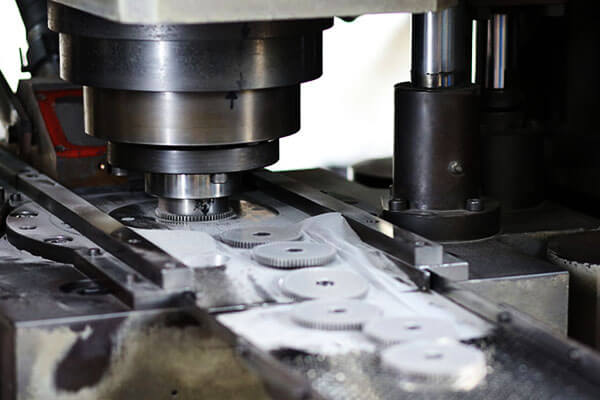
Moderna PM industrija pojavila se 1920-ih s proizvodnjom samopodmazujućih ležajeva i niti volframove žarulje.
Danas, to je zrelo, tehnologija proizvodnje velikih količina, s automobilskom industrijom koja troši preko 70% svih željeznih PM dijelova na globalnoj razini.
Osnove procesa
| Pozornica | Korak | Ključni detalj |
| 1 | Proizvodnja praha | Raspršivanje vodom ili plinom, elektroliza, smanjenje; kontrolirana veličina/oblik čestica. |
| 2 | Miješanje | Puderi pomiješani s lubrikantima (0.5-1,5%) i dodaci legura (Npr., grafit). |
| 3 | Zbijanje (tiskan) | Jednoosno prešanje u krutom kalupu; tlak 200-800 MPa; zelena gustoća 70-85%. |
| 4 | Sintering | Grijanje u kontroliranoj atmosferi (endotermni plin, N₂‑H₂) do 70-90% tališta (tipično 1120-1150°C za željezo). |
| 5 | Izborne sekundarne operacije | Dimenzioniranje, kopriva, toplotna obrada, infiltracija, obrada, impregnacija smolom. |
Ključne karakteristike
| Značajka | Opis |
| Geometrija | Umjerena složenost (2D oblici); ograničeni podrezi; ograničeni kutovi gaza. |
| Površinski završetak | Sinterirani Ra 3-12 µm; može se poboljšati dimenzioniranjem/kovanjem. |
| Tolerancija | ±0,05-0,1 mm po 25 mm (nakon dimenzioniranja). |
| Materijali | Prvenstveno željezni (željezo, čelik, nehrđajući), na bazi bakra, volfram, i specijalne legure. Titan i aluminij su mogući, ali rjeđi. |
| Veličina dijela | Tipično <10 kg, <300 promjer mm. |
| Volumen | Ekonomičan od 5,000 na milijune dijelova godišnje. |
| otpad | >95% iskoristivost materijala. |
3. Načela proizvodnje: Kako se procesi razlikuju
| Aspekt | Investicijski lijev | Puder metalurgija |
| Polazni materijal | Rastaljeni metal (tekuća faza). | Metalni prah (čvrsta faza). |
| Promjena faze | Tekućina → Čvrsta (očvršćivanje). | Čvrsto → Čvrsto (difuzijsko lijepljenje). |
| Izvor energije | Toplina za topljenje + ulijevanje. | Pritisak + grijati (sintering). |
| Zahtjev za kalup | Keramička školjka za jednokratnu upotrebu (po dijelu). | Metalna matrica za višekratnu upotrebu (tisuće ciklusa). |
| Vrijeme ciklusa | Sate (građevina) na dane. | sekundi (tiskan) + sati (šarža sinteriranja). |
| Trošak alata | Umjeren (voštani kalupi 5-20 tisuća dolara). | Visok (tisak umire 10-50 tisuća dolara). |
| Intenzitet rada | Visok (izgradnja školjke je ručna). | Nizak (automatizirano prešanje). |
| Dimenzionalna kontrola | Preko skupljanja ljuske + voštani uzorak. | Preko matrice preciznosti + sinterovanje skupljanje. |
Temeljna razlika: Investicijski lijev je a precizni lijev mrežastog oblika proces; PM je a konsolidacija praha proces.
Prvi nudi gotovo beskonačnu geometrijsku slobodu; potonji nudi gotovo beskonačnu materijalnu učinkovitost.
4. Kompatibilnost materijala i fleksibilnost legure
| Materijalna obitelj | Investicijski lijev | Puder metalurgija |
| Ugljični čelik | Da (širok raspon) | Da (najčešći PM materijal) |
| Niskolegirani čelik | Da | Da (Fe-Cu-C, Fe-Ni-Mo-Cu) |
| Nehrđajući čelik | Izvrstan (CF‑8, CF‑8M, 17--4ph) | Da (304L, 316L, 410L, 17--4ph) |
| Nikal superolejke | Izvrstan (Udruživanje 718, 625, Rene) | Ograničen (visoka cijena; specijalizirana) |
| Legure kobalta | Izvrstan (Co‑Cr‑Mo) | Ograničen |
| Titanij | Izvrstan (Razred 5, CP) | Moguć (visoka cijena, reaktivan) |
| Aluminij | Da (A356, 380) | Ograničen (problemi s oksidima; rijedak) |
| Bakar / bronca | Da (C90500, C93200) | Izvrstan (Pokrajina, mesing, bronca) |
| Volfram / teške legure | Težak (Visoka tališta) | Izvrstan (W-Ni-Fe, W‑Ni‑Cu) |
| Keramičko-metalni kompoziti | Nije moguće | Da (kermete, WC‑Co) |
Ključni uvid: Ponude investicijskog lijevanja znatno veću fleksibilnost legure, posebno za visoko talište, reaktivan, ili legura koje se teško prešaju (titanijum, Superoleji, kobalt-krom).
Metalurgija praha ističe se u željeznim, na bazi bakra, i materijali na bazi volframa, kao i kompoziti koji se ne mogu lijevati zbog nepomiješljivosti ili segregacije.
5. Dimenzijska točnost i završna obrada površine
| Kriterij | Investicijski lijev | Puder metalurgija |
| Tipična tolerancija (mm/25 mm) | ±0,1-0,3 | ±0,05-0,1 (sinterirano) ±0,025-0,05 (veličine/kovanog) |
| Površinski završetak (Ram, µm) | 1.6-6.3 (kao-lijevano) | 3-12 (sinterirano) 0.8-3 (veličine/kovanog) |
| Stabilnost tolerancije | Dobro (skupljanje ljuske dosljedno) | Izvrstan (die preciznost; varijable sinteriranja) |
| Potreban kut gaza | Ne (voštane uzorke ukloniti bez nacrta) | Da (za uklanjanje dijela iz kalupa) |
| Niti / Unutarnje značajke | Emitirajte izravno | Mora se strojno obraditi (ne može pritisnuti niti) |
Što je bolje? Za složene geometrije s finim detaljima i visokom završnom obradom površine, livenje za ulaganje je superiorno.
Za jednostavne geometrije koje zahtijevaju izuzetno niske tolerancije (osobito nakon sekundarnih operacija), PM ima prednost.
6. Složenost geometrije i sloboda dizajna
| Značajka dizajna | Investicijski lijev | Puder metalurgija |
| Podreza | Da (može se sastaviti voštani uzorak) | Ne (izvlačenje matrice zahtijeva ravno povlačenje) |
| Unutarnji prolazi | Da (keramičke jezgre) | Ne (ne može pritisnuti šuplje značajke) |
| Tanki zidovi | 0.5–1,5 mm dostižno | 1.5-2,5 mm najmanje |
| Fine karakteristike (slovima, logotip) | Izvrsna reprodukcija | Ograničen (mora biti kovan ili strojno obrađen) |
| Varijabilna debljina presjeka | Da (može glatko sužavati) | Ograničen (potrebna jednolika gustoća) |
| Asimetrična / organski oblici | Izvrstan | Siromašan (prešanje preferira jednolike zidove) |
| 3D složenost | Visok | Umjeren (u biti 2.5D) |
Masovno lijevanje presudno pobjeđuje u geometrijskoj složenosti.
Sposobnost stvaranja potkopa, zakrivljeni unutarnji kanali, organske konture, i finih površinskih detalja je bez premca u metalurgiji praha, što je ograničeno matricom za prešanje i zahtjevom za jednoosnim zbijanjem.
7. Mehanička svojstva i strukturna izvedba
| Mehanička svojstva | Investicijski lijev | Puder metalurgija |
| Tipična gustoća | 99– 100% teorijskog | 85-98% (ovisno o prešanju i sinterovanju) |
| Zatečna čvrstoća | Dobro (kovanog poput zvučnih odljeva) | Umjereno-dobro (ovisi o gustoći) |
| Snaga popuštanja | Usporedivo s kovanom | 10–30% niže od kovanog (učinak poroznosti) |
| Produženje | 10-35% (austenitski) | 2-15% (ovisno o gustoći) |
| Tvrdoća | 80-600 HB (ovisno o leguri) | 60-400 HB (Ovisno o materijalu) |
| Snaga umora | Umjeren (osjetljiv na zareze) | Donji (poroznost djeluje kao podizač naprezanja) |
| Žilavost utjecaja | Dobro (Ovisno o leguri) | Donji (poroznost embrittles) |
| Jednoličnost | Lijevana struktura (dendritičan) | Sinterirana struktura (porozni, izotropan) |
| Odgovor otvrdnjavanja pri radu | Ograničen (kao-lijevano) | Sinterirana struktura može se toplinski obraditi |
Ključna usporedba: Investicijski lijevani dijelovi su potpuno gusta i, kada se pravilno lijeva, pristup kovanim svojstvima (90–95% krivotvorenih vrijednosti).
Dijelovi metalurgije praha, čak i u stupnjevima visoke gustoće (≥95% teoretski), imaju zaostalu poroznost koja smanjuje rastezljivost, žilavost, i učinak zamora.
Za sigurnosne kritične, visoko opterećenje, ili aplikacije sklone udarcima, poželjno je livenje u obliku investicije.
8. Gustoća, Poroznost, i unutarnja kvaliteta
| Aspekt | Investicijski lijev | Puder metalurgija |
| Tipična gustoća | 99-100% (potpuno gusta) | 85-98% (rezidualna poroznost) |
| Vrsta poroznosti | Skupljanje ili plin (slučajan, izbjeći) | Međusobno povezani i zatvoreni (inherentan) |
| Kontrola poroznosti | Projektiranje uspona/uspona; Bok smanjuje poroznost | Tlak zbijanja; atmosfera sinteriranja |
| Nepropusnost na pritisak | Izvrstan (mogući su nepropusni odljevci) | Siromašan (porozni, zahtijeva brtvljenje) |
| Distribucija gustoće | Uniforma u cijelosti | Gusta blizu punch lica; niže blizu središta (gradijent zbijanja) |
| HIP primjenjivost | Uobičajen (zatvara poroznost) | Rijedak (pore već zatvorene; HIP povećava troškove) |
| Unutarnja čistoća | Dobro (moguća uključivanja) | Izvrstan (puderi su čisti) |
Ključni uvid: Investicijskim lijevanjem proizvode se potpuno gusti dijelovi koji su nepropusni pod pritiskom i mogu se toplinski obraditi bez stvaranja mjehurića.
PM dijelovi, osim ako nije posebno obrađeno (Npr., toplo zbijanje, dvostruko pritiskanje, Bok), imaju zaostalu poroznost koja ograničava nepropusnost na pritisak i određene reakcije toplinske obrade.
9. Opseg proizvodnje i ekonomika proizvodnje
| Ekonomski faktor | Investicijski lijev | Puder metalurgija |
| Trošak alata | Umjeren ($5-20k voštana matrica) | Visok ($10-50k kalup za tisak) |
| Životni vijek alata | 50,000-200.000 ciklusa voska | 500,000– 1.000.000 ciklusa pritiska |
| Trošak sirovina | Viši (vosak, keramički, metal) | Donji (puder, lubrikant) |
| Iskorištenje materijala | 85-95% | >95% (gotovo nulti otpad) |
| Vrijeme ciklusa | Minute do sati (priručnik) | <1 drugi (tiskan) |
| Intenzitet rada | Visok (građevina) | Nizak (autoriziran) |
| Volumen rentabilnosti | ~100-1000 dijelova godišnje | ~5,000-10,000 dijelova godišnje |
| Vrijeme olova (opremljen alatom) | 8-16 tjedana | 6-10 tjedana |
| Trošak po dijelu (nizak volumen, <500) | Umjereno-visoka | Vrlo visok (alat amortiziran) |
| Trošak po dijelu (srednji volumen, 5k‑50 tisuća) | Nizak | Vrlo nizak |
| Trošak po dijelu (velika glasnoća, >100k) | Nizak (ali PM je niži) | Najniži |
Pravilo odlučivanja o troškovima:
- <1,000 Dijelovi/godina → Investicijski lijevi (alat amortiziran).
- 1,000-5000 dijelova godišnje → Moguće oboje; usporediti po složenosti.
- >10,000 Dijelovi/godina → Metalurgija praha (dramatične uštede troškova).
- >100,000 Dijelovi/godina → PM je očiti pobjednik.
10. Industrijske prijave: Lijevanje po investiciji nasuprot metalurgiji praha
| Industrija | Investicijski lijev | Puder metalurgija |
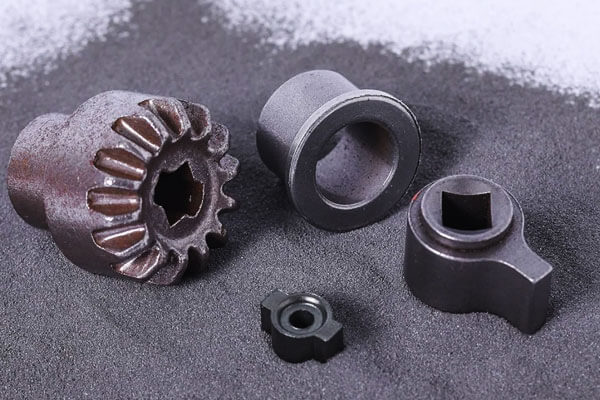
| Automobilizam | Kotači turbopunjača, ispušni razvodnici (nehrđajući) | Zupčanici, nosač, čvorišta za sinkronizaciju, spojne šipke (PM na bazi Fe) |
| Aerospace | Turbinske lopatice, mlaznice za gorivo, strukturna kućišta (Superoleji, titanijum) | Lakše aplikacije: podvodni podloške, čahure, filtri |
| Medicinski | Ortopedski implantati (stabljike kuka, ladice za koljena), kirurški instrumenti | Ortopedski vijci (Mimur, PM derivat), kosti |
| Ulje & plin | Tijela ventila, pumpa za pumpanje, Podmornice (nehrđajući/dupleks) | Elementi filtera, utezi za balansiranje od teške legure volframa |
Vatreno oružje |
Prijemnici, okidači, komponente supresora (17--4ph) | Okidački mehanizmi, sljedbenici časopisa, povratne opruge |
| Industrijski stroj | Kućiva pumpe, tijela ventila, mjenjači (nehrđajući/lijevano željezo) | Zupčanici, crijeva, valjka, ležajevi, nositi tanjure |
| Električni | Komponente sklopnih uređaja, topline sudone | Električni kontakti, magnetske jezgre, držači četkica |
| Roba široke potrošnje | Paziti na slučajeve, okovi okovi, ukrasni predmeti | Komponente brave, dijelovi patentnog zatvarača, male zagrade |
11. Prednosti i ograničenja investicijskog lijevanja
Prednosti
- Iznimna geometrijska složenost – potkopavanja, Unutarnji odlomci, tanki zidovi, organski oblici.
- Široka fleksibilnost legure – gotovo svaki metal koji se može lijevati, uključujući superlegure i titan.
- Izvrsna površinska završna obrada – Ra 1,6-6,3 µm kao lijevano; može se polirati gotovo kao zrcalo.
- Gotovo neto oblik – minimalni materijalni otpad; omjer buy-to-fly <1.5:1.
- Nije potreban nacrt – mogući okomiti zidovi.
- Tlačno nepropusni odljevci – mogu se zavarivati i toplinski obrađivati.
- Dokazano nasljeđe – tisućama godina; opsežne podatke i standarde.
Ograničenja
- Visoki intenzitet rada – gradnja školjke je ručna, ovisno o vještinama.
- Sporo vrijeme ciklusa – dana od uzorka do gotovog dijela.
- Ograničenje veličine – praktični maksimum ~150 kg.
- Veći trošak pri malim količinama – amortizacija alata.
- Rizik od poroznosti – skupljanje i plinska poroznost zahtijevaju robusnu kontrolu procesa.
- Ograničeno na legure koje se mogu lijevati – visoko talište, ne mogu se koristiti materijali koji se ne mogu lijevati.
12. Prednosti i ograničenja metalurgije praha
Prednosti
- Vrhunska iskoristivost materijala - >95% bez otpada; održivi.
- Visoke stope proizvodnje – ciklus prešanja <1 drugi; sinteriranje kontinuirano.
- Izvrsna konzistencija dimenzija – preciznost kontrolirana matricom.
- Niska cijena po dijelu pri velikim glasnoćama.
- Kontrolirana poroznost – za filtere, samopodmazujući ležajevi, baterijske elektrode.
- Fino, Ujednačena zrna – nema grešaka u lijevanju.
- Sposobnost miješanja legura – stvarati jedinstvene kompozicije koje nije moguće topiti.
- Dobra obradivost – mnoge PM legure sadrže elemente koji poboljšavaju strojnu obradu.
Ograničenja
- Ograničena geometrijska složenost – u biti 2.5D; nema potkopa, Unutarnji odlomci.
- Potrebni kutovi gaza – za izbacivanje dijelova iz matrica.
- Niža mehanička svojstva – zaostala poroznost smanjuje duktilnost i zamor.
- Ograničenja veličine i težine - <10 kg, <300 mm tipično.
- Poroznost ograničava nepropusnost na pritisak – brtvljenje potrebno za primjene u rukovanju tekućinama.
- Fleksibilnost legure ograničena – titan, aluminij, superlegure su teške ili skupe.
- Visoki trošak alata – setovi kalupa su skupi; visoke količine bez pokrića.
13. Lijevanje po investiciji nasuprot metalurgiji praha: Sveobuhvatna usporedna tablica
| Kriterij | Investicijski lijev | Puder metalurgija |
| Princip procesa | Stvrdnjavanje tekućeg metala u keramičkom kalupu | Zbijanje praha + sintering |
| Polazni materijal | Voštani uzorak + rastaljeni metal | Metalni prah + lubrikant |
| Geometrijska složenost | Vrlo visok (3D, podreza) | Umjeren (2.5D, nema potkopa) |
| Minimalna debljina zida | 0.5-1,5 mm | 1.5-2,5 mm |
| Površinski završetak (Ram, µm) | 1.6-6.3 (kao-lijevano) | 3-12 (sinterirano) |
| Dimenzijska tolerancija | ±0,1-0,3 mm/25 mm | ±0,05-0,1 mm/25 mm (nakon dimenzioniranja) |
| Gustoća | 99-100% | 85-98% |
| Poroznost | Nizak (skupljanje/plin) | Svojstveno (rezidualni) |
| Nepropusnost na pritisak | Izvrstan | Siromašan (zahtijeva brtvljenje) |
| Asortiman legura | Vrlo širok (čelik, nehrđajući, Superoleji, Od, Al, bronca) | Ograničen (FE, Pokrajina, W, neki nehrđajući; Ti/Al rijetko) |
| Zatečna čvrstoća | Nalik kovanom (dobro) | Umjeren (ovisno o poroznosti) |
| Duktilnost | Dobro (10-35%) | Donji (2-15%) |
| Snaga umora | Umjeren | Donji (uzdizači naprezanja iz poroznosti) |
| Trošak alata | Umjeren | Visok |
| Životni vijek alata | 50k‑200k ciklusa | 500k‑1000k ciklusa |
| Iskorištenje materijala | 85-95% | >95% |
| Vrijeme ciklusa (po dijelu) | Minute do sati | <1 drugi (tiskan) |
| Intenzitet rada | Visok | Nizak |
| Volumen rentabilnosti | ~100-1000/godišnje | ~5,000-10,000/godišnje |
| Trošak po dijelu (velika glasnoća) | Umjeren | Vrlo nizak |
| Tipična maksimalna težina dijela | 150 kg | 10 kg |
| Sekundarne operacije | Rezanje, mljevenje, toplotna obrada, NDT | Dimenzioniranje, toplotna obrada, obrada (ograničen) |
14. Zaključak
Lijevanje po investiciji i metalurgija praha nisu konkurentne tehnologije u svakoj situaciji; radije, rješavaju različite izazove proizvodnje.
Lijevanje po betonu izvrsno je kada inženjeri zahtijevaju složene geometrije, širok izbor legura, Vrhunska mehanička svojstva, visoka gustoća, i konstrukcijsku pouzdanost.
I dalje je preferirani izbor za komponente zrakoplovstva, tijela ventila, dijelovi pumpe, medicinski uređaji, i industrijska oprema visokih performansi.
Metalurgija praha ističe se u okruženjima velike proizvodnje gdje je dosljednost dimenzija, materijalna učinkovitost, automatizacija, a niski jedinični troškovi primarni su ciljevi.
Dominira aplikacijama kao što su automobilski zupčanici, ležajevi, čahure, i mehaničke komponente masovne proizvodnje.
Optimalan odabir ovisi o uravnoteženju pet kritičnih čimbenika:
- Geometrija komponenti
- Potrebna mehanička izvedba
- Materijalni zahtjevi
- Obim proizvodnje
- Ukupni trošak životnog ciklusa
Razumijevanje ovih čimbenika omogućuje proizvođačima odabir tehnički najprikladnijeg i ekonomski najkonkurentnijeg procesa.
Česta pitanja
Je li investicijsko lijevanje jače od metalurgije praha?
U većini strukturnih primjena, Da. Komponente od livenog materijala općenito postižu veću gustoću, niža poroznost, i bolju otpornost na zamor od konvencionalnih dijelova metalurgije praha.
Koji postupak osigurava bolju točnost dimenzija?
Za jednostavno, Dijelovi velikog volumena, metalurgija praha često nudi veću ponovljivost. Za složene geometrije, livenje po ulošku obično daje bolju ukupnu dimenzionalnu sposobnost.
Mogu li oba procesa proizvesti komponente od nehrđajućeg čelika?
Da. Obje tehnologije podržavaju proizvodnju nehrđajućeg čelika, iako livenje po investiciji nudi veću fleksibilnost u stupnjevima legura i složenosti komponenti.
Koji je postupak isplativiji?
Metalurgija praha općenito je isplativija za vrlo velike količine proizvodnje. Lijevanje po betonu često je ekonomičnije za male do srednje proizvodne serije i složene dijelove.
Koje se industrije najviše oslanjaju na livenje pomoću uloška?
Aerospace, nafta i plin, kemijska obrada, medicinska oprema, stvaranje energije, prerada hrane, i industrijski strojevi među najvećim su korisnicima komponenti za ulaganje.